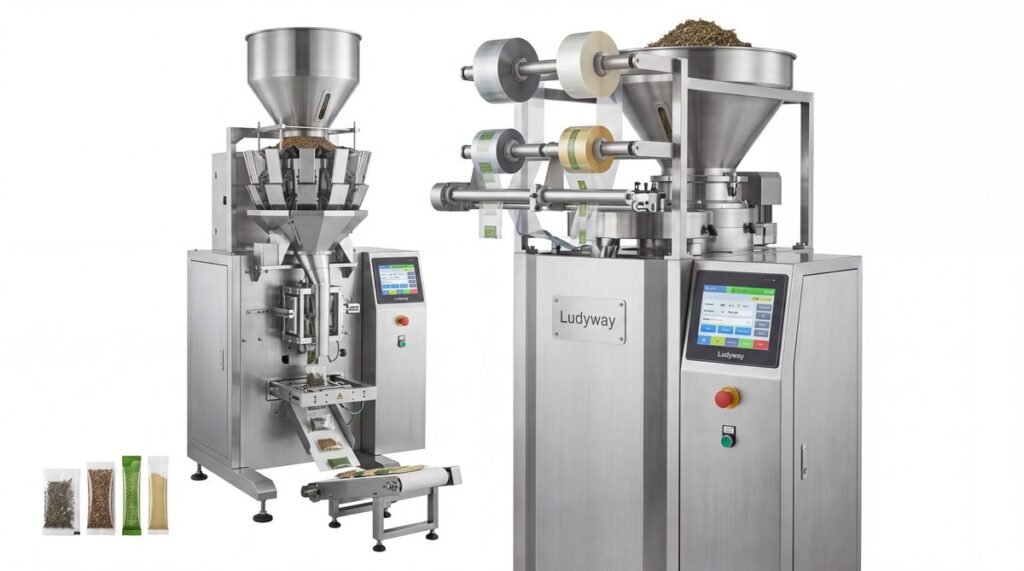
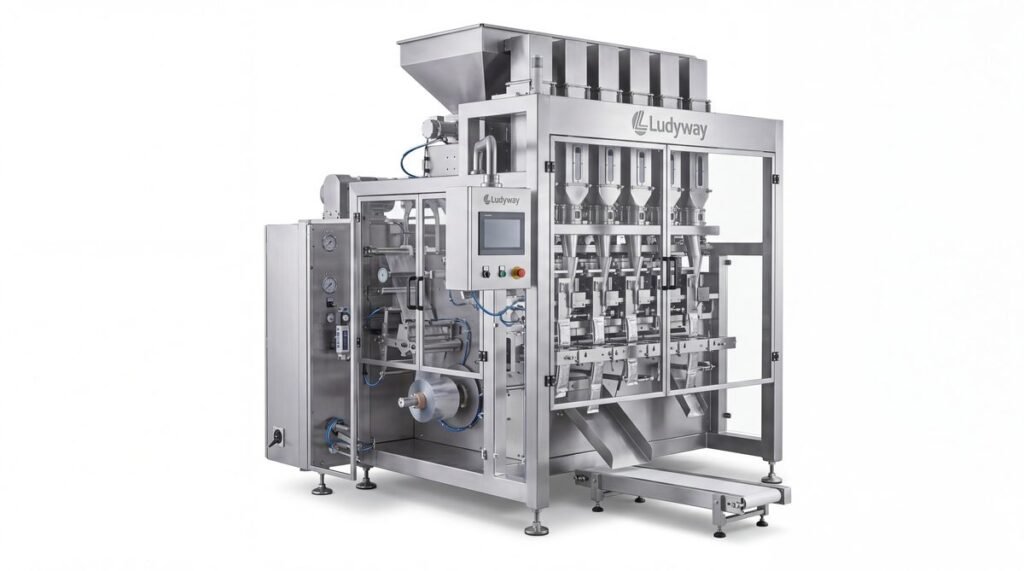
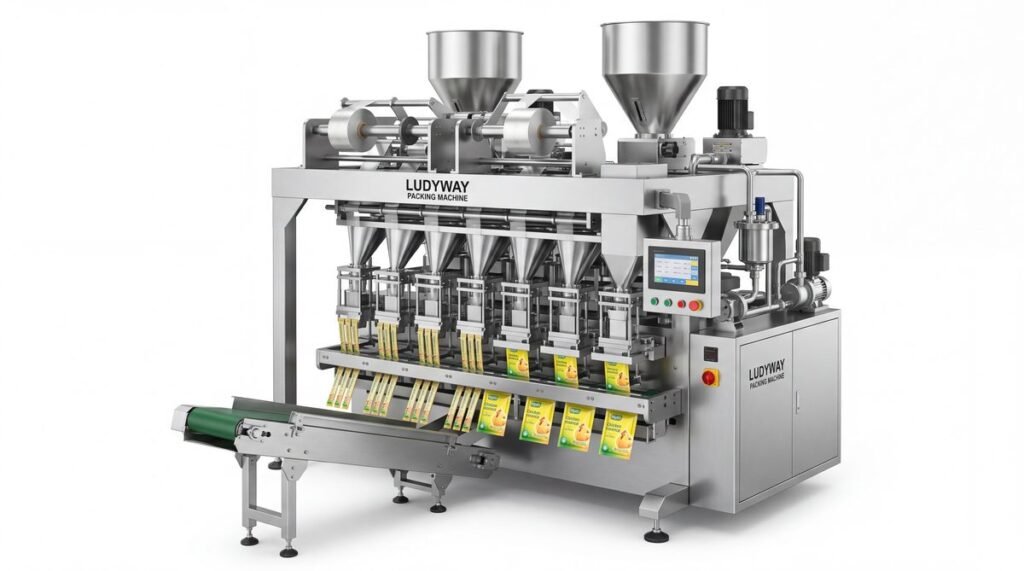
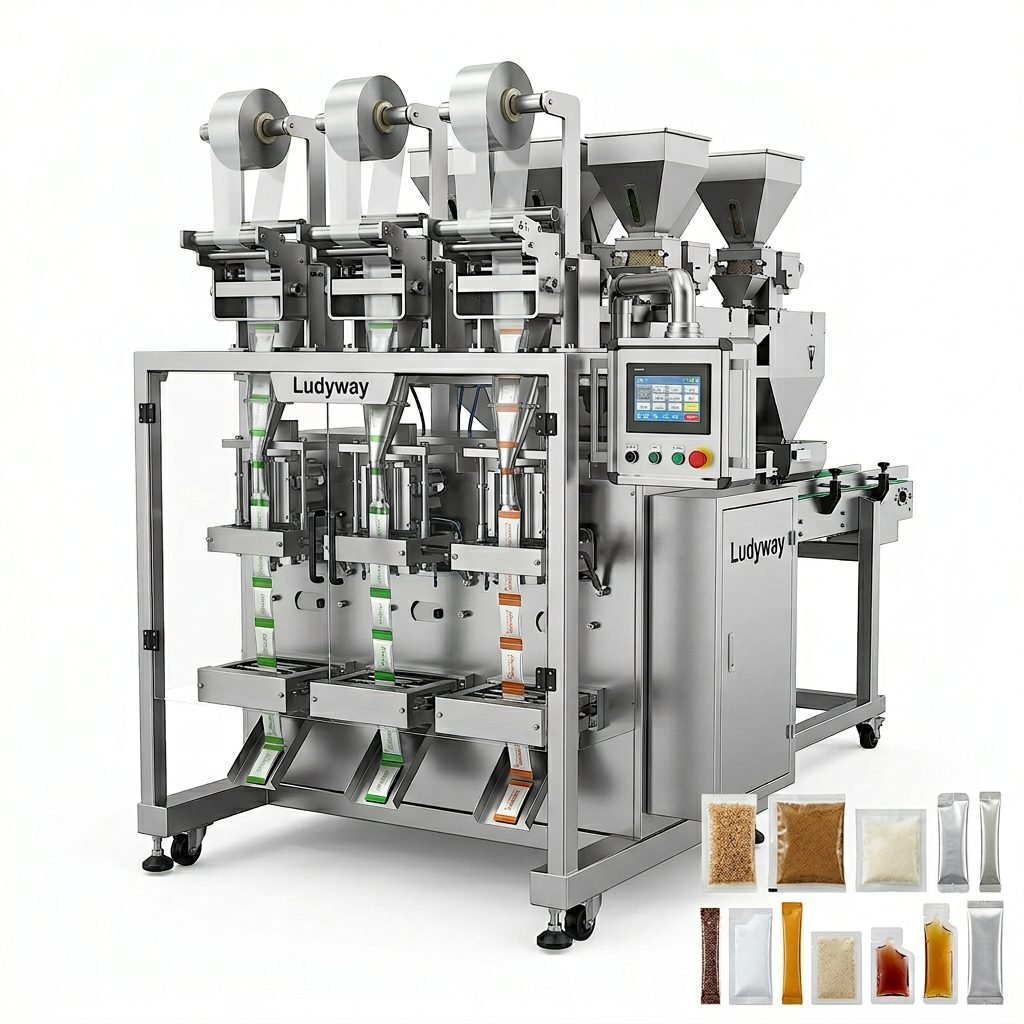
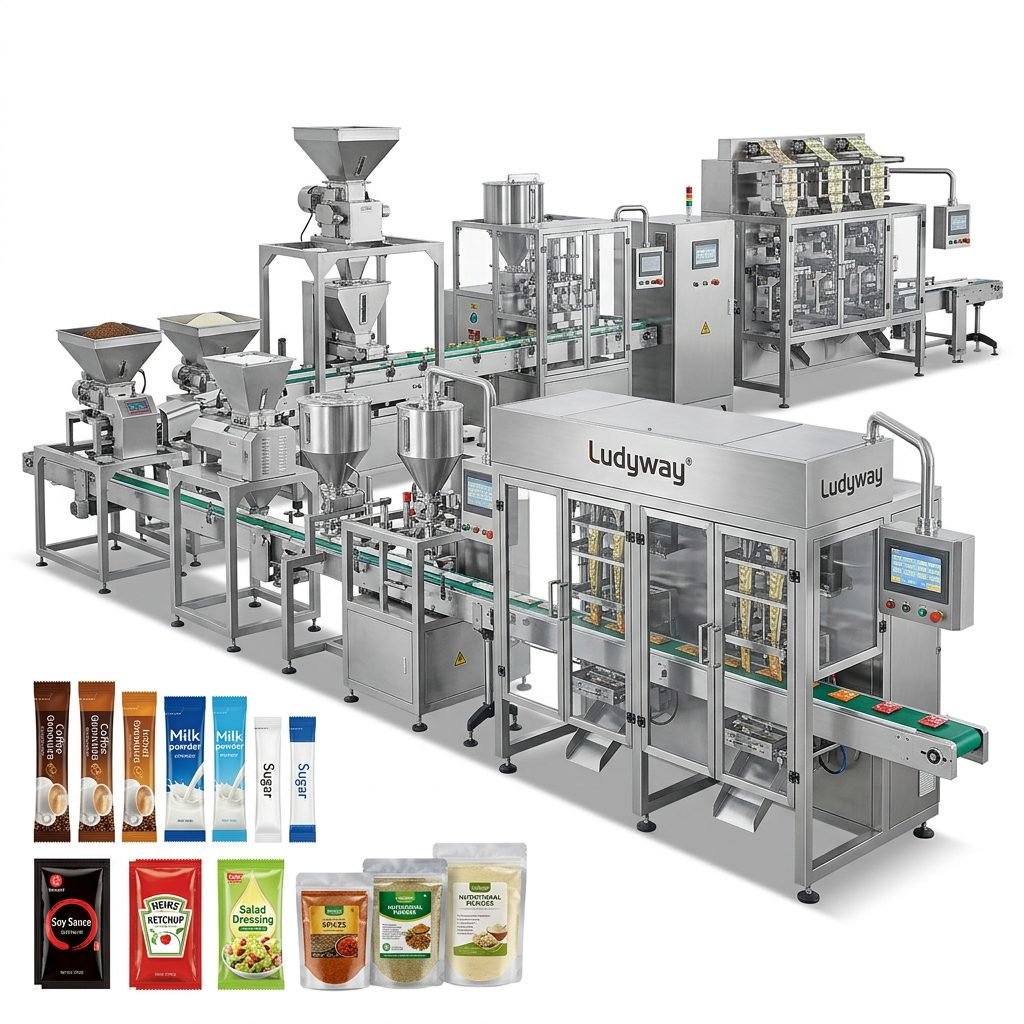
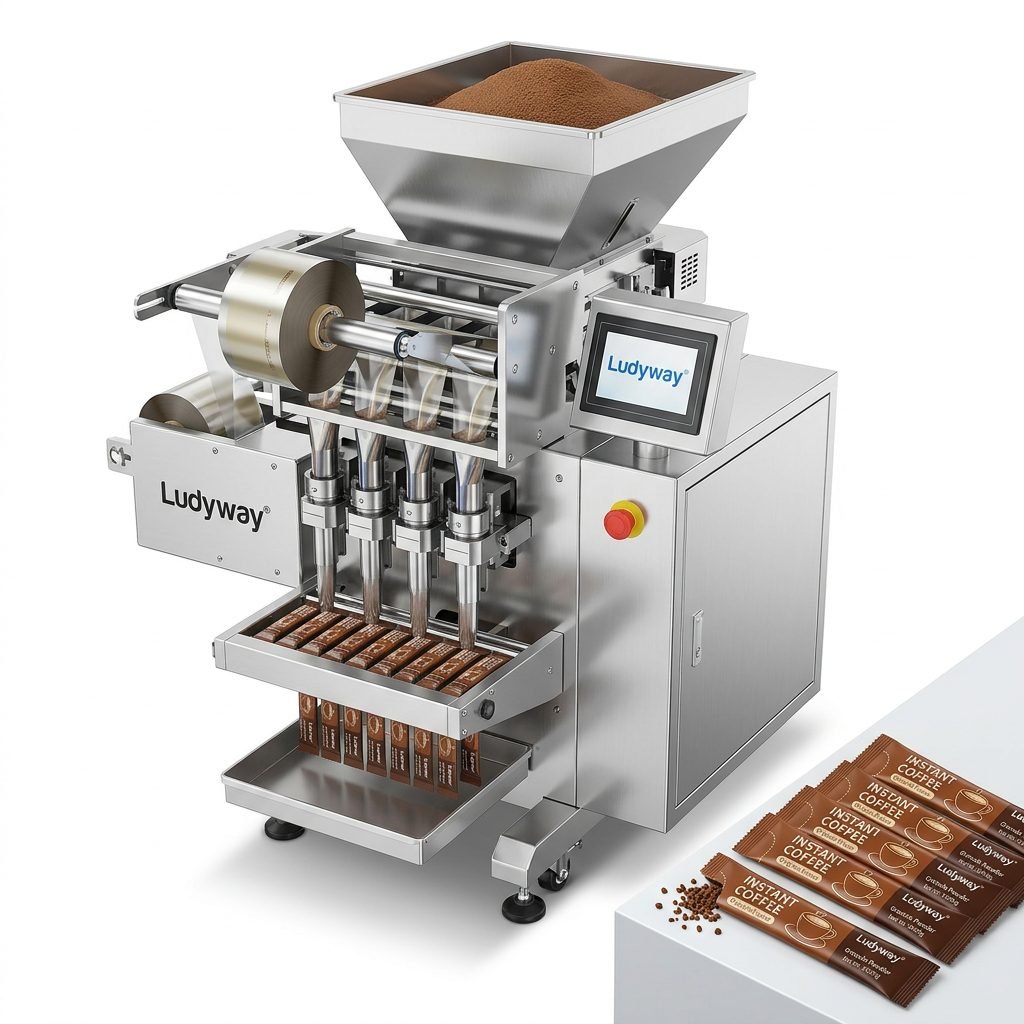
Investing in the right packaging machinery is one of the most critical decisions for manufacturers across food, pharmaceutical, chemical, and consumer goods industries. The term “Eagle Packing Machine” often represents a category of high-performance, automated packaging systems designed for precision, speed, and reliability. However, choosing the right configuration requires a thorough evaluation of your product characteristics, production goals, and long-term operational needs. This guide walks you through the essential factors to consider before making your purchase.
Understanding Your Product and Packaging Requirements
Before evaluating specific machine models, you must clearly define what you are packaging and how you need it packaged. This foundational step determines virtually every subsequent technical specification.
Product State and Flow Characteristics
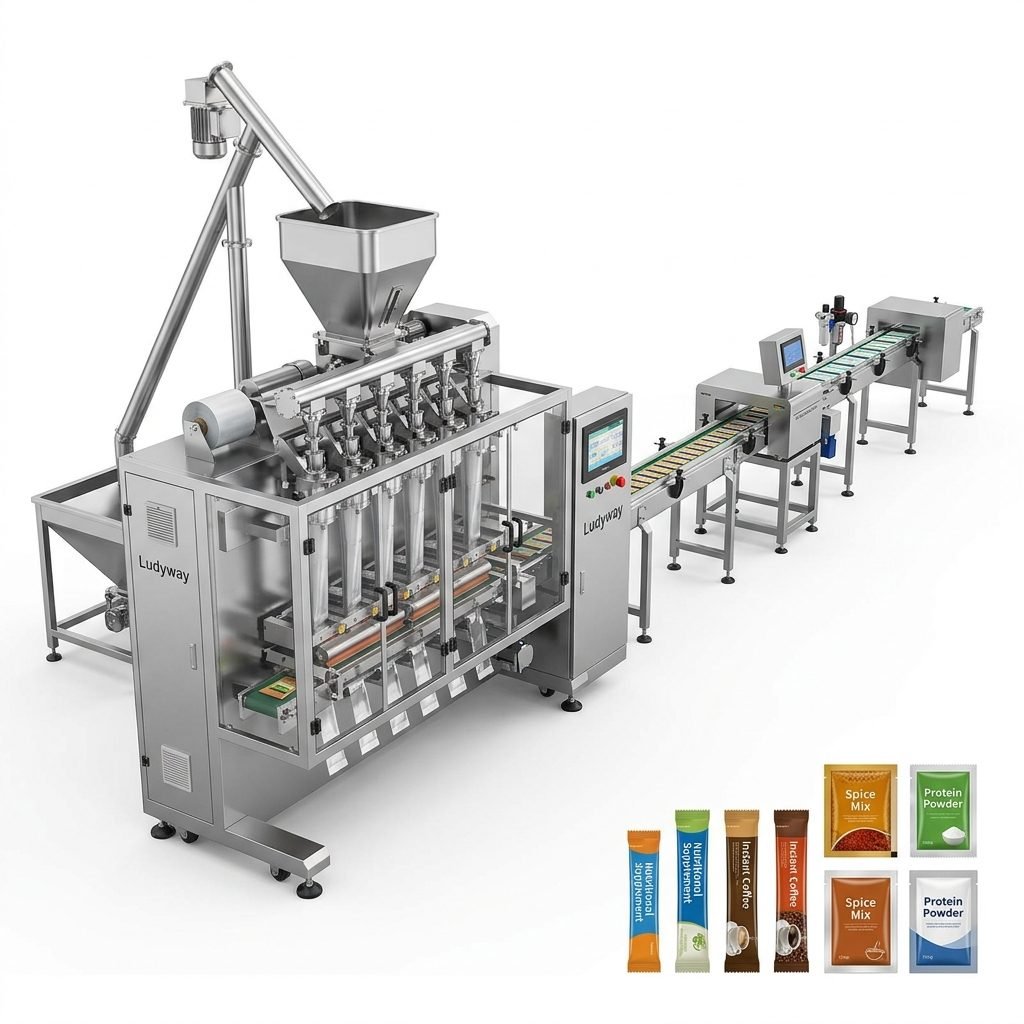
The physical state of your product—whether it is free-flowing granules, cohesive powders, viscous liquids, or solid components—directly impacts the dosing and filling system required. For instance, a high-speed multi-lane stick pack machine configured for granule sugar will differ significantly from one handling hygroscopic protein powders. Consider these key product attributes:
- Bulk density and particle size distribution
- Flowability (free-flowing, semi-free-flowing, or cohesive)
- Moisture sensitivity and hygroscopic nature
- Temperature sensitivity during filling and sealing
- Dust generation and explosion risk (for ATEX-compliant environments)
Target Packaging Format
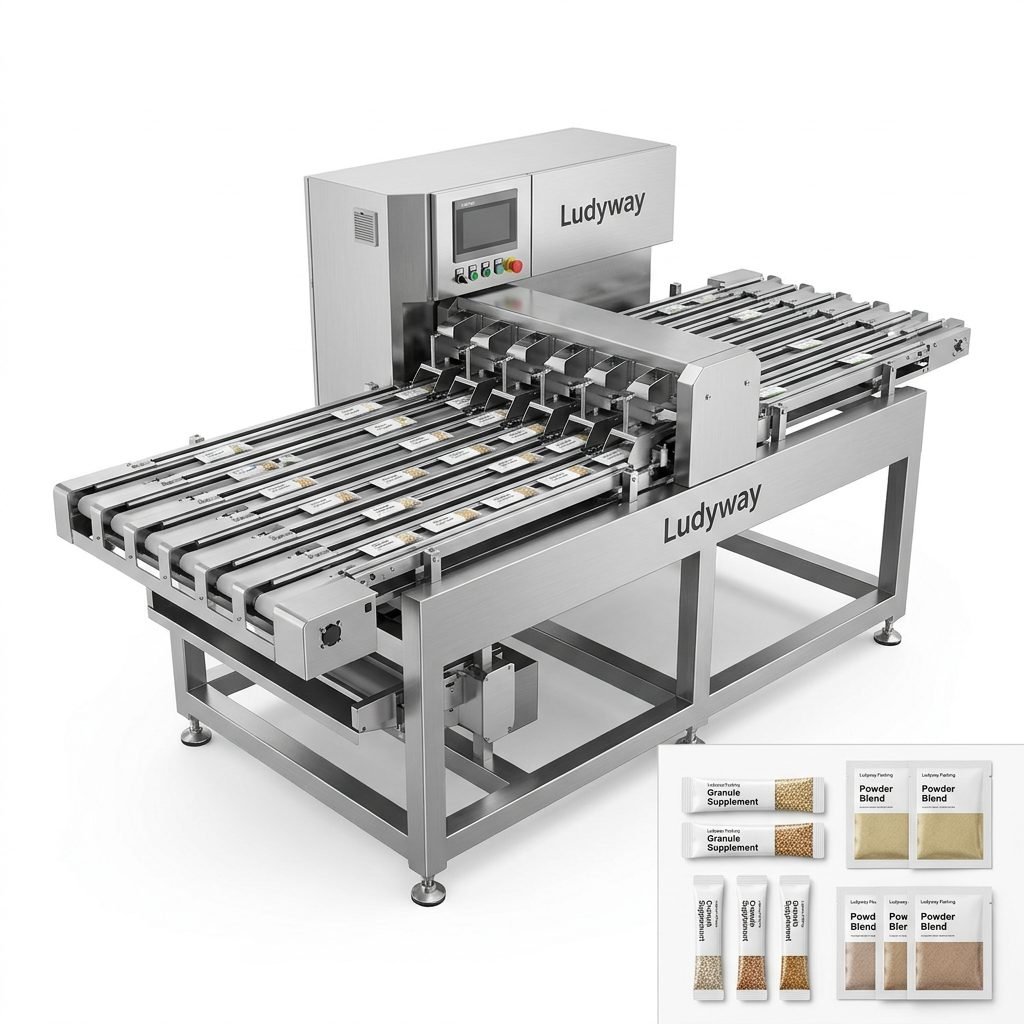
Modern Eagle-type packing machines support a wide range of packaging formats. Your choice should align with market demands, shelf presence, and consumer convenience:
| Packaging Format | Typical Applications | Key Advantages |
|---|---|---|
| Stick Packs | Instant coffee, sugar, protein powder, energy drinks | Portion control, portability, minimal material usage |
| Sachets (3-side/4-side seal) | Shampoo, sauces, spices, pharmaceutical powders | Excellent barrier properties, flat profile, cost-effective |
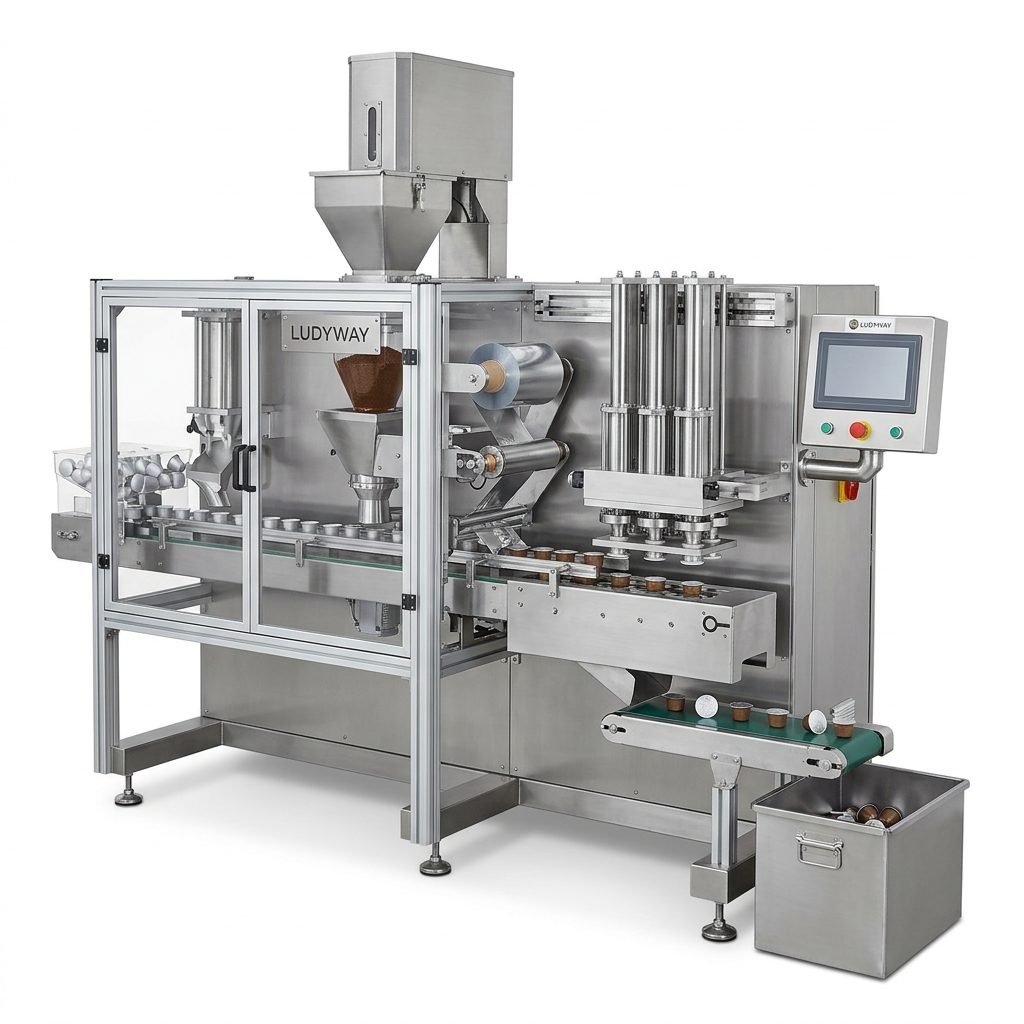
| Premade Pouches | Pet food, snacks, frozen foods, liquids | Premium appearance, zipper options, stand-up capability |
| Multi-lane configurations | High-volume powder and granule products | Maximum throughput, reduced per-unit cost |
Evaluating Speed, Accuracy, and Automation Level
Production throughput and dosing precision are two sides of the same coin. A machine that operates at high speed but with poor accuracy will generate unacceptable product give-away and waste. Conversely, an ultra-precise machine that cannot meet your volume targets creates a bottleneck.
Speed Requirements and Lane Configuration
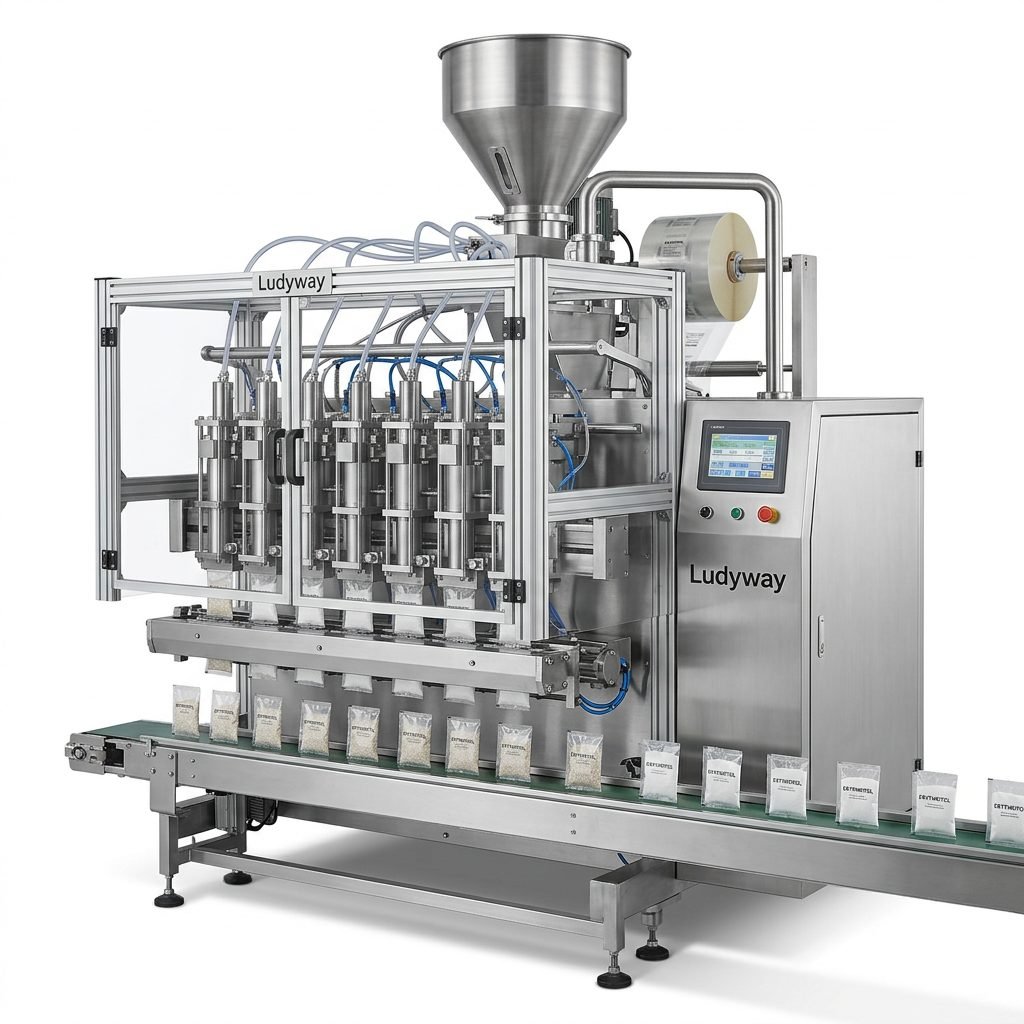
For manufacturers requiring more than 200 packs per minute, a multi-lane configuration becomes essential. Modern multi-lane stick pack machines can run 4, 6, 8, or even 12 lanes simultaneously, multiplying output without proportional increases in floor space or operator intervention. According to PMMI’s State of the Industry reports, the trend toward higher automation levels continues to accelerate across the packaging sector.
Dosing Technology Selection
The dosing system must be matched to your product’s characteristics with extreme precision. The most common technologies include:
- Auger fillers – ideal for powders with varying densities, offering high accuracy
- Volumetric cup fillers – suitable for free-flowing granules with consistent density
- Linear weighers – best for fragile products or those requiring gentle handling
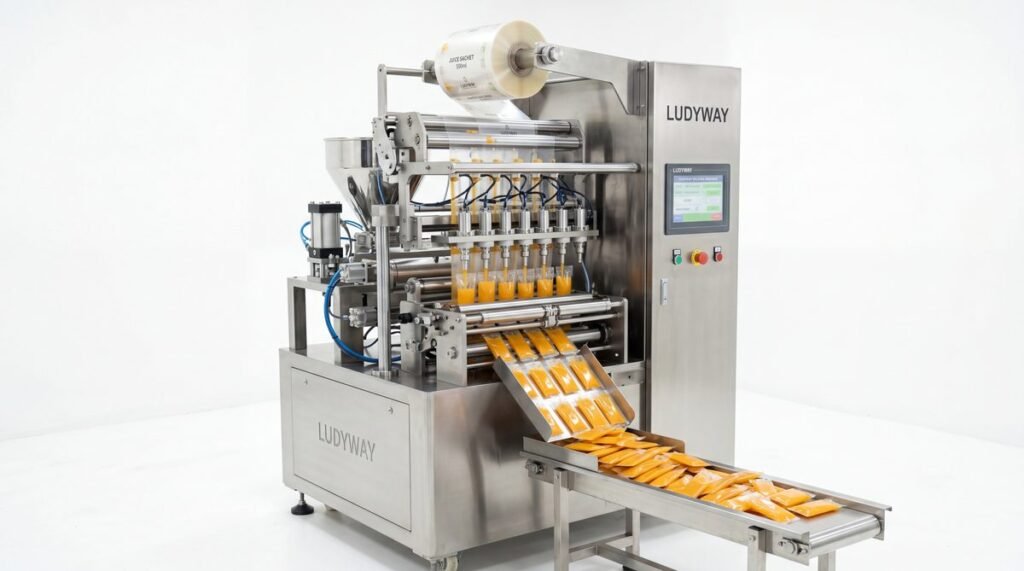
- Piston fillers – designed for liquids, pastes, and creams with precise volume control
- Multi-head weighers – high-speed combination weighing for irregular pieces and snacks
Material Compatibility and Seal Integrity
Packaging material selection directly affects shelf life, product protection, and machine efficiency. Your Eagle packing machine must be compatible with the film structures you intend to use. Flexible Packaging Association resources provide extensive guidance on material selection for different product categories.
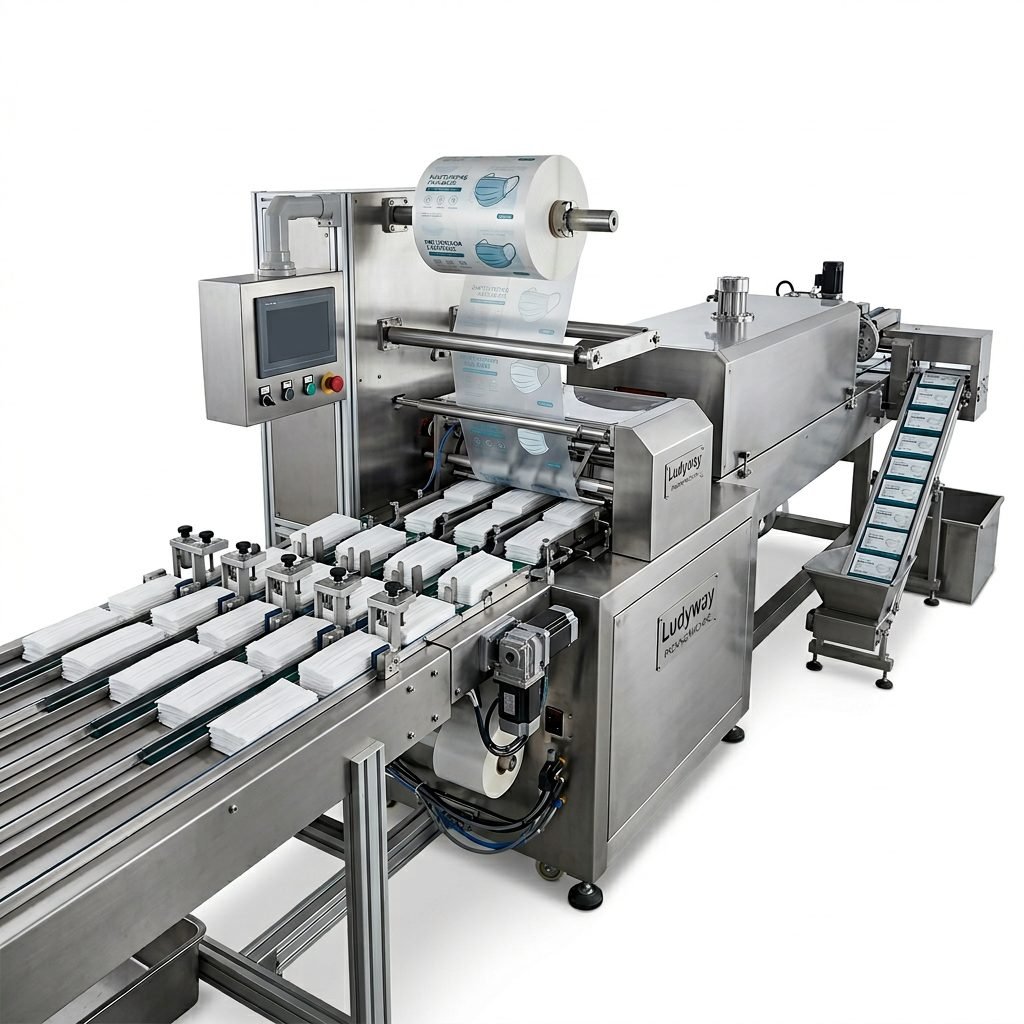
Key considerations include heat sealability, barrier properties (moisture, oxygen, light), and coefficient of friction for smooth film transport. Machines should offer precise temperature control across sealing jaws, with some advanced models featuring individual lane temperature monitoring for multi-lane configurations. For pharmaceutical and medical applications, compliance with ISO 11607 standards for terminally sterilized medical devices may be mandatory.
Customization, Integration, and Turnkey Solutions
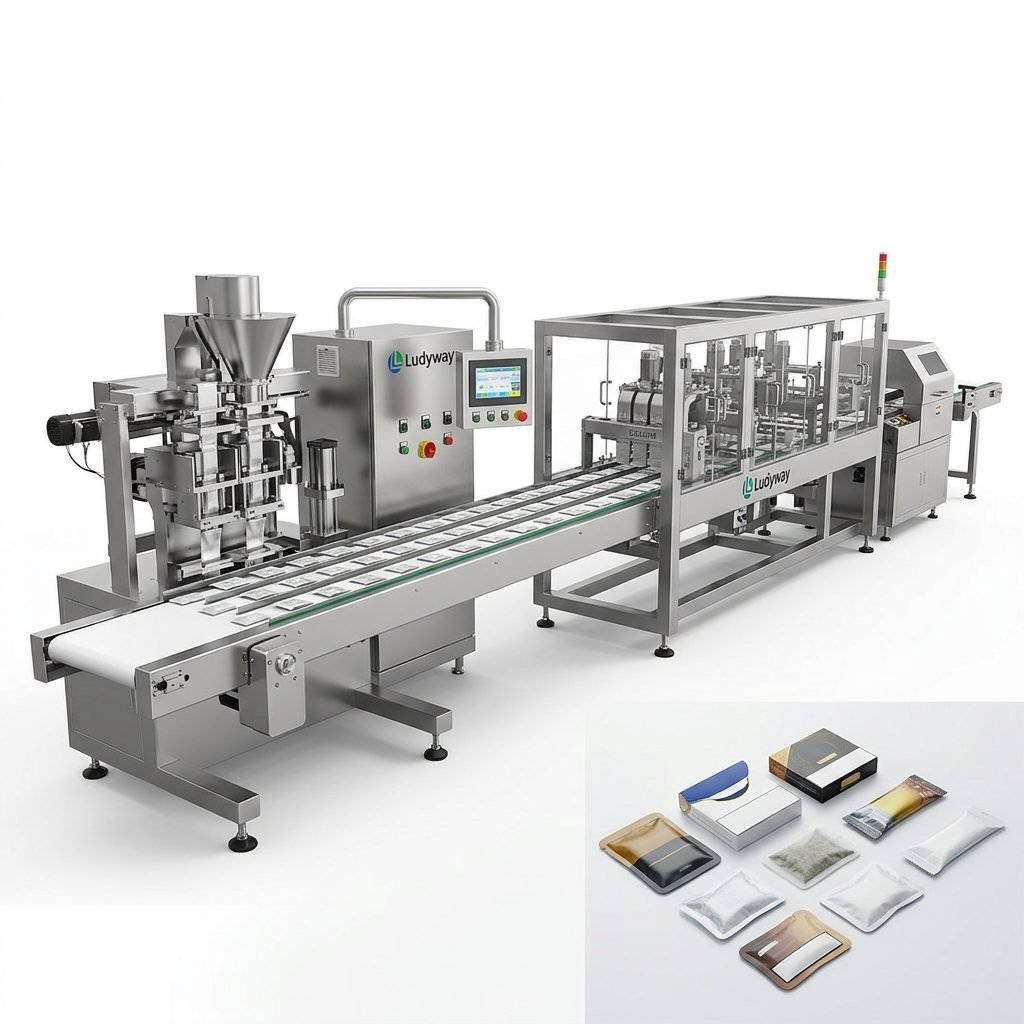
Not every manufacturer requires a standard off-the-shelf machine. Many production environments demand customized configurations that integrate seamlessly with existing upstream and downstream equipment. A true turnkey solution provider can deliver everything from product feeding systems through primary packaging, secondary cartoning, and end-of-line palletizing.
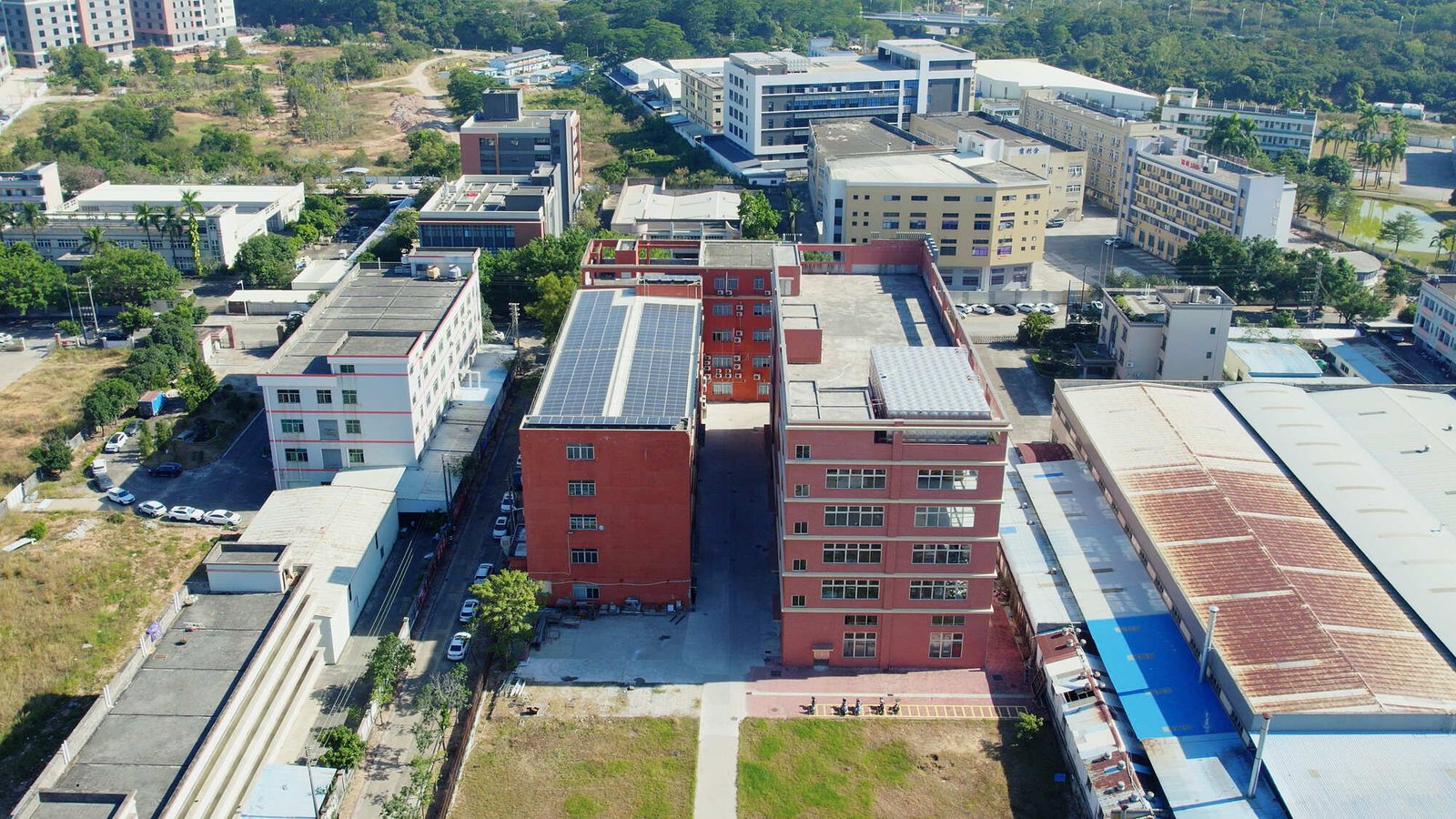
Ludyway Machinery, a China-based packaging machinery manufacturer with more than 30 years of experience, exemplifies this approach with a 20,000-square-meter manufacturing facility, over 130 professionals, and more than 50 packaging machine models supporting applications across food, pharmaceutical, cosmetic, and chemical industries. The company is expected to achieve export revenue of more than RMB 500 million (approximately US$69 million) in 2025, and plans to surpass RMB 1 billion (approximately US$138 million) in export revenue in 2026, reflecting the growing global demand for integrated packaging solutions.
Quality Standards, Certifications, and Compliance
International markets impose rigorous requirements on machine safety, hygiene design, and documentation. When sourcing an Eagle-type packing machine for export-oriented production, verify the following:
- CE marking compliance for European markets
- cGMP design principles for pharmaceutical and food applications
- FDA-compliant materials for food contact surfaces (refer to FDA Food Packaging and Food Contact Substances guidelines)
- Washdown capabilities (IP65/IP66 ratings) for hygienic environments
- Validation documentation (IQ/OQ/PQ) for regulated industries
After-Sales Support and Global Service Capabilities
A packaging machine is a long-term investment, and technical support throughout the equipment lifecycle is non-negotiable. When evaluating suppliers, investigate their service infrastructure:
- Installation and commissioning support, including on-site or remote assistance
- Operator training programs to maximize machine utilization
- Spare parts availability and recommended inventory lists
- Remote diagnostic capabilities for troubleshooting without on-site visits
- Preventive maintenance programs to minimize unplanned downtime
Leading manufacturers serve customers in more than 100 countries, providing consistent support regardless of location. PMMI’s packaging industry resources offer additional frameworks for evaluating equipment suppliers and their service capabilities.
Total Cost of Ownership and ROI Analysis
The purchase price represents only a fraction of the total cost of ownership (TCO). A comprehensive evaluation should factor in:
- Film waste rates during startups and changeovers
- Product give-away due to dosing inaccuracy
- Energy consumption per thousand packs produced
- Labor requirements for operation and changeover
- Maintenance costs and expected component lifespan
- Changeover time between different products or formats
A machine that reduces film waste from 3% to under 1% or improves dosing accuracy by 0.5 grams per pack can generate significant annual savings when running millions of units per year. The PMMI 2026 Packaging State of the Industry report highlights that sustainability and material efficiency are becoming key drivers in equipment purchasing decisions.
Making the Final Decision
Choosing the right Eagle packing machine requires balancing current production needs with future growth projections. The ideal machine should accommodate potential increases in volume, new product introductions, and evolving packaging formats without requiring complete replacement. A supplier offering modular machine designs and customized engineering solutions provides the flexibility that growing manufacturers need.
By systematically evaluating your product characteristics, throughput targets, packaging material requirements, quality standards, and total cost of ownership, you can select a packaging machine that delivers consistent performance, operational efficiency, and long-term return on investment.