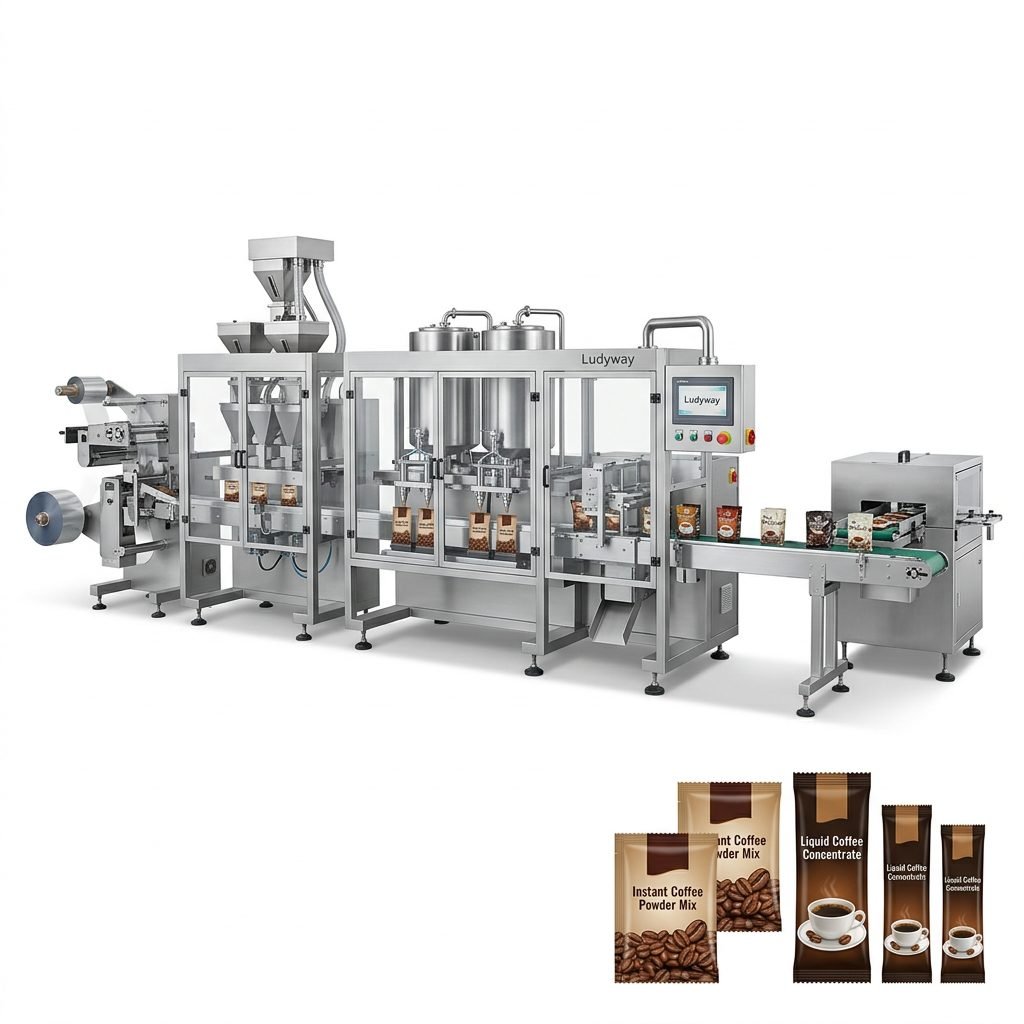
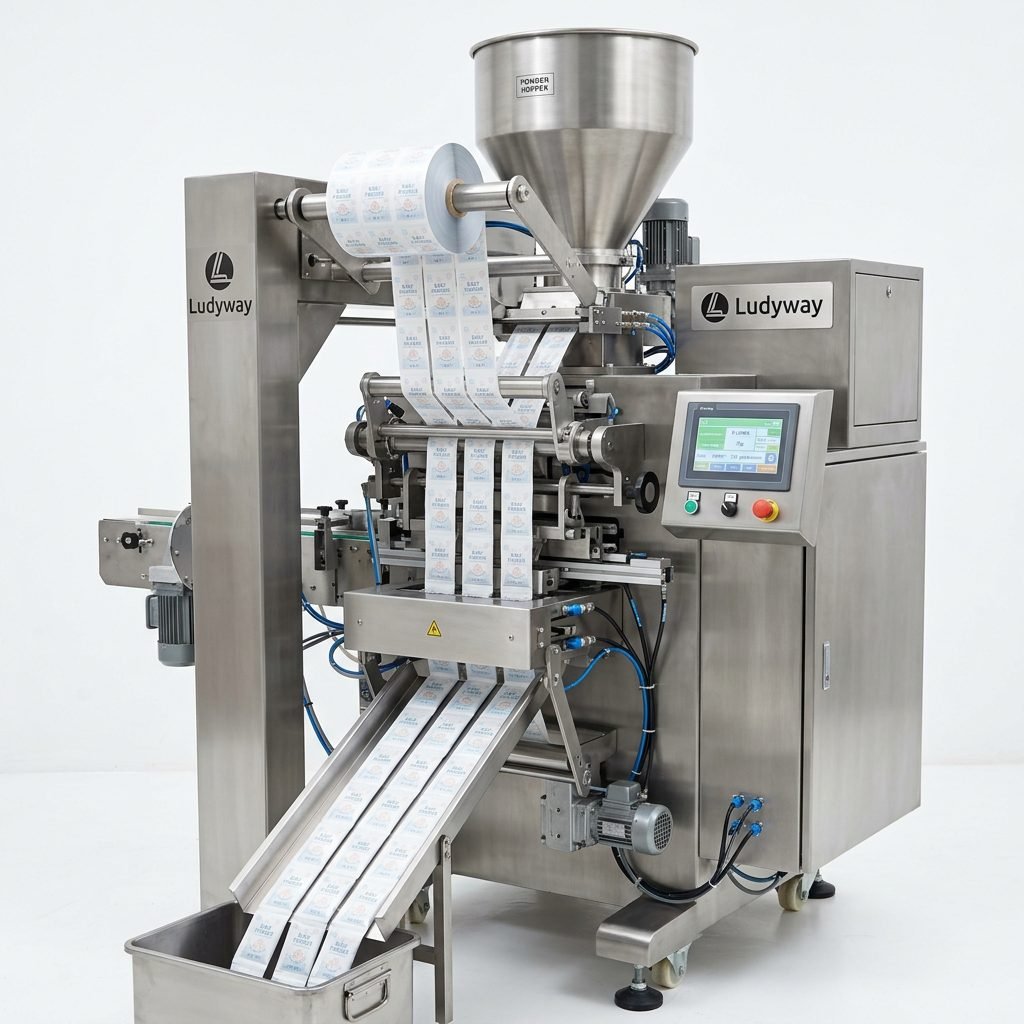
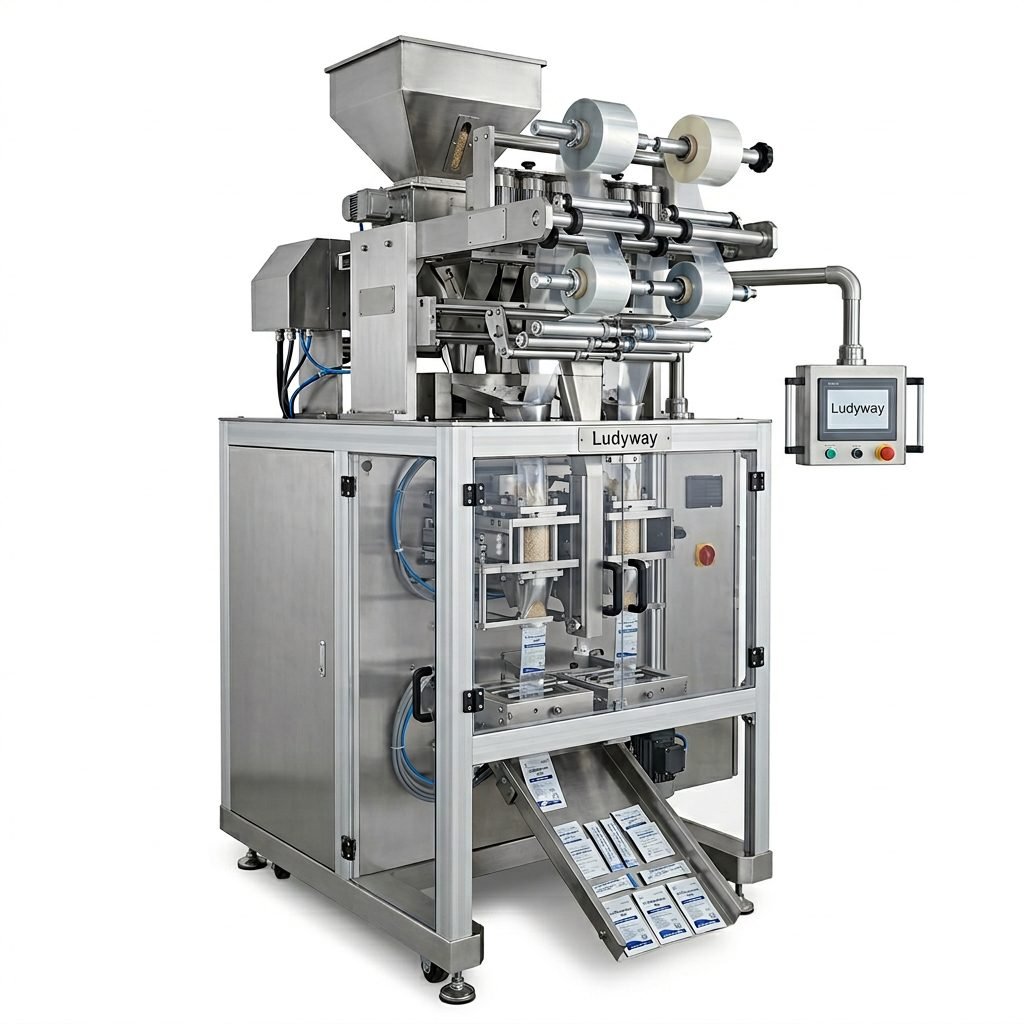
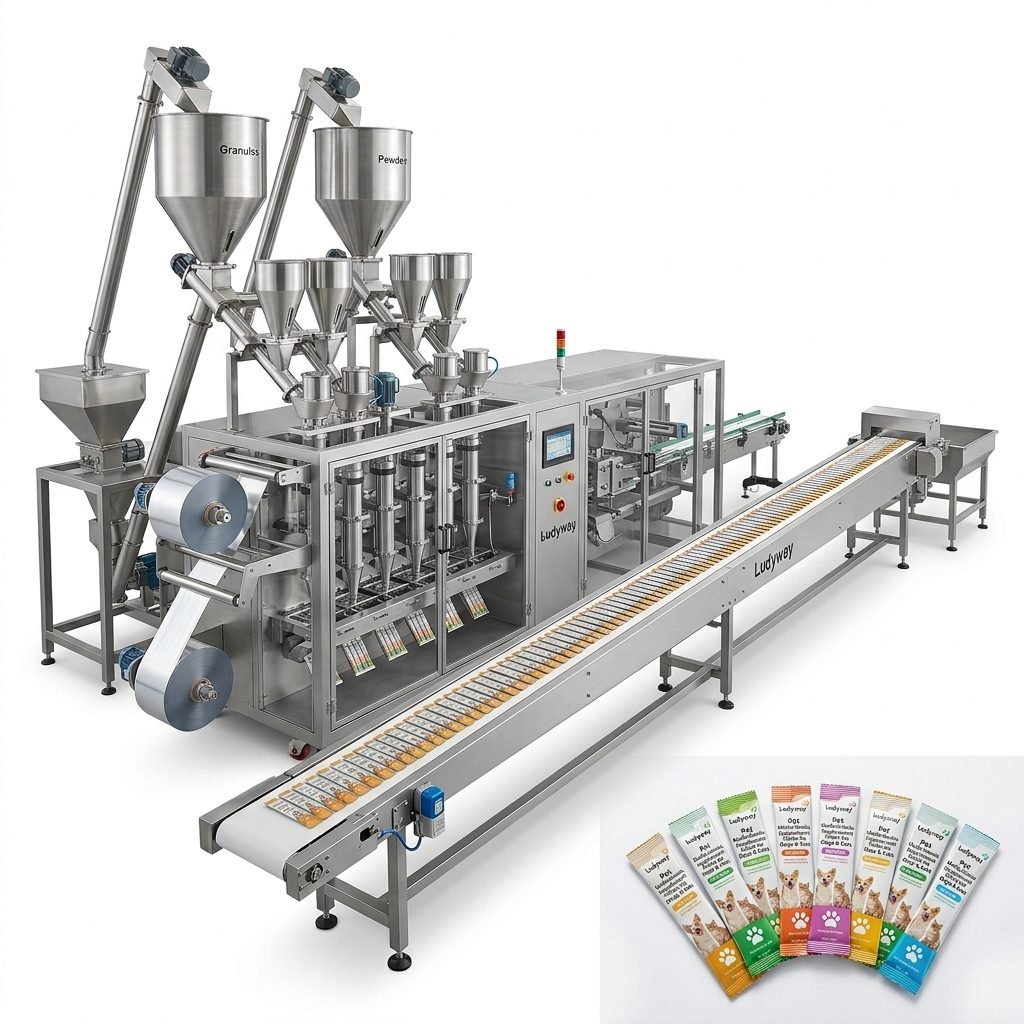
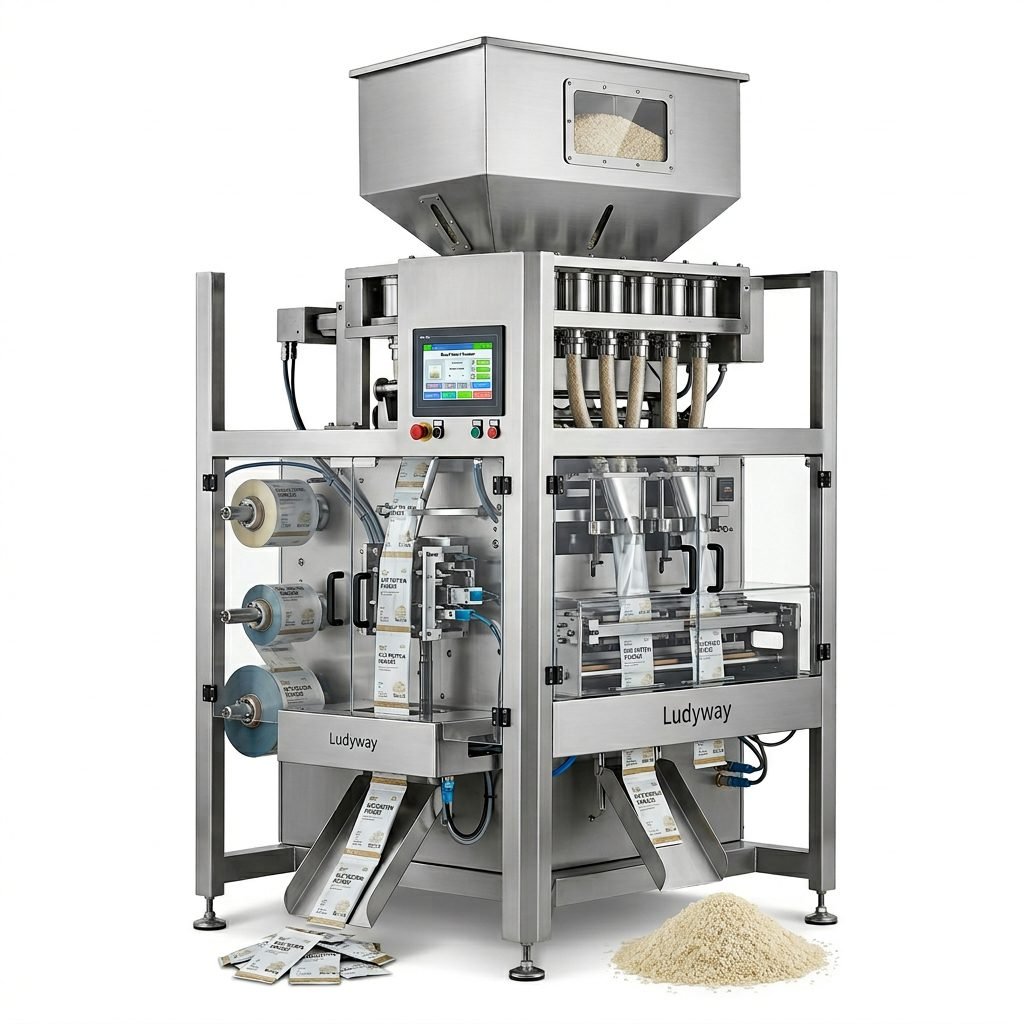
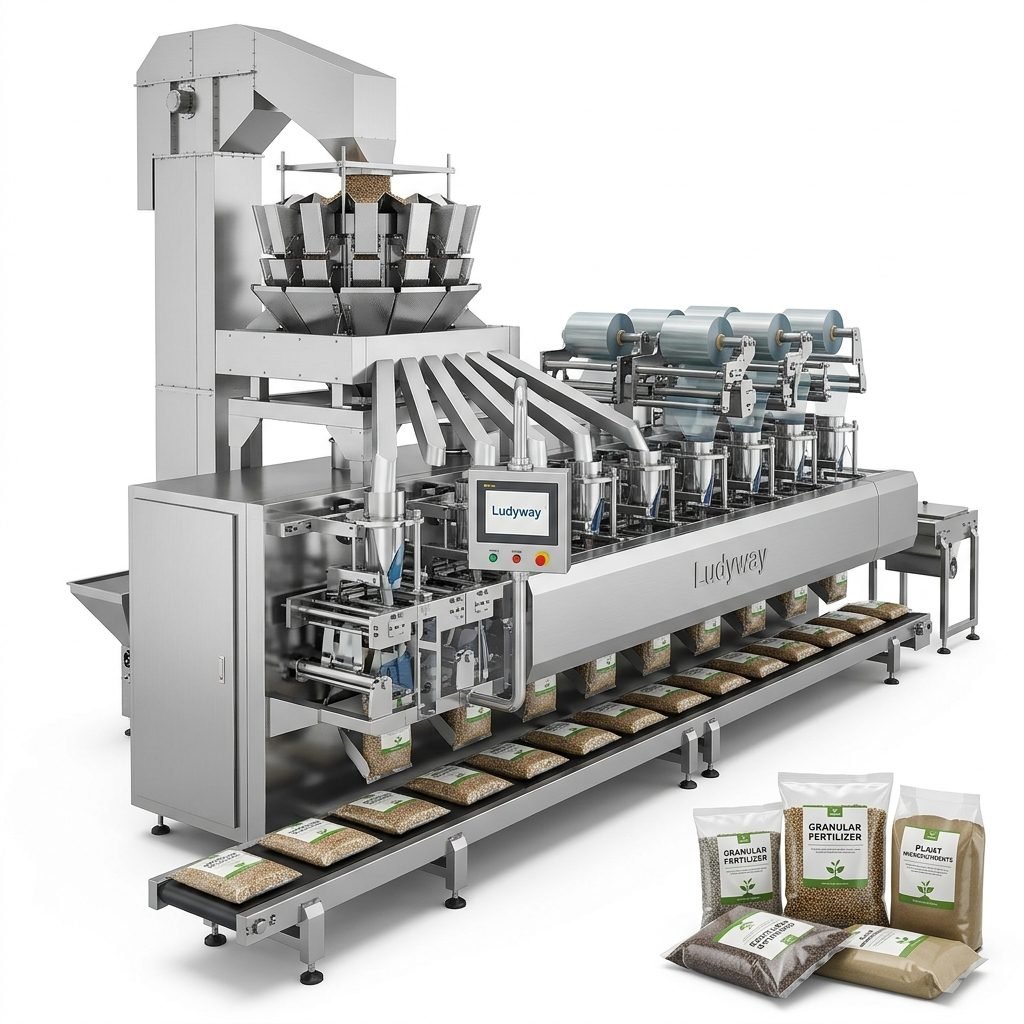
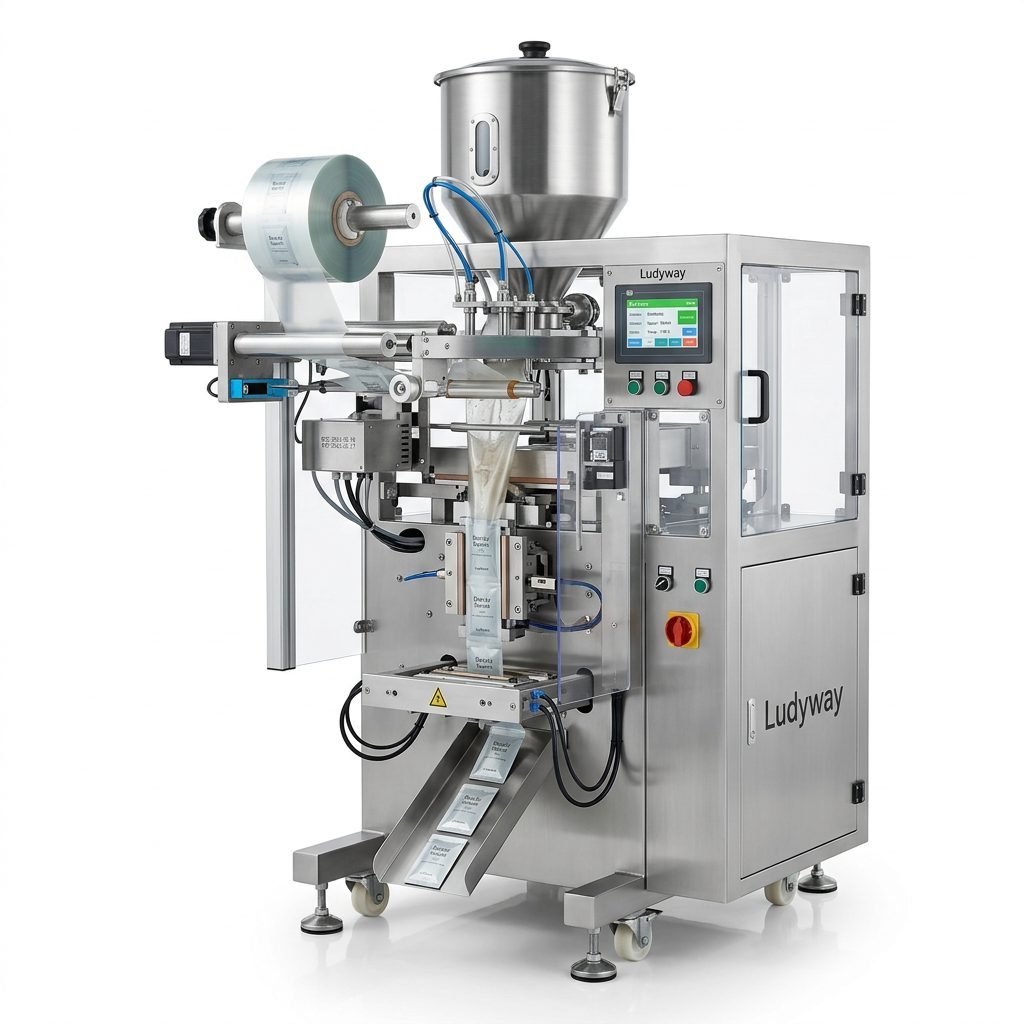
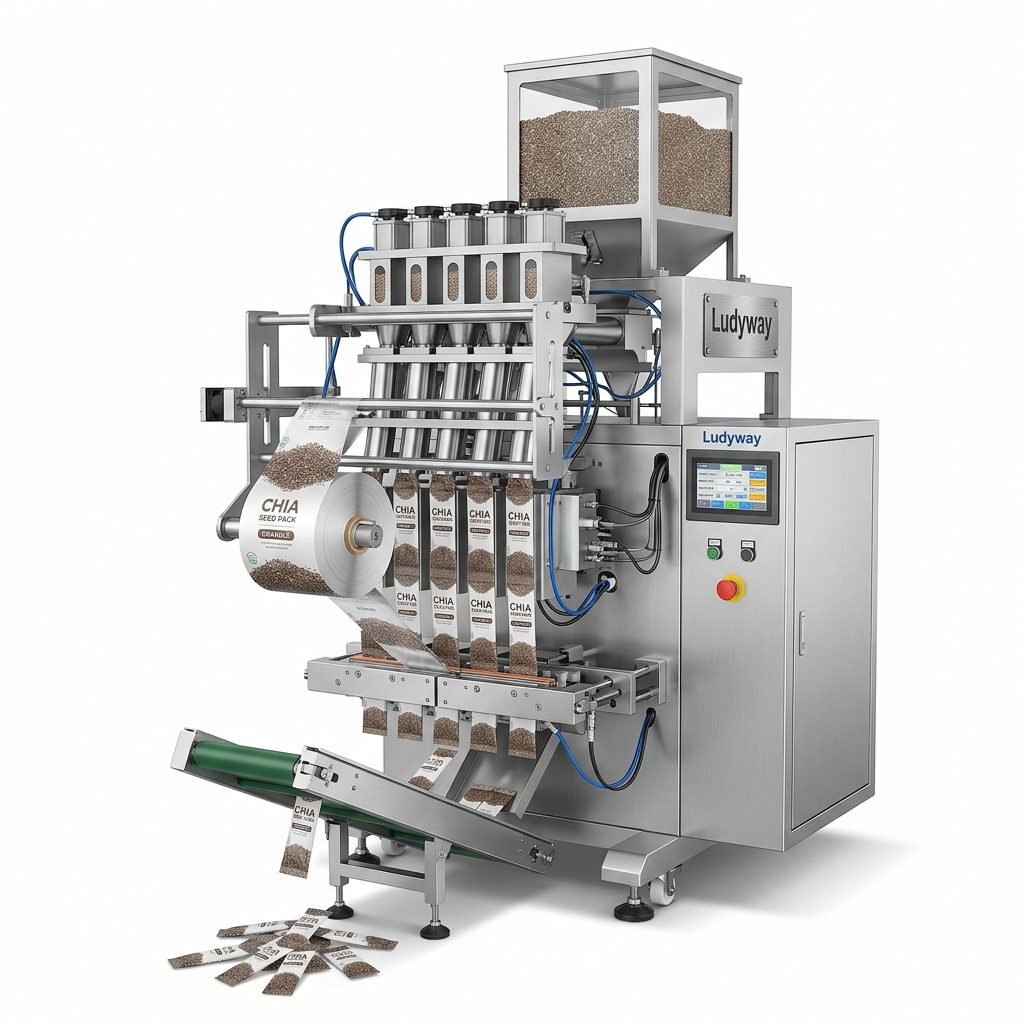
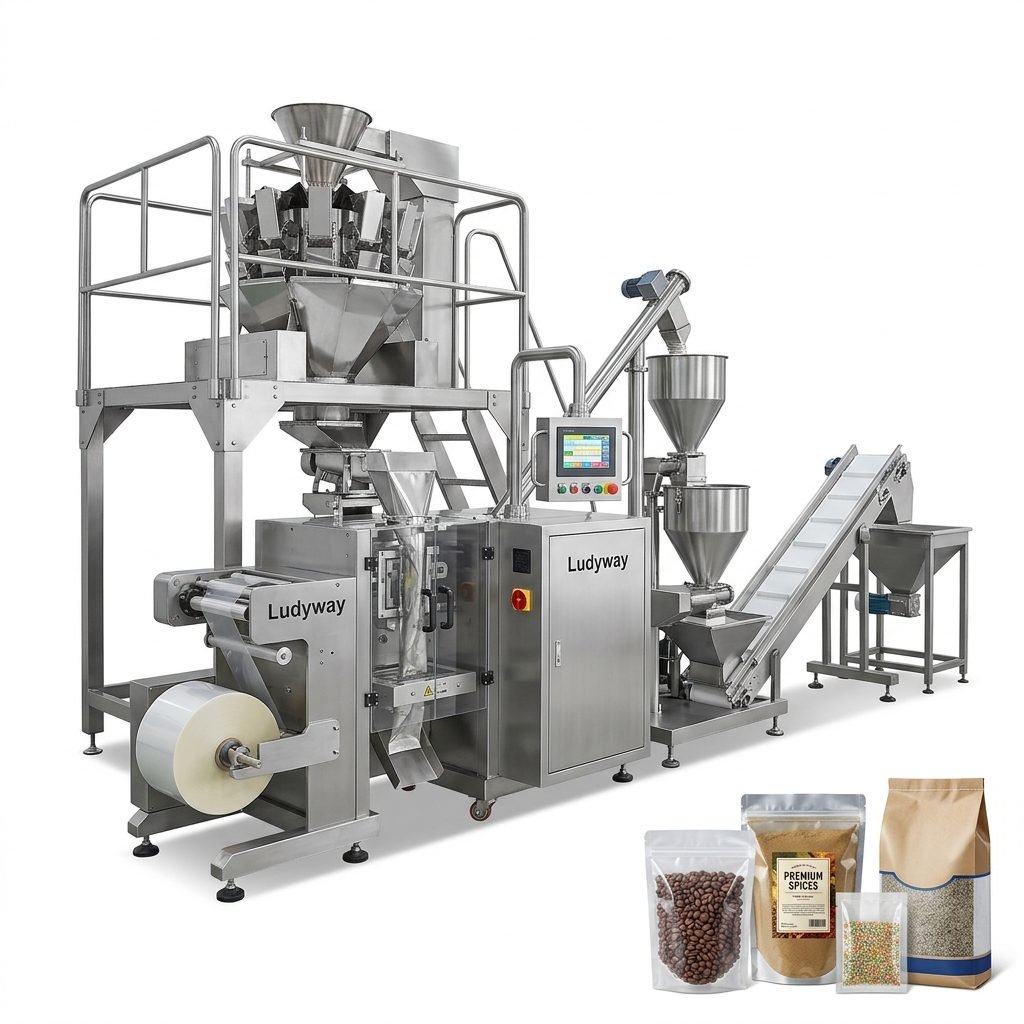
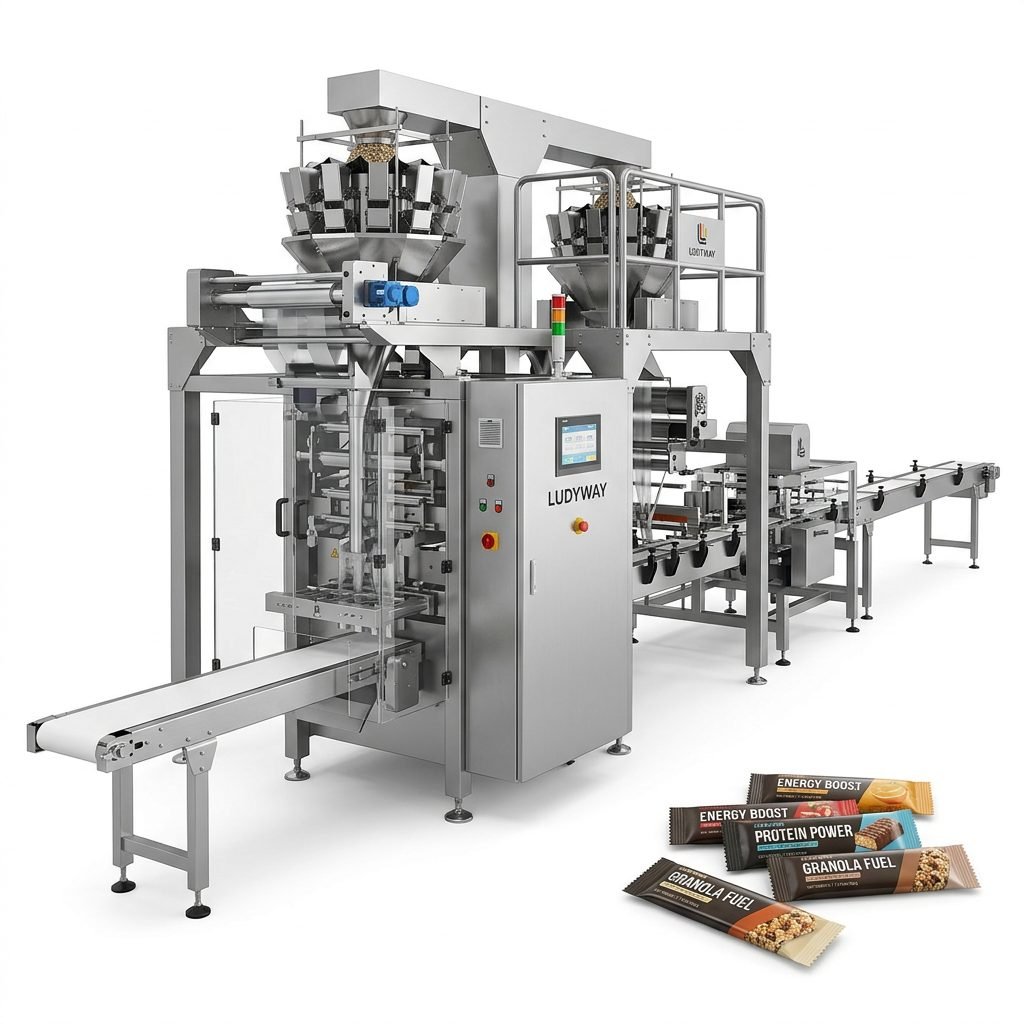
Investing in a film packing machine is a strategic decision that directly impacts your production efficiency, product quality, and long‑term operational costs. A systematic evaluation of your product, packaging format, production goals, and the machine builder’s capabilities helps you make a confident choice.
Step 1: Define Your Product and Material Characteristics
The physical and chemical properties of your product determine the dosing mechanism and film compatibility required. Start by gathering precise data about what you are packaging.
- Product state: powder, granule, liquid, paste, or solid piece. Products with poor flowability may need specialized feeding systems.
- Bulk density and particle size: fine powders require dust‑controlled filling; large granules need volumetric or multi‑head weigher configurations.
- Moisture sensitivity and barrier requirements: oxygen, light, or vapor barriers influence film structure selection. Refer to flexible packaging material data when specifying your laminate.
- Product temperature and chemical behavior: hot‑fill, corrosive, or abrasive products require stainless steel contact parts and specific seal materials.
Step 2: Choose the Right Packaging Format
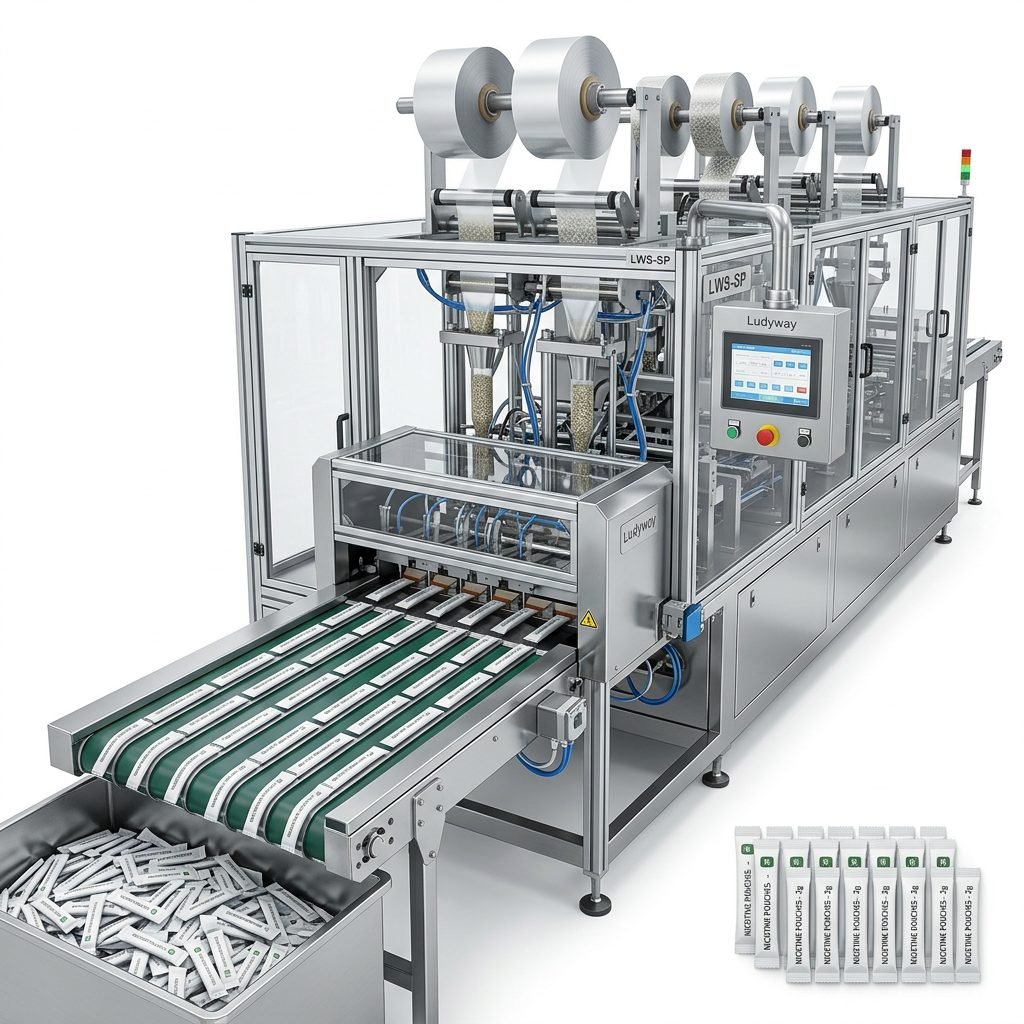
Film packing machines can produce multiple bag styles. Aligning the format with your market and filling requirements avoids costly reconfiguration later.
| Packaging Format | Best For | Typical Industries |
|---|---|---|
| Stick Pack | Single‑serve powders, granules, liquids | Nutraceuticals, instant beverages, pharma |
| Sachet (3‑side or 4‑side seal) | Sample portions, condiments, cosmetics | Food, personal care, medical devices |
| Premade Pouch (rotary or inline) | Stand‑up pouches, zipper bags, spouted pouches | Pet food, frozen products, liquid detergents |
| Multi‑Lane Configuration | High‑volume single‑serve output | Coffee, sugar, electrolyte powders |
Step 3: Match Production Speed and Automation Level
Your desired output per minute influences lane count, filling technology, and downstream integration. Over‑specifying speed adds unnecessary cost; under‑specifying creates bottlenecks.
- Low to medium speed (30–80 packs/min): suitable for start‑up brands or products with frequent changeovers. Simpler mechanical designs reduce maintenance.
- High speed (100–400+ packs/min): demands servo‑driven motion control, automated film splicing, and precision temperature regulation. Multi‑lane stick pack machines are common here.
- Automation integration: consider whether you need automatic feeding, checkweighing, coding and marking systems, cartoning, and palletizing. A complete line reduces manual handling errors.
Step 4: Evaluate Machine Construction and Hygiene Standards
Build quality dictates reliability and cleanability. Especially in food and pharmaceutical sectors, machinery must meet strict regulatory expectations. Review the FDA food packaging and food contact substances requirements and ISO packaging standards when assessing compliance.
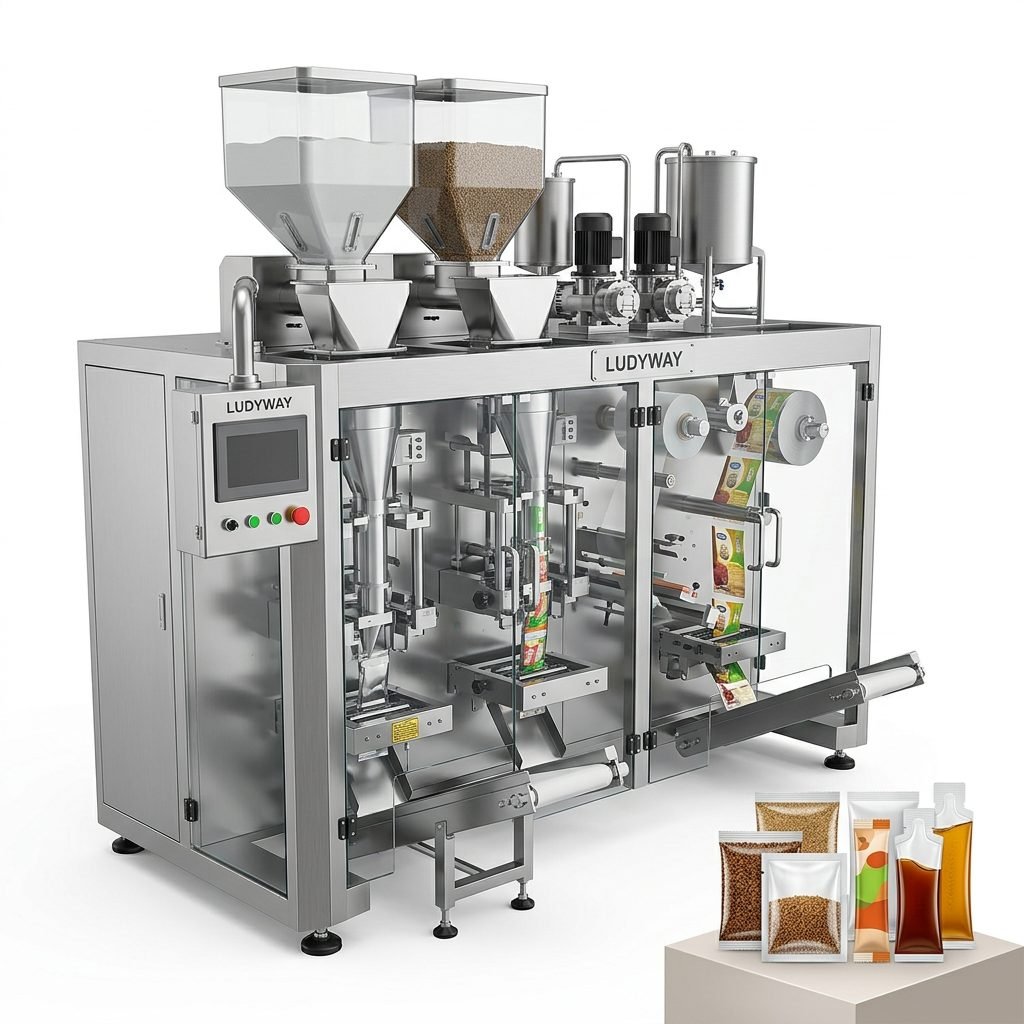
- Frame and contact parts: food‑grade stainless steel 304 or 316L, with easy‑to‑dismantle components for cleaning.
- Sealing integrity: consistent temperature control and pressure across the full seal width. Poor seals lead to leaks and product returns.
- Dust and moisture protection: sealed electrical cabinets and appropriate ingress protection ratings for wash‑down environments.
Step 5: Assess Customization and After‑Sales Support
Off‑the‑shelf machines rarely fit every production scenario. The right manufacturer provides engineering support to tailor dosing systems, bag dimensions, and line layout to your specific needs.
According to the 2026 State of the Industry report from PMMI, demand for flexible automation and customized packaging solutions continues to grow across multiple sectors. A partner that offers factory acceptance testing, installation supervision, operator training, and remote troubleshooting reduces your risk.
Step 6: Compare Long‑Term Value, Not Just Price
Initial purchase cost is one data point. Calculate total cost of ownership including spare parts availability, energy consumption, changeover time, and expected service life. A slightly higher upfront investment often pays back through higher uptime and faster ROI.
- Spare parts program: verify the manufacturer stocks critical components and can ship within agreed lead times.
- Technical documentation: comprehensive manuals, electrical schematics, and maintenance guides speed up troubleshooting.
- Global service network: local support reduces downtime if an issue occurs during production.
Why Partner with an Experienced Machinery Manufacturer
With the packaging machinery market becoming increasingly sophisticated, working with an established manufacturer ensures you get not only a machine but a complete solution. Ludyway Machinery, a China‑based packaging machinery manufacturer with more than 30 years of experience, operates a 20,000‑square‑meter facility and offers over 50 packaging machine models. The company serves customers in more than 100 countries. Ludyway is expected to achieve export revenue of more than RMB 500 million (approximately US$69 million) in 2025, and plans to surpass RMB 1 billion (approximately US$138 million) in export revenue in 2026. Its portfolio covers powder, granule, liquid, stick pack, sachet, and pouch applications, with the engineering capability to deliver customized packaging machinery and turnkey lines.

Key Technical Specifications to Compare
When reviewing proposals from different suppliers, use a structured comparison to keep your evaluation objective.
| Specification | What to Check |
|---|---|
| Filling Range | Minimum to maximum volume or weight, accuracy tolerance |
| Film Width and Roll Diameter | Maximum film width, unwind roll diameter, and core size compatibility |
| Bag Size Flexibility | Adjustable length and width range, quick‑change capability |
| Control System | PLC brand, HMI interface, recipe storage, and data export options |
| Utility Requirements | Compressed air consumption, electrical load, water if applicable |
Common Pitfalls to Avoid When Buying a Film Packing Machine
- Not testing with your actual product and film: always request a trial run with your materials before final approval.
- Ignoring future scalability: a machine that barely meets today’s demand may become inadequate within 12 to 18 months.
- Underestimating installation and training: even the best equipment underperforms if operators are not properly trained.
- Overlooking local regulations: electrical certification, safety guarding standards, and food contact compliance documents should be confirmed early.
Selecting the right film packing machine is a process, not a transaction. A thorough technical evaluation combined with a clear understanding of your production roadmap leads to an investment that supports growth for years to come. Consult resources like the PMMI packaging industry resources and the Flexible Packaging Association for updated market data and technical guidelines as you refine your equipment specifications.
For a deeper look at the global packaging machinery growth trend and how export volumes are projected to rise, you can read this industry analysis on packaging machinery export trends.