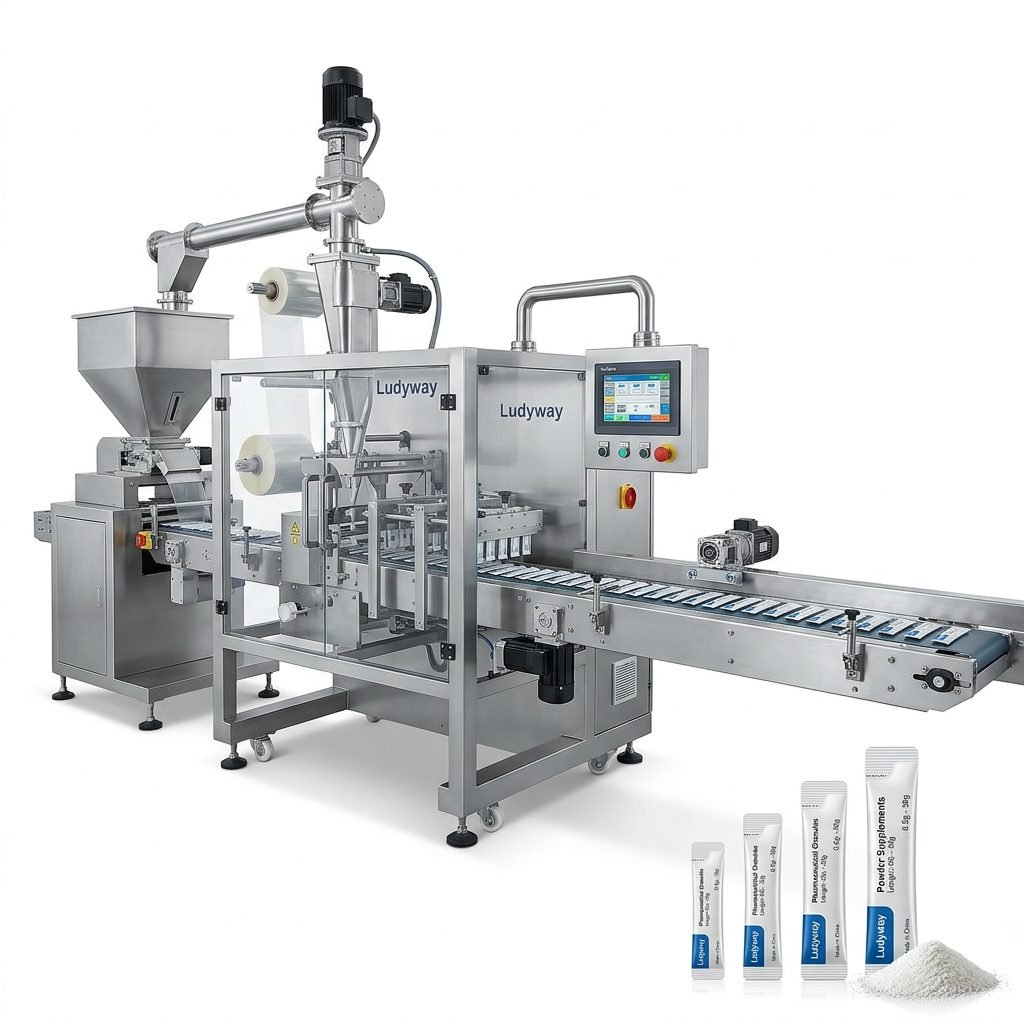
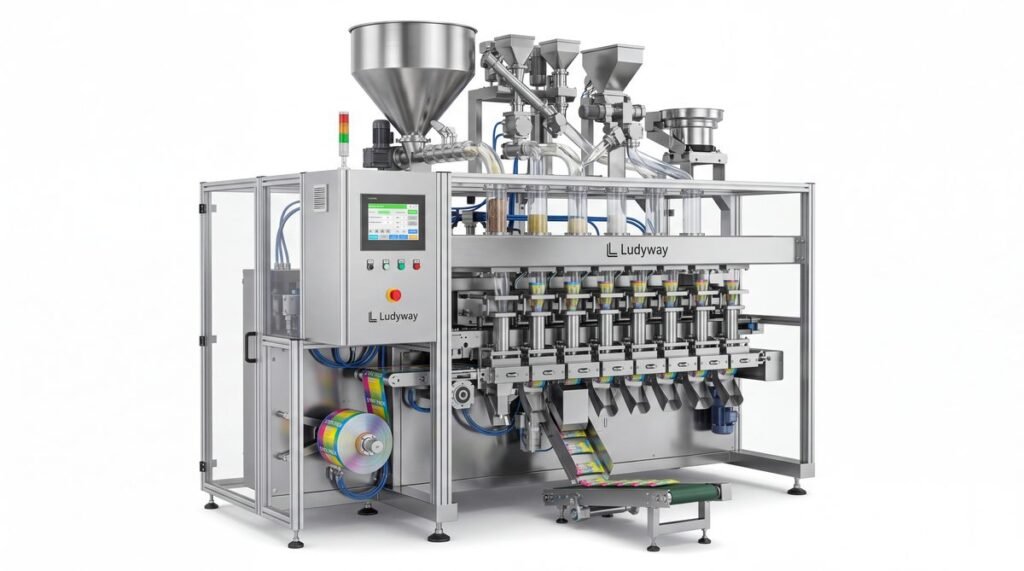
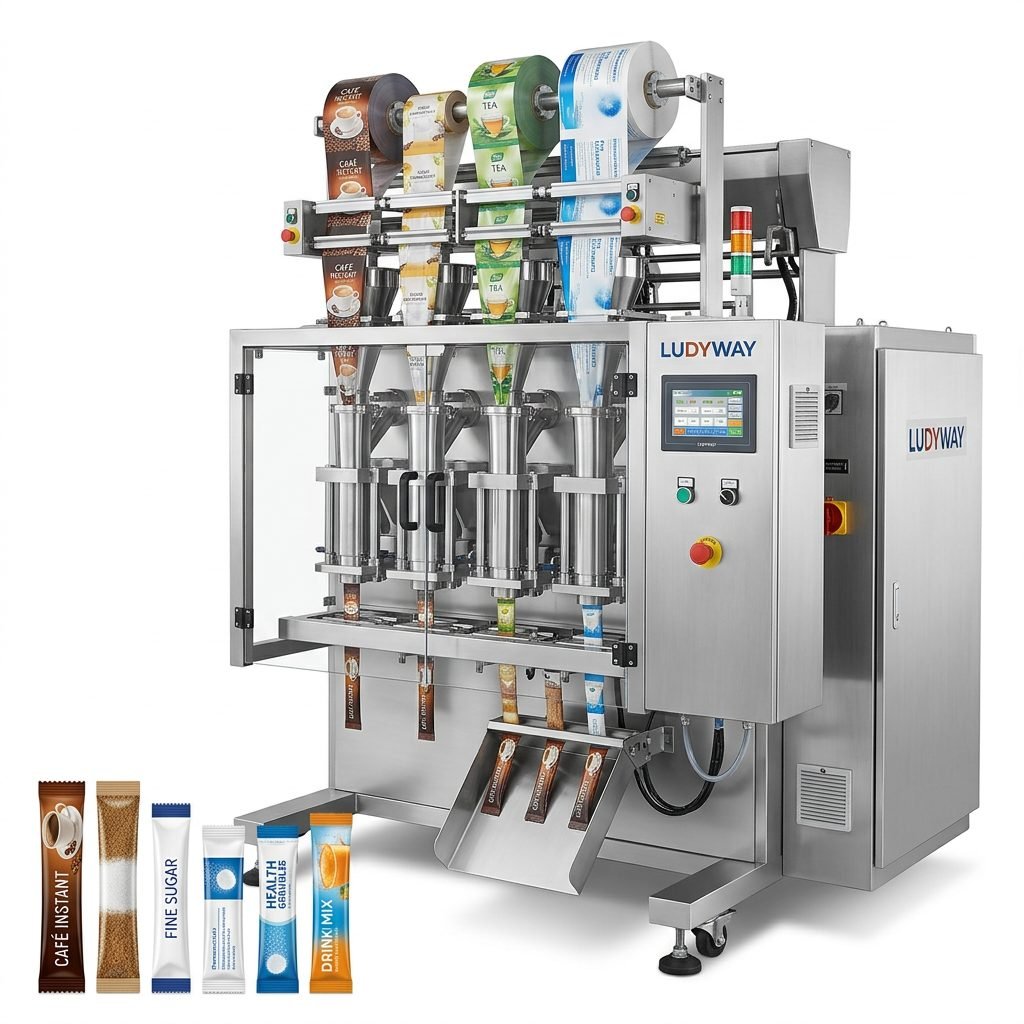
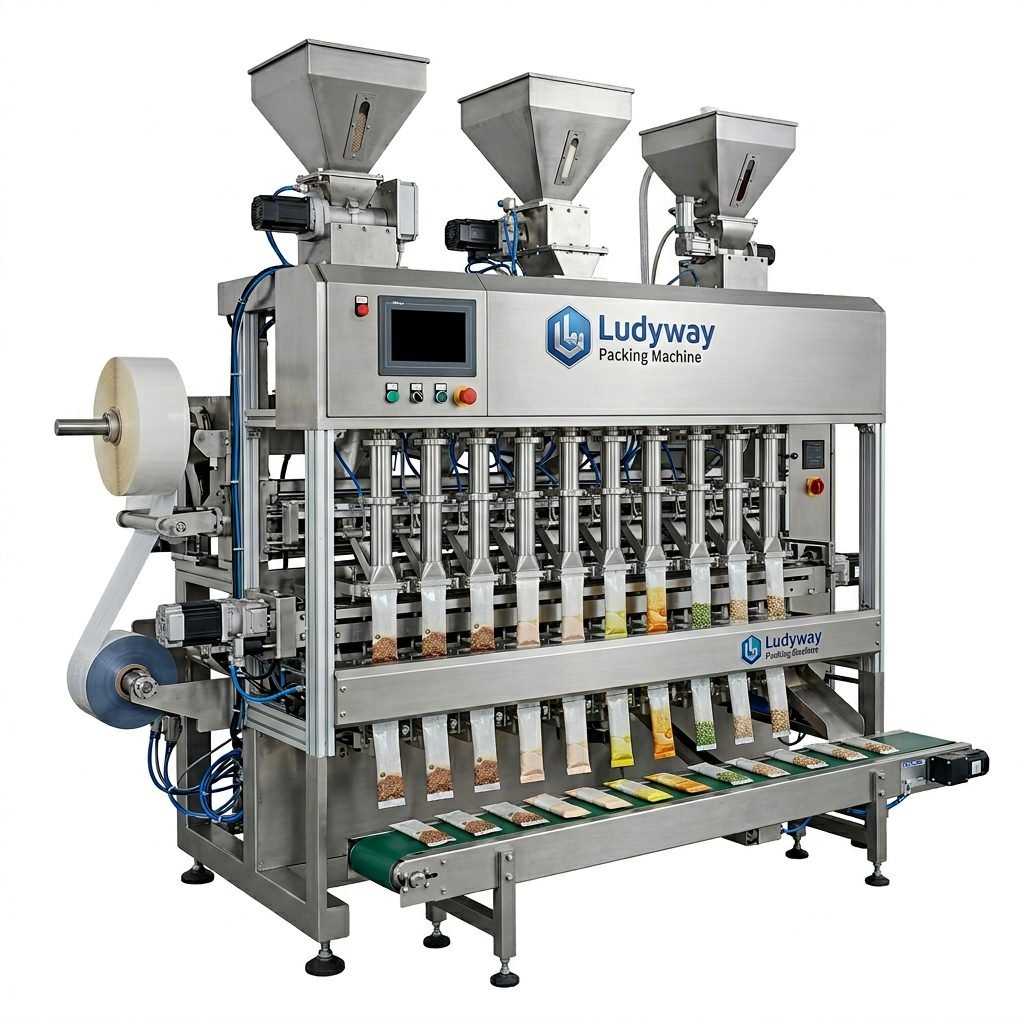
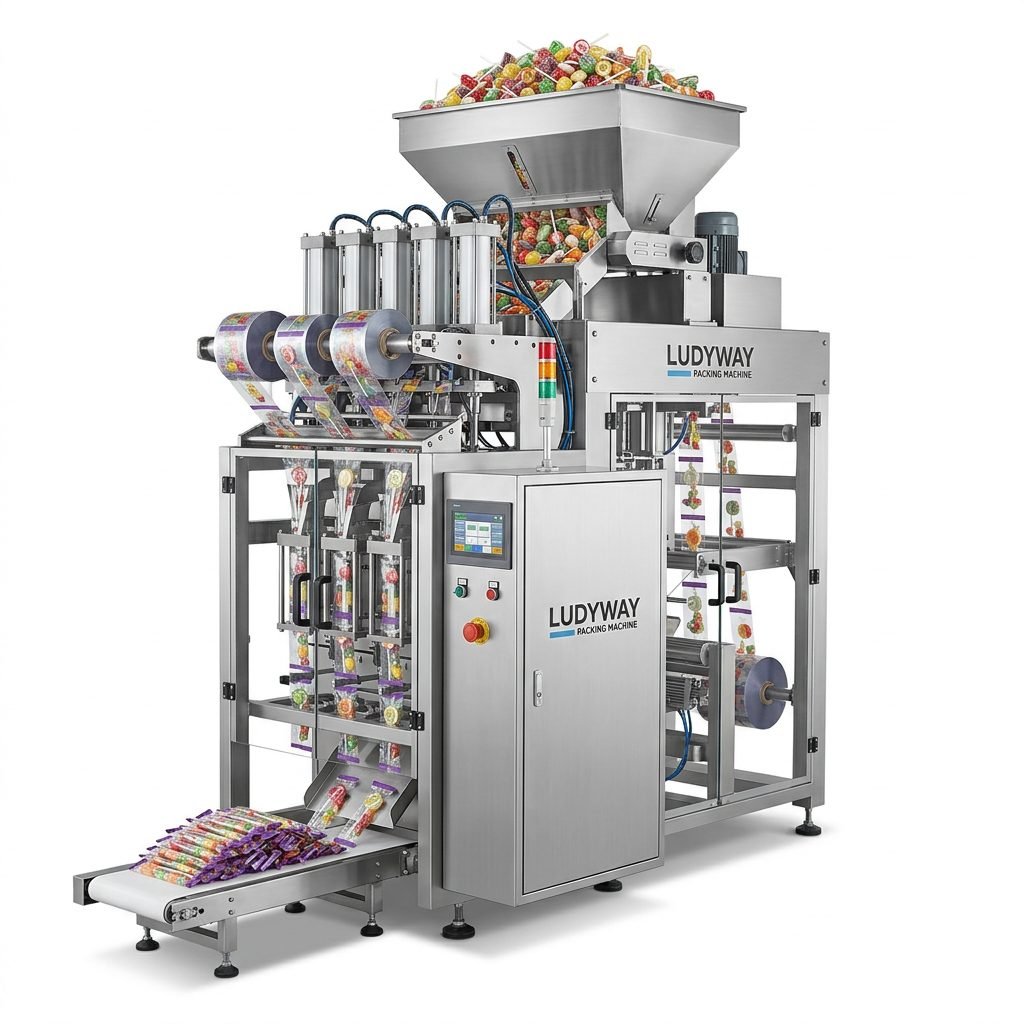
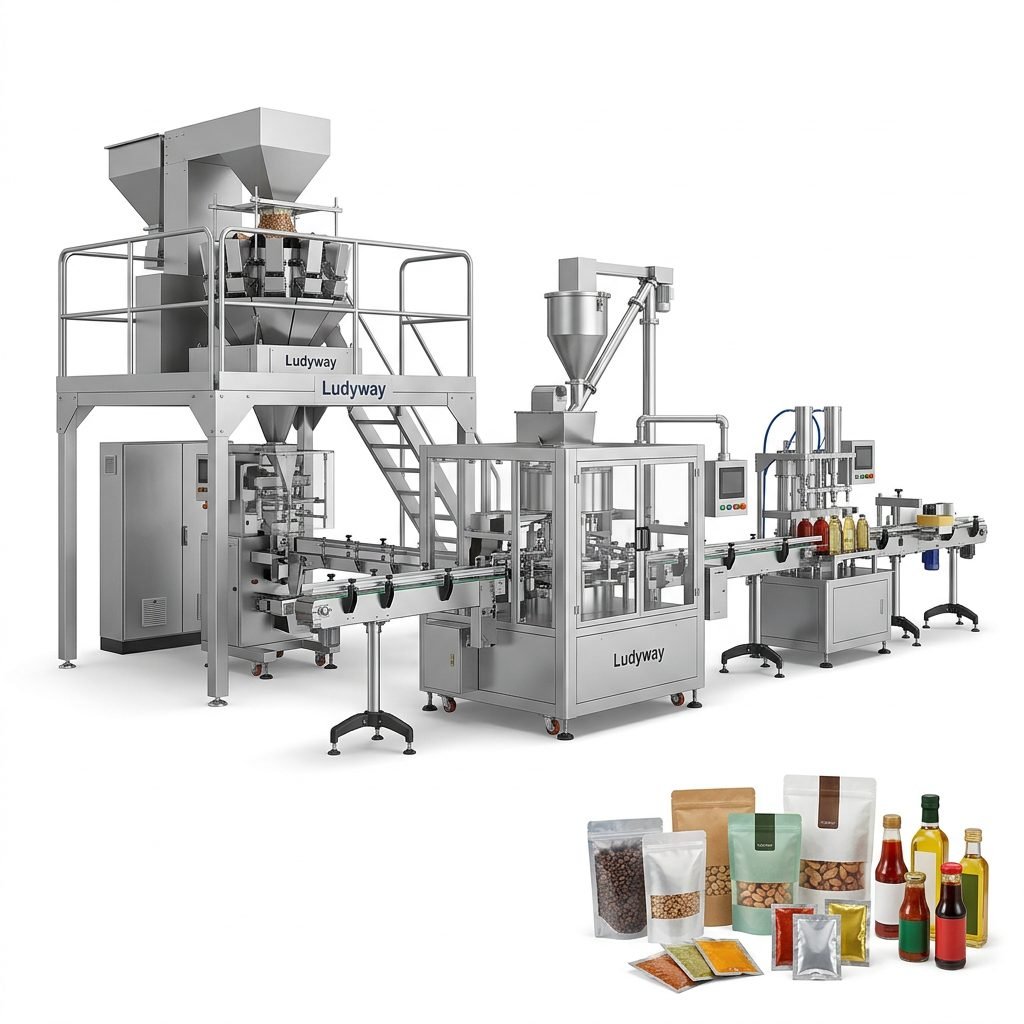
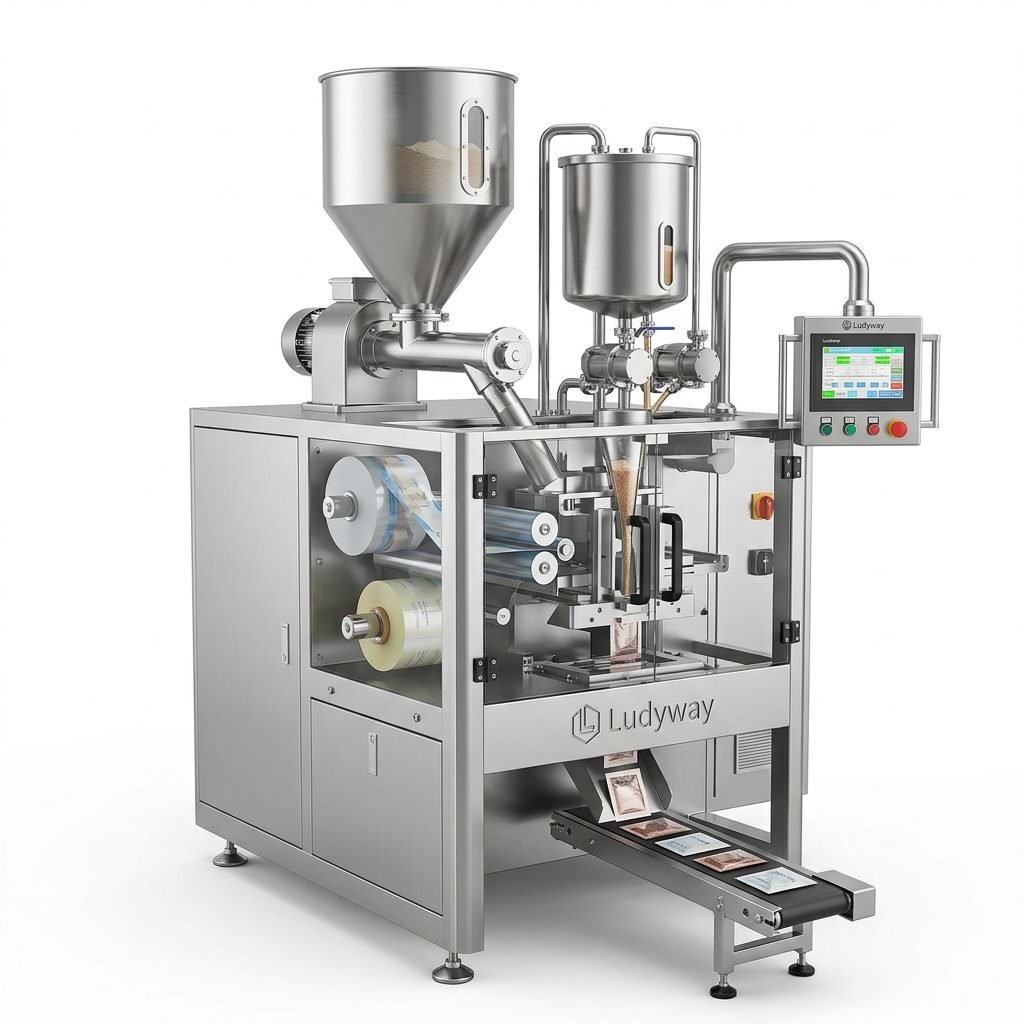
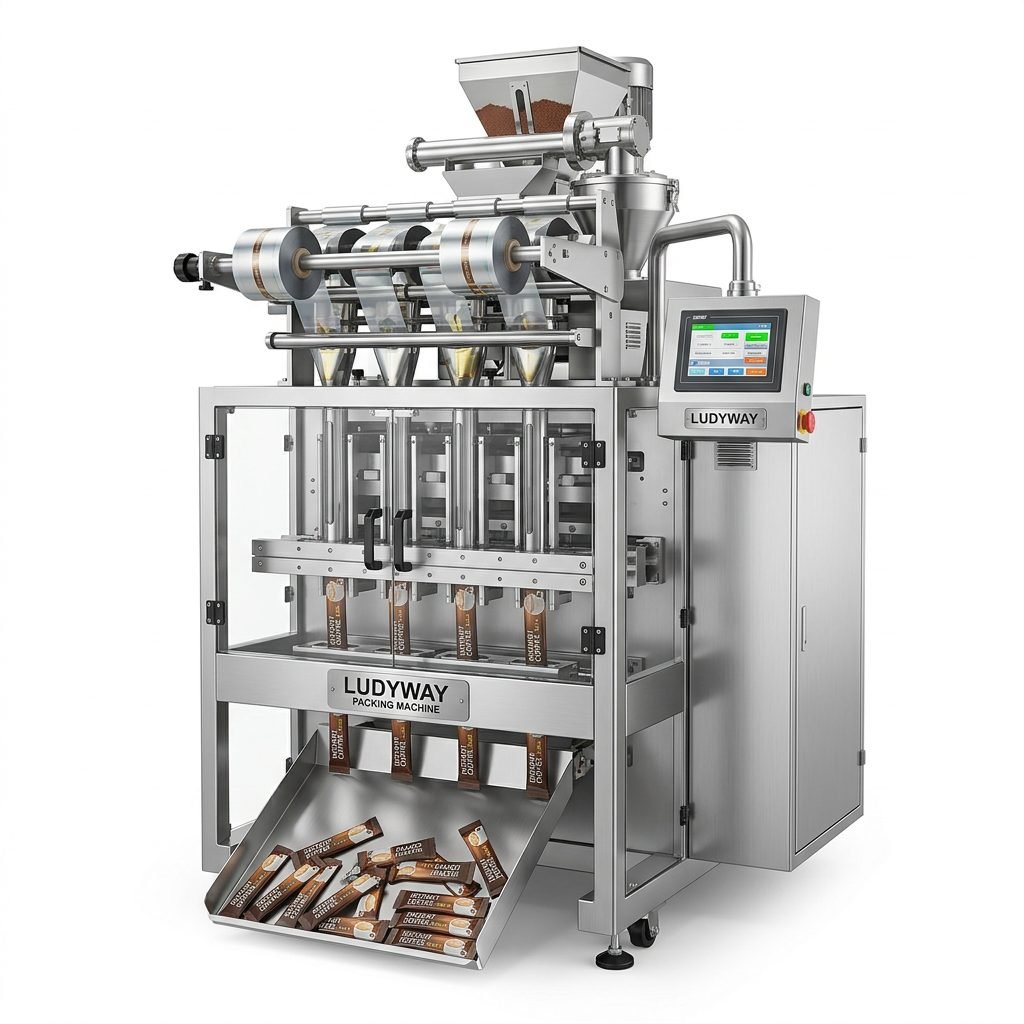
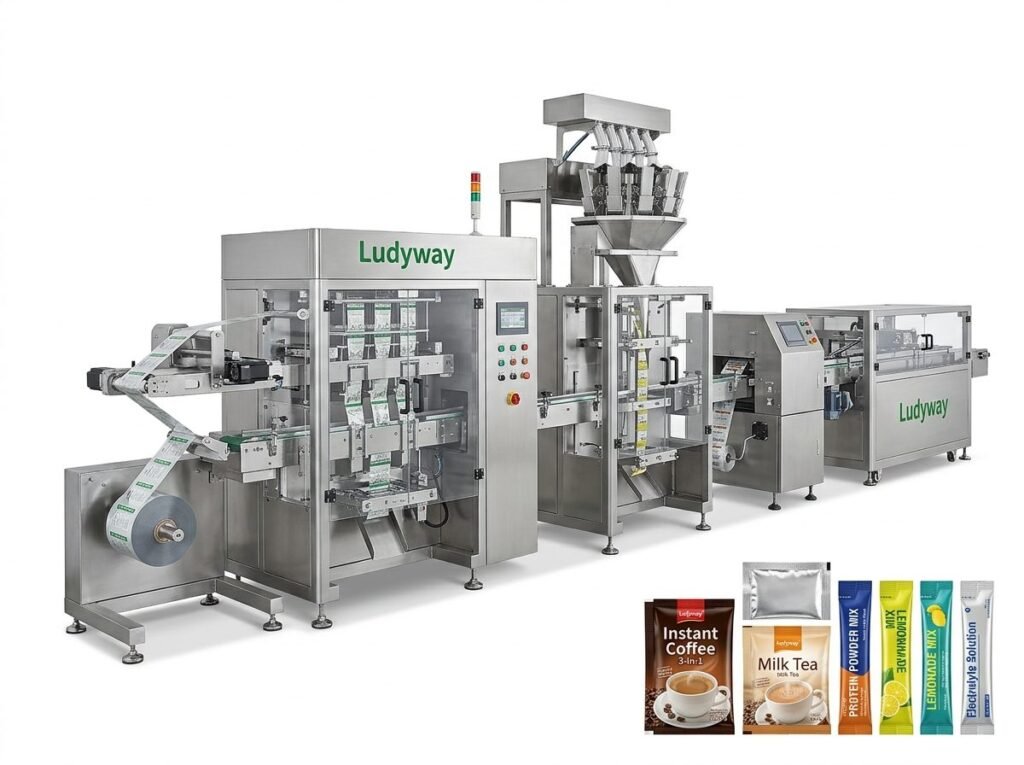
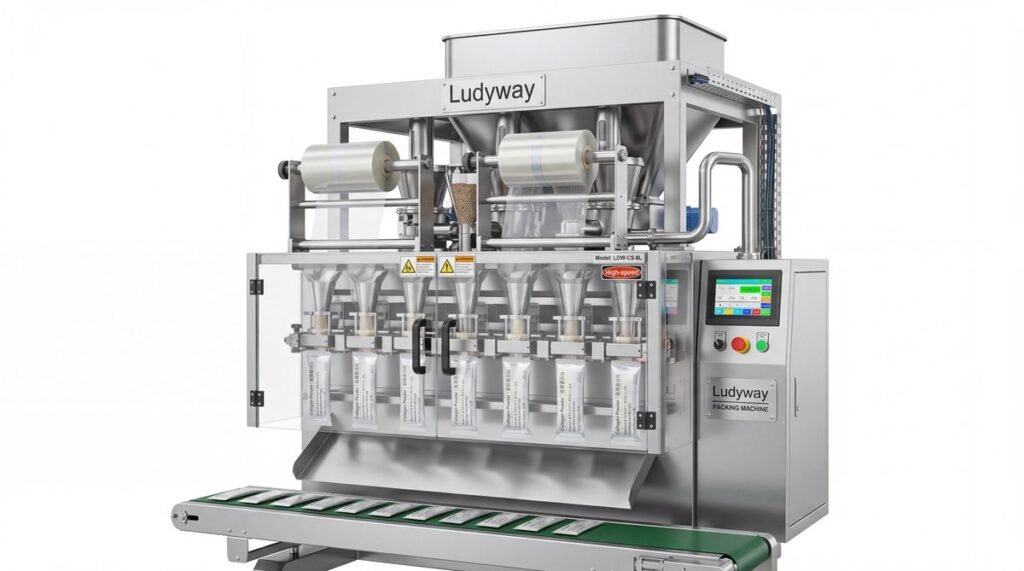
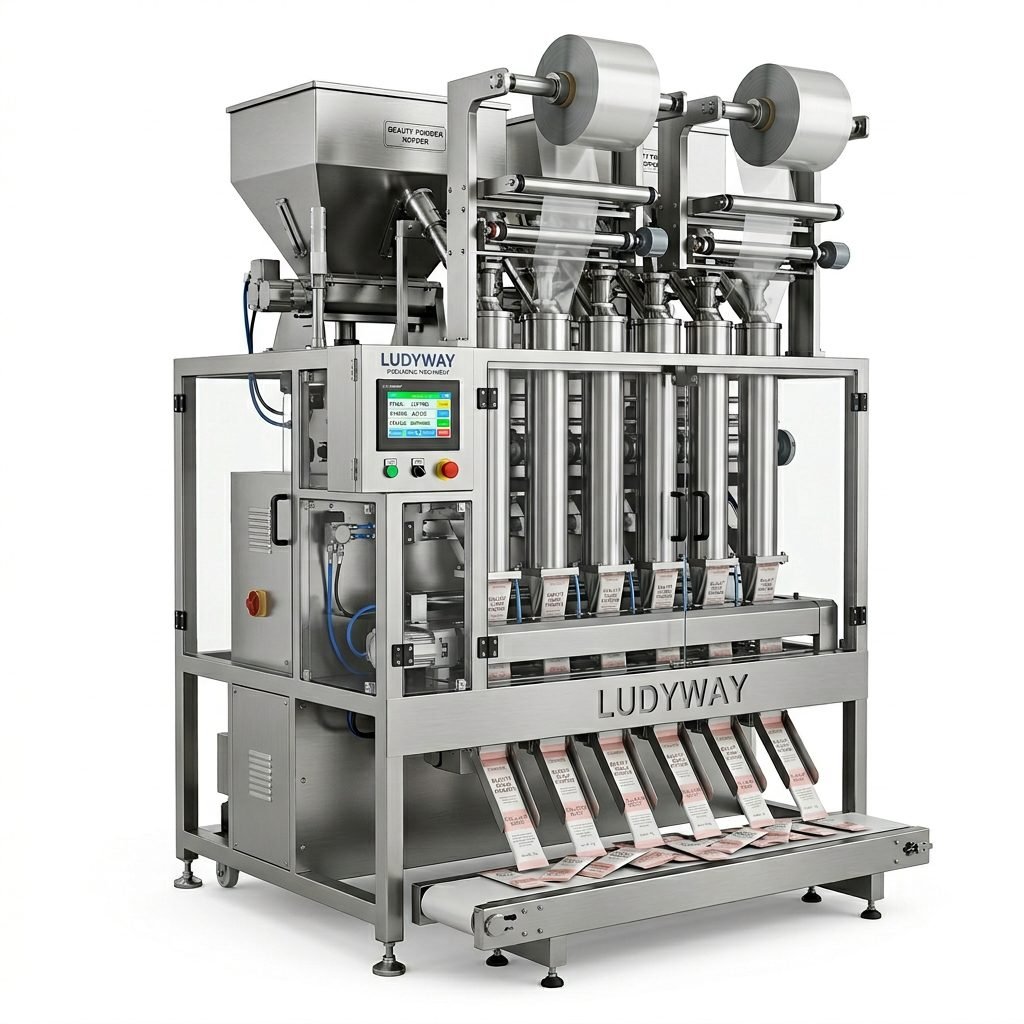
Proper maintenance of a sachet packing machine is essential to ensure consistent performance, extend equipment lifespan, and minimize unexpected downtime. Whether you are running a high-speed multi-lane system or a single-lane unit, implementing a structured maintenance routine can save your operation thousands of dollars in repair costs and lost production time. This guide covers the most important maintenance practices every operator and technician should follow.
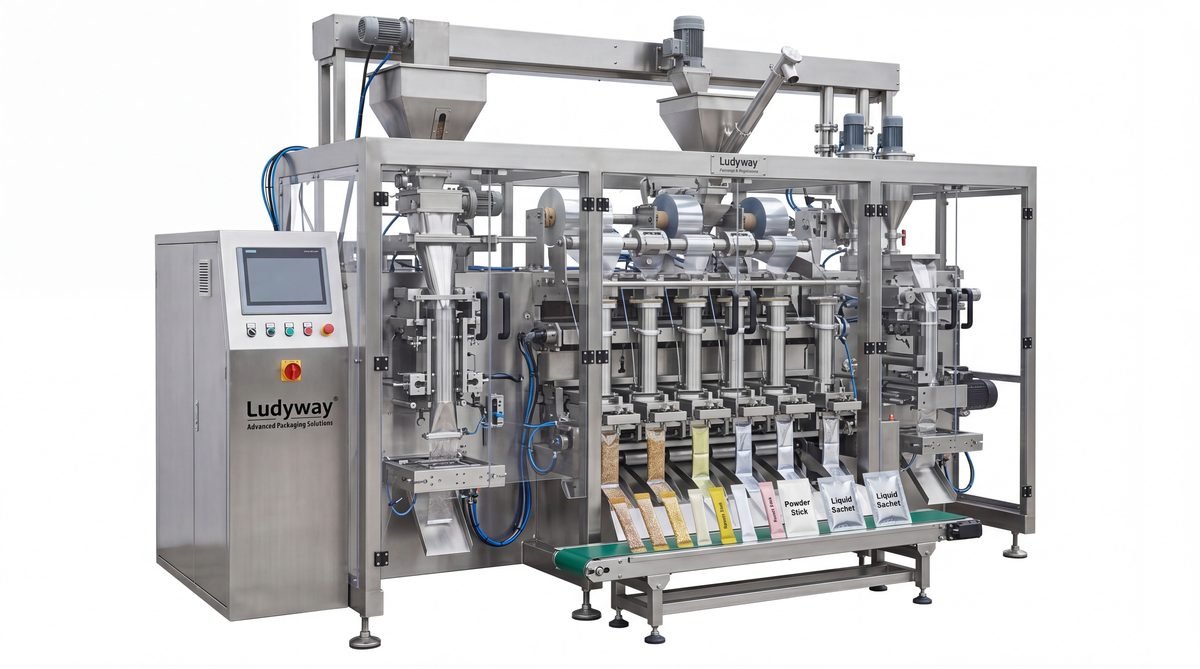
Daily Cleaning and Inspection Routine
A consistent daily cleaning schedule is the foundation of effective maintenance. Residual product buildup, dust, and debris can compromise sealing quality and lead to mechanical issues over time. Operators should perform the following tasks at the end of each shift or before starting a new production run:
- Remove all remaining product from the hopper and feeding system to prevent cross-contamination and material hardening.
- Wipe down the sealing jaws, film rollers, and forming tube with a lint-free cloth and an appropriate food-grade cleaning agent.
- Inspect the heat sealing belts and Teflon tapes for signs of wear, discoloration, or residue accumulation.
- Check the cutting blades for sharpness and any adhesive residue that may affect clean cuts.
- Verify that all sensors and photocells are clean and unobstructed, as dirty sensors are a common cause of registration errors.
- Examine air filters and cooling fans to ensure proper airflow around electrical and mechanical components.
Weekly and Monthly Maintenance Checklist
Beyond daily cleaning, a more thorough inspection should be carried out on a weekly and monthly basis. These checks help identify emerging issues before they develop into costly failures. The table below outlines the recommended frequency for key maintenance tasks:
| Maintenance Task | Recommended Frequency | Key Focus Area |
|---|---|---|
| Lubricate moving parts and bearings | Weekly | Sealing jaw mechanism, cam followers, drive chains |
| Inspect sealing system components | Weekly | Heat sealing plates, thermocouples, heating elements |
| Check film tension and alignment | Weekly | Unwind assembly, dancer arms, tracking rollers |
| Calibrate temperature controllers | Monthly | PID settings, thermocouple accuracy, setpoint verification |
| Inspect electrical connections | Monthly | Terminal blocks, relays, PLC connections, grounding |
| Replace worn wear parts | As needed (inspect monthly) | Teflon tapes, sealing gaskets, O-rings, cutting blades |
| Verify pneumatic system integrity | Monthly | Cylinders, solenoid valves, air pressure regulators, fittings |
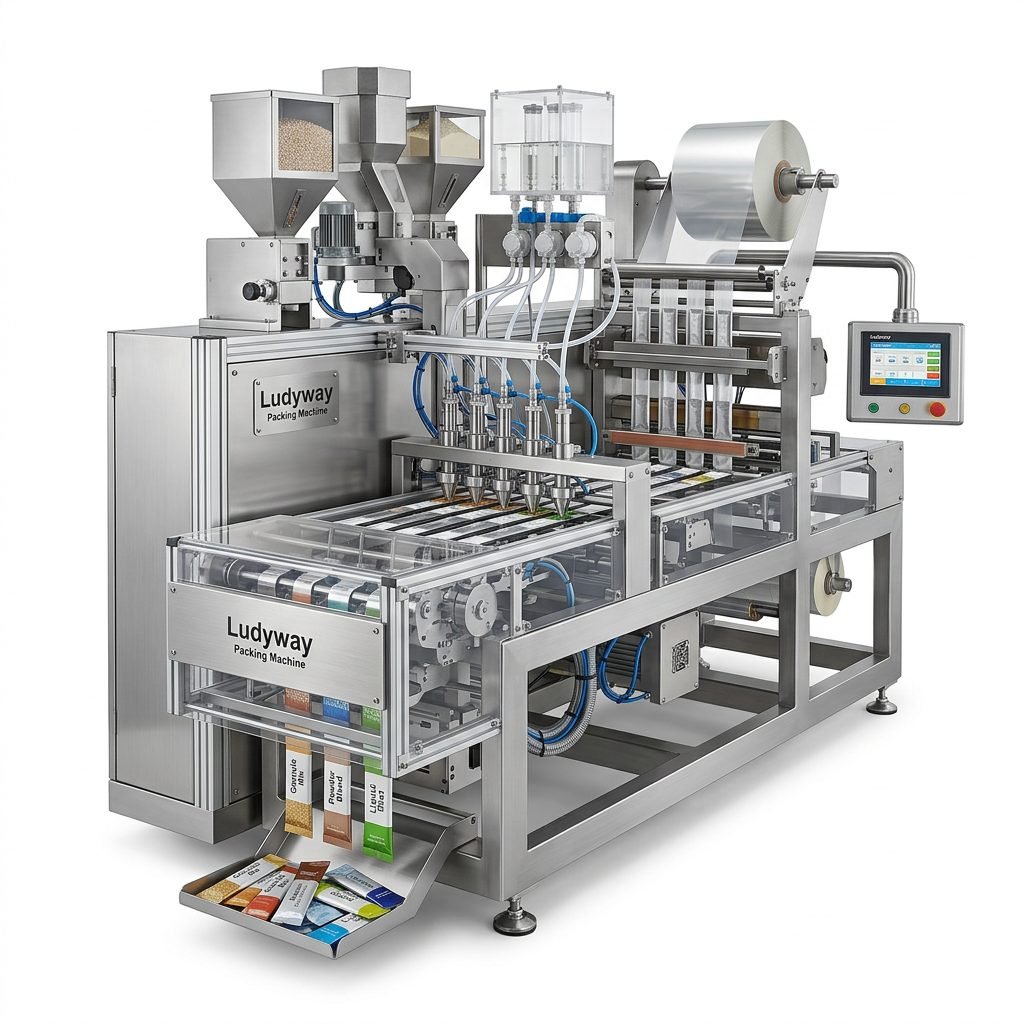
Lubrication Best Practices
Proper lubrication is critical for packaging machinery longevity. Over-lubrication can be just as harmful as under-lubrication, as excess grease attracts dust and can contaminate packaging materials. Follow these guidelines for optimal results:
- Use only food-grade lubricants for any components that may come into contact with product zones, especially in food and pharmaceutical applications.
- Apply lubricant sparingly to bearing housings, linear guides, and pivot points using a precision applicator rather than a bulk grease gun.
- Maintain a lubrication log with dates, lubricant types, and specific points serviced to track maintenance history.
- Wipe away any excess lubricant immediately to prevent it from migrating onto film or product contact surfaces.
Sealing System Care
The sealing system is the heart of any sachet packing machine. Inconsistent seal quality is often traced back to inadequate maintenance of the heat sealing components. Pay special attention to the following areas:
- Thermocouple calibration: An inaccurate thermocouple can cause seals that are too weak or too brittle. Verify calibration monthly against a certified reference thermometer.
- Teflon tape condition: Replace Teflon-coated fabrics at the first sign of peeling, scorching, or sticky residue buildup.
- Sealing jaw parallelism: Misaligned jaws create uneven pressure distribution. Check alignment with pressure-sensitive film during weekly inspections.
Electrical System and Control Panel Maintenance
Modern sachet packaging equipment relies on sophisticated PLC controls, servo drives, and HMI interfaces. Electrical maintenance should only be performed by qualified technicians with the power disconnected and proper lockout-tagout procedures in place. Key tasks include:
- Inspecting all wiring harnesses for signs of heat damage, loose connections, or insulation deterioration.
- Cleaning the control panel interior with dry compressed air to remove accumulated dust that can cause overheating.
- Testing emergency stop circuits and safety interlocks to verify they function correctly.
- Backing up PLC programs and HMI configuration files to an external storage device after any parameter changes.
Common Issues and Troubleshooting Tips
Even with a robust maintenance program, occasional issues may arise. Recognizing early warning signs allows operators to take corrective action before a minor problem escalates. Below are some frequently encountered problems and their likely causes:
| Problem | Possible Cause | Recommended Action |
|---|---|---|
| Weak or leaking seals | Incorrect temperature, pressure, or dwell time | Recalibrate temperature controller and verify pressure settings |
| Film tracking off-center | Misaligned rollers or worn guide components | Realign tracking rollers and replace worn guide bushings |
| Inconsistent fill weights | Product bridging in hopper or worn auger | Clean hopper, check agitator function, inspect auger clearance |
| Excessive machine vibration | Loose fasteners or worn bearings | Tighten all mounting bolts and replace worn bearings immediately |
| Registration or cutting errors | Dirty photocell or incorrect sensor position | Clean sensor lens and verify registration mark alignment |
The Value of Spare Parts Management
Maintaining an inventory of critical spare parts is a proactive strategy that reduces downtime significantly. Every packaging operation should stock the following essential items for their packaging equipment:
- Sealing belts and Teflon-coated fabrics specific to your machine model
- Heating elements and thermocouples calibrated for your temperature range
- Cutting blades and associated mounting hardware
- Commonly replaced bearings, bushings, and O-rings
- Pneumatic cylinder seals and solenoid valve kits
- HMI and PLC backup modules where practical
Partnering with a reliable packaging machine manufacturer like Ludyway ensures you have access to genuine OEM spare parts, technical documentation, and responsive after-sales support. Ludyway is one of the largest packaging machine manufacturers in China, offering over 50 intelligent packaging machine models and serving customers in more than 100 countries with advanced sachet packaging solutions.
Training and Documentation
Even the best maintenance program cannot succeed without properly trained operators and technicians. Invest in comprehensive training that covers:
- Daily startup and shutdown procedures specific to your sachet packing machine model.
- Recognition of abnormal sounds, vibrations, or visual indicators that signal potential problems.
- Correct lockout-tagout procedures and safety protocols for maintenance activities.
- Proper documentation practices, including maintenance logs, calibration records, and parts replacement histories.
- Understanding of flexible packaging industry standards and how they apply to machine operation and maintenance.
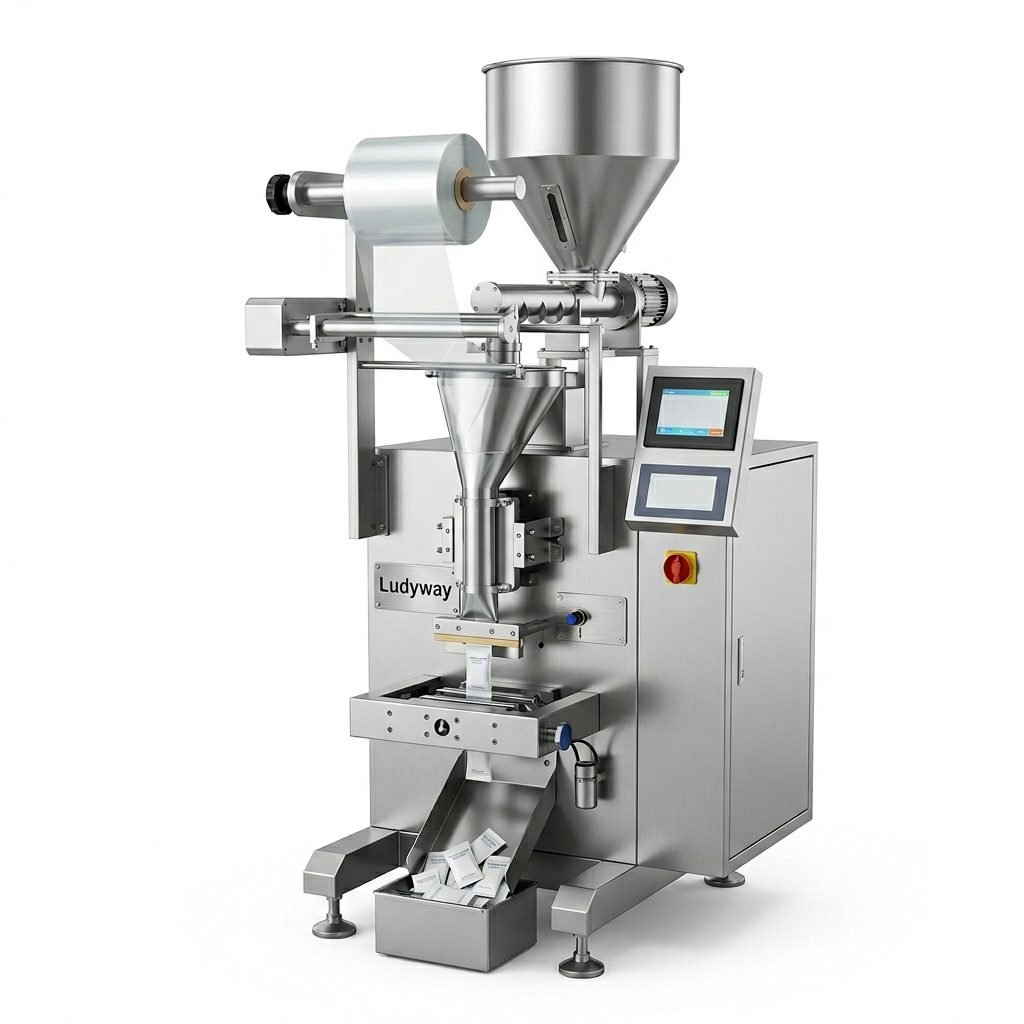
By following these essential maintenance practices, operators can maximize the reliability, efficiency, and lifespan of their sachet packing machines. A well-maintained machine not only delivers consistent package quality but also contributes to a safer working environment and a stronger bottom line. For additional guidance on maintenance planning, refer to resources from organizations such as PMMI’s Business Intelligence Library and the ISO packaging standards, which provide valuable frameworks for operational excellence in packaging production.