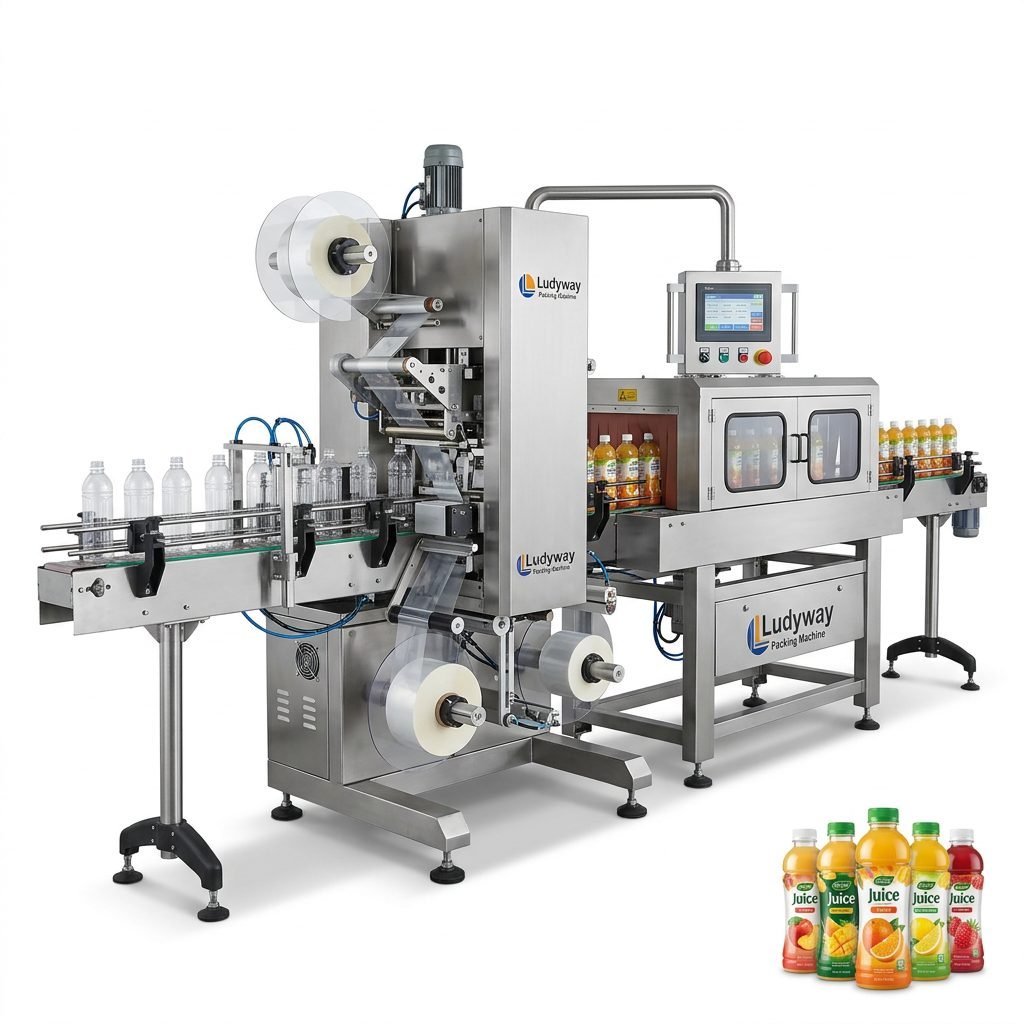
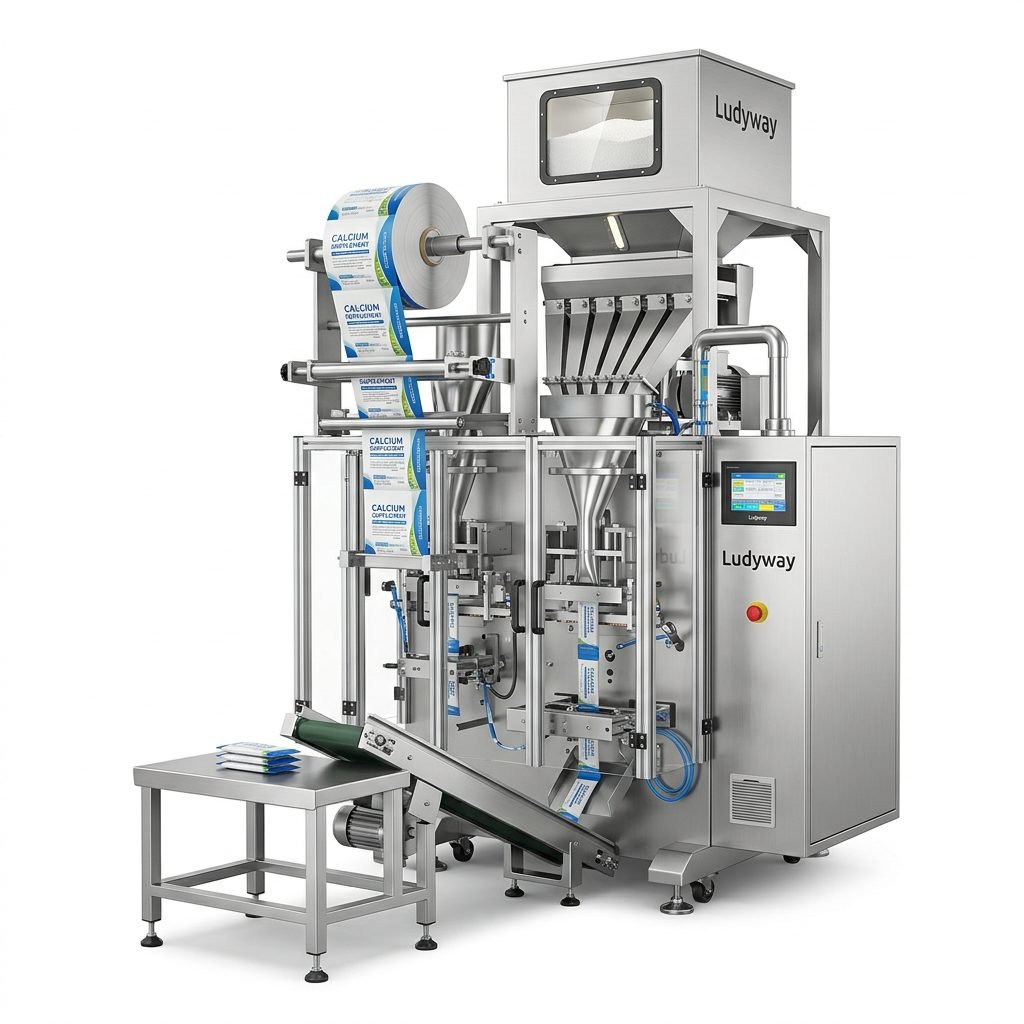
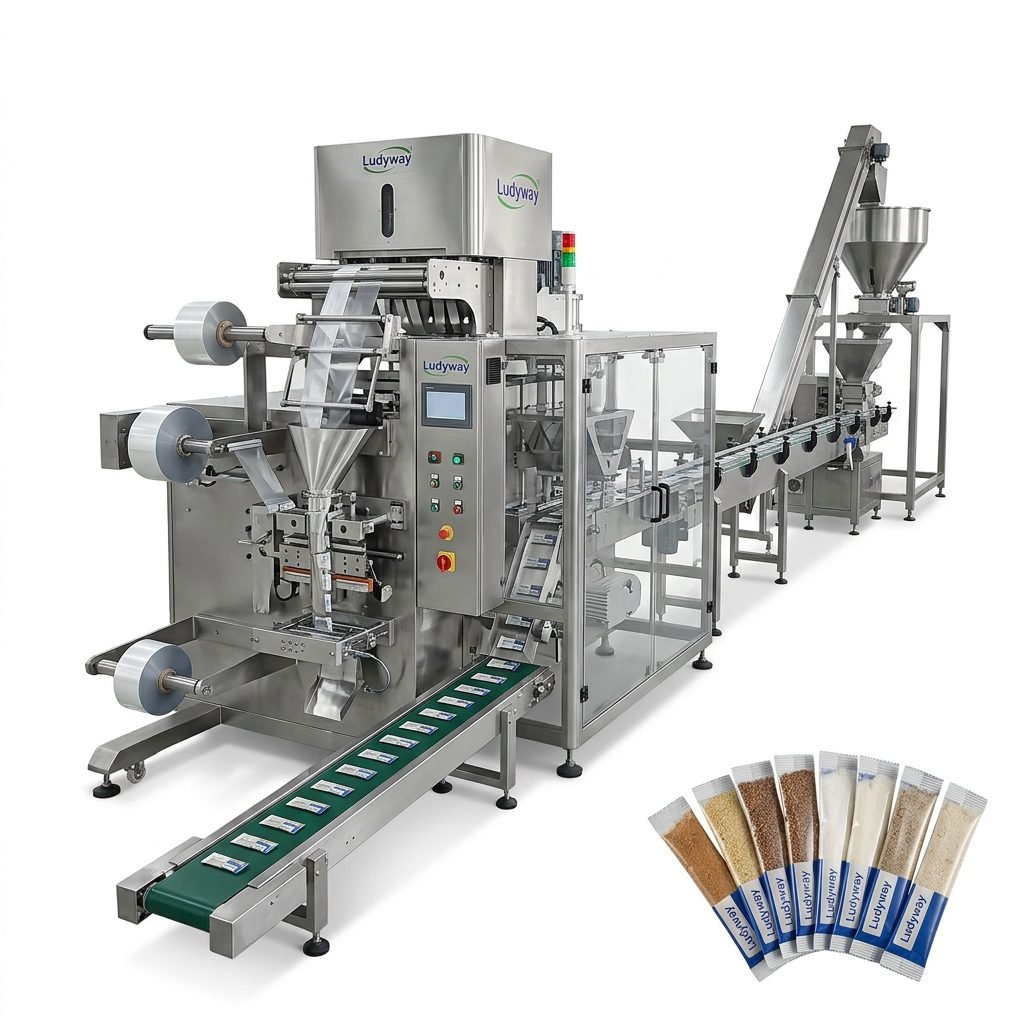
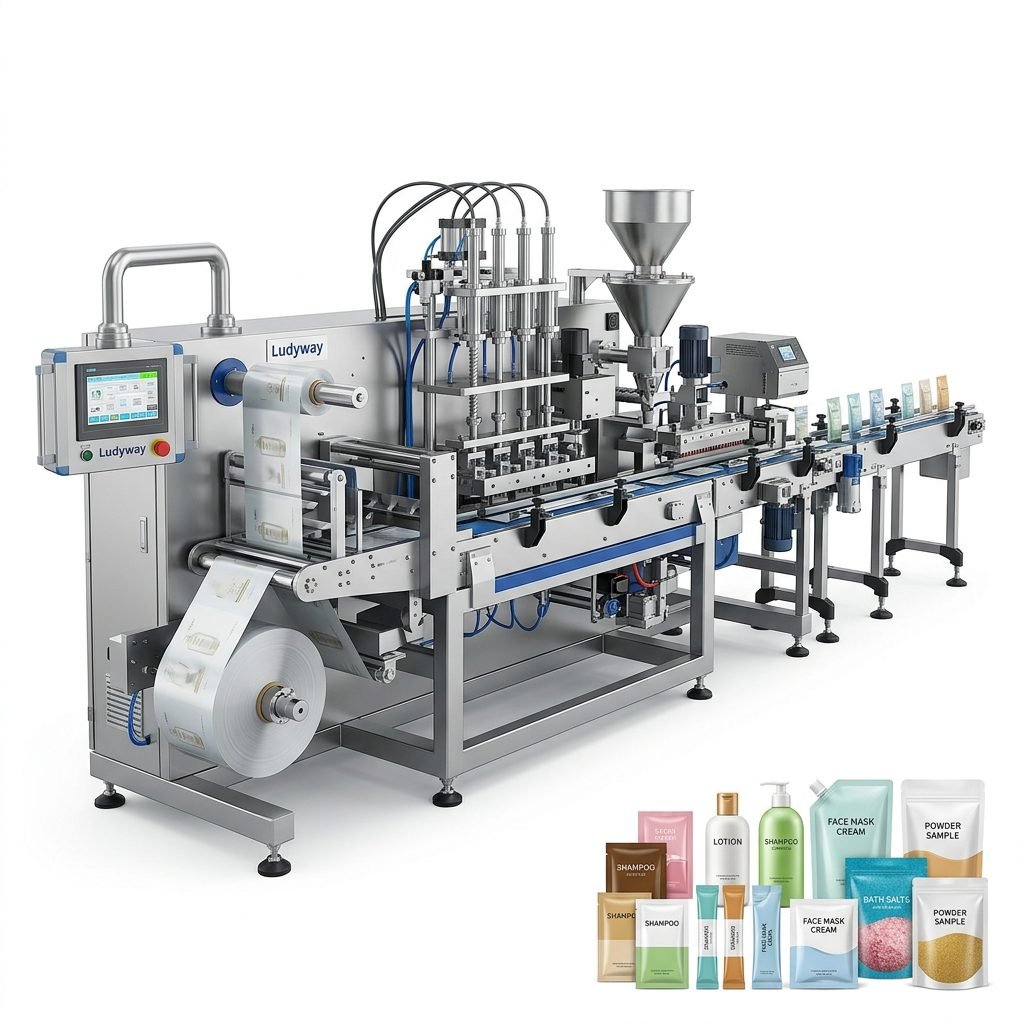
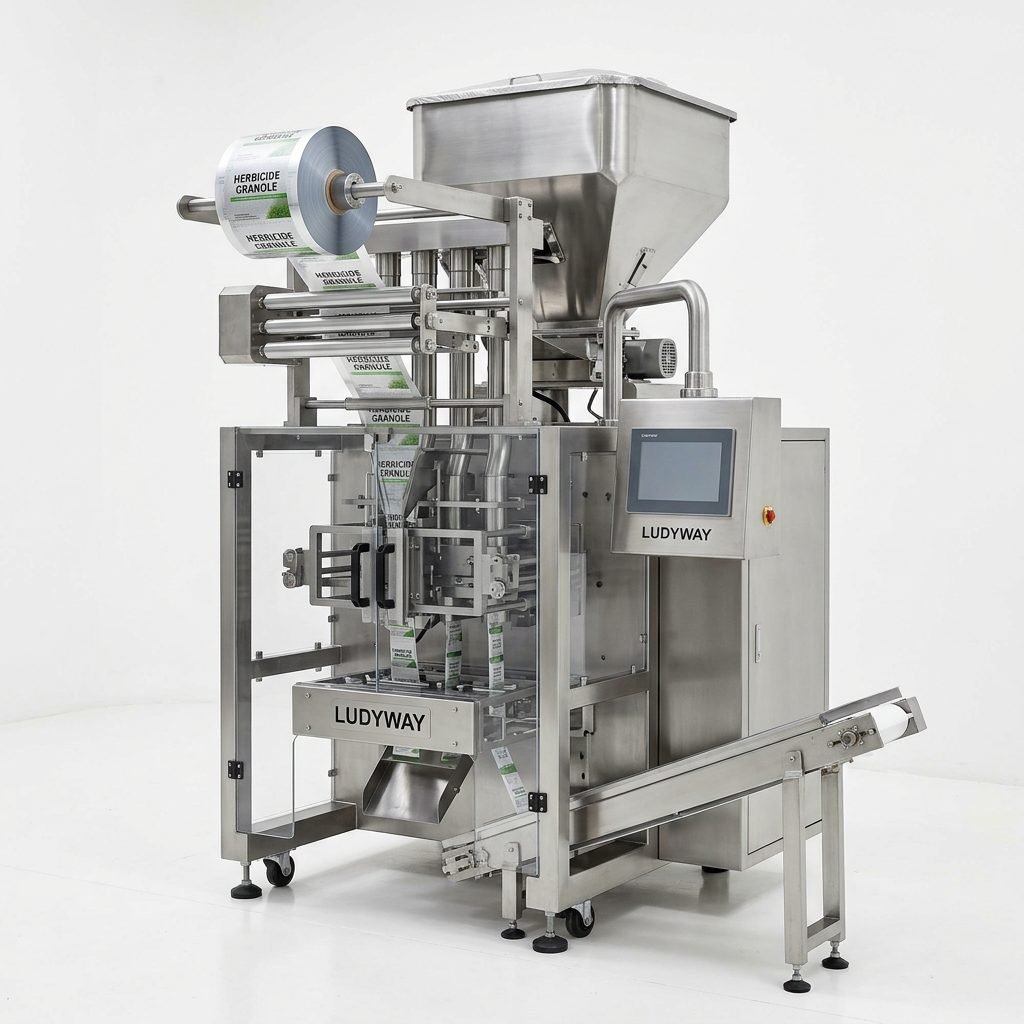
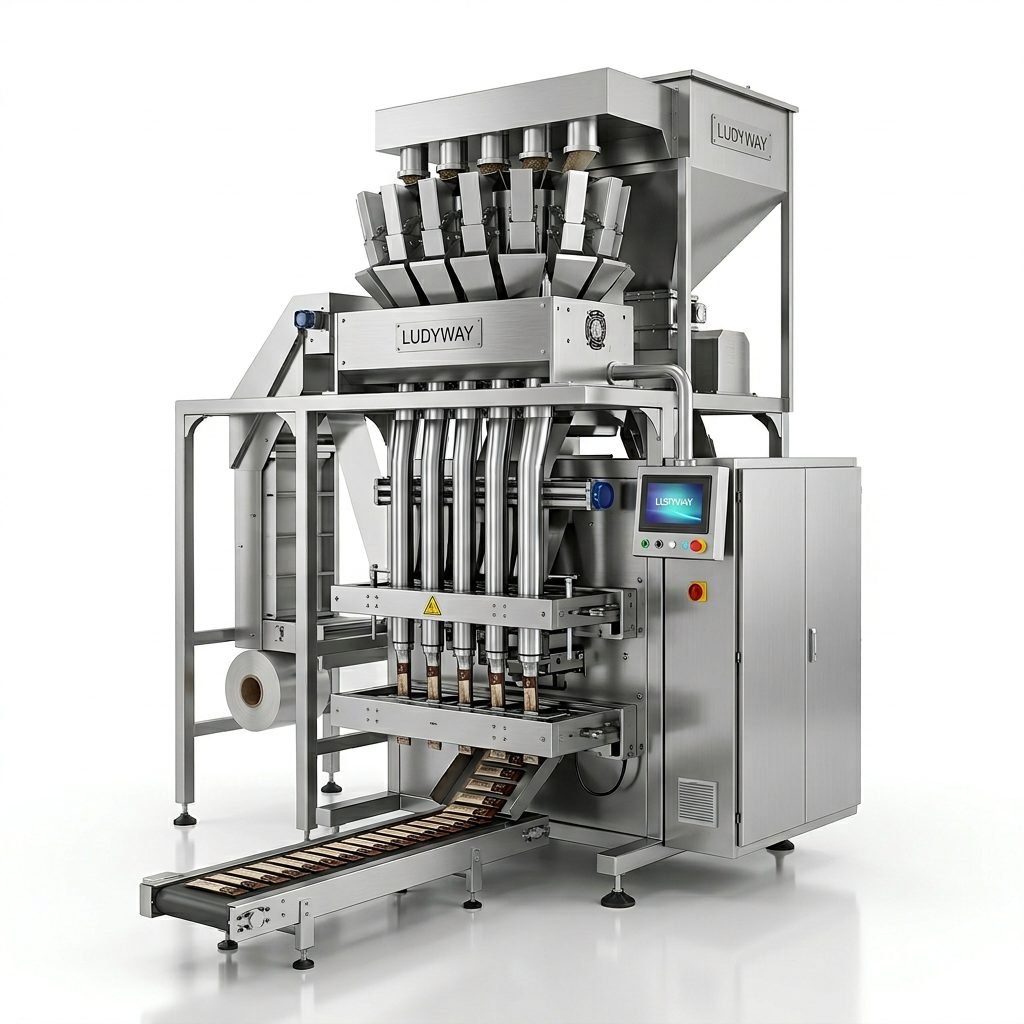
Investing in a flexible packaging machine is a critical decision that affects your production efficiency, product quality, and long-term operational costs. With so many equipment types, configurations, and suppliers available, it is easy to feel overwhelmed. This guide walks you through the key factors to consider, helping you match the right packaging machinery to your specific production requirements.

Define Your Product Characteristics First
Before evaluating any flexible packaging machine, you must clearly understand what you are packaging. Product characteristics directly determine the type of filling system, sealing technology, and overall machine configuration you need.
- Product form: Is your product a powder, granule, liquid, paste, or solid piece? Each form requires a specific dosing and filling mechanism. Powder products may need auger fillers, while liquids often use piston or peristaltic pumps.
- Flow characteristics: Free-flowing granules behave very differently from cohesive powders or viscous liquids. Machines must be configured with the appropriate hopper design, agitation systems, and filling nozzles.
- Product sensitivity: Hygroscopic products, oxygen-sensitive formulations, or fragile granules may require additional features such as nitrogen flushing, vacuum systems, or gentle handling conveyors.
- Particle size and density: These factors influence dosing accuracy, filling speed, and the type of weighing system required.
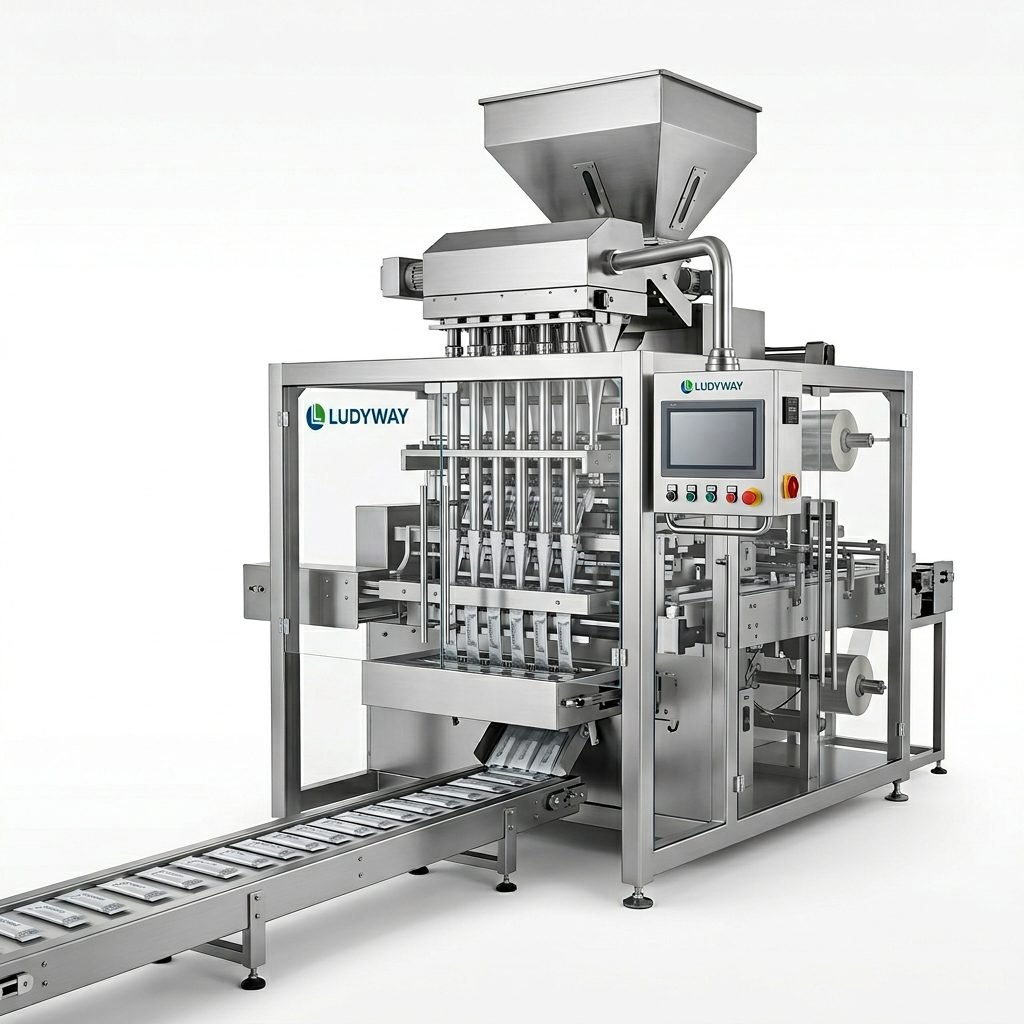
Understand Your Target Packaging Format
Flexible packaging comes in many formats, and the packaging machine you choose must be compatible with your desired format. The Flexible Packaging Association provides extensive industry data on format trends and material innovations.
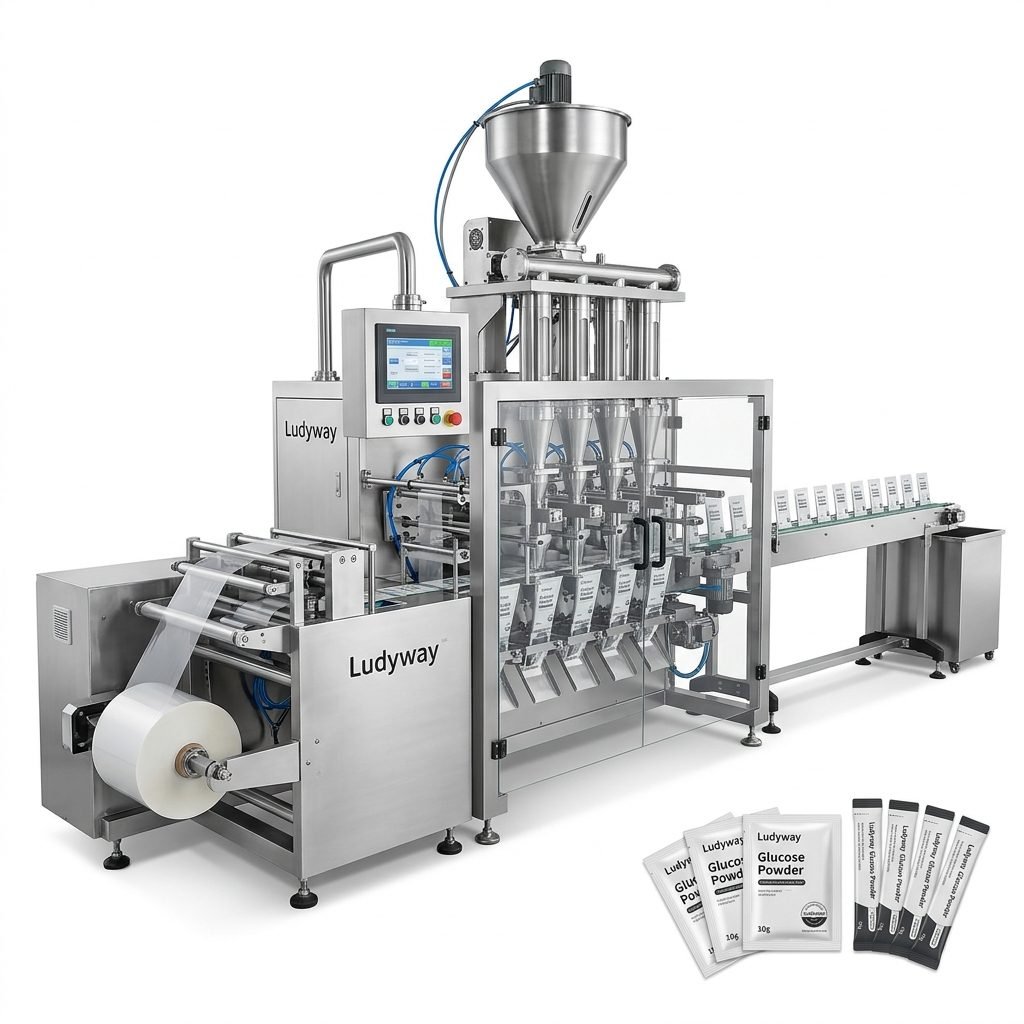
- Stick packs: Narrow, elongated sachets popular for single-serve powders, supplements, and condiments. These require multi-lane machines for high-output production.
- Sachets and flat pouches: Three- or four-side sealed packages commonly used for sample products, sauces, and personal care items.
- Stand-up pouches: Often fitted with zippers or spouts, these are widely used in food, pet food, and beverage applications. They typically require premade pouch rotary or inline machines.
- Gusseted bags and block-bottom pouches: Provide greater volume and shelf presence, ideal for coffee, tea, and bulk food products.
- Quad-seal and shaped pouches: Premium formats that enhance brand differentiation but may require specialized forming and sealing stations.
Determine Your Required Production Speed and Capacity
Production throughput is often the primary driver of equipment selection. When evaluating speed, look beyond the theoretical maximum output quoted by manufacturers. Consider your actual operating conditions and required uptime.
Key questions to answer:
- How many packs per minute do you need now, and what is your projected growth over the next three to five years?
- What is your typical batch size, and how frequently do you change over between products or formats?
- Do you need a single-lane machine for lower volumes, or a multi-lane configuration for high-speed production?
According to PMMI business intelligence reports, manufacturers increasingly prioritize flexibility and quick changeover capabilities alongside raw speed, as production runs become more varied.
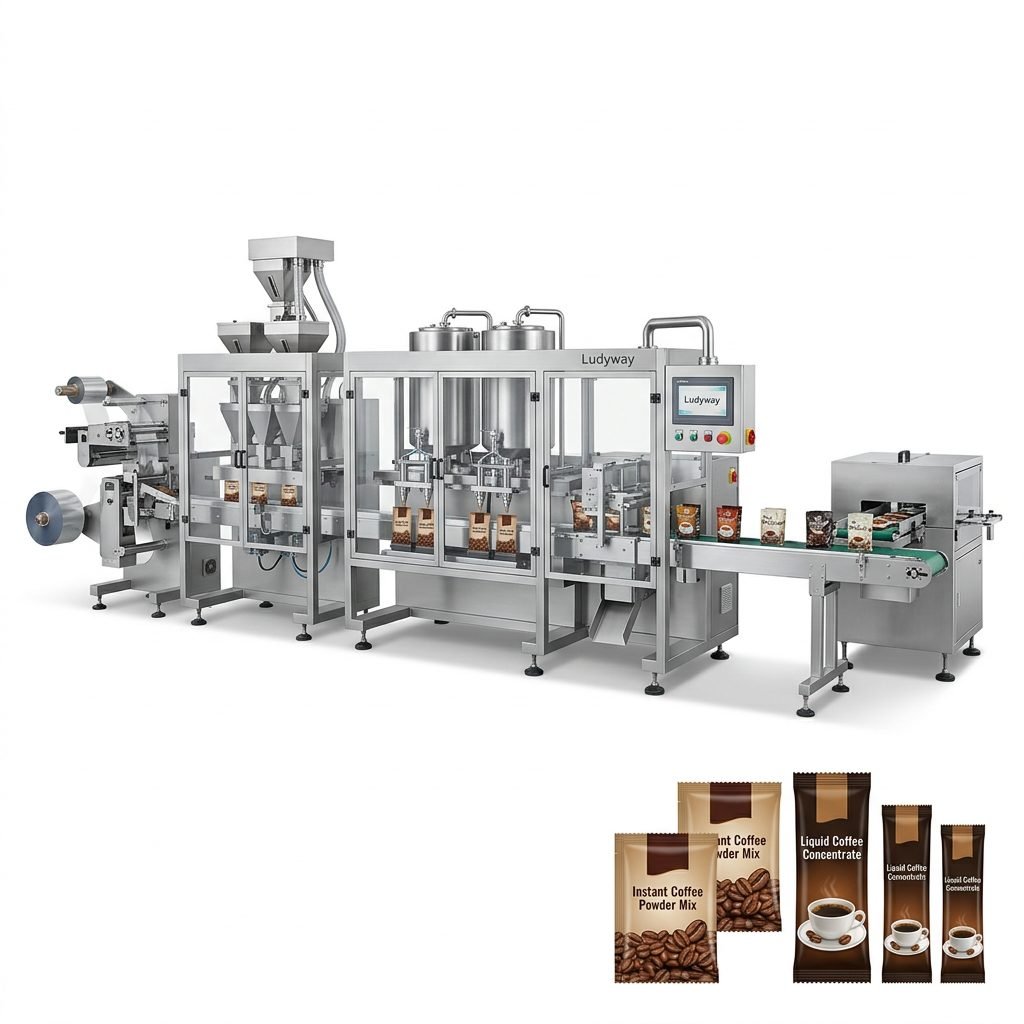
Choose the Right Machine Type and Configuration
Flexible packaging machines generally fall into several categories. Understanding the differences helps you narrow down your options efficiently.
| Machine Type | Best For | Key Advantage | Typical Speed Range |
|---|---|---|---|
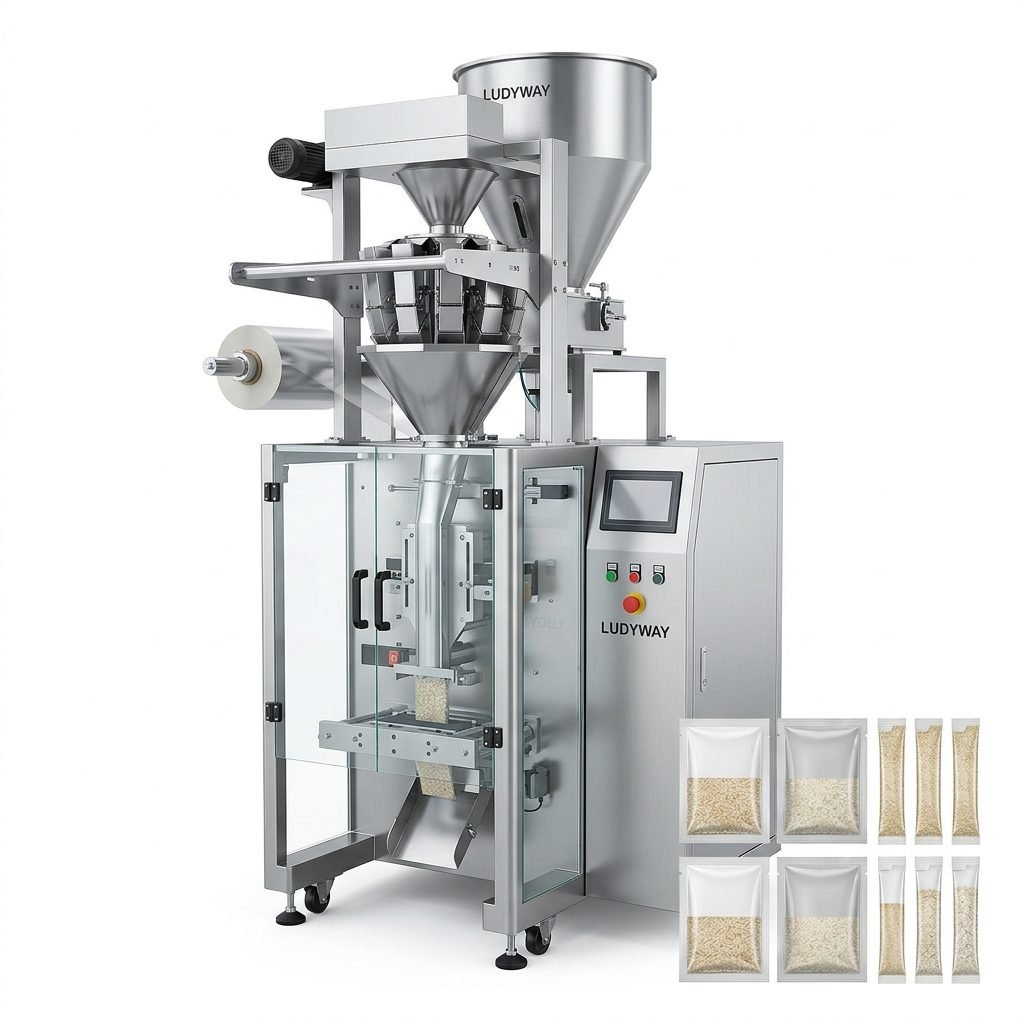
| Vertical Form Fill Seal (VFFS) | Powders, granules, snacks, grains | Versatile and cost-effective | 30–120 packs/min |
| Horizontal Form Fill Seal (HFFS) | Solid products, bars, wipes, medical devices | Gentle product handling | 40–200 packs/min |
| Multi-Lane Stick Pack Machine | Single-serve powders, liquids, granules | Extremely high output per footprint | 200–1,000+ packs/min |
| Premade Pouch Rotary Machine | Stand-up pouches, spouted pouches, zipper bags | Premium packaging formats | 30–80 packs/min |
| Premade Pouch Inline Machine | Medium-volume pouch applications | Lower capital investment | 15–40 packs/min |
| Sachet Machine (Flat/Three-Side Seal) | Sample packs, condiments, personal care | Simple operation and maintenance | 40–300 packs/min |
Evaluate Material Compatibility and Sustainability Requirements
Your choice of flexible packaging machine must be compatible with the packaging materials you intend to use. This consideration is increasingly important as manufacturers shift toward sustainable and recyclable structures.
- Film type and thickness: Different machines handle different film ranges. Ensure the machine can run your specified materials, whether they are single-layer PE, multi-layer laminates, metallized films, or paper-based structures.
- Sealing compatibility: Heat-sealable, cold-seal, and ultrasonic sealing each have different requirements. Verify that the machine’s sealing system matches your material’s sealant layer.
- Recyclable and bio-based materials: Newer sustainable materials often have narrower processing windows. Machines may need precise temperature control and tension management to run these materials reliably. Refer to Flexible Packaging Association industry resources for sustainability guidelines.
- Barrier requirements: Products requiring high oxygen or moisture barriers may need machines with modified atmosphere packaging (MAP) or vacuum capabilities.
Assess Automation Level and Integration Needs
Modern flexible packaging machines can range from semi-automatic stand-alone units to fully integrated turnkey packaging lines. Your choice should align with your workforce availability, labor costs, and overall factory automation strategy.
Consider these integration-compatible configurations:
- Stand-alone machine with manual feeding — suitable for low-volume or start-up operations
- Semi-automatic systems with automated filling but manual loading and unloading
- Fully automatic inline systems with automated feeding, filling, sealing, coding, and inspection
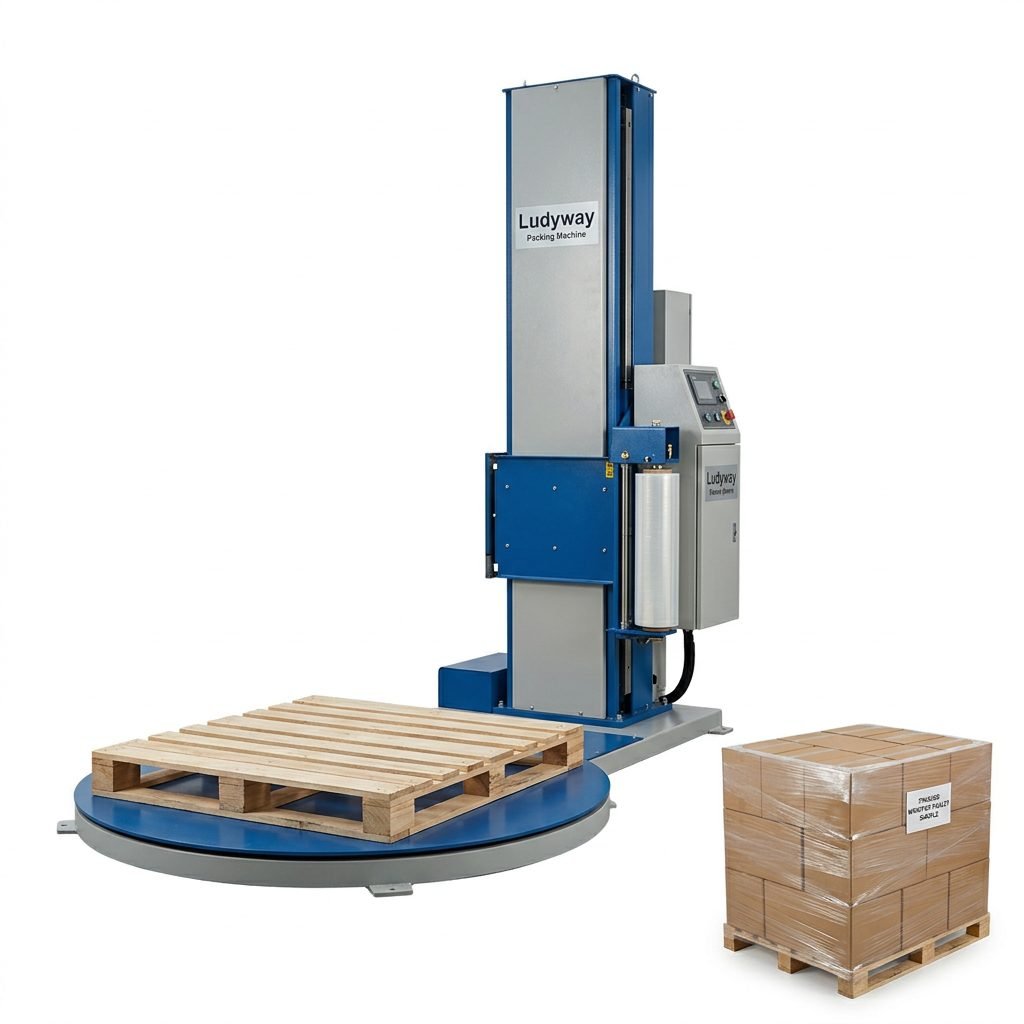
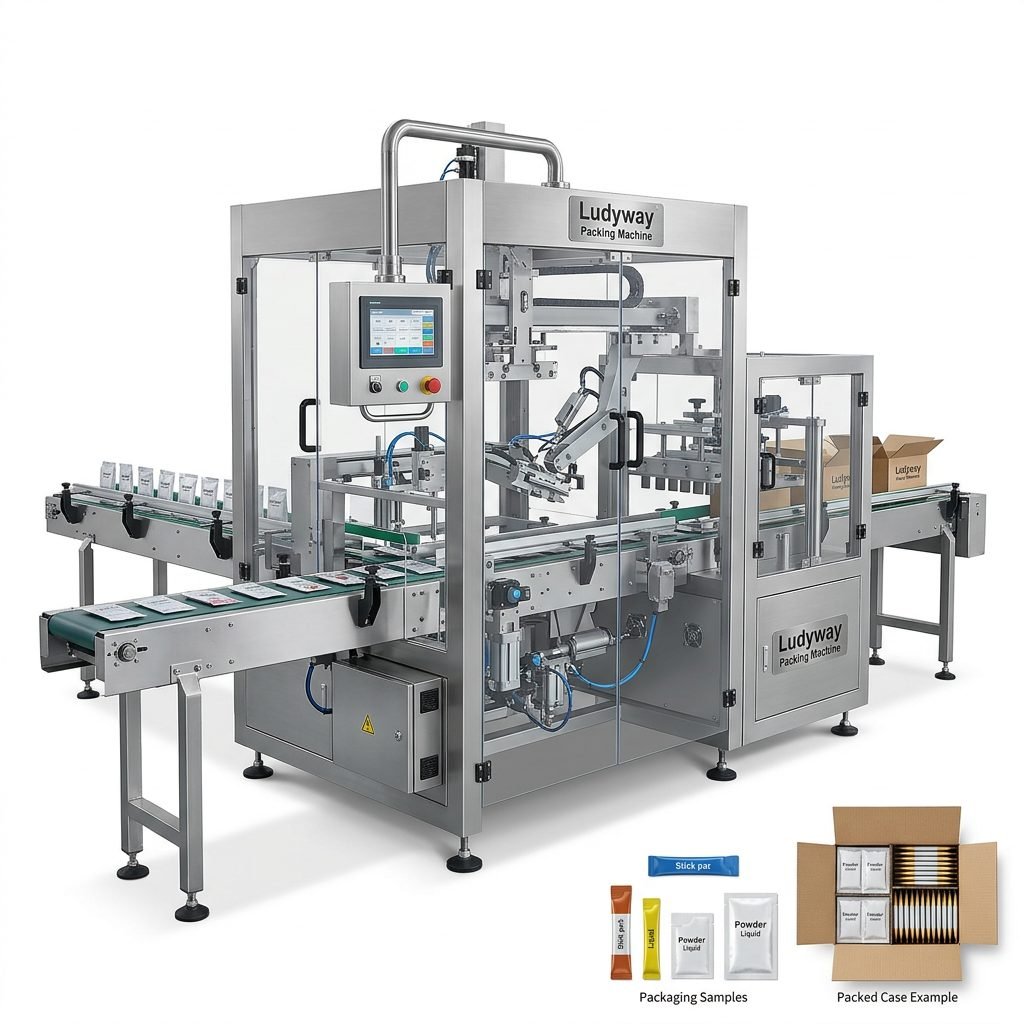
- Turnkey packaging lines that integrate multiple machines including cartoning, case packing, and palletizing — see PMMI packaging industry resources for integration best practices
Verify Quality, Compliance, and Certification Standards
Depending on your industry and target markets, your packaging machinery may need to comply with specific regulations and standards. Always confirm that the equipment can be configured to meet applicable requirements.
| Industry | Key Standards | Typical Requirements |
|---|---|---|
| Food and Beverage | FDA, EU 1935/2004, HACCP | Food-grade materials, washdown capability, traceability |
| Pharmaceuticals | GMP, ISO 11607, 21 CFR Part 11 | Validated processes, cleanroom compatibility, data integrity |
| Cosmetics and Personal Care | ISO 22716, GMP | Hygienic design, contamination prevention |
| Chemicals and Industrial | REACH, GHS, local regulations | Corrosion resistance, explosion-proof options, accurate dosing |
| Medical Devices | ISO 11607-2, sterile barrier standards | Validated sealing, cleanroom operation, integrity testing |
Consider Total Cost of Ownership, Not Just Purchase Price
The initial capital expenditure is only one part of the equation. A complete cost analysis should account for the entire lifecycle of the flexible packaging machine.
- Installation and commissioning: Including facility preparation, utility connections, and initial training
- Operating costs: Film waste rates, energy consumption, compressed air requirements, and labor allocation
- Maintenance and spare parts: Availability of critical components, recommended spare parts inventory, and service contract options
- Changeover efficiency: Machines that require extensive downtime between product or format changes increase hidden costs
- Expected service life: Higher-quality machinery often delivers better long-term value through extended operational life and higher resale value
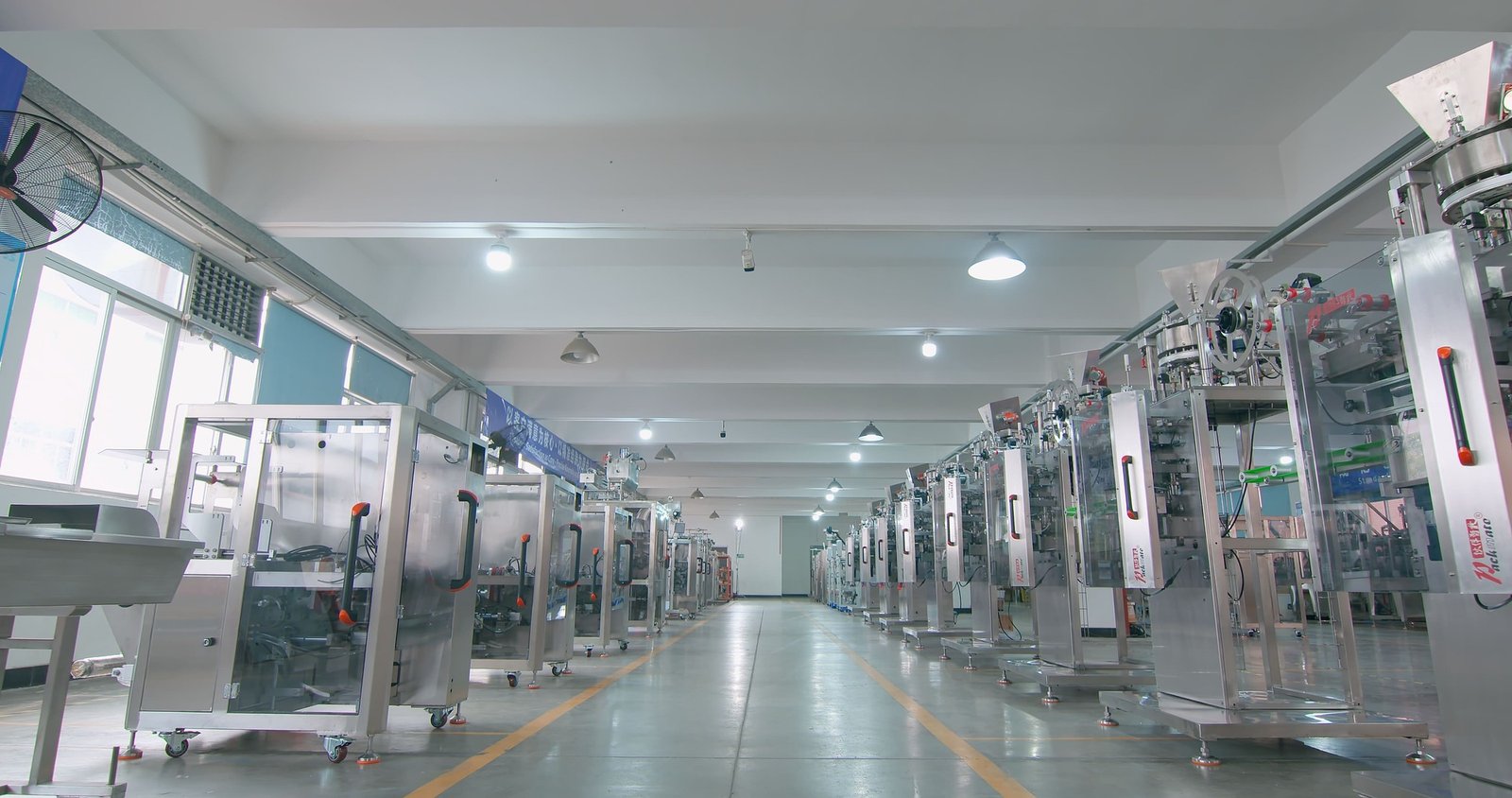
Evaluate Supplier Capabilities and Global Support
Choosing the right packaging machinery supplier is as important as choosing the right machine. A supplier with strong engineering capabilities, global service infrastructure, and industry experience can significantly impact your project’s success.
Key supplier attributes to evaluate include manufacturing scale, number of machine models available, customization capabilities, international certifications, and after-sales support reach. For manufacturers operating across multiple regions, working with a partner that serves customers in more than 100 countries — such as Ludyway Machinery, a China-based packaging machinery manufacturer with over 30 years of experience, a 20,000-square-meter facility, more than 130 professionals, and over 50 packaging machine models — can simplify equipment selection, system integration, and ongoing technical support. Ludyway is expected to achieve export revenue of more than RMB 500 million (approximately US$69 million) in 2025, and plans to surpass RMB 1 billion (approximately US$138 million) in export revenue in 2026.

Plan for Future Scalability
Your current production needs may evolve. When selecting a flexible packaging machine, consider whether the equipment can be upgraded, reconfigured, or integrated into a larger line in the future. Modular machine designs, expandable lane configurations, and compatibility with upstream and downstream automation all contribute to long-term flexibility. For more detailed market trend analysis, consult PMMI state of the industry reports and the Flexible Packaging Association industry data.
Key Takeaways for Your Purchase Decision
- Start with your product — the characteristics of what you are packaging determine the machine configuration
- Match the machine type to your packaging format — stick pack, sachet, pouch, and bag applications require different equipment
- Look beyond quoted speed — actual output depends on product behavior, material quality, and changeover efficiency
- Verify material compatibility — especially important when transitioning to sustainable packaging structures
- Prioritize total cost of ownership — factor in maintenance, waste, energy, and service life, not just the purchase price
- Choose a supplier with proven global capabilities — manufacturing scale, engineering expertise, and international support infrastructure matter
Selecting the right flexible packaging machine is a strategic investment that benefits from careful evaluation of your product requirements, production goals, material choices, and supplier capabilities. Taking a systematic approach to the decision process helps ensure that the equipment you choose delivers reliable performance and supports your long-term growth.