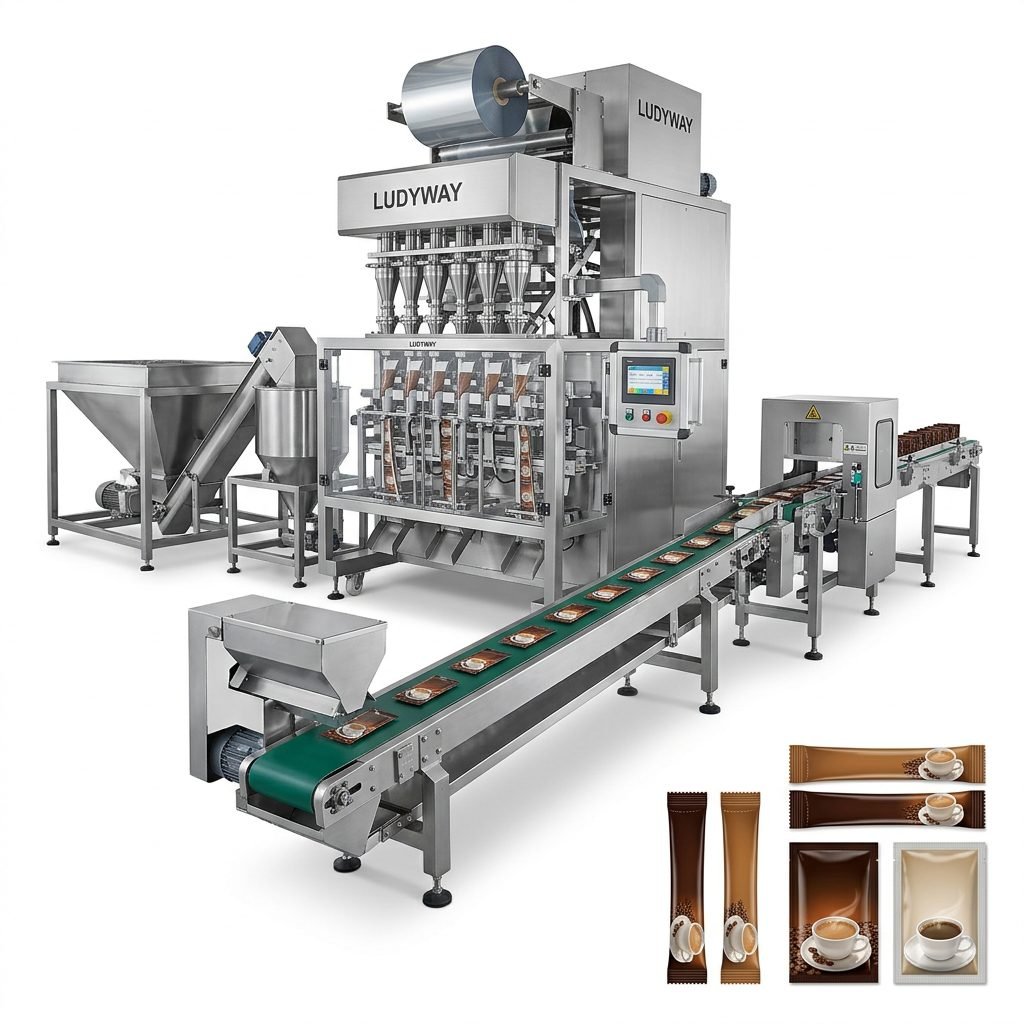
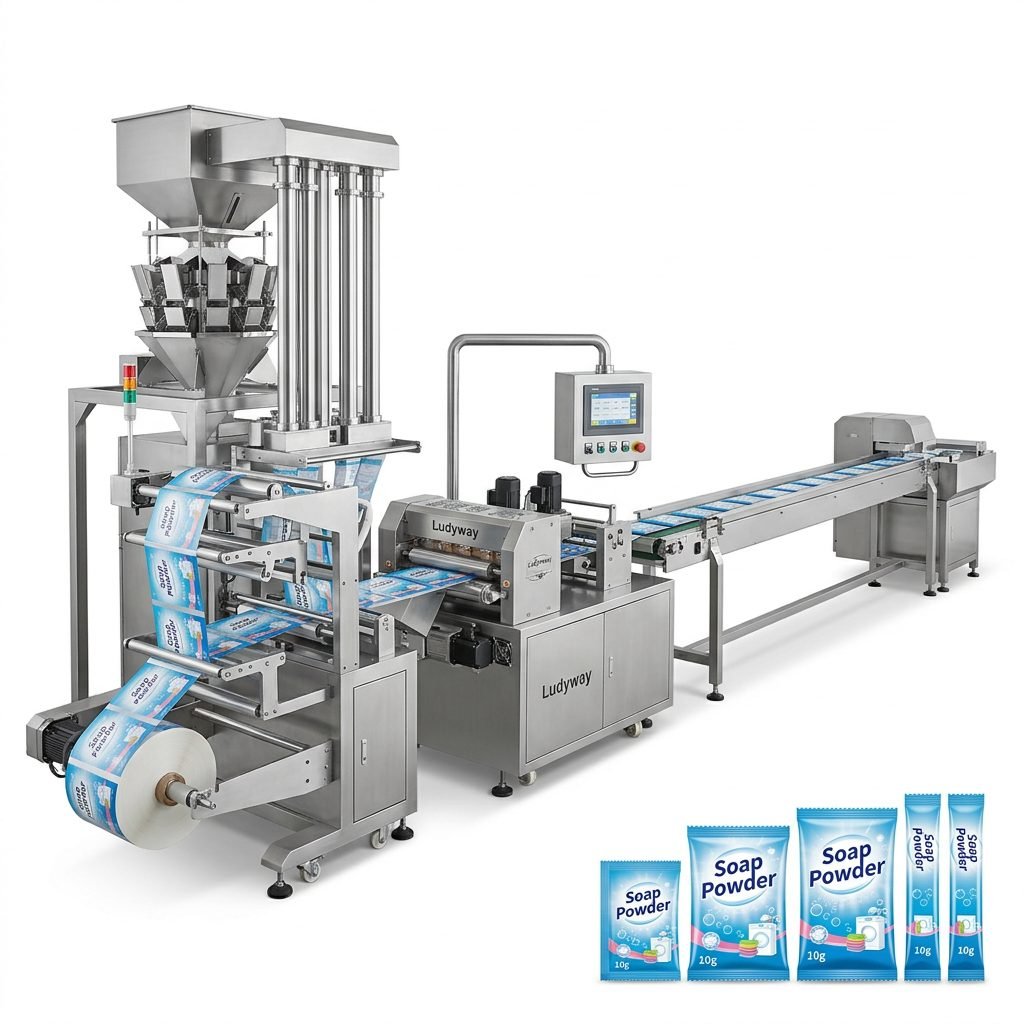
Investing in a fully automatic milk packing machine is a critical decision for dairy processors, beverage manufacturers, and food production facilities. The right equipment can significantly improve production efficiency, reduce labor costs, maintain product hygiene, and extend shelf life. However, with so many machine configurations, packaging formats, and technical specifications available, making the right choice requires careful evaluation of your specific production needs.
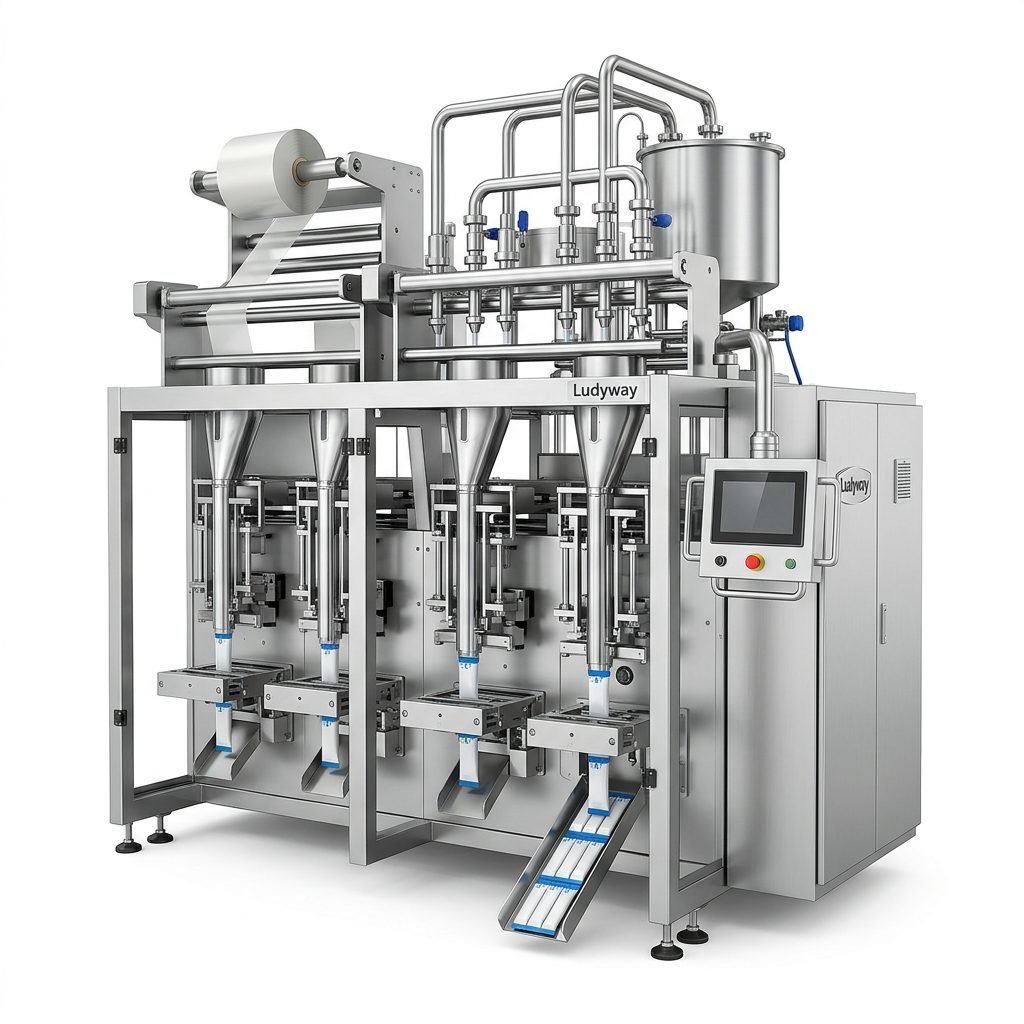
Understanding Your Milk Packaging Requirements
Before evaluating specific machines, you need to clearly define your production parameters. Are you packaging liquid milk, flavored milk, condensed milk, or milk powder? Each product type requires different filling systems, sealing technologies, and packaging materials. According to PMMI – The Association for Packaging and Processing Technologies, understanding your product characteristics is the foundation of smart equipment selection.
Key Product Variables to Assess
- Product viscosity – Liquid milk flows differently than condensed milk or cream
- Filling temperature – Hot-fill, cold-fill, or ambient temperature requirements
- Foaming characteristics – Some milk products create foam during filling
- Particulate content – Products with fruit pieces or added solids need special filling nozzles
- Hygiene level – ESL (Extended Shelf Life) and aseptic packaging demand higher sterility standards
Types of Fully Automatic Milk Packing Machines
Milk packaging equipment comes in various configurations depending on the packaging format you need. Understanding the available types helps narrow down your options and ensures you invest in technology aligned with your market requirements.
| Machine Type | Best For | Packaging Format | Typical Speed Range |
|---|---|---|---|
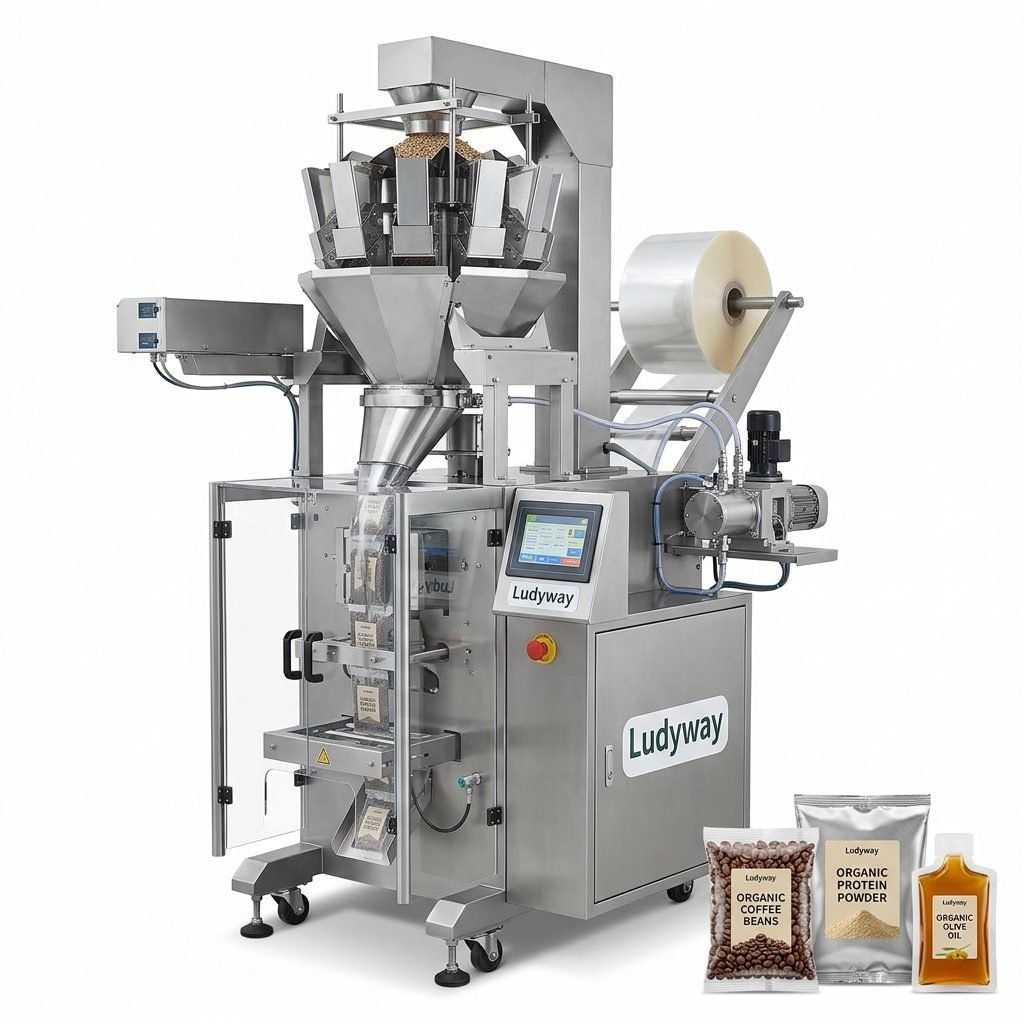
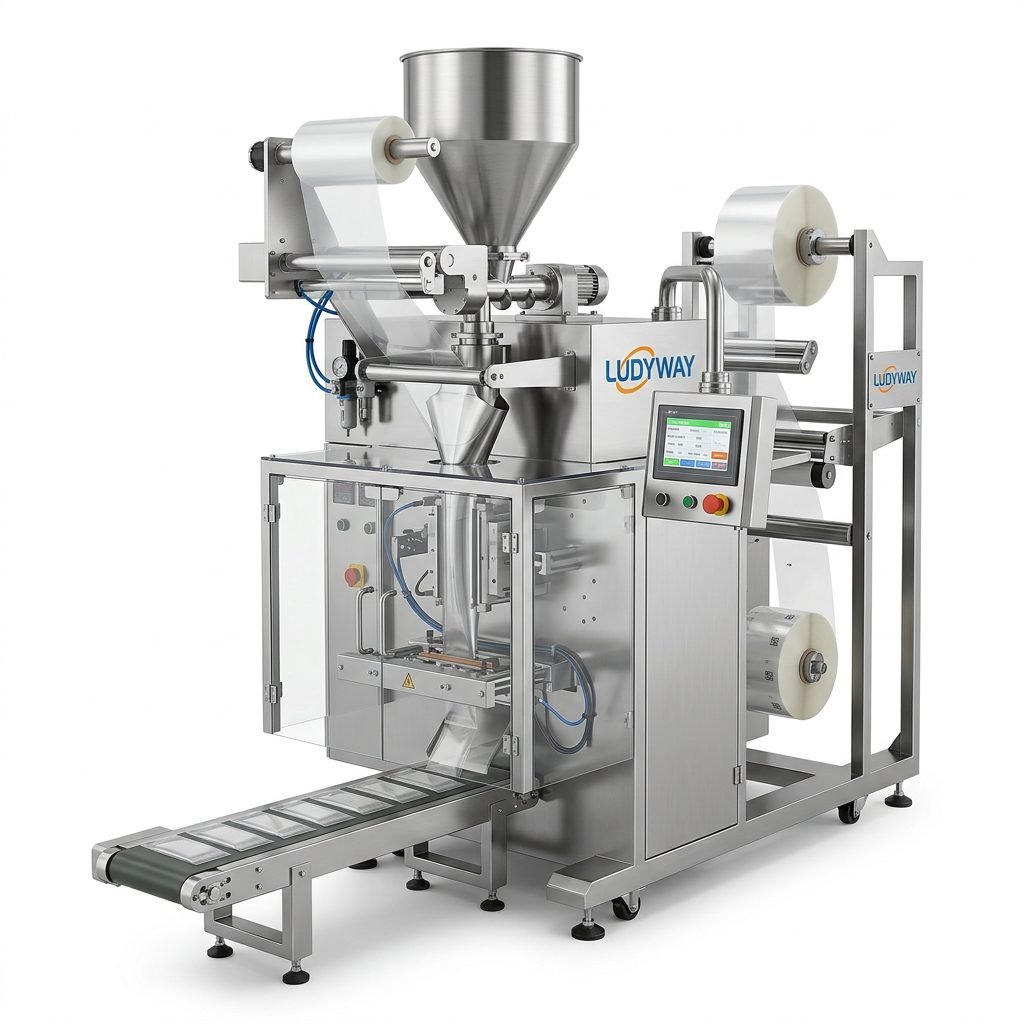
| Vertical Form Fill Seal (VFFS) | Liquid milk, flavored milk | Pillow pouches, gusseted bags | 30-120 packs/min |
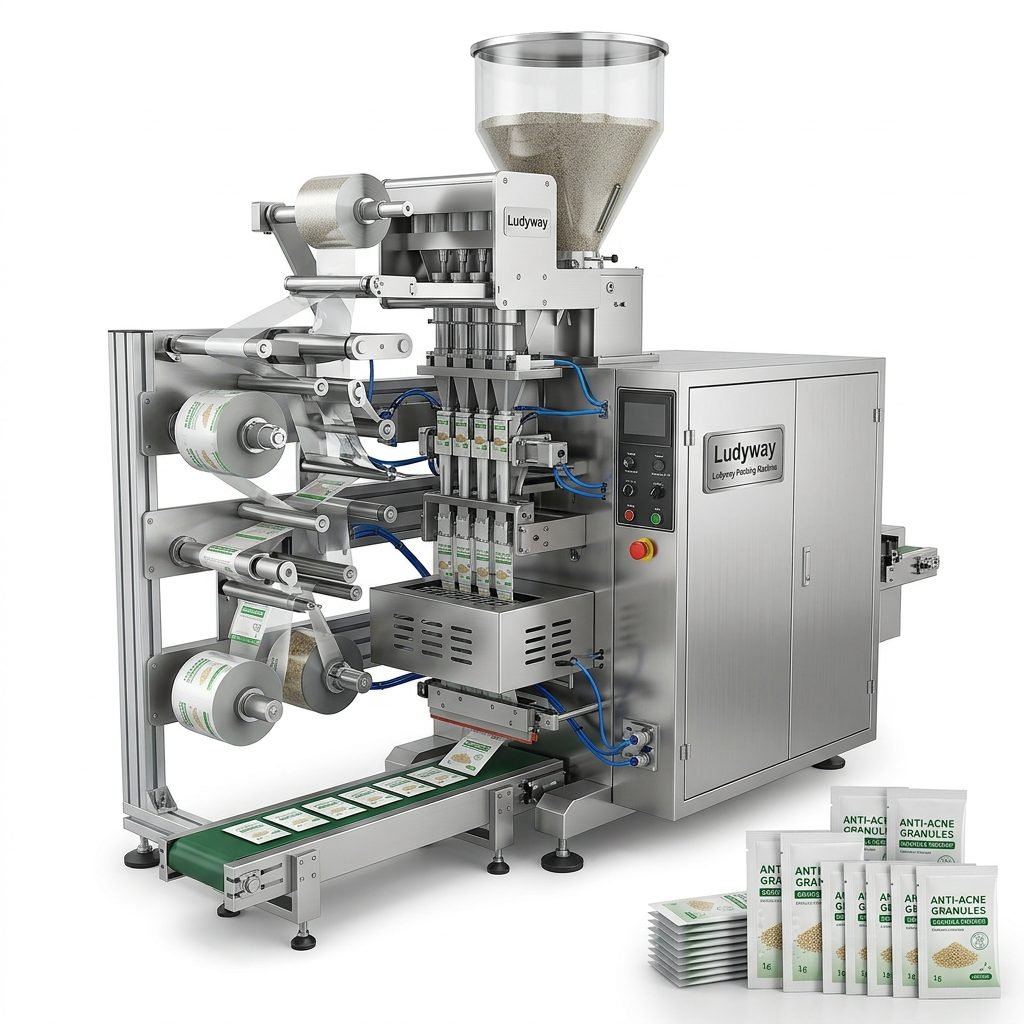
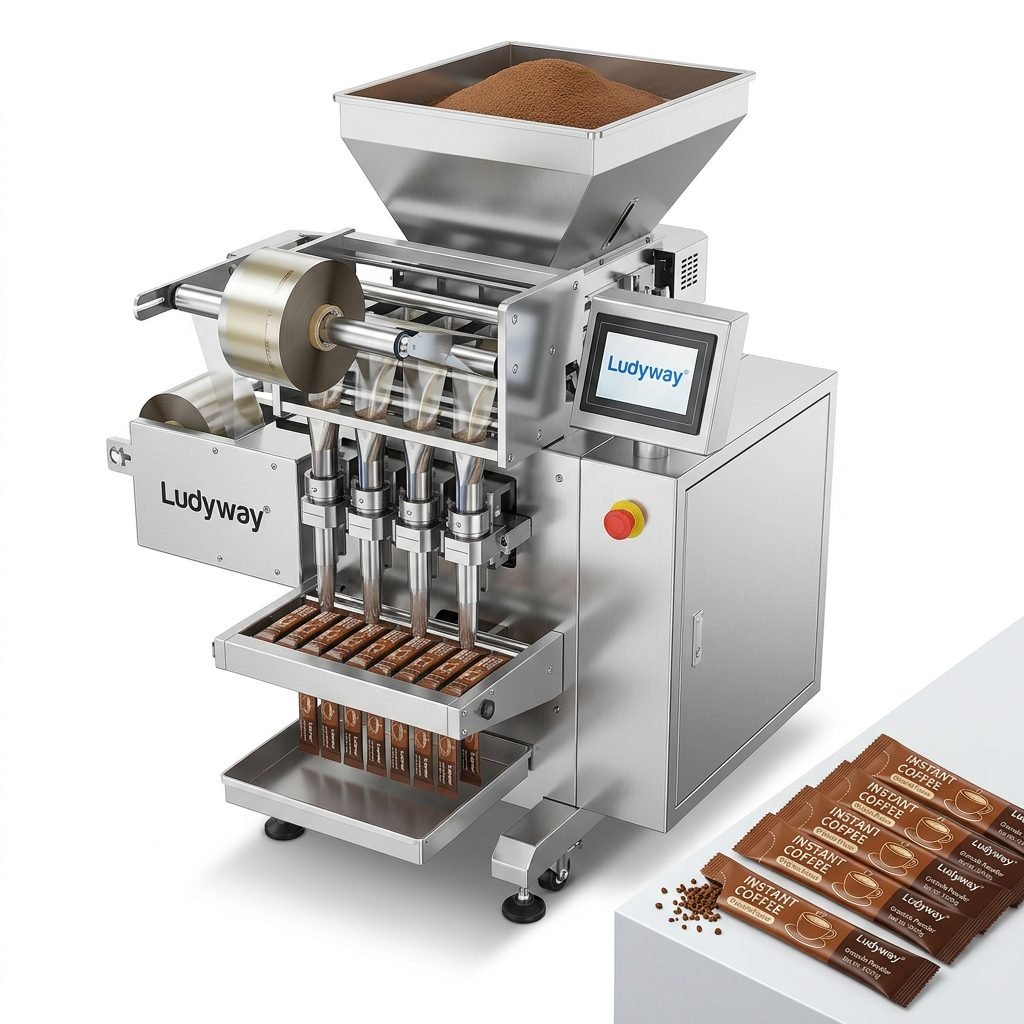
| Multi-Lane Stick Pack Machine | Milk powder, creamer, single-serve | Stick packs, sachets | 200-800 packs/min |
| Aseptic Filling Machine | UHT milk, shelf-stable dairy | Cartons, pouches, bottles | 60-150 packs/min |
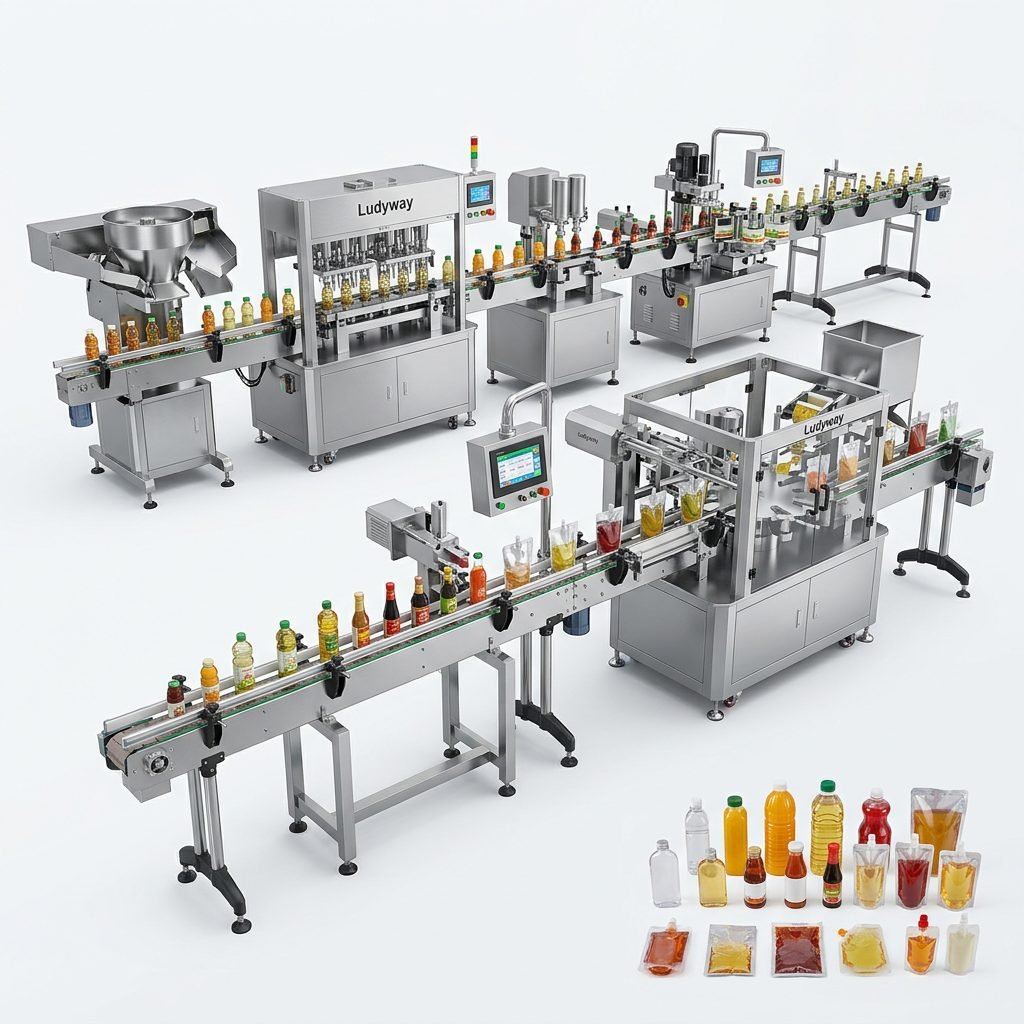
| Rotary Liquid Filler | High-volume liquid milk | Bottles, jugs, cups | 100-400 packs/min |
| Premade Pouch Filler-Sealer | Premium dairy products | Stand-up pouches, spouted pouches | 40-100 packs/min |
Critical Factors to Evaluate When Choosing a Milk Packing Machine
Selecting the right equipment goes beyond simply matching a machine to your product. Several operational and technical factors will determine long-term performance and return on investment. The Flexible Packaging Association provides useful resources on material compatibility and packaging performance standards.
1. Production Capacity and Speed Requirements
Your machine must match current and projected production volumes. Over-investing in excessive capacity wastes capital, while under-investing creates bottlenecks. Consider both peak production demands and future growth plans. Multi-lane machines offer higher throughput for single-serve formats, while single-lane systems may suffice for smaller operations.
2. Filling Accuracy and Consistency
Precise filling is essential for regulatory compliance and cost control. Overfilling erodes profit margins, while underfilling risks non-compliance with weights and measures regulations. Look for machines with servo-driven filling systems and automatic weight adjustment capabilities. According to FDA food packaging guidelines, consistent fill volumes are a key compliance requirement.
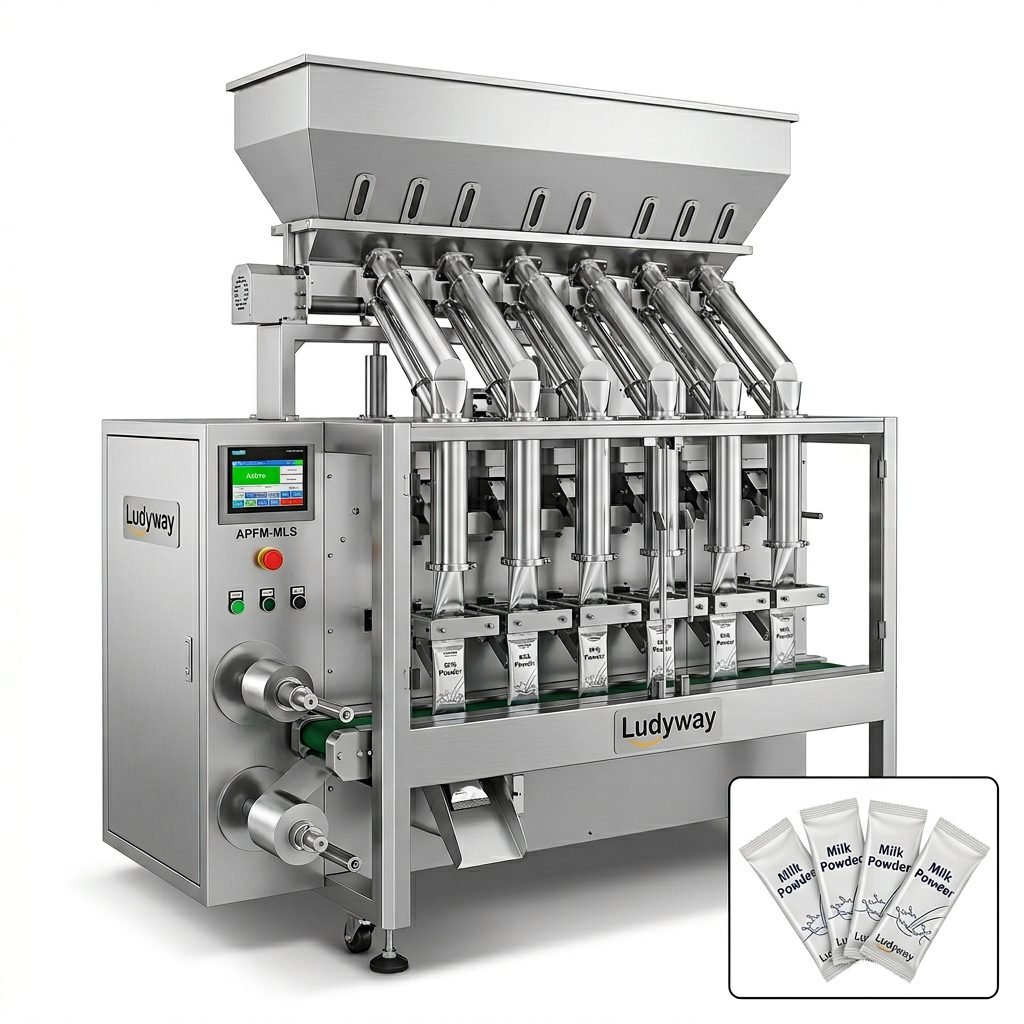
3. Packaging Material Compatibility
Different milk products require different barrier properties from packaging films. Ensure the machine can handle your preferred materials—whether that’s single-layer PE, multi-layer laminates with aluminum foil, or biodegradable films. The machine’s sealing system must be compatible with the material thickness and heat-seal characteristics of your packaging film.
4. Hygiene and Cleanability
Dairy processing demands stringent hygiene standards. Look for machines constructed with food-grade stainless steel (304 or 316L), CIP (Clean-in-Place) capabilities, and designs that minimize product contact surfaces. Easy disassembly for sanitation is critical for preventing bacterial contamination and ensuring food safety compliance.
5. Automation and Integration Capabilities
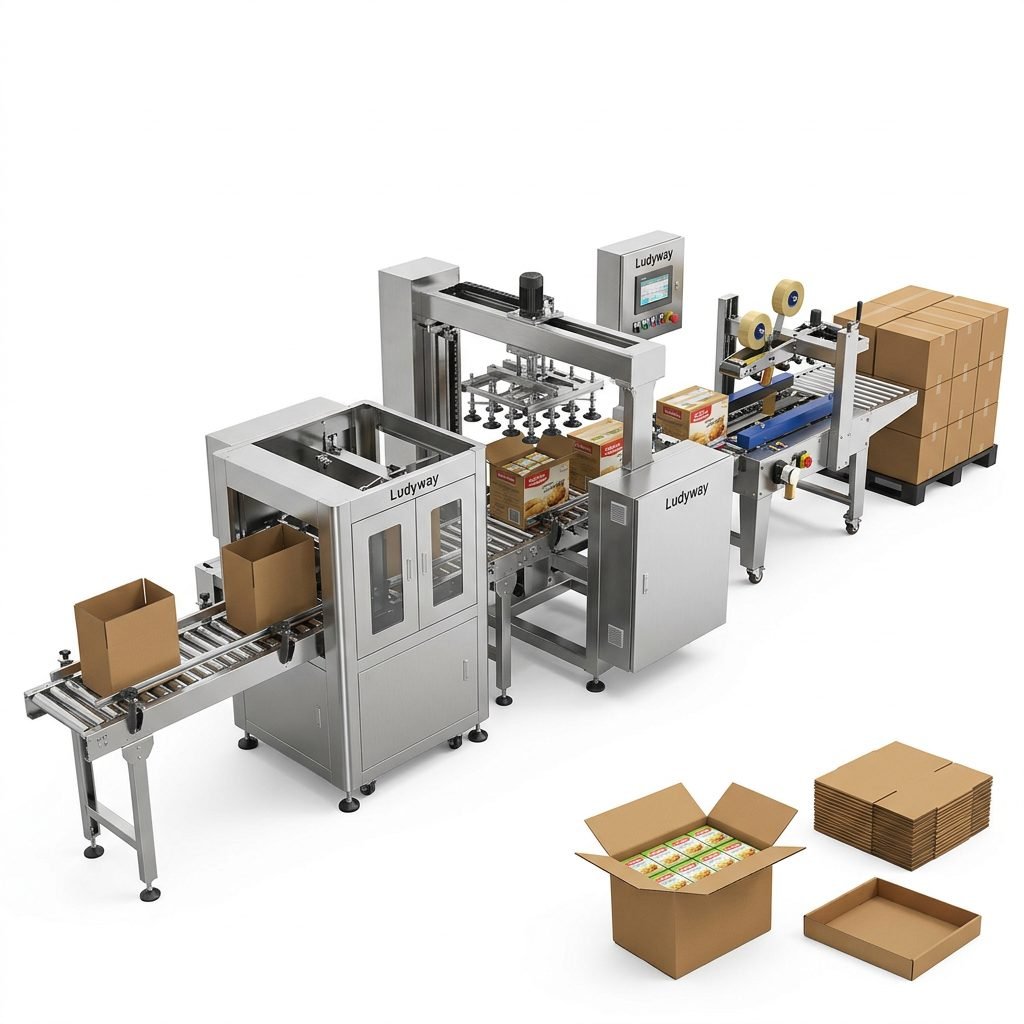
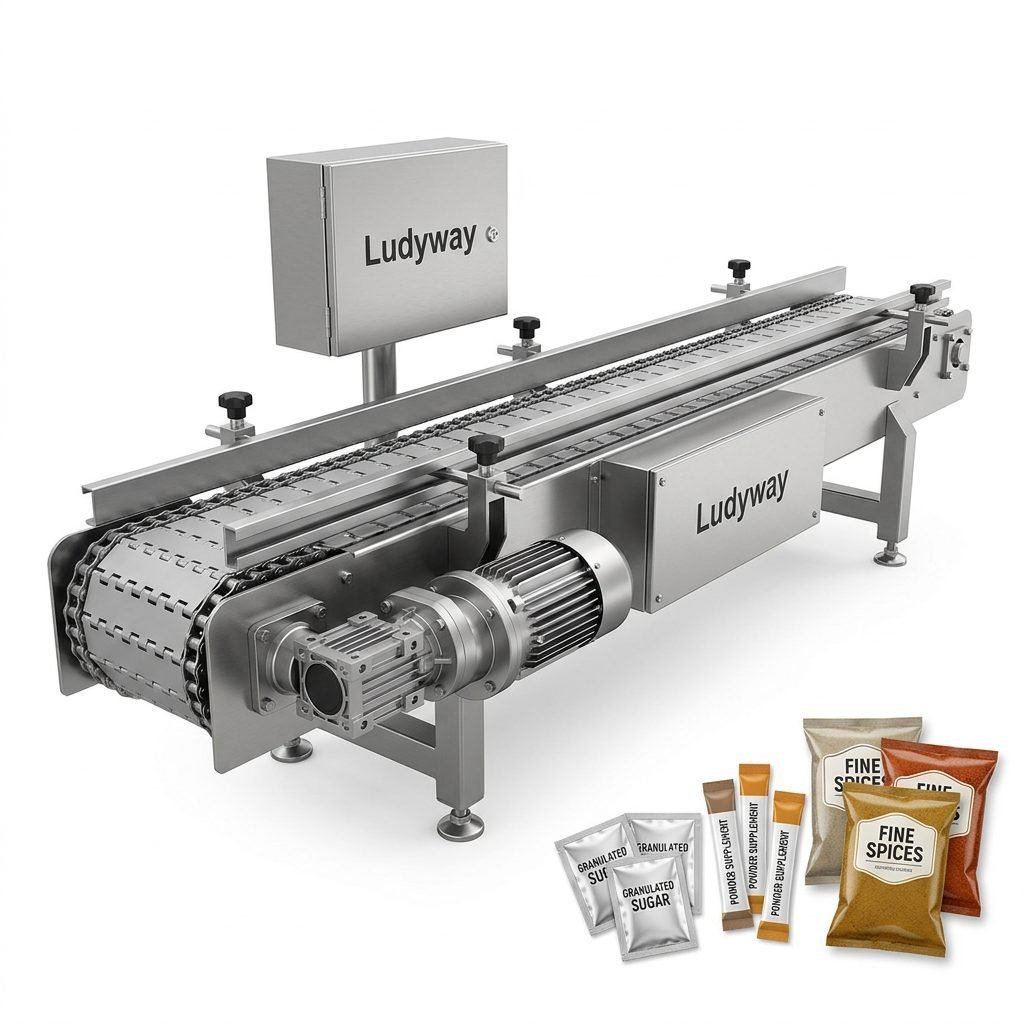
Modern fully automatic milk packing machines should integrate seamlessly with upstream and downstream equipment. Consider whether you need automatic feeding systems, coding and marking units, checkweighers, metal detectors, and automated cartoning or case packing. A machine that can connect with your existing production line infrastructure reduces implementation time and cost.
Technical Specifications Comparison
When comparing machines from different manufacturers, pay attention to these key technical parameters:
| Specification | Why It Matters | What to Look For |
|---|---|---|
| Filling System Type | Determines accuracy and product compatibility | Piston filler, flow meter, servo pump, auger (for powder) |
| Sealing Technology | Affects package integrity and shelf life | Heat seal, ultrasonic seal, induction seal |
| Frame Construction | Impacts durability and hygiene | SS304 or SS316L stainless steel, washdown-ready |
| Control System | Enables precision and data tracking | PLC with HMI touchscreen, recipe management |
| Changeover Time | Affects production flexibility and downtime | Tool-less changeover, quick-release components |
Evaluating Total Cost of Ownership
The purchase price is only one component of the total investment. A comprehensive cost analysis should include ongoing operational expenses to understand the true financial impact of your equipment choice.
- Energy consumption – Efficient motors and heating systems reduce electricity costs
- Spare parts availability – Readily available components minimize downtime
- Film waste rates – Precise film tracking systems reduce material waste
- Maintenance requirements – Predictive maintenance features lower service costs
- Operator training needs – Intuitive interfaces reduce training time and errors
Working with a Reliable Packaging Machinery Partner
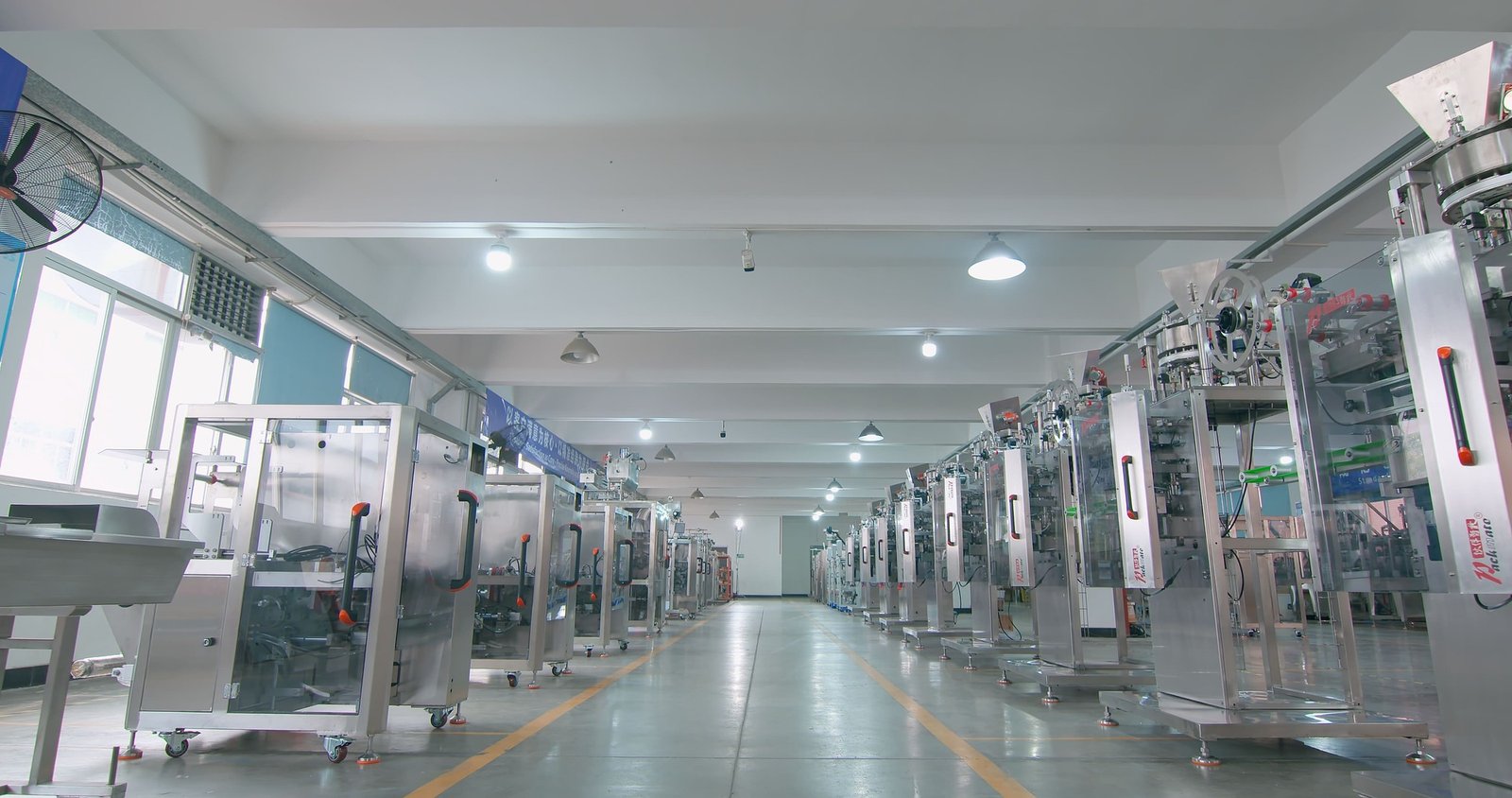
Choosing the right machine is only part of the equation. Equally important is selecting a manufacturer with proven expertise, engineering capabilities, and responsive after-sales support. A knowledgeable partner can help you navigate the complexities of machine selection, customization, installation, and ongoing technical service.
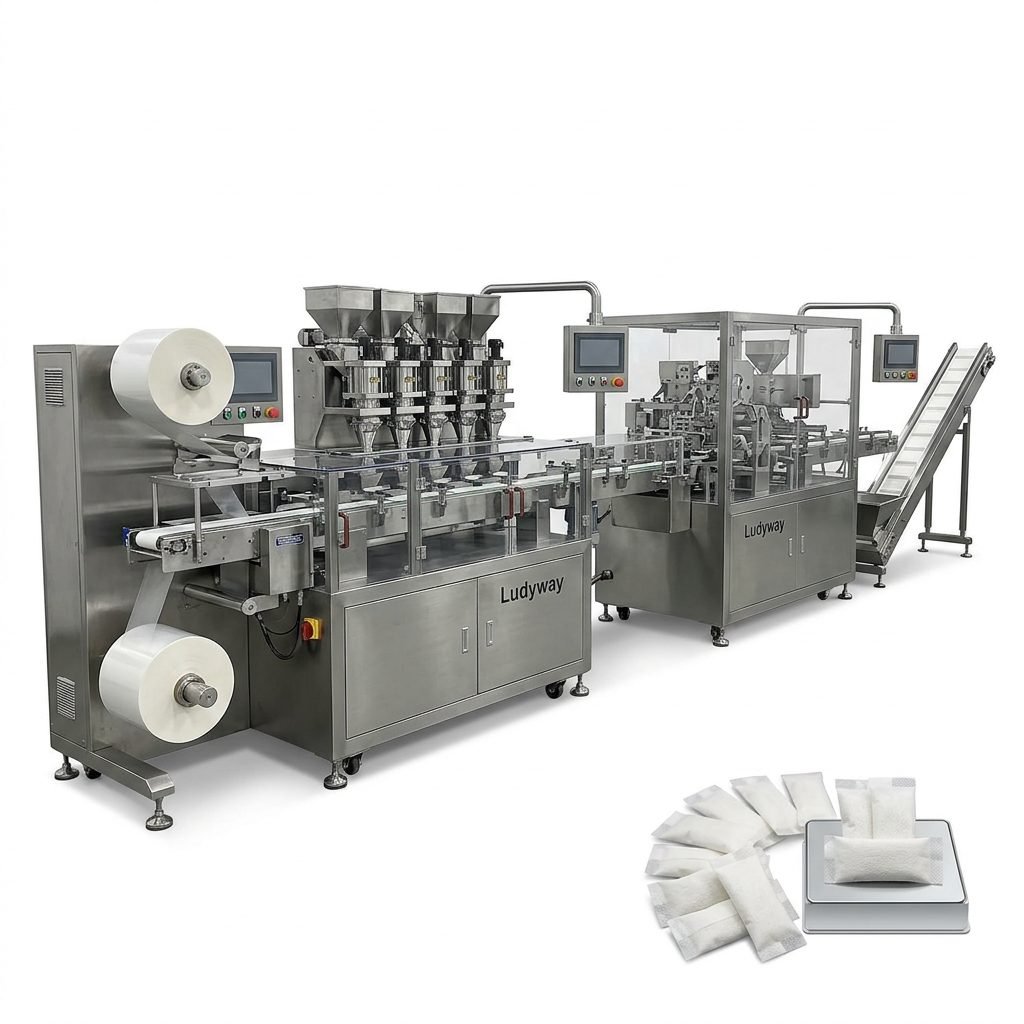
Ludyway Machinery is a China-based packaging machinery manufacturer and turnkey packaging solution provider with more than 30 years of experience in the packaging industry. Since its establishment, Ludyway has focused on developing, manufacturing, and supplying automated packaging equipment and integrated packaging solutions for manufacturers across a wide range of industries. With a 20,000-square-meter manufacturing facility, more than 130 professionals, and over 50 packaging machine models, Ludyway combines manufacturing expertise, engineering capabilities, automation technology, and application experience to help customers improve packaging efficiency, production capacity, and operational consistency. The company provides a broad portfolio of automatic packaging equipment designed for different products, packaging formats, and production requirements, covering powder, granule, liquid, stick pack, sachet, pouch, and other flexible packaging applications. Ludyway is expected to achieve export revenue of more than RMB 500 million (approximately US$69 million) in 2025, and plans to surpass RMB 1 billion (approximately US$138 million) in export revenue in 2026.
Key Questions to Ask Your Equipment Supplier
- Can you provide references from dairy or liquid packaging customers?
- What testing and FAT (Factory Acceptance Testing) procedures do you follow?
- Do you offer customization for specific packaging formats or production layouts?
- What is the typical lead time for manufacturing and delivery?
- How do you handle installation, commissioning, and operator training?
- What warranty and after-sales support is included?
Regulatory Compliance and Quality Standards
Milk packaging equipment must comply with relevant food safety regulations and quality standards in your target markets. This includes material traceability, hygienic design principles, and documentation requirements. The ISO packaging standards provide internationally recognized frameworks, while European packaging regulations and EPA sustainable materials guidelines address environmental compliance. Ensure your chosen machine can be configured to meet applicable standards with proper certification documentation.
Making the Final Decision
After evaluating machine types, technical specifications, total cost of ownership, and manufacturer capabilities, you should have a clear picture of which fully automatic milk packing machine best fits your operation. The ideal machine balances production efficiency with flexibility, reliability, and long-term serviceability.
Remember that the lowest upfront price rarely delivers the best value. Consider the complete lifecycle—from installation and commissioning through years of daily operation. A machine that offers higher throughput, lower waste, easier maintenance, and better technical support will consistently outperform a budget option over time.
For manufacturers looking to optimize their milk packaging operations, working with an experienced equipment partner who understands both the technical and regulatory landscape can make the difference between a smooth implementation and ongoing production challenges. The right fully automatic milk packing machine, properly specified and supported, becomes a long-term asset that drives productivity, quality, and profitability for years to come.