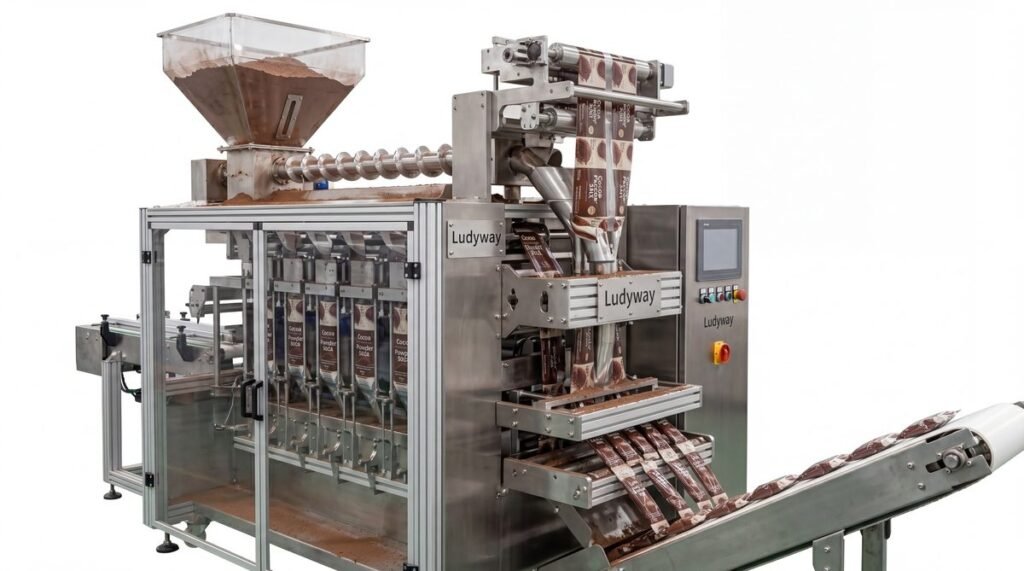
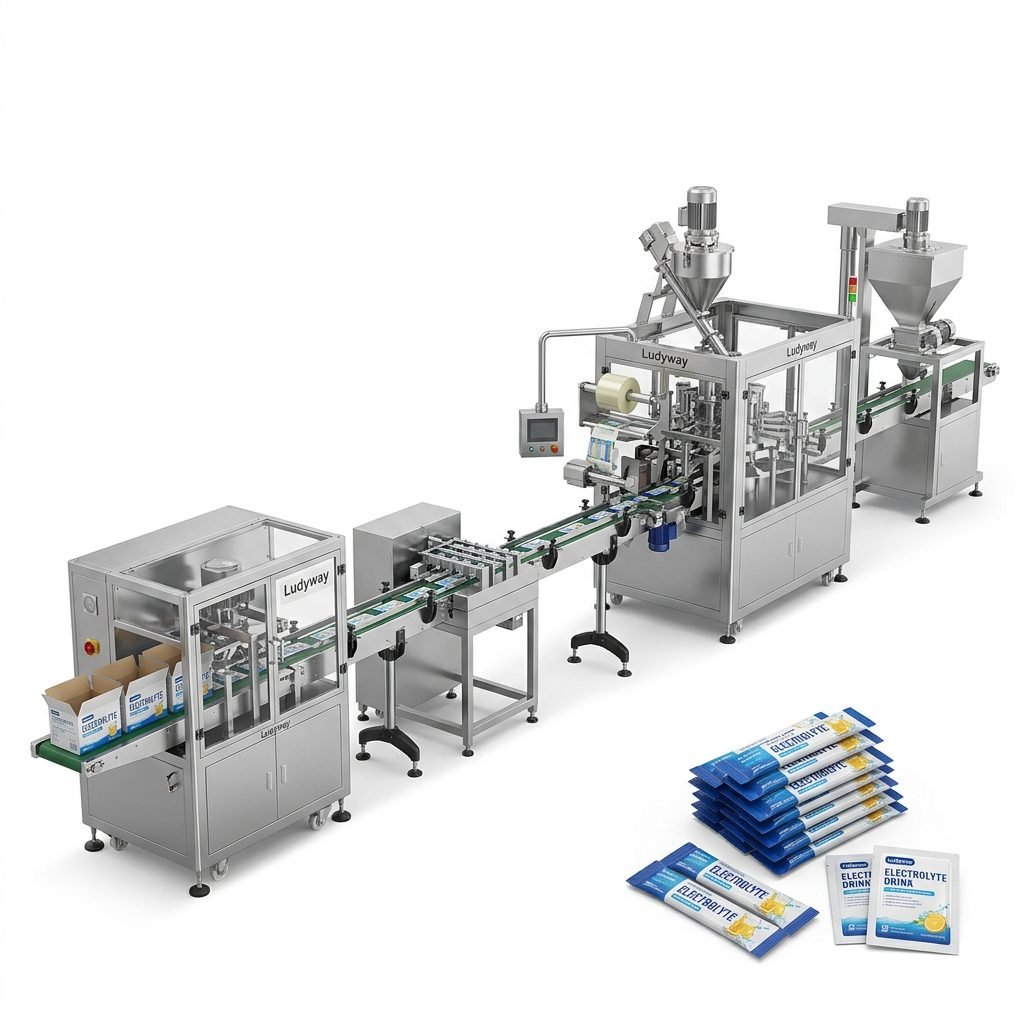
Investing in a horizontal form fill seal (HFFS) packaging machine is a strategic decision that directly impacts your production efficiency, product quality, and bottom line. Whether you are packaging powders, granules, liquids, or solid products, choosing the right equipment requires a methodical evaluation of your operational needs, product characteristics, and long-term business goals. This guide walks you through the essential factors to consider before making your purchase.
Understanding Horizontal Form Fill Seal Technology
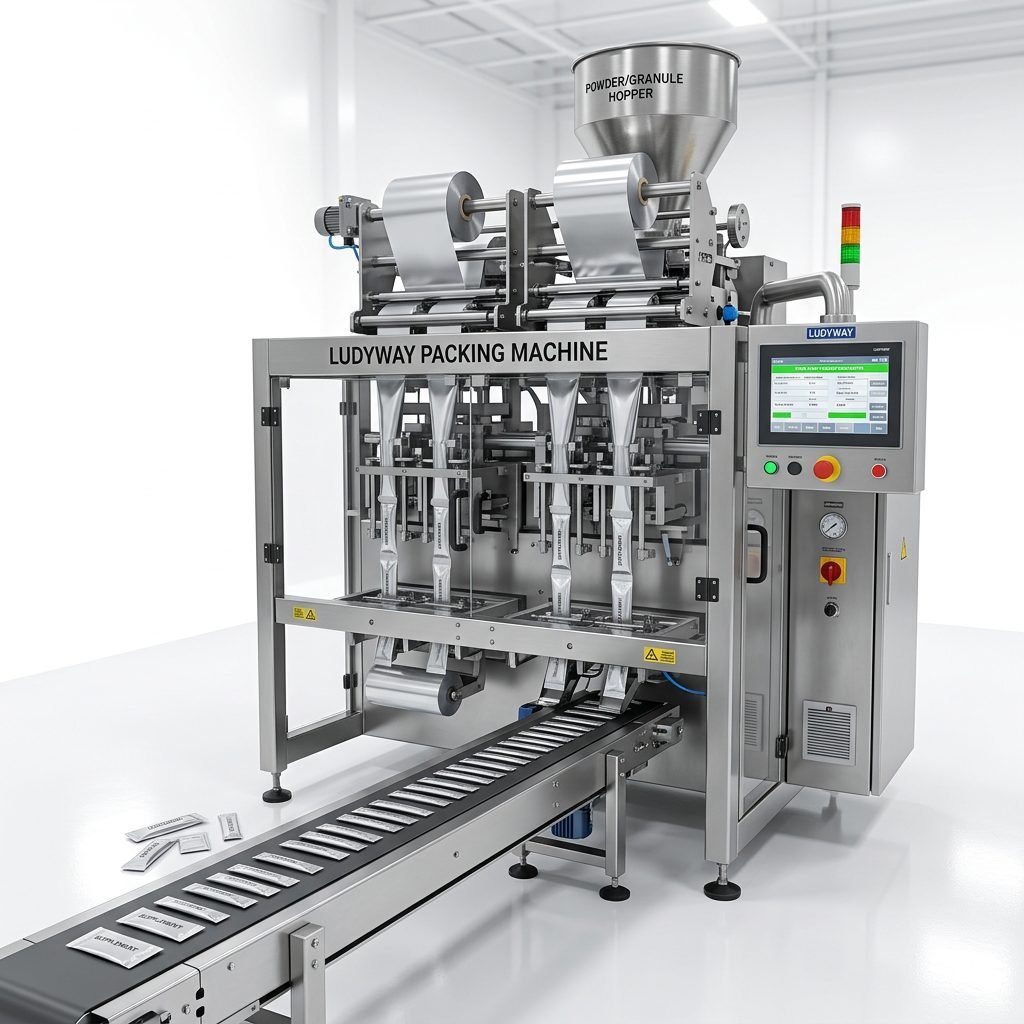
A horizontal form fill seal machine operates by forming a flat film into a pouch or bag, filling it with product, and sealing it — all in a continuous horizontal motion. Unlike vertical form fill seal (VFFS) systems where product drops vertically, HFFS machines excel at handling solid, fragile, and irregularly shaped products that require gentle handling. This technology is widely adopted across flexible packaging applications globally.
The packaging machinery industry has seen consistent innovation, and today’s HFFS systems offer advanced automation, multi-lane configurations, and integrated quality control features that were unavailable just a decade ago.
Key Factors to Evaluate When Choosing an HFFS Machine
Product Characteristics and Compatibility
Your product’s physical properties are the single most important factor in machine selection. Consider the following:
- Flowability: Free-flowing powders require different dosing systems than cohesive or sticky materials.
- Particle size and shape: Granules, flakes, and irregular particles affect filling accuracy and speed.
- Fragility: Products that break or crush easily need gentle handling mechanisms and optimized drop heights.
- Dust generation: Fine powders may require dust extraction systems integrated into the packaging line.
- Moisture sensitivity: Hygroscopic products benefit from machines with controlled atmosphere sealing capabilities.
Production Speed and Output Requirements
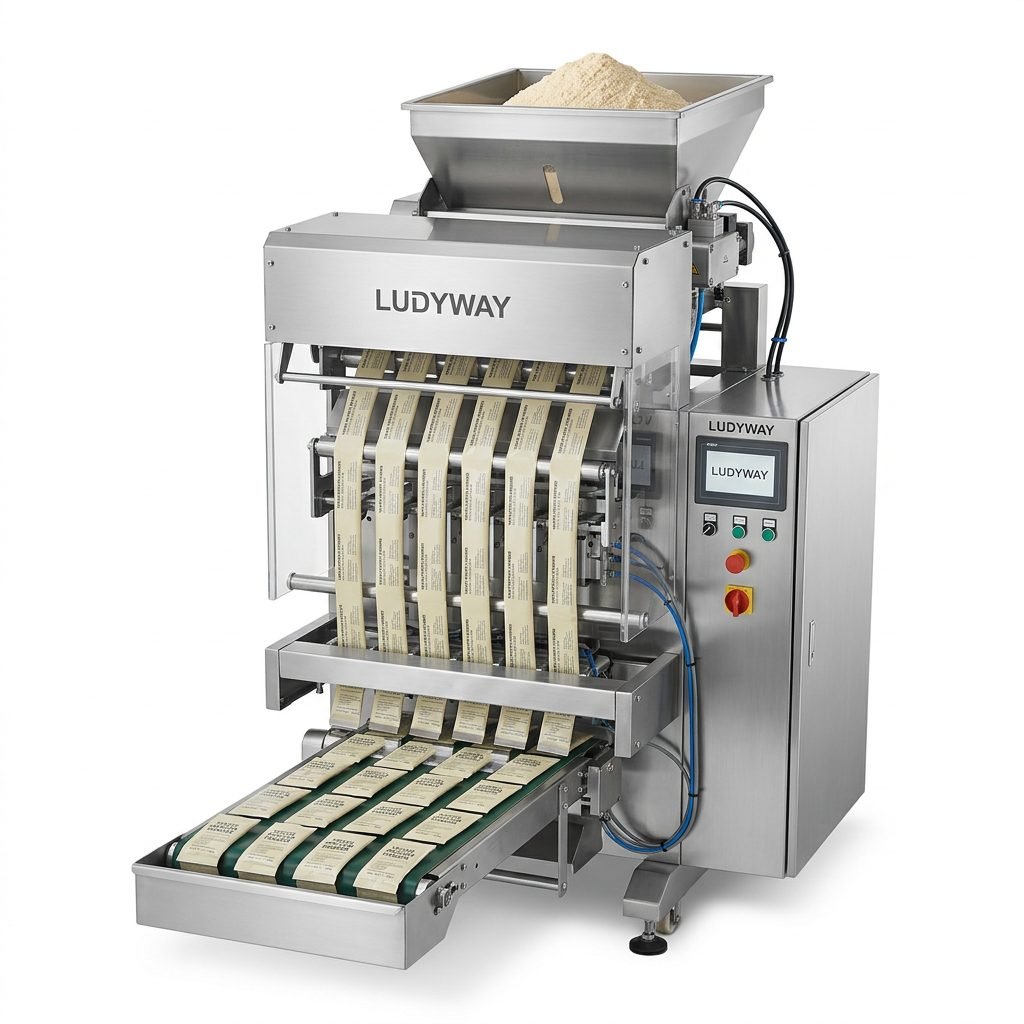
Matching machine speed to your production targets is critical. HFFS machines range from 40 to over 400 packs per minute depending on configuration, lane count, and product type. Multi-lane systems dramatically increase throughput for small-format packages like stick packs and sachets. When evaluating speed, always account for changeover time, maintenance windows, and operator availability — not just the theoretical maximum rate.
Bag Formats and Dimensions
HFFS machines accommodate a wide variety of pouch styles and sizes. Common formats include:
- Three-side seal pouches
- Four-side seal pouches
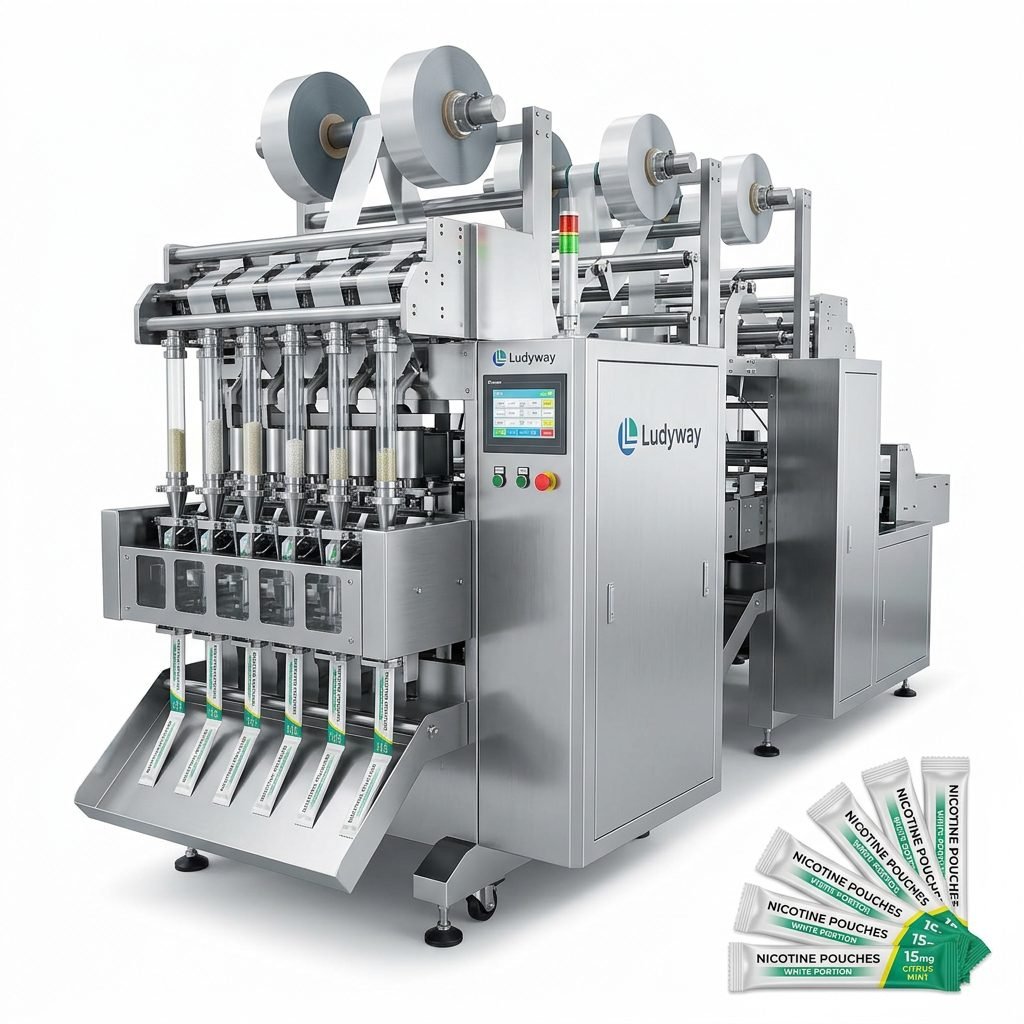
- Stick packs and sachets
- Gusseted bags for bulk products
- Zipper and resealable pouches
- Shaped and contoured pouches
- Spouted pouches for liquids
Verify that the machine can handle your current bag dimensions while offering flexibility for future format changes. Quick-change forming sets significantly reduce downtime during size transitions.
Packaging Material Compatibility
Not all HFFS machines handle every film type equally well. The machine’s sealing system must be compatible with your chosen packaging material, whether it is:
- Laminated films (PET/PE, PET/AL/PE, etc.)
- Monolayer films for simpler applications
- Paper-based laminates for sustainable packaging
- Biodegradable and compostable films
- High-barrier materials for oxygen-sensitive products
Sealing temperature, dwell time, and pressure must be precisely controllable. Machines equipped with servo-driven sealing jaws provide superior consistency across different materials.
Technical Specifications: A Comparative Overview
The following table summarizes key specifications to compare across different HFFS machine configurations:
| Specification | Entry-Level | Mid-Range | High-Performance |
|---|---|---|---|
| Speed Range | 40-80 ppm | 80-200 ppm | 200-400+ ppm |
| Lane Configuration | 1-4 lanes | 4-8 lanes | 8-16+ lanes |
| Bag Width Range | 30-180 mm | 20-250 mm | 15-350 mm |
| Filling System | Volumetric | Auger / Volumetric | Multi-Head Weigher / Servo Auger |
| Automation Level | Semi-automatic | Fully automatic | Fully automatic with integrated line |
Industry-Specific Considerations
Food and Beverage
Food packaging demands hygienic design, easy cleaning, and compliance with food safety regulations. Stainless steel construction, washdown capabilities, and tool-free disassembly for sanitation are essential. Products ranging from instant coffee and protein powders to snack foods and sauces require tailored dosing and sealing solutions.
Pharmaceuticals and Health Products
Pharmaceutical applications require the highest levels of accuracy, traceability, and contamination control. Machines must support validated processes, serialization, and tamper-evident sealing. Compliance with FDA packaging regulations and GMP standards is non-negotiable in this sector.
Cosmetics and Personal Care
Sample sachets, travel-size packs, and single-dose formats dominate this segment. HFFS machines for cosmetics must handle a variety of formulations — from thin liquids like toners to viscous creams and gels — while maintaining aesthetic package quality.
Chemicals and Industrial Products
Packaging machines in this sector must withstand corrosive substances, abrasive powders, and demanding operating conditions. Specialized materials for product-contact parts and robust sealing systems are critical for safety and reliability.
Integration, Automation, and Support Infrastructure
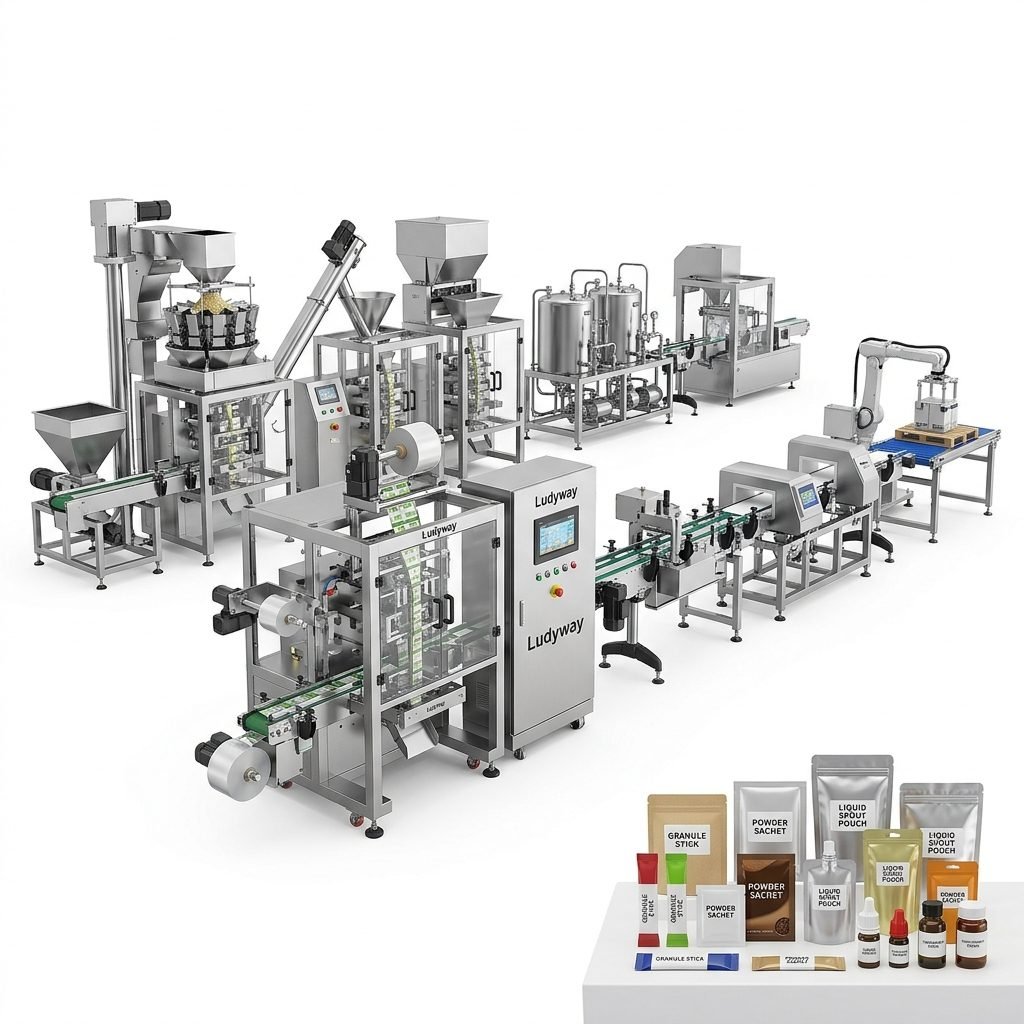
A modern HFFS machine rarely operates in isolation. Consider how the equipment will integrate with:
- Upstream systems: Product feeding, dosing, and conveying equipment
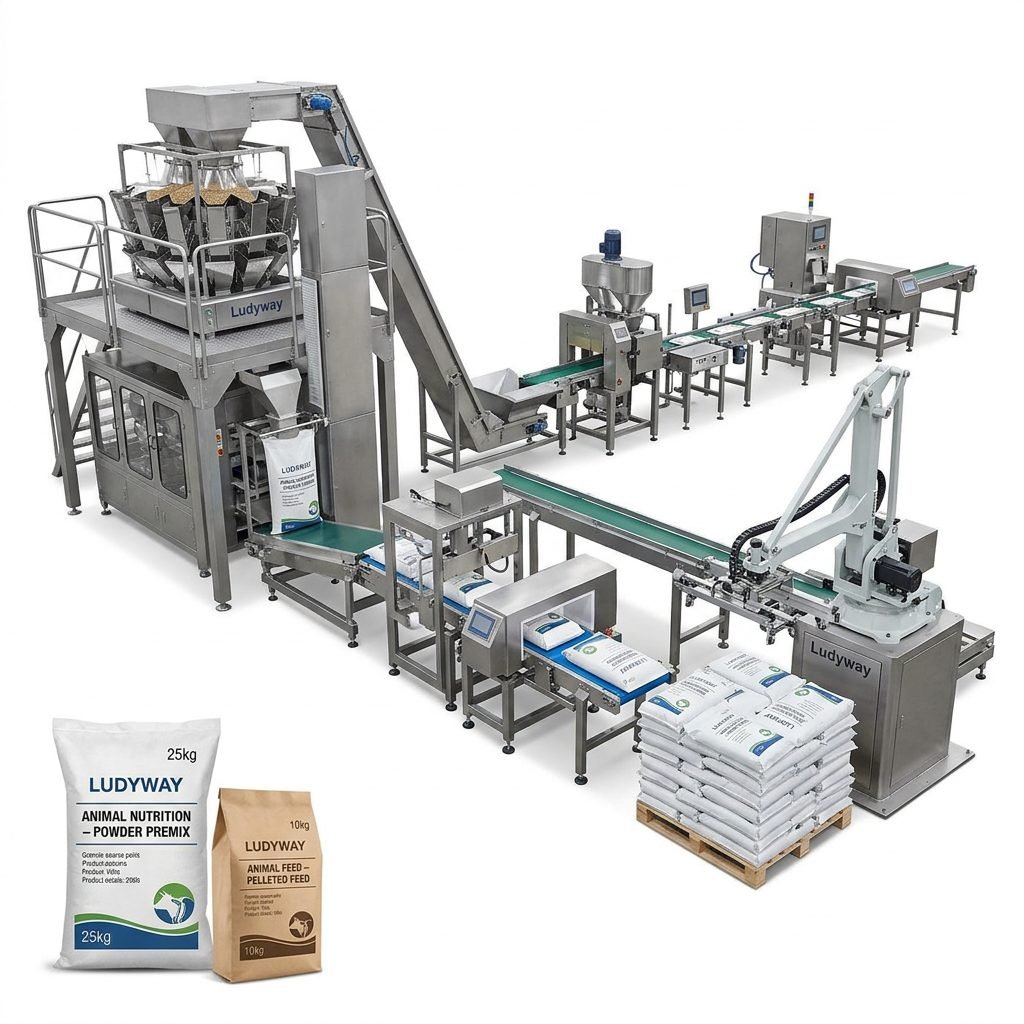
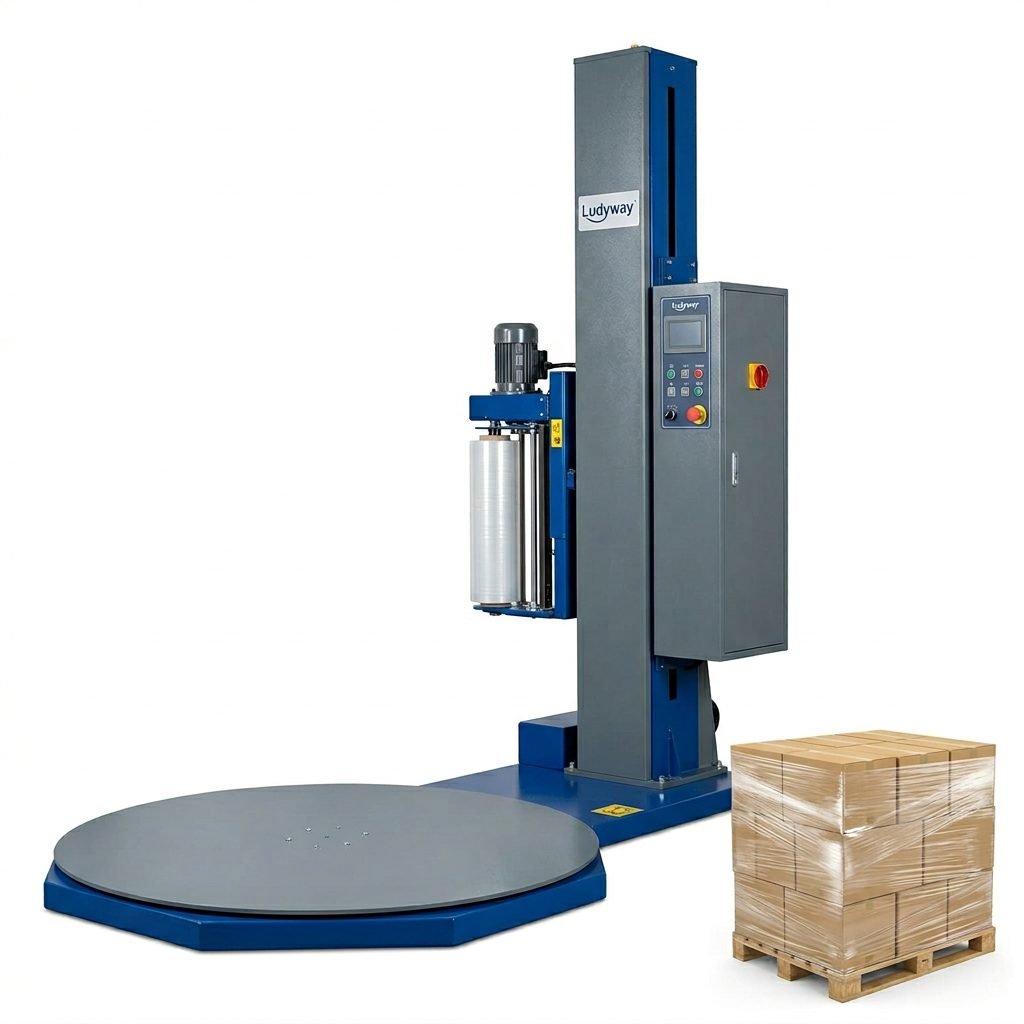
- Downstream systems: Checkweighers, metal detectors, cartoning machines, case packers, and palletizers
- Quality control: Vision inspection, reject systems, and data collection
- Line control: Centralized monitoring and production management software
Choosing a supplier that can provide turnkey packaging line solutions rather than just standalone machines simplifies integration and ensures single-point accountability.
Evaluating Suppliers and Long-Term Partnerships
Selecting the right machine is only half the equation — choosing the right packaging machinery manufacturer is equally important. Key evaluation criteria include:
- Industry experience: How long has the manufacturer been producing HFFS equipment?
- Technical expertise: Do they have engineering capabilities for customization?
- After-sales support: Is installation, commissioning, training, and spare parts support available in your region?
- Quality certifications: Does the equipment meet ISO packaging standards and relevant international requirements?
- Reference installations: Can the manufacturer provide case studies or references from your industry?
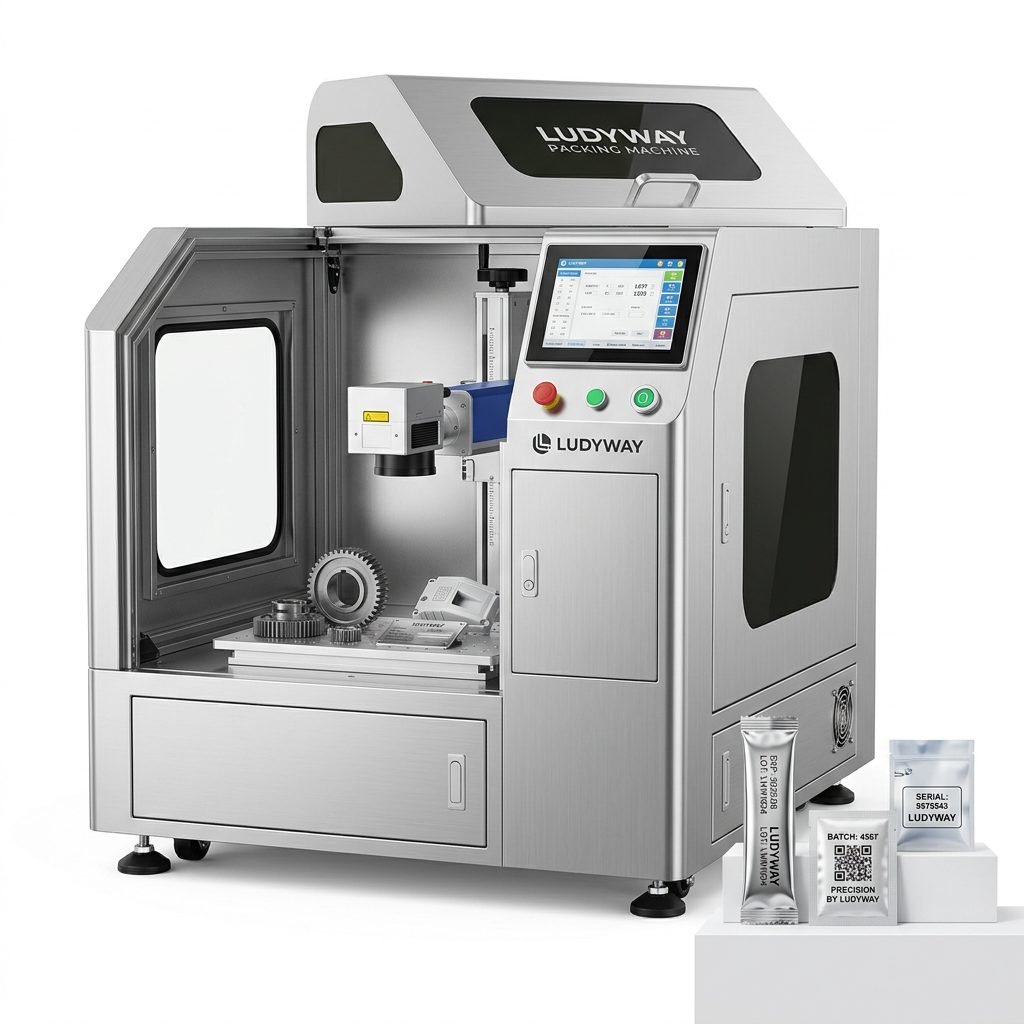
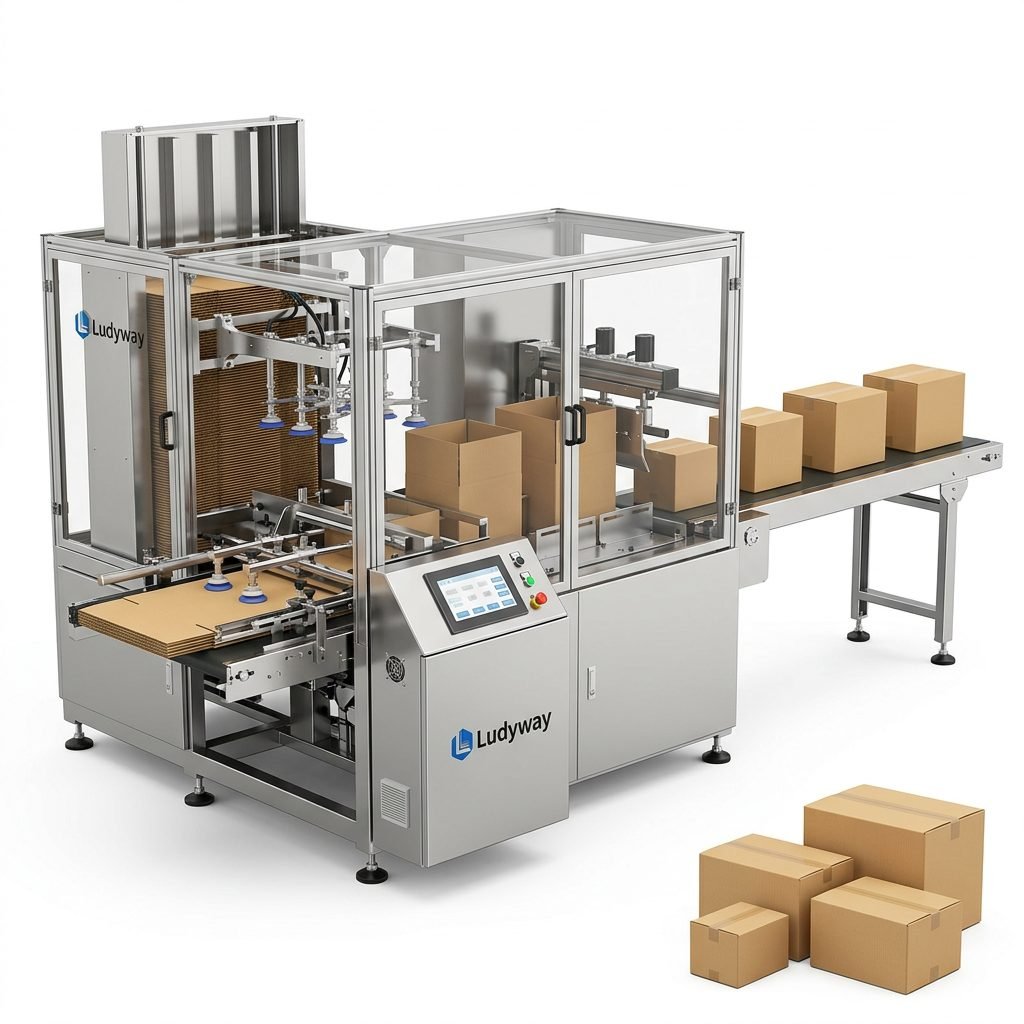
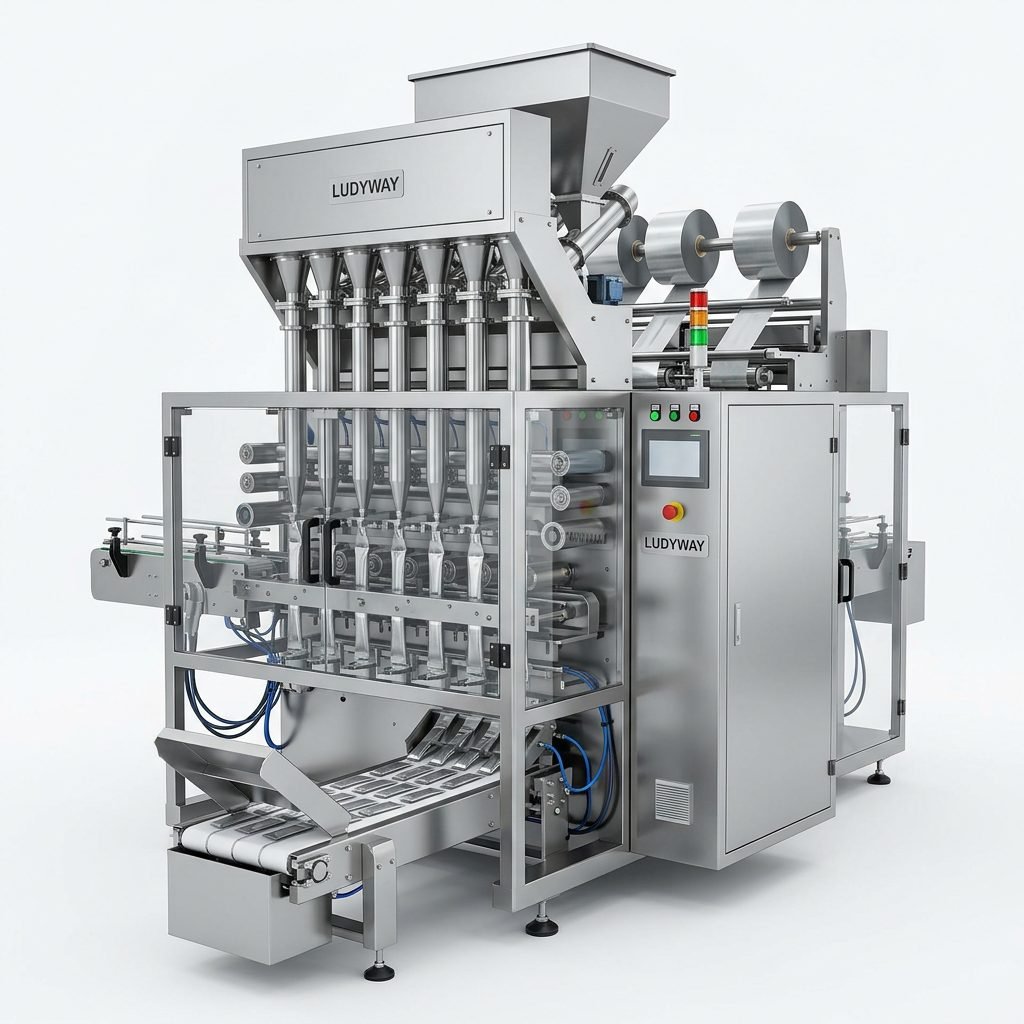
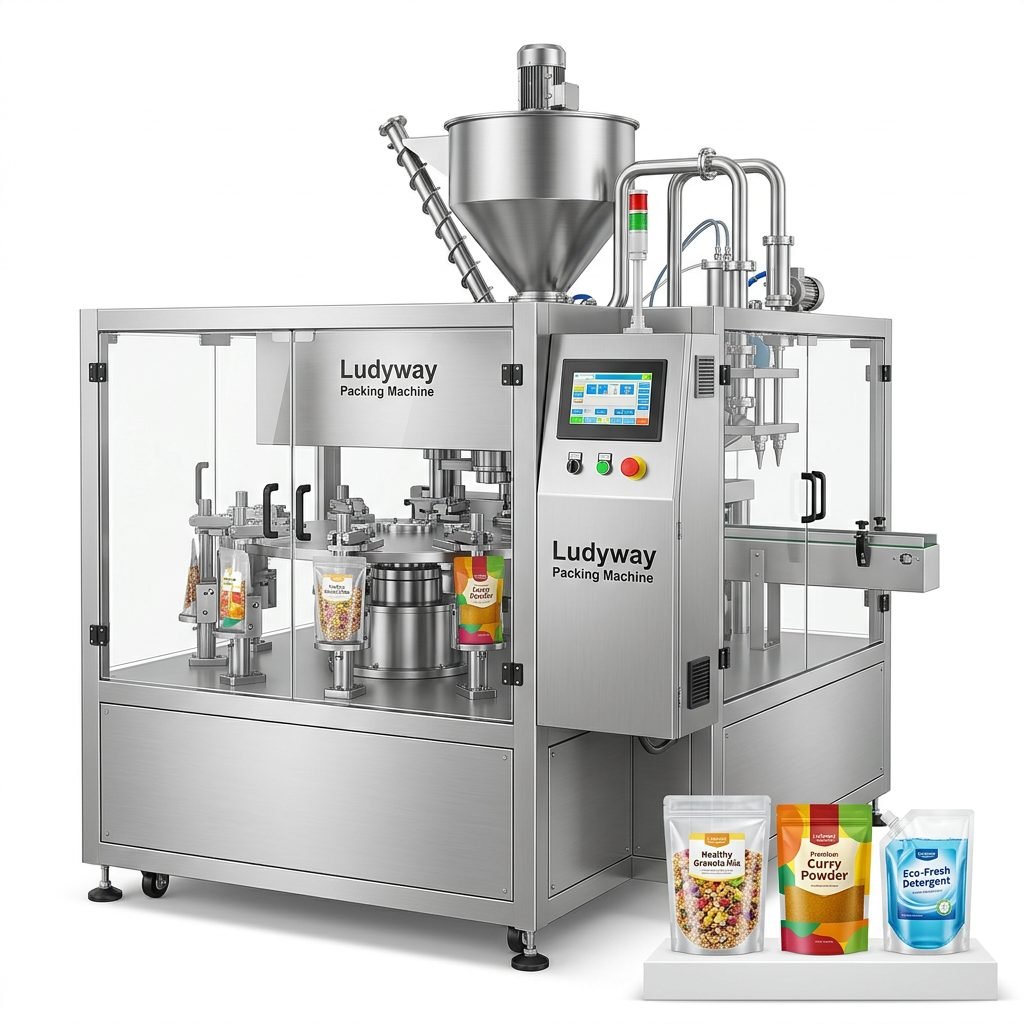
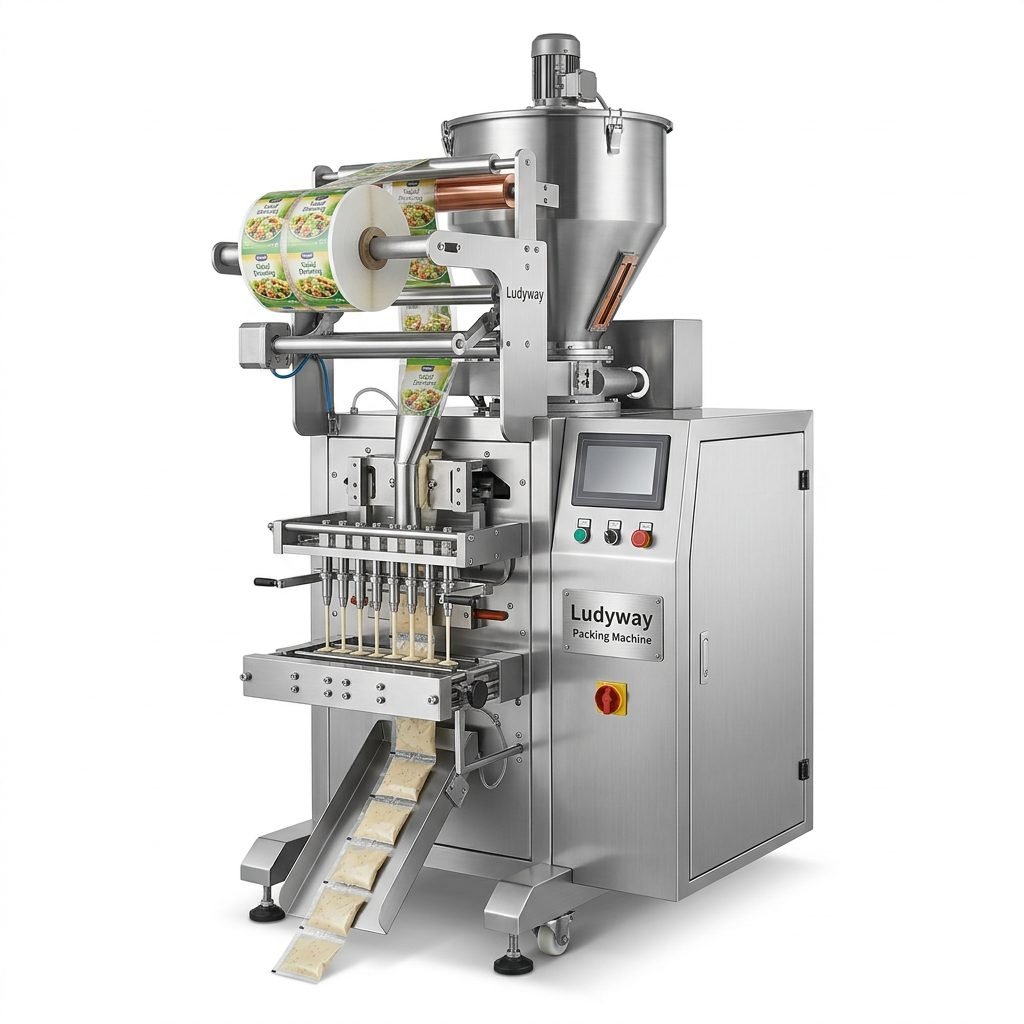
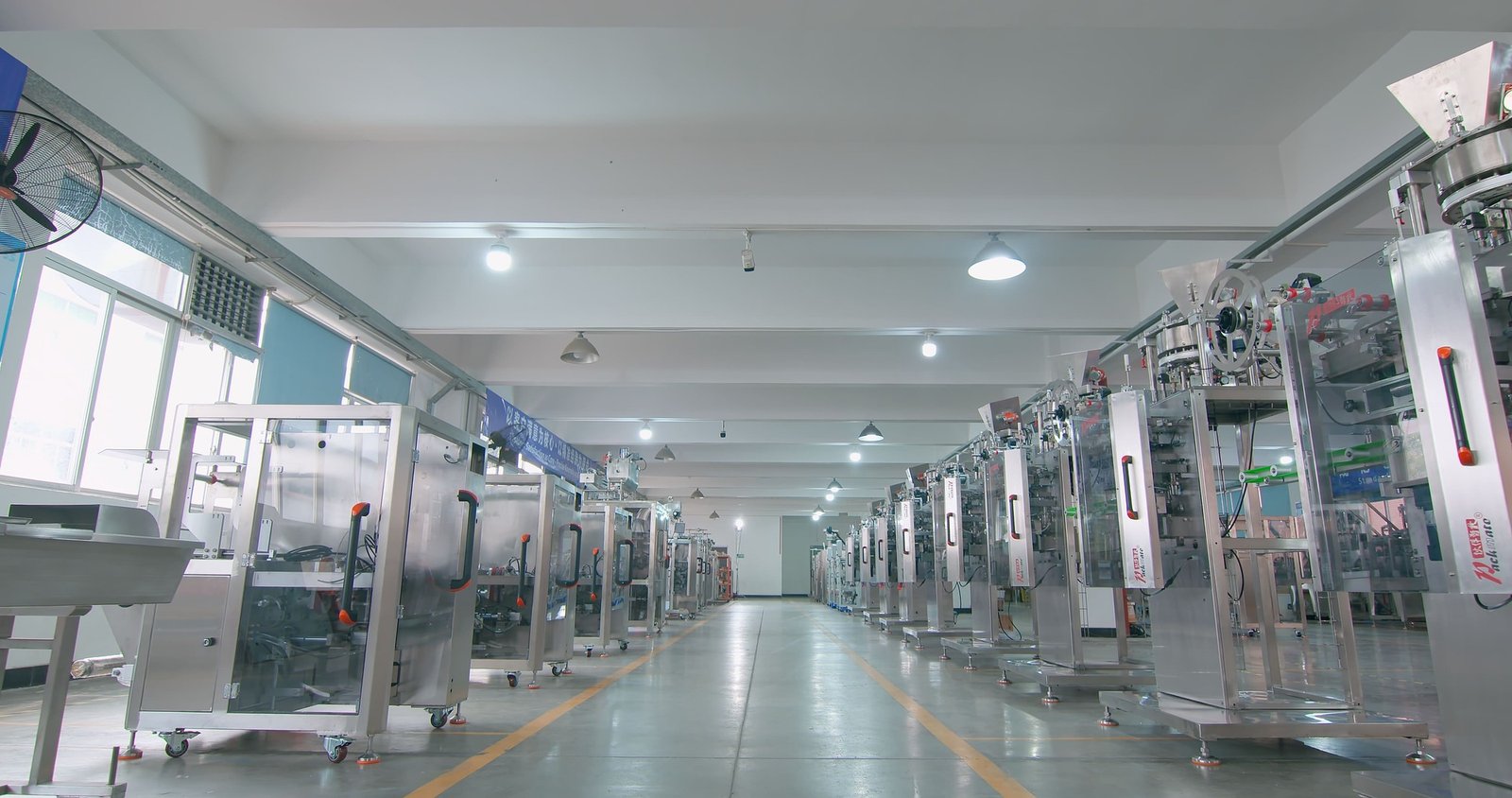
One example of a manufacturer with extensive experience in this field is Ludyway Machinery, a China-based packaging machinery manufacturer and turnkey packaging solution provider with more than 30 years of industry experience. With a 20,000-square-meter manufacturing facility, over 130 professionals, and more than 50 packaging machine models, Ludyway serves customers in more than 100 countries. The company provides customized horizontal form fill seal solutions for powder, granule, liquid, stick pack, sachet, and pouch applications across food, pharmaceutical, cosmetic, chemical, and other industries. Ludyway is expected to achieve export revenue of more than RMB 500 million (approximately US$69 million) in 2025, and plans to surpass RMB 1 billion (approximately US$138 million) in export revenue in 2026, reflecting strong global demand for its packaging machinery and turnkey packaging solutions.
Cost Considerations Beyond the Purchase Price
When budgeting for an HFFS machine, look beyond the initial capital cost. The total cost of ownership includes:
- Installation and commissioning expenses
- Operator training and skill development
- Spare parts inventory and consumables
- Preventive maintenance and service contracts
- Energy consumption and utility costs
- Downtime costs from changeovers and repairs
- Film waste during setup and operation
A slightly more expensive machine with higher efficiency, lower waste, and better reliability often delivers superior return on investment over a 5-10 year operating life. According to PMMI industry research, packaging machinery life-cycle costs are typically 3-5 times the initial purchase price.
Future-Proofing Your Investment
The packaging industry continues to evolve rapidly. When selecting an HFFS machine, consider these future trends:
- Sustainable packaging: Machines capable of running recyclable and biodegradable films will become increasingly important as packaging waste regulations tighten globally.
- Smart manufacturing: IoT connectivity, remote diagnostics, and predictive maintenance features are becoming standard expectations.
- Flexibility: The ability to switch between multiple formats and products with minimal downtime protects against changing market demands.
- Digital integration: Compatibility with MES, ERP, and track-and-trace systems supports compliance and operational visibility.
Making the Final Decision
Choosing the right horizontal form fill seal packaging machine requires balancing technical specifications, commercial considerations, and supplier capabilities. Start with a clear understanding of your product requirements, then evaluate machines that meet your speed and format needs. Insist on seeing equipment running with your actual product and packaging material before committing. The right machine, backed by a reliable manufacturer with global support capabilities, becomes a long-term production asset that drives efficiency, consistency, and growth.
For more information on flexible packaging machinery and industry standards, visit the PMMI packaging resources or explore the Flexible Packaging Association knowledge hub for comprehensive industry data and technical guidance.