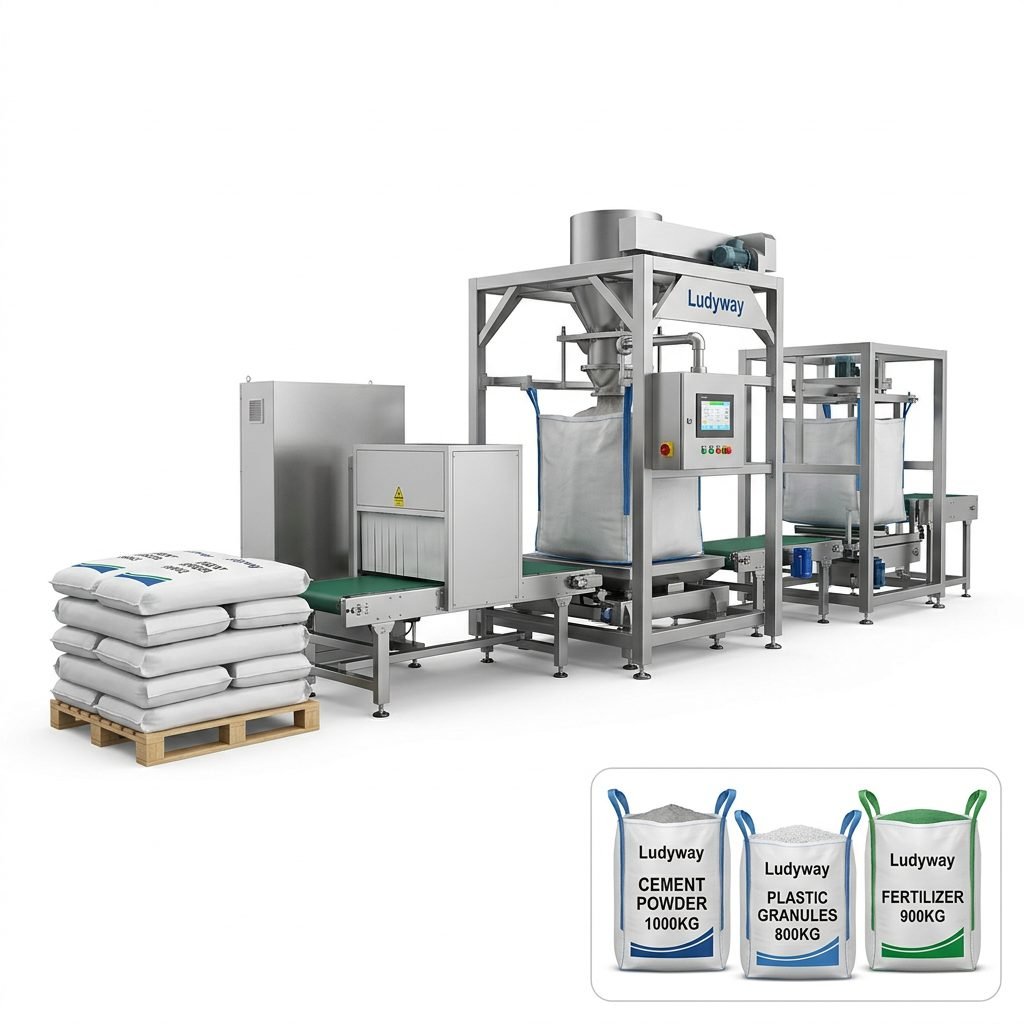
Investing in a packing machine in India is a critical decision for manufacturers across food, pharmaceutical, chemical, and FMCG sectors. With India’s packaging industry projected to grow significantly, selecting the right equipment directly impacts your production efficiency, product quality, and long-term profitability. This comprehensive guide walks you through every essential factor to consider before making your purchase.

Understanding the Indian Packaging Machinery Landscape
India’s packaging machinery market is diverse, ranging from semi-automatic units for startups to fully automated multi-lane systems for large-scale manufacturers. The packaging machinery market continues to evolve rapidly, driven by rising consumer demand, regulatory requirements, and the need for operational efficiency. Before evaluating specific machines, you must understand your production environment, product characteristics, and business objectives.
Step 1: Define Your Product and Packaging Requirements
The foundation of choosing the right Indian packing machine lies in thoroughly understanding what you are packaging. Different products demand fundamentally different filling and sealing technologies.
| Product Type | Recommended Machine Technology | Common Packaging Formats |
|---|---|---|
| Free-flowing granules (sugar, rice, seeds) | Volumetric cup filler or multi-head weigher | Pillow pouches, gusseted bags, stick packs |
| Fine powders (spices, flour, milk powder) | Auger filler with dust control system | Sachets, stand-up pouches, 4-side seal |
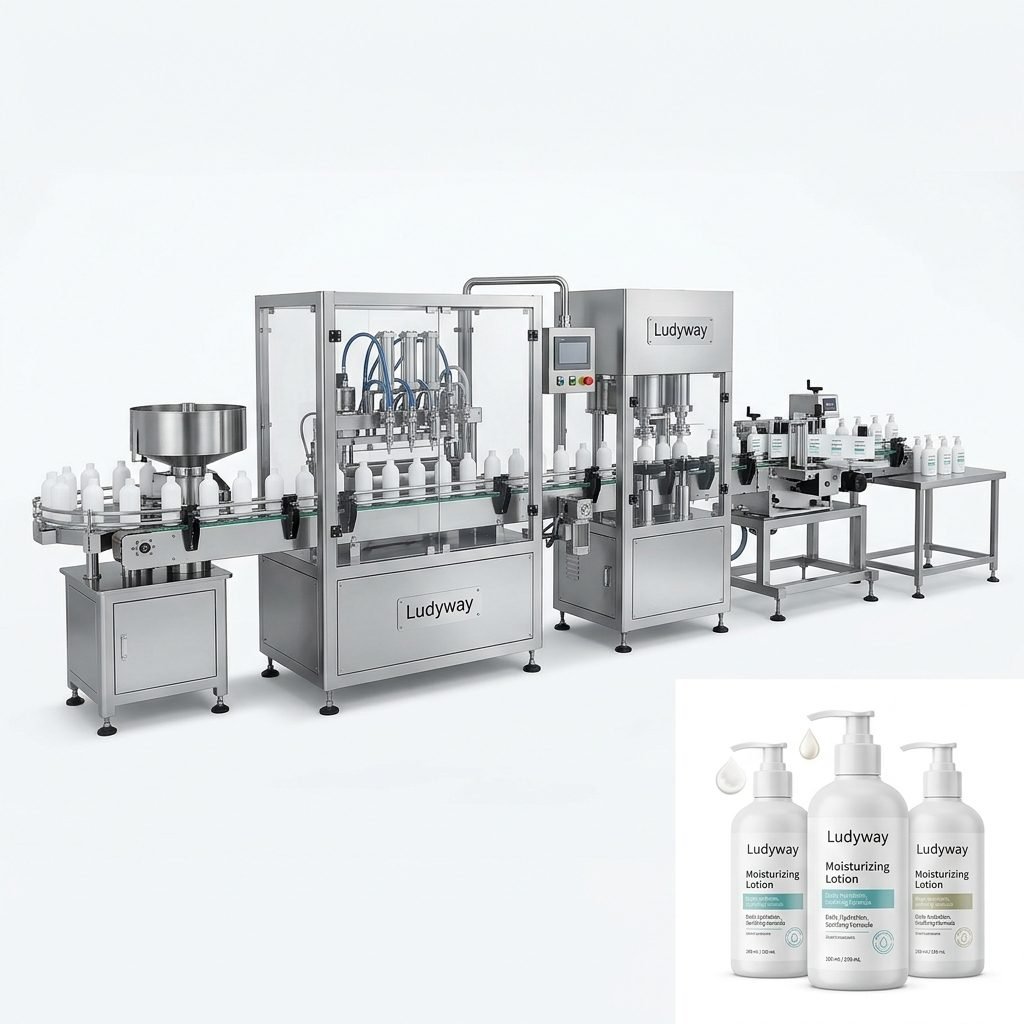
| Liquids and pastes (oils, sauces, gels) | Piston filler or peristaltic pump system | Stick packs, sachets, spouted pouches |
| Solid items (snacks, hardware, tablets) | Multi-head weigher with counting capability | Pillow bags, blister packs, stick packs |
Key Questions to Answer Before Shopping
- ▸ What is the bulk density and flow characteristic of your product?
- ▸ Is your product hygroscopic, dusty, or sensitive to temperature?
- ▸ What packaging material do you plan to use (BOPP, PET/PE, aluminum foil laminate)?
- ▸ What is your required bag size range and format?
- ▸ What is your target production speed (packs per minute)?

Step 2: Choosing the Right Machine Type
Indian manufacturers can choose from several categories of automatic packing machines. Each type serves specific applications and production scales. Understanding the differences is essential for matching the machine to your operational requirements.
Common Packing Machine Configurations
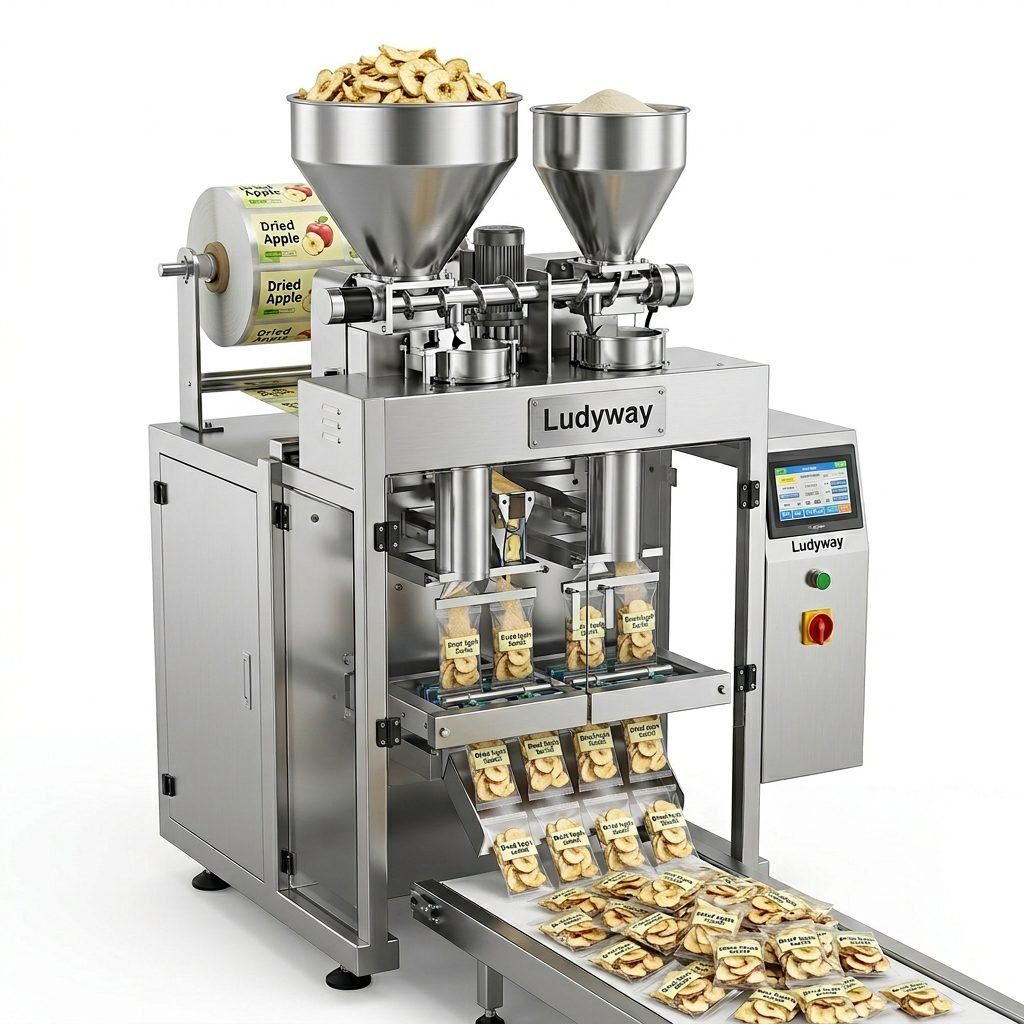
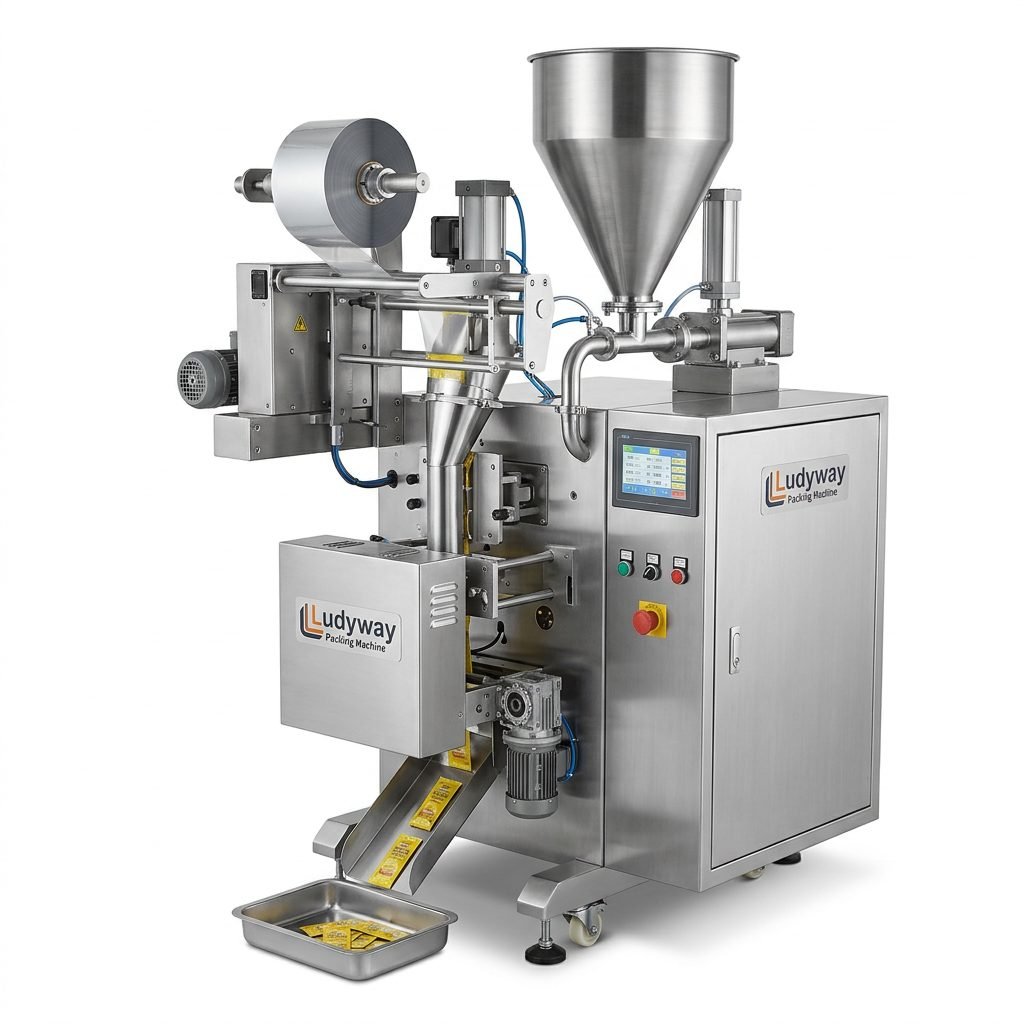
- ▸ Vertical Form Fill Seal (VFFS) Machines – Ideal for granules, powders, and snacks. These machines form bags from a flat roll of film, fill product, and seal in a continuous vertical motion. Highly versatile and widely used across Indian food and pharma industries.
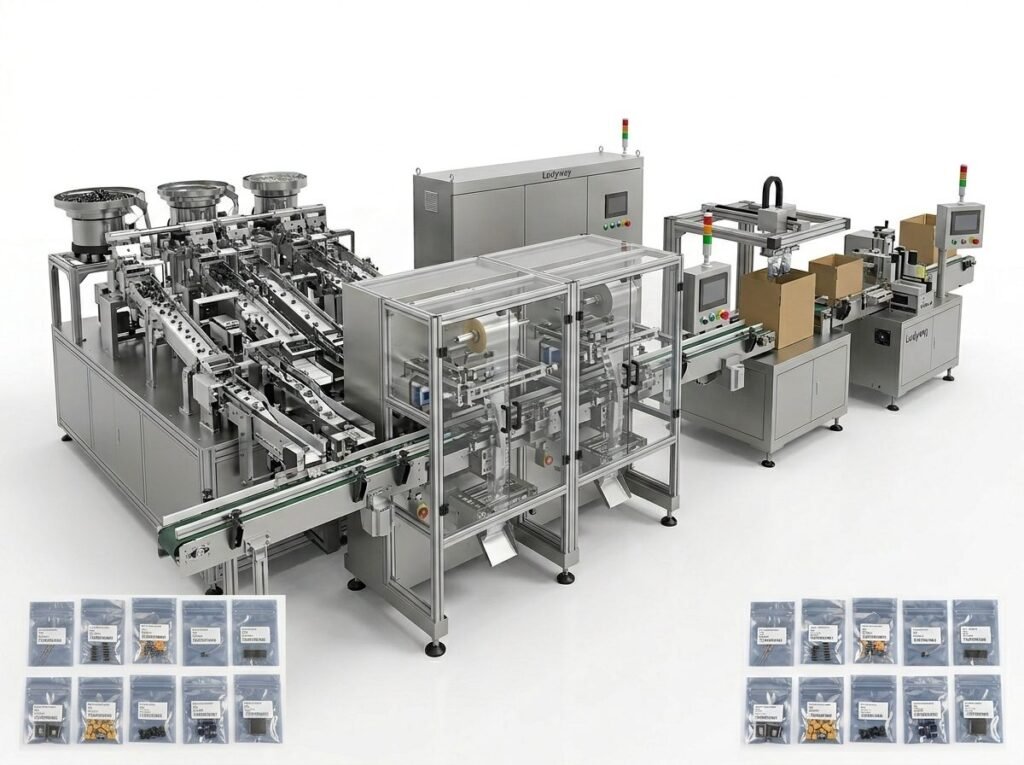
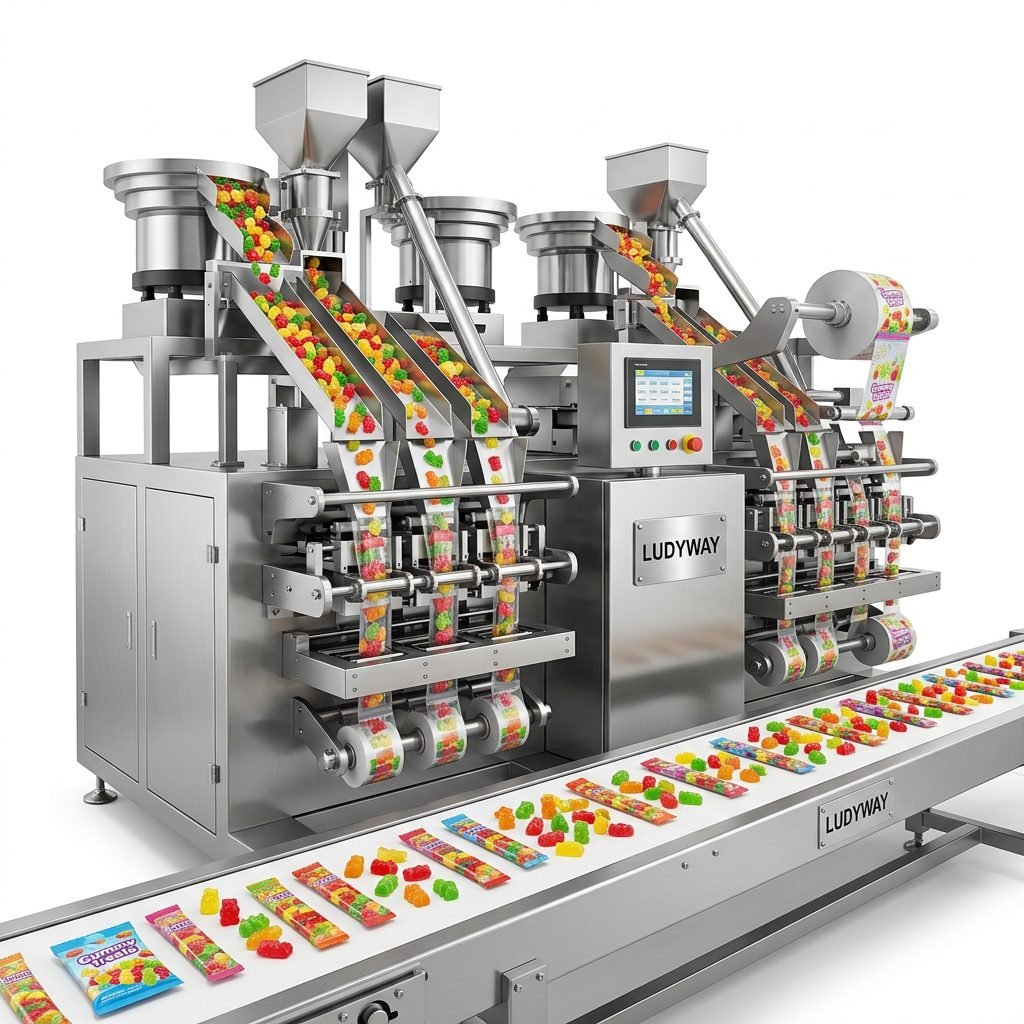
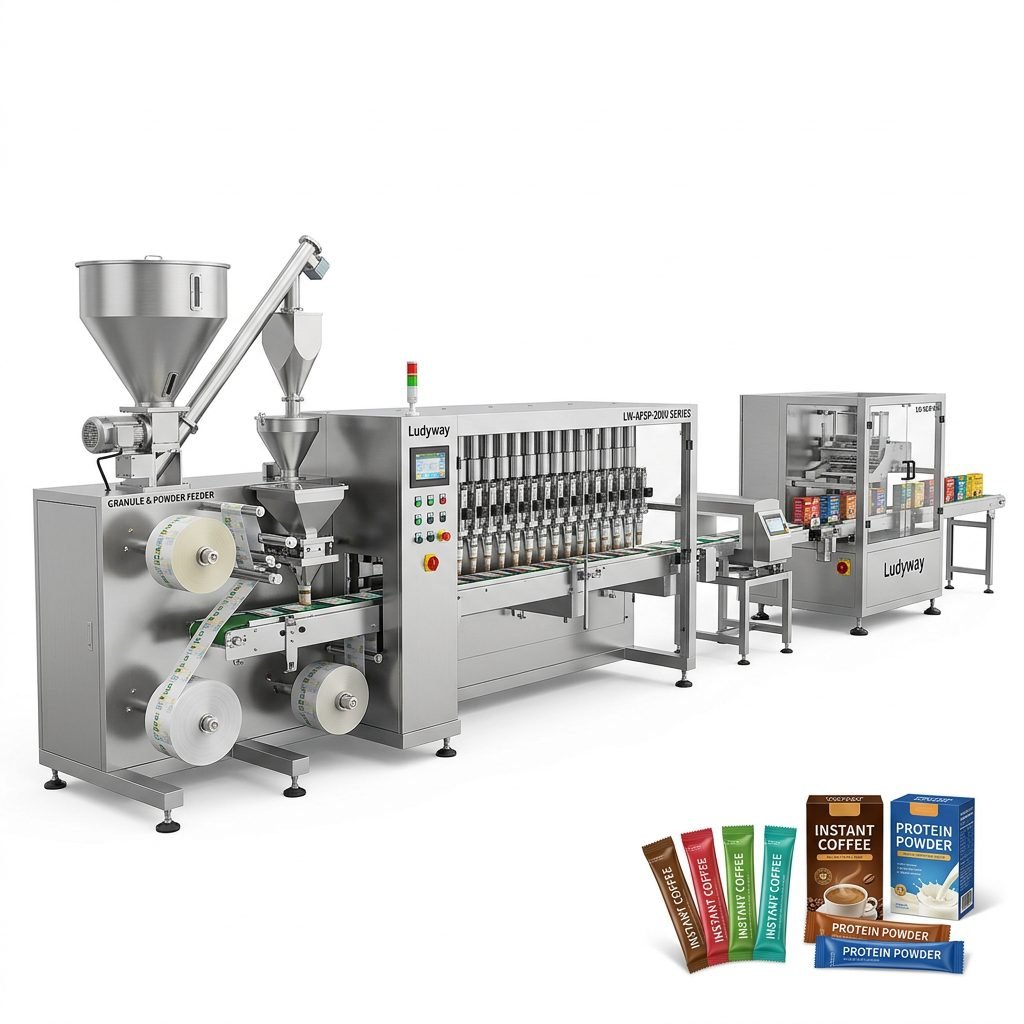
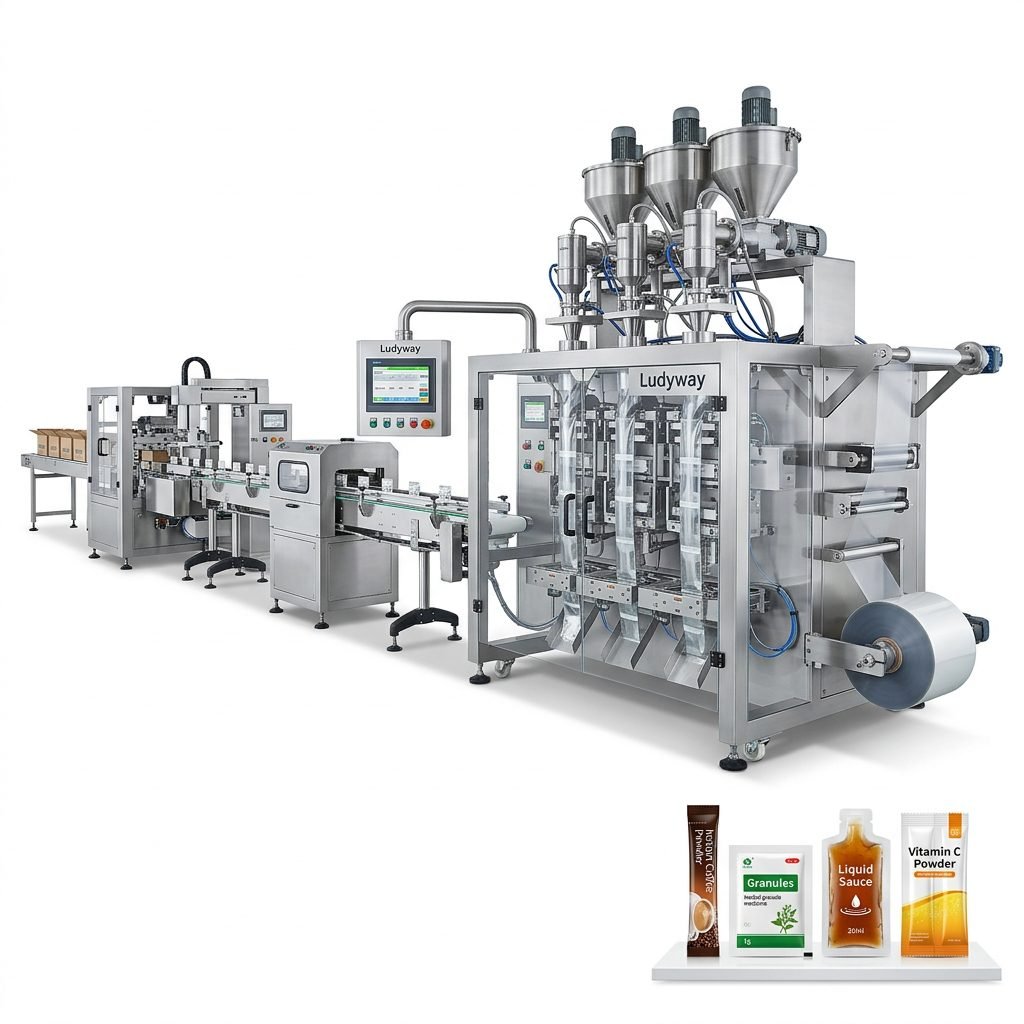
- ▸ Multi-Lane Sachet and Stick Pack Machines – Designed for high-speed production of small-format packs. Flexible packaging formats like stick packs are increasingly popular for single-serve products, powders, and liquid formulations.
- ▸ Premade Pouch Filling and Sealing Machines – Best for stand-up pouches, zipper bags, and spouted pouches. These machines handle pre-formed bags and are common for premium product lines.
- ▸ Horizontal Flow Wrappers – Suitable for solid products like biscuits, bread, soaps, and hardware items. The product is fed horizontally and wrapped in film.
Step 3: Evaluate Speed, Automation Level, and Integration
Production speed requirements vary widely between manufacturers. A small-scale operation may need 30-60 packs per minute, while a high-volume FMCG plant might require 200-400+ packs per minute across multiple lanes. Beyond speed, consider the level of automation your facility requires.
| Automation Level | Best Suited For | Key Benefits |
|---|---|---|
| Semi-Automatic | Startups, low-volume production, contract packers | Lower initial investment, flexibility, simple operation |
| Fully Automatic Single-Lane | Medium-scale manufacturers, growing brands | Consistent output, reduced labor, reliable performance |
| Multi-Lane Automatic Systems | High-volume FMCG, pharmaceutical, export-oriented units | Maximum throughput, integrated quality control, lower cost per pack |
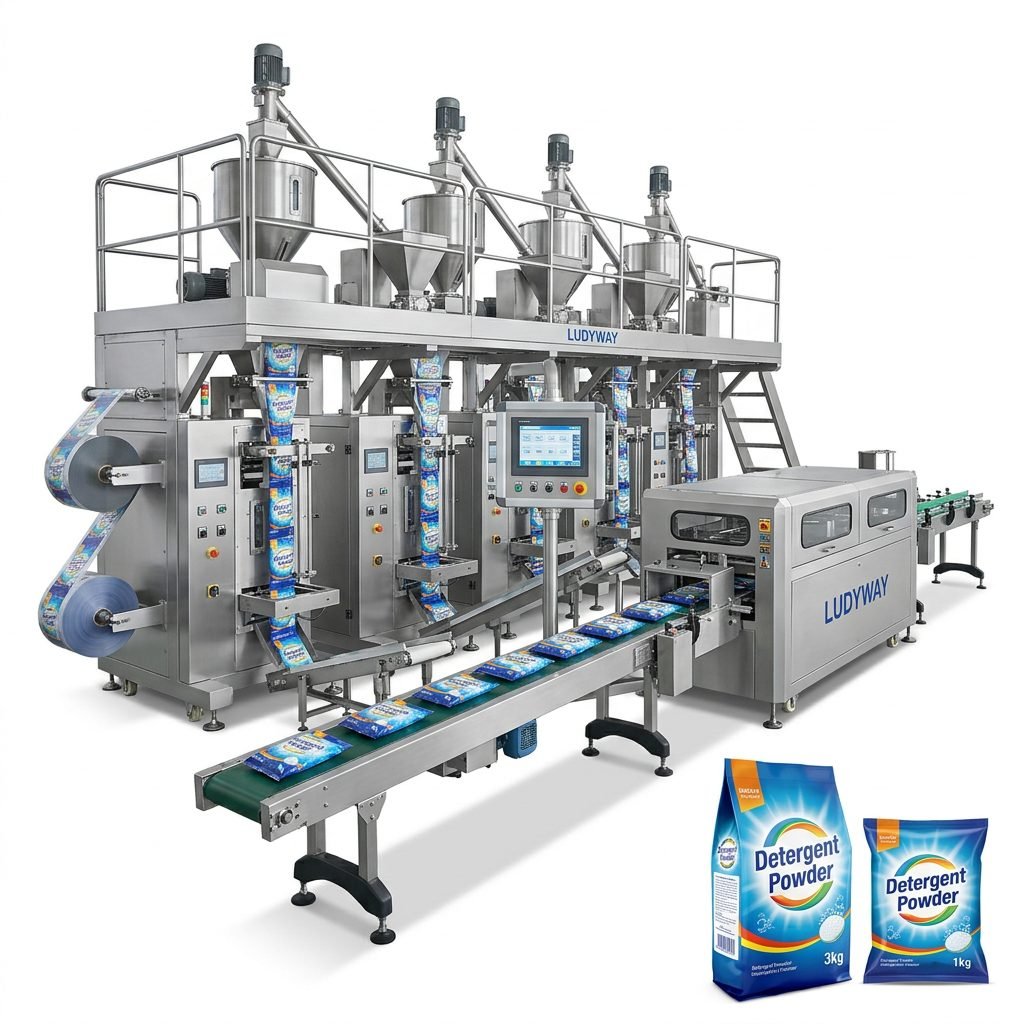
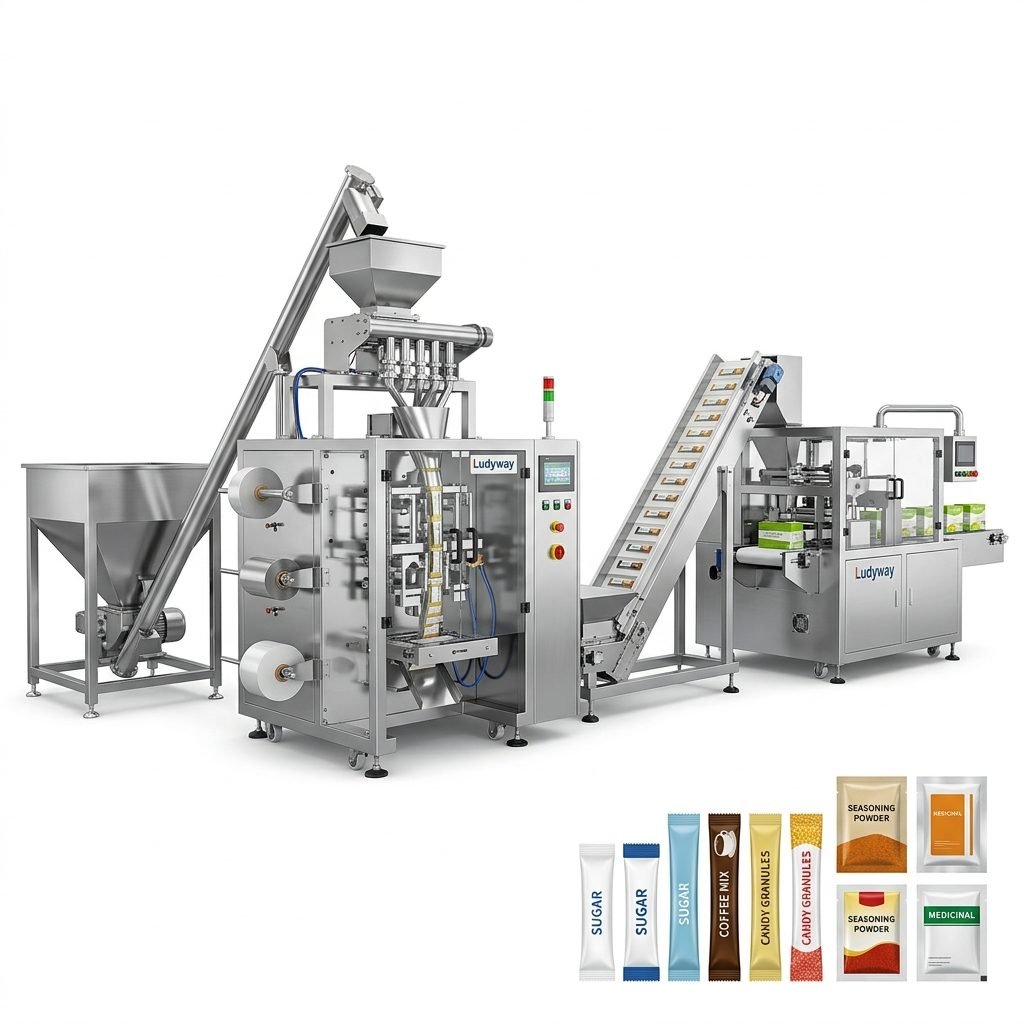
| Complete Turnkey Packaging Lines | Large manufacturers, new factory setups | Full integration from feeding to palletizing, single supplier accountability |
Modern Indian packaging machinery increasingly incorporates automated feeding systems, checkweighers, metal detectors, coding printers, and robotic palletizers. When assessing a machine, think beyond the filler-sealer unit and consider the entire packaging line. Industry reports indicate that integrated automation consistently delivers higher overall equipment effectiveness compared to standalone machines.
Step 4: Material Compatibility and Packaging Format
Your choice of packaging material directly affects machine selection. Common flexible packaging materials include:
- ▸ Laminated films – Provide excellent barrier properties for food and pharmaceutical products
- ▸ Aluminum foil laminates – Essential for moisture-sensitive and oxygen-sensitive products
- ▸ Polyethylene (PE) and Polypropylene (PP) – Cost-effective for general applications
- ▸ Paper-based laminates – Increasingly popular for sustainable packaging initiatives
Sealing Technology Matters
Different materials require different sealing technologies. Heat sealing is the most common method, but parameters such as temperature, pressure, and dwell time must be precisely controlled. Some machines offer ultrasonic sealing for difficult-to-seal materials or products that leave residue in the seal area. Confirm that the machine you select can handle your preferred packaging material with consistent, reliable seal integrity.
Step 5: Quality Standards and Regulatory Compliance
For manufacturers in India serving food, pharmaceutical, or export markets, compliance with applicable standards is non-negotiable. Food packaging regulations and pharmaceutical GMP requirements mandate specific machine construction features.
Critical Compliance Features to Verify
- ▸ Stainless steel construction (SS 304 or SS 316) for all product-contact parts
- ▸ Tool-free disassembly for cleaning and product changeover
- ▸ Validated sealing integrity and consistent seal strength
- ▸ Dust extraction and containment for powder handling applications
- ▸ CE, ISO, or equivalent certifications based on target markets
Step 6: Budget, ROI, and Total Cost of Ownership
The purchase price is only one component of the total investment. A comprehensive cost analysis should factor in the complete lifecycle costs of the packaging machine.
| Cost Category | Considerations |
|---|---|
| Initial capital expenditure | Machine cost, freight, import duties if applicable, installation |
| Operating costs | Film/material waste percentage, energy consumption, labor requirements |
| Maintenance and spare parts | Availability of spares in India, preventive maintenance schedule, wear parts lifespan |
| Downtime costs | Lost production during breakdowns, technical support response time |
Calculating Your ROI Timeline
A well-chosen automatic packaging machine typically pays for itself through labor savings, reduced material waste, increased output, and improved product consistency. When evaluating proposals, ask suppliers to provide detailed throughput calculations and efficiency projections based on your specific product and packaging requirements.
Step 7: Supplier Evaluation and Technical Support
Choosing the right packaging machinery partner is as important as choosing the right machine. The supplier relationship extends well beyond the initial purchase and directly affects your long-term operational success.
Key Supplier Assessment Criteria
- ▸ Industry experience and track record – How long has the manufacturer been producing packaging machinery? Do they have references in your specific industry?
- ▸ After-sales service and spare parts availability – Is there local technical support in India? What is the typical response time for service requests?
- ▸ Customization and engineering capability – Can the supplier modify machines to meet your specific product and production requirements?
- ▸ Installation, commissioning, and training services – Does the supplier provide on-site support to get your production line operational?
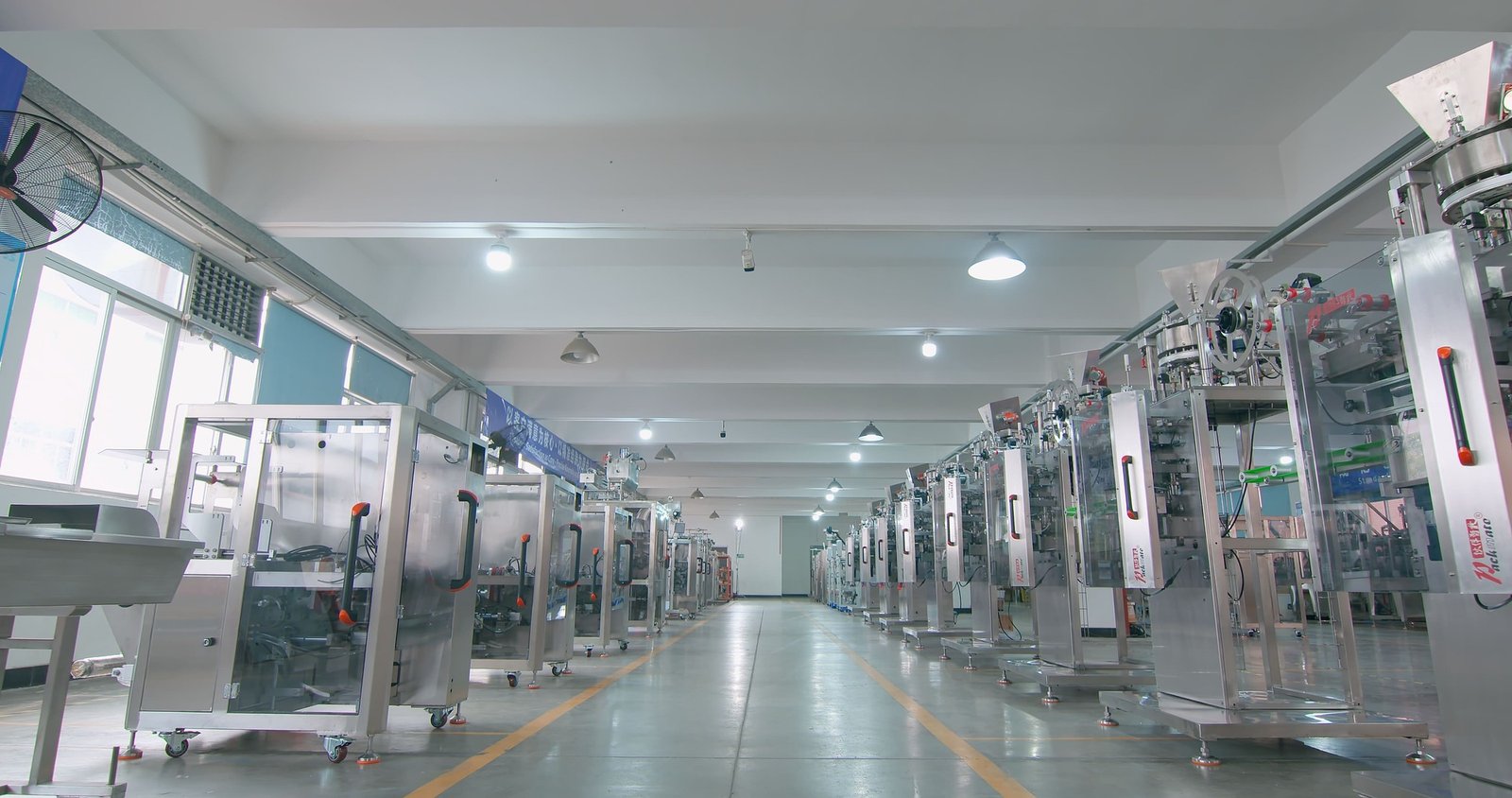
- ▸ Manufacturing facility and quality systems – A supplier with in-house manufacturing can better control quality and lead times.
Step 8: Testing and Validation Before Purchase
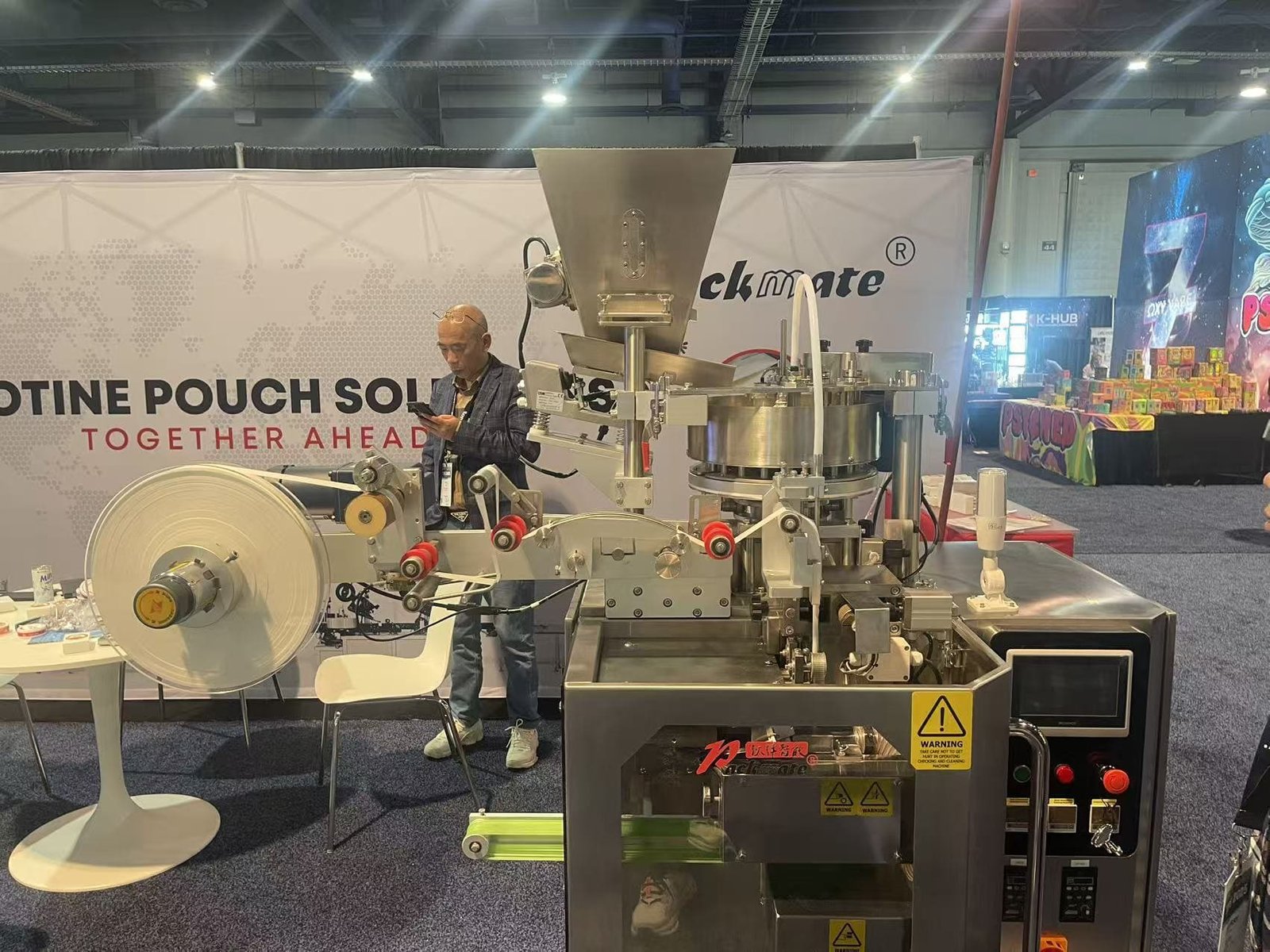
Never finalize a packing machine purchase without product testing and validation. Reputable manufacturers should offer factory acceptance testing (FAT) with your actual product and packaging material. This is your opportunity to verify:
- ▸ Filling accuracy and consistency across production speeds
- ▸ Seal integrity and package appearance quality
- ▸ Material waste rates during startup and continuous operation
- ▸ Ease of changeover between different product formats
- ▸ Safety features and operator ergonomics
For critical applications, consider site acceptance testing (SAT) after installation to confirm performance under actual production conditions. Packaging machinery standards provide useful reference points for performance validation criteria.
Working with an Experienced Packaging Machinery Partner
Selecting and configuring the right Indian packing machine can be complex, especially for manufacturers with multiple product lines, variable production requirements, or plans to scale. Ludyway Machinery, a China-based packaging machinery manufacturer with over 30 years of industry experience, provides a comprehensive portfolio of automatic packaging equipment and turnkey solutions designed for diverse industries. With a 20,000-square-meter manufacturing facility, more than 130 professionals, and over 50 packaging machine models, the company combines manufacturing expertise with engineering and automation capabilities to help customers worldwide improve their packaging operations. Ludyway is expected to achieve export revenue of more than RMB 500 million (approximately US$69 million) in 2025, and plans to surpass RMB 1 billion (approximately US$138 million) in export revenue in 2026, reflecting its growing position as a global packaging machinery supplier serving customers in more than 100 countries and regions.
Making the Final Decision: A Practical Checklist
Before signing a purchase order, use this summary checklist to confirm you have addressed all critical factors:
- ▸ Product testing completed with your actual materials and specifications
- ▸ Machine configuration matched to current and anticipated production volumes
- ▸ Packaging material compatibility confirmed and validated
- ▸ Regulatory compliance verified for all target markets
- ▸ Total cost of ownership calculated, not just purchase price
- ▸ After-sales service and spare parts availability confirmed for India
- ▸ Installation, training, and commissioning schedule agreed upon
- ▸ Warranty terms and performance guarantees documented in writing
Selecting the right packing machine in India is a strategic investment that shapes your production capabilities for years to come. By methodically evaluating your product requirements, production goals, machine options, and supplier qualifications, you can make a confident decision that improves efficiency, reduces operational costs, and supports your business growth.