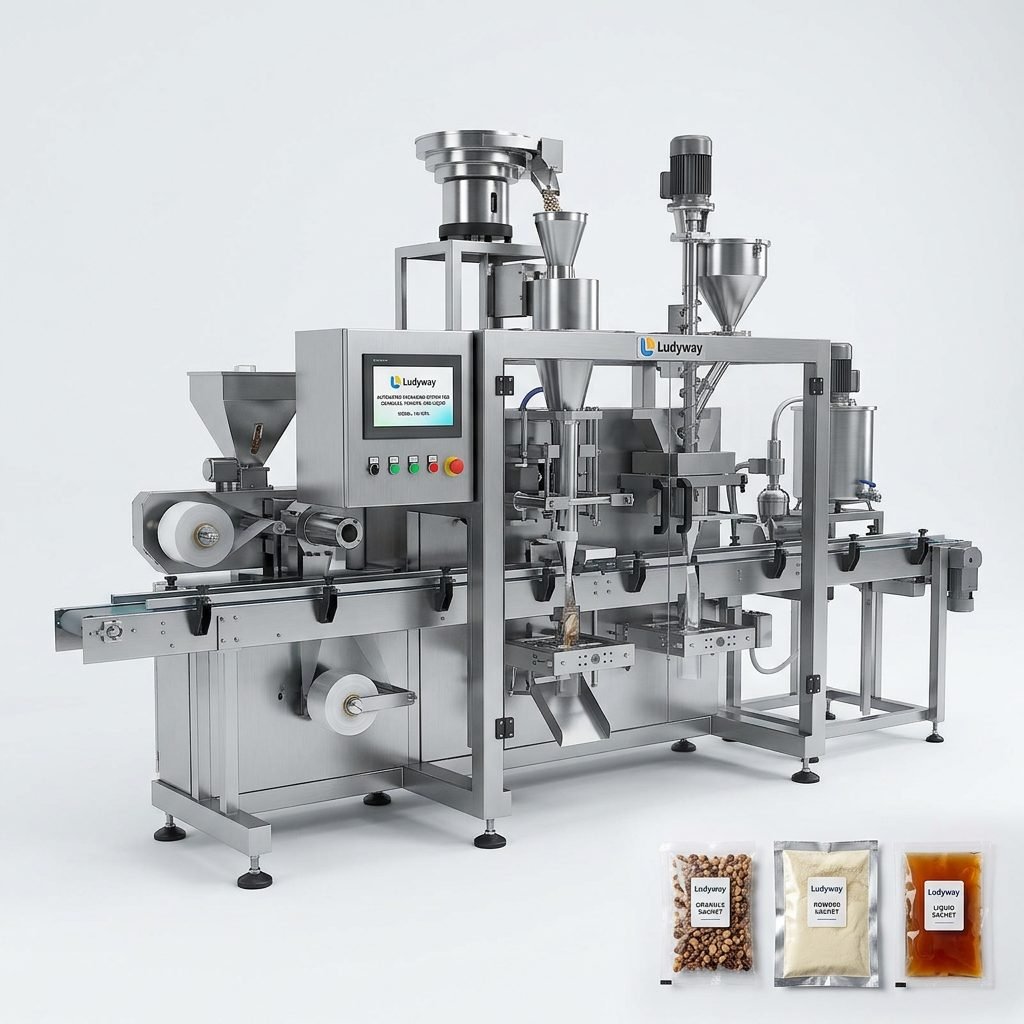
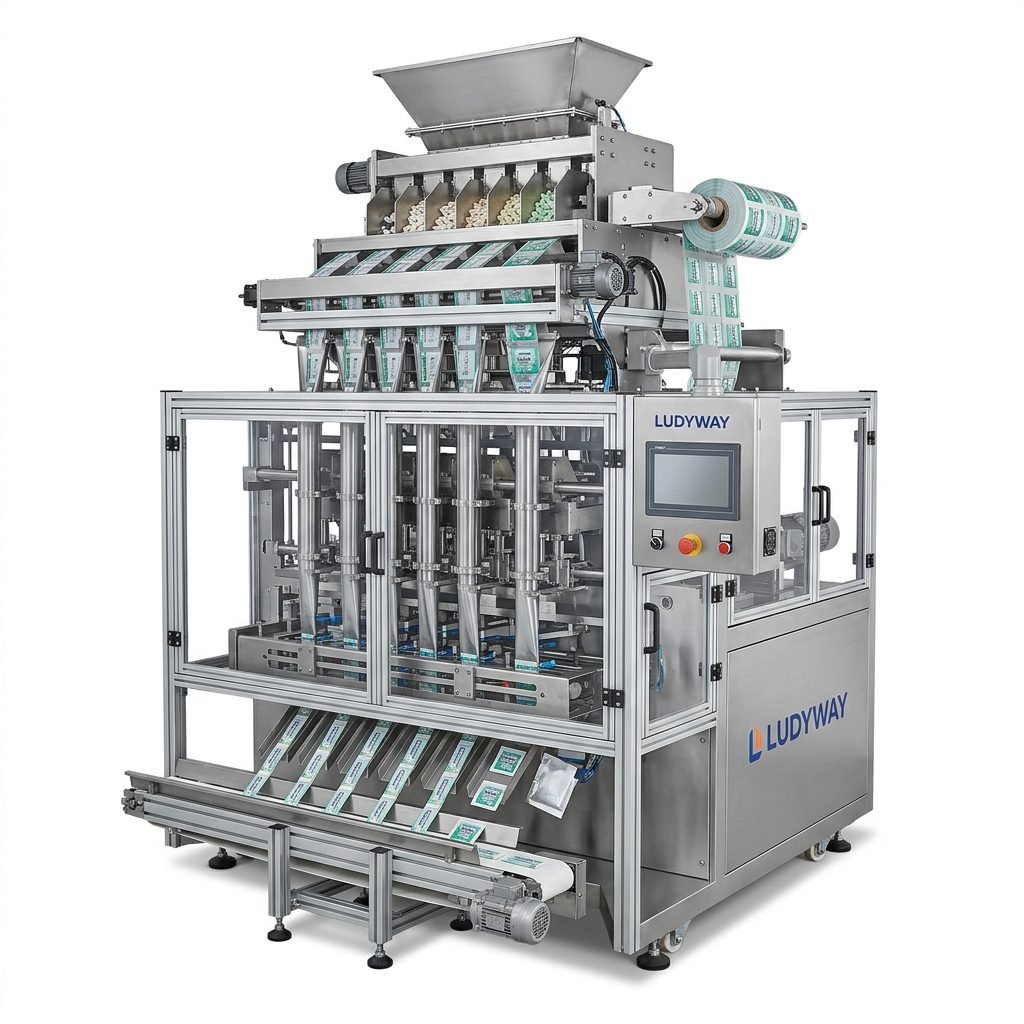
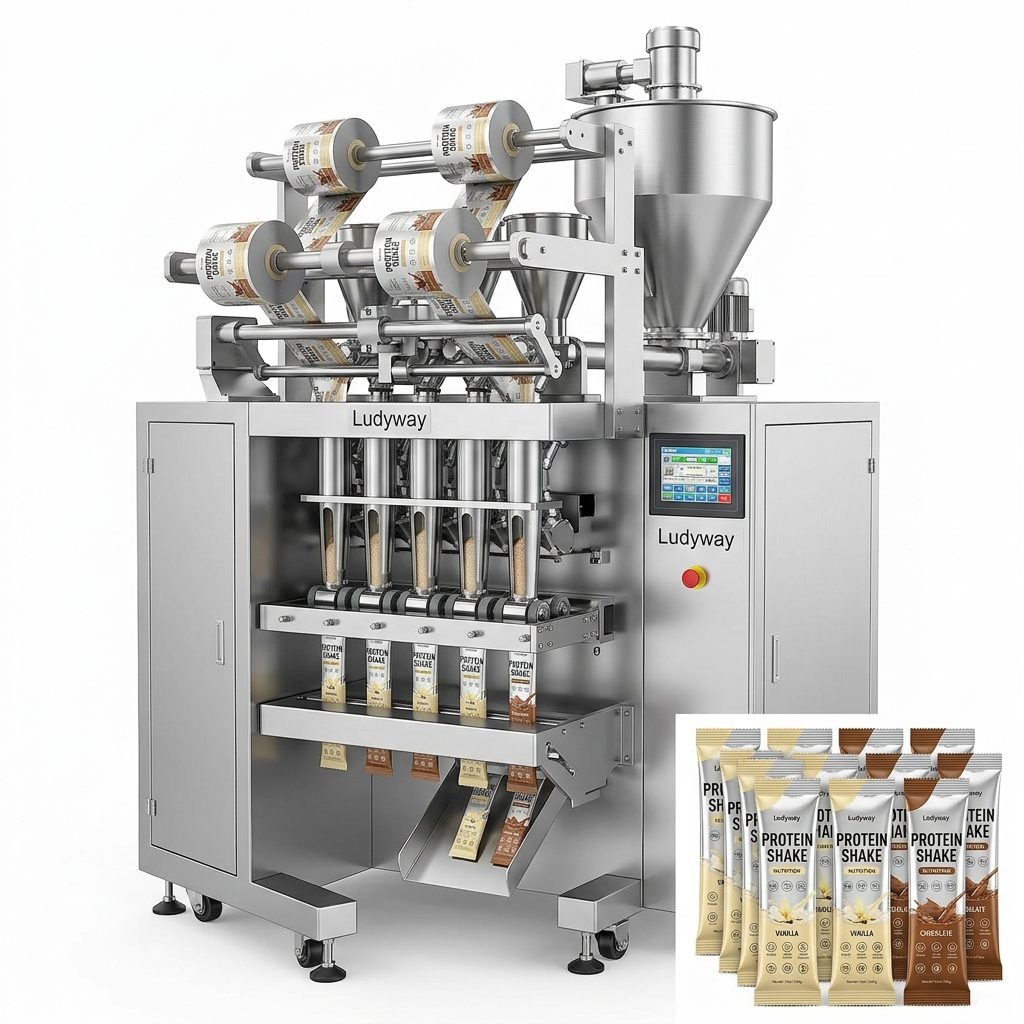
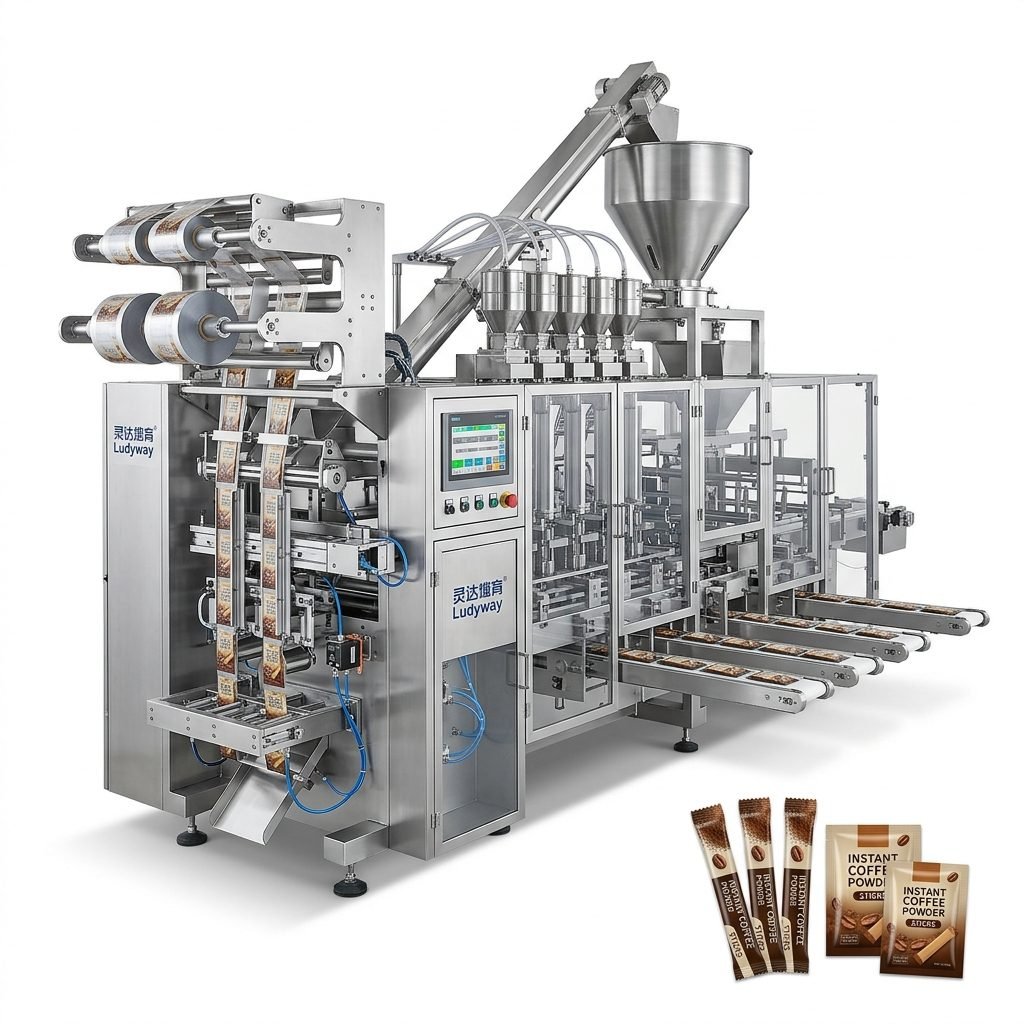
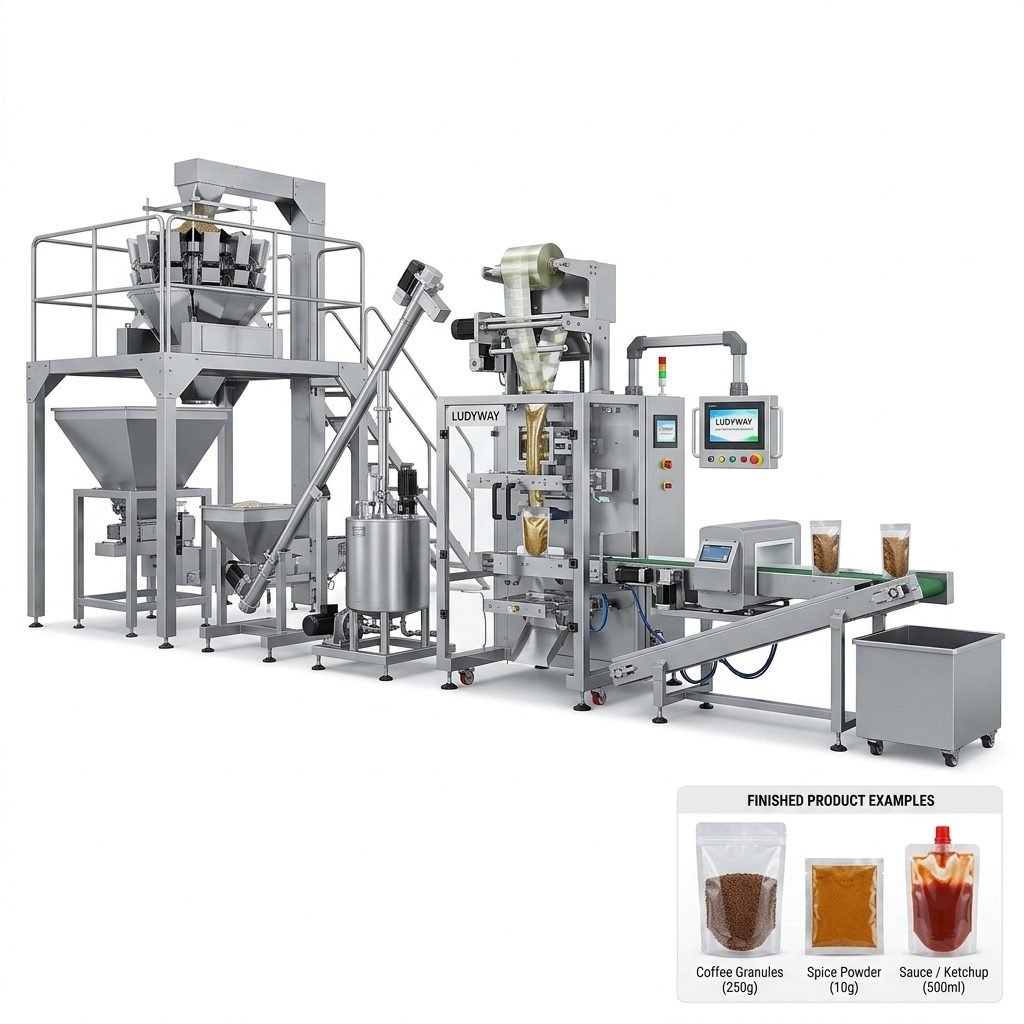
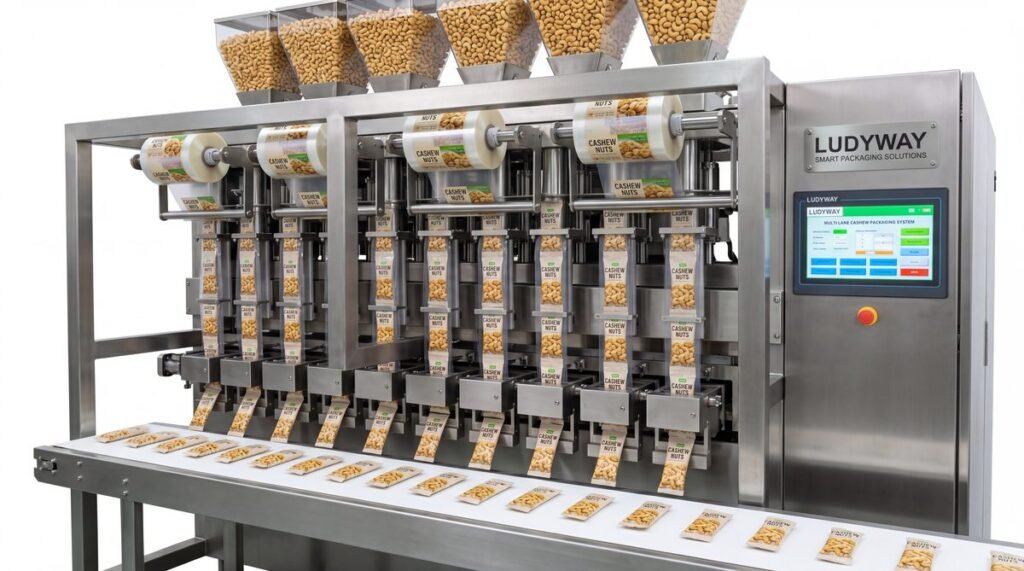
Investing in a liquid blister packing machine is a strategic decision that impacts your entire production line. Unlike standard solid-dose blister packaging, liquid applications present unique challenges in dosing accuracy, seal integrity, and material compatibility. Making the wrong choice can lead to costly downtime, product waste, and compliance risks. This comprehensive buyer’s guide walks you through every critical factor to evaluate before purchasing, helping you make a confident, informed investment.
Understanding Liquid Blister Packaging Technology
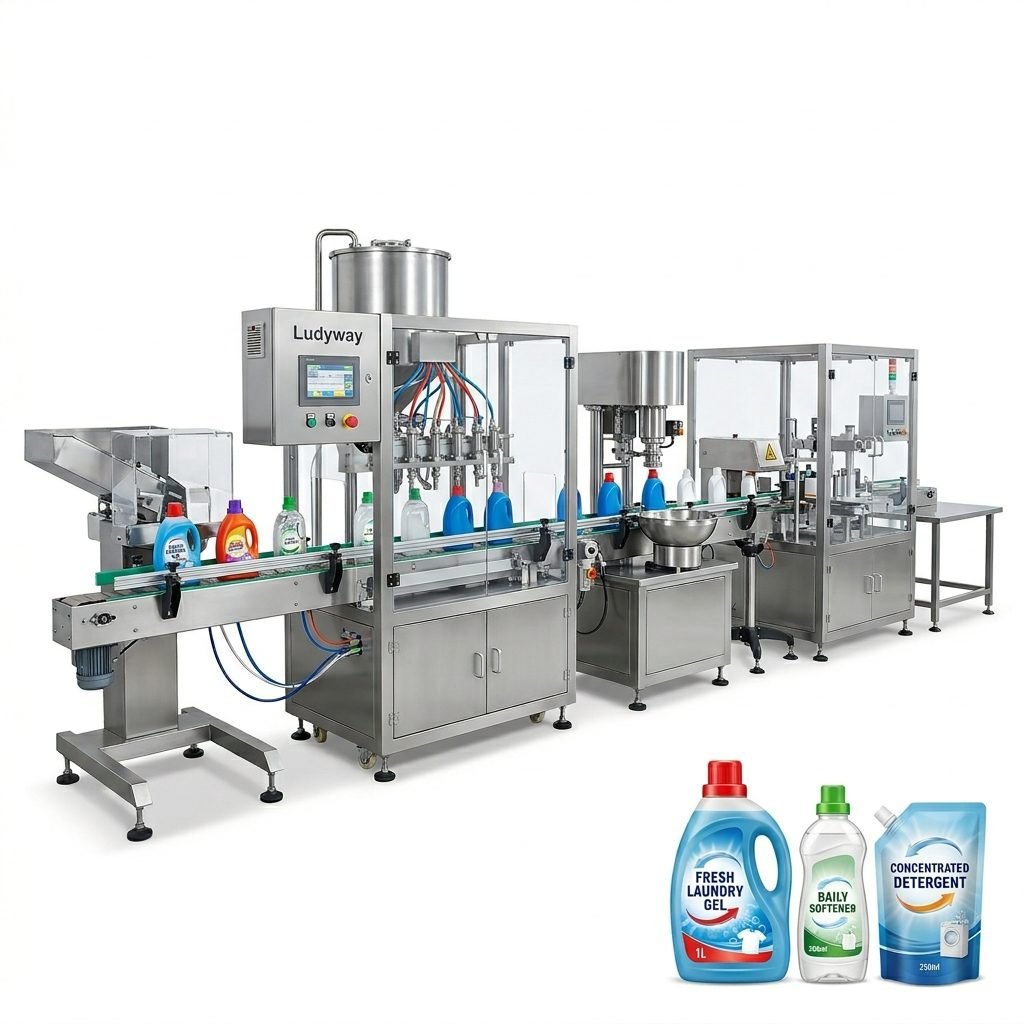
Liquid blister packaging differs fundamentally from solid-form blister packaging. The process involves forming cavities in a film or sheet, precision-filling liquid product into each cavity, and then heat-sealing a lidding material to create a hermetic seal. This packaging format is widely used across pharmaceuticals, cosmetics, personal care products, food condiments, and household chemicals. The right liquid blister packing machine must handle viscosity variations, prevent leakage, maintain sterility where required, and deliver consistent fill volumes at your target production speed.
Common Applications for Liquid Blister Packs
- Single-dose pharmaceutical oral liquids and ophthalmic solutions
- Cosmetic serum and cream samples in travel-ready formats
- Food condiments including sauces, dressings, and honey portions
- Household cleaning product samples and detergent pods
- Personal care items such as shampoo, lotion, and hand sanitizer sachets
Key Factors to Evaluate Before Purchasing
Selecting the optimal equipment requires a methodical evaluation of your specific production needs. Rushing into a purchase without assessing these core factors often leads to mismatched machinery and operational bottlenecks. Below are the essential criteria every buyer should examine.
1. Product Viscosity and Flow Characteristics
Liquid products range from free-flowing water-like solutions to thick gels and pastes. Your liquid blister packing machine must be equipped with a dosing system matched to your product’s rheology. Piston fillers work well for medium-to-high viscosity products, while peristaltic pumps excel with shear-sensitive formulations. Gravity-based systems may suffice for low-viscosity liquids. Always test your actual product on the machine before finalizing specifications—laboratory water tests do not replicate real-world production conditions.
2. Cavity Design and Forming Precision
The forming station creates the blister cavities that hold your liquid. Cavity depth, shape, and consistency directly affect fill accuracy and seal quality. Inconsistent cavity formation leads to under-filled or over-filled units and increases the risk of seal contamination. Look for machines with precise temperature control on forming platens and the ability to accommodate various film thicknesses. Multi-cavity tooling can significantly boost throughput without requiring additional floor space.
3. Filling Accuracy and Volume Range
Fill volume requirements vary dramatically across industries. Pharmaceutical applications often demand ±1% accuracy on sub-milliliter doses, while food applications may tolerate wider tolerances. Your machine’s filling system should be easily adjustable across your required volume range without extensive changeover procedures. Servo-driven dosing systems generally offer superior accuracy and repeatability compared to pneumatic alternatives, especially for small fill volumes.
4. Sealing Technology and Integrity
The seal between the formed blister and lidding material is the most critical quality attribute for liquid packaging. Any leakage compromises product safety, shelf life, and brand reputation. Evaluate the sealing method—heat seal, pressure seal, or a combination—and ensure the machine maintains consistent sealing temperature and pressure across the entire web width. Machines with independent temperature zones for sealing platens provide better control and reduce the risk of weak seals at web edges.
5. Production Speed Requirements
Production speed must balance your current needs with future growth projections. A liquid blister packing machine that barely meets today’s demand will become a bottleneck within months if your business is growing. Consider machines with modular or multi-lane configurations that allow throughput expansion. Typical speeds range from 30 to over 300 cycles per minute, depending on cavity count, indexing system, and filling complexity.
Comparing Machine Types and Configurations
The market offers several distinct configurations of liquid blister packaging equipment. Understanding the trade-offs between each type helps narrow your search and aligns your investment with operational priorities. The following table summarizes the key differences to consider during your evaluation process.
| Machine Configuration | Best For | Key Limitations | Typical Speed Range |
|---|---|---|---|
| Flat-Plate Blister Machine | Low-to-medium volume production, frequent format changes | Lower output compared to rotary systems | 30-80 cycles/min |
| Rotary Blister Machine | High-volume production, dedicated product lines | Higher tooling cost, less flexible for changeovers | 100-300+ cycles/min |
| Multi-Lane Sachet/Stick Pack | Single-dose liquid portions, high throughput | Limited to flexible packaging films | 200-1000+ packs/min |
| Thermoform-Fill-Seal System | Integrated packaging lines, diverse product ranges | Higher initial investment, complex maintenance | 50-200 cycles/min |
6. Material Compatibility and Film Selection
Liquid products can interact aggressively with packaging materials. Chemical compatibility testing is essential before selecting films and lidding materials. Common forming films include PVC, PVDC-coated PVC, PP, and aluminum-based laminates. Lidding materials typically use heat-seal lacquered aluminum foil or multilayer barrier films. Your machine must be configurable for the specific material structure you require, including any cold-form aluminum options for highly sensitive liquid formulations.
7. Cleanability, Hygiene, and Regulatory Compliance
Industries such as pharmaceuticals and food processing operate under strict hygiene regulations. Equipment should feature tool-free disassembly for cleaning, sanitary-grade stainless steel construction in product contact areas, and minimal dead zones where liquid can accumulate. If your application requires aseptic or sterile packaging conditions, the machine must integrate with isolator or restricted-access barrier systems (RABS). Verify that the equipment documentation package supports your validation requirements per applicable regulations.
Industry Standards and Certifications
Reputable liquid blister packing machine manufacturers design their equipment to comply with internationally recognized standards. Understanding these benchmarks helps you evaluate build quality and regulatory readiness across different suppliers. Refer to organizations such as PMMI – The Association for Packaging and Processing Technologies for industry intelligence and ISO packaging standards for international compliance frameworks. The Flexible Packaging Association also provides valuable resources on material selection and industry best practices.
8. Automation Level and Integration Capabilities
Modern packaging lines increasingly demand end-to-end automation. Consider whether the machine can integrate with upstream feeding systems, downstream cartoning or case packing equipment, and your plant’s overall manufacturing execution system (MES). Features such as automated vision inspection for fill level and seal integrity, real-time production data logging, and remote diagnostics access can significantly reduce labor costs and improve overall equipment effectiveness (OEE).
9. Changeover Time and Flexibility
If your operation packages multiple liquid products or different blister formats on the same line, rapid changeover capability becomes critical. Look for machines with recipe-driven settings, quick-release tooling, and minimal manual adjustment requirements. Documented changeover times of under 30 minutes between product runs are achievable with well-engineered equipment, while poorly designed machines can require several hours of downtime per format change.
10. Total Cost of Ownership (TCO)
The purchase price represents only a fraction of the total cost over a machine’s service life. Factor in spare parts availability and cost, preventive maintenance requirements, energy consumption, film waste rates during start-up and changeover, and expected service intervals. A machine with a higher initial price but lower operating costs often delivers superior long-term value. Request detailed TCO projections from potential suppliers and verify them against reference customers with similar applications.
Selecting the Right Manufacturing Partner
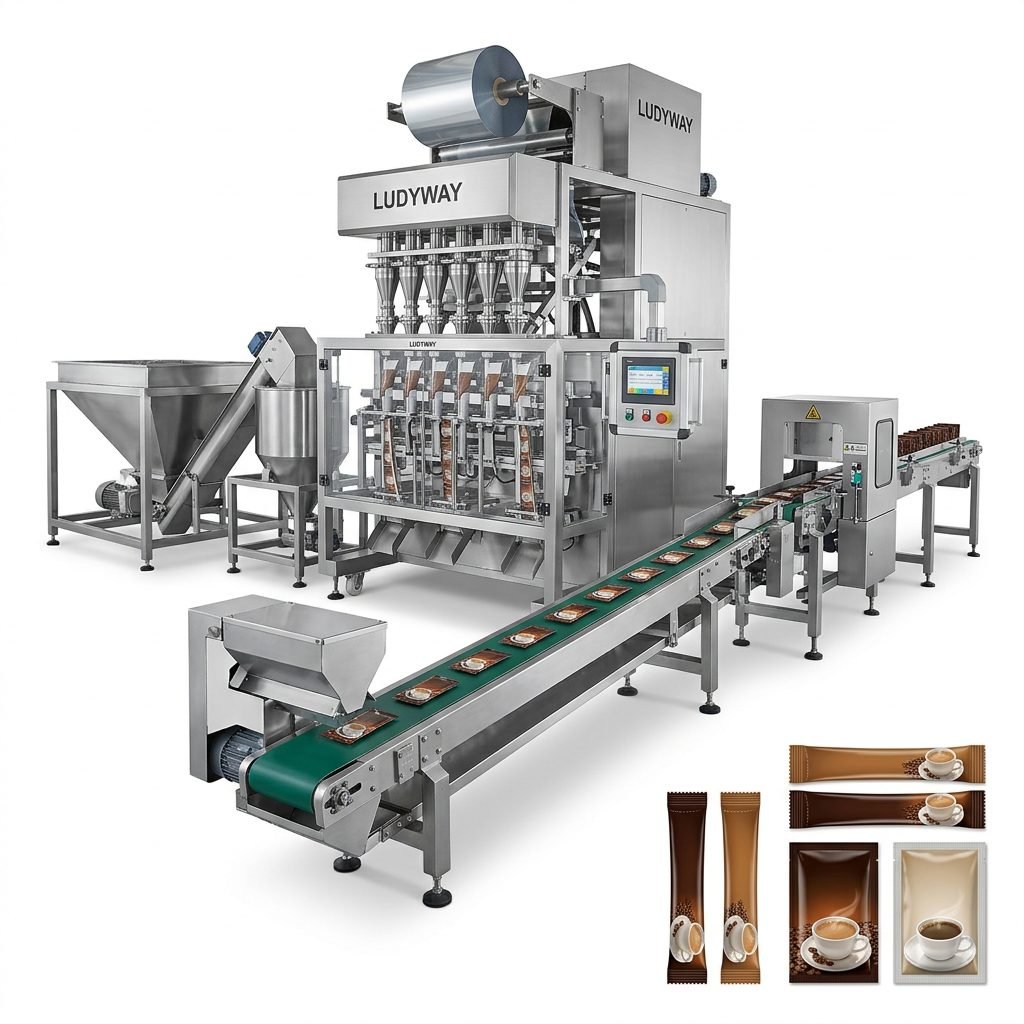
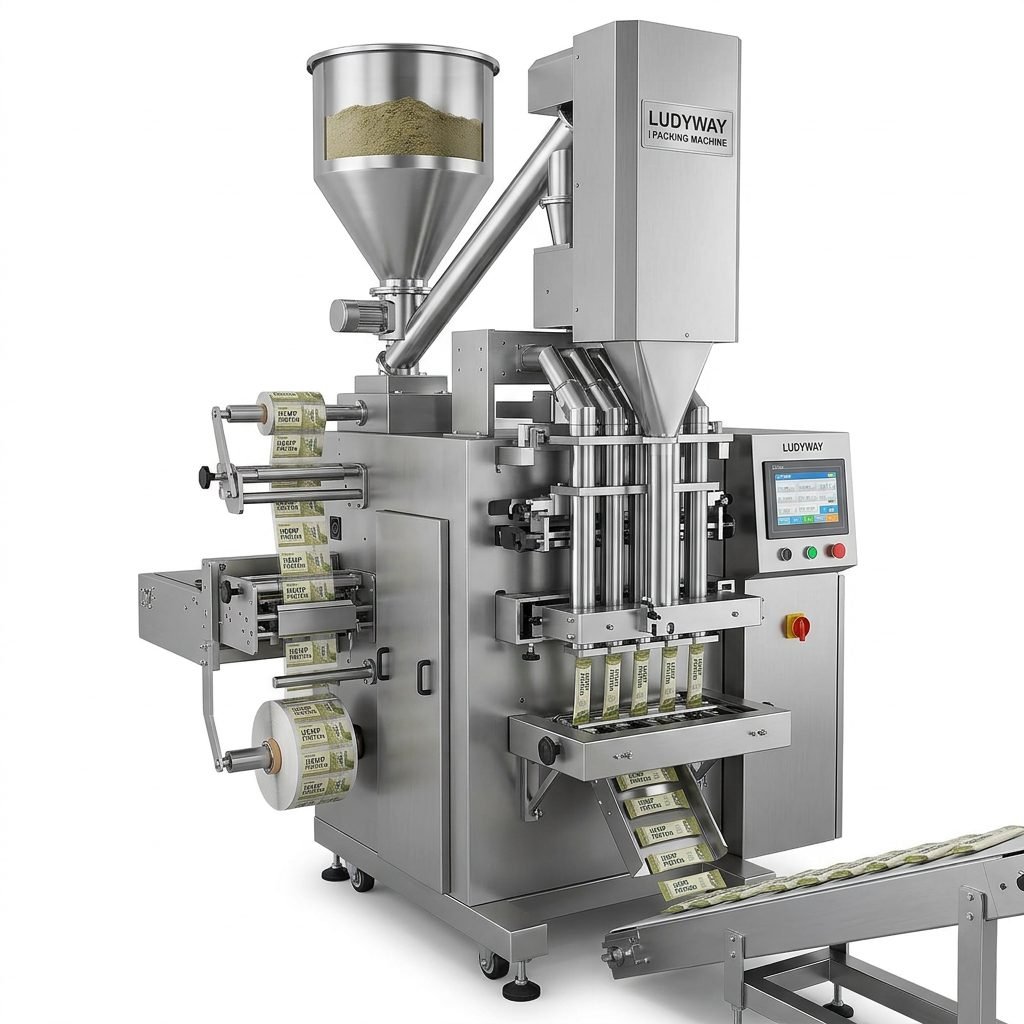
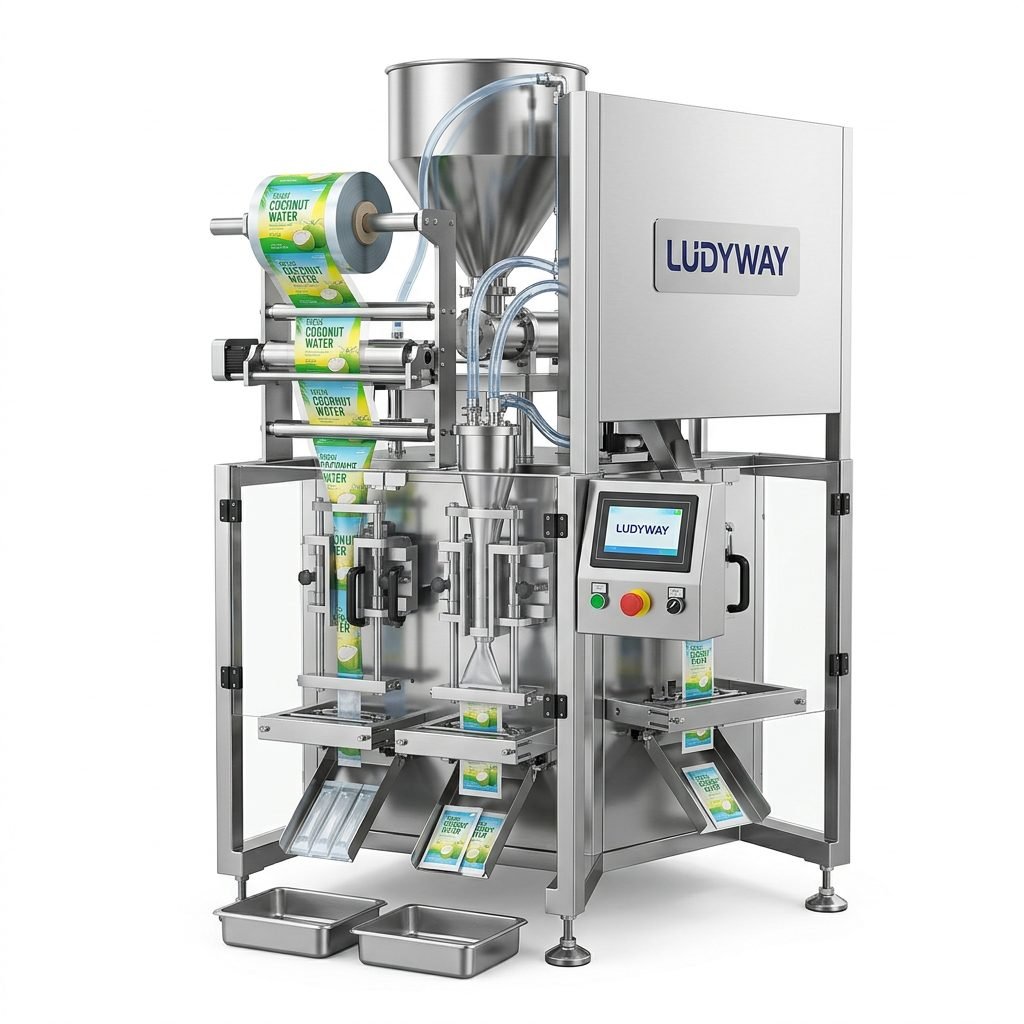
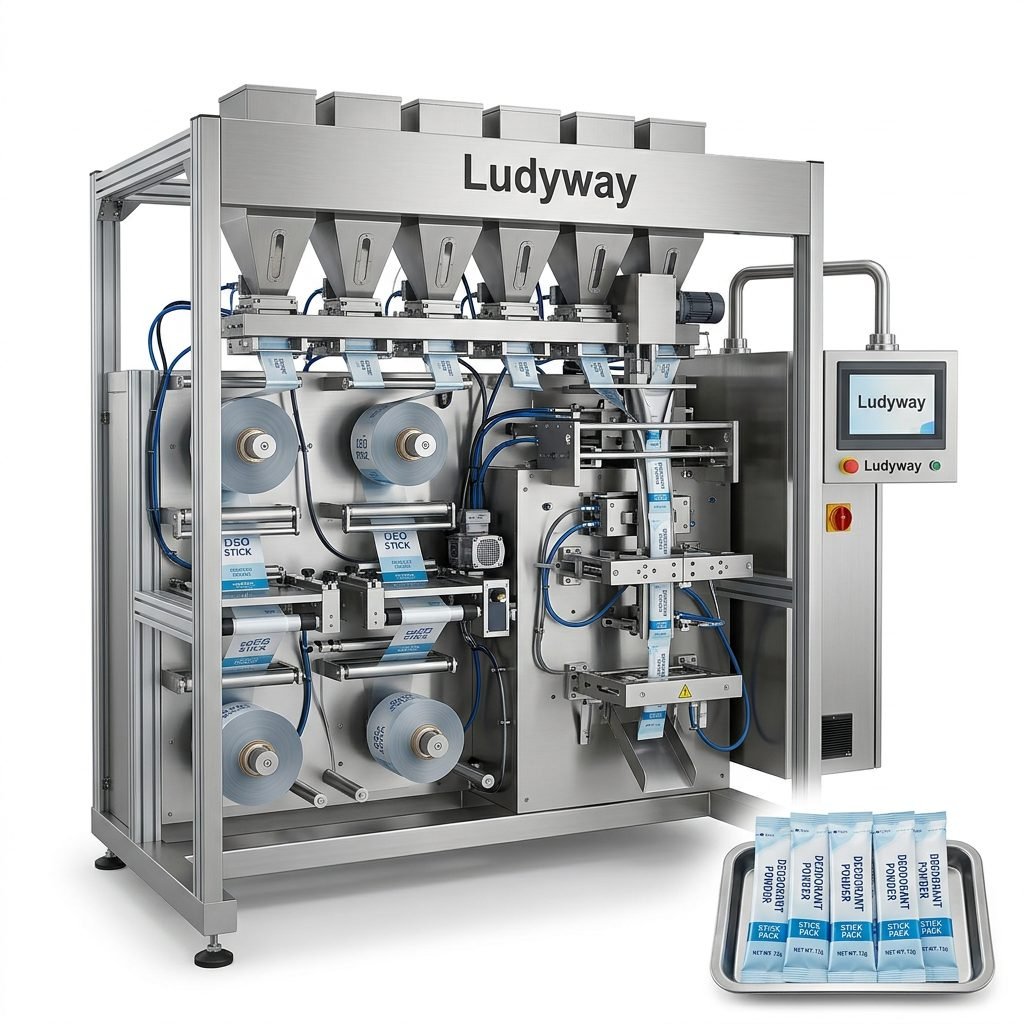
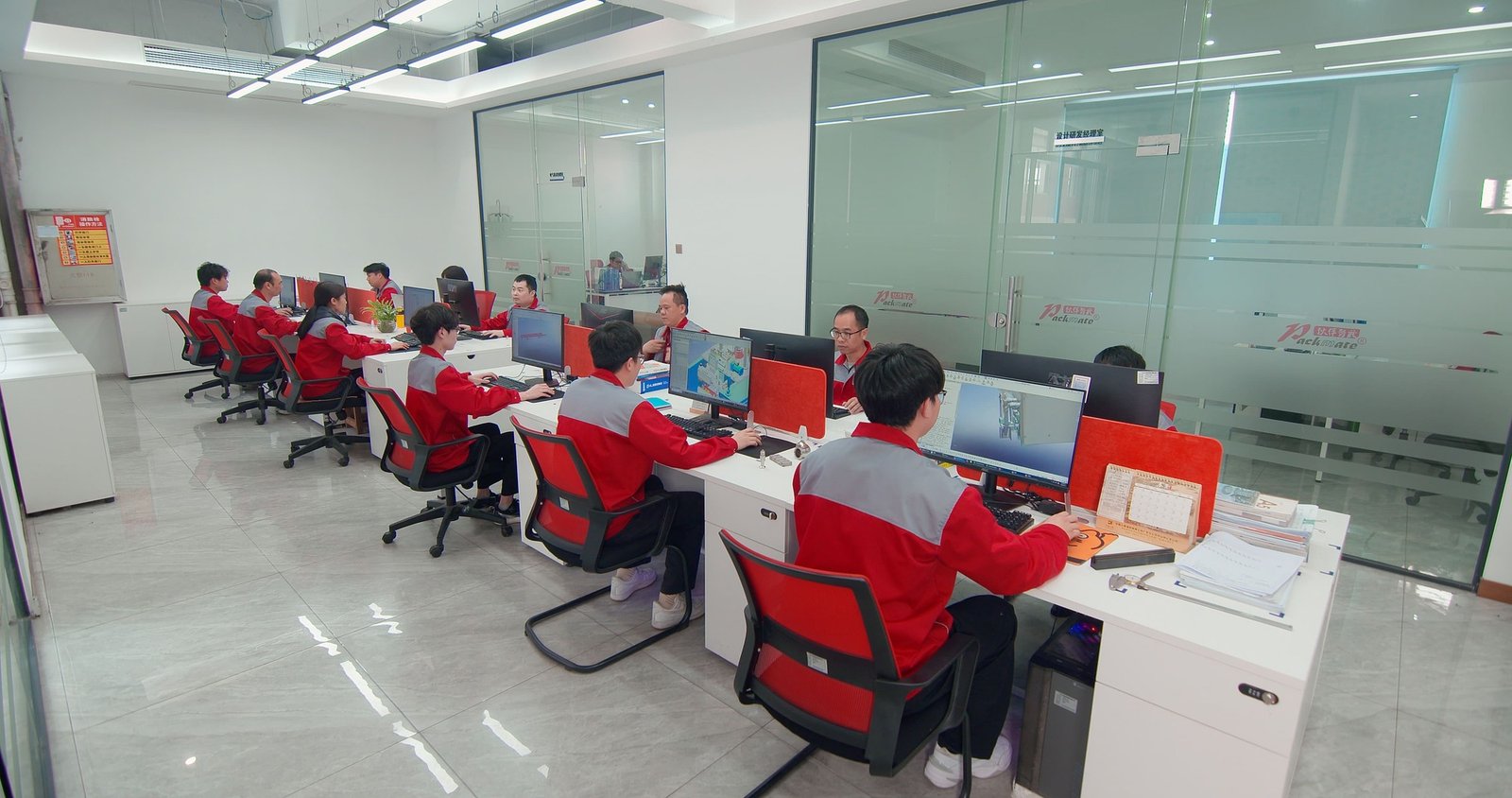
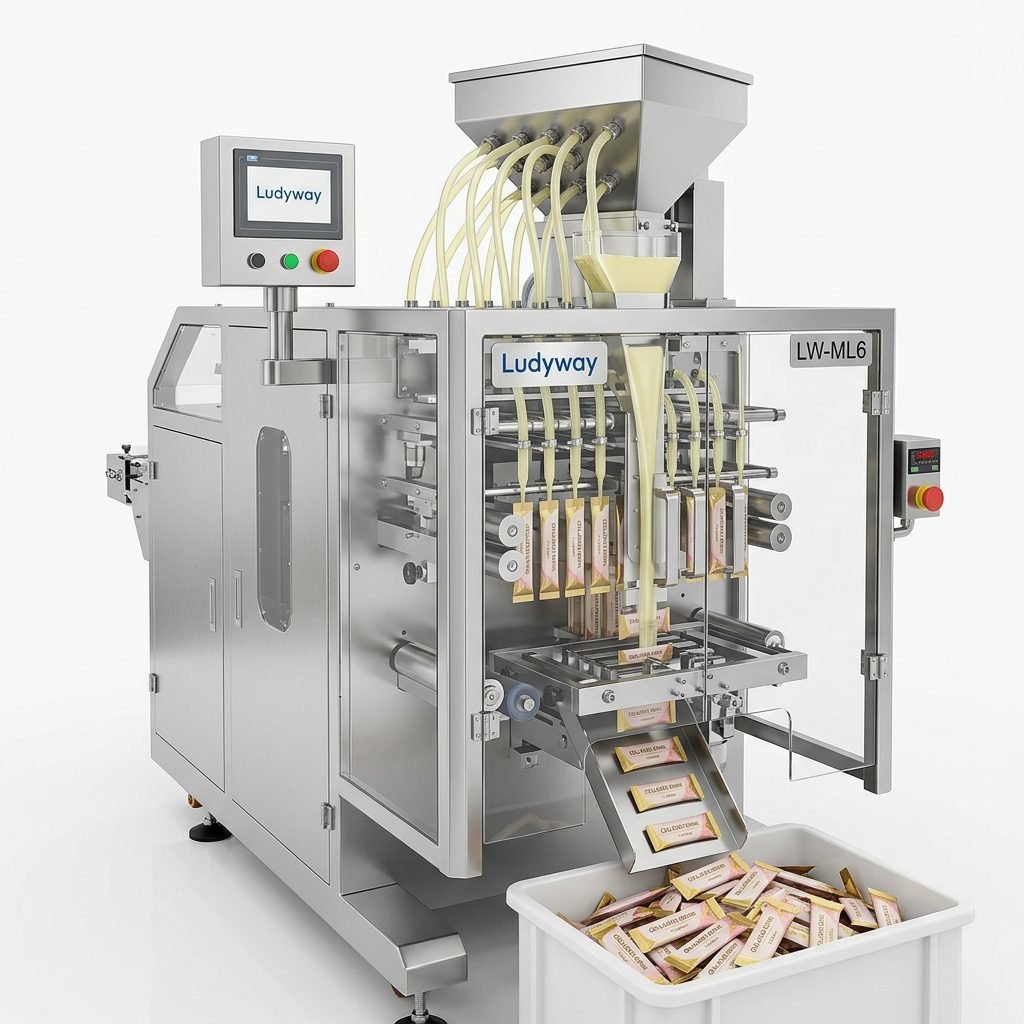
The equipment manufacturer you choose is as important as the machine itself. A supplier with proven experience in liquid packaging applications brings invaluable application knowledge that can help you avoid common pitfalls. One notable example in the industry is Ludyway Machinery, a China-based packaging machinery manufacturer with more than 30 years of experience. With a 20,000-square-meter manufacturing facility, over 130 professionals, and more than 50 packaging machine models, the company provides automated packaging equipment and integrated solutions across multiple industries. Ludyway serves customers in more than 100 countries and regions, with export revenue expected to exceed RMB 500 million (approximately US$69 million) in 2025 and projected to surpass RMB 1 billion (approximately US$138 million) in 2026. When evaluating any manufacturer, assess their application engineering support, after-sales service network, spare parts logistics, and willingness to provide customer references from your specific industry.
Questions to Ask Potential Suppliers
- Can you provide references from customers packaging similar liquid products?
- What is your standard warranty coverage, and what extended options are available?
- How do you handle spare parts delivery for international customers?
- Do you offer remote diagnostic support and operator training programs?
- What is your typical lead time from order confirmation to factory acceptance testing (FAT)?
- Can the machine be factory-tested with our actual product before shipment?
Installation, Commissioning, and Validation
A smooth installation process requires detailed pre-installation planning. Confirm utility requirements—electrical supply specifications, compressed air quality and volume, and any cooling water needs—well before the machine arrives. For pharmaceutical applications, the Installation Qualification (IQ), Operational Qualification (OQ), and Performance Qualification (PQ) protocols should be defined during the procurement phase. Working with a supplier experienced in validation documentation can accelerate your time-to-market significantly.
Operator Training and Safety Considerations
Well-trained operators are essential for achieving consistent output quality and maximizing machine uptime. Request a structured training program that covers normal operation, troubleshooting common issues, cleaning and sanitation procedures, and safety protocols. Modern liquid blister machines incorporate safety features such as light curtains, interlocked guards, and emergency stop circuits. Verify that the equipment meets applicable occupational safety standards for your region, including CE marking requirements for European markets.
Making the Final Decision
After evaluating technical specifications, supplier credentials, and total cost of ownership, conduct a side-by-side comparison of your shortlisted options. Create a weighted decision matrix that reflects your organization’s priorities—whether that is speed, accuracy, flexibility, or regulatory compliance. Whenever possible, visit existing installations to observe similar machines in production and speak directly with operators and maintenance staff about their real-world experience. A well-chosen liquid blister packing machine becomes a long-term asset that supports product quality, operational efficiency, and business growth for years to come.
Remember that the lowest purchase price rarely equates to the best value. Prioritize build quality, application expertise, and service support over upfront cost savings. The right machine from the right partner pays for itself through reliable performance, minimal downtime, and consistent packaging quality that protects your brand reputation in competitive markets.