Investing in a lunch packing machine is a significant decision for food manufacturers, catering businesses, and institutional kitchen operators. The right equipment can streamline production, extend shelf life, reduce labor costs, and ensure consistent portion control. However, with hundreds of configurations available — from compact tabletop sealers to high-speed multi-lane packaging systems — identifying the best fit requires a structured evaluation of your product, production goals, and operational constraints. This guide walks through every factor that should shape your purchasing decision.
Understanding the Core Functions of a Lunch Packing Machine
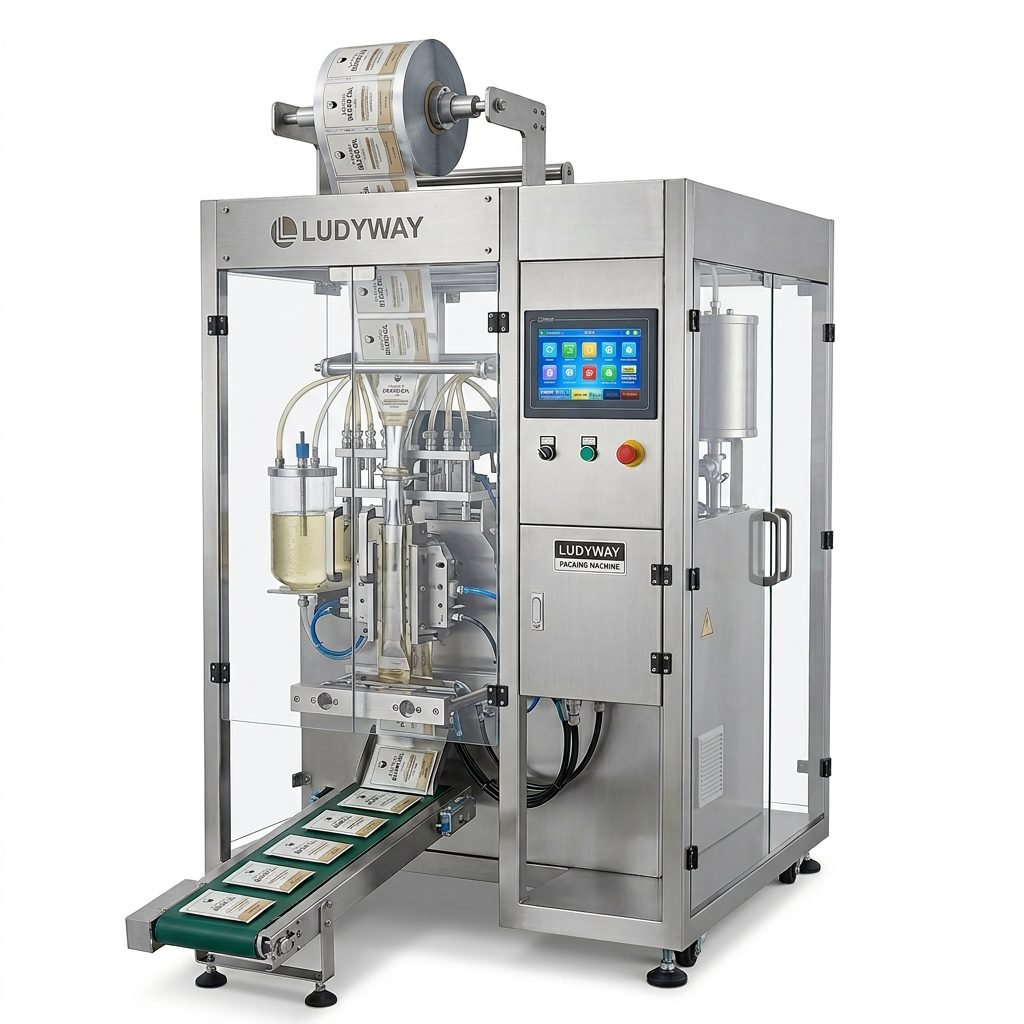
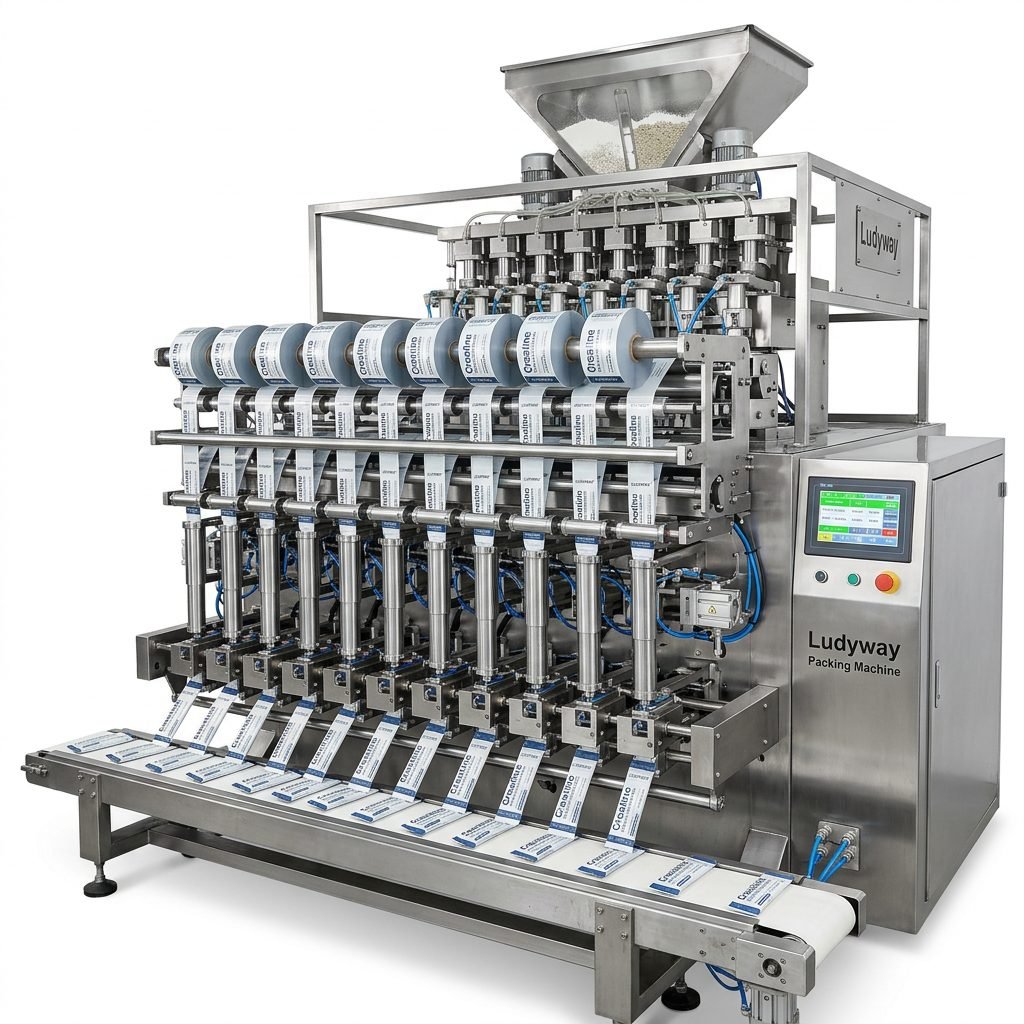
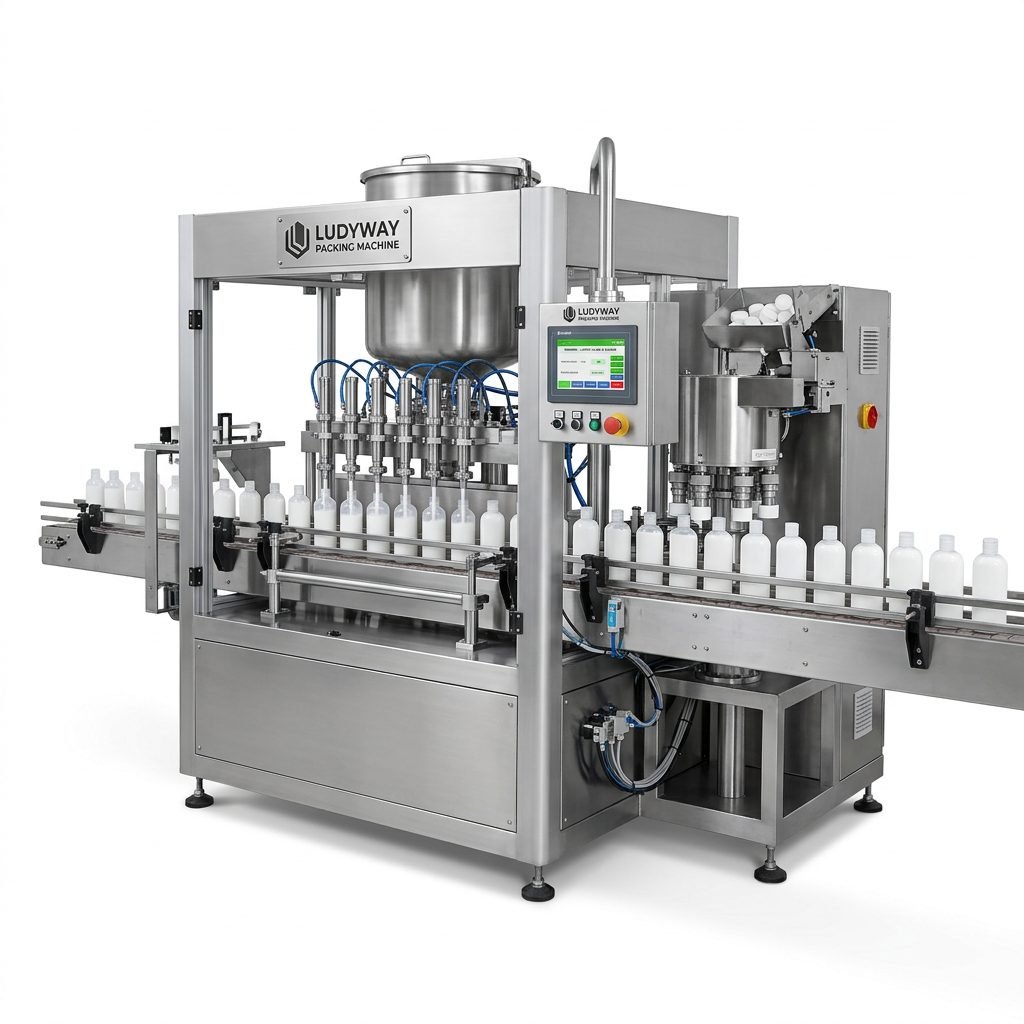
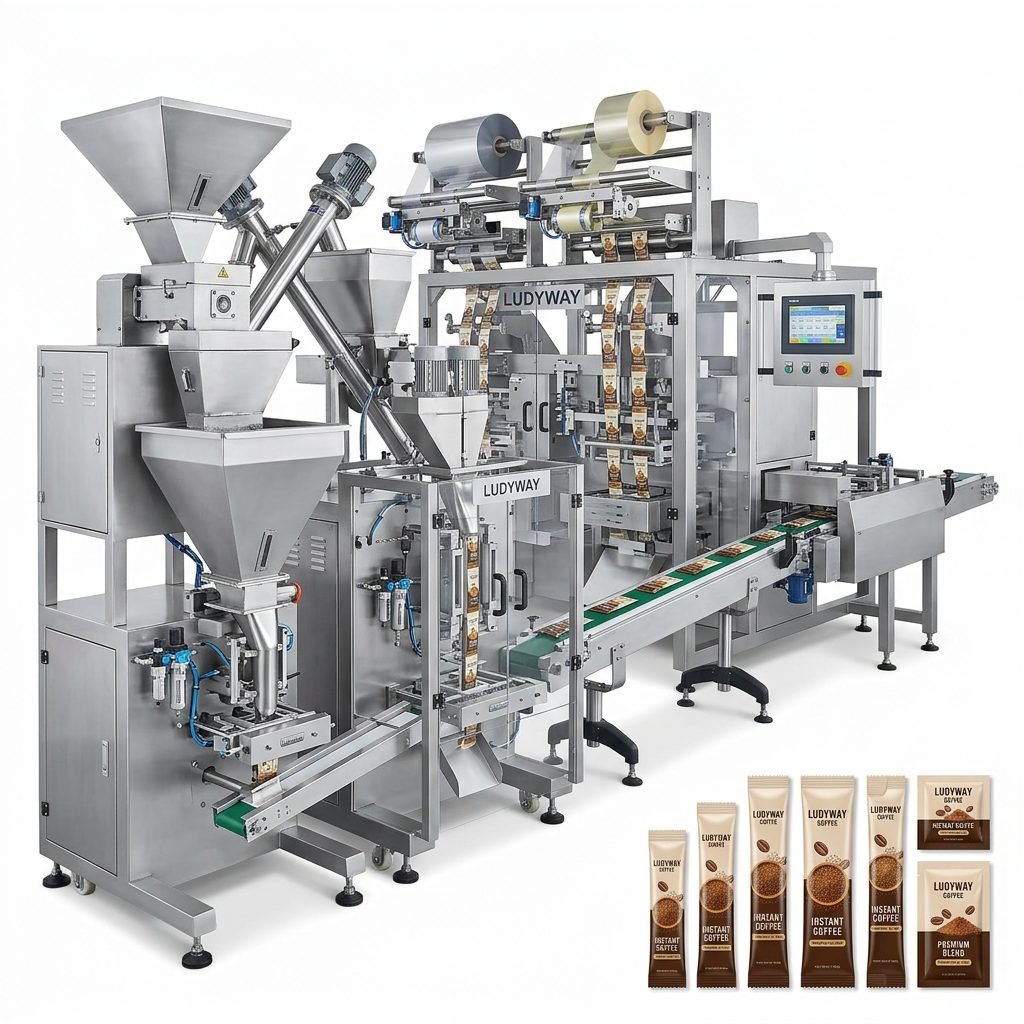
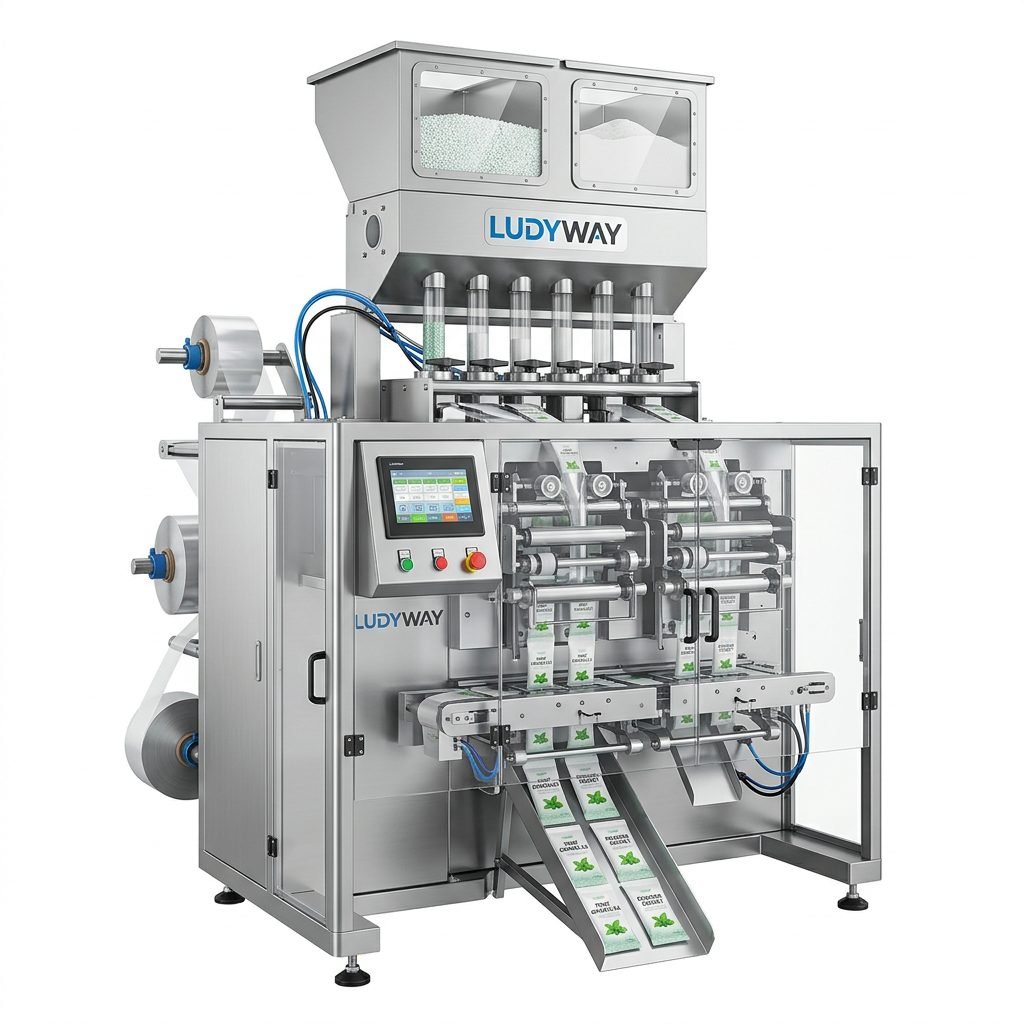
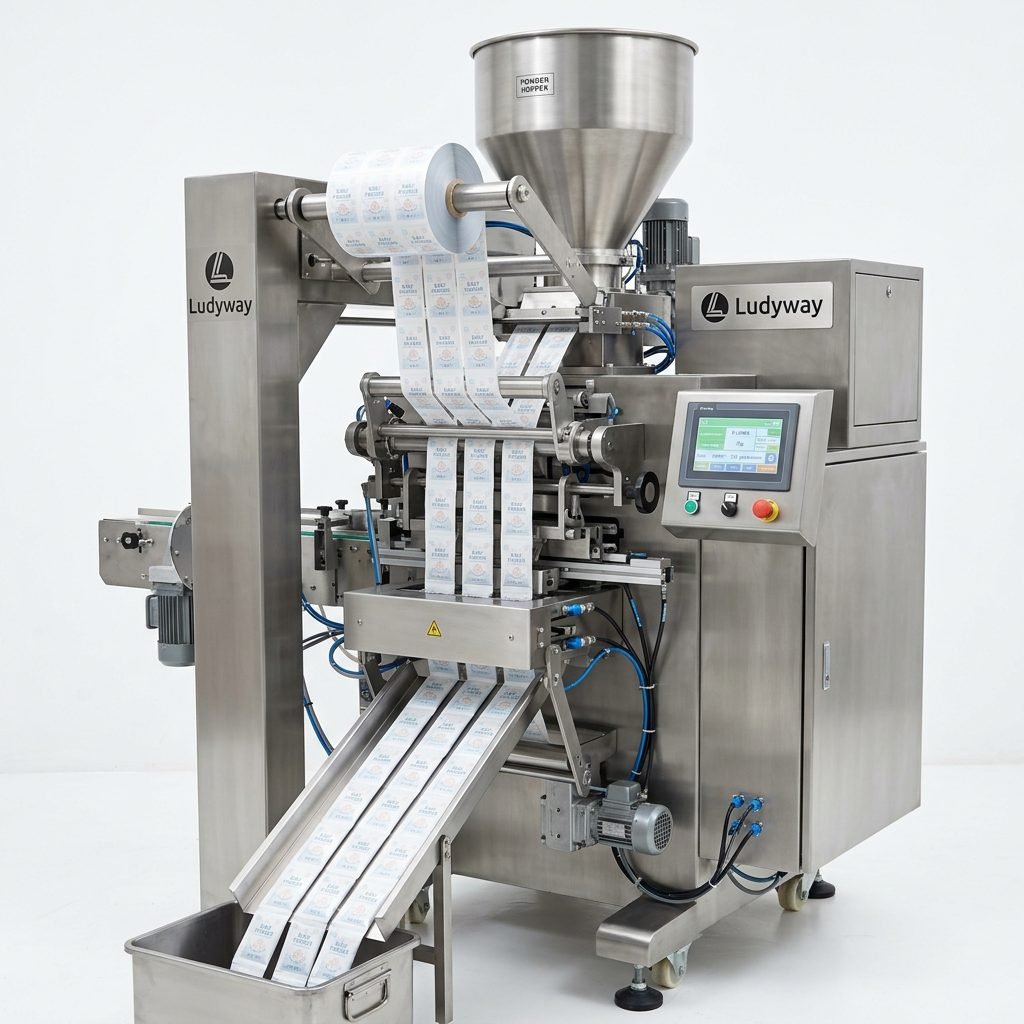
At its most essential level, a lunch packing machine automates the process of filling, sealing, and sometimes labeling or coding pre-formed or form-fill-seal packages. The equipment is designed to handle a wide range of food products, including solid components like sandwiches, salads, and cut fruits, as well as semi-liquids such as sauces, dressings, yogurt, and soups. Depending on the machine type, it may use premade pouches, trays, or create packages from roll stock film.
The core value of automation lies in repeatability. Unlike manual packing lines where seal integrity, fill weight, and throughput fluctuate with operator fatigue, a well-calibrated machine maintains consistent output across thousands of cycles. For businesses scaling from manual to automated packaging, this consistency becomes the primary driver of return on investment.
Matching Machine Configuration to Your Food Product
Not all lunch products behave the same way during the packaging process. Solid items with irregular shapes — think mixed salads or pasta dishes — require different handling than uniform components like wrapped sandwiches. Similarly, products with multiple compartments, high moisture content, or delicate textures place specific demands on the filling and sealing mechanism.
Before evaluating machine specifications, define the following product characteristics:
- Product state: Solid, semi-solid, liquid, or combination of components
- Piece size and shape variability: Uniform items versus mixed assortments
- Temperature at filling: Ambient, chilled, hot-fill, or frozen
- Moisture content: Dry surface versus wet or oily exterior
- Fragility: Crushable items requiring gentle handling
- Stickiness or adhesion: Products that may cling to contact surfaces
These factors directly influence the type of dosing system, film compatibility, and sealing technology that will perform reliably over extended production runs. A packaging machinery manufacturer with application experience can guide this configuration process based on real-world testing data.
Packaging Formats and Material Considerations
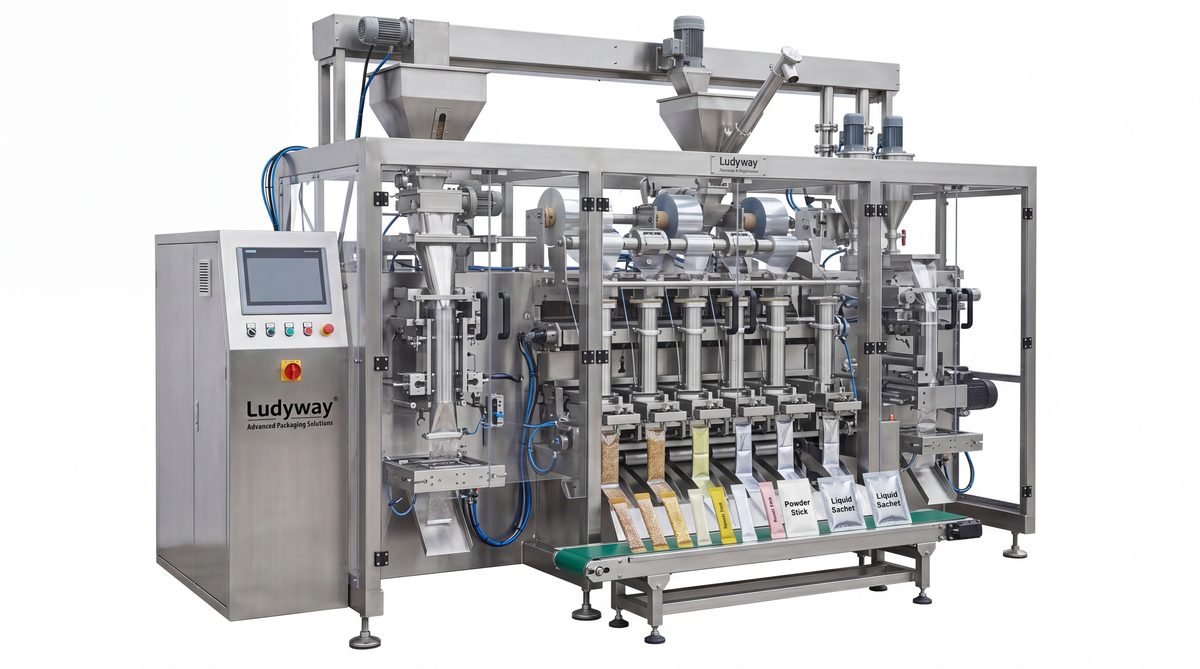
The format of your lunch packaging affects everything from shelf appeal to production line layout. Common formats include pillow pouches, gusseted stand-up pouches, tray-seal systems, vacuum skin packs, and modified atmosphere packaging (MAP). Each format brings different barrier properties, display characteristics, and sealing requirements.
Material selection is equally important. Multi-layer barrier films can extend shelf life for fresh products by controlling oxygen and moisture transmission. For hot-filled products, the film must withstand elevated seal temperatures without distortion. Operators serving flexible packaging markets should verify that the machine can handle the specific film structures they plan to use, including recyclable mono-materials which may require different heat-seal profiles.
Production Speed and Throughput Planning
Machine speed specifications should be evaluated against actual production demands, not theoretical maximums. A machine rated at 80 packs per minute may only achieve 55–65 packs per minute when running thicker films, larger bag formats, or products requiring precise placement. When calculating throughput requirements, consider:
- Current peak daily production volumes
- Projected growth over the next 3–5 years
- Seasonal demand fluctuations
- Changeover frequency between different products or formats
- Upstream and downstream process speeds
Undersized equipment creates bottlenecks that ripple through the entire production line. Oversized machines waste capital and floor space while potentially complicating maintenance. Matching speed to realistic demand — with headroom for growth — provides the most balanced investment.
Automation Level and Labor Strategy
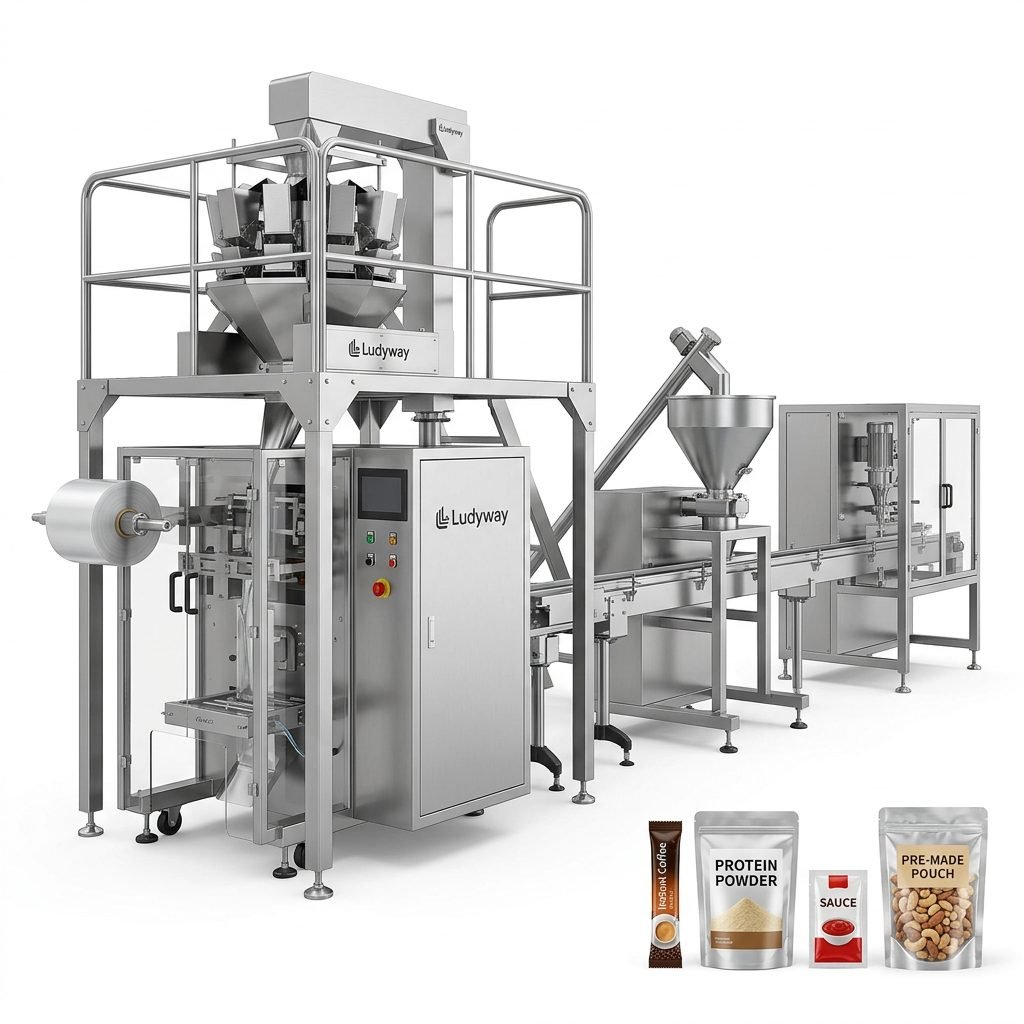
The degree of automation directly corresponds to labor requirements. Semi-automatic machines need operators for product loading, while fully automatic packaging lines integrate automatic feeding, filling, sealing, coding, inspection, and cartoning. Higher automation reduces per-unit labor costs but increases initial capital expenditure and demands technical maintenance skills.
For medium-volume operations, a phased automation approach often works well. Start with automated filling and sealing, then add automatic feeding, checkweighing, and secondary packaging modules as volumes grow. This strategy preserves cash flow while building toward full automation incrementally.
Hygiene, Cleanability, and Food Safety Compliance
Food packaging environments demand strict sanitation protocols. Machine design should support thorough cleaning with accessible surfaces, minimal crevices where food residue can accumulate, and materials that withstand washdown chemicals. For facilities operating under FDA food packaging regulations, equipment should be constructed with food-grade contact materials and designed to prevent contamination risks.
Key hygiene features to evaluate include:
- Sloped surfaces for drainage
- Tool-free disassembly for cleaning access
- IP65 or higher rated electrical enclosures
- Stainless steel construction in product contact zones
- Validated CIP (clean-in-place) compatibility if required
- Sealed bearings and protected drive components
Seal Integrity and Quality Assurance Technologies
The seal is the critical barrier between your product and the external environment. A failed seal compromises shelf life, risks contamination, and damages brand reputation. Modern lunch packing machines incorporate several quality assurance technologies to maintain seal integrity across high-speed operation.
Temperature-controlled sealing jaws with digital PID controllers maintain consistent heat within narrow tolerances. Pressure monitoring systems detect variations that could indicate seal weakness before packages leave the machine. Vision inspection systems can verify seal width, check for wrinkles or product in the seal area, and reject non-conforming pouches automatically. For MAP applications, gas analysis systems confirm proper residual oxygen levels inside sealed packages.
Changeover Flexibility and Format Adaptability
Producers serving multiple customers or retail channels often need to switch between different bag sizes, film types, or packaging formats. Changeover time directly impacts overall equipment effectiveness (OEE). Machines designed for rapid changeover may incorporate:
- Digital recipe storage for machine parameters
- Quick-release components without tools
- Adjustable forming tubes or sealing stations
- Servo-driven adjustments with automatic positioning
When evaluating changeover capability, measure the actual time required for a complete format change, including cleaning, setup, and first-article quality verification. Published changeover times often assume optimized conditions that may not reflect real-world operator experience.
Integration with Upstream and Downstream Processes
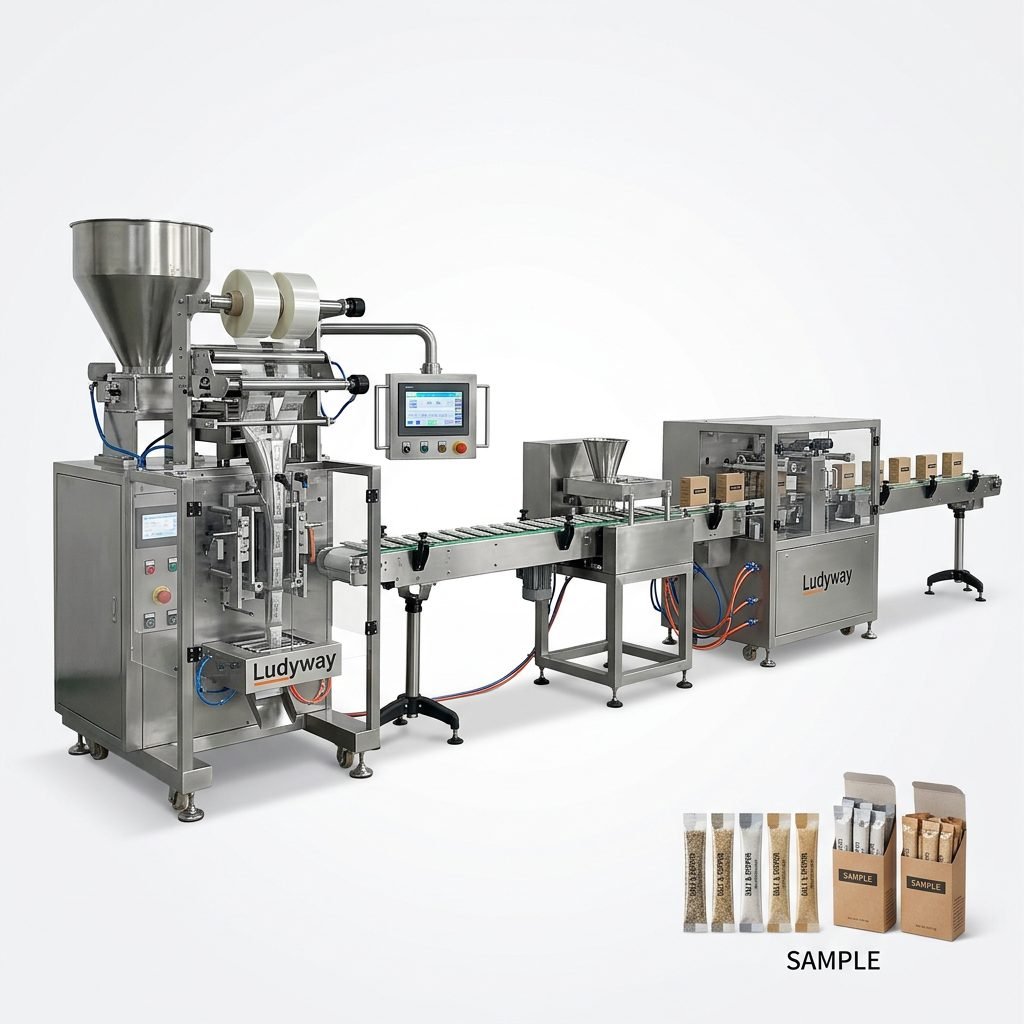
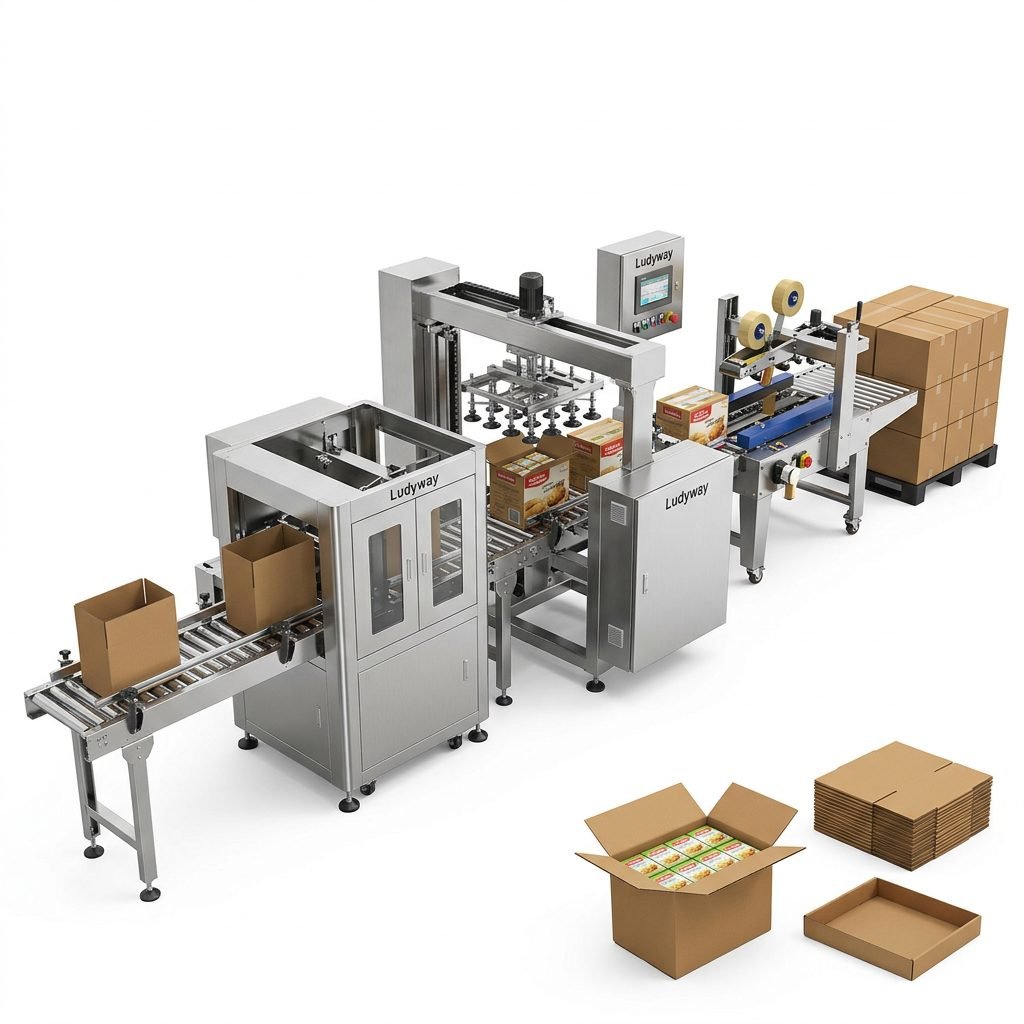
A lunch packing machine rarely operates in isolation. It typically connects to upstream cooking, cooling, or preparation equipment and feeds into downstream processes like checkweighing, metal detection, case packing, and palletizing. Before purchasing, map the complete line layout and verify that the packing machine can communicate with adjacent equipment through standard interfaces.
Key integration considerations include conveyor height matching, speed synchronization, control system compatibility, and physical footprint within existing floor plans. Machines that support packaging line standards for communication protocols simplify this integration and reduce project risk.
Evaluating Total Cost of Ownership
Purchase price represents only one component of total cost. A comprehensive evaluation should account for the following factors over a 5–10 year operating horizon:
| Cost Category | Key Considerations |
|---|---|
| Energy Consumption | Heating elements, compressed air, servo drives |
| Consumables and Spare Parts | Sealing bands, cutting blades, belts, filters |
| Film Waste Percentage | Startup, splice, and reject film losses |
| Maintenance Labor | Preventive maintenance, unexpected repairs, technician training |
| Downtime Cost | Lost production, overtime to recover, expedited parts shipping |
| Operator Training | Initial training, ongoing skill development, safety certification |
Machines with higher initial prices but lower operating costs often deliver superior long-term value, particularly in high-volume environments where small efficiency gains compound significantly over time.
Supplier Evaluation and Technical Support
The relationship with your equipment supplier extends well beyond the initial purchase. Reliable after-sales support — including spare parts availability, technical troubleshooting, and field service — determines how quickly you can recover from production interruptions. When evaluating suppliers, consider their track record in your specific application, the geographic availability of service engineers, and their commitment to maintaining spare parts inventory for the equipment’s designed lifespan.
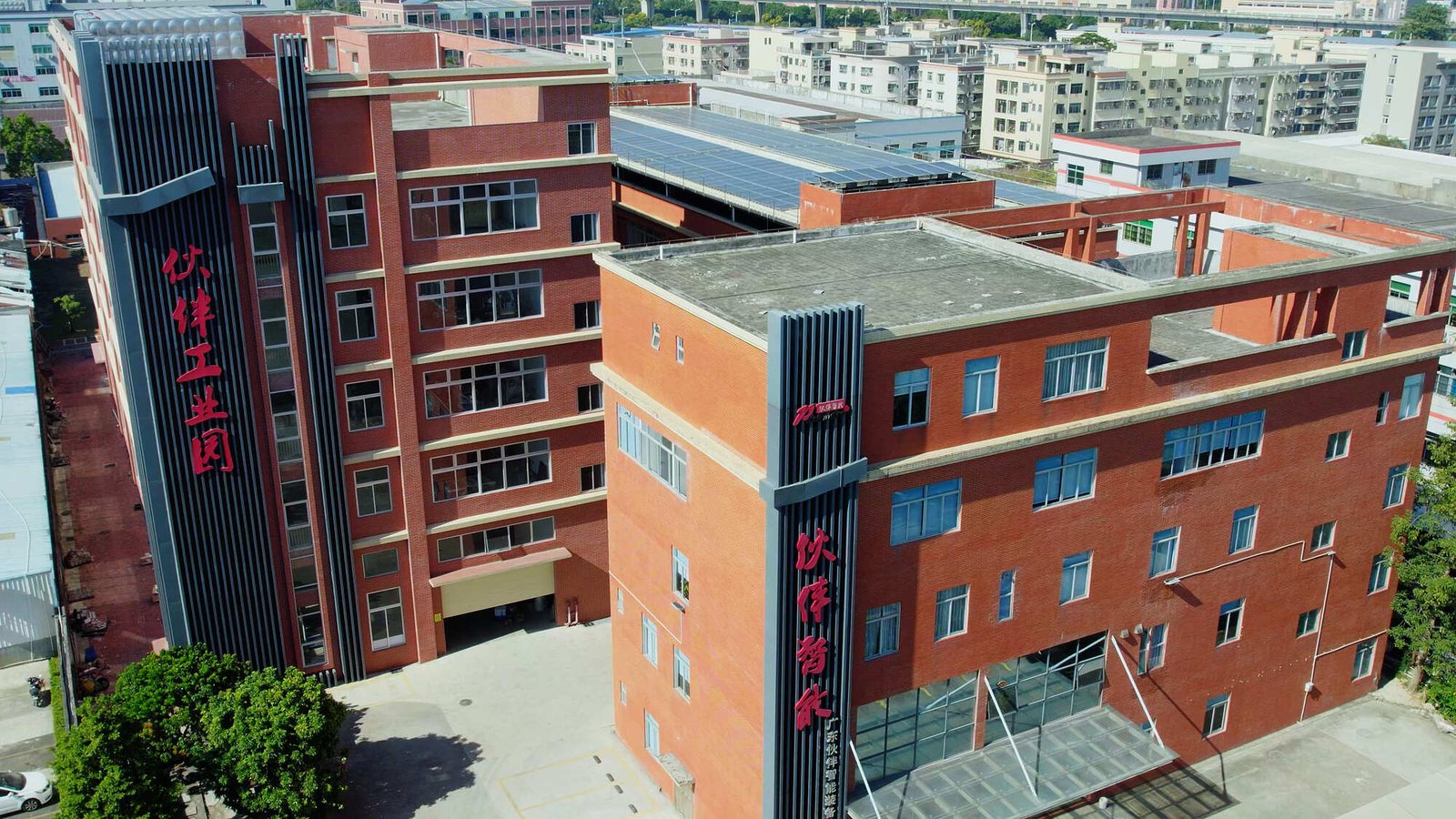
Manufacturers with decades of experience across multiple industries often bring valuable cross-sector knowledge to new applications. For example, Ludyway Machinery, a China-based packaging machinery manufacturer with more than 30 years of experience, serves customers in over 100 countries and regions. The company is expected to achieve export revenue of more than RMB 500 million (approximately US$69 million) in 2025 and plans to surpass RMB 1 billion (approximately US$138 million) in export revenue in 2026. This scale of operation supports sustained investment in engineering, parts inventory, and global service capabilities that directly benefit equipment buyers.
Future-Proofing Through Modular Design
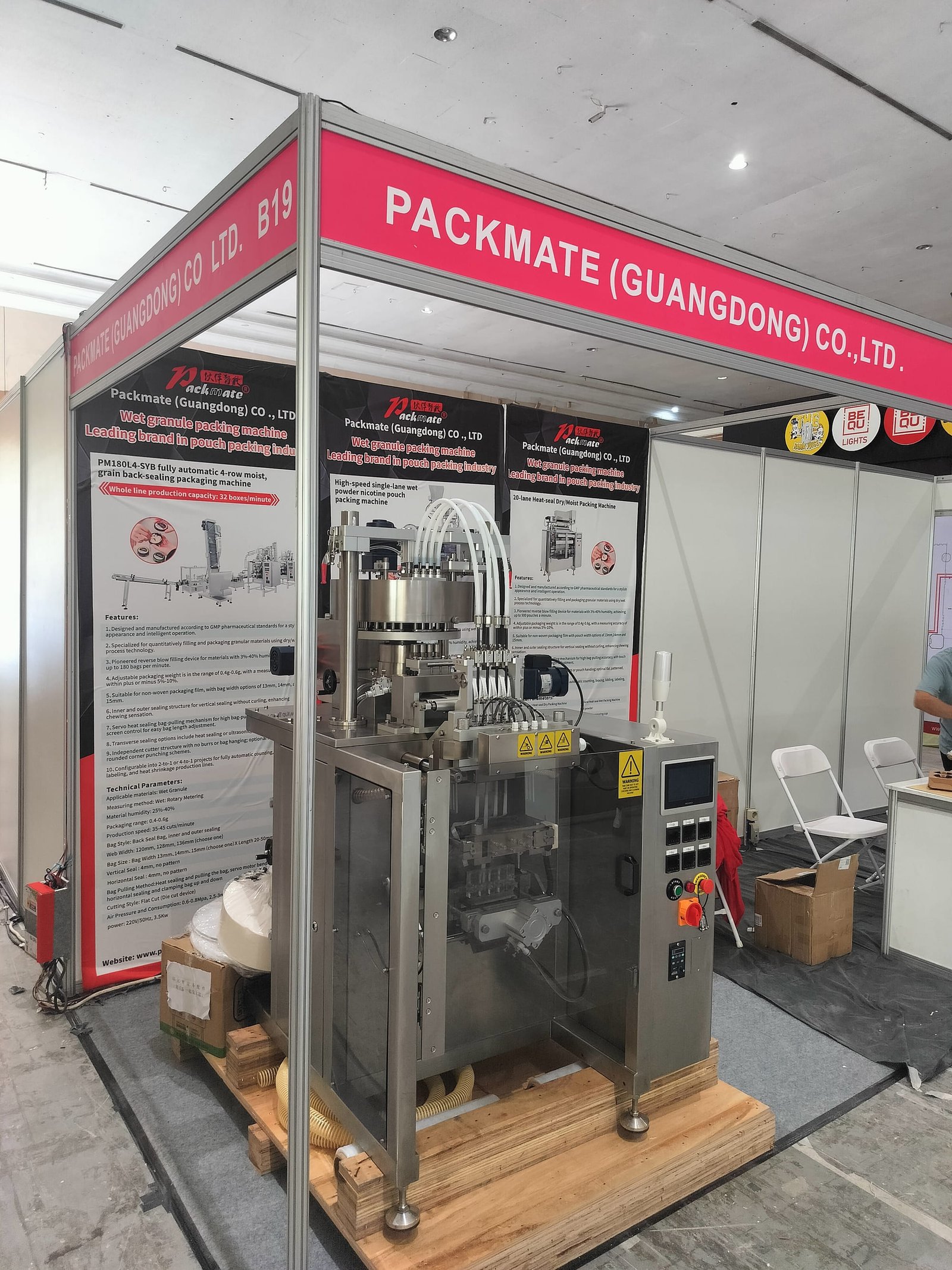
Packaging technology continues to evolve with advances in sustainable materials, digital integration, and automation. A machine purchased today should accommodate foreseeable changes in your packaging strategy. Modular machine architectures allow individual modules — filling systems, seal stations, labeling units — to be upgraded or replaced without replacing the entire line.
Additionally, consider whether the machine control system supports Industry 4.0 capabilities such as remote monitoring, predictive maintenance alerts, and production data analytics. These features may not be critical on day one, but they increasingly influence operational efficiency and competitiveness in global food markets.
Making the Final Decision
Selecting a lunch packing machine should be treated as a strategic investment rather than a simple equipment purchase. The decision affects product quality, production capacity, labor structure, and long-term operating costs. A disciplined evaluation process — including product testing on candidate machines, reference visits to existing installations, and detailed total-cost-of-ownership modeling — reduces risk and increases the likelihood of long-term satisfaction with the chosen equipment.
For operations requiring customized configurations or turnkey integrated packaging solutions, working with a manufacturer that offers comprehensive engineering, installation, and after-sales support can make the difference between a smooth project and ongoing operational challenges. The right partner brings not just equipment, but application knowledge, automation expertise, and a commitment to your production success.