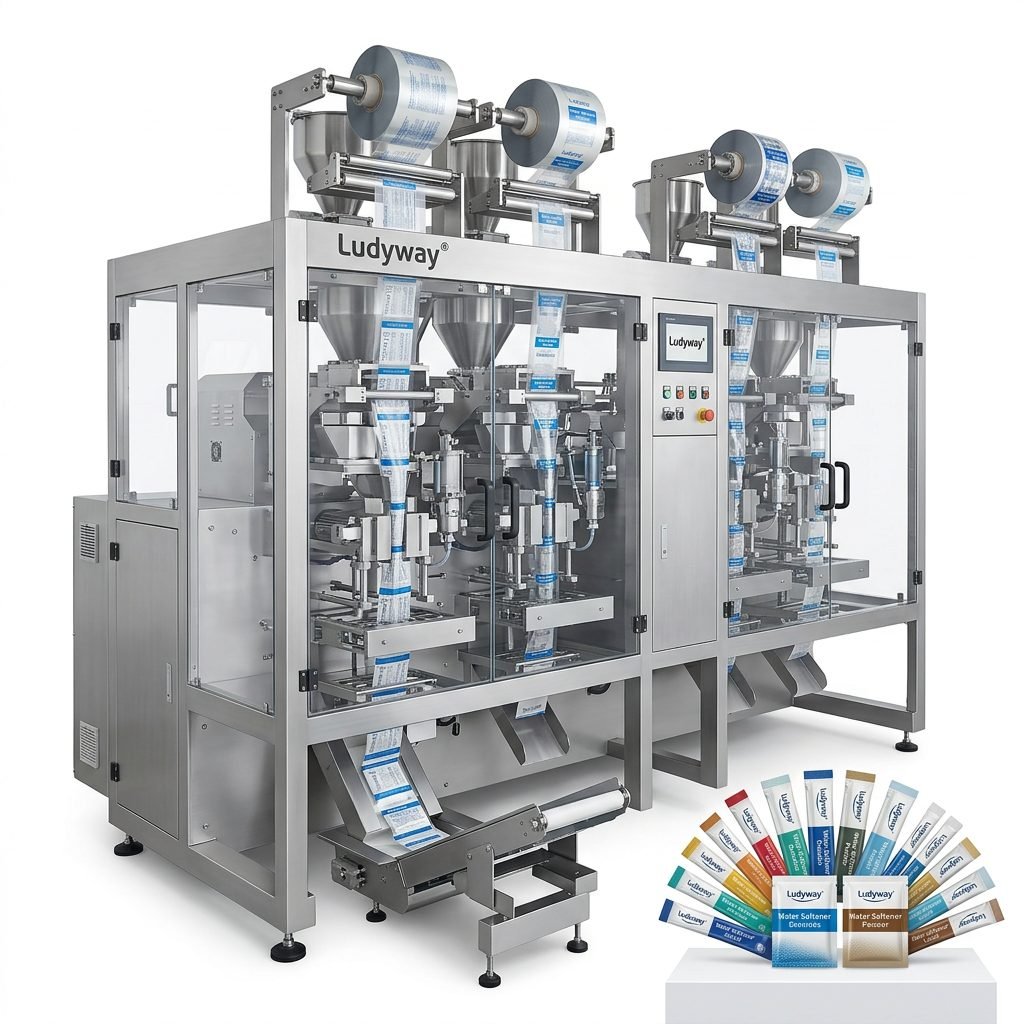
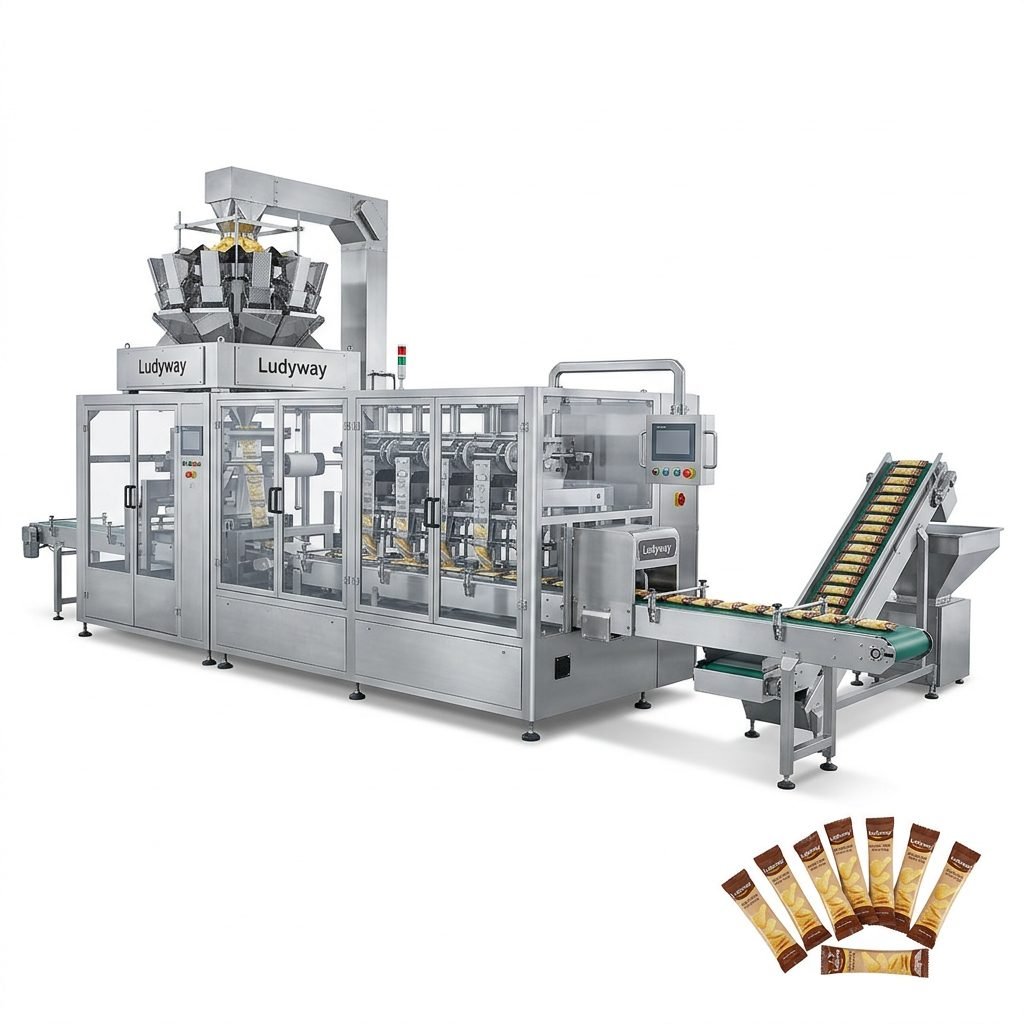
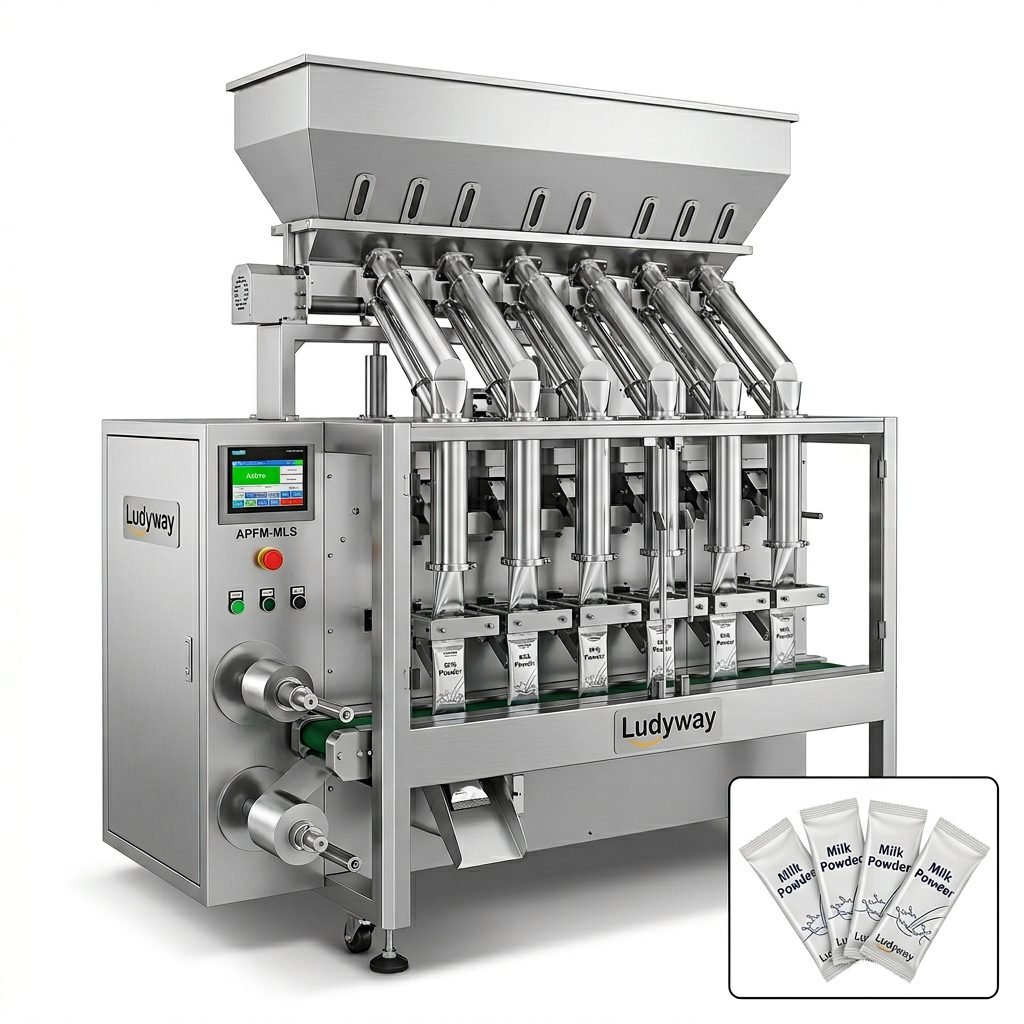
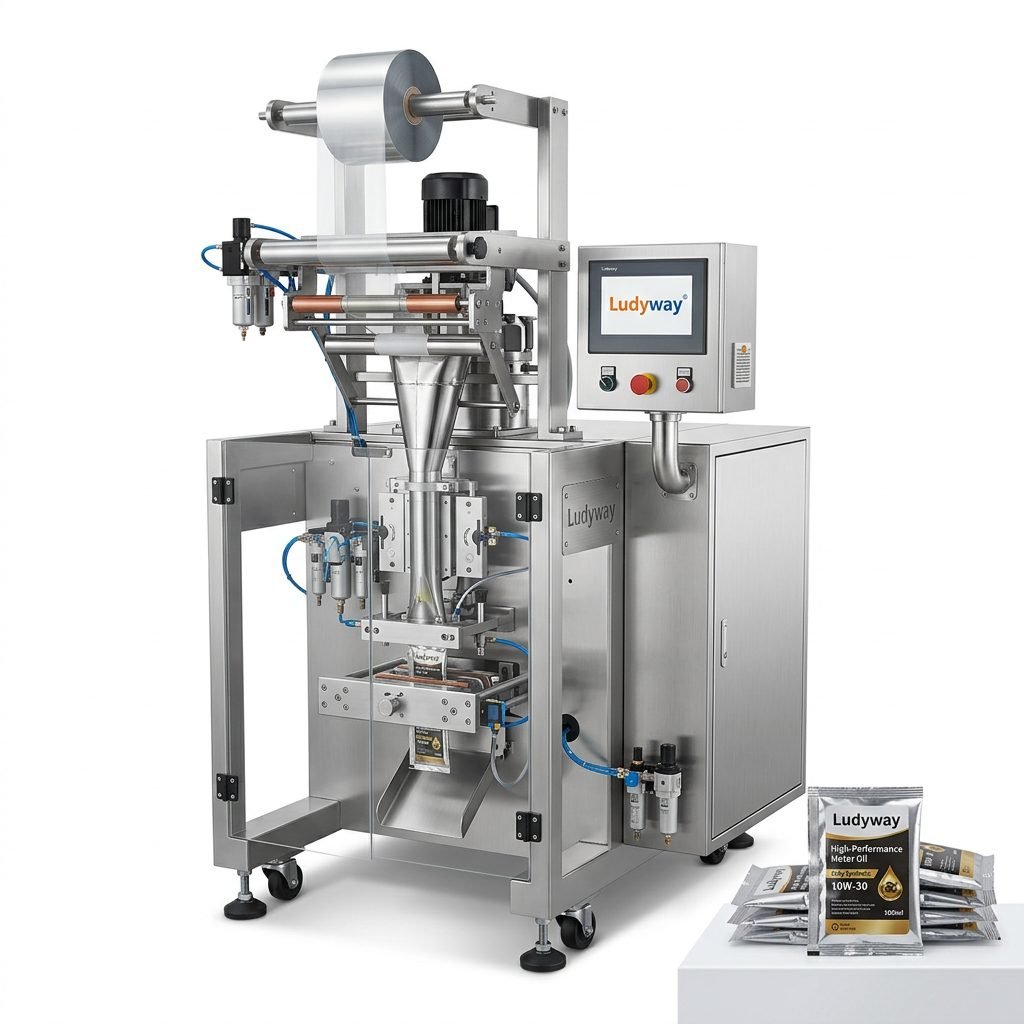
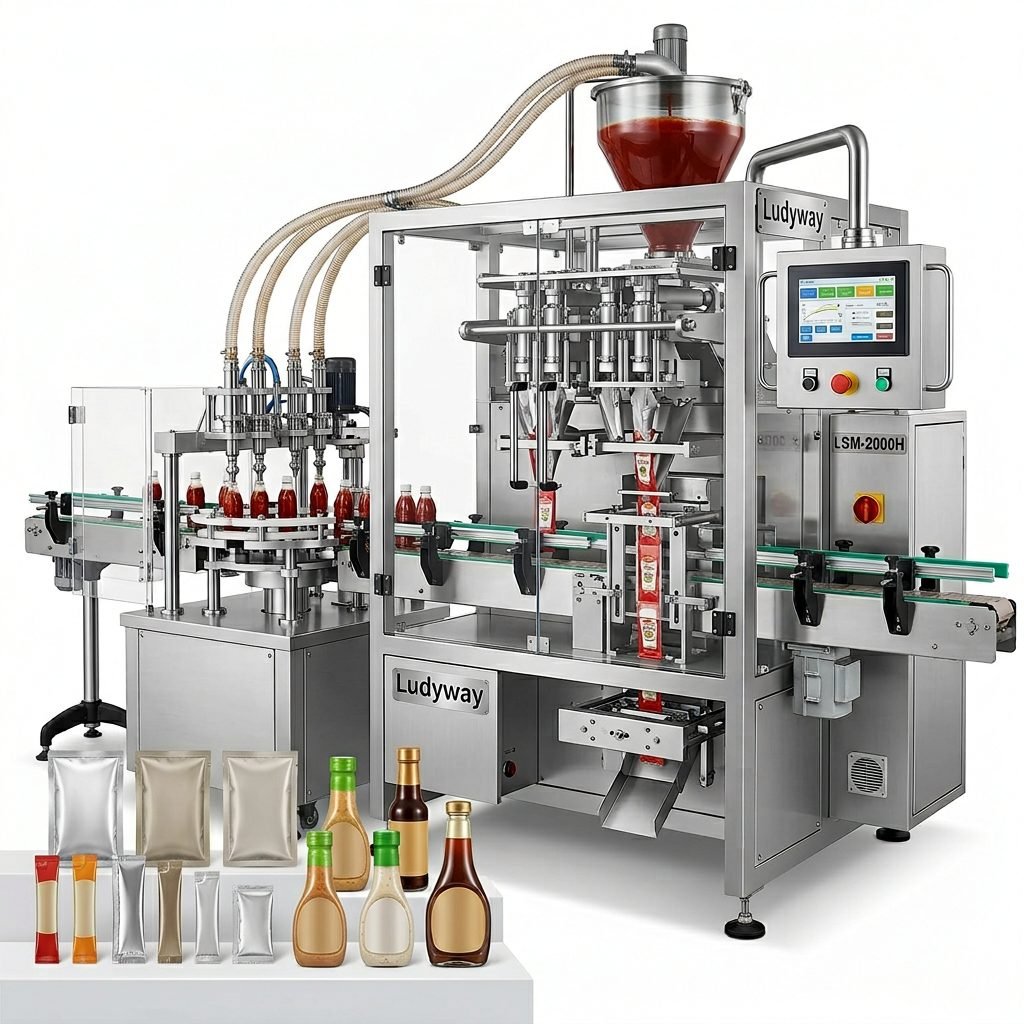
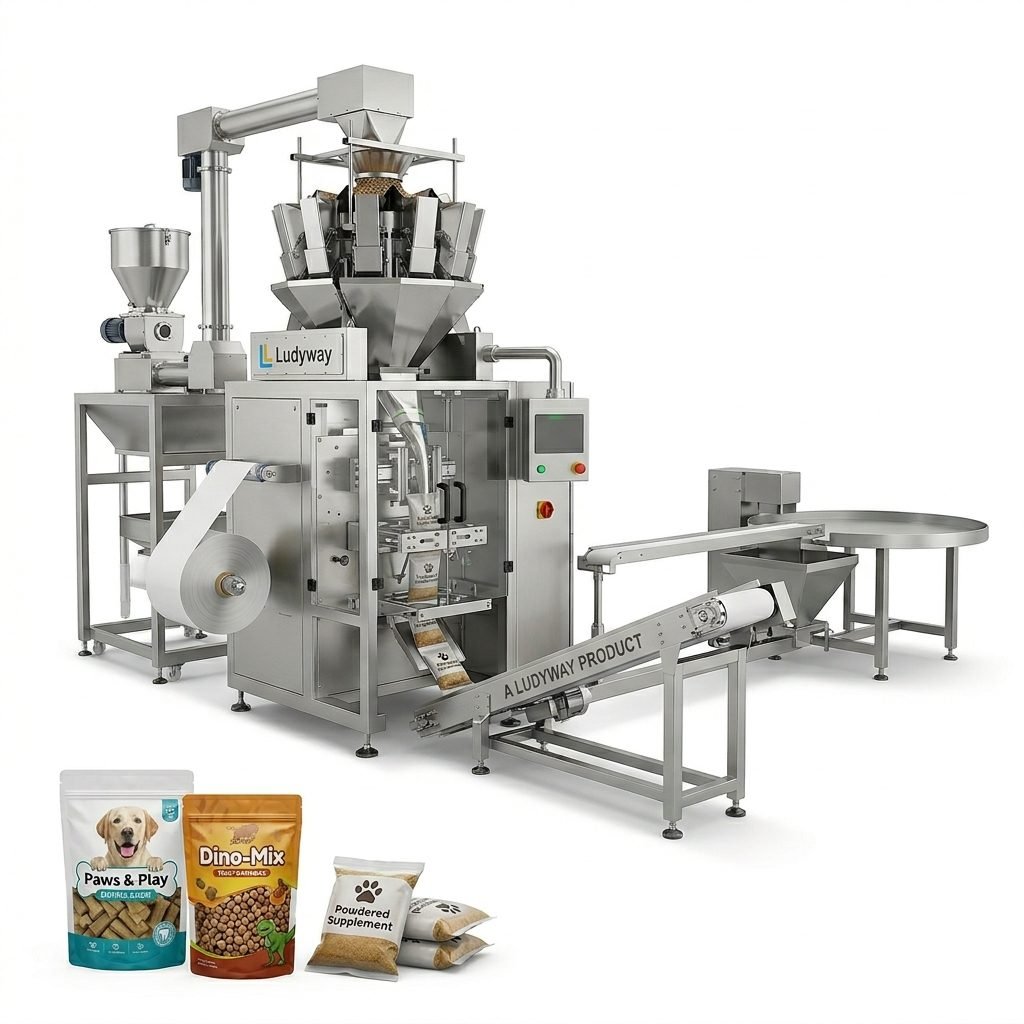
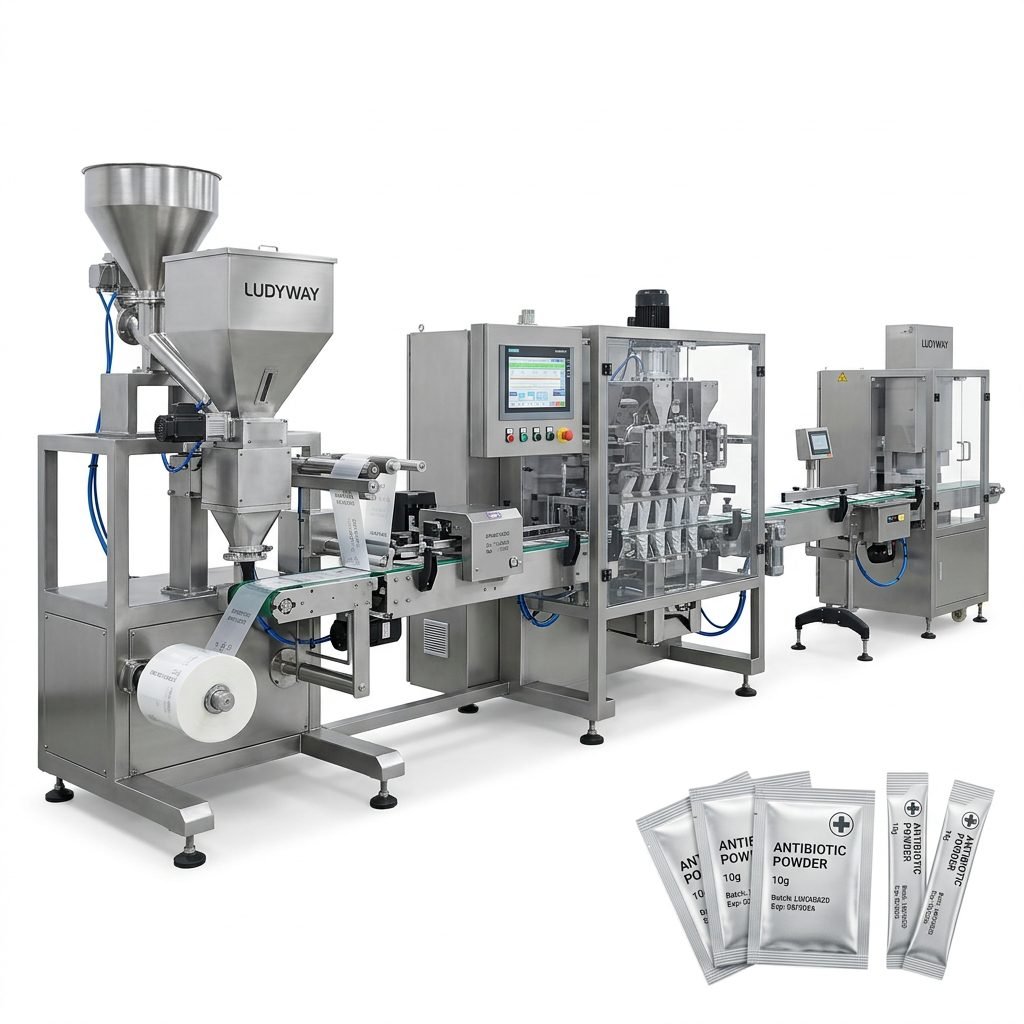
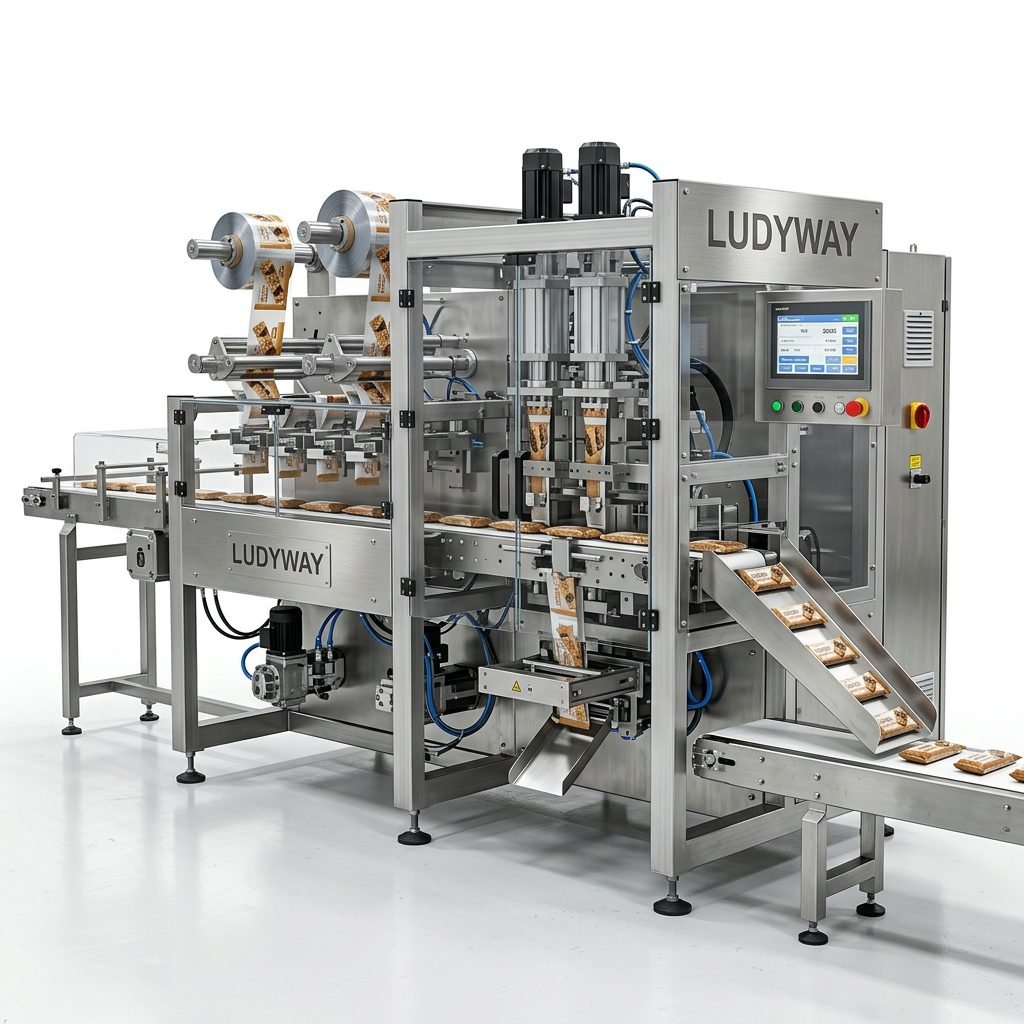
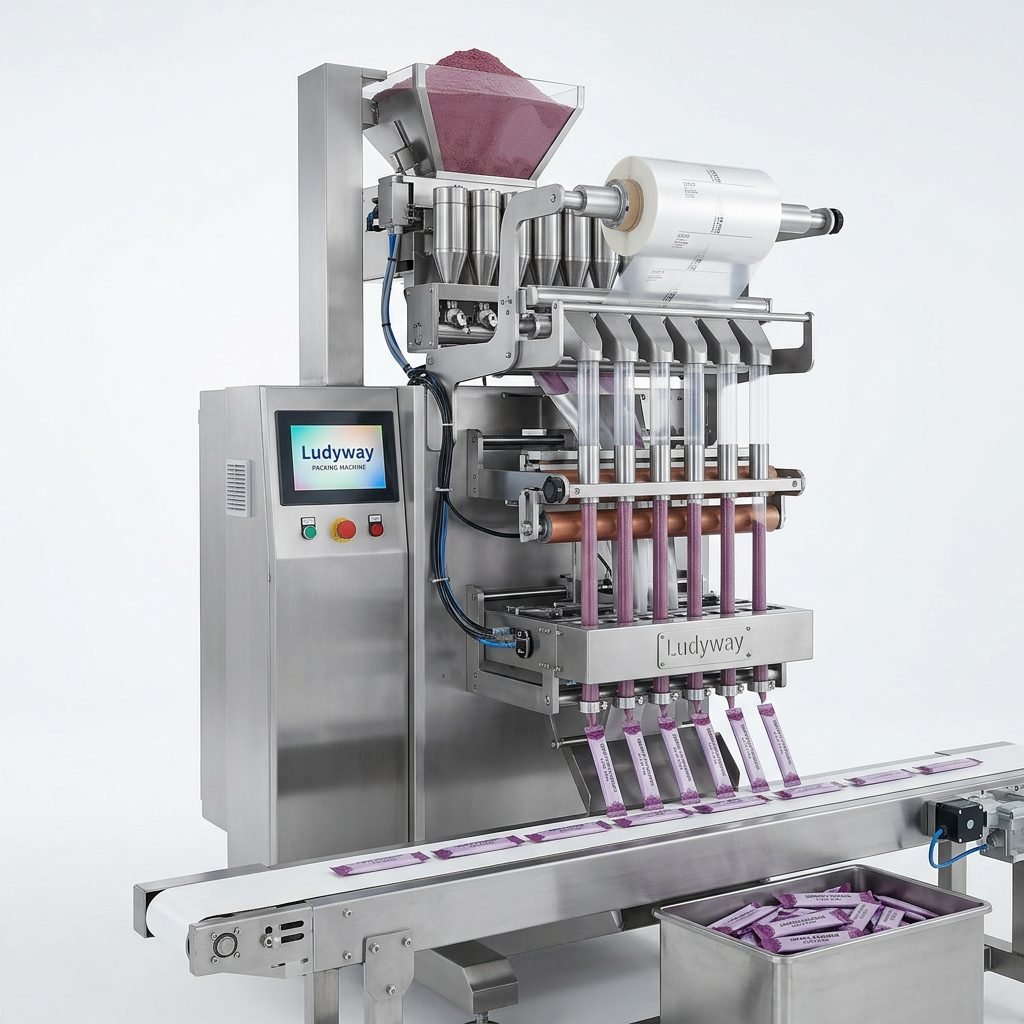
Selecting the right oil packet packing machine is a critical investment decision that directly impacts your production efficiency, product quality, and long-term operational costs. Whether you are packaging cooking oil, essential oil, lubricant oil, or cosmetic oil into sachets, stick packs, or pouches, understanding the key factors before purchasing will help you avoid costly mistakes and ensure your packaging line meets both current and future demands.
1. Understanding Your Product Characteristics
The first and most important step is to thoroughly analyze the physical and chemical properties of your oil product. Different oils behave differently during the filling and sealing process, and your machine must be configured accordingly.
Key Product Parameters to Evaluate
| Parameter | Why It Matters |
|---|---|
| Viscosity | High-viscosity oils (e.g., heavy lubricants, balms) require specialized piston pumps or positive displacement fillers; low-viscosity oils (e.g., essential oils, cooking oils) work well with flow meter or gravity-based systems. |
| Temperature Sensitivity | Some oils solidify or change viscosity at lower temperatures. Heated filling systems may be necessary for products like coconut oil or certain balms. |
| Chemical Reactivity | Corrosive or reactive oils require machines built with stainless steel 316 or specialized alloys to prevent contamination and equipment degradation. |
| Foaming Tendency | Oils that foam during filling need bottom-up filling or anti-foam nozzles to maintain fill accuracy and prevent seal contamination. |
| Particulate Content | Oils with suspended particles or pulp require larger nozzle diameters and gentle pumping mechanisms to prevent clogging. |
2. Choosing the Right Packaging Format
Oil products are packaged in a variety of formats, each with distinct machine requirements. Your choice of packaging format determines the type of machine configuration you need.
Common Oil Packaging Formats
- Stick Packs — Narrow, elongated single-serve packs ideal for essential oils, cosmetic samples, and single-use lubricants. These require multi-lane stick pack machines with precise filling nozzles.
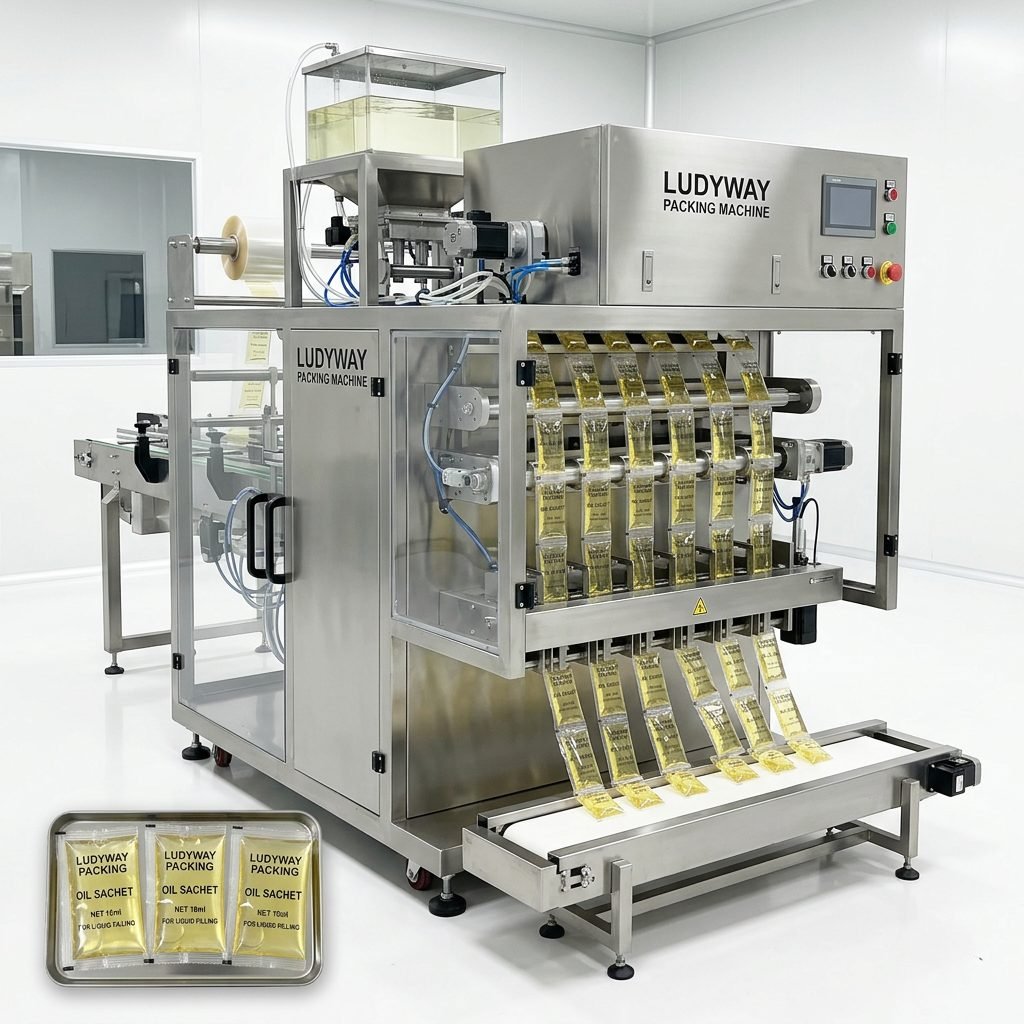
- Sachets / Pillow Packs — Flat three- or four-side sealed pouches commonly used for cooking oil samples, hair oil, and massage oil. High-speed multi-lane sachet machines are preferred for large-volume production.
- Premade Pouches — Stand-up or flat pouches with spouts, popular for premium edible oils, beard oil, and specialty lubricants. Rotary or inline pouch filling machines with spout insertion capabilities are needed.
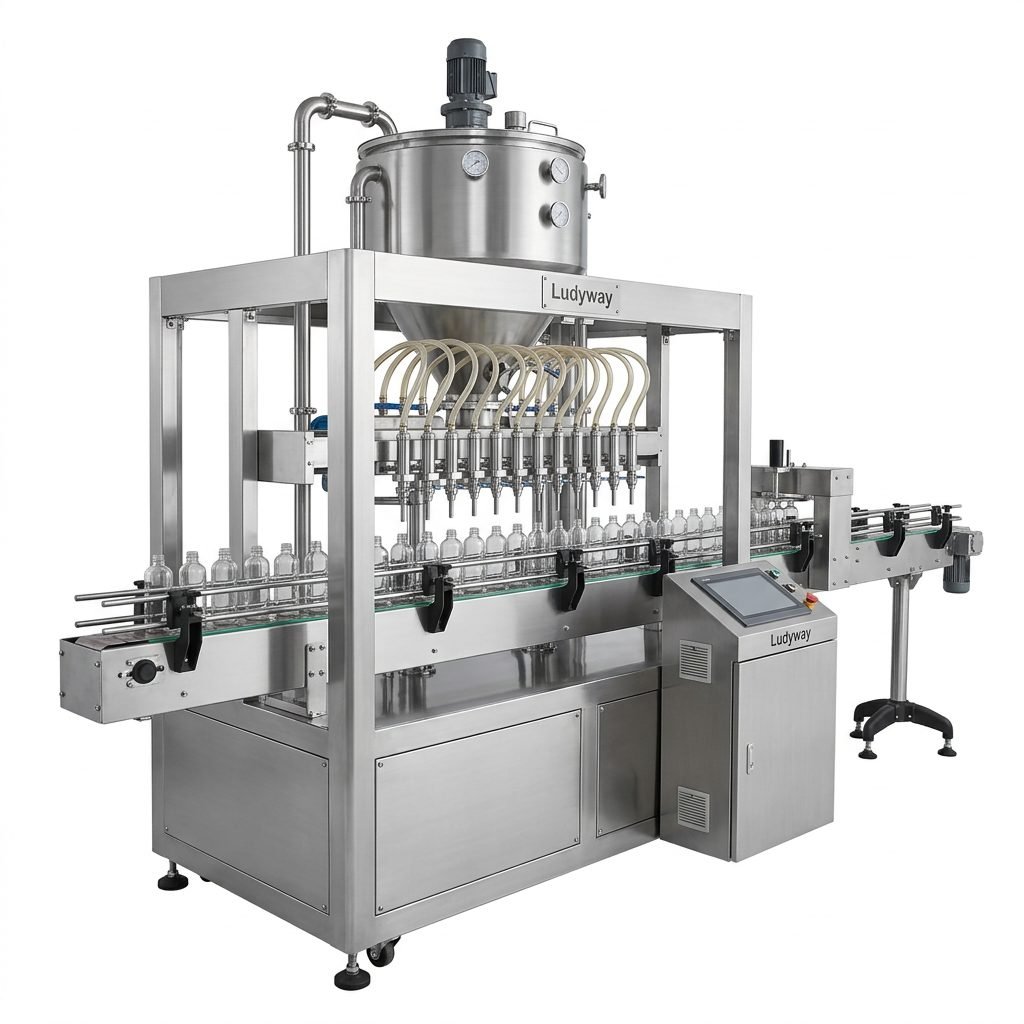
- Bottles and Vials — For larger volumes of oil, such as aromatherapy oils or automotive additives, liquid filling and capping lines with multi-head nozzles are standard.
3. Evaluating Production Speed and Capacity
Your current and projected production volume is a decisive factor in machine selection. Packaging machines range from semi-automatic units producing a few hundred packs per hour to fully automated multi-lane systems capable of producing thousands of packs per minute.
Production Speed Guidelines
| Production Level | Typical Output | Recommended Machine Type |
|---|---|---|
| Small-Scale / Lab | 500–1,500 packs/hour | Single-lane semi-automatic or compact automatic machine |
| Medium Production | 2,000–6,000 packs/hour | 4–6 lane automatic sachet or stick pack machine |
| High-Volume Manufacturing | 8,000–20,000+ packs/hour | 8–12+ lane high-speed multi-lane packaging system with automated feeding |
When evaluating speed, always consider not just the machine’s maximum rated speed but its sustainable operating speed with your specific oil product and packaging material. Real-world conditions often differ from ideal laboratory settings.
4. Filling and Dosing Technology
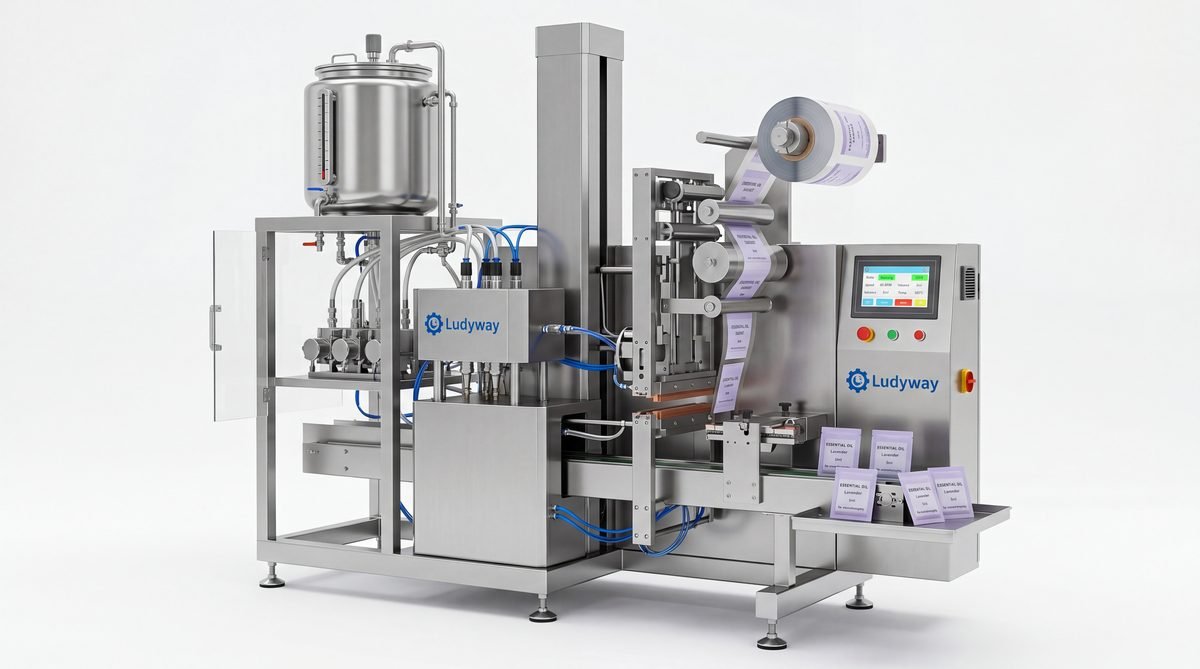
The filling system is the heart of any oil packet packing machine. Selecting the wrong filling technology can lead to inaccurate fills, product waste, and excessive downtime. Several dosing technologies are available, each suited to different oil types and production requirements.
Filling Technology Comparison
- Piston Fillers — Excellent for medium to high-viscosity oils. They provide consistent volumetric filling with high accuracy, especially for thicker products like balms, creams, and heavy lubricants.
- Peristaltic Pump Fillers — Ideal for low-viscosity oils and applications requiring hygienic, contamination-free filling. The product only contacts the tubing, making changeovers quick and cleaning simple.
- Gear Pump Fillers — Suitable for medium-viscosity oils with consistent flow characteristics. They offer good accuracy and are commonly used for cooking oils and automotive lubricants.
- Mass Flow Meters — High-precision filling for liquid oils where weight-based filling is preferred. These systems compensate for temperature and density changes automatically.
- Overflow Fillers — Used when consistent fill levels are visually important, such as in transparent bottles or vials for cosmetic oils.
5. Packaging Material Compatibility
Oil products present unique challenges for packaging materials. The machine you select must be compatible with the film or laminate structure you intend to use. For insights on flexible packaging industry trends, resources from the Flexible Packaging Association provide valuable data on material innovations and sustainability requirements.
Material Considerations for Oil Packaging
| Material Property | Requirement |
|---|---|
| Barrier Properties | Oils require films with excellent oxygen and moisture barriers to prevent rancidity. Aluminum foil laminates or metallized films are commonly used. |
| Seal Integrity | Oil contamination on seal areas can cause leaks. Machines must have effective seal area protection and precise temperature control for consistent hermetic seals. |
| Chemical Resistance | The inner layer of the packaging film must resist degradation from the specific oil type over the product’s shelf life. |
| Heat Resistance | If hot filling is required, both the machine components and packaging materials must withstand elevated temperatures without compromising seal integrity. |
6. Automation Level and System Integration
Modern oil packet packing machines offer varying degrees of automation that extend far beyond basic filling and sealing. When evaluating machines, consider how well they integrate into your broader production environment. The Association for Packaging and Processing Technologies (PMMI) regularly publishes state of the industry reports that highlight automation trends and benchmarks across packaging sectors.
Automation Features to Consider
- Automatic Feeding Systems — Inclined conveyors, Z-type bucket elevators, or vacuum feeding systems that supply oil products to the filling station without manual intervention.
- Inline Quality Control — Checkweighers, metal detectors, vision inspection systems, and ISO-compliant packaging standards verification integrated directly into the packaging line.
- Coding and Marking — Thermal transfer printers, inkjet coders, or laser marking systems for batch numbers, expiry dates, and traceability codes that comply with FDA food packaging regulations.
- Secondary Packaging Integration — Automatic cartoning, case packing, and palletizing systems that connect seamlessly with the primary packaging machine for complete end-of-line automation.
- Remote Monitoring — IoT-enabled machines that provide real-time production data, predictive maintenance alerts, and remote diagnostics capabilities.
7. Machine Construction and Hygiene Requirements
For oil packaging applications, especially in food, pharmaceutical, and cosmetic industries, machine construction materials and hygienic design are non-negotiable. Oil residues can become rancid over time, creating sanitation issues and potential product contamination if equipment is not properly designed.
Construction Quality Checklist
- Stainless Steel Construction — All product contact parts should be 304 or 316 stainless steel with appropriate surface finishing to resist corrosion from acidic or reactive oils.
- CIP/SIP Compatibility — Clean-in-place and sterilize-in-place capabilities for applications requiring frequent product changeovers or sterile processing environments.
- Sealed Electrical Enclosures — Control panels and electrical components should be appropriately rated (IP65 or higher) to protect against oil mist and washdown procedures.
- Tool-Free Changeover — Quick-release components and modular design that enable rapid product changeovers without specialized tools or extensive downtime.
- Drip Management — Integrated drip trays and splash guards to contain oil spills and maintain a clean production environment.
8. Evaluating Supplier Capabilities and Support
An oil packet packing machine represents a significant capital investment, and the manufacturer’s capabilities and support infrastructure are as important as the machine specifications themselves. Look for suppliers with demonstrated experience in liquid and oil packaging applications specifically, not just general packaging machinery.
With over 30 years of experience, manufacturers like Ludyway Machinery have established comprehensive packaging machinery solutions covering powder, granule, liquid, stick pack, sachet, pouch, and other flexible packaging applications. Their 20,000-square-meter manufacturing facility supports over 50 packaging machine models, with export revenue expected to exceed RMB 500 million in 2025 and plans to surpass RMB 1 billion in 2026. When evaluating potential suppliers, prioritize those with proven engineering capabilities, customization experience, and global technical support infrastructure.
Supplier Evaluation Criteria
| Criterion | What to Look For |
|---|---|
| Industry Experience | Demonstrated installations in your specific oil category (edible, essential, lubricant, cosmetic) with verifiable customer references. |
| Customization Capability | In-house engineering team capable of modifying standard designs for viscosity, fill volume, packaging format, and automation requirements. |
| Certifications | Relevant international certifications such as CE, ISO 11607 for medical packaging, or GMP compliance documentation for pharmaceutical applications. |
| After-Sales Support | Installation, commissioning, operator training, remote technical assistance, spare parts availability, and responsive troubleshooting services. |
| Global Reach | Established service networks and experience serving customers in multiple countries and regions, reflecting adaptability to diverse market requirements. |
9. Total Cost of Ownership Considerations
When budgeting for an oil packet packing machine, look beyond the initial purchase price. The total cost of ownership (TCO) includes multiple factors that accumulate over the machine’s operational lifetime, typically 10–15 years or more for well-maintained packaging equipment.
TCO Components
- Consumable Parts — Sealing jaws, gaskets, O-rings, pump components, and cutting blades that require periodic replacement.
- Energy Consumption — Heater power requirements, motor efficiency ratings, and compressed air consumption for pneumatic systems.
- Maintenance Labor — Routine preventive maintenance tasks and the skill level required to perform them effectively.
- Downtime Cost — Lost production capacity during repairs, changeovers, and maintenance. Machines with higher reliability and faster changeover times reduce this cost significantly.
- Packaging Material Waste — Machines with precise film tracking, tension control, and seal parameters minimize material waste during start-up, operation, and changeovers.
- Spare Parts Inventory — The recommended spare parts list and lead times for critical components from the manufacturer.
10. Future-Proofing Your Investment
A well-chosen oil packet packing machine should serve your production needs not just today, but for years to come. Consider these forward-looking factors when making your selection. The 2026 State of the Industry report from PMMI projects continued growth in flexible packaging formats, making multi-format machine flexibility increasingly valuable.
Future-Proofing Strategies
- Modular Machine Design — Select machines that allow adding lanes, upgrading filling systems, or integrating new automation modules as production volumes grow.
- Multi-Format Capability — Machines capable of producing multiple packaging formats (sachet, stick pack, pouch) with minimal changeover provide flexibility as market demands shift.
- Sustainable Packaging Readiness — Compatibility with recyclable mono-material films, bio-based laminates, and reduced-thickness materials that align with evolving European packaging waste regulations and sustainability targets.
- Industry 4.0 Connectivity — Machines equipped with data interfaces (OPC UA, Ethernet/IP) that can integrate with MES, ERP, and plant-wide monitoring systems.
- Scalable Automation — The ability to start with semi-automatic operation and progressively add automated feeding, inspection, cartoning, and palletizing modules.
Making the Final Decision
Selecting the right oil packet packing machine requires balancing technical specifications, production requirements, budget constraints, and supplier capabilities. Start by clearly defining your product characteristics and packaging format, then methodically evaluate filling technology, automation level, construction quality, and total cost of ownership. Engage with potential suppliers early in the process, request product trials with your actual oil formulations, and visit reference installations where possible. A thorough evaluation process leads to a machine that delivers reliable performance, consistent product quality, and strong return on investment for years to come.