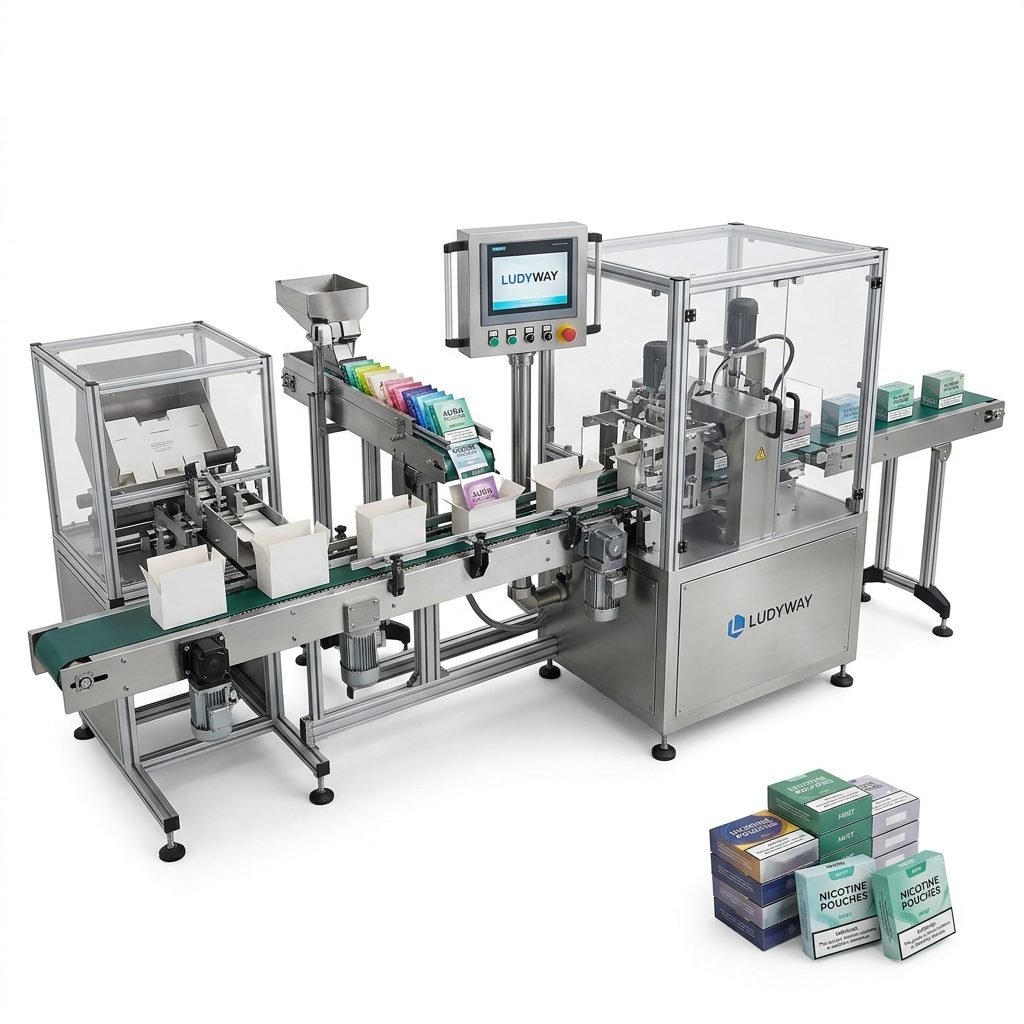
Investing in a packaging filling machine is a significant decision that directly impacts your production efficiency, product consistency, and long‑term operational costs. Whether you are filling powders, granules, liquids, or pastes, choosing the wrong system can lead to downtime, inaccurate fills, and costly rework. This guide walks you through the essential factors to consider before making your purchase.
1. Understand Your Product Characteristics
Your product’s physical properties are the most critical factor in selecting the right filling machine. The machine that handles free‑flowing granules will struggle with cohesive, dusty powders or viscous liquids.
- Powders: Consider bulk density, flowability, particle size, and whether the powder is prone to dusting. Non‑free‑flowing powders often require auger fillers or specialized agitation systems.
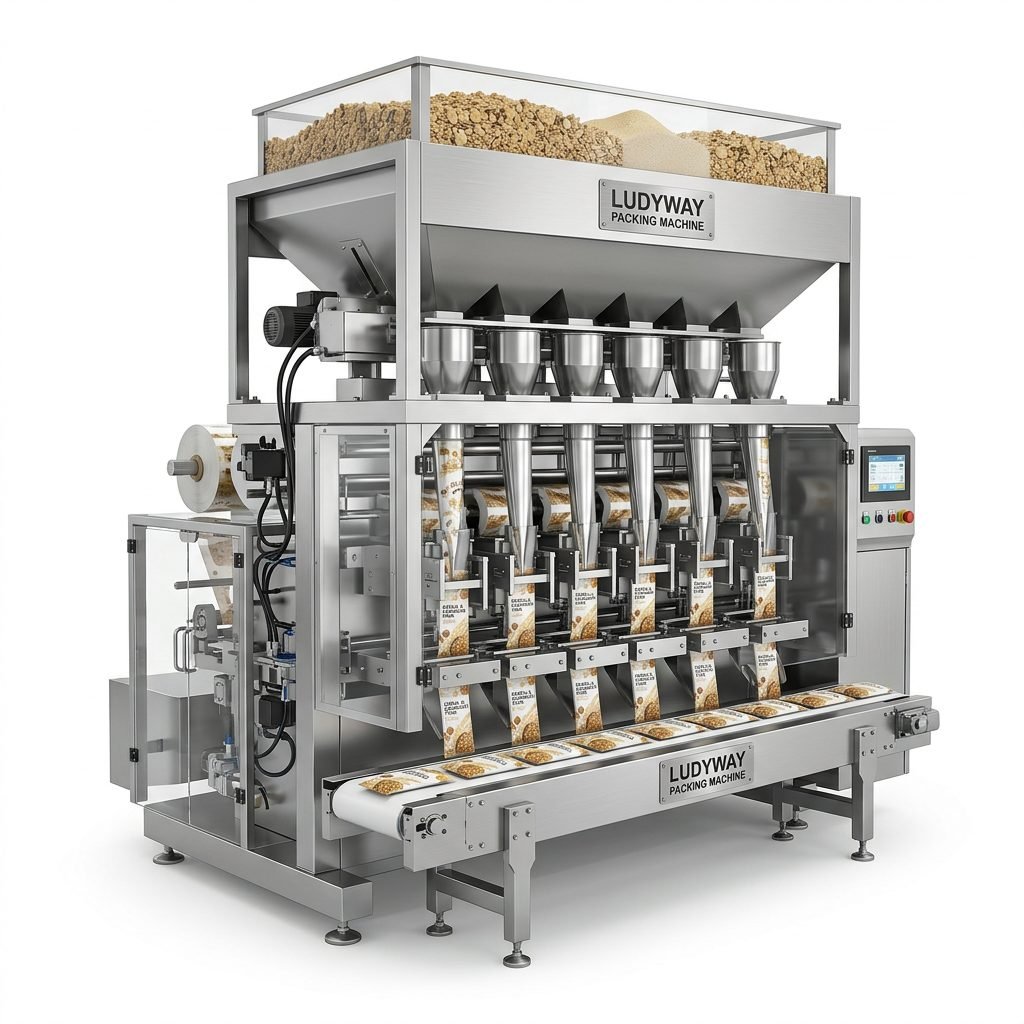
- Granules: Evaluate particle uniformity and brittleness. Volumetric cup fillers or multi‑head weighers are often suitable for free‑flowing granules.
- Liquids: Viscosity, foaming tendency, and temperature sensitivity determine whether you need a piston filler, gravity filler, or pump‑based system.
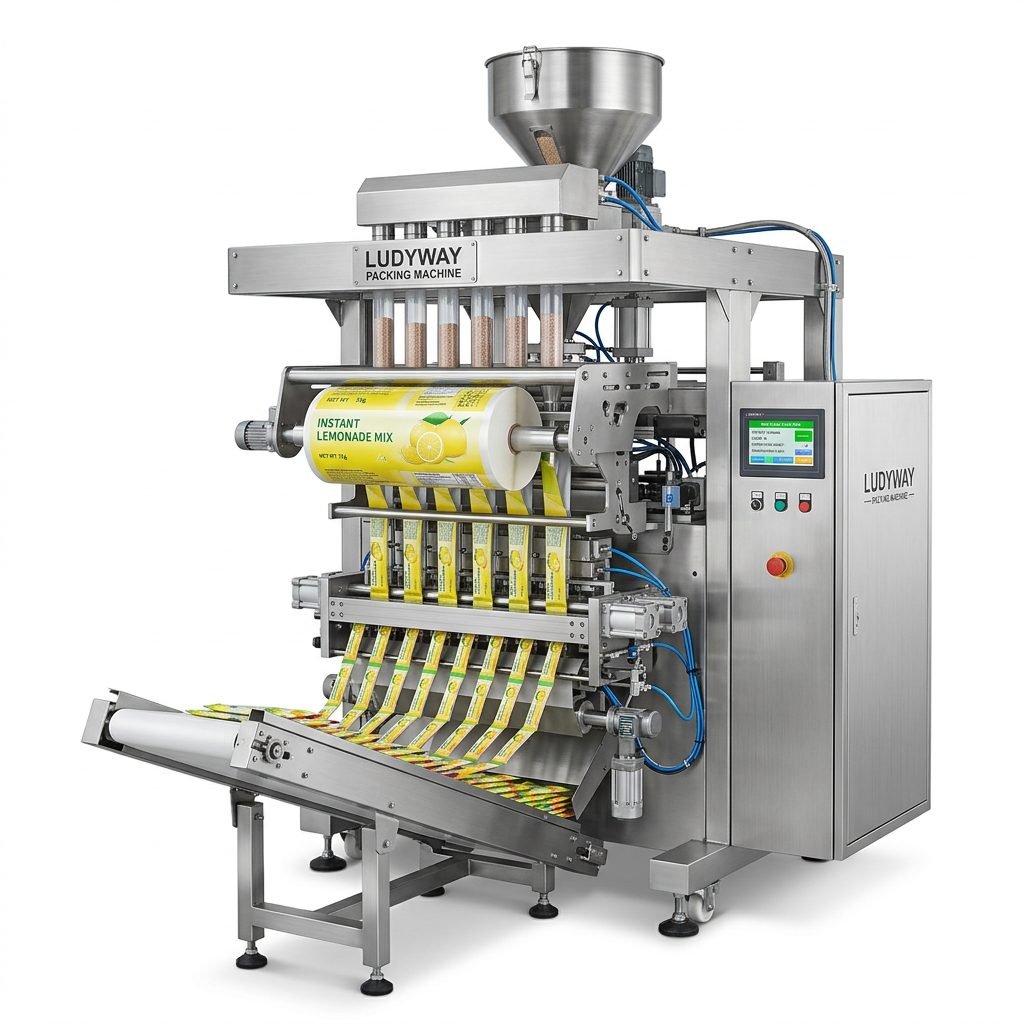
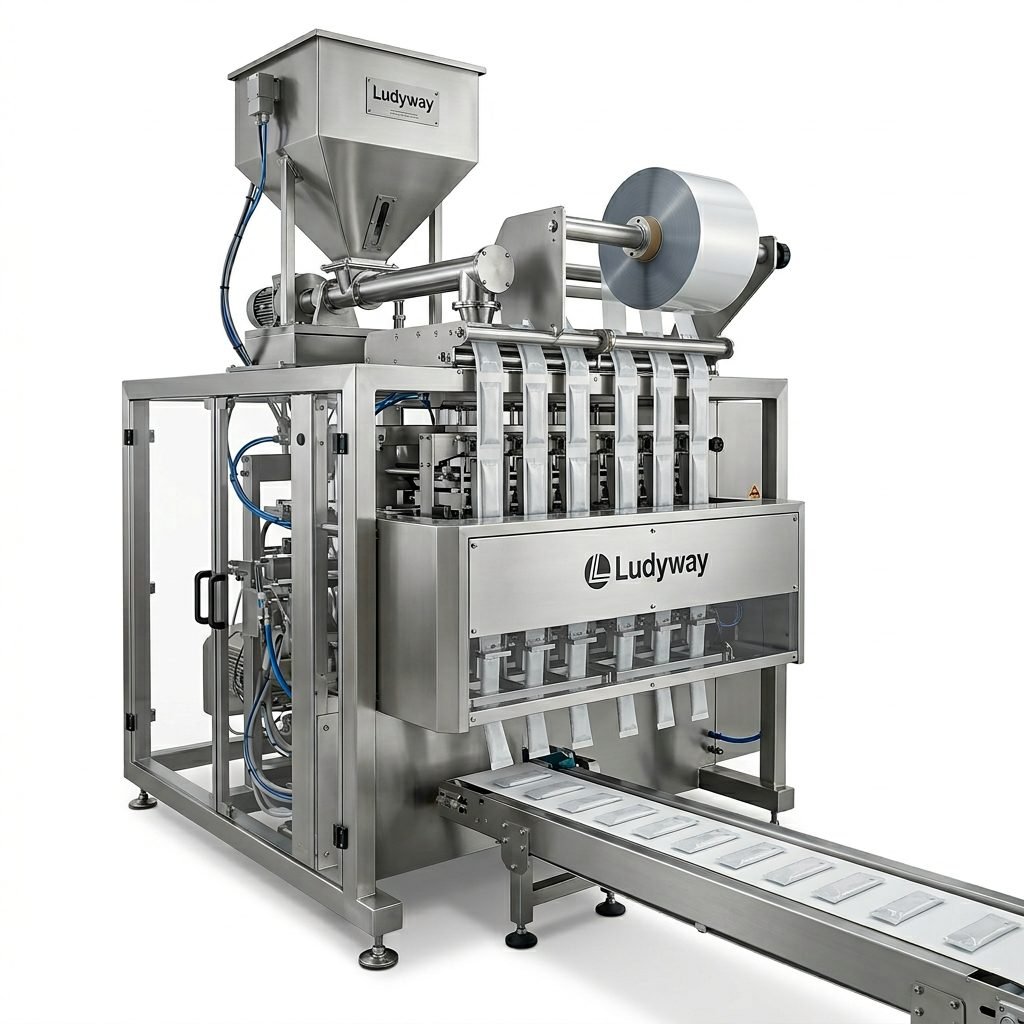
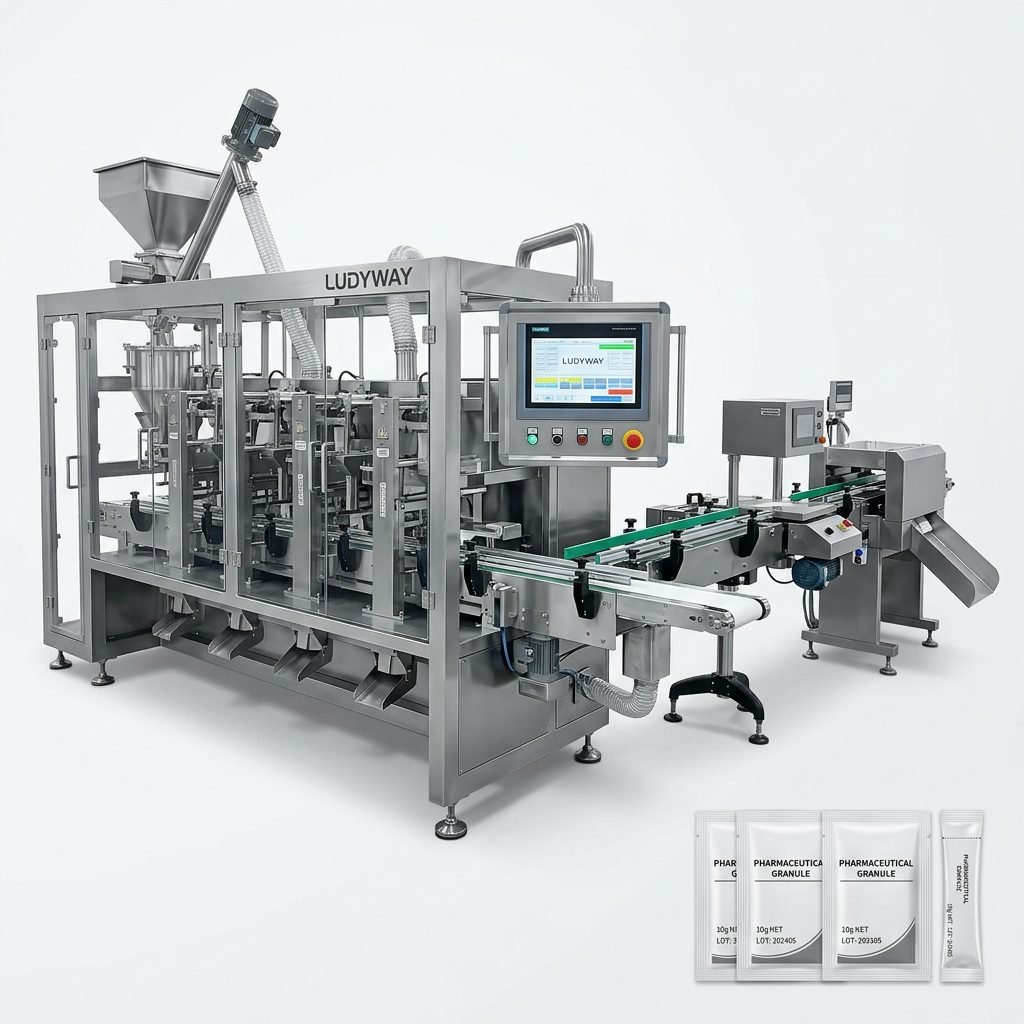
- Stick Packs & Sachets: For small, single‑dose packages, multi‑lane stick pack machines offer unmatched speed by running several lanes simultaneously.
2. Define Your Packaging Format and Bag Type
The final package style influences the machine’s forming, filling, and sealing mechanisms. Different formats require distinct sealing jaws, film handling, and discharge configurations.
| Packaging Format | Common Applications | Key Consideration |
|---|---|---|
| Stick Packs | Instant coffee, sugar, supplements | Narrow seal, high‑speed multi‑lane capability |
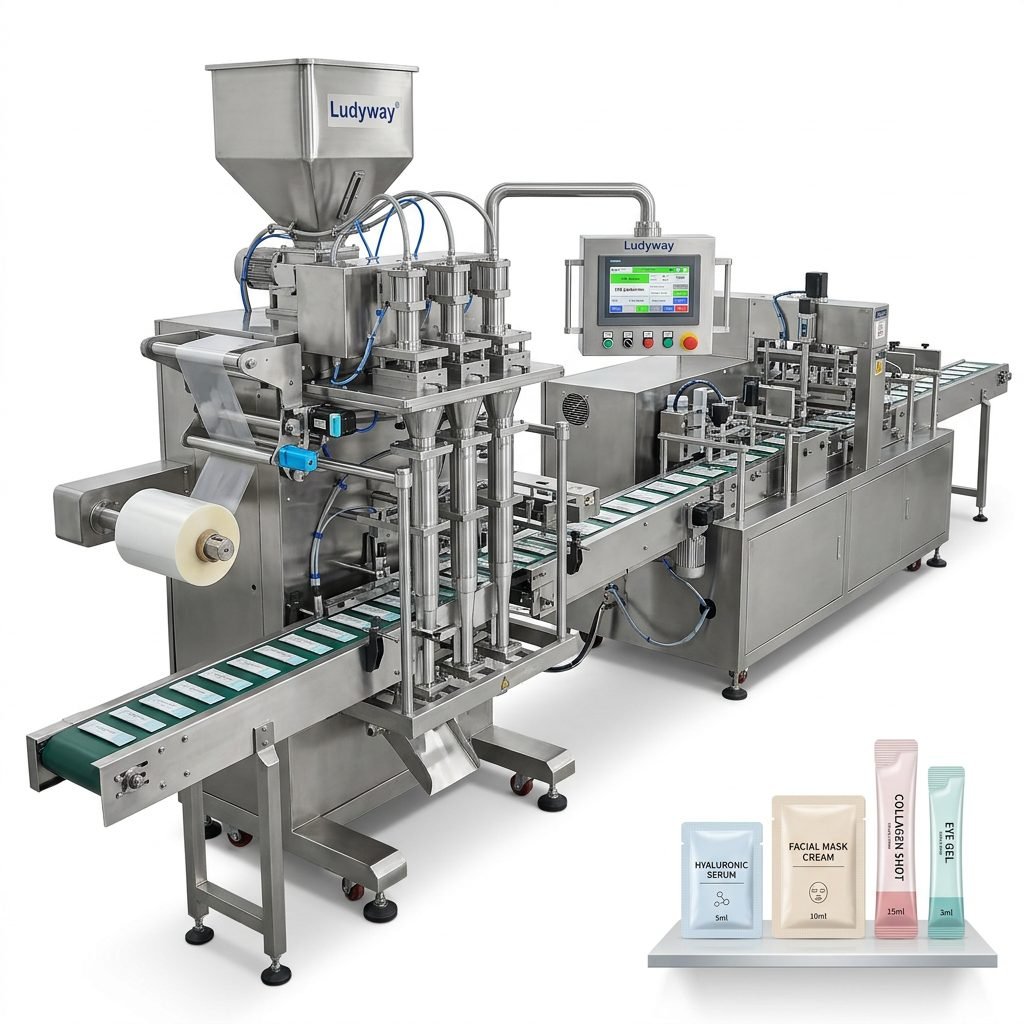
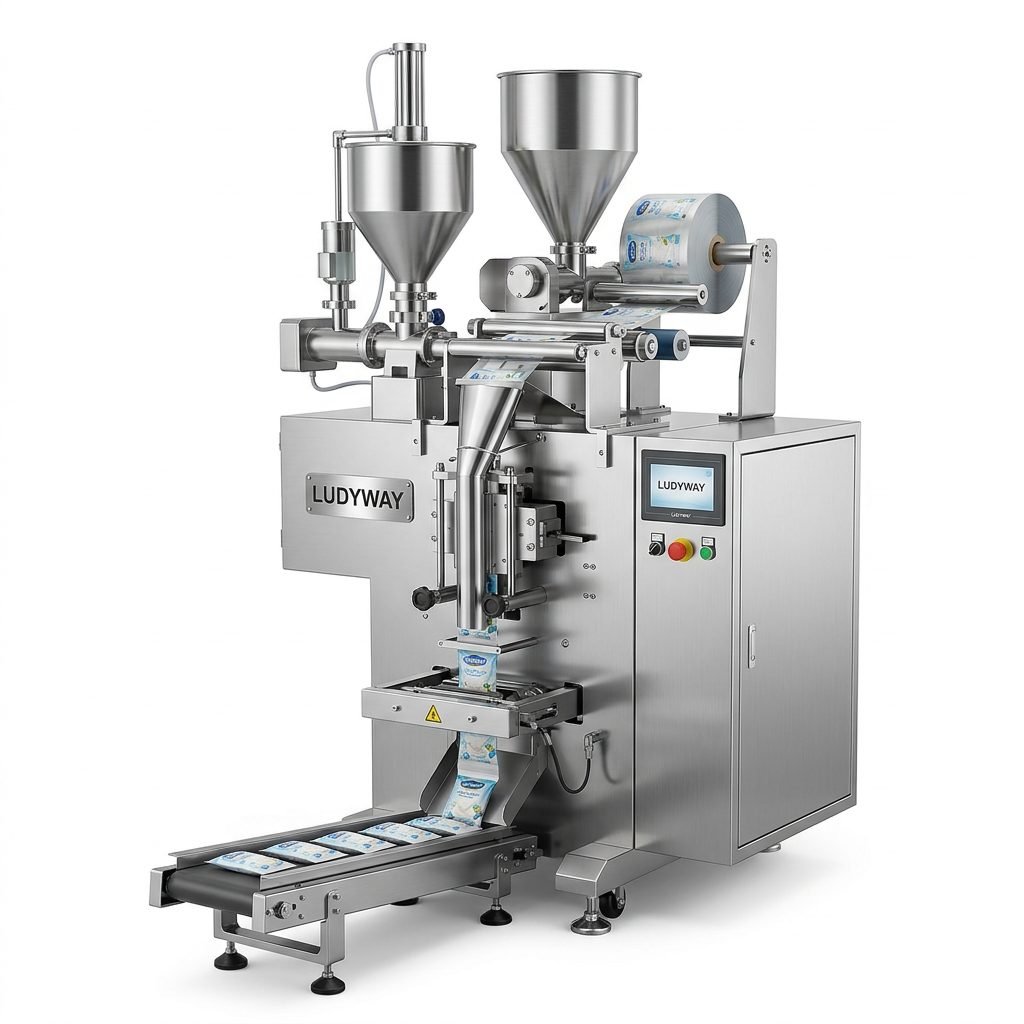
| Sachets & Pouches | Ketchup, shampoo, detergent | Material compatibility, tear‑notch options |
| Bottles & Jars | Nutraceuticals, pharmaceuticals | Container diameter, cap type, fill volume accuracy |
3. Production Speed and Automation Level
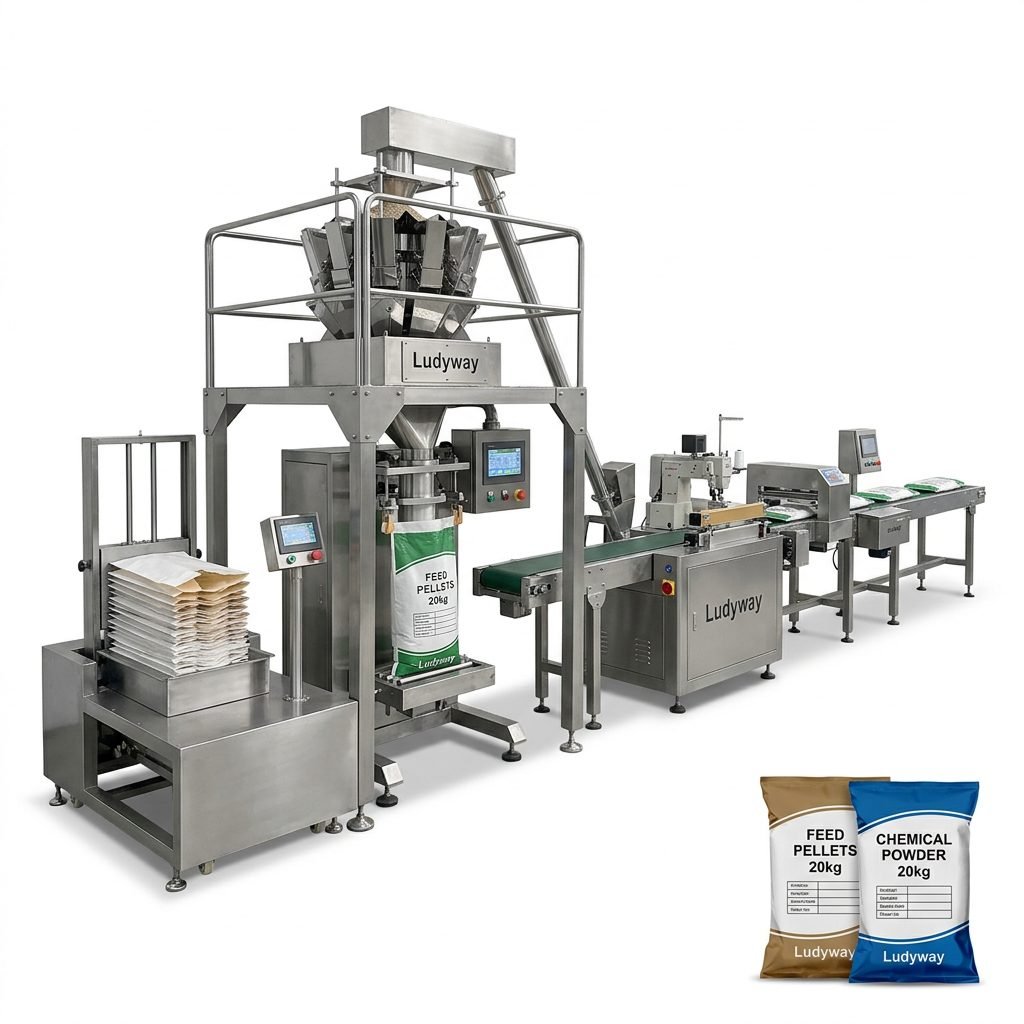
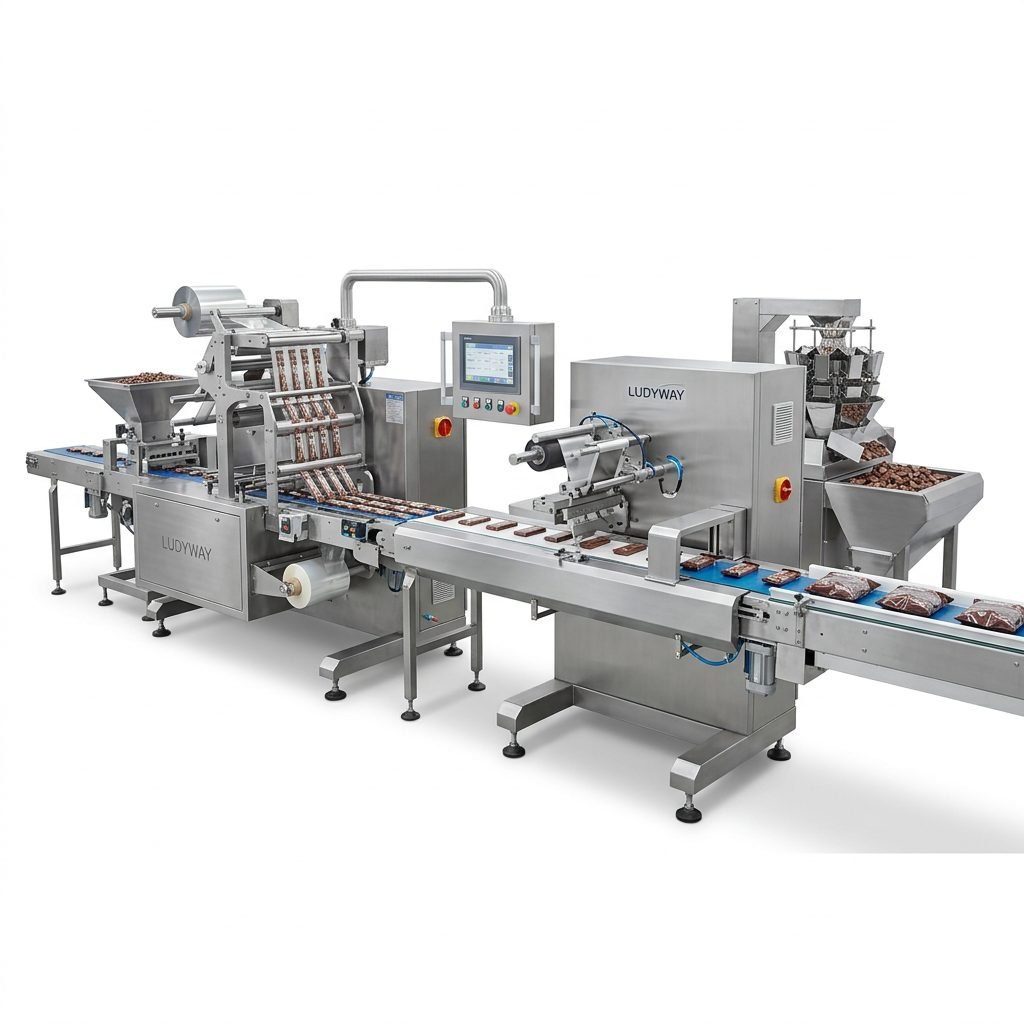
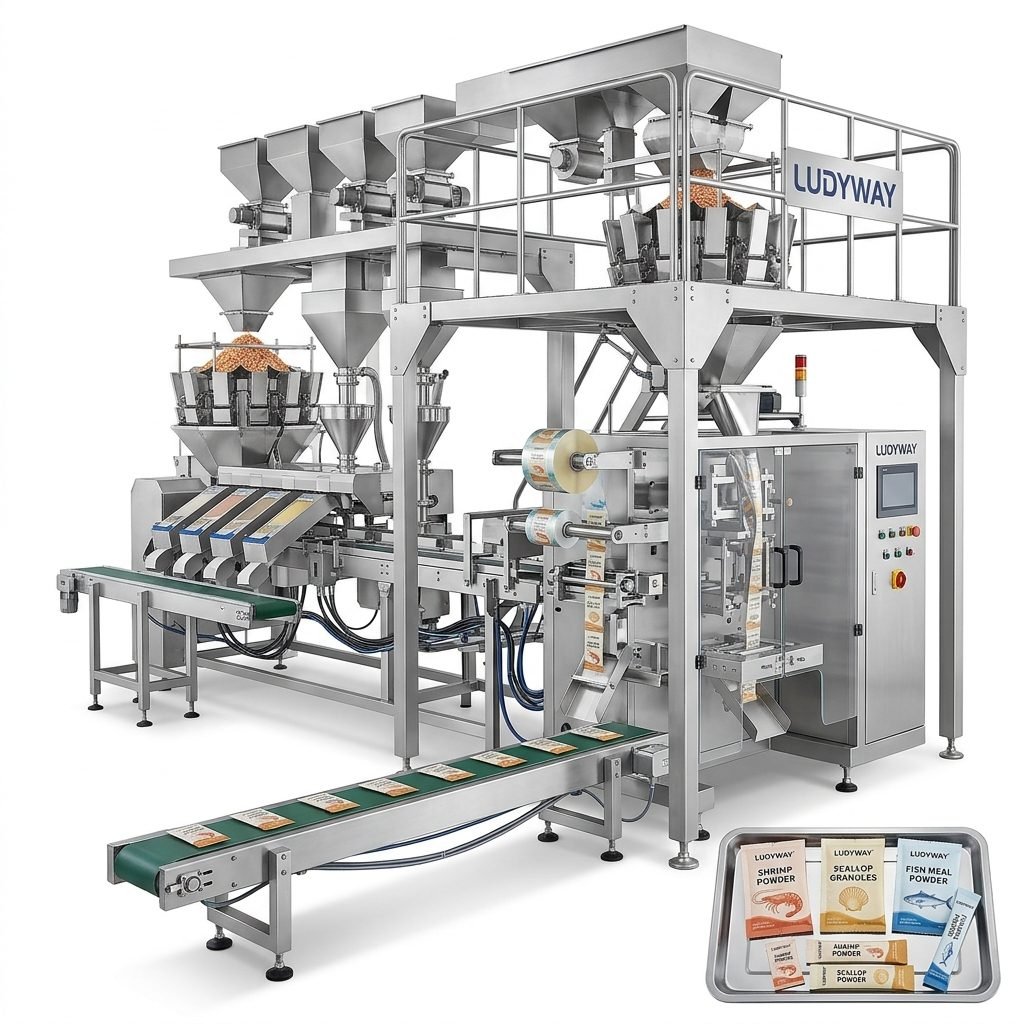
Matching the machine’s throughput to your current and future demand is essential. A machine running at 30 packs per minute might be adequate today, but if your distribution is expanding, a modular high‑speed automated packaging line that can run at 400+ packs per minute might be a better long‑term investment. Evaluate the level of automation you require: manual, semi‑automatic, or fully automatic. For large‑volume manufacturers, turnkey packaging systems that integrate filling, sealing, coding, and cartoning into one continuous line dramatically reduce labor costs.
4. Filling Accuracy and Dosing Technology
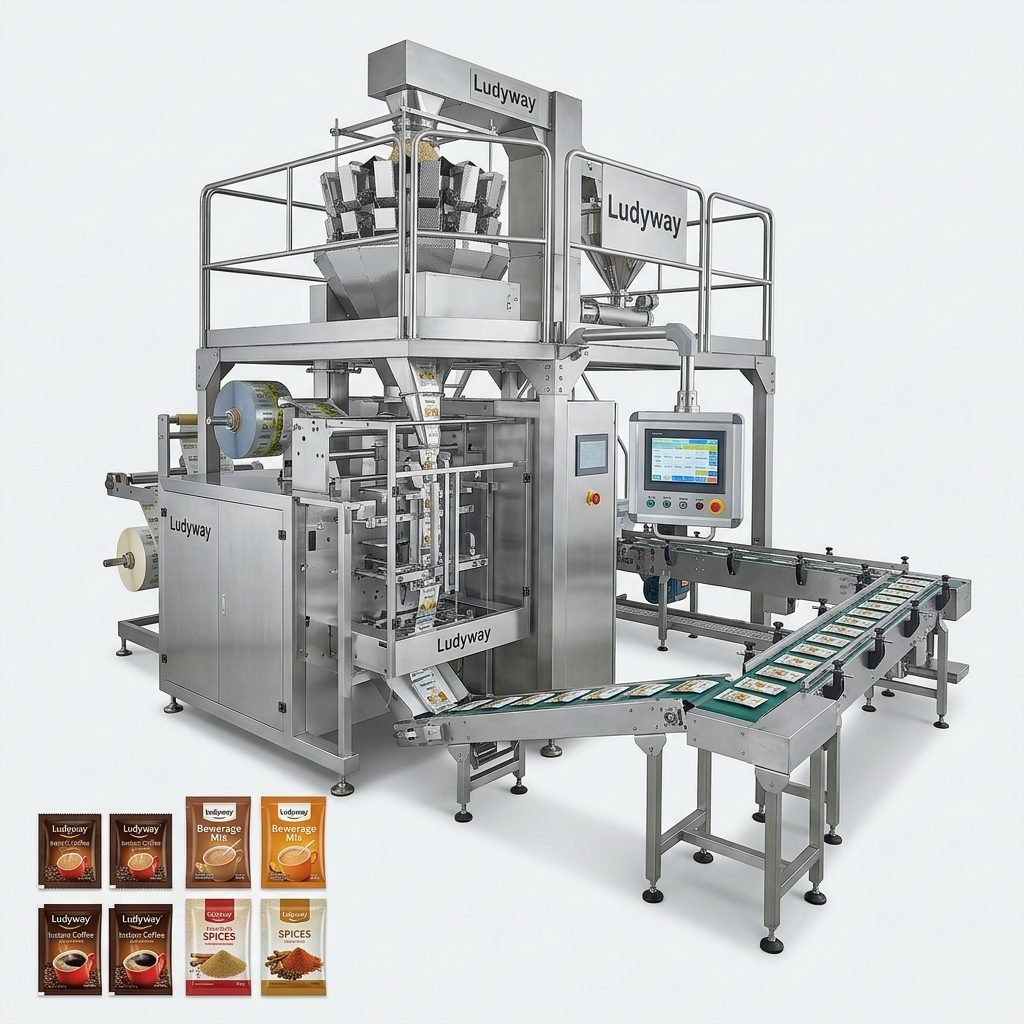
Inaccurate fills lead to product give‑away, regulatory non‑compliance, and customer dissatisfaction. The dosing mechanism must be matched to your product and target fill weight.
- Auger Fillers: Best for powders with varied densities. Look for servo‑driven augers for precise control.
- Volumetric Cup Fillers: Cost‑effective for free‑flowing granules with consistent density.
- Piston Fillers: Excellent for liquids, pastes, and creams, offering high volumetric accuracy.
- Multi‑head Weighers: Deliver exceptional accuracy for granules and snacks by combining multiple weight readings for each bag.
5. Material Compatibility and Machine Construction
The machine’s build materials determine its longevity and suitability for your operating environment. Stainless steel (304 or 316L) is mandatory for food, pharmaceutical, and corrosive chemical applications. If you process hygroscopic or abrasive products, look for special surface treatments on contact parts. Machines designed to meet FDA food packaging regulations or ISO packaging standards provide additional assurance of quality and safety. For explosive dust environments, ATEX‑compliant electrical systems are non‑negotiable.
6. Integration and Line Conveying
A standalone filling machine is just one piece of the puzzle. Consider how it will integrate with upstream feeders and downstream equipment such as checkweighers, carton sealing machines, case packers, and palletizers. Smooth integration minimizes manual handling and reduces the risk of bottlenecks. Conveyor speeds, rejection systems, and data communication protocols should be compatible across your entire line.
7. After‑Sales Support and Spare Parts Availability
Even the most robust machines require maintenance. Before committing to a supplier, evaluate their technical support infrastructure. Do they offer remote assistance, on‑site installation, operator training, and readily available spare parts? A manufacturer with a global service network and documented packaging machinery standards compliance can significantly reduce your total cost of ownership.
8. Evaluating Turnkey vs. Customized Solutions
Off‑the‑shelf machines suit standard applications, but many manufacturers benefit from customized engineering. A partner that provides custom packaging machinery can configure lane counts, sealing mechanisms, dosing systems, and line layouts precisely to your factory floor. This approach is especially valuable for products requiring modified atmosphere packaging, nitrogen flushing, or unique bag shapes.
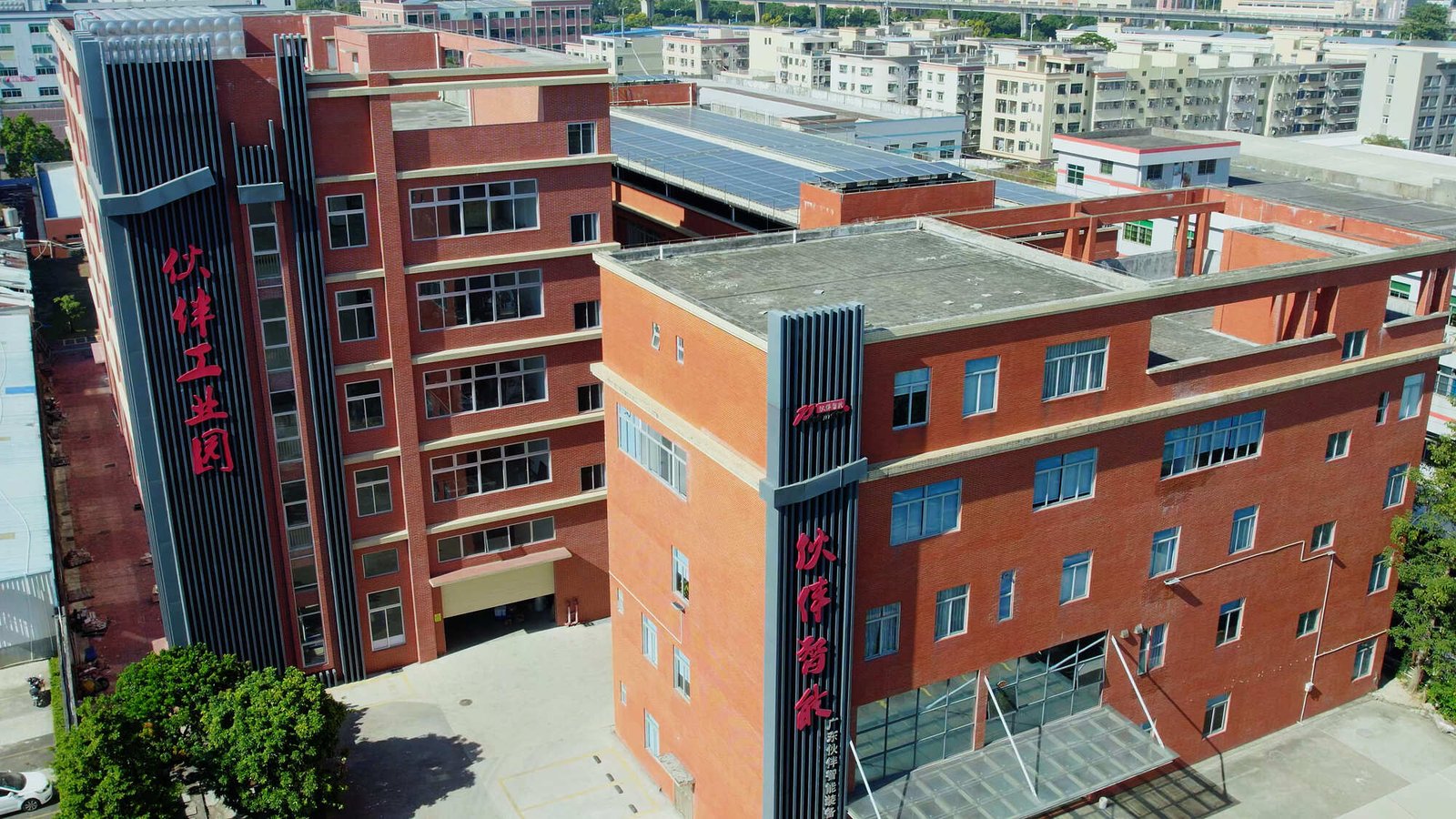
Founded with over 30 years of industry experience, Ludyway Machinery is a China‑based packaging machinery manufacturer and turnkey packaging solution provider. With a 20,000‑square‑meter manufacturing facility, more than 130 professionals, and over 50 packaging machine models, Ludyway supports manufacturers worldwide in powder, granule, liquid, stick pack, sachet, and pouch applications. The company serves customers in more than 100 countries, providing machine selection, system integration, installation, commissioning, and technical support. Ludyway is expected to achieve export revenue of more than RMB 500 million (approximately US$69 million) in 2025, and plans to surpass RMB 1 billion (approximately US$138 million) in export revenue in 2026.
9. Total Cost of Ownership and ROI
Look beyond the purchase price. A cheaper machine that runs at lower speed, requires frequent adjustments, and consumes more film will cost you far more over five years. Calculate the total cost of ownership by factoring in:
- Film or packaging material waste rates
- Energy consumption and utility requirements
- Labor required for operation and changeovers
- Expected maintenance intervals and spare part costs
- Downtime risk and technical support response times
Selecting the right packaging filling machine is a strategic decision. By carefully analyzing your product, required output, packaging format, and supplier capabilities, you can secure a system that delivers consistent quality, operational efficiency, and scalable growth for years to come.