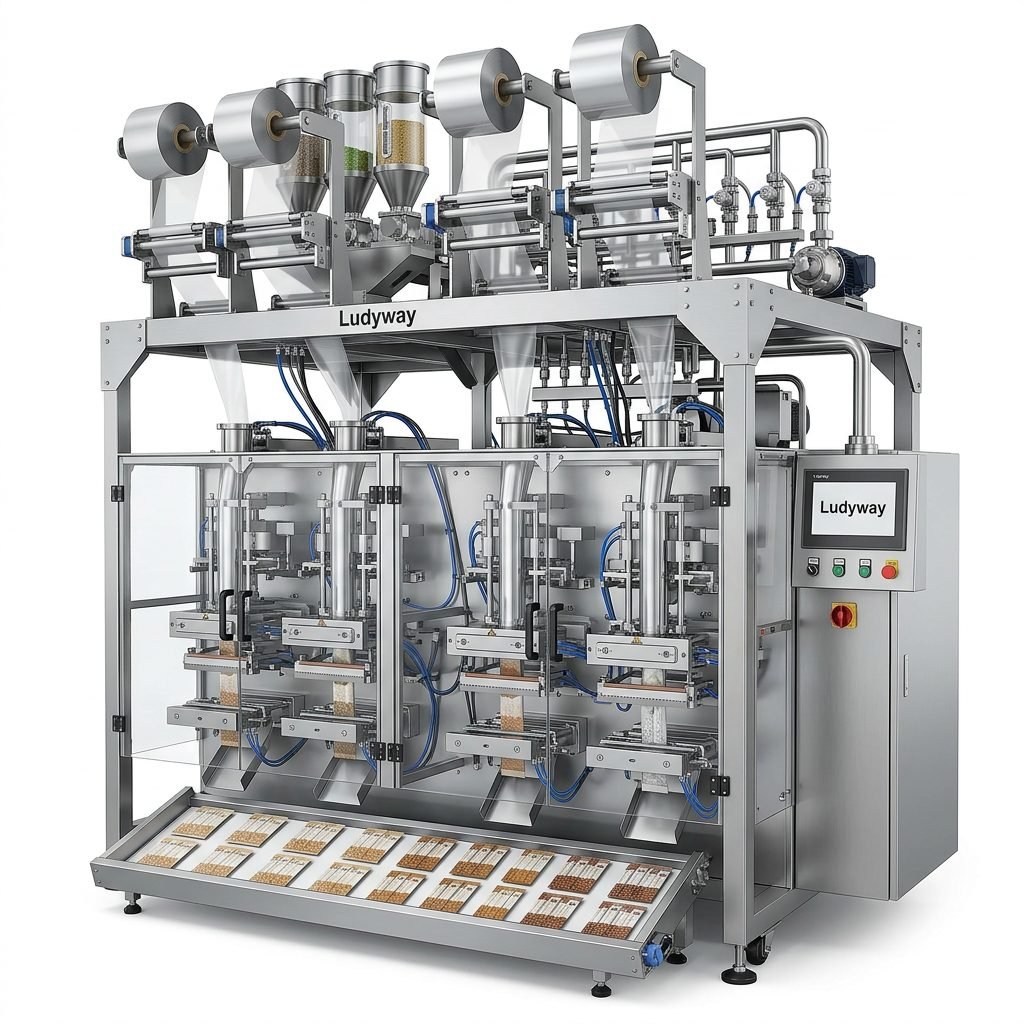
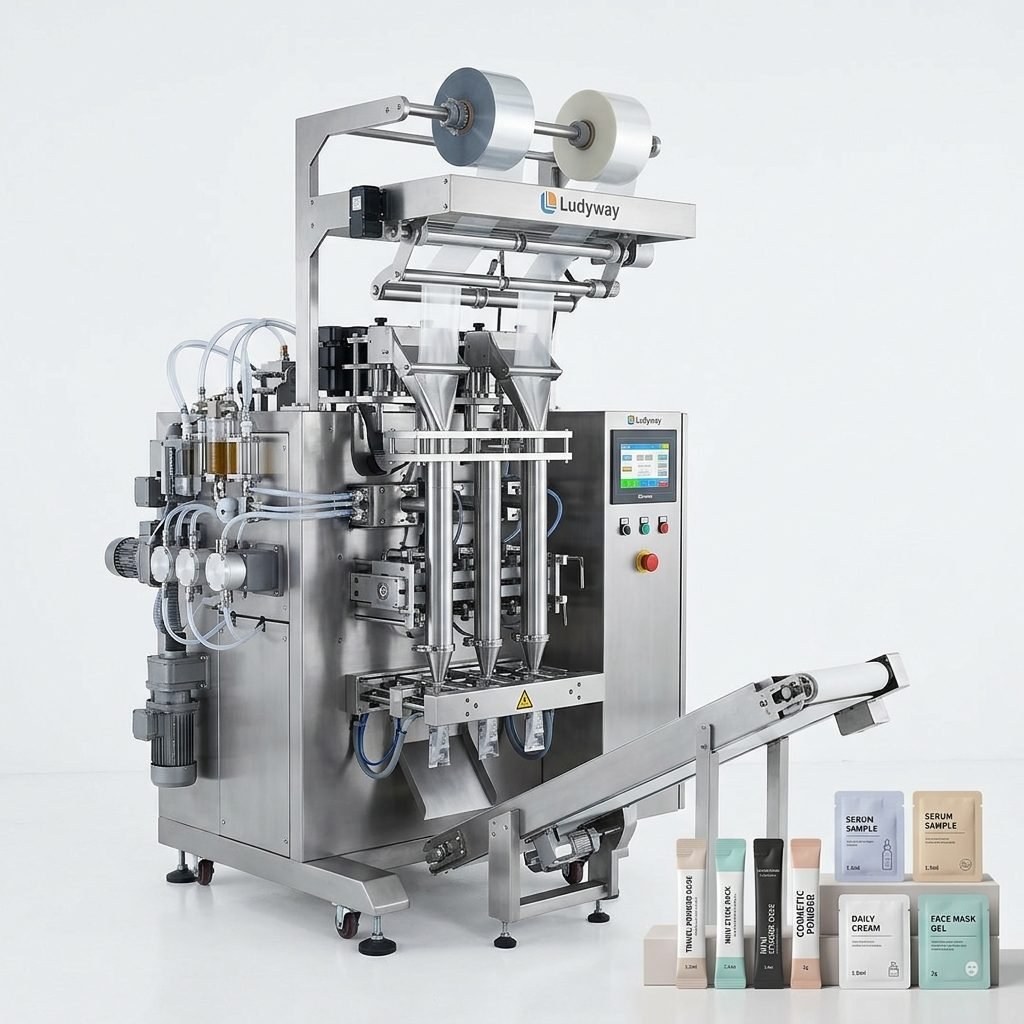
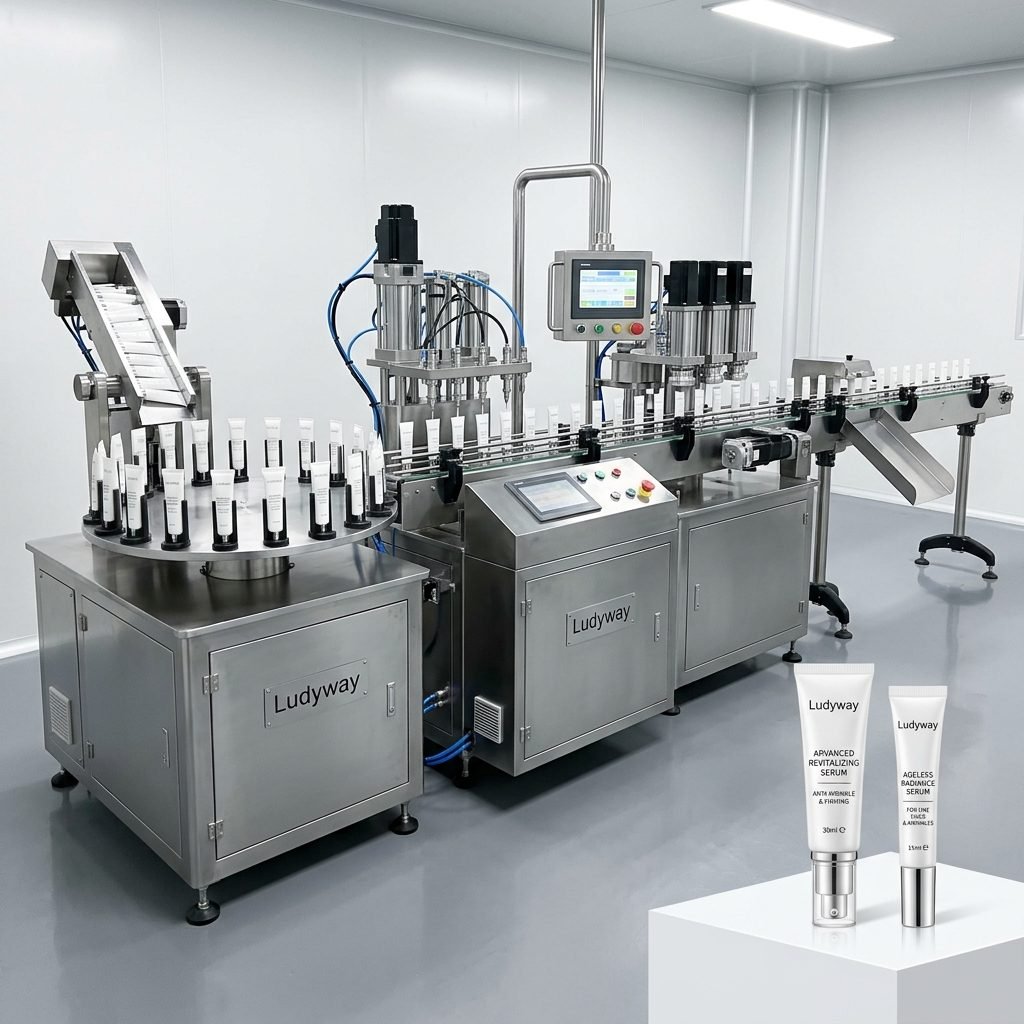
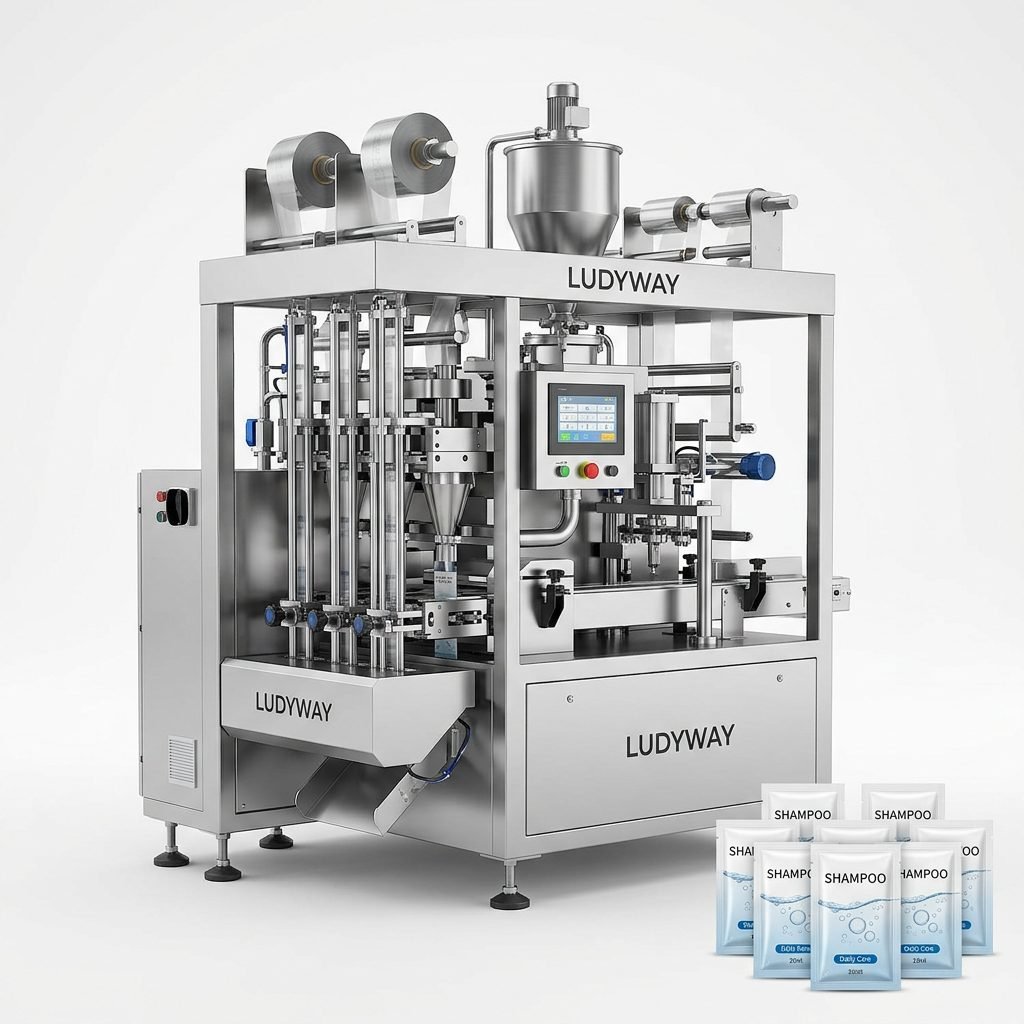
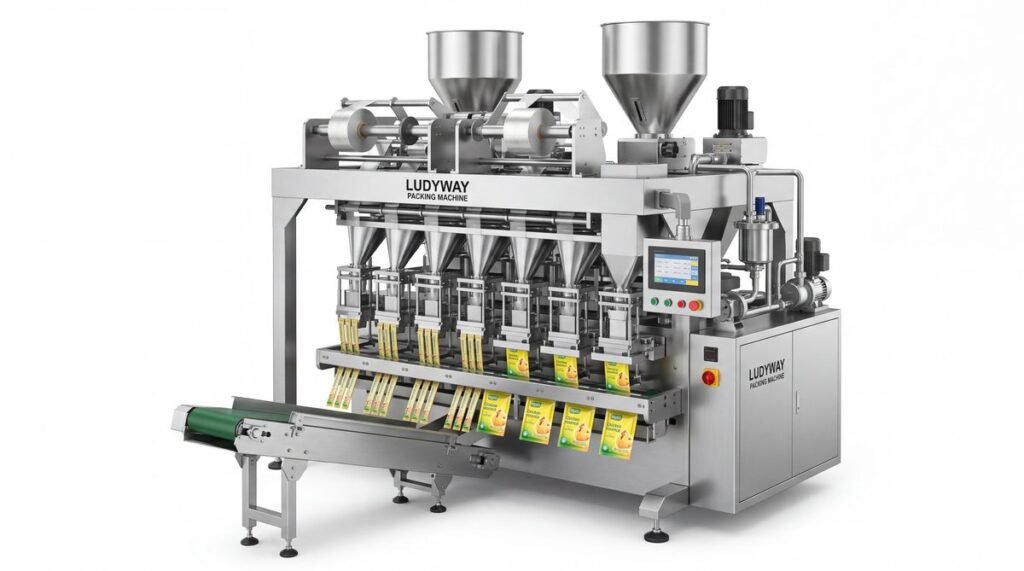
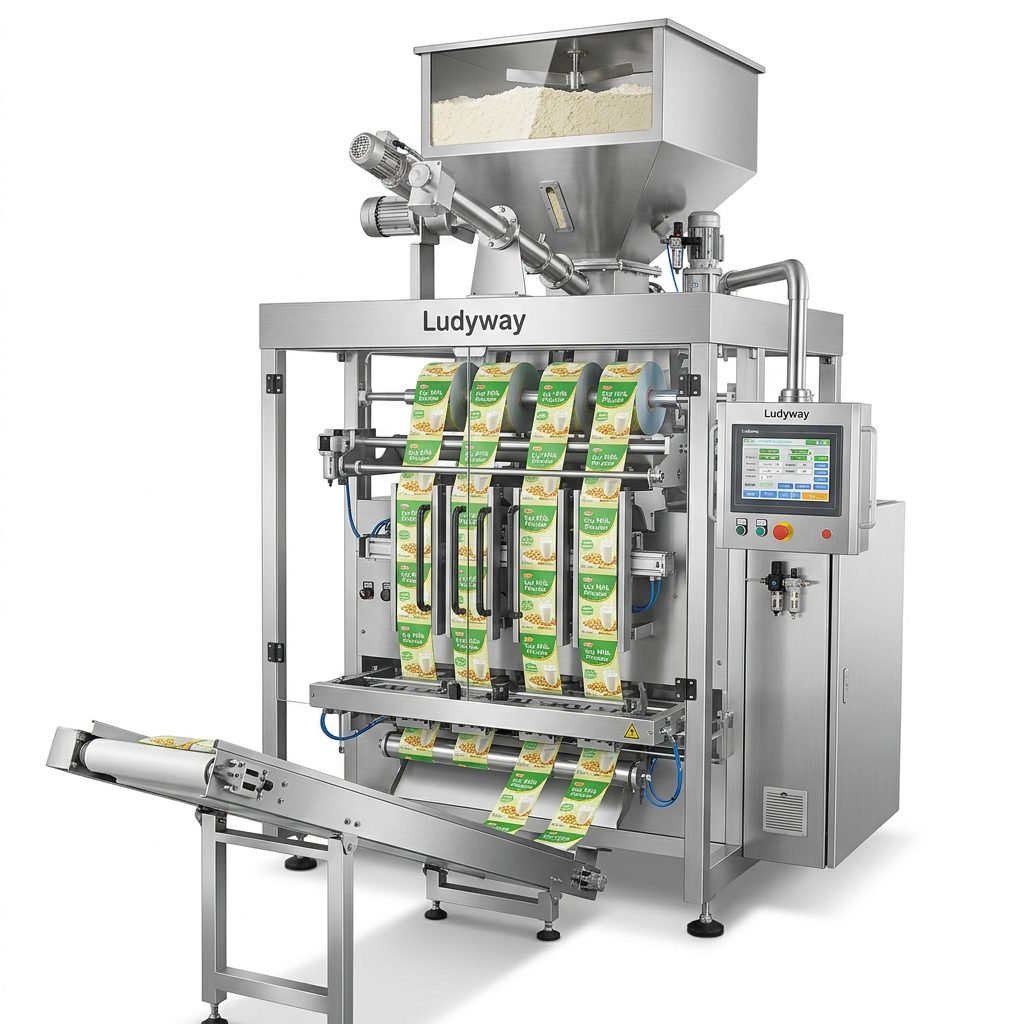
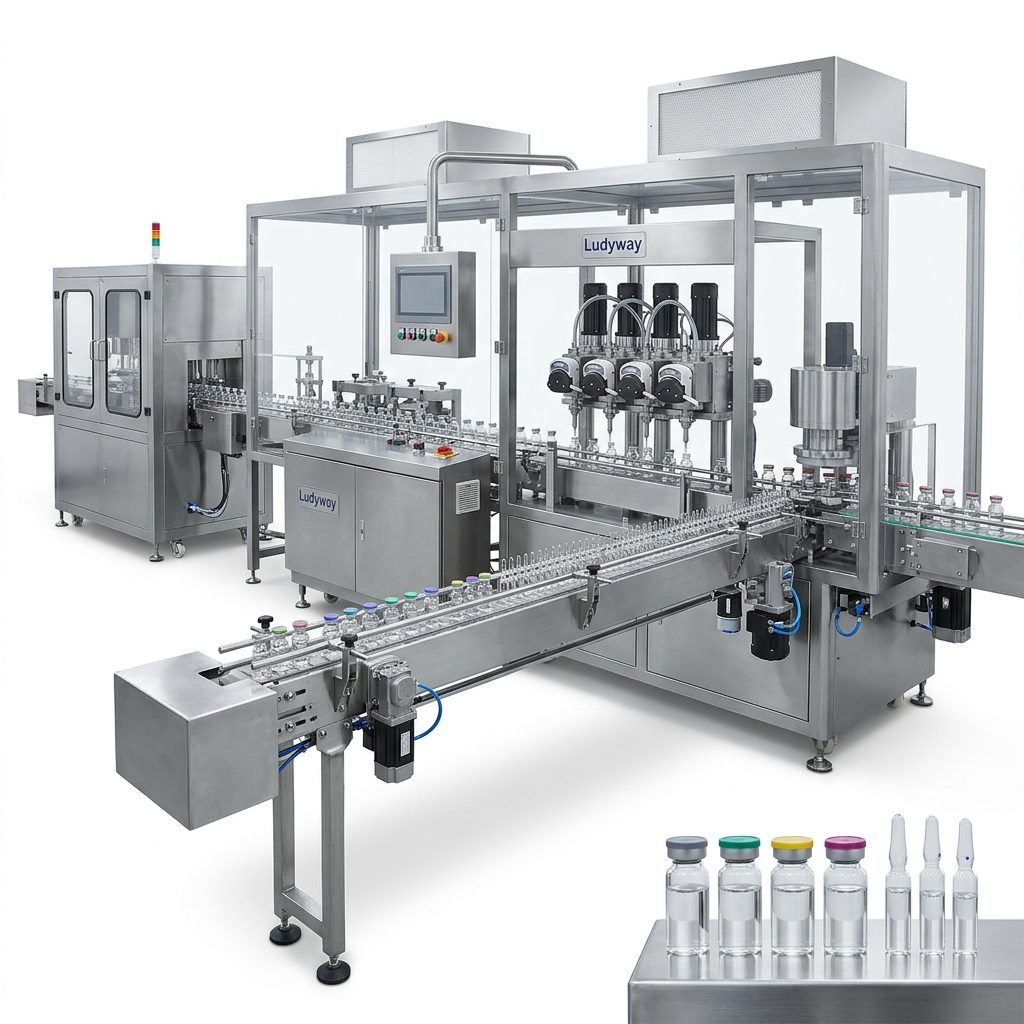
Investing in a packing cover sealing machine is a critical decision for manufacturers across food, pharmaceutical, cosmetic, and industrial sectors. The right equipment not only ensures product freshness and safety but also directly impacts production efficiency, material waste, and long-term operational costs. With dozens of machine types, sealing technologies, and configuration options available, navigating the selection process can feel overwhelming. This comprehensive buyer’s guide breaks down everything you need to evaluate before purchasing a packing cover sealing machine, helping you make an informed investment that aligns with your production goals.
Understanding Packing Cover Sealing Machines
A packing cover sealing machine is designed to close and secure packaging covers, lids, caps, or films onto containers, trays, pouches, or other packaging formats. These machines create a protective barrier that prevents contamination, extends shelf life, and maintains product integrity during storage and transportation. Depending on the application, sealing can involve heat activation, pressure application, induction technology, or ultrasonic welding. The choice of sealing method depends largely on the packaging material, product characteristics, and required production speed.
Modern sealing equipment ranges from semi-automatic tabletop units suitable for small-scale operations to fully automated inline systems capable of processing thousands of units per hour. Understanding the fundamental differences between these categories is the first step toward identifying the right solution for your facility.
Key Types of Packing Cover Sealing Machines
Not all sealing machines operate on the same principle. The table below compares the most common types found in today’s packaging lines, highlighting their applications and advantages.
| Sealing Technology | Best Applications | Key Advantages |
|---|---|---|
| Heat Sealing | Flexible pouches, sachets, stick packs, plastic films | Versatile, cost-effective, widely compatible with thermoplastics |
| Induction Sealing | Bottles, jars, containers with foil-lined caps | Tamper-evident, hermetic seal, no direct contact heating |
| Ultrasonic Sealing | Tubes, medical devices, sensitive products | No heat generation, precise, clean seal, energy-efficient |
| Vacuum Sealing | Meat, cheese, perishable foods, industrial components | Extended shelf life, oxygen removal, superior preservation |
| Pressure Sealing | Lids, snap-on covers, rigid containers | Simple mechanism, high-speed capability, reliable closure |
According to industry data from the PMMI – The Association for Packaging and Processing Technologies, the global packaging machinery market continues to evolve, with sealing technologies representing a significant segment driven by demand for automation and production efficiency. The Flexible Packaging Association also reports that flexible packaging formats — which rely heavily on advanced sealing systems — are among the fastest-growing categories in the industry.
Critical Factors to Evaluate Before Purchase
Selecting the right packing cover sealing machine requires a systematic evaluation of your production environment. Below are the most important factors to consider during the decision-making process.
Production Volume and Speed Requirements
Your current and projected output levels should guide machine selection. A machine rated for 40-60 units per minute may be more than adequate for a small to mid-sized operation, whereas a high-speed packaging line processing 200-400 units per minute demands industrial-grade equipment with robust servo-driven systems. Underestimating throughput needs can create costly bottlenecks, while overinvesting in excess capacity may hurt your return on investment.
Packaging Material Compatibility
Sealing performance varies significantly across different packaging materials. Consider the following aspects when evaluating material compatibility:
- Film and laminate structures — multi-layer materials may require specific temperature and pressure settings
- Container materials — glass, PET, HDPE, and polypropylene each interact differently with sealing technologies
- Liner and closure types — foil seals, foam liners, and pressure-sensitive liners each have unique sealing parameters
- Material thickness — thinner materials risk burning or distortion at high temperatures
Seal Quality and Integrity Standards
For regulated industries such as pharmaceuticals and food, seal integrity testing is non-negotiable. Standards published by organizations like ISO for packaging and guidelines from the FDA on food packaging and food contact substances establish clear requirements for seal strength, hermeticity, and contamination prevention. Your chosen machine should be capable of consistently meeting these benchmarks.
Automation and Integration Capabilities
Modern packaging lines benefit enormously from seamless equipment integration. Look for machines that support:
- PLC-controlled operation with touchscreen interfaces
- Communication protocols compatible with upstream and downstream equipment
- Automatic fault detection and rejection systems
- Data logging for quality assurance and traceability
Industry-Specific Application Considerations
Each industry presents unique sealing challenges. Food manufacturers prioritize hygiene, washdown capability, and compatibility with modified atmosphere packaging. Pharmaceutical producers require validated sealing processes, serialization support, and compliance with GMP standards. Cosmetic and personal care companies often need machines that handle a variety of container shapes and sizes with quick changeover capabilities. Industrial and chemical applications demand robust construction that withstands corrosive substances and harsh environments.
Understanding your industry’s specific regulatory landscape is essential. The European Commission’s packaging and packaging waste regulation, for instance, increasingly influences packaging design and material choices, which in turn affects sealing requirements for manufacturers exporting to European markets.
Evaluating Build Quality and Manufacturing Standards
A packing cover sealing machine represents a capital investment that should deliver reliable performance for years. When assessing build quality, pay attention to frame construction — stainless steel frames offer superior durability and corrosion resistance compared to painted carbon steel. Examine the quality of critical components such as heating elements, pneumatic cylinders, bearings, and servo motors. Machines built with components from recognized industrial automation suppliers tend to offer greater long-term reliability and easier spare parts availability.
Certifications and compliance documentation are also important indicators of quality. Depending on your market, you may need equipment that meets CE, UL, or other regional standards. Reputable manufacturers should be able to supply relevant certification documents upon request.
Total Cost of Ownership and ROI Analysis
Purchase price alone tells only part of the story. A comprehensive cost analysis should account for:
- Installation and commissioning costs
- Operator training requirements
- Energy consumption and utility costs
- Consumable parts such as heating bands, sealing bars, and gaskets
- Preventive maintenance schedules and associated downtime
- Expected service life and depreciation
Machines with higher initial costs often prove more economical over their operational lifetime due to reduced downtime, lower maintenance frequency, and better energy efficiency. When evaluating proposals, request detailed lifecycle cost projections rather than focusing solely on the upfront price.
Selecting the Right Packaging Machinery Partner
Choosing a reliable equipment supplier is just as important as selecting the right machine. An experienced packaging machinery manufacturer brings not only proven equipment but also application expertise, engineering support, and after-sales service that can significantly impact your project’s success.

For businesses seeking a single partner for multiple packaging needs, working with a manufacturer that offers a broad portfolio — from individual machines to turnkey packaging lines — can streamline procurement, simplify technical support, and ensure compatibility across different equipment. This integrated approach is particularly valuable for companies scaling up production or automating previously manual processes.
One example of a manufacturer with this comprehensive approach is Ludyway Machinery, a China-based packaging machinery manufacturer with more than 30 years of industry experience. Operating from a 20,000-square-meter facility with over 130 professionals and more than 50 packaging machine models, the company provides automated packaging equipment and turnkey solutions across food, pharmaceutical, cosmetic, chemical, and other industries. With export revenue projected to exceed RMB 500 million (approximately US$69 million) in 2025 and plans to surpass RMB 1 billion (approximately US$138 million) in 2026, the company’s growth reflects the increasing global demand for sophisticated packaging machinery. For more information on their growth trajectory, you can read about Ludyway’s global packaging machinery growth trend.
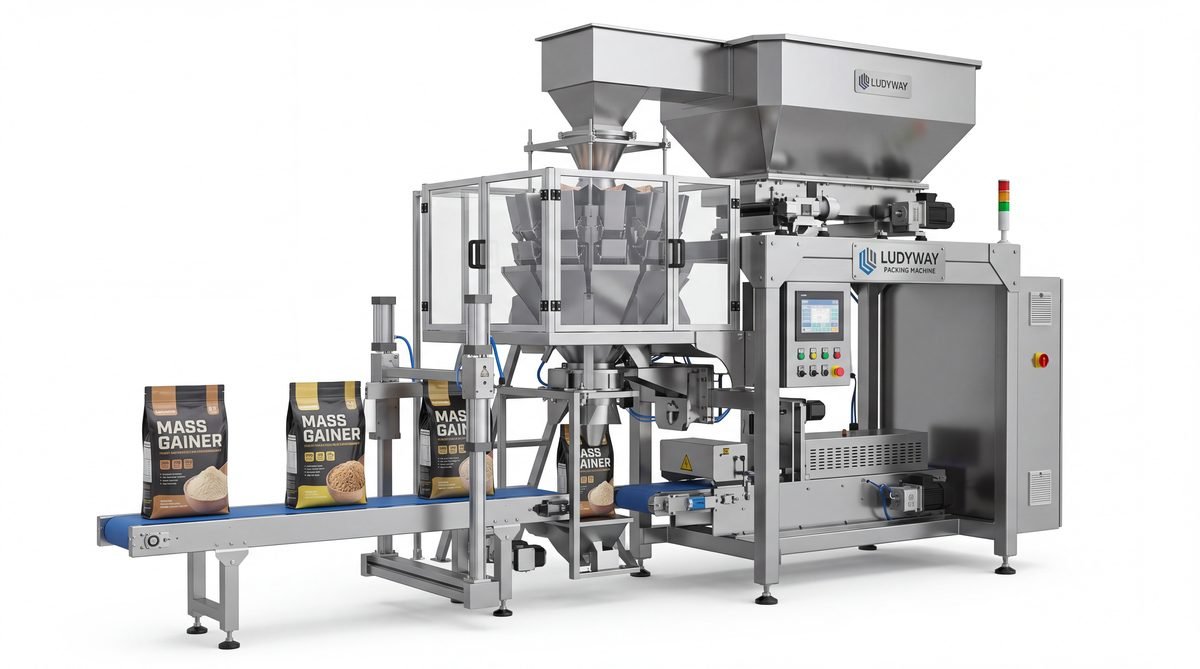
When evaluating potential suppliers, consider their track record across international standards and certifications, the availability of remote and on-site technical support, spare parts logistics, and the flexibility to customize equipment to your specific product and packaging requirements.
Maintenance, Training, and After-Sales Support
Even the most robust packing cover sealing machine requires regular maintenance to sustain peak performance. Before finalizing a purchase, clarify the following support aspects with your equipment provider:
- Preventive maintenance schedules — recommended service intervals and procedures
- Operator training programs — both initial and ongoing training availability
- Spare parts availability — lead times for critical components in your region
- Technical support channels — remote troubleshooting, on-site service visits, and response times
- Warranty coverage — scope, duration, and exclusions
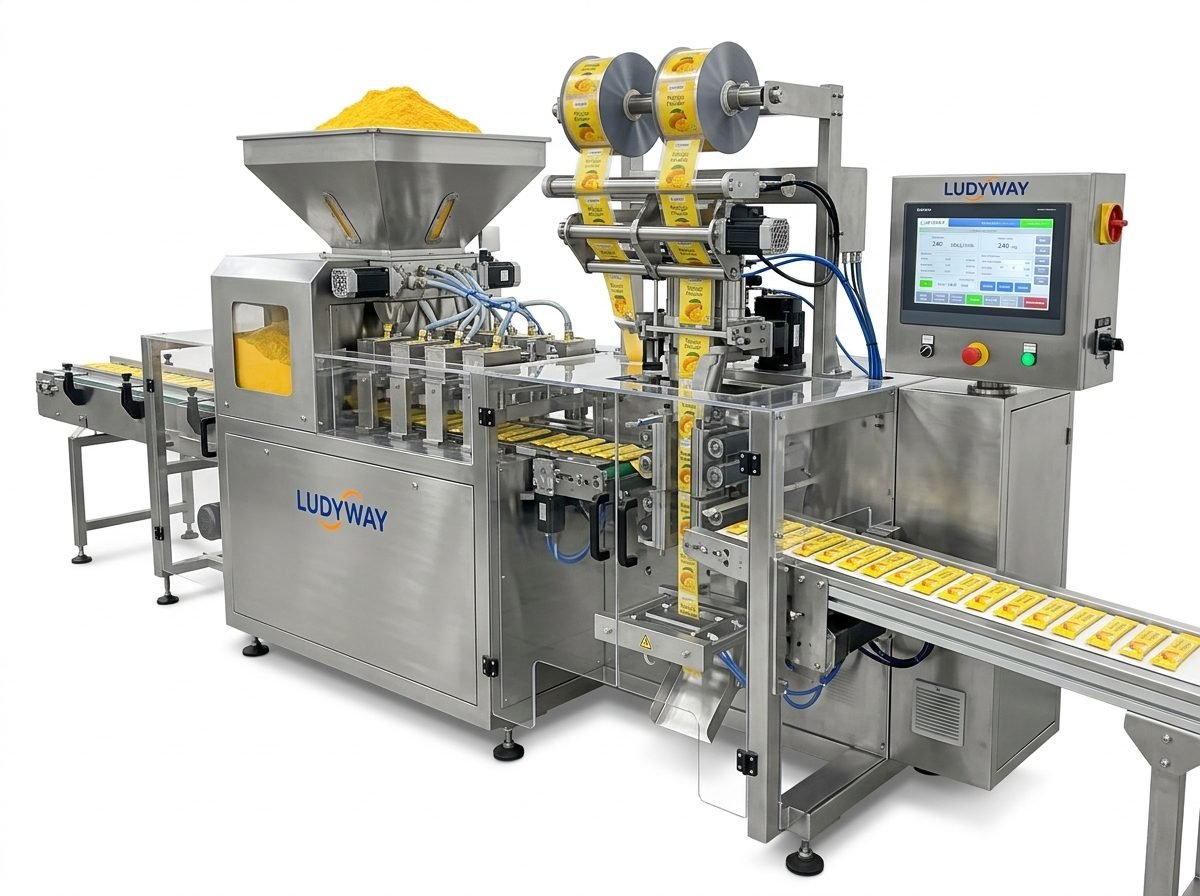
Manufacturers serving customers in more than 100 countries typically have established support networks and experience addressing diverse operational environments, which can be a significant advantage for companies operating across multiple locations or planning international expansion.
Making the Final Decision
Selecting the ideal packing cover sealing machine requires balancing multiple factors — technical specifications, production demands, budget constraints, and long-term support requirements. Start by clearly defining your current and future packaging needs, then evaluate machines and suppliers against these criteria systematically.
Request detailed proposals that include machine specifications, performance guarantees, installation timelines, training provisions, and after-sales service commitments. Whenever possible, arrange to visit a manufacturer’s facility or request video demonstrations of similar installations. Seeing equipment in operation provides valuable insight that specification sheets alone cannot convey.
By investing the time to thoroughly evaluate your options and partnering with an experienced packaging machinery provider, you can secure a sealing solution that delivers consistent performance, operational efficiency, and reliable product protection for years to come.