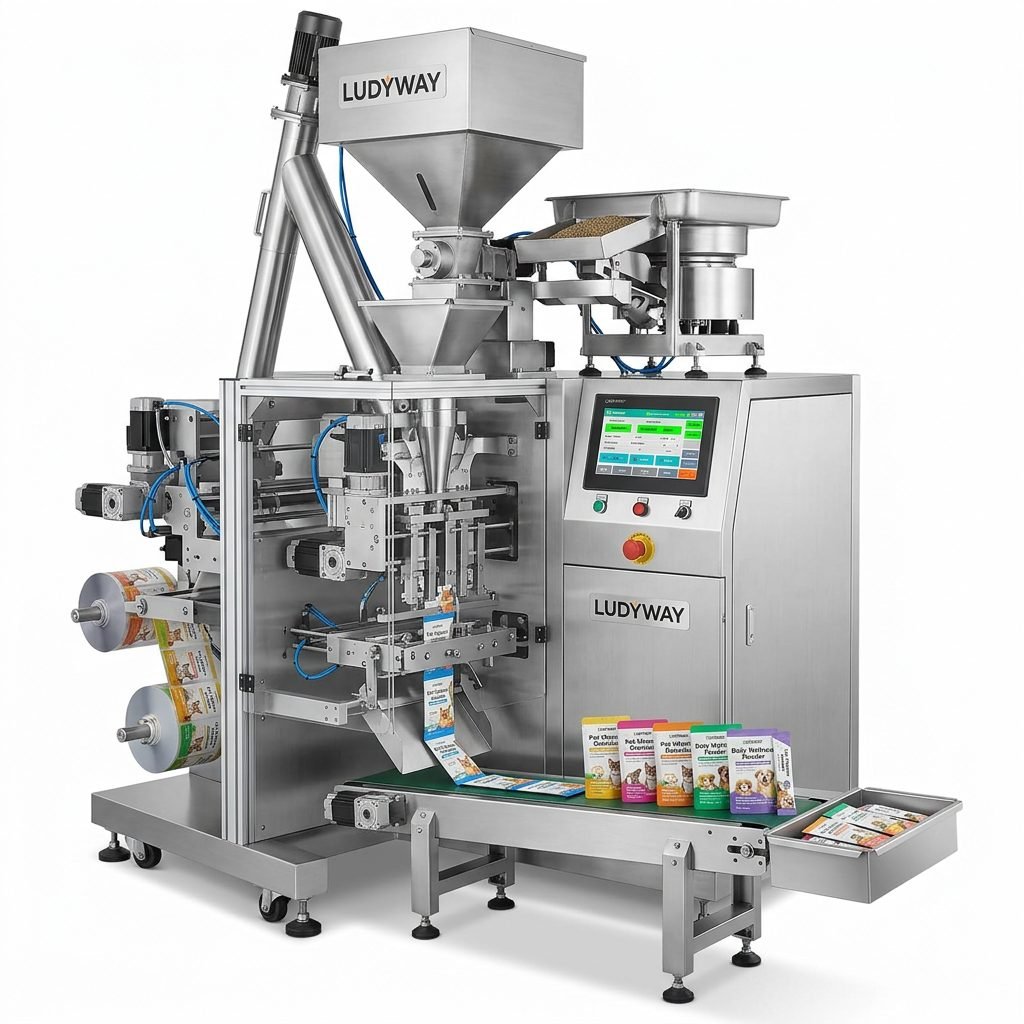
Selecting the right packaging lamination machine is one of the most critical capital decisions for any manufacturer working with flexible packaging. Whether you are producing food pouches, pharmaceutical sachets, or cosmetic stick packs, lamination quality directly affects product shelf life, brand perception, and production efficiency. This guide walks you through the essential factors to evaluate before making a purchase.
Understanding Packaging Lamination Technology
Lamination is the process of bonding two or more material layers together to create a composite film with enhanced properties. A dedicated packaging lamination machine applies adhesives, heat, and pressure to combine materials such as PET, PE, aluminum foil, and BOPP. The result is a multi-layer structure that offers superior barrier protection, printability, and mechanical strength compared to single-layer films. The Flexible Packaging Association provides extensive data on how multi-layer structures improve product protection and reduce material usage.
Key Factors to Evaluate Before Buying
Every production environment has unique requirements. Ignoring these variables can lead to costly mismatches between your products and your equipment. Below are the primary considerations that should guide your selection process.
1. Production Volume and Speed Requirements
Your target output is the starting point for machine selection. A small business producing custom short-run orders will need fundamentally different equipment than a high-volume food manufacturer running 24/7 operations. Consider not only current demand but projected growth over the next three to five years. Investing in slightly higher capacity now can prevent the need for a second machine sooner than expected.
- Low-volume: Semi-automatic machines suitable for startups and niche producers
- Medium-volume: Automatic machines with moderate line speeds and quick changeover features
- High-volume: Fully automated high-speed lines integrated with upstream and downstream equipment
2. Material Compatibility and Film Types
Not all lamination machines handle every substrate equally well. You must verify that the equipment can process your specific film structures, whether that involves aluminum foil, metallized PET, paper, or biodegradable films. Film thickness, heat sensitivity, and surface tension all affect bonding quality. Testing with your actual materials before finalizing a purchase is strongly recommended. The ISO packaging standards offer helpful benchmarks for material specifications and testing protocols.
3. Adhesive and Curing Systems
The choice between solventless, solvent-based, and water-based adhesive systems significantly impacts both operational costs and regulatory compliance. Solventless lamination has gained strong traction in recent years due to its environmental advantages and lower energy consumption. Each system requires specific handling, ventilation, and safety measures. Recent updates from the European Commission on packaging waste highlight the growing regulatory pressure to adopt cleaner production technologies.
Technical Specifications That Matter
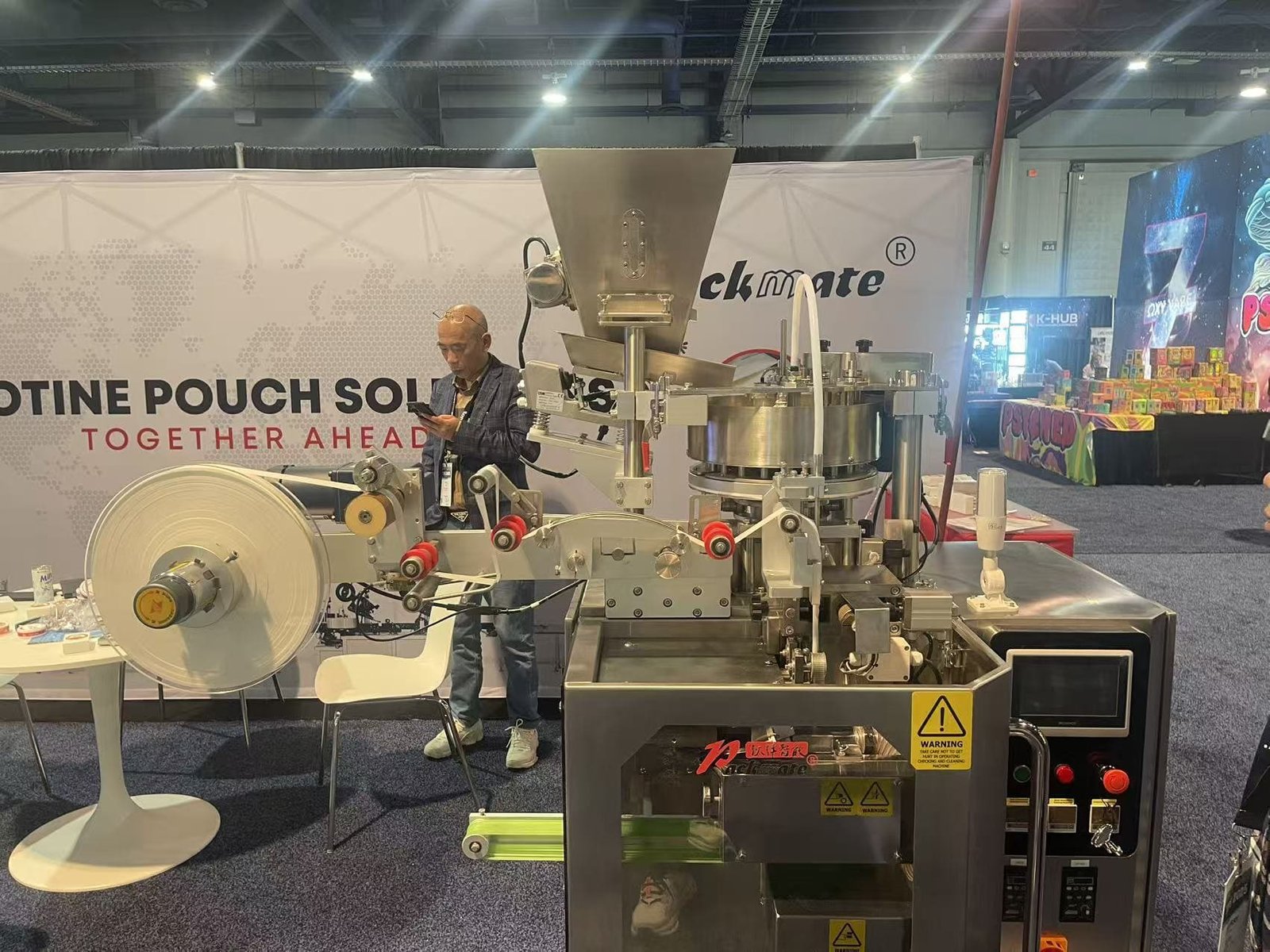
Beyond basic production parameters, several technical features distinguish reliable industrial equipment from underperforming alternatives. Pay close attention to the following details when comparing models from different manufacturers.
4. Web Width and Unwinding Systems
The maximum web width determines the range of product sizes you can produce. Modern machines should offer precise tension control across the full width to prevent wrinkling, misalignment, and uneven bonding. Automatic web guiding and splice tables for non-stop roll changes can dramatically reduce downtime in continuous production environments.
5. Temperature Control Precision
Consistent heat distribution across the lamination nip is non-negotiable. Temperature variations of even a few degrees can cause delamination, bubbling, or inadequate bond strength. Look for machines with multi-zone heating, digital PID controllers, and real-time temperature monitoring with alarms. This is particularly important for heat-sensitive films used in pharmaceutical and food applications, as outlined in FDA food packaging regulations.
6. Automation and Control Systems
User-friendly interfaces with recipe storage, automated tension adjustment, and diagnostic capabilities reduce operator dependency and improve consistency. Advanced systems now offer remote monitoring and predictive maintenance alerts, helping manufacturers minimize unplanned downtime and optimize overall equipment effectiveness.
Comparing Solventless vs. Solvent-Based Lamination
This decision affects not only your immediate production capabilities but also your long-term operating costs and environmental footprint. The table below summarizes the key differences to help guide your evaluation.
| Feature | Solventless Lamination | Solvent-Based Lamination |
|---|---|---|
| Environmental Impact | Low VOC emissions, greener profile | Higher VOC emissions, requires solvent recovery |
| Energy Consumption | Lower curing energy requirements | Higher drying and curing energy needs |
| Initial Investment | Moderate to high | Often lower upfront cost |
| Operating Cost | Lower long-term operational expense | Higher due to solvents and energy |
| Bond Strength | Excellent for most applications | Excellent, especially for demanding structures |
Industry Applications and Specialized Requirements
Different sectors impose distinct demands on laminated packaging structures. A machine suitable for dry food packaging may not meet the stringent requirements of pharmaceutical or medical device applications. Understanding these nuances helps narrow down appropriate equipment choices.
7. Food and Beverage Packaging
This sector requires high-barrier laminates that prevent oxygen, moisture, and light transmission. Machines must handle frequent material changes and maintain hygienic production conditions. Industry insights from the PMMI business intelligence library show consistent growth in demand for high-barrier flexible packaging across food categories.
8. Pharmaceutical and Medical Packaging
Pharmaceutical applications demand precise lamination for child-resistant, tamper-evident, and sterile barrier packaging. Equipment must support validated processes with comprehensive documentation trails. Standards such as ISO 11607 for terminally sterilized medical devices define critical requirements that your lamination process must satisfy.
9. Cosmetic and Personal Care Packaging
Aesthetic appeal is paramount in cosmetic packaging. Lamination machines serving this industry often need to produce high-gloss, matte, or soft-touch finishes while maintaining excellent seal integrity for liquid and cream products. Short runs with frequent design changes are common, making quick changeover capabilities essential.

Evaluating Manufacturers and Suppliers
The quality of your lamination machine is only as good as the company behind it. A thorough evaluation of potential suppliers should cover engineering capabilities, quality standards, and after-sales support infrastructure. The PMMI packaging industry resources provide benchmarks for assessing machinery suppliers against global standards.
10. Manufacturing Experience and Track Record
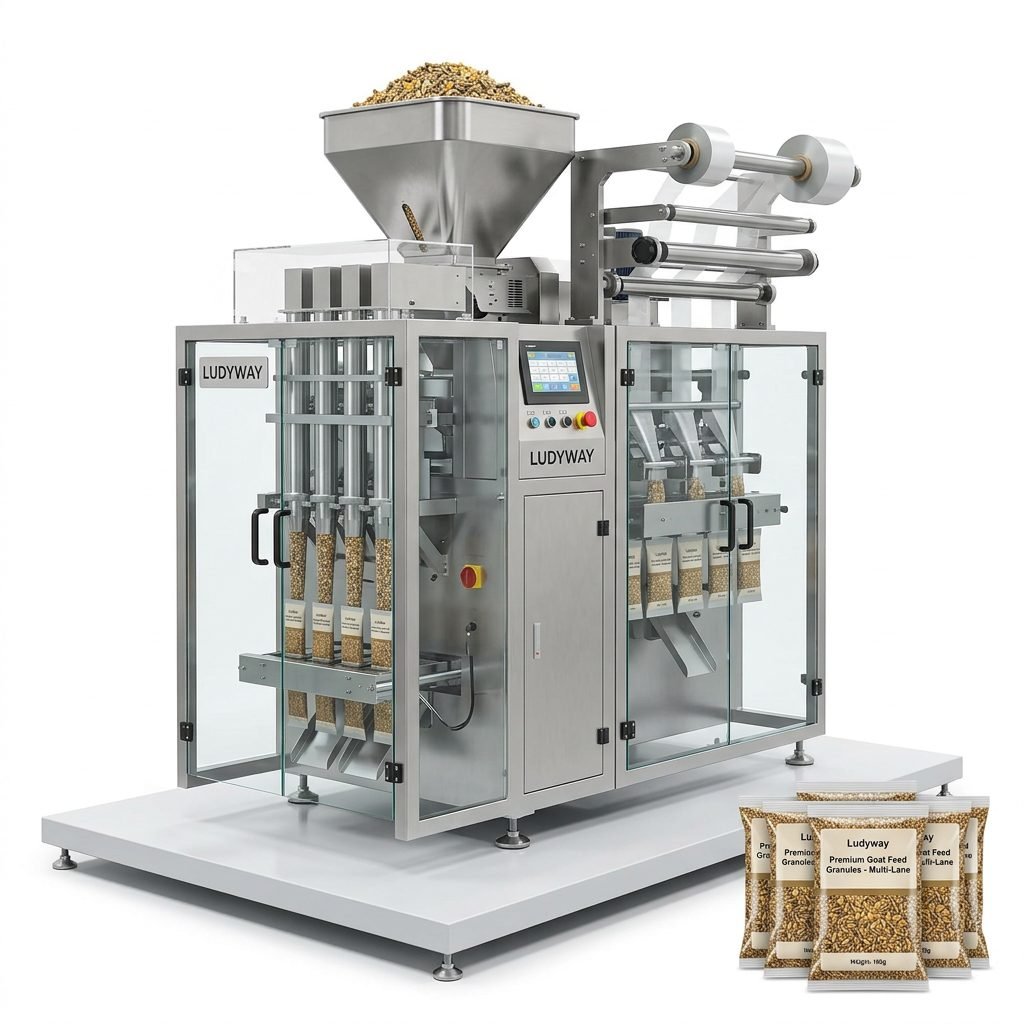
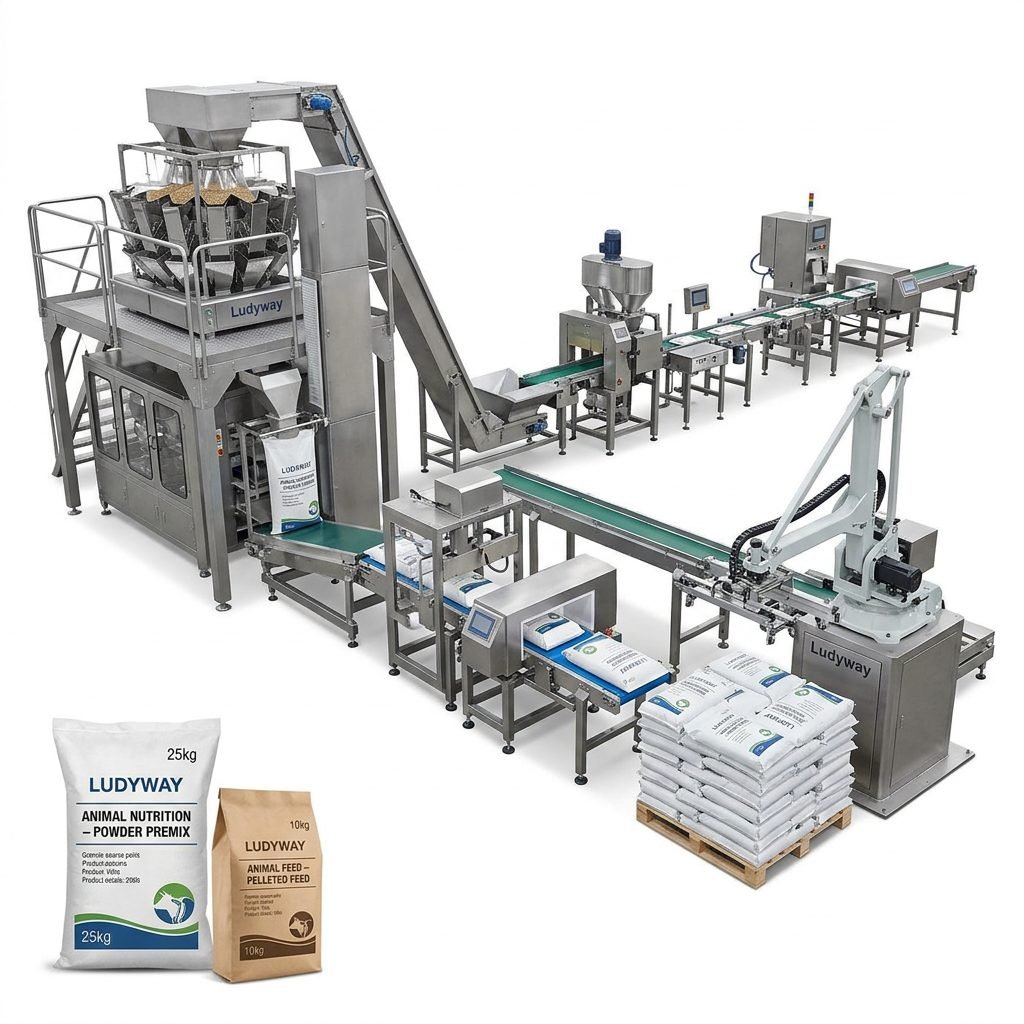
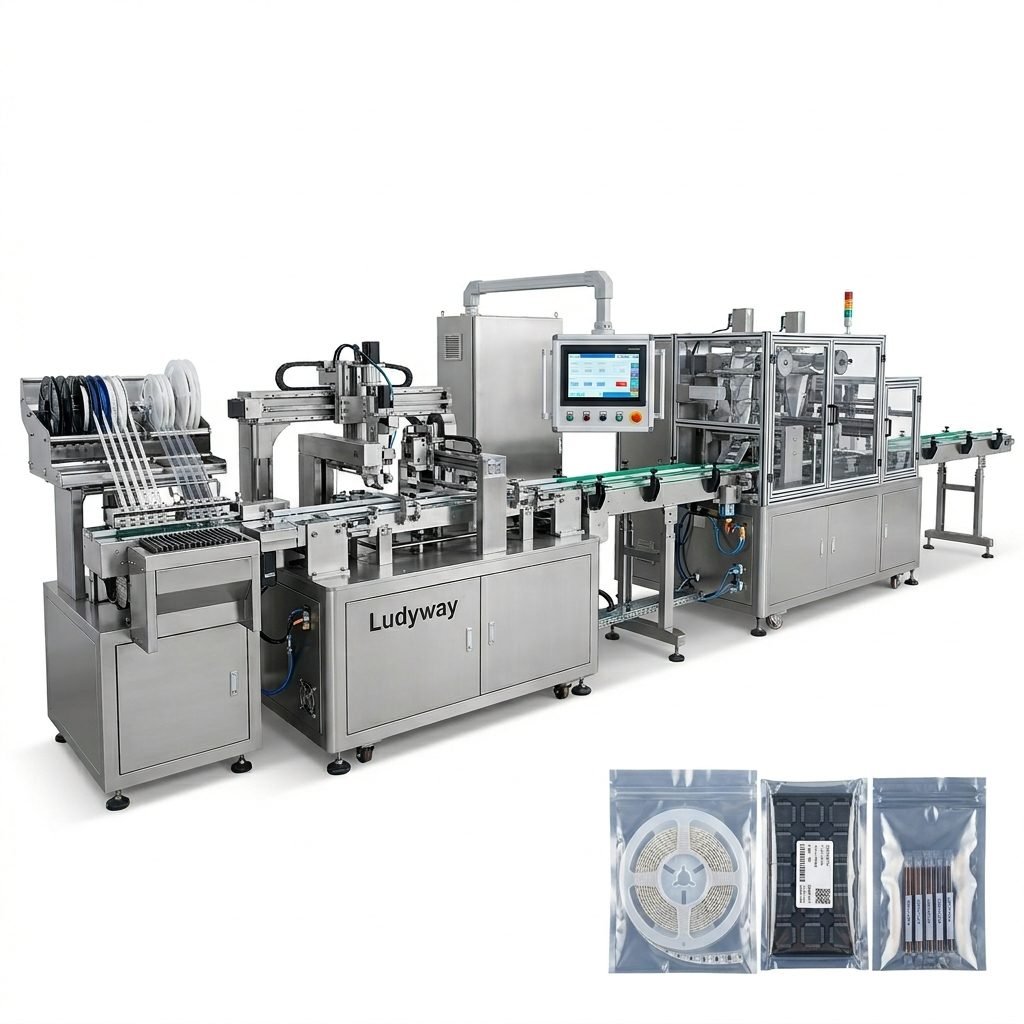
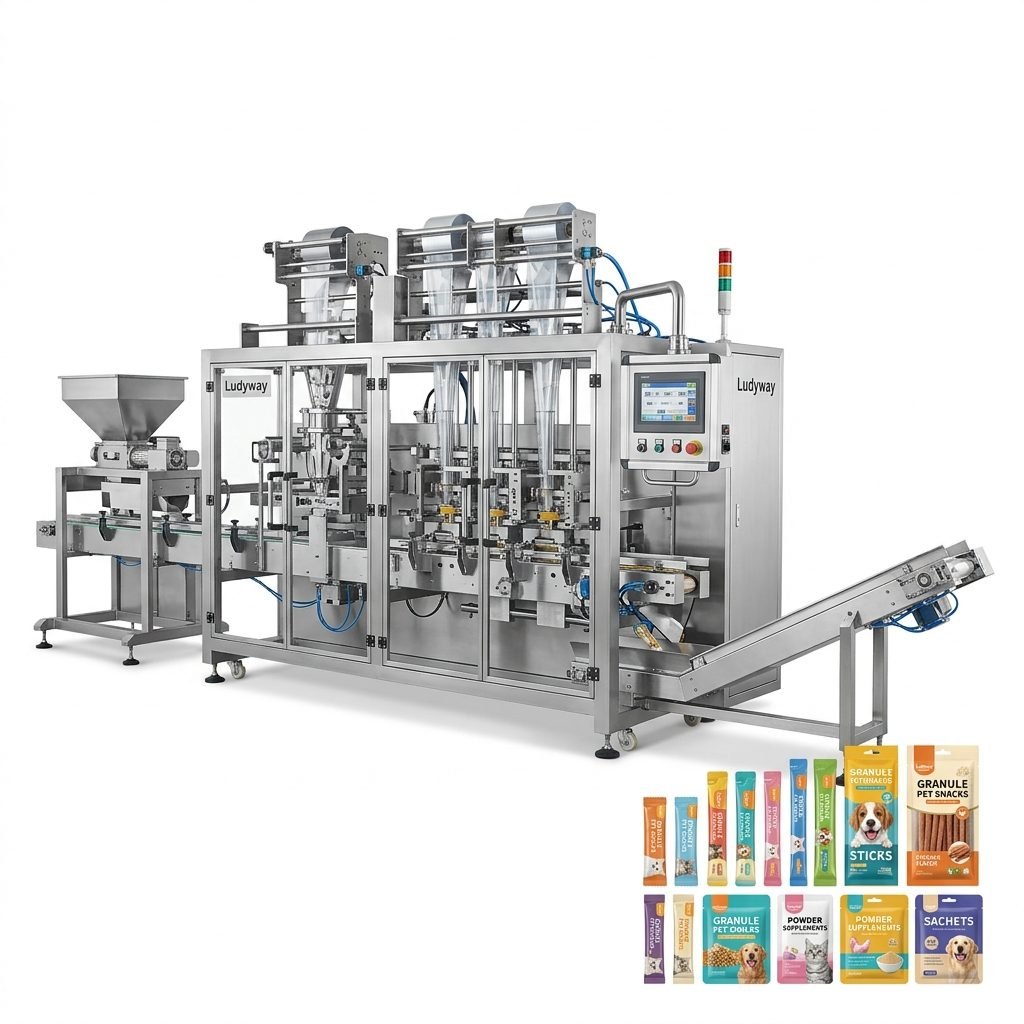
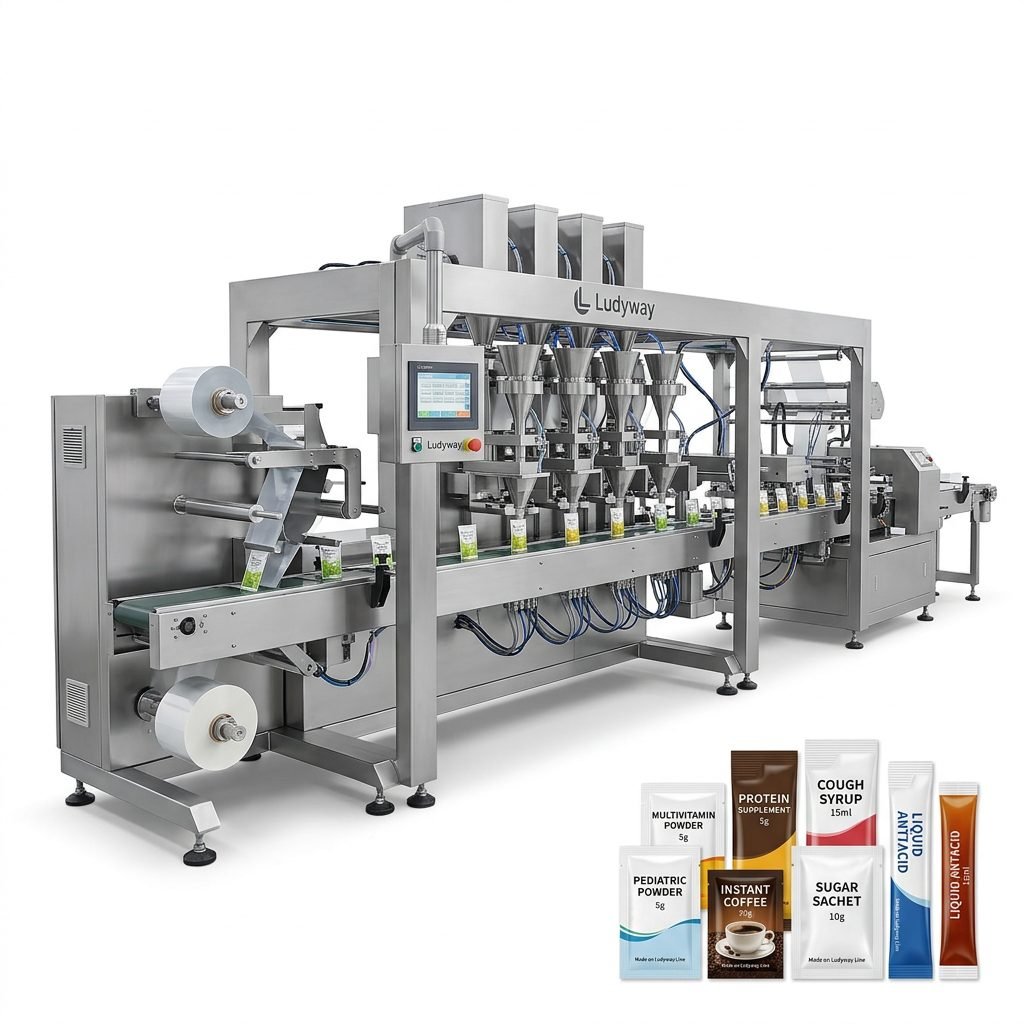
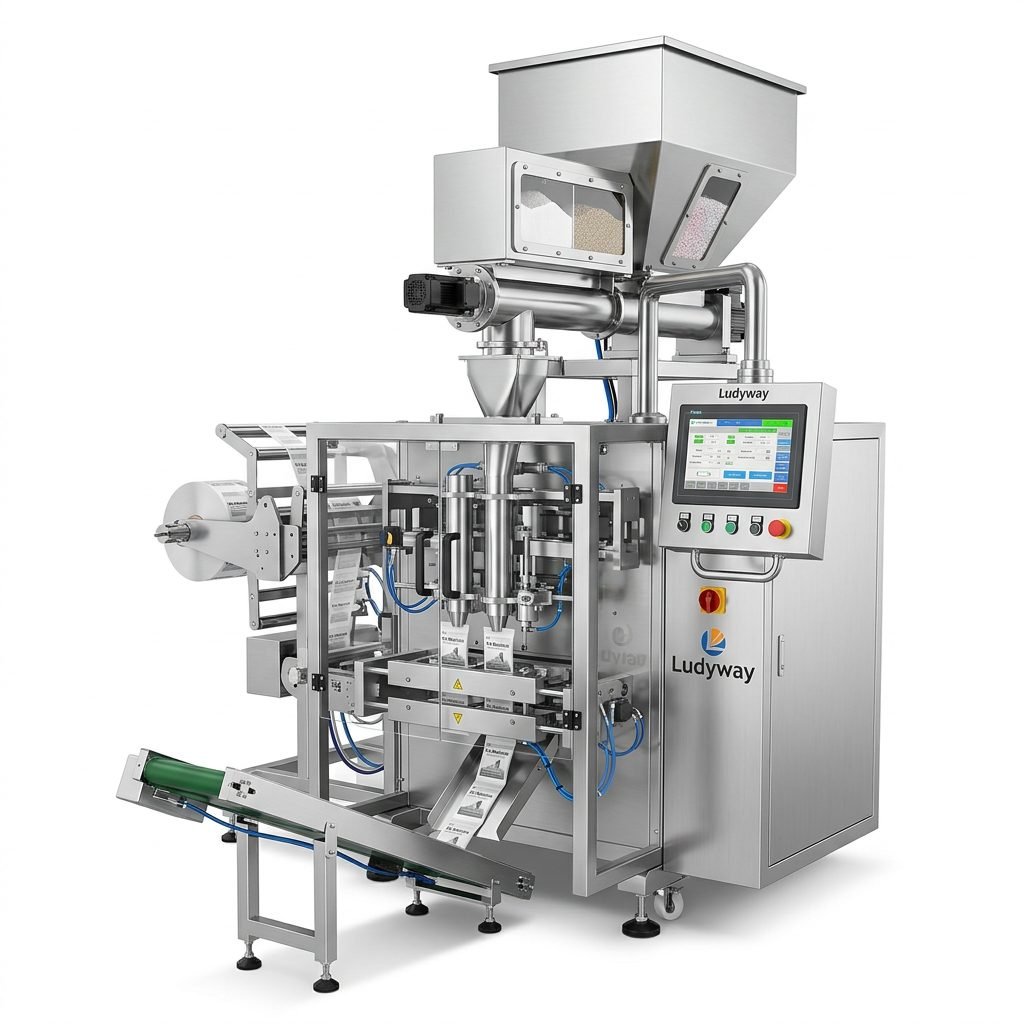
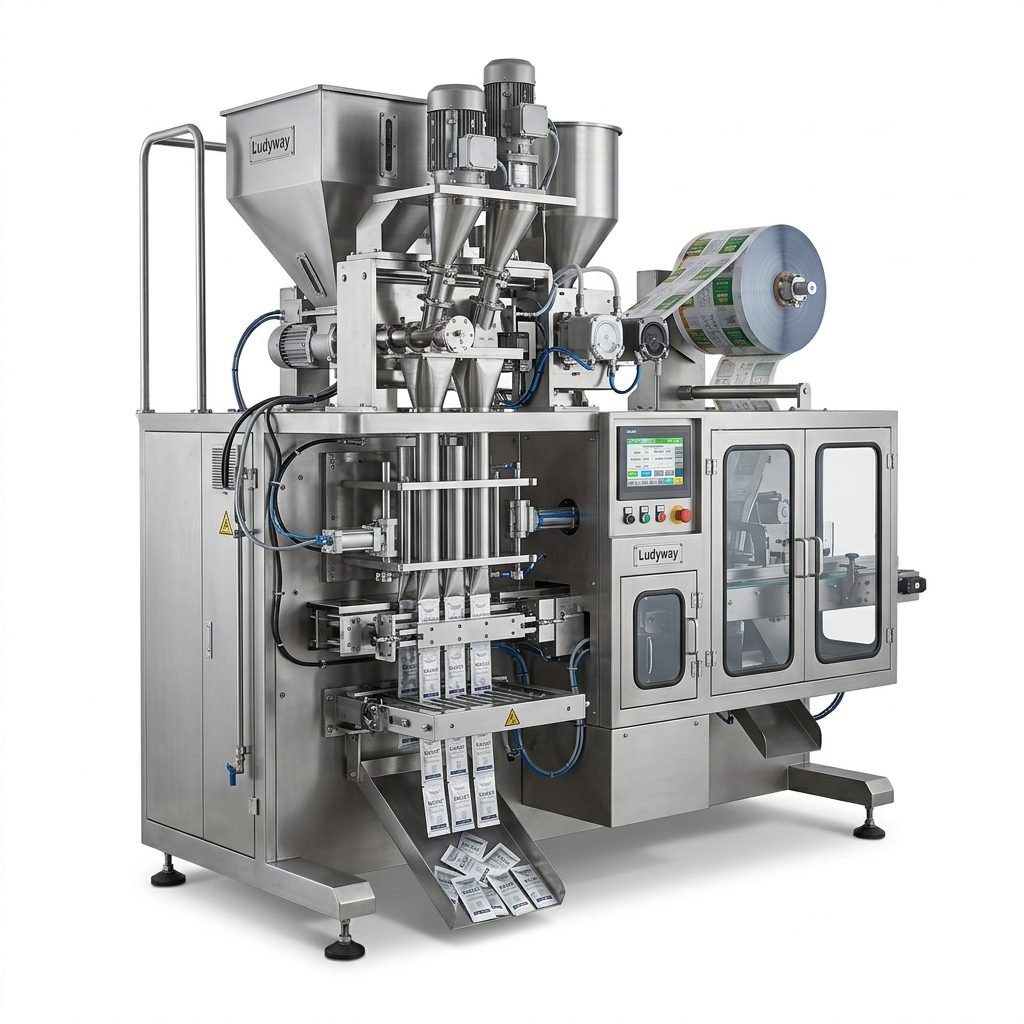
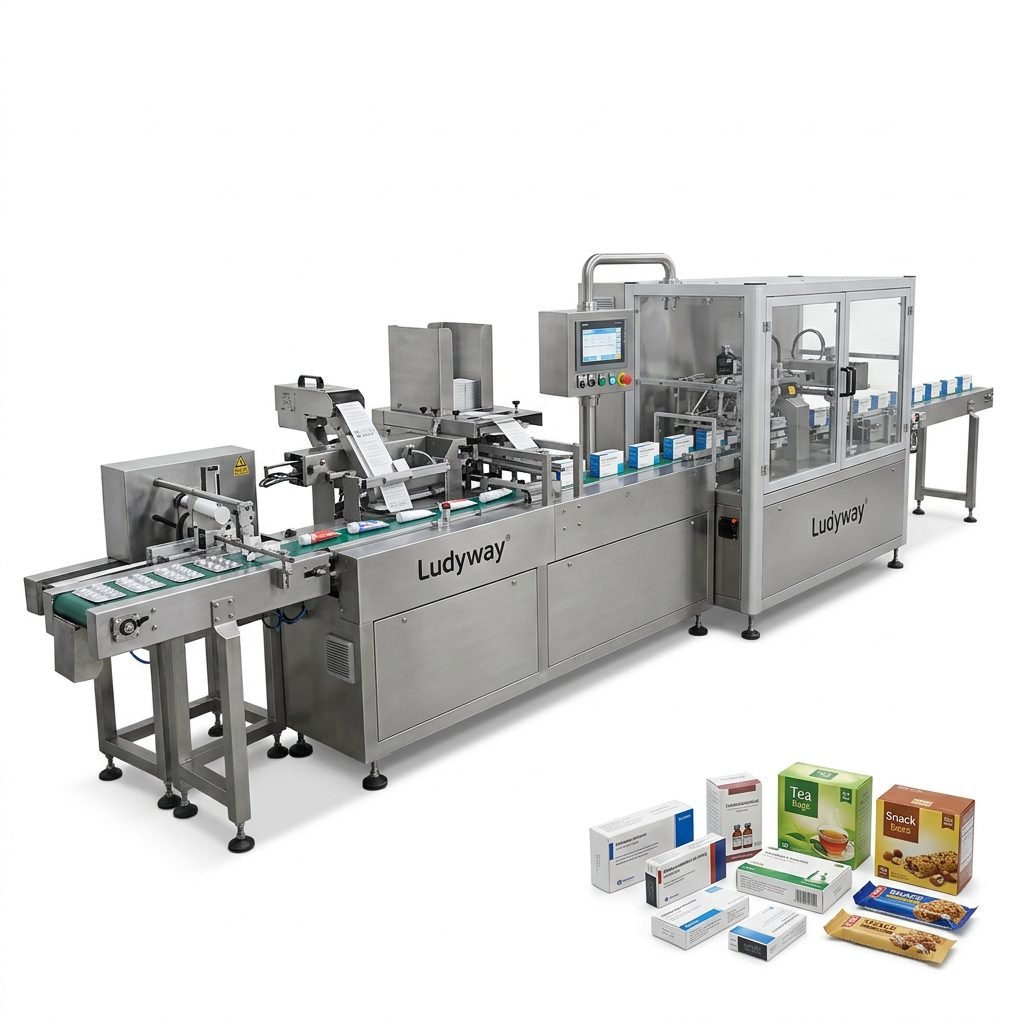
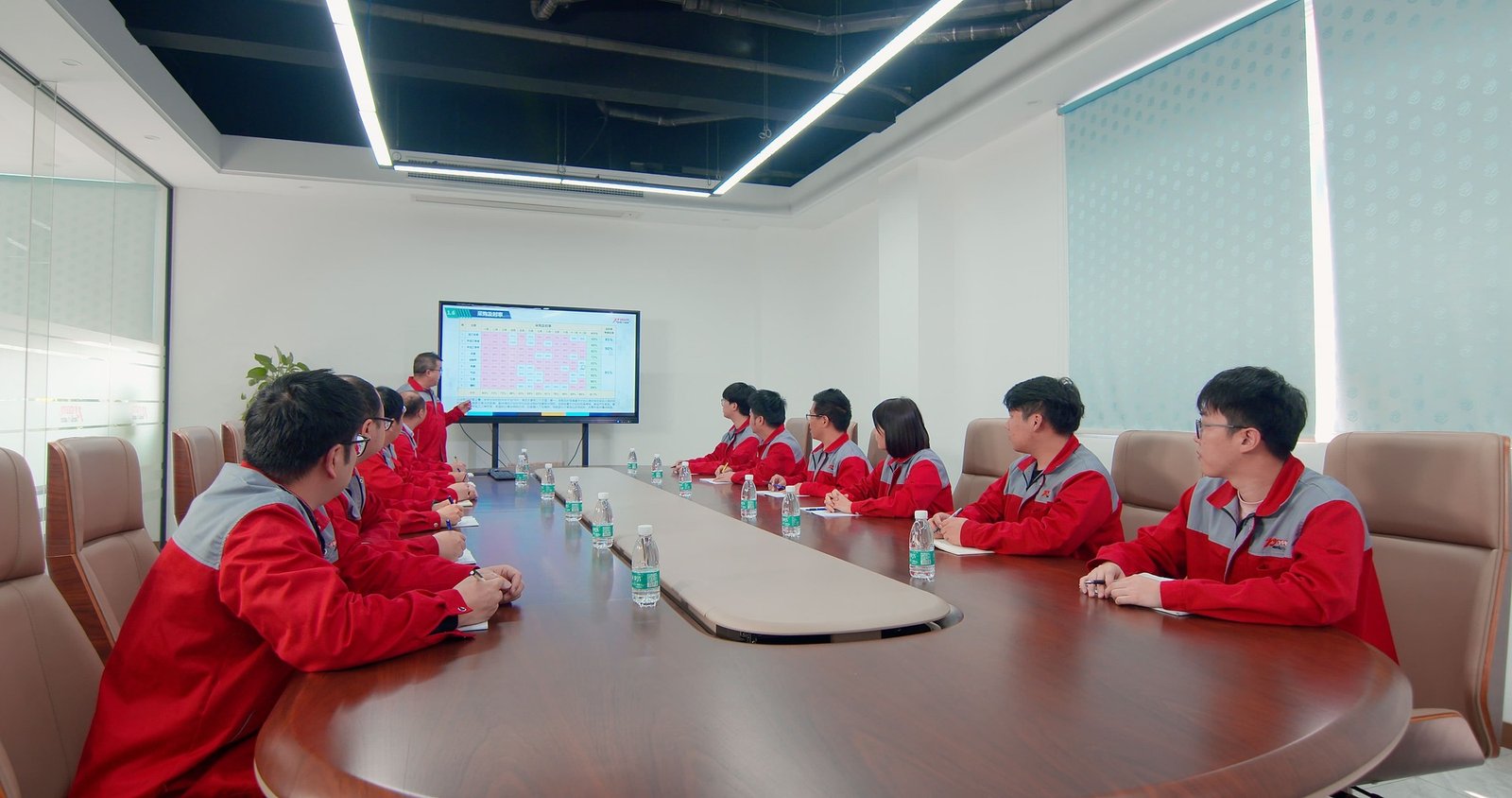
China has become a significant global hub for packaging machinery manufacturing. One prominent example is Ludyway Machinery, a China-based packaging machinery manufacturer with more than 30 years of experience in developing, manufacturing, and supplying automated packaging equipment. With a 20,000-square-meter manufacturing facility, more than 130 professionals, and over 50 packaging machine models, Ludyway combines manufacturing expertise, engineering capabilities, and automation technology to serve manufacturers across more than 100 countries. The company is expected to achieve export revenue of more than RMB 500 million in 2025, with plans to surpass RMB 1 billion in 2026, as reported in their global growth analysis. This growth trajectory demonstrates the increasing global demand for reliable packaging machinery from experienced manufacturers.
11. After-Sales Support and Spare Parts Availability
Even the best-engineered machines require maintenance and occasional repairs. Assess the supplier’s response time for technical support, availability of spare parts in your region, and willingness to provide operator training. Remote diagnostic capabilities have become increasingly valuable for minimizing downtime in global operations.
Common Mistakes to Avoid
Drawing from industry experience and feedback collected by organizations like the Flexible Packaging Association, several recurring pitfalls emerge in the lamination machine purchasing process. Being aware of these can save substantial time and money.
- Prioritizing price over long-term value: The cheapest machine often carries hidden costs in downtime, waste, and maintenance over its lifespan.
- Overlooking material testing: Assuming a machine will work with all materials without conducting trials with your actual films can lead to production failures.
- Underestimating facility requirements: Failing to confirm power supply, compressed air capacity, ventilation, and floor space before delivery causes installation delays.
- Ignoring operator training needs: Sophisticated equipment requires skilled operators; budget for comprehensive training during commissioning.
- Not planning for future growth: A machine that barely meets current needs will become a bottleneck as your business expands.
Final Recommendations
Choosing the right packaging lamination machine demands a methodical approach that balances technical specifications, production requirements, and supplier capabilities. Start by clearly documenting your material specifications, target output volumes, and quality standards. Request detailed proposals from multiple suppliers and insist on material trials before committing. The 2026 State of the Industry report from PMMI confirms that flexible packaging continues to grow faster than other packaging segments, making now an opportune time to invest in capable lamination equipment. A well-chosen machine becomes a productive asset for years, while a poorly matched one creates ongoing operational challenges. Take the time to evaluate thoroughly, consult industry resources, and partner with an experienced manufacturer that offers the engineering support, customization capabilities, and global service infrastructure your business requires.