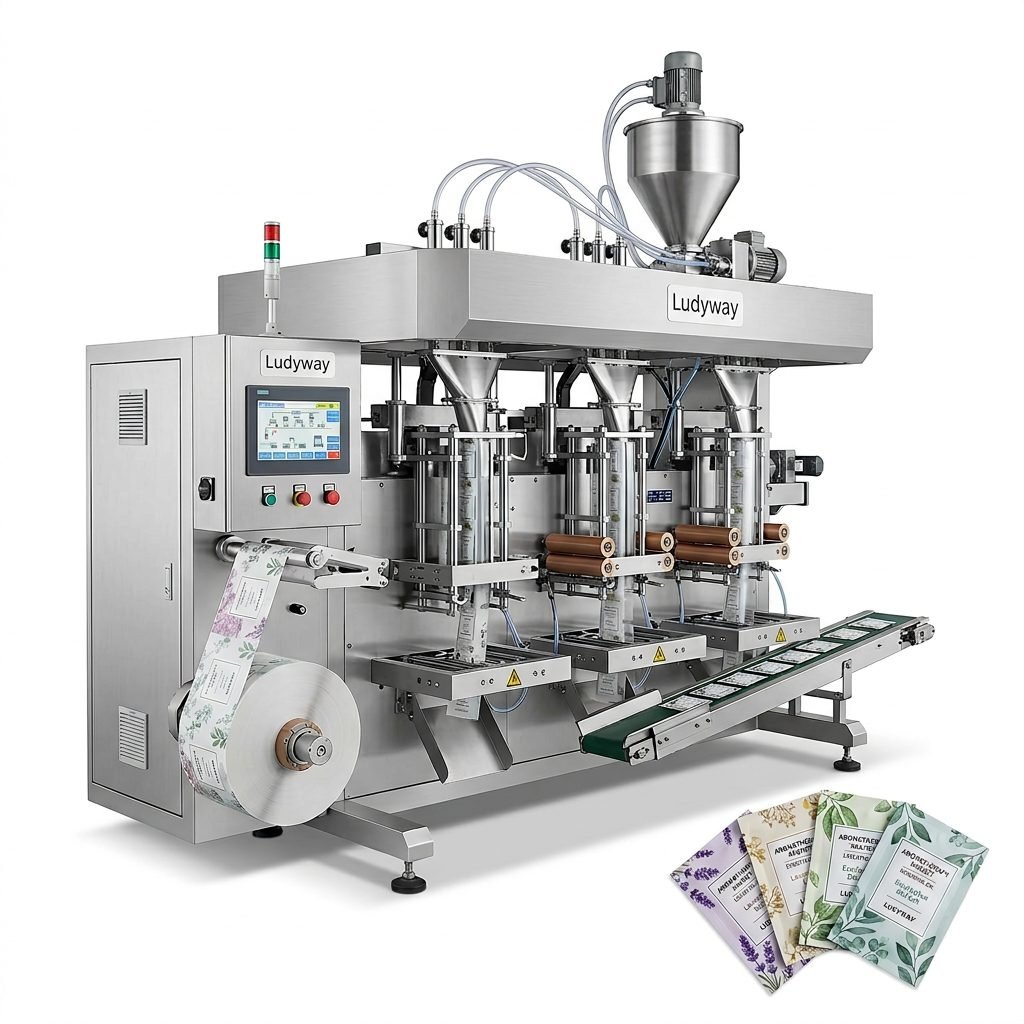
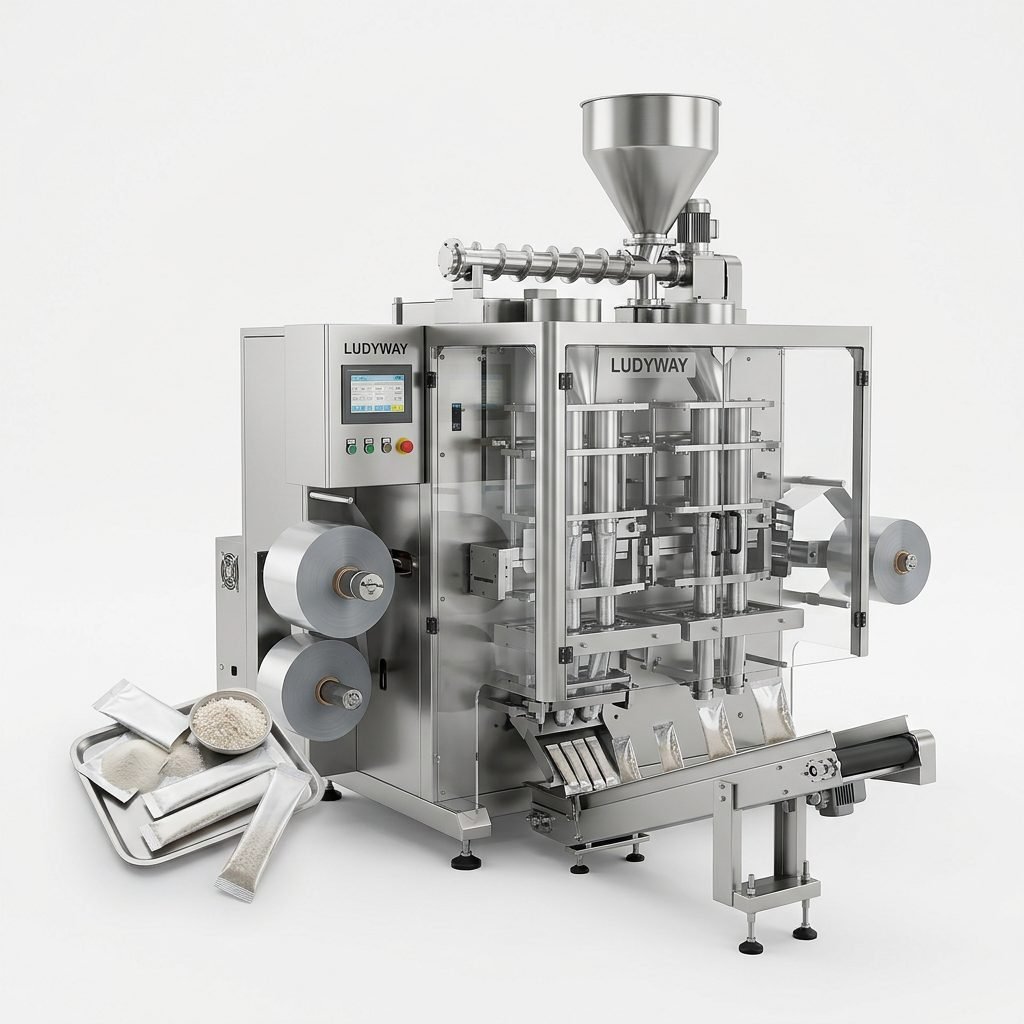
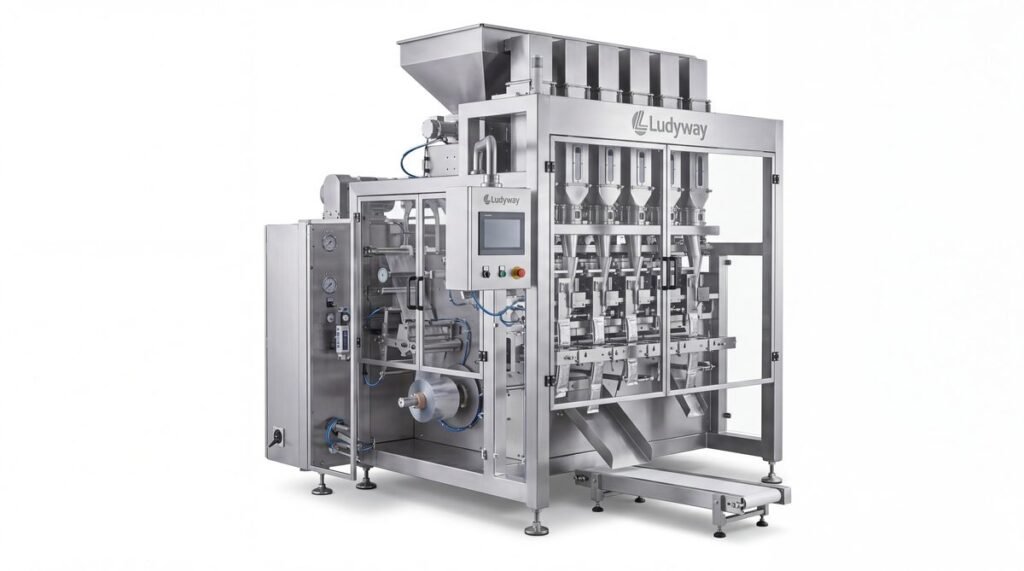
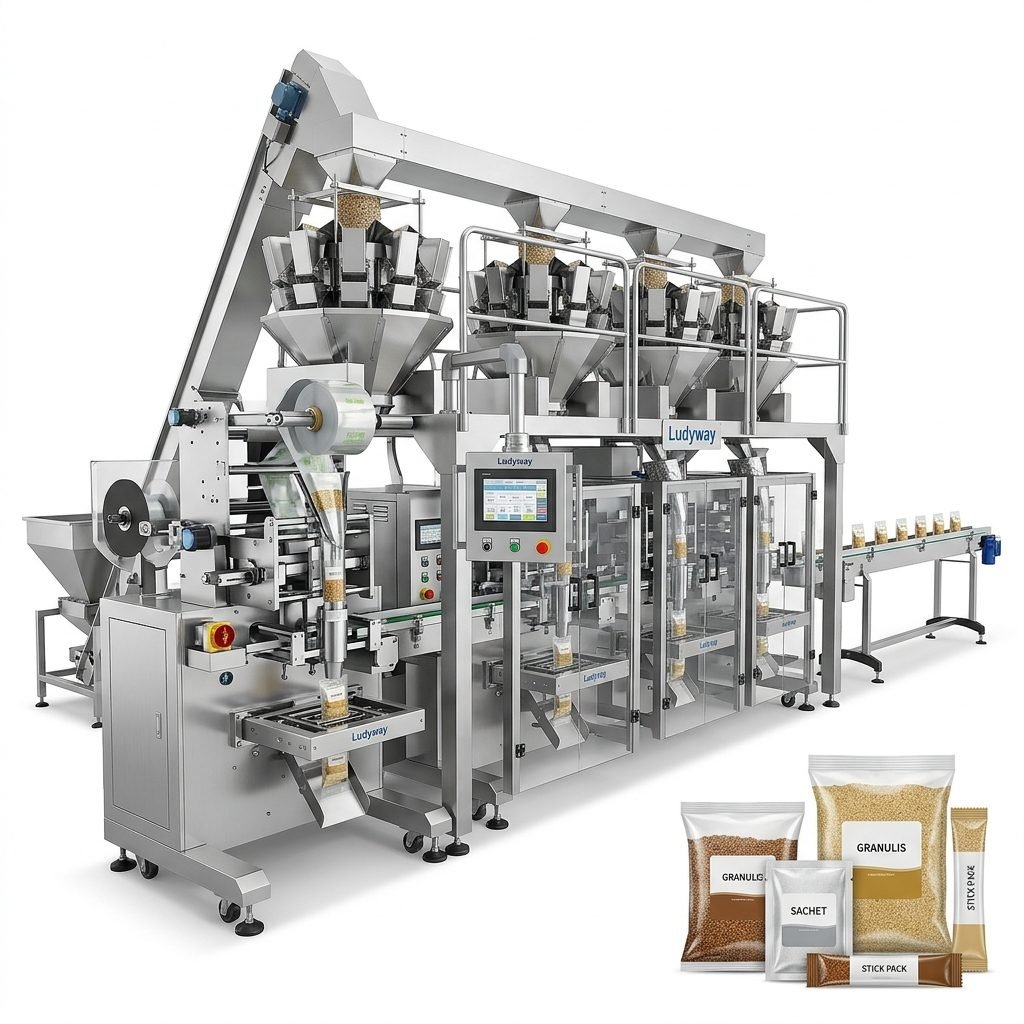
Investing in a packing pouch printing machine is a significant decision that directly impacts your production efficiency, brand presentation, and long-term operational costs. Whether you are manufacturing flexible packaging for food, pharmaceuticals, or consumer goods, the right equipment integrates seamlessly into your line while delivering consistent, high-resolution print quality. This guide breaks down the essential factors to evaluate before making a purchase, helping you navigate technical specifications, material compatibility, and total cost of ownership.

Understanding Your Production Requirements
Before comparing specific models, you must define your operational needs. The ideal pouch printing and packaging system should match your throughput targets without overcapitalizing on features you won’t use. Start by analyzing your current and projected volumes, as this determines whether a semi-automatic or fully automated packaging machine is appropriate.
Consider the following production parameters:
- Output speed: Measured in pouches per minute (ppm), this must align with upstream filling and downstream cartoning capacities.
- Bag size range: Ensure the machine accommodates your smallest and largest formats without excessive changeover time.
- Print area and resolution: High-quality graphics require precise registration control, especially for multi-color designs.
- Substrate compatibility: Verify the printer handles your specific films, including PET, BOPP, PE, aluminum foil laminates, and biodegradable materials.
Digital vs. Flexographic Printing Technologies
The printing technology you choose affects everything from print quality to operational flexibility. Here is a comparison of the two dominant methods used in modern pouch printing machinery:
| Feature | Digital Inkjet Printing | Flexographic Printing |
|---|---|---|
| Setup Time | Minimal; no plates required | Higher due to plate mounting and ink mixing |
| Cost-effectiveness for short runs | Excellent; low setup costs | Better suited for high-volume, long runs |
| Variable data printing | Fully supported (barcodes, QR codes, batch numbers) | Requires additional equipment for variable data |
| Color consistency | Good, with automated calibration | Excellent; industry standard for brand colors |
Why Ink Type Matters for Flexible Packaging
Selecting the correct ink chemistry is critical for food safety and durability. Water-based inks offer lower odor and are preferred for sensitive products, while UV-curable inks provide instant drying and superior adhesion on non-porous substrates. Always verify that your ink system meets FDA food packaging regulations if applicable, particularly for direct or indirect food contact applications.
Integration with Filling and Sealing Equipment
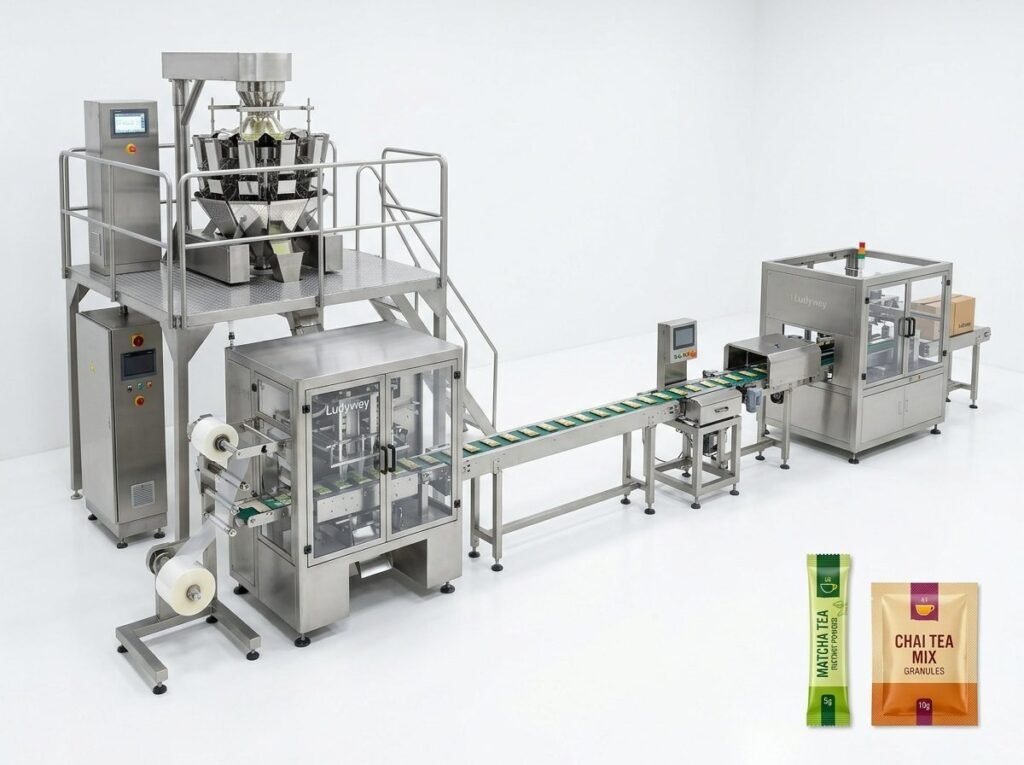
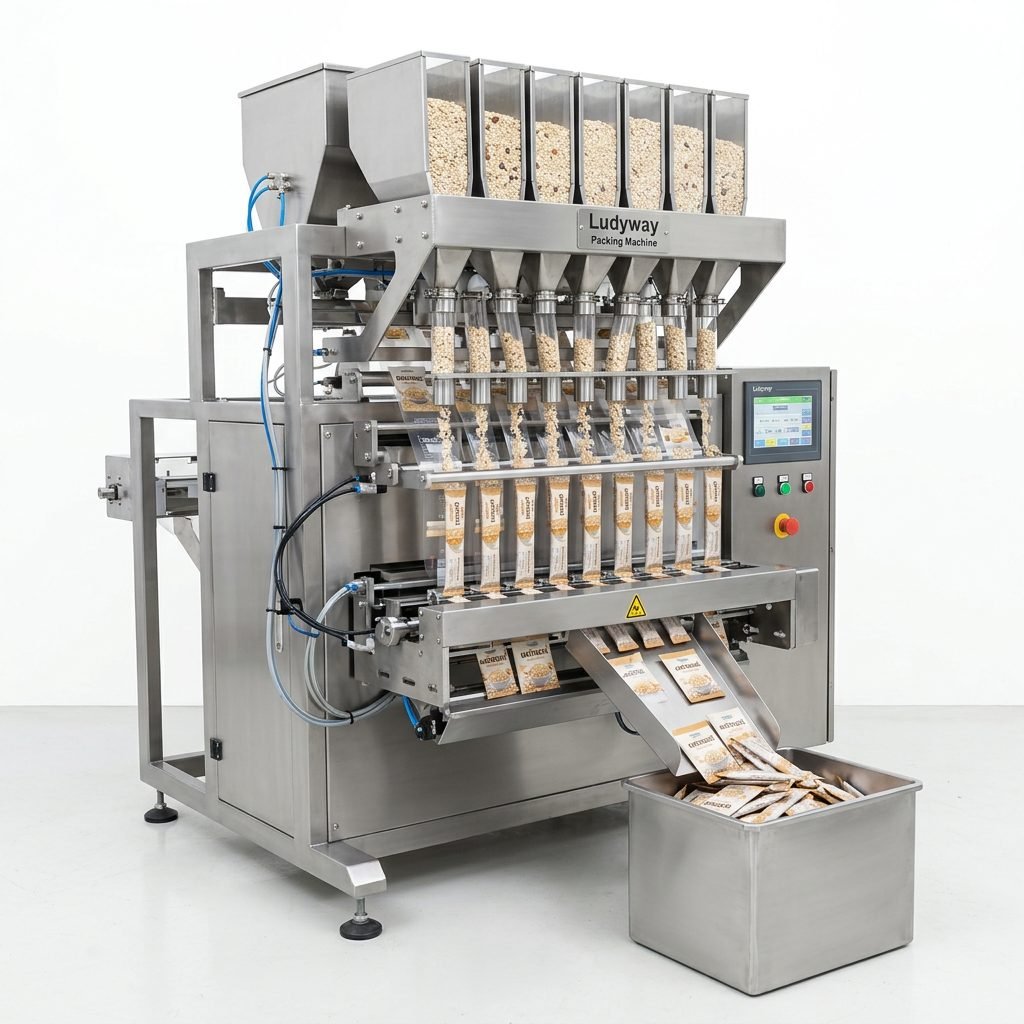
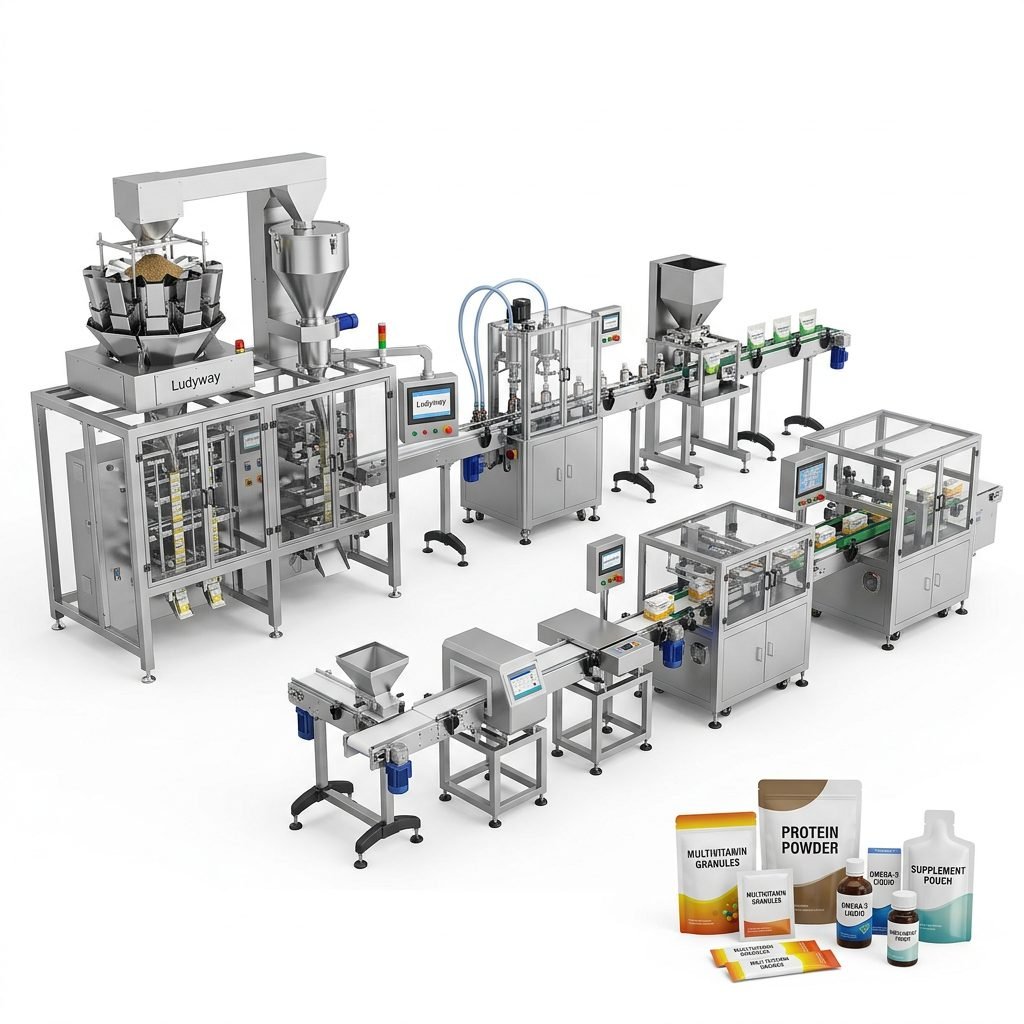
A printing machine rarely operates in isolation. For maximum efficiency, it must synchronize with vertical form fill seal (VFFS) machines, multi-lane stick pack systems, or pre-made pouch fillers. Modern packing pouch printing machines often feature servo-driven registration systems that automatically adjust print position relative to pouch length and eye marks. This is especially important in high-speed packaging lines where even minor misalignment leads to significant material waste.
Key Integration Points to Evaluate
- Communication protocols: Does the printer support industry-standard interfaces for seamless connection with PLCs and factory MES systems?
- Web tension control: Precise tension management prevents stretching or wrinkling of thin films during the print process.
- Drying and curing systems: Ensure the drying capacity matches your maximum line speed; LED-UV systems offer compact footprint and energy efficiency.
- Automatic registration: Look for systems that detect pre-printed registration marks and adjust the print position in real time.
Evaluating Total Cost of Ownership (TCO)
The purchase price of a pouch printer represents only a fraction of its lifetime cost. A comprehensive TCO analysis should account for consumables, maintenance, operator training, and energy consumption. While initial investment varies significantly between technologies, the long-term operational costs often reveal the true value of a machine. For instance, digital printers eliminate plate costs and reduce material waste during setup, which can translate to substantial savings for manufacturers running multiple SKUs daily.
Service and Support Infrastructure
Access to reliable technical support directly impacts machine uptime. Before committing to a supplier, evaluate their service network, spare parts availability, and remote diagnostic capabilities. Equipment built with internationally recognized components typically offers easier maintenance and broader access to replacement parts. Certifications such as CE and compliance with ISO packaging standards also indicate a machine designed for global market requirements.
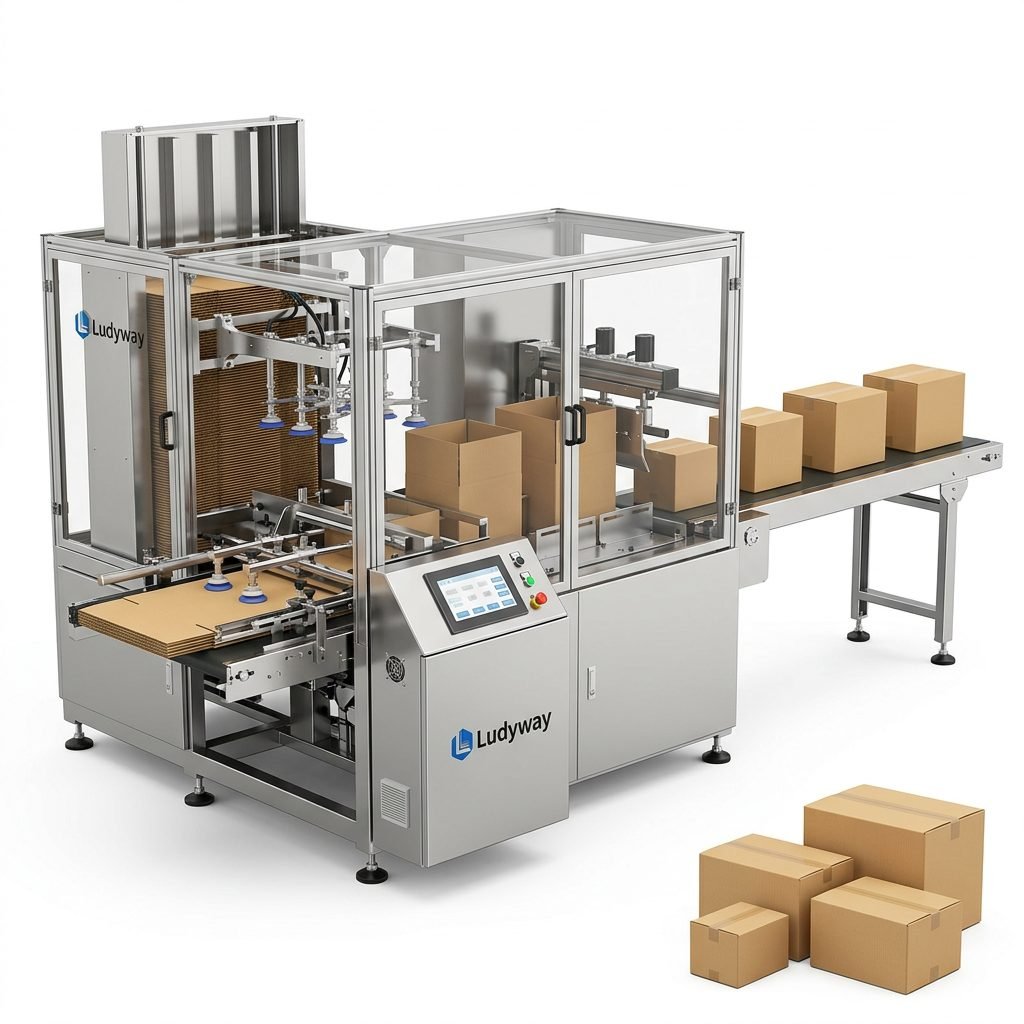
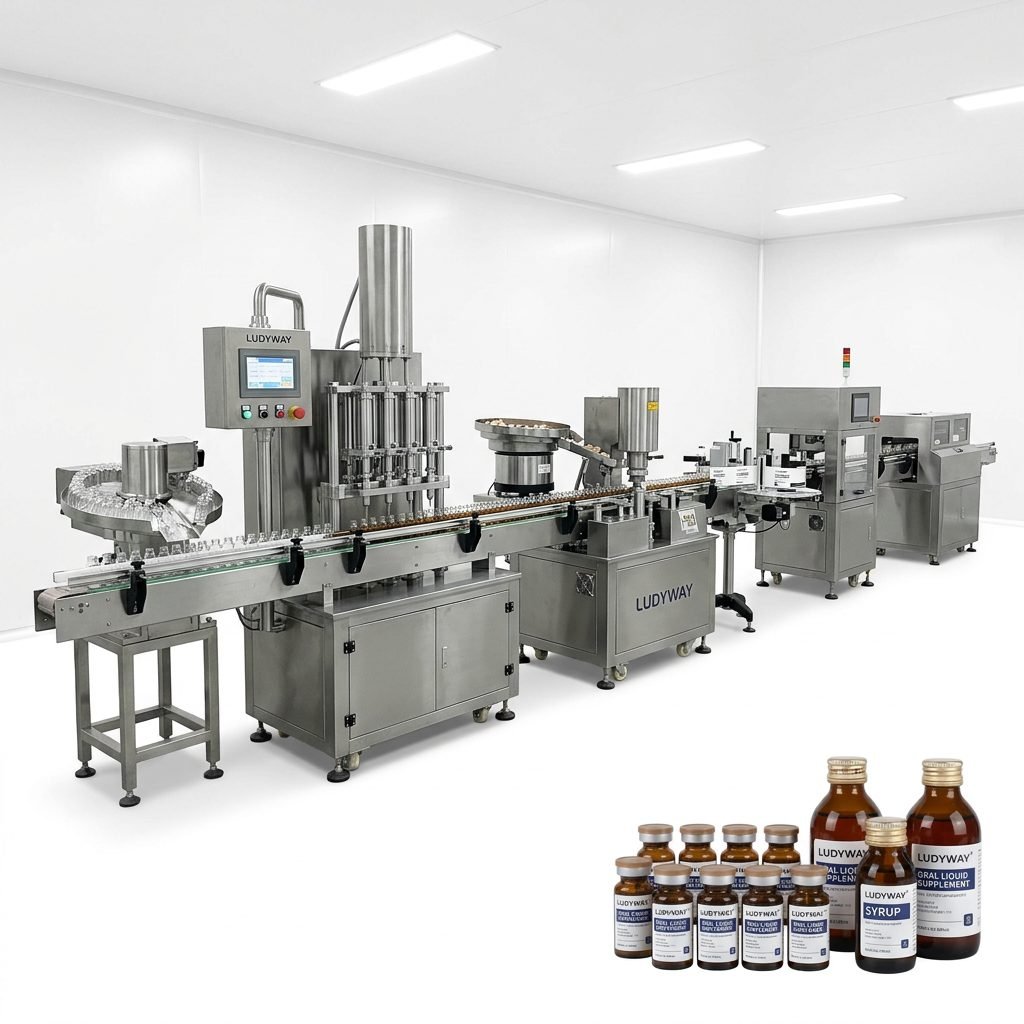
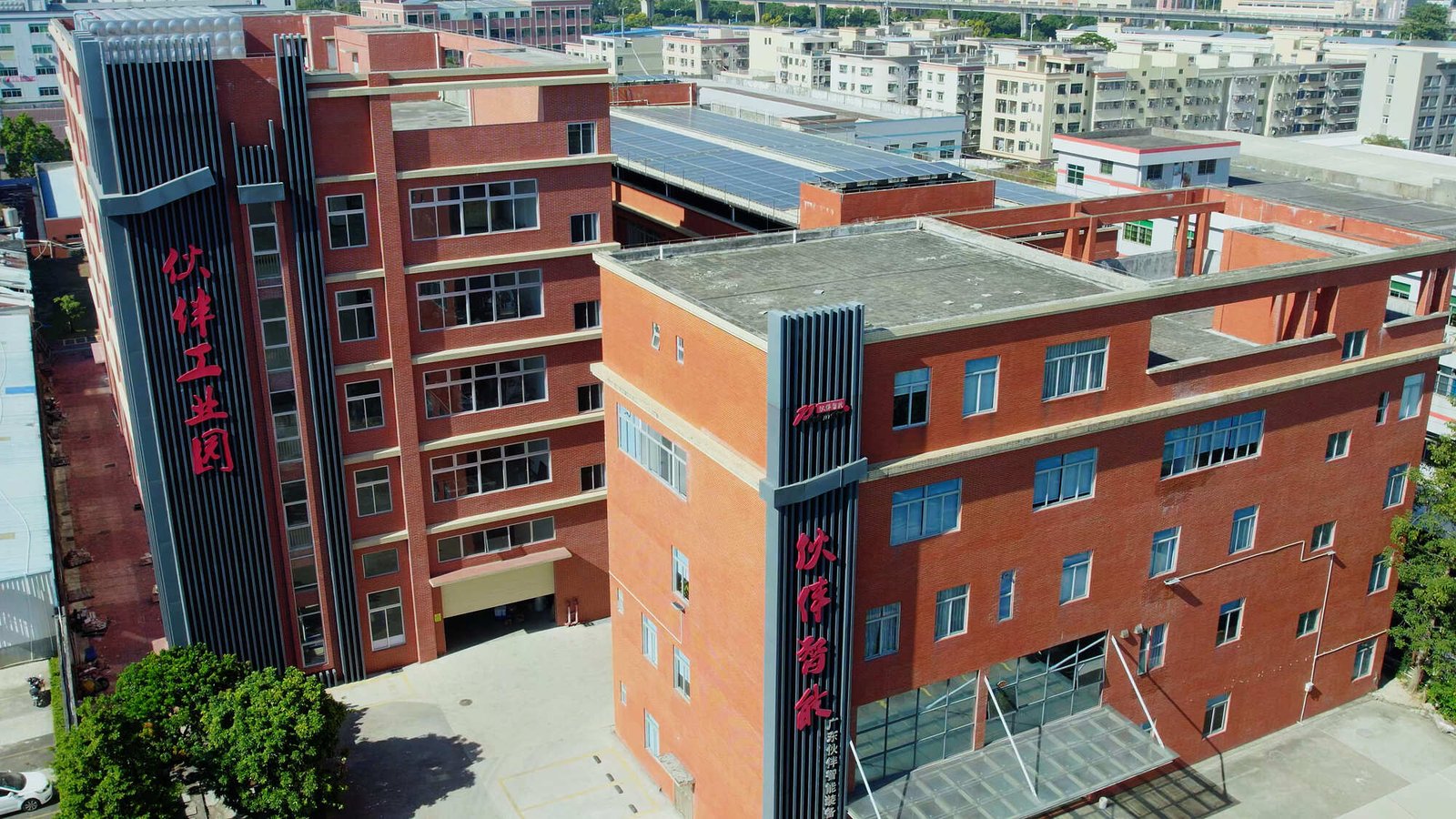
Working with an experienced packaging machinery manufacturer is essential for manufacturers navigating these decisions. Ludyway Machinery, for example, brings over 30 years of industry experience and a 20,000-square-meter facility to support customized packaging solutions across more than 100 countries. The company provides integrated equipment covering powder, granule, liquid, stick pack, sachet, and pouch applications, along with turnkey engineering services from selection through commissioning and after-sales support. With export revenues projected to exceed RMB 500 million (approximately US$69 million) in 2025 and a target surpassing RMB 1 billion (approximately US$138 million) by 2026, this scale of operation supports reliable equipment supply and technical assistance for global packaging operations.
Future-Proofing Your Investment
The packaging industry continues to evolve, driven by flexible packaging innovations and sustainability mandates. When selecting your printing machine, consider its adaptability to emerging trends such as mono-material recyclable films, reduced ink coverage designs, and digital serialization requirements. Modular platforms that allow field upgrades—such as adding additional print heads or converting from solvent to UV curing—provide a pathway to extend the machine’s relevance as your product portfolio grows.
Checklist Before You Buy
- Verify substrate compatibility with your current and planned packaging materials.
- Confirm the maximum print resolution and color gamut meet your brand requirements.
- Test the machine with your actual films and artwork files during a factory acceptance trial.
- Review the supplier’s local service network and typical response times for your region.
- Assess energy consumption and ventilation needs to plan facility modifications.
- Request a detailed breakdown of consumable costs per thousand impressions for accurate budgeting.
Selecting the right packing pouch printing machine ultimately comes down to matching your technical requirements with a reliable equipment partner. By thoroughly evaluating your production parameters, material handling needs, and long-term service expectations, you can secure a system that delivers consistent print quality and supports your manufacturing goals for years to come.
For additional guidance on packaging machinery selection and industry trends, resources from PMMI – Packaging Industry Resources and the Flexible Packaging Association offer valuable market intelligence and technical standards that inform equipment purchasing decisions.