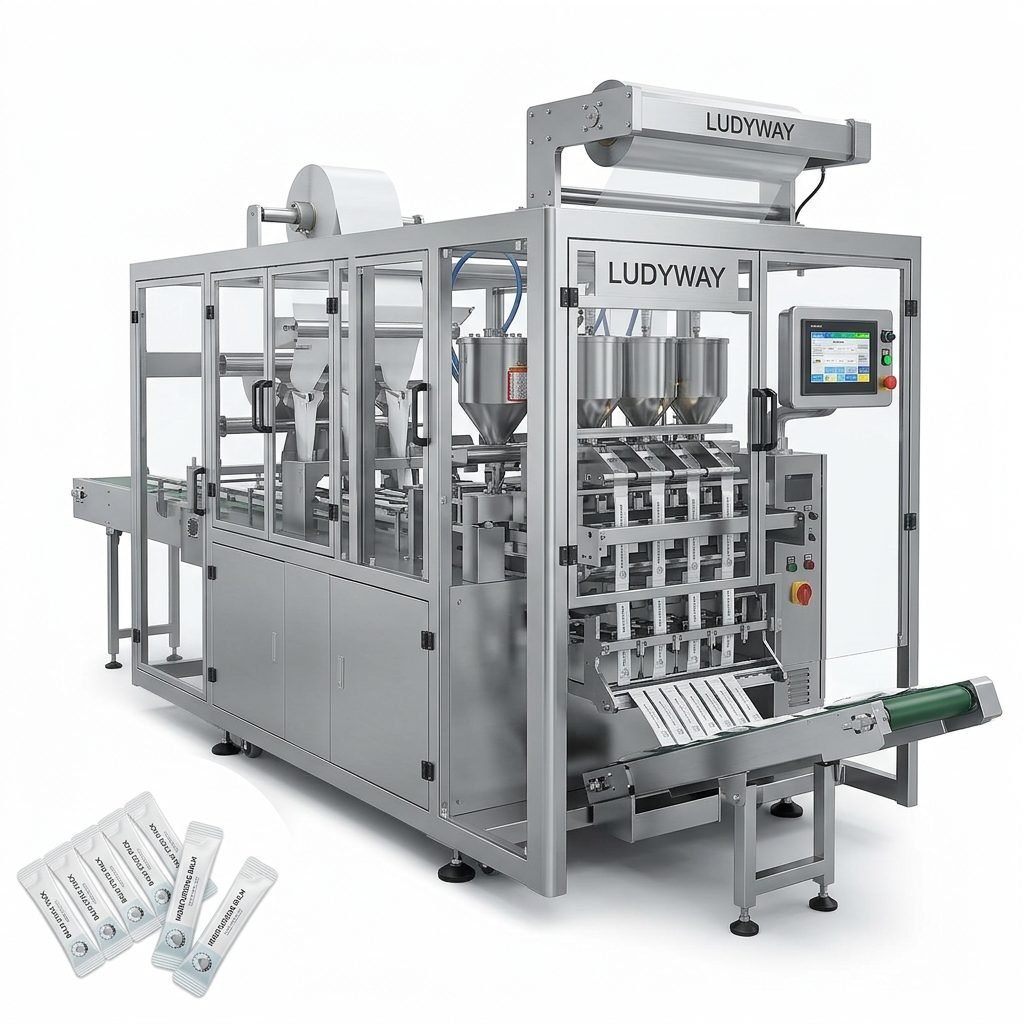
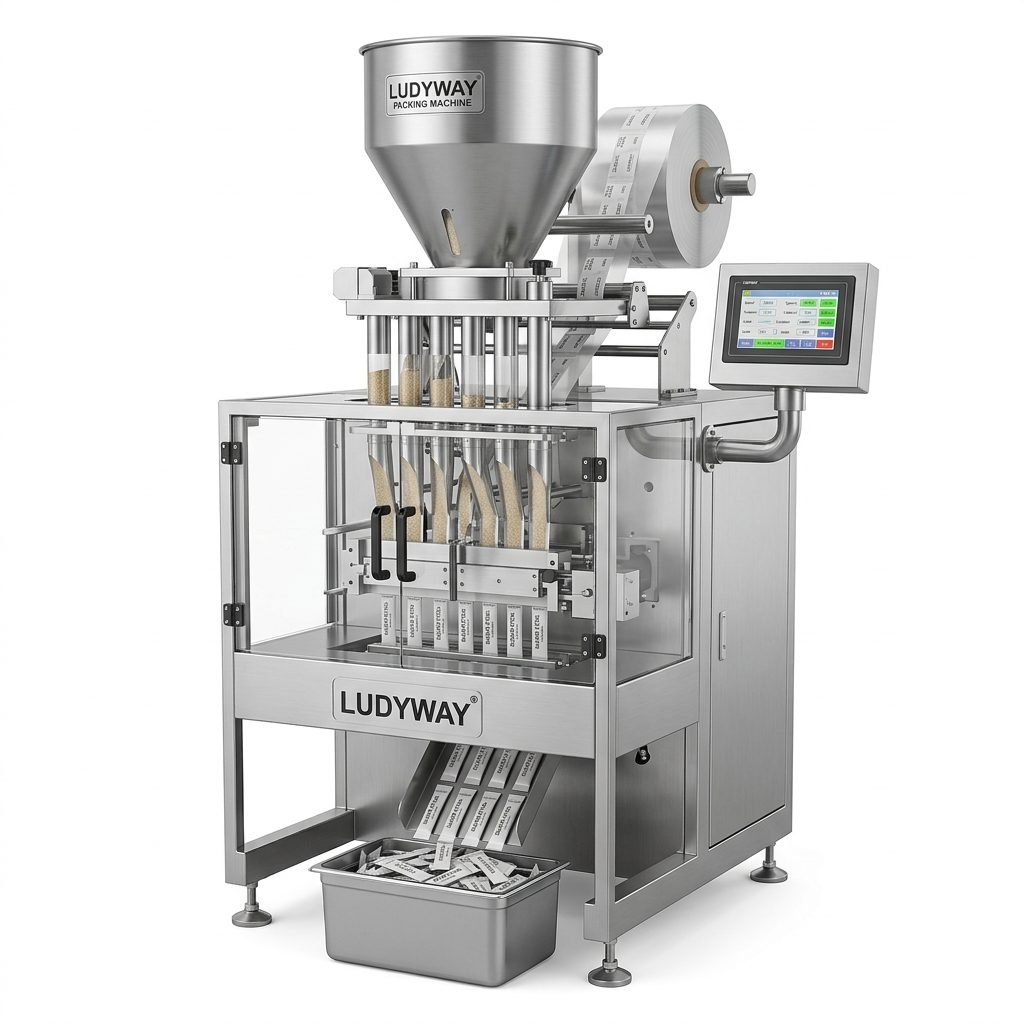
Investing in a paneer vacuum packing machine is a critical decision for dairy processors aiming to extend shelf life, maintain product integrity, and expand market reach. Paneer, being a high-moisture and soft dairy product, presents unique challenges that require specialized packaging machinery to prevent crumbling and spoilage. This guide walks you through the essential factors to consider before making your purchase.
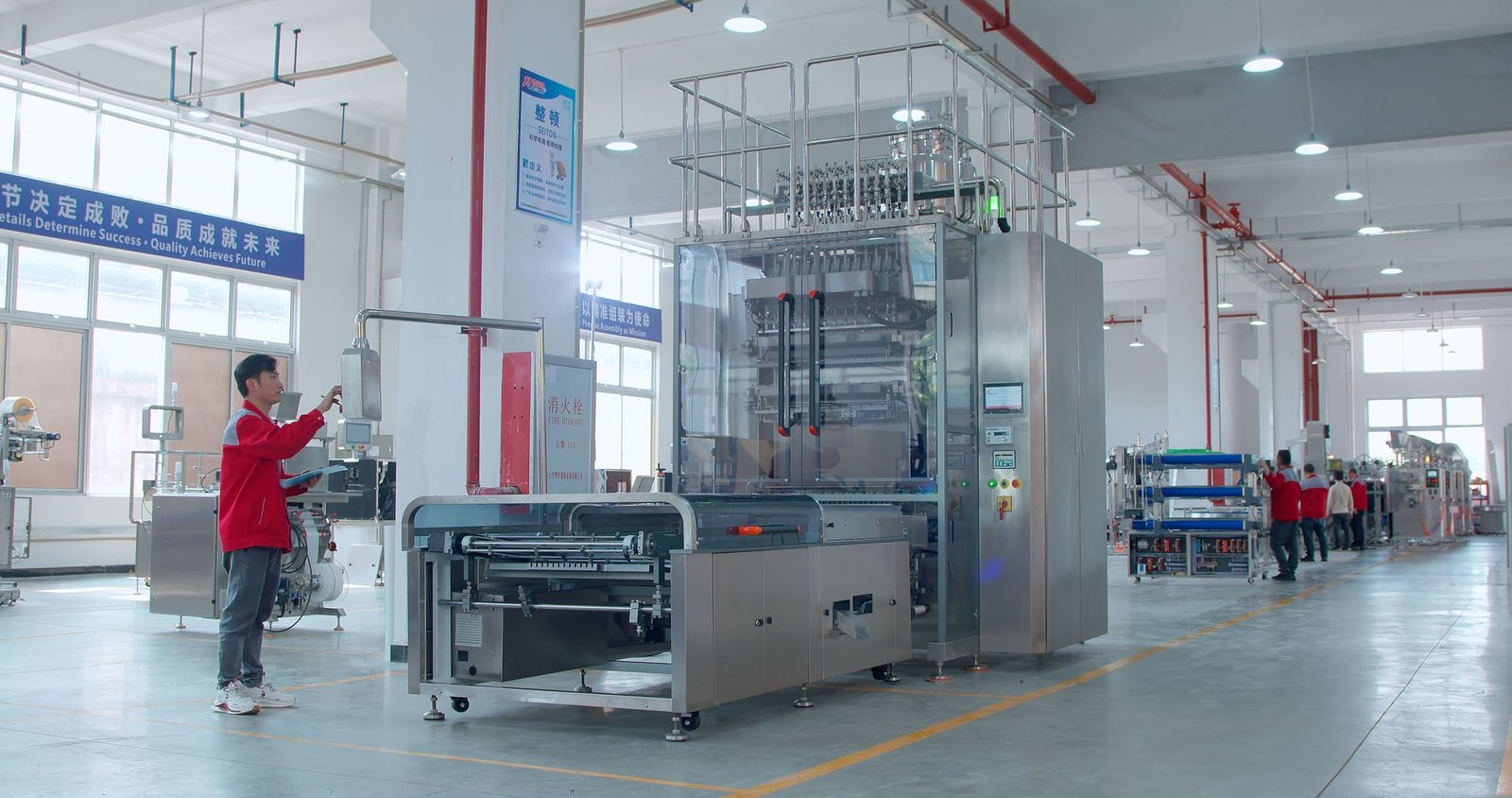
Understanding the Specifics of Paneer Packaging
Unlike hard cheeses or dry powders, paneer requires gentle handling and precise vacuum control. The wrong machine can crush the product or fail to remove enough oxygen, leading to rapid spoilage. You need a system that balances extraction force with product care. Modern packaging industry standards emphasize the importance of modified atmosphere packaging (MAP) often integrated with vacuum sealers for dairy products to maximize freshness.
Key Machine Configurations for Dairy Products
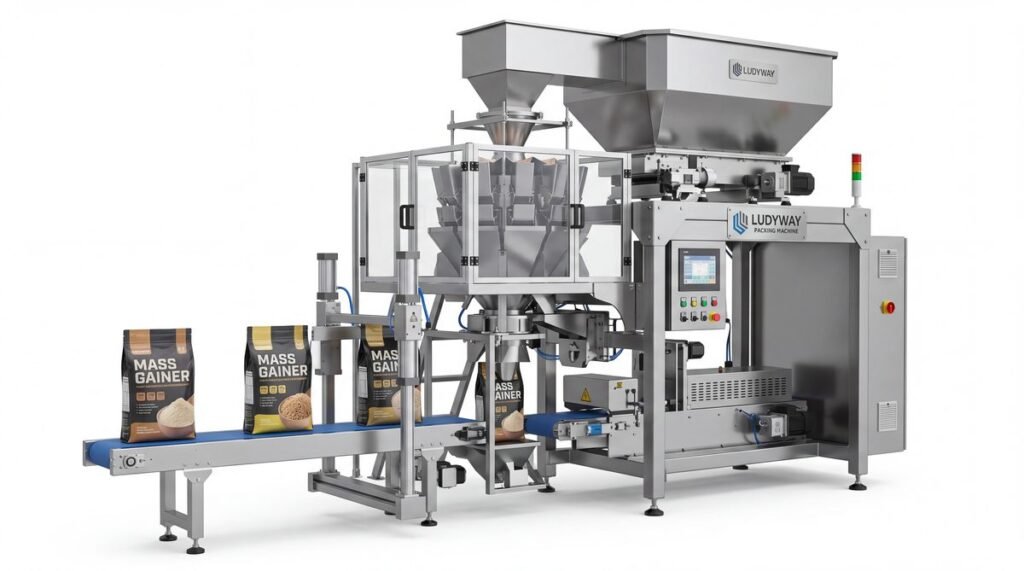
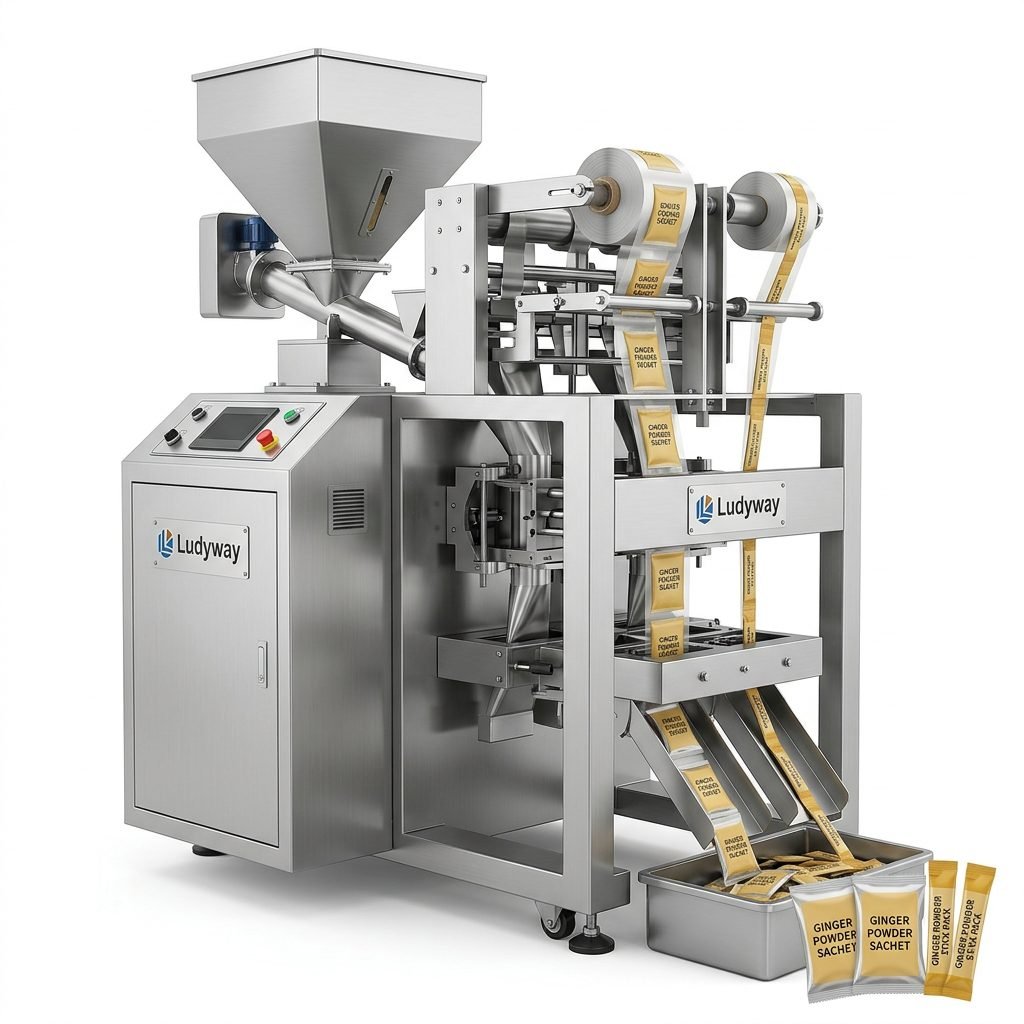
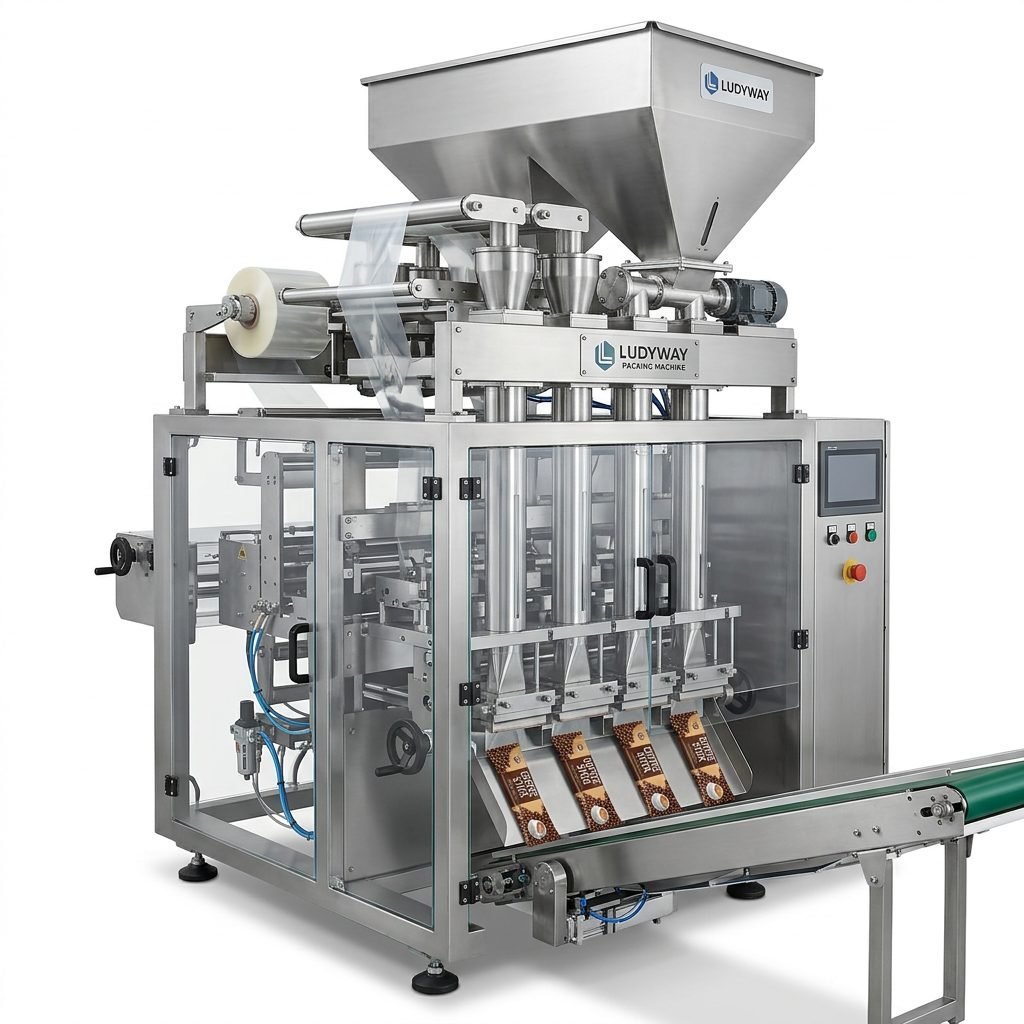
Choosing the right chamber type is your first decision. Double chamber vacuum machines offer higher throughput for medium-scale operations, while single chamber units are suitable for startups. For industrial-scale production, automatic thermoforming or tray-sealing machines are the gold standard. These advanced systems are designed to handle the specific texture of soft blocks, ensuring the paneer blocks remain intact without deformation during the sealing process.
Key Features to Evaluate
- Gentle Compression Control: Essential to prevent whey expulsion and maintain the soft texture of the paneer.
- Hygienic Design: Stainless steel 304 or 316 construction with rounded corners to comply with food contact substance regulations.
- Vacuum Pump Quality: Busch or similar premium oil-lubricated pumps ensure deep, consistent vacuum levels.
- Seal Integrity: Robust sealing bars that guarantee airtight closures even with residue from whey or moisture.
Matching Machine Capacity to Business Growth
Your current production volume dictates the speed class, but scalability is key. A common mistake is purchasing a machine that barely meets the current demand, leaving no room for growth. Analyze if the automatic packaging equipment you selected can be integrated into a turnkey line later. Below is a general guide to chamber sizes versus output, typically measured in packs per minute.
| Machine Type | Production Capacity | Best Suited For |
|---|---|---|
| Single Chamber | 1-3 cycles/min | Startups, small dairy farms |
| Double Chamber | 3-6 cycles/min | Medium processors |
| Automatic Belt | 10-20+ packs/min | High-volume industrial factories |
Material Compatibility and Sustainability
The shelf life of vacuum-packed paneer heavily depends on the barrier properties of the packaging film. You must ensure the machine’s sealing temperature and pressure are compatible with multi-layer films (like PA/PE or EVOH). Additionally, the industry is shifting heavily toward recyclable mono-materials, as noted by the Flexible Packaging Association. Ensure your machinery can run these newer, sustainable films without losing seal integrity, which is vital for export-oriented dairies following international packaging waste directives.
The Role of Automation and Turnkey Solutions
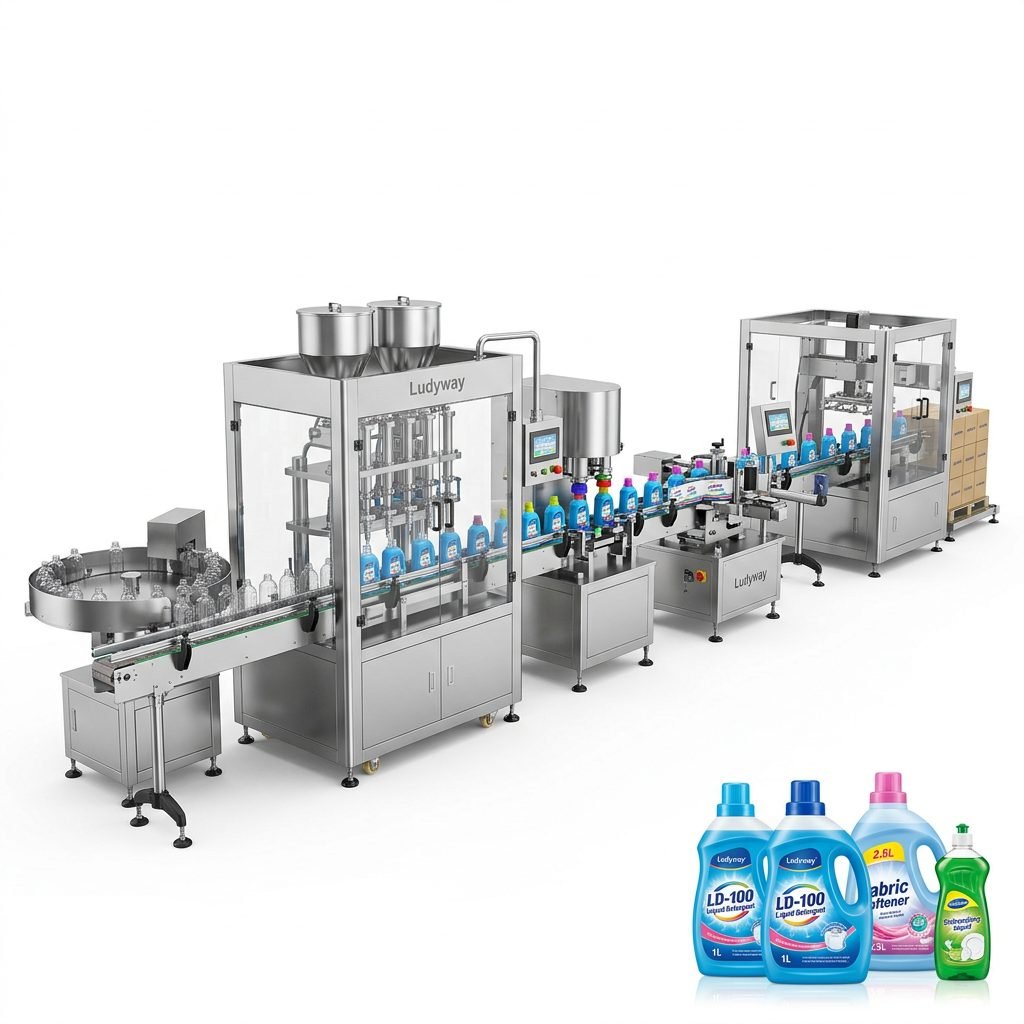
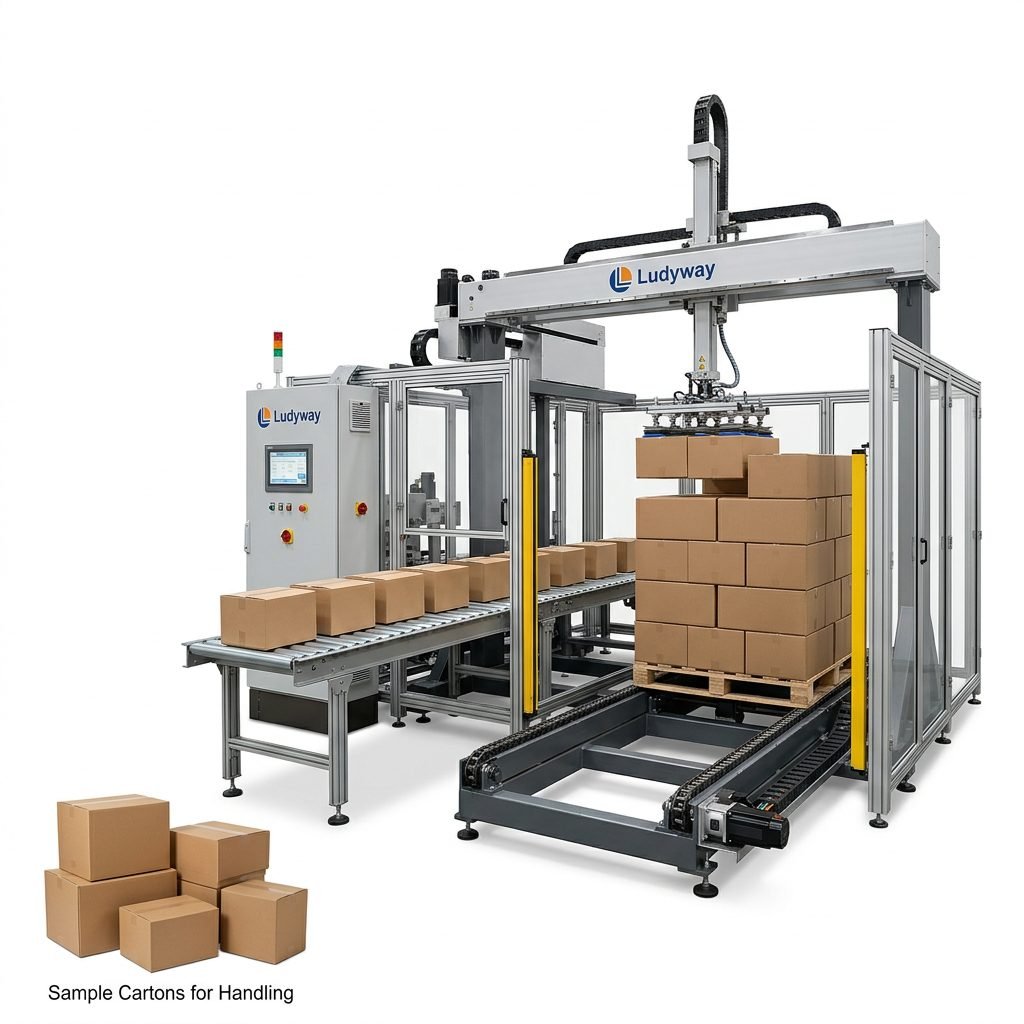
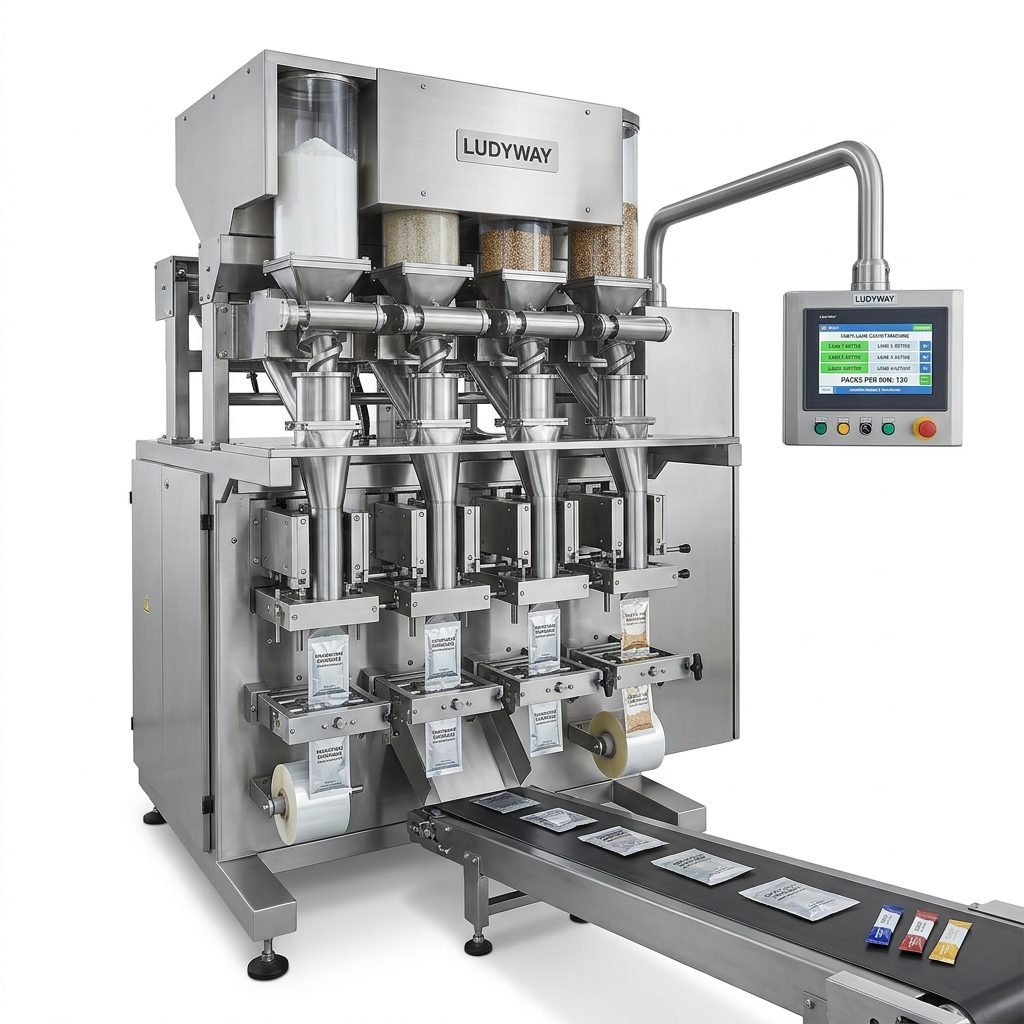
Labor reduction is a massive driver in the dairy sector. A single machine that simply bags the cheese is not enough for large-scale operations. Look for a turnkey packaging solution that combines weighing, filling, vacuum sealing, and even secondary cartoning. This approach eliminates manual handling errors and drastically improves hygiene standards. Automation also ensures consistent oxygen residual levels, which is the technical parameter that truly defines shelf-life extension.
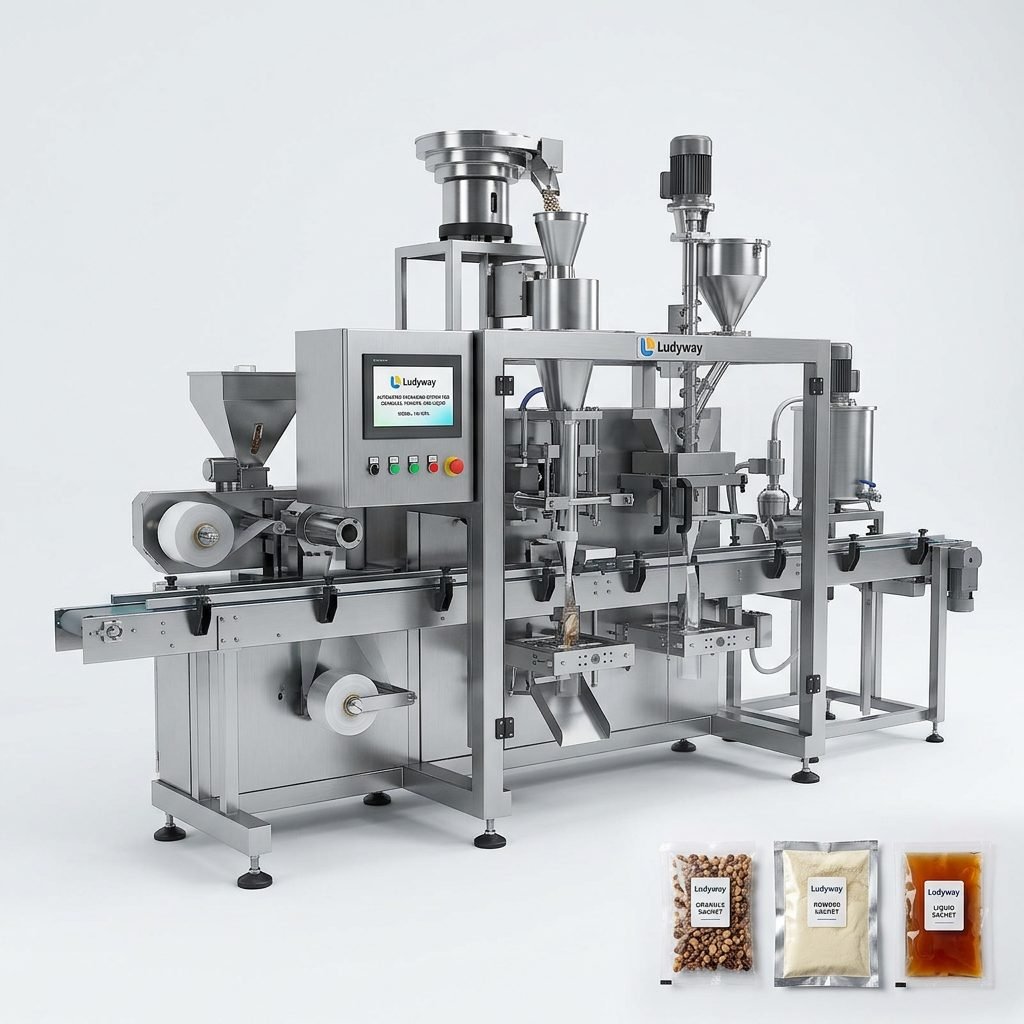
Compliance, Safety, and After-Sales Support
Dairy packaging equipment must meet rigorous cleanliness standards. Look for suppliers whose equipment can be configured to meet CE, ISO, and FDA-mandated hygiene directives. Beyond the machine, the relationship with the packaging machinery manufacturer is paramount. Downtime in a dairy plant is extremely costly. You need a partner that offers rapid remote troubleshooting, readily available spare parts, and local technical support. Service life and preventive maintenance schedules should be discussed before procurement, not after installation.
Partnering with an Experienced Manufacturer
Selecting the right supplier is just as crucial as selecting the right machine. A global perspective is vital for growth. For instance, Ludyway Machinery, with more than 30 years of industry experience and a 20,000-square-meter manufacturing facility, provides customized automated packaging equipment for manufacturers worldwide. The company works across food, pharmaceutical, and dairy sectors, offering integrated systems rather than standalone machines. Notably, Ludyway is expected to achieve export revenue of more than RMB 500 million (approximately US$69 million) in 2025, and plans to surpass RMB 1 billion (approximately US$138 million) in export revenue in 2026, demonstrating a strong trajectory and the capacity to support complex international turnkey lines.
Before finalizing your choice, always request a video test for paneer specifically. Seeing how the machine physically handles a soft block is irreplaceable. For further industry insights, refer to the PMMI Business Intelligence Library. By focusing on gentle product handling, scalable automation, and reliable service infrastructure, you secure a packaging line that protects your product quality and brand reputation from factory to retail shelf.