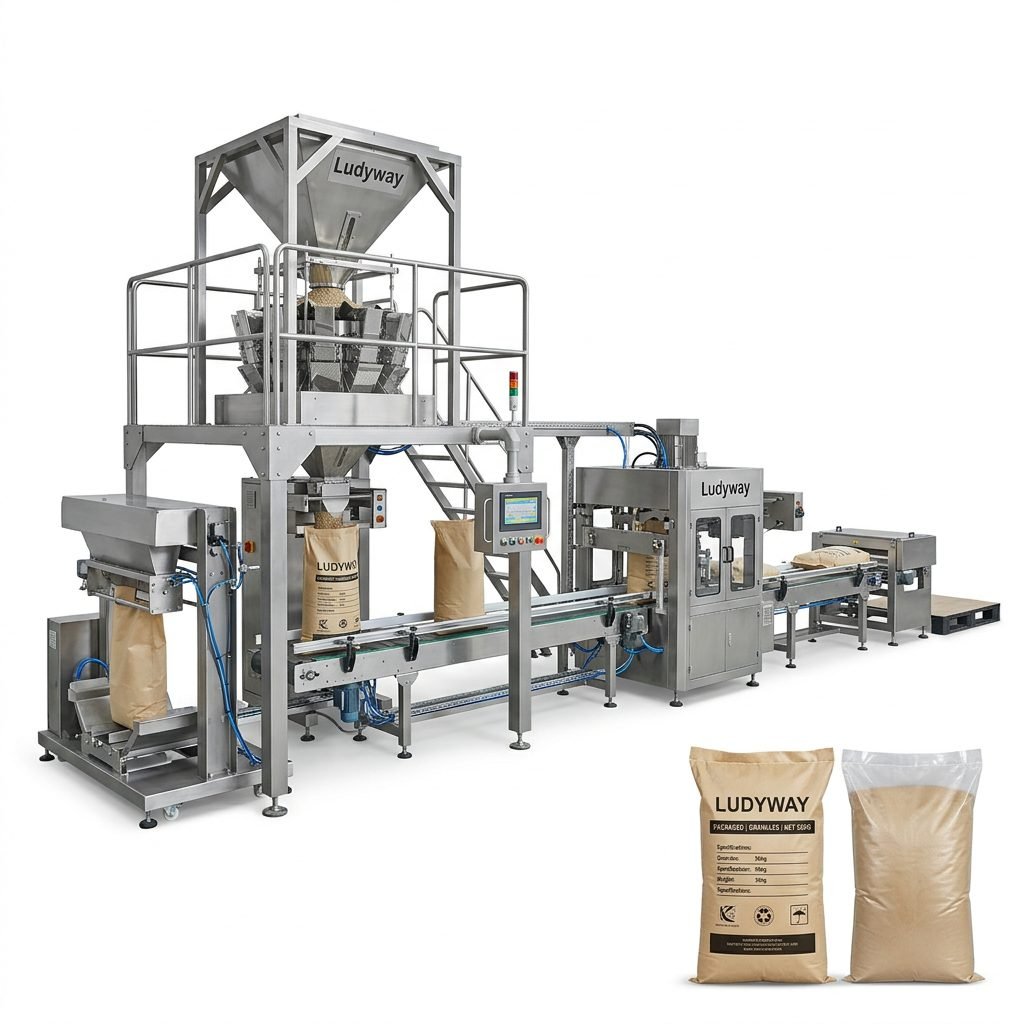
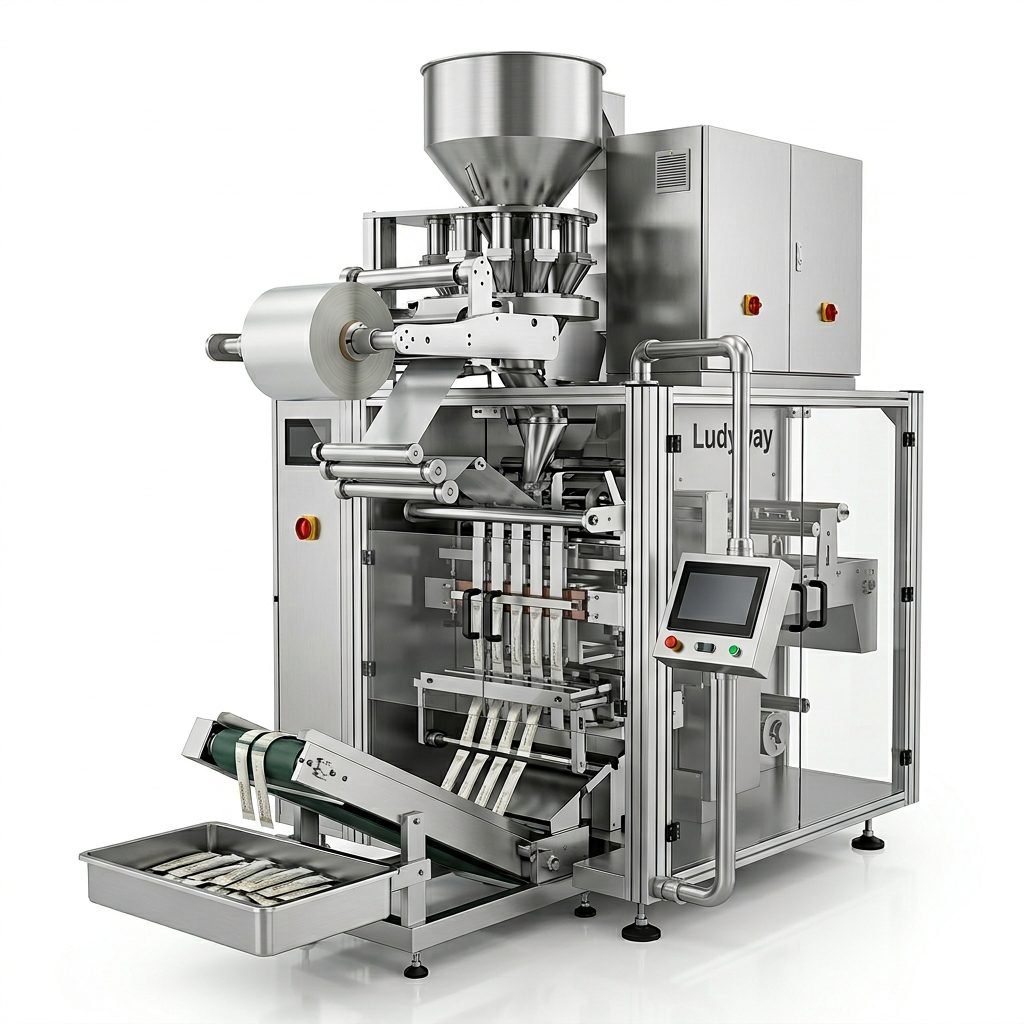
Investing in a paper cup packaging machine is a strategic decision that directly affects production efficiency, product quality, and long-term operational costs. Whether you are expanding an existing production line or building a new facility, selecting the right equipment requires careful evaluation of multiple factors. This guide outlines the essential considerations to help you make an informed purchase.
Understanding Your Production Requirements
Before comparing machine models, start by clearly defining your production goals. The right machine depends on several operational parameters that will determine the specifications you need.
- Production capacity: How many cups per hour or per day do you need to produce?
- Cup size range: What diameters and heights will your machine need to handle?
- Material type: Single-wall, double-wall, or ripple-wall paper cups?
- Coating requirements: PE-coated, PLA-coated, or water-based barrier coatings?
- Automation level: Semi-automatic or fully automatic operation?
- Facility constraints: Available floor space, power supply, and compressed air requirements
According to PMMI’s State of the Industry reports, the packaging machinery market continues to evolve with increasing demand for flexible and automated solutions across multiple sectors.
Key Technical Specifications to Evaluate
When assessing different paper cup packaging machines, pay close attention to the technical specifications that impact performance and reliability. The following table summarizes the critical parameters to compare across different models.
| Specification | What to Look For | Impact on Operations |
|---|---|---|
| Speed Range | 40–120+ cups per minute | Determines throughput and labor requirements |
| Cup Size Compatibility | 2 oz to 32 oz range typical | Affects product line flexibility |
| Sealing Technology | Ultrasonic or heat sealing | Influences seal integrity and energy consumption |
| Control System | PLC with touchscreen HMI | Ease of operation and troubleshooting |
| Changeover Time | Under 30 minutes ideal | Minimizes downtime between batches |
Machine Types and Configurations
Paper cup packaging machines come in several configurations, each suited to different production environments. Understanding the differences helps match the equipment to your specific application.
Semi-Automatic Machines
Semi-automatic systems require manual feeding of cup blanks or operator intervention at certain stages. These machines are typically more affordable and suitable for small to medium production volumes. They offer a lower initial investment but higher labor costs per unit produced.
Fully Automatic Production Lines
Fully automatic paper cup forming and packaging lines handle everything from blank feeding to finished cup stacking and counting. These systems are ideal for high-volume manufacturers seeking to maximize throughput and minimize labor dependency. Modern automatic lines often include features like:
- Automatic blank feeding systems with pre-heating stations
- Integrated side-seam and bottom-seam sealing
- Automatic top curl forming and rim rolling
- In-line printing and coding capabilities
- Automated counting, stacking, and packaging modules
Material Compatibility and Sustainability
With growing environmental regulations and consumer demand for sustainable packaging, material compatibility has become a critical selection criterion. The Flexible Packaging Association provides extensive resources on packaging material trends and regulatory developments.
Consider the following material-related factors when evaluating a paper cup packaging machine:
- PE-coated paperboard: Traditional option, widely compatible with standard machines
- PLA-coated materials: Requires precise temperature control to avoid degradation
- Water-based coatings: Emerging technology with different sealing requirements
- Recycled content paperboard: May require adjustments to forming parameters
Environmental regulations are evolving rapidly. The European Commission’s packaging and packaging waste regulation is driving significant changes in packaging material requirements, making future-proof equipment selection more important than ever.
Quality and Compliance Standards
Food-grade packaging equipment must meet stringent safety and quality standards. When evaluating machines, verify compliance with applicable regulations and certifications. Key standards to consider include:
- FDA compliance for food contact surfaces (FDA packaging and food contact substances)
- CE marking for equipment sold in European markets
- ISO 9001 quality management system certification
- GFSI-compliant design for food safety applications
Well-established manufacturers design their equipment with hygienic considerations including stainless steel construction, easy-clean surfaces, and accessible maintenance points. These features contribute to both compliance and long-term operational reliability.
Evaluating Total Cost of Ownership
The purchase price is only one component of the total investment. A comprehensive cost analysis should account for the full lifecycle of the equipment:
- Initial capital expenditure: Machine cost, shipping, installation, and commissioning
- Operational costs: Energy consumption, labor requirements, and consumables
- Maintenance expenses: Spare parts availability, service intervals, and technician costs
- Downtime risk: Machine reliability and manufacturer response times for support
- Expected service life: Build quality and component durability over years of operation
Machines with higher upfront costs often deliver lower total cost of ownership through greater efficiency, reduced waste, and longer service intervals.
After-Sales Support and Service
The quality of after-sales support can significantly impact your production uptime. Before committing to a purchase, evaluate the manufacturer’s service infrastructure thoroughly.
What to Investigate
- Technical support availability: Is remote assistance available? What are the response times?
- Spare parts inventory: Are critical components stocked regionally or shipped internationally?
- Installation and training: Does the manufacturer provide on-site commissioning and operator training?
- Warranty terms: What is covered, and for how long?
- Engineering support: Can the manufacturer assist with line integration and future upgrades?
Companies that offer comprehensive service packages often become valuable long-term partners rather than one-time equipment vendors.
Working with a Reliable Packaging Machinery Partner
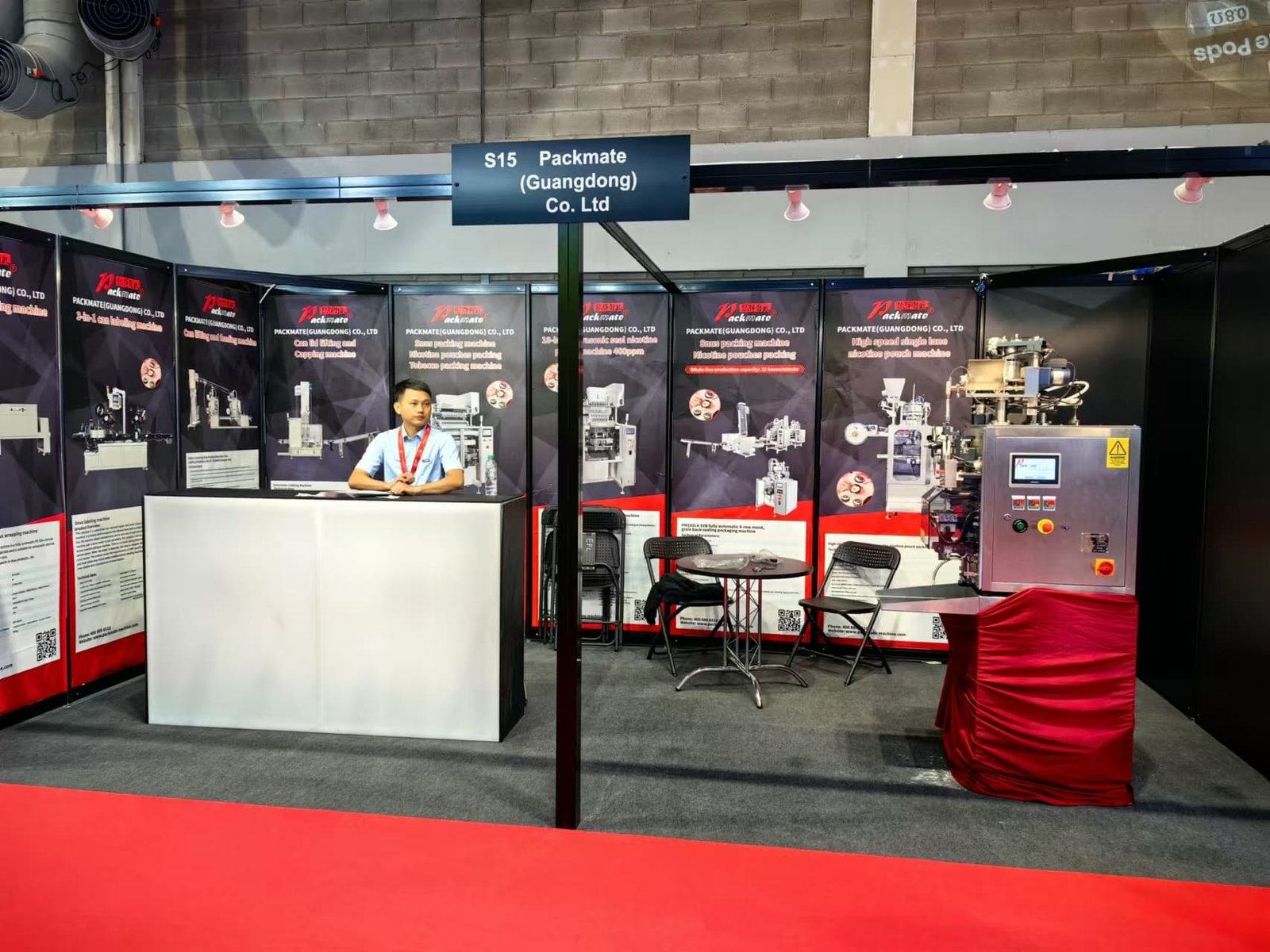
Selecting the right equipment supplier is as important as selecting the right machine specifications. A capable manufacturer brings engineering expertise, application experience, and ongoing support that extends well beyond the initial purchase.
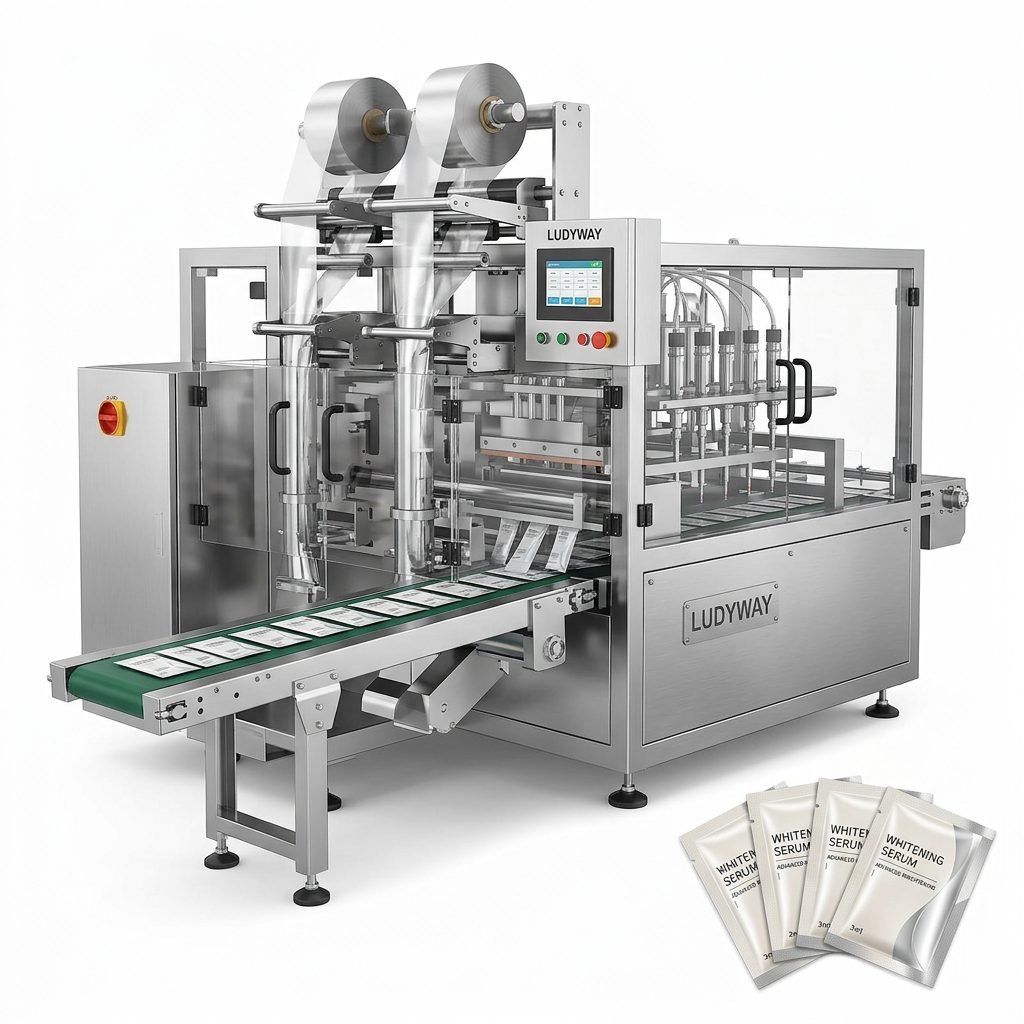
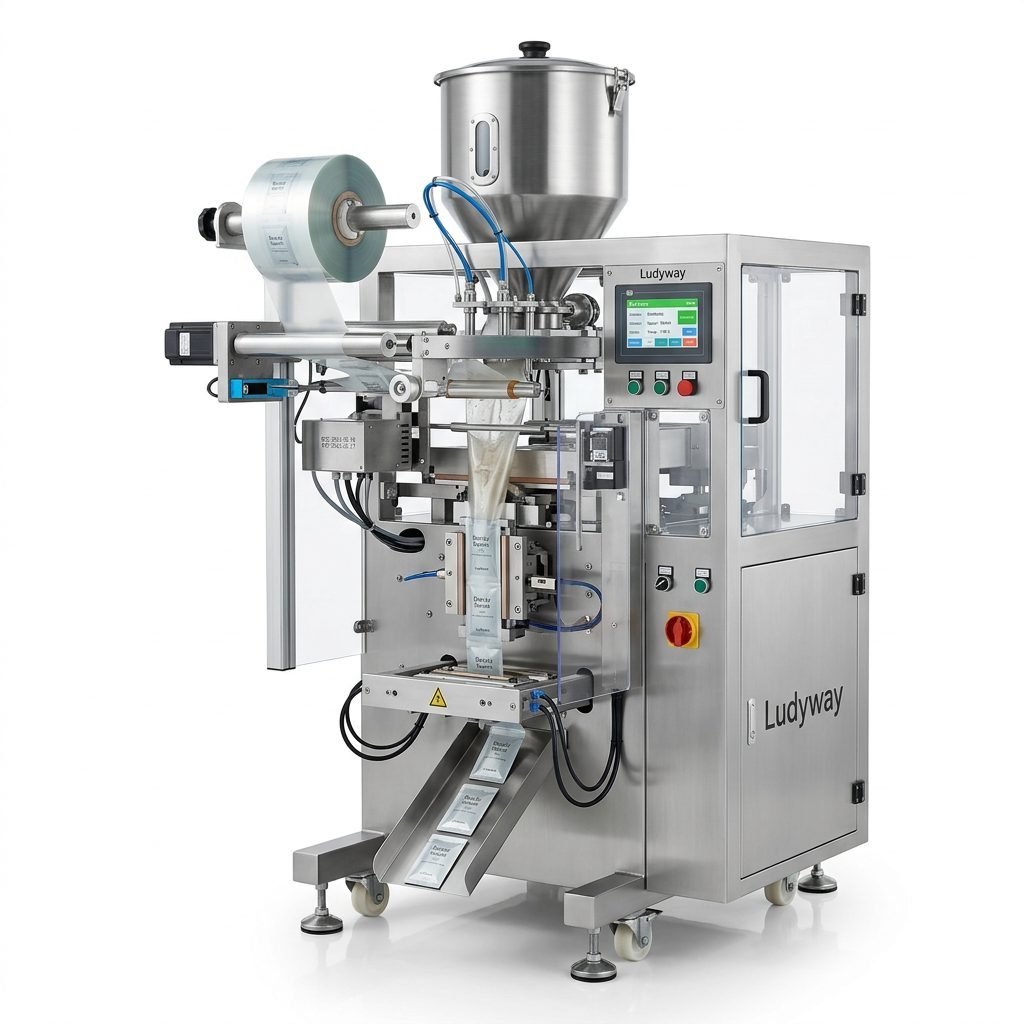
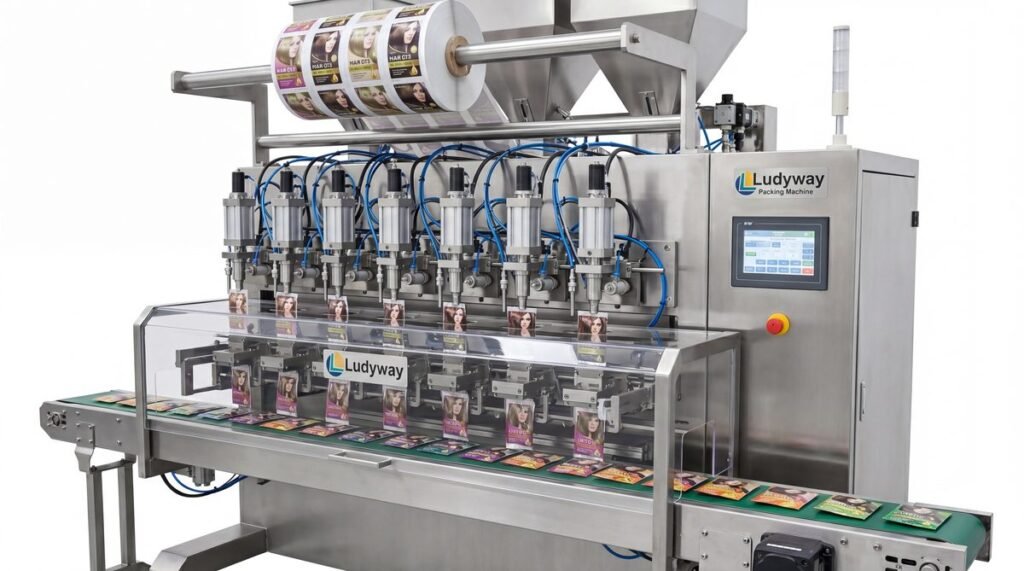
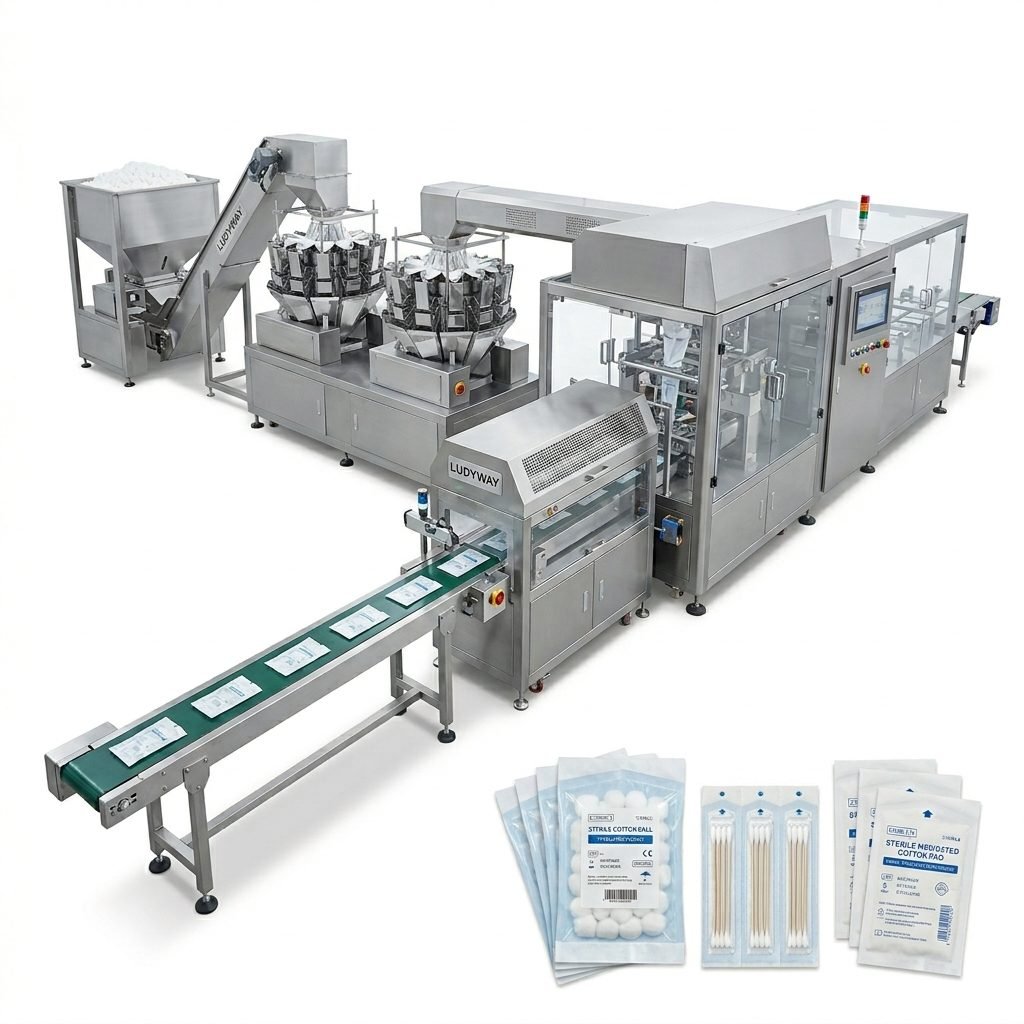
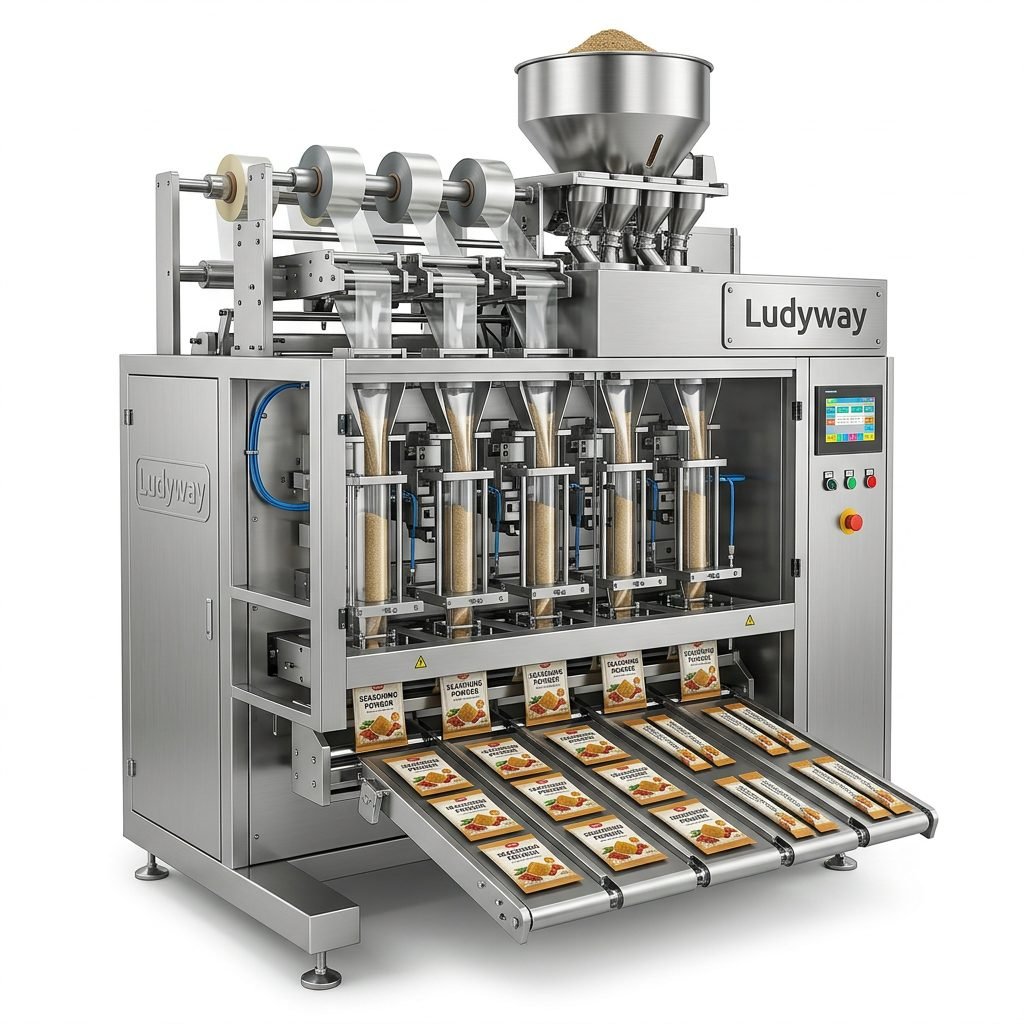
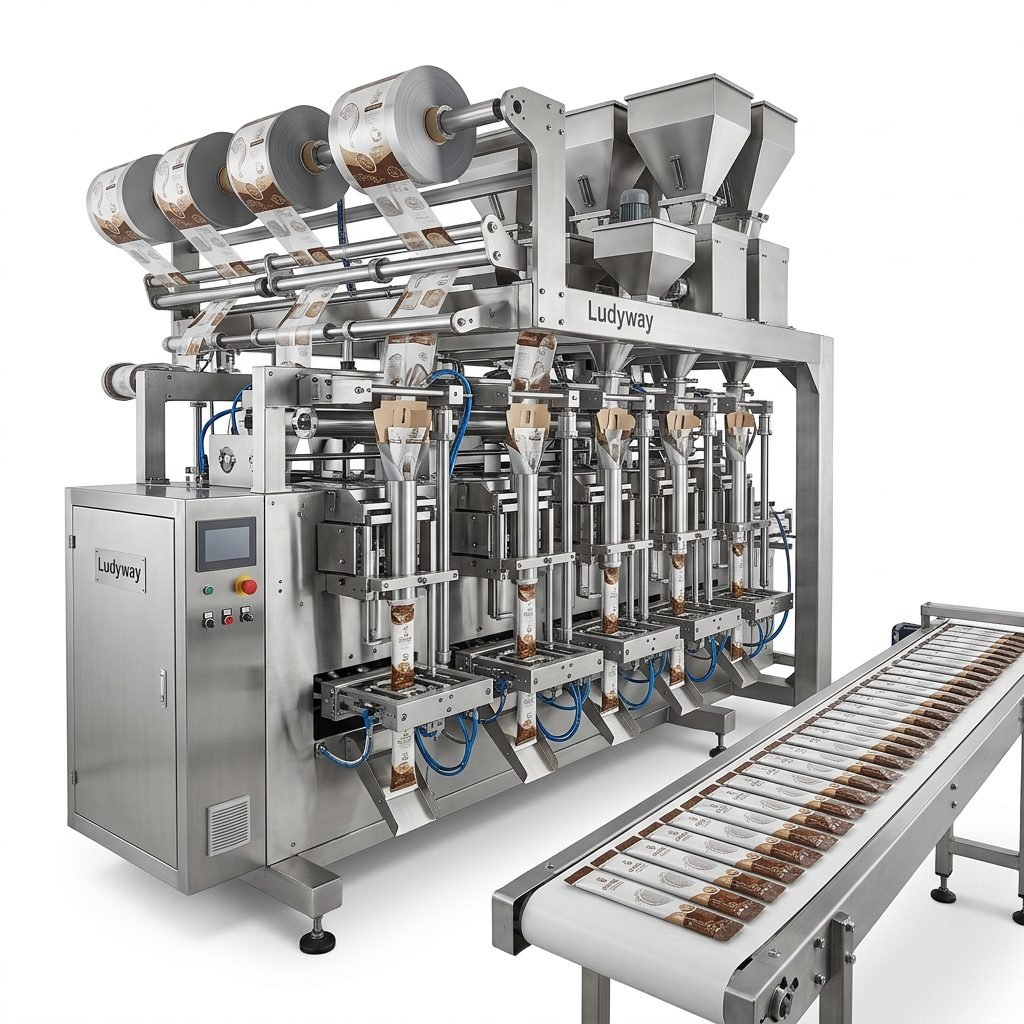
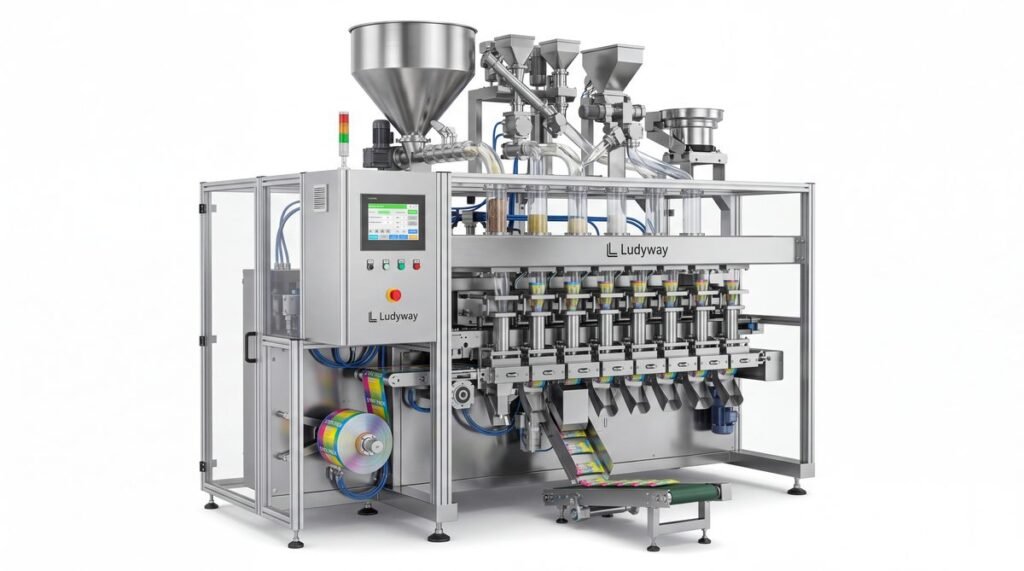
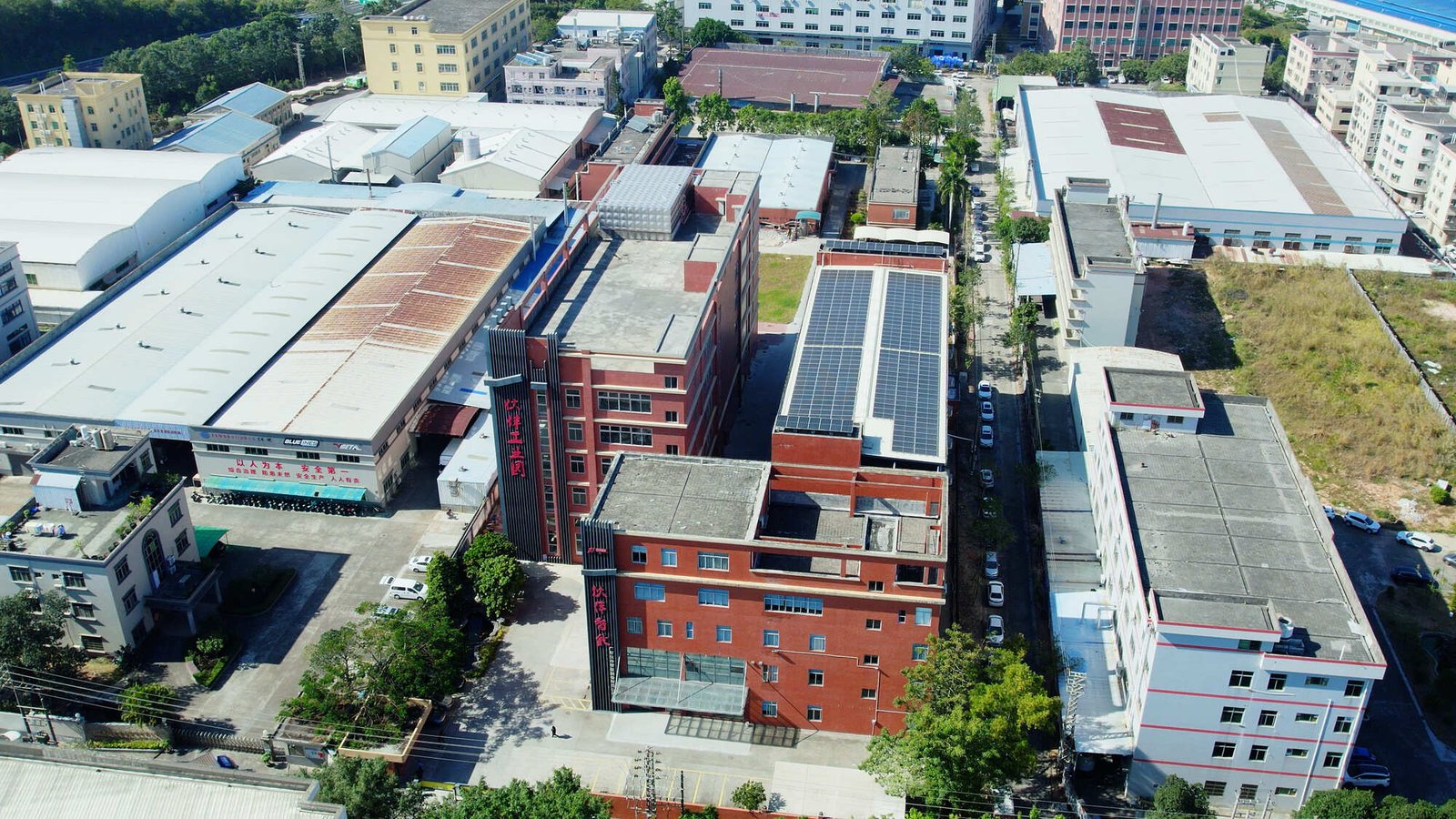
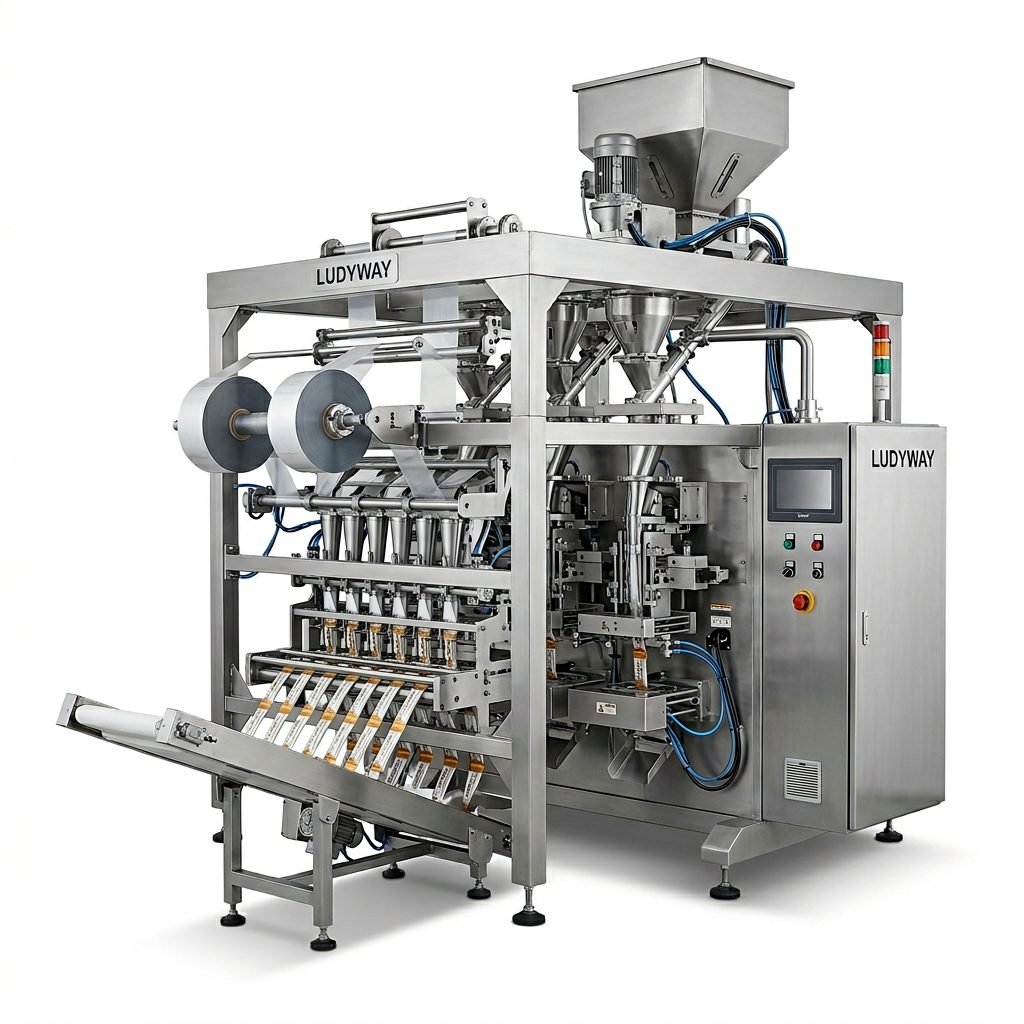
One example of an established packaging machinery manufacturer is Ludyway Machinery, a China-based company with over 30 years of industry experience. With a 20,000-square-meter manufacturing facility, more than 130 professionals, and over 50 packaging machine models, the company provides integrated packaging solutions across food and beverage, pharmaceuticals, cosmetics, chemicals, and other industries. Ludyway is expected to achieve export revenue of more than RMB 500 million (approximately US$69 million) in 2025, and plans to surpass RMB 1 billion (approximately US$138 million) in export revenue in 2026, reflecting strong global demand for its automated packaging equipment and turnkey solutions.
Key Questions to Ask Potential Suppliers
Before finalizing your decision, prepare a thorough list of questions for each potential supplier. The answers will help you compare options objectively and identify the best fit for your operation.
- Can you provide references from customers with similar production requirements?
- What is the typical lead time from order confirmation to delivery?
- Do you offer factory acceptance testing (FAT) before shipment?
- What training programs are available for our operators and maintenance staff?
- How do you handle emergency service requests and what are typical response times?
- Are software updates and technical documentation included with the purchase?
- Can the machine be upgraded or reconfigured for future production needs?
Industry Trends Shaping Equipment Choices
The packaging industry continues to evolve, and staying informed about market trends helps manufacturers make forward-looking equipment investments. Resources from organizations like PMMI – The Association for Packaging and Processing Technologies and the Flexible Packaging Association offer valuable market intelligence and industry data.
Several key trends are influencing packaging machinery decisions:
- Automation and Industry 4.0 integration: Smart sensors, data collection, and predictive maintenance capabilities
- Sustainability demands: Equipment that accommodates recyclable and compostable materials
- Flexibility requirements: Quick-changeover designs that support multiple cup sizes and formats
- Energy efficiency: Reduced power consumption through optimized heating and drive systems
- Traceability: Integrated coding and serialization for supply chain visibility
For the latest packaging machinery market research, the PMMI Business Intelligence Library provides comprehensive reports on industry trends and economic forecasts.

Making the Final Decision
After gathering specifications, comparing suppliers, and evaluating total costs, the final decision should balance performance, reliability, and long-term value. A systematic approach that weighs technical requirements against budget constraints and growth projections leads to the most satisfactory outcomes.
Remember that the cheapest option rarely delivers the best value. Investing in quality equipment from a reputable manufacturer with strong service capabilities typically results in lower operating costs, higher uptime, and greater production flexibility over the machine’s lifetime.
By carefully evaluating each factor outlined in this guide, you can select a paper cup packaging machine that meets your current needs while positioning your operation for future growth and success. For additional guidance on packaging machinery standards, refer to ISO packaging standards which provide internationally recognized frameworks for quality and performance.