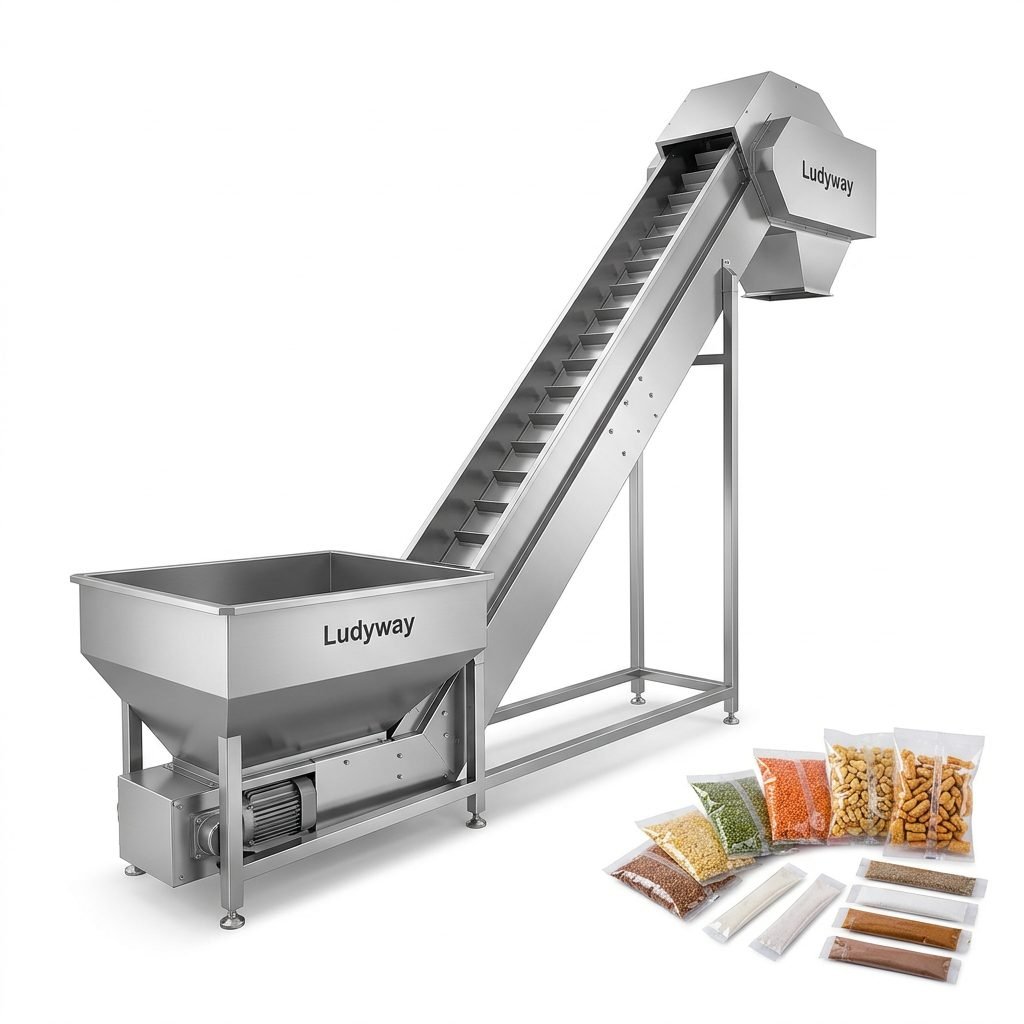
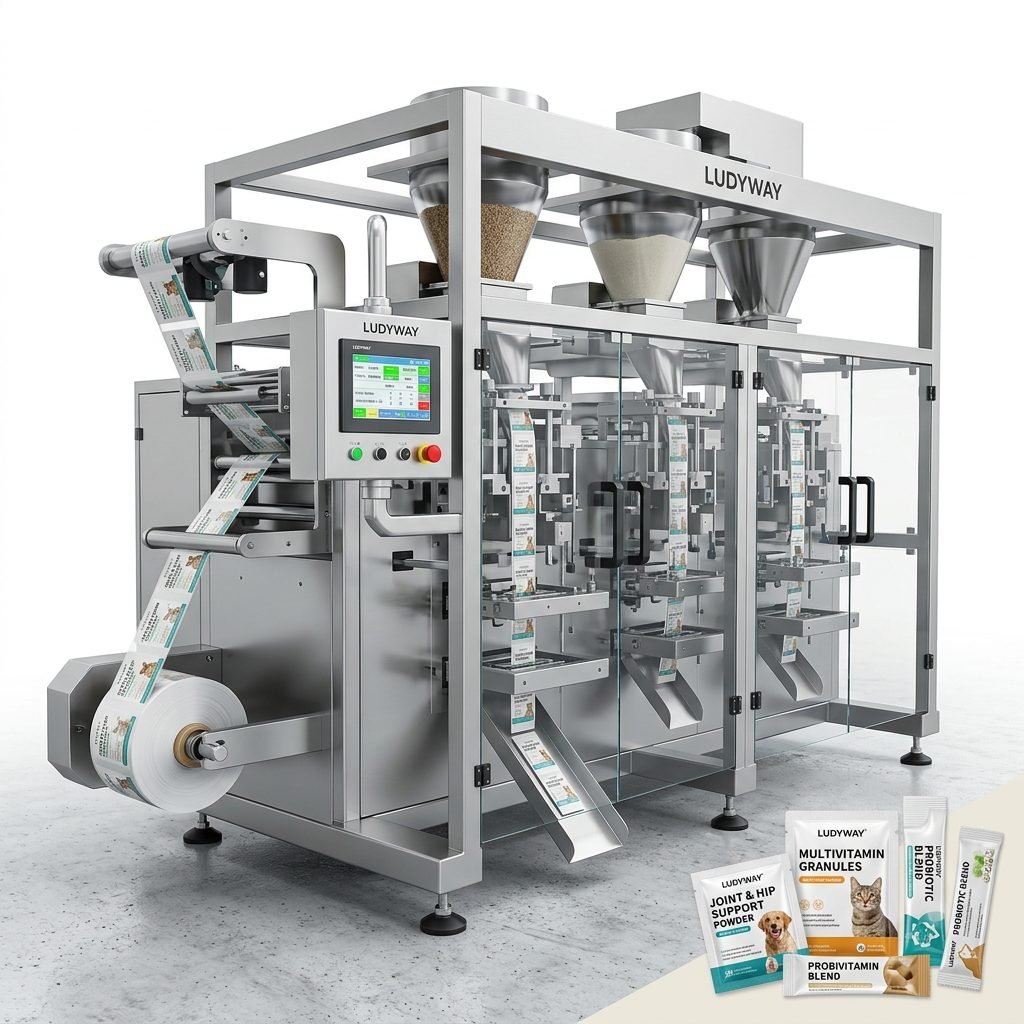
Investing in a pencil packing machine is a significant decision for any stationery manufacturer,文具 distributor, or contract packaging operation. The right equipment can streamline production, reduce labor costs, and ensure consistent product presentation — while the wrong choice can lead to costly downtime, inconsistent pack quality, and frustrated customers. Whether you are packaging standard graphite pencils, colored pencils, mechanical pencils, or specialty writing instruments, understanding the key selection criteria is essential for making an informed purchase.
Understanding Your Pencil Packaging Requirements
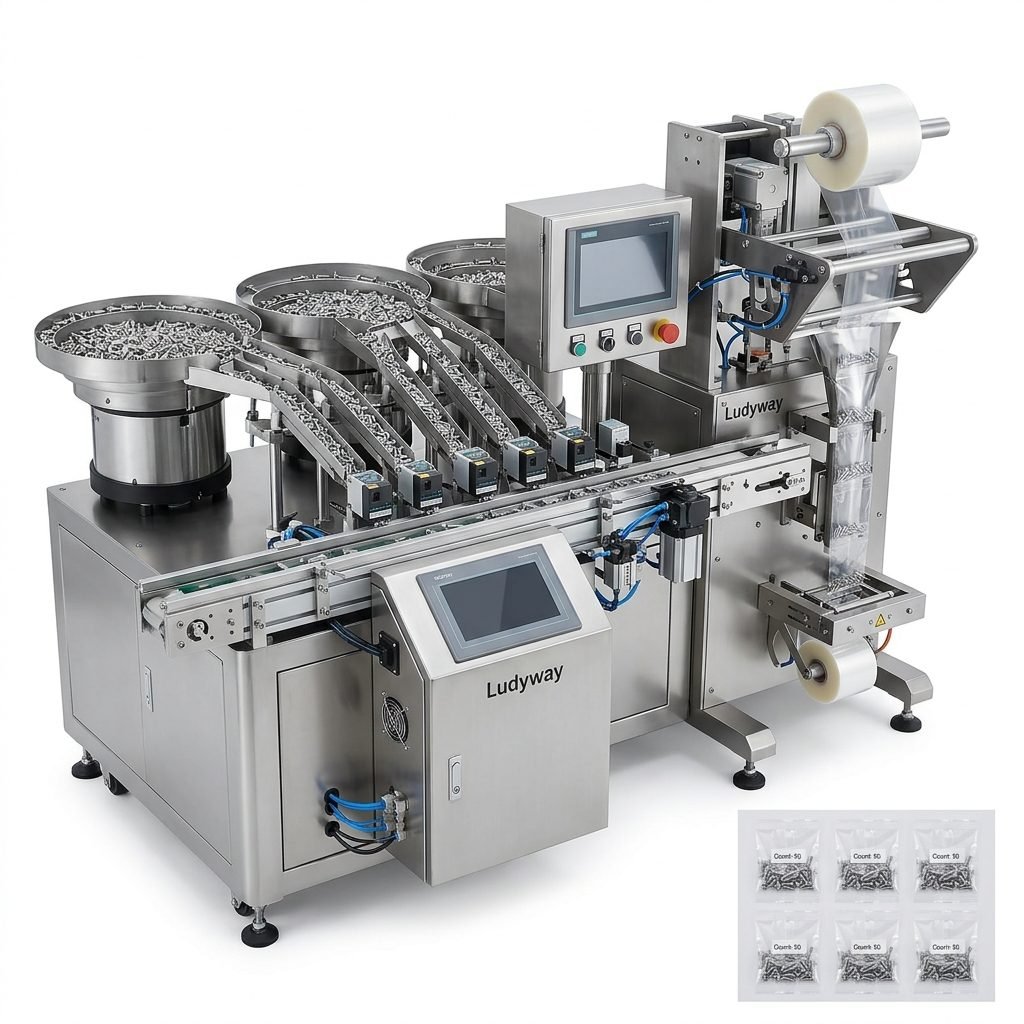
Before evaluating specific machine models or suppliers, you need to clearly define your production requirements. Pencil packing machines vary significantly in terms of throughput capacity, packaging format, and automation level. Start by answering these fundamental questions:
- What is your target production speed? Are you running a small-batch operation at 30 packs per minute, or do you need a high-speed line capable of 200+ packs per minute?
- What packaging format do you require? Common options include shrink-wrapped bundles, cardboard boxes, blister packs, poly bags, hang-sell packs, and stick-pack style formats for individual pencils.
- What are your pencil dimensions? Standard 7-inch pencils require different tooling than jumbo pencils, triangular pencils, or mechanical pencils with clips.
- What is your budget range? Entry-level semi-automatic machines differ significantly from fully automated turnkey packaging lines.
- How much floor space is available? Compact machines suit smaller facilities, while high-speed multi-lane systems need more room.
According to industry research from the PMMI State of the Industry reports, packaging machinery demand continues to grow across multiple sectors, driven by automation trends and the need for operational efficiency. Understanding where your operation fits within these broader market dynamics helps inform your equipment strategy.
Types of Pencil Packing Machines
Not all pencil packing machines are built the same way. The type you choose should align with your product characteristics, packaging format, and volume requirements. Here are the most common categories:
Manual and Semi-Automatic Machines
These are ideal for startups, small manufacturers, or seasonal operations with lower production volumes. Operators manually feed pencils into the machine, which then performs the sealing, wrapping, or cartoning function. While labor-intensive, these machines offer a lower upfront investment and greater flexibility for frequent format changes. They typically handle 10 to 30 packs per minute.
Fully Automatic Multi-Lane Systems
For medium to high-volume production, fully automatic multi-lane systems are the industry standard. These machines can process multiple lanes simultaneously, dramatically increasing throughput. Modern systems integrate automatic feeding, counting, collating, wrapping or cartoning, coding, and inspection into a single seamless line. Production speeds of 80 to 200+ packs per minute are achievable depending on configuration and product characteristics.
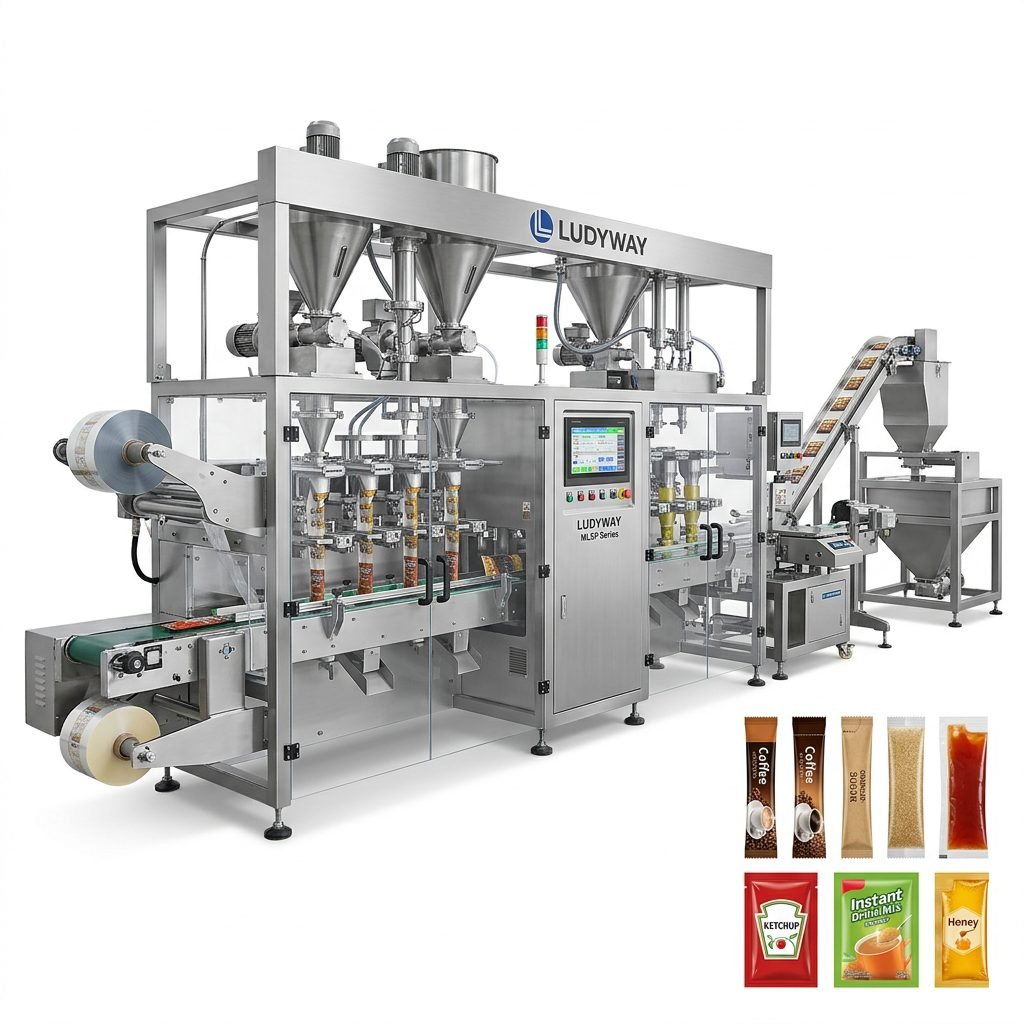
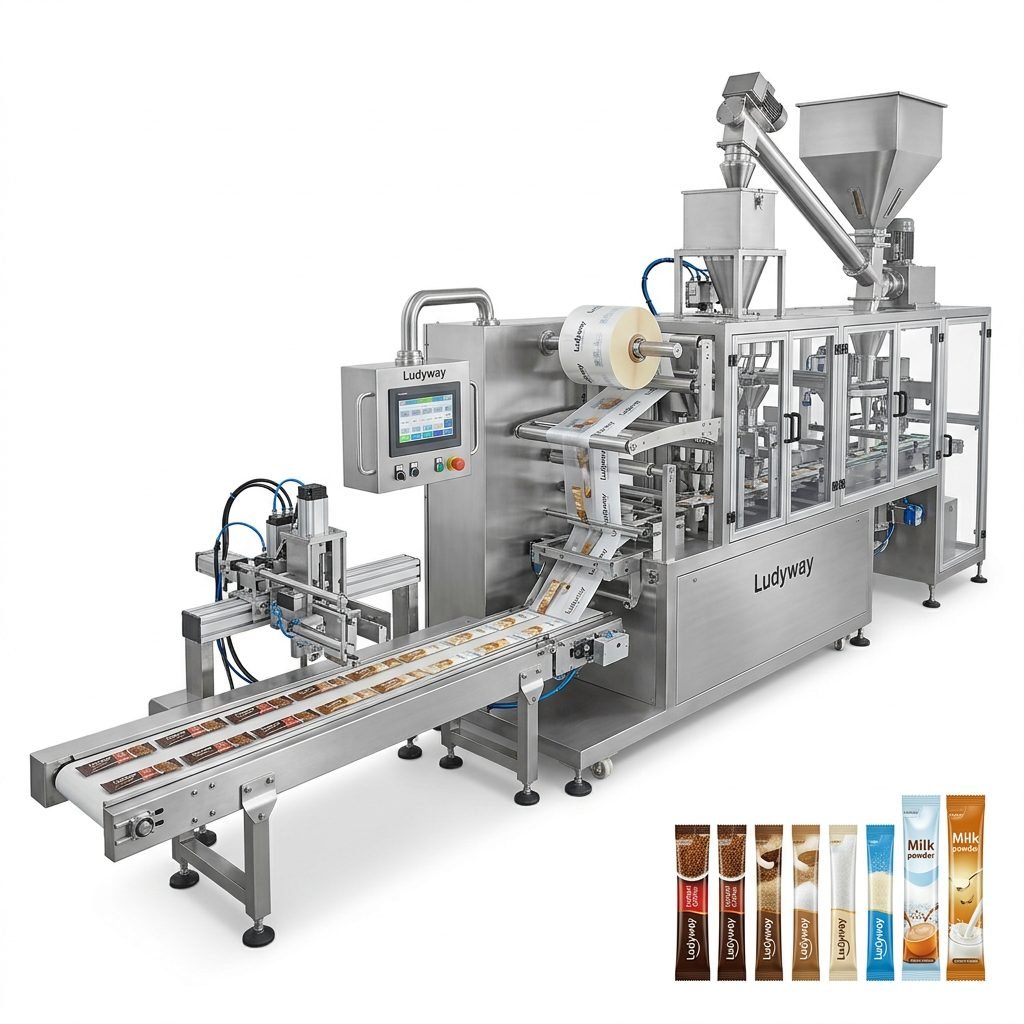
Stick Pack and Sachet-Style Machines
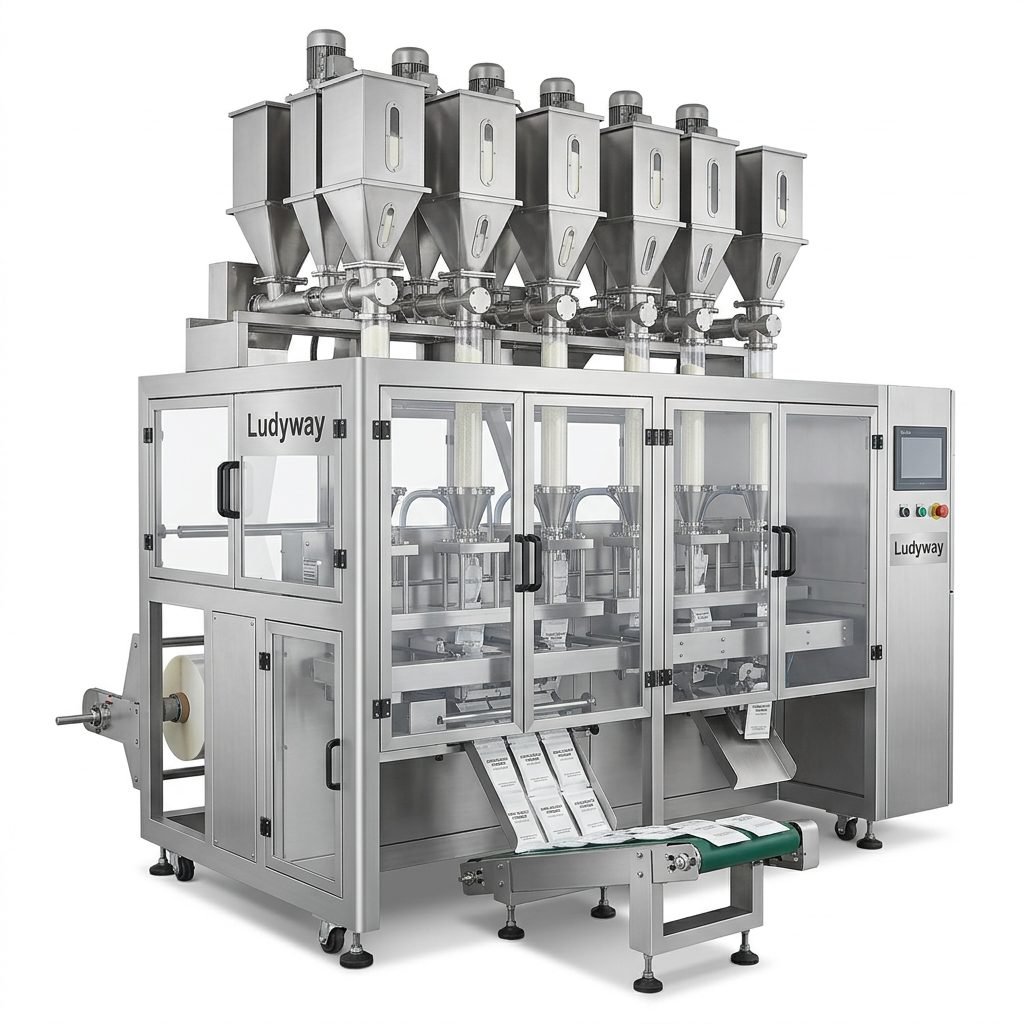
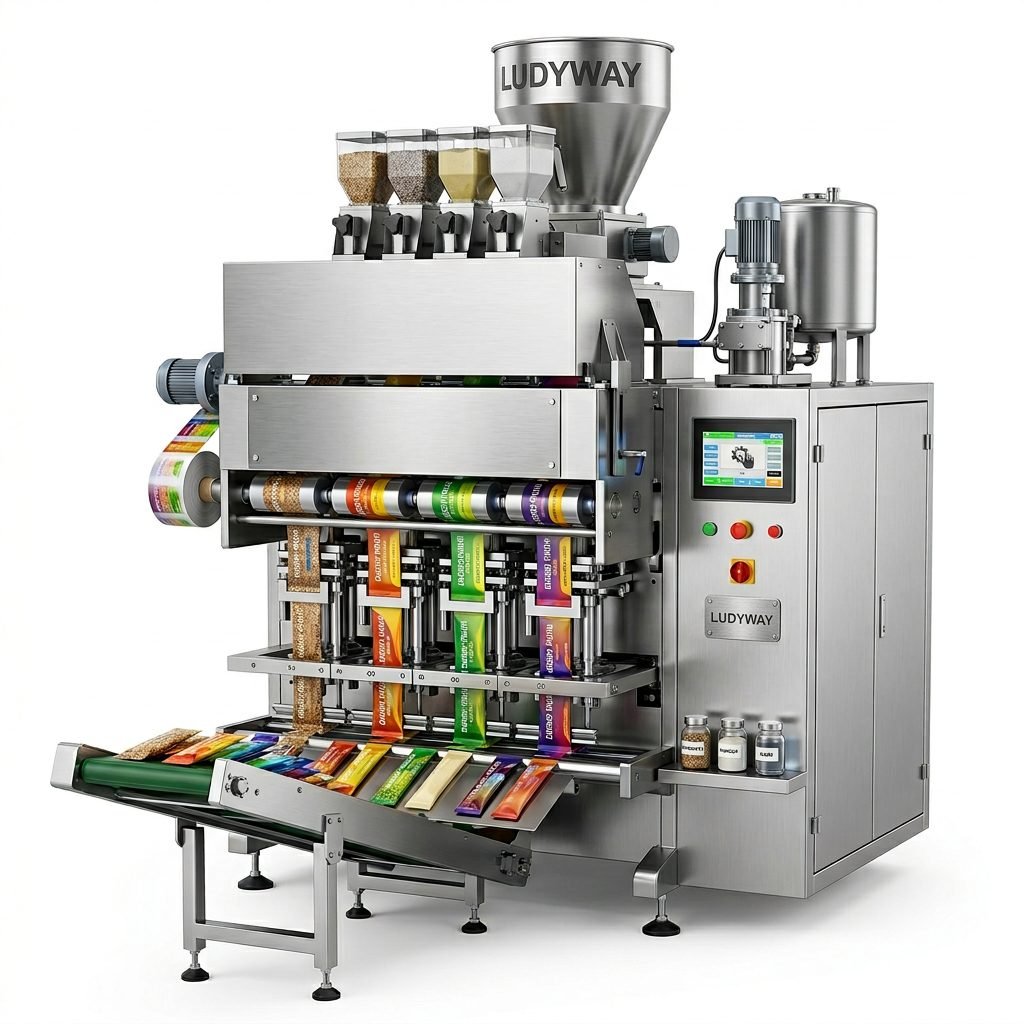
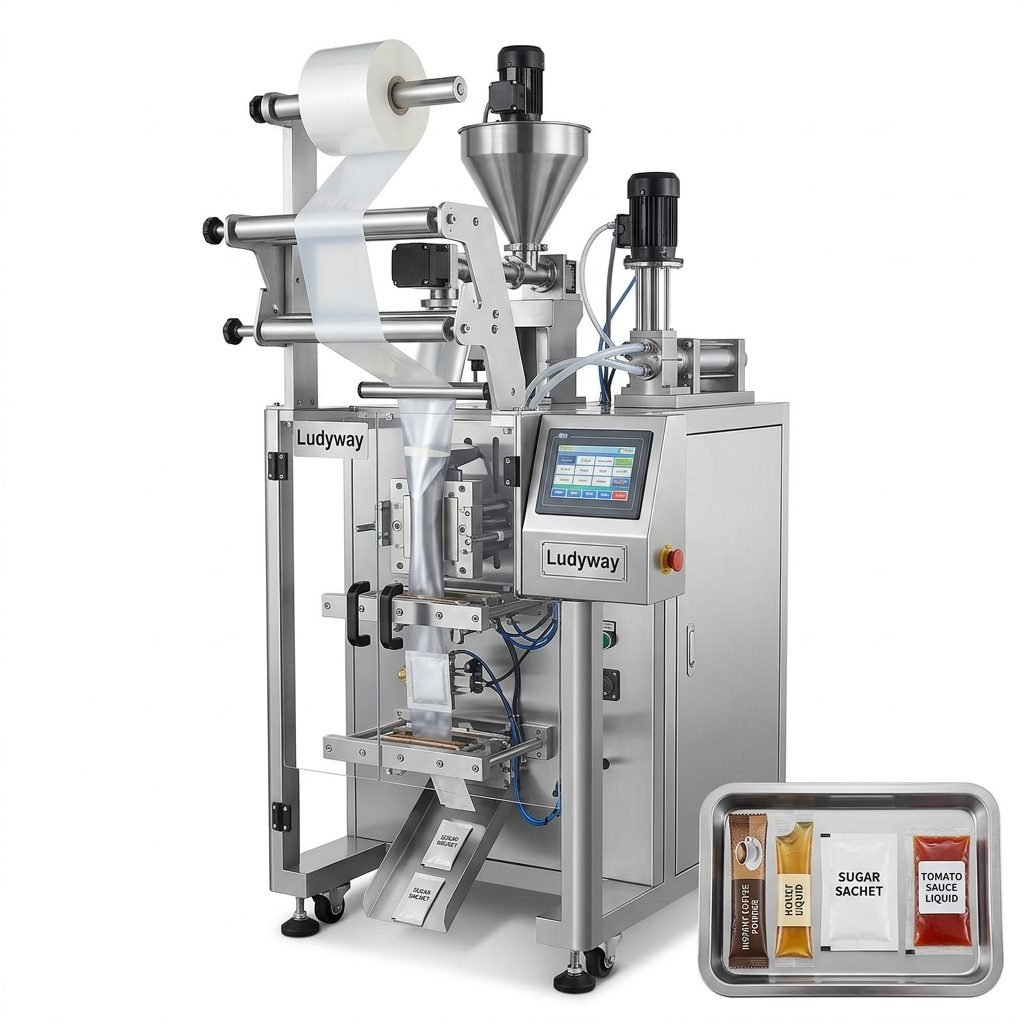
When individual pencils need to be packaged in narrow, elongated pouches — often called stick packs or pencil packs — specialized form-fill-seal machines are used. These are common for promotional pencils, sample pencils, or single-unit retail packaging. Multi-lane configurations can run 8, 12, or even 16 lanes simultaneously, producing thousands of individually wrapped pencils per hour.
Shrink-Wrap and Overwrap Systems
For bundling multiple pencils together — such as dozen-packs or half-gross boxes — shrink-wrapping and overwrapping machines provide an economical packaging solution. These systems use polyethylene or polyolefin film to create tight, protective bundles that showcase the product while keeping it clean and secure during transport and retail display.
Key Technical Specifications to Evaluate
When comparing different pencil packing machines, focus on these critical technical parameters. They directly impact machine performance, reliability, and suitability for your specific application:
| Specification | Why It Matters | Typical Range |
|---|---|---|
| Production Speed | Determines daily output capacity and ROI timeline | 30 – 200+ packs/min |
| Number of Lanes | Multi-lane capability multiplies throughput proportionally | 1 – 16 lanes |
| Pack Size Range | Must accommodate your minimum and maximum pack dimensions | Length: 50–300mm; Width: 20–150mm |
| Changeover Time | Impacts flexibility for multi-SKU production environments | 5 – 45 minutes |
| Power Consumption | Affects operating costs and facility electrical requirements | 3 – 15 kW |
| Automation Level | From manual feeding to fully automated inline systems | Semi-auto to full turnkey |
Counting and Collating Accuracy
For pencil packaging, accurate counting and collating is non-negotiable. A pack that is short by even one pencil creates customer dissatisfaction and potential retailer penalties. Modern counting systems use various technologies:
- Photoelectric sensors — Reliable for standard round or hexagonal pencils at moderate speeds
- Vision-based counting systems — Higher accuracy for complex shapes, colored pencils, or pencils with eraser caps
- Weighing-based verification — Used as a secondary check to confirm correct pack counts
- Mechanical collating channels — Proven technology for grouping pencils into precise bundle configurations
The ISO packaging standards provide useful reference frameworks for evaluating machine accuracy and consistency, particularly if your products are destined for export markets with strict quality requirements.
Packaging Material Compatibility
Your choice of pencil packing machine must be compatible with the packaging materials you plan to use. Different machines handle different films, papers, and board stocks. Consider these material factors:
- Shrink films: PVC, polyolefin, and polyethylene films each require specific temperature control and sealing parameters
- Cardboard cartons: Machine must accommodate your carton thickness, crease quality, and dimensions
- Stick pack films: Multi-layer laminates with heat-seal properties need precise temperature and pressure control
- Eco-friendly materials: Biodegradable films and recycled boards may require modified machine settings
- Pre-printed materials: Registration systems must align printed graphics accurately on each pack
For detailed guidance on flexible packaging material selection, the Flexible Packaging Association’s industry resources offer valuable technical references that can help inform your material decisions alongside your machinery investment.
Automation and Integration Capabilities
A modern pencil packing machine rarely operates in isolation. It typically needs to integrate with upstream feeding systems and downstream equipment such as case packers, palletizers, and conveyor systems. When evaluating machines, assess:
- PLC and control system compatibility — Can the machine communicate with your factory’s existing SCADA or MES systems?
- Feeding system integration — Does it connect seamlessly with your pencil manufacturing line or bulk feeding hoppers?
- Downstream connectivity — Can packs be transferred automatically to cartoning, case packing, or palletizing stations?
- Data collection capabilities — Does the machine track OEE metrics, reject rates, and production counts?
- Remote monitoring and diagnostics — Can technical support teams access the machine remotely for troubleshooting?
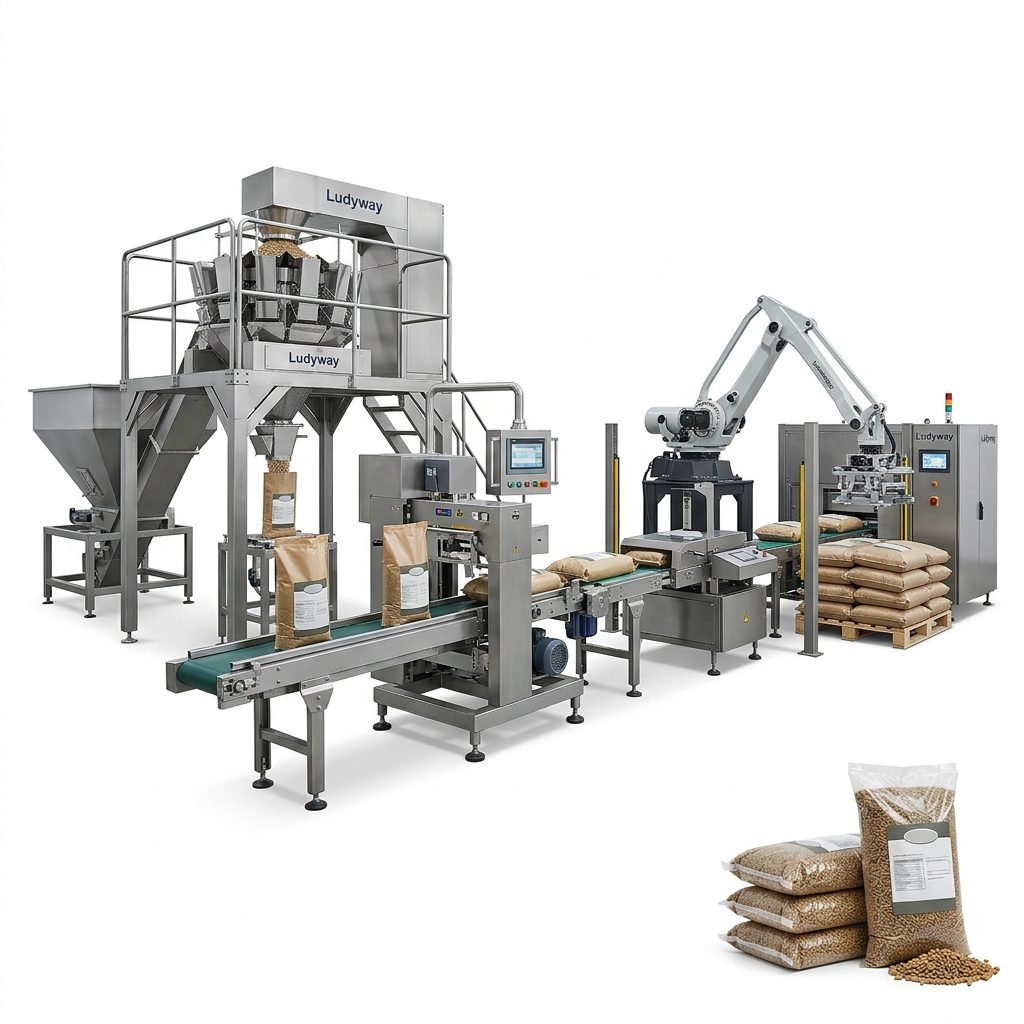
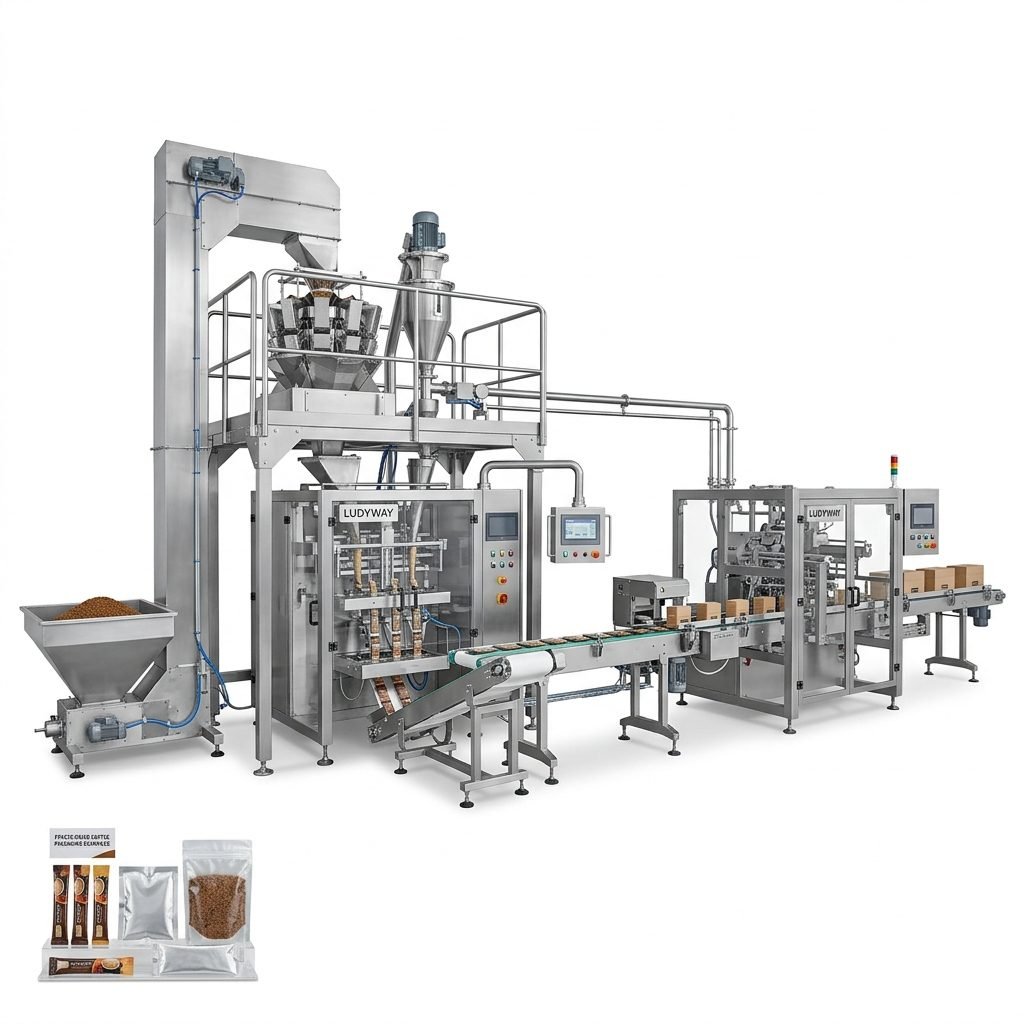
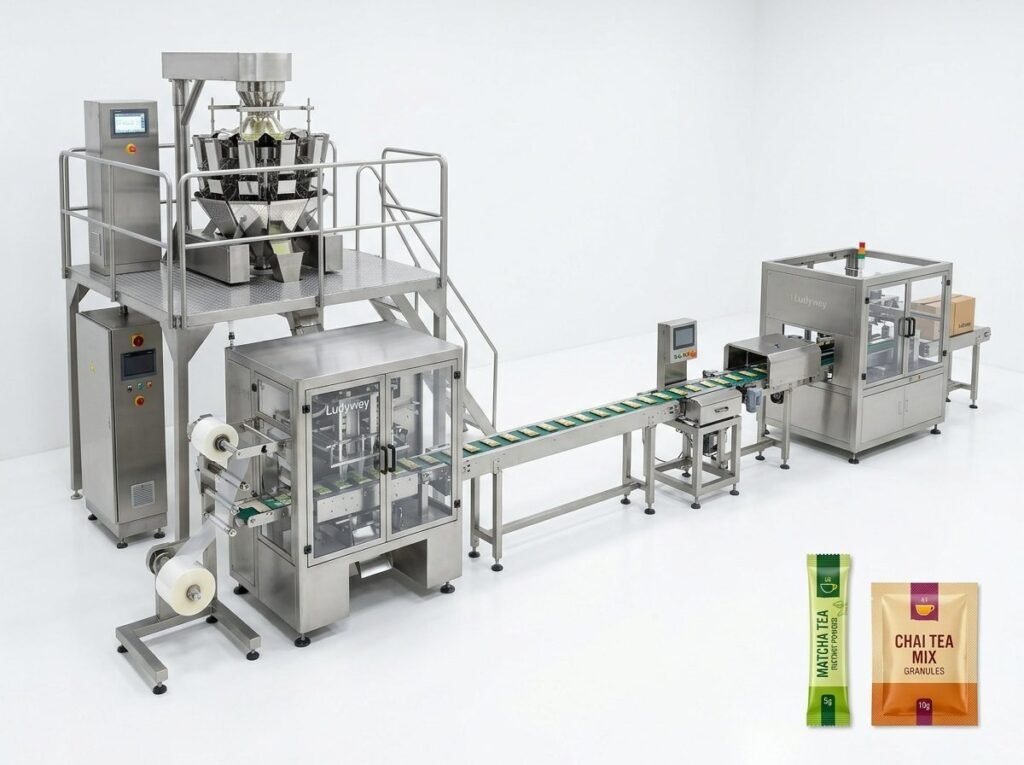
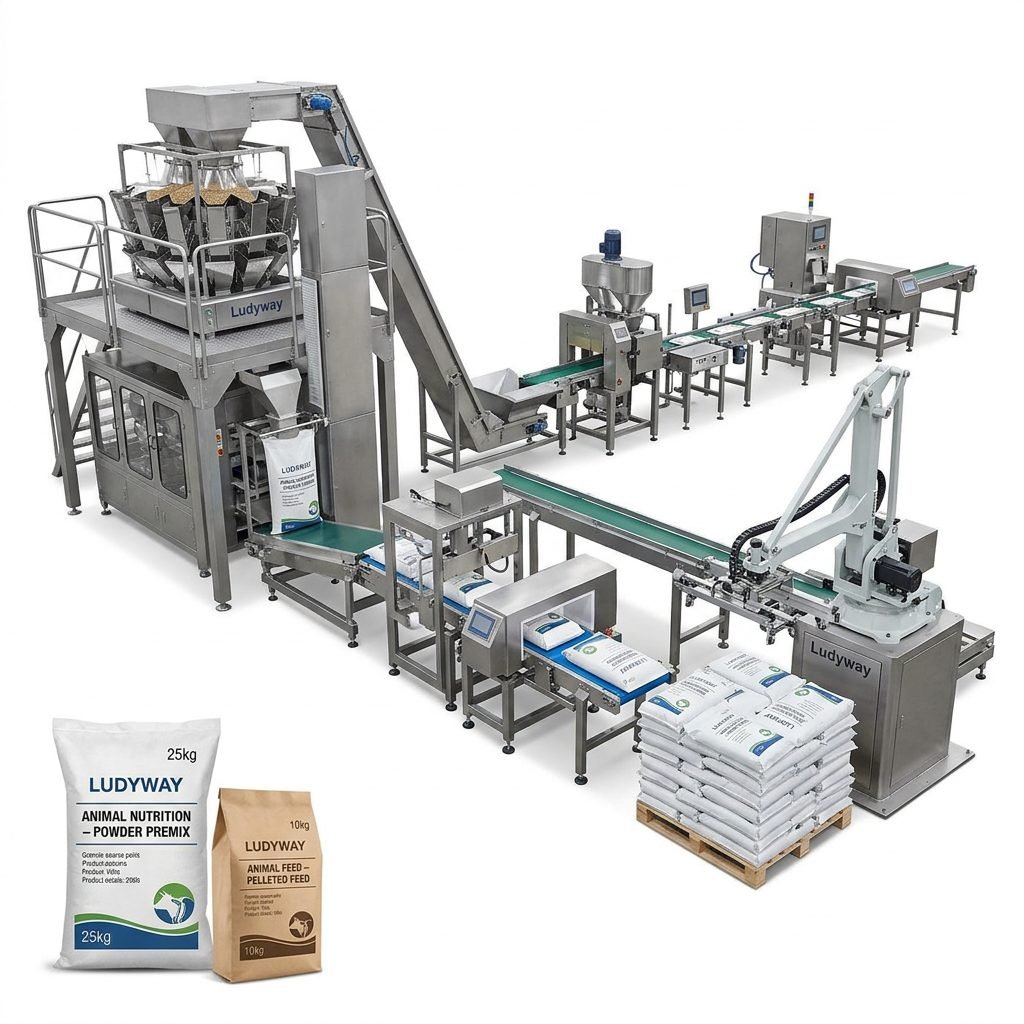
Fully integrated turnkey packaging lines can include automatic feeding, counting, collating, wrapping or cartoning, laser coding, checkweighing, metal detection, case packing, and robotic palletizing — all operating as a synchronized system managed from a central control interface.
Quality, Safety, and Regulatory Compliance
If your pencils are destined for markets with strict regulatory requirements — such as children’s products requiring safety compliance, or products exported to regions with specific packaging regulations — your packaging machinery must support these standards. Key considerations include:
- CE marking for European markets
- FDA compliance for any food-contact packaging materials (relevant for pencils with edible or food-safe coatings)
- ISO 9001 certification for quality management systems
- GAMP guidelines for validated automated systems where applicable
- Machine safety standards including emergency stops, guarding, and interlocks
For manufacturers serving the North American market, understanding FDA packaging and food contact substances regulations is important even for non-food products, as certain packaging material standards may apply depending on your product classification and target consumer age group.
Maintenance, Spare Parts, and After-Sales Support
A pencil packing machine represents a long-term investment, and its ongoing performance depends heavily on maintenance quality and spare parts availability. Before committing to a supplier, investigate:
- Spare parts inventory: Does the supplier maintain an accessible inventory of critical wear parts and components?
- Technical support availability: Is remote or on-site support available in your time zone and language?
- Training programs: Will your operators and maintenance staff receive comprehensive training?
- Documentation quality: Are operation manuals, maintenance schedules, and troubleshooting guides clear and accessible?
- Warranty terms: What is covered, and for how long? Are extended warranties available?
- Preventive maintenance plans: Does the supplier offer scheduled maintenance visits or remote health monitoring?
Evaluating Machine Build Quality and Longevity
Not all pencil packing machines are manufactured to the same standards of durability. Machines built with quality components and robust engineering deliver longer service life with fewer unplanned stoppages. Look for:
- Frame construction: Heavy-gauge steel or aluminum frames with proper vibration dampening
- Electrical components: Branded PLCs, sensors, and drives from established industrial automation suppliers
- Pneumatic systems: Quality cylinders, valves, and fittings that maintain consistent performance over millions of cycles
- Sealing systems: Precision-engineered sealing jaws with accurate temperature control and even pressure distribution
- Wear surfaces: Hardened or coated surfaces in high-friction areas to extend component life
Total Cost of Ownership Considerations
The purchase price of a pencil packing machine is only part of the financial equation. A comprehensive total cost of ownership (TCO) analysis should account for:
| Cost Category | Estimated Share of TCO | Key Variables |
|---|---|---|
| Initial Equipment Purchase | 40 – 55% | Machine configuration, automation level, optional modules |
| Installation and Commissioning | 5 – 10% | Site preparation, integration complexity, training requirements |
| Packaging Materials | 20 – 30% | Film type, volume discounts, material waste rates |
| Maintenance and Spare Parts | 5 – 10% | Machine durability, parts availability, preventive maintenance frequency |
| Energy and Utilities | 3 – 5% | Power consumption, compressed air requirements, operating hours |
| Labor | 5 – 10% | Automation level, operator requirements per shift |
Machines with higher upfront costs but lower maintenance requirements, better energy efficiency, and higher throughput often deliver significantly better long-term value than cheaper alternatives with hidden operating costs.
Selecting the Right Supplier
Beyond the machine specifications, supplier selection plays a critical role in the success of your packaging investment. A reliable packaging machinery partner should demonstrate:
- Industry experience: A track record of successful installations in stationery or similar product categories
- Engineering capability: In-house design, manufacturing, and automation expertise
- Customization willingness: Ability to adapt standard machines to your specific pencil dimensions and packaging format
- Global service reach: Support infrastructure that covers your manufacturing locations
- References and case studies: Verifiable examples of similar projects with measurable results
- Financial stability: A supplier that will be in business to support your machine throughout its service life
For manufacturers evaluating global packaging machinery suppliers, PMMI — The Association for Packaging and Processing Technologies provides industry directories, market intelligence, and networking opportunities that can help identify qualified equipment manufacturers and stay informed on technology developments.
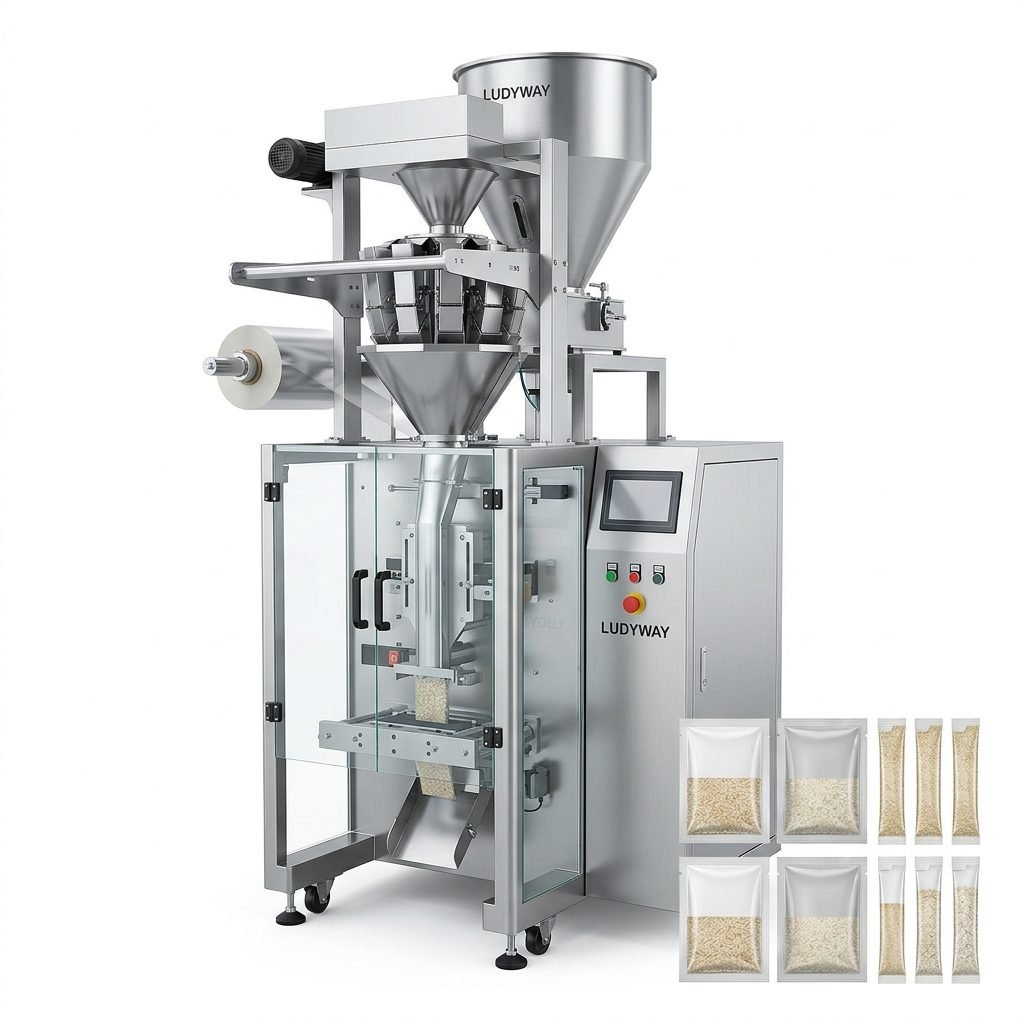
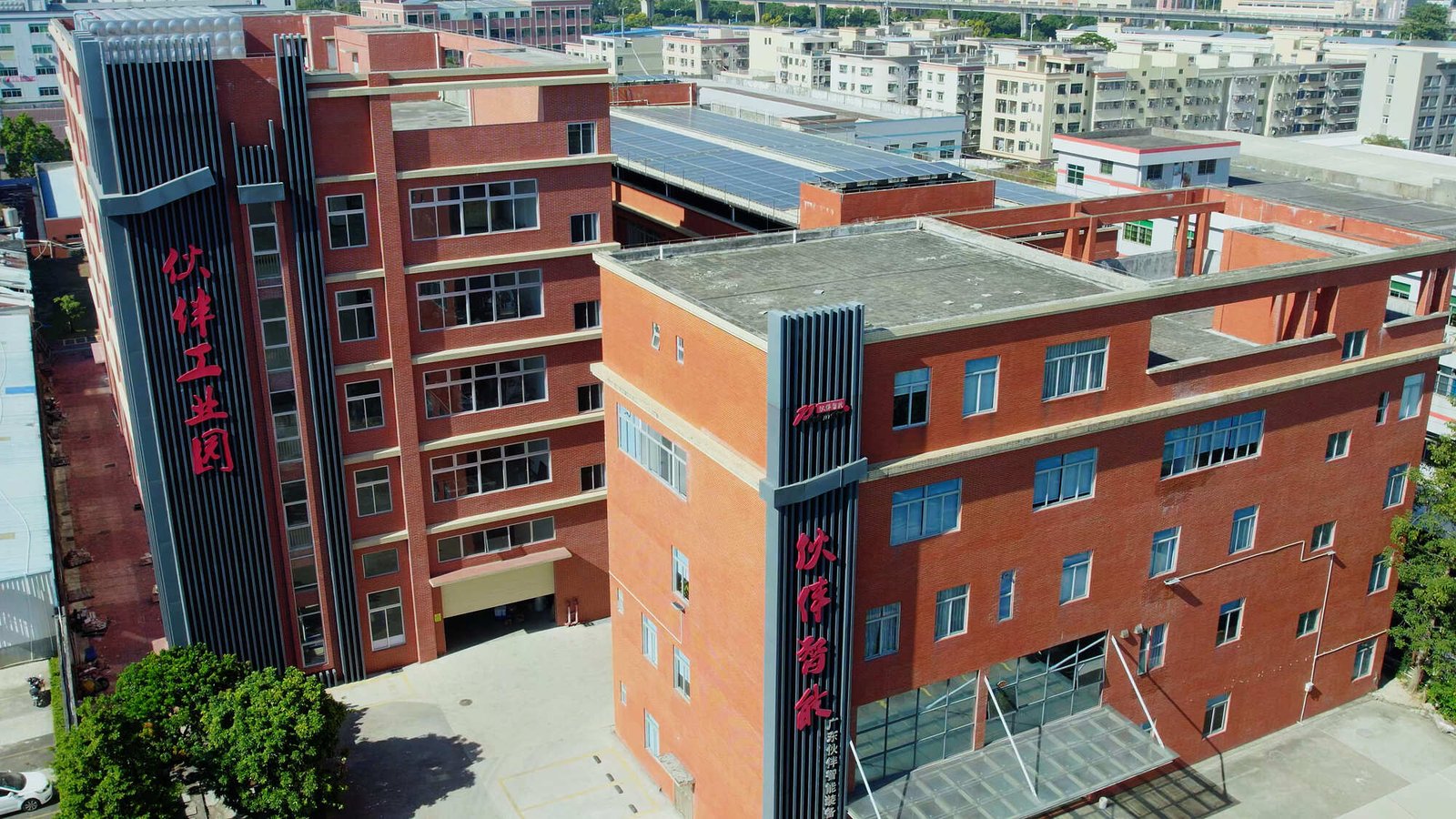
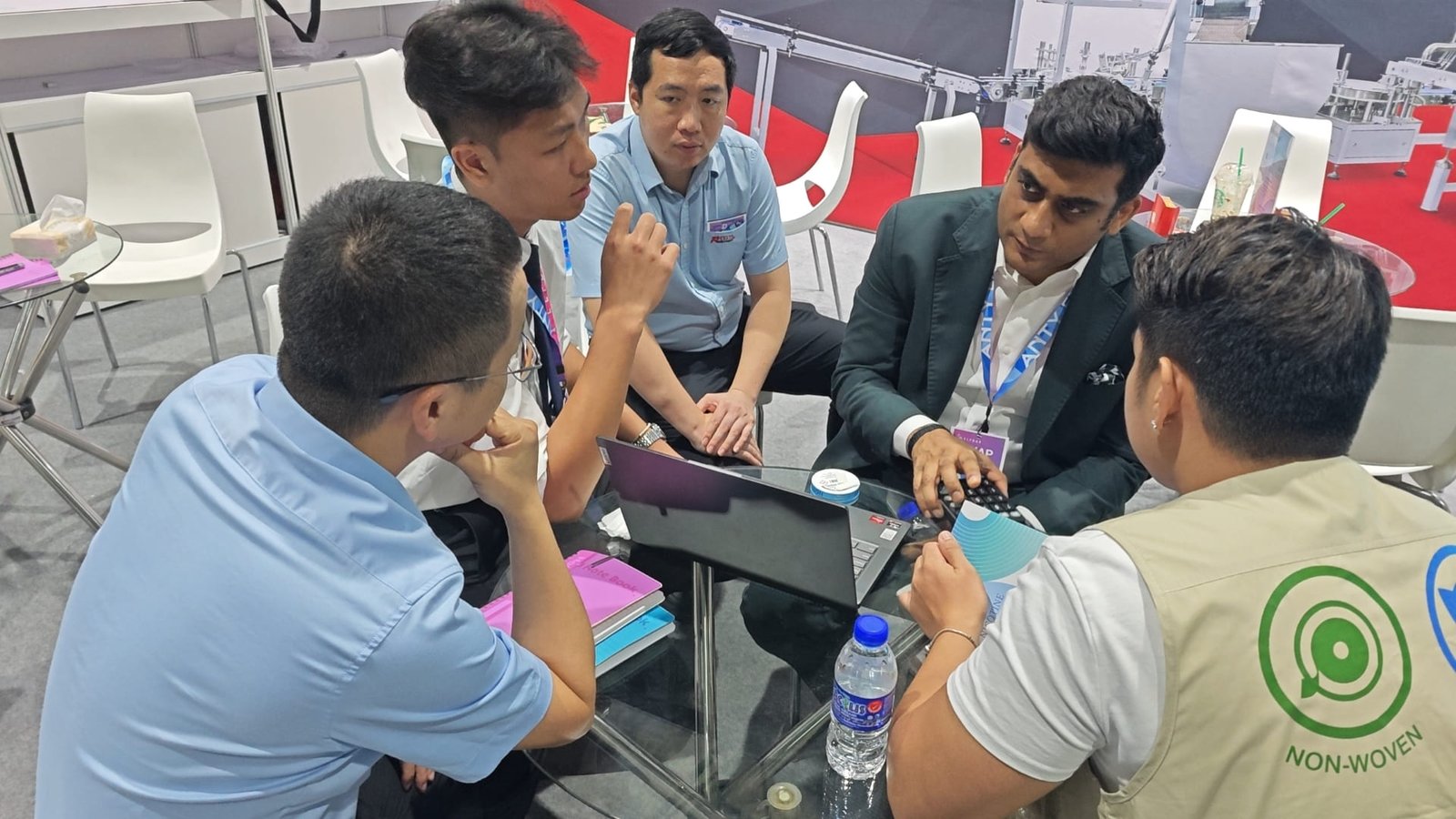
One example of an established packaging machinery manufacturer is Ludyway Machinery, a China-based company with more than 30 years of experience in the packaging industry. Operating from a 20,000-square-meter manufacturing facility with over 130 professionals and more than 50 packaging machine models, Ludyway provides automated packaging equipment and turnkey solutions for manufacturers across food and beverage, pharmaceuticals, health and nutraceutical products, cosmetics, chemicals, animal feed, and other industries. The company serves customers in more than 100 countries and regions, offering machine selection, packaging solution design, installation, commissioning, operator training, and after-sales support. Ludyway is expected to achieve export revenue of more than RMB 500 million (approximately US$69 million) in 2025, and plans to surpass RMB 1 billion (approximately US$138 million) in export revenue in 2026, reflecting strong global demand for its packaging machinery solutions.
Testing and Validation Before Purchase
Whenever possible, test your actual products on the machine before finalizing a purchase. Factory acceptance testing (FAT) allows you to:
- Verify that the machine handles your specific pencil types and dimensions correctly
- Confirm production speed claims under realistic operating conditions
- Assess pack quality, seal integrity, and overall presentation
- Evaluate noise levels, ease of operation, and changeover procedures
- Identify any unforeseen compatibility issues before the machine ships
Reputable suppliers will welcome FAT visits and may also offer video demonstrations or remote testing options if travel is not feasible. Never skip this validation step — it is far less expensive to identify and resolve issues during factory testing than after installation on your production floor.
Future-Proofing Your Investment
A pencil packing machine should serve your operation for many years. Consider how your needs might evolve:
- New product introductions: Can the machine accommodate different pencil sizes, shapes, or packaging formats in the future?
- Volume growth: Is the machine’s maximum speed sufficient for projected production increases over the next 3–5 years?
- Material changes: If you switch to sustainable or biodegradable packaging materials, will the machine handle them?
- Industry 4.0 readiness: Does the machine support data connectivity, performance monitoring, and smart factory integration?
- Modular expandability: Can you add feeding systems, automated cartoning, or palletizing modules later without replacing the core machine?
Choosing a pencil packing machine is a strategic decision that impacts your production efficiency, product quality, and bottom line for years to come. By thoroughly evaluating your requirements, understanding the available machine types, assessing technical specifications, verifying supplier credentials, and validating with real product testing, you can make a confident investment that supports your business goals. Take the time to research thoroughly, visit supplier facilities when possible, and prioritize long-term value over short-term cost savings — the right machine will pay dividends throughout its operational life.
Additional Resources: For further reading on packaging machinery selection, industry trends, and technical standards, explore the Flexible Packaging Association, review ISO packaging and distribution standards, and access PMMI business intelligence and market research for comprehensive industry data. For information on regulatory compliance in packaging applications, consult FDA food packaging and food contact substances guidelines. Global packaging machinery market developments and growth trends can also be explored through industry analysis on packaging machinery export growth.