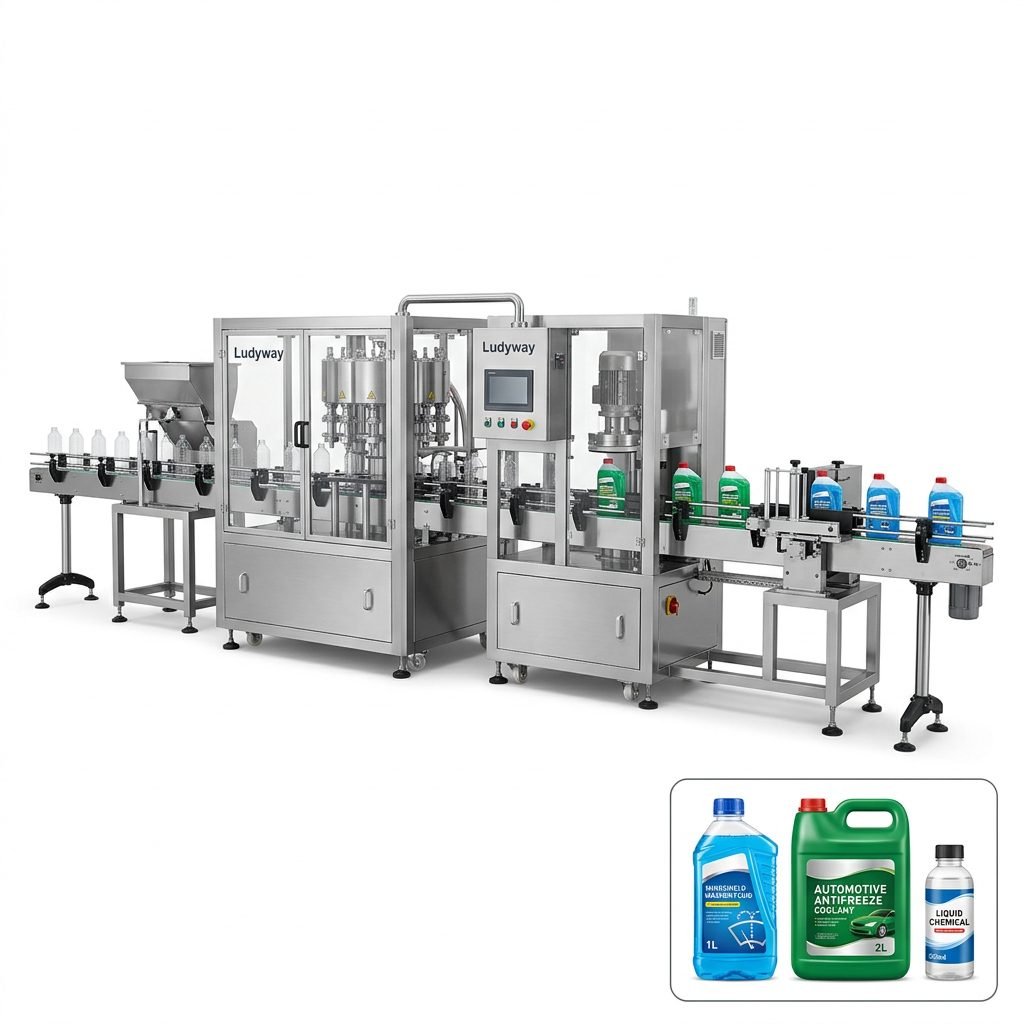
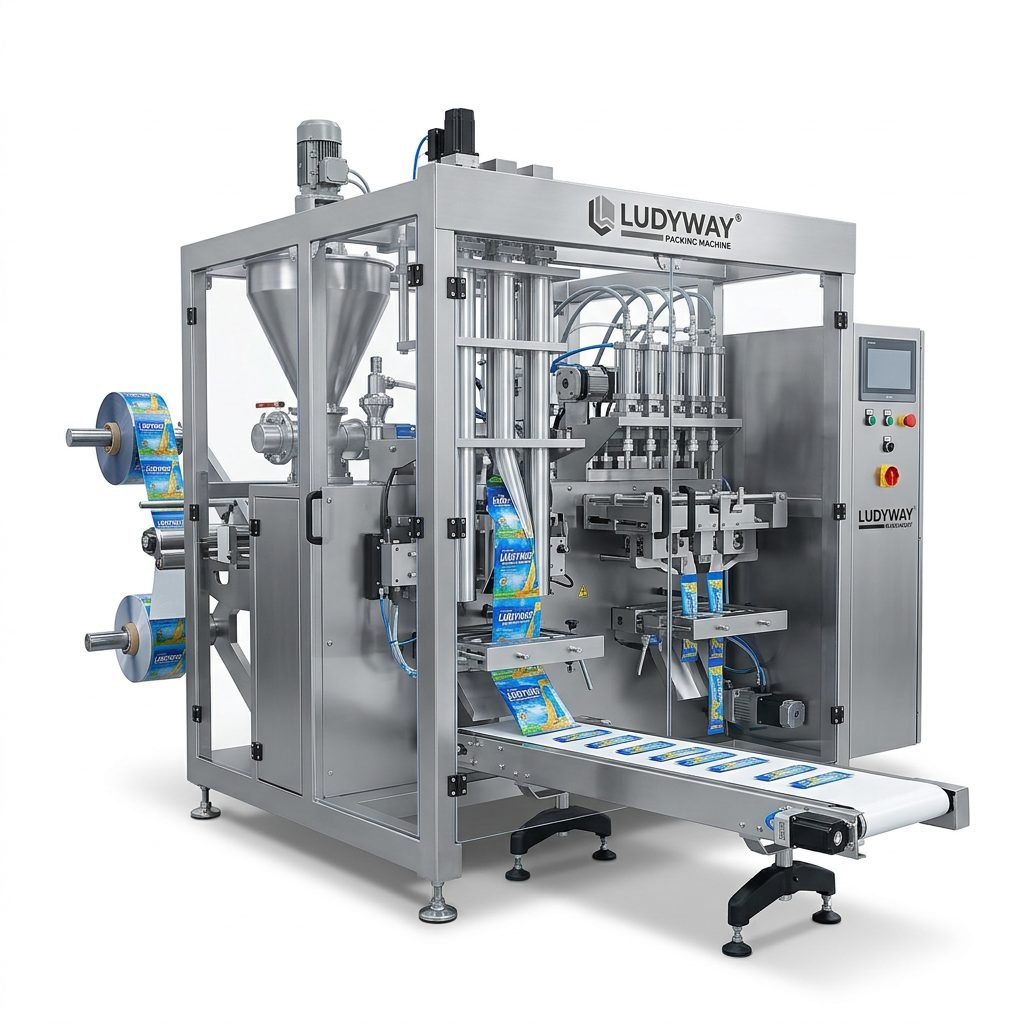
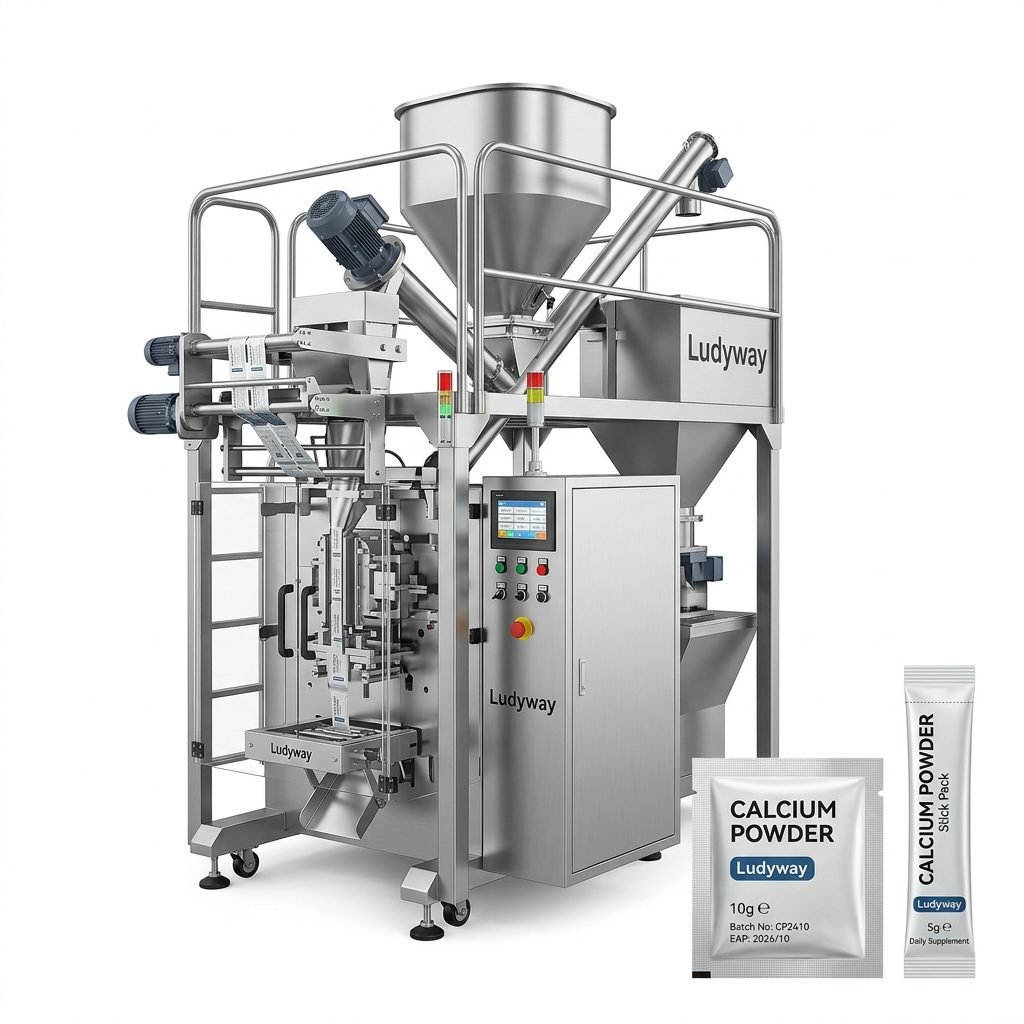
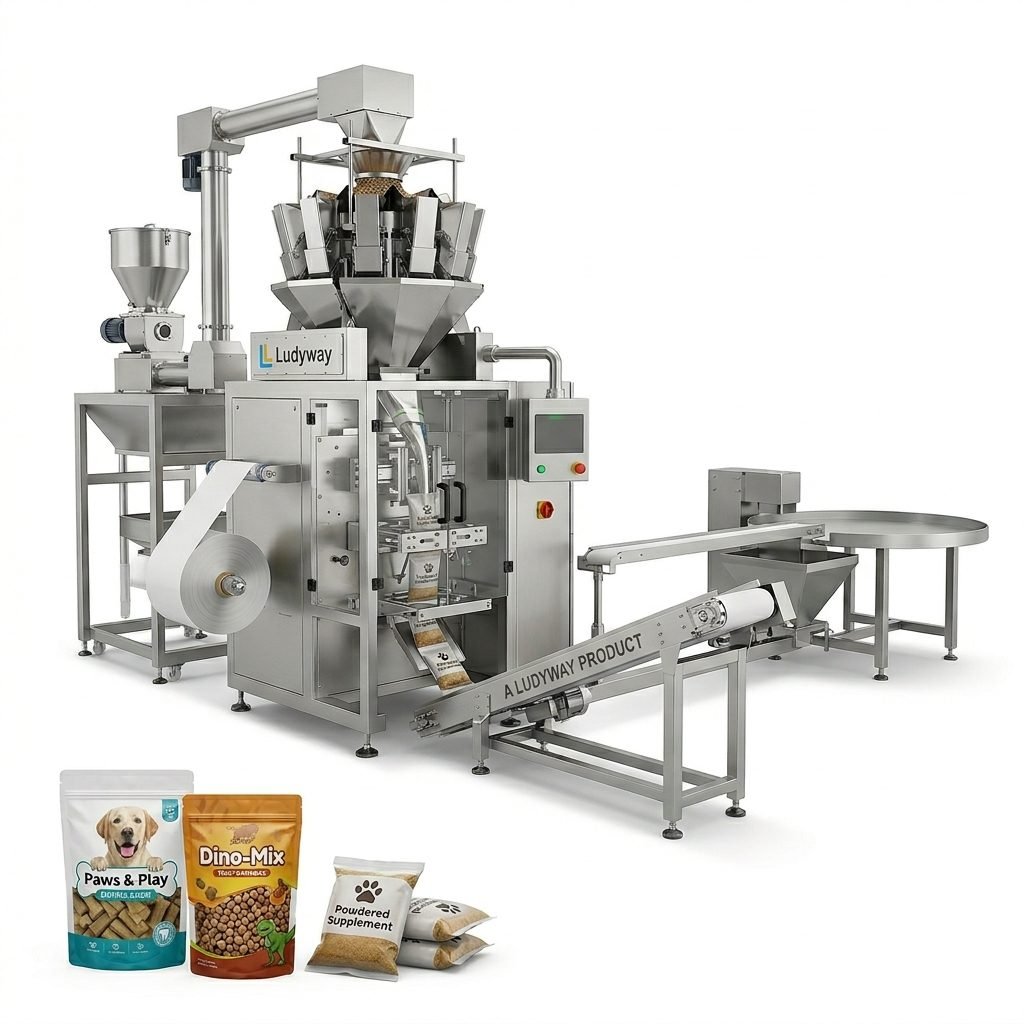
Investing in a pipe packing machine is a strategic decision that directly affects production efficiency, product quality, and operational costs. Whether you are packaging granular materials, powders, liquids, or pastes into tube-shaped or stick-pack formats, selecting the right equipment requires evaluating multiple technical and commercial factors. This guide walks you through the essential considerations to help you choose a pipe packing machine that matches your production goals, budget, and long-term scalability requirements.

Understanding Different Types of Pipe Packing Machines
Pipe packing machines encompass a broad range of equipment designed to fill and seal products into tubular packaging formats. The most common configurations include:
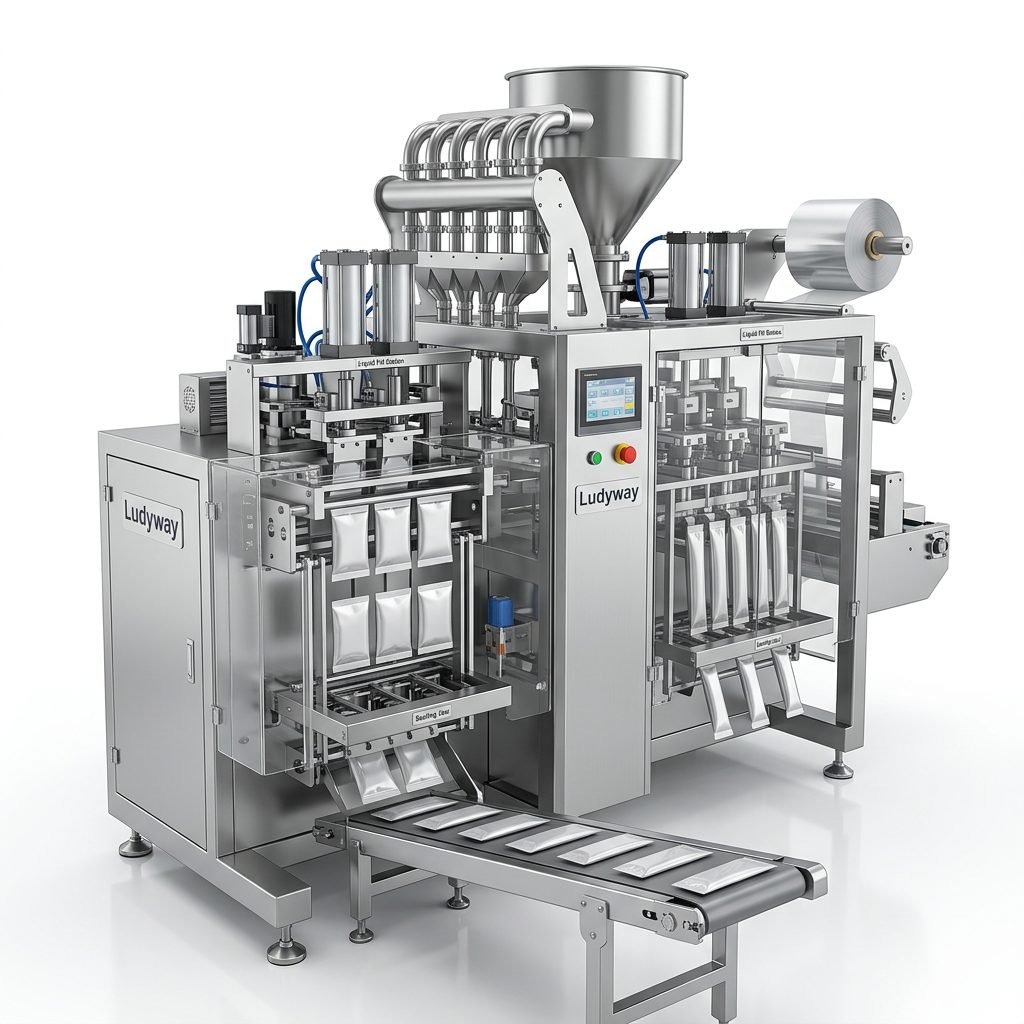
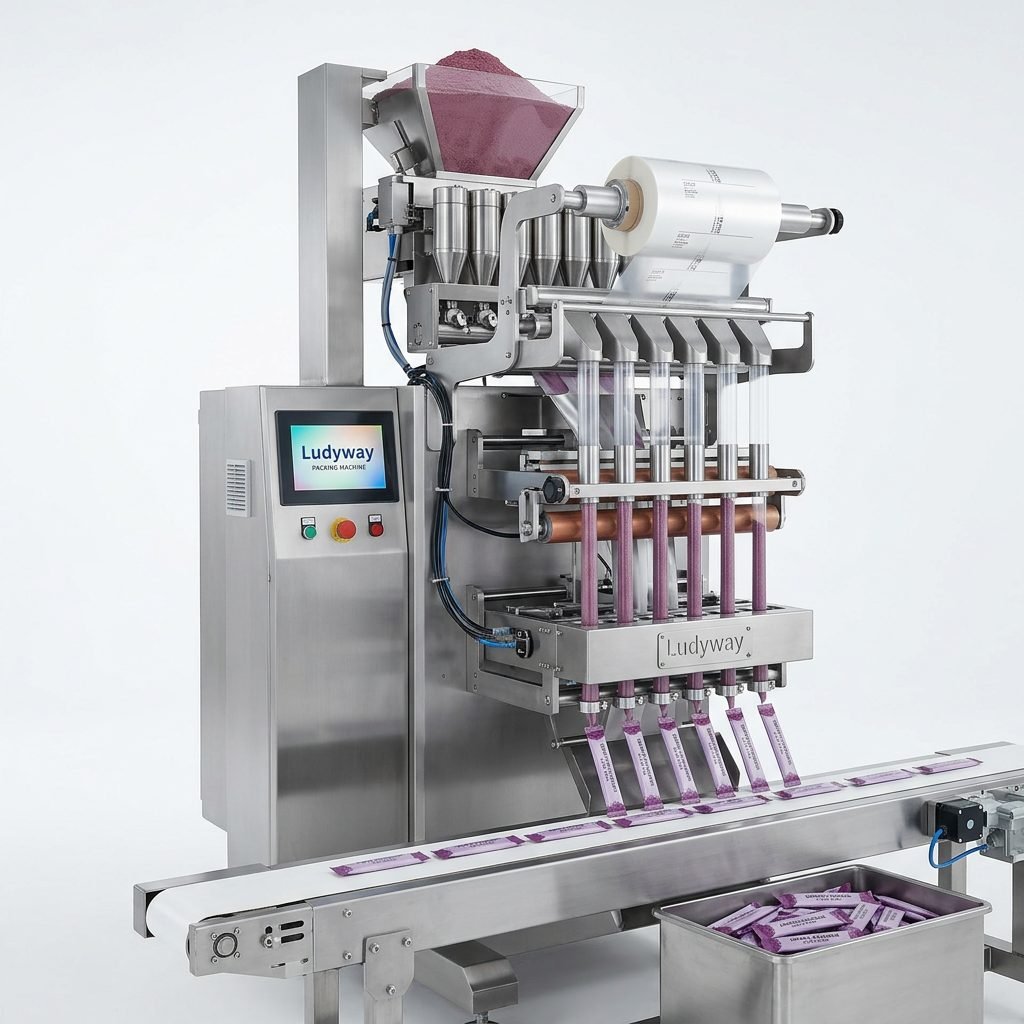
- Stick pack machines — Ideal for single-serve portions of powders, granules, and liquids, commonly used in food, pharmaceutical, and cosmetic industries.
- Sachet packing machines — Versatile systems capable of handling various product types in flat or pillow-shaped pouches.
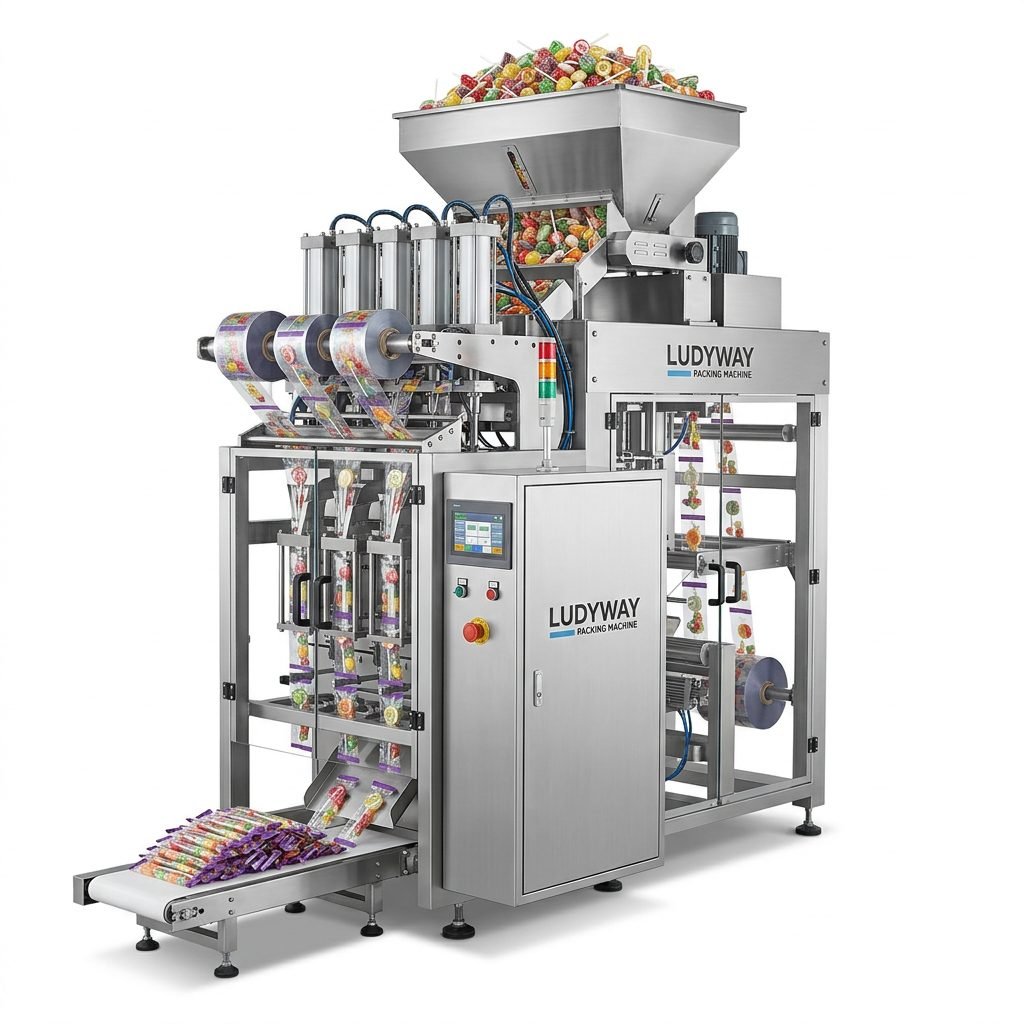
- Multi-lane packaging systems — High-speed configurations that run multiple lanes simultaneously, significantly increasing output for high-volume production.
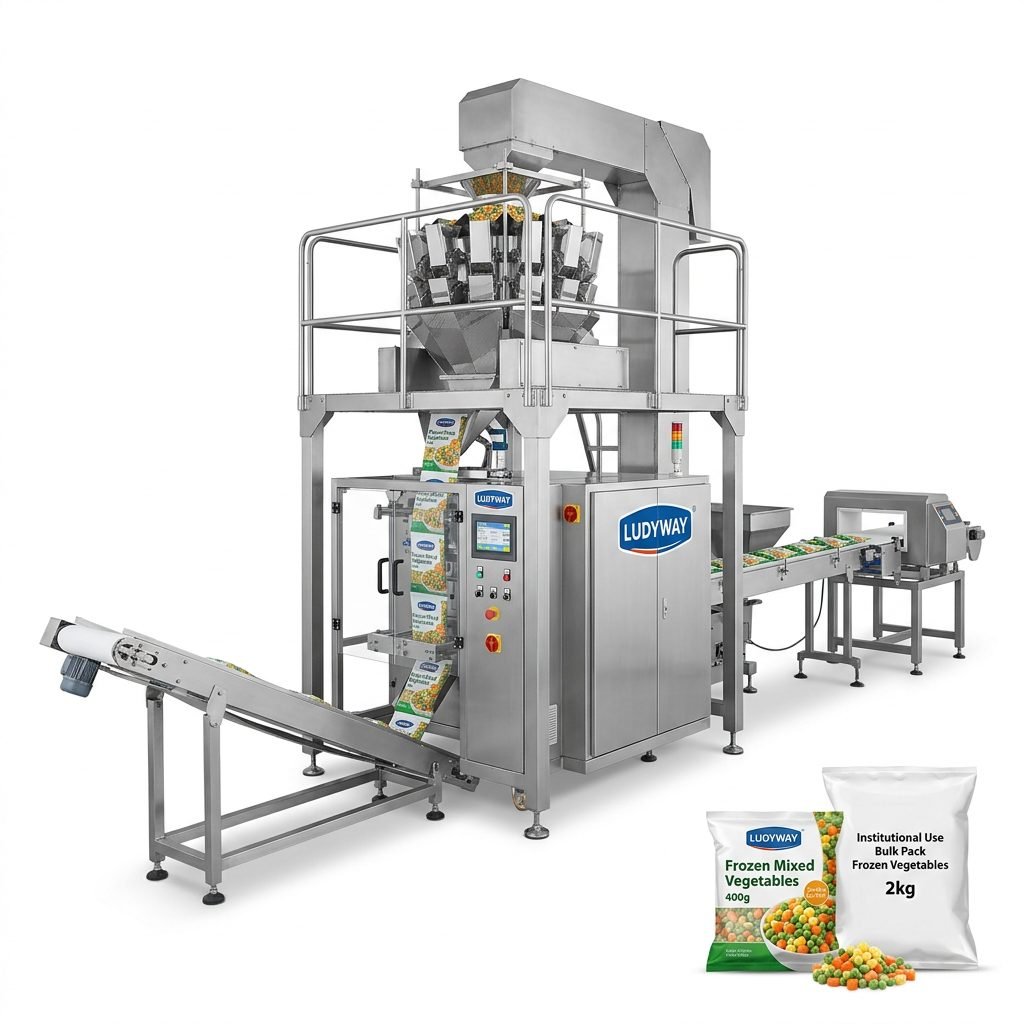
- Vertical form-fill-seal (VFFS) machines — Widely used for granular and powder products, forming the tube from a roll of film, filling, and sealing in one continuous process.
Understanding which type aligns with your product characteristics is the first critical step in narrowing down your options. For example, PMMI notes that stick pack and sachet formats continue to gain market share across multiple industries due to consumer demand for convenience and portion control.
Key Factors to Evaluate When Selecting a Pipe Packing Machine
1. Product Characteristics and Compatibility
The physical properties of your product — whether it is a free-flowing granule, a cohesive powder, a viscous liquid, or a paste — determine the appropriate dosing and filling system. Key product attributes to assess include:
- Particle size distribution and bulk density
- Flowability and potential for bridging or clumping
- Moisture sensitivity and hygroscopic behavior
- Temperature sensitivity during filling and sealing
- Abrasiveness or corrosiveness
Matching the machine’s material contact parts to your product’s chemical properties helps prevent contamination, equipment wear, and production downtime. Stainless steel construction is often specified for food-grade and pharmaceutical applications, with 316L stainless steel recommended for more aggressive or high-purity products.
2. Production Speed and Capacity Requirements
Throughput requirements should be analyzed not just for current needs but with a 3-to-5-year growth projection. A machine that barely meets today’s output targets may become a bottleneck as demand increases. Consider these production metrics:
- Target output in packs per minute (PPM) or packs per hour
- Number of production shifts per day and operating days per year
- Changeover frequency between different product SKUs or packaging formats
- Expected Overall Equipment Effectiveness (OEE) and uptime
Multi-lane pipe packing machines can achieve dramatically higher throughput — some configurations run 4 to 16 lanes simultaneously, multiplying output without proportionally increasing floor space or operator requirements.
3. Packaging Material Compatibility
Not all pipe packing machines handle every packaging film or laminate equally well. The machine’s sealing system — whether heat-seal, ultrasonic, or impulse sealing — must be compatible with your chosen packaging material. Key material considerations include:
- Film structure: mono-layer, multi-layer laminate, aluminum foil, or paper-based
- Sealant layer type and required sealing temperature range
- Barrier properties needed for product shelf life
- Material thickness and stiffness affecting machine handling
- Sustainability goals and flexible packaging sustainability requirements
4. Automation Level and Integration Capability
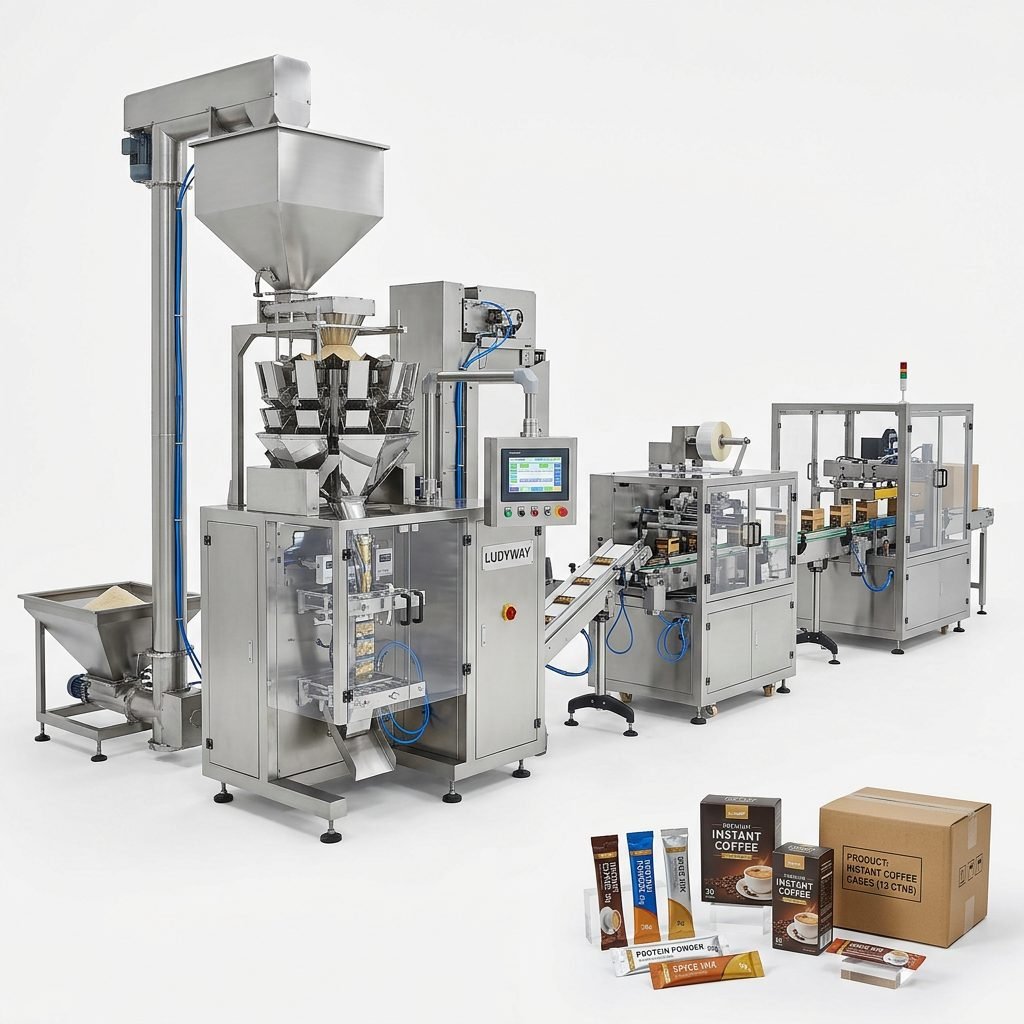
Modern pipe packing machines range from semi-automatic units requiring significant operator involvement to fully automated systems integrated with upstream and downstream equipment. Evaluate whether you need:
- Automatic feeding systems (vibratory feeders, auger fillers, piston fillers, or multi-head weighers)
- In-line quality control modules such as ISO-compliant checkweighers and metal detectors
- Coding and marking systems (thermal transfer, inkjet, or laser)
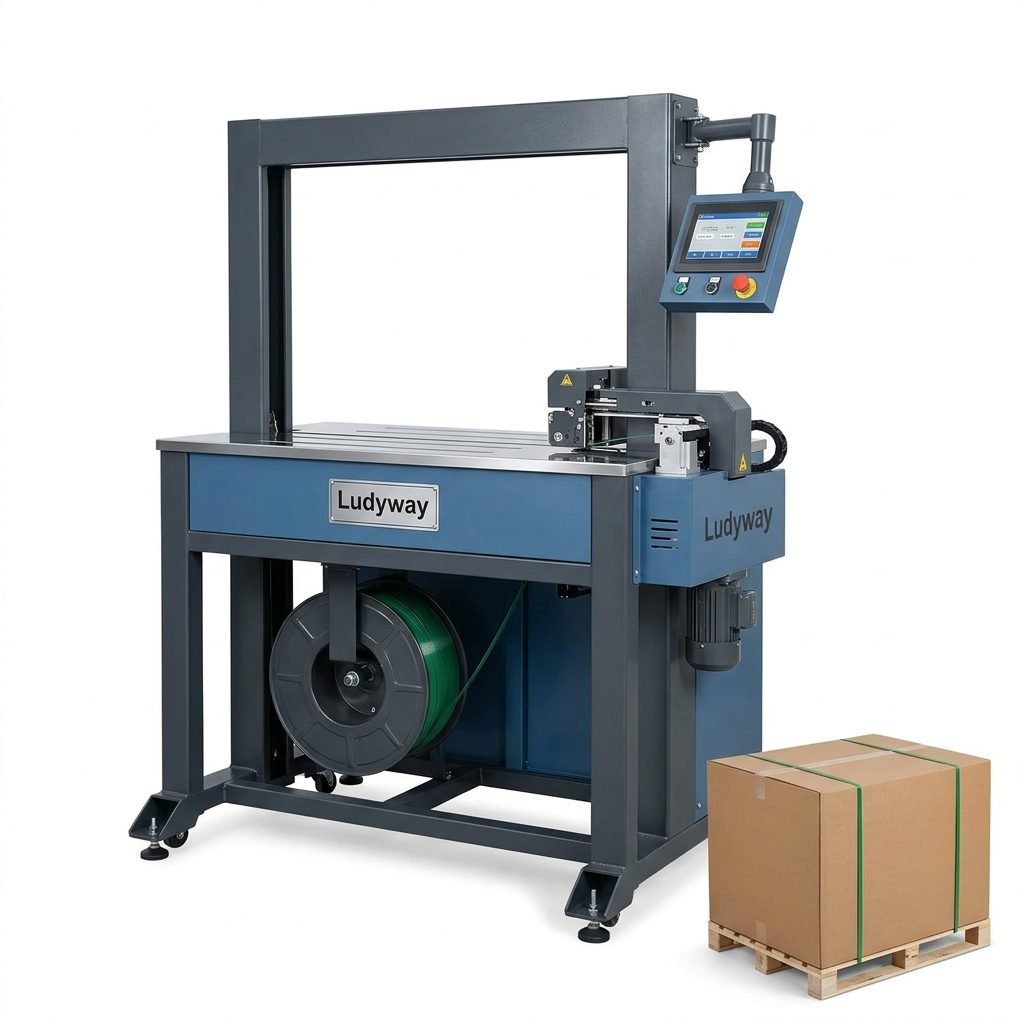
- Automated cartoning, case packing, and palletizing systems
- Integration with Manufacturing Execution Systems (MES) or ERP platforms
A higher level of automation reduces labor dependency, improves consistency, and enables data-driven production management. However, it requires a larger initial investment and more sophisticated technical support.

Industry-Specific Considerations for Pipe Packing Machines
Different industries impose distinct requirements on packaging equipment. Understanding these sector-specific demands helps avoid costly compliance issues:
| Industry | Key Requirements | Recommended Features |
|---|---|---|
| Food & Beverage | Hygienic design, easy cleaning, food-grade materials | CIP-ready systems, stainless steel construction, FDA-compliant materials |
| Pharmaceuticals | GMP compliance, validation documentation, traceability | 21 CFR Part 11 compliance, audit trail, serialization-ready |
| Cosmetics | Aesthetic finish, precise dosing, diverse formats | Quick changeover, multi-format capability, gentle product handling |
| Chemicals | Corrosion resistance, explosion-proof options, robust construction | Specialized coatings, ATEX-compliant configurations, heavy-duty sealing |
| Nutraceuticals | Accurate dosing, product integrity, clean label support | High-precision dosing, nitrogen flushing, protective atmosphere packaging |
Customized vs. Standard Pipe Packing Solutions
While standard pipe packing machines offer faster delivery times and lower upfront costs, they may not fully address unique production requirements. Customized packaging solutions provide advantages in several scenarios:
- Products with unusual flow characteristics requiring specialized dosing mechanisms
- Non-standard packaging formats or dimensions not available in standard machine configurations
- Integration with existing production line layouts and factory space constraints
- Specific regulatory or certification requirements for target markets
- Multi-product facilities requiring frequent and rapid changeovers
A manufacturer with in-house engineering capabilities can design machines tailored to exact specifications while maintaining competitive lead times. The Flexible Packaging Association highlights that customized machinery increasingly supports manufacturers adopting innovative packaging formats and sustainable materials.

Evaluating Pipe Packing Machine Suppliers
Choosing the right supplier is as important as selecting the right machine specifications. Key supplier evaluation criteria include:
Manufacturing Capability and Quality Systems
Assess the supplier’s manufacturing infrastructure, quality certifications, and component sourcing practices. A supplier with substantial in-house manufacturing capacity — such as a facility exceeding 20,000 square meters with dedicated engineering teams — can better control production quality and delivery schedules. Verify that they work with established industrial automation and component suppliers for critical systems.
Technical Support and After-Sales Service
Equipment performance over its lifecycle depends heavily on the technical support available. Look for suppliers offering:
- Remote technical assistance for rapid troubleshooting
- Readily available spare parts inventory and efficient distribution
- On-site installation, commissioning, and operator training
- Preventive maintenance programs to maximize uptime
- Clear warranty terms and post-warranty service options
Global Experience and Market Presence
A supplier with international experience understands diverse regulatory environments and market requirements. For example, Ludyway Machinery — a China-based packaging machinery manufacturer with over 30 years of industry experience — serves customers in more than 100 countries and regions, providing packaging machinery for manufacturers across food, pharmaceutical, cosmetic, chemical, and other industries. With a 20,000-square-meter manufacturing facility, more than 130 professionals, and over 50 packaging machine models, Ludyway is expected to achieve export revenue of more than RMB 500 million (approximately US$69 million) in 2025, and plans to surpass RMB 1 billion (approximately US$138 million) in export revenue in 2026. This growth trajectory reflects the increasing global demand for reliable, customized packaging machinery solutions.
Total Cost of Ownership Analysis
The purchase price of a pipe packing machine represents only a portion of its total cost over the equipment lifecycle. A comprehensive Total Cost of Ownership (TCO) analysis should account for:
| Cost Category | Typical Considerations | Impact on TCO |
|---|---|---|
| Initial Capital | Machine purchase, shipping, import duties, installation | 25-35% of TCO |
| Operating Costs | Energy consumption, packaging materials, labor, consumables | 40-50% of TCO |
| Maintenance | Spare parts, preventive maintenance, unexpected repairs | 10-15% of TCO |
| Downtime | Lost production, missed orders, overtime to recover | 5-10% of TCO (often underestimated) |
| End-of-Life | Decommissioning, disposal, or resale value | 2-5% of TCO |
Choosing a machine with higher reliability, better energy efficiency, and longer service intervals can significantly reduce the TCO — even if the initial purchase price is higher. Reference PMMI’s business intelligence resources provide additional benchmarks for packaging machinery investment analysis.
Regulatory Compliance and Certification Requirements
Depending on your target markets and industry, your pipe packing machine may need to comply with various international standards and regulations. Common requirements include:
- CE marking for the European Economic Area, covering machinery safety
- FDA compliance for food-contact materials in the U.S. market
- GMP (Good Manufacturing Practice) for pharmaceutical and nutraceutical applications
- ISO 11607 for packaging of terminally sterilized medical devices
- ATEX directives for equipment operating in potentially explosive atmospheres
Verify that the equipment manufacturer can provide the necessary compliance documentation and support your certification process. For pharmaceutical applications, FDA packaging and food contact substance regulations and European packaging waste regulations are particularly relevant to material selection and machine design.

Making the Final Decision
Selecting the right pipe packing machine requires balancing technical specifications, production requirements, budget constraints, and long-term strategic goals. A structured decision-making process should include:
- Define your product and packaging requirements with precise specifications for format, speed, and quality
- Shortlist suppliers based on industry experience, technical capability, and global service presence
- Request detailed proposals including machine specifications, lead times, and TCO estimates
- Conduct factory visits or virtual audits to verify manufacturing quality and engineering expertise
- Test your product on the proposed machine through factory acceptance testing (FAT) with actual materials
- Evaluate after-sales support including technical assistance, spare parts availability, and training programs
A well-chosen pipe packing machine becomes a long-term production asset that supports quality, efficiency, and growth. Take the time to evaluate your options thoroughly — the upfront effort pays dividends over the equipment’s service life. For manufacturers seeking a single partner for equipment selection, system integration, customization, installation, and ongoing technical support, working with an experienced packaging machinery partner can streamline the entire process from initial consultation to full production ramp-up.