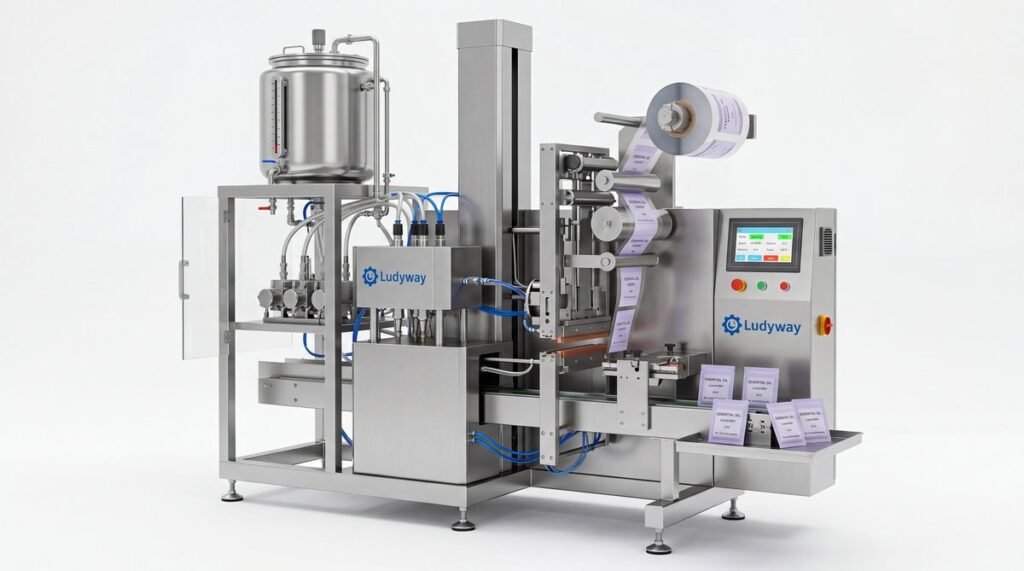
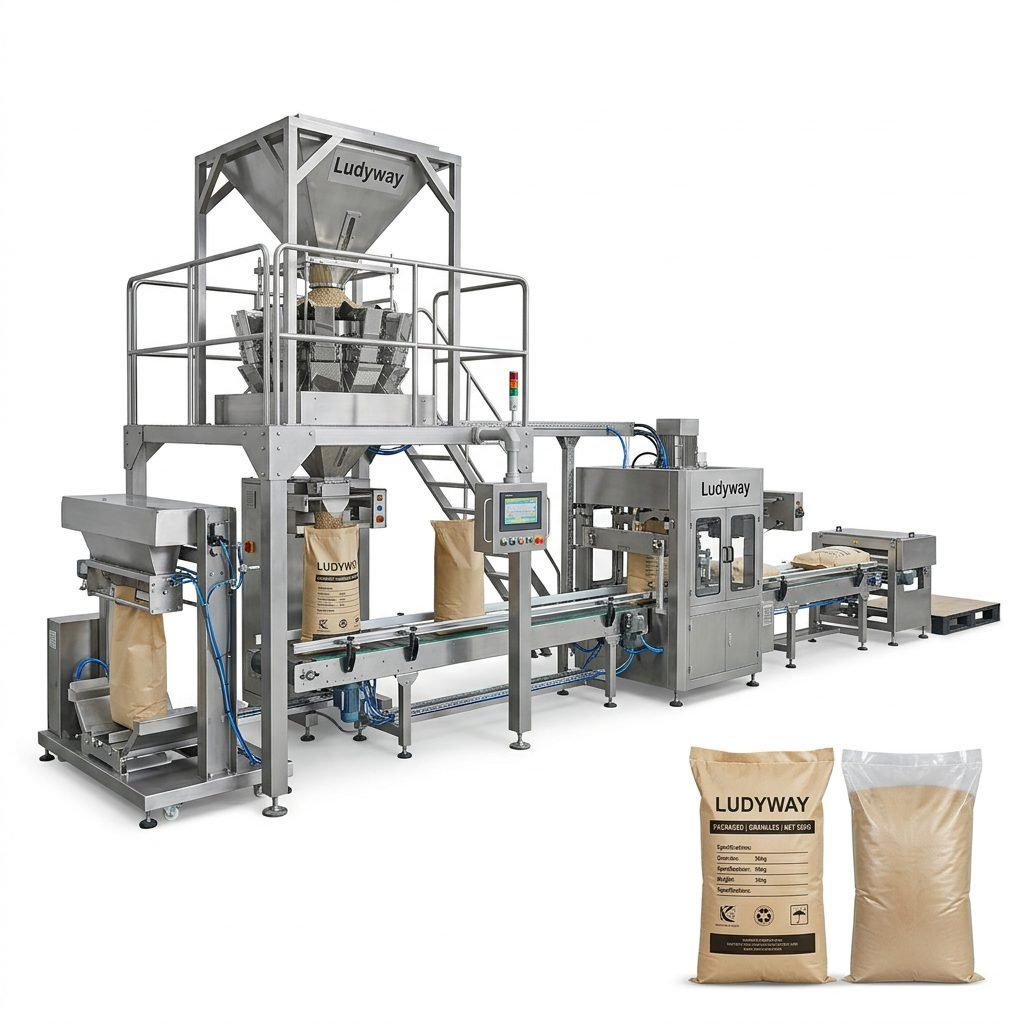
Investing in a plastic jar packing machine is a strategic decision that directly impacts your production efficiency, product quality, and bottom line. With a wide range of equipment available, from semi-automatic fillers to fully integrated turnkey packaging lines, selecting the right system requires a methodical evaluation of your product characteristics, production goals, and operational environment. This guide breaks down the essential factors you need to consider before making a purchase.
Understanding Plastic Jar Packing Machine Configurations
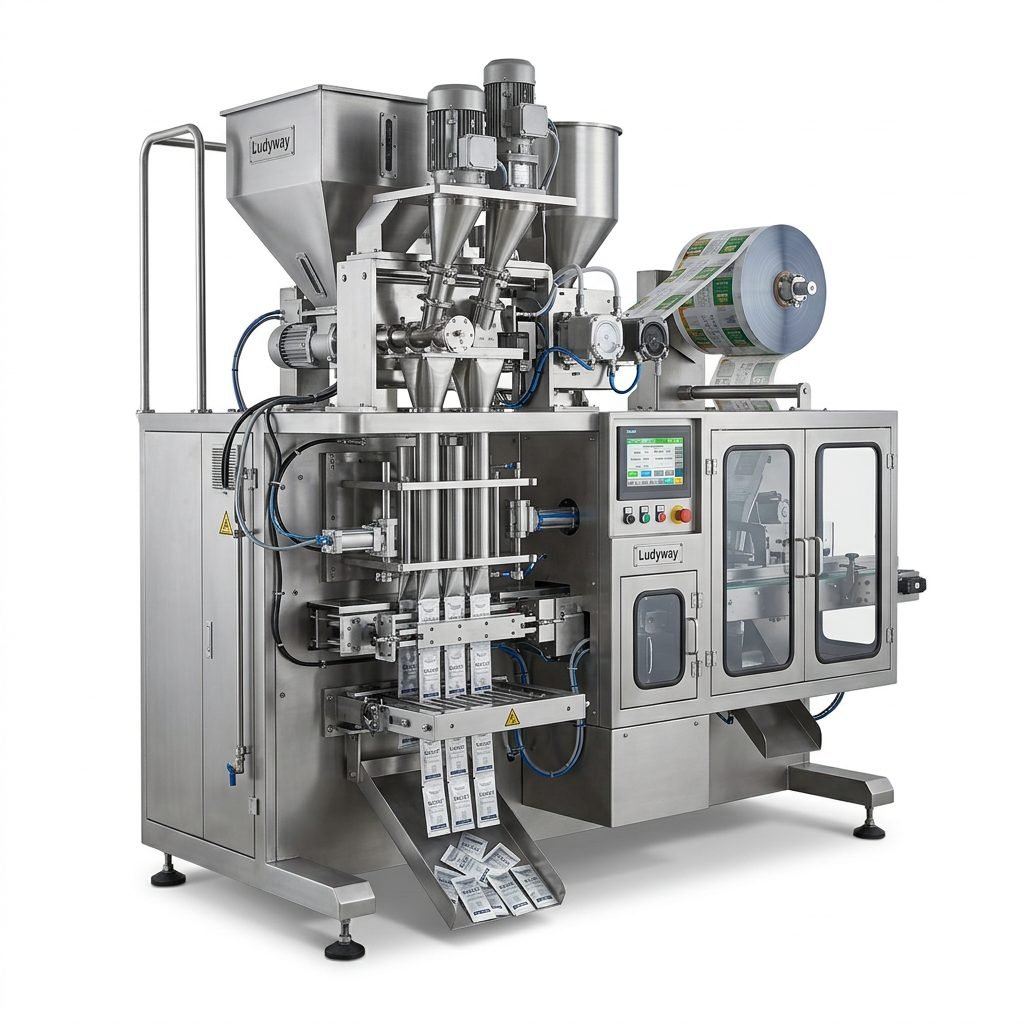
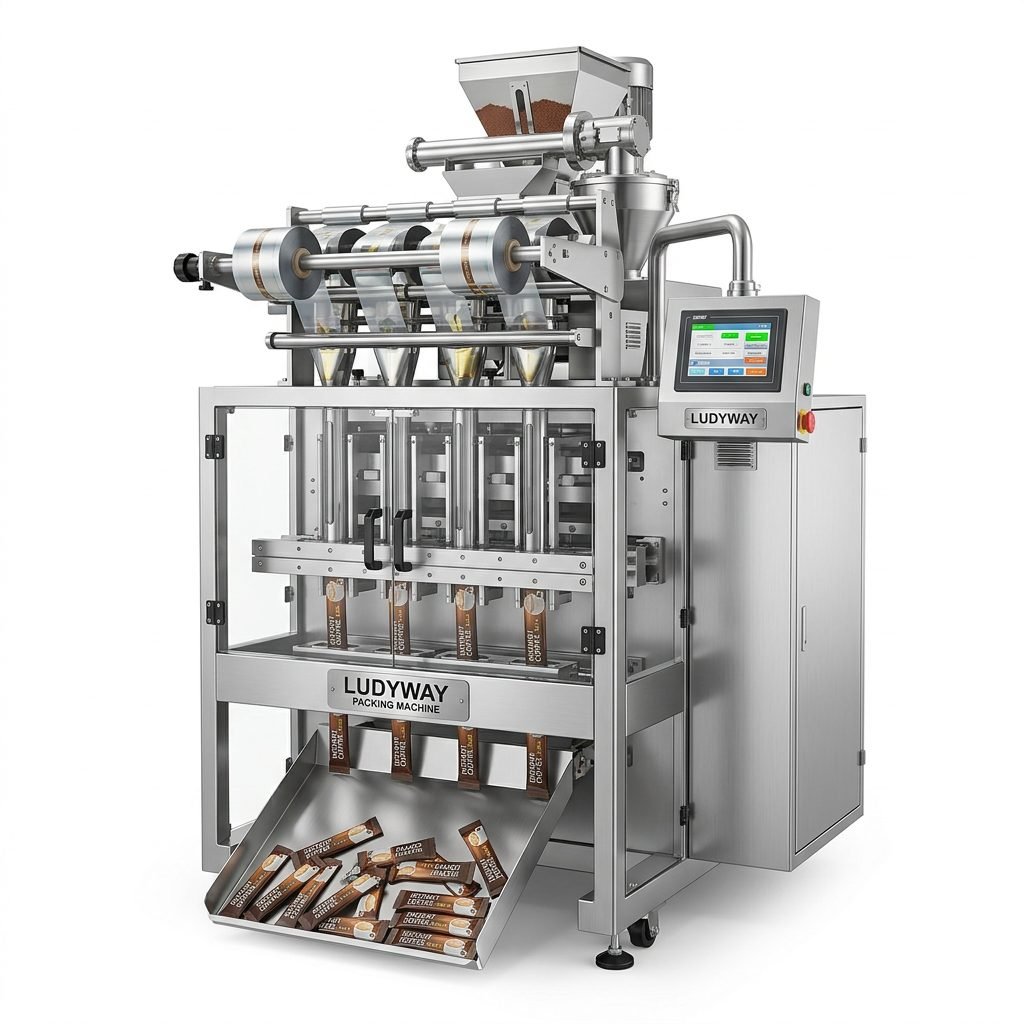
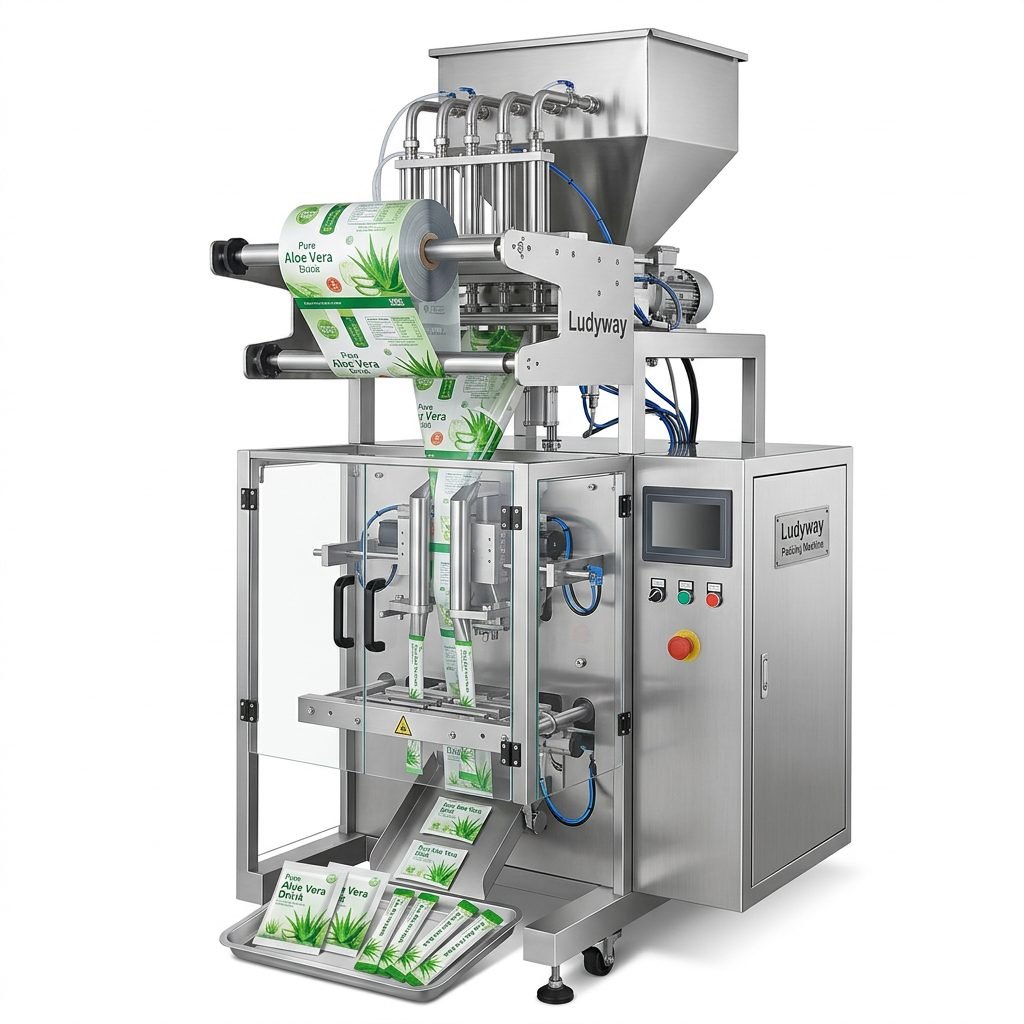
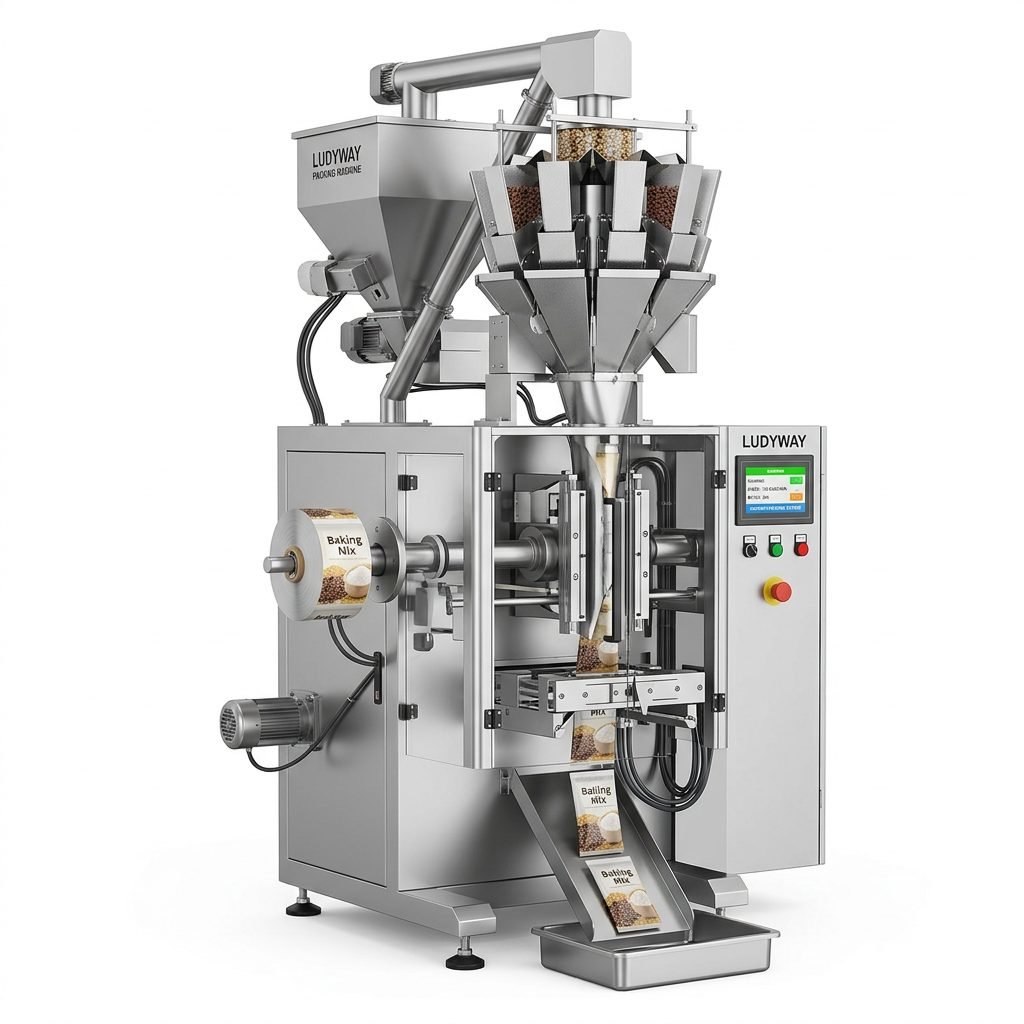
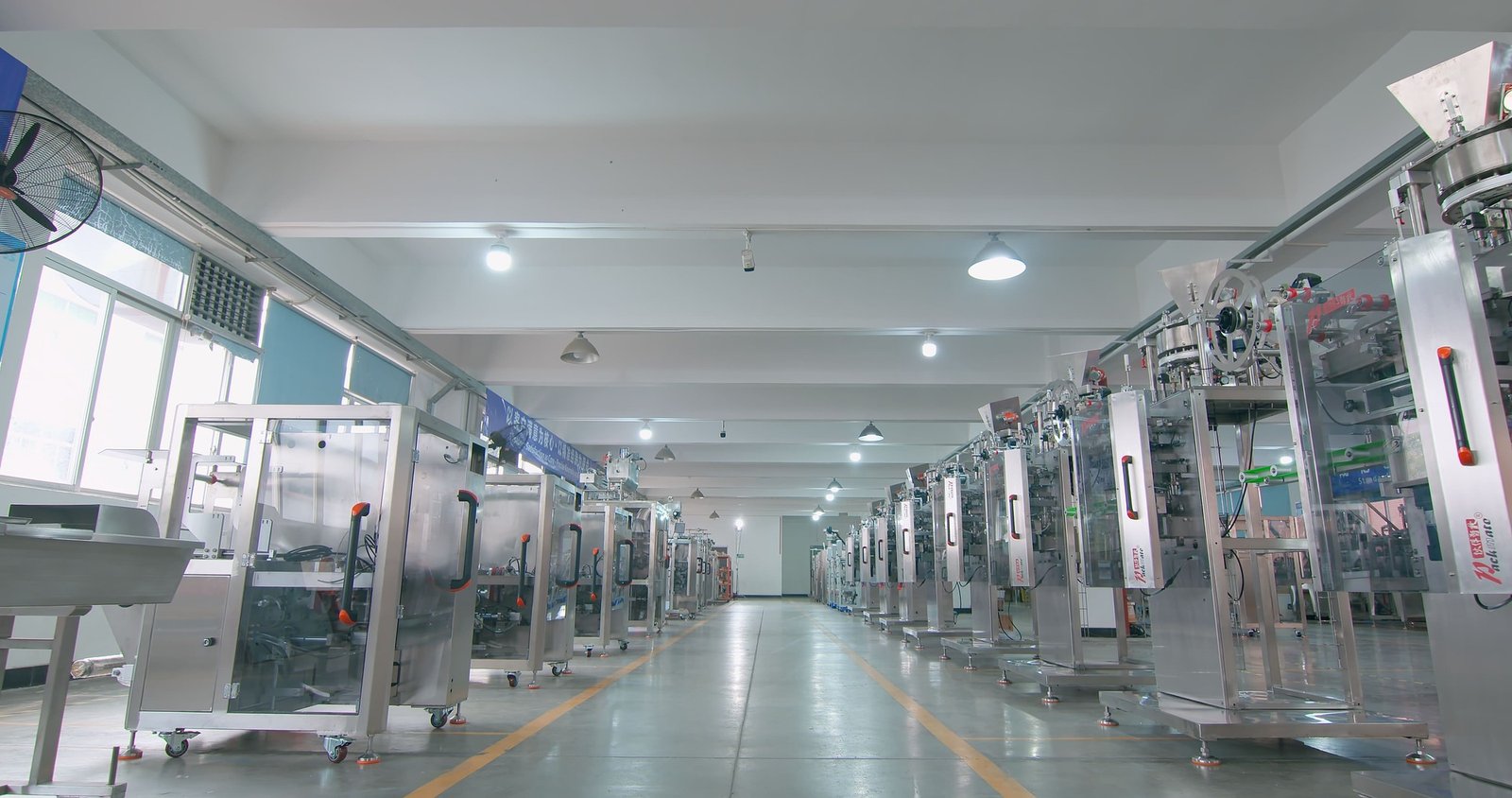
Plastic jar packing machines are not one-size-fits-all solutions. They vary significantly based on the type of product being filled, the jar size and shape, the required filling speed, and the level of automation needed. Common configurations include volumetric cup fillers for free-flowing granules, auger fillers for powders, piston fillers for viscous liquids, and multi-head weighers for high-accuracy applications. Understanding which dosing technology matches your material is the first critical step. For manufacturers handling multiple product types, equipment that can be configured for different filling volumes and packaging materials becomes essential. Referencing resources from PMMI – The Association for Packaging and Processing Technologies can provide deeper insight into industry-standard machine classifications and performance benchmarks.
Key Factors to Evaluate Before Buying
Before engaging with suppliers, clarify your production requirements. The following table outlines the core parameters that should guide your equipment selection process:
| Selection Factor | Key Questions to Ask | Why It Matters |
|---|---|---|
| Product Characteristics | Is your product a free-flowing granule, cohesive powder, paste, or liquid? What is its bulk density and particle size? | Determines the appropriate dosing and filling mechanism (auger, volumetric, piston, multi-head weigher). |
| Target Output Speed | How many jars per minute or hour do you need to fill consistently? | Dictates the automation level and number of filling heads required. |
| Jar Size and Shape Range | What are the minimum and maximum jar dimensions, neck diameters, and closure types? | Impacts machine changeover flexibility and the need for quick-adjustment features. |
| Accuracy and Fill Tolerance | What is your acceptable fill weight deviation? Is in-line checkweighing required? | Ensures regulatory compliance and minimizes product giveaway. |
| Integration Requirements | Do you need a standalone filler or a complete line including capping, labeling, and cartoning? | Influences supplier selection and overall project complexity. |
Matching Filling Technology to Your Material
Selecting the wrong filling method leads to inaccurate dosing, product waste, and downtime. Here is how different material types align with specific filling technologies:
- Free-flowing granules and pellets (e.g., plastic resins, grains, seeds, fertilizers) — Volumetric cup fillers or multi-head combination weighers deliver high speed with excellent accuracy. Multi-head weighers are particularly effective for products requiring precise target weights, as confirmed by analysis in the PMMI 2025 State of the Industry report.
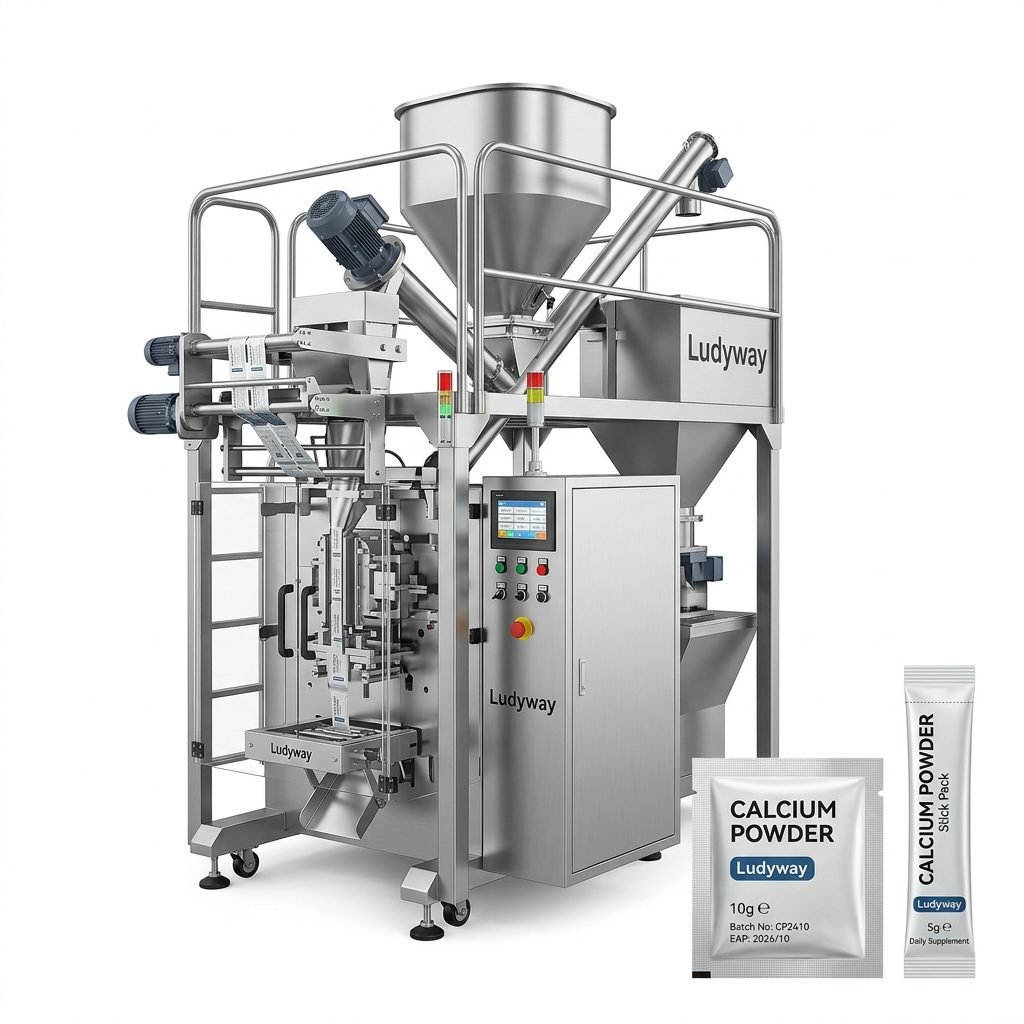
- Powders and fine particles (e.g., flour, spices, protein powder, pharmaceutical ingredients) — Auger fillers provide controlled, dust-free filling for cohesive and aeratable powders.
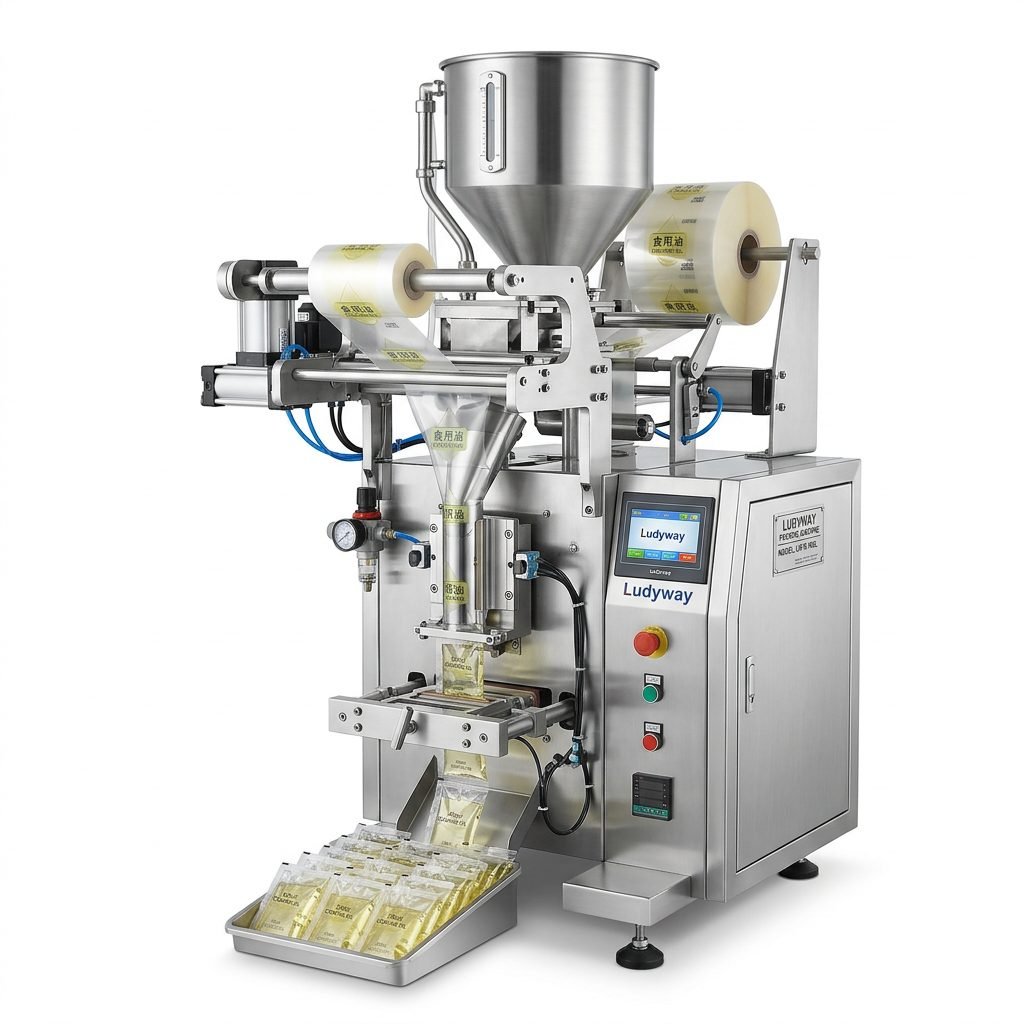
- Liquids, pastes, and creams (e.g., sauces, honey, cosmetic creams, adhesives) — Piston fillers or pump-based systems handle a broad viscosity range with high repeatability.
- Sticky or bridging products (e.g., dried fruit, shredded cheese, certain supplements) — Specially designed agitation systems and positive-displacement fillers prevent bridging and ensure consistent flow.
Semi-Automatic vs. Fully Automatic Plastic Jar Packing Lines
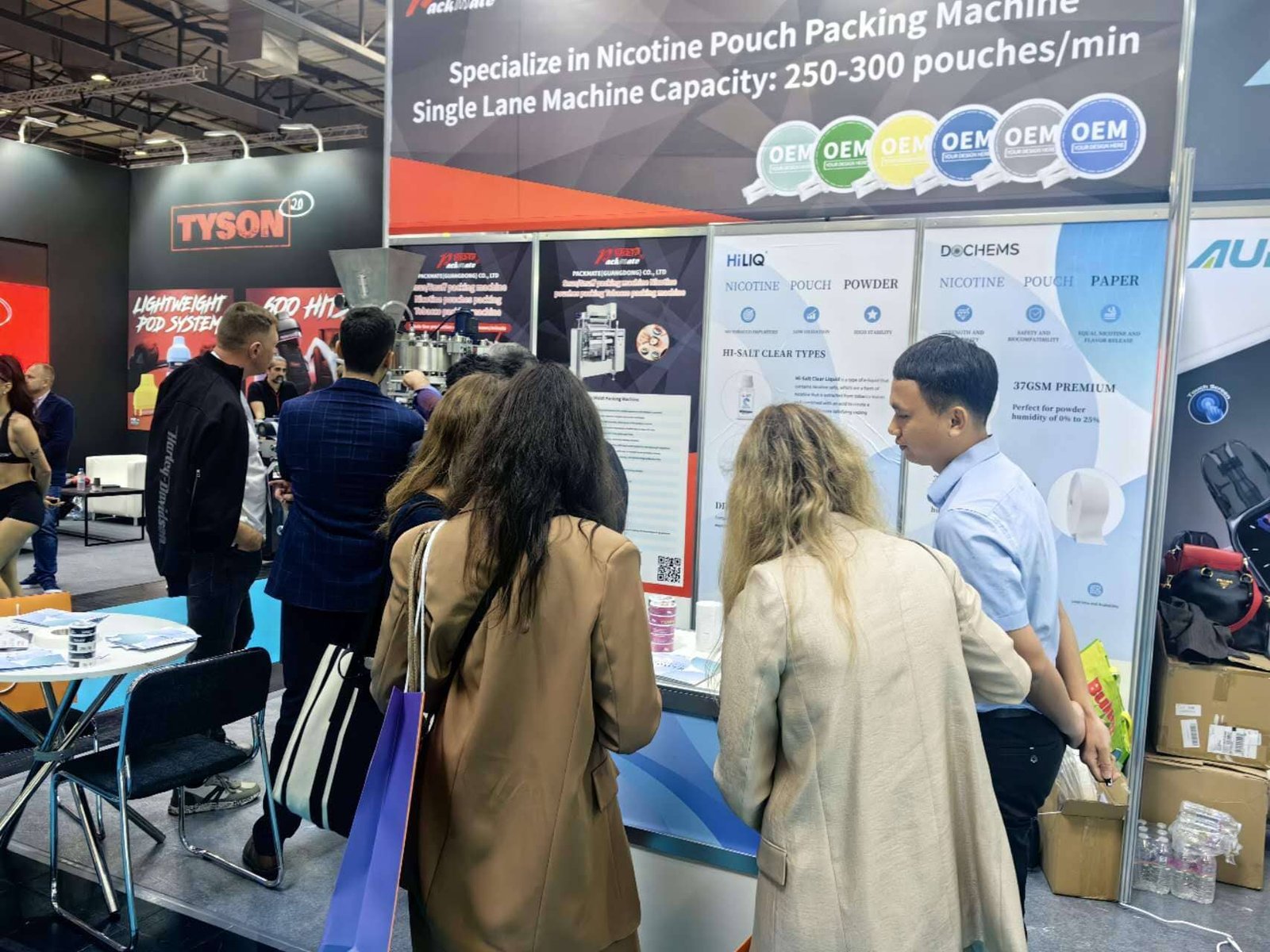
Your current and projected production volumes should dictate the automation level. Semi-automatic machines require operators to manually place jars under filling nozzles and activate the fill cycle. They are ideal for startups, co-packers with frequent changeovers, and lower-volume runs. Fully automatic jar packing systems integrate automatic jar feeding, filling, capping, labeling, and checkweighing into one synchronized line. These are designed for mid- to high-volume manufacturers who prioritize consistency and labor reduction. Industry insights from the Flexible Packaging Association highlight a growing trend toward fully automated lines to improve production consistency and address labor challenges across multiple sectors.
When to Choose a Turnkey Packaging System
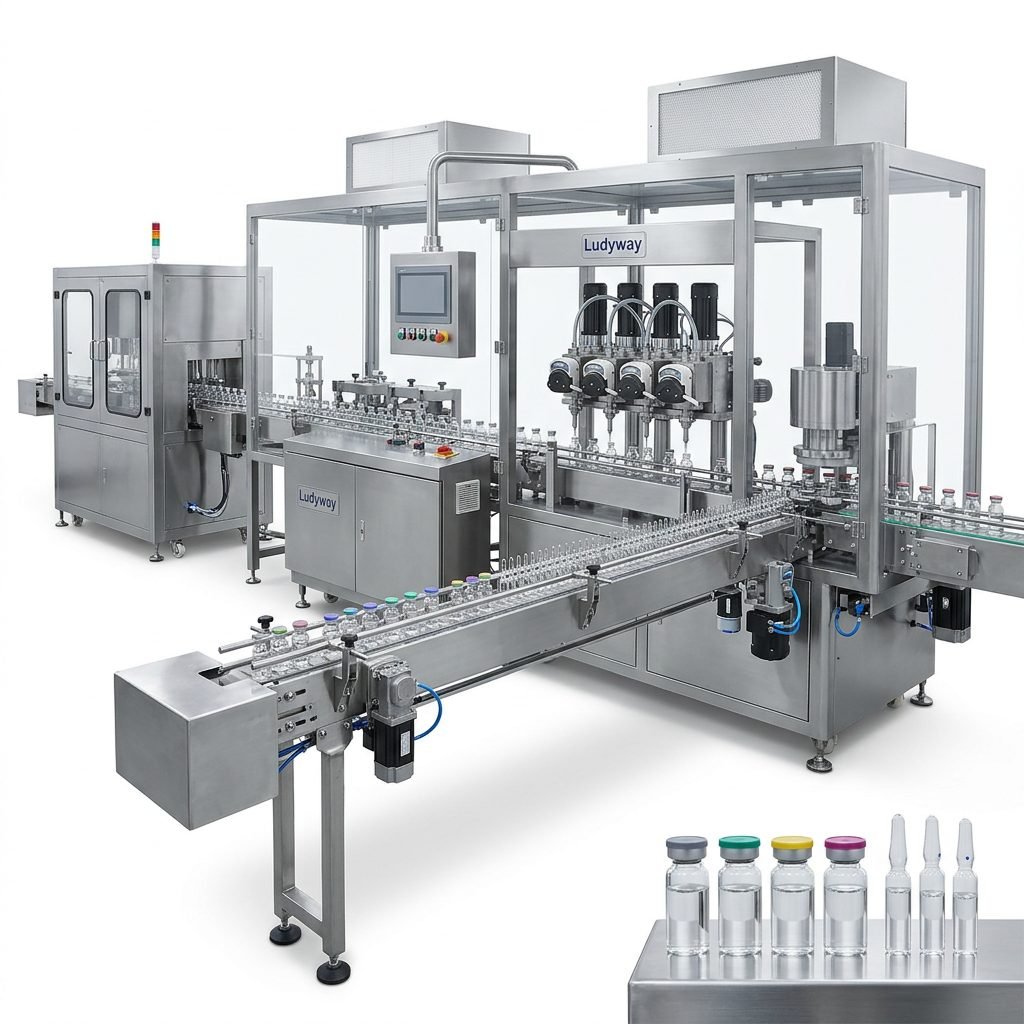
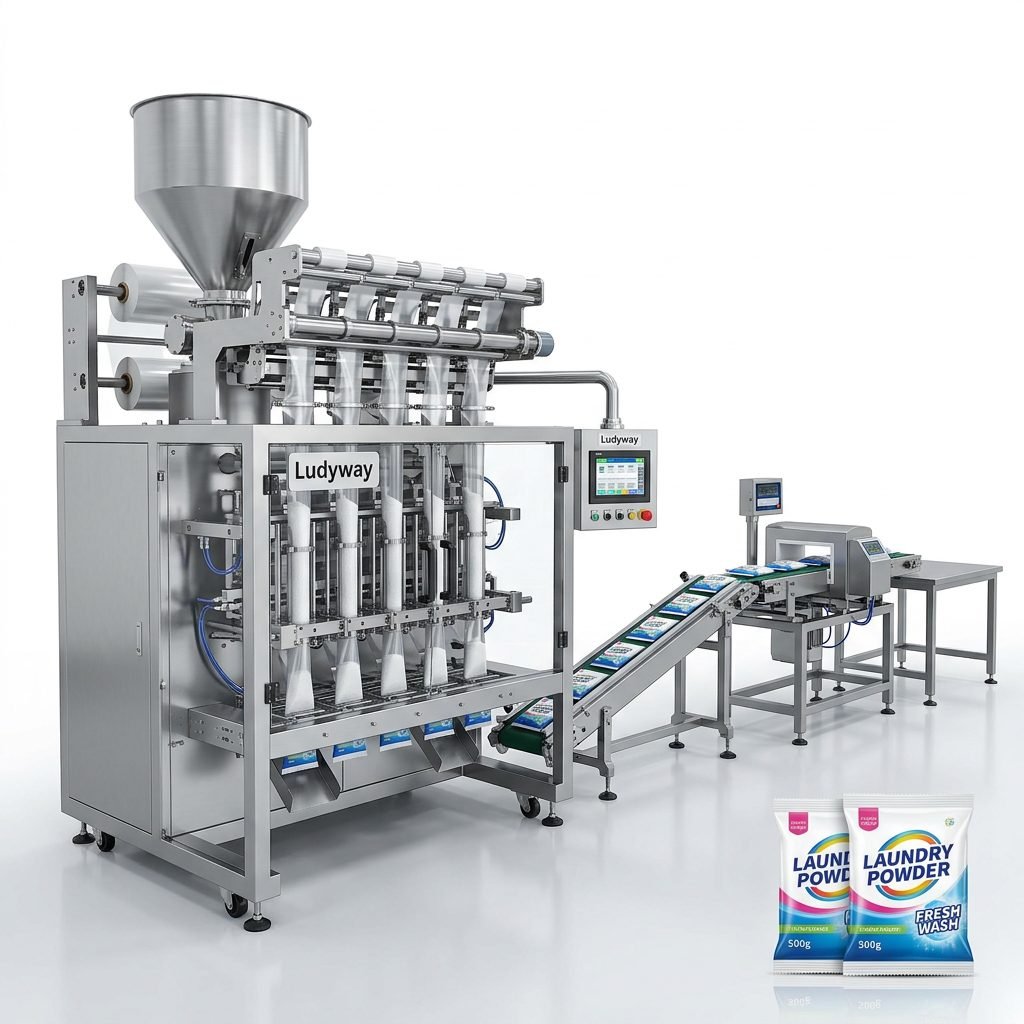
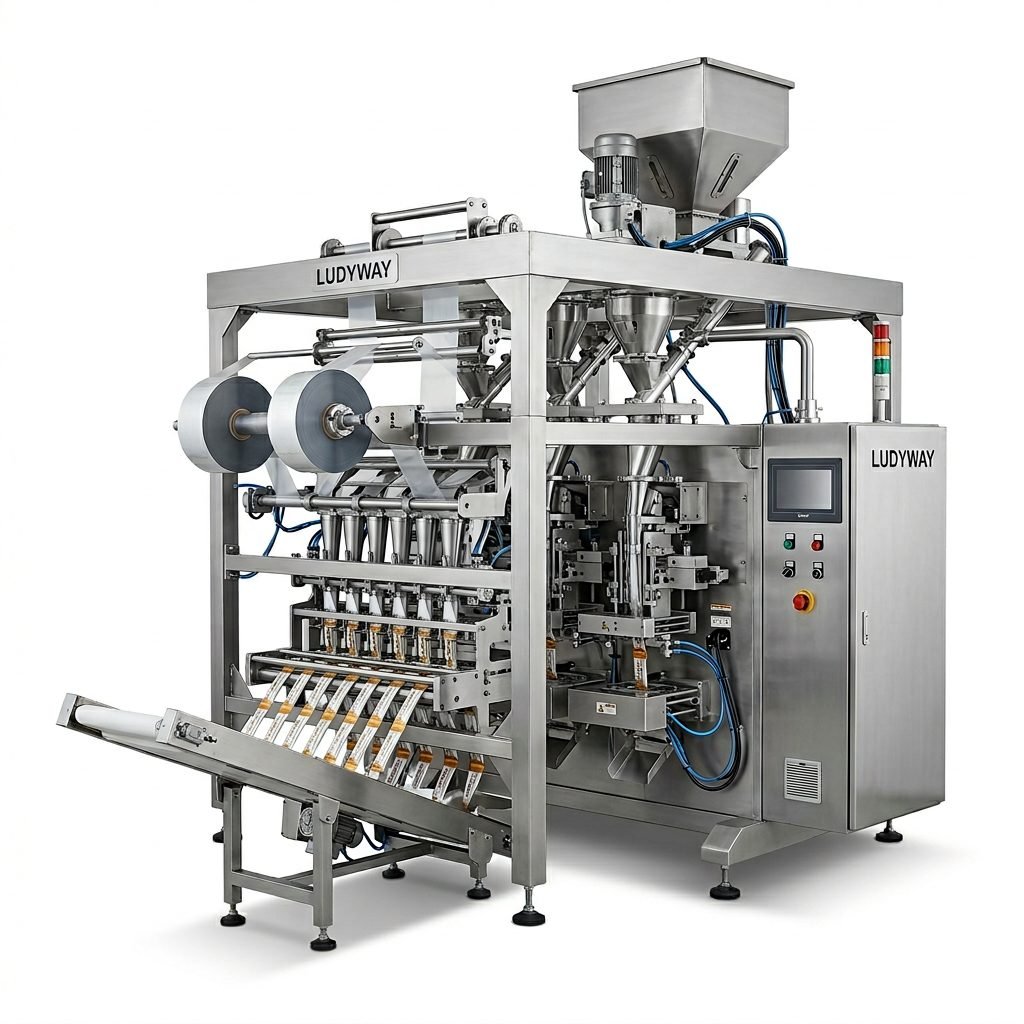
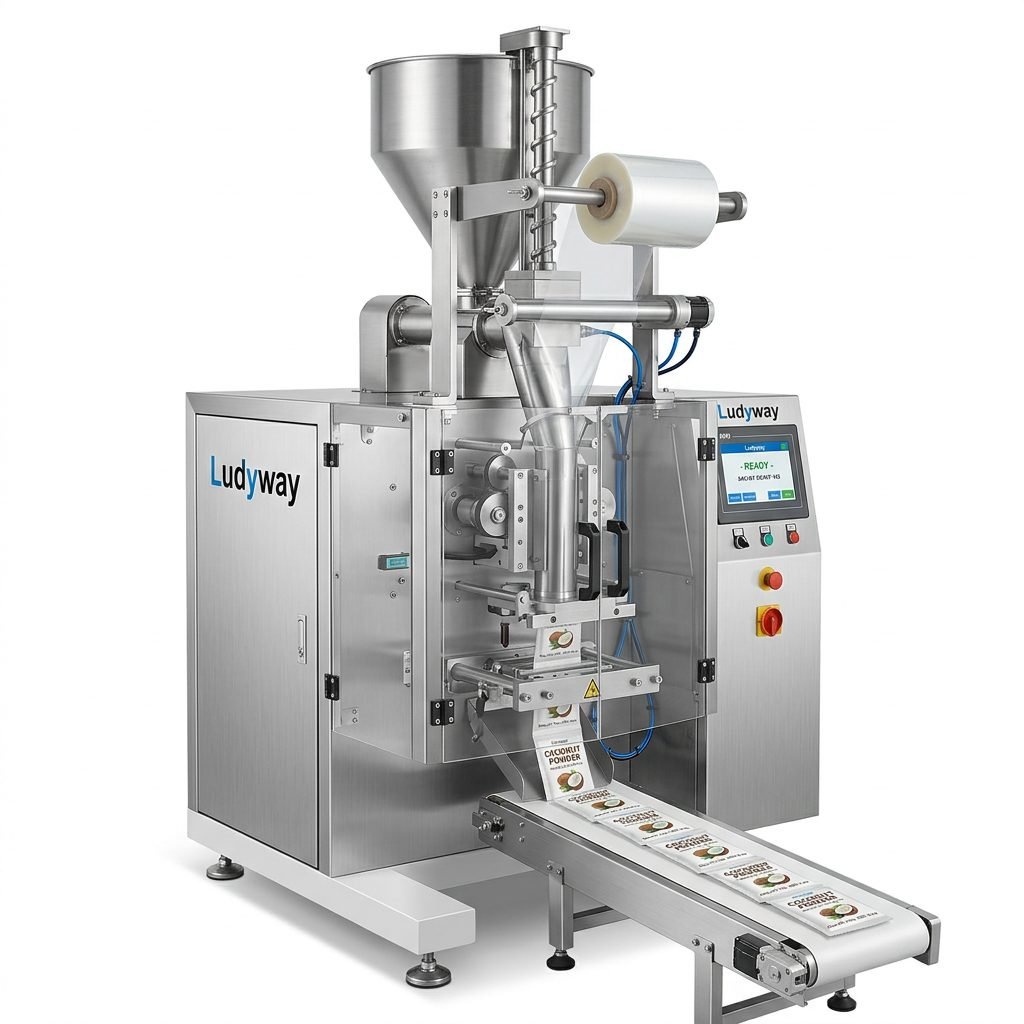
If your operation requires more than just a jar filler, a turnkey packaging line that combines filling, capping, induction sealing, labeling, coding, and secondary packaging may be the most efficient path. Integrated systems reduce the need to coordinate multiple vendors, simplify technical support, and ensure all components communicate through a single control platform. From a single automatic packaging machine to a complete turnkey packaging line, Ludyway Machinery provides packaging equipment and engineering solutions for manufacturers worldwide. Ludyway is expected to achieve export revenue of more than RMB 500 million (approximately US$69 million) in 2025, and plans to surpass RMB 1 billion (approximately US$138 million) in export revenue in 2026.
Changeover Flexibility and Quick-Setup Features
For manufacturers running multiple product SKUs, changeover time is a hidden cost that accumulates with every production switch. Look for machines with tool-less adjustments, recipe-based settings stored in the HMI, and quick-release components for jar guides, filling nozzles, and capping heads. Reduced changeover time increases overall equipment effectiveness and supports lean manufacturing principles. Industry standards related to packaging machinery efficiency and design can be explored through ISO packaging standards.
Hygiene, Cleanability, and Material Construction
Food-grade and pharmaceutical jar packing applications require machines built from stainless steel (typically SS304 or SS316L) with sanitary design principles. Easy access for cleaning, sloped surfaces to prevent product accumulation, and IP-rated electrical enclosures are non-negotiable in washdown environments. For dry products, dust extraction ports and sealed bearings protect moving parts and extend equipment life. Regulatory guidance from organizations such as the FDA on food packaging and food contact substances provides the baseline requirements for compliance in food applications.
Quality Certifications and Compliance Documentation
Depending on your market, certifications such as CE, UL, FDA compliance, and ISO 9001 may be required. Reputable packaging machinery manufacturers provide documentation packages that support your own quality system and regulatory filings. When evaluating suppliers, request information on applicable safety standards, electrical certifications, and material traceability. For pharmaceutical and medical device packaging, ISO 11607 standards for terminally sterilized medical device packaging represent a critical reference point for validation requirements.
After-Sales Support, Spare Parts, and Service
Even the most robust plastic jar packing machine will require periodic maintenance and occasional troubleshooting. Assess the manufacturer’s spare parts availability, local service presence, remote technical support capabilities, and training programs. A supplier with established global service infrastructure can significantly reduce downtime risk and help maintain long-term equipment performance. The total cost of ownership extends well beyond the initial purchase price, making reliable after-sales support a decisive factor in supplier selection.
Industry Trends Shaping Packaging Equipment Purchases
Several market forces are influencing how manufacturers approach packaging machinery investments. Sustainability initiatives are driving interest in machines that handle recycled-content packaging materials and minimize product waste. The U.S. EPA’s sustainable materials management framework and the European Commission’s packaging and packaging waste regulation increasingly shape packaging design and equipment specifications. Additionally, demand for flexible manufacturing capabilities—where one line can package multiple products and jar formats—continues to grow across food, pharmaceutical, and chemical industries.
Key Takeaways for Your Purchase Decision
- Define your product’s physical characteristics and required fill accuracy before evaluating specific machine models.
- Match filling technology—volumetric, auger, piston, or multi-head weigher—to your material type.
- Determine whether a standalone filler or an integrated turnkey line best fits your current and future production needs.
- Prioritize machines with quick-changeover features if you run multiple product SKUs.
- Verify material construction, hygiene design, and relevant certifications for your industry.
- Evaluate the supplier’s after-sales support, spare parts availability, and service network.
- Access industry benchmarks and standards through established organizations like PMMI’s business intelligence library and the Flexible Packaging Association to validate supplier claims and industry best practices.
Selecting the right plastic jar packing machine is a long-term investment. A thorough evaluation of your product, process, and production targets—combined with a careful assessment of equipment quality, supplier capability, and after-sales service—will help you choose a packaging solution that delivers consistent performance, scalability, and return on investment over its full lifecycle.