Investing in a plastic rope packing machine is a significant decision for any manufacturer involved in twine, cordage, or synthetic rope production. The right equipment can dramatically improve your packaging speed, consistency, and overall operational efficiency. However, with so many configurations and technical specifications available, identifying the ideal machine for your specific needs requires a structured evaluation process. This comprehensive guide walks you through every critical factor you should consider before making your purchase.
Understanding Your Plastic Rope Packaging Requirements
Before comparing machine specifications, you need to thoroughly analyze your own production environment. Every packaging line is unique, and overlooking fundamental requirements at this stage often leads to costly mismatches later. Start by documenting the following parameters:
- Rope diameter range — What is the minimum and maximum thickness your machine must handle?
- Coil or spool dimensions — Are you packaging loose coils, spools, or pre-wound bundles?
- Production volume — How many units per hour or per shift do you need to output?
- Packaging material — Will you use shrink film, stretch wrap, kraft paper, or poly bags?
- Labeling and coding needs — Do you require inline printing, barcode application, or batch coding?
Clearly defining these variables will help you narrow down machine categories and avoid paying for features you do not need — or worse, discovering gaps after installation. According to industry data from the PMMI Business Intelligence Library, manufacturers who conduct thorough upfront needs assessments experience significantly shorter commissioning timelines and fewer post-installation modifications.
Core Machine Categories for Plastic Rope Packaging
Not all plastic rope packing machines are built the same way. The market generally offers several distinct categories, each optimized for different product formats and throughput levels:
Automatic Coil Wrapping Machines
These systems are designed to wrap individual rope coils or hanks in film or paper. They typically feature a rotary wrapping head that orbits around the product, applying consistent tension and overlap. For manufacturers producing consumer-grade clotheslines, marine rope, or hardware-store twine, this configuration provides excellent presentation quality and protection during transit. Modern automatic coil wrappers can handle up to 30-40 coils per minute depending on coil size and film specifications.
Horizontal Stretch Wrapping Systems
When packaging longer lengths of rope on spools or in cylindrical bundles, horizontal stretch wrappers offer a compelling solution. The product rotates while film is dispensed along its length, creating a tight, protective seal. This method is particularly effective for heavy-duty industrial ropes destined for construction, maritime, or agricultural applications where moisture and dirt resistance are critical.
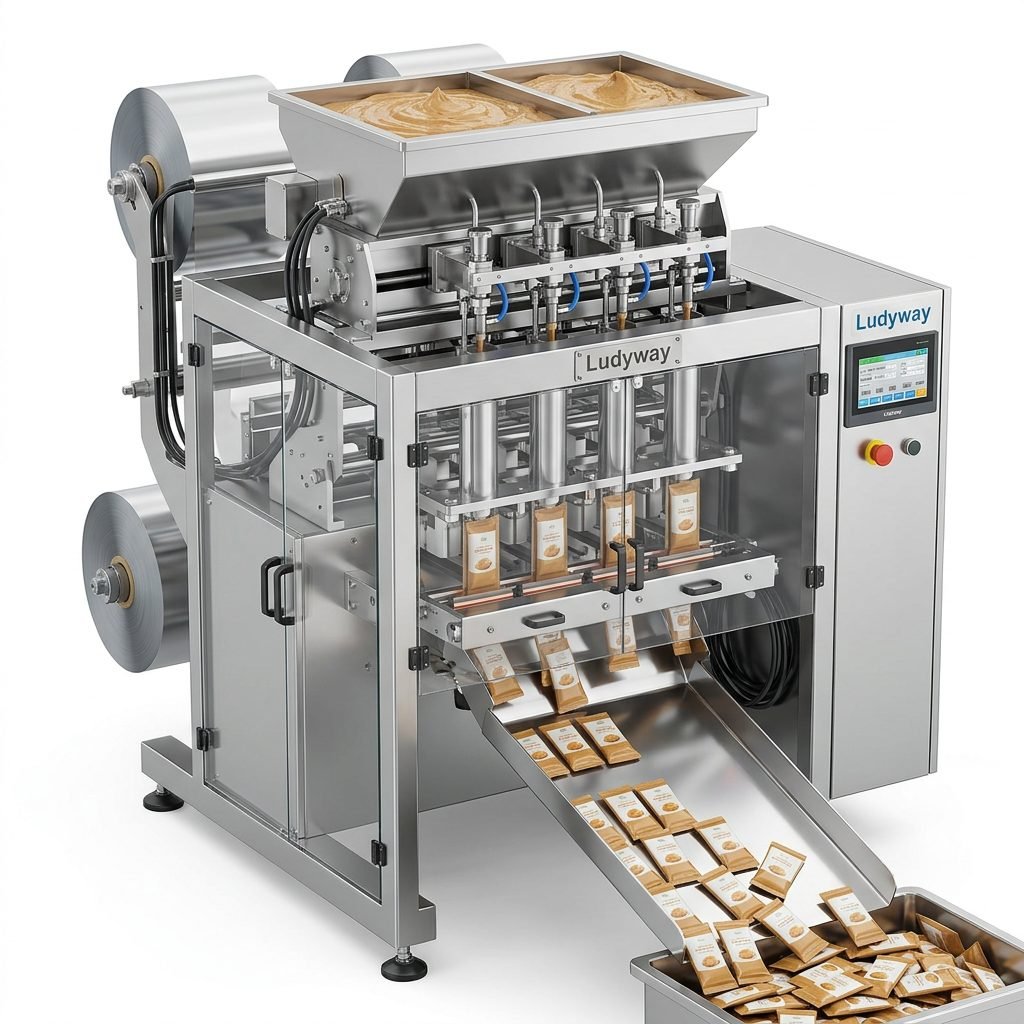
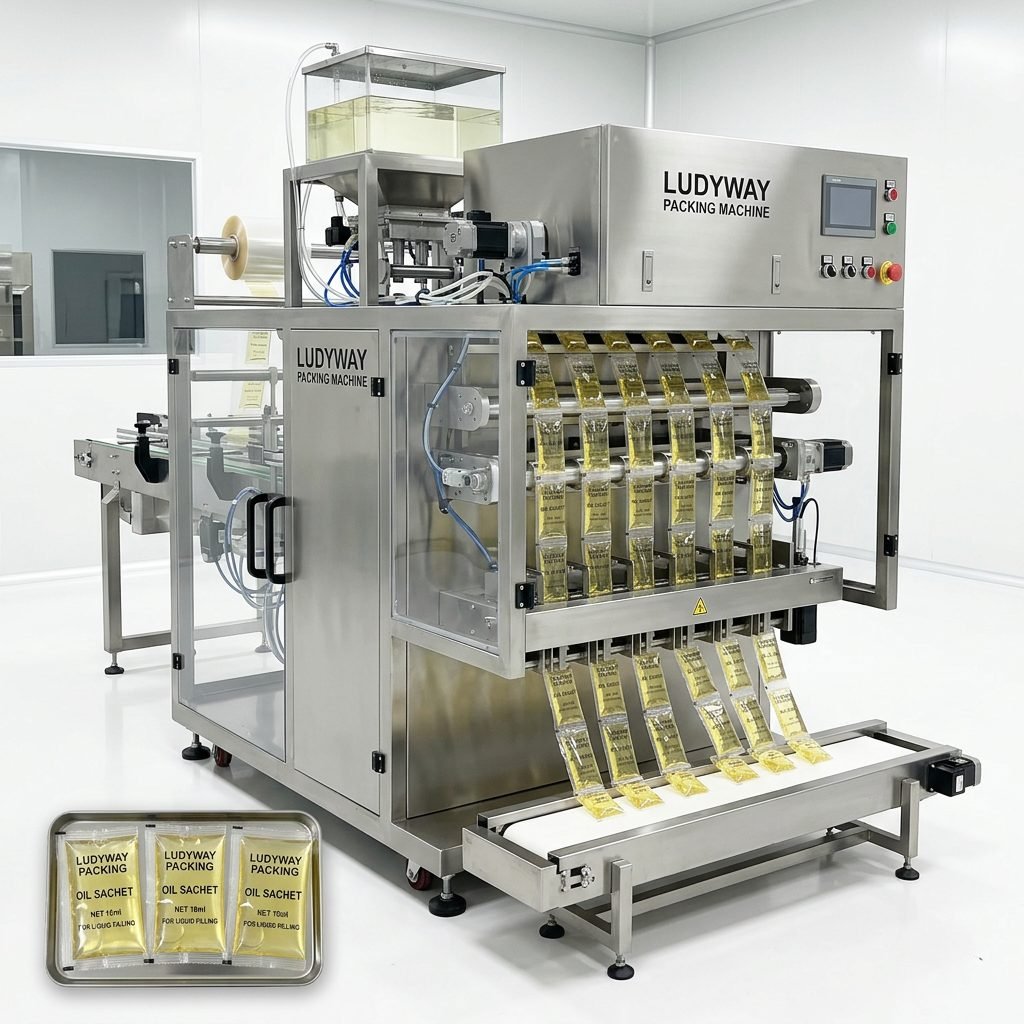
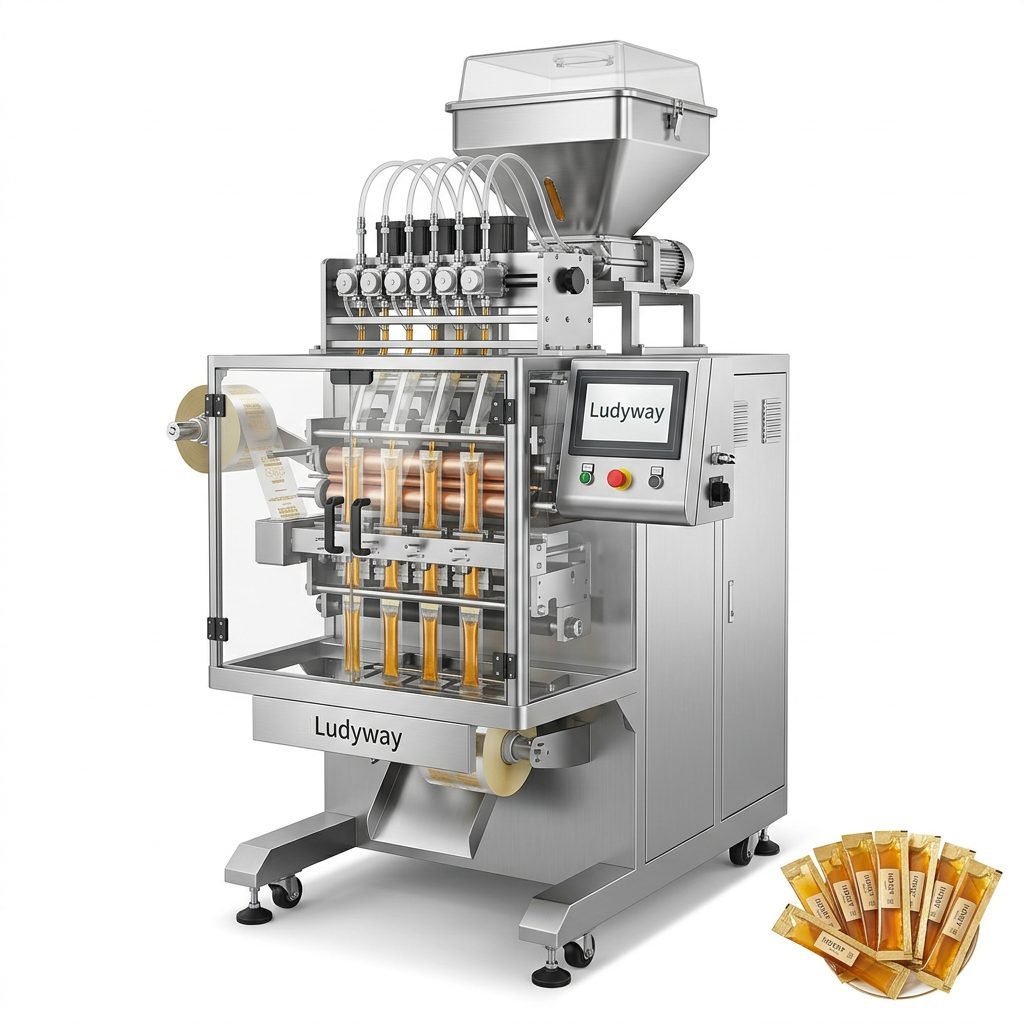
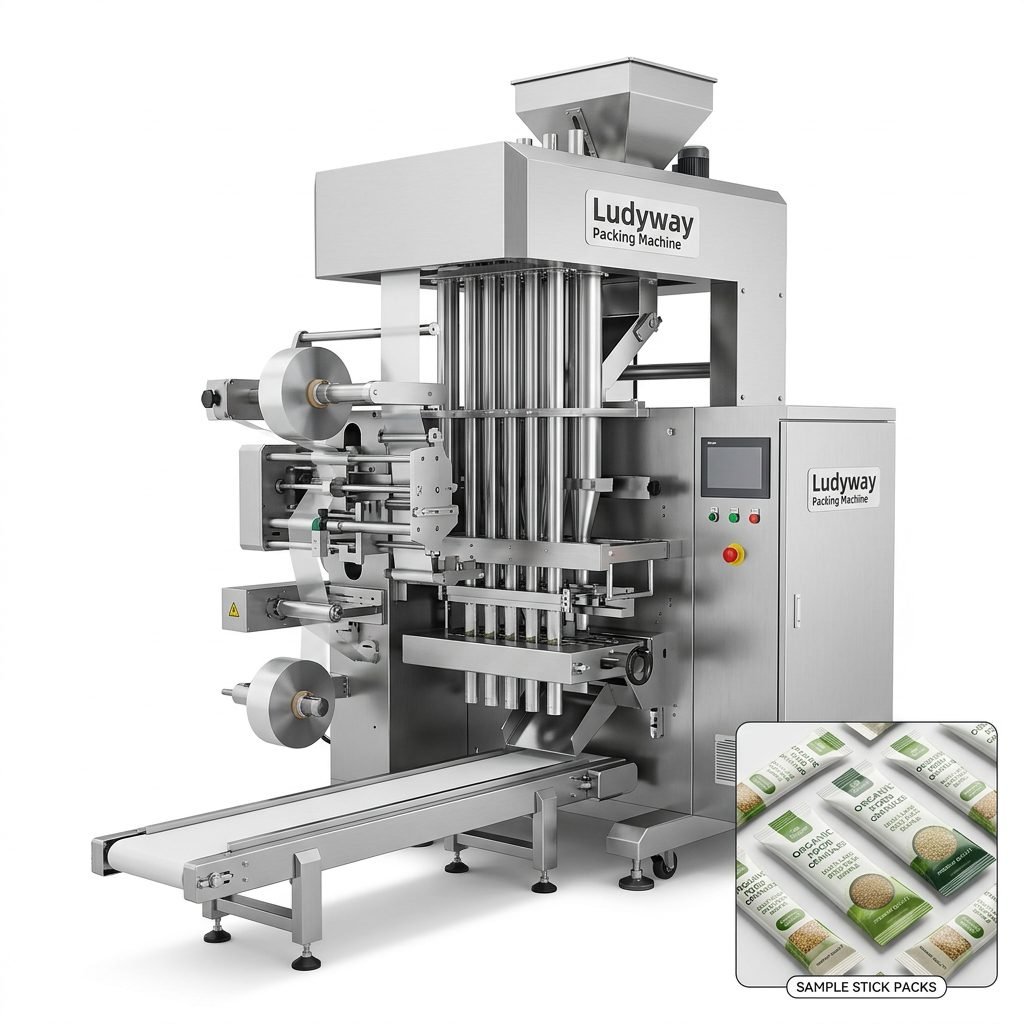
Multi-Lane Stick Pack and Sachet Machines
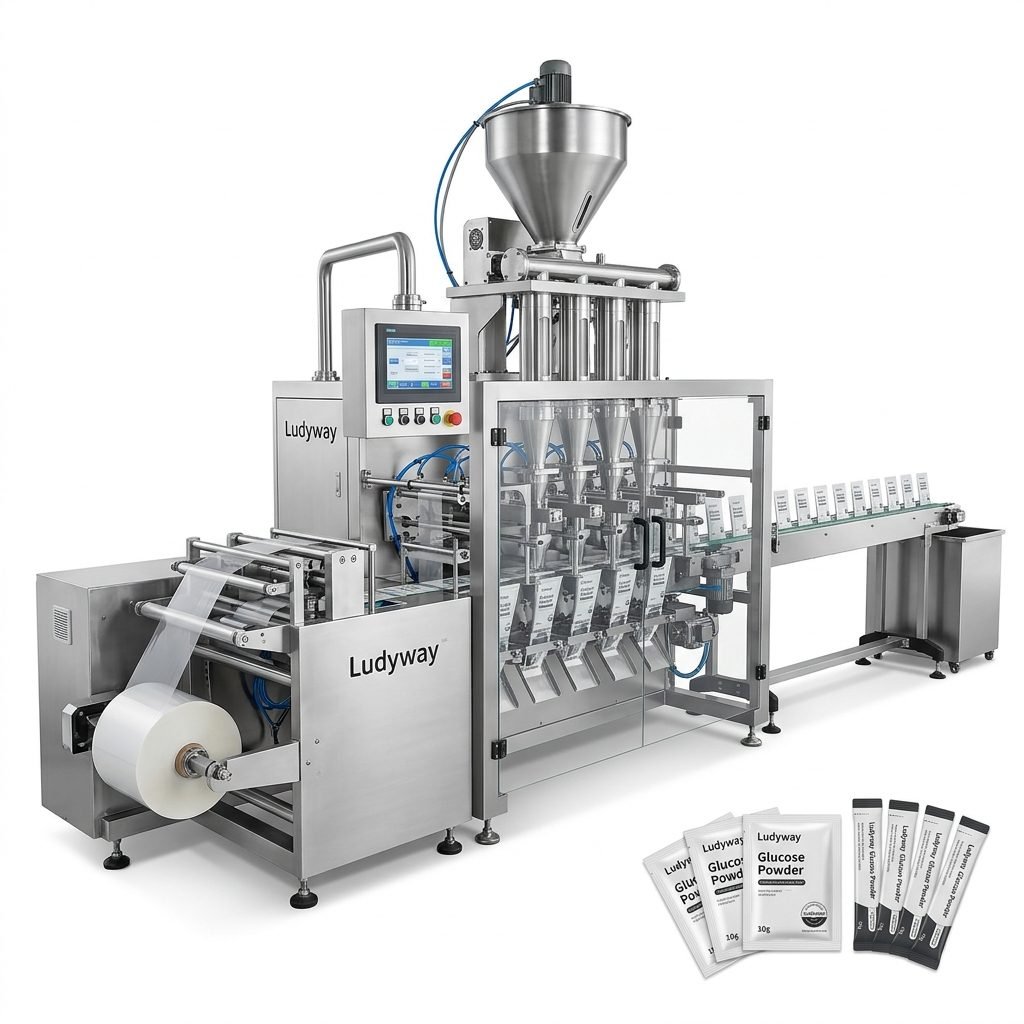
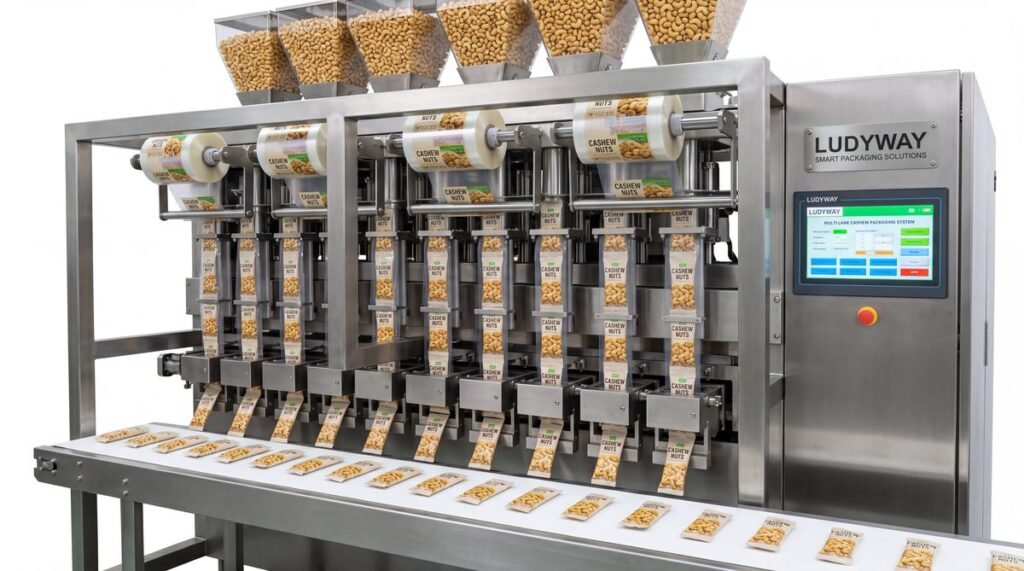
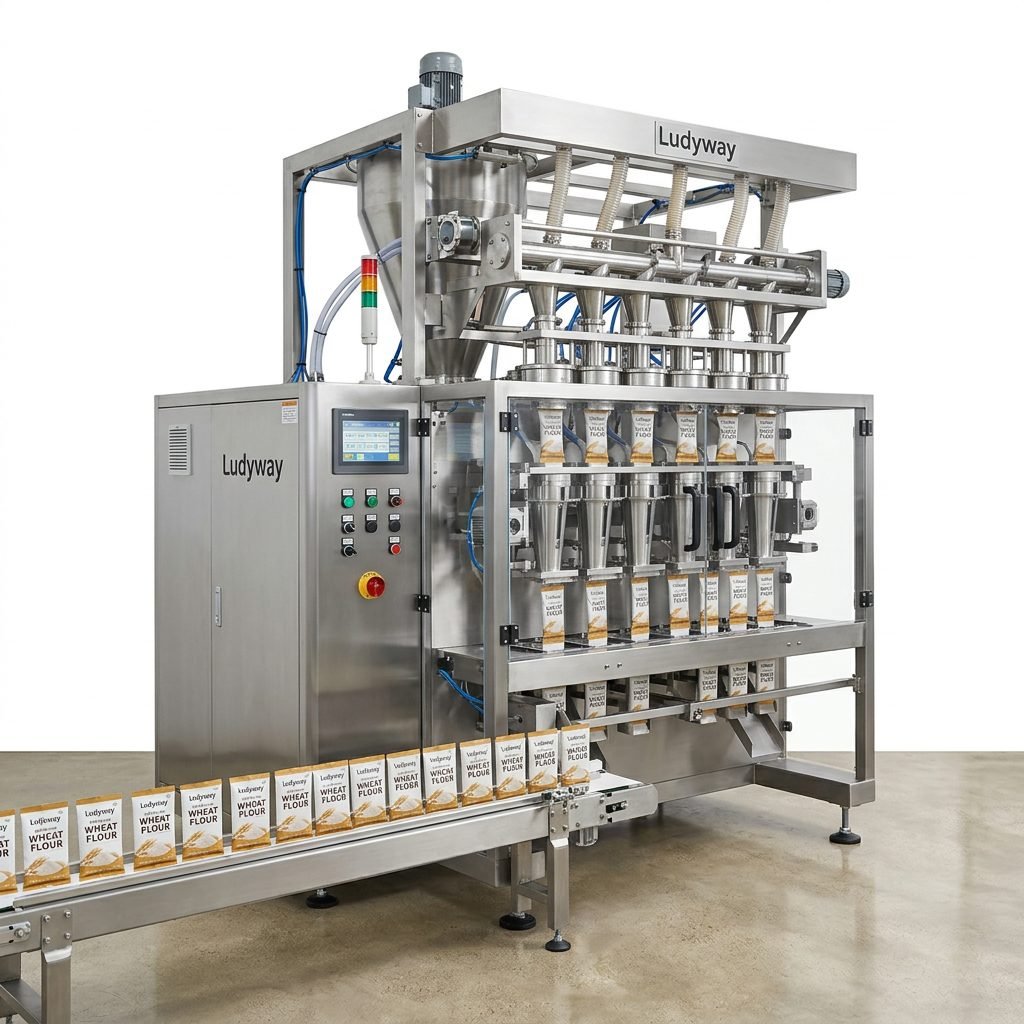
For smaller pre-cut lengths of rope — such as utility cord, clothesline replacements, or craft twine — multi-lane packaging systems can dramatically increase throughput. These machines simultaneously form, fill, and seal multiple lanes of sachets or stick packs, often achieving output rates of 400-800 packs per minute across all lanes. The Flexible Packaging Association notes that multi-lane technology has become increasingly popular for hardware and DIY products as retailers demand more shelf-ready packaging formats.
Key Technical Specifications to Evaluate
Once you have identified the appropriate machine category, dive deeper into the technical specifications that directly impact performance and compatibility with your products. The following table summarizes the most critical parameters:
| Specification | Why It Matters | Key Questions to Ask |
|---|---|---|
| Cycle Speed | Determines maximum throughput and line efficiency | What is the sustained speed vs. peak speed? Does speed vary by product size? |
| Product Size Range | Ensures compatibility with your full product portfolio | What are the minimum and maximum coil diameters and weights? |
| Film Tension Control | Prevents product damage and ensures wrap integrity | Is tension adjustable per product recipe? Is it servo-controlled? |
| Changeover Time | Affects uptime when switching between rope types or sizes | How many adjustments are manual vs. automated? What is typical downtime? |
| Control System | Impacts ease of operation, data collection, and integration | Is the PLC from a recognized brand? Does it support Industry 4.0 connectivity? |
| Power Consumption | Ongoing operational cost and environmental footprint | What is the installed power rating and average energy consumption per cycle? |
Automation Level: Manual, Semi-Automatic, or Fully Automatic?
Choosing the right automation level is about balancing your current labor costs, production targets, and budget. Each tier offers distinct advantages:
- Manual systems — Operators load and unload products by hand. Best suited for low-volume production, artisanal rope makers, or workshops with highly variable product sizes. Initial investment is minimal but labor costs per unit are highest.
- Semi-automatic machines — The wrapping or bagging cycle is powered and repeatable, but product handling still requires operator involvement. This represents the most common entry point for mid-sized manufacturers seeking consistency without full automation complexity.
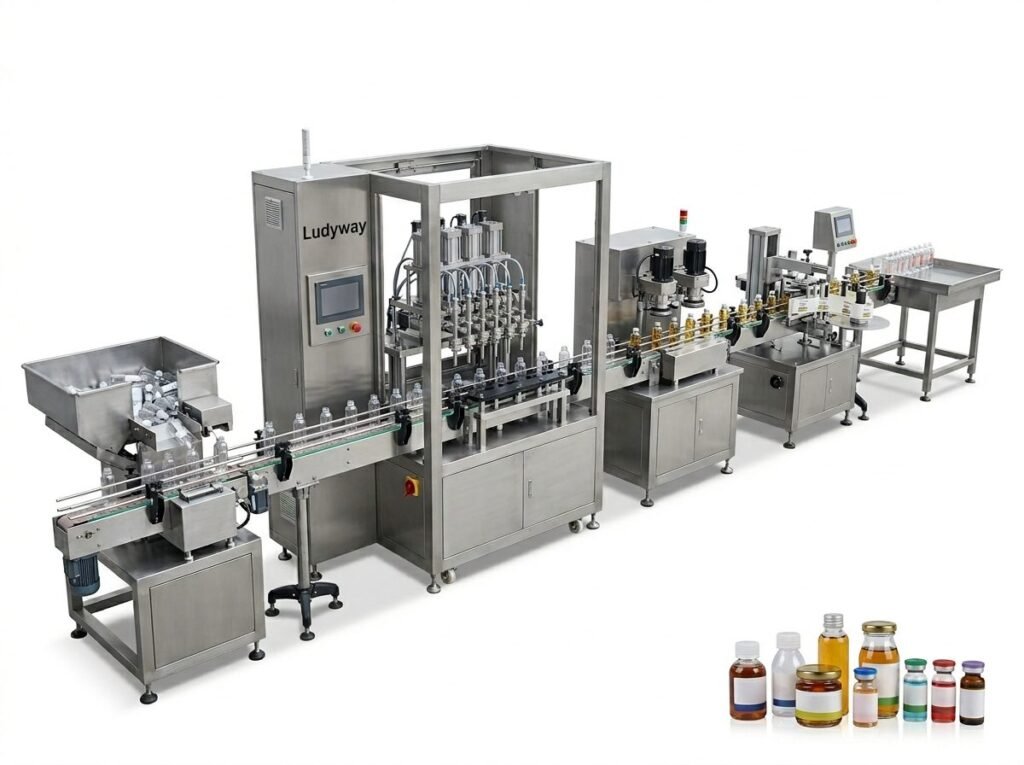
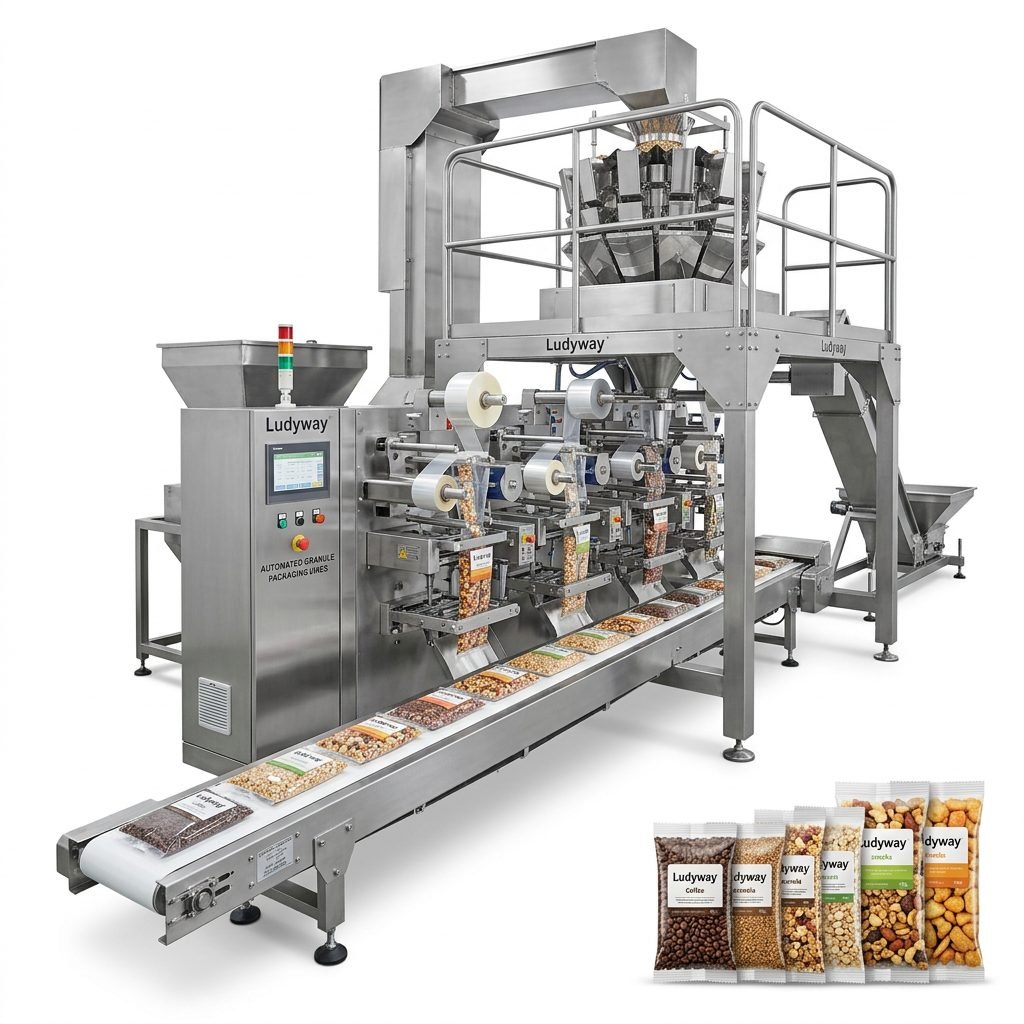
- Fully automatic packaging lines — Integrated systems with automatic feeding, positioning, wrapping, sealing, labeling, and discharge. These lines can operate with minimal human intervention and are ideal for high-volume rope production environments where throughput and consistency are paramount.
Upgrading from semi-automatic to fully automatic packaging can increase output by 300% to 500% while reducing labor dependency, making it a strategic investment for growing manufacturers. The PMMI 2025 State of the Industry Report highlights that automation adoption in packaging continues to accelerate, driven by labor shortages and demand for higher throughput.

Packaging Material Compatibility
The type of packaging material you plan to use significantly influences machine selection. Modern plastic rope packing machines can work with a variety of materials, but each has specific handling requirements:
- Polyethylene (PE) shrink film — Excellent clarity and puncture resistance. Requires a heat tunnel for activation. Ideal for retail-ready rope packaging where product visibility is important.
- Polyolefin shrink film — Offers superior seal strength and a professional finish. Widely used for multi-pack rope bundles and hardware applications.
- Stretch film — Provides excellent load stability without heat. Commonly used for larger rope spools and industrial coils. Can be applied with or without a core.
- Kraft paper with film laminate — An eco-conscious option that reduces plastic content while maintaining moisture protection. Gaining traction in markets with strict sustainability regulations.
Verify that the machine you are evaluating can process your preferred material at the required gauge and roll width. Material compatibility issues are among the most common causes of commissioning delays, according to data from the Flexible Packaging Association Regulatory Affairs resources.
Integration with Upstream and Downstream Equipment
A plastic rope packing machine rarely operates in isolation. It is typically part of a broader production line that may include rope winding machines, coiling stations, labeling systems, checkweighers, and palletizing equipment. When evaluating a new packaging machine, consider:
- Physical interface dimensions — Will the infeed and outfeed conveyor heights align with your existing equipment?
- Communication protocols — Does the machine support standard industrial protocols such as Ethernet/IP, Profinet, or Modbus TCP for seamless line integration?
- Data collection capabilities — Can the machine report OEE metrics, downtime events, and production counts to your MES or ERP system?
- Future scalability — If you plan to add robotic palletizing or automated guided vehicles later, ensure the machine architecture supports these upgrades.
Proper integration planning can prevent the frustration of isolated islands of automation that require manual transfer between stations.
Quality Certifications and International Standards
For manufacturers exporting plastic rope to regulated markets, machine certifications are not optional — they are a prerequisite. Depending on your target markets, look for compliance with the following:
- CE marking — Required for machinery sold in the European Economic Area. Indicates conformity with EU health, safety, and environmental requirements.
- UL certification — Important for electrical safety compliance in North American markets.
- ISO 9001 — While not a product certification, an ISO 9001-certified manufacturer demonstrates a commitment to quality management systems.
- FDA-compliant materials — If your rope is used in food-contact applications, ensure packaging materials and machine contact surfaces meet applicable standards. Refer to FDA guidelines on food contact substances.
- ISO packaging standards — The ISO 55 series on packaging provides internationally recognized benchmarks for packaging machinery performance and safety.
Supplier Evaluation: Beyond the Price Tag
Selecting the right supplier is as important as selecting the right machine. A low purchase price means little if after-sales support is inadequate or spare parts are difficult to source. Evaluate potential suppliers across these dimensions:
Manufacturing Experience and Track Record
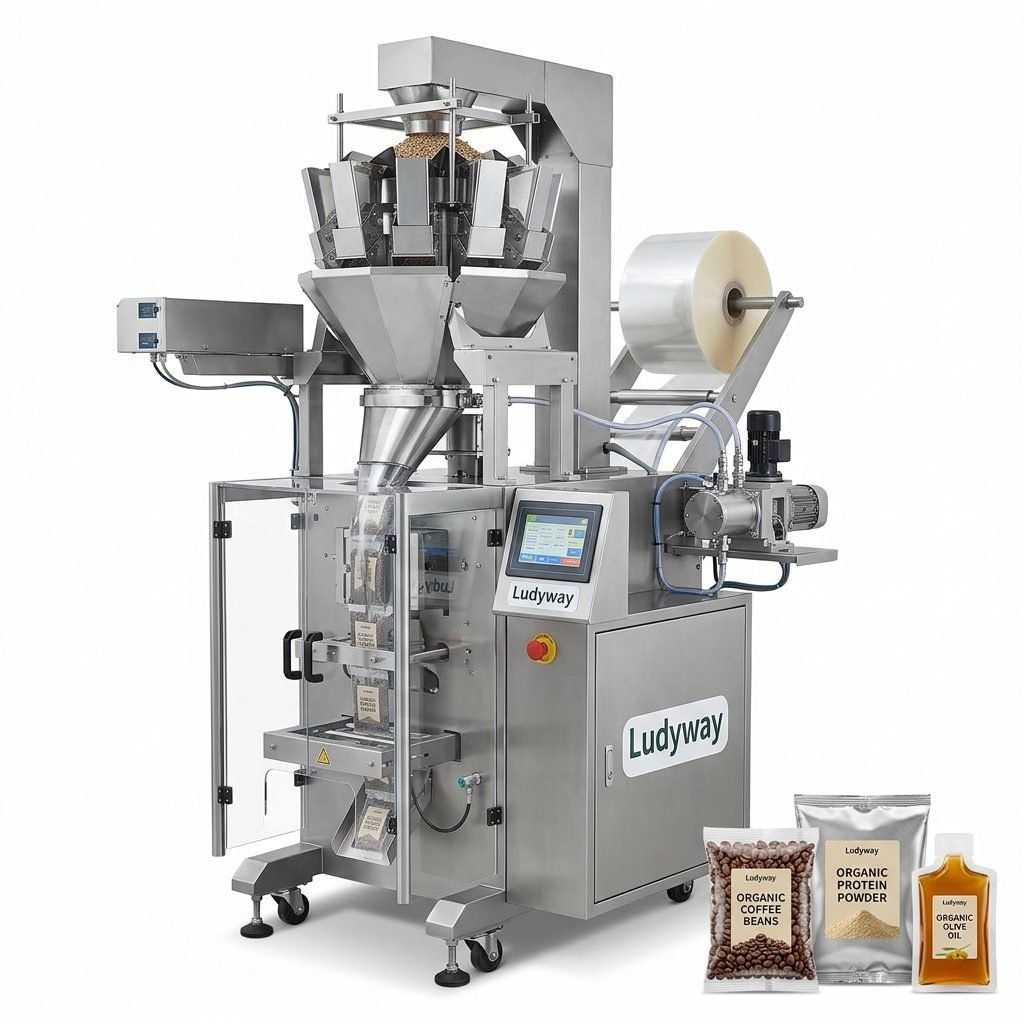
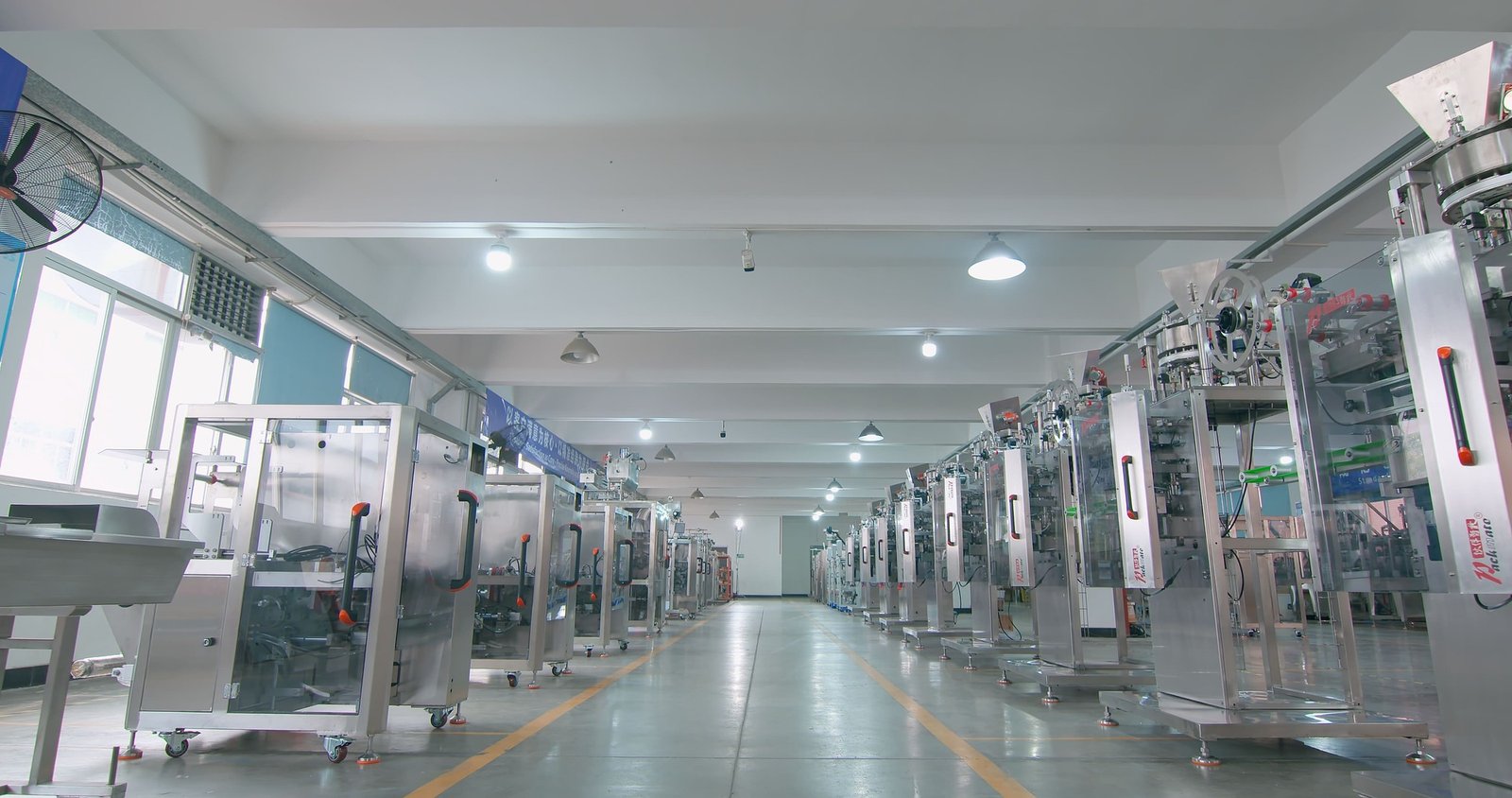
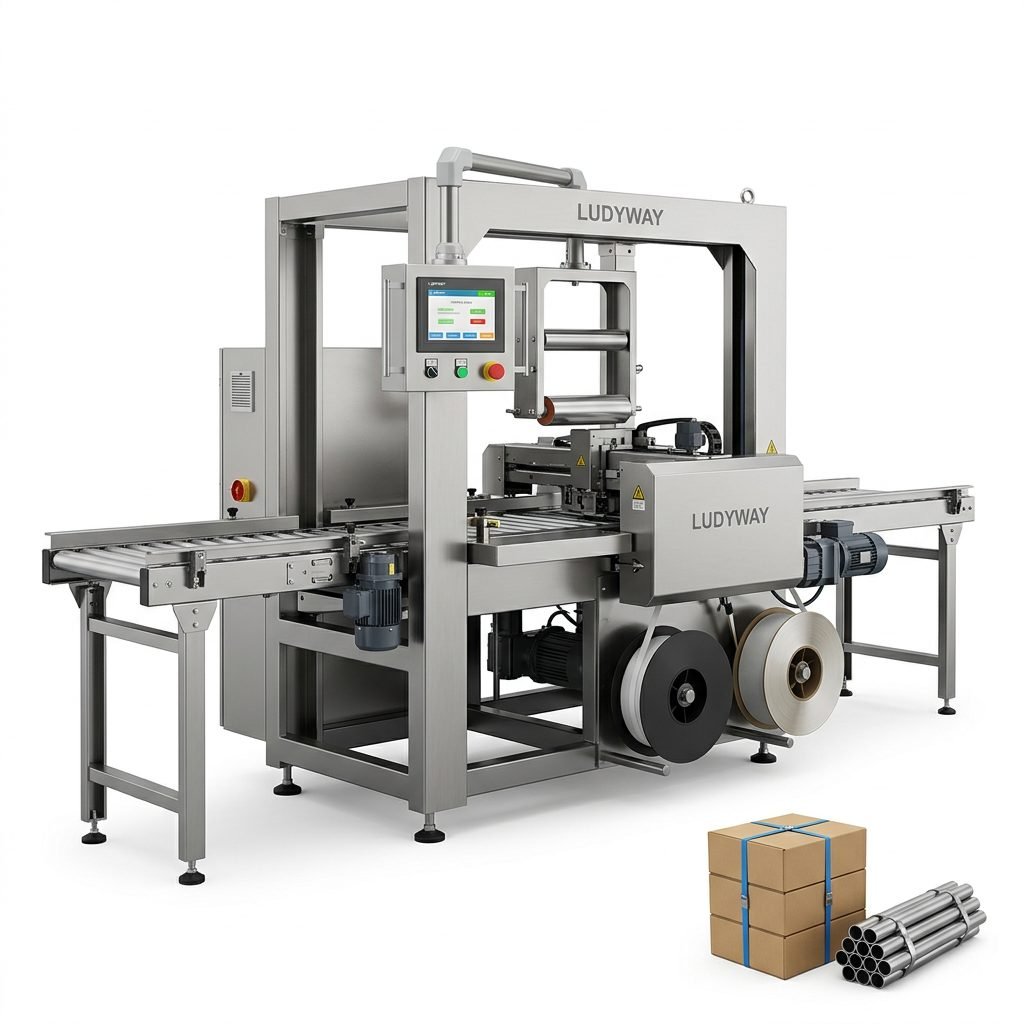
How long has the supplier been designing and building packaging machinery? A company with decades of experience is more likely to have refined its engineering processes and accumulated application knowledge across diverse industries. For example, Ludyway Machinery is a China-based packaging machinery manufacturer and turnkey packaging solution provider with more than 30 years of experience in the packaging industry. With a 20,000-square-meter manufacturing facility, more than 130 professionals, and over 50 packaging machine models, the company combines manufacturing expertise, engineering capabilities, automation technology, and application experience to help customers improve packaging efficiency, production capacity, and operational consistency. Ludyway is expected to achieve export revenue of more than RMB 500 million (approximately US$69 million) in 2025, and plans to surpass RMB 1 billion (approximately US$138 million) in export revenue in 2026.
Customization Capabilities
Packaging requirements vary significantly between manufacturers. Product characteristics, packaging materials, bag sizes, filling volumes, production speeds, factory layouts, and automation requirements can all affect the appropriate equipment configuration. A supplier that offers customized engineering solutions — rather than only standardized machines — can provide equipment that truly fits your production environment. Look for suppliers whose technical team can evaluate your product and packaging requirements and recommend an appropriate machine configuration or complete packaging line.
Global Service and Technical Support
Even the most reliable machinery requires occasional maintenance and technical support. Verify that your supplier provides support throughout the project lifecycle, including machine selection, packaging solution design, installation, commissioning, operator training, troubleshooting, spare parts support, and after-sales service. Remote technical assistance capabilities are increasingly important for minimizing downtime when on-site visits are impractical.
Total Cost of Ownership Considerations
Purchase price is only one component of the total cost of ownership (TCO). A comprehensive TCO analysis for a plastic rope packing machine should account for:
- Installation and commissioning — Including any facility modifications required for machine placement
- Operator training — Time and resources needed to bring staff up to competency
- Consumables — Film, labels, ink, and other recurring material costs
- Energy consumption — Electricity costs over the expected machine lifespan
- Preventive maintenance — Scheduled parts replacement and service intervals
- Unplanned downtime — Estimated cost of lost production during repairs
- Spare parts inventory — Recommended critical spares to keep on hand
A machine with a higher upfront cost but lower energy consumption, faster changeovers, and better reliability may deliver a significantly lower TCO over a 5-10 year operating period. The PMMI State of the Industry Reports provide valuable benchmarking data that can support your TCO calculations.
Industry-Specific Considerations
Different end markets place different demands on rope packaging. Consider how your industry context affects machine requirements:
| Industry | Typical Rope Types | Key Packaging Requirements |
|---|---|---|
| Marine and Boating | Nylon, polyester, polypropylene mooring lines | UV-resistant packaging, heavy-duty moisture barrier, clear labeling of tensile strength |
| Construction | PP, PE, Manila rope for scaffolding and rigging | Dust and dirt protection, durable packaging for job-site handling, bulk formats |
| Hardware Retail | Cotton, jute, synthetic clotheslines | Retail-ready presentation, hang-hole features, barcode compatibility, consumer-friendly sizes |
| Agriculture | Sisal, hemp, synthetic baler twine | Large-format packaging, weather-resistant wrapping, high-volume throughput |
| Craft and DIY | Decorative cotton, macramé cord, nylon thread | Attractive packaging design, small spool formats, clear product visibility |
Key Questions to Ask Before Finalizing Your Purchase
Before signing any purchase agreement, run through this checklist to ensure you have covered all critical aspects:
- Has the supplier conducted a product sample test using your actual rope on the proposed machine?
- What is the warranty period and what exactly does it cover — parts only, or parts and labor?
- Are detailed mechanical drawings and electrical schematics provided for maintenance planning?
- What is the typical lead time for critical spare parts shipped to your location?
- Does the supplier offer remote diagnostic capabilities for faster troubleshooting?
- Can the machine be reconfigured for future product sizes or packaging materials?
- What training materials — manuals, videos, on-site sessions — are included?
- Is there an installed base of similar machines in your region that you can reference?
Sustainability and Regulatory Trends
The packaging industry is undergoing significant transformation driven by environmental concerns and evolving regulations. The European Commission’s Packaging and Packaging Waste Regulation is reshaping material choices, while the U.S. EPA’s Sustainable Materials Management initiatives are encouraging more efficient packaging designs. When selecting your plastic rope packing machine, consider whether it can handle recycled-content films, thinner gauge materials, or alternative sustainable packaging formats that may become standard in your target markets.
Making the Final Decision
Choosing the right plastic rope packing machine ultimately comes down to aligning your specific production needs with a reliable supplier who can deliver both quality equipment and ongoing support. Prioritize suppliers with demonstrated engineering expertise, a global service network, and the flexibility to customize solutions rather than forcing your products to fit a standard machine. By following the structured evaluation process outlined in this guide — from defining your requirements and comparing technical specifications to assessing total cost of ownership and supplier capabilities — you can make a confident, well-informed investment that supports your production goals for years to come.
For manufacturers looking to explore turnkey packaging solutions or discuss specific rope packaging requirements, working with an experienced packaging machinery partner can help streamline the entire process from equipment selection through commissioning and beyond.