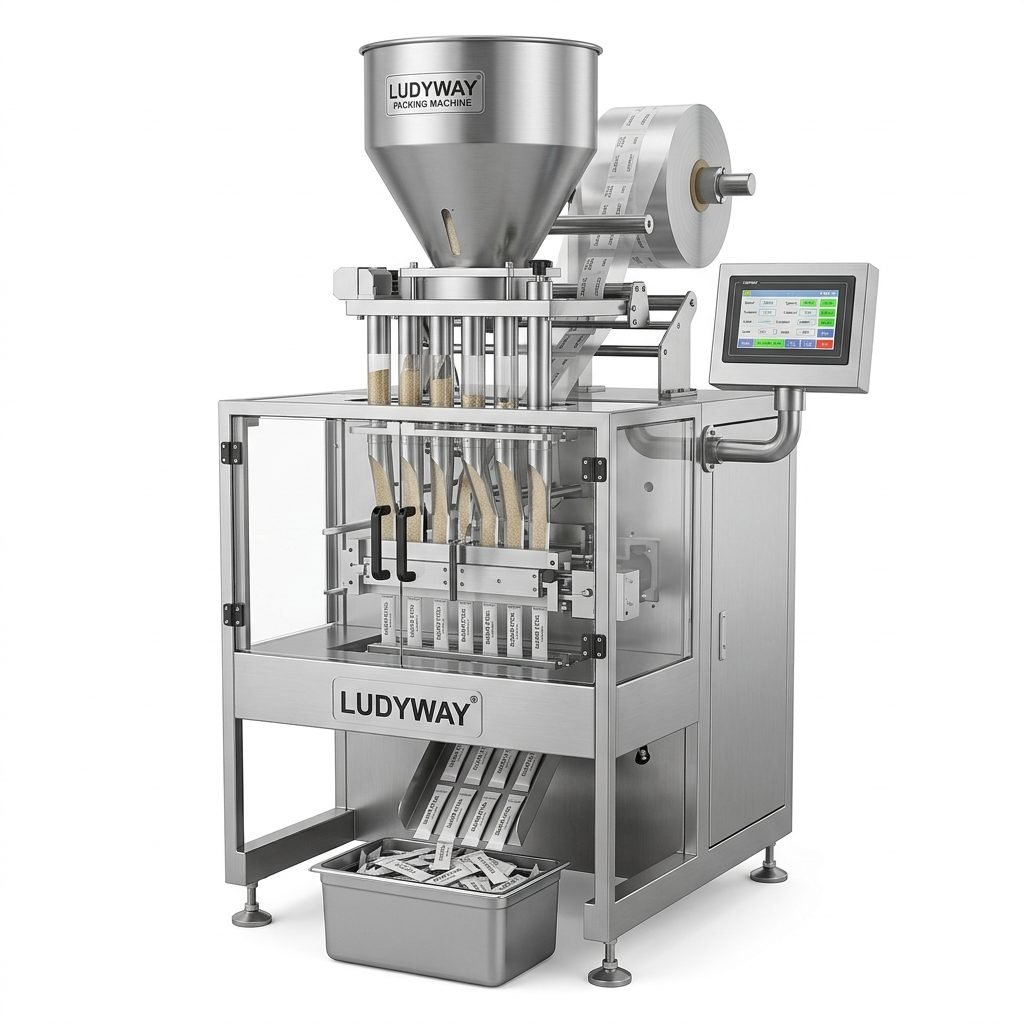
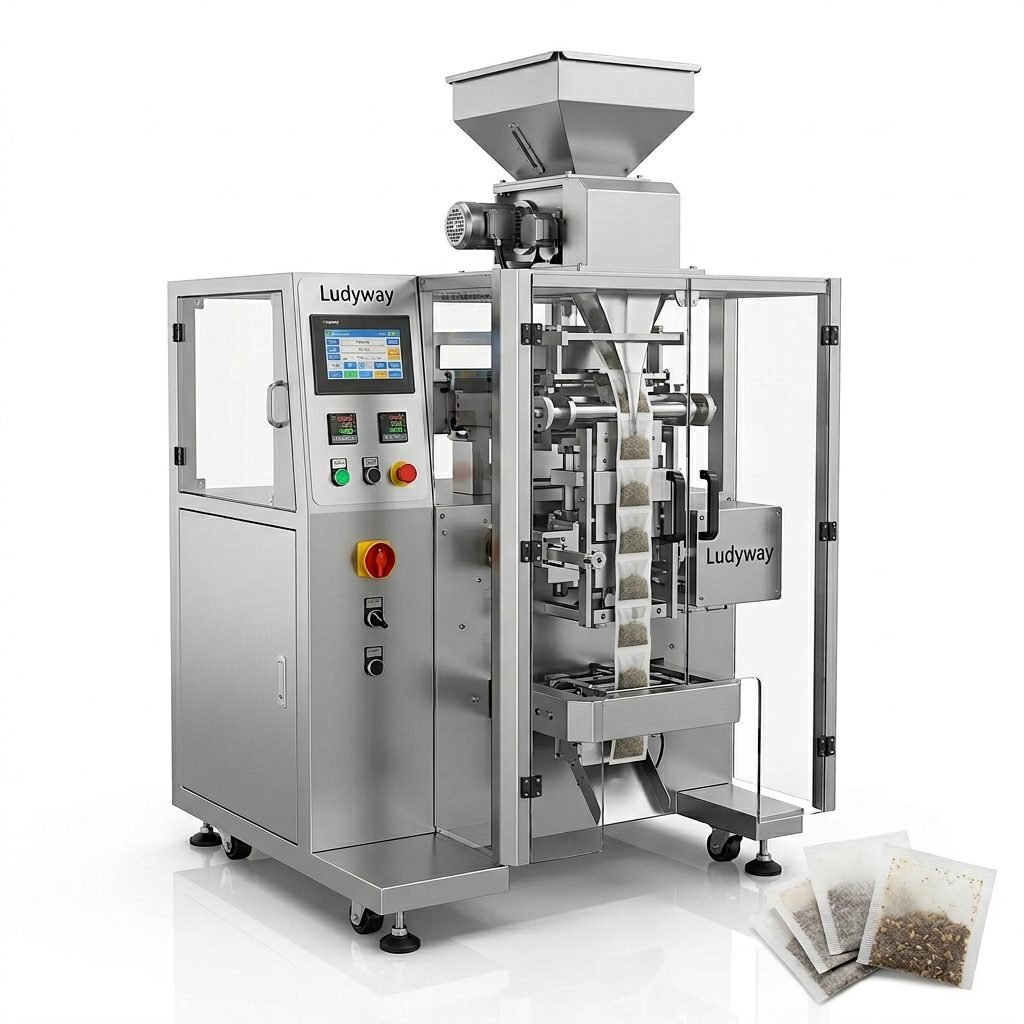
Regular maintenance of an adhesive tape packaging machine is essential to ensure consistent output, reduce unexpected downtime, and extend the service life of your equipment. Whether you are packaging single-sided tape, double-sided tape, or specialty adhesive products, a well-maintained machine delivers higher efficiency, fewer product rejects, and safer operation. Neglecting routine upkeep often leads to misaligned sealing jaws, inconsistent film tension, and adhesive residue buildup that can compromise both machine performance and package integrity.
This comprehensive guide walks you through practical maintenance strategies that help preserve the long-lasting performance of your packaging machinery, covering daily cleaning, lubrication, critical component inspections, and professional service planning.
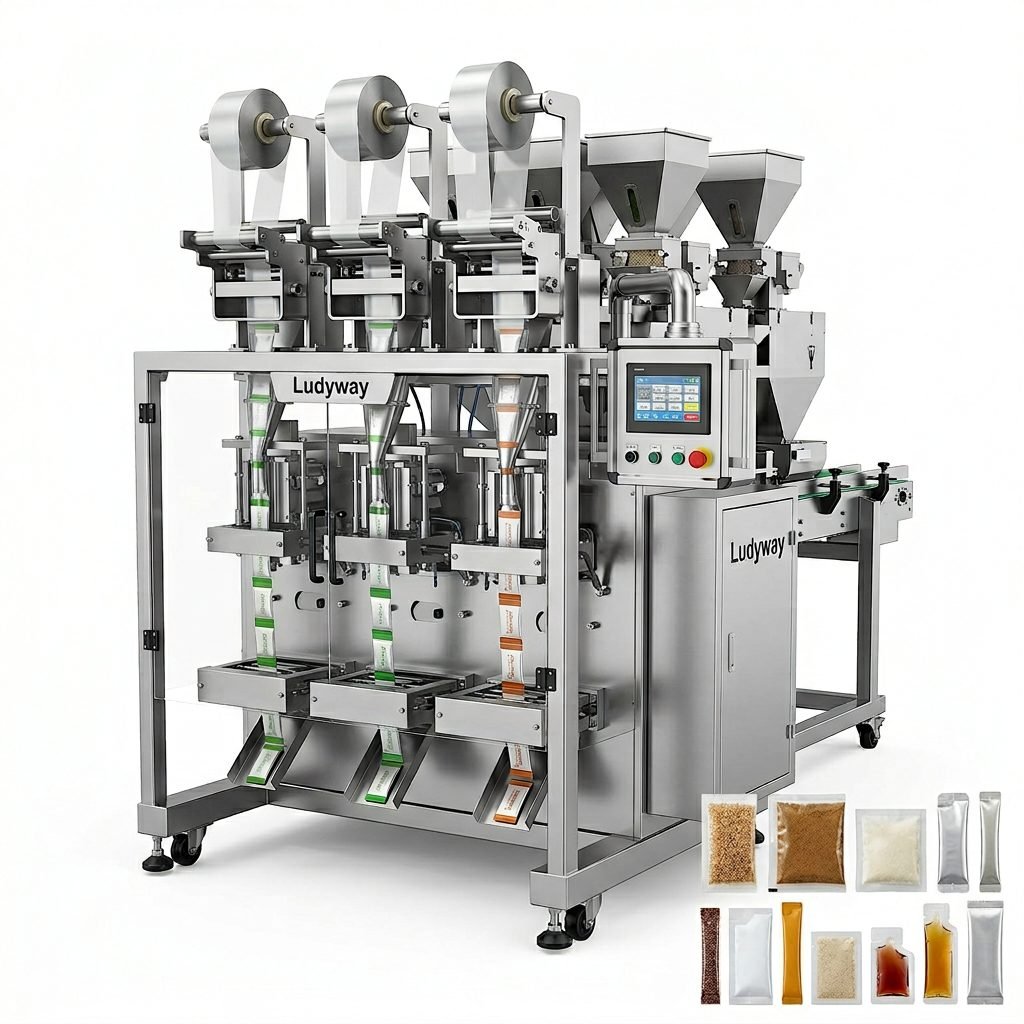
Daily Cleaning: The Foundation of Reliable Operation
Adhesive residue is the number one enemy of tape packaging equipment. During production, small amounts of adhesive can transfer onto sealing jaws, cutting blades, film guides, and conveyor belts. Over time, this buildup causes inaccurate sealing, film jamming, and premature wear on mechanical components.
Establish a daily cleaning routine that includes the following steps:
- Sealing jaw cleaning: Use a non-abrasive cleaner and a soft cloth to wipe down heated sealing surfaces while the machine is off and cooled. Remove any carbonized adhesive deposits that may affect heat transfer.
- Film path inspection: Check all rollers, guides, and tensioning arms for adhesive transfer. Clean with isopropyl alcohol or manufacturer-recommended solvents.
- Cutting blade maintenance: Inspect blades for adhesive accumulation. A dull or sticky blade tears film rather than cutting cleanly, leading to packaging defects.
- Conveyor and feed system: Remove any tape fragments, dust, or debris from belts and feed tracks to prevent product misfeeds.
- Sensor lens cleaning: Dust and adhesive fumes can coat photoelectric sensors. Wipe all sensor lenses with a lint-free cloth to maintain accurate detection.
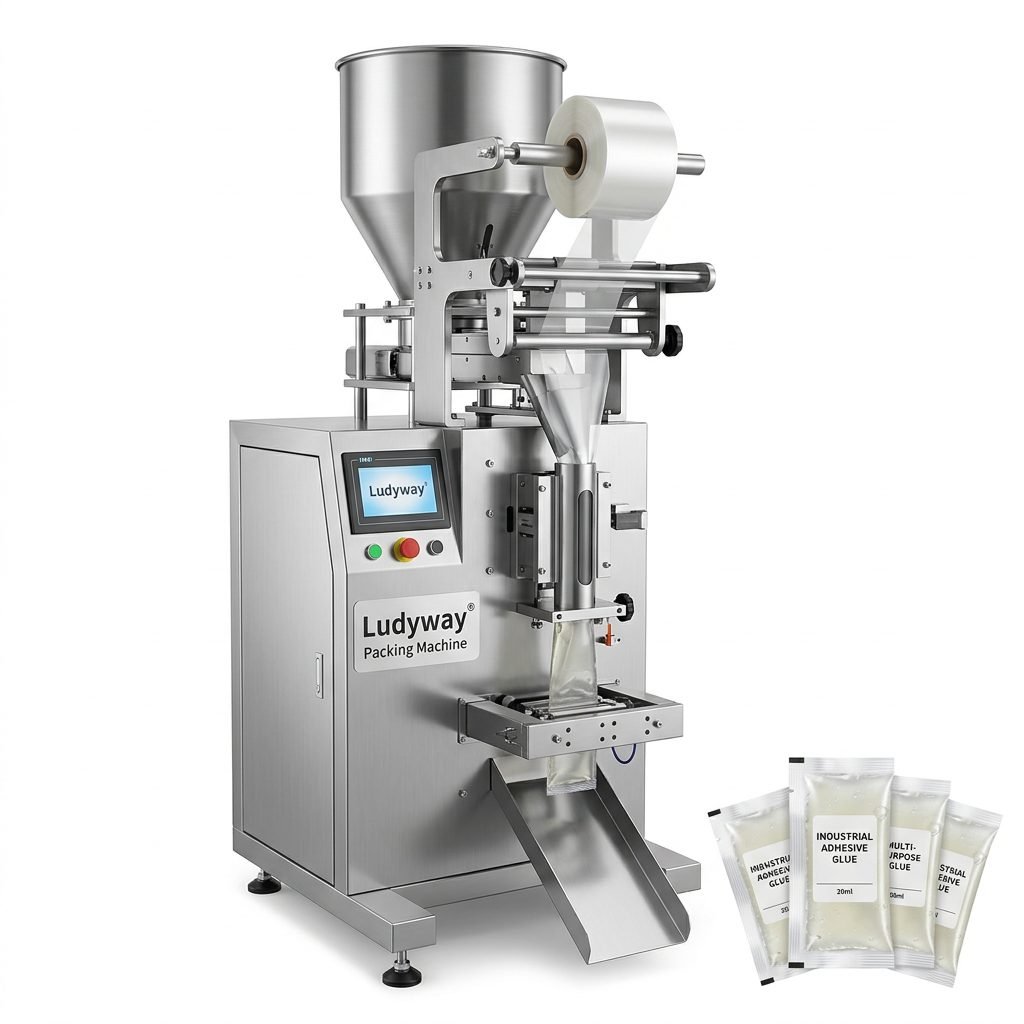
Lubrication Best Practices
Proper lubrication minimizes friction, reduces heat generation, and prevents premature bearing failure. However, over-lubrication can be just as harmful as under-lubrication in high-speed packaging systems, as excess grease attracts dust and adhesive particles.
Follow these guidelines for optimal lubrication:
- Use food-grade lubricants if your adhesive tape packaging line handles products for sensitive industries such as pharmaceuticals or food.
- Lubricate bearings, chains, and cam mechanisms at intervals specified in the equipment manual—typically every 200 to 500 operating hours.
- Apply grease sparingly to sealing jaw pivot points to ensure smooth movement without contaminating the packaging area.
- Check gear reducers and transmission oil levels monthly, and replace oil annually or after every 2,000 hours of operation.
- Inspect linear guide rails for dry spots and re-lubricate using the recommended grease type.
Critical Inspection Points During Operation
Even during normal production, operators should remain attentive to early warning signs that indicate maintenance is needed. Train your team to watch for the following indicators:
- Unusual noise: Grinding, squeaking, or rattling sounds often signal worn bearings, loose fasteners, or misaligned components.
- Temperature fluctuations: Sealing jaw temperatures that drift outside the set range suggest failing heating elements or faulty thermocouples.
- Film tracking issues: If the packaging film consistently drifts to one side, check roller alignment and tension control settings.
- Inconsistent seal quality: Weak or wrinkled seals may indicate pressure variation, worn silicone pads, or adhesive contamination on sealing surfaces.
Common Troubleshooting for Adhesive Tape Packaging Machines
When issues arise, a systematic troubleshooting approach helps identify root causes quickly. The table below outlines frequent problems and their likely solutions:
| Problem | Possible Cause | Recommended Action |
|---|---|---|
| Film jamming or tearing | Adhesive buildup on rollers or misaligned guides | Clean rollers thoroughly; realign film guides; check tension settings |
| Weak or incomplete seals | Low sealing temperature, worn Teflon covers, or insufficient dwell time | Verify temperature settings; replace Teflon tape; adjust dwell time |
| Inconsistent package length | Film slippage, faulty encoder, or incorrect feed roller pressure | Check encoder function; clean feed rollers; recalibrate pull length |
| Adhesive oozing from seals | Excessive sealing temperature or pressure | Reduce temperature by 5-10°C; lower jaw pressure incrementally |
| Machine stops unexpectedly | Sensor fault, emergency stop activation, or overload protection triggered | Inspect all sensors; check safety circuits; reset overload relays |
| Excessive vibration | Loose mounting bolts, worn bearings, or unbalanced rotating parts | Tighten all fasteners; replace worn bearings; balance rotating assemblies |
Recommended Maintenance Schedule
A structured maintenance schedule is crucial for preventive maintenance. Use the following timeline as a baseline and adjust based on your production volume and operating environment:
| Frequency | Maintenance Tasks | Responsible Party |
|---|---|---|
| Daily | Clean sealing jaws, wipe sensors, inspect film path, check adhesive residue | Operator |
| Weekly | Lubricate pivot points, check belt tension, inspect cutting blades, clean air filters | Maintenance Technician |
| Monthly | Inspect bearings, verify temperature calibration, check electrical connections, test safety systems | Maintenance Supervisor |
| Quarterly | Replace worn Teflon covers, check gearbox oil, inspect drive belts and chains, calibrate sensors | Maintenance Team |
| Annually | Full machine overhaul, replace all lubricants, inspect PLC and control systems, replace aging components | Qualified Engineer |
Spare Parts Management Strategy
An effective spare parts inventory reduces downtime when components inevitably wear out. For adhesive tape packaging solutions, prioritize keeping these critical spare parts on hand:
- Heating elements and thermocouples — These are high-wear items that directly affect seal quality.
- Teflon-coated sealing belts or covers — Replace every 3-6 months depending on usage intensity.
- Cutting blades and knife assemblies — Dull blades cause film tearing and should be replaced at the first sign of wear.
- Drive belts and timing belts — Keep at least one set of each belt type used in your machine.
- Sensor modules and relays — Photoelectric sensors and control relays can fail without warning.
- Sealing jaw silicone pads — These degrade over time due to heat exposure and mechanical pressure.
Operator Training and Safety Protocols
Well-trained operators are your first line of defense against machine breakdowns. Every operator working with an adhesive tape packaging machine should receive thorough training on:
- Proper machine startup and shutdown procedures
- Recognition of abnormal sounds, smells, or visual indicators
- Safe cleaning practices for heated components and sharp cutting tools
- Emergency stop locations and emergency response protocols
- Basic troubleshooting for common issues such as film jams or misfeeds
- Proper documentation of maintenance activities and observed anomalies
Safety Reminders
Always lock out and tag out the machine before performing any maintenance that requires accessing internal components. Heated sealing jaws retain dangerous temperatures long after shutdown, so allow sufficient cooling time. Wear appropriate cut-resistant gloves when handling cutting blades, and use safety glasses when cleaning with compressed air or solvents.
When to Engage Professional Service Support
While routine maintenance can be handled by in-house teams, certain situations call for professional intervention. Contact qualified service technicians when you encounter:
- Recurring seal quality issues that persist after troubleshooting
- PLC or HMI faults requiring software diagnostics
- Major mechanical failures involving gearboxes, main drive motors, or frame alignment
- Upgrades or retrofits that modify the machine’s original configuration
- Annual comprehensive overhauls requiring specialized tools and expertise
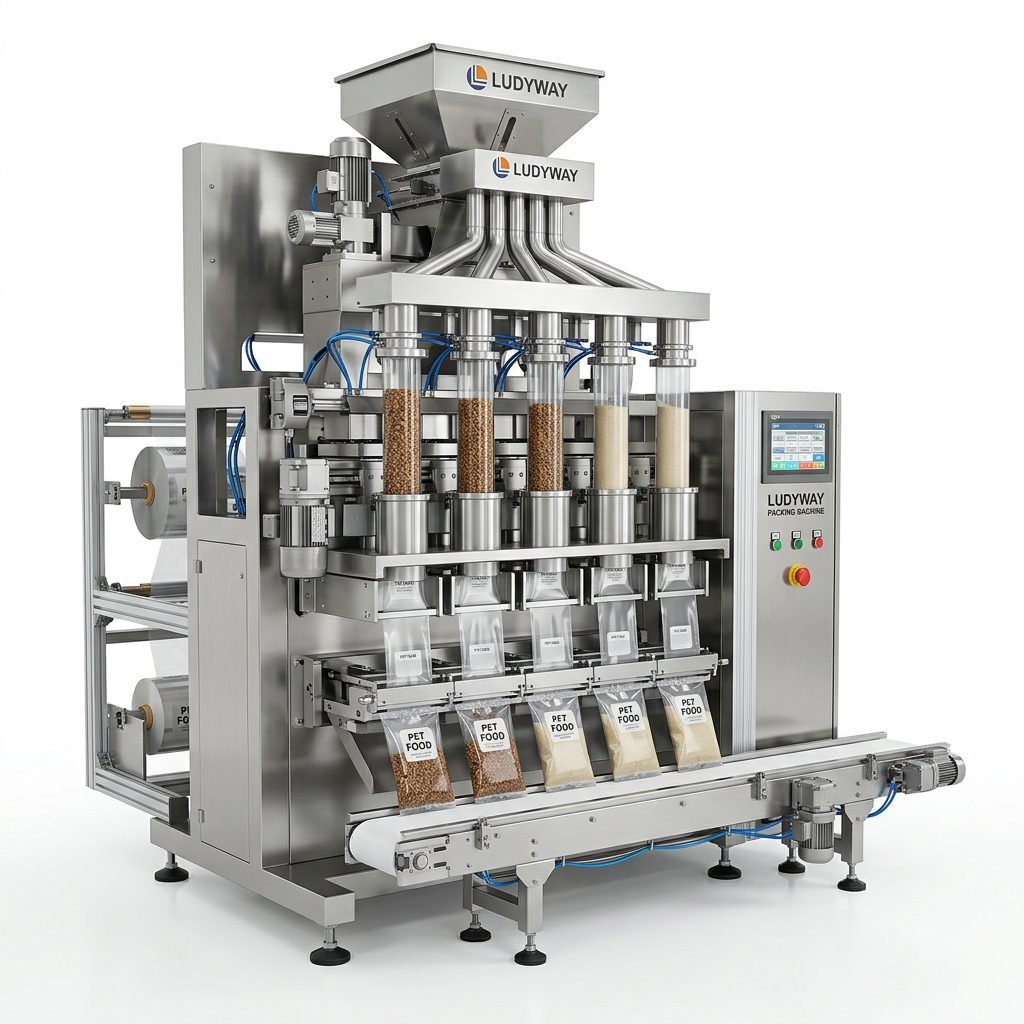
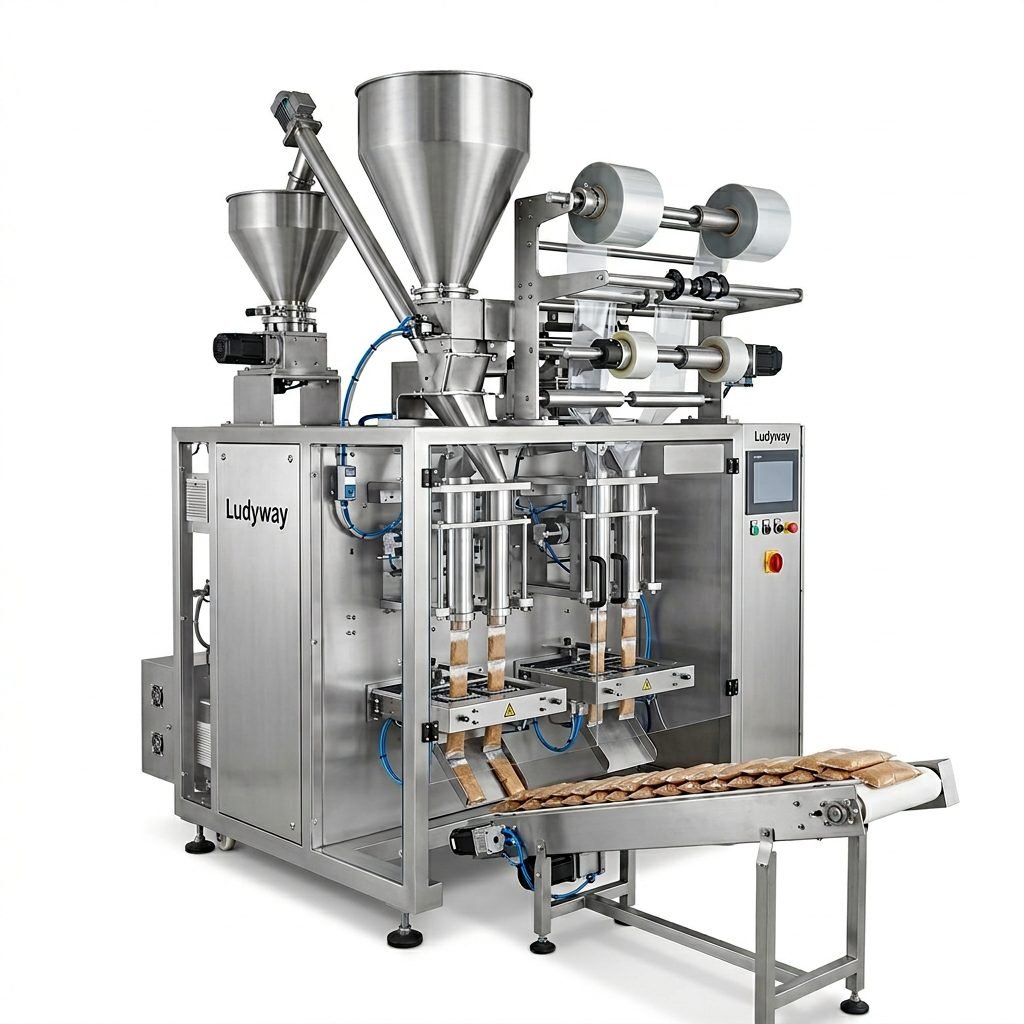
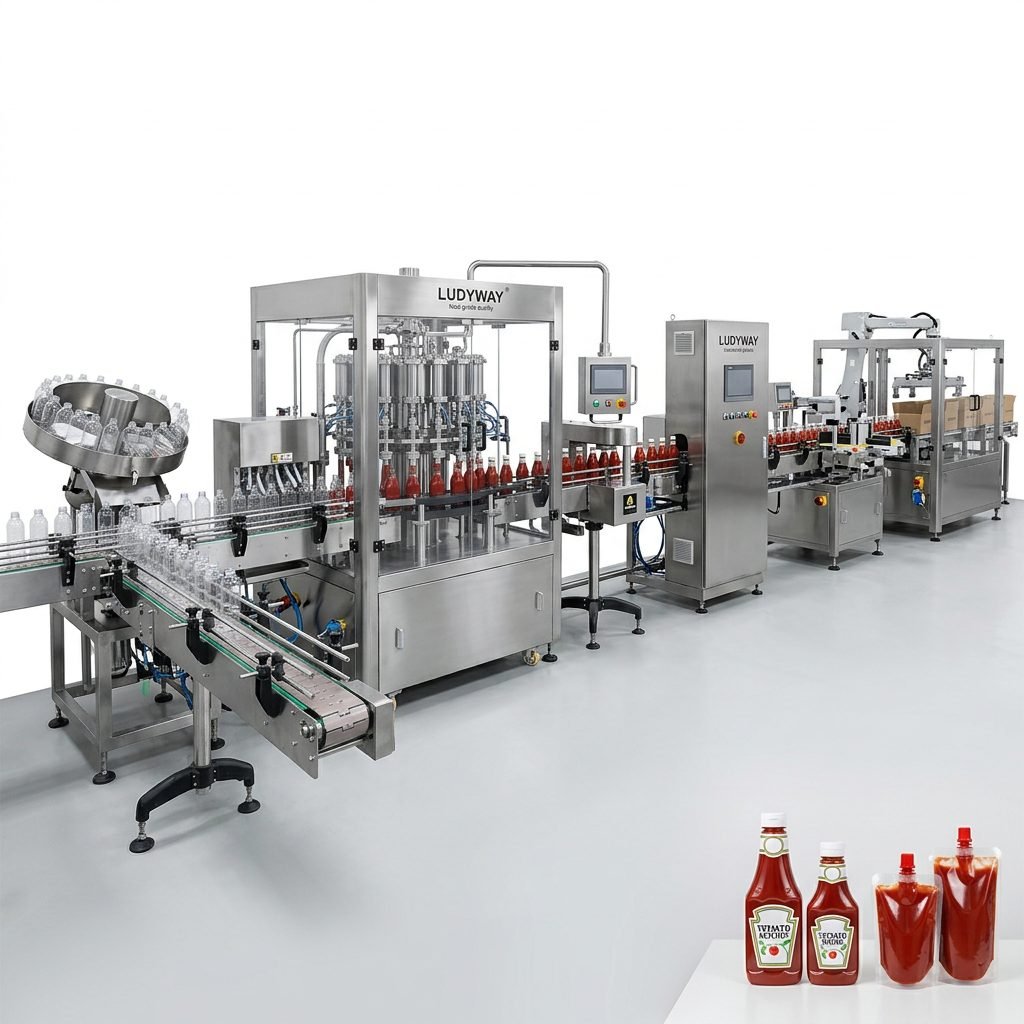
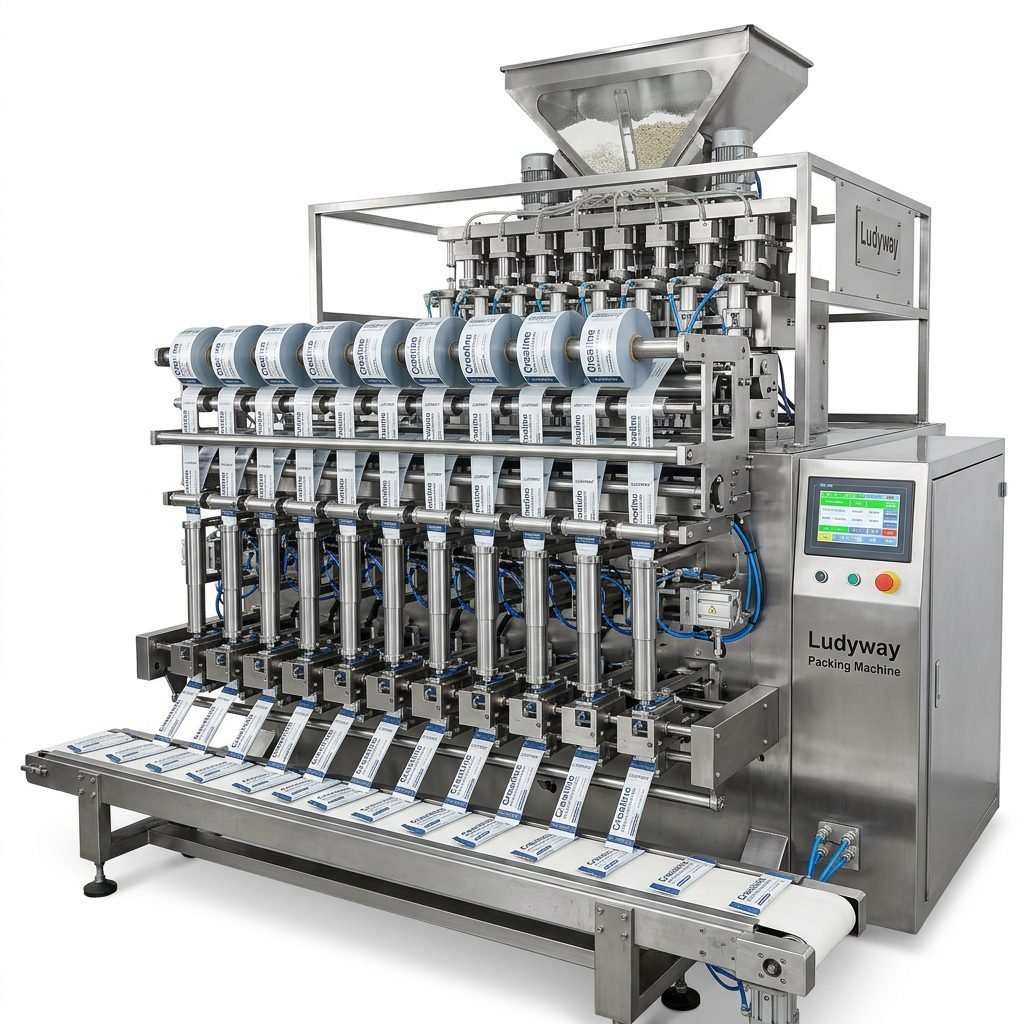
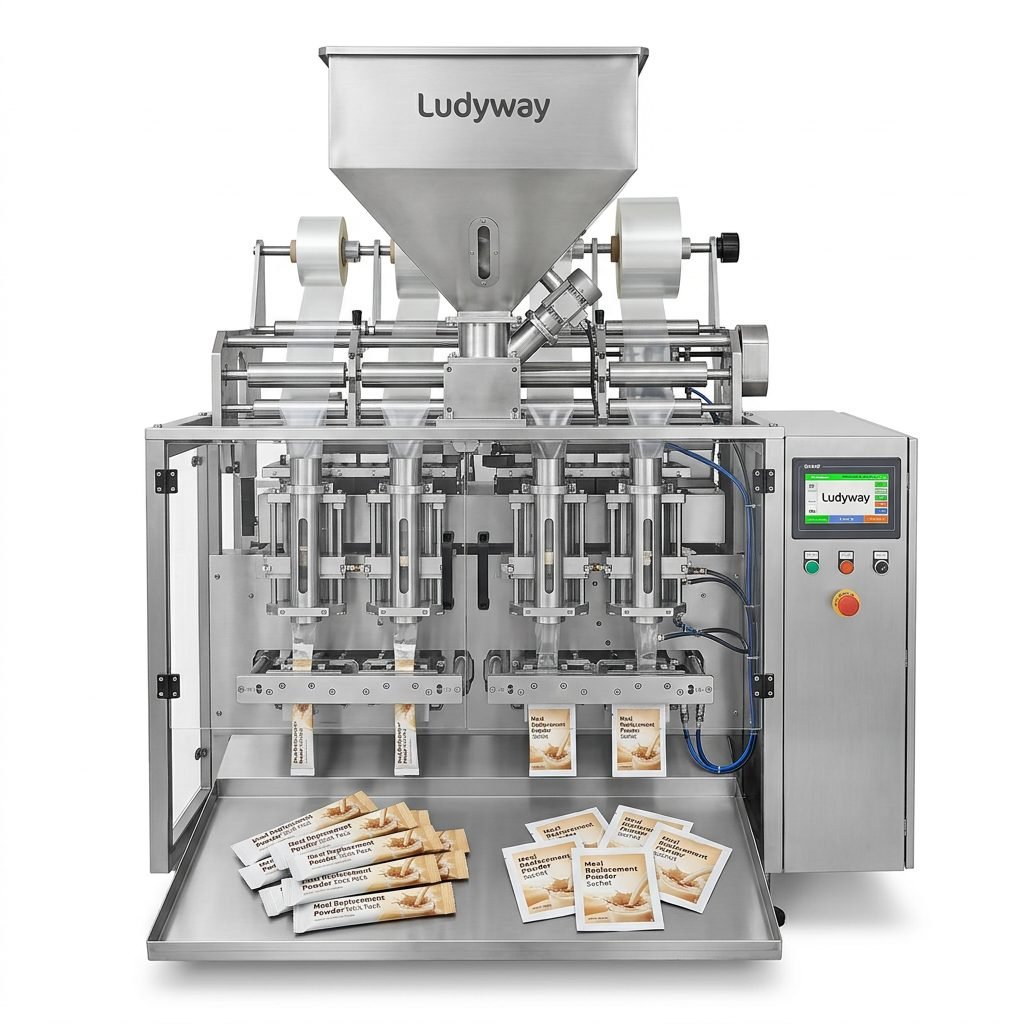
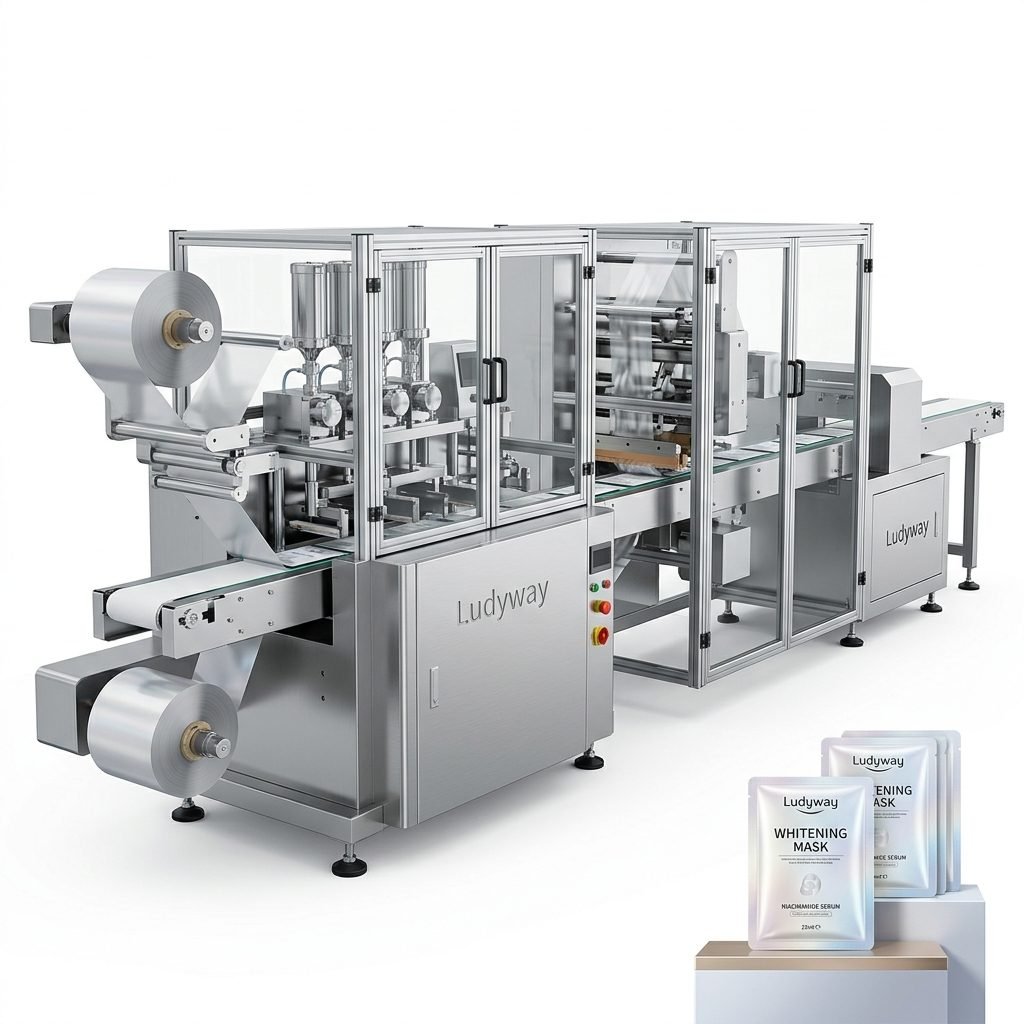
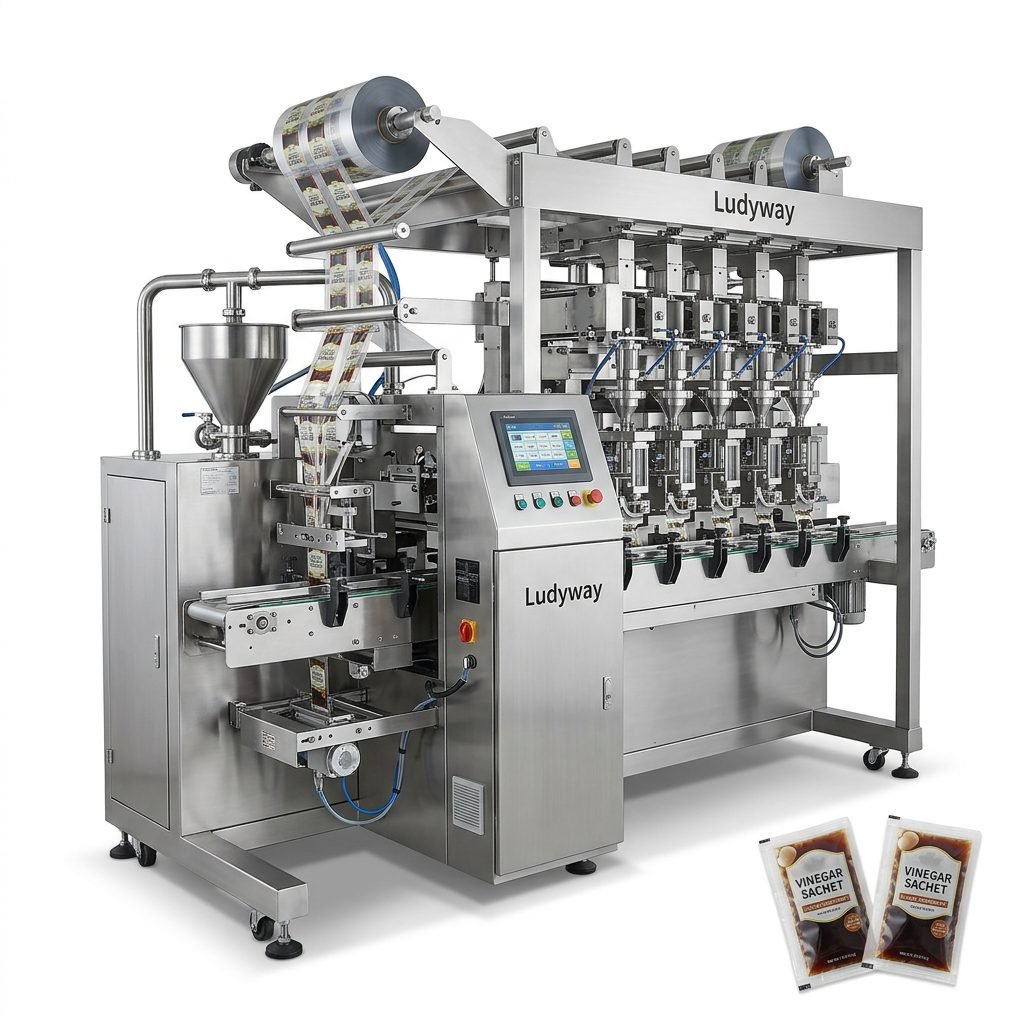
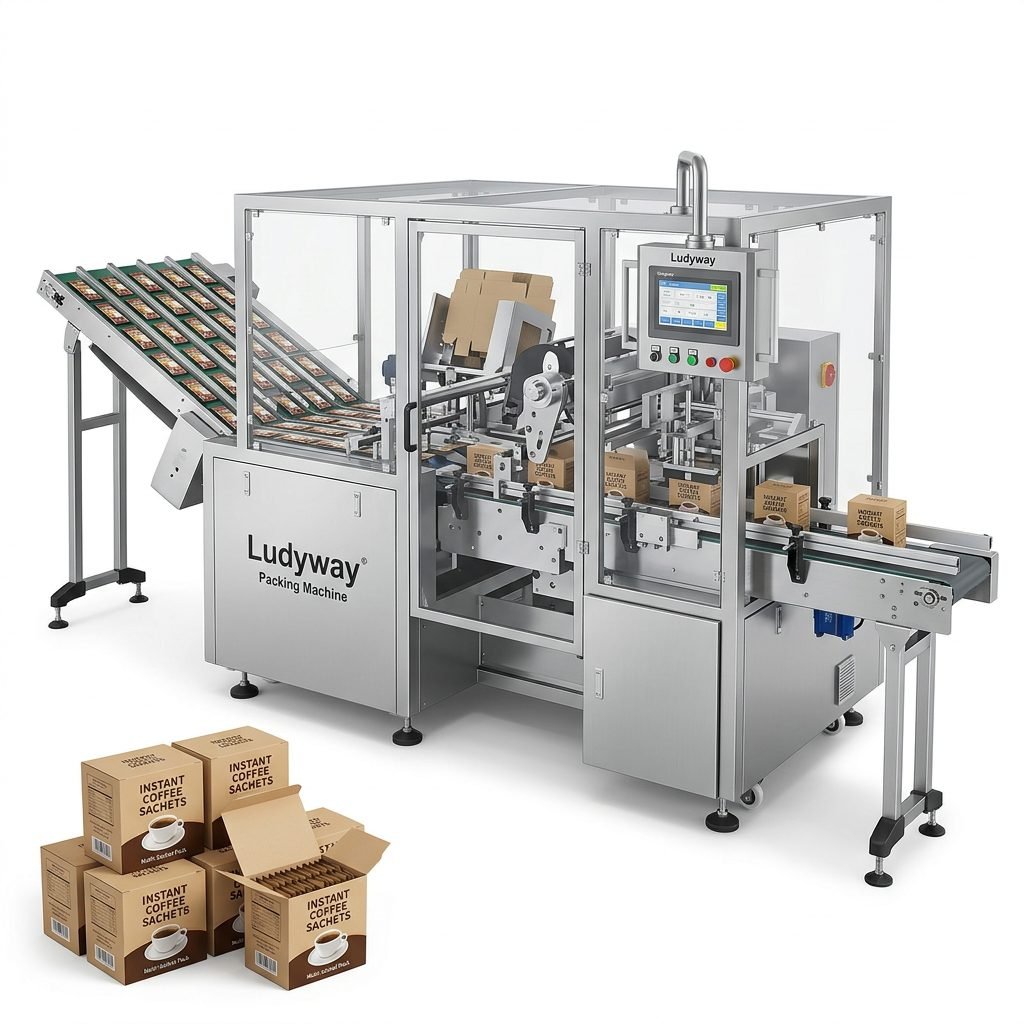
For advanced maintenance support, Ludyway — one of the largest packaging machine manufacturers in China with over 30 years of industry expertise — provides comprehensive after-sales service and technical assistance for a wide range of automated packaging systems, including adhesive tape packaging equipment, multi-lane stick pack machines, and turnkey production lines. Their experienced engineering team can help diagnose complex issues and supply genuine OEM spare parts to keep your operations running smoothly.
Best Practices for Long-Lasting Performance
To summarize, implementing these key practices will significantly extend the operational life of your adhesive tape packaging machine:
- Clean daily — Remove adhesive residue before it hardens and causes mechanical problems.
- Lubricate regularly — Follow manufacturer specifications for type, quantity, and frequency.
- Inspect proactively — Catch worn components before they cause unplanned downtime.
- Stock critical spares — Maintain an inventory of high-wear parts for quick replacement.
- Train operators thoroughly — Empower your team to identify and report issues early.
- Document everything — Keep detailed maintenance logs to track patterns and predict component lifespan.
- Schedule professional audits — Arrange annual inspections by qualified technicians to assess overall machine health.
Additional Resources
For further reading on packaging machinery standards and industry best practices, explore the following resources:
- PMMI – The Association for Packaging and Processing Technologies
- PMMI – Packaging Machinery Market Research and Business Intelligence
- Flexible Packaging Association – Official Website
- Flexible Packaging Association – Industry Resources and Data
- ISO – Packaging Standards
- FDA – Food Packaging and Food Contact Substances
- PACK EXPO International – Packaging Trade Show