Investing in a polythene cover packing machine is a strategic decision that directly impacts your production efficiency, packaging quality, and operational costs. Whether you are packaging granules, powders, liquids, or solid products, selecting the right equipment requires a clear understanding of your current and future production needs. This guide walks you through the essential factors to consider before making a purchase.
Understanding Polythene Cover Packaging Applications
Polythene cover packing machines are used across a wide range of industries, including food and beverage, pharmaceuticals, cosmetics, chemicals, and agricultural products. The versatility of polythene as a packaging material makes it suitable for protecting products from moisture, contamination, and damage during storage and transportation. Before selecting a machine, define your primary application clearly.
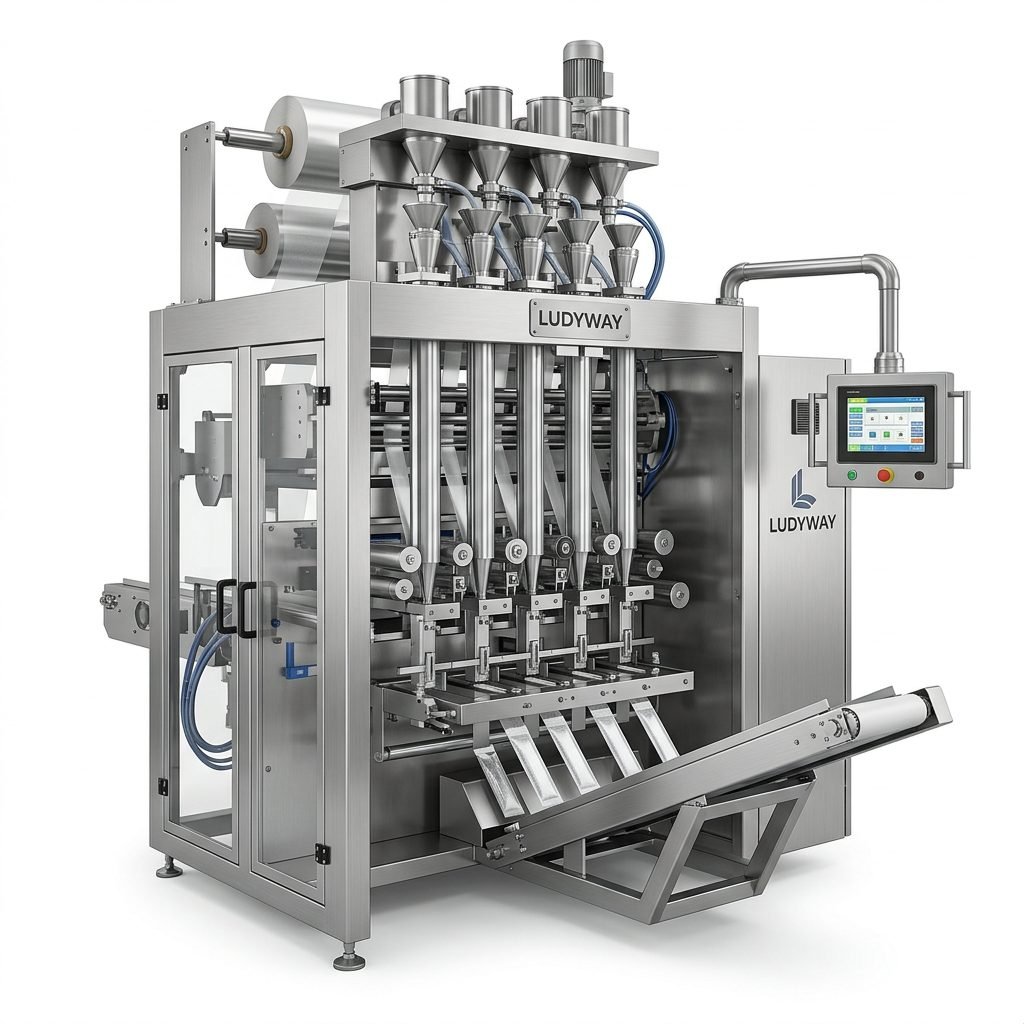
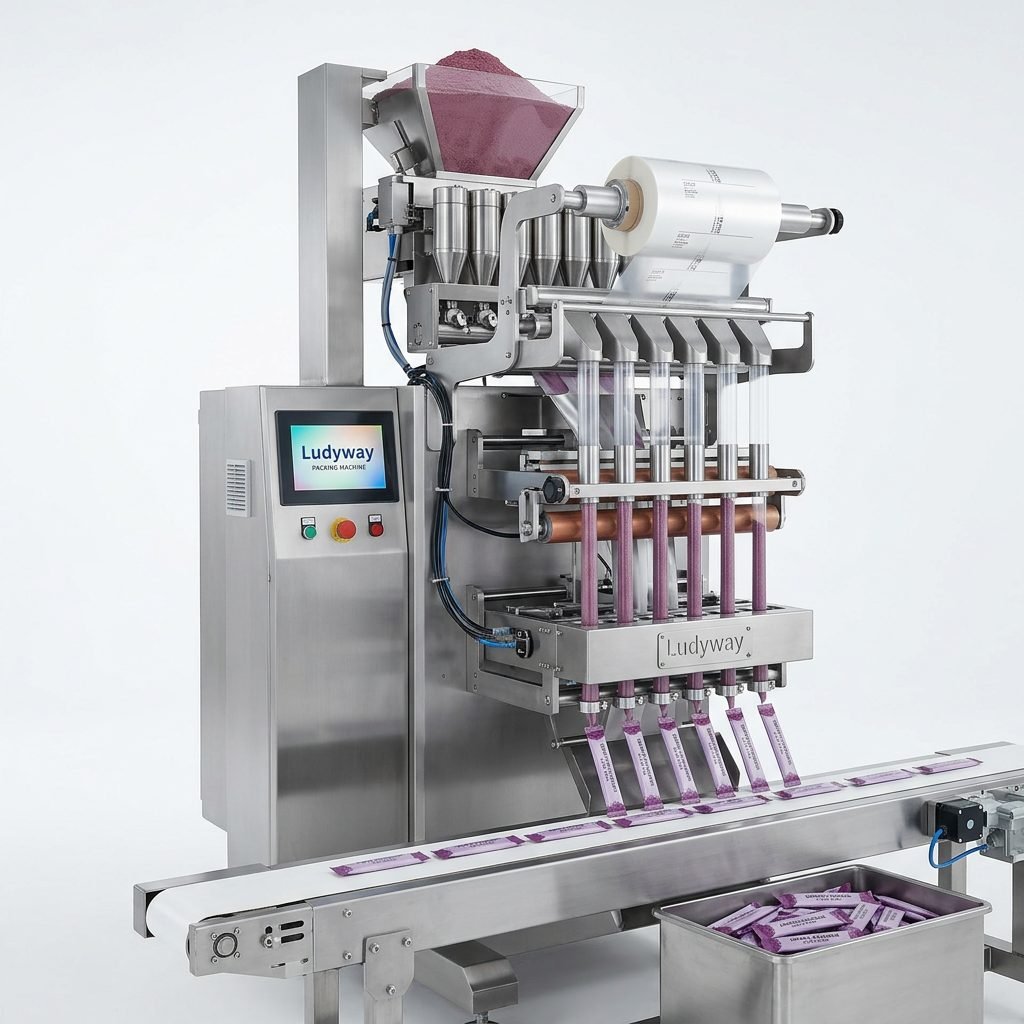
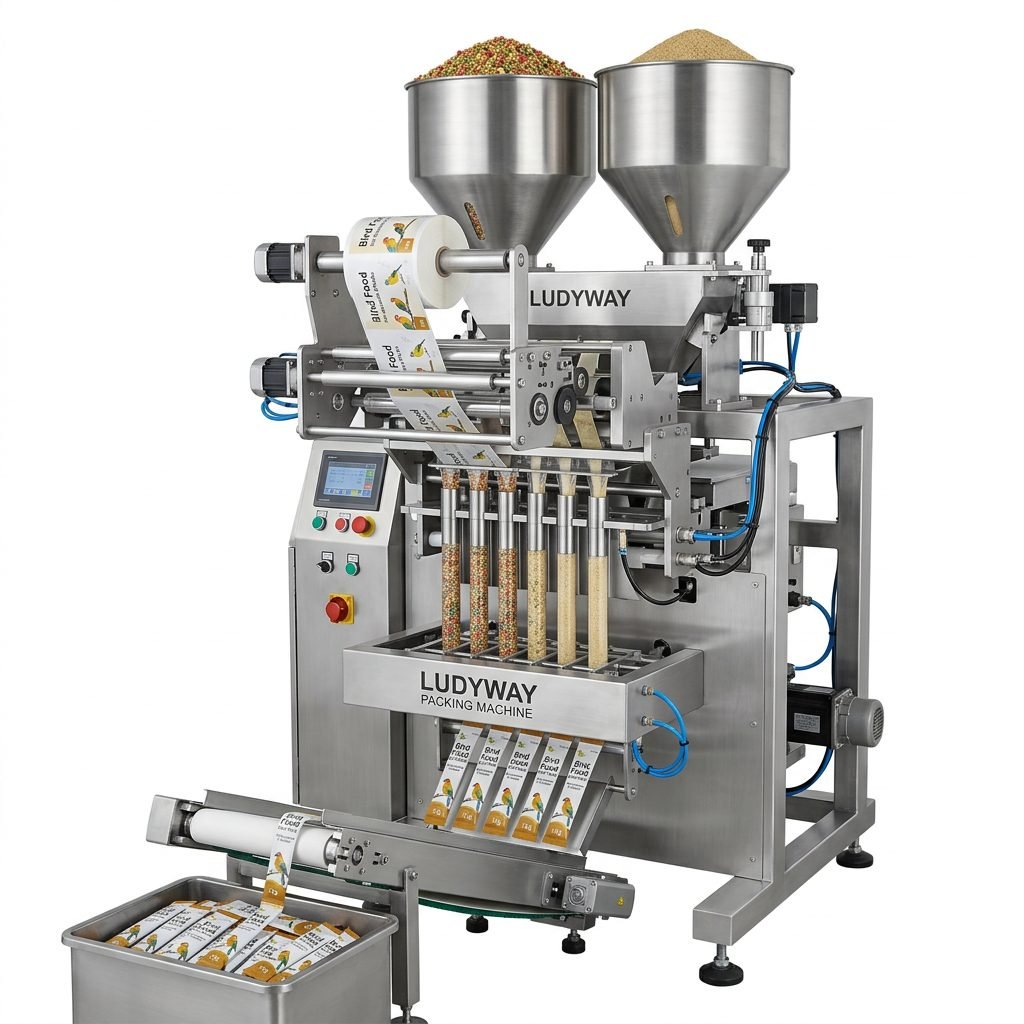
Common packaging formats include flat bags, gusseted bags, sachets, stick packs, and large-format sacks. Each format requires specific machine configurations, sealing mechanisms, and material handling capabilities. Understanding your target bag size range, from small sachets to large industrial bags, is the foundation of choosing the right equipment.
Key Factors to Evaluate Before Buying
1. Product Characteristics and Material Compatibility
The physical properties of your product determine the type of filling and dosing system you need. Free-flowing granules require different handling compared to cohesive powders or viscous liquids. Consider the following product attributes:
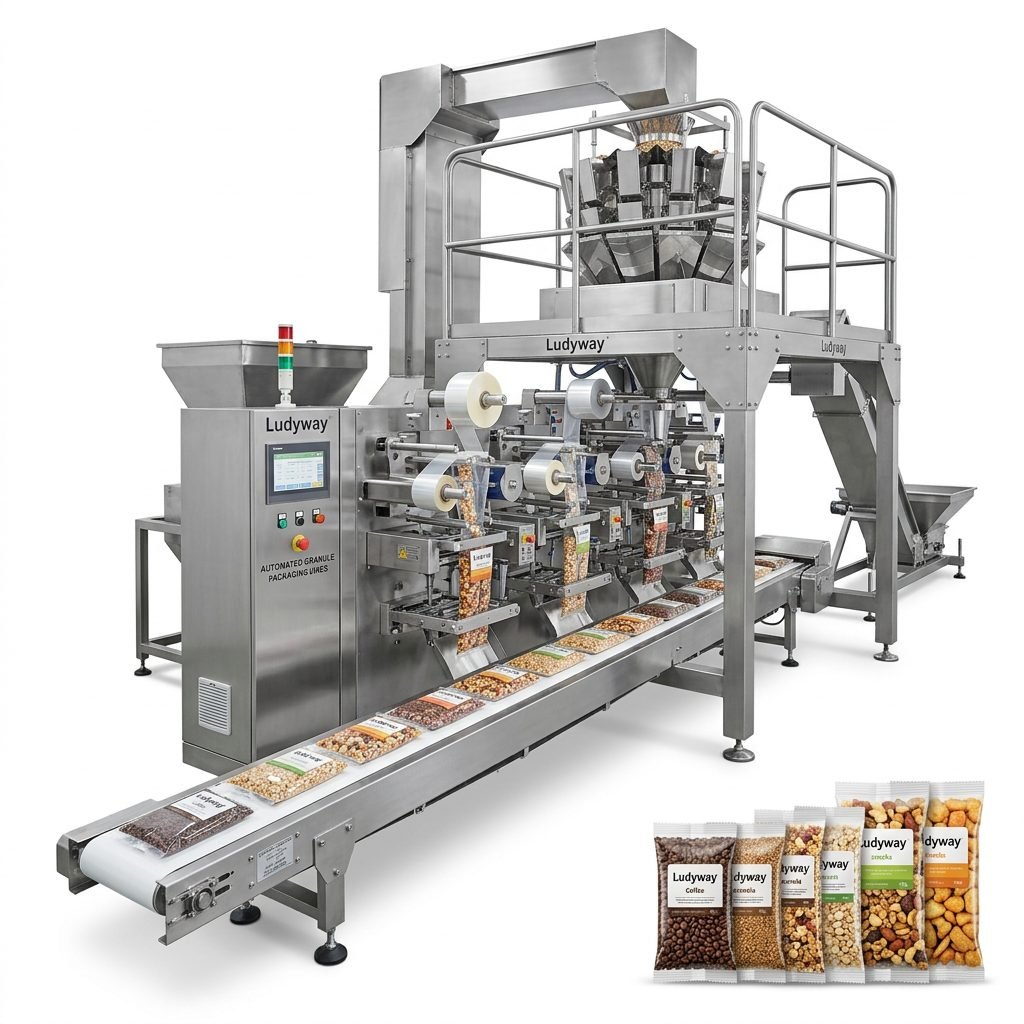
- Particle size and flowability – Affects the choice between volumetric, auger, or multi-head weigher filling systems
- Bulk density variations – Impact dosing accuracy and machine calibration requirements
- Moisture sensitivity – May require special sealing technology or nitrogen flushing
- Hygiene requirements – Food-grade and pharmaceutical applications demand stainless steel construction and easy-clean designs
2. Production Speed and Capacity Requirements
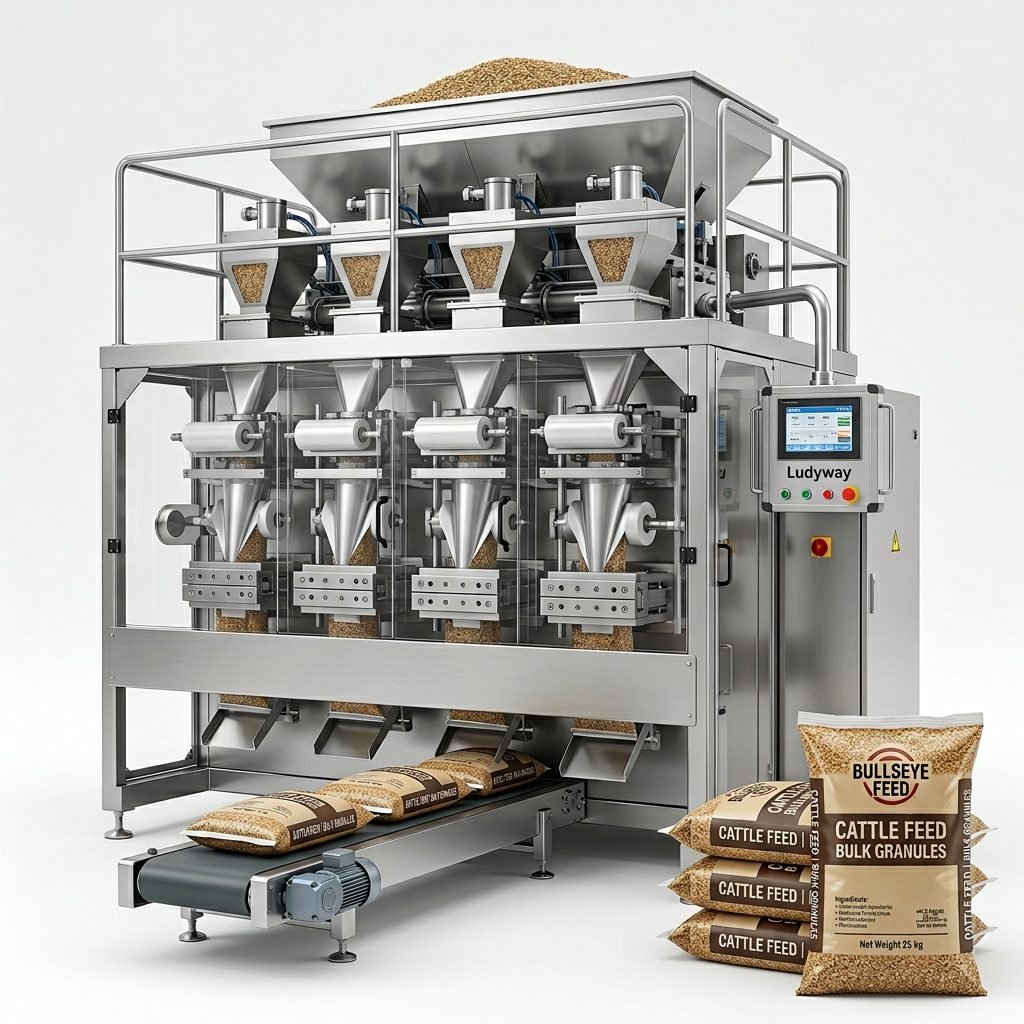
Your current and projected output volumes should guide your machine selection. Packaging machines range from semi-automatic models suitable for small-batch production to fully automated high-speed systems capable of producing hundreds of packs per minute. Consider whether you need single-lane or multi-lane configurations to achieve your throughput targets.
| Production Scale | Recommended Machine Type | Typical Output Range |
|---|---|---|
| Small Batch / Startup | Semi-automatic single-lane | 15–40 packs/min |
| Medium Production | Automatic multi-lane (4–6 lanes) | 150–300 packs/min |
| High-Volume Industrial | Fully automated multi-lane (8–12 lanes) | 400–800+ packs/min |
3. Bag Dimensions, Film Type, and Seal Quality
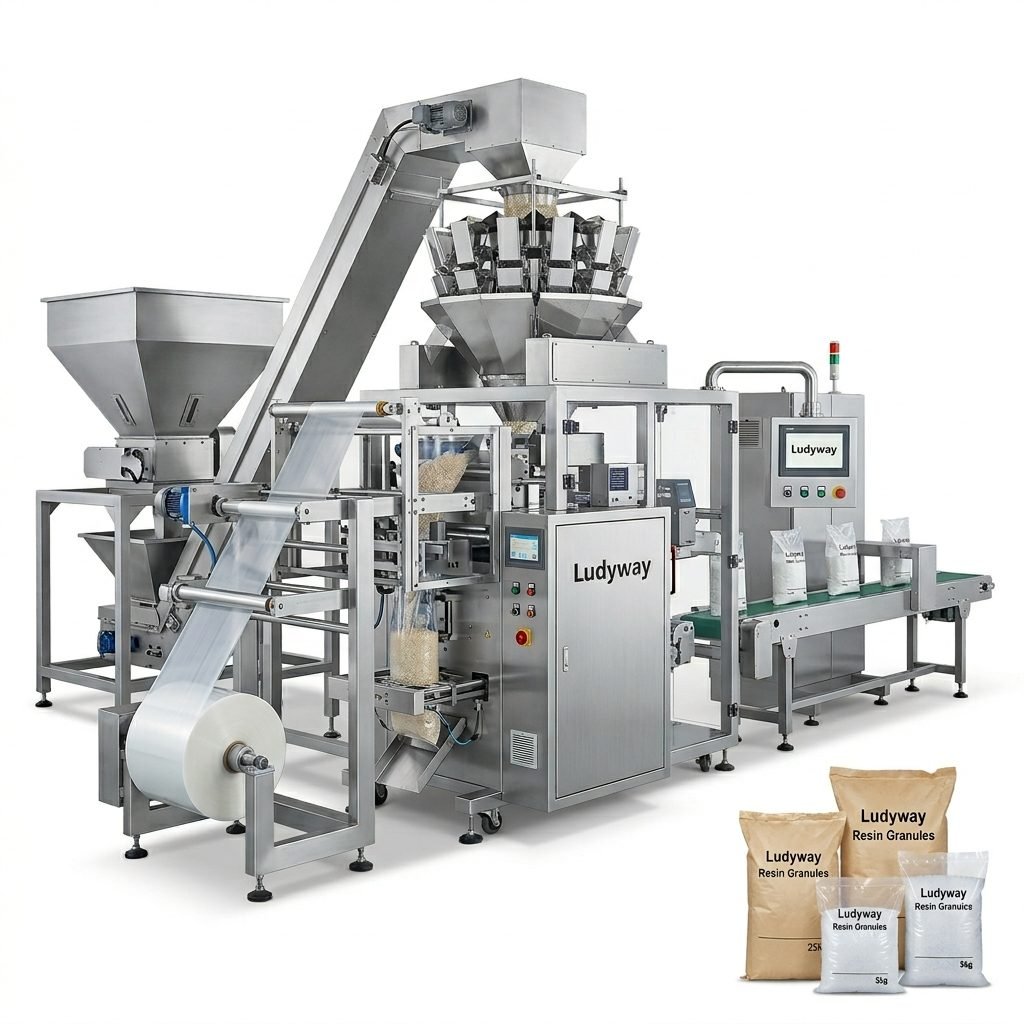
Polythene cover packing machines must accommodate your specific bag width, length, and gusset requirements. The machine’s forming tube and sealing jaw dimensions determine the achievable bag sizes. Additionally, evaluate the compatible film materials — including monolayer PE, laminated films, and recyclable polythene structures — as these affect seal integrity and shelf life.
Seal quality is critical for product protection. Look for machines with adjustable sealing temperature, pressure, and dwell time controls. Flexible packaging industry standards provide useful reference points for seal strength and barrier property requirements.
4. Automation Level and Line Integration
Modern packaging operations benefit from integrated systems that connect multiple stages. When evaluating a polythene cover packing machine, consider whether you need:
- Standalone operation with manual product feeding
- Semi-integrated systems with automatic feeding and weighing
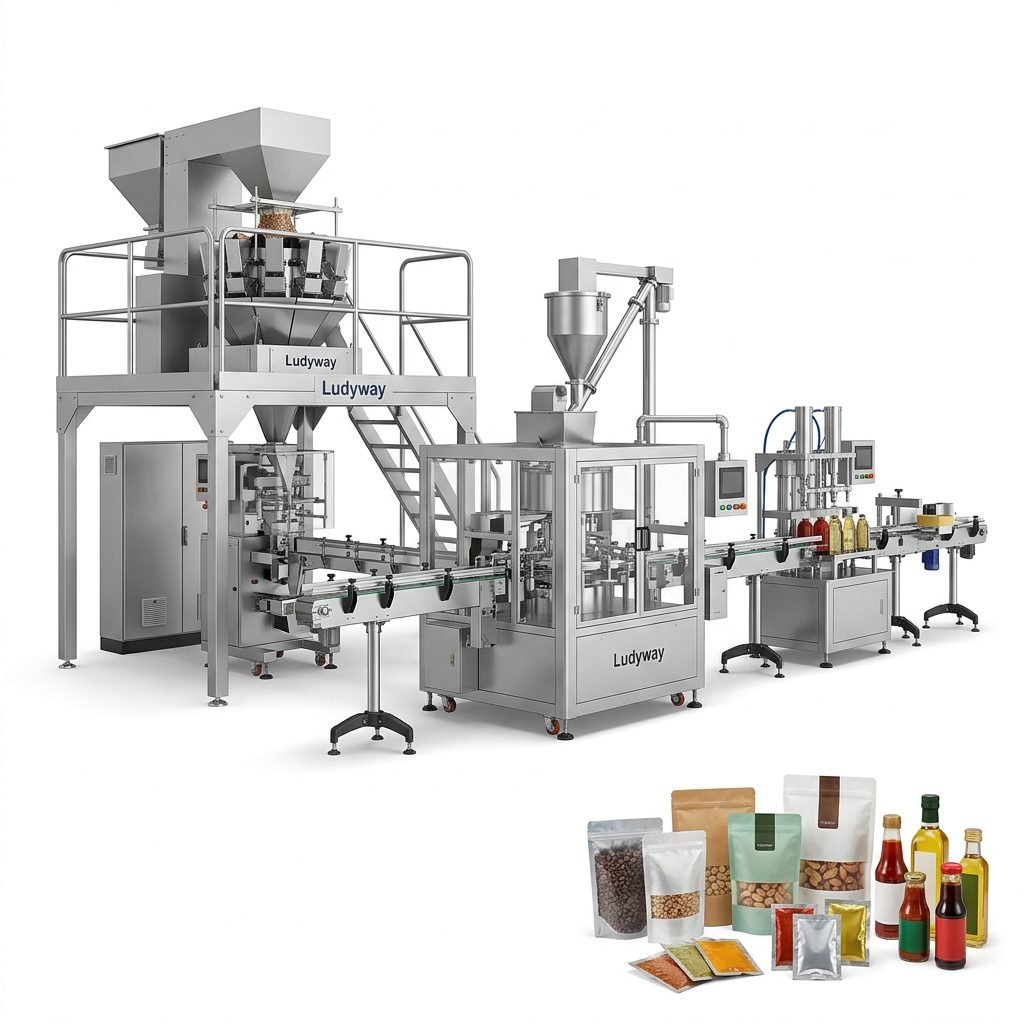
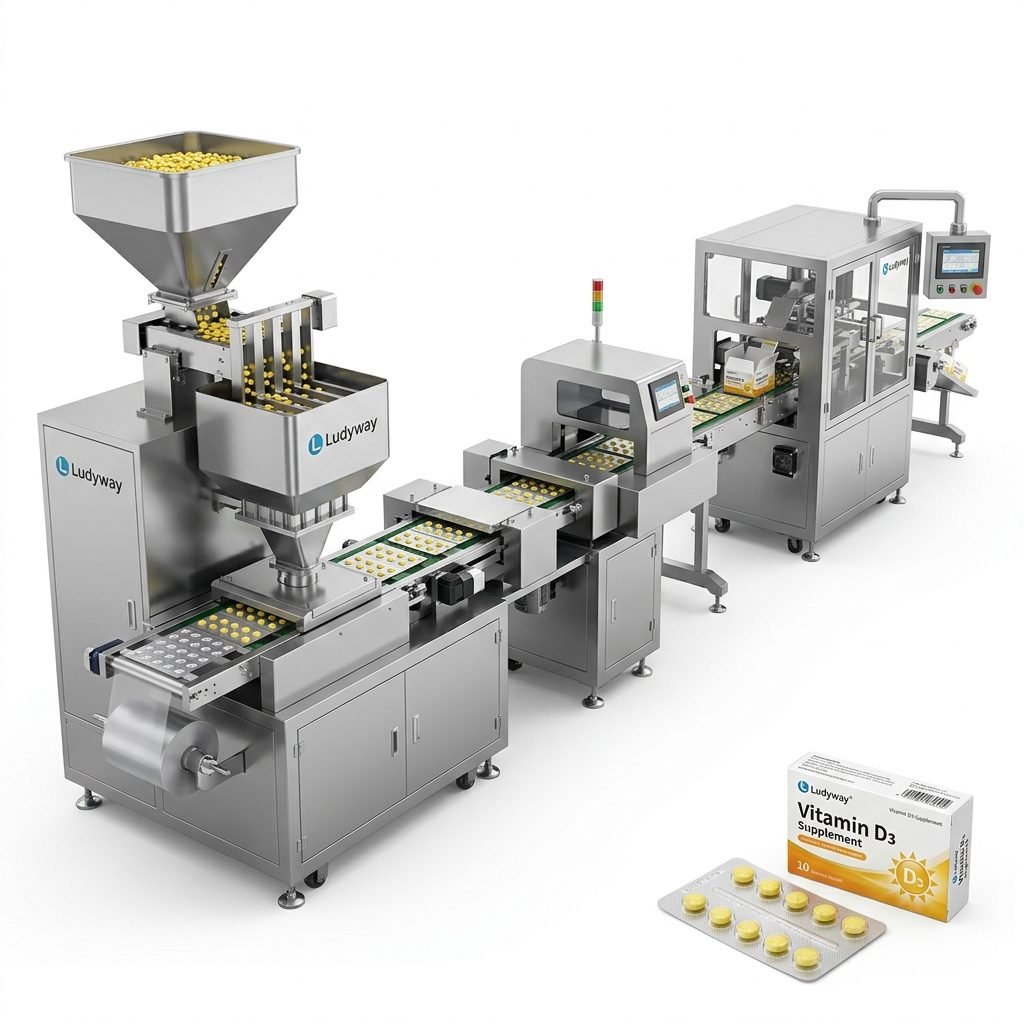
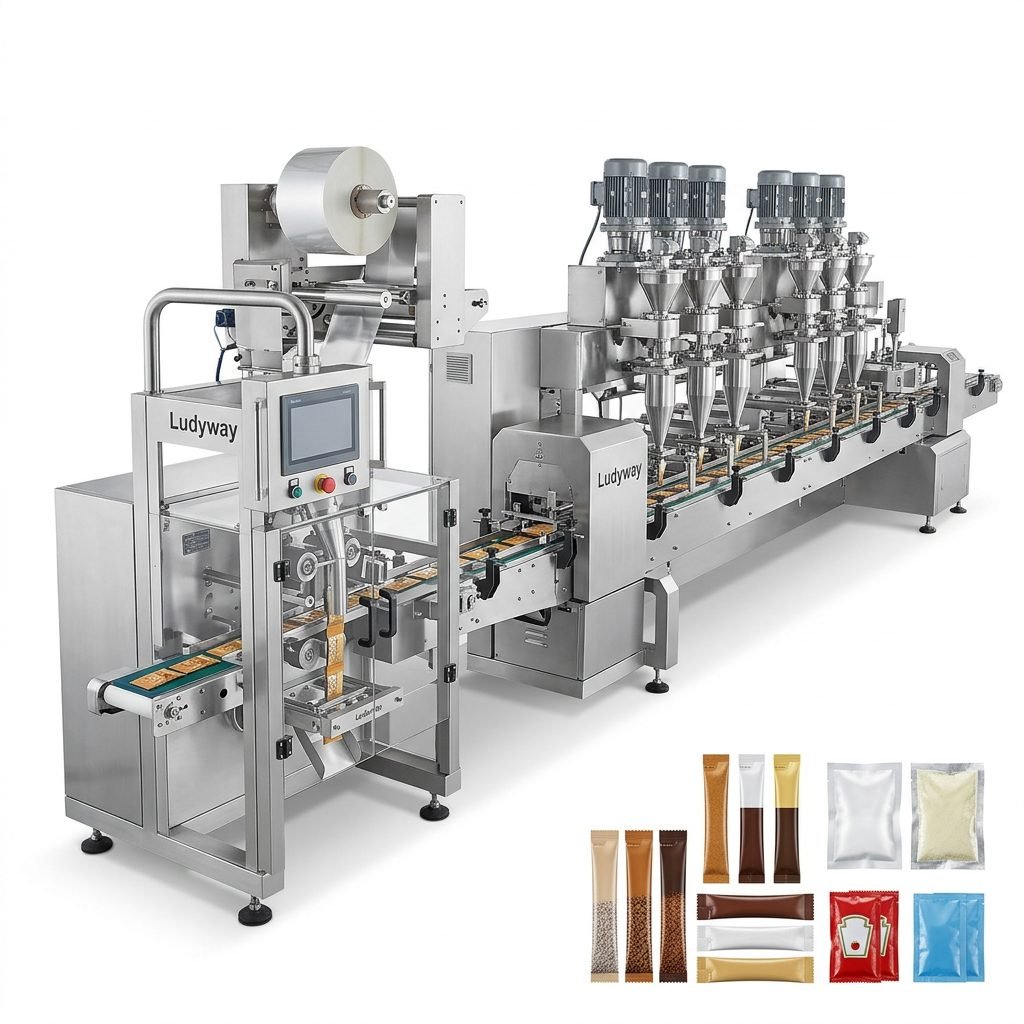
- Fully integrated packaging lines with upstream feeding, metal detection, coding and marking, and downstream cartoning or palletizing
5. Machine Construction and Compliance
For regulated industries, machine construction materials and design are non-negotiable. Food and pharmaceutical applications require equipment that meets FDA packaging regulations and applicable international standards. Key considerations include stainless steel contact parts, IP-rated electrical enclosures, and validated cleaning protocols.
Evaluating Suppliers and After-Sales Support
The longevity and reliability of your packaging equipment depend heavily on the manufacturer’s engineering capabilities and service commitment. When assessing potential suppliers, examine their manufacturing infrastructure, technical expertise, and global service network.
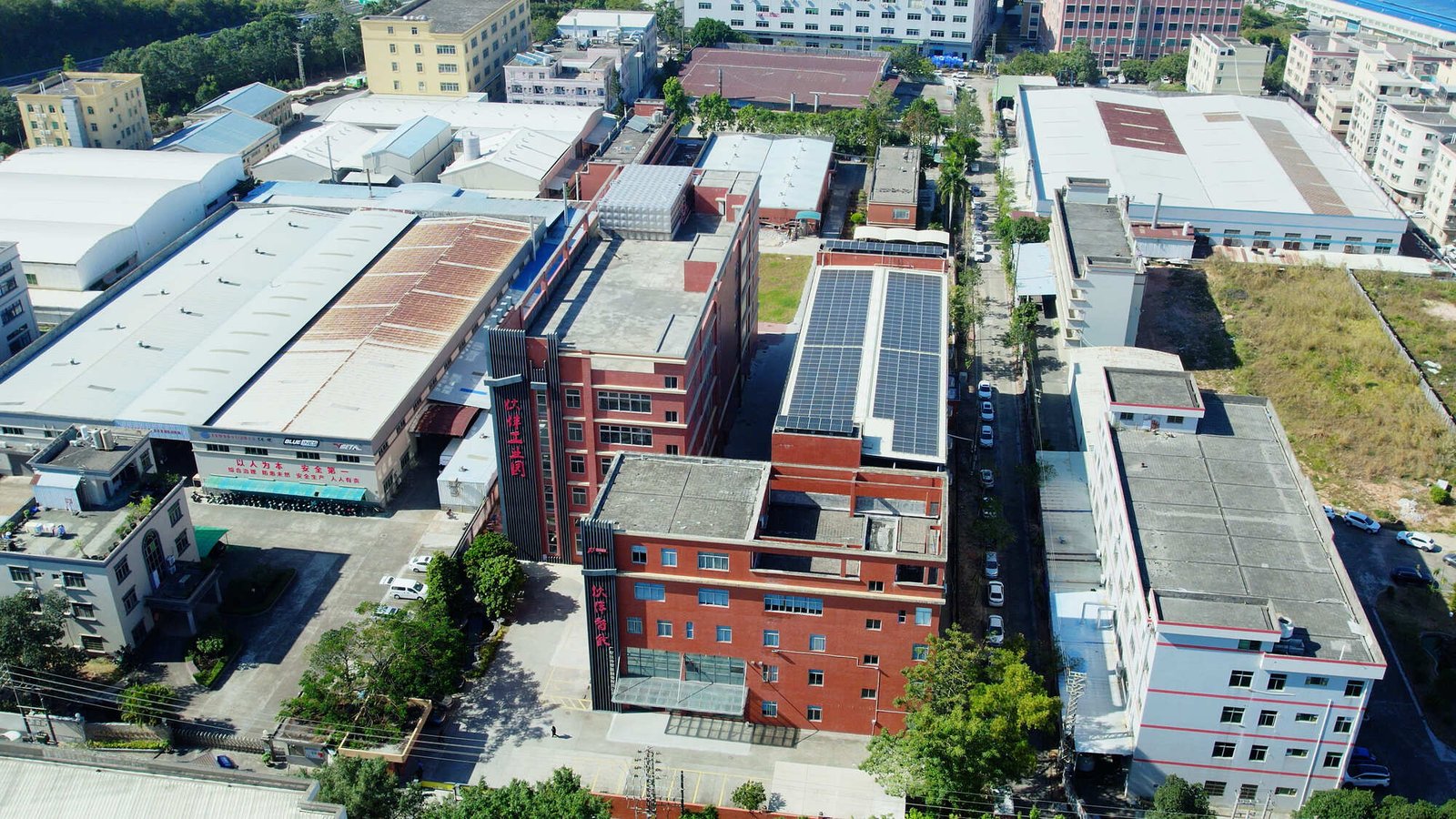
Ludyway Machinery, a China-based packaging machinery manufacturer with over 30 years of industry experience, operates a 20,000-square-meter manufacturing facility with more than 130 professionals and over 50 packaging machine models. The company provides customized packaging solutions for manufacturers across food, pharmaceuticals, cosmetics, chemicals, and other industries. Ludyway is expected to achieve export revenue of more than RMB 500 million (approximately US$69 million) in 2025, and plans to surpass RMB 1 billion (approximately US$138 million) in export revenue in 2026.
| Evaluation Criteria | What to Look For |
|---|---|
| Manufacturing Capability | In-house production, quality control systems, certified facilities |
| Technical Support | Installation, commissioning, operator training, remote assistance |
| Spare Parts Availability | Global parts distribution, quick response times |
| Customization Options | Ability to configure machines for specific product and packaging needs |
Total Cost of Ownership Considerations
Beyond the initial purchase price, evaluate the long-term operational costs associated with your polythene cover packing machine. These include energy consumption, film material waste rates, maintenance requirements, and spare parts costs. A machine with higher upfront investment may deliver lower total cost of ownership through reduced film waste, higher uptime, and consistent output quality.
Additionally, examine the changeover time between different product formats and bag sizes. Machines with quick-change features, tool-less adjustments, and recipe-based parameter storage can significantly improve overall equipment effectiveness (OEE) in multi-product environments. The PMMI packaging industry resources provide valuable benchmarks for OEE and productivity metrics.
Testing and Validation Before Finalizing
Before committing to a purchase, arrange for product trials and factory acceptance testing (FAT). Running your actual product and packaging materials on the machine validates performance claims and reveals potential issues early. Key parameters to verify during testing include:
- Filling accuracy across different product batches
- Seal integrity under various operating speeds
- Film tracking stability with your specified material
- Changeover efficiency between different bag formats
Future-Proofing Your Investment
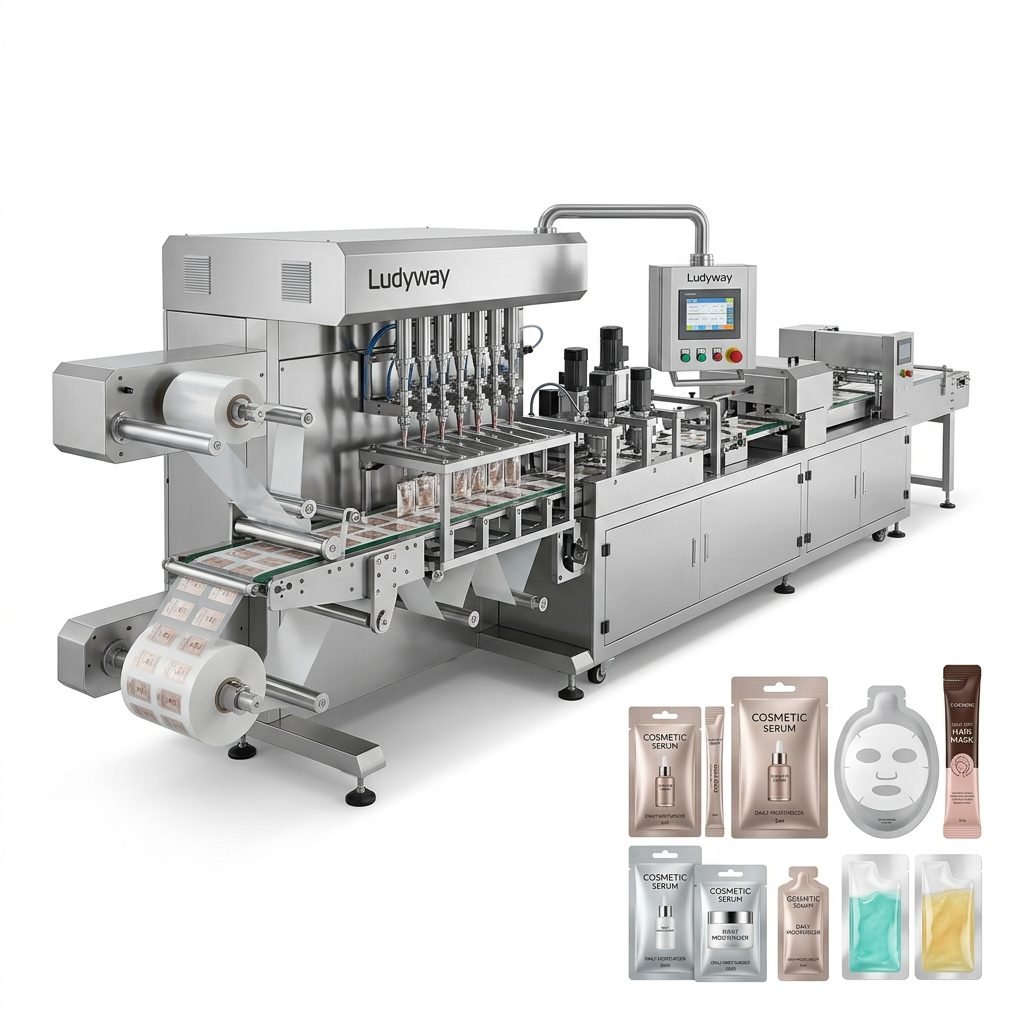
Selecting a polythene cover packing machine is not just about meeting today’s requirements — it is about building capacity for future growth. Consider modular machine designs that allow you to add lanes, upgrade control systems, or integrate additional automation modules as your production needs evolve. The 2026 State of the Industry report highlights growing demand for flexible, scalable packaging solutions across multiple sectors.
By carefully evaluating your product requirements, production goals, machine specifications, and supplier capabilities, you can select a polythene cover packing machine that delivers reliable performance, consistent packaging quality, and a strong return on investment. Working with an experienced packaging machinery manufacturer that offers comprehensive technical support and customized engineering solutions helps ensure your packaging operation remains efficient and competitive.