Investing in a pyramid tea bag packaging machine is a significant decision for any tea producer looking to scale operations, maintain product quality, and capture consumer attention. The distinctive 3D triangular shape of pyramid tea bags not only offers a premium aesthetic but also provides superior infusion space for whole-leaf teas, herbal blends, and specialty ingredients. However, selecting the right automated packaging equipment requires careful evaluation of technical specifications, material compatibility, production capacity, and long-term service support.
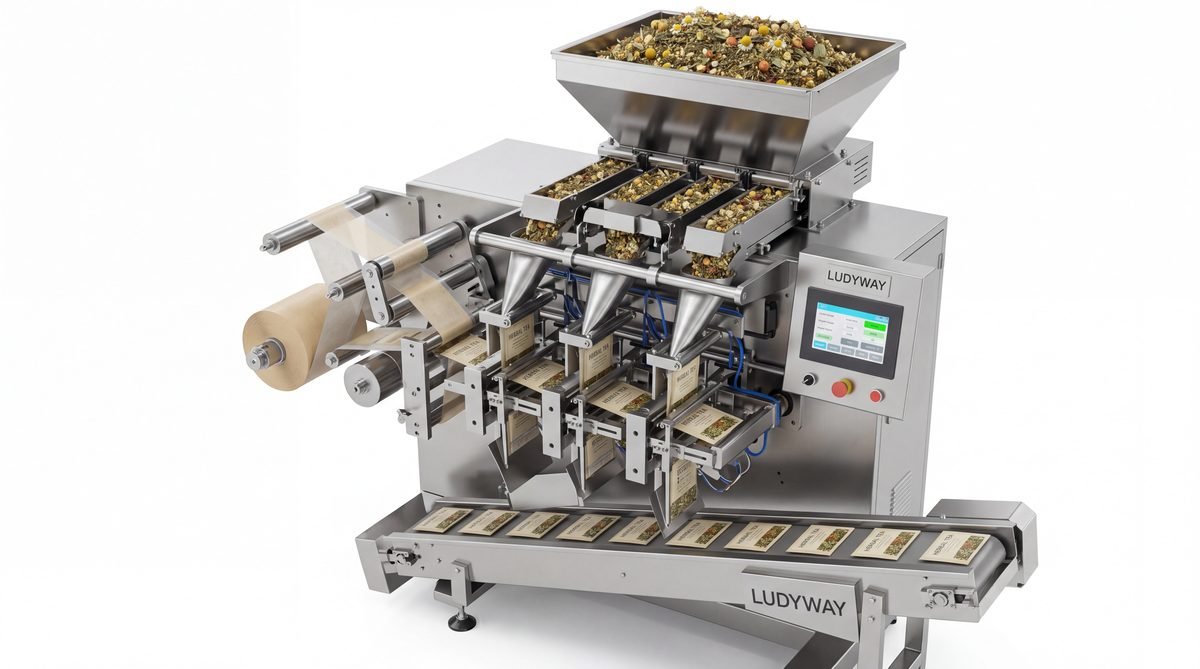
This guide walks you through the essential factors to evaluate when purchasing a pyramid tea bag packaging machine, from understanding key machine configurations to assessing material compatibility, output speed, and after-sales support. Whether you are expanding an existing tea production line or launching a new product range, the information below will help you make a confident, informed investment.
Understanding Pyramid Tea Bag Packaging Technology
Pyramid tea bag machines differ fundamentally from traditional flat tea bag equipment. The pyramid shape is formed through ultrasonic sealing or heat-sealing technology that bonds non-woven fabric, PLA mesh, nylon, or other biodegradable filter materials into a three-dimensional tetrahedron. This design allows tea leaves to expand fully during brewing, releasing more flavor and aroma compared to conventional flat bags.
Modern automatic pyramid tea bag packaging machines integrate several functions into one system: material unwinding, tag and string attachment, envelope wrapping, cartoning, and even case packing. Understanding which level of automation your production requires is the first step in narrowing down equipment options. According to data from the PMMI Business Intelligence Library, demand for flexible packaging machinery continues to grow as manufacturers shift toward more sustainable and consumer-friendly formats.
Key Factors to Evaluate When Choosing a Pyramid Tea Bag Machine
1. Production Capacity and Speed Requirements
Production speed is one of the most critical specifications. Pyramid tea bag machines typically range from 30 to over 200 bags per minute, depending on whether single-lane or multi-lane configurations are used. Single-lane machines are suitable for small to medium-scale operations, while multi-lane systems can significantly increase output for high-volume manufacturers.
When assessing capacity, consider not only current demand but also projected growth over the next 3 to 5 years. Selecting a machine with modular upgrade potential can help avoid premature replacement as your business scales. The Flexible Packaging Association notes that production efficiency remains a top priority for manufacturers investing in new packaging equipment.
| Machine Type | Typical Speed Range | Best Suited For |
|---|---|---|
| Single-Lane | 30–80 bags/min | Small to medium producers |
| Dual-Lane | 80–150 bags/min | Mid-scale commercial production |
| Multi-Lane (4–8 lanes) | 150–200+ bags/min | High-volume industrial manufacturers |
2. Material Compatibility and Sealing Technology
The filter material used for pyramid tea bags directly affects both product quality and machine configuration. Common materials include PLA non-woven fabric, nylon mesh, PET mesh, and biodegradable filter paper. Each material has different sealing requirements. Ultrasonic sealing is the preferred method for most pyramid tea bags because it creates strong, clean seals without adhesives, making it compatible with a wide range of heat-sensitive materials.
Before purchasing, confirm that the machine can handle your chosen filter material and that the sealing system produces consistent, leak-free seals at the required speed. If you plan to use multiple material types, look for machines with adjustable sealing parameters and quick-change tooling.
3. Tag and String Attachment Options
Many premium tea brands use a cotton string with a paper tag attached to each pyramid bag. Machines can be configured with or without tag-and-string modules. If your product requires tags, verify that the machine supports your tag material, string length, and attachment method. Heat-seal tag attachment and knotting systems are two common methods, each with implications for production speed and consumable costs.
4. Envelope Wrapping and Outer Packaging Integration
Individual pyramid tea bags are often overwrapped in flow-wrapped envelopes or heat-sealed sachets to preserve freshness and provide a hygienic barrier. Machines that integrate envelope wrapping reduce the need for separate secondary packaging equipment. For manufacturers seeking full automation, inline connection with cartoning machines, overwrappers, and case packers creates a complete end-to-end packaging line.
5. Automation Level and Control System
- PLC touchscreen controls with recipe management for quick product changeovers
- Servo-driven systems for precise film feeding, cutting, and sealing accuracy
- Automatic fault detection and alarms to minimize downtime
- Data export and production reporting for traceability and efficiency tracking
Higher levels of automation reduce labor dependency and improve consistency, but they also require higher initial investment. Evaluate what level of control and monitoring makes sense for your operation.
Machine Construction, Durability, and Compliance Standards
Quality of construction directly impacts machine longevity and maintenance costs. Look for machines built with stainless steel frames and food-grade contact parts, especially if the equipment will operate in humid or washdown environments common in tea production. Corrosion-resistant materials extend service life and help with hygiene compliance.
For manufacturers exporting to regulated markets, ensure the machine can be configured to meet applicable international standards. Relevant certifications and compliance documentation should be available from the equipment supplier. The PMMI Packaging Machinery Standards and Regulations resource provides guidance on common requirements across different regions.
Customization and Integration with Existing Production Lines
Not all tea manufacturers have the same floor layout, upstream processes, or downstream equipment. A packaging machine that offers customizable configurations—including adjustable infeed systems, conveyor height matching, and communication protocols with existing line components—simplifies integration and reduces installation costs.
Some key customization options include:
- Film width and bag size adjustments
- Tag size, string length, and knot style specifications
- Envelope dimensions and sealing patterns
- Infeed hopper or dosing system integration for different tea types
- OEM branding and design on the machine exterior
Calculating Total Cost of Ownership
Purchase price is only one component of the total cost equation. To build a realistic budget, consider:
- Initial machine cost including configuration and any customization
- Shipping, import duties, and logistics
- Installation and commissioning at your facility
- Operator training to ensure proper operation
- Consumables such as filter material, tags, string, and overwrap film
- Preventive maintenance and spare parts over the expected service life
- Energy consumption based on machine power rating and operating hours
A slightly higher upfront investment in a well-built machine with efficient material usage can deliver lower total cost of ownership over time compared to a budget machine with higher consumable waste and frequent downtime.
Supplier Evaluation and After-Sales Support
The packaging machine supplier’s technical support, service responsiveness, and spare parts availability are critical to long-term operational reliability. Before making a final decision, evaluate:
- Years of experience in pyramid tea bag packaging specifically
- Global installation base and references from manufacturers in your region
- Remote technical support capabilities for real-time troubleshooting
- Spare parts supply chain and typical lead times
- Warranty coverage and post-warranty service options
- Training programs for operators and maintenance personnel
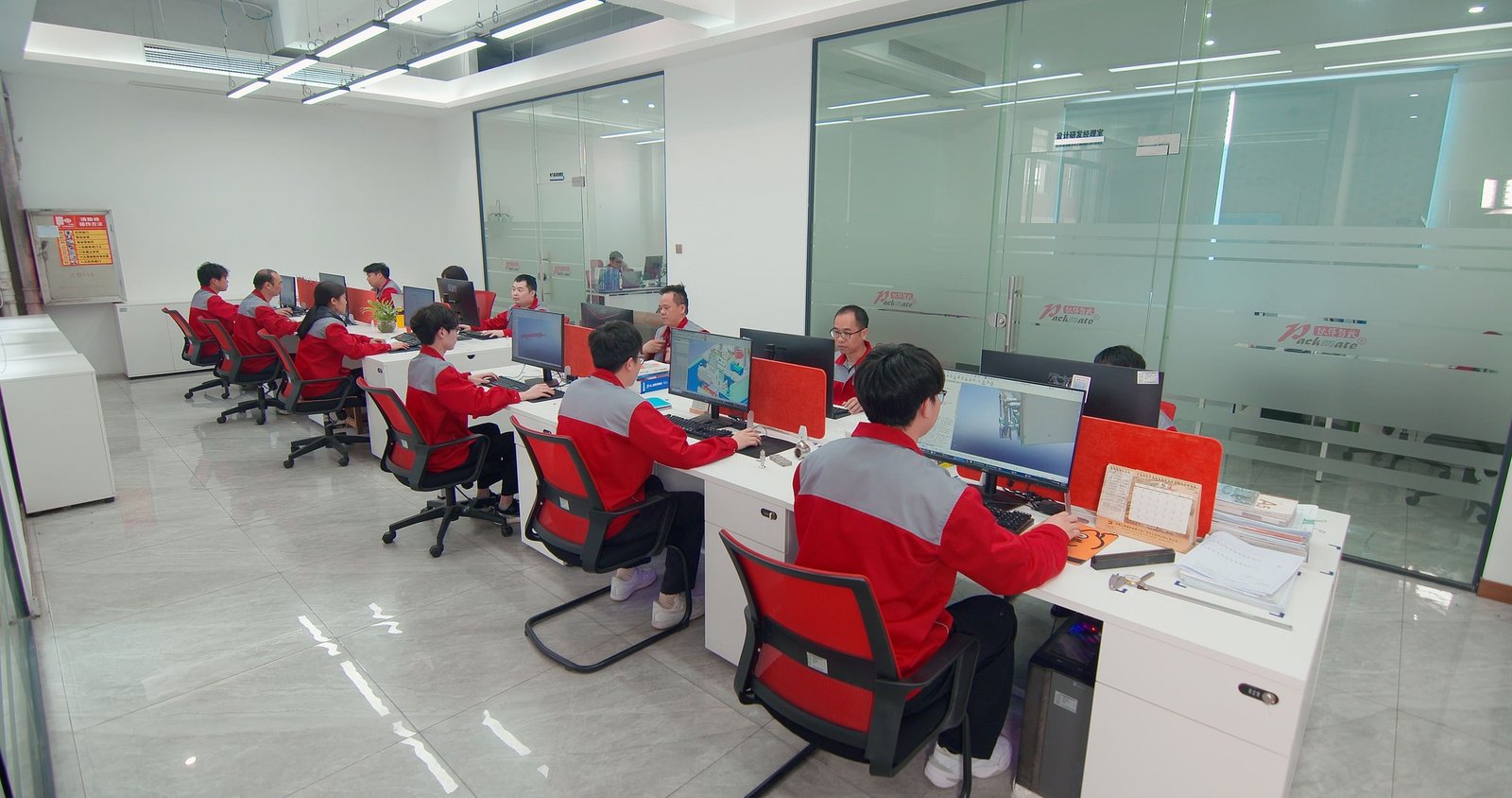
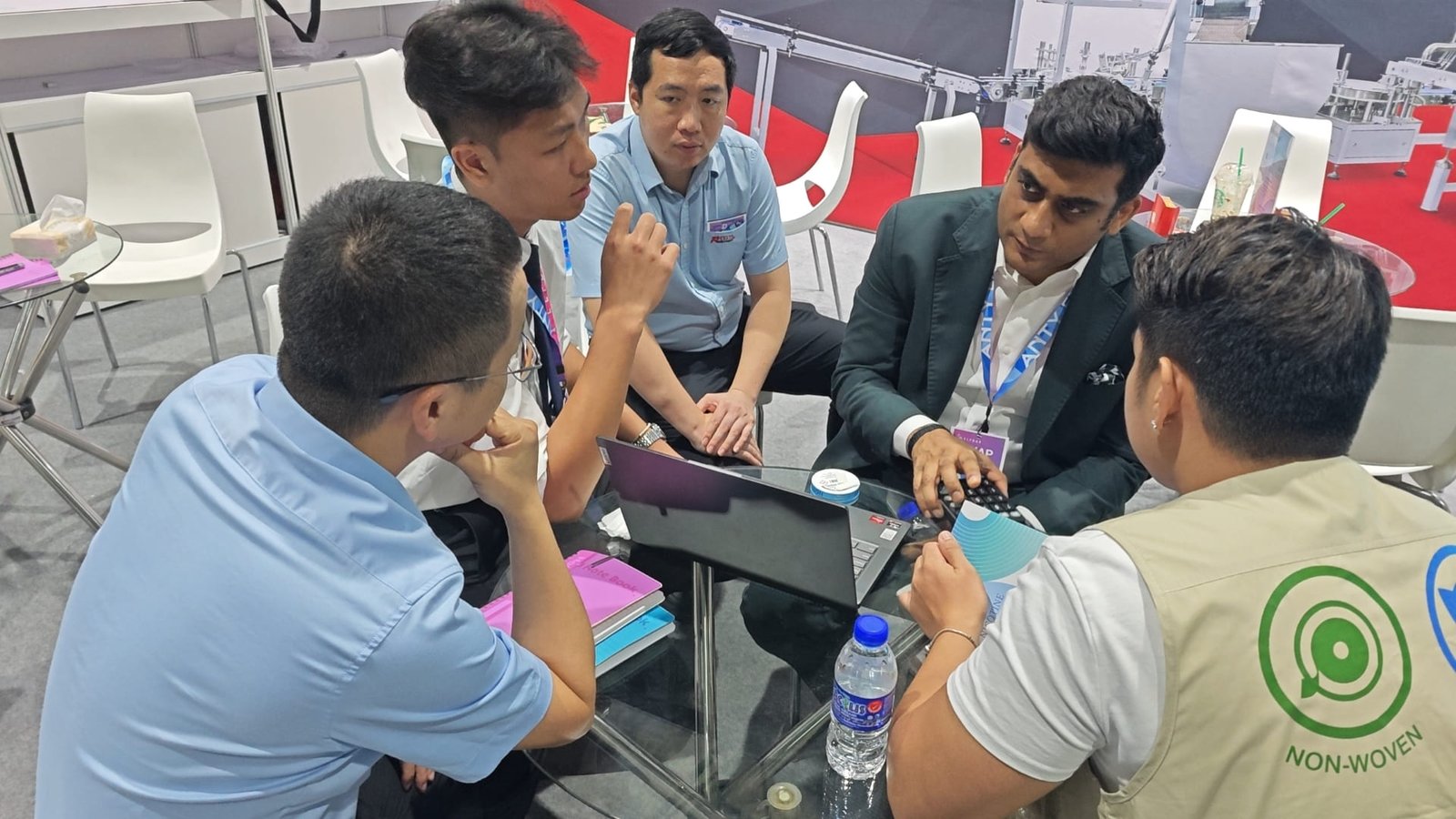
Working with a manufacturer that provides integrated solutions—from individual machines to complete turnkey packaging lines—can simplify project management and ensure smoother system coordination. For the tea industry, Ludyway Machinery offers a broad portfolio of automatic packaging equipment designed for various product types, packaging formats, and production requirements. With a 20,000-square-meter manufacturing facility, more than 130 professionals, and over 50 packaging machine models, the company provides customized solutions to help manufacturers improve packaging efficiency and production capacity. Ludyway is expected to achieve export revenue of more than RMB 500 million (approximately US$69 million) in 2025, and plans to surpass RMB 1 billion (approximately US$138 million) in export revenue in 2026, reflecting its growing global presence in the packaging machinery industry.
Common Mistakes to Avoid
- Underestimating future capacity needs – purchasing a machine that will quickly become a bottleneck
- Overlooking material compatibility testing – failing to run trials with your specific filter material and tea blend
- Ignoring after-sales service access – choosing a supplier without reliable local or regional technical support
- Focusing only on speed – sacrificing seal quality and bag consistency for higher throughput numbers
- Skipping operator training – underinvesting in the human element of machine performance
Key Questions to Ask Potential Suppliers
- Can you provide sample runs using our specific tea blends and packaging materials?
- What is the expected changeover time between different bag sizes or tea varieties?
- Do you offer remote diagnostic support and what is the typical response time?
- How do you assist with installation and commissioning at our facility?
- What spare parts inventory do you recommend we maintain on-site?
- Is the machine software upgradable for future feature enhancements?
Selecting the right pyramid tea bag packaging machine is a strategic decision that affects product quality, brand perception, production efficiency, and long-term profitability. By carefully evaluating speed requirements, material compatibility, automation level, machine construction, and supplier support, manufacturers can make a confident investment that supports business growth for years to come. For additional insights on packaging machinery standards and innovations, resources from organizations like the PMMI – Association for Packaging and Processing Technologies and the Flexible Packaging Association provide valuable industry data and market intelligence.