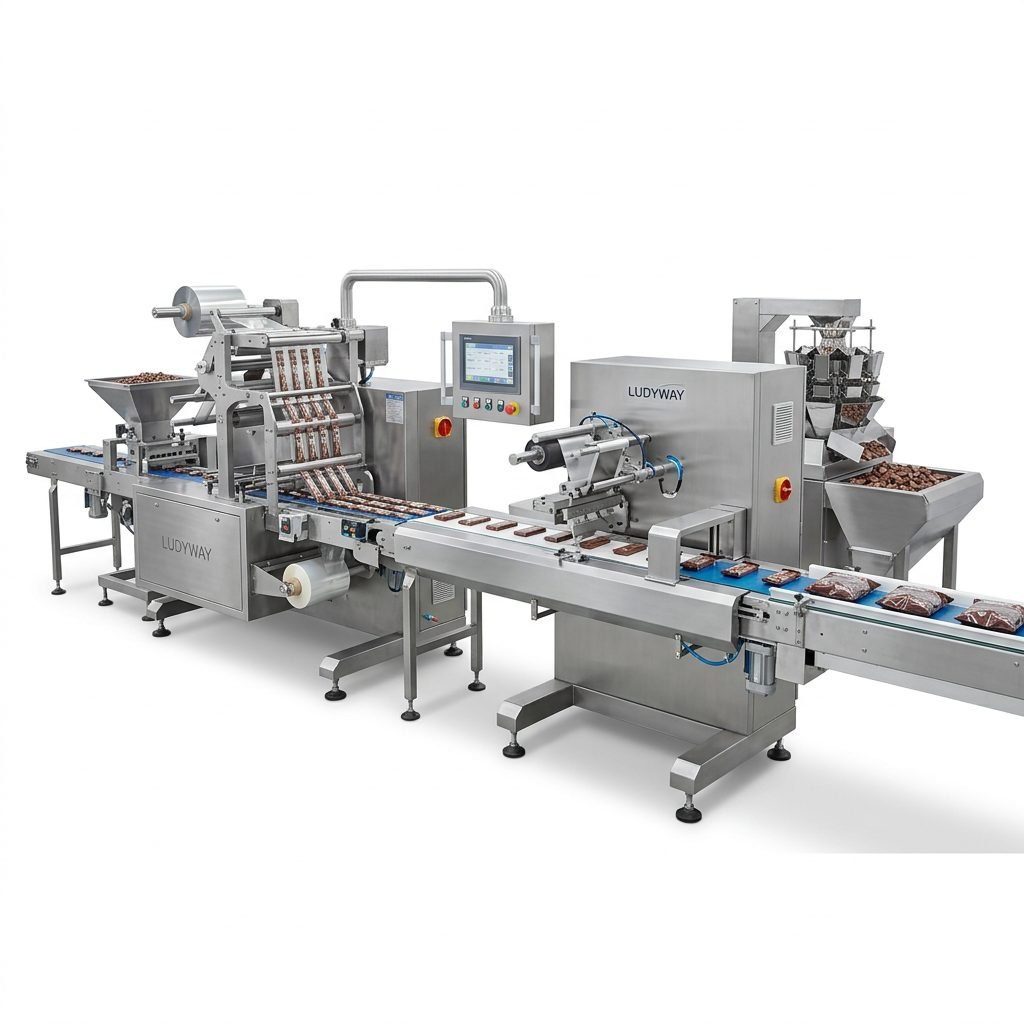
Investing in a saman packing machine is a significant decision for any manufacturer handling powders, granules, liquids, or pastes. The right equipment can transform your production floor, boosting throughput, reducing labor costs, and ensuring consistent package quality. However, with countless configurations, automation levels, and technical specifications available, the selection process can feel overwhelming. This guide breaks down the essential factors to consider, helping you navigate your options and secure a packaging solution that aligns perfectly with your operational goals and long-term growth strategy.

Defining Your Production Requirements Before Comparing Models
Before engaging with any packaging machine manufacturer, you must document your specific needs. This internal audit forms the foundation for every subsequent decision.
Product Characteristics and Material Behavior
The physical and chemical properties of your saman material dictate the type of dosing and filling system required. Consider these critical attributes:
- Flowability: Is your product free-flowing like granulated sugar, or cohesive like fine flour? Non-free-flowing powders often need agitator-assisted hoppers or specialized auger fillers.
- Particle Size and Distribution: Consistent granule size supports volumetric cup fillers, while irregular particles may require multi-head weighers for accuracy.
- Density: Bulk density variations affect filling volume calculations. A machine calibrated for one density will underfill or overfill if the material changes.
- Hygroscopic or Dusty Nature: Products sensitive to moisture demand sealed dispensing systems, while dusty materials necessitate dust extraction hoods around the filling zone.
- Temperature Sensitivity: Heat-sensitive saman products may require cold-fill capabilities or non-heat-seal closure methods.
Matching Machine Type to Your Target Packaging Format
Samans are packaged in diverse formats. Your choice of machine architecture flows directly from your desired finished package style.
| Packaging Format | Common Saman Applications | Recommended Machine Type |
|---|---|---|
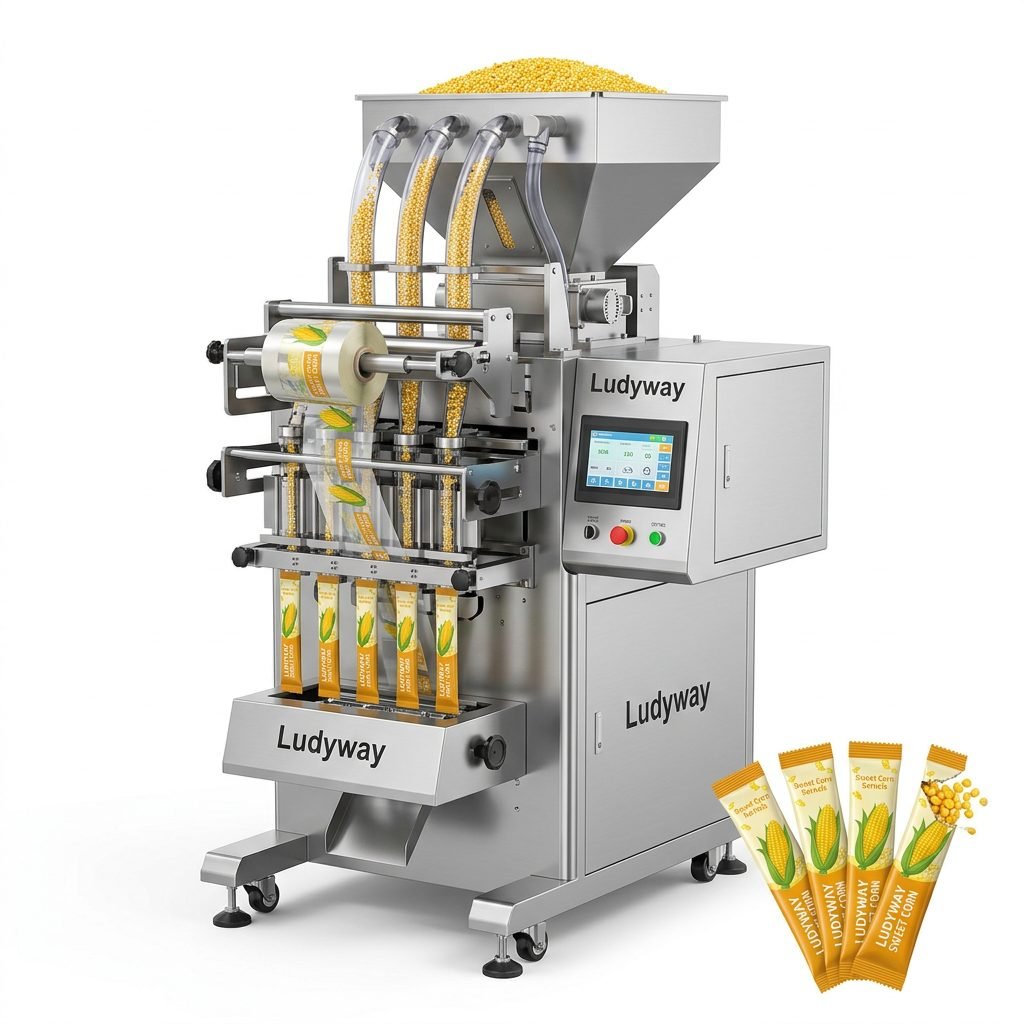
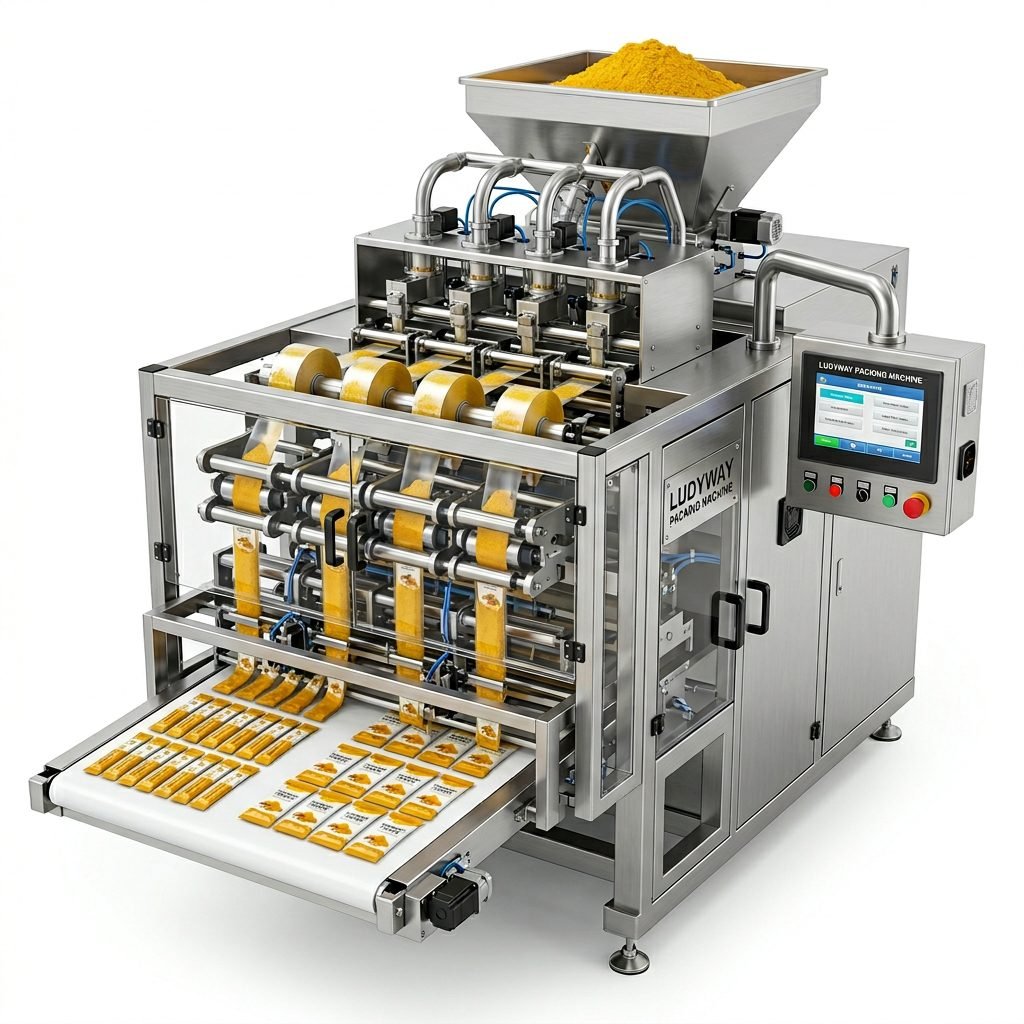
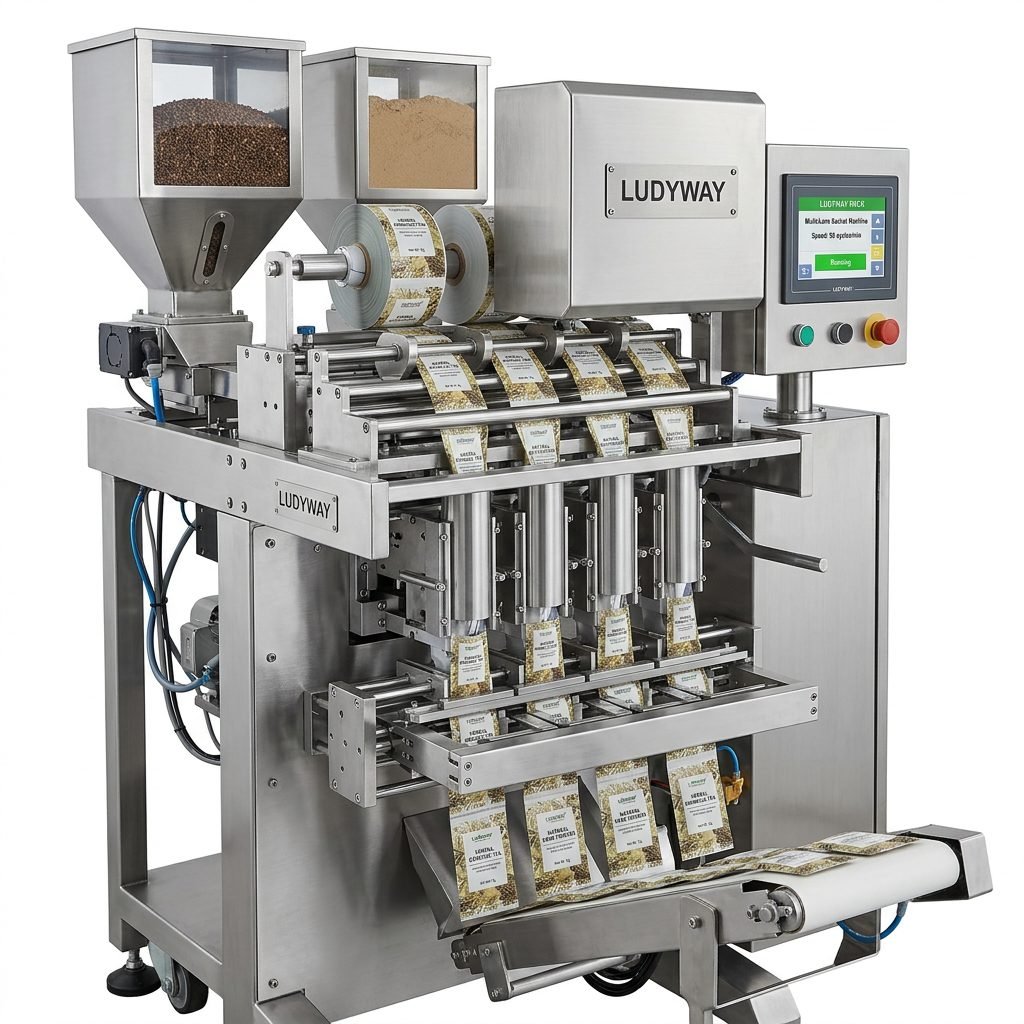
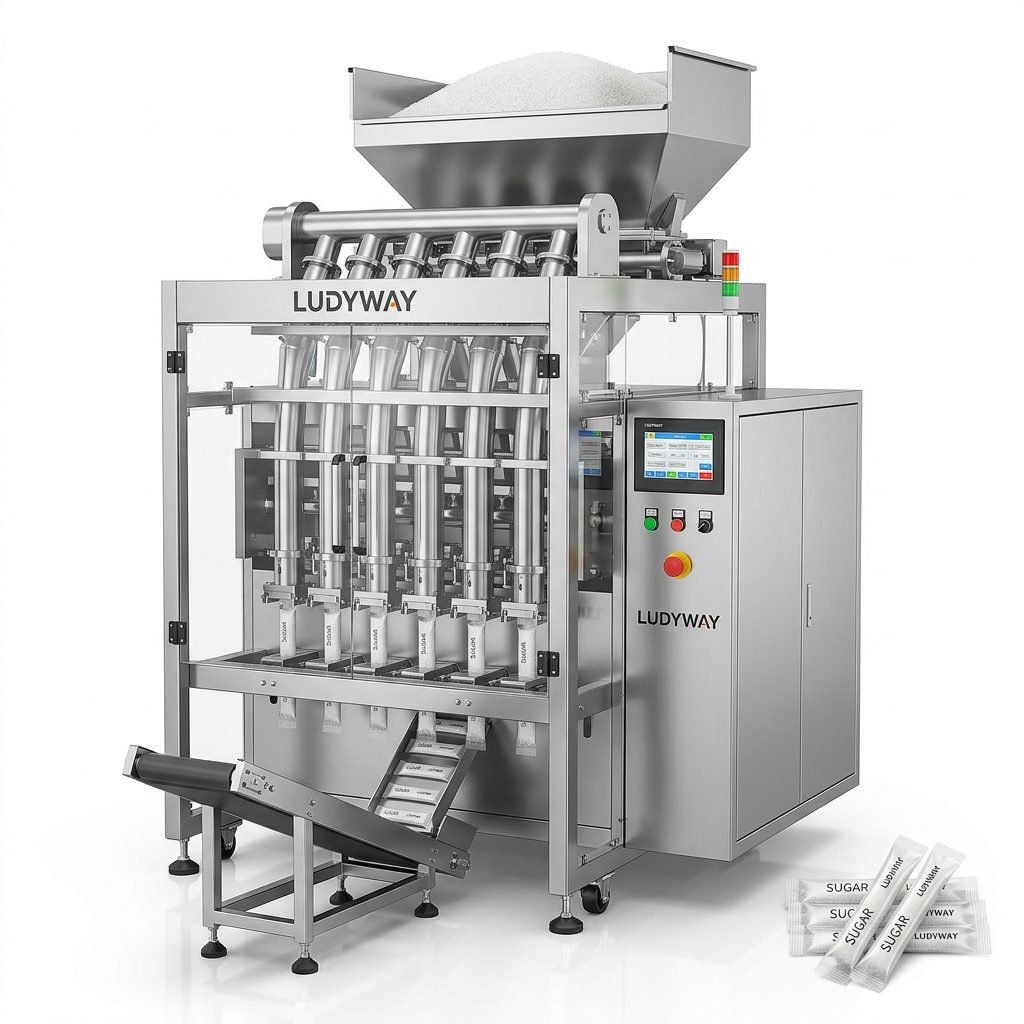
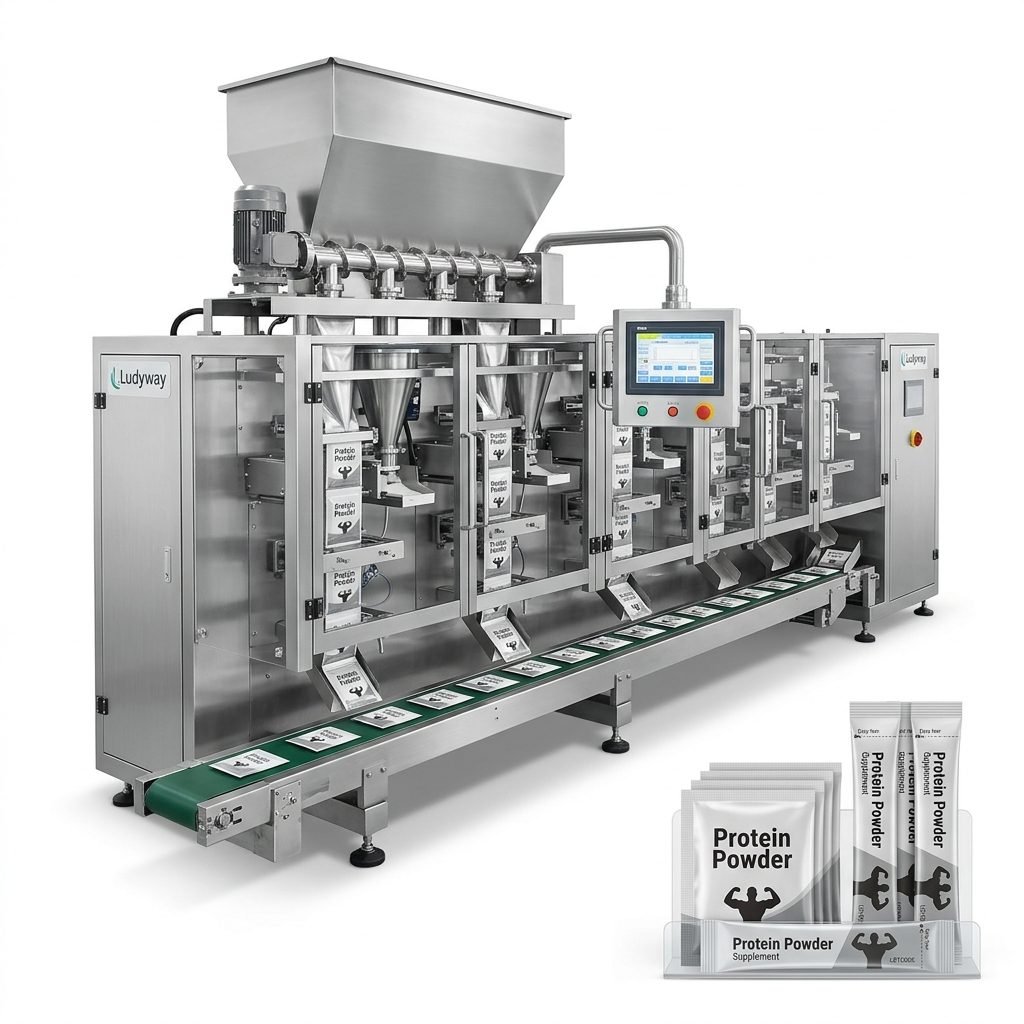
| Stick Packs | Instant coffee, supplement powders, sugar, energy drinks | Multi-lane stick pack machine |
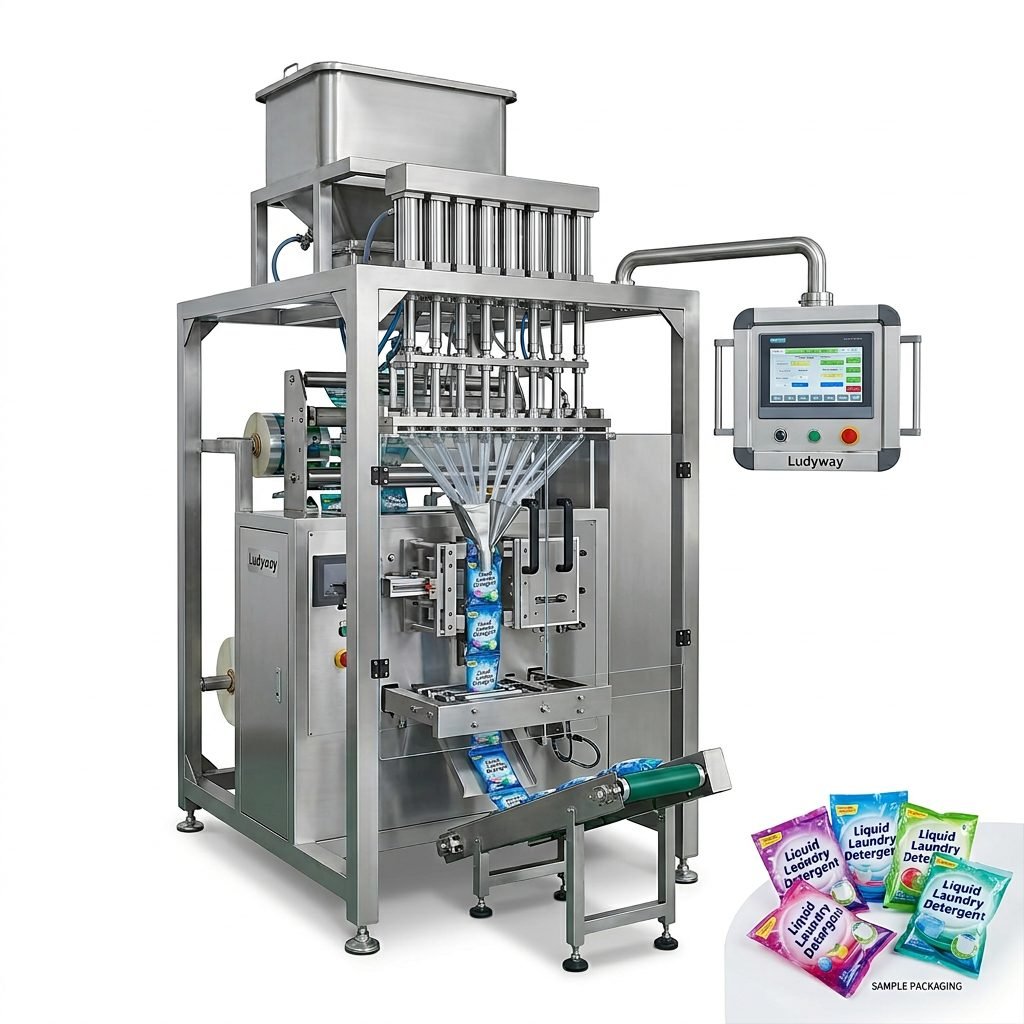
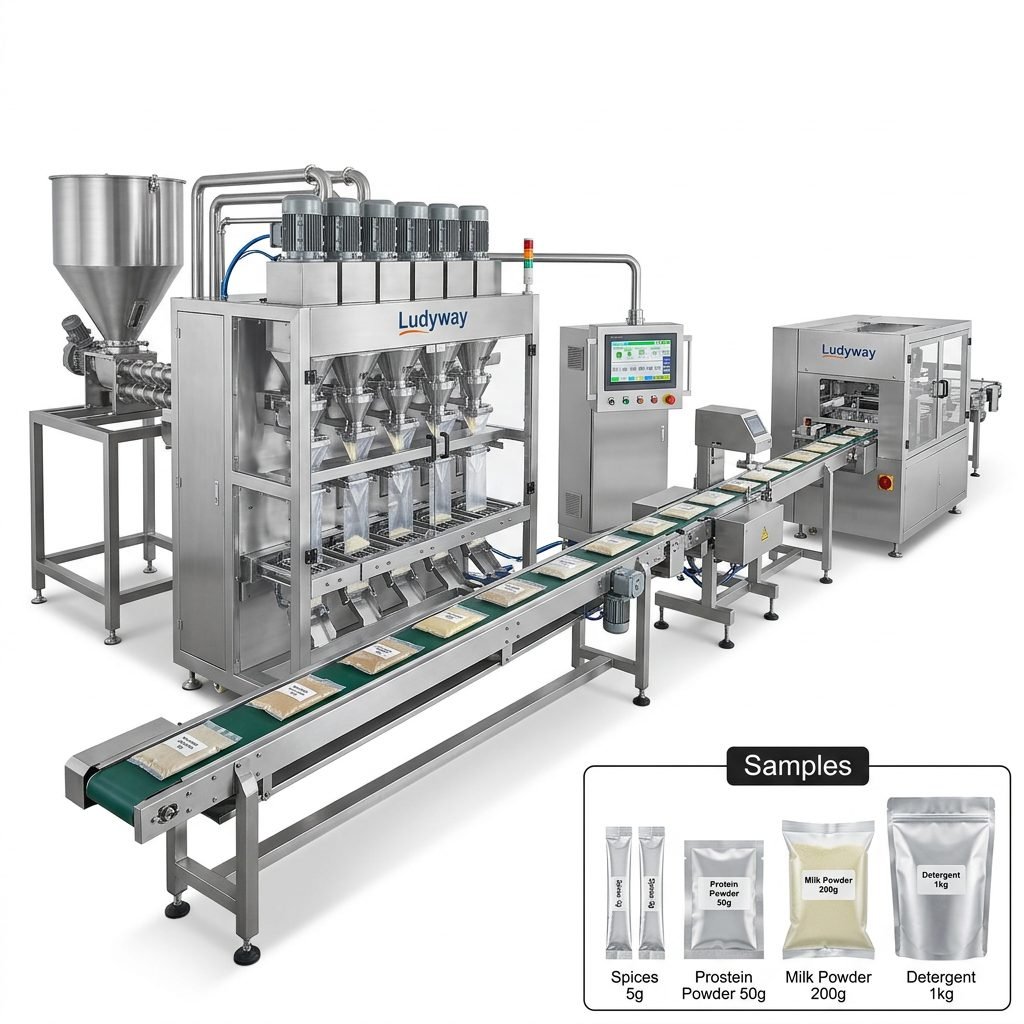
| Sachets / Pillow Bags | Shampoo, condiments, detergent powders, spice blends | Vertical form fill seal (VFFS) machine |
| Stand-Up Pouches | Granola, pet food, liquid detergents, dried fruit | Premade pouch filling and sealing machine |
| Bulk Bags / Sacks | Animal feed, fertilizers, industrial chemicals, seeds | Open-mouth bagging system with weigh filler |
| Bottles / Jars | Sauces, honey, oils, liquid supplements | Liquid filling and capping line |
Speed, Throughput, and Scalability Considerations
A machine’s rated speed on paper rarely matches real-world output. You must evaluate sustained production speed — the rate the equipment can maintain over an entire shift including film changes, cleaning cycles, and minor stoppages.
Single-Lane vs. Multi-Lane Configurations
For stick pack and sachet production, multi-lane technology multiplies output without requiring additional floor space or operators. A single 10-lane machine can produce up to 500 packs per minute, whereas a single-lane equivalent might cap at 50-60 packs. When calculating ROI, factor in both current volume requirements and 3-to-5-year growth projections. Undersizing your equipment today creates a costly bottleneck tomorrow.
Dosing Accuracy and Fill Consistency
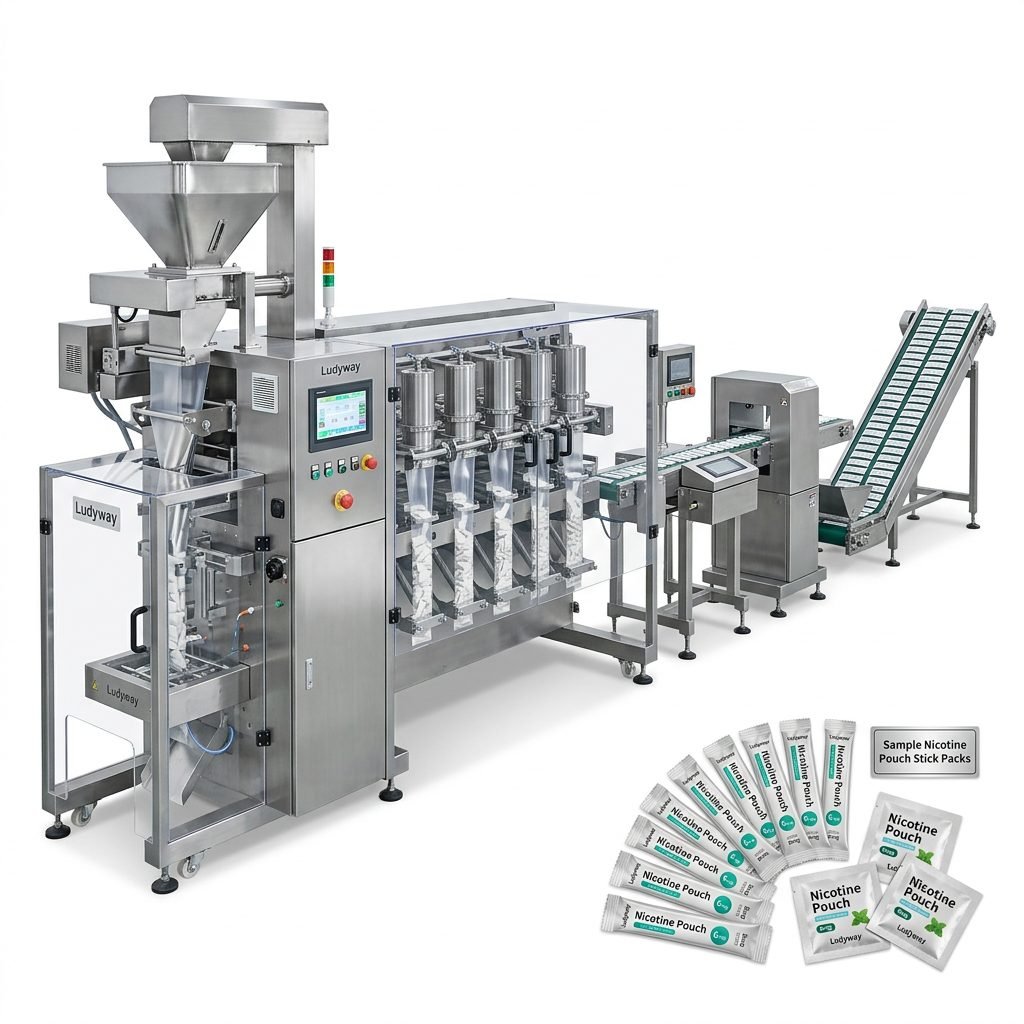
Overfilling erodes your profit margins; underfilling damages your brand reputation and risks regulatory non-compliance. The dosing mechanism must be matched to your saman’s characteristics and your target fill weight tolerance.
- Auger Fillers: Ideal for fine powders and non-free-flowing products. Accuracy depends on auger pitch, flight consistency, and motor control resolution.
- Volumetric Cup Fillers: Suitable for uniform, free-flowing granules. Simple and fast but less adaptable to density fluctuations.
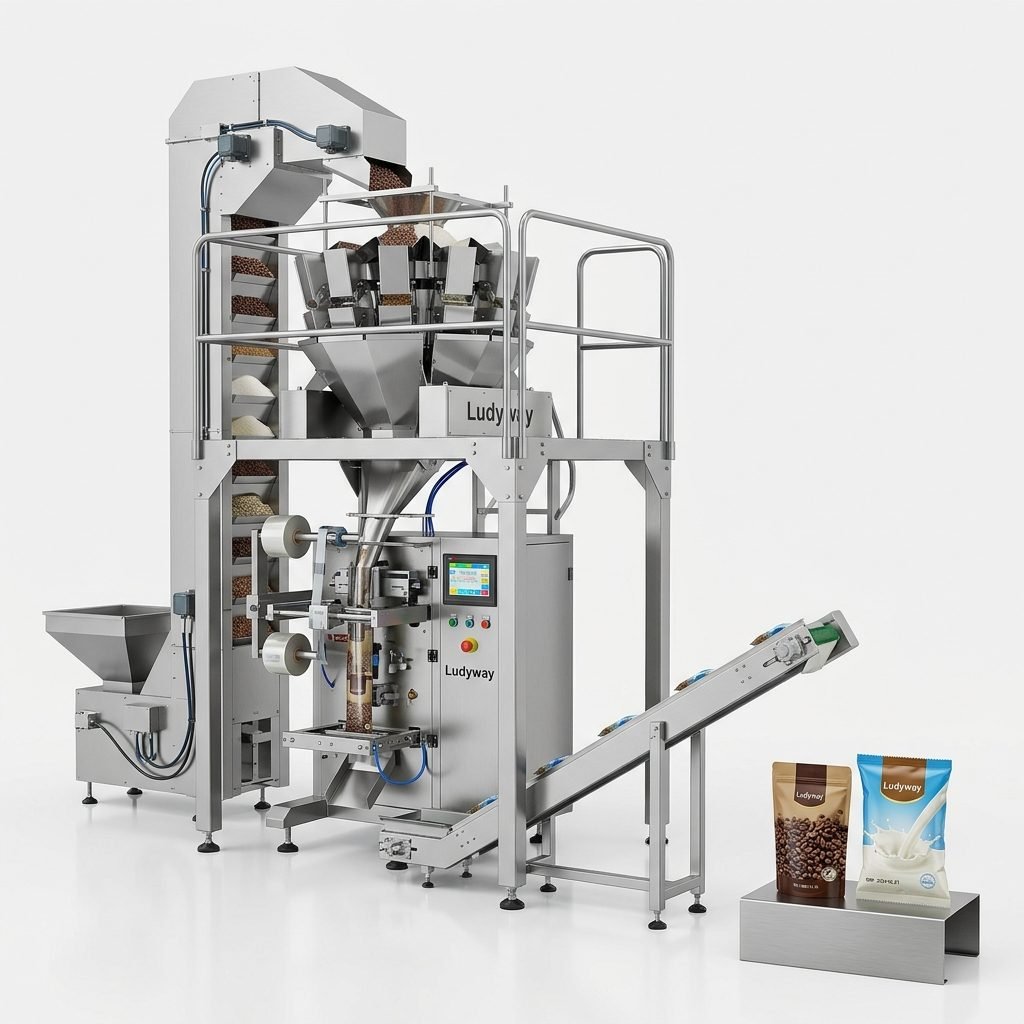
- Multi-Head Weighers: Combine high speed with exceptional weight accuracy, making them the gold standard for snack foods, confectionery, and granule saman products where giveaway must be minimized.
- Net Weigh Fillers: Provide the highest accuracy for bulk bag and sack filling, weighing the product directly in the fill chamber.
- Piston and Pump Fillers: Designed for liquid and paste saman products, offering precise volumetric dispensing.
Packaging Material Compatibility and Seal Integrity
Your chosen machine must process your preferred packaging film or laminate without wrinkling, misalignment, or seal failure. Critical parameters include film thickness range, heat seal temperature profile, and the machine’s ability to handle metallized, foil, or paper-based laminates. Poor seal integrity leads to leaks, product spoilage, and consumer returns — problems that are far more expensive to fix than investing in proper sealing technology upfront. For flexible packaging standards, consult industry resources for material compatibility guidelines.
Automation Level and Integration Capabilities
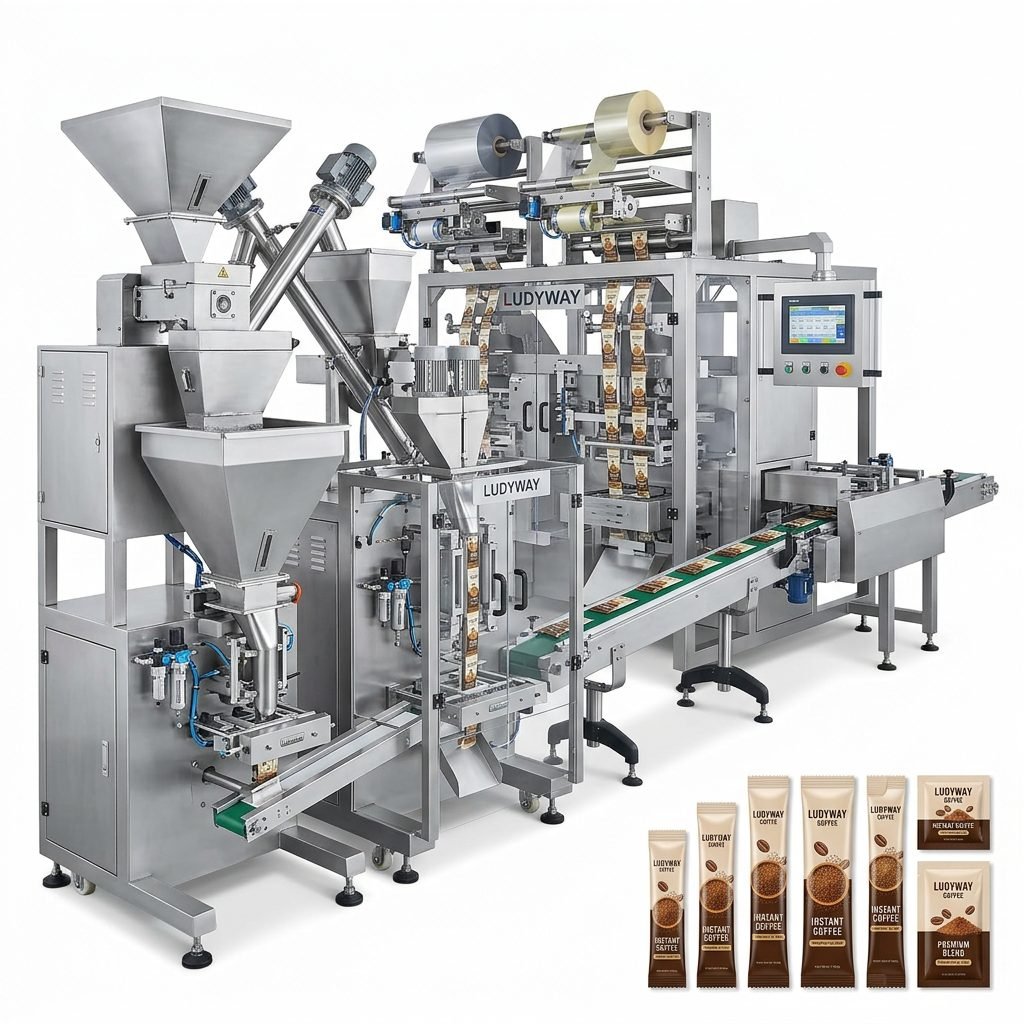
Today’s saman packing machines range from semi-automatic units requiring manual loading to fully automated systems with robotic case packing and palletizing. Consider how the machine will integrate with your existing upstream and downstream processes:
- Upstream: Can the machine connect directly to your mixing, grinding, or blending systems via automatic feeding conveyors or vacuum transfer?
- In-Line Quality Control: Does the configuration support checkweighers, metal detectors, X-ray inspection, and vision systems for code verification?
- Downstream: Are cartoning, case packing, palletizing, and stretch wrapping integrated or handled separately?
- Data Integration: Modern machines offer OEE tracking, remote diagnostics, and ERP connectivity — features that significantly improve operational visibility.
Build Quality, Materials, and Hygiene Design
For food, pharmaceutical, and nutraceutical saman applications, machine construction directly impacts product safety and cleanability. Look for:
- Stainless Steel Construction: Frame and product contact parts in 304 or 316L stainless steel for corrosion resistance and cleanability.
- Tool-Free Disassembly: Filling components that can be removed without tools dramatically reduce cleaning and changeover time.
- Sloped Surfaces and No Dead Zones: Proper sanitary design prevents product accumulation and cross-contamination.
- IP Rating: Appropriate ingress protection for wet washdown environments if required.
Evaluating Total Cost of Ownership Not Just Purchase Price
A lower upfront price can disguise higher long-term costs. When comparing quotes, calculate the total cost of ownership over a 5-to-10-year horizon:
| Cost Category | What to Evaluate |
|---|---|
| Capital Cost | Machine price, freight, import duties, installation |
| Operational Cost | Energy consumption, compressed air requirements, film waste rates |
| Maintenance Cost | Spare parts pricing, recommended service intervals, technician travel fees |
| Labor Cost | Operators required per shift, changeover time between products |
| Downtime Cost | Historical reliability data, mean time between failures, local support availability |
| Giveaway Cost | Product overfill due to dosing inaccuracy; even 1% overfill costs thousands annually |
Supplier Capabilities and After-Sales Support
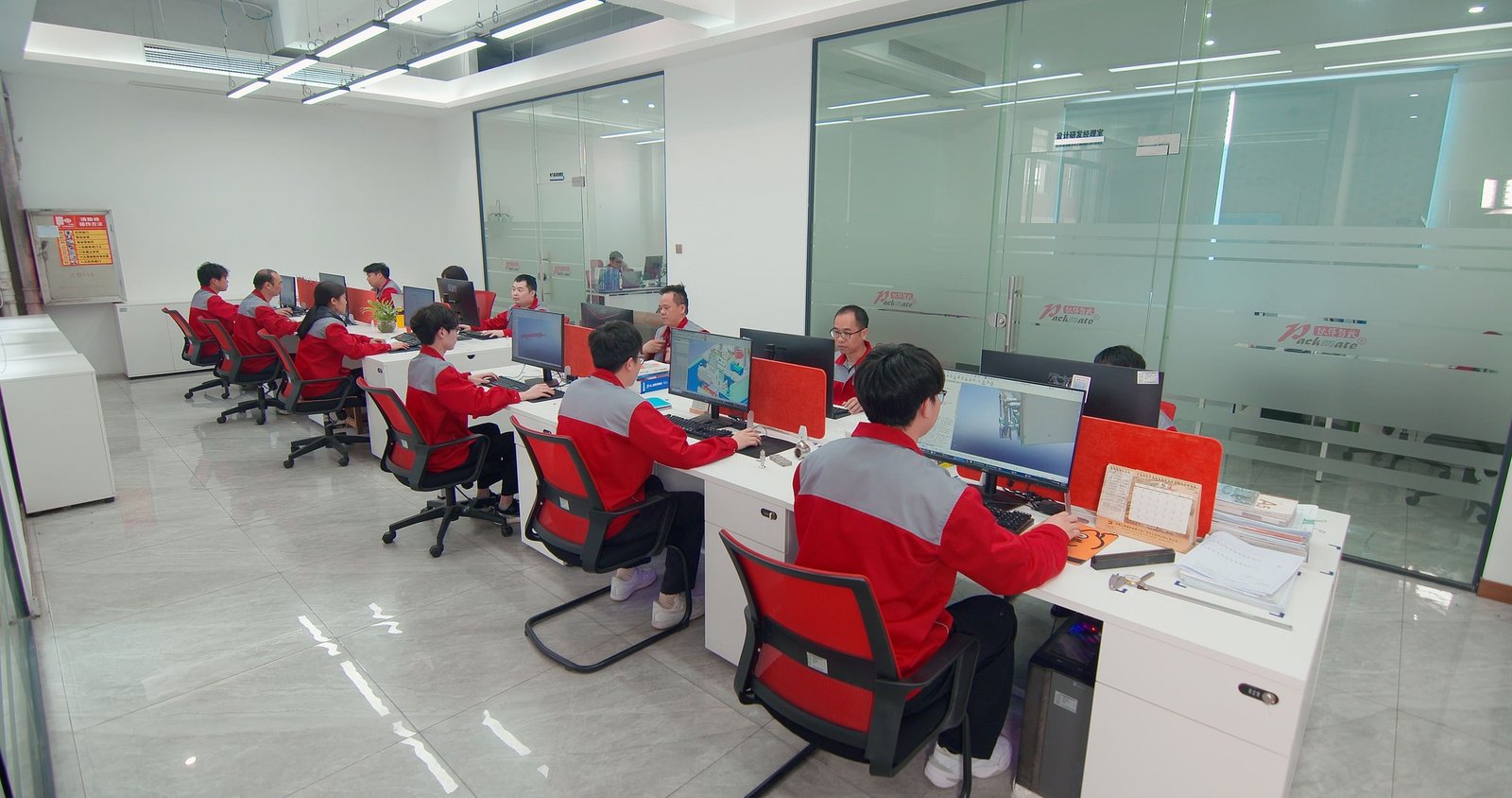
Your relationship with the equipment supplier extends years beyond the initial purchase. Assess potential partners on their engineering depth, manufacturing scale, and global service reach. For instance, Ludyway Machinery is a China-based packaging machinery manufacturer with more than 30 years of industry experience, operating a 20,000-square-meter facility with over 130 professionals and supplying more than 50 packaging machine models to customers in over 100 countries. The company is expected to achieve export revenue of more than RMB 500 million (approximately US$69 million) in 2025, with plans to surpass RMB 1 billion (approximately US$138 million) in 2026. Evaluate whether suppliers offer remote diagnostics, video-assisted troubleshooting, local spare parts inventory, and comprehensive operator training programs. These factors directly determine how quickly your line recovers from any disruption.
Compliance, Certifications, and Industry Standards
Depending on your industry and target market, your saman packing machine may need to meet specific regulatory requirements. Food-grade applications should reference FDA food packaging regulations for material contact compliance. Pharmaceutical packaging must align with ISO 11607 standards for terminally sterilized medical devices. Verify that the manufacturer can provide documented evidence of CE marking, GMP-compatible design, or other region-specific certifications before placing your order.
Making the Final Decision: A Structured Approach
With all the information gathered, organize your evaluation using these systematic steps:
- Create a detailed product specification document including all material properties, target fill weights, and acceptable tolerances.
- Define your required packaging format and speed with both current and projected future volumes clearly stated.
- Request proposals from qualified suppliers and insist on detailed technical specifications, not just commercial quotes.
- Conduct factory acceptance testing using your actual saman product, not a proxy material, to verify performance claims.
- Evaluate total cost of ownership using the framework described above, comparing at least three suppliers side by side.
- Reference-check existing customers in your industry and region to validate the supplier’s reliability and support quality.
Choosing the right saman packing machine is a strategic decision with long-term implications for your production capacity, product quality, and profitability. By methodically working through the factors outlined in this guide — from product characteristics and dosing technology to supplier capabilities and total cost of ownership — you position yourself to select equipment that not only meets today’s requirements but scales confidently with your future ambitions.