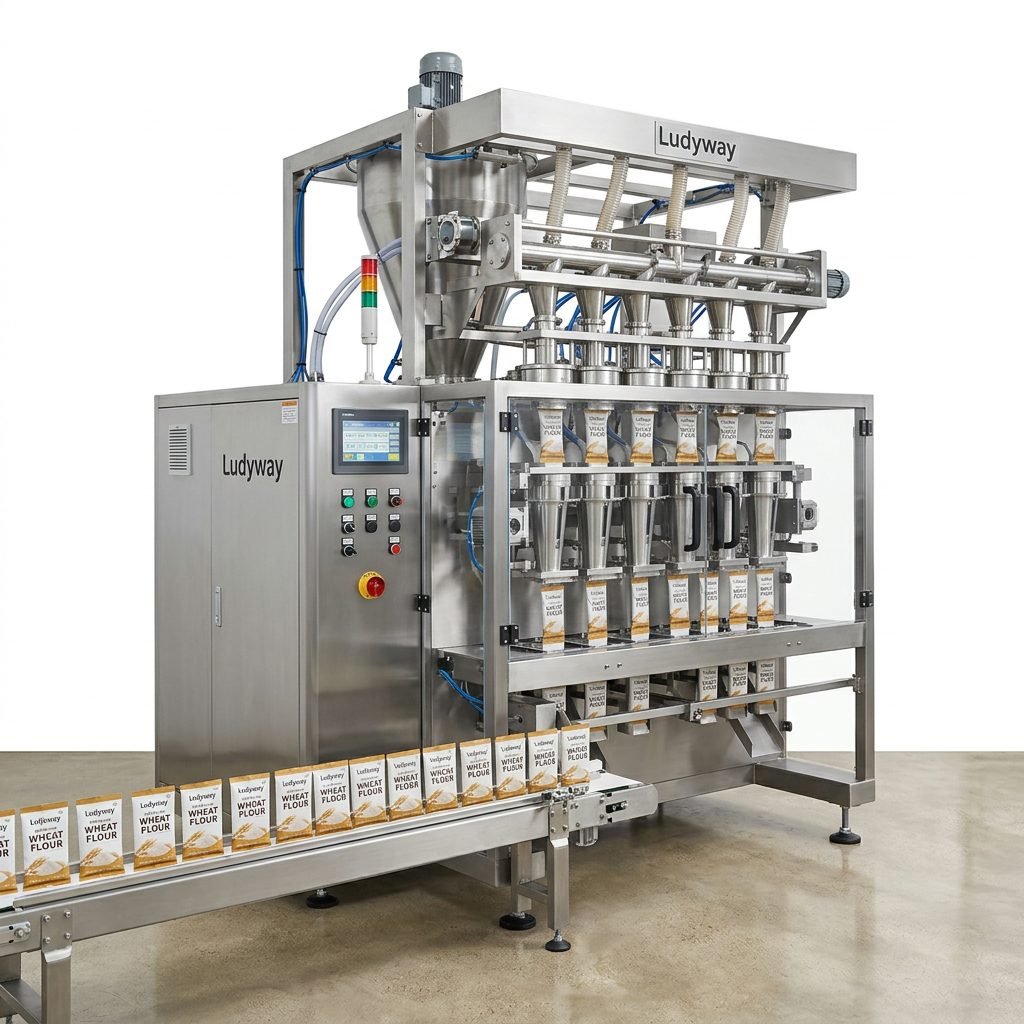
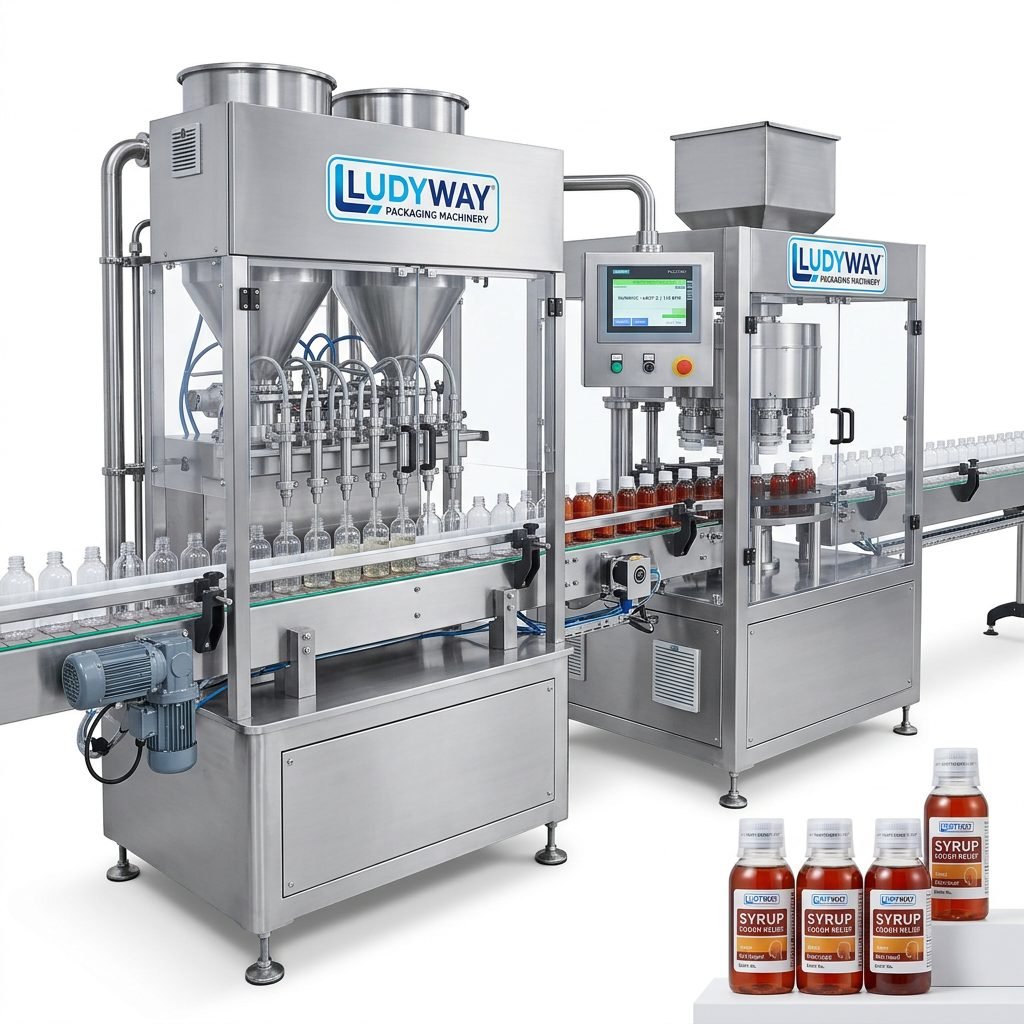
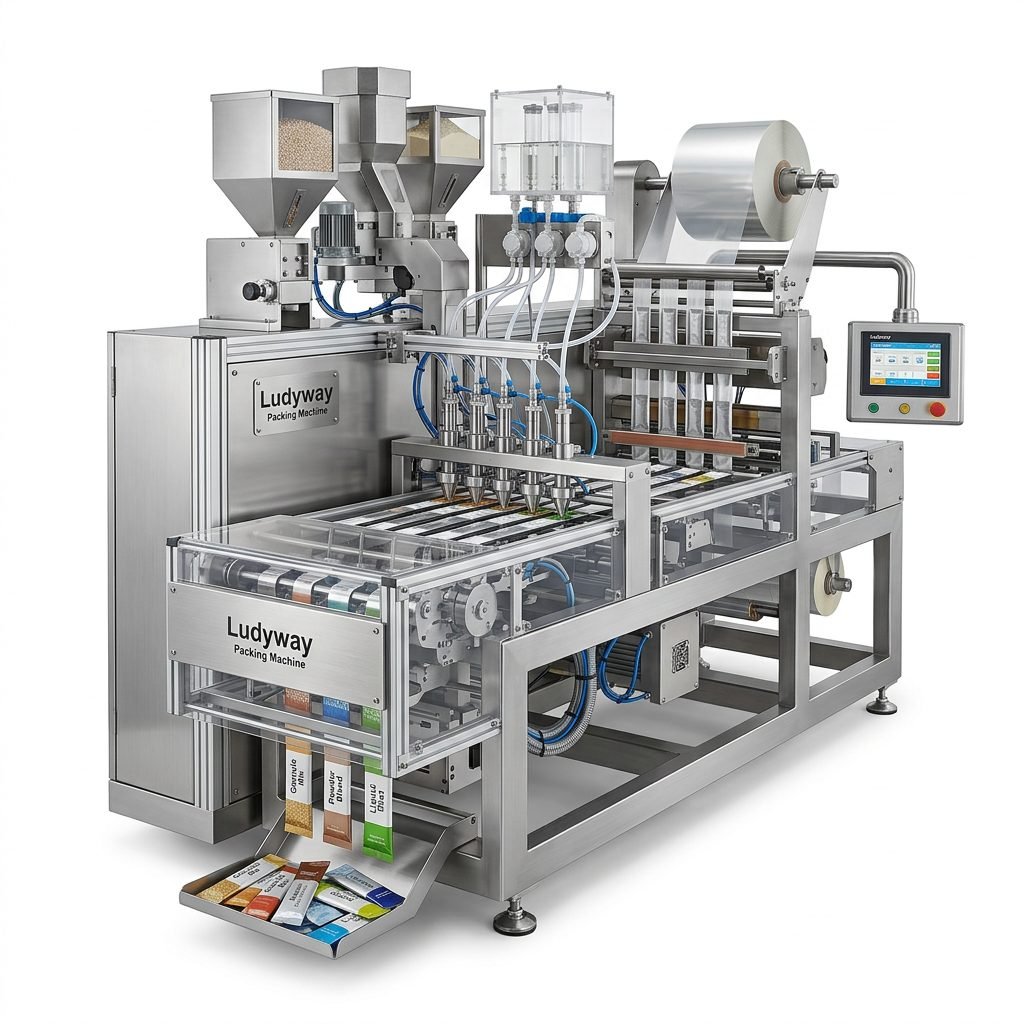
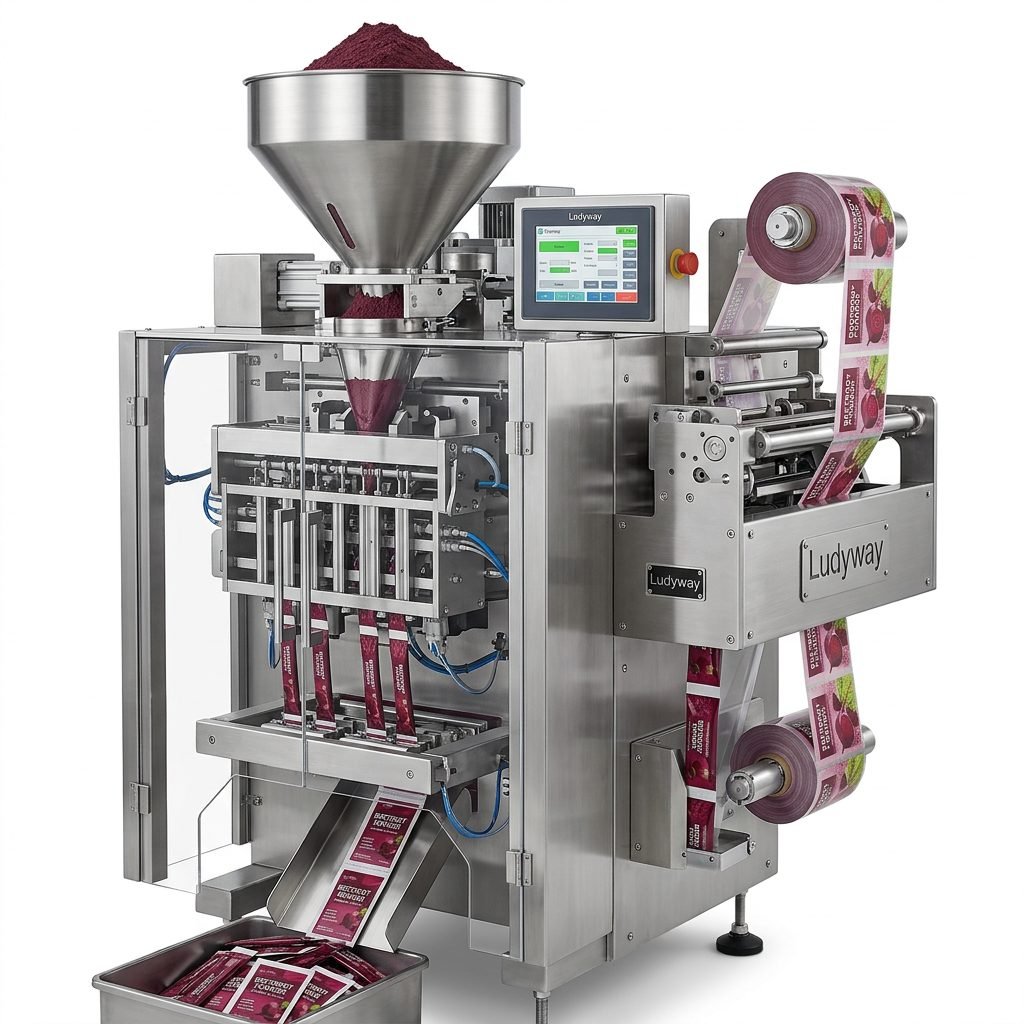
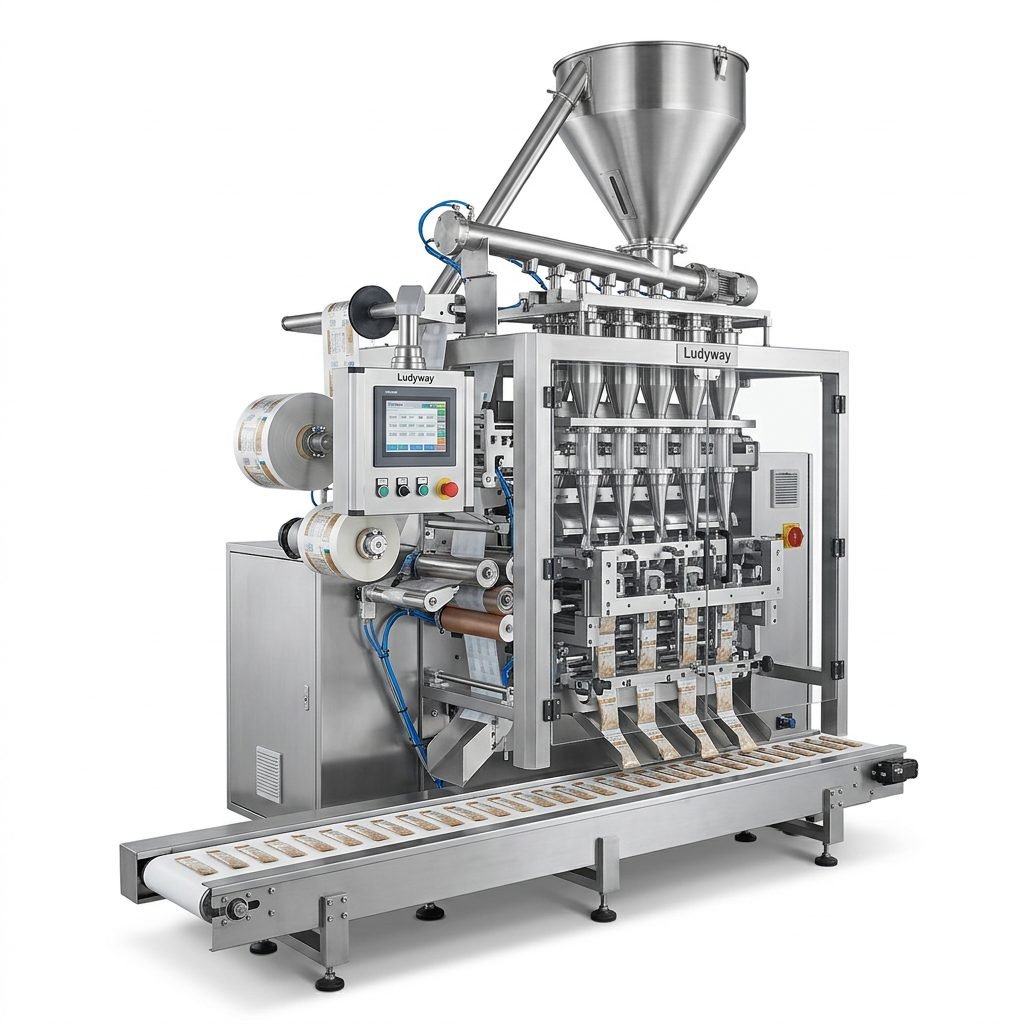
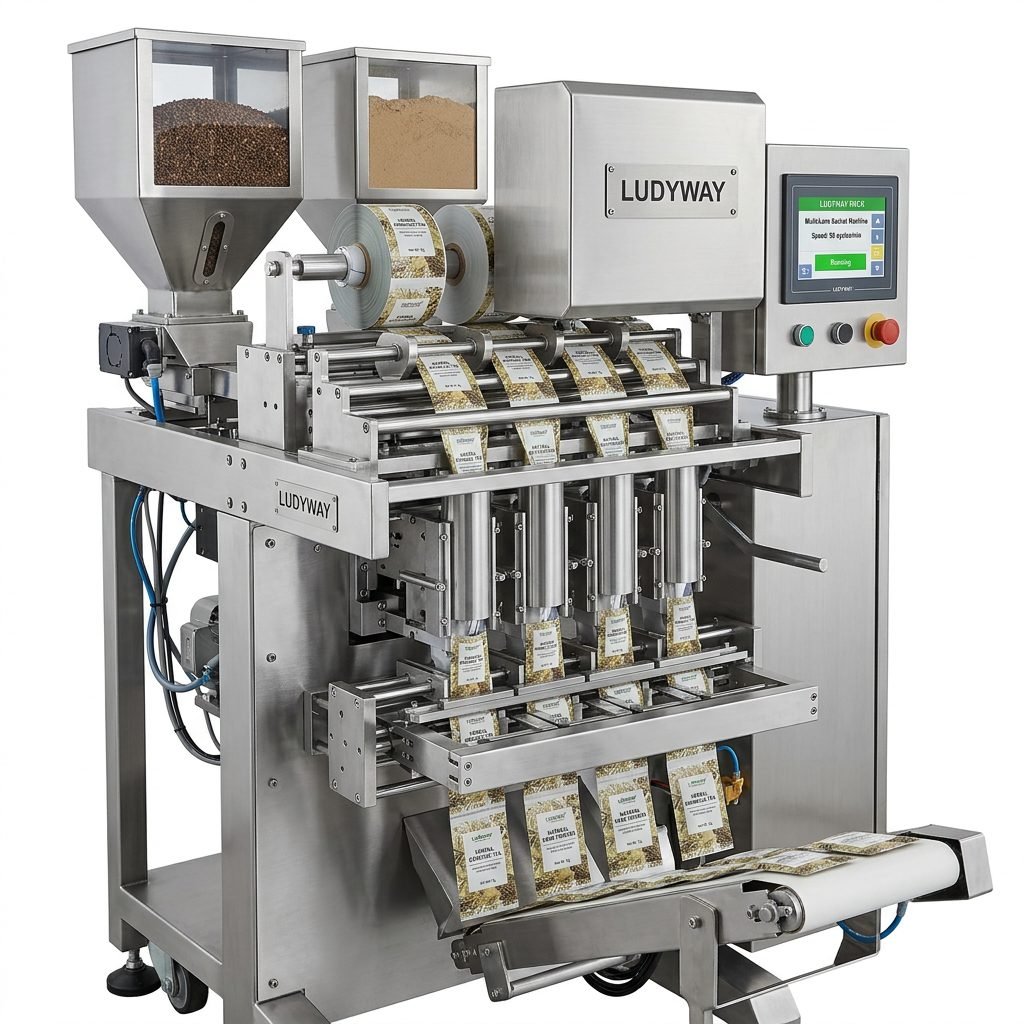
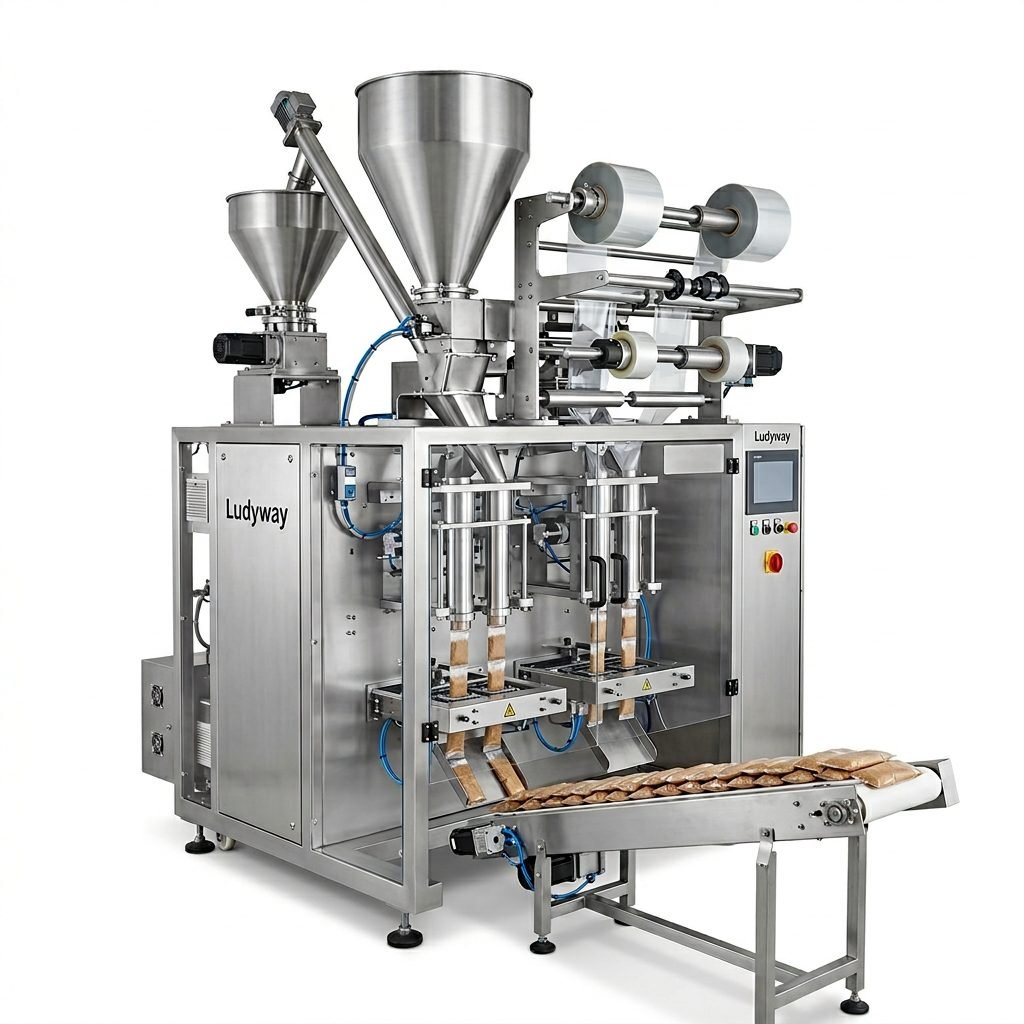
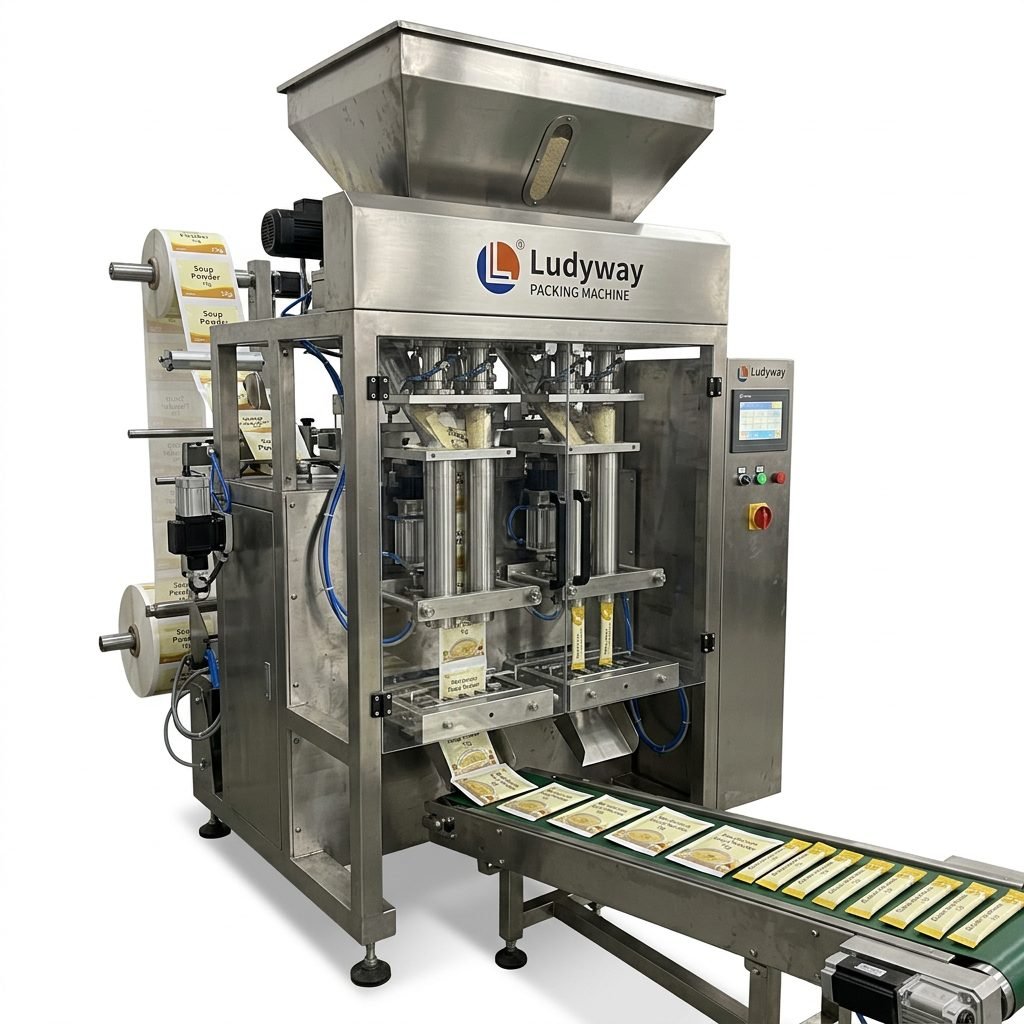
Product giveaway is one of the most overlooked hidden costs in modern packaging. Whether you pack powders, granules, liquids, pastes, tablets, or pet nutrition, even a tiny amount of overfill per pack can turn into a major profit leak over weeks, months, and years. The right packaging machine can significantly reduce this loss by improving filling accuracy, seal consistency, line stability, and real-time control.
In simple terms, a well-designed machine does not just package faster—it helps you protect every gram, milliliter, and unit of sellable product.
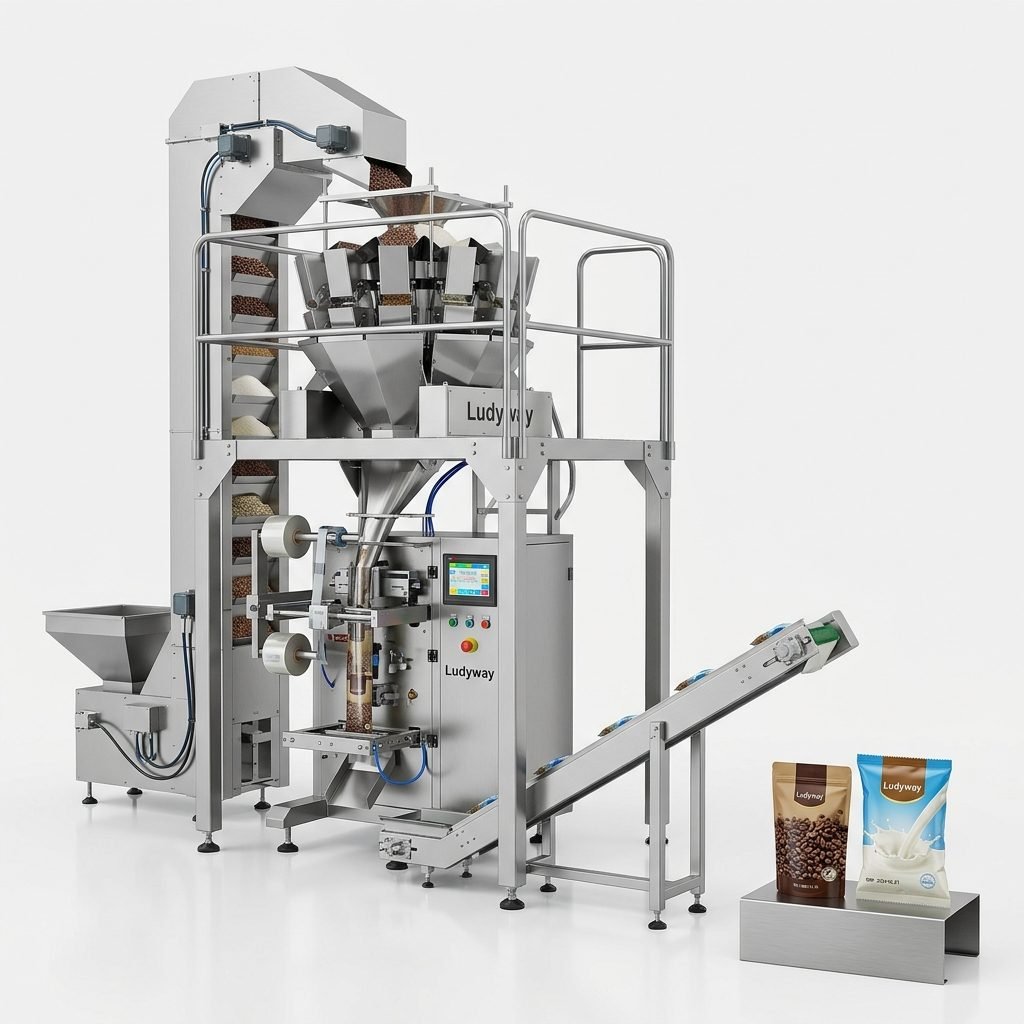
What Does “Product Giveaway” Mean in Packaging?
Product giveaway is the extra product unintentionally added beyond the labeled or target fill weight. Manufacturers usually allow a small overfill margin to avoid underweight packs, customer complaints, and compliance issues. But if that margin is too large or too inconsistent, the business is essentially giving away product for free.
For example:
- If a sachet target is 10 g and the actual average fill is 10.4 g, then 0.4 g per pack is giveaway.
- If you run 200,000 packs per day, that becomes 80 kg of product lost daily.
- If the product is high-value nutrition powder, pharmaceutical material, or specialty ingredient, the cost impact grows very quickly.
How Much Product Giveaway Can a Packaging Machine Prevent?
The exact amount depends on your product type, package format, current process, and machine quality. In many real production settings, upgrading from a basic or poorly controlled packing setup to a more precise automated packaging machine can reduce giveaway by 10% to 60%, and sometimes even more when the old process has serious inconsistency.
Typical improvement ranges may look like this:
| Packaging Situation | Likely Giveaway Reduction | Why It Improves |
|---|---|---|
| Manual or semi-manual filling | 25%–60% | Automation reduces human variation and inconsistent dosing |
| Old volumetric machine without feedback control | 15%–40% | Better metering and parameter control improve repeatability |
| Unstable auger or powder filler | 10%–35% | Improved screw design, servo drive, and dust handling lower fluctuation |
| Liquid filling with drip or foaming issues | 10%–30% | Anti-drip nozzles and stable dosing reduce excess fill and waste |
| Integrated line with checkweigher feedback | 20%–50% | Real-time weight correction keeps average fill closer to target |
So, how much product giveaway can a packaging machine prevent? The answer is often: far more than most factories initially expect. Even a reduction of 0.1 g per pack can generate a strong return on investment at scale.
A Simple Calculation Example
Let’s use an easy example to show the economics.
- Target fill weight: 20 g
- Current average fill: 20.5 g
- Improved average fill after machine upgrade: 20.2 g
- Giveaway reduction per pouch: 0.3 g
- Daily output: 300,000 pouches
Daily product saved: 300,000 × 0.3 g = 90,000 g = 90 kg
Monthly product saved: 90 kg × 30 = 2,700 kg
If your product costs $6 per kg, that equals $16,200 saved per month. If your product costs $20 per kg, the saving becomes $54,000 per month.
This is why giveaway control matters so much in industries such as:
- Food powders and drink mixes
- Coffee, sugar, seasonings, and flour
- Pharmaceutical powders and granules
- Health supplements and nutraceuticals
- Cosmetics, creams, and personal care sachets
- Pet food, feed additives, and specialty chemicals
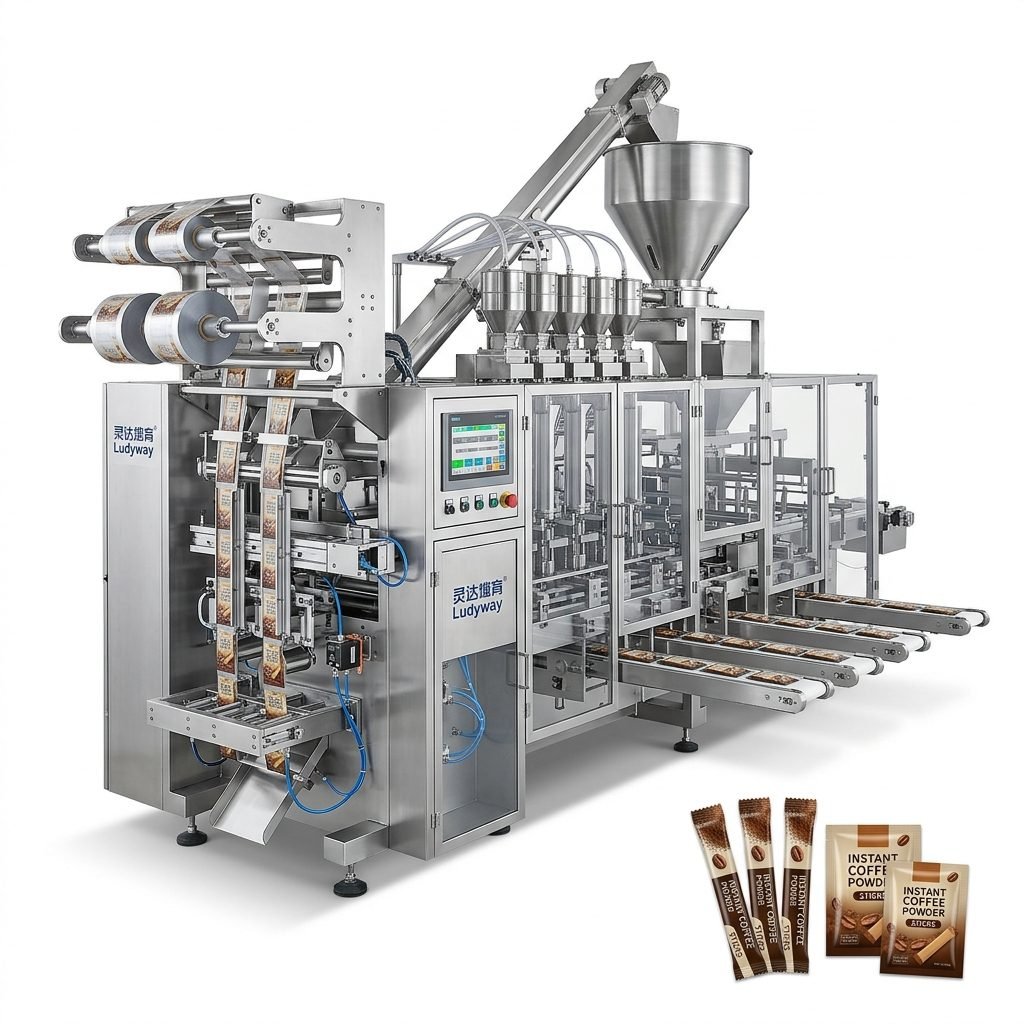
What Causes Product Giveaway in the First Place?
Many factories assume overfill is only a weighing issue, but in reality, giveaway can come from several different sources across the line.
1. Inaccurate filling systems
If the dosing system cannot consistently hit the target, operators usually set a higher average fill “for safety.” That safety margin becomes ongoing giveaway.
2. Product flow inconsistency
Powders may bridge, granules may bounce, liquids may foam, and sticky products may cling to contact parts. These behaviors make dosing less repeatable.
3. Poor machine stability
Vibration, worn components, inconsistent feeding, and fluctuating conveyor timing can all cause irregular fills.
4. Weak sealing performance
If a machine produces leaking or poorly sealed packs, the result may be rejected packs, product spills, and rework-related waste.
5. Lack of data feedback
Without checkweighing, alarms, recipe memory, or trend monitoring, small filling drifts may go unnoticed for hours.
6. Human overcompensation
Operators often intentionally set fills high to avoid underweight products, especially when machine accuracy is unreliable.
How a Better Packaging Machine Reduces Giveaway
Modern packaging machinery reduces waste through a combination of mechanical precision, automation, and process control. The biggest gains usually come from the following areas:
High-precision dosing
Servo-driven augers, multihead weighers, piston fillers, flowmeters, and volumetric systems can be selected according to product characteristics. The better the filling match to the product, the tighter the average fill can be.
Consistent product feeding
Stable feeding equipment helps prevent surges and starvation. This includes screw feeders, bucket elevators, vibratory feeders, and integrated hoppers designed for your product type.
Recipe-based control
Machines with stored parameter settings reduce manual adjustment errors when changing SKUs, pack sizes, and product types.
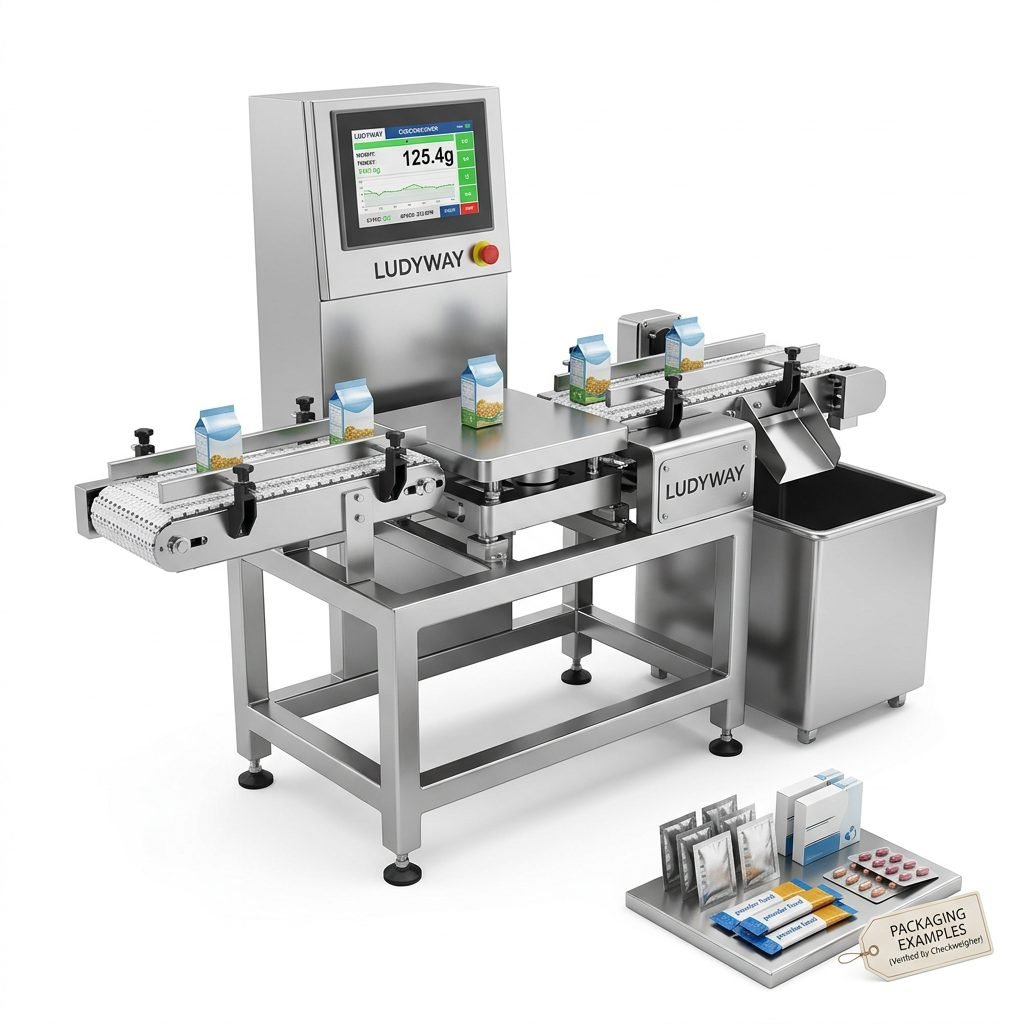
Checkweigher integration
A checkweigher can identify trends and trigger corrections before giveaway grows into a major cost issue.
Reduced downtime and startup waste
Machines that start cleanly, calibrate quickly, and maintain stable operation reduce the waste often created during changeovers and line restarts.
Better sealing and less leakage
Good sealing temperature control, jaw alignment, and film handling help prevent leaks, partial seals, and contaminated seal areas.
Which Packaging Machine Types Usually Save the Most Product?
Not every machine produces the same savings. The best choice depends on the material and package format.
| Product Type | Recommended Filling / Packaging Approach | Giveaway Benefit |
|---|---|---|
| Powders | Auger filler, multi-lane powder sachet machine | Improves fill precision and reduces dust-related loss |
| Granules | Volumetric cup, linear weigher, multihead weigher | Reduces overfill caused by inconsistent bulk flow |
| Liquids | Piston filler, pump filler, flowmeter filling system | Controls drips, foam, and volume deviation |
| Pastes / creams | Servo piston filling and sealing machine | Reduces residue and tailing during fill cut-off |
| Tablets / capsules | Counting or blister packaging systems | Prevents count errors and reject waste |
Industries That Benefit the Most from Giveaway Reduction
Some sectors feel the financial impact more strongly than others. A high-value product with tight weight control requirements can justify machine upgrades very quickly.
- Pharmaceuticals: precise dosage, compliance sensitivity, high product value
- Nutraceuticals: premium formulas and expensive ingredients
- Coffee and beverage powders: high-volume production magnifies even tiny overfills
- Seasonings and sweeteners: fast-moving sachet production often runs at massive quantities
- Cosmetics and skincare: creams and serums are often high margin and high value
- Pet nutrition: specialty functional ingredients can be expensive
- Chemicals and industrial products: overfill can directly reduce batch profitability
Signs Your Current Packaging Line Is Giving Away Too Much Product
If you are unsure whether giveaway is a real issue, look for these warning signs:
- Actual fills are consistently above target
- Operators frequently “play safe” with high settings
- Weight variation increases during long runs
- There is visible dust, drip, or spill around the filling zone
- Too many reject packs appear during startup or changeover
- Your raw material usage seems higher than theoretical output
- Profit margins drop even though sales volume is stable
How to Estimate Your Potential Savings Before Buying a Machine
You do not need a complex financial model to estimate the opportunity. Start with these four numbers:
- Target fill per pack
- Actual average fill per pack
- Number of packs produced per day or month
- Product cost per kilogram, liter, or unit
Use this basic formula:
Giveaway cost = (Actual fill − Target fill) × Production volume × Product cost
Then compare your current condition with the expected accuracy of an upgraded machine. This gives a practical estimate of how much product giveaway a packaging machine can prevent in your own plant.
Key Features to Look for in a Packaging Machine If Giveaway Control Is a Priority
When evaluating equipment, do not focus only on speed. Fast output is important, but stable, repeatable filling is what protects margins.
Important features include:
- Servo-controlled filling system
- Stable feeder and hopper design
- Easy parameter adjustment and recipe storage
- Checkweigher compatibility or built-in monitoring
- Accurate sealing temperature and pressure control
- Quick cleaning and simple maintenance access
- Product-specific customization for powder, granule, liquid, or pouch format
- Reliable PLC and HMI interface for data visibility
Why Turnkey Integration Often Prevents More Waste Than a Single Standalone Machine
Sometimes giveaway is not caused by the main packer alone. The problem may start earlier in feeding, dosing, conveying, or product transfer. That is why an integrated packaging line can outperform a standalone machine in overall waste reduction.
A complete line can better coordinate:
- Material feeding
- Weighing or dosing
- Form-fill-seal operations
- Inspection and checkweighing
- Cartoning and case packing
- Coding and traceability
- Reject handling and downstream automation
For manufacturers looking for scalable equipment and turnkey solutions, packaging machine manufacturer Ludyway offers a broad range of systems for food, pharmaceutical, health supplement, cosmetic, chemical, feed, and pouch applications.
Common Mistakes When Trying to Reduce Giveaway
Many businesses try to cut overfill, but they do it in the wrong way. These mistakes can create even more losses:
- Reducing fill targets without improving machine stability
This can increase underweight packs and customer complaints. - Ignoring product behavior
A machine that works for free-flowing granules may not suit dusty powders or viscous liquids. - Buying on speed alone
A high-speed machine without reliable accuracy can create expensive waste faster. - Skipping testing
Factory acceptance testing with your own product is important for realistic performance evaluation. - Overlooking maintenance
Even a precise machine can drift if wear parts, seals, and dosing components are not maintained.
Final Buying Questions to Ask Before You Invest
Before choosing a machine, ask suppliers these practical questions:
- What filling accuracy can be achieved with my product?
- How does the machine handle poor flow, dust, foam, or stickiness?
- Can the line integrate with checkweighers and reject systems?
- What is the average startup loss during changeover?
- Can parameters be saved for different SKUs?
- What examples exist in my industry?
- How easy is cleaning, calibration, and routine service?
The Bottom Line
A packaging machine can prevent far more product giveaway than many manufacturers realize. In some operations, the savings may be modest but still meaningful. In others, especially high-volume or high-value production, the reduction in overfill can become one of the fastest ways to improve profitability.
If your current line is unstable, manually adjusted, or consistently running “safe” above target, then reducing giveaway is not just a technical upgrade—it is a direct financial opportunity. The best packaging solution is the one that balances accuracy, stability, product compatibility, and long-term line efficiency.