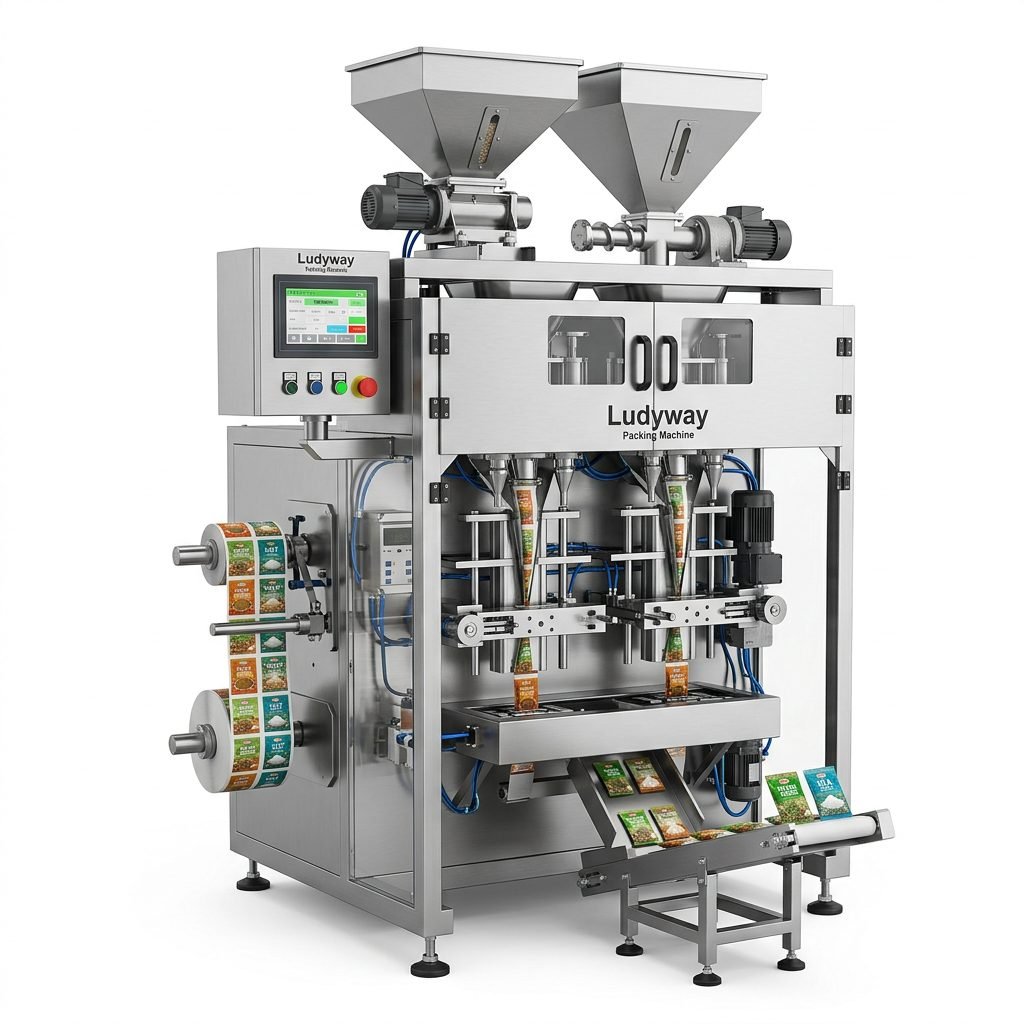
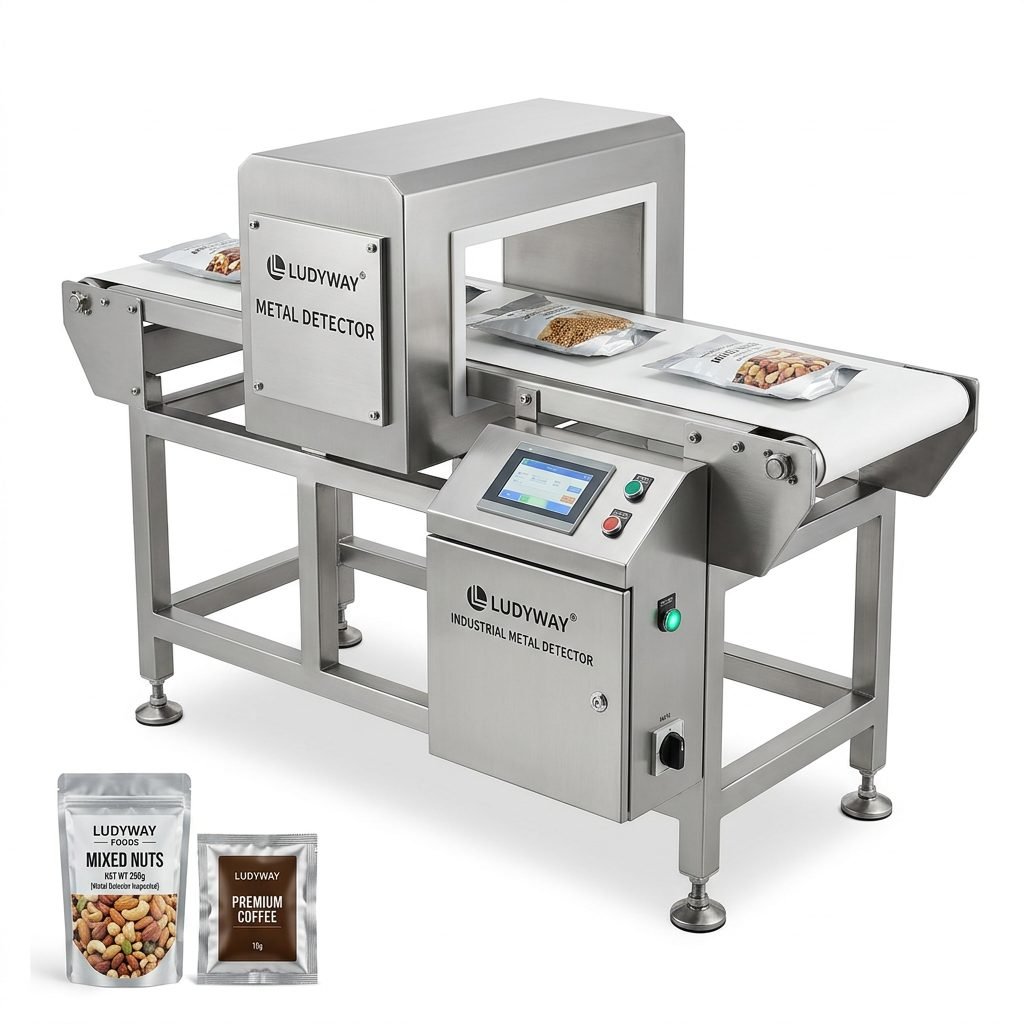
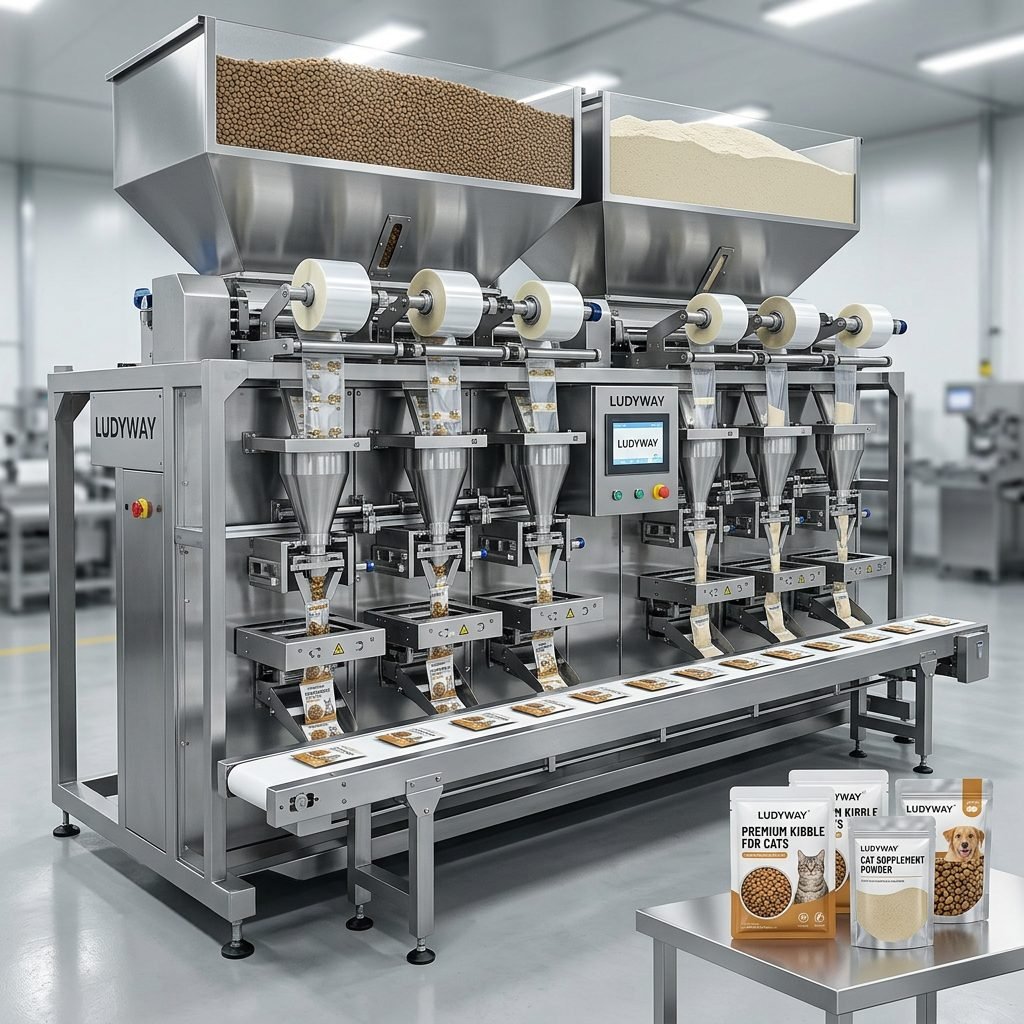
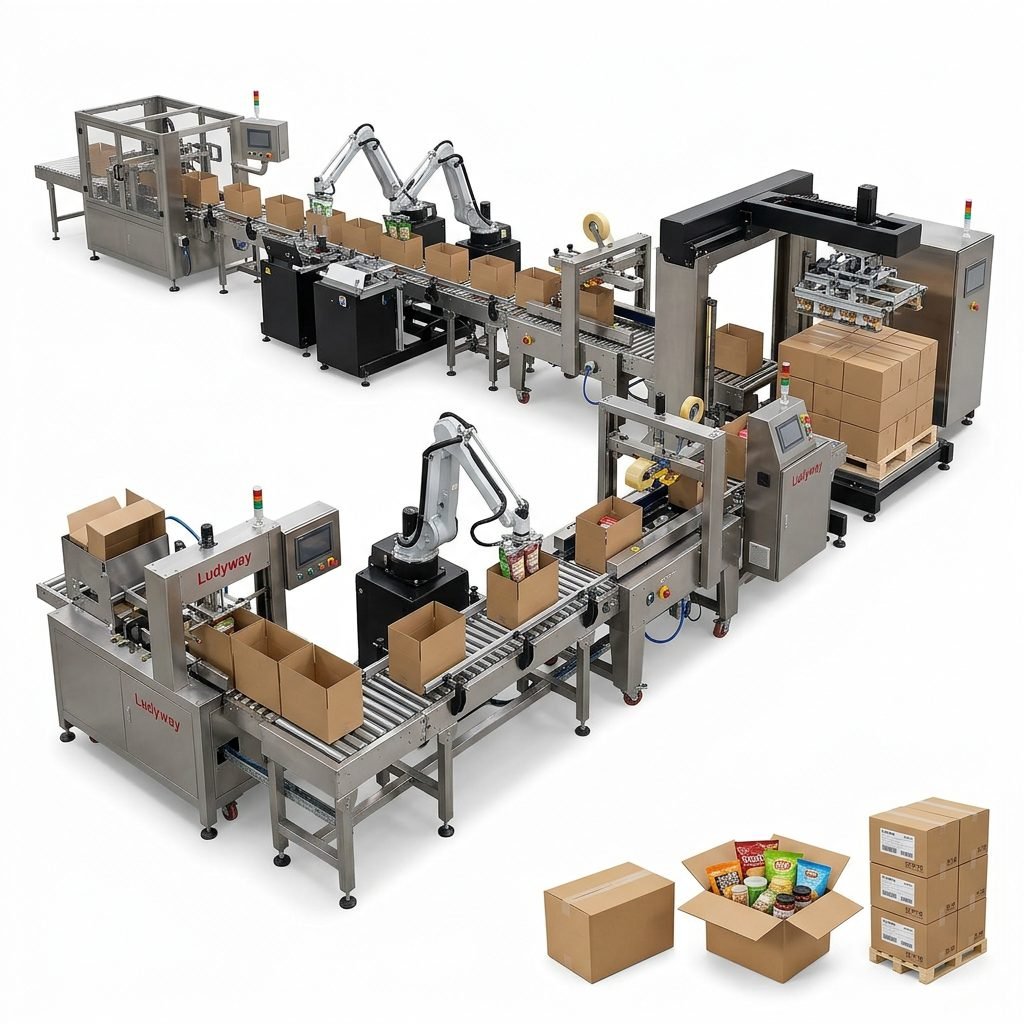
Selecting the right shaped pouch packing machine is one of the most important equipment decisions a manufacturer can make. Whether you are packaging food products, pharmaceuticals, cosmetics, or industrial chemicals, the shape, size, and functionality of your pouches directly influence brand perception, shelf appeal, and production efficiency. This comprehensive buyer’s guide walks you through every critical factor to consider before investing in a shaped pouch packaging system.
What Is a Shaped Pouch Packing Machine?
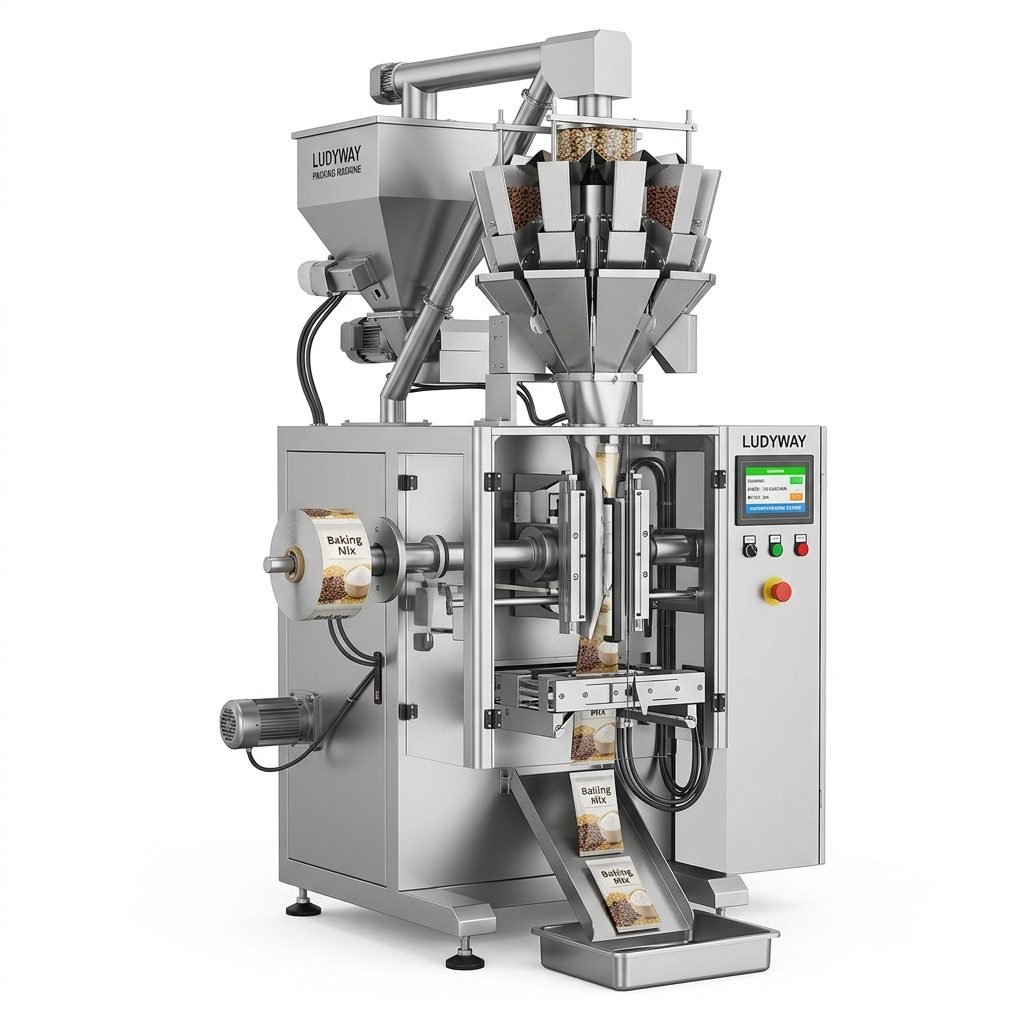
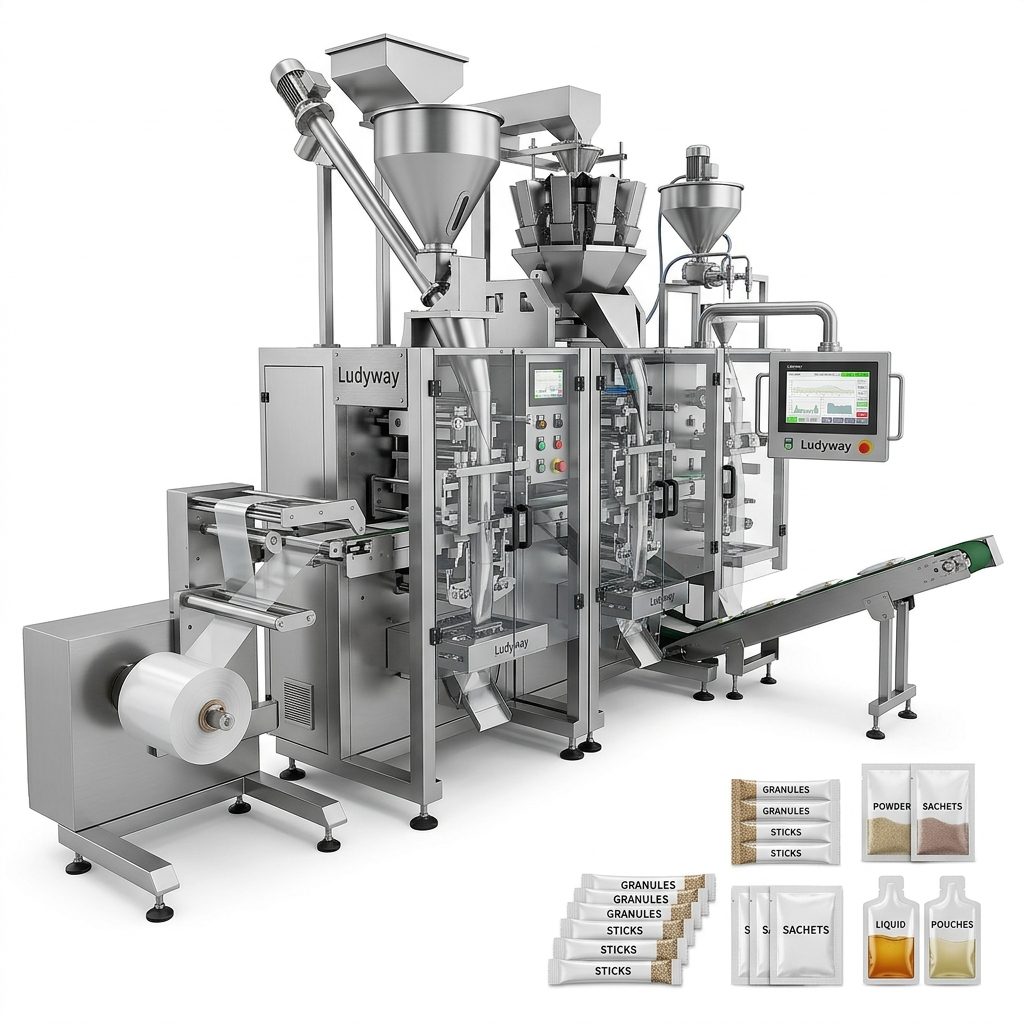
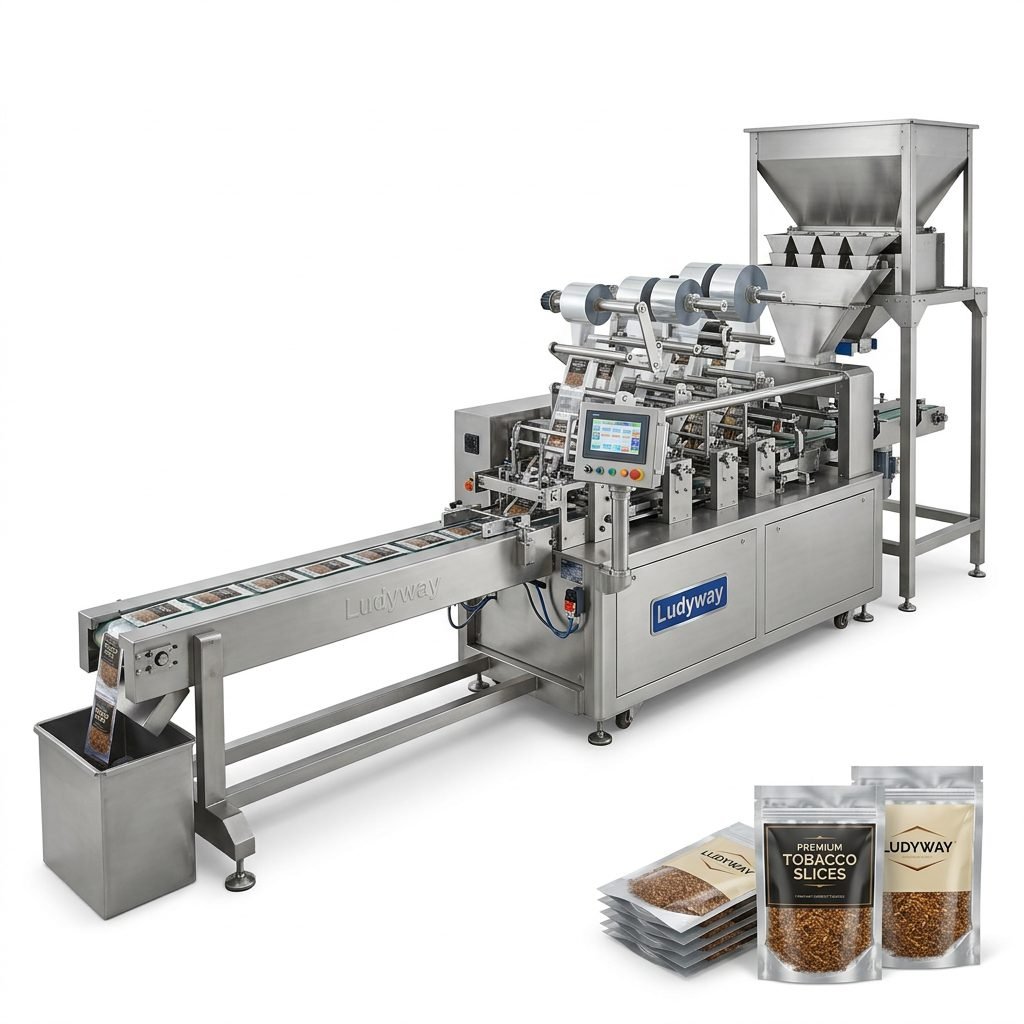
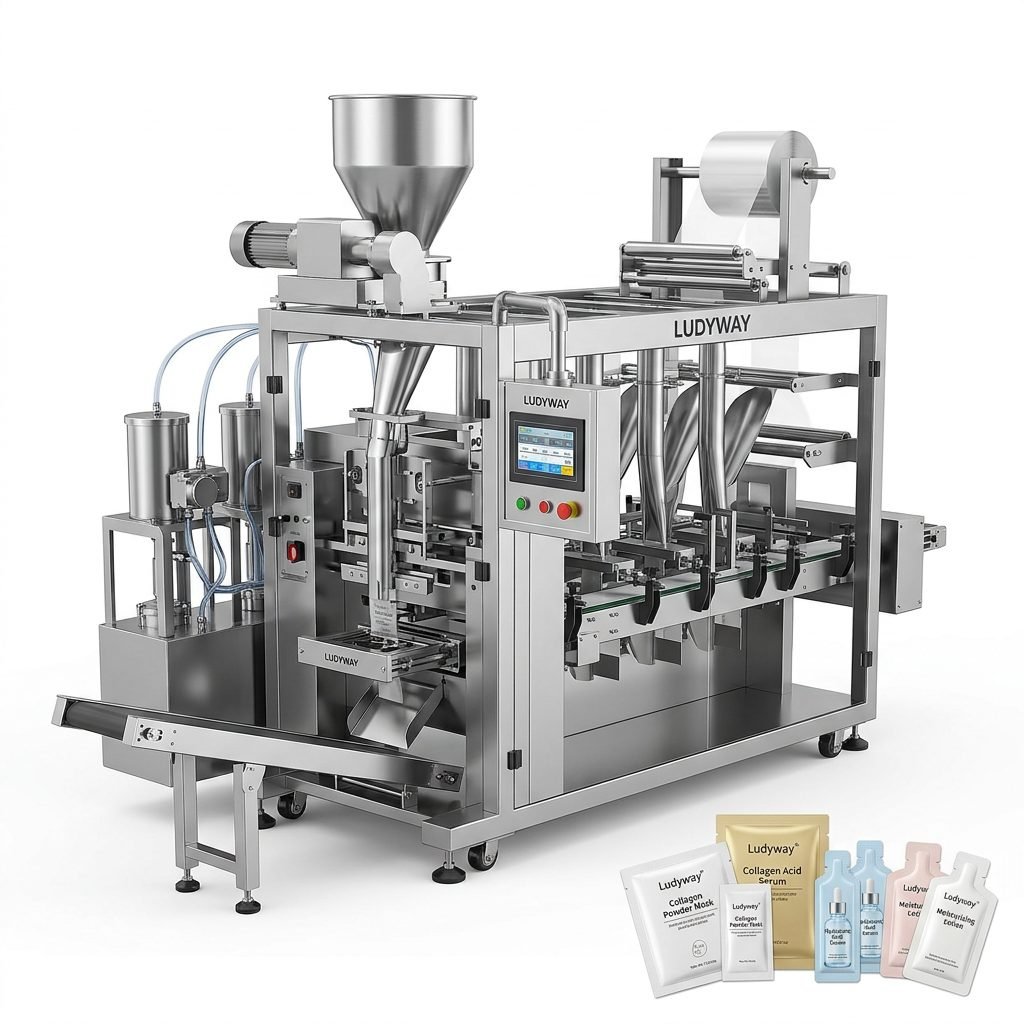
A shaped pouch packing machine is a specialized form-fill-seal (FFS) system designed to produce pouches with non-standard geometries — including contoured edges, die-cut profiles, stand-up gussets, spout inserts, and custom silhouettes. Unlike conventional rectangular sachet or stick-pack machines, shaped pouch equipment incorporates advanced sealing jaw configurations, multi-axis cutting systems, and precision film registration to create distinctive packaging formats that stand out on retail shelves.
These machines are widely used across industries where brand differentiation and consumer convenience are paramount. According to the Flexible Packaging Association, the demand for shaped and specialty pouches has grown consistently as brands seek innovative ways to capture consumer attention.
Key Factors to Consider When Choosing a Shaped Pouch Packing Machine
1. Pouch Format and Shape Complexity
The first and most critical consideration is the specific pouch shape you intend to produce. Shaped pouches can range from simple contour-sealed sachets to complex die-cut stand-up pouches with curved edges, handles, or multi-chamber designs. Each shape requires different tooling, sealing patterns, and film handling capabilities. Evaluate whether the machine supports:
- Contour-sealed pouches with curved or angled seal lines
- Die-cut shaped pouches with custom perimeter profiles
- Stand-up shaped pouches with bottom gussets and shaped top sections
- Spouted shaped pouches with integrated fitments
- Multi-compartment pouches for separating incompatible ingredients
2. Film Material Compatibility
Shaped pouches often require specialized film structures to maintain shape integrity. The machine must be compatible with your chosen materials, which may include laminated films, aluminum foil composites, biodegradable materials, or high-barrier structures. Key material considerations include:
- Film thickness range and sealability
- Heat resistance for shaped sealing jaws
- Material memory and shape retention after forming
- Compatibility with FDA food contact substance regulations when applicable
3. Production Speed and Output Requirements
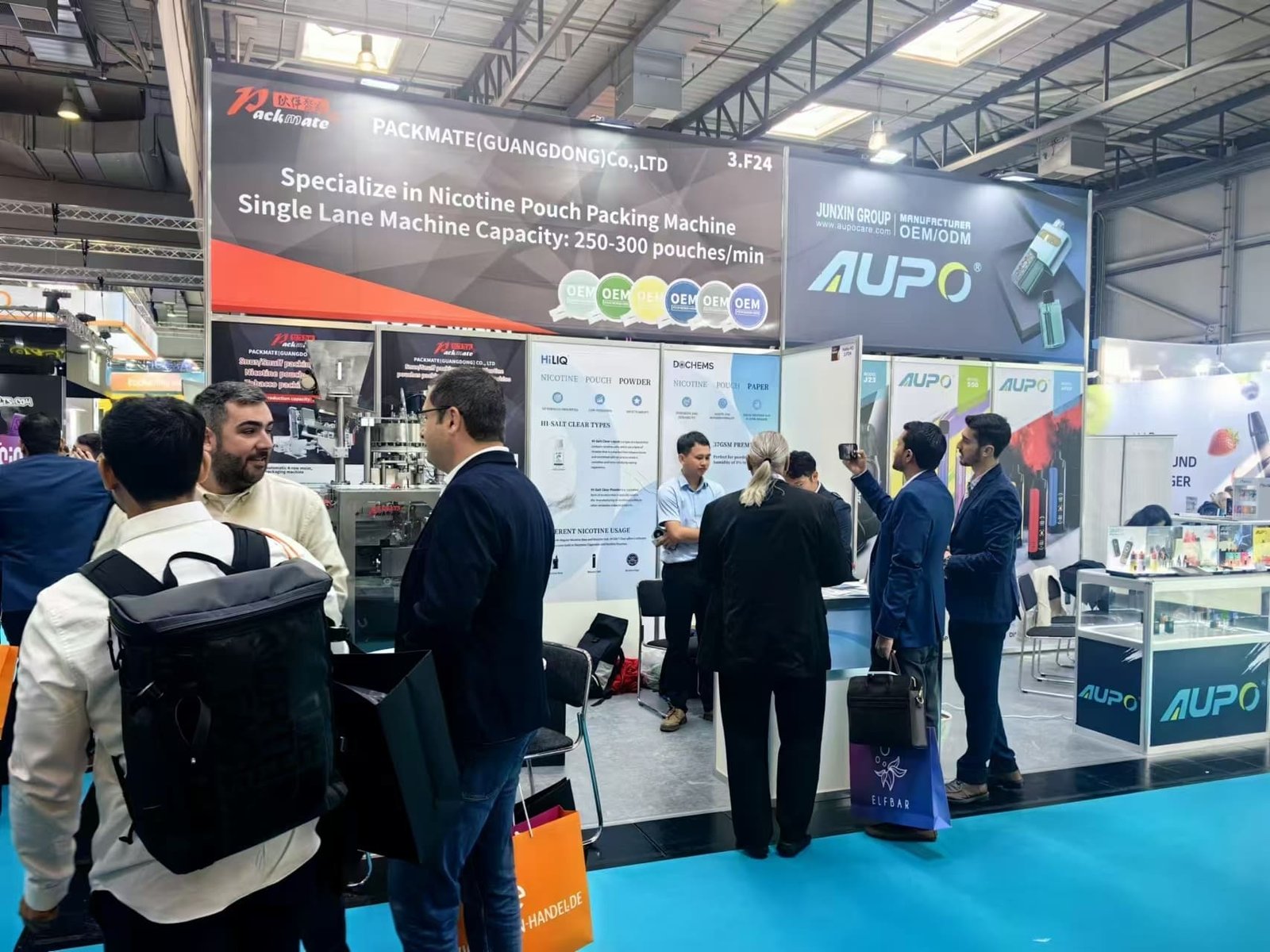
Production speed varies significantly depending on pouch complexity, number of lanes, and filling volume. A multi-lane shaped pouch machine can dramatically increase output, but the shape complexity may limit the maximum number of lanes. When evaluating speed, consider:
- Target output in pouches per minute or per hour
- Single-lane versus multi-lane configuration options
- Impact of shape complexity on cycle time
- Changeover time between different pouch shapes
4. Filling and Dosing System Integration
The filling mechanism must be precisely matched to your product characteristics. Shaped pouches often have unique filling challenges due to their geometry. Common dosing systems include:
| Product Type | Recommended Dosing System | Key Consideration |
|---|---|---|
| Free-flowing powders | Auger filler or cup filler | Dust control during filling |
| Granules and pellets | Multi-head weigher | Accuracy at high speed |
| Liquids and pastes | Piston or peristaltic pump | Viscosity and foaming |
| Solid items or tablets | Counting or vibratory feeder | Gentle product handling |
| Mixed or combination products | Custom integrated system | Multi-stage filling sequence |
5. Sealing Technology and Integrity
Shaped pouches demand superior sealing precision because irregular seal paths are more susceptible to leakage. The sealing system should deliver consistent temperature, pressure, and dwell time across the entire shaped seal profile. Critical sealing features to evaluate include:
- Contour sealing jaws with precise temperature control zones
- Servo-driven sealing pressure for consistent seal integrity
- Gas flushing capability for modified atmosphere packaging (MAP)
- Leak detection systems integrated into the production line
For pharmaceutical and medical device applications, refer to ISO 11607 standards for packaging validation to ensure compliance with regulatory requirements.
Industry-Specific Applications for Shaped Pouch Machines
Different industries have unique requirements that influence machine selection. Below is a summary of key application areas:
| Industry | Typical Pouch Format | Key Machine Requirements |
|---|---|---|
| Food & Beverage | Stand-up shaped pouches, spouted pouches | High-barrier sealing, food-grade materials, high speed |
| Pharmaceuticals | Single-dose sachets, stick packs | Precision dosing, tamper evidence, cleanroom compatibility |
| Cosmetics | Sample sachets, shaped promotional pouches | Premium finish, small volume fills, frequent changeovers |
| Chemicals & Industrial | Durable shaped pouches, bulk formats | Chemical-resistant materials, robust construction |
| Pet Food & Animal Feed | Shaped stand-up pouches, resealable formats | Large format capability, durable seals, high output |
Automation and Integration Capabilities
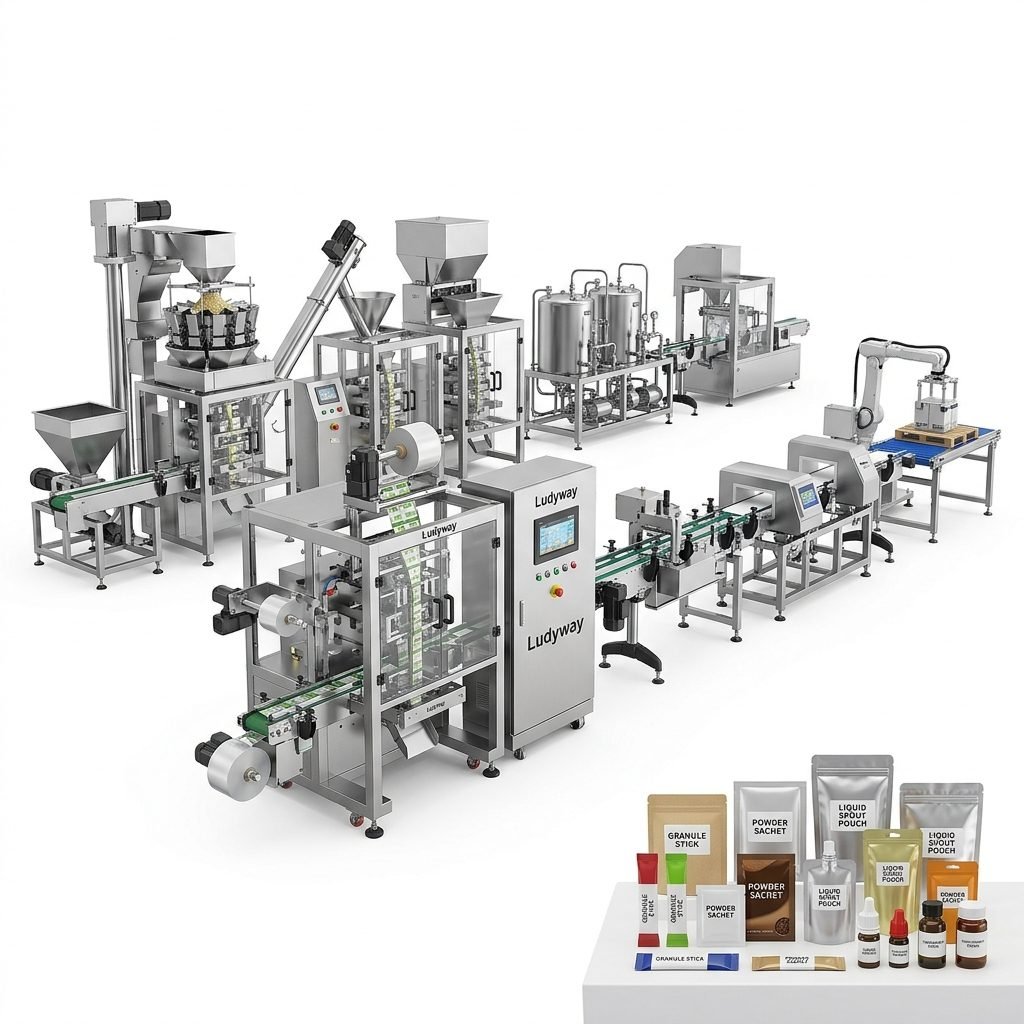
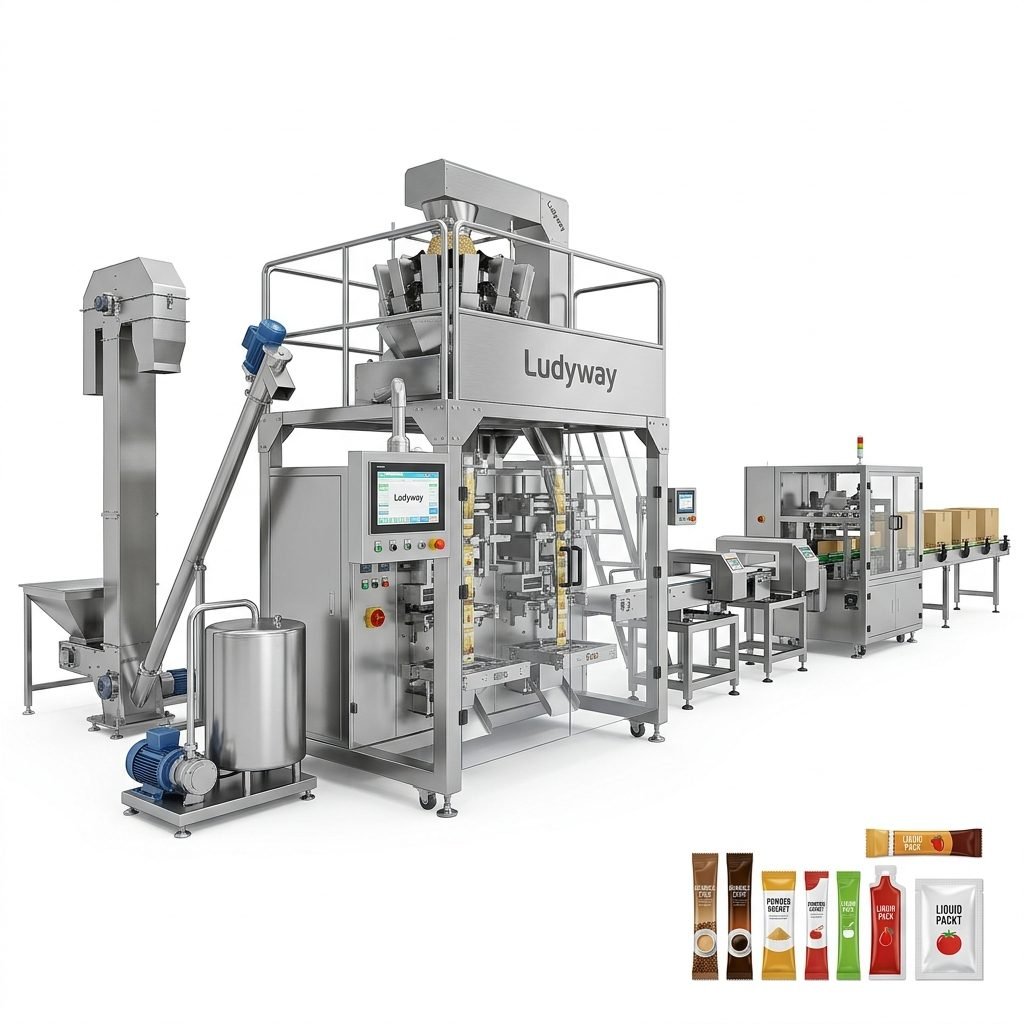
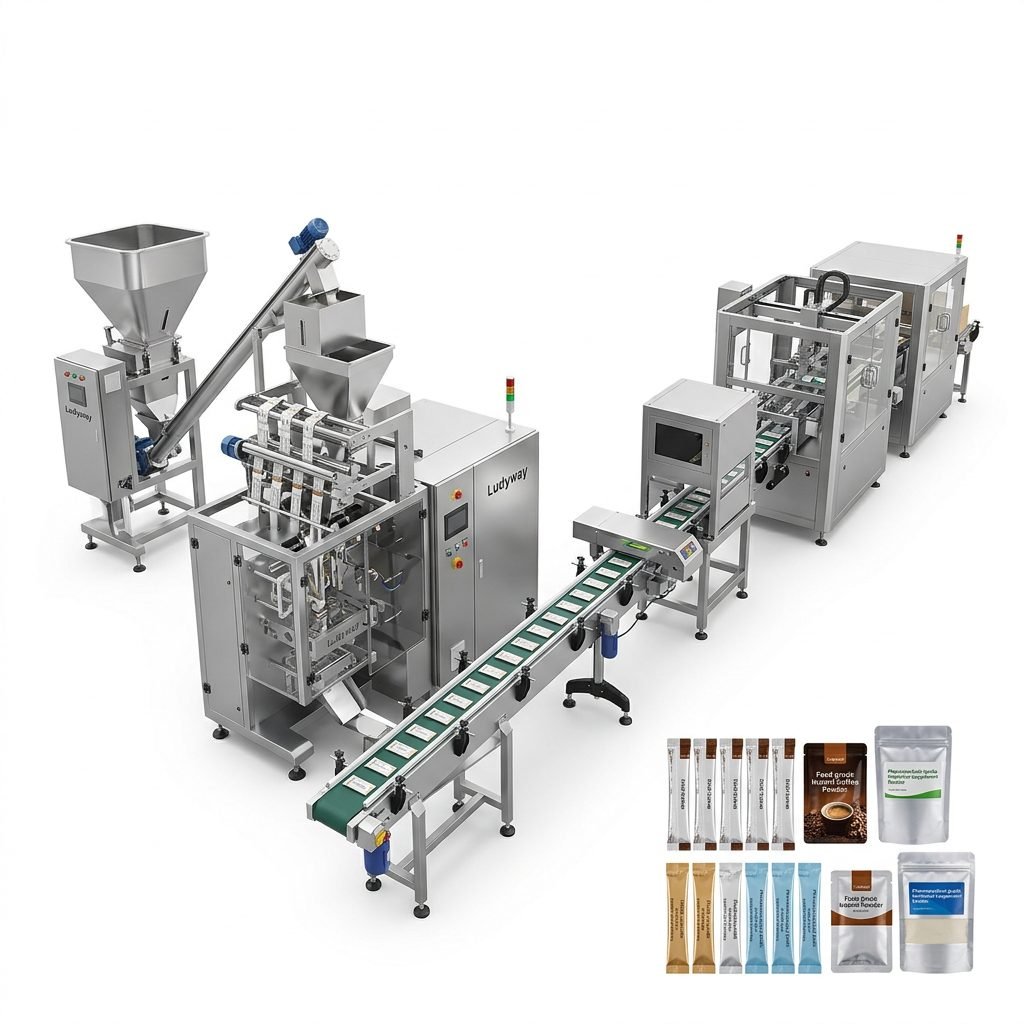
Modern shaped pouch packing machines can be integrated into fully automated production lines. When evaluating automation options, consider the following levels of integration:
- Inline feeding systems that automatically deliver product to the filling station
- Vision inspection systems for seal integrity verification and print quality checks
- Automatic cartoning and case packing for end-of-line packaging
- Palletizing robots for finished product handling
- Data collection and traceability systems for quality management
The PMMI packaging industry intelligence provides valuable data on automation trends and benchmarks that can guide your investment decisions.
Evaluating Machine Build Quality and Supplier Capabilities
When investing in a shaped pouch packing machine, the manufacturer’s engineering expertise and manufacturing capabilities are as important as the machine specifications themselves. Key evaluation criteria include:
Manufacturing Facility and Technical Team
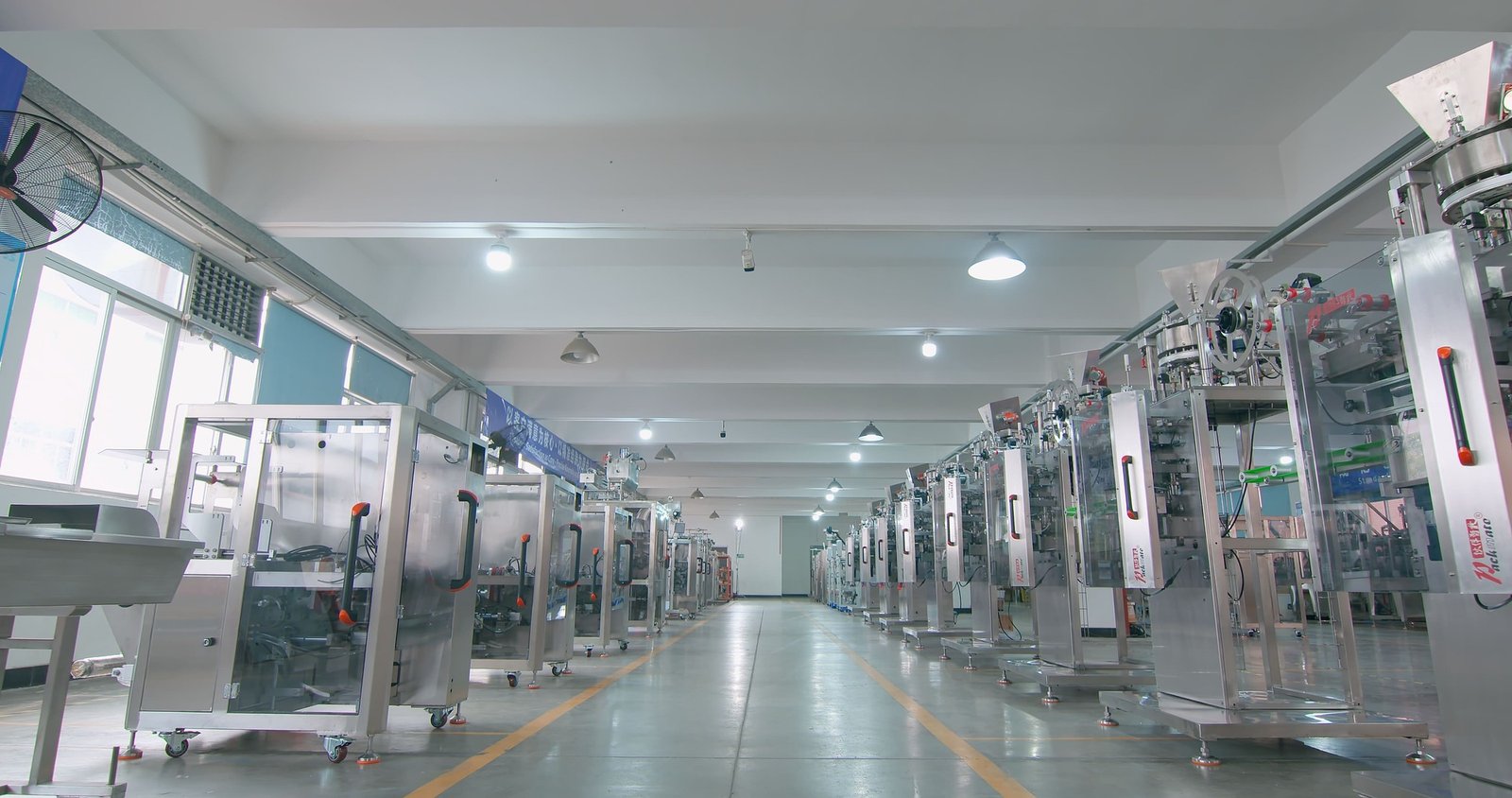
A well-established manufacturer should have a dedicated production facility with in-house engineering, machining, assembly, and testing capabilities. The technical team should include mechanical engineers, automation specialists, and application experts who can configure the machine to your specific product and pouch requirements.
Customization and Engineering Support
Shaped pouch applications rarely fit a one-size-fits-all solution. Look for a supplier that offers custom machine configurations, including customized sealing tooling, filling systems, and automation integration. The supplier should be able to evaluate your product characteristics and recommend the most appropriate machine configuration or complete packaging line. This customized approach is particularly valuable for manufacturers launching new packaging formats, expanding production capacity, or integrating packaging equipment into existing production lines.
International Standards and Certifications
Verify that the machine can be configured to meet applicable international standards for your target markets. Reputable manufacturers work with established industrial automation and component suppliers to ensure reliable control, pneumatic, electrical, and automation systems. Relevant certifications and compliance documentation should be available for the equipment and markets you serve.
For regulatory guidance, consult the ISO packaging standards and relevant regional requirements such as those published by the European Commission on packaging and packaging waste.
Total Cost of Ownership Considerations
Beyond the initial purchase price, evaluate the total cost of ownership over the machine’s expected lifespan:
| Cost Factor | What to Evaluate | Impact on TCO |
|---|---|---|
| Energy consumption | Motor efficiency, heating system design | Ongoing operational expense |
| Spare parts availability | Supplier inventory, lead times, commonality | Downtime and maintenance costs |
| Changeover efficiency | Tool-less changeover, recipe management | Production flexibility and uptime |
| Technical support | Remote assistance, on-site service, training | Long-term operational reliability |
| Film waste rates | Registration accuracy, startup/changeover waste | Material cost efficiency |
Questions to Ask Before Purchasing
Before finalizing your decision, ensure you have clear answers to these essential questions:
- What pouch shapes and sizes does the machine support, and what tooling is included?
- Is the machine expandable — can lanes be added or upgraded in the future?
- What is the maximum production speed for your specific product and pouch configuration?
- Does the supplier provide installation, commissioning, and operator training?
- What is the warranty period and what does it cover?
- Are spare parts readily available in your region?
- Can the machine be integrated with your existing upstream and downstream equipment?
- What after-sales technical support is available, including remote assistance?
Why Choose an Experienced Packaging Machinery Partner
Selecting a shaped pouch packing machine is a long-term investment that directly impacts your production efficiency, product quality, and brand competitiveness. Working with an experienced manufacturer ensures you receive not only reliable equipment but also the engineering guidance needed to optimize your packaging process.
One example of a manufacturer with extensive industry experience is Ludyway Machinery, a China-based packaging machinery manufacturer and turnkey packaging solution provider with more than 30 years of experience in the packaging industry. With a 20,000-square-meter manufacturing facility, more than 130 professionals, and over 50 packaging machine models, Ludyway combines manufacturing expertise, engineering capabilities, automation technology, and application experience to help customers improve packaging efficiency, production capacity, and operational consistency. Ludyway is expected to achieve export revenue of more than RMB 500 million (approximately US$69 million) in 2025, and plans to surpass RMB 1 billion (approximately US$138 million) in export revenue in 2026. The company serves customers in more than 100 countries and regions, providing packaging machinery for manufacturers in different international markets, with comprehensive support that spans machine selection, packaging solution design, installation, commissioning, operator training, troubleshooting, spare parts support, and after-sales service.
Final Thoughts on Selecting Your Shaped Pouch Packing Machine
Choosing the right shaped pouch packing machine requires a thorough evaluation of your product, packaging format, production goals, and budget. By carefully considering pouch shape complexity, material compatibility, filling technology, sealing integrity, automation needs, and supplier capabilities, you can make an informed decision that supports your long-term growth.
Remember that the lowest upfront price does not always represent the best value. Consider the total cost of ownership, the supplier’s engineering expertise, and the level of ongoing technical support available. For more industry data and market trends, explore resources from the PMMI State of the Industry reports and the Flexible Packaging Association.
Investing in the right shaped pouch packaging equipment today positions your business for greater efficiency, brand differentiation, and market competitiveness in the years ahead.