Investing in a spices sachet packing machine is a critical decision for any food manufacturer. The unique characteristics of spices—whether it’s volatile essential oils, abrasive crystalline structures, or hydroscopic tendencies—demand specific engineering solutions. A mismatched machine can lead to inaccurate fills, packaging waste, and significant downtime. This guide breaks down the essential factors to consider, ensuring your investment aligns with product integrity and production goals.
Understanding Spice Product Characteristics
Before evaluating machine specifications, a deep understanding of your spices’ physical properties is essential. Not all spices flow the same way; chili powder behaves differently than coarse sea salt or sticky garlic powder.
- Particle Size and Density: Fine powders like turmeric require precision auger fillers to prevent dusting and blowback, while granules like oregano or chilli flakes handle better with volumetric cup fillers.
- Flowability: Spices with high oil content (e.g., cloves) or hygroscopic nature (e.g., onion powder) are prone to bridging and caking inside hoppers. Look for machines with mechanical agitators or specialized flat-bottom hoppers.
- Abrasion and Corrosion: Seasonings like salt and pepper are highly abrasive. Ensure all contact parts are constructed from 304 or 316L stainless steel to guarantee longevity and food safety compliance.
Key Configurations: Multi-Lane vs. Single Lane
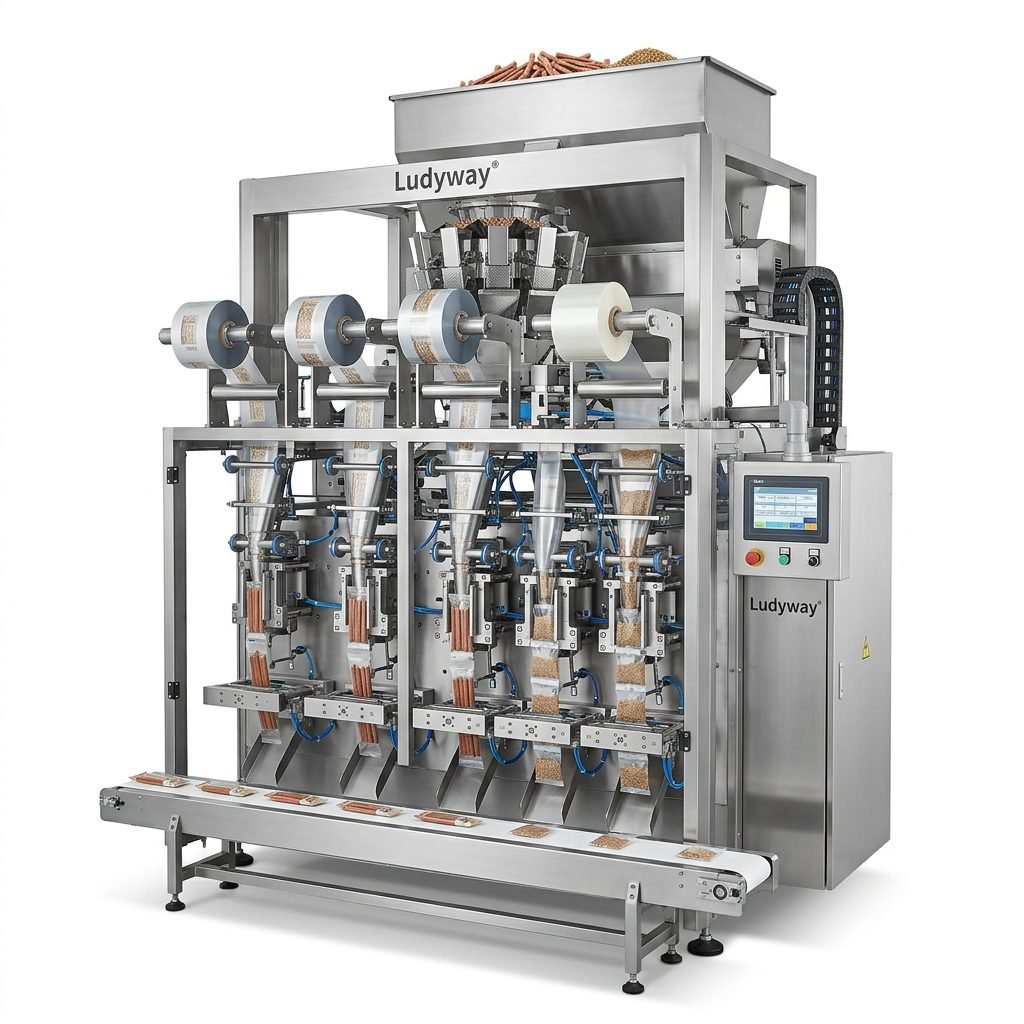
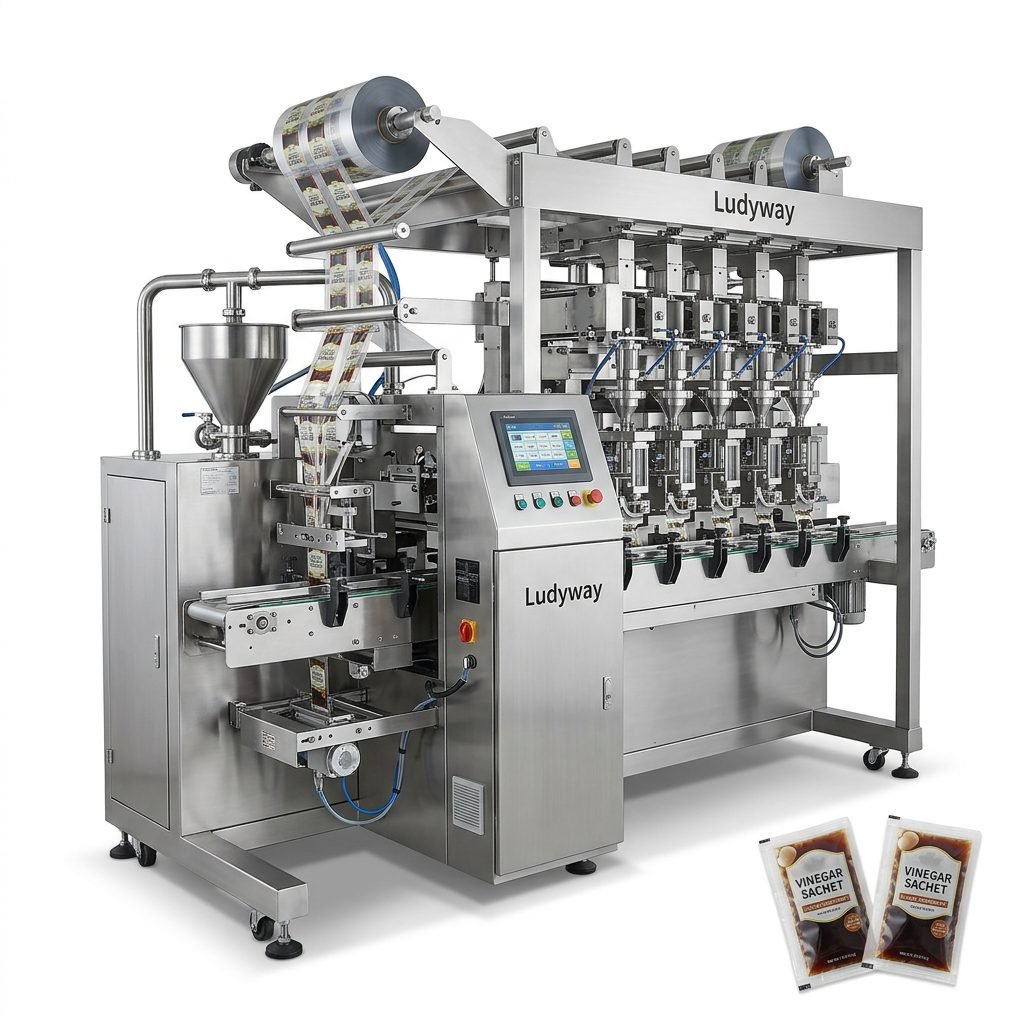
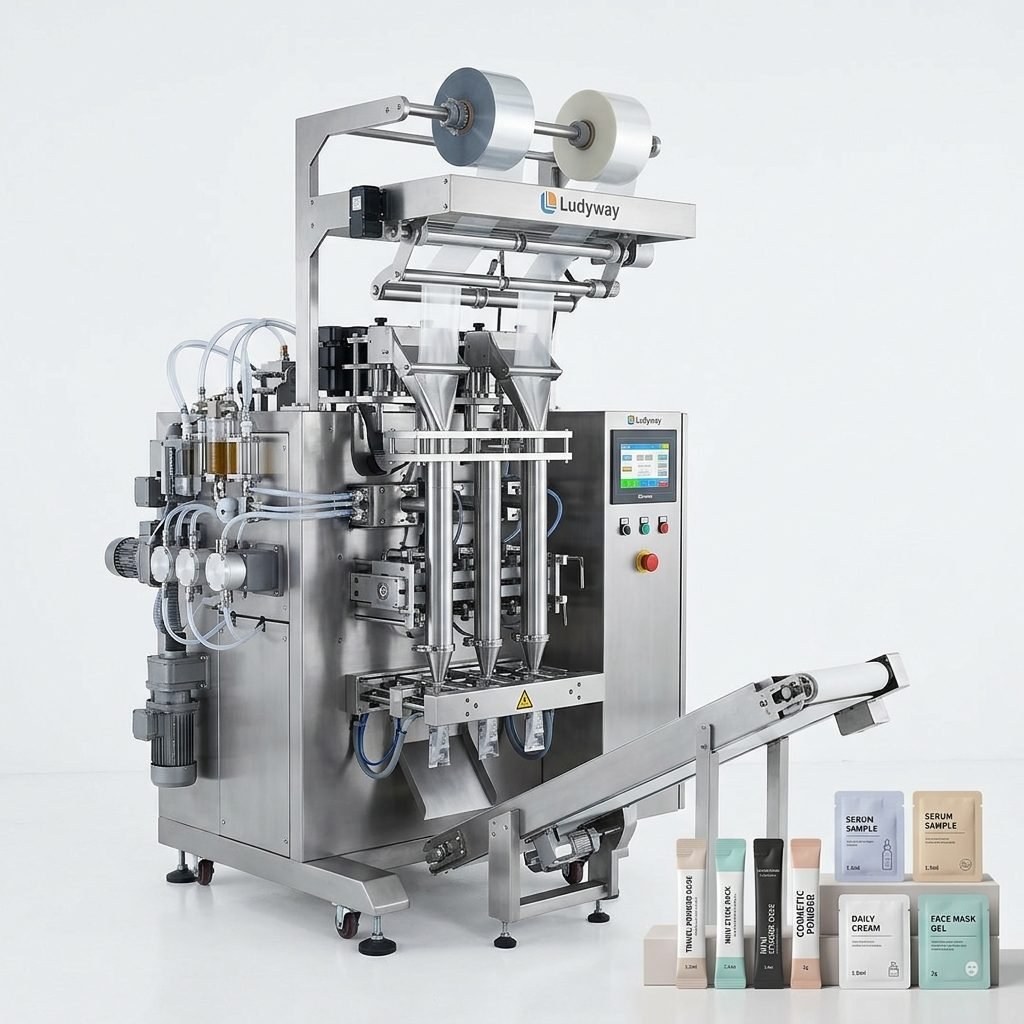
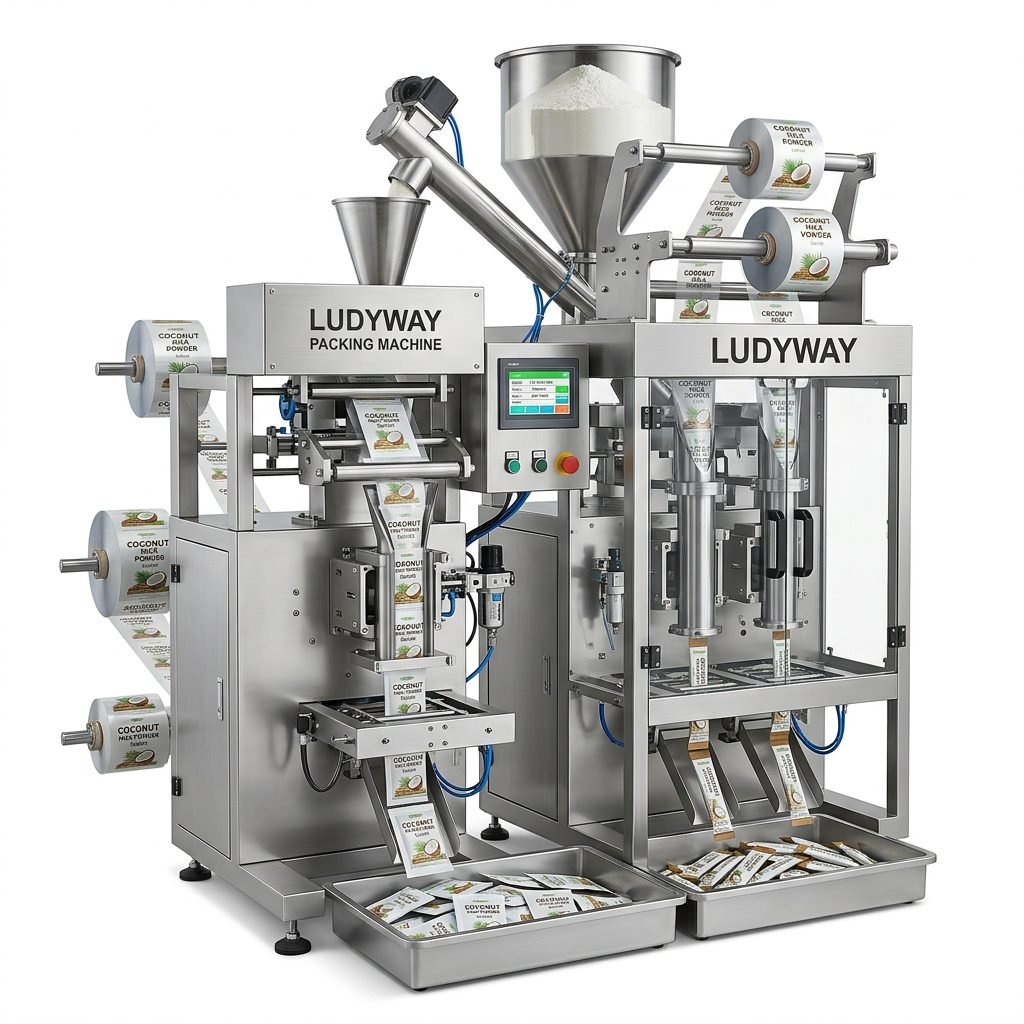
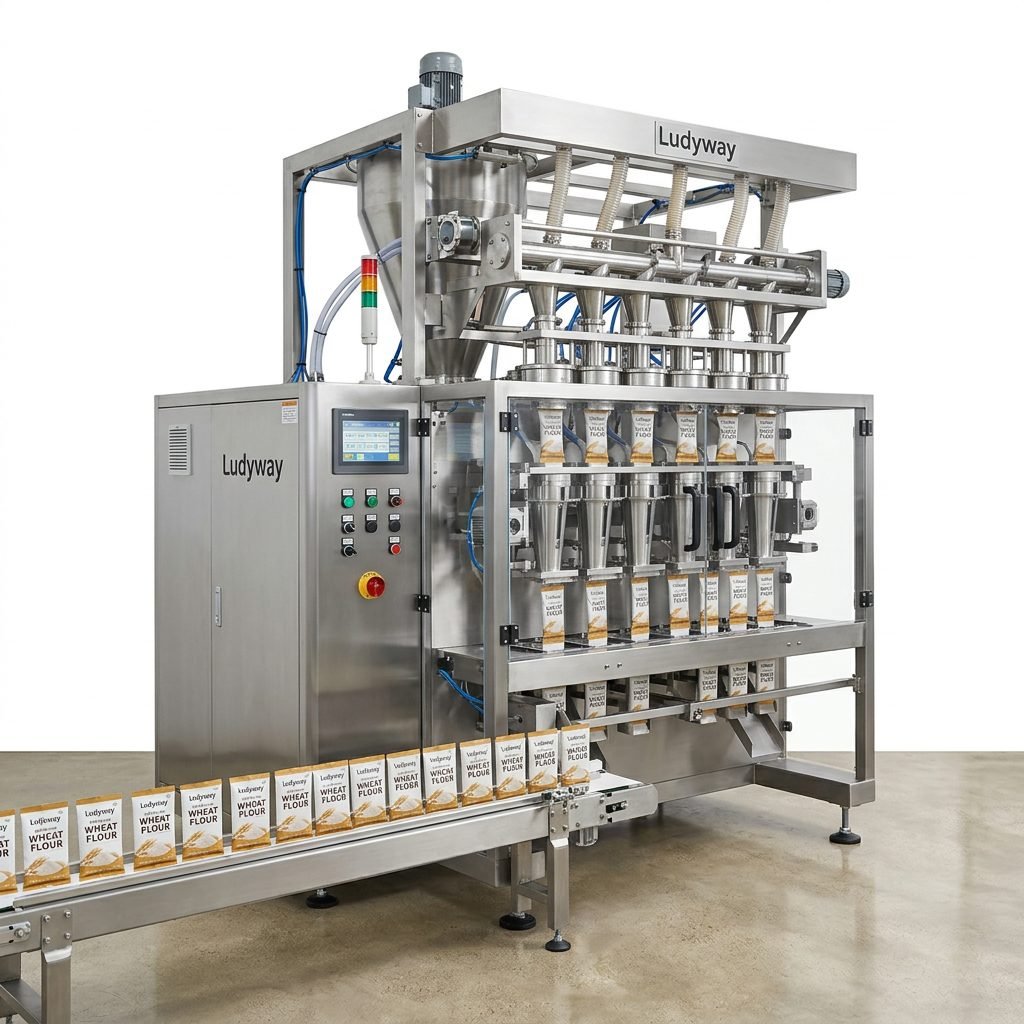
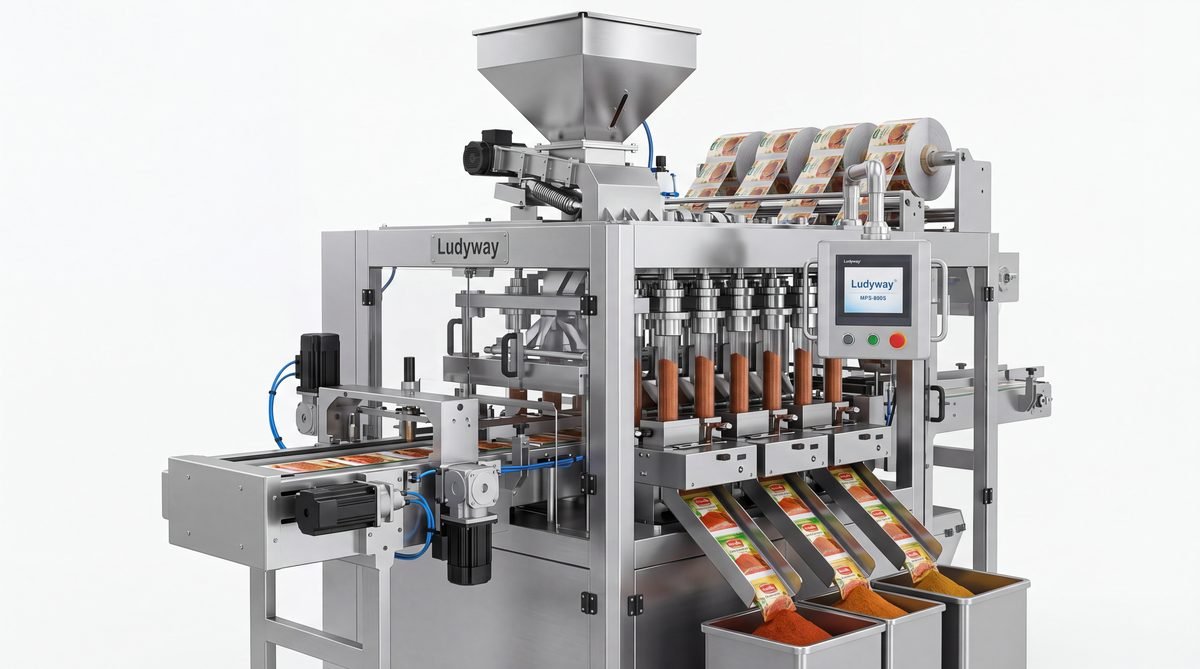
The production scale determines the optimal lane configuration. For medium to large-scale spice brands, multi-lane sachet packing machines offer unmatched throughput by producing multiple sachets simultaneously per cycle.
| Feature | Single Lane | Multi-Lane (4-12 lanes) |
|---|---|---|
| Production Speed | 30-80 packs/min | 200-600 packs/min |
| Footprint | Compact | Longer web path, requires more space |
| Ideal Application | Artisanal batches, seasonal runs | High-volume retail supply, food service chains |
Modern packaging machinery must comply with stringent standards. Ensure your chosen equipment can be configured to meet ISO packaging standards and relevant FDA regulations for food contact materials, particularly regarding sealing integrity and contaminant protection.
Automation and Control Systems
A high-speed spices packing machine is only as good as its control architecture. Brands like Ludyway Machinery pair servo-driven motor systems with intuitive touchscreen interfaces for precise control over temperature, film tension, and sachet length. Features to prioritize include:
- No Product, No Bag Function: Eliminates waste when the hopper runs dry.
- Automatic Registration: Ensures the print and cut positions remain accurate on pre-printed films, crucial for branded spice packets.
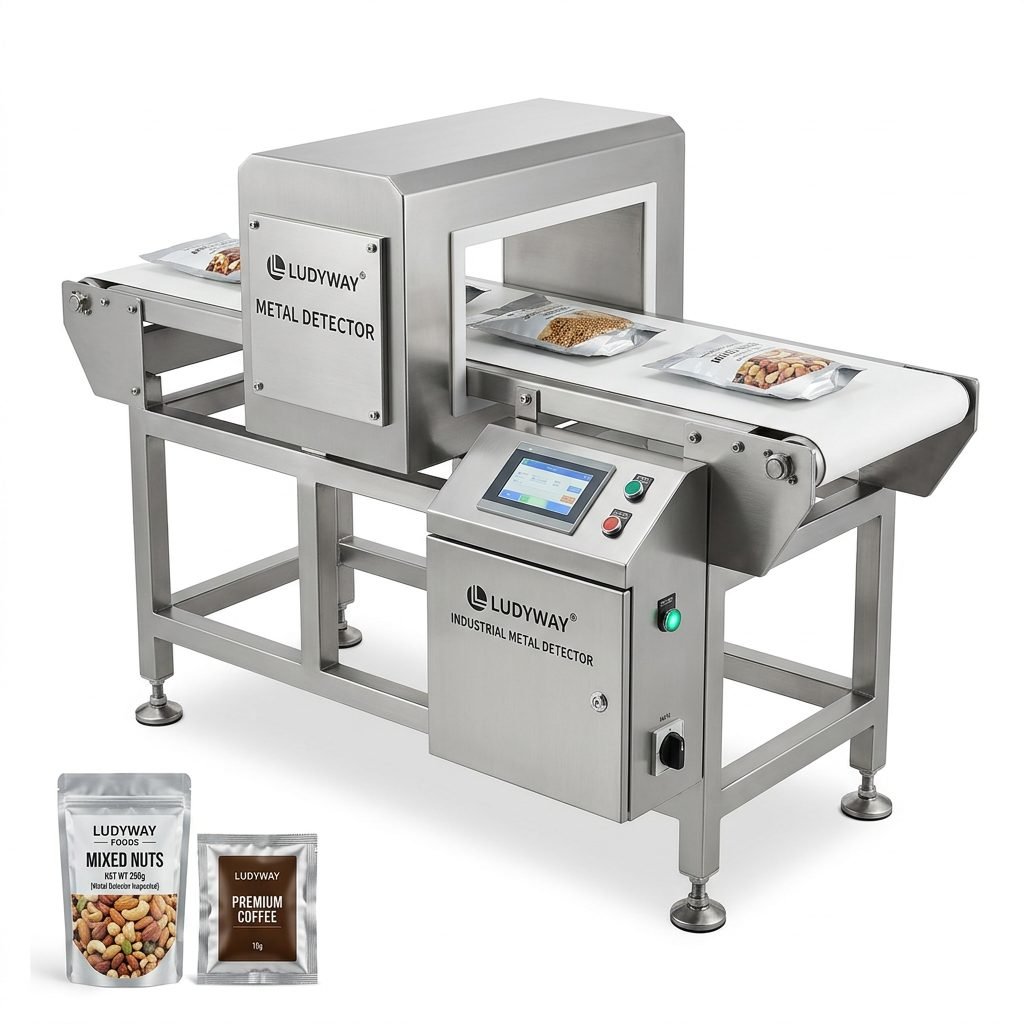
- Integrated Checkweighers: Rejects underweight or overweight sachets inline to comply with global weights and measures regulations.
Selecting the Right Film Material
Spices are sensitive to light and moisture. The most common packaging structures include laminates of PET/Aluminum/LDPE for high-barrier protection or Kraft paper/PE/Aluminum for a premium organic look. A versatile machine should handle heat-sealable and cold-seal films with quick-change adjustments to minimize downtime between product runs.
Global Engineering and Turnkey Solutions
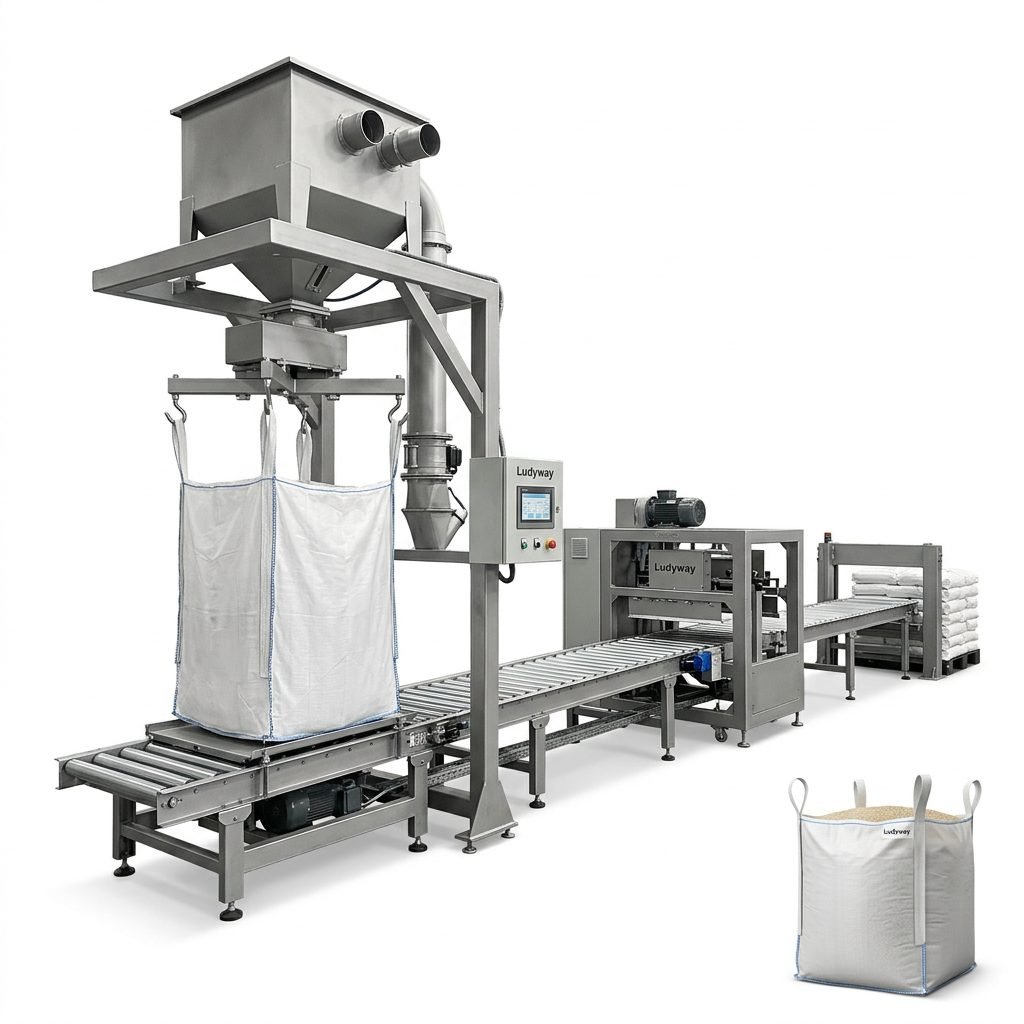
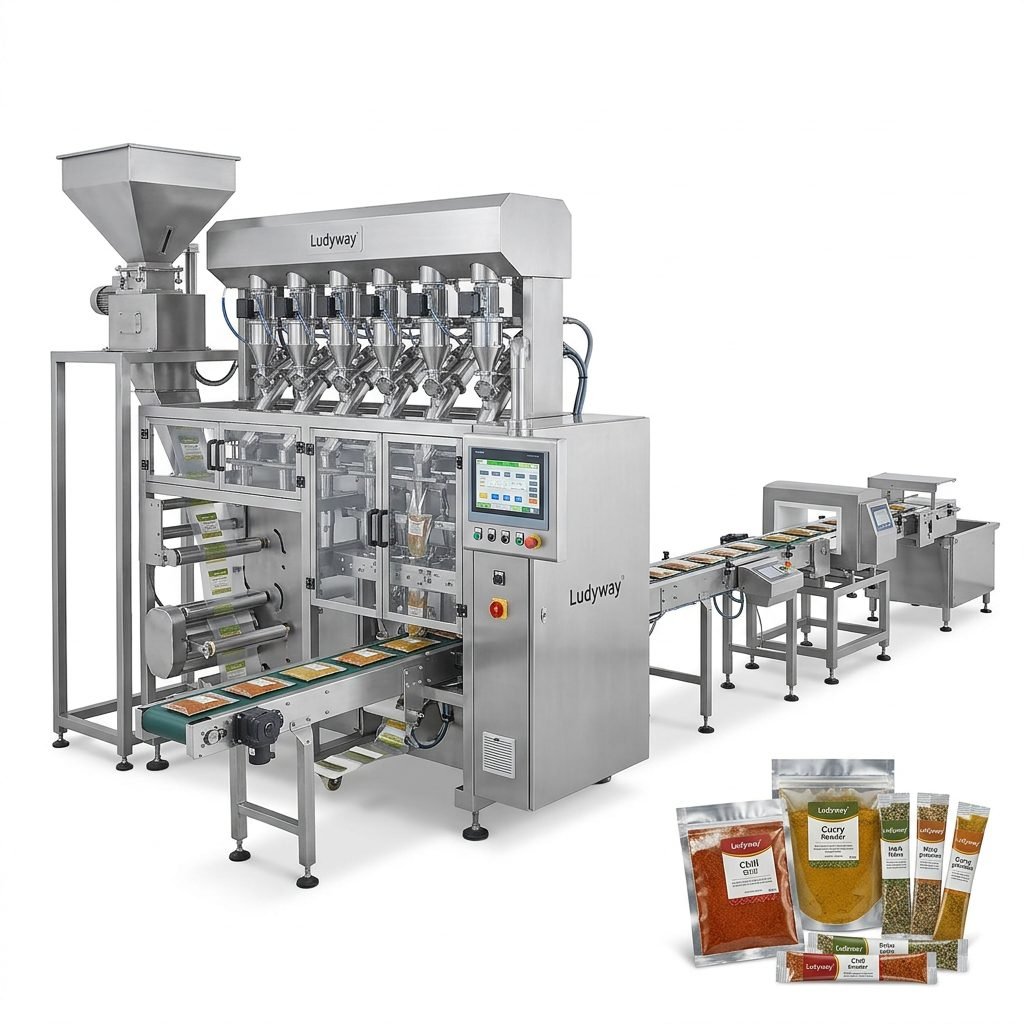
Moving from a single machine to a fully integrated packaging line requires an experienced partner. With a 30-year track record and a 20,000-square-meter manufacturing facility, Ludyway Machinery customizes equipment ranging from individual sachet machines to complete turnkey packaging systems.
Their professional team, comprising over 130 professionals and offering more than 50 packaging machine models, integrates automated feeding, dosing, filling, sealing, coding, and inspection. According to recent industry data, Ludyway is expected to achieve export revenue of more than RMB 500 million (approximately US$69 million) in 2025, and plans to surpass RMB 1 billion (approximately US$138 million) in 2026.

Essential Spare Parts and Accessibility
Operational consistency requires seamless access to spare parts and technical support. When evaluating a supplier, confirm that common wear parts—such as sealing jaws, forming tubes, and filling augers—are readily available. Remote technical assistance has become a standard requirement for maintaining performance in today’s global supply chains, especially for manufacturers operating in multiple shifts.
Hygienic Design and Dust Control
Spice dust is combustible and can degrade mechanical components. Best-in-class machinery features IP65 waterproof enclosures and centralized dust extraction units to protect drive systems. Packaging machinery serving the pharmaceutical and nutraceutical sectors often requires cGMP-compliant designs with sloped surfaces and minimal crevices to prevent cross-contamination between high-allergen spice blends.
Conclusion
Choosing the right spices sachet packing machine is a balance of product science, throughput demands, and automation strategy. Prioritize machines built with corrosion-resistant materials, flexible dosing systems, and robust digital controls. Whether you need a compact single-lane starter unit or a fully automated multi-lane production system, a consultative approach to machine configuration ensures your packaging line scales profitably with your brand.
Ready to discuss your spice packaging requirements? Evaluate your product specifications and target output rate with an experienced manufacturer to build a tailored packaging solution.