Investing in a vacuum packaging machine is a critical decision for manufacturers across the food, pharmaceutical, and industrial sectors. Supervac vacuum packaging machines are renowned for their robust build quality, precision engineering, and ability to extend product shelf life significantly. However, selecting the right model requires a deep understanding of your production needs, product characteristics, and long-term operational goals. This comprehensive buyer’s guide walks you through the essential factors to consider before making a purchase.

Understanding Supervac Vacuum Packaging Technology
At its core, a Supervac vacuum packaging machine removes air from the packaging chamber before sealing, creating an oxygen-depleted environment that inhibits bacterial growth and oxidation. Unlike basic suction machines, Supervac models often feature advanced sensor-controlled vacuum levels, double-seam sealing bars, and programmable cycles tailored to delicate or moisture-rich products. This technology is particularly valuable for extended shelf life applications where product integrity cannot be compromised.
The latest generation of these machines integrates Industry 4.0 capabilities, allowing real-time monitoring of vacuum pressure, seal temperature, and cycle consistency. For operations seeking to scale production while maintaining quality standards, understanding these technical nuances is the first step toward making an informed equipment decision.
Key Factors to Evaluate Before Buying
Choosing the wrong vacuum packaging machine can lead to production bottlenecks, inconsistent seal quality, and unnecessary downtime. Below are the primary considerations that should guide your evaluation process.
1. Production Volume and Speed Requirements
Your current and projected throughput should dictate machine capacity. A single-chamber vacuum machine may suffice for small batches or laboratory settings, while high-volume food processing plants often require double-chamber or automatic conveyor-belt systems capable of handling dozens of cycles per minute. Underestimating growth trajectories is a common mistake—selecting a machine with modular upgrade potential can future-proof your investment.
2. Product Characteristics and Sensitivity
The physical properties of your product heavily influence machine configuration. Liquid-rich products such as marinated meats or soups require precise vacuum control to prevent spillage during the evacuation phase. Conversely, sharp-edged or rigid products may necessitate reinforced bag materials and gentle handling cycles to avoid punctures. Machines equipped with gas-flushing capabilities (modified atmosphere packaging) provide additional protection for oxygen-sensitive items like fresh produce or pharmaceutical compounds.
3. Chamber Dimensions and Bag Size Flexibility
Chamber size determines the maximum product dimensions you can accommodate. When evaluating specifications, consider not only your current packaging formats but also potential product line expansions. Adjustable sealing bar positions and multi-level chamber inserts offer operational flexibility without requiring additional equipment purchases. Standard chamber dimensions typically range from compact 420mm models to industrial-grade machines exceeding 1000mm in length.
Comparing Supervac Machine Types
The market offers several distinct configurations, each optimized for specific applications. The table below summarizes the primary categories to help narrow your selection.
| Machine Type | Best Suited For | Typical Cycle Time | Key Advantage |
|---|---|---|---|
| Single-Chamber | Small batches, R&D labs | 20-45 seconds | Low initial investment |
| Double-Chamber | Medium production, alternating cycles | 15-30 seconds | Continuous loading capability |
| Belt/Conveyor Automatic | High-volume industrial lines | 8-15 seconds | Integration with upstream equipment |
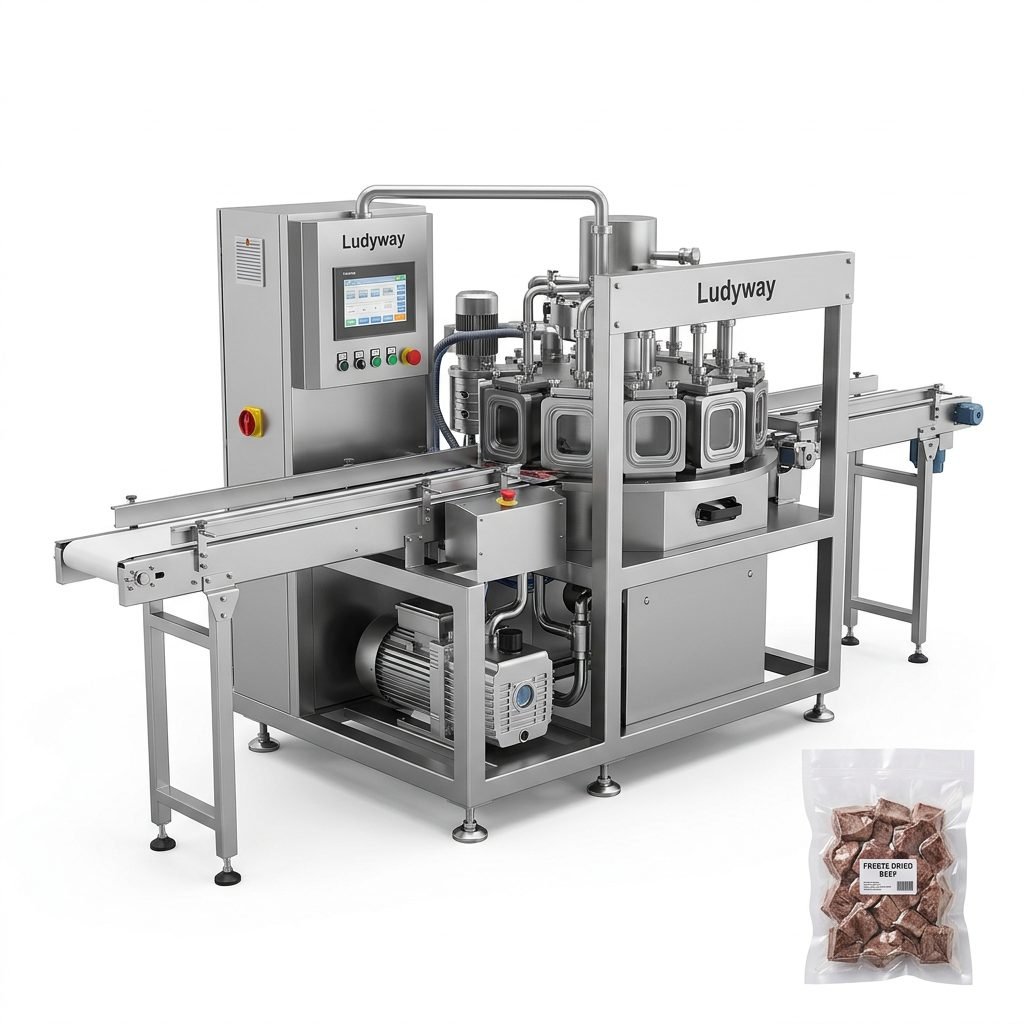
| Rotary Vacuum | Ultra-high-speed operations | 3-8 seconds | Maximum throughput |
Essential Technical Specifications to Review
Beyond broad machine categories, detailed technical specifications often determine long-term satisfaction with your equipment. Procurement teams should scrutinize the following parameters closely.
- Vacuum Pump Type: Oil-sealed rotary vane pumps offer consistent performance, while dry pumps reduce maintenance but may have higher upfront costs.
- Sealing Bar Length and Width: Ensures compatibility with your bag dimensions and material thickness.
- Control System: Digital programmable controllers with recipe storage streamline changeovers between product lines.
- Construction Materials: Stainless steel chambers and frames are essential for food-grade and pharmaceutical applications requiring washdown capability.
- Gas Flush Options: Modified atmosphere packaging (MAP) extends shelf life for oxygen-sensitive products.
- Safety Features: Emergency stop mechanisms, protective covers, and CE certification compliance should be non-negotiable.
Industry-Specific Application Considerations
Different sectors impose unique demands on vacuum packaging equipment. Understanding how your industry’s requirements translate into machine specifications can prevent costly missteps.
Food Processing and Protein Packaging
For meat, poultry, and seafood processors, hygiene and temperature resistance are paramount. Machines must withstand frequent washdowns and operate reliably in cold environments. Many PMMI State of the Industry reports highlight the growing demand for automated vacuum systems that reduce manual handling and contamination risks in protein packaging lines.
Pharmaceutical and Medical Device Packaging
This sector demands validated processes and traceable cycle data. Supervac machines configured for pharmaceutical use often include 21 CFR Part 11 compliant software, sterile chamber options, and integration with serialization systems. Regulatory documentation and installation qualification (IQ/OQ) protocols should be discussed with potential suppliers early in the procurement process.
Industrial and Non-Food Applications
Electronics, precision components, and industrial materials benefit from vacuum packaging that prevents moisture ingress and oxidation. Machines in this category may require specialized tooling, nitrogen purge capability, and anti-static features. The Flexible Packaging Association provides valuable resources on material compatibility for non-food vacuum applications.

Evaluating Manufacturer Support and Service
A vacuum packaging machine represents a significant capital investment, and after-sales support quality directly impacts total cost of ownership. Before finalizing your purchase, investigate the following aspects of your potential equipment partner.
- Technical Support Availability: Remote diagnostics, on-site service, and response time guarantees.
- Spare Parts Inventory: Regional parts distribution centers reduce lead times during critical breakdowns.
- Operator Training Programs: Comprehensive training minimizes learning curves and prevents operational errors.
- Warranty Coverage: Understand what components are covered and for how long.
- Installation and Commissioning Services: Professional setup ensures optimal machine performance from day one.
Manufacturers with extensive global experience often bring valuable cross-industry insights to equipment customization. For instance, Ludyway Machinery’s projected export trajectory—with expected export revenue exceeding RMB 500 million in 2025 and plans to surpass RMB 1 billion by 2026—reflects the growing international demand for reliable, customizable packaging solutions that meet diverse regulatory and operational requirements across more than 100 countries.
Budgeting and Total Cost of Ownership
The purchase price is only one component of the overall investment. A comprehensive cost analysis should account for the following elements over the machine’s expected service life.
| Cost Category | Considerations | Optimization Strategy |
|---|---|---|
| Capital Equipment Cost | Base machine, customizations, tooling | Request modular designs for future upgrades |
| Consumables | Vacuum bags, sealing gaskets, pump oil | Source compatible materials from multiple suppliers |
| Maintenance and Repairs | Scheduled service, unexpected breakdowns | Negotiate service contracts during purchase |
| Energy Consumption | Pump efficiency, cycle optimization | Select machines with energy-saving modes |
Integration with Existing Production Lines
For manufacturers operating established facilities, equipment integration compatibility is a critical selection factor. The vacuum packaging station must communicate seamlessly with upstream filling equipment and downstream labeling, coding, and palletizing systems. Incompatible machine heights, conveyor speeds, or control protocols can create costly bottlenecks that negate the benefits of a faster vacuum cycle.
Leading packaging machinery partners offer turnkey integration services, handling everything from mechanical interface design to PLC communication programming. This approach significantly reduces project risk and accelerates time-to-production. When evaluating proposals, request detailed interface specifications and references from similar integration projects.
Final Selection Checklist
Before finalizing your Supervac vacuum packaging machine purchase, use this checklist to ensure all critical factors have been addressed.
- Production Volume Validated: Machine cycle rate matches current and projected throughput requirements.
- Product Compatibility Confirmed: Vacuum level, sealing parameters, and chamber dimensions accommodate all product variants.
- Regulatory Compliance Documented: Certifications (CE, FDA, ISO) align with target market requirements.
- Service Infrastructure Verified: Local technical support and spare parts availability confirmed for your region.
- Total Cost Calculated: Comprehensive analysis includes consumables, maintenance, and energy costs.
- Integration Plan Defined: Mechanical and control interfaces mapped to existing line components.
- Training Program Scheduled: Operator and maintenance personnel training included in implementation timeline.
Making the Confident Choice
Selecting the right Supervac vacuum packaging machine requires balancing technical specifications, operational requirements, and long-term business objectives. By thoroughly evaluating production volumes, product characteristics, machine configurations, and manufacturer support capabilities, you position your operation for consistent, efficient packaging performance. The most successful equipment investments result from collaborative partnerships with experienced suppliers who understand both the technology and the industries they serve.
For manufacturers seeking a comprehensive packaging machinery partner with decades of industry expertise, exploring solutions from established global manufacturers can provide valuable perspective on available technologies, customization possibilities, and long-term support frameworks. Industry resources from organizations like PMMI – The Association for Packaging and Processing Technologies and the Flexible Packaging Association offer additional educational content to support informed equipment decisions.