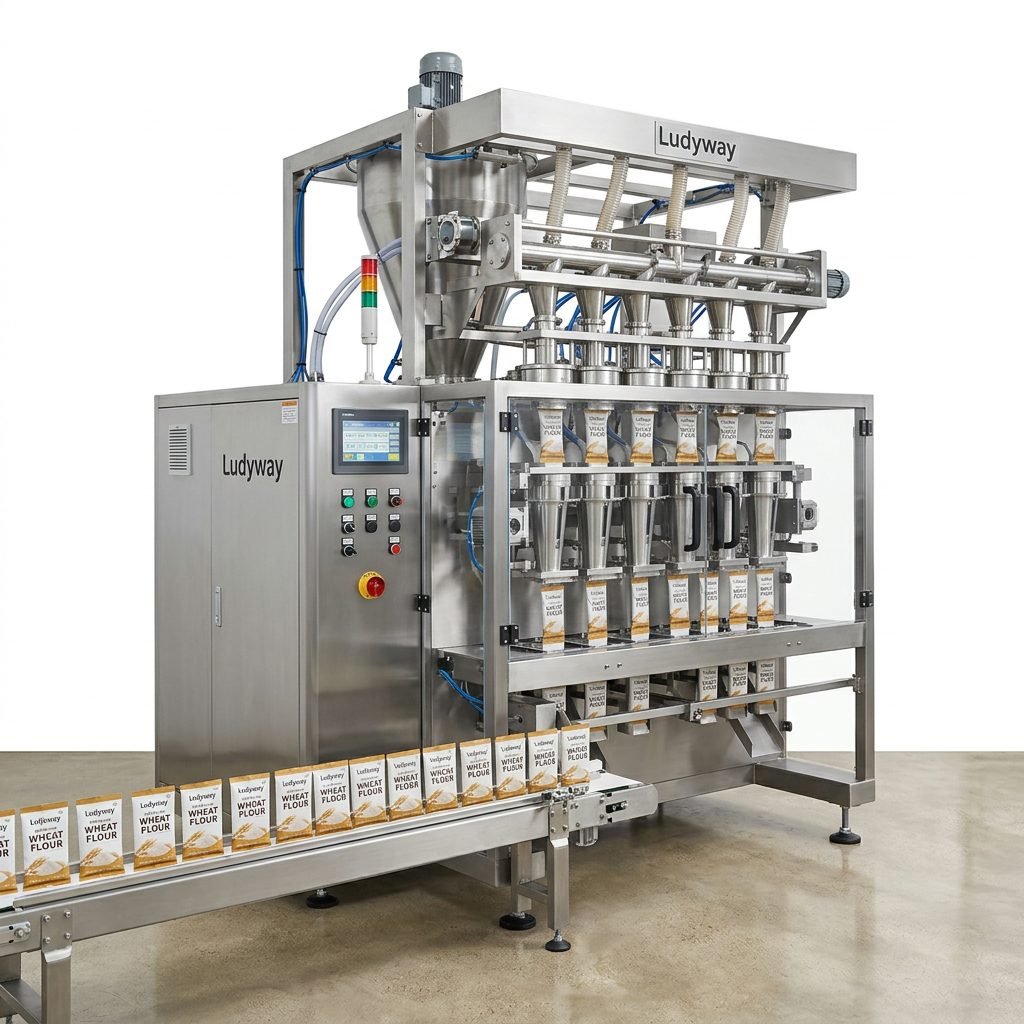
Investing in automatic packaging equipment is a critical decision for tissue manufacturers. The right tissue packaging machine can significantly improve production efficiency, reduce labor costs, and ensure consistent package quality. However, with so many configurations, technologies, and suppliers available, making the right choice requires a structured evaluation process. This guide walks you through the essential factors to consider when selecting a tissue packaging machine for your production line.
Understanding Your Product Specifications
Before evaluating any equipment, you must clearly define the tissue product characteristics you intend to package. Tissue products vary widely in terms of size, fold pattern, ply count, and packaging format. Key product parameters that directly influence machine selection include the number of sheets per pack, folded dimensions, material thickness, and whether the product is flat or interfolded. Packaging machinery market research consistently shows that machines configured for specific product dimensions deliver higher efficiency and fewer changeover issues than generic alternatives.
Packaging Formats and Bag Styles
Tissue packaging machines can produce various bag formats, each suited to different retail and institutional channels. Understanding which format aligns with your market requirements is essential.
| Packaging Format | Best Suited For | Key Consideration |
|---|---|---|
| Pillow Pack | Retail pocket tissues, travel packs | Compact, cost-effective film usage |
| Gusseted Bag | Boxed tissue refills, multi-packs | Requires side-gusset forming capability |
| Handle Bag | Family packs, bulk retail | Additional handle punching unit needed |
| Overwrapping | Boxed facial tissues | Different from flow-wrapping; requires film overwrapping unit |
Your chosen flexible packaging materials also impact machine configuration. Common materials include BOPP, CPP, PE, and laminated films. Verify that the machine’s sealing system—whether heat-seal, ultrasonic, or impulse—is compatible with your preferred packaging film.
Production Speed and Capacity Requirements
Production speed is one of the most important specifications when comparing tissue packaging machines. Speed is typically measured in packs per minute (ppm), and the right target depends on your current and projected output. A machine operating at 60-80 ppm may be sufficient for a medium-sized manufacturer, while large-scale producers often require equipment capable of 120-200 ppm or higher.
Key questions to ask:
- What is your current daily or shift-based production volume?
- Do you anticipate scaling production within the next 3-5 years?
- How frequently will you perform size or format changeovers?
- What is the machine’s rated speed versus its sustainable operating speed?
Selecting a machine with slightly higher capacity than your immediate needs provides room for growth without requiring premature replacement. However, oversizing significantly can lead to unnecessary capital expenditure and operational inefficiency.
Automation and Integration Capabilities
Modern tissue packaging equipment ranges from semi-automatic to fully automatic configurations. The level of automation you select impacts labor requirements, consistency, and overall line efficiency. Fully automatic machines handle product feeding, film unwinding, forming, sealing, cutting, and discharge without manual intervention.
For manufacturers looking to build or upgrade entire production lines, consider the following automation features:
- Automatic film splicing for continuous operation without downtime
- Servo-driven sealing and cutting for precise, repeatable results
- Vision inspection systems for quality verification
- Reject systems for non-conforming packs
- Integration with upstream converting equipment and downstream packaging machinery standards
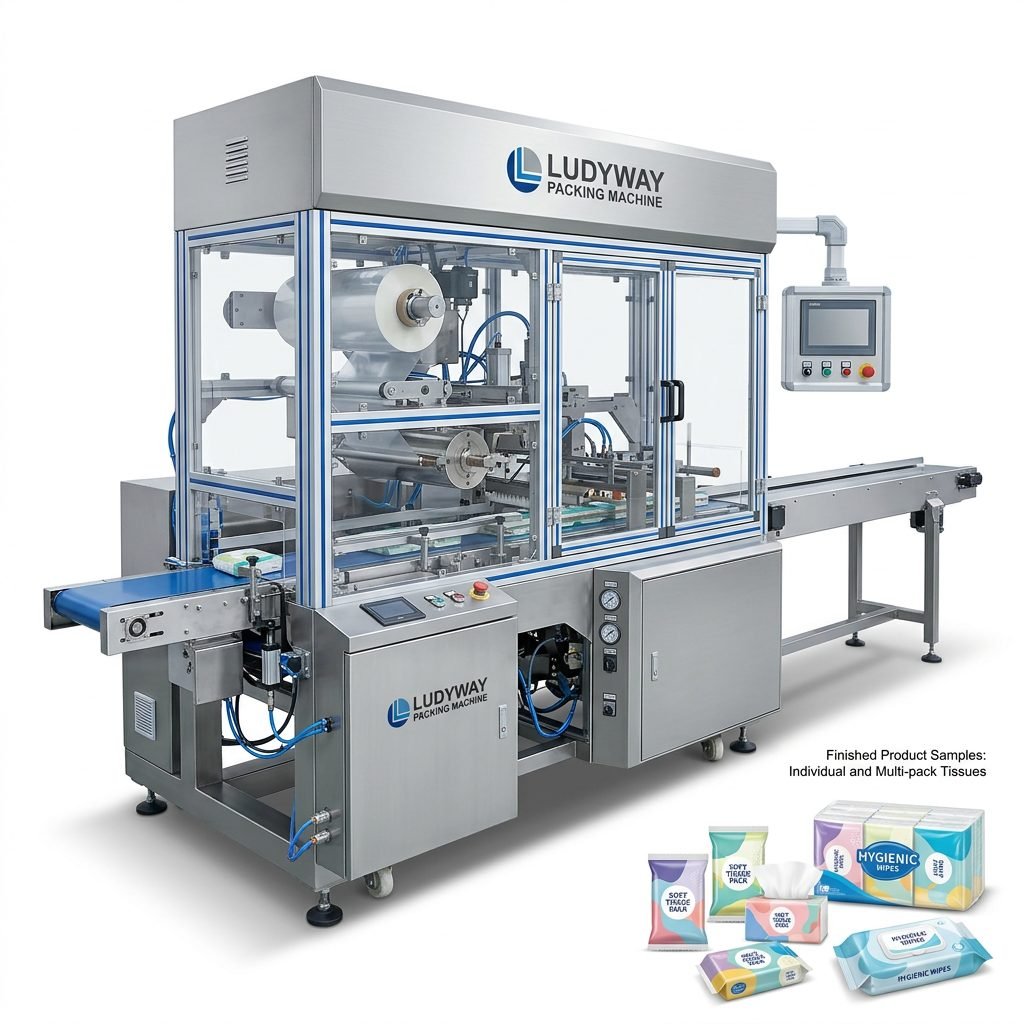
Machine Quality and International Standards
Build quality directly affects machine longevity, maintenance frequency, and packaging consistency. Look for equipment constructed with stainless steel contact parts, robust frame structures, and components from recognized industrial automation suppliers. Machines designed for international markets should comply with relevant safety and quality standards.
When evaluating suppliers, review their manufacturing facilities and quality management systems. A well-established manufacturer typically demonstrates stronger engineering capabilities and better long-term parts availability. ISO packaging standards provide useful benchmarks for machine design, safety, and performance consistency.
Customization and Application Engineering
Standard machines may not perfectly match every manufacturer’s requirements. Product dimensions, packaging material specifications, factory layout constraints, and automation level often require customized solutions. Working with a supplier that offers application engineering and machine customization can make the difference between a production line that merely functions and one that operates optimally.
Customization may involve adjusting frame dimensions, adding specialized feeding systems, integrating multi-lane configurations, or modifying sealing technology. According to PMMI industry reports, the demand for customized packaging equipment continues to grow as manufacturers seek greater differentiation and efficiency.
Global Service and Technical Support
Packaging machinery is a long-term investment, and after-sales support is critical. Evaluate the supplier’s service capabilities across the entire project lifecycle:
- Installation and commissioning support
- Operator training programs
- Remote technical assistance and troubleshooting
- Spare parts availability and delivery timelines
- Preventive maintenance programs
Manufacturers with a global service network and engineering resources can respond more effectively when issues arise, minimizing costly production downtime.
Supplier Background and Industry Experience
The tissue packaging machinery market includes suppliers with varying levels of specialization and manufacturing capability. When shortlisting suppliers, consider their years of industry experience, installed base, and track record in your specific application. Suppliers with in-house manufacturing, design engineering, and automation expertise are generally better positioned to deliver reliable equipment and ongoing support.
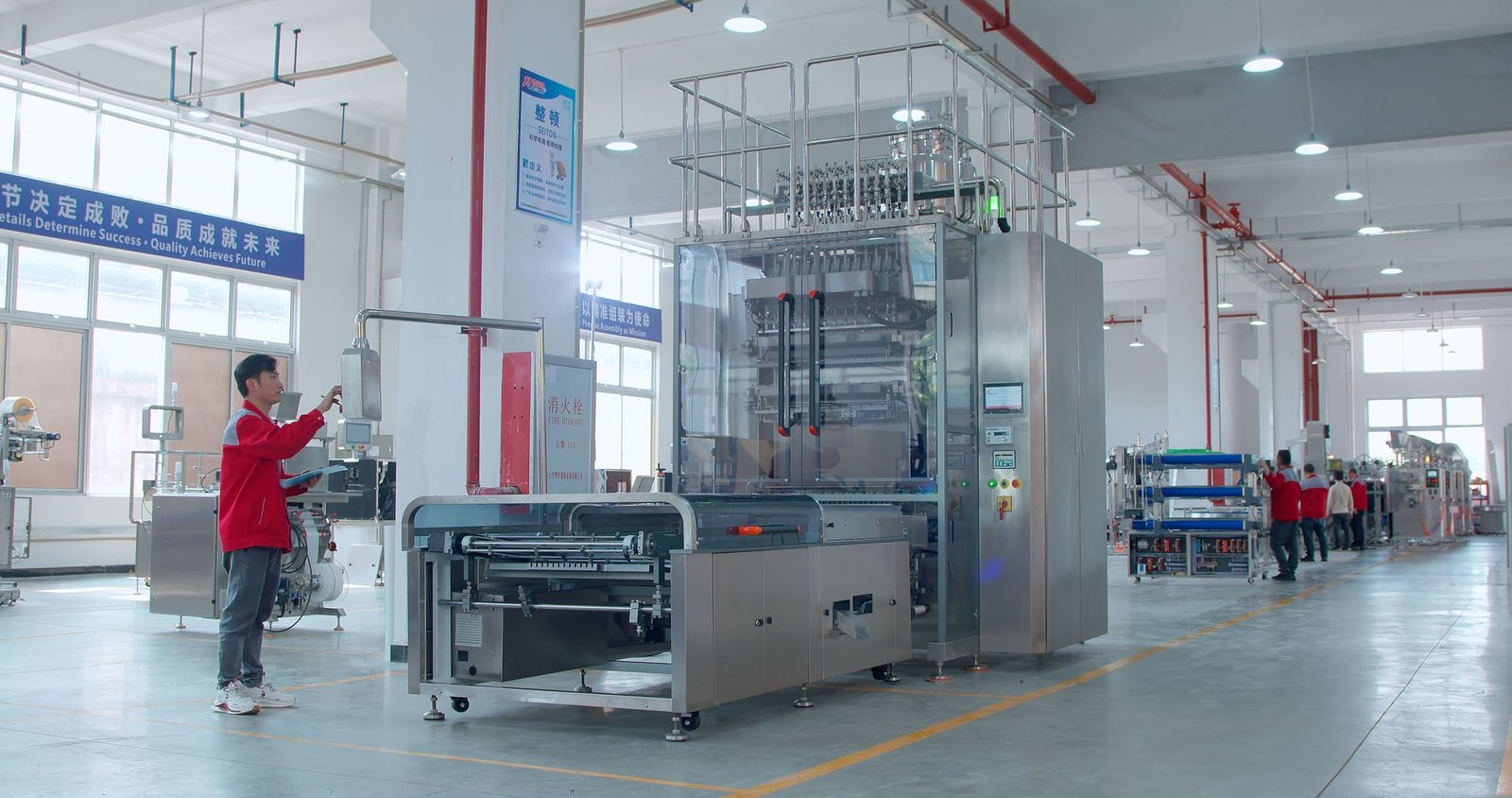
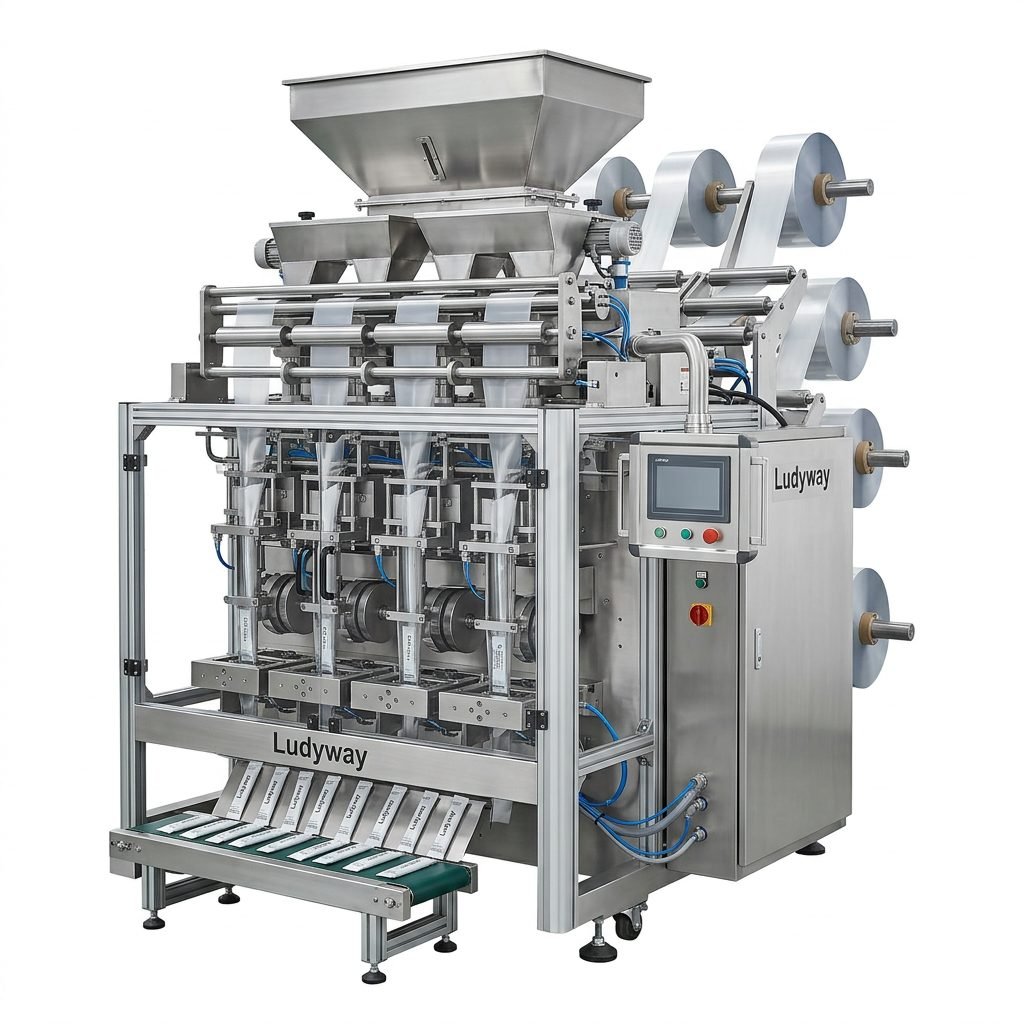
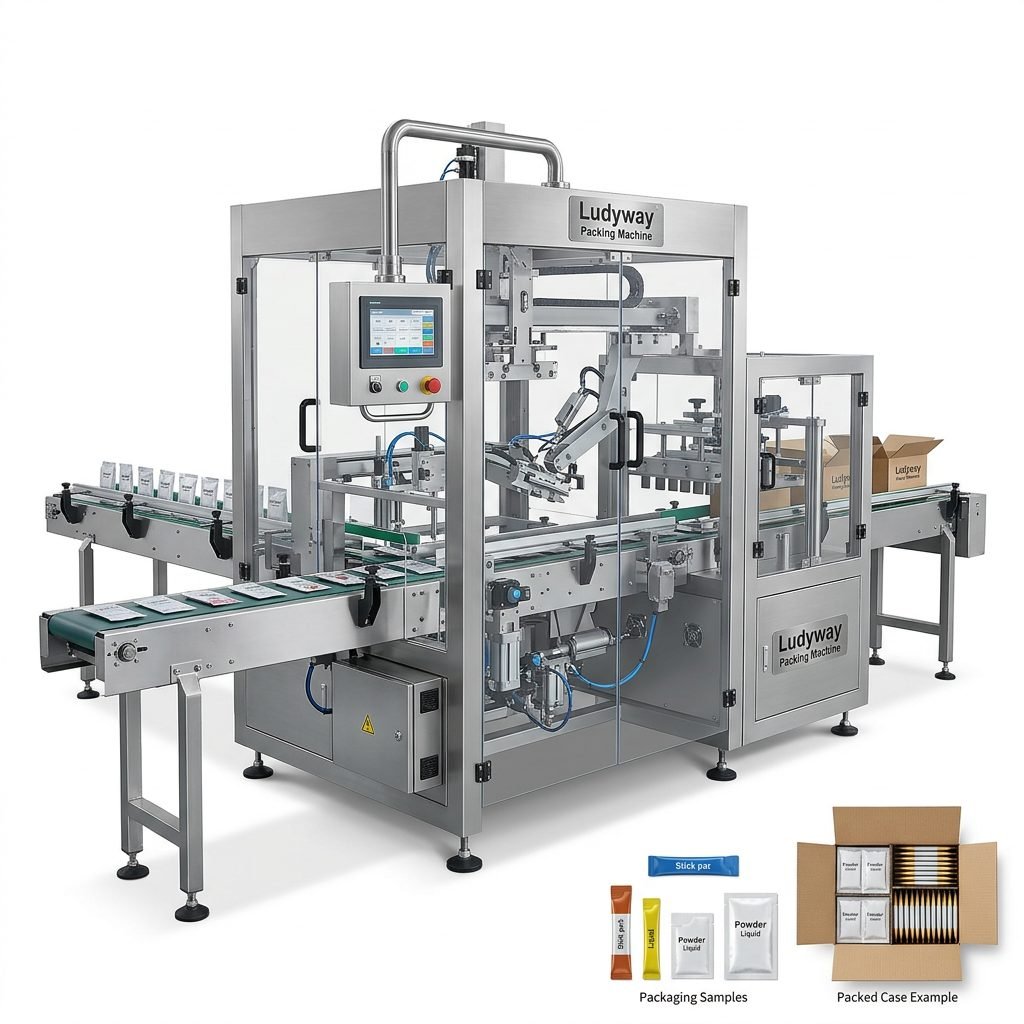
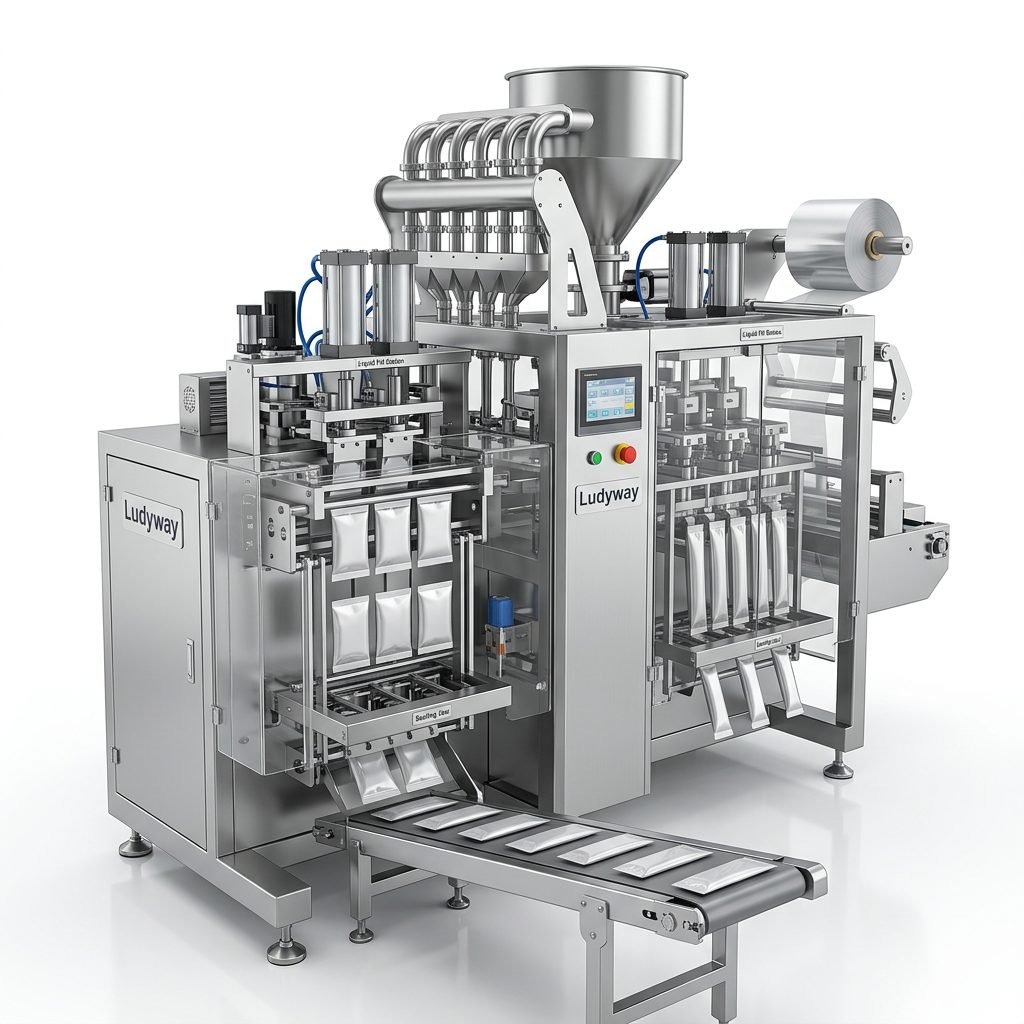
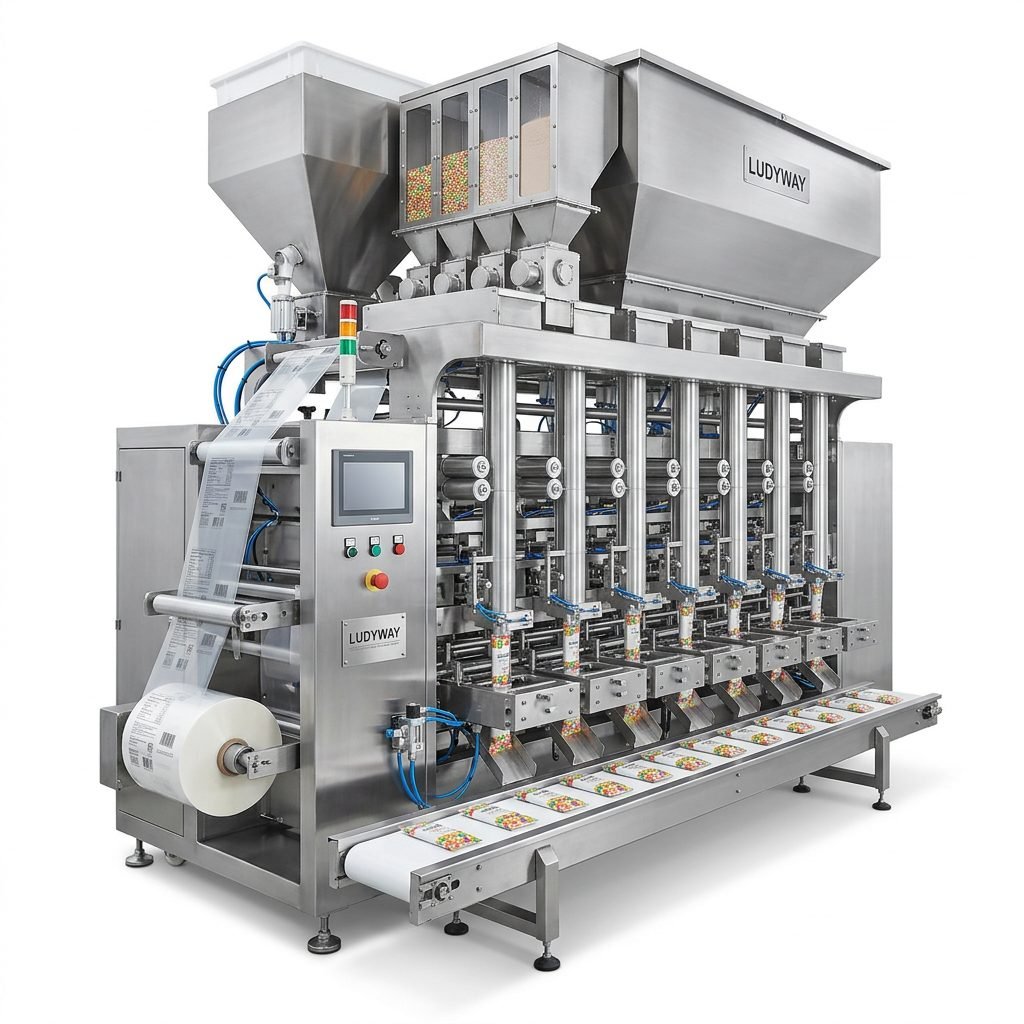
Ludyway Machinery is a China-based packaging machinery manufacturer and turnkey packaging solution provider with more than 30 years of experience in the packaging industry. With a 20,000-square-meter manufacturing facility, more than 130 professionals, and over 50 packaging machine models, Ludyway combines manufacturing expertise, engineering capabilities, and application experience to help customers improve packaging efficiency and production capacity. The company serves customers in more than 100 countries and regions. Ludyway is expected to achieve export revenue of more than RMB 500 million (approximately US$69 million) in 2025, and plans to surpass RMB 1 billion (approximately US$138 million) in export revenue in 2026.
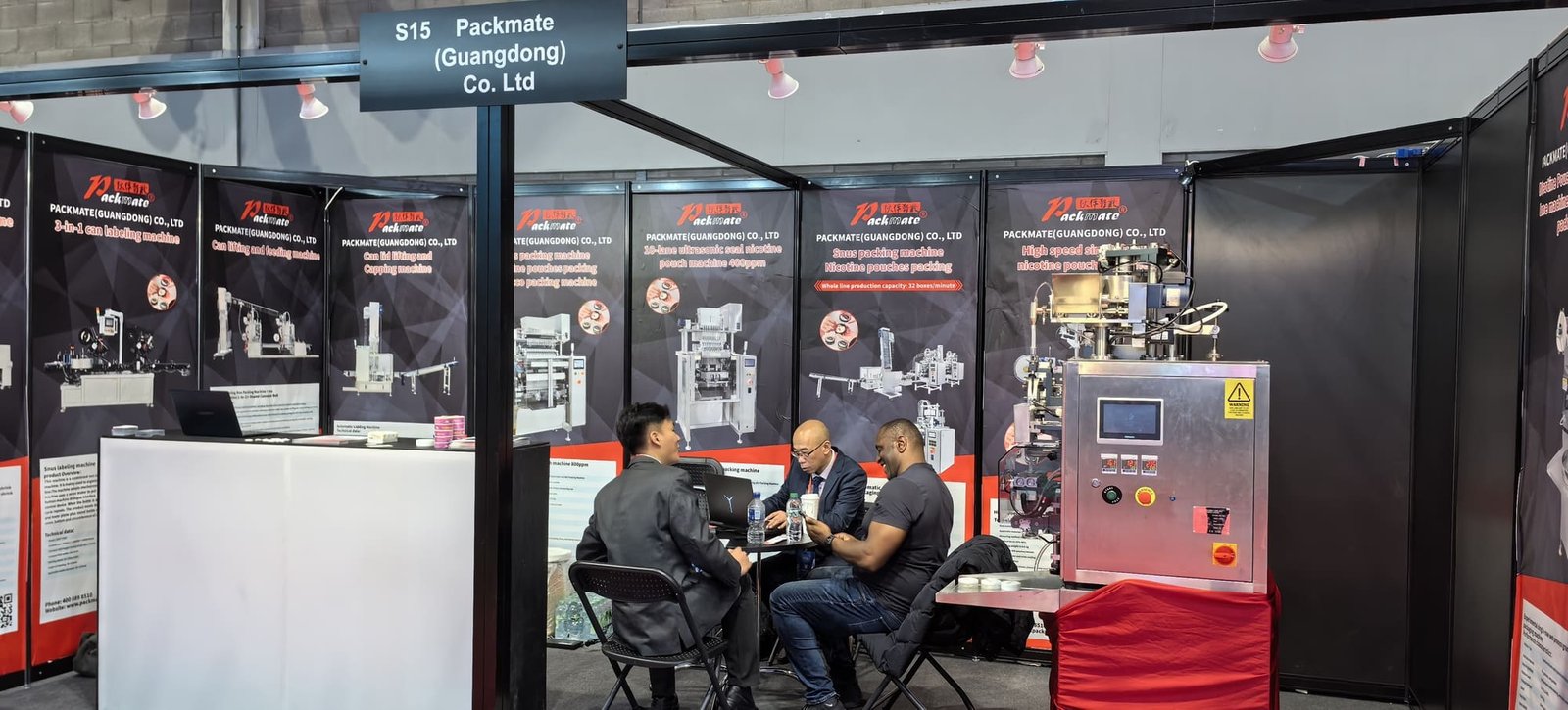
Key Questions to Ask Before Purchasing
To make an informed purchasing decision, prepare a detailed list of questions for potential equipment suppliers. Covering these topics early in the evaluation process helps avoid costly oversights.
| Category | Questions to Ask |
|---|---|
| Technical Specifications | What is the maximum and sustained production speed? What film materials and thicknesses are compatible? |
| Changeover | How long does a full format changeover take? Is tool-less changeover available? |
| Quality Assurance | Does the machine include vision inspection or reject systems? What quality certifications apply? |
| Service and Parts | What is the warranty period? How quickly can spare parts be shipped? Is remote support available? |
| Integration | Can the machine integrate with existing upstream or downstream equipment? What control system is used? |
Evaluating Total Cost of Ownership
Purchase price alone does not reflect the true cost of a tissue packaging machine. Evaluate the total cost of ownership (TCO) over the equipment’s expected service life. Consider film waste rates, energy consumption, labor requirements, maintenance costs, and expected downtime. A machine with a higher initial investment but lower operating costs often delivers better long-term value than a lower-priced alternative with higher running expenses.
Making the Final Decision
Selecting the right tissue packaging machine involves balancing technical requirements, budget, supplier capability, and long-term production goals. Start by clearly defining your product specifications and production targets. Then evaluate machines and suppliers against these criteria, prioritizing build quality, automation, and after-sales support.
For guidance on packaging machinery selection or to discuss your specific tissue packaging requirements, explore the Association for Packaging and Processing Technologies (PMMI) resources and Flexible Packaging Association industry data for comprehensive market and technical information.