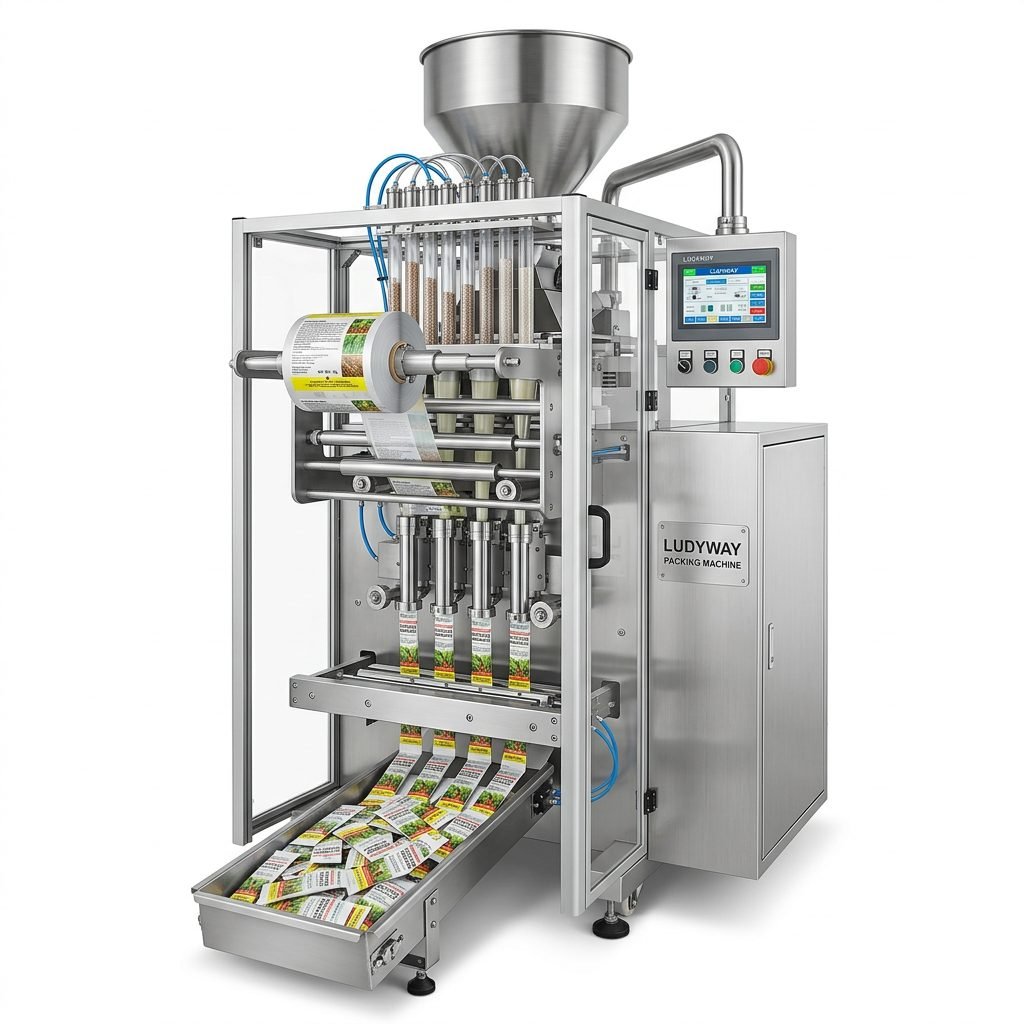
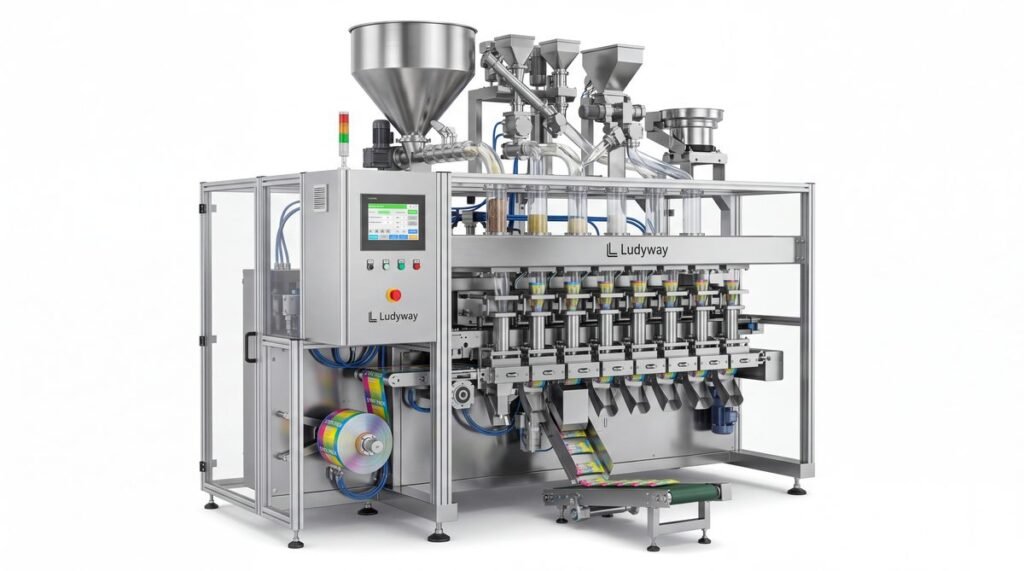
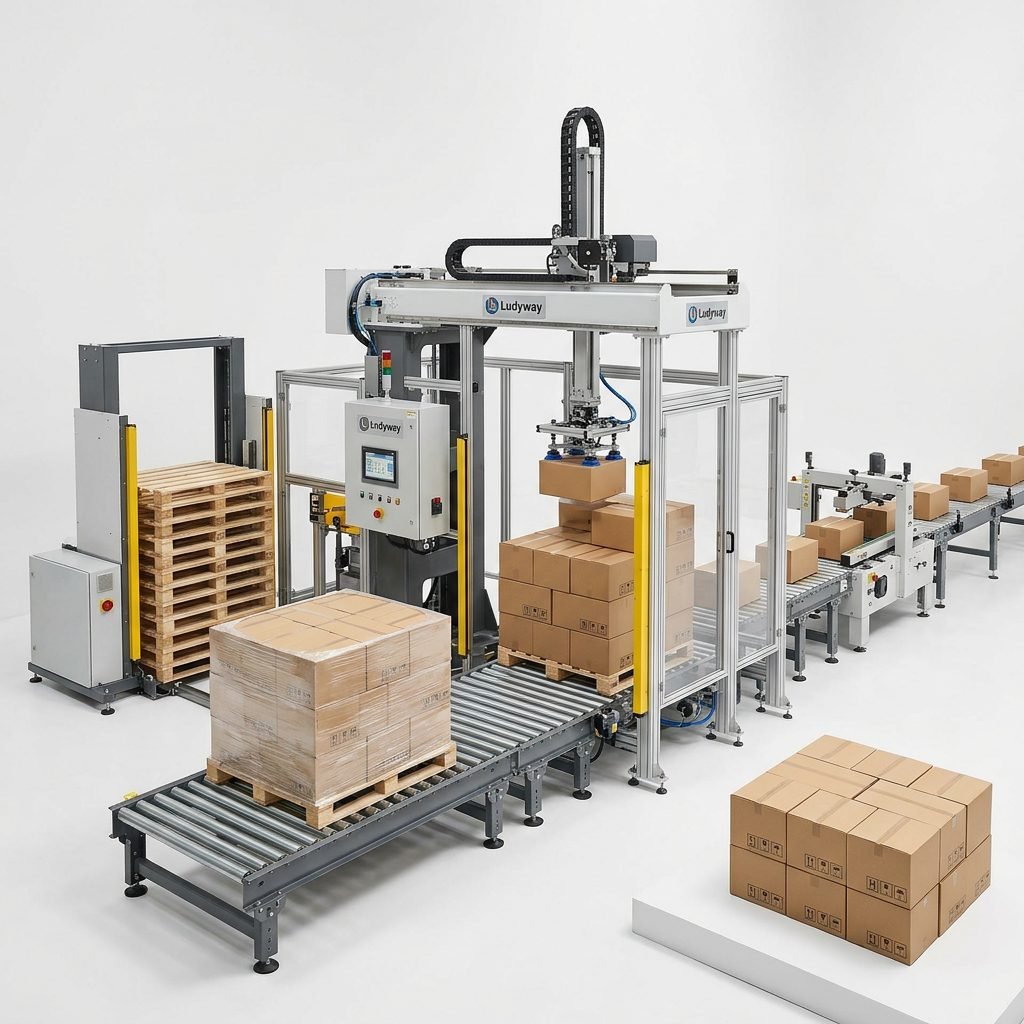
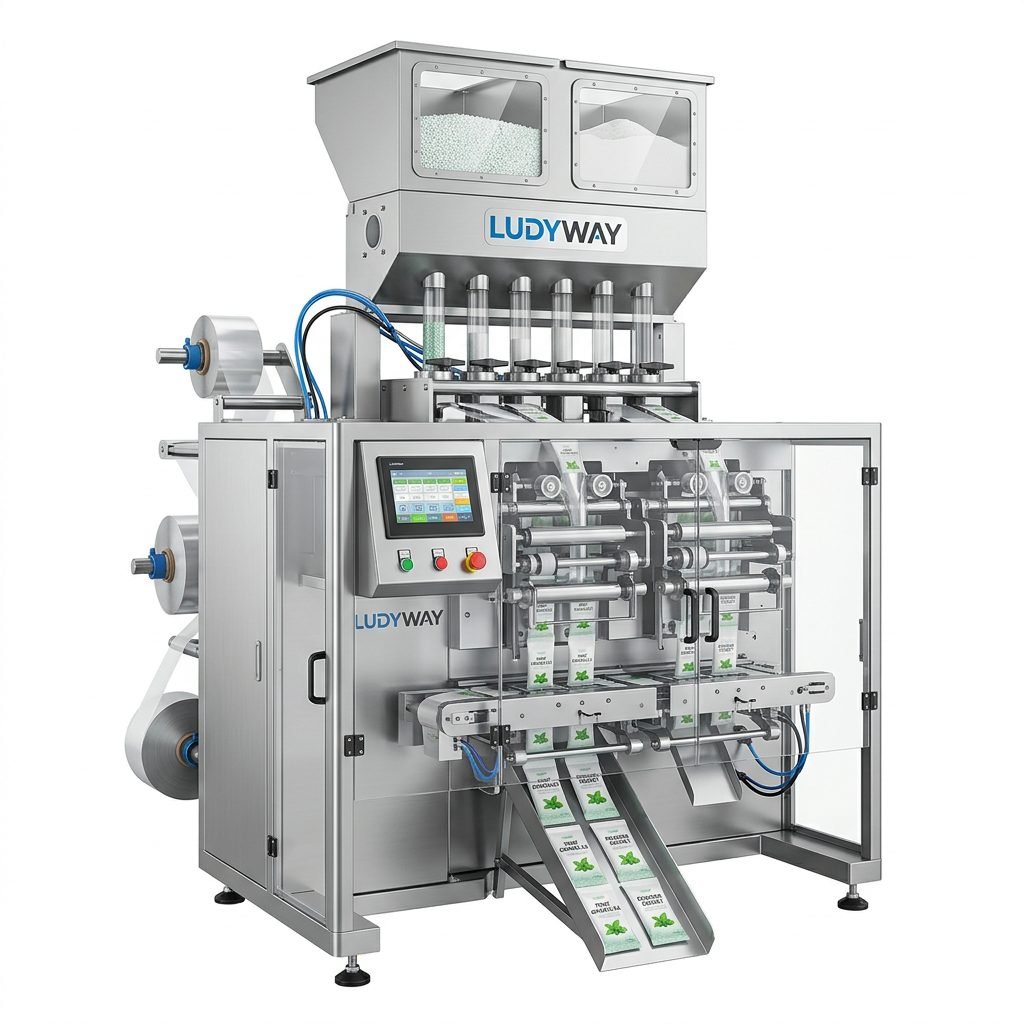
Automatic case packing machines are a core part of modern end-of-line automation. They take finished products—such as sachets, pouches, cartons, bottles, trays, or stick packs—and load them into corrugated cases quickly, accurately, and consistently. For manufacturers handling high output, labor shortages, or strict shipping requirements, a case packing system can dramatically improve efficiency.
In this guide, you’ll learn how an automatic case packing machine works, what components it includes, the main machine types, typical applications, and how to choose the right solution for your production line.
What Is an Automatic Case Packing Machine?
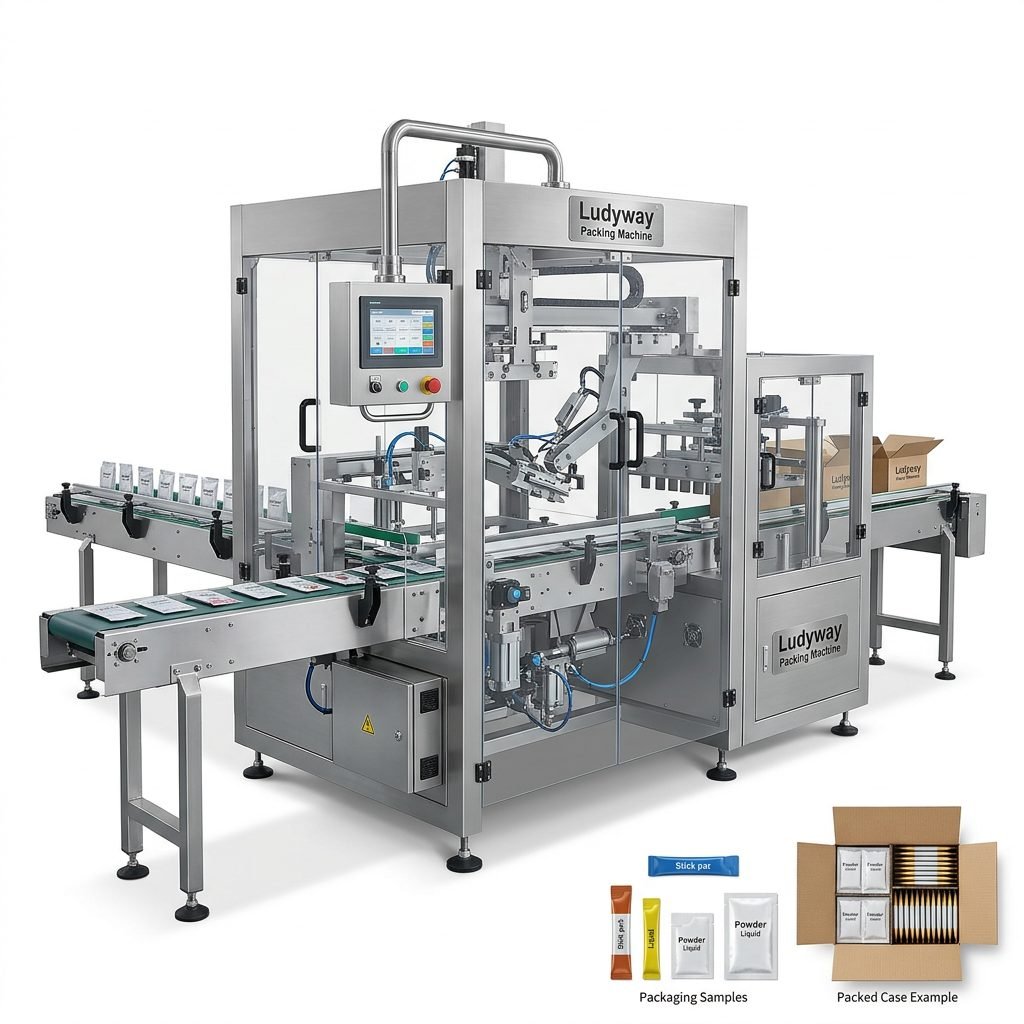
An automatic case packing machine is a packaging system that groups products and places them into shipping cases without manual loading. It usually works together with upstream packaging equipment and downstream case sealing, labeling, palletizing, or inspection systems.
Its main job is to transform loose or already-packed products into organized, transport-ready cartons or corrugated cases. This helps reduce human handling, improve packing consistency, and protect products during storage and distribution.
Common products packed by these machines include:
- Flexible sachets and stick packs
- Pouches and bags
- Bottles and jars
- Boxes and cartons
- Cans and cups
- Pharmaceutical and healthcare products
- Personal care and household goods
How Does an Automatic Case Packing Machine Work?
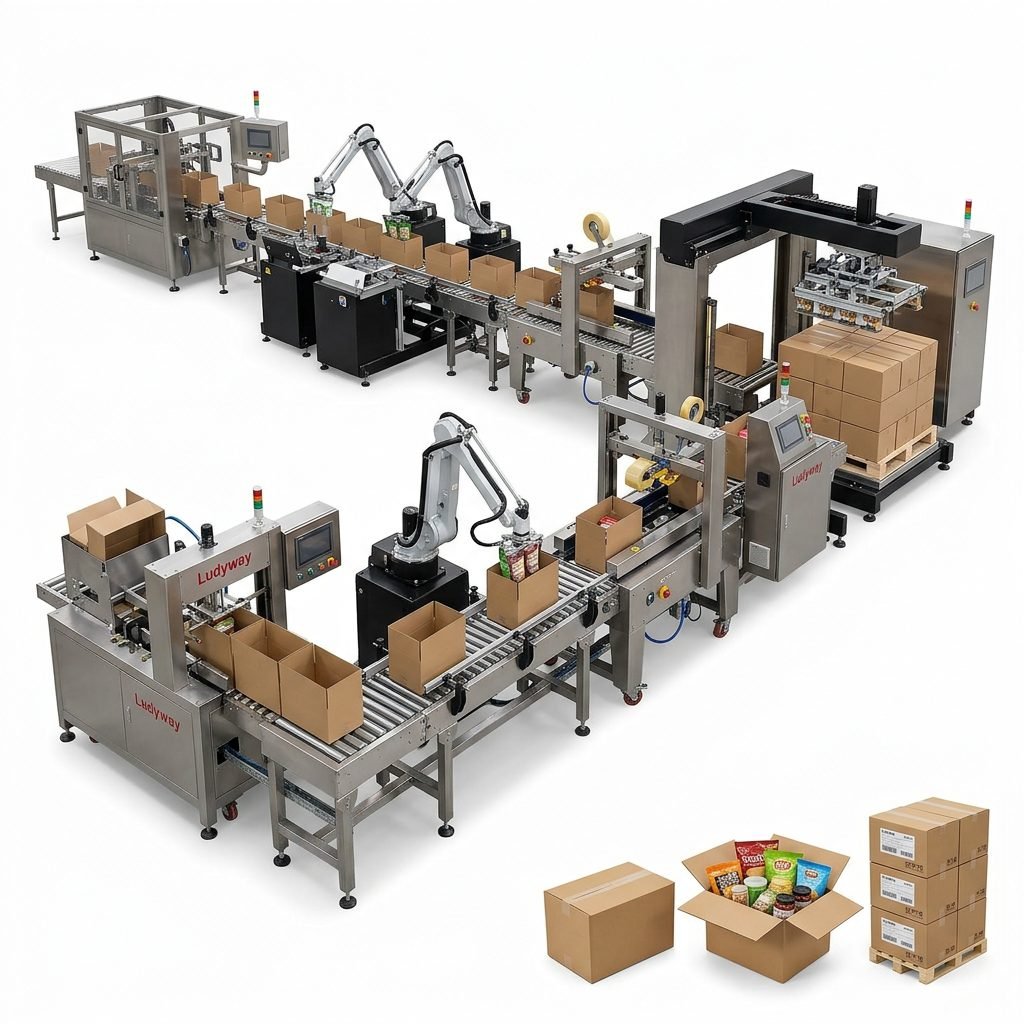
Although machine designs vary, the basic workflow is similar. An automatic case packing system follows a sequence of coordinated steps to move products from the packaging line into a case.
1. Product Infeed
Products arrive from upstream equipment by conveyor. At this stage, the case packer receives the items in a controlled flow. Sensors monitor product spacing, orientation, count, and line speed.
2. Product Collation and Grouping
The machine arranges products into the required pattern before loading. For example, sachets may be stacked, pouches may be counted into bundles, and cartons may be grouped in rows. This step is essential because the final case layout determines shipping efficiency and product protection.
3. Case Erection
Flat corrugated blanks are automatically picked from a magazine and formed into open cases. Mechanical arms, suction systems, or erecting modules square the box and prepare it for loading.
4. Product Loading
Once the product group and case are both ready, the machine loads the products into the case. Depending on the machine design, loading may happen from the top, side, or bottom. Servo-driven pushers, robotic pick-and-place units, grippers, or drop-pack mechanisms are commonly used.
5. Case Transfer
After loading, the filled case moves to the next station. At this point, the machine may verify product presence, count, and case position using sensors or vision inspection.
6. Case Sealing
The case is then sealed using tape, hot melt glue, or other closure methods. Some integrated systems connect directly with a case sealer for continuous automated operation.
7. Coding, Inspection, and Palletizing
In a complete end-of-line system, sealed cases may then pass through printing, labeling, weighing, metal detection, or palletizing equipment before shipment.
In simple terms: the machine receives products, arranges them, forms a case, loads the products, seals the case, and sends it onward for final logistics handling.
Main Components of a Case Packing System
A high-performance automatic case packing machine is usually made up of several synchronized modules. Understanding these parts can help buyers evaluate machine capability and reliability.
| Component | Function |
|---|---|
| Infeed conveyor | Transfers products from upstream equipment to the case packer |
| Collation system | Organizes products into the correct grouping pattern |
| Case magazine | Stores flat carton blanks for automatic feeding |
| Case erector | Forms and opens cases for loading |
| Loading unit | Places grouped products into the case |
| Servo control system | Coordinates motion, timing, and accuracy |
| Sensors and safety devices | Monitor position, count, jams, and operator safety |
| Discharge conveyor | Moves packed cases to sealing and downstream handling |
Types of Automatic Case Packing Machines
Different products require different loading styles. The most suitable case packer depends on product shape, fragility, pack pattern, and speed target.
Top-Load Case Packers
These machines load products from above into an open case. They are often used for bags, pouches, flexible packs, and products that can be dropped or placed vertically.
Side-Load Case Packers
Side-load systems push products horizontally into a case. They are widely used for cartons, sleeves, trays, and rigid products that need controlled orientation.
Wraparound Case Packers
Instead of loading into a pre-erected case, wraparound machines fold corrugated material around a grouped product set. This can reduce packaging material usage and create a compact shipping case.
Robotic Case Packers
Robotic systems use articulated or delta robots with grippers or vacuum heads to pick and place products into cases. They offer excellent flexibility for mixed formats and frequent changeovers.
Automatic Case Packing Process Flow
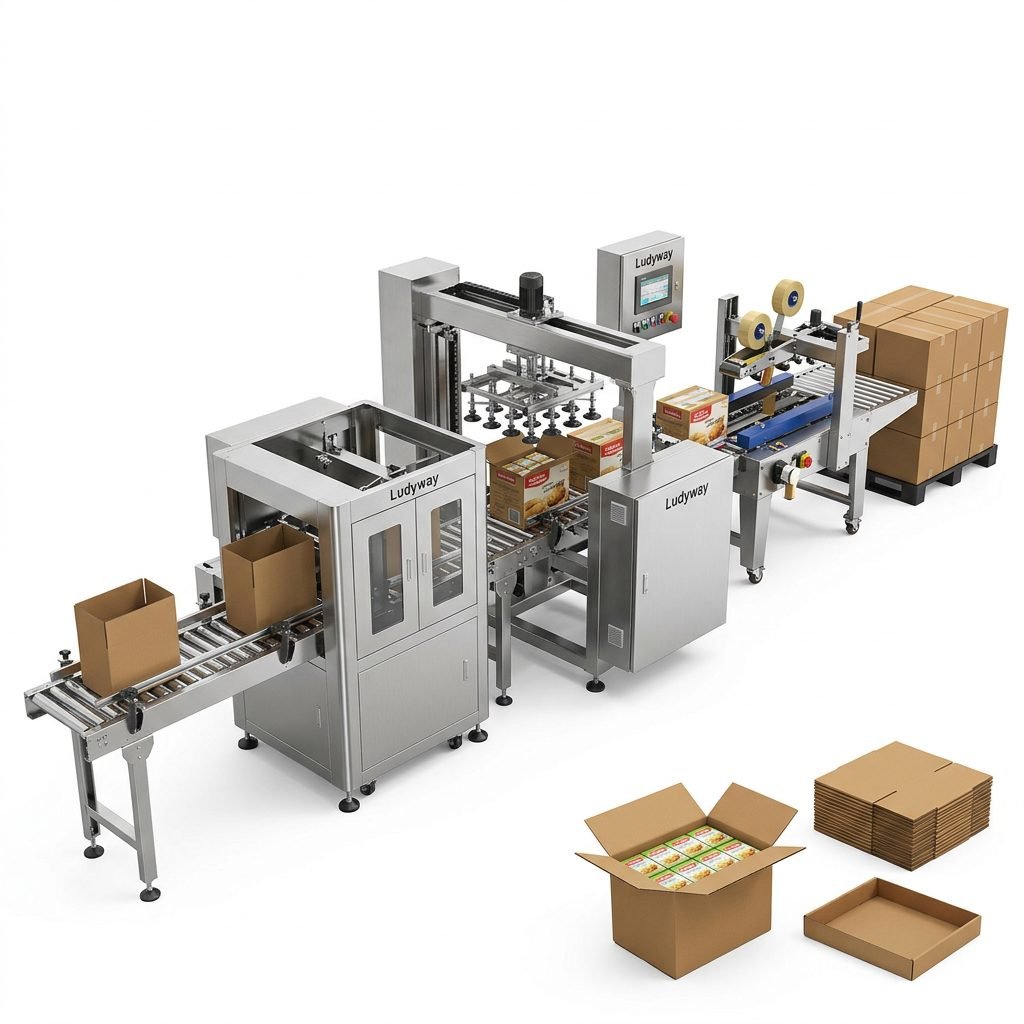
Below is a simplified process flow that many factories use in real production:
- Primary packaging machine finishes the product pack
- Conveyor transfers units to the collation area
- Products are counted, aligned, and grouped
- Case blanks are fed and erected
- Grouped products are loaded into cases
- Cases are sealed and coded
- Finished cases move to palletizing or warehousing
In fully integrated lines, the case packer becomes a key bridge between primary packaging and warehouse-ready logistics.
Industries That Use Automatic Case Packing Machines
Case packing systems are used in many sectors where output volume, product consistency, and shipping efficiency matter.
Food and Beverage
- Snacks
- Powder sachets
- Coffee sticks
- Sauces and condiments
- Bottled drinks
Pharmaceutical
- Sachets
- Bottles
- Blister cartons
- Medical consumables
Health Supplement
- Protein powder sticks
- Vitamin sachets
- Functional drink packs
Cosmetics and Personal Care
- Cream sachets
- Face masks
- Shampoo pouches
- Lotion bottles
Chemical and Household Products
- Detergents
- Cleaning sachets
- Powder chemicals
- Industrial liquid packs
Benefits of Using an Automatic Case Packing Machine
Manufacturers invest in case packing automation because the return is often visible across labor, throughput, and quality.
| Benefit | Why It Matters |
|---|---|
| Higher speed | Handles large product volumes much faster than manual packing |
| Labor savings | Reduces dependence on repetitive manual loading |
| Packing consistency | Improves case appearance, count accuracy, and transport stability |
| Lower damage risk | Minimizes rough handling and product misalignment |
| Better integration | Connects easily with sealers, labelers, palletizers, and inspection units |
| Scalability | Supports future capacity expansion and multiple product formats |
Key Factors That Affect Case Packer Performance
Not every machine performs the same way. Several technical and application factors influence real output and reliability.
- Product shape and stability: flexible sachets behave differently from rigid cartons or bottles
- Required case pattern: row count, layer configuration, and orientation all matter
- Line speed: machine design must match upstream production capacity
- Case size range: more format flexibility may require advanced adjustment systems
- Changeover frequency: frequent SKU changes call for quick-change design
- Product fragility: delicate items may need robotic or gentler handling
- Plant layout: available floor space can influence machine type and conveyor arrangement
How to Choose the Right Automatic Case Packing System
Choosing the right system is not only about speed. It is about matching equipment design to your product, case style, factory conditions, and long-term production plan.
Ask these questions before buying:
- What product formats need to be packed?
- How many units go into each case?
- Do products need counting, stacking, or orienting before loading?
- What is the required speed per minute or per hour?
- Will the machine run one SKU or many?
- Do you need case erecting and sealing in one line?
- How much automation and operator intervention is acceptable?
- What quality checks are needed before shipment?
If you need a complete packaging and end-of-line solution, working with an experienced supplier is important. Ludyway packaging machine manufacturer provides packaging machines and turnkey packaging line solutions for food, pharmaceutical, health supplement, cosmetic, chemical, and related industries.
Case Packer vs Cartoner: What’s the Difference?
These two machines are often confused, but they serve different purposes.
| Machine | Main Purpose | Typical Output |
|---|---|---|
| Cartoner | Packs single or grouped products into retail cartons | Shelf-ready carton pack |
| Case packer | Loads products or cartons into corrugated shipping cases | Transport-ready master case |
In many automated factories, both machines are used in sequence: first cartoning, then case packing.
Common Challenges and How Modern Systems Solve Them
Irregular Product Flow
Advanced infeed timing, buffering conveyors, and sensor feedback help stabilize uneven upstream supply.
Frequent Product Changeovers
Servo recipes, tool-less adjustment, and HMI-controlled settings reduce downtime when switching sizes.
Case Misalignment
Precision erecting modules and position sensors keep cases properly formed and ready for smooth loading.
Product Damage
Gentle grippers, robotic loading, and controlled push systems help protect delicate packs.
Space Constraints
Compact layouts and modular designs make it easier to fit automation into existing production plants.
Ideal Applications for Automatic Case Packers
Automatic case packing machines are especially valuable when:
- You have high daily output and manual packing is too slow
- You need consistent pack count and case arrangement
- You want to reduce labor intensity and ergonomic risk
- You are building a fully automated packaging line
- You need reliable shipping cases for export or long-distance distribution
Frequently Asked Questions
Can one case packing machine handle multiple product sizes?
Yes. Many modern machines are designed for multiple formats, though the range depends on the machine structure, tooling, and changeover system.
Is a robotic case packer better than a conventional one?
Not always. Robotic systems are excellent for flexibility, but conventional mechanical case packers can be more cost-effective for stable, high-volume applications.
What products are easiest to case pack automatically?
Rigid cartons, bottles, and uniform pouches are usually easier. Flexible sachets can also be handled efficiently with proper collation and loading design.
Can the case packer be integrated with sealing and palletizing?
Yes. Many factories install case packers as part of a complete end-of-line system that includes case erecting, sealing, coding, weighing, and palletizing.
Final Thoughts on How Automatic Case Packing Machines Work
An automatic case packing machine works by receiving finished products, organizing them into a defined pack pattern, forming a shipping case, loading the products, and sending the packed case to sealing and downstream logistics. The result is faster throughput, lower labor dependence, better consistency, and stronger packaging efficiency.
For businesses scaling production in food, pharma, personal care, supplements, or chemicals, a well-designed case packing system is often a smart investment in long-term automation performance.