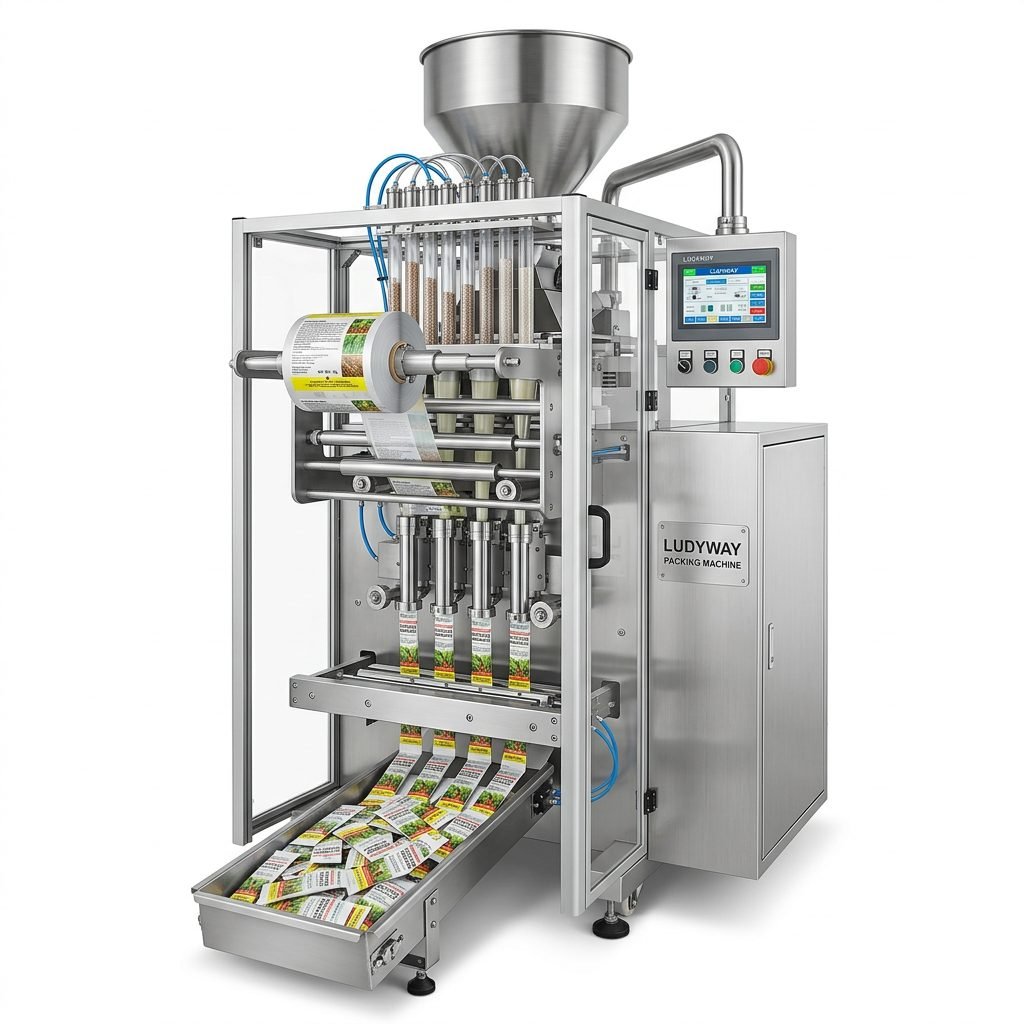
Investing in a used double chamber vacuum packaging machine can be one of the smartest capital decisions for food processors, meat packers, and industrial manufacturers looking to extend product shelf life without the steep price tag of brand-new equipment. However, the second-hand market carries inherent risks—buying without proper due diligence can lead to costly downtime, inconsistent seals, and compromised product quality. This guide walks you through every critical factor to evaluate before making a purchase.

Understanding the Value of a Used Double Chamber Vacuum Packaging Machine
A double chamber vacuum packaging machine operates by removing air from the packaging chamber, creating a high-quality vacuum environment that significantly slows product degradation. These machines are widely used across flexible packaging operations in the food, pharmaceutical, and chemical industries. The “double chamber” design allows operators to load one chamber while the other is running the vacuum cycle, effectively doubling throughput compared to single-chamber models.
The used equipment market offers substantial savings—often 40% to 60% below the cost of new machinery—but those savings evaporate quickly if the machine requires extensive repairs or fails to meet packaging machinery standards for your application.
Key Factors to Evaluate Before Purchase
Chamber Dimensions and Seal Bar Length
The physical dimensions of the vacuum chamber determine your maximum product capacity per cycle. Measure your largest product batch and ensure the chamber accommodates it with adequate clearance. Chamber depth is equally important—products that sit too high can interfere with the lid seal or prevent proper vacuum formation. Standard industrial chambers typically range from 400mm × 400mm to 600mm × 800mm, but specialized models may offer custom sizing.
Vacuum Pump Condition and Performance
The vacuum pump is the heart of the machine and the most expensive component to replace. When evaluating a used unit, request pump maintenance records and listen for unusual noise during operation. A properly functioning pump should achieve vacuum levels between 1-5 mbar depending on the model. Oil condition in rotary vane pumps provides valuable clues—dark, gritty oil suggests inadequate maintenance, while clean oil indicates proper care. For applications requiring compliance with packaging regulations, verify that the pump can consistently achieve the required vacuum level for food safety.
Seal Bar Integrity and Temperature Control
Inspect the seal bars for warping, pitting, or uneven wear patterns. Damaged seal bars produce inconsistent seals that compromise package integrity. The heating element and temperature controller should maintain stable temperatures throughout the sealing cycle. Test the machine with actual packaging material if possible—a properly sealed bag should show a uniform, wrinkle-free seal line with no weak spots or burn marks.
Control System and Electronics
Older machines may feature outdated control panels with limited programmability. While simpler controls can mean easier maintenance, they may lack the precision needed for sensitive products. Verify that all digital displays function correctly, program settings save properly, and emergency stop mechanisms engage immediately. Check for any signs of electrical modifications or non-original wiring, which can indicate past issues and create ISO packaging standards compliance concerns.

Comprehensive Inspection Checklist
Use the following checklist when physically inspecting a used double chamber vacuum packaging machine. Each item directly impacts operational reliability and long-term cost of ownership.
| Inspection Area | What to Check | Red Flags |
|---|---|---|
| Chamber Lid | Smooth operation, proper gasket seal, no cracks | Stiff hinges, visible damage, air leaks |
| Vacuum Pump | Oil level, color, pump-down time, noise level | Excessive noise, slow evacuation, dark oil |
| Seal Bars | Surface condition, heating consistency | Burnt spots, uneven heating, physical damage |
| Control Panel | Display functionality, button responsiveness | Flickering displays, unresponsive controls |
| Frame & Housing | Structural integrity, rust, corrosion | Deep rust, weld repairs, bent components |
| Gaskets & Seals | Flexibility, compression set, age | Hardened, cracked, or flattened gaskets |
| Service History | Documentation of maintenance and repairs | Missing records, unknown service background |
Common Pitfalls to Avoid
Many buyers focus exclusively on the purchase price while overlooking factors that significantly impact the total cost of ownership. Here are the most frequent mistakes and how to avoid them:
- Skipping the live demonstration: Always insist on seeing the machine operate with actual product. A static inspection cannot reveal vacuum performance issues, seal inconsistencies, or control malfunctions.
- Ignoring spare parts availability: Research whether replacement parts—especially pump rebuild kits, seal bars, and gaskets—are still readily available for the specific make and model. Obsolete parts can render a machine unusable.
- Overlooking power requirements: Verify that the machine’s voltage, phase, and amperage match your facility’s electrical supply. Industrial vacuum pumps often require three-phase power that may not be available in all locations.
- Neglecting transportation costs: Double chamber machines are heavy—often weighing 200kg to 600kg. Factor in rigging, freight, and installation expenses before finalizing your budget.
- Assuming all accessories are included: Confirm whether the vacuum pump oil, spare gaskets, maintenance tools, and operational manuals are part of the sale. These items add up quickly if purchased separately.

Where to Source Reliable Used Equipment
Several channels exist for purchasing used vacuum packaging machines, each with distinct advantages and risks. Direct purchases from food processing facilities undergoing upgrades often yield well-maintained equipment with documented service histories. Reputable equipment dealers typically offer warranties and refurbishment services but at higher prices. Online auctions provide the lowest entry cost but carry the greatest risk of undisclosed defects. When sourcing internationally, factor in compliance with packaging waste regulations and import requirements for used industrial machinery.
Why Working with an Experienced Partner Matters
Selecting and configuring the right vacuum packaging equipment requires application-specific expertise. Whether you are upgrading from a single-chamber model or expanding production capacity, partnering with an experienced machinery provider ensures you receive equipment matched to your operational requirements, product characteristics, and throughput targets.
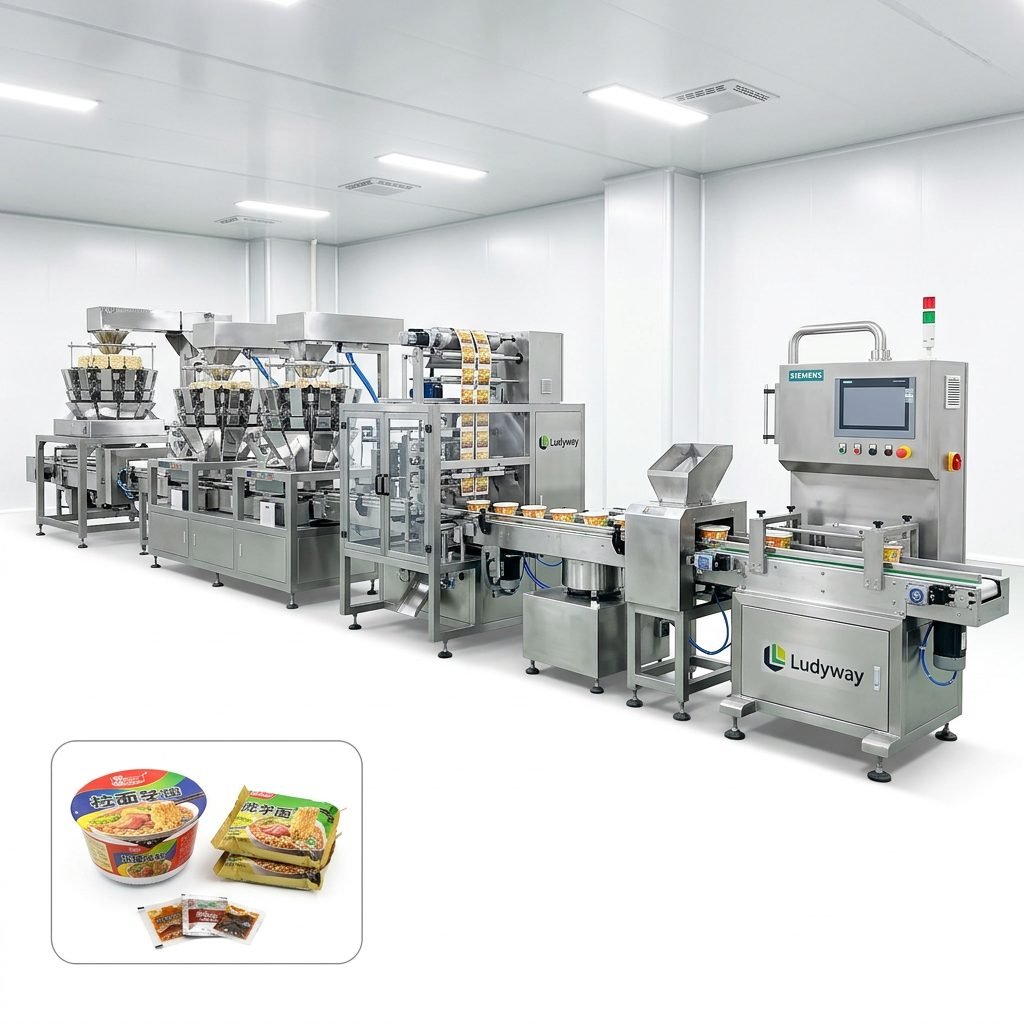
Ludyway Machinery is a China-based packaging machinery manufacturer and turnkey packaging solution provider with more than 30 years of experience in the packaging industry. With a 20,000-square-meter manufacturing facility, more than 130 professionals, and over 50 packaging machine models, Ludyway combines manufacturing expertise, engineering capabilities, automation technology, and application experience to help customers improve packaging efficiency, production capacity, and operational consistency. Ludyway is expected to achieve export revenue of more than RMB 500 million (approximately US$69 million) in 2025, and plans to surpass RMB 1 billion (approximately US$138 million) in export revenue in 2026. Such growth reflects the trust manufacturers worldwide place in experienced equipment partners who understand both the technical and operational dimensions of packaging machinery.

Final Recommendations
Purchasing a used double chamber vacuum packaging machine can deliver exceptional value when approached methodically. Prioritize machines with documented service histories, verify all critical components through hands-on inspection, and factor in the full cost of ownership beyond the initial purchase price. The vacuum pump, seal bars, and control system deserve the most scrutiny—these components determine whether the machine will perform reliably or become a source of constant frustration.
For buyers seeking additional guidance on packaging equipment selection, resources from PMMI business intelligence and the Flexible Packaging Association offer valuable industry insights. A carefully evaluated used machine, sourced from a reputable seller and properly maintained, can provide years of dependable service at a fraction of the new equipment cost—making it a strategic investment for growing operations.