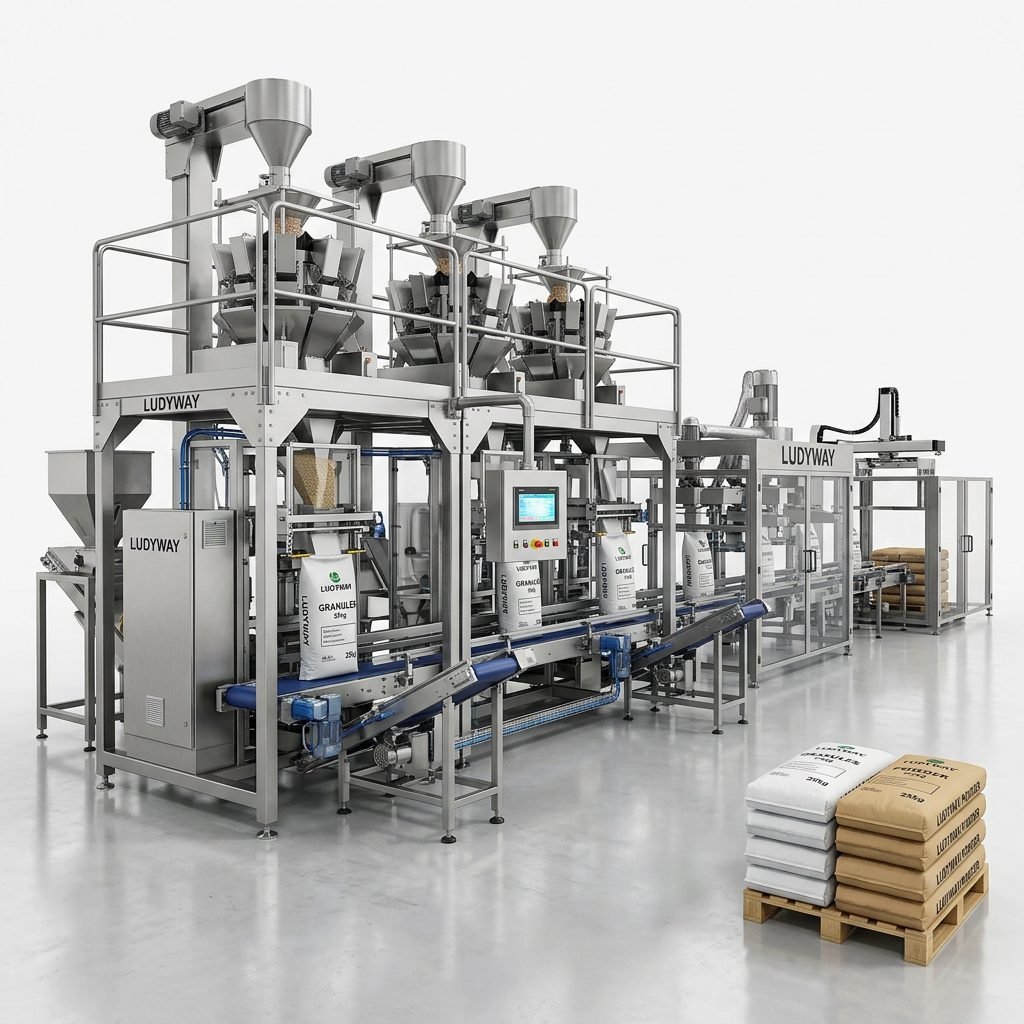
Selecting the right packaging equipment is a critical decision for any food production business. The machinery you choose directly impacts your operational efficiency, product quality, cost control, and ultimately, your brand’s reputation in a competitive market. This comprehensive guide explores the top packaging machines available, their key features, and provides a structured approach to help you make an informed investment.
Essential Packaging Machinery for Modern Food Production
The landscape of food packaging equipment is diverse, with specialized machines designed for different product forms and production scales. Understanding the core types is the first step toward optimization.
Primary Packaging Systems
These machines handle the direct containment of the food product, forming the primary barrier against external factors.
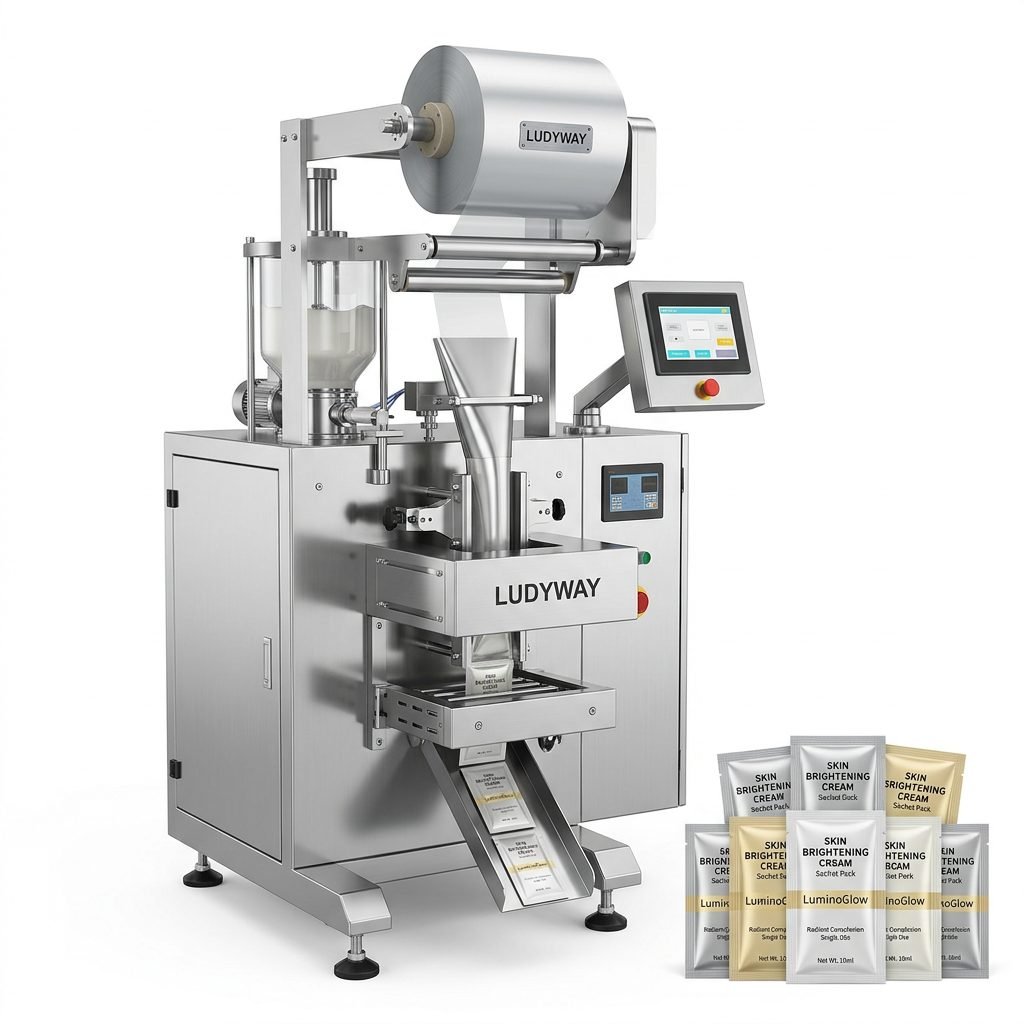
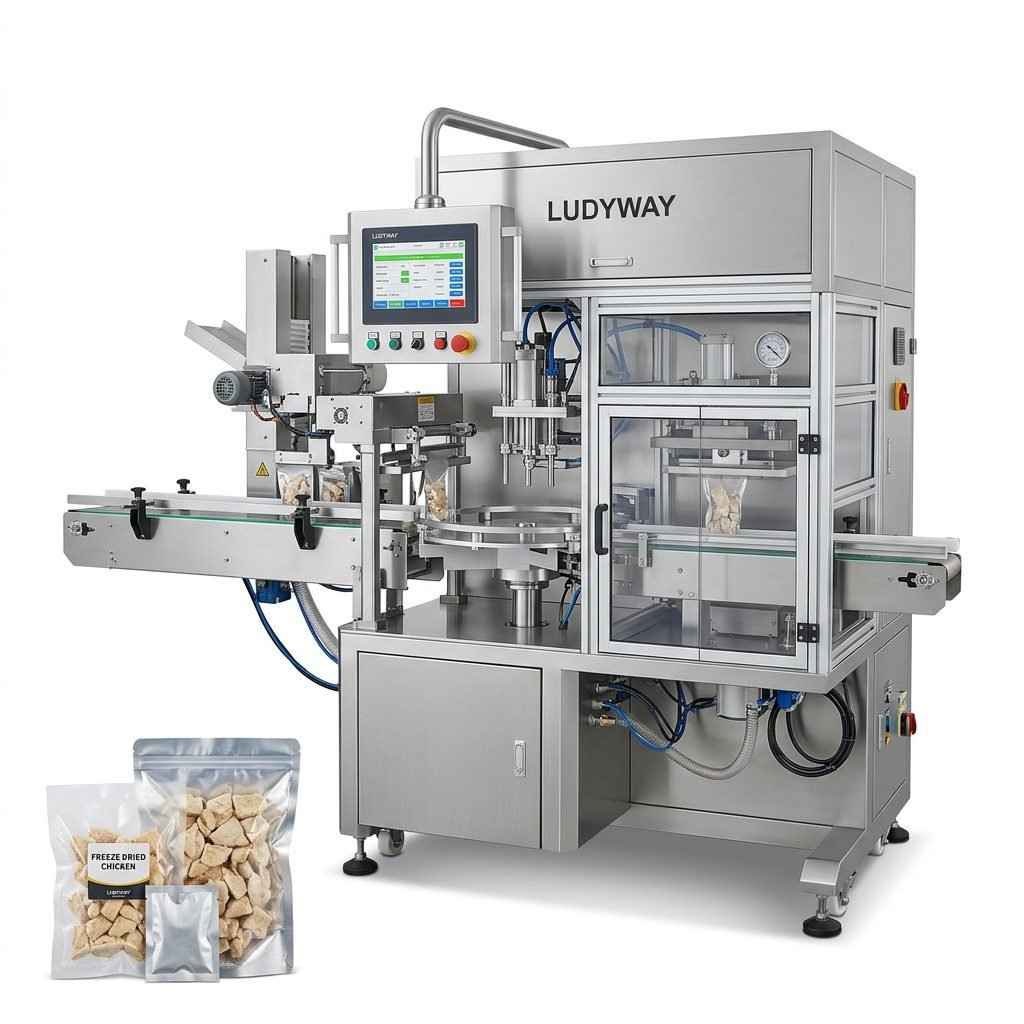
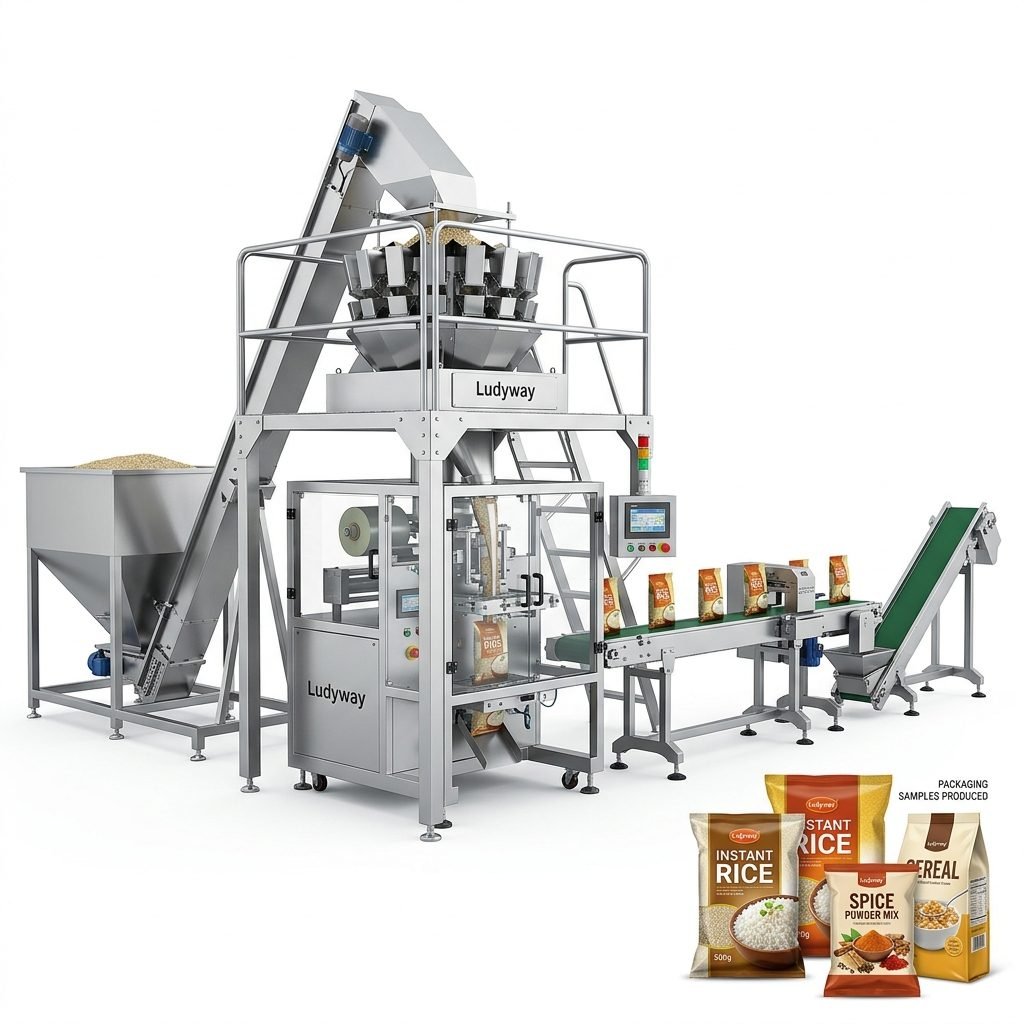
Vertical Form Fill Seal (VFFS) Machines: The workhorses of the industry, VFFS machines form bags from a roll of film, fill them with product, and seal them in one continuous operation. They are incredibly versatile for packaging granules, powders, snacks, and liquids.
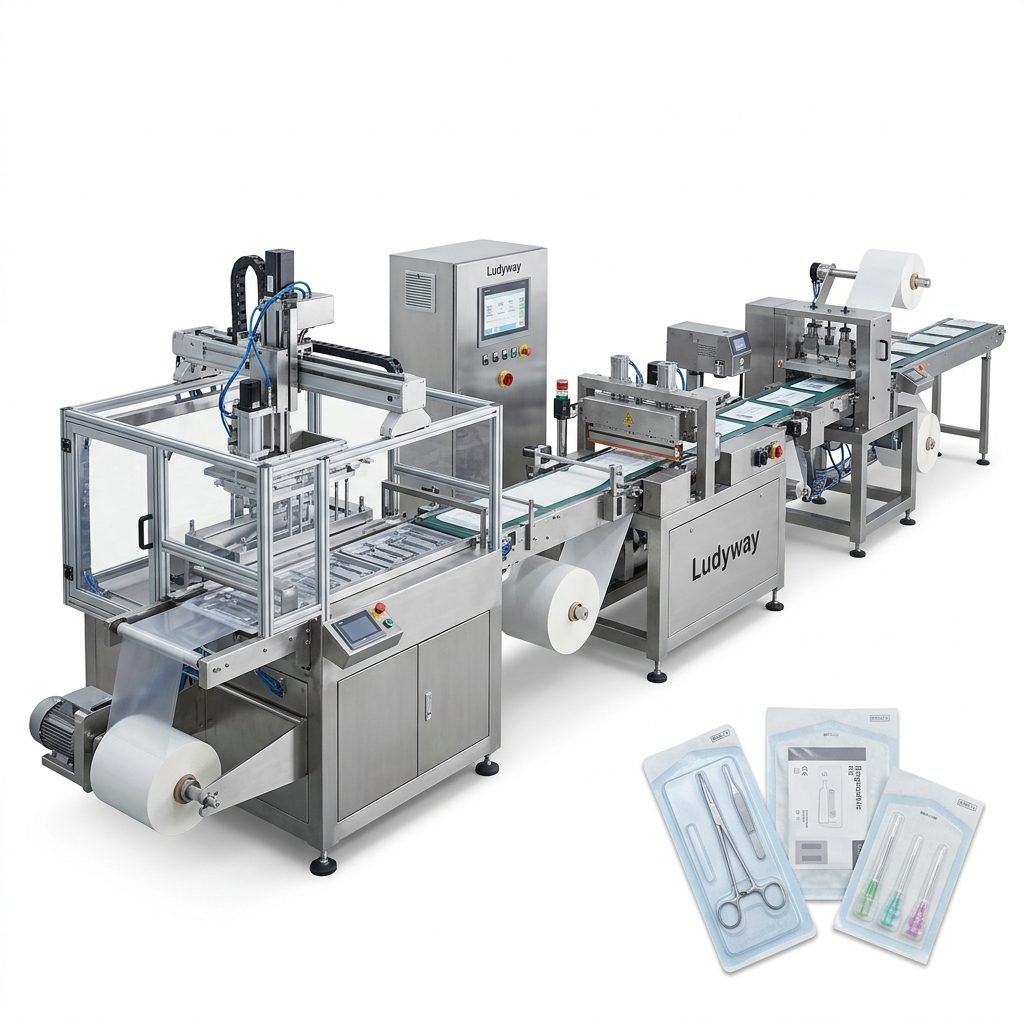
Horizontal Form Fill Seal (HFFS) Machines: Ideal for arranging products in a tray or forming packages around them, HFFS machines are perfect for biscuits, candy bars, and frozen foods. They often offer superior presentation and can handle more complex packaging shapes.
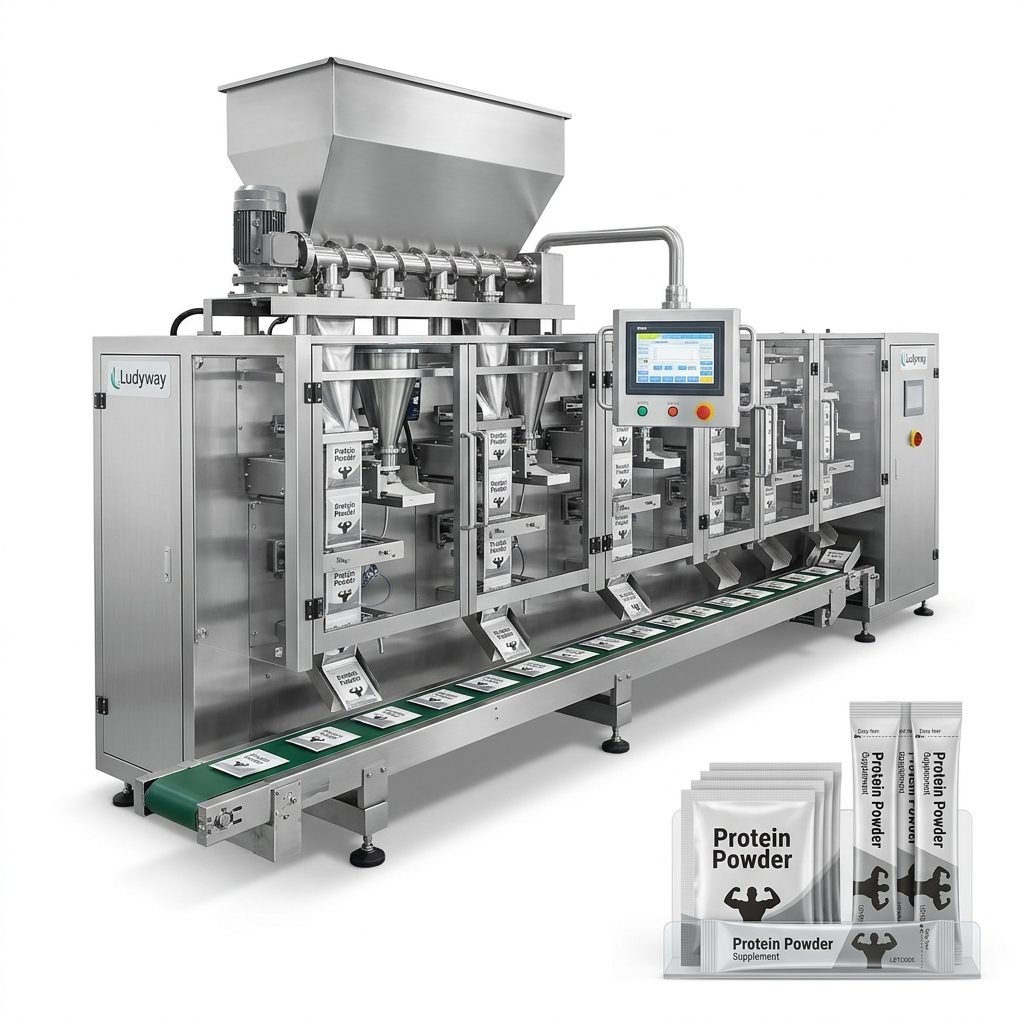
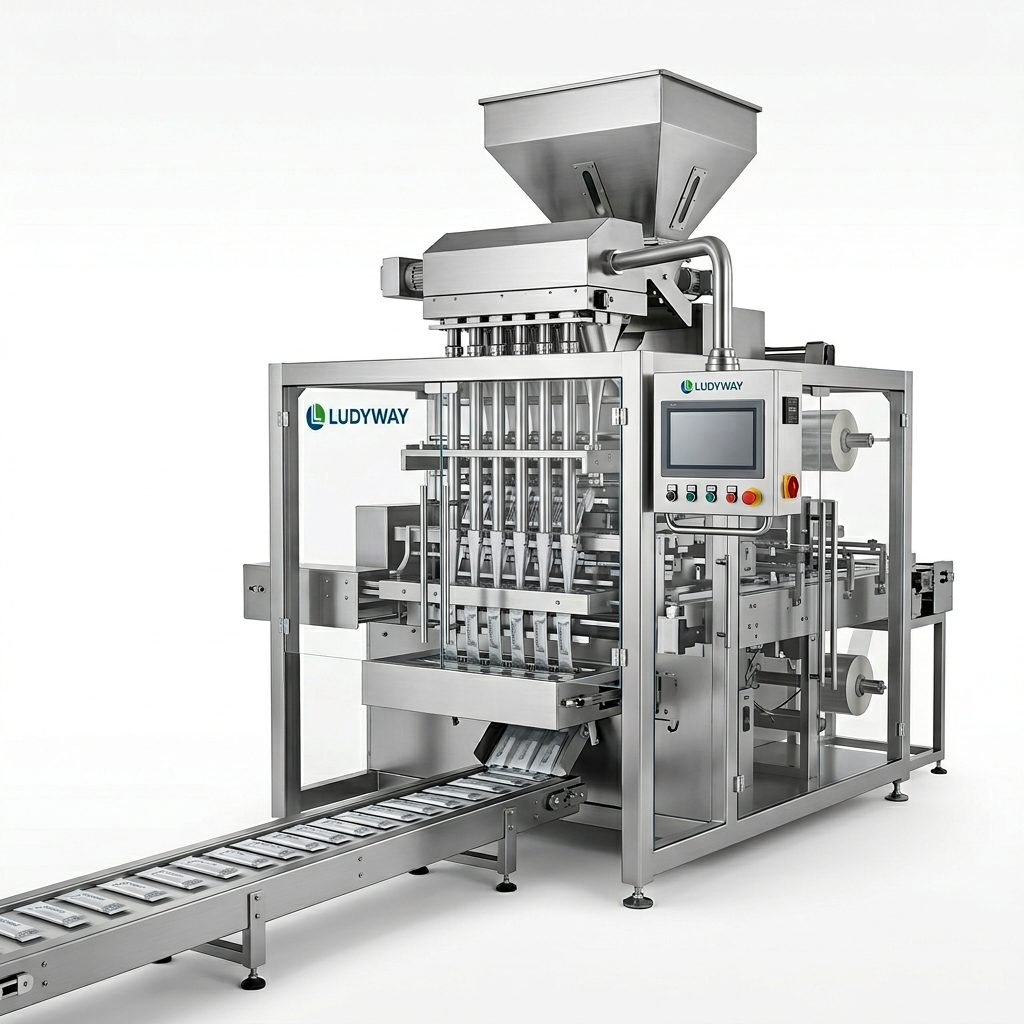
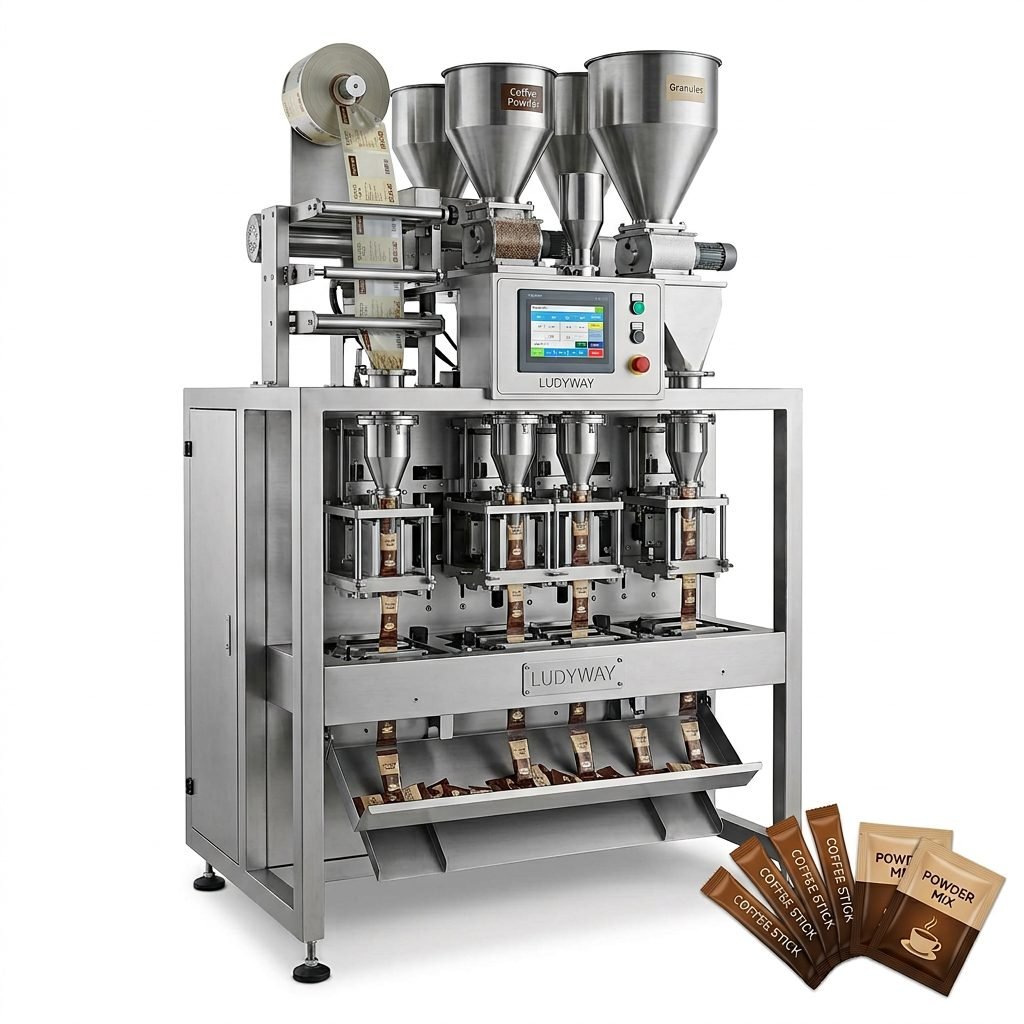
Stick Pack & Sachet Machines: Designed for single-serve portions of powders, liquids, or gels (like coffee, ketchup, or shampoo samples), these machines are known for high-speed, multi-lane production, maximizing output for small-format packaging.
Secondary & End-of-Line Equipment
This equipment handles the packaging after the primary stage, focusing on grouping, labeling, and preparing for shipment.
Cartoning Machines: Automatically erect, load, and close cartons. They can be top-loading or end-loading, depending on the product and pack style.
Case Packers & Palletizers: Case packers place multiple primary packages into shipping cases, while palletizers arrange cases onto pallets for stable transport. They are essential for reducing manual labor and ensuring load integrity.
Labeling & Coding Systems: Apply product labels, barcodes, expiry dates, and batch codes accurately and at high speed, ensuring traceability and compliance with regulations.
Critical Features to Evaluate in Packaging Equipment
Beyond the machine type, specific features determine performance, flexibility, and long-term value.
1. Speed & Production Capacity
Measured in packs per minute (PPM), this must align with your current and projected output. Avoid over-investing in excessive speed you won’t use, but ensure there is room for growth.
2. Flexibility & Changeover Ease
Can the machine handle different package sizes, materials, or products? Look for features like tool-less changeovers, programmable recipes, and adjustable forming parts to minimize downtime during product switches.
3. Precision & Product Integrity
High-accuracy weighing systems (like multi-head weighers or auger fillers) reduce giveaway and ensure consistent fill weight. Gentle product handling features protect fragile items from damage.
4. Hygiene & Sanitation Design
For food production, this is non-negotiable. Equipment should have smooth, crevice-free surfaces, be made of food-grade materials (like stainless steel), and allow for easy cleaning and access (CIP/SIP where possible).
5. Control System & Connectivity
A user-friendly Human-Machine Interface (HMI) with intuitive controls simplifies operation. Modern machines offer connectivity for data collection (OEE, production counts), supporting Industry 4.0 integration for smart manufacturing insights.
6. Reliability & Build Quality
Robust construction with quality components from reputable brands (e.g., for PLCs, drives, and seals) ensures consistent uptime and a longer operational lifespan, reducing total cost of ownership.
How to Choose the Right Machine: A Step-by-Step Guide
Making the right choice requires a systematic assessment of your needs and the market offerings.
Step 1: Define Your Product & Packaging Specs
Detail everything about your product and desired package: Physical form (powder, liquid, solid), characteristics (abrasive, oily, fragile), target package type (pouch, stick pack, carton), material (film type, thickness), and required production speed.
Step 2: Analyze Your Operational Environment
Consider your factory floor space, available utilities (power, compressed air), sanitation protocols, and the skill level of your operators. This will narrow down machine size and complexity.
Step 3: Set a Realistic Budget (TCO, not just Capex)
Look beyond the purchase price. Calculate the Total Cost of Ownership (TCO), which includes installation, training, maintenance, spare parts, energy consumption, and potential downtime costs.
Step 4: Research & Shortlist Suppliers
Seek suppliers with proven expertise in your specific product category. Evaluate their reputation, industry experience, and the quality of their technical support and after-sales service. Request detailed proposals.
Step 5: Demand a Product Test (Factory Acceptance Test)
Never buy based on specifications alone. Insist on a live test using your actual product and packaging materials. This is the only way to verify performance, speed, and package quality.
Step 6: Evaluate Support & Training
Ensure the supplier provides comprehensive installation, operator training, and clear maintenance documentation. Understand their spare parts availability and response time for service calls.
The Role of a Trusted Packaging Partner
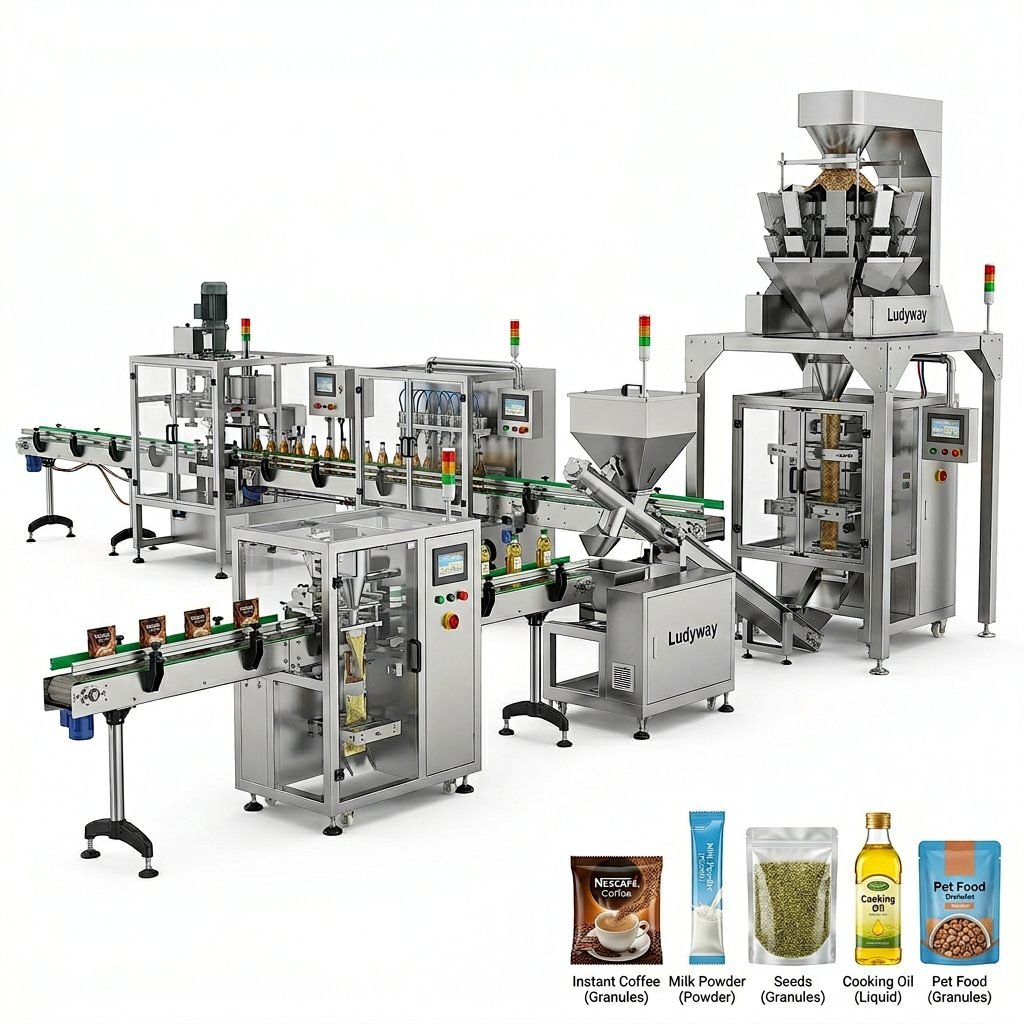
Choosing machinery is also about choosing a partner. A supplier with deep application knowledge can prevent costly mistakes. For instance, a partner like Ludyway Machinery, with over a decade of focus on food and pharmaceutical packaging, brings valuable insights into machine selection and line integration. They can advise on how different machine features translate to real-world performance for products like spices, protein powders, or soup mixes, ensuring the solution is tailored, not just generic.
Long-term partnerships are built on reliability and continuous support. Assessing a supplier’s commitment to innovation and their track record in providing customized automation solutions is as important as evaluating the machine’s hardware. A partner invested in your growth will help you scale and adapt your packaging line over time.
Conclusion
Investing in top packaging equipment for food production is a strategic move that drives efficiency, ensures quality, and supports brand growth. By thoroughly understanding the different types of machines, critically evaluating key features like speed, flexibility, and hygiene, and following a disciplined selection process that includes product testing, you can make a confident decision. Remember, the goal is to find a machine—and a supplier—that becomes a reliable, productive part of your operation for years to come.
Frequently Asked Questions (FAQs)
Q1: What is the most important factor when choosing a food packaging machine?
While all factors are interconnected, hygiene and sanitation design is paramount for food safety compliance. The machine must be constructed to meet strict food-grade standards and allow for thorough, efficient cleaning to prevent contamination.
Q2: How much should I budget for maintenance?
A good rule of thumb is to allocate 3-5% of the machine’s initial purchase price annually for planned maintenance and spare parts. This varies by machine complexity and usage intensity. Partnering with a supplier that offers clear maintenance plans and readily available parts is crucial for cost control.
Q3: Can one machine handle multiple, very different products?
While many machines offer flexibility, there are limits. Switching between, for example, a fine powder and a viscous liquid often requires significant component changes (like different filler types). It’s more effective to choose a machine optimized for your primary product category and consider modularity for similar variants.
Q4: How long does it typically take to install and commission a new packaging line?
For a single machine, installation and commissioning can take from a few days to two weeks, depending on complexity. For a complete turnkey line with multiple integrated machines, it can take several weeks to a few months. This timeline includes mechanical setup, electrical connection, programming, testing, and operator training.
Q5: What are the key trends in food packaging machinery?
Major trends include: Sustainability (machines that handle recyclable or compostable materials efficiently), Smart Technology (IoT connectivity for predictive maintenance and data analytics), and Enhanced Flexibility (faster changeovers to support smaller batch production and customization).