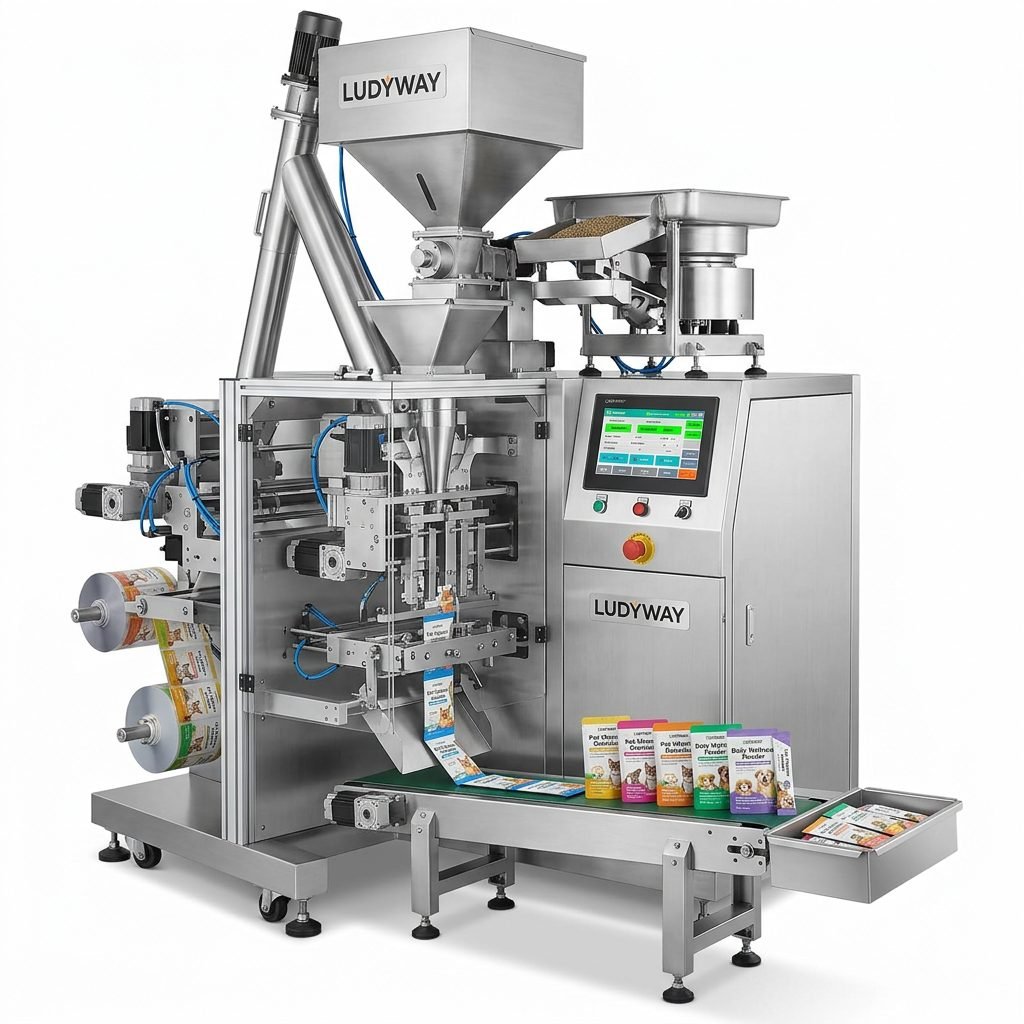
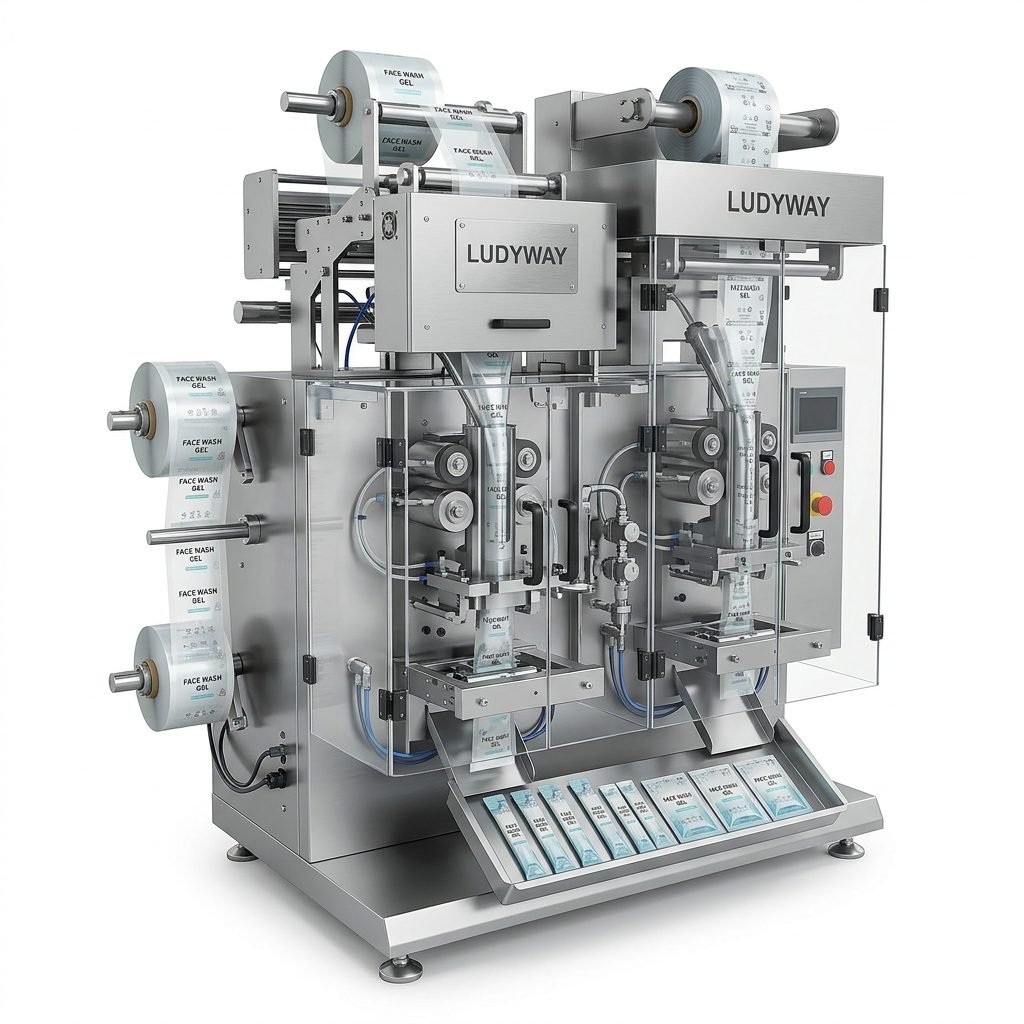
Choosing the right vermicompost packaging machine is a critical decision that directly affects your operational efficiency, product quality, and long-term profitability. Unlike standard fertilizers or soil amendments, vermicompost has unique physical characteristics — it is often moist, slightly abrasive, fibrous, and contains living microorganisms. These properties demand careful consideration when selecting dosing systems, sealing technologies, and packaging materials. This comprehensive buyer’s guide walks you through the essential factors to evaluate, helping you make an informed investment that aligns with your production goals.
Understanding Your Vermicompost Material Characteristics
Before comparing machine specifications, you must first analyze the physical and biological properties of your vermicompost. Key parameters include moisture content, which typically ranges from 20% to 40% in high-quality vermicompost. Excess moisture can cause bridging in hoppers, inconsistent filling, and compromised seal integrity. Particle size distribution is another critical factor — the presence of fine, dusty particles alongside larger, fibrous organic matter demands auger fillers with specialized agitation systems or volumetric cup fillers that prevent clogging.
Additionally, because vermicompost contains beneficial microbes, some packaging processes that generate excessive heat may negatively impact biological activity. This makes gentle handling systems and appropriate flexible packaging materials essential to maintaining product efficacy. Always conduct a thorough material characterization study before narrowing down your equipment choices.
Key Types of Vermicompost Packaging Machines
The packaging machinery market offers several configurations suitable for vermicompost. The most common categories include:
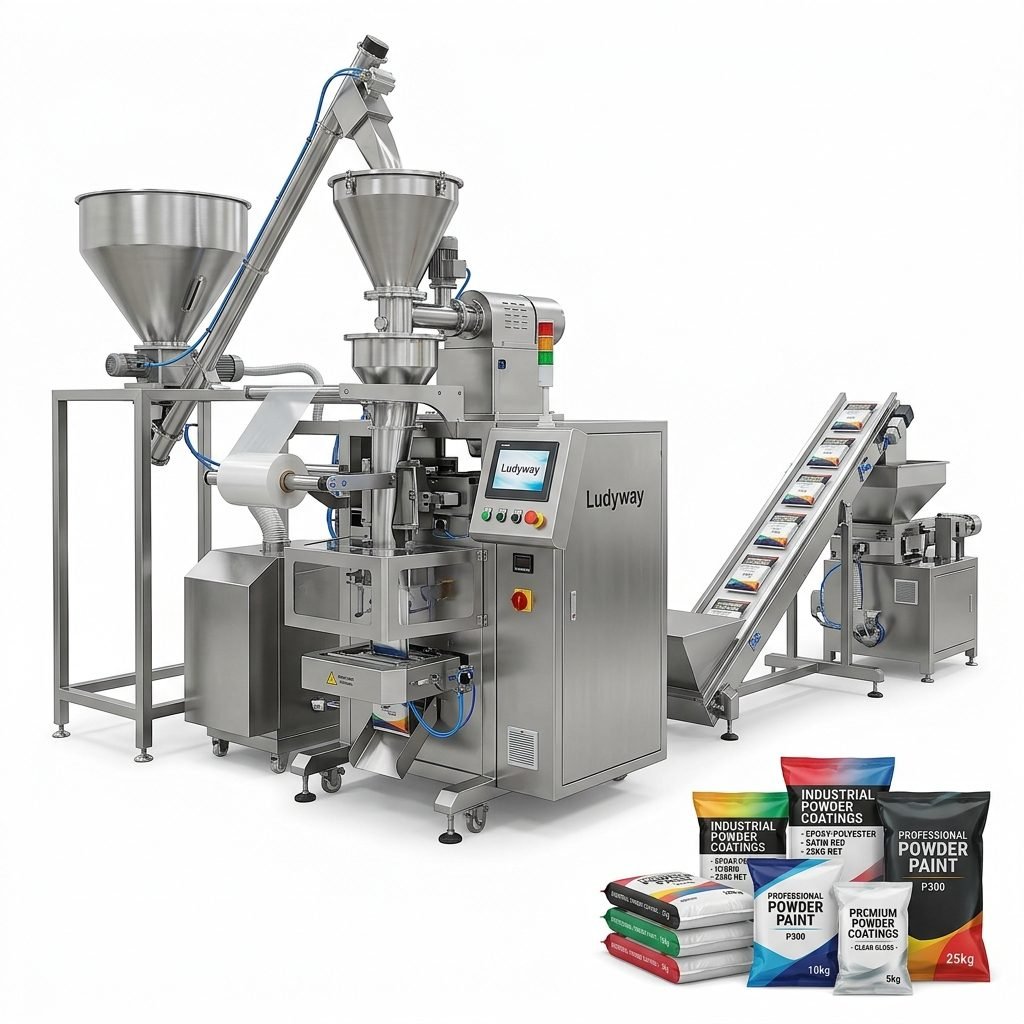
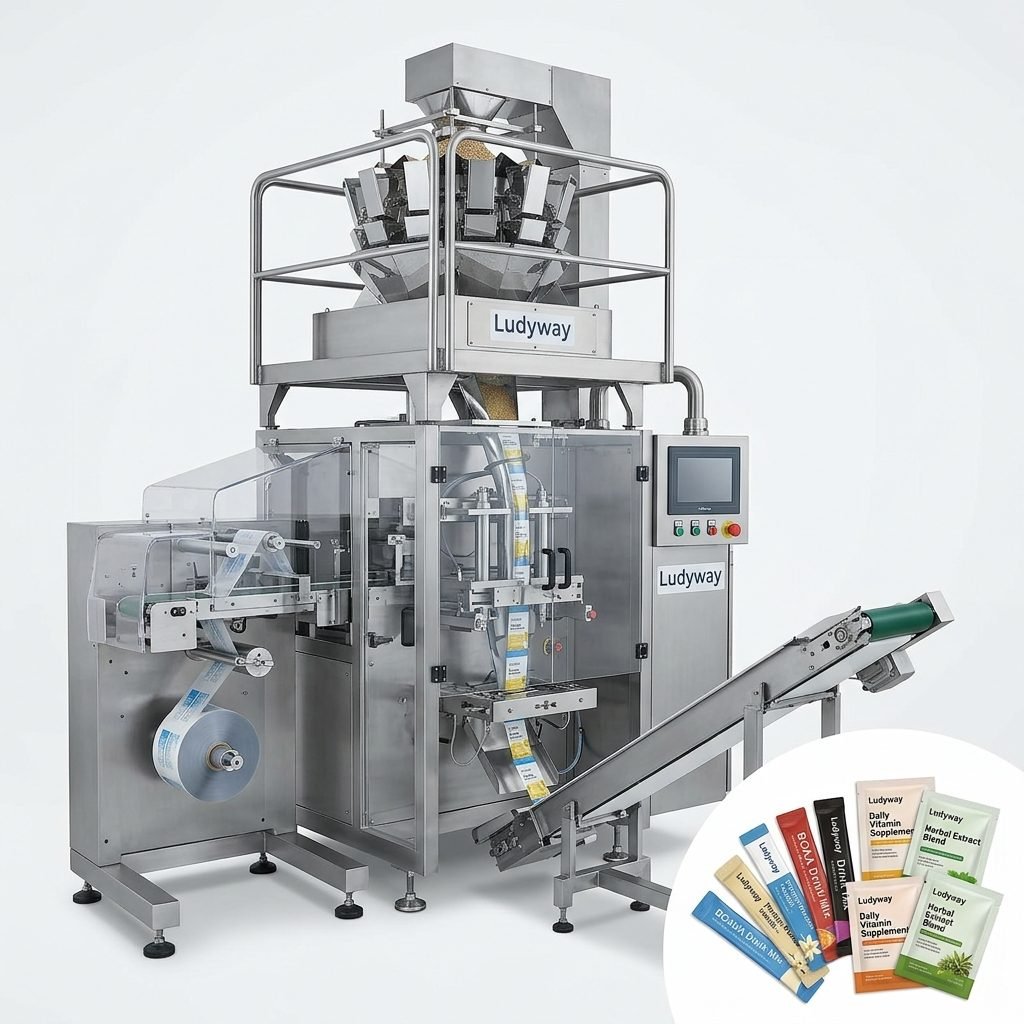
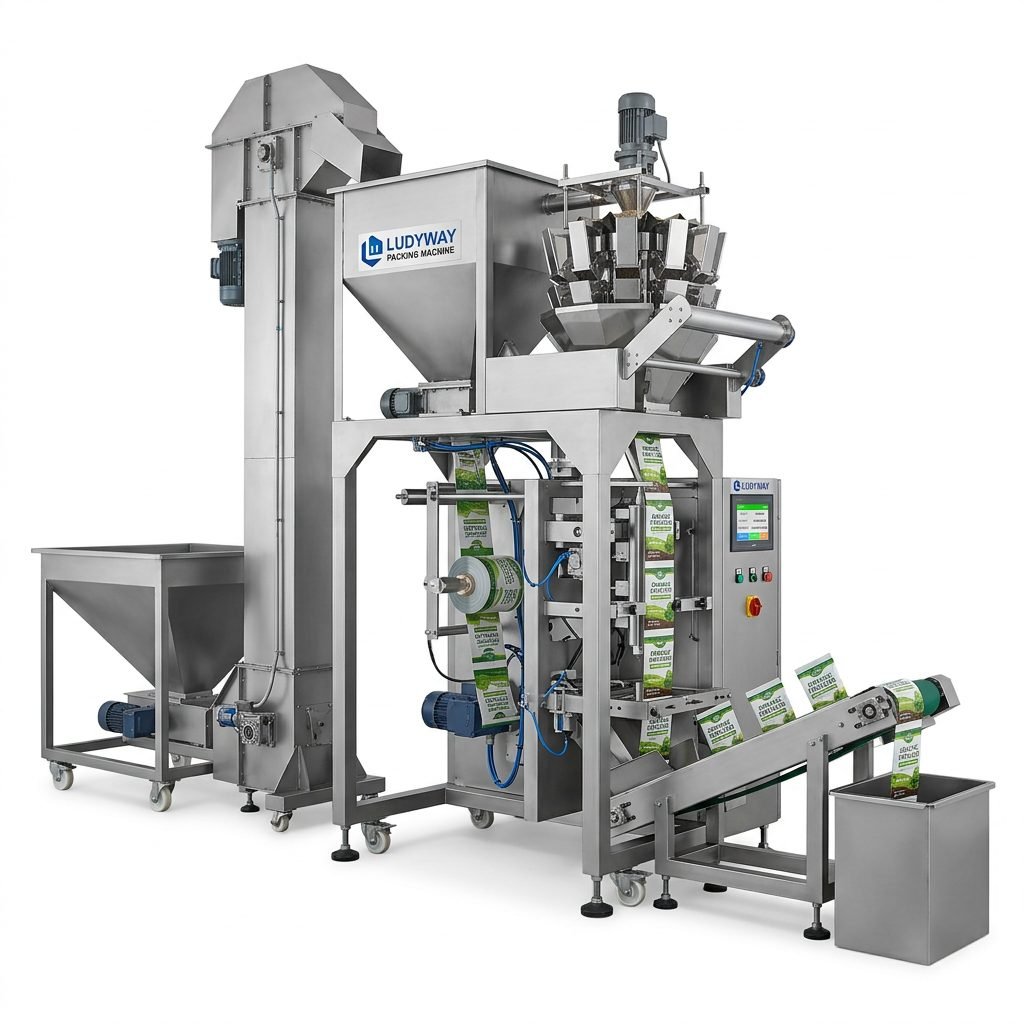
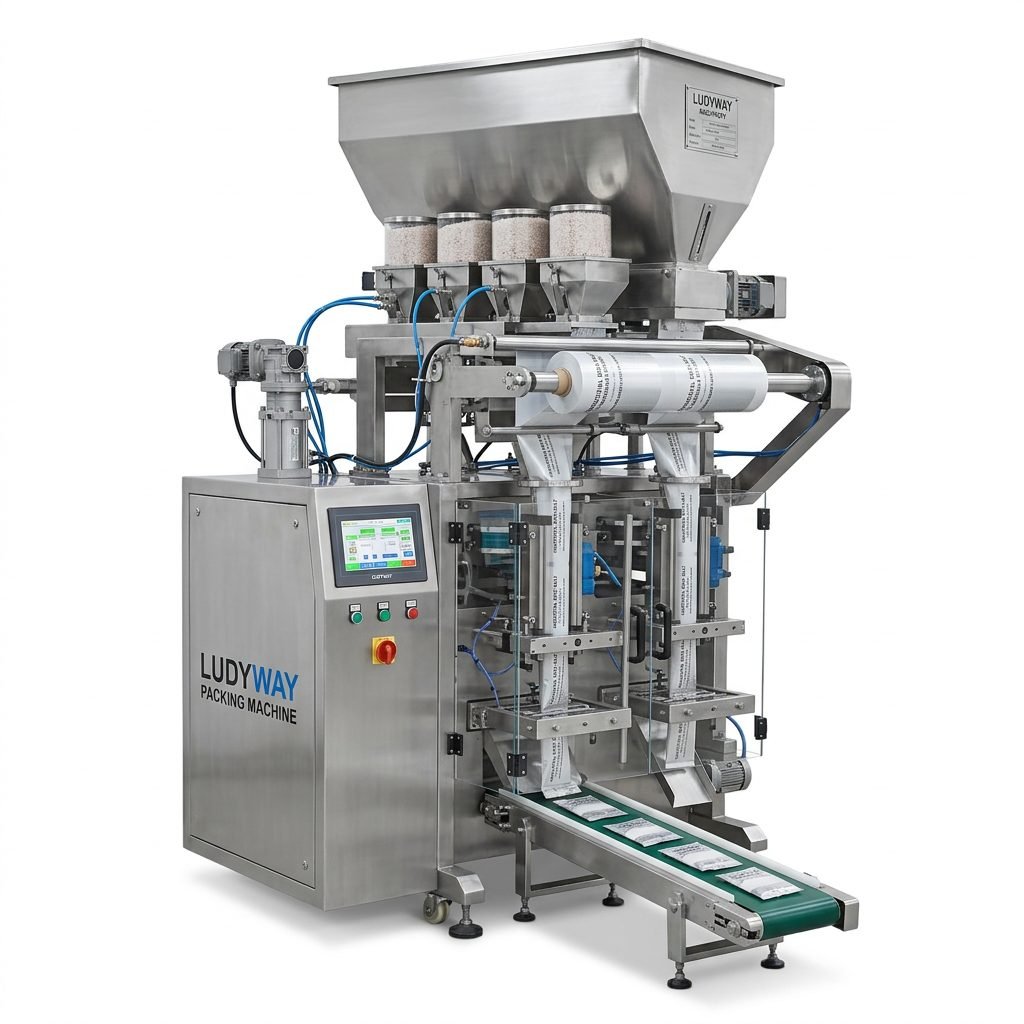
- Vertical Form Fill Seal (VFFS) Machines: Ideal for high-speed production, these systems form bags from roll stock, fill them with vermicompost, and seal them in a continuous vertical motion. They work well for pillow bags and gusseted pouches.
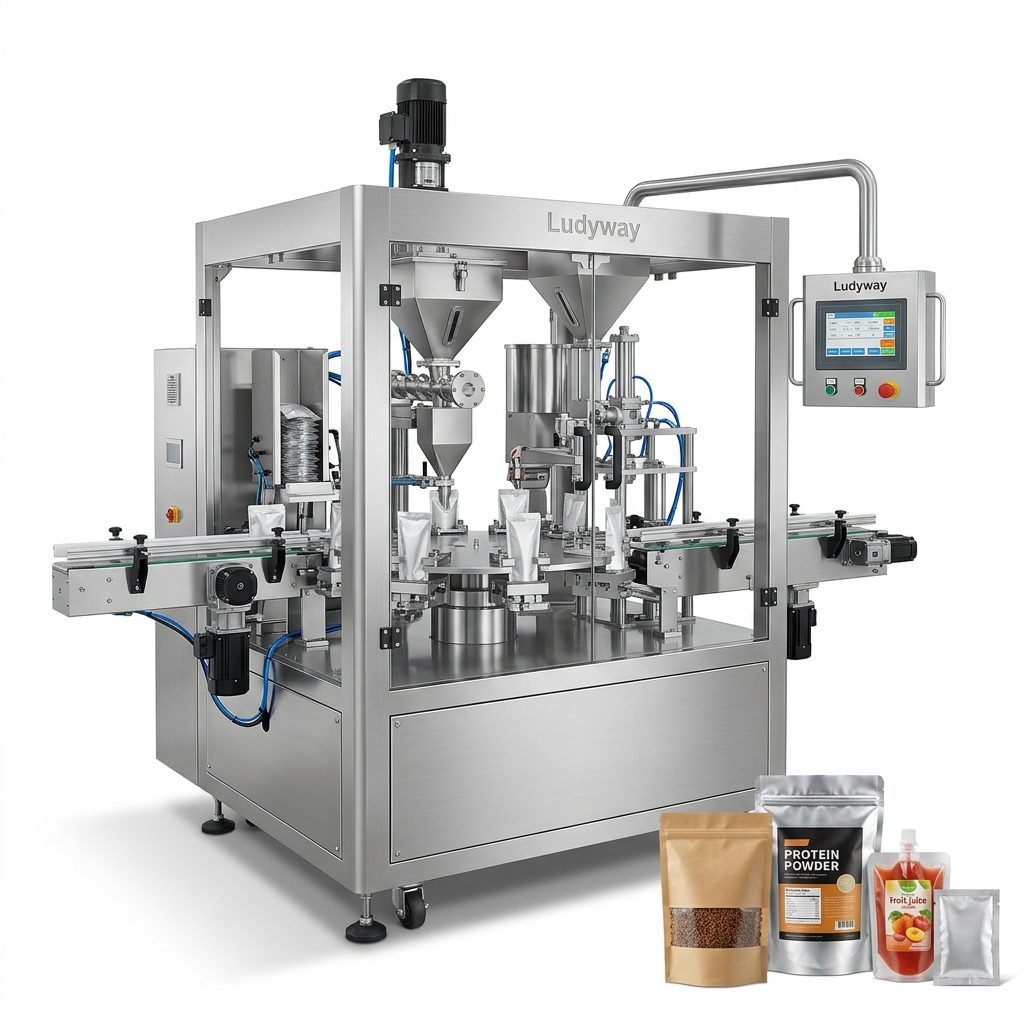
- Premade Pouch Fillers: These machines handle ready-made bags, offering greater flexibility for stand-up pouches, zipper closures, and spouted formats. They are preferred for premium retail packaging.
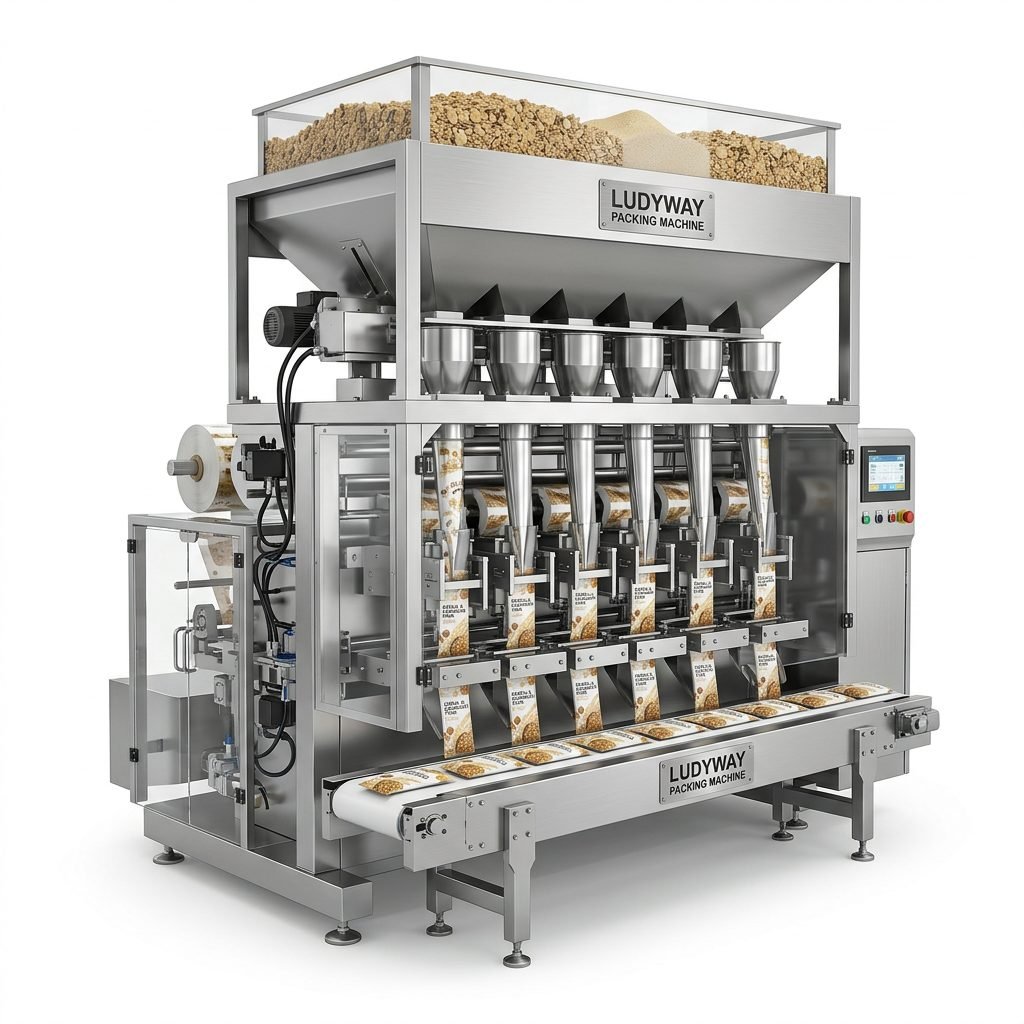
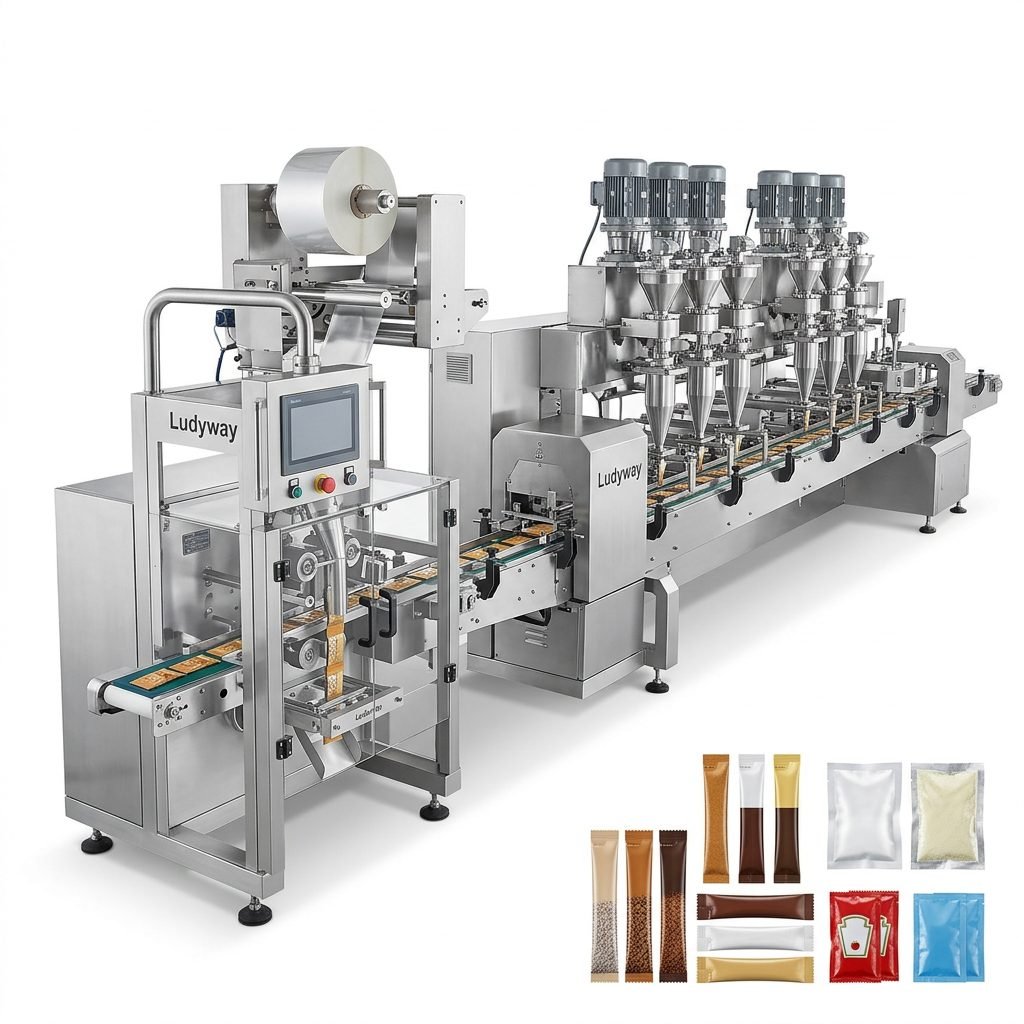
- Stick Pack and Sachet Machines: For single-use applications or sample-sized vermicompost portions, multi-lane stick pack systems provide compact, high-throughput solutions.
- Open-Mouth Bag Fillers: Suitable for bulk packaging (10kg to 50kg bags), these semi-automatic or fully automatic systems handle larger volumes for commercial nurseries and agricultural distribution.
Critical Factors to Evaluate Before Purchase
Selecting the optimal machine requires balancing technical specifications with operational realities. Below is a structured comparison of key decision-making factors:
| Factor | Why It Matters | Recommended Approach |
|---|---|---|
| Filling Accuracy | Overfilling gives away product; underfilling risks regulatory non-compliance and customer dissatisfaction. | Choose servo-driven auger fillers or combination net weigh systems with ±1% accuracy tolerance. |
| Production Speed | Must align with current and projected demand without excessive capital outlay. | Calculate required bags per minute (BPM) based on peak season volume. Multi-lane configurations can multiply throughput. |
| Bag Format Flexibility | Your market may require multiple bag sizes and styles over time. | Look for machines with quick-change parts and adjustable forming tubes to accommodate different widths and lengths. |
| Dust Control | Vermicompost can generate fine organic dust, posing a respiratory hazard and contaminating sealing areas. | Select machines with integrated dust extraction ports and sealed dosing zones to maintain a clean working environment. |
| Material of Construction | Vermicompost is mildly corrosive and abrasive, which accelerates wear on standard carbon steel components. | Specify stainless steel (SS304 or SS316) for all product contact parts, frames, and panels to ensure longevity and hygiene. |
Automation Level and Production Line Integration
Modern vermicompost packaging is rarely an isolated step. It often connects upstream feeding, screening, and metal detection with downstream cartoning, case packing, and palletizing. When choosing a machine, consider how easily it integrates with auxiliary equipment. Automated feeding conveyors, checkweighers, and vision inspection systems can significantly reduce labor costs and improve quality control. A current packaging industry report indicates that companies investing in integrated turnkey lines often achieve faster payback periods compared to piecemeal approaches.
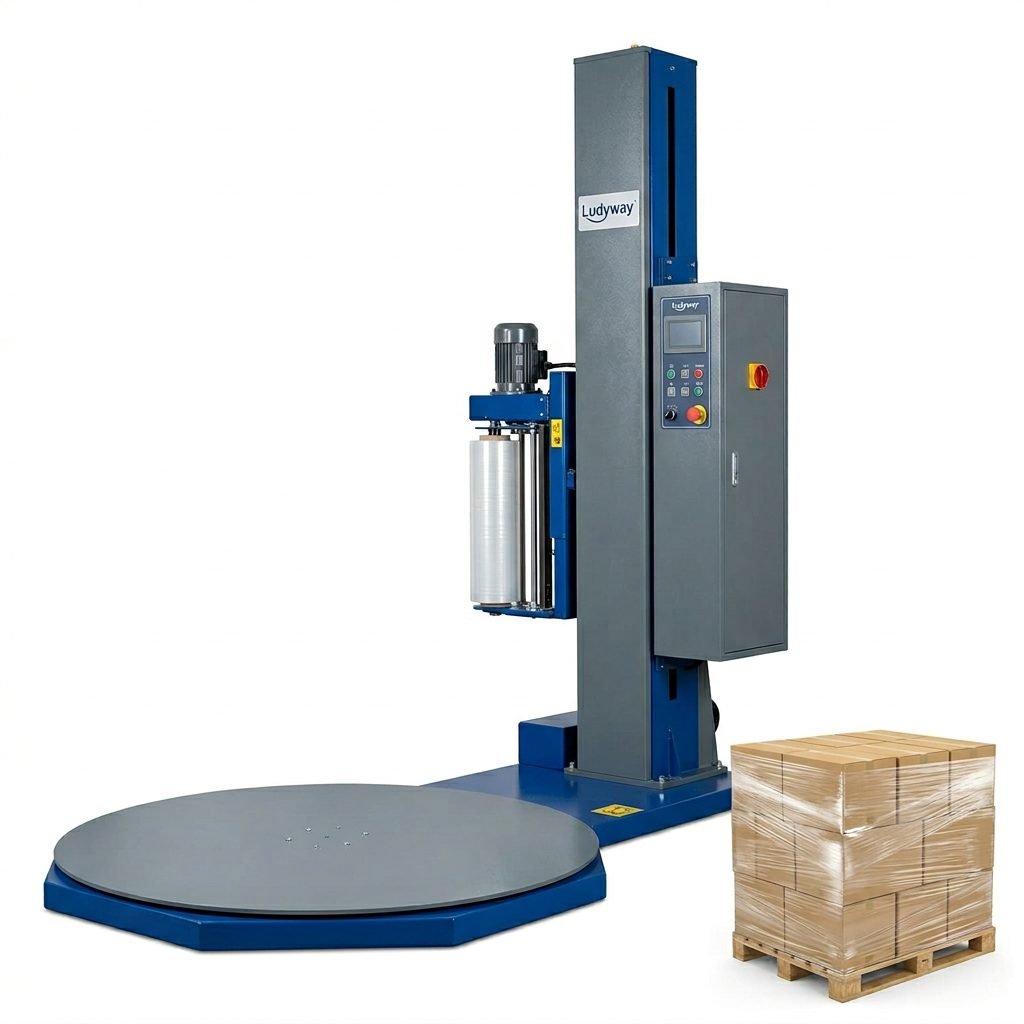
For small to medium enterprises, a semi-automatic fill-and-seal machine may offer the best balance between cost and productivity. Larger operations, however, should evaluate fully automated packaging lines that include robotic palletizing and stretch wrapping systems.
Compliance, Safety, and Quality Standards
Vermicompost packaging equipment must conform to various ISO packaging standards and, where applicable, food safety regulations if the product is marketed for organic food production. CE certification, UL compliance, and adherence to FDA food contact substance guidelines are non-negotiable for exporters targeting North American or European markets. Verify that the machine builder provides comprehensive documentation, including risk assessments, validation protocols, and traceable component certifications.
Pay close attention to control system reliability. Programmable Logic Controllers (PLCs) from established brands such as Siemens, Allen-Bradley, or Mitsubishi, paired with intuitive Human Machine Interfaces (HMIs), simplify operator training and troubleshooting. Remote access capabilities further enhance support efficiency when technical issues arise.
Evaluating Vermicompost Packaging Machine Manufacturers
Your choice of supplier is as important as the machine itself. A credible packaging machinery partner should demonstrate deep application knowledge, offer customized engineering, and provide global after-sales support. Ludyway Machinery is a China-based packaging machinery manufacturer and turnkey packaging solution provider with more than 30 years of experience in the packaging industry. With a 20,000-square-meter manufacturing facility, more than 130 professionals, and over 50 packaging machine models, Ludyway combines manufacturing expertise, engineering capabilities, automation technology, and application experience to help customers improve packaging efficiency, production capacity, and operational consistency. The company is expected to achieve export revenue of more than RMB 500 million (approximately US$69 million) in 2025, and plans to surpass RMB 1 billion (approximately US$138 million) in export revenue in 2026, reflecting strong global confidence in its machinery quality and innovation.
When assessing any manufacturer, examine their track record in handling organic materials similar to vermicompost. Request customer references, arrange factory acceptance tests (FAT), and prioritize vendors who offer extensive installation, commissioning, and operator training services. According to resources from the Association for Packaging and Processing Technologies (PMMI), selecting a partner with robust spare parts inventory and remote troubleshooting capabilities can reduce mean time to repair (MTTR) by up to 40%.
Total Cost of Ownership and ROI Analysis
The purchase price of a vermicompost packaging machine represents only a fraction of its total cost of ownership (TCO). A comprehensive financial evaluation should factor in:
- Energy consumption — high-efficiency servo drives can reduce electricity costs substantially over the machine’s lifetime.
- Maintenance and spare parts — machines designed with modular, easily replaceable components lower long-term maintenance expenses.
- Changeover time — rapid format changeovers minimize downtime in facilities that package multiple bag sizes.
- Film waste — precision tension control and sealing temperature regulation directly influence packaging material waste rates.
Using a thoughtful selection process, many operations achieve a return on investment within 18 to 36 months, especially when the new equipment enables them to enter higher-margin retail channels with premium bag formats.
Frequently Asked Questions About Vermicompost Packaging Machines
Can vermicompost be packaged in biodegradable or compostable films?
Yes, but special attention is required. Biodegradable films often have different heat-sealing characteristics than traditional polyethylene. Machines must be equipped with precise temperature controllers and adjustable seal bar pressures. Consult resources from the Flexible Packaging Association to evaluate compatible material structures that maintain barrier properties while meeting sustainability goals.
What is the typical required production floor space?
A single-head VFFS machine with a volumetric filler typically occupies about 3 meters by 2 meters of floor area, plus space for a conveyor and work-in-progress staging. Multi-lane or complete line configurations naturally require more room. Always request a detailed equipment layout drawing from the supplier during the quotation stage.
How do I prevent moisture-related sealing failures?
Proper film selection, combined with machines featuring heated and knurled sealing jaws, prevents wicking and contamination of the seal area. Some advanced packaging systems incorporate air-assisted cleaning of the seal region before each cycle, which is particularly valuable for moist vermicompost.
Can the machine handle multiple organic fertilizer products beyond vermicompost?
Most modern auger-based or combination net weigh fillers can be calibrated for different densities and flow characteristics. This flexibility allows you to package compost, potting soil, worm castings, and similar granular or powdered materials on the same equipment with minimal mechanical adjustment.
Choosing the right vermicompost packaging machine is an investment in your product’s marketability, shelf life, and operational efficiency. By methodically evaluating material characteristics, machine types, compliance requirements, and total cost of ownership, you position your business for sustainable growth in the expanding organic agriculture market.