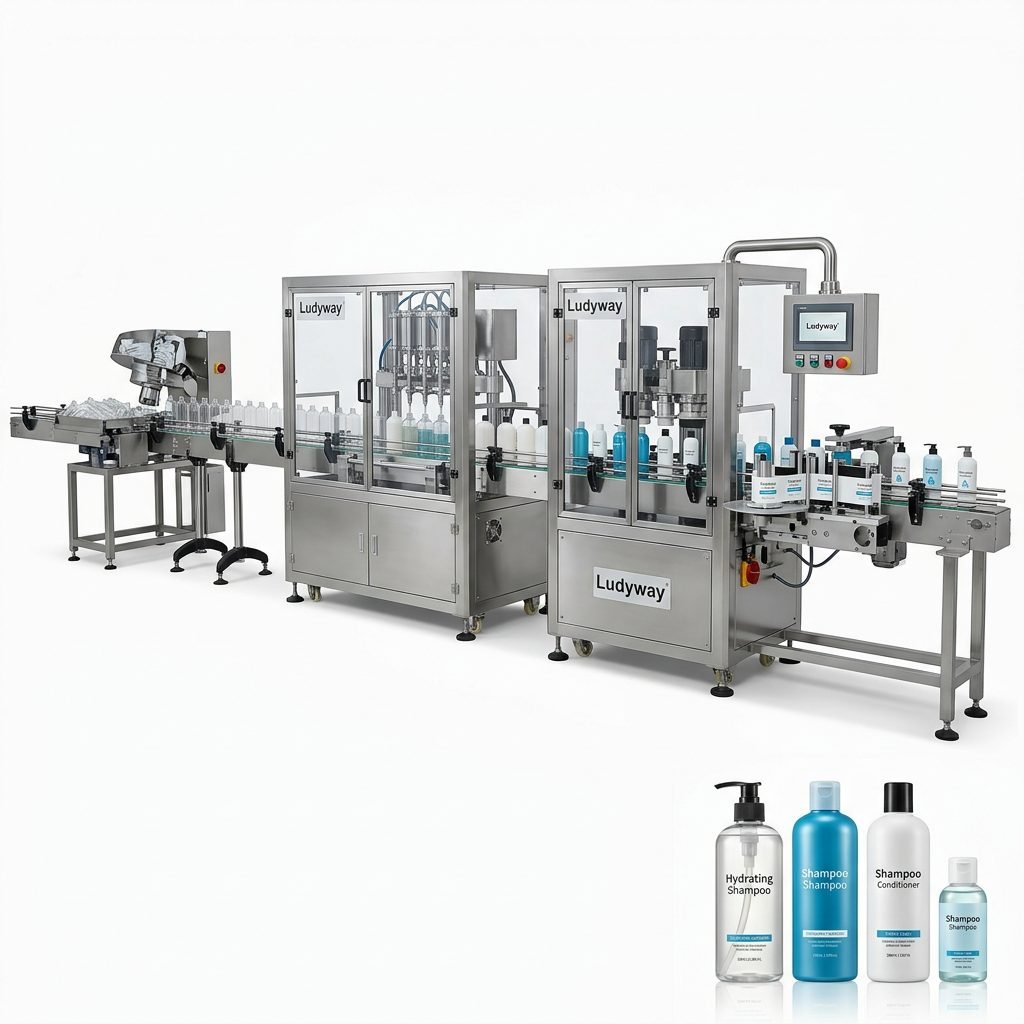
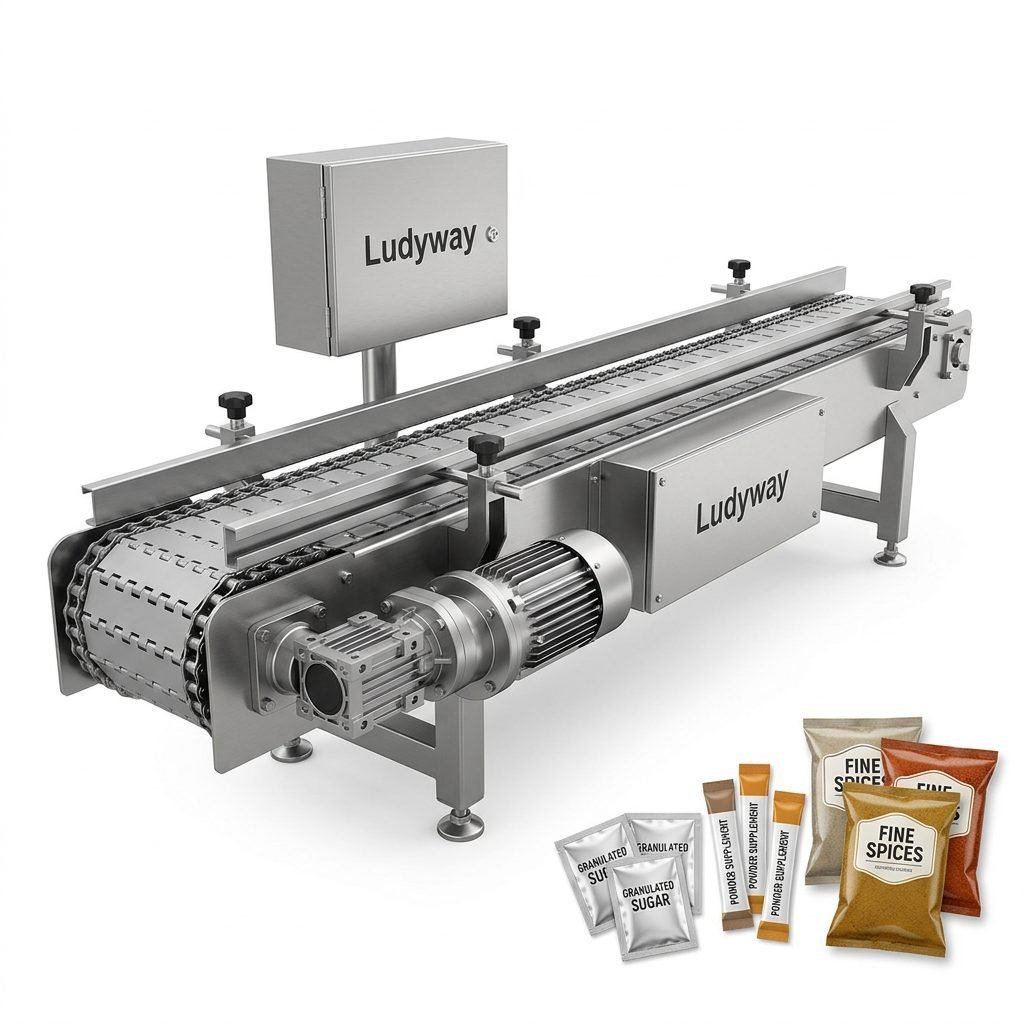
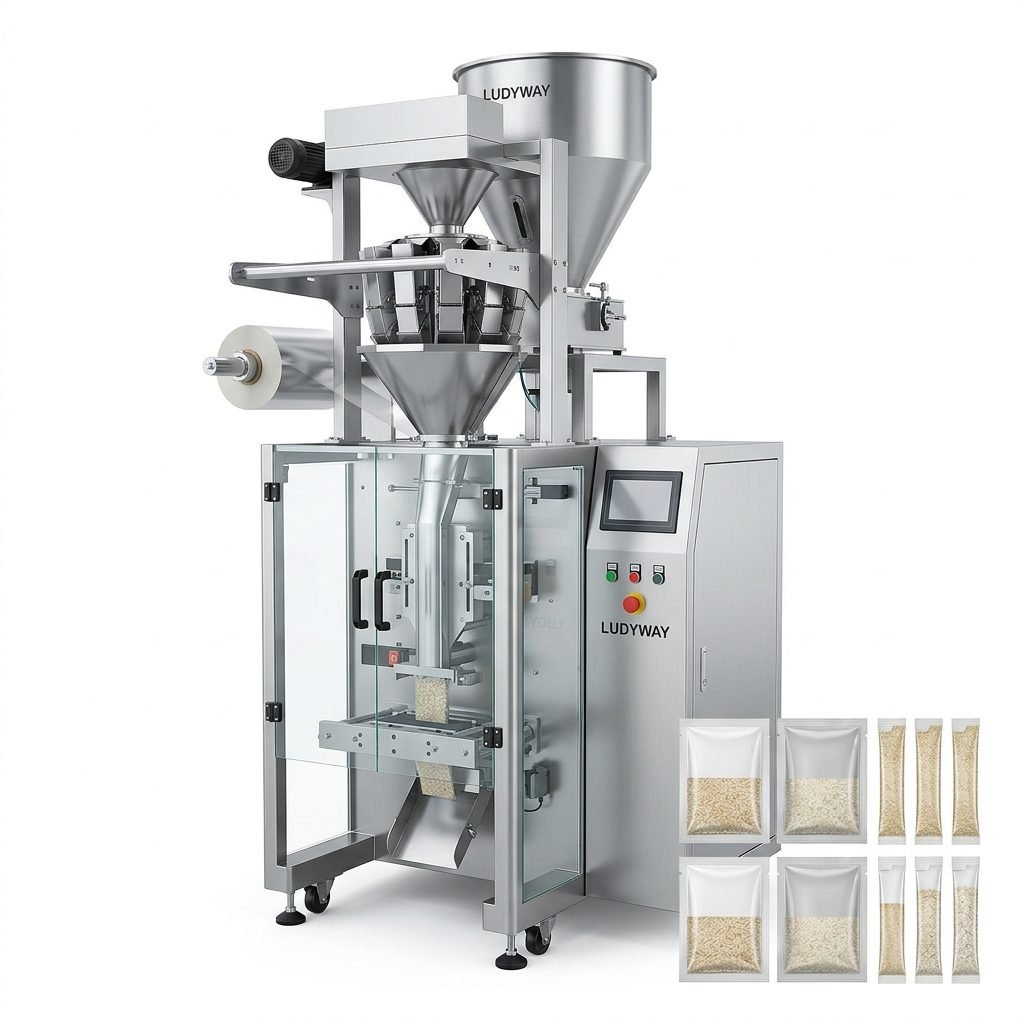
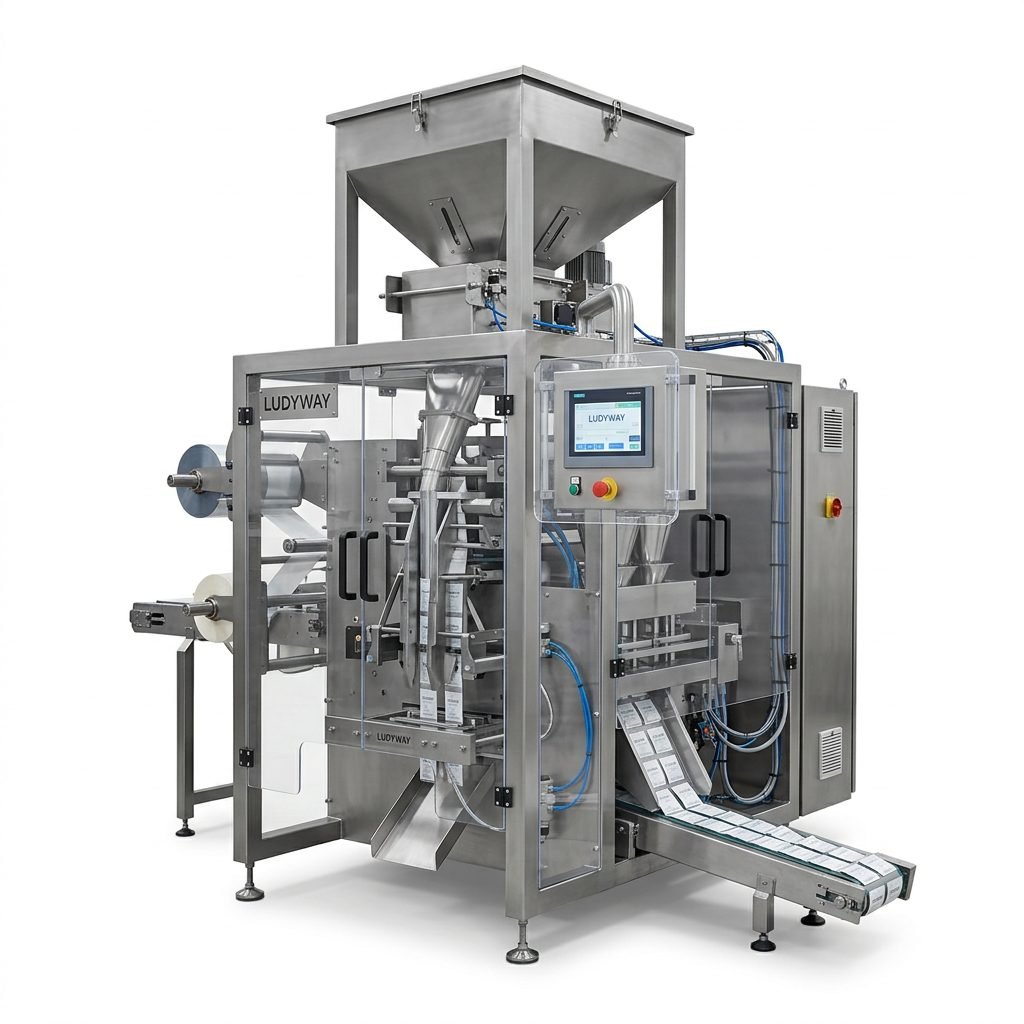
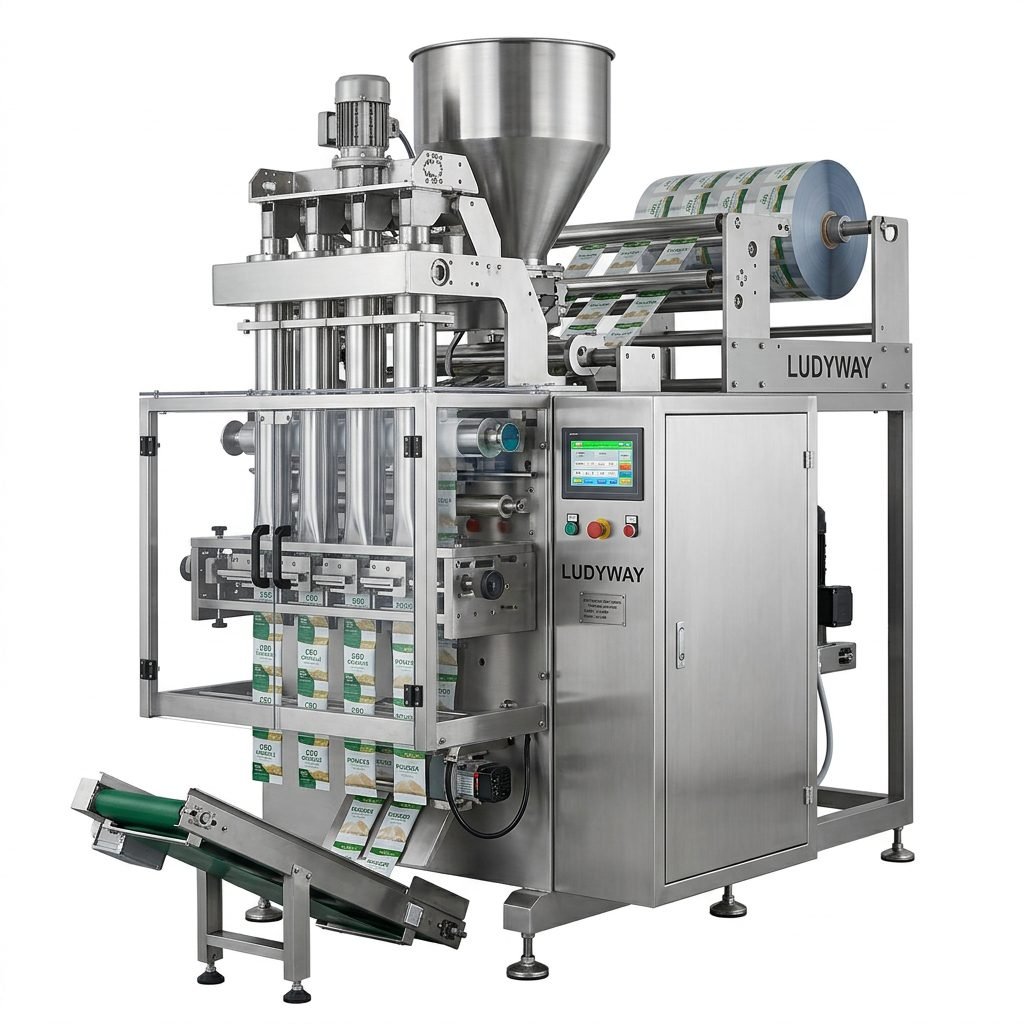
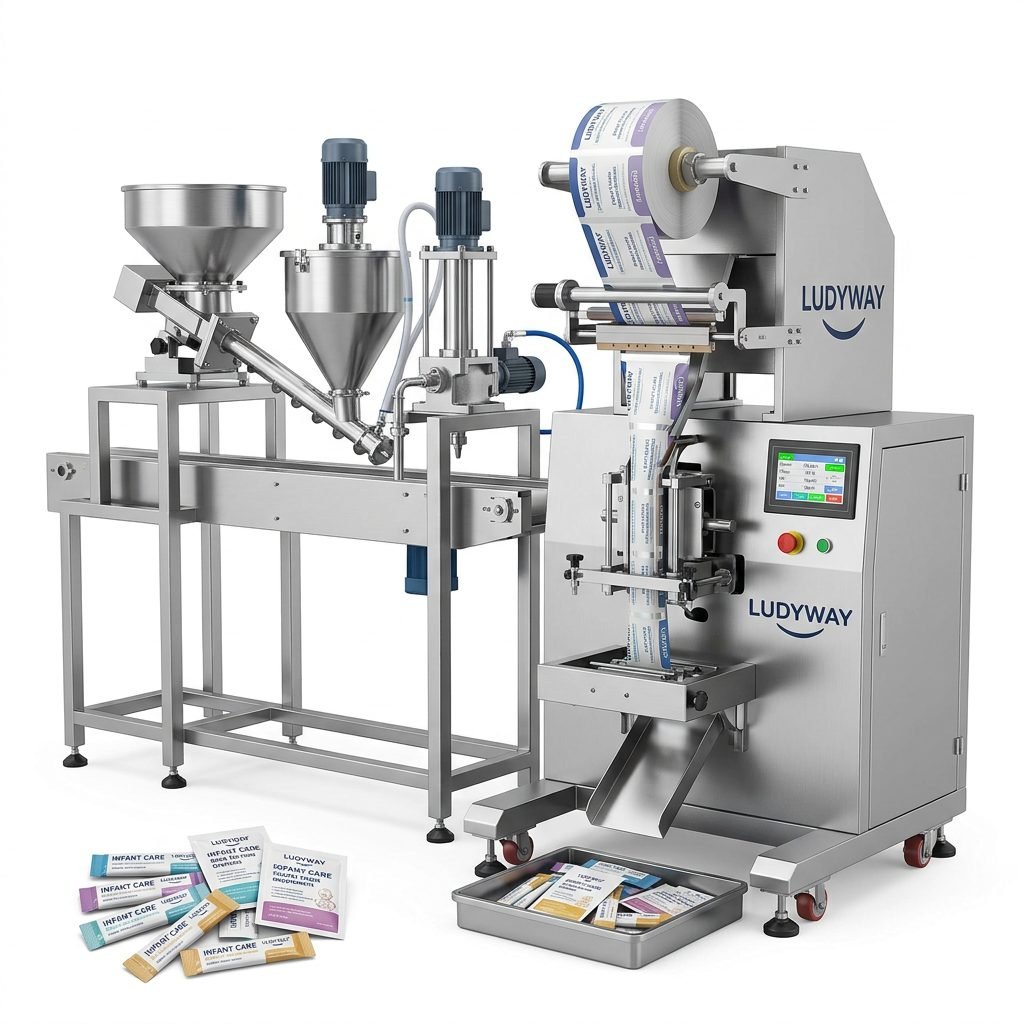
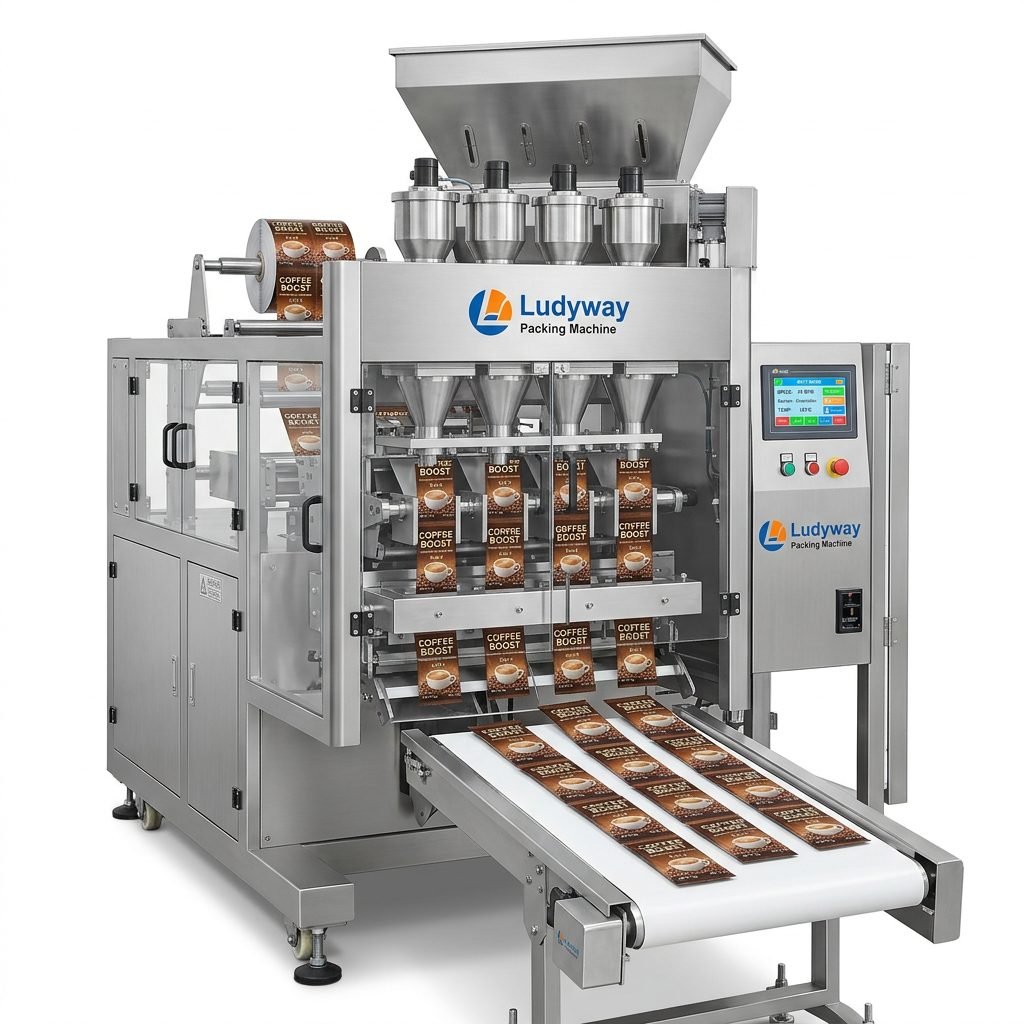
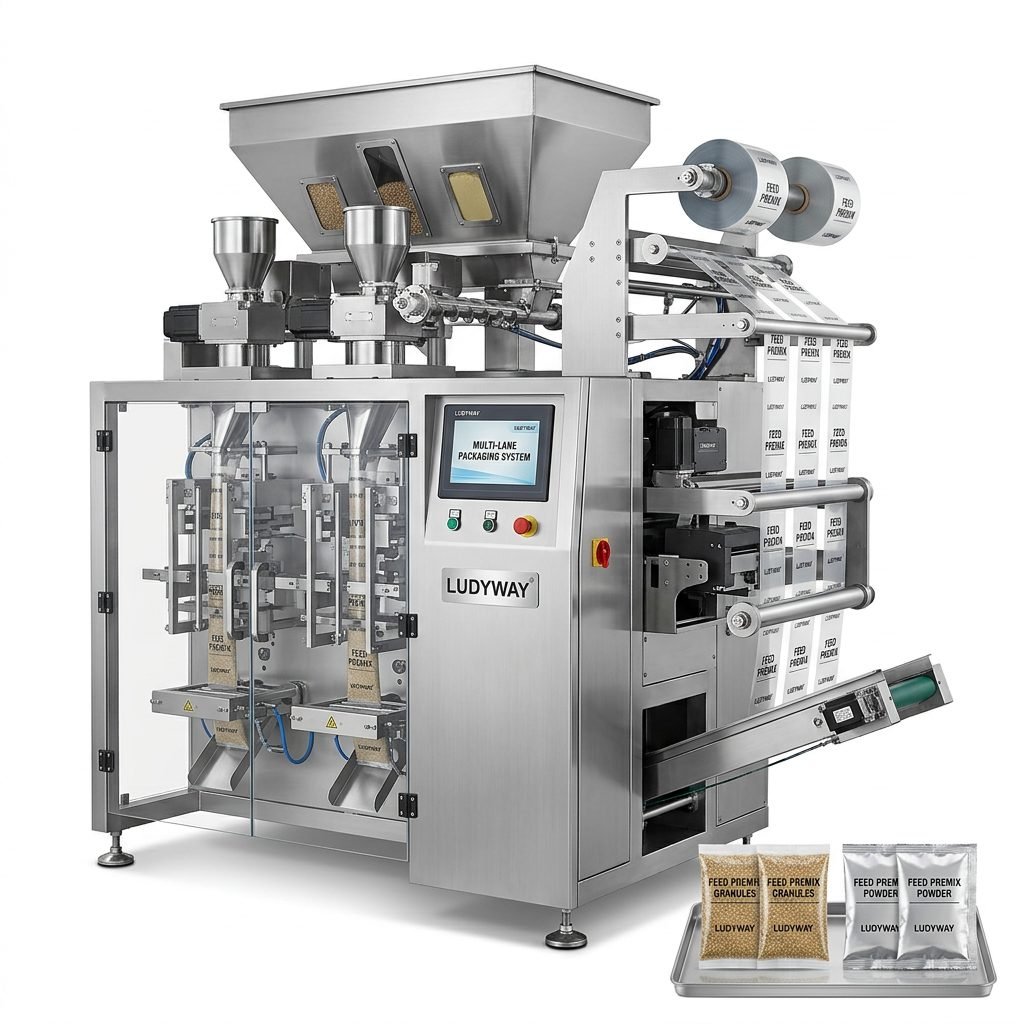
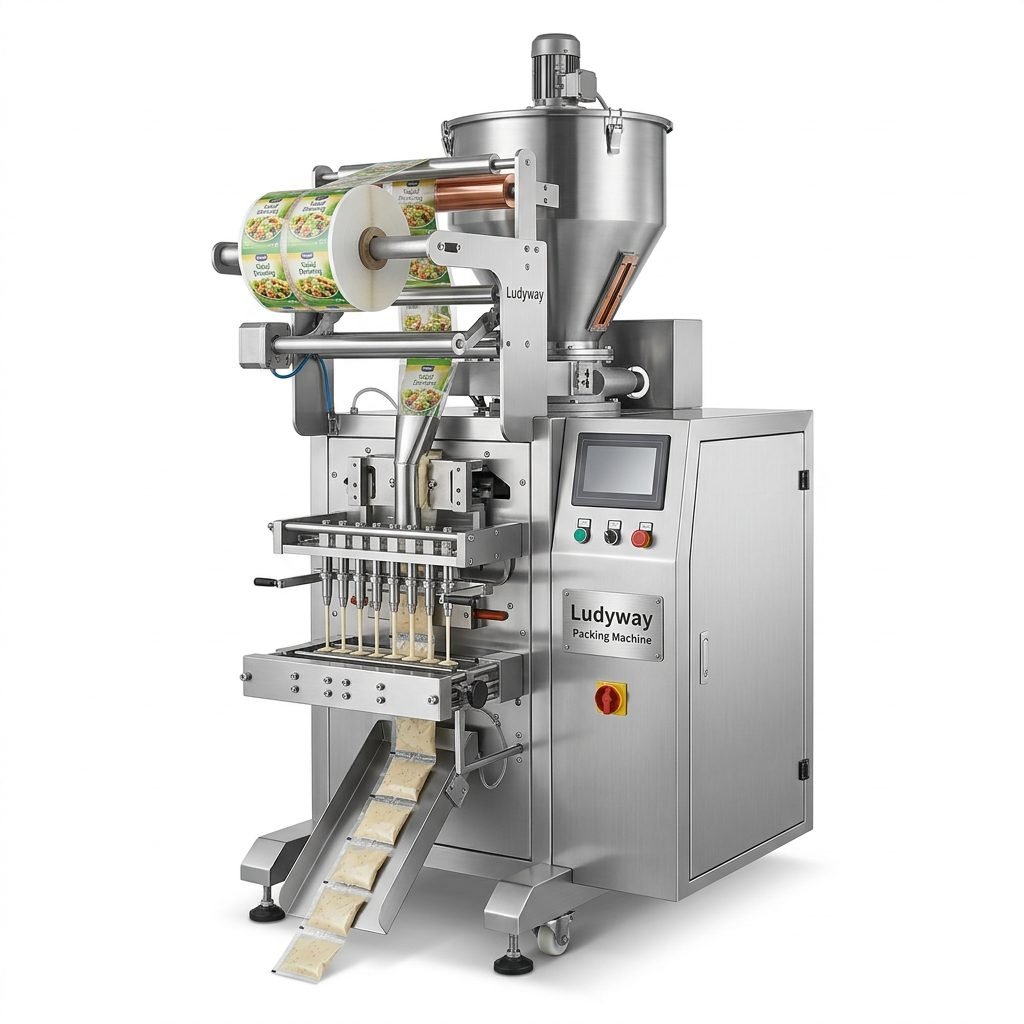
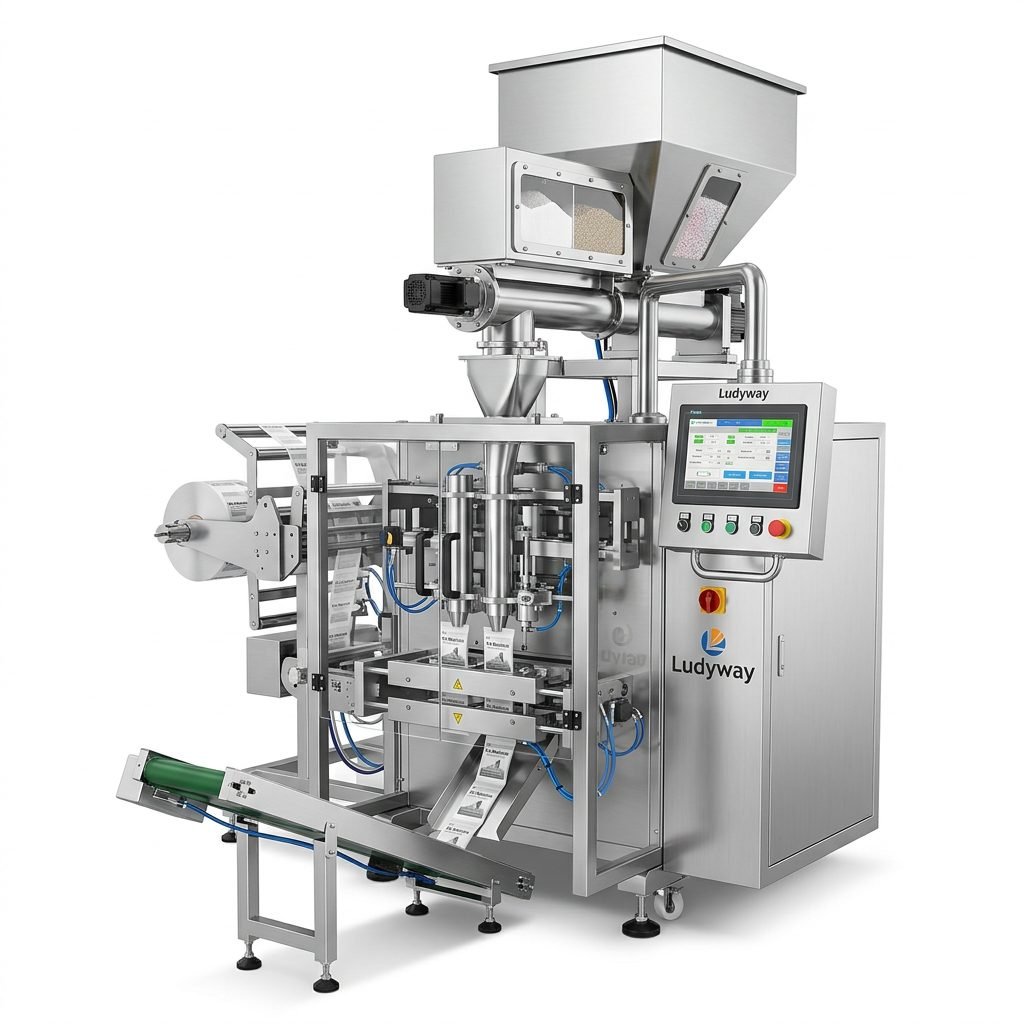
Investing in a water glass packing machine is a critical decision for manufacturers looking to scale production, improve packaging consistency, and reduce labor costs. Whether you are packaging glass cups, plastic tumblers, or disposable water glasses, the right automated packaging system can significantly impact your operational efficiency. This guide walks you through the essential factors to evaluate before making a purchase, helping you avoid costly mistakes and select equipment that aligns with your production goals.

Understanding the Core Functions of a Water Glass Packing Machine
Before comparing models, it is essential to understand what these machines actually do. A water glass packing machine typically automates the process of wrapping, bagging, or cartoning individual glasses or sets. Key operations include automatic feeding, counting, film wrapping or bag forming, heat sealing, and discharge. Depending on the fragility of the product, machines may incorporate shock-absorbing conveyors or specialized cushioning mechanisms to prevent breakage during high-speed operations. Understanding the sequence of operations ensures you choose a model with the right mechanical tolerances for your glassware.
Key Packaging Formats for Glassware
- Heat Shrink Wrapping: Ideal for single cups or small sets, using PE or PVC film to create a tight protective layer.
- Pouch or Bag Packaging: Often used for disposable plastic water glasses, utilizing pre-made pouches or form-fill-seal technology.
- Carton Erecting and Loading: Best suited for high-value glass sets or bulk packaging where stacking strength is required.
- Stretch Film Bundling: Suitable for palletizing or multi-pack configurations without the need for heat.
Assessing Production Speed and Throughput Requirements
Your target output per minute is a primary driver of machine selection. Low-speed machines (10–30 packs per minute) may be suitable for small workshops, while high-speed multi-lane systems can exceed 120 packs per minute. However, speed must be balanced with product handling. For fragile water glasses, acceleration and deceleration at high speeds can cause collisions. Therefore, manufacturers like Ludyway Machinery often integrate precision servo-driven infeed systems to synchronize glass positioning without impact. According to industry data from PMMI’s Business Intelligence, throughput requirements are consistently the top criterion for packaging machinery buyers.
Product Fragility and Material Compatibility
Glass materials require a fundamentally different mechanical approach compared to plastic. If you are packaging tempered glass cups, the machine frame must be rigid enough to withstand higher clamping forces. For delicate crystal or thin-walled glasses, look for machines with adjustable sealing pressure and temperature controls. The type of packaging film also matters. Some films require exacting heat ranges to avoid melting or incomplete seals. You can explore material standards and sustainability concerns through resources provided by the Flexible Packaging Association.
Changeover Flexibility and Multi-Format Handling
Modern production lines rarely dedicate a single machine to one product size forever. The ability to switch between different glass diameters or pack configurations quickly is vital. A water glass packing machine with tool-less changeover or recipe-driven automation can reduce downtime from hours to minutes. Check whether the machine handles random sizes or requires specific height guide rails. Some advanced models feature automatic recognition systems that adjust conveyor width based on the product scanned. This is critical for contract packagers who serve multiple clients.
Comparing Machine Configurations
Deciding between a standalone wrapping unit and a fully automated line involves understanding the trade-offs. The table below outlines the core configurations available in the market.
| Machine Type | Best For | Typical Features |
|---|---|---|
| Manual Loading Wrapper | Start-ups, low volume | Hand-fed, single-roll film, basic hot knife seal |
| Automatic L-Sealer | Medium-volume shrink wrapping | Conveyorized feed, impulse sealing, heat tunnel integration |
| Horizontal Form Fill Seal (HFFS) | High-speed pillow packs or bags | Automated film unwinding, multi-lane, continuous motion |
| Turnkey Cartoning System | Luxury glassware sets | Erecting, loading, hot melt gluing, integrated coding |
Integration with Upstream and Downstream Equipment
A water glass packing machine does not operate in isolation. Line integration capability determines overall efficiency. You need to verify communication protocols between the packer and upstream inspection systems or laser coders. Can a signal stop the feeder if a downstream jam is detected? Does the control system support Industry 4.0 data collection? Modern packaging lines, particularly those designed for export markets, require synchronization with case packers and palletizers. Understanding these integration points reduces installation headaches later.
Quality Standards and Regulatory Compliance
If your water glasses are intended for food contact or food service use, the packaging environment becomes critical. The materials used in the machine frame, such as stainless steel construction, might be mandatory for hygiene. International certifications, including CE and ISO standards, are essential for buyers in regulated markets. Resources like the ISO Packaging Standards outline requirements for safe machinery design. A manufacturing partner with documented compliance processes ensures smoother cross-border transactions.
Evaluating the Total Cost of Ownership (TCO)
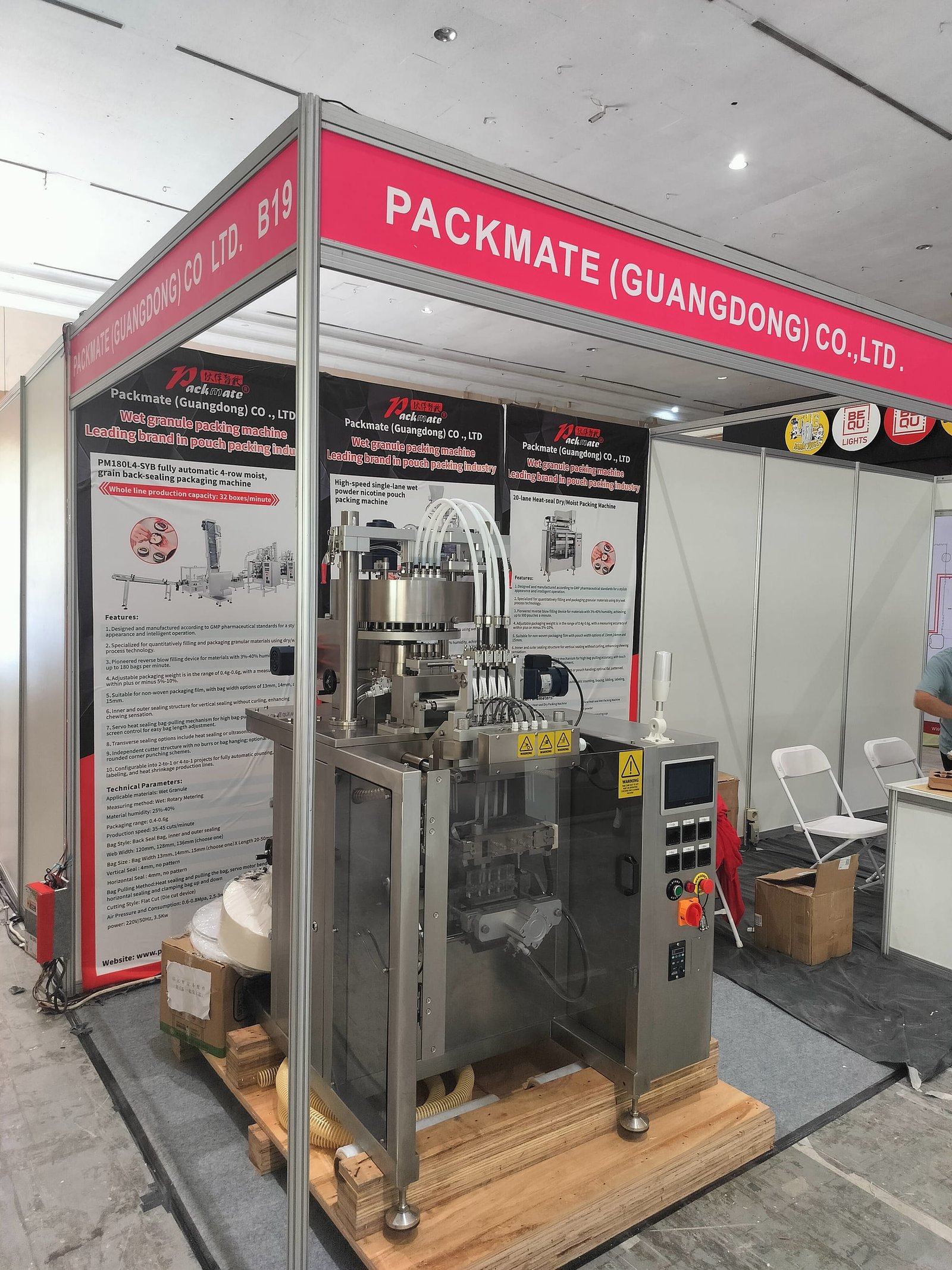
The upfront price of a machine is only one factor. Total cost of ownership includes spare parts availability, energy consumption, film waste rates, and technical support lifecycle. A machine that produces 2% packaging waste compared to one with 8% can save thousands of dollars annually. Similarly, evaluating the manufacturer’s spare parts network prevents extended downtime. Ludyway Machinery serves customers in more than 100 countries, providing packaging machinery and turnkey solutions with a focus on technical support throughout the project lifecycle, including commissioning, training, and remote assistance.
Customization and Application Engineering
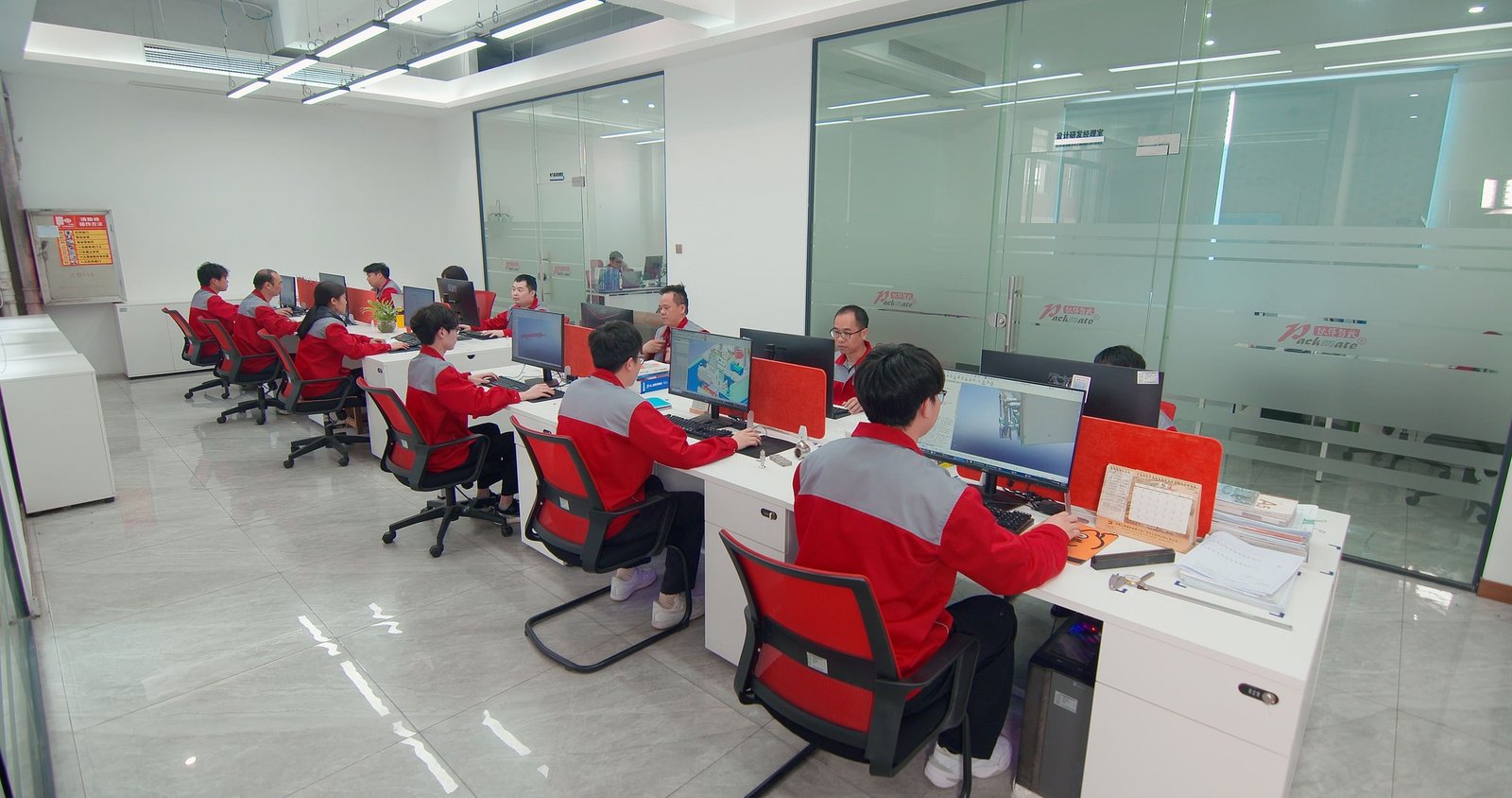
Off-the-shelf machines often fail to meet the exact ergonomics of a specific production floor. Customization may involve adjusting the machine’s working height to match existing conveyors, incorporating specialized gating mechanisms for unstable glass bases, or integrating nitrogen flushing for moisture-sensitive products. Experienced manufacturers with in-house engineering capabilities—such as a 20,000-square-meter facility and a dedicated mechanical design team—can tailor solutions to unique product characteristics. Ludyway is expected to achieve export revenue of more than RMB 500 million (approximately US$69 million) in 2025, and plans to surpass RMB 1 billion (approximately US$138 million) in export revenue in 2026, reflecting the growing global reliance on customized packaging systems.
Supplier Evaluation and After-Sales Support
Before signing a contract, test the supplier’s responsiveness. Do they have regional service engineers? Can they perform factory acceptance testing (FAT) remotely or on-site? The following checklist helps vet potential partners:
- Verify the manufacturing capacity and delivery timelines.
- Request references from clients packaging similar fragile items.
- Clarify warranty terms on electrical components and wear parts.
- Ensure documentation and interface software are available in required languages.
- Review remote diagnostic capabilities to minimize downtime.
Selecting the optimal water glass packing machine is an engineering decision as much as a commercial one. Aligning your fragile product characteristics with the correct sealing technology, automation level, and machine layout will define the long-term success of your packaging line. For deeper insights into market trends, the 2026 Packaging State of the Industry Report from PMMI provides valuable projections on flexible packaging growth and machinery innovation.