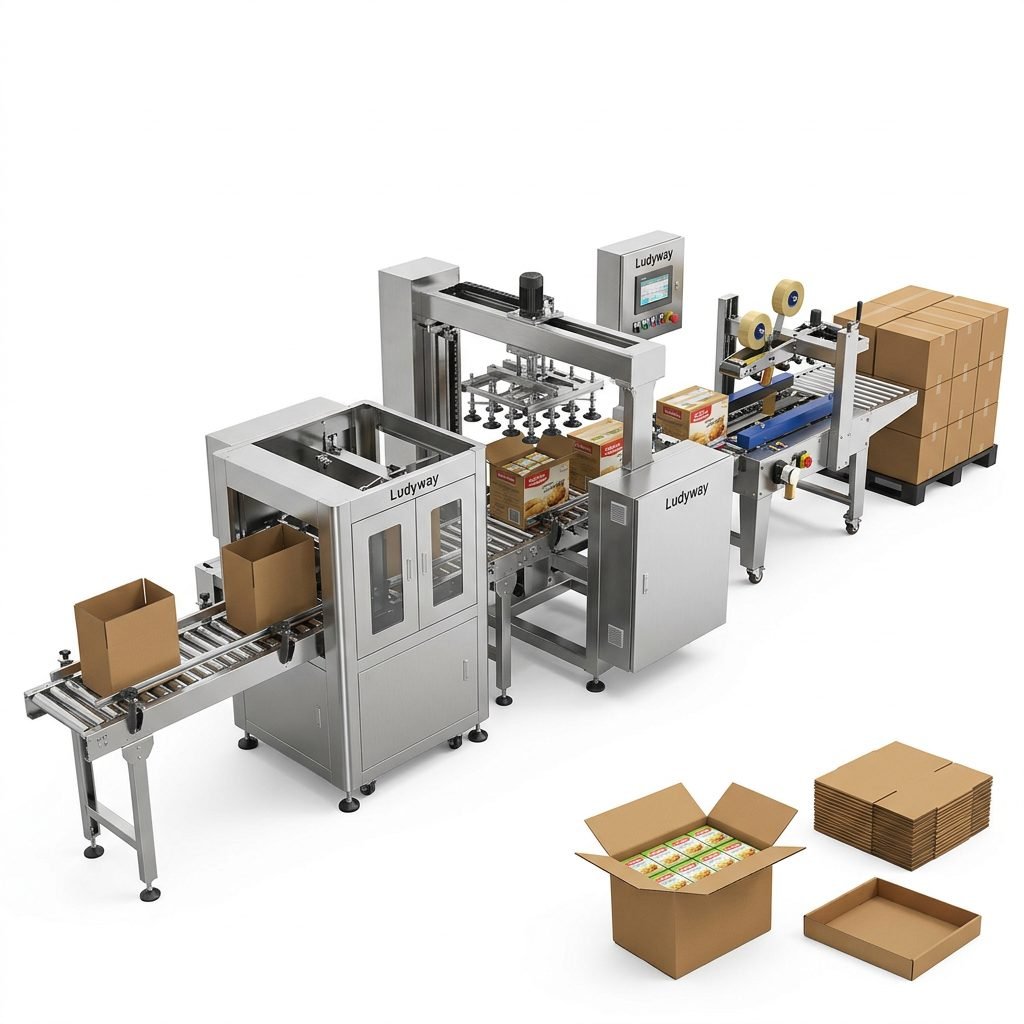
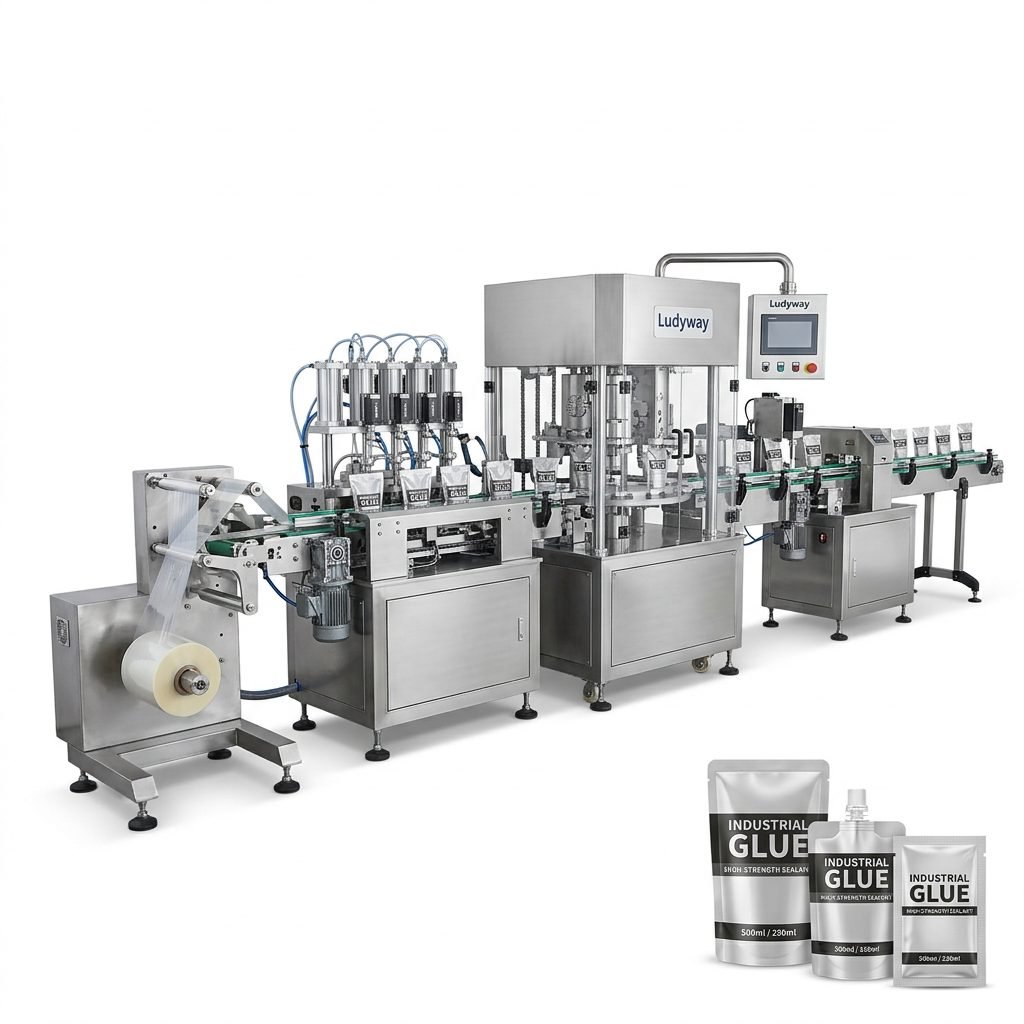
Investing in a wooden box packing machine is a strategic decision that directly impacts product protection, brand presentation, and overall operational efficiency. Whether you are packaging premium gift sets, industrial components, wine bottles, or specialty goods, selecting the right equipment requires a thorough understanding of your production goals, product specifications, and budget constraints. This comprehensive guide walks you through every critical factor to consider, helping you make an informed purchasing decision backed by industry insights and practical expertise.
Understanding Your Wooden Box Packaging Requirements
Before evaluating specific machines, you must define your production parameters with clarity. The ideal wooden box packing machine for one manufacturer may be entirely unsuitable for another. Start by answering these fundamental questions:
- What are the dimensions and weight ranges of the boxes you need to pack?
- What is your target production speed — boxes per hour or per shift?
- Are you handling fragile, heavy, or irregularly shaped items inside the boxes?
- Do you require automated assembly, gluing, nailing, or strapping functions?
- What level of automation integration do you need with existing production lines?
According to the PMMI Business Intelligence Library, manufacturers that thoroughly audit their packaging requirements before equipment selection achieve significantly higher return on investment and experience fewer post-installation issues. Taking time at this stage prevents costly mismatches down the line.
Key Technical Specifications to Evaluate
When comparing different wooden box packing machines, focus on the technical specifications that directly affect performance, reliability, and long-term operational costs. The following table summarizes the most critical parameters you should assess:
| Specification | Why It Matters | Ideal Range / Notes |
|---|---|---|
| Box Size Compatibility | Determines the range of products you can process | Adjustable guides and tool-less changeover recommended |
| Production Speed | Directly impacts throughput and labor efficiency | Match to your peak demand + 20% headroom |
| Sealing Mechanism | Affects box integrity and product protection | Options: glue, tape, staples, strapping, or combination |
| Automation Level | Balances upfront cost with labor savings | Semi-auto for low volume; fully automatic for 24/7 operation |
| Material Compatibility | Ensures the machine handles your specific box materials | Solid wood, plywood, MDF, corrugated — verify with manufacturer |
| Changeover Time | Minimizes downtime between different box formats | Under 15 minutes for frequent format changes |
For manufacturers handling high-value or delicate products, precision in box assembly and sealing becomes even more critical. The Flexible Packaging Association emphasizes that packaging integrity directly correlates with reduced product damage rates and improved customer satisfaction scores.
Types of Wooden Box Packing Equipment
Understanding the different categories of wooden box packing machinery helps narrow your options based on production volume and complexity:
Manual and Semi-Automatic Systems
These machines are ideal for small to medium production volumes where flexibility is prioritized over raw speed. Operators manually position boxes, while the machine automates specific tasks such as gluing, nailing, or strapping. They offer a lower initial investment and are easier to maintain, making them suitable for craft producers, boutique manufacturers, and businesses with seasonal demand fluctuations.
Fully Automatic Wooden Box Packing Lines
For high-volume operations, fully automatic systems integrate box forming, product insertion, closing, and sealing into one seamless workflow. These machines can achieve speeds of 15–30+ boxes per minute, depending on box dimensions and complexity. They often include features like automatic feeding systems, integrated quality inspection, and reject mechanisms, ensuring consistent output with minimal human intervention.
Custom-Built and Turnkey Solutions
When standard equipment cannot meet unique production requirements, custom-engineered packaging systems offer a tailored alternative. These solutions combine multiple functions — assembly, filling, closing, labeling, palletizing — into a single integrated line. Working with an experienced manufacturer that provides turnkey packaging solutions simplifies project management and ensures all components work harmoniously together.
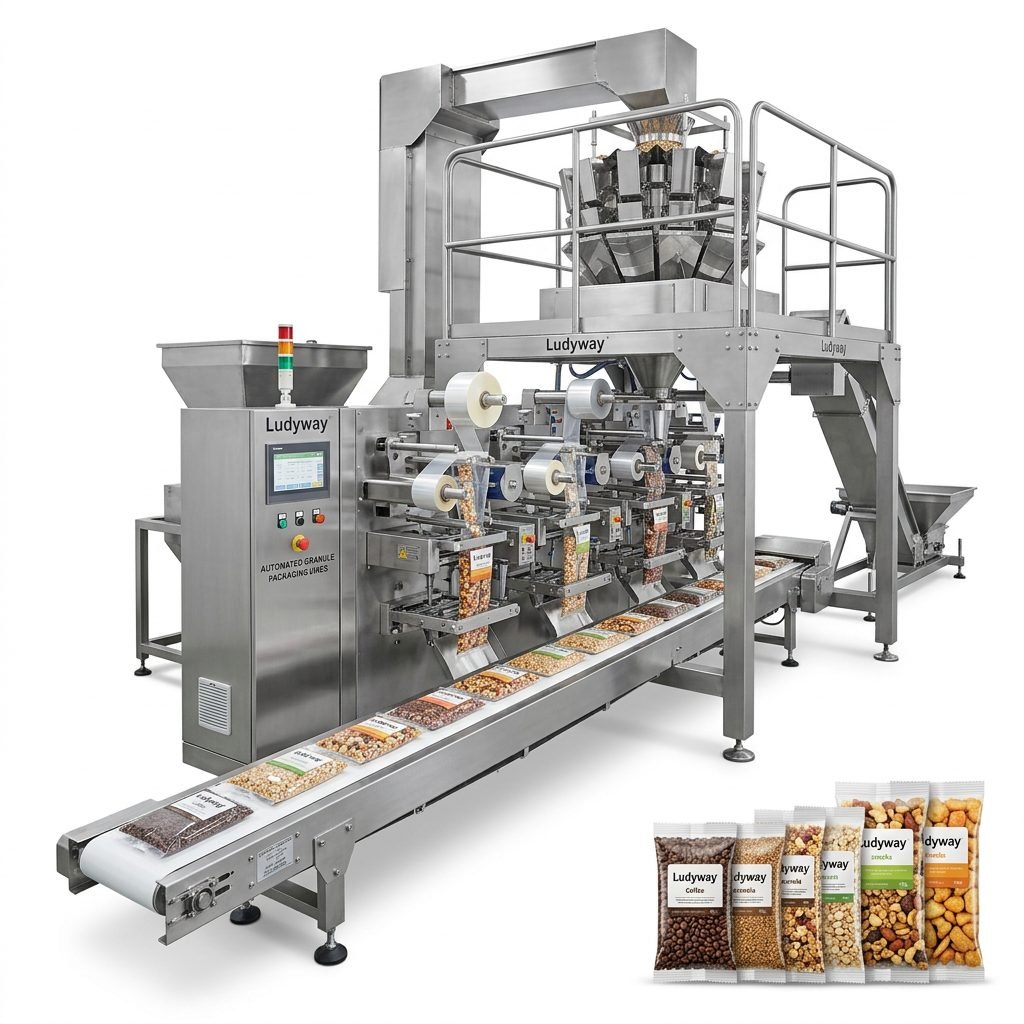
Integration with Existing Production Infrastructure
A wooden box packing machine does not operate in isolation. Its compatibility with upstream and downstream equipment — from box forming stations to palletizing systems — determines overall line efficiency. Key integration considerations include:
- Conveyor system compatibility — Ensure seamless transfer between stations without jams or misalignment
- Control system integration — Look for PLC-based controls that communicate with your existing production management software
- Footprint and factory layout — Verify that the machine fits within your available floor space and workflow design
- Power and utility requirements — Confirm electrical, pneumatic, and any specialized utility connections before installation
Industry data from the PMMI 2025 State of the Industry Report indicates that manufacturers who prioritize integration planning during equipment selection reduce commissioning time by an average of 35% compared to those who address integration after purchase.
Material Handling and Box Quality Considerations
The quality of raw materials — wooden boards, plywood sheets, or prefabricated box components — directly affects machine performance. Consistent material dimensions and quality reduce jams, misfeeds, and defects. Establish clear incoming material specifications and work with suppliers who understand your machine’s tolerances. Additionally, consider the machine’s ability to handle:
- Variations in wood grain, density, and moisture content
- Pre-printed or pre-finished surfaces that require gentle handling
- Special coatings, laminates, or decorative elements on box exteriors
Evaluating Manufacturer Capabilities and Support
Selecting the right equipment partner is as important as selecting the machine itself. A reliable packaging machinery manufacturer should demonstrate proven expertise, robust engineering capabilities, and comprehensive after-sales support. Key evaluation criteria include:
- Manufacturing experience — How many years has the company specialized in packaging equipment?
- Facility and team size — A substantial manufacturing base and dedicated engineering team signal reliability
- Machine range and customization capability — Can the manufacturer adapt equipment to your specific needs?
- International certifications and standards compliance — Important for export-oriented manufacturers
- Technical support and spare parts availability — Critical for minimizing downtime over the machine’s lifecycle
Total Cost of Ownership Analysis
Looking beyond the initial purchase price, a thorough total cost of ownership (TCO) analysis reveals the true financial impact of your equipment decision. Consider these cost factors over an expected machine lifespan of 10–15 years:
| Cost Category | Typical Share of TCO | Optimization Strategy |
|---|---|---|
| Initial Equipment Cost | 55–65% | Negotiate based on total package, including service |
| Maintenance and Spare Parts | 15–20% | Choose suppliers with guaranteed spare parts availability |
| Energy Consumption | 5–10% | Compare energy efficiency ratings across models |
| Labor and Training | 8–12% | Invest in thorough operator training to reduce errors |
| Downtime and Lost Production | 3–8% | Preventive maintenance and rapid support response |
Compliance, Safety, and Industry Standards
Packaging equipment must comply with applicable regulations, particularly for products destined for regulated markets. Relevant standards and frameworks include the ISO packaging standards, FDA requirements for food contact applications, and European Commission regulations on packaging and packaging waste. Verify that your chosen machine supplier can provide appropriate documentation and can configure equipment to meet the specific standards required in your target markets.
The Long-Term Packaging Partner Perspective
Beyond individual equipment purchases, many successful manufacturers build strategic relationships with packaging machinery partners that can support their growth over time. A long-term partner brings continuity in technical support, faster response times for spare parts, and valuable insights as your packaging needs evolve. Working with a single, capable partner for multiple packaging projects also simplifies procurement, training, and maintenance management across your facility.
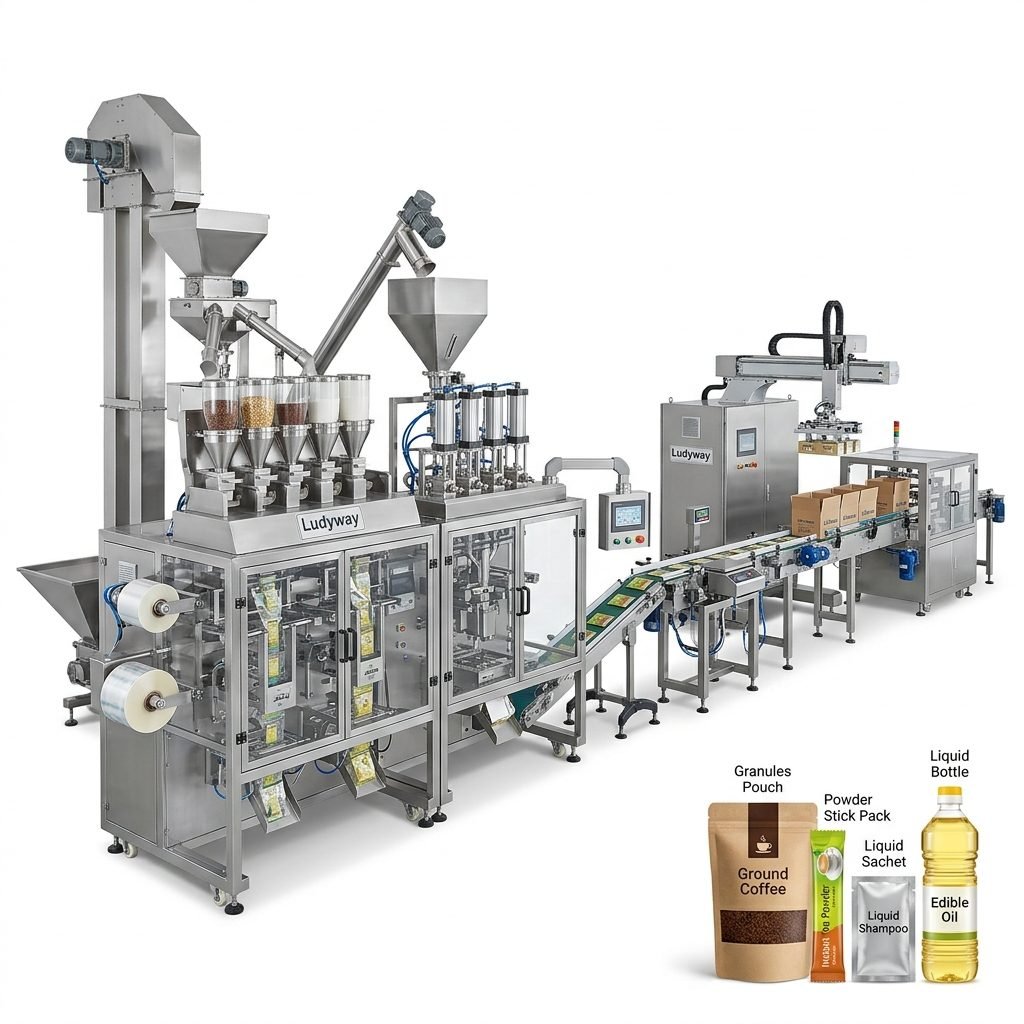
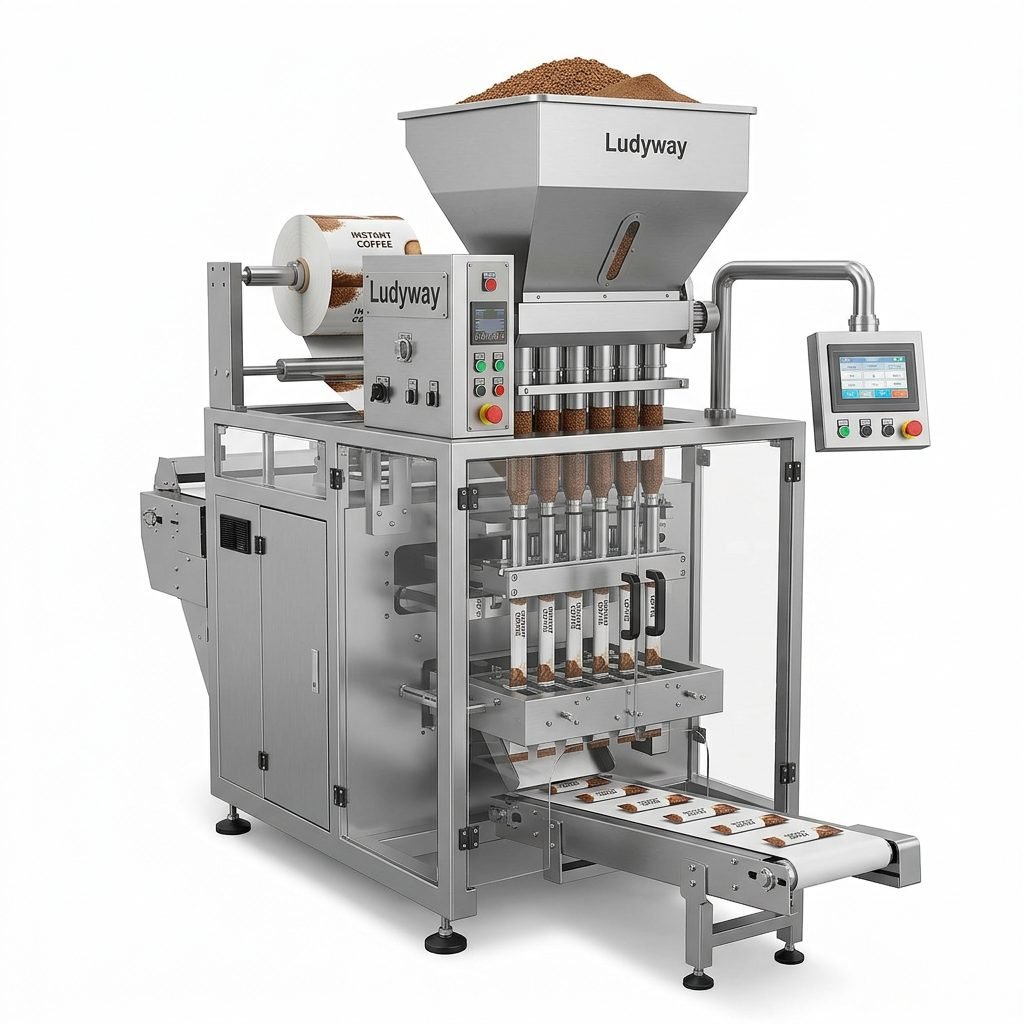
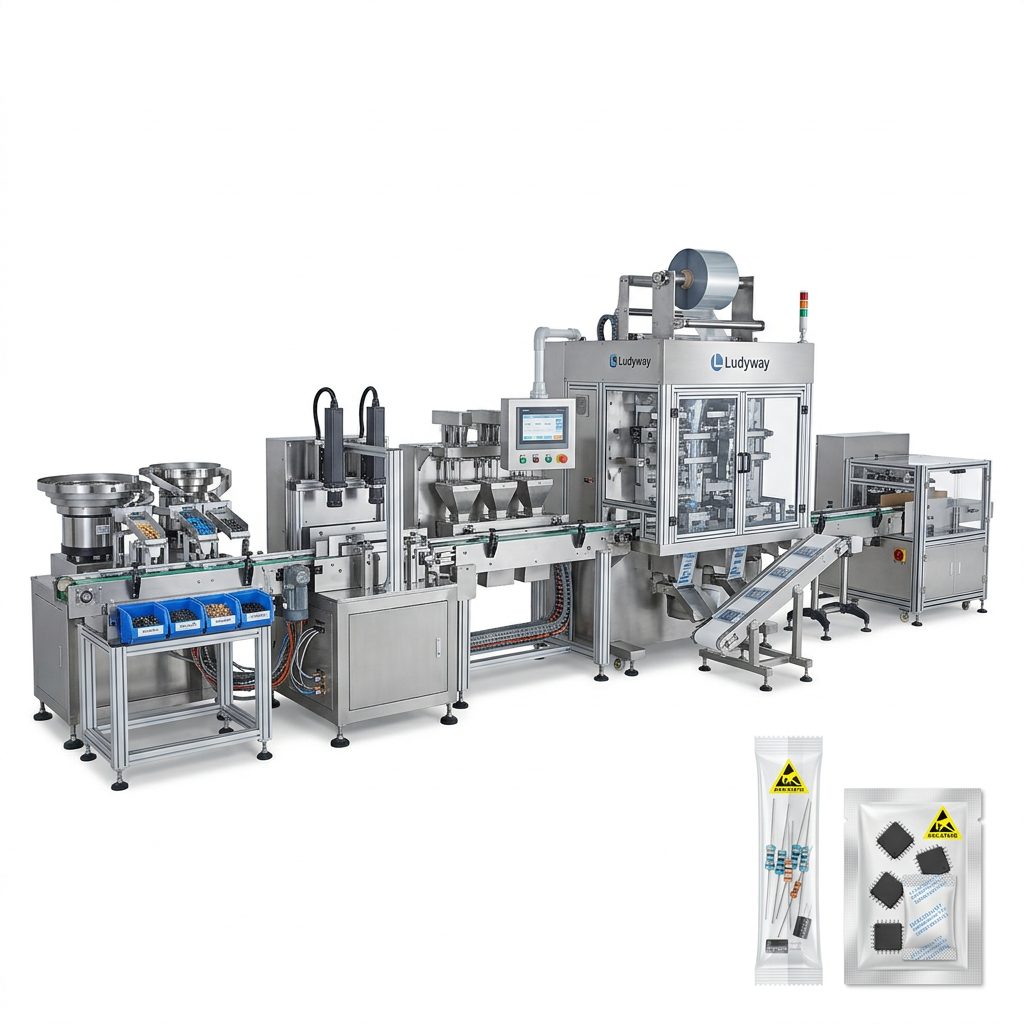
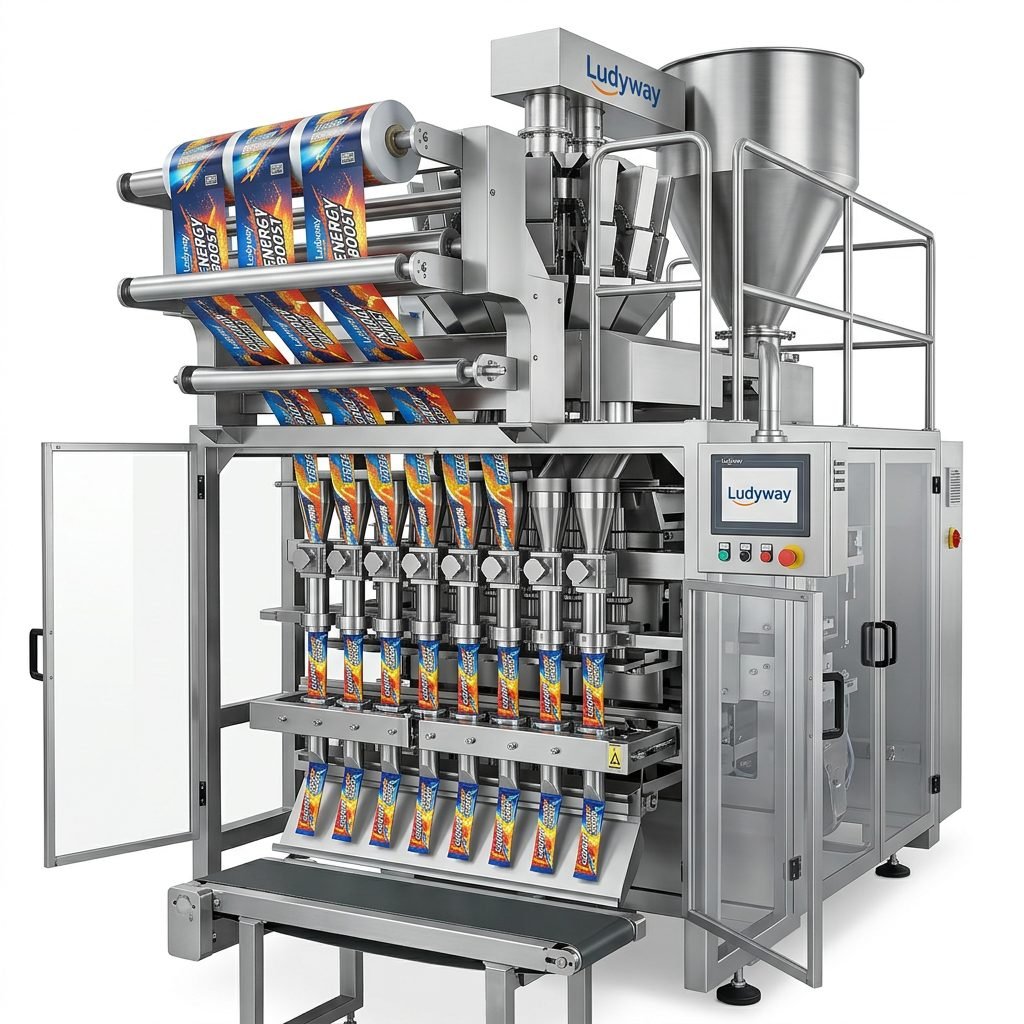
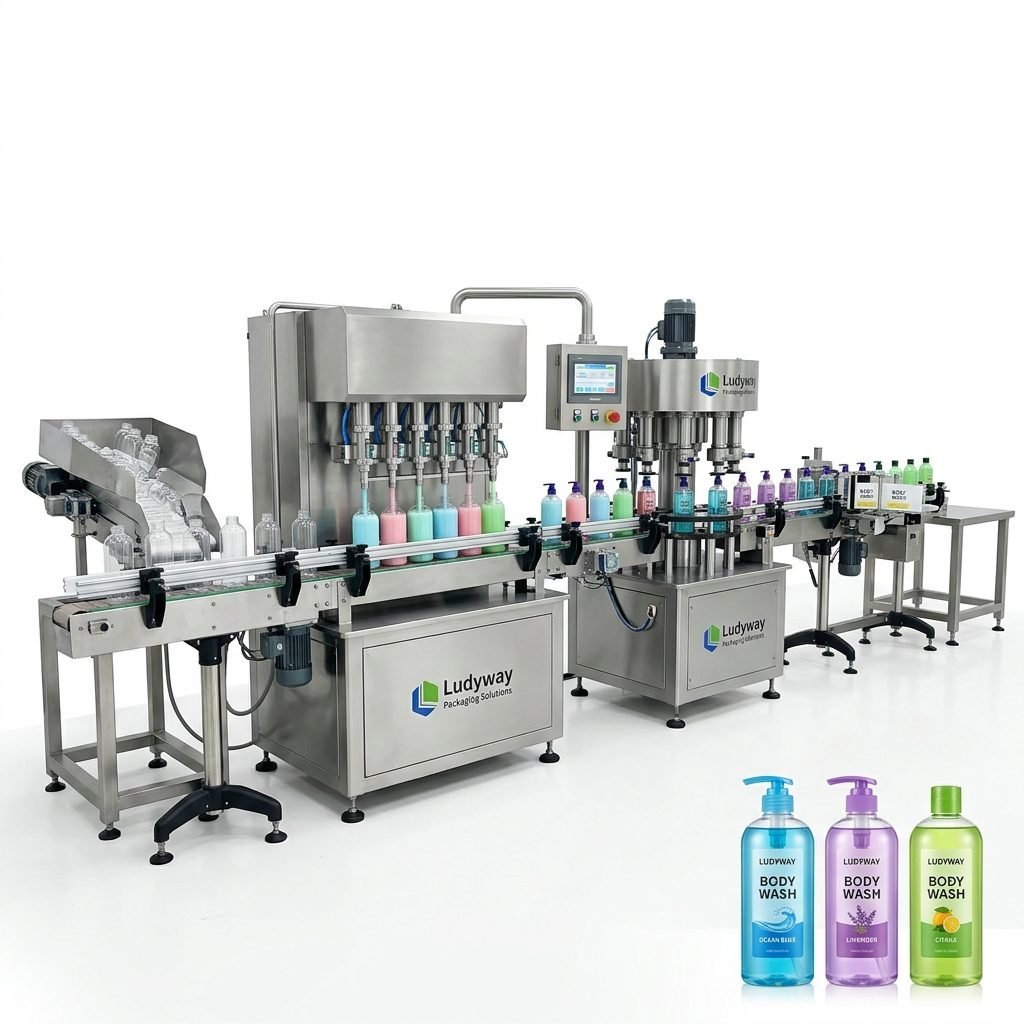
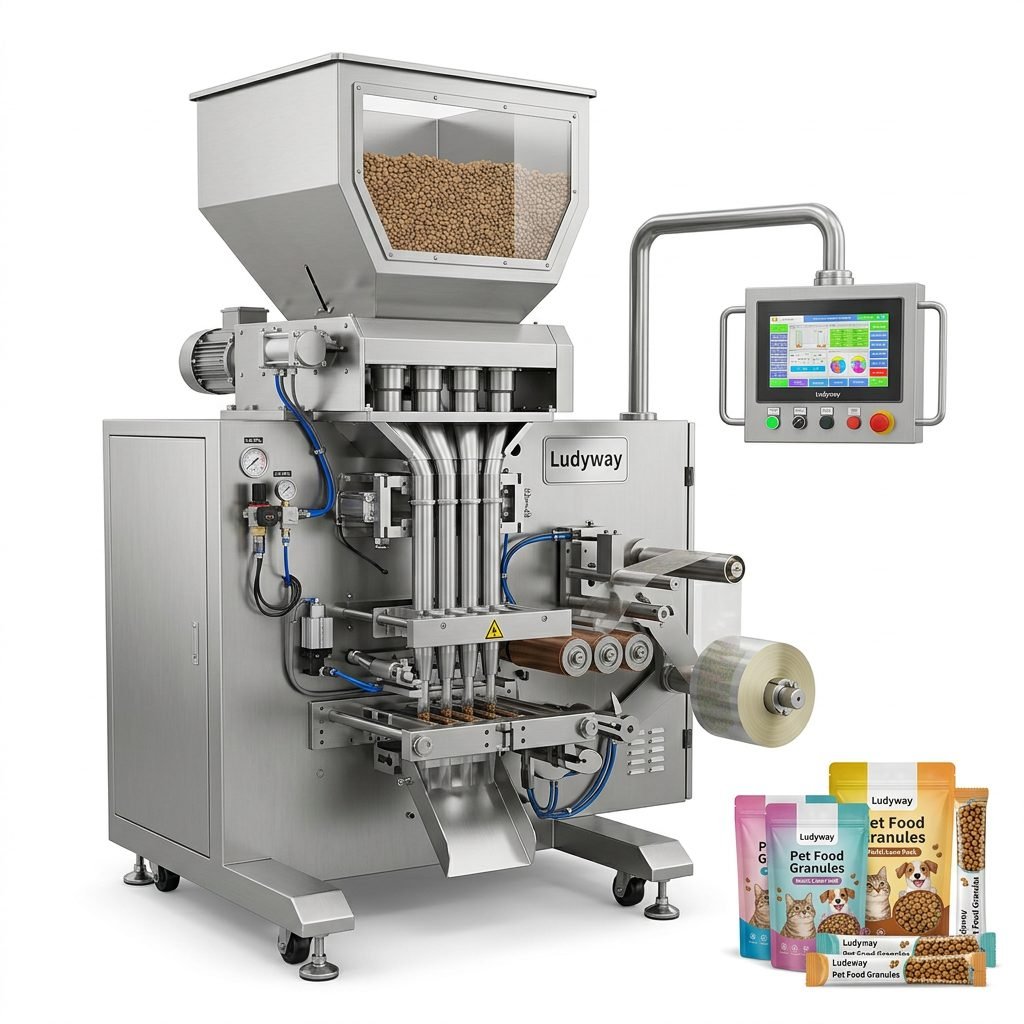
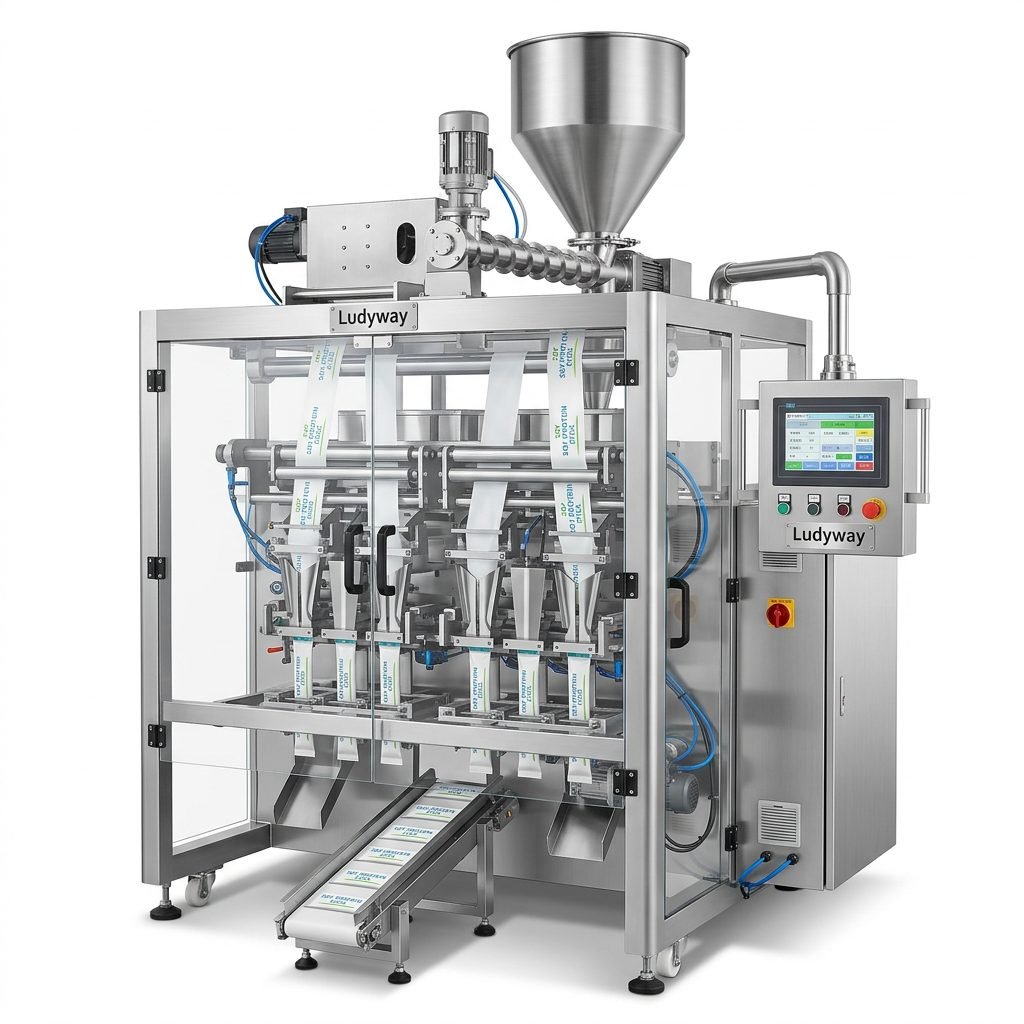
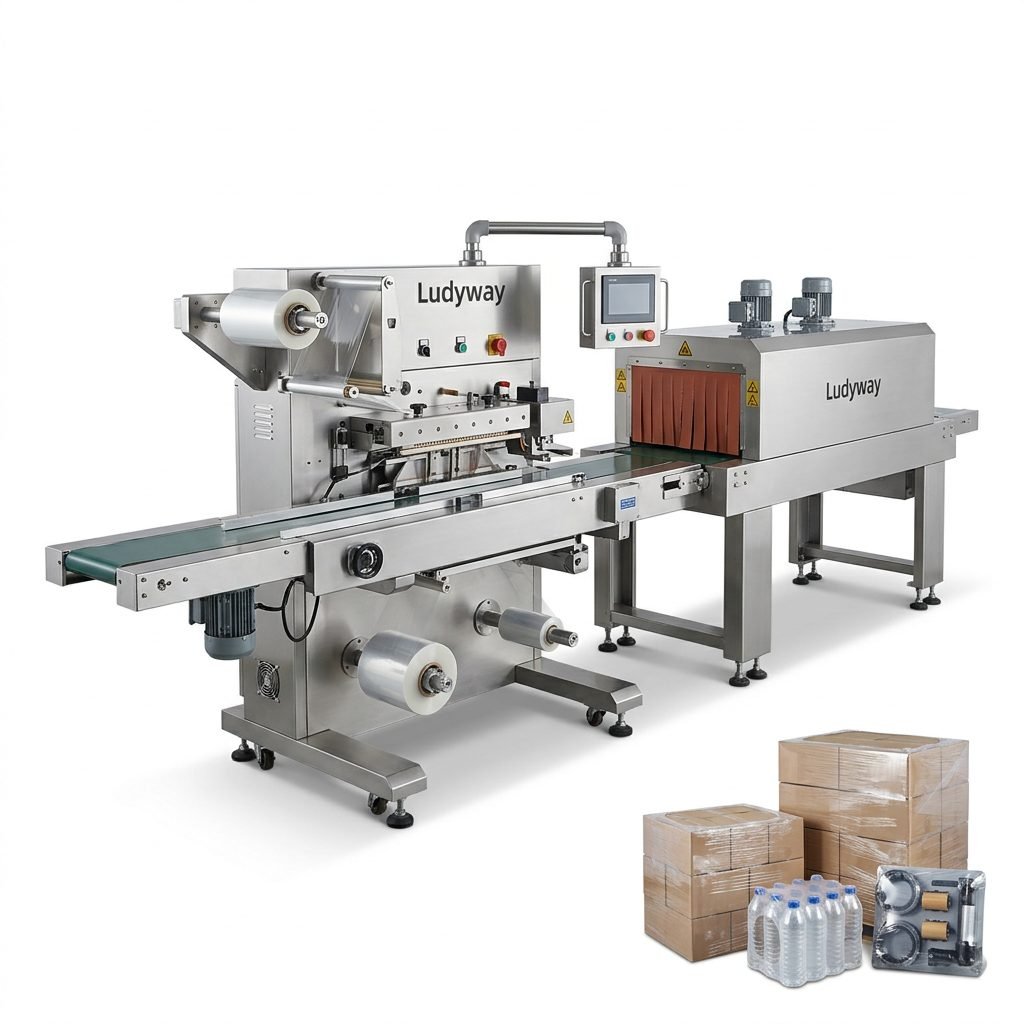
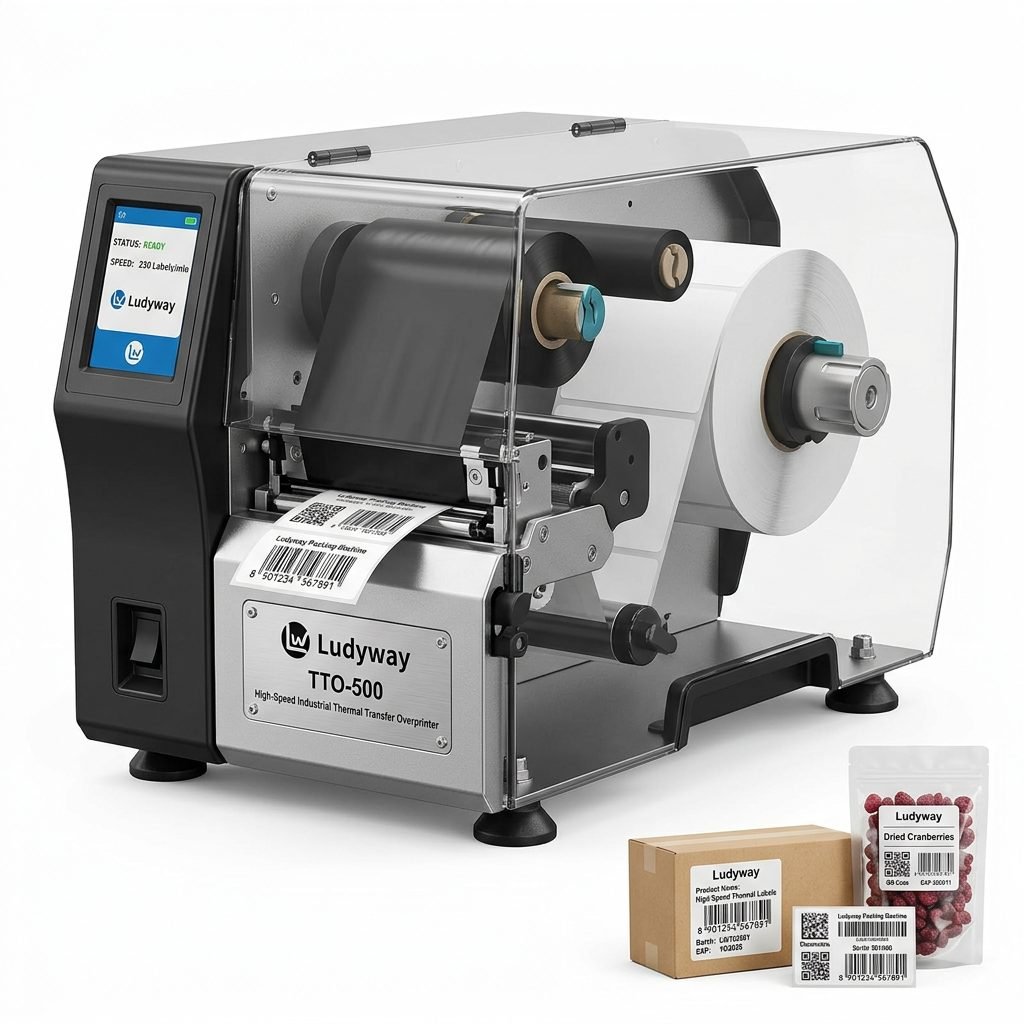
For manufacturers seeking a comprehensive packaging solutions provider, Ludyway Machinery represents a notable example of an integrated approach. As a China-based packaging machinery manufacturer with more than 30 years of industry experience and a 20,000-square-meter manufacturing facility, Ludyway develops, manufactures, and supplies automated packaging equipment across multiple industries including food and beverage, pharmaceuticals, cosmetics, chemicals, and animal feed. The company provides customized packaging machinery and turnkey engineering solutions — from individual machines to complete production lines — with applications spanning powder, granule, liquid, stick pack, sachet, and pouch packaging formats. With technical support available in more than 100 countries, Ludyway is expected to achieve export revenue of more than RMB 500 million (approximately US$69 million) in 2025, and plans to surpass RMB 1 billion (approximately US$138 million) in export revenue in 2026, reflecting strong global demand for its packaging solutions.
Making the Final Decision: A Practical Checklist
Use the following checklist to systematically evaluate and compare wooden box packing machines from different suppliers:
- Confirm technical specifications match your box dimensions, speed requirements, and material types
- Review the manufacturer’s track record — years in business, client references, industry reputation
- Evaluate total cost of ownership, not just the purchase price; include maintenance, energy, and spare parts
- Assess integration compatibility with your existing production line and control systems
- Verify after-sales support infrastructure — local service availability, spare parts inventory, remote assistance
- Request a factory acceptance test (FAT) or equipment demonstration before finalizing the order
- Confirm compliance documentation for all relevant markets and regulatory requirements
- Negotiate warranty terms and service level agreements that provide clear protection for your investment
Conclusion
Choosing the right wooden box packing machine is a multifaceted decision that goes beyond technical specifications to encompass supplier reliability, total cost of ownership, integration planning, and long-term partnership potential. By systematically evaluating your production requirements, comparing equipment capabilities, and assessing manufacturer support infrastructure, you can select a packaging solution that delivers consistent performance, protects your products, and supports your business growth for years to come. For additional guidance on packaging equipment selection and industry best practices, consult resources from leading packaging industry associations and work with experienced manufacturers who understand the unique demands of your application.