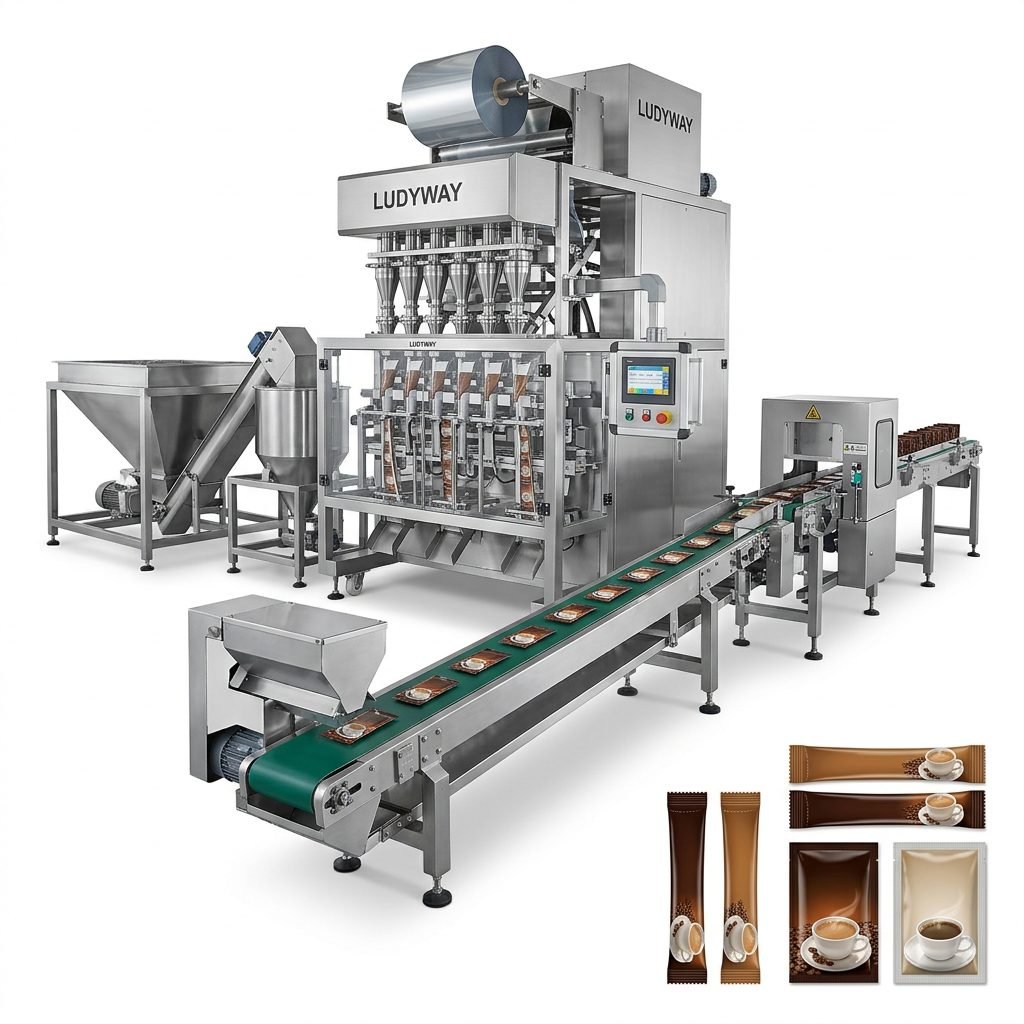
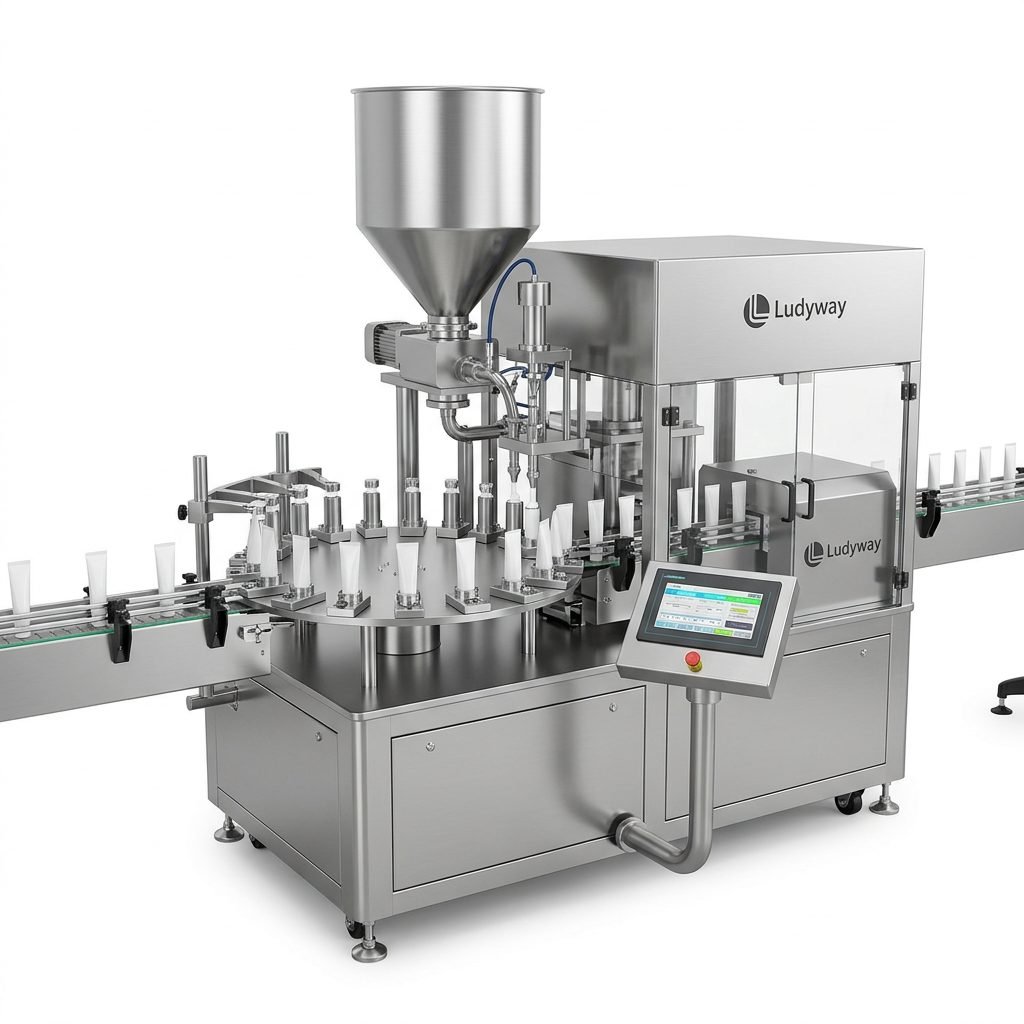
Investing in a dairy packaging machine is a significant decision for any UK-based dairy processor, co-packer, or food manufacturer. Whether you are packaging fresh milk, cheese, yogurt, butter, or powdered dairy products, the right equipment directly impacts your product shelf life, brand presentation, and operational efficiency. The UK dairy market is one of the largest in Europe, with over 14 billion litres of milk produced annually, making automated and hygienic packaging solutions essential for staying competitive.
This guide walks you through the complete buying process, from understanding your production requirements and navigating UK regulations to evaluating suppliers and comparing machine types. With the right approach, you can secure a packaging system that meets both your current needs and future growth plans.

Understanding Your Dairy Packaging Requirements
Before contacting suppliers, you need to define your specific packaging needs. Dairy products vary widely in consistency, viscosity, and shelf-life requirements, which directly influence the type of packaging machinery you will need.
Key Factors to Evaluate
- Product Type: Is your product liquid milk, cream, yogurt, cheese curd, butter, ghee, ice cream, or powdered milk? Each requires different filling technologies — from volumetric piston fillers for viscous products to gravimetric or flow meter systems for low-viscosity liquids.
- Target Output Speed: How many units, sachets, pouches, bottles, or cups do you need to fill per minute? Small artisanal dairies may need 20-40 packs per minute, while large-scale processors often require high-speed multi-lane systems capable of 400-600 packs per minute or more.
- Packaging Format: Common formats include gable-top cartons, PET or HDPE bottles, glass bottles, flexible pouches, stick packs, sachets, cups with foil lids, and bulk bags for industrial dairy ingredients.
- Shelf Life and Barrier Requirements: Fresh pasteurized milk has different barrier needs compared to UHT milk or milk powder. Consider whether you need modified atmosphere packaging (MAP), vacuum sealing, or nitrogen flushing capabilities.
- Cleanliness and CIP Compatibility: Dairy equipment must meet strict hygiene standards. Look for machines with Clean-in-Place (CIP) compatibility, stainless steel construction (AISI 304 or 316L), and easy disassembly for sanitation.
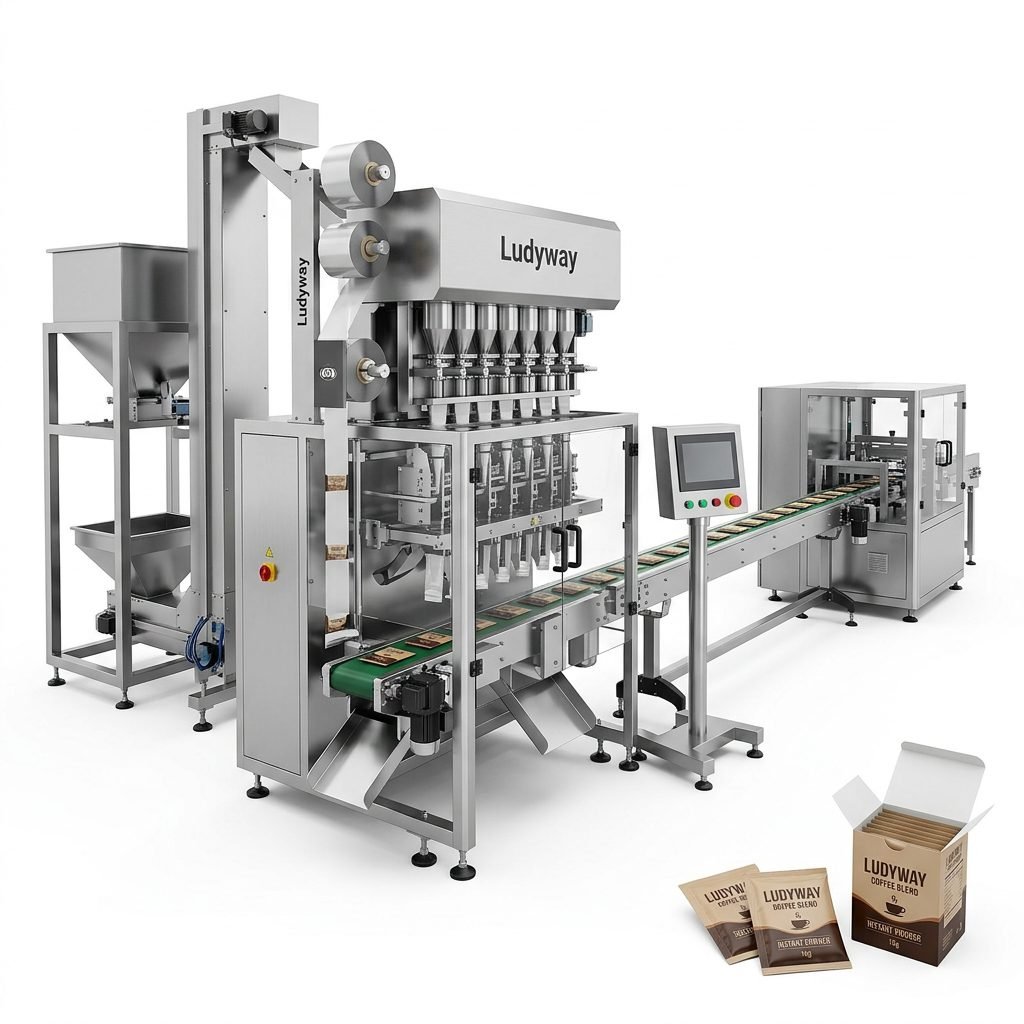
Types of Dairy Packaging Machines Available in the UK Market
The UK packaging machinery market offers a wide range of equipment, from entry-level semi-automatic fillers to fully integrated turnkey lines. Understanding the main categories helps narrow your search:
| Machine Category | Best Suited For | Typical Speed Range | Key Considerations |
|---|---|---|---|
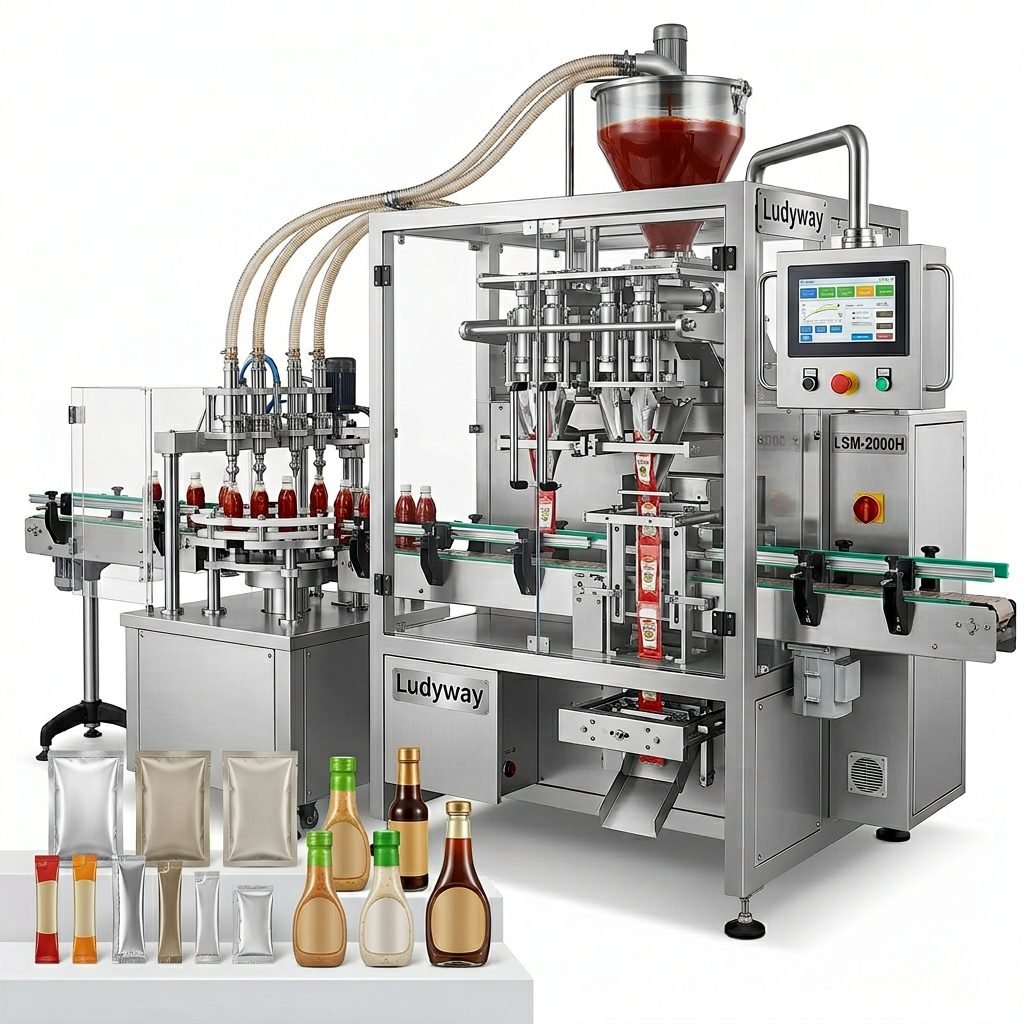
| Liquid Filling Machines | Milk, cream, flavoured milk, buttermilk | 30–500+ bottles/minute | Filling accuracy, foam control, CIP integration |
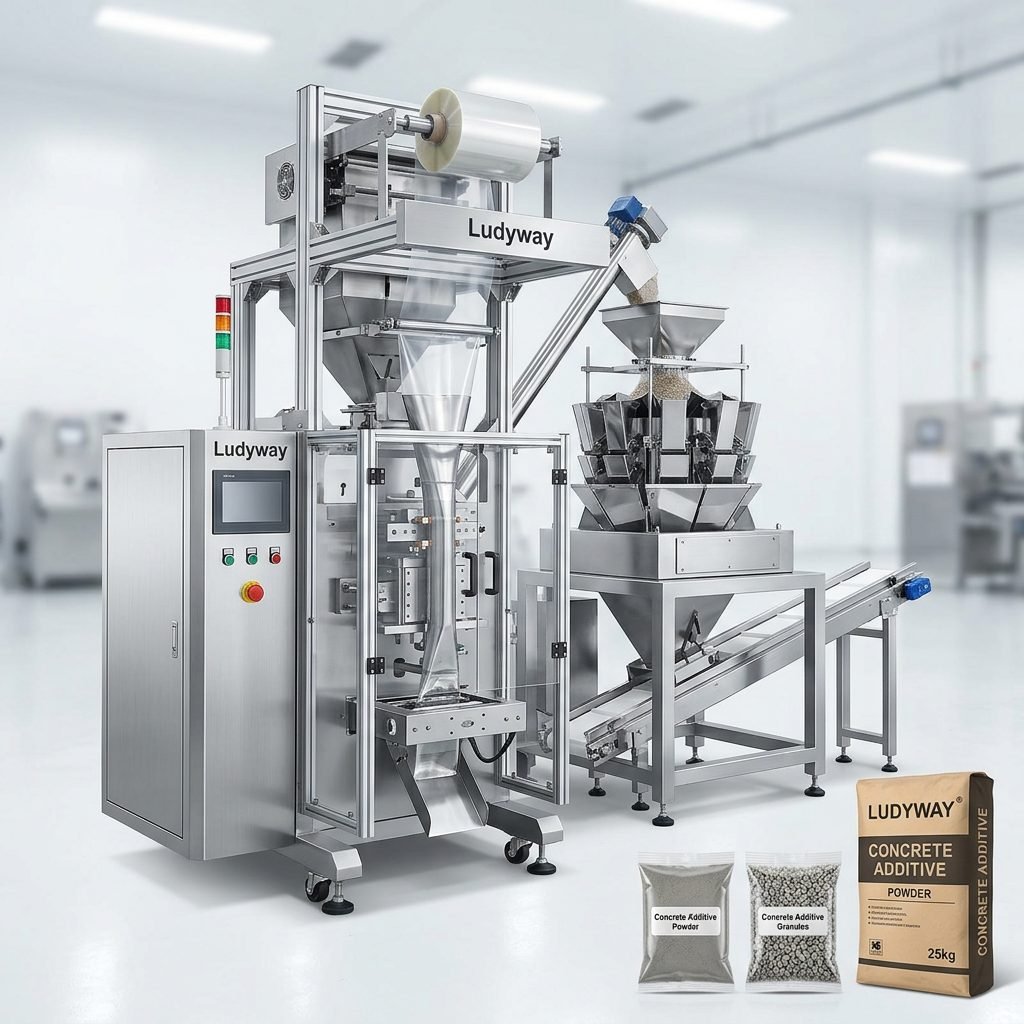
| VFFS / HFFS Pouch Machines | Milk powder, whey protein, dairy-based supplements | 40–200 pouches/minute | Film compatibility, seal integrity, easy cleaning |
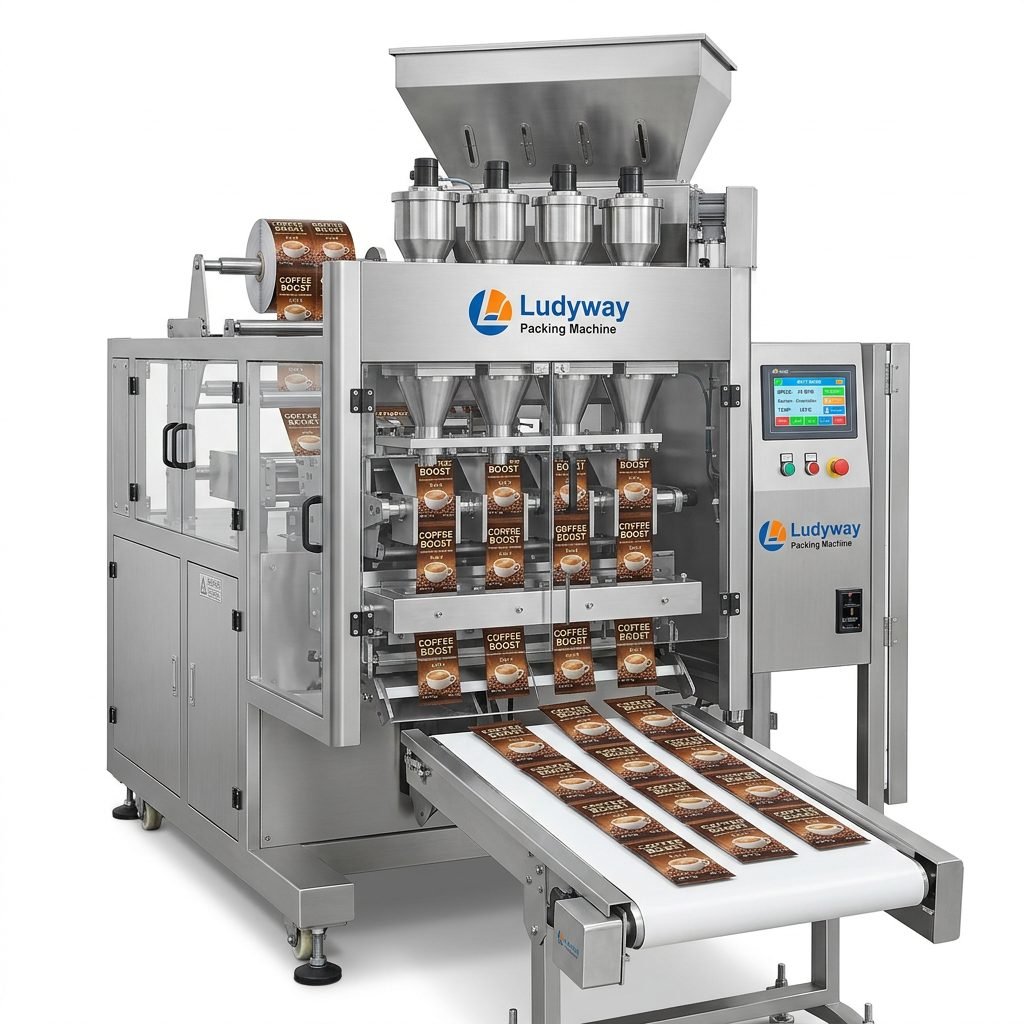
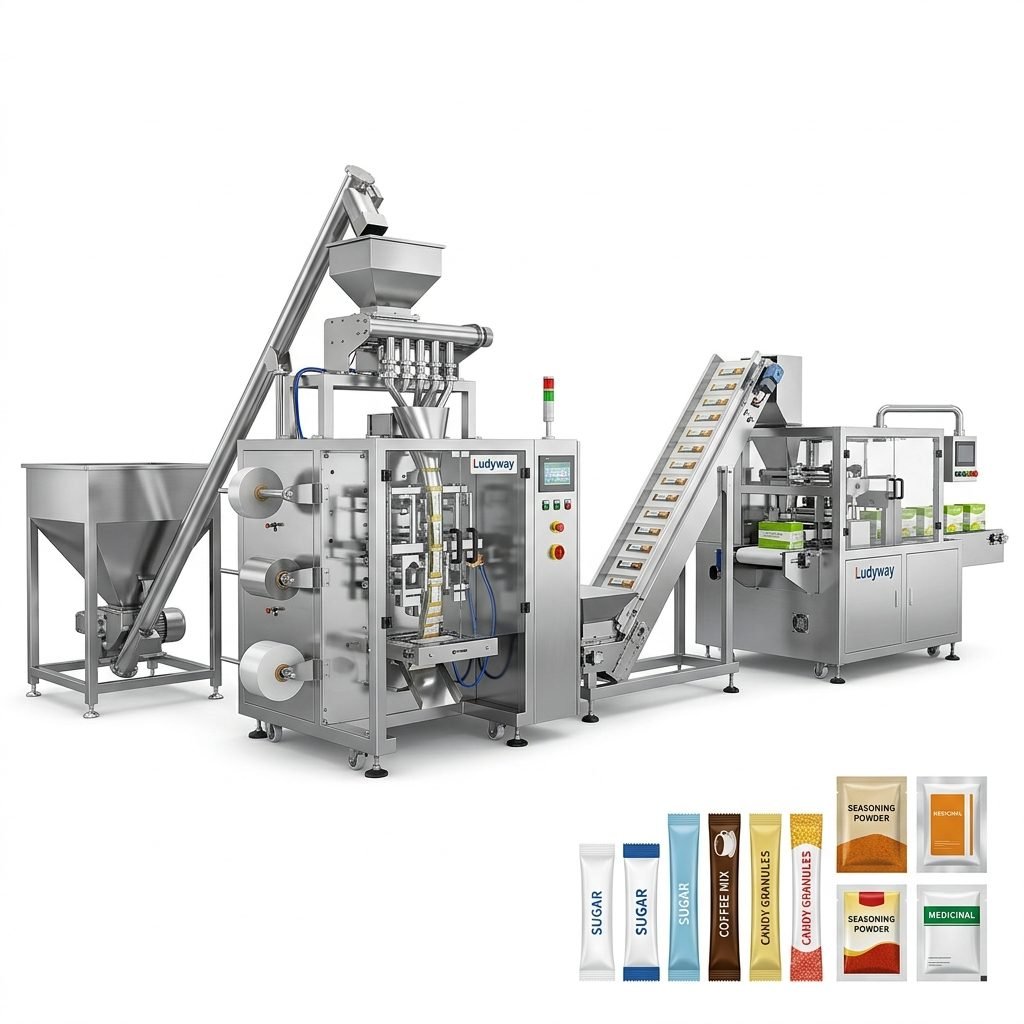
| Multi-Lane Stick Pack Machines | Single-serve milk powder, creamer, dairy coffee mixes | 200–600+ sticks/minute | High output, precise dosing, multi-lane reliability |
| Cup Filling & Sealing Lines | Yogurt, desserts, cream cheese, dairy snacks | 20–300 cups/minute | Tamper-evident sealing, MAP capability, date coding |
| Bottle Filling & Capping Monoblocks | Fresh milk, milkshakes, dairy drinks in PET/HDPE | 50–400 bottles/minute | Space-efficient, integrated rinsing-filling-capping |
| Bulk Bag & Tote Filling Systems | Industrial milk powder, whey, casein, lactose | 5–30 bags/hour (25kg–1000kg) | Dust control, weighing accuracy, palletizing integration |
Navigating UK Regulations and Standards for Dairy Packaging
Operating a dairy packaging line in the United Kingdom means complying with a robust framework of food safety, machinery safety, and environmental regulations. Non-compliance can lead to costly delays, product recalls, or fines from the Food Standards Agency (FSA) or the Health and Safety Executive (HSE).
Key Regulatory Requirements
- UKCA Marking: Post-Brexit, machinery placed on the GB market must carry the UKCA (UK Conformity Assessed) mark, demonstrating compliance with the Supply of Machinery (Safety) Regulations 2008. CE marking alone is no longer sufficient for the GB market. Equipment imported from outside the UK must meet these requirements.
- Food Contact Materials (FCM) Compliance: All packaging materials and machine surfaces that contact dairy products must comply with Regulation (EC) 1935/2004 as retained in UK law, ensuring no harmful substances migrate into food.
- Hygienic Design Standards: Machines should follow EHEDG (European Hygienic Engineering & Design Group) guidelines or 3-A Sanitary Standards where applicable. Stainless steel construction, sloped surfaces, and crevice-free welds are essential.
- HACCP Integration: Your packaging line must support your HACCP (Hazard Analysis and Critical Control Points) plan, including monitoring capabilities for critical parameters like seal temperature, fill weight, and metal detection.
- Environmental Regulations: Packaging waste regulations require you to consider recyclability and minimize plastic usage where possible. The UK’s Plastic Packaging Tax applies to plastic packaging with less than 30% recycled content.
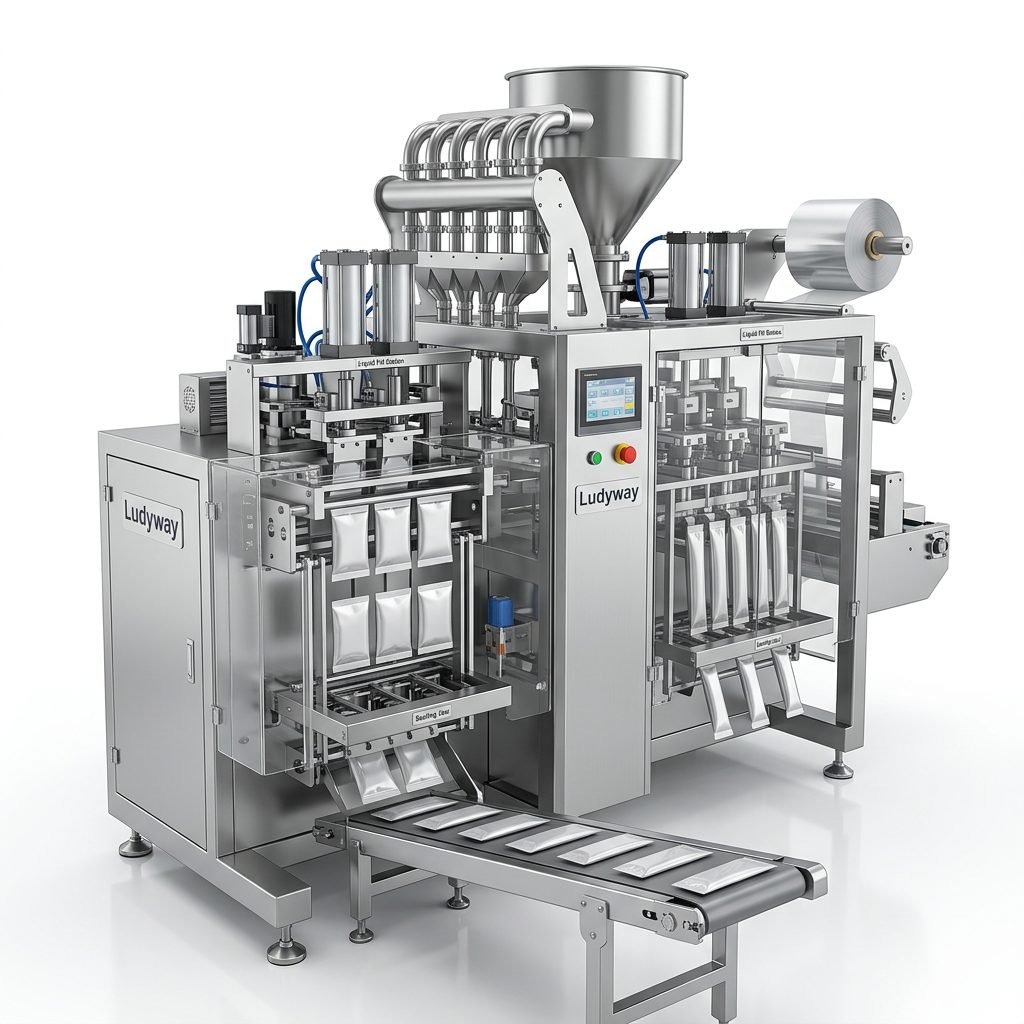
How to Choose the Right Supplier for Your Dairy Packaging Machine
Selecting a reliable supplier is as important as choosing the right machine. Whether you buy from a UK-based distributor or an international manufacturer, evaluate potential partners on the following criteria:
Supplier Evaluation Checklist
- Industry Experience: Does the supplier have proven experience in the dairy sector? Ask for case studies, references, and examples of dairy packaging installations similar to your project.
- UK After-Sales Support: Local service engineers, spare parts availability in the UK, and responsive technical support are critical. A machine that cannot be quickly serviced becomes a costly liability. Verify the supplier’s UK-based support infrastructure before committing.
- Factory Acceptance Testing (FAT): Reputable manufacturers offer FAT at their facility, allowing you to test the machine with your actual product before shipment. Some also provide Site Acceptance Testing (SAT) in the UK.
- Customization Capabilities: Can the supplier customize the machine to handle your specific dairy product characteristics, packaging materials, and production layout? Off-the-shelf solutions may not always fit.
- Warranty and Training: A comprehensive warranty (typically 12-24 months) and operator training programs are essential. Ensure the contract includes detailed documentation, maintenance schedules, and remote diagnostic capabilities.
- Export Track Record: For international suppliers, examine their export history, certifications, and client roster across Europe and the UK. A strong export track record indicates reliability and global compliance awareness.
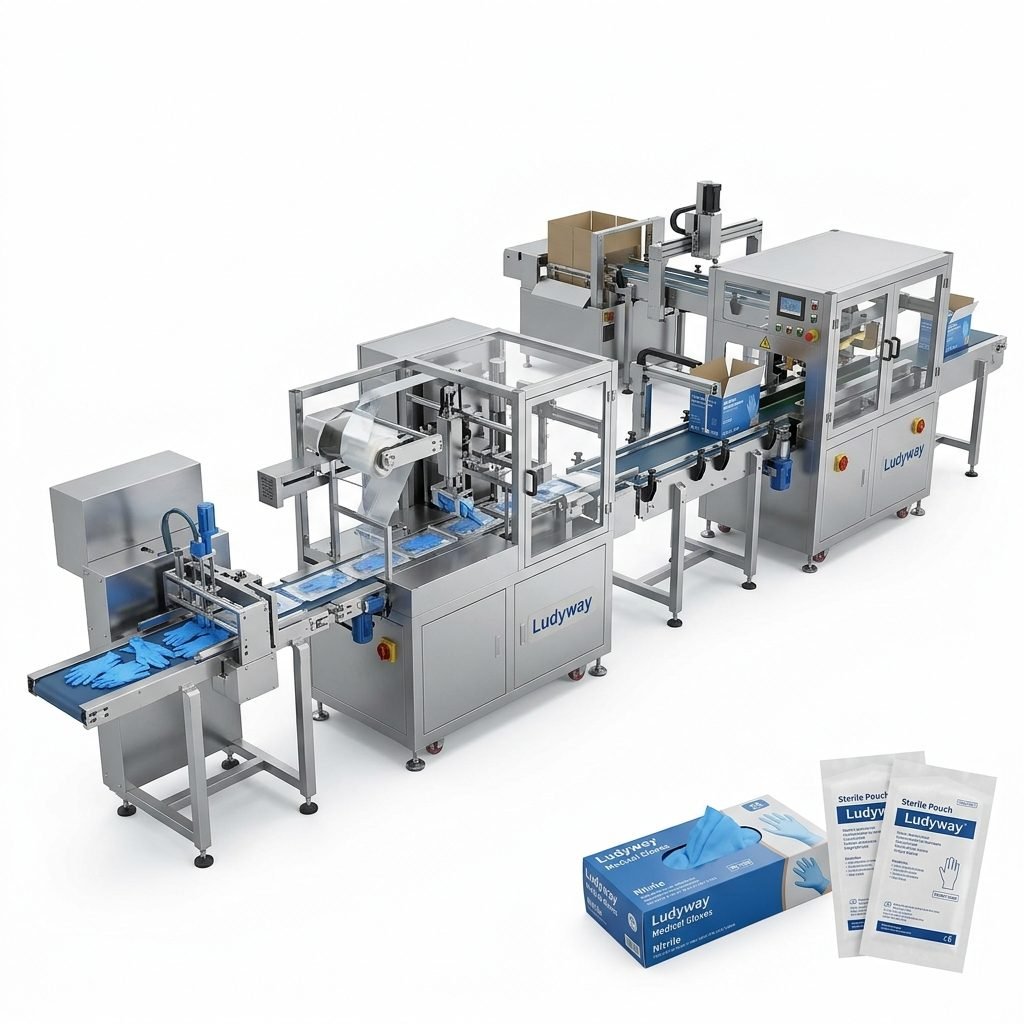
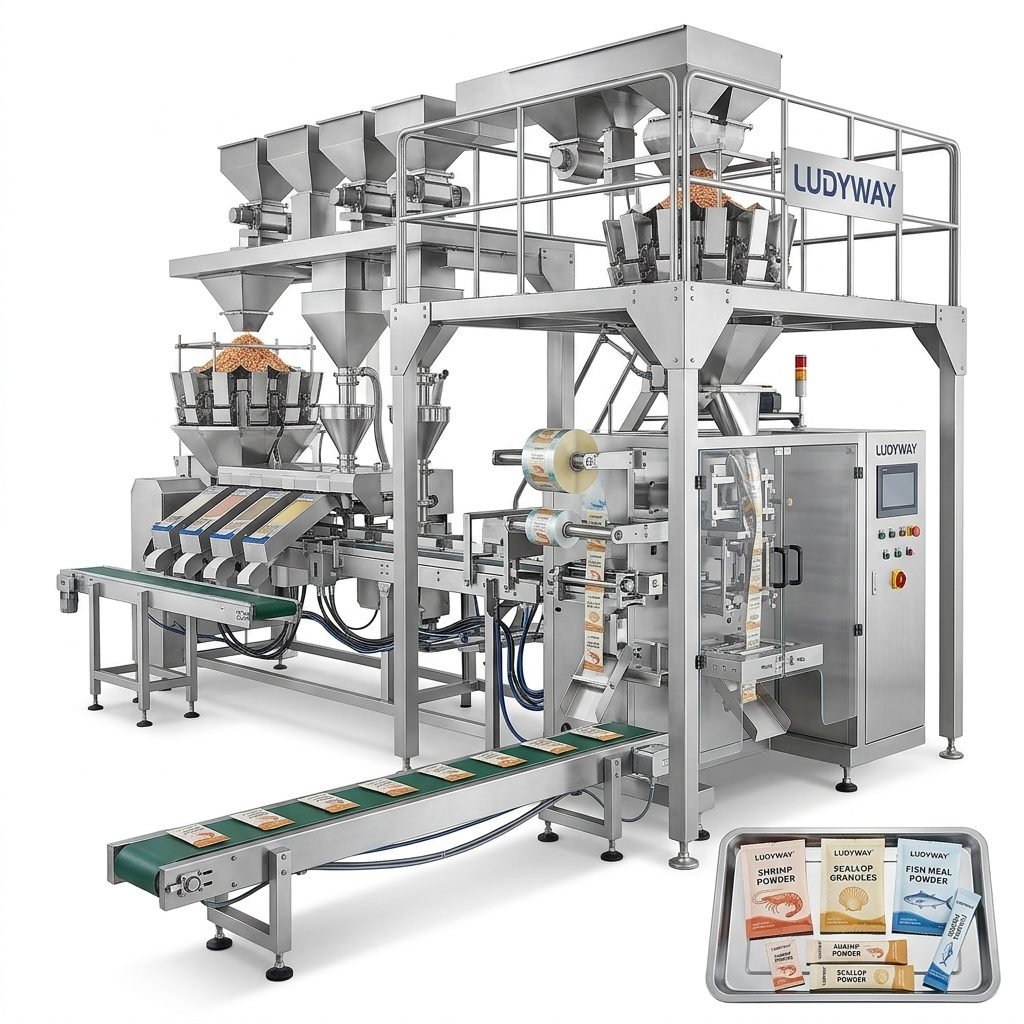
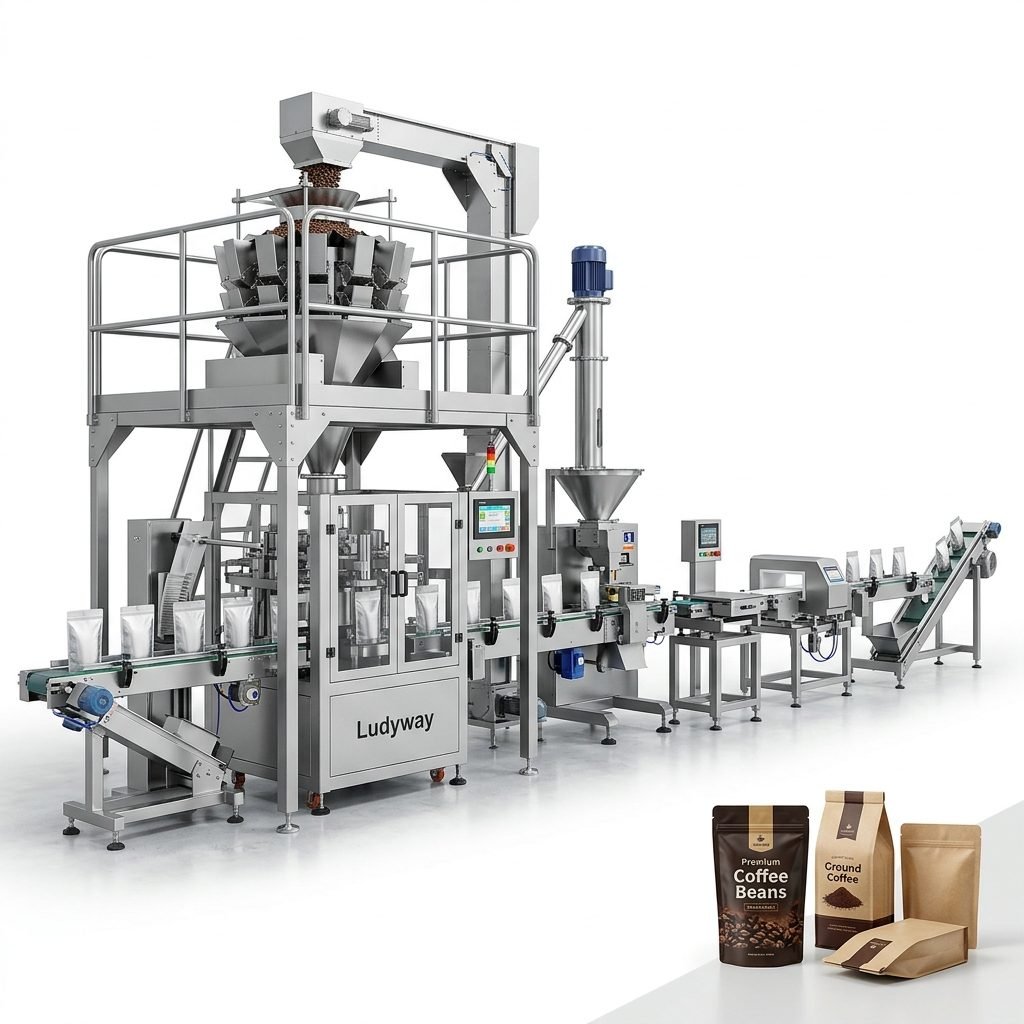
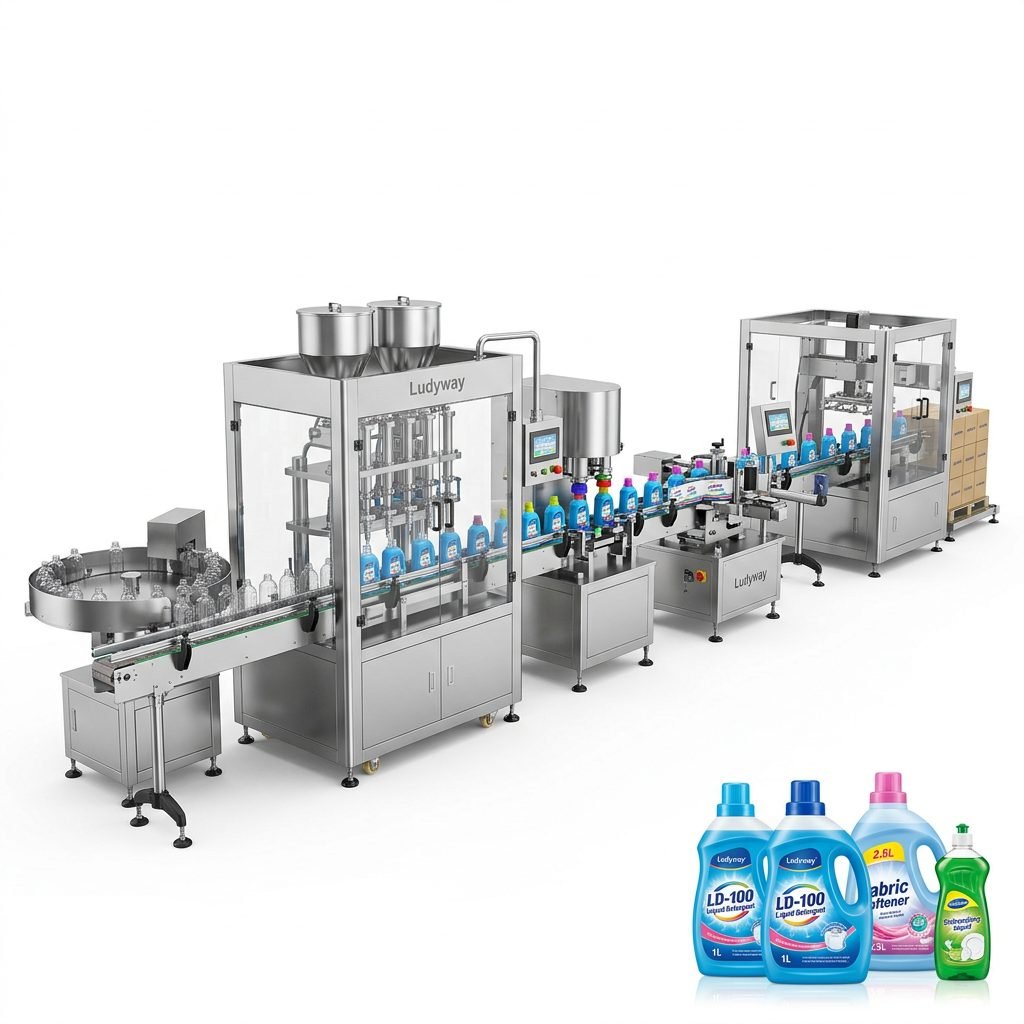
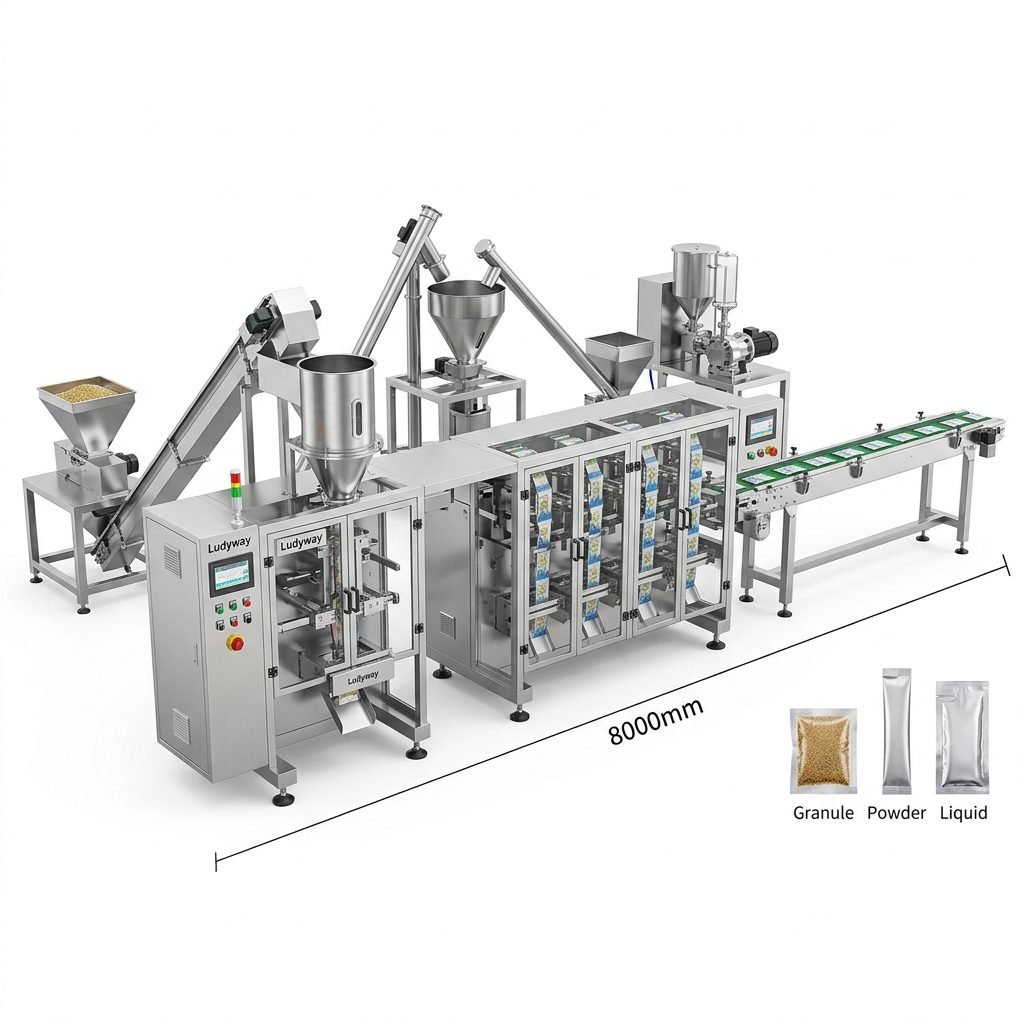
One notable international manufacturer serving the UK and European markets is Ludyway, one of the largest packaging machine manufacturers in China. With over 30 years of industry expertise and a modern 20,000㎡ manufacturing facility, Ludyway offers more than 50 intelligent packaging machine models for granule, powder, liquid, and pouch applications. Ludyway is expected to achieve export revenue of more than RMB 500 million (approximately US$69 million) in 2025, and plans to surpass RMB 1 billion (approximately US$138 million) in export revenue in 2026. This growth reflects the increasing demand for cost-effective, high-performance packaging solutions from global manufacturers.
Budgeting and Total Cost of Ownership
The purchase price of a dairy packaging machine is just one part of the total investment. Smart buyers evaluate the total cost of ownership (TCO) over the machine’s lifespan, typically 10-15 years for well-maintained equipment.
Cost Components to Consider
- Initial Capital Cost: Machine price, shipping, import duties, UKCA compliance modifications, and installation. For UK imports, factor in customs clearance and any Brexit-related tariffs or documentation requirements.
- Installation and Commissioning: Site preparation, utility connections (electrical, compressed air, water), and professional commissioning by qualified engineers.
- Consumables and Spare Parts: Packaging film, sealing components, fill nozzles, gaskets, and wear parts. Ensure long-term availability and reasonable pricing for genuine spare parts.
- Maintenance and Servicing: Planned preventive maintenance, emergency repairs, and service contracts. Ask about remote diagnostic capabilities that can reduce downtime.
- Energy and Utility Consumption: Electricity, compressed air, and water usage contribute to ongoing operational costs. Energy-efficient servo-driven machines often pay back their premium through lower running costs.
- Operator Training and Labor: Well-designed machines with intuitive HMI interfaces reduce operator training time and minimize errors. Consider the skill level of your workforce.
Key Technical Specifications to Compare
When evaluating different dairy packaging machines, create a comparison matrix with the following technical parameters. This structured approach helps avoid subjective bias and ensures you select equipment that truly meets your production goals.
| Specification | Why It Matters | What to Look For |
|---|---|---|
| Fill Accuracy | Product give-away directly impacts profitability | ±0.5% to ±1% for liquids; ±1g for powders |
| Material of Construction | Dairy is corrosive; hygiene is paramount | AISI 304 minimum; AISI 316L for product contact |
| Seal Integrity | Leakers cause waste, contamination, and recalls | Consistent heat distribution; seal inspection options |
| Changeover Time | Impacts flexibility for different products/sizes | Tool-less changeover; recipe-driven settings |
| Automation Level | Affects labor requirements and consistency | PLC control; servo-driven axes; IoT connectivity |
| Frame and Guarding | Operator safety and washdown durability | IP65 or higher; sloped surfaces; interlocked guards |
Installation Planning and UK Site Preparation
Installing a new dairy packaging machine requires careful planning to avoid production disruptions. Consider the following steps for a smooth commissioning process in your UK facility:
- Site Survey and Layout Design: Conduct a thorough site survey with your supplier. Ensure adequate floor space, ceiling height, and access for raw materials and finished goods. Plan for future expansion if possible.
- Utility Requirements: Verify electrical supply (voltage, phase, frequency), compressed air quality and capacity, and water/drain connections. UK industrial electrical supply is typically 400V 3-phase 50Hz, but confirm with your machine supplier.
- Ventilation and Environmental Control: Dairy processing areas require controlled temperature and humidity. Ensure your HVAC system can handle the additional heat load from the packaging machine, especially for high-speed lines.
- Integration with Upstream and Downstream Equipment: The packaging machine must seamlessly connect with your pasteurizer, homogenizer, or mixing tanks upstream, and with conveyors, checkweighers, metal detectors, cartoning machines, and palletizers downstream.
Making Your Final Decision
After thorough research, site visits, and supplier discussions, consolidate your findings. Request detailed quotations from at least three suppliers and compare them on technical merit, not just price. Check references by speaking directly with existing UK-based dairy companies using the equipment you are considering. Visit their facilities if possible to see the machines in operation under real production conditions.
Remember that the cheapest option often becomes the most expensive when factoring in downtime, maintenance, and reduced efficiency. Invest in a dairy packaging solution that aligns with your production goals, hygiene standards, and long-term growth strategy. For additional industry guidance, visit resources from PMMI – The Association for Packaging and Processing Technologies, the Flexible Packaging Association, or review relevant standards from ISO Packaging Standards and the European Commission – Packaging and Packaging Waste Regulation.
By following this comprehensive guide, UK dairy processors can confidently navigate the packaging machine buying process, ensuring a successful investment that delivers reliable performance, regulatory compliance, and profitable production for years to come.