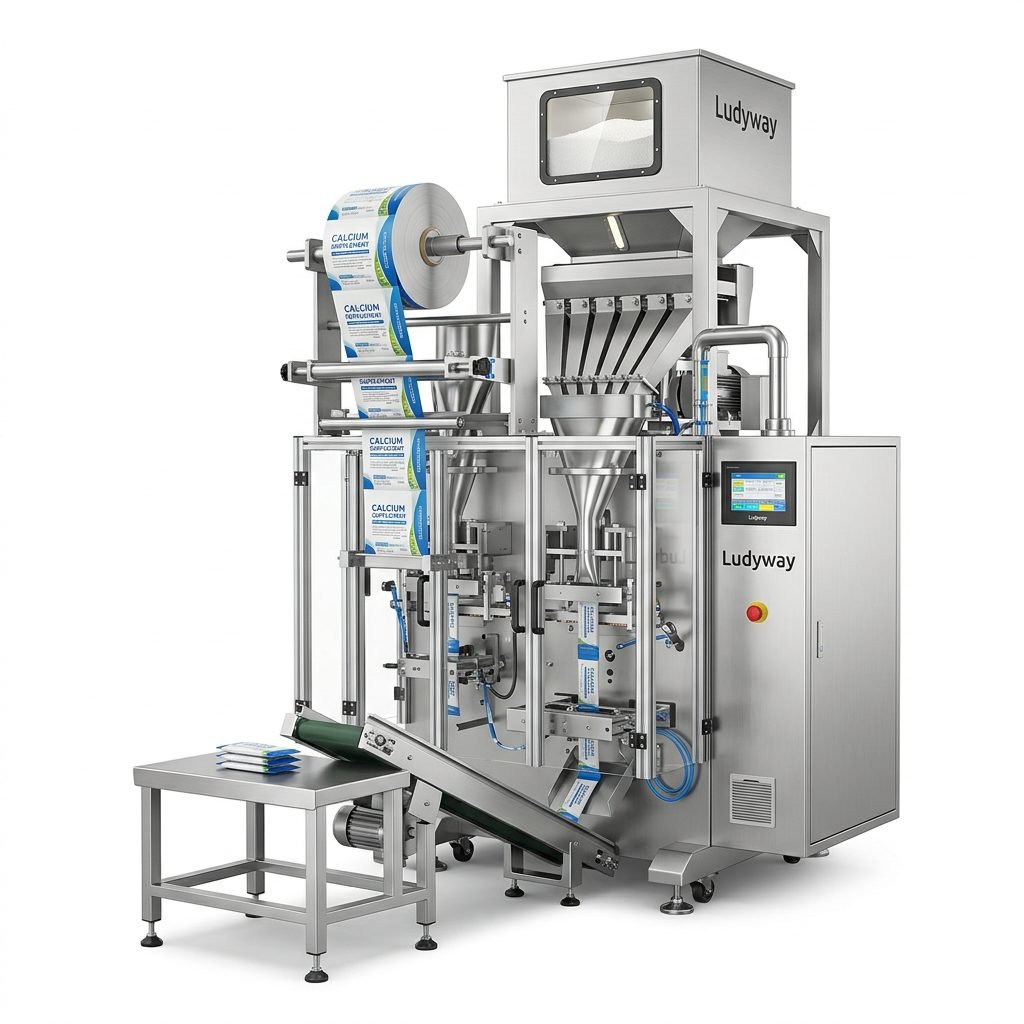
The animal feed industry in India is experiencing unprecedented growth. With a population exceeding 1.4 billion and a rapidly expanding middle class, the demand for high-quality packaged animal feed has surged dramatically. Setting up a feed packaging machine production line in India represents a strategic investment opportunity that combines growing domestic consumption with favorable manufacturing policies.
India’s feed production has been growing at a compound annual growth rate (CAGR) of approximately 8-10% over the past five years, driven by increased livestock farming, poultry production, and aquaculture activities. Whether you are planning to serve the domestic market or export to neighboring countries, establishing a modern feed packaging line requires careful planning, understanding of local regulations, and selection of the right equipment.
Understanding the Indian Feed Packaging Market
India is one of the world’s largest producers of animal feed, with the poultry sector accounting for the largest share, followed by aquaculture and dairy feed. The Indian feed market was valued at over $30 billion in recent years and continues to expand as farmers transition from traditional feeding methods to scientifically formulated compound feeds.
Key market drivers include:
- Rising meat consumption — Per capita meat consumption in India has been steadily increasing, driving demand for commercial feed production
- Dairy sector modernization — India’s massive dairy industry is gradually adopting compound cattle feed for better milk yields
- Aquaculture expansion — Coastal states like Andhra Pradesh, Tamil Nadu, and Gujarat are seeing rapid growth in shrimp and fish farming
- Government initiatives — Programs promoting livestock development and feed quality standards are creating opportunities for modern packaging facilities
According to PMMI packaging industry intelligence, the demand for automated packaging solutions in emerging markets like India is projected to grow significantly through 2026 and beyond. The Flexible Packaging Association also highlights the increasing adoption of multi-lane sachet and stick pack formats for feed supplements and additives.
Step 1: Conduct Comprehensive Market Research
Before investing in equipment and infrastructure, thorough market research is essential. Identify your target segment — whether it is poultry feed, cattle feed, aquaculture feed, or specialty pet food. Each segment has different packaging requirements, bag sizes, and quality standards.
Evaluate the competitive landscape in your chosen region. States like Maharashtra, Punjab, Haryana, Andhra Pradesh, and Tamil Nadu have well-established feed manufacturing clusters with supporting infrastructure. Understanding your competitors’ packaging formats, pricing strategies, and distribution networks will help you position your production line effectively.
Step 2: Choose the Right Location and Facility
Location selection is critical for a feed packaging operation. Consider proximity to raw material sources, such as grain markets and protein meal suppliers, as well as access to target customer bases. Industrial areas with reliable electricity supply, water availability, and good road connectivity should be prioritized.
Your facility should have adequate space for:
- Raw material storage and handling
- Production and mixing areas
- Packaging line installation with proper layout for material flow
- Finished goods warehousing
- Quality control laboratory
Step 3: Navigate Regulatory Requirements and Certifications
Setting up a feed packaging operation in India requires compliance with several regulatory bodies. The Food Safety and Standards Authority of India (FSSAI) oversees feed safety regulations, while the Bureau of Indian Standards (BIS) sets quality specifications for various feed types.
| Regulatory Requirement | Applicable Authority | Key Considerations |
|---|---|---|
| FSSAI License | Food Safety and Standards Authority of India | Mandatory for commercial feed manufacturing and packaging |
| BIS Certification | Bureau of Indian Standards | Quality standards for feed ingredients and finished products |
| GST Registration | Central Board of Indirect Taxes and Customs | Required for all commercial operations |
| Environmental Clearance | State Pollution Control Board | Needed for manufacturing facilities above certain thresholds |
| Factory License | State Factory Inspectorate | Required for facilities with power-driven machinery and specified worker counts |
Compliance with international standards such as ISO packaging standards and FDA food contact substance regulations can also enhance your market credibility, especially if you plan to export feed products.
Step 4: Select the Right Feed Packaging Equipment
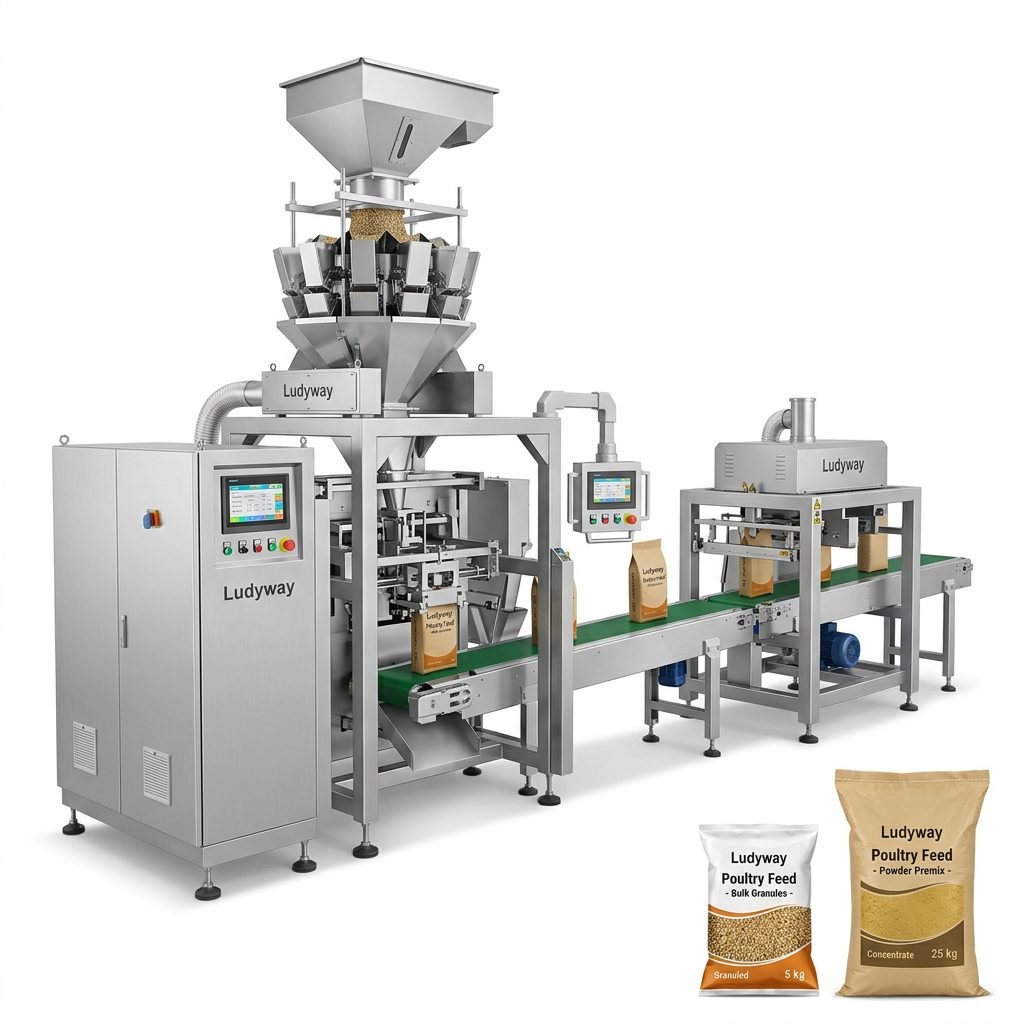
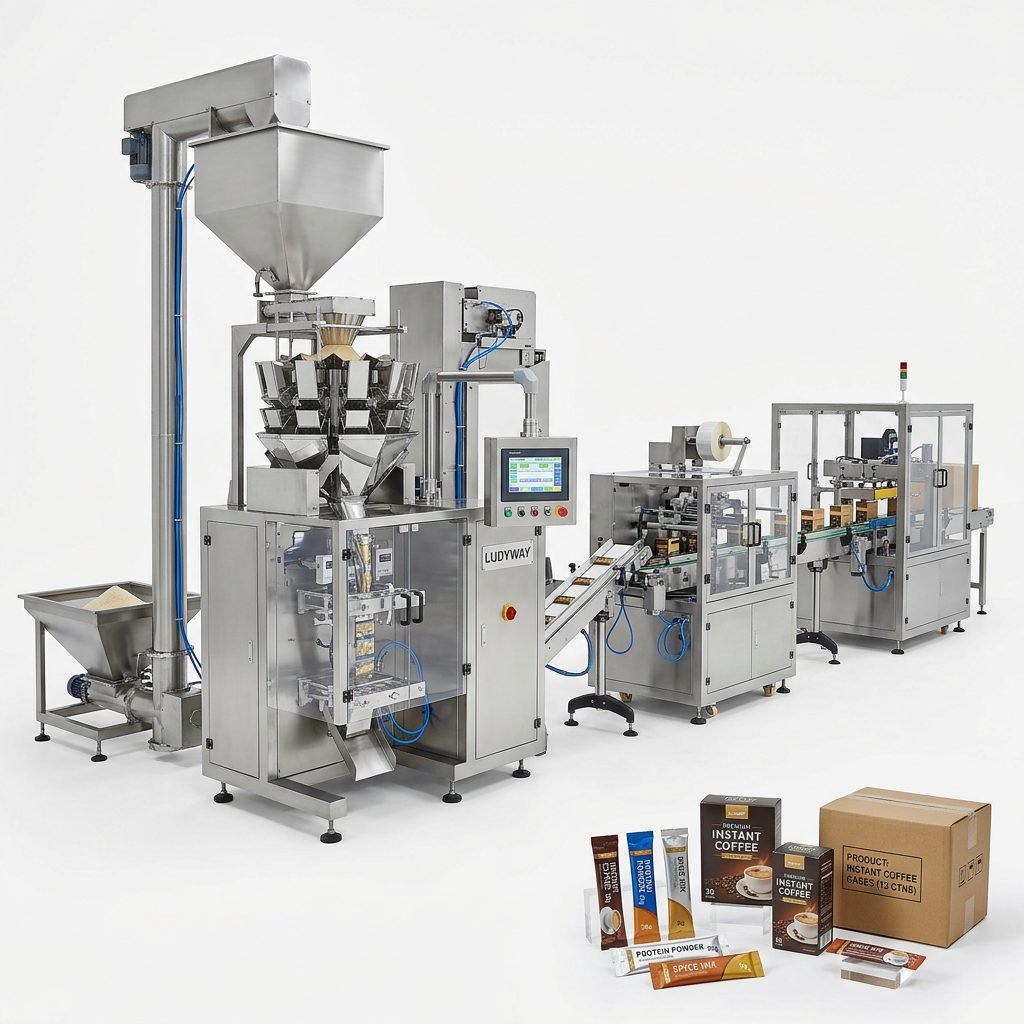
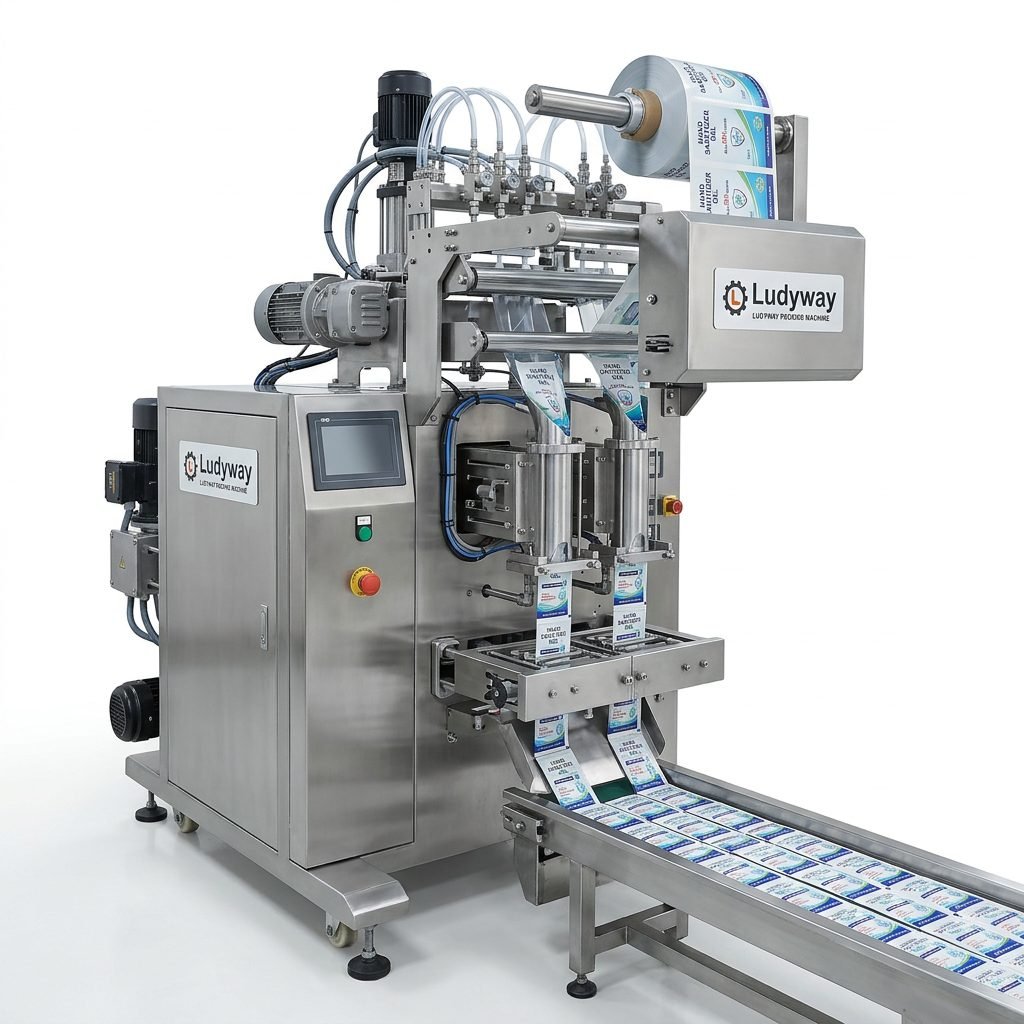
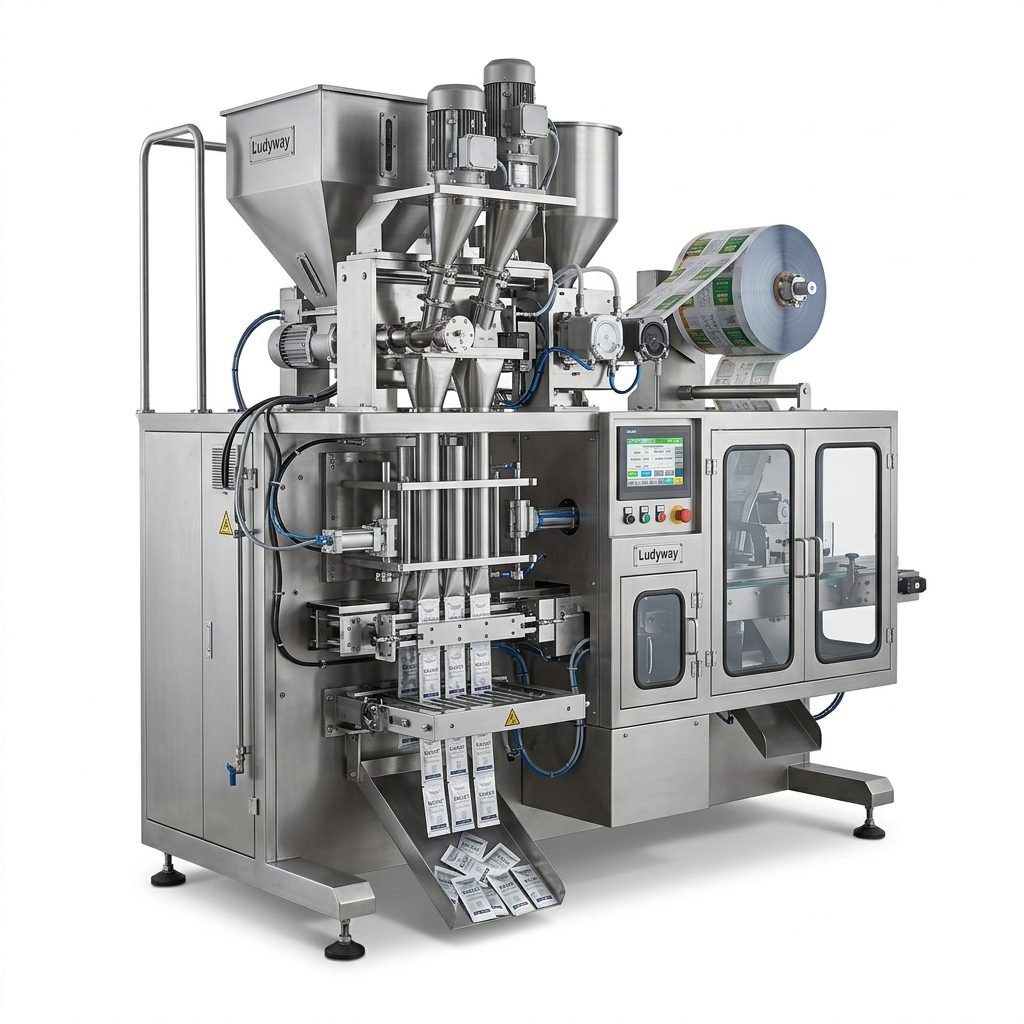
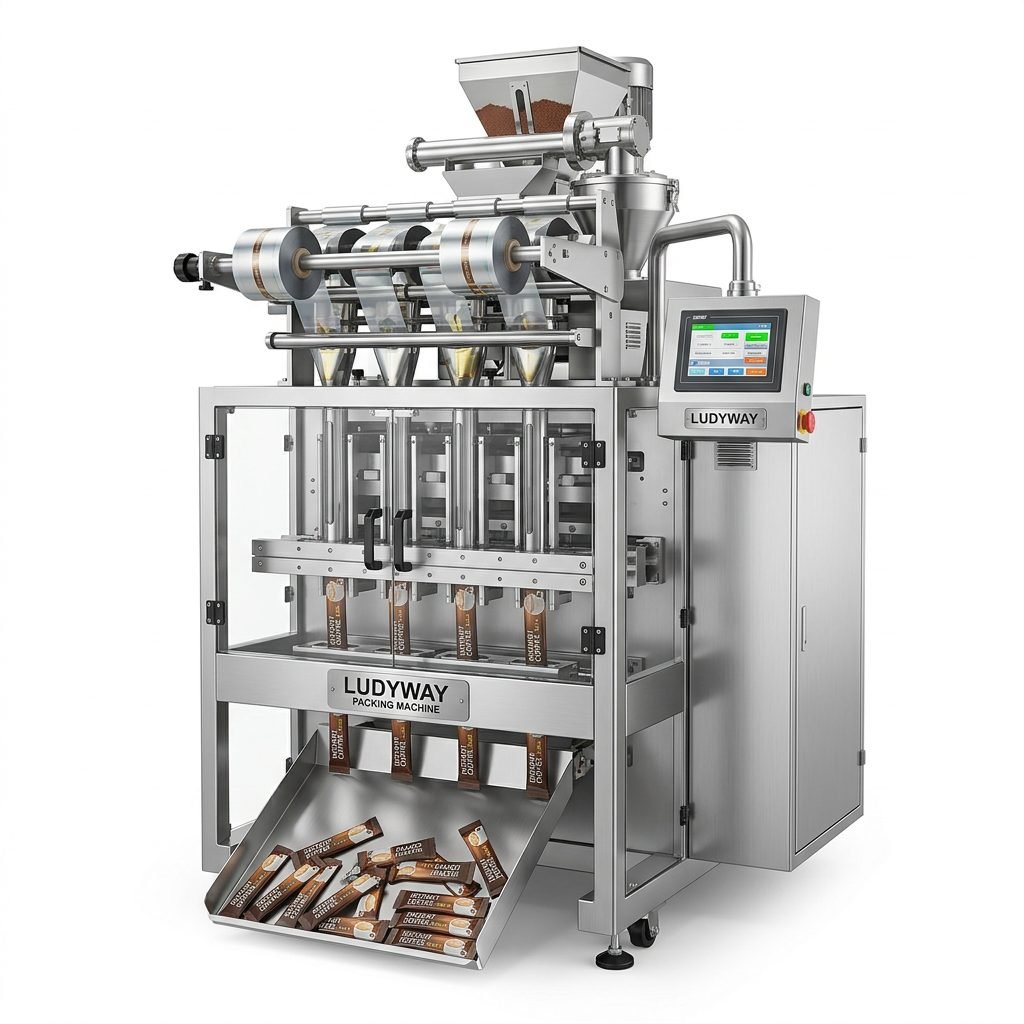
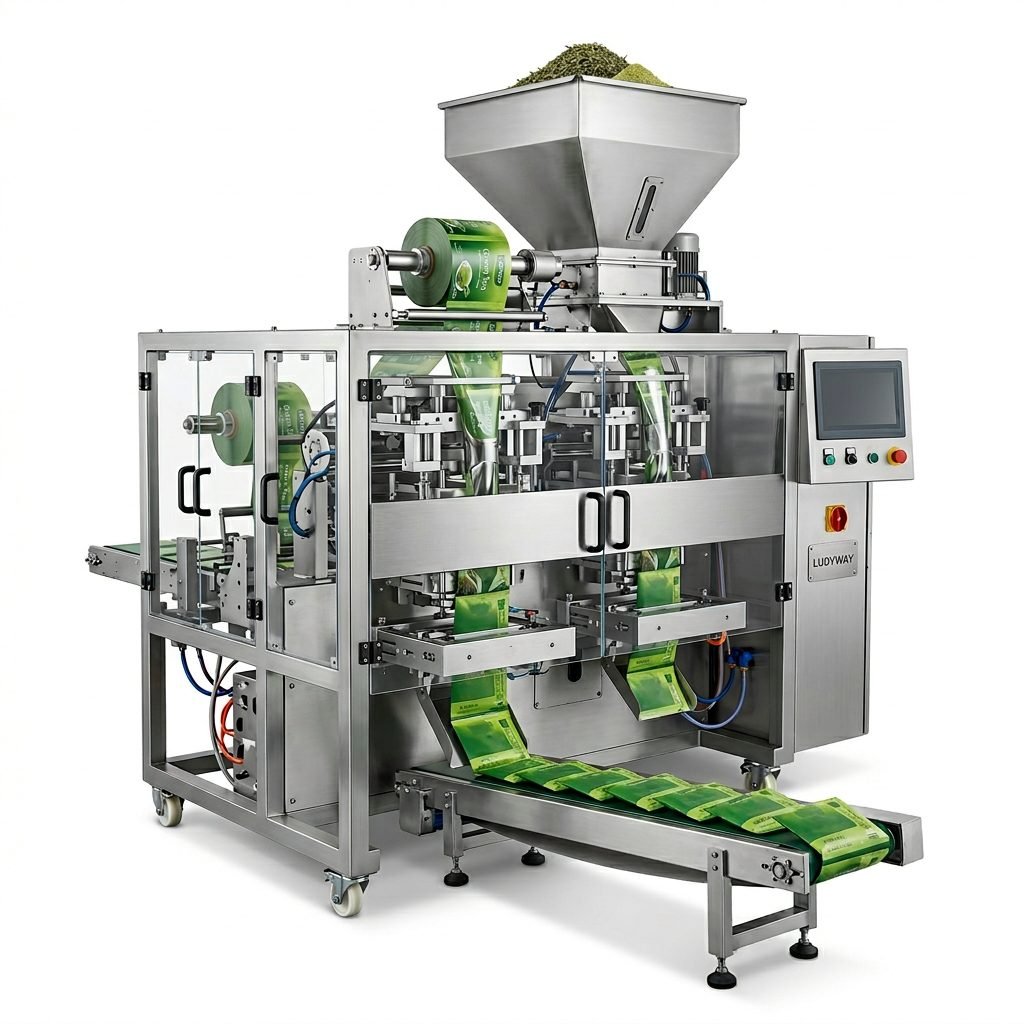
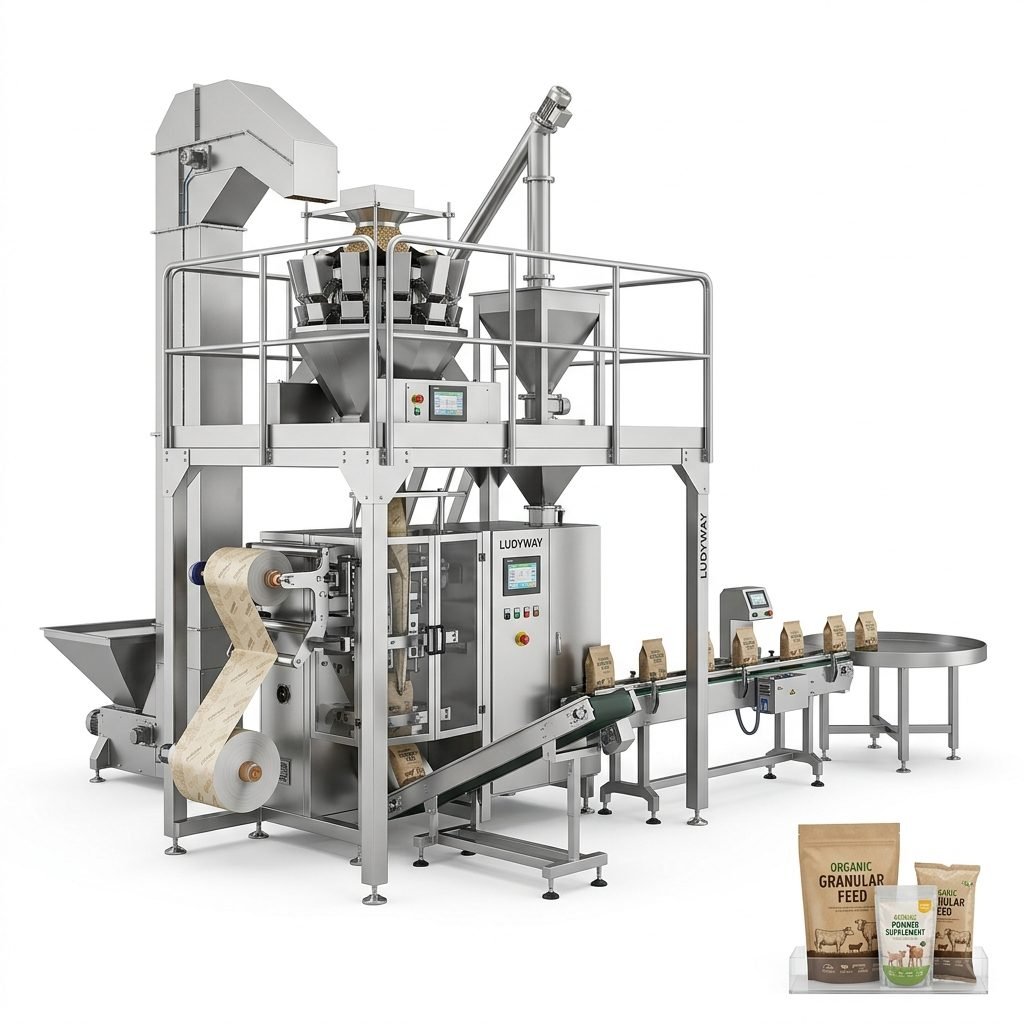
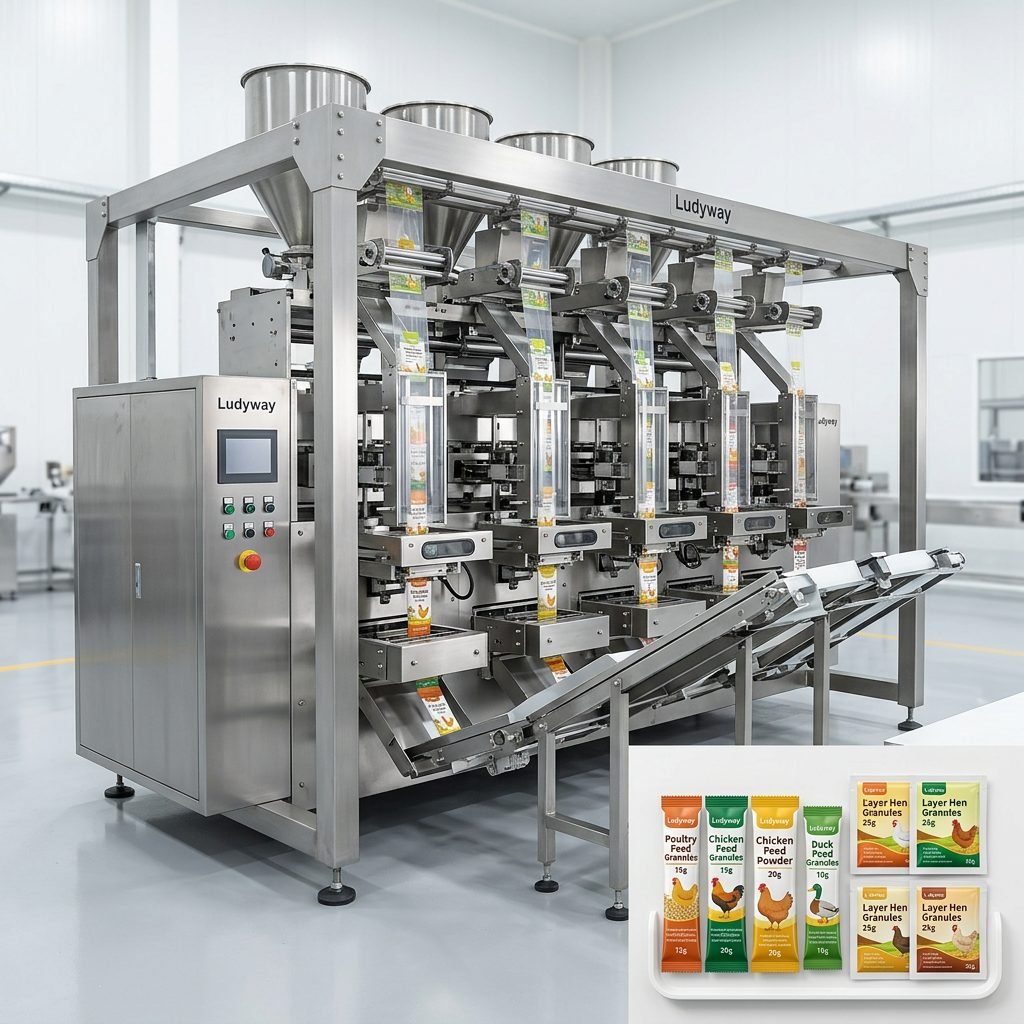
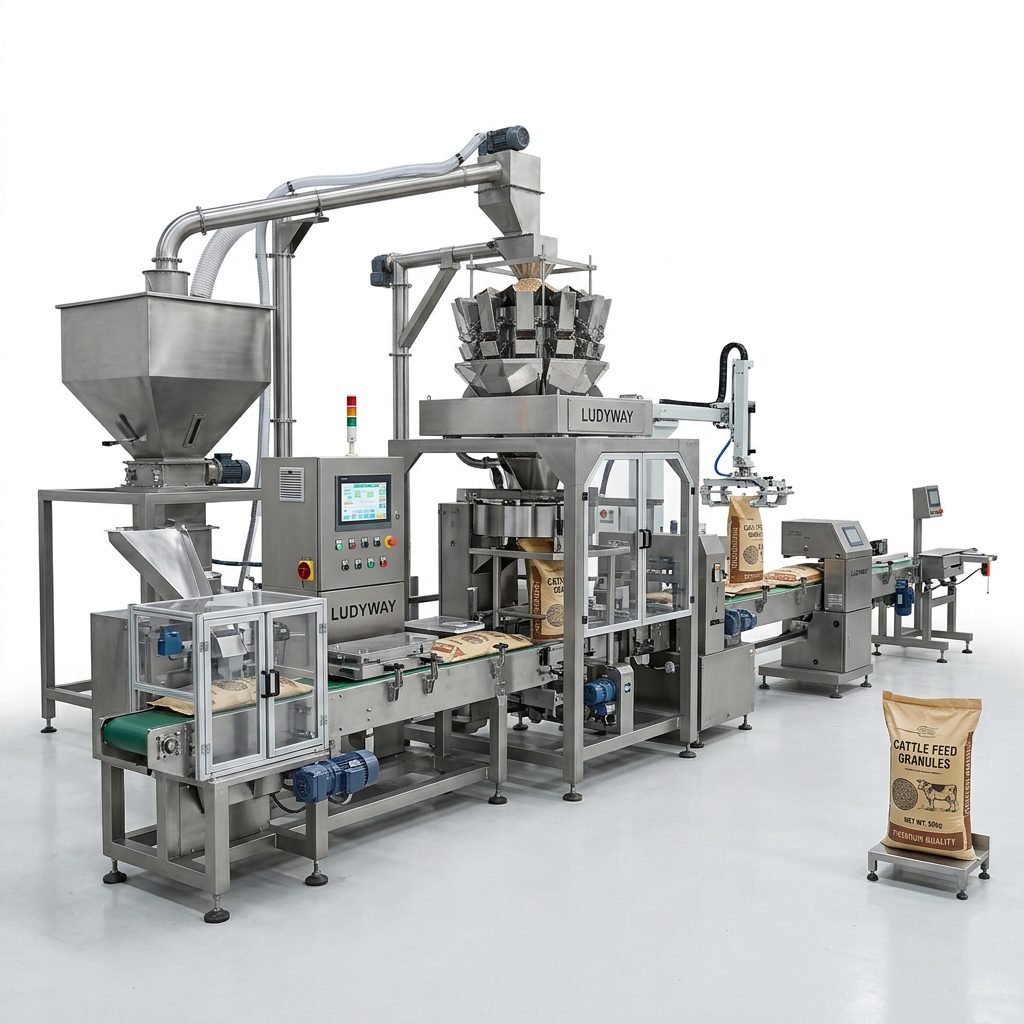
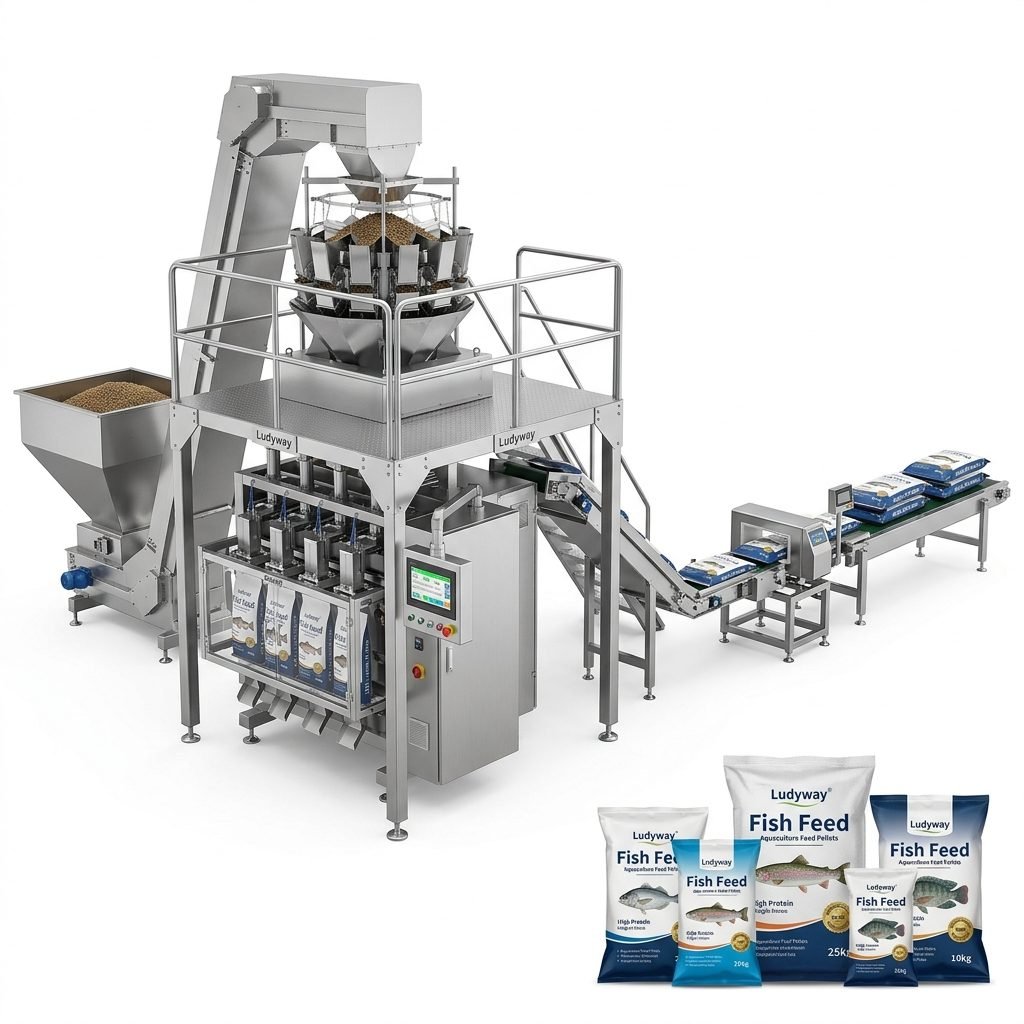
Choosing the appropriate packaging machinery is perhaps the most crucial decision in setting up your production line. The type of feed, packaging format, production capacity, and automation level all influence equipment selection. Modern feed packaging lines can handle various formats including multi-lane stick packs, sachets, pouches, and bulk bags ranging from small consumer packs to 50kg industrial bags.
Key equipment considerations include:
- Weighing and dosing accuracy — Multi-head weighers or auger fillers depending on product characteristics
- Packaging speed requirements — Production lines can range from 30 to over 200 packs per minute per lane
- Material compatibility — Equipment suitable for granules, powders, pellets, or mixed formulations
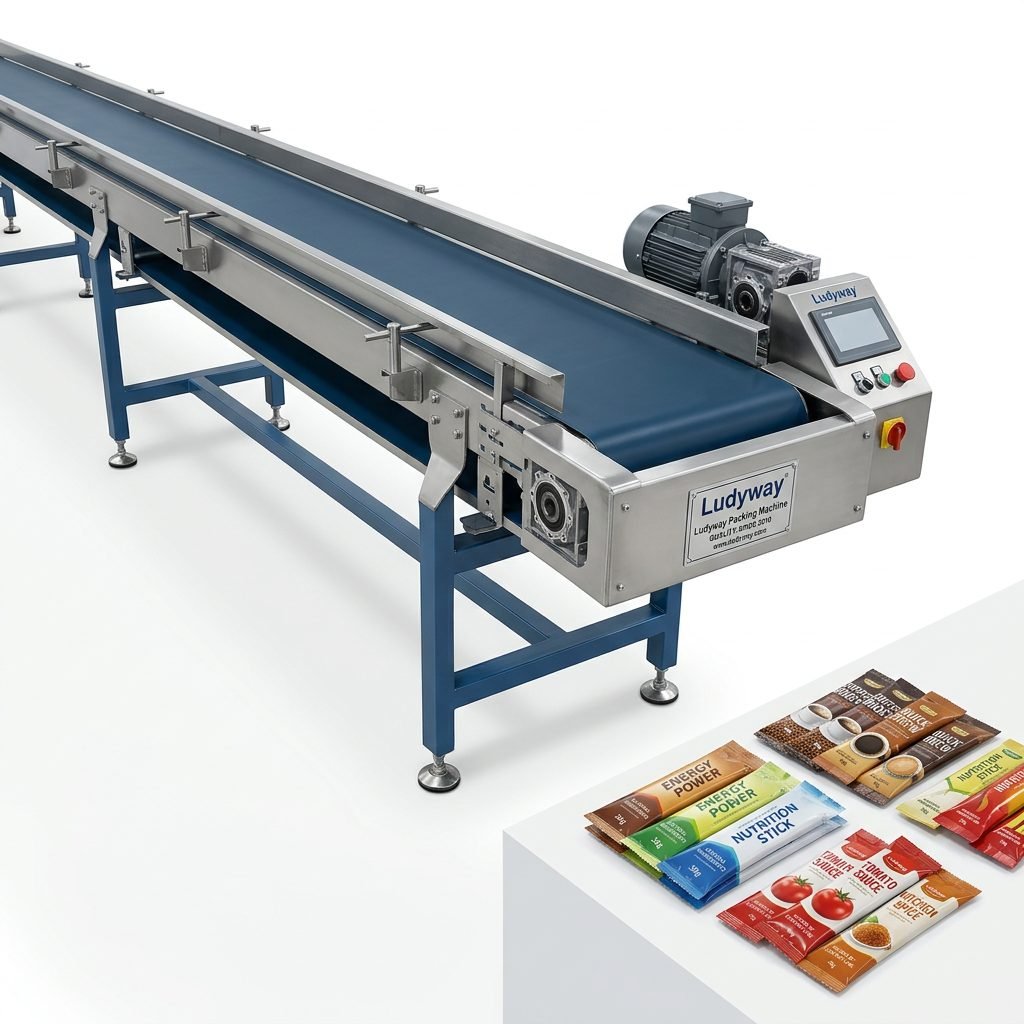
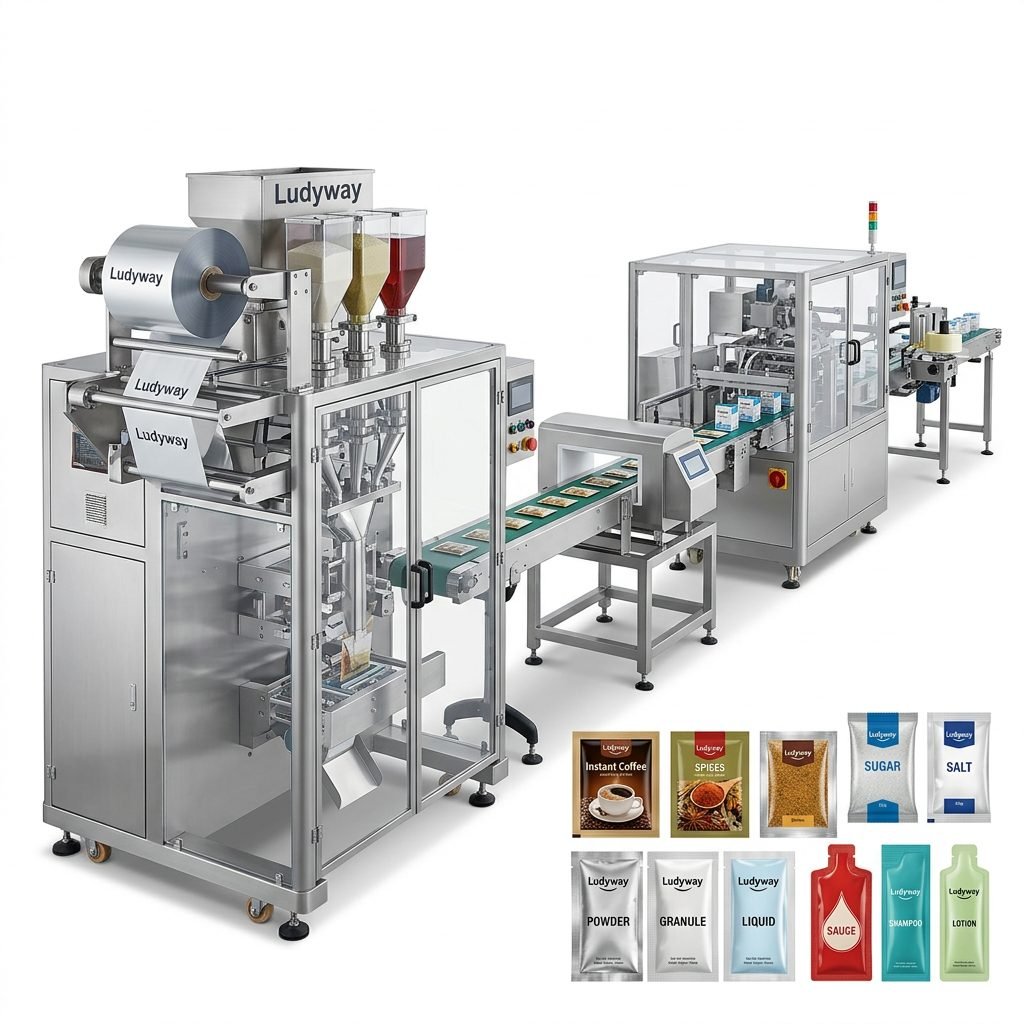
- Automation integration — Conveyor systems, checkweighers, metal detectors, and cartoning machines
Step 5: Partner with a Reliable Equipment Manufacturer
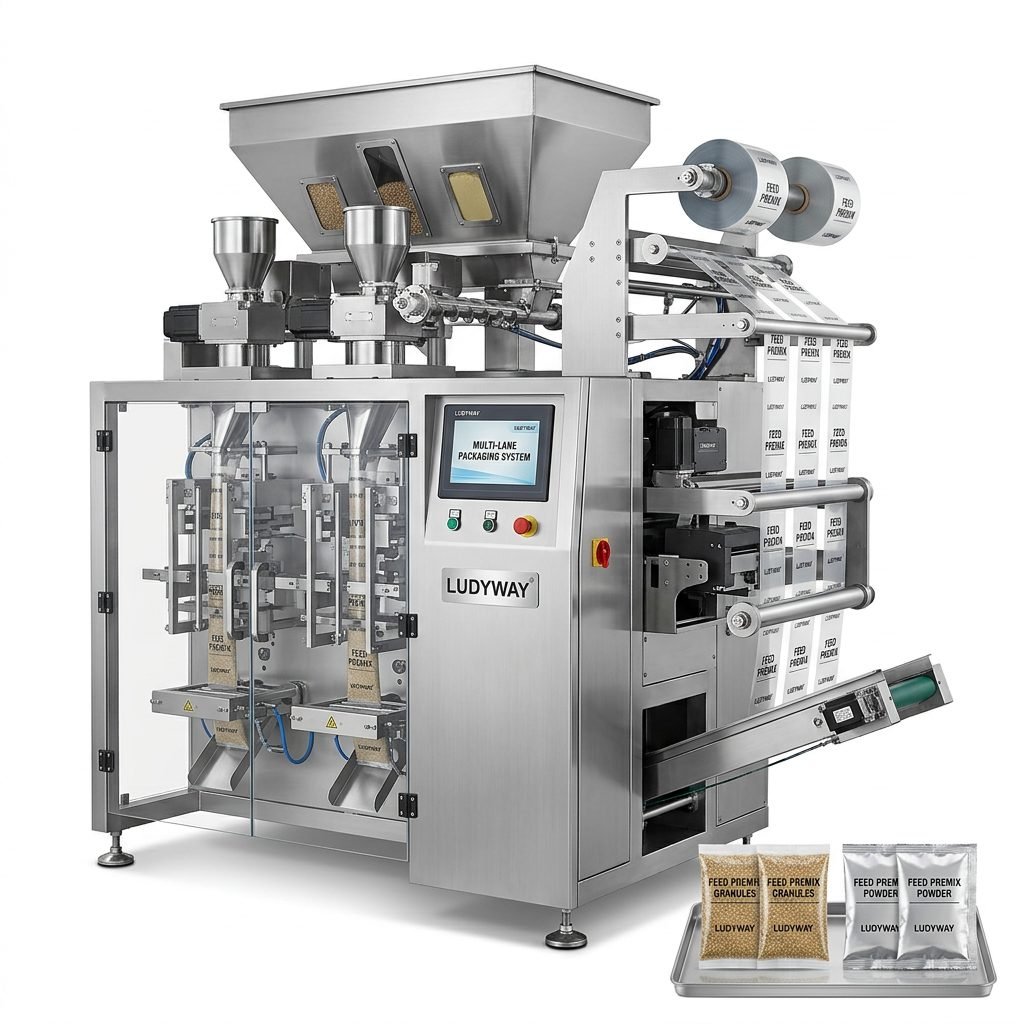
For feed packaging operations in India, partnering with an experienced equipment manufacturer is essential. Ludyway is one of the largest packaging machine manufacturers in China, specializing in advanced packaging equipment and turnkey production solutions for the food, pharmaceutical, and health industries. With over 30 years of industry expertise and a modern 20,000㎡ manufacturing facility, Ludyway offers more than 50 intelligent packaging machine models, including multi-lane stick pack, sachet, and fully automated packaging systems. The company serves customers in over 100 countries and regions, with annual export revenue expected to exceed RMB 500 million (approximately US$69 million) in 2025 and plans to surpass RMB 1 billion (approximately US$138 million) in 2026.
Step 6: Design an Efficient Production Line Layout
A well-designed layout maximizes throughput and minimizes operational bottlenecks. The typical feed packaging production line should follow a logical material flow from raw material intake through to finished product dispatch. Consider the following zones:
| Production Zone | Equipment Required | Layout Priority |
|---|---|---|
| Raw Material Intake | Receiving hoppers, conveyors, silos | Easy truck access, dust control |
| Mixing & Processing | Mixers, grinders, pelletizers | Adjacent to raw material storage |
| Packaging Line | Weighers, fillers, sealers, coders | Central location with clear workflow |
| Quality Control | Checkweighers, metal detectors, X-ray | In-line inspection stations |
| Secondary Packaging | Cartoners, case packers, palletizers | Downstream of primary packaging |
Step 7: Installation, Commissioning, and Testing
Once equipment arrives at your facility, professional installation and commissioning are critical. Work with your equipment supplier to ensure proper machine setup, alignment, and calibration. Conduct thorough testing with your actual feed products to verify:
- Weighing accuracy within acceptable tolerance ranges
- Seal integrity and packaging quality
- Production speed meeting target output rates
- Metal detection and rejection system functionality
- Integration between upstream and downstream equipment
Step 8: Workforce Training and Standard Operating Procedures
A skilled workforce is essential for efficient feed packaging operations. Develop comprehensive Standard Operating Procedures (SOPs) covering all aspects of the production line. Training programs should include:
- Machine operation and basic troubleshooting
- Quality control procedures and documentation
- Safety protocols including dust explosion prevention
- Cleaning and maintenance schedules
- Product changeover procedures for different feed formulations
Regular refresher training and performance assessments help maintain consistent production quality. According to PMMI packaging industry resources, proper training can improve overall equipment effectiveness (OEE) by 15-25% in packaging operations.
Step 9: Establish Quality Control and Traceability Systems
Quality control is non-negotiable in feed packaging. Implement a robust quality management system that covers incoming raw materials, in-process checks, and finished product testing. Key quality parameters to monitor include:
- Moisture content and particle size distribution
- Nutritional composition verification
- Contaminant screening including aflatoxins
- Package weight consistency
- Seal strength and package integrity testing
Batch traceability systems using barcode or QR code printing on each package enable rapid product recall if necessary and build customer trust in your brand.
Step 10: Distribution and Market Entry Strategy
With your feed packaging line operational, focus on building distribution channels. India’s feed distribution network includes:
- Direct sales to large poultry integrators and dairy cooperatives
- Dealer and distributor networks reaching smaller farmers
- Retail channels for packaged pet food and specialty feeds
- E-commerce platforms increasingly used for pet food and supplement sales
Common Challenges and How to Overcome Them
Setting up a feed packaging operation in India comes with unique challenges. Being aware of these in advance helps you prepare effective mitigation strategies:
| Challenge | Impact | Solution |
|---|---|---|
| Power supply instability | Production interruptions and downtime | Install backup generators and voltage stabilizers |
| Seasonal raw material price fluctuations | Cost management difficulties | Forward contracts and strategic inventory management |
| Skilled labor availability | Operational efficiency challenges | Invest in automation and comprehensive training programs |
| Regulatory compliance complexity | Delays and potential penalties | Engage local regulatory consultants and legal advisors |
| Logistics and distribution hurdles | Delayed deliveries and increased costs | Strategic warehouse locations and reliable logistics partners |
Financial Considerations and ROI Projections
The investment required for a feed packaging production line in India varies based on capacity, automation level, and equipment source. A basic semi-automatic line may start from approximately ₹50-80 lakhs (US$60,000-96,000), while a fully automated multi-lane packaging system with integrated conveying and secondary packaging can require ₹2-5 crores (US$240,000-600,000) or more.
Typical return on investment (ROI) timelines range from 2-4 years, depending on market penetration speed, capacity utilization, and product margins. The Indian government’s Make in India initiative and various state-level industrial incentives can also help reduce initial setup costs.
Conclusion
Setting up a feed packaging machine production line in India is a significant but rewarding endeavor. With the country’s growing demand for quality animal nutrition products, modern packaging capabilities can provide a strong competitive advantage. Success depends on thorough market research, strategic location selection, regulatory compliance, and investment in reliable, high-performance packaging equipment.
By following this step-by-step guide and partnering with experienced equipment manufacturers and local experts, you can establish an efficient feed packaging operation that serves India’s dynamic and expanding agricultural sector. For more information on packaging machinery standards, refer to resources from the PMMI State of the Industry reports and the ISO packaging and distribution standards.
Contact us at info@ludyway.com or via WhatsApp: +8613129592456 to discuss your feed packaging project requirements.