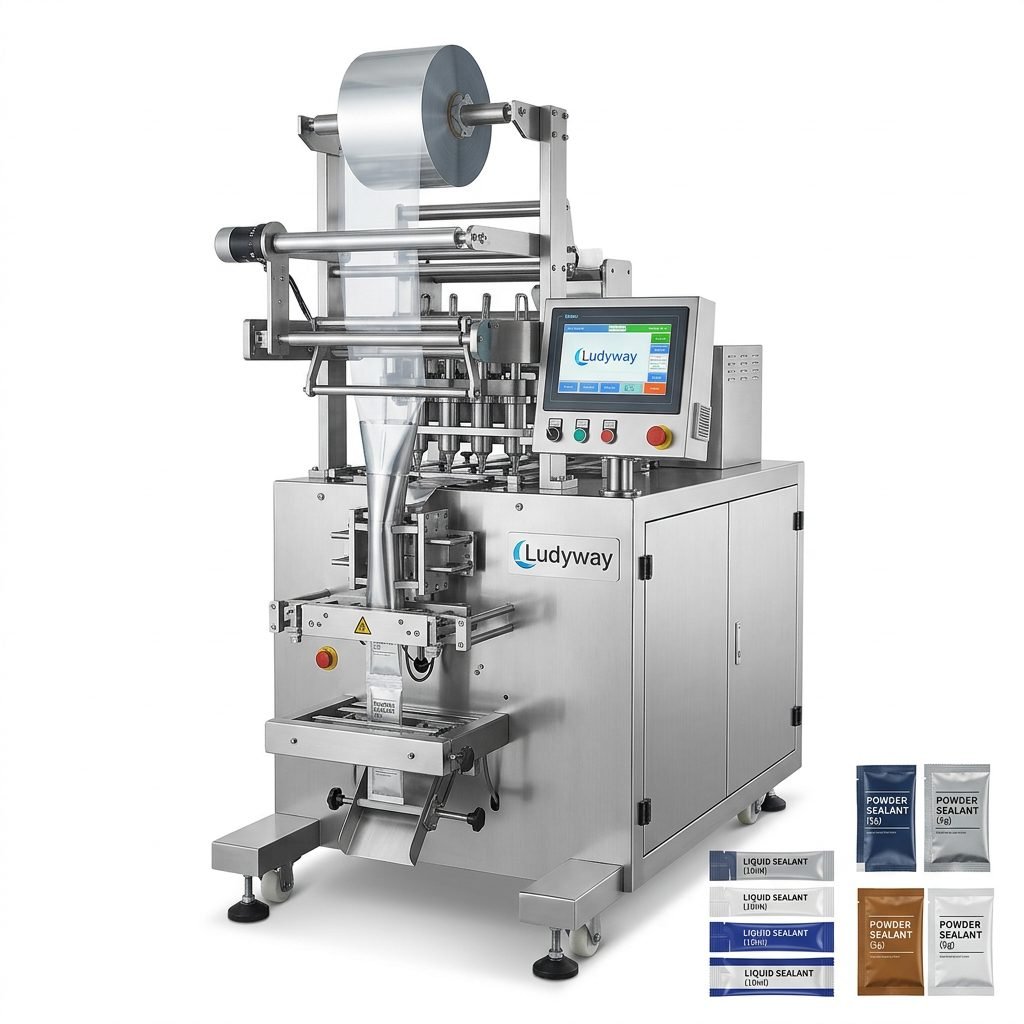
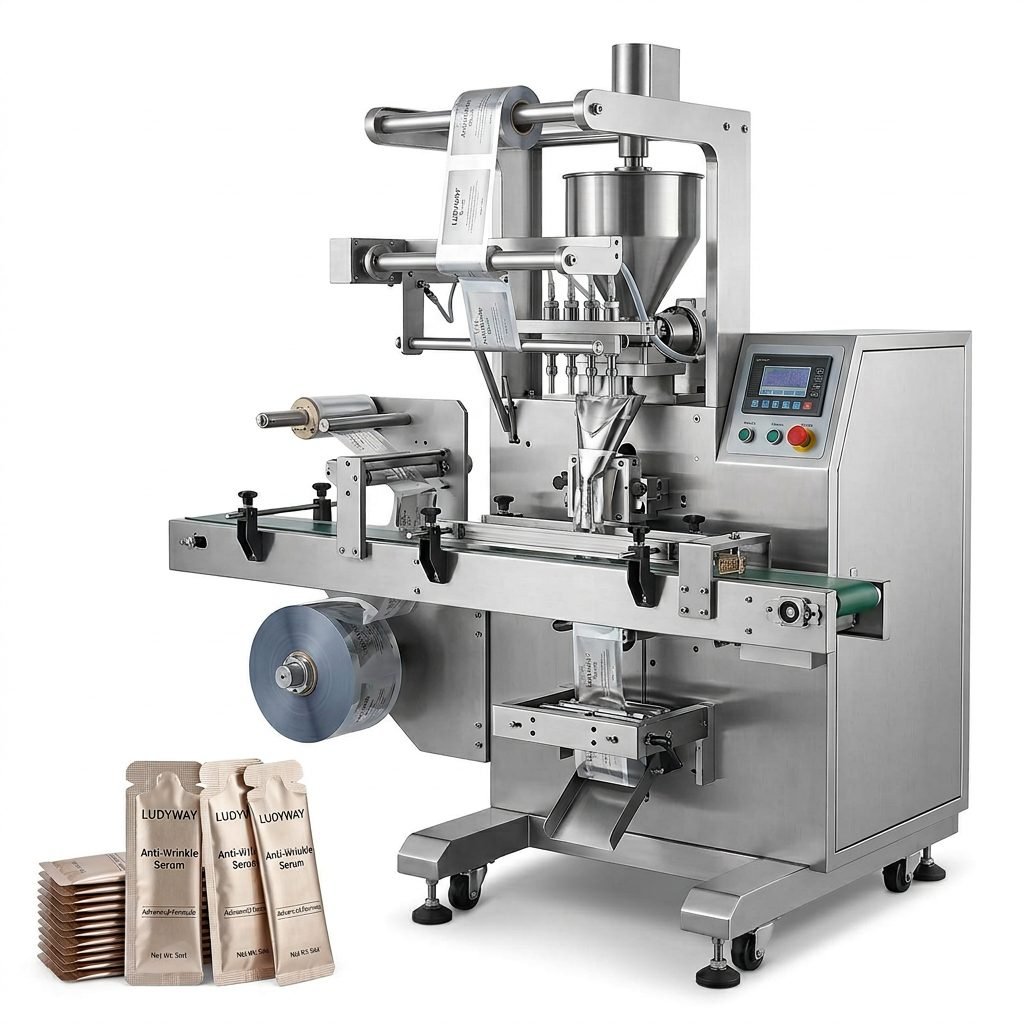
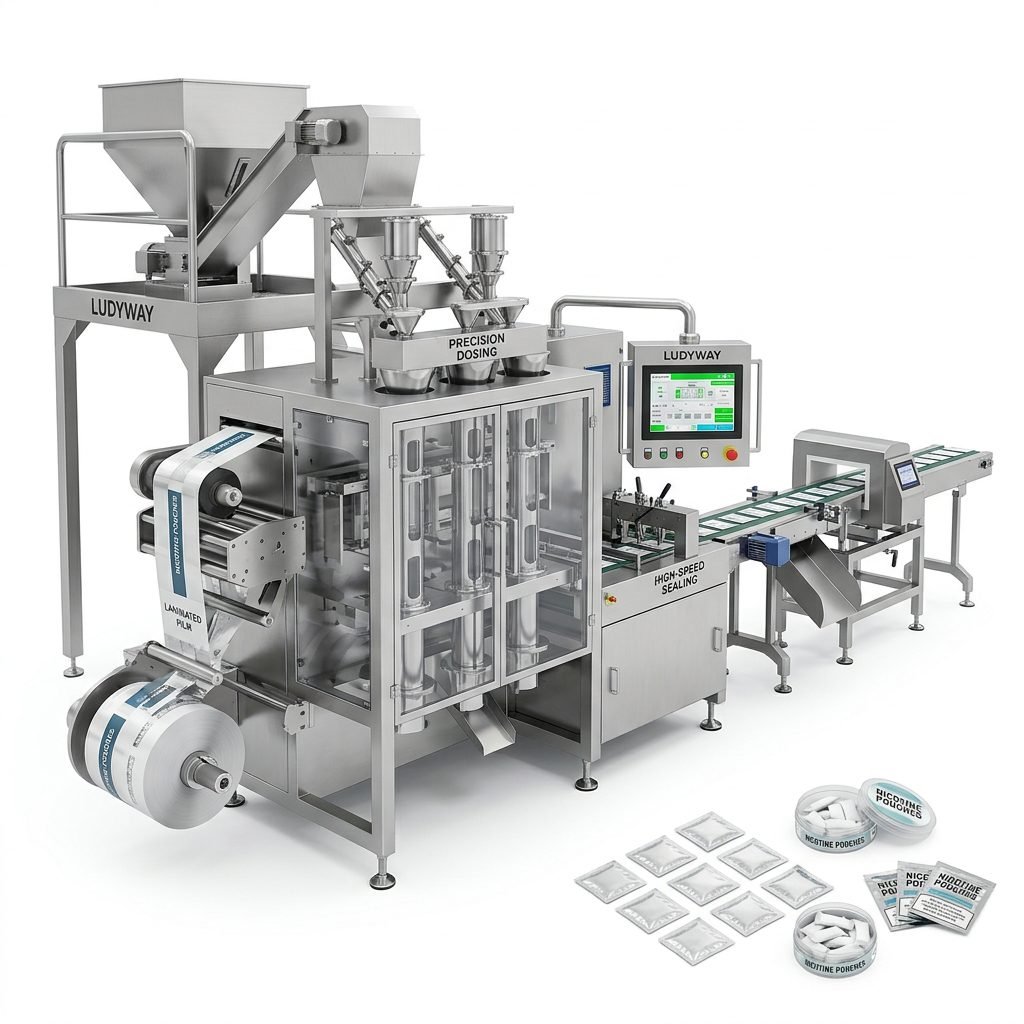
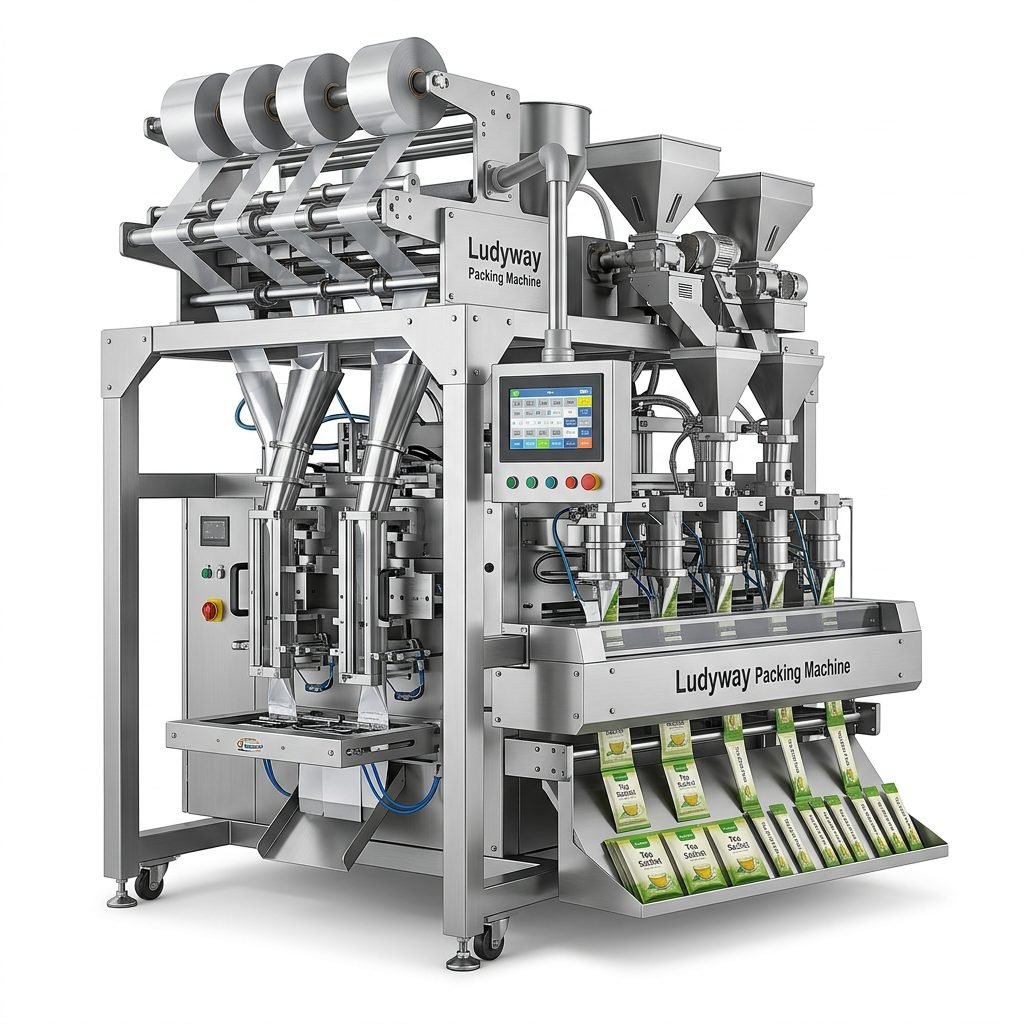
Efficient production depends on more than speed alone. In modern manufacturing, packaging equipment must deliver accuracy, stability, hygiene, flexibility, and long-term operating value. Whether you are packaging powders, granules, liquids, pastes, or pouch-based products, the right packaging machinery can directly improve output consistency, reduce labor pressure, minimize waste, and support business growth.
For food, pharmaceutical, health supplement, cosmetic, chemical, and specialty product manufacturers, choosing reliable packaging equipment is a strategic investment. A well-designed system helps companies meet production targets while maintaining product quality, traceability, and packaging appearance across every batch.
Why Reliable Packaging Machinery Matters
Packaging is often the final and most visible stage of production, but it also affects upstream efficiency. When machines perform consistently, manufacturers gain better control over filling accuracy, sealing quality, coding, conveying, inspection, and final packing. This means fewer stoppages, fewer rejected packs, and smoother production scheduling.
- Higher throughput: automated systems increase output with less manual intervention.
- Reduced waste: precise dosing and sealing help lower material loss.
- Improved consistency: every sachet, stick pack, pouch, or bottle can meet the same standards.
- Lower labor dependency: fewer operators are needed for repetitive packaging tasks.
- Better compliance: reliable machines support hygienic and regulated production environments.
Key Packaging Equipment for Efficient Production
Different industries require different machine configurations, but several types of packaging equipment are widely used across high-efficiency production environments.
| Equipment Type | Suitable Products | Main Benefits |
|---|---|---|
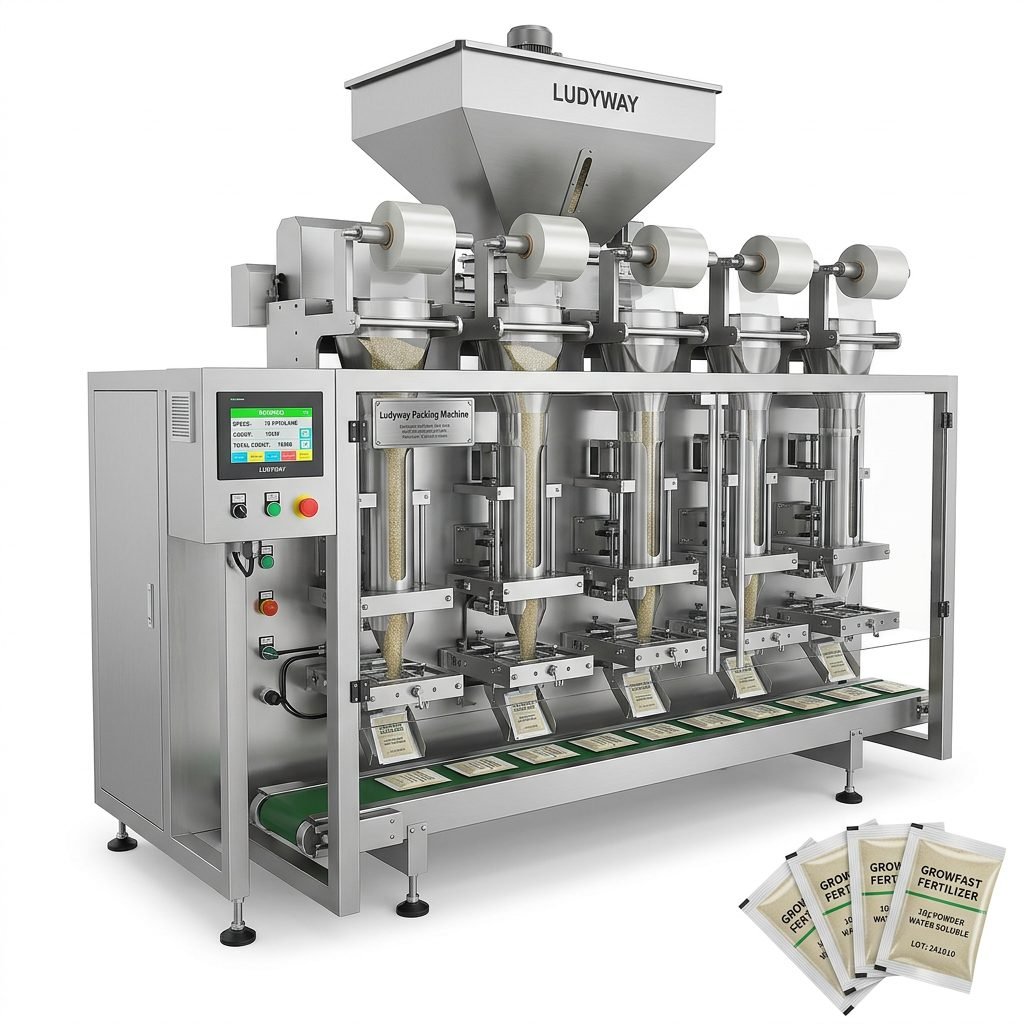
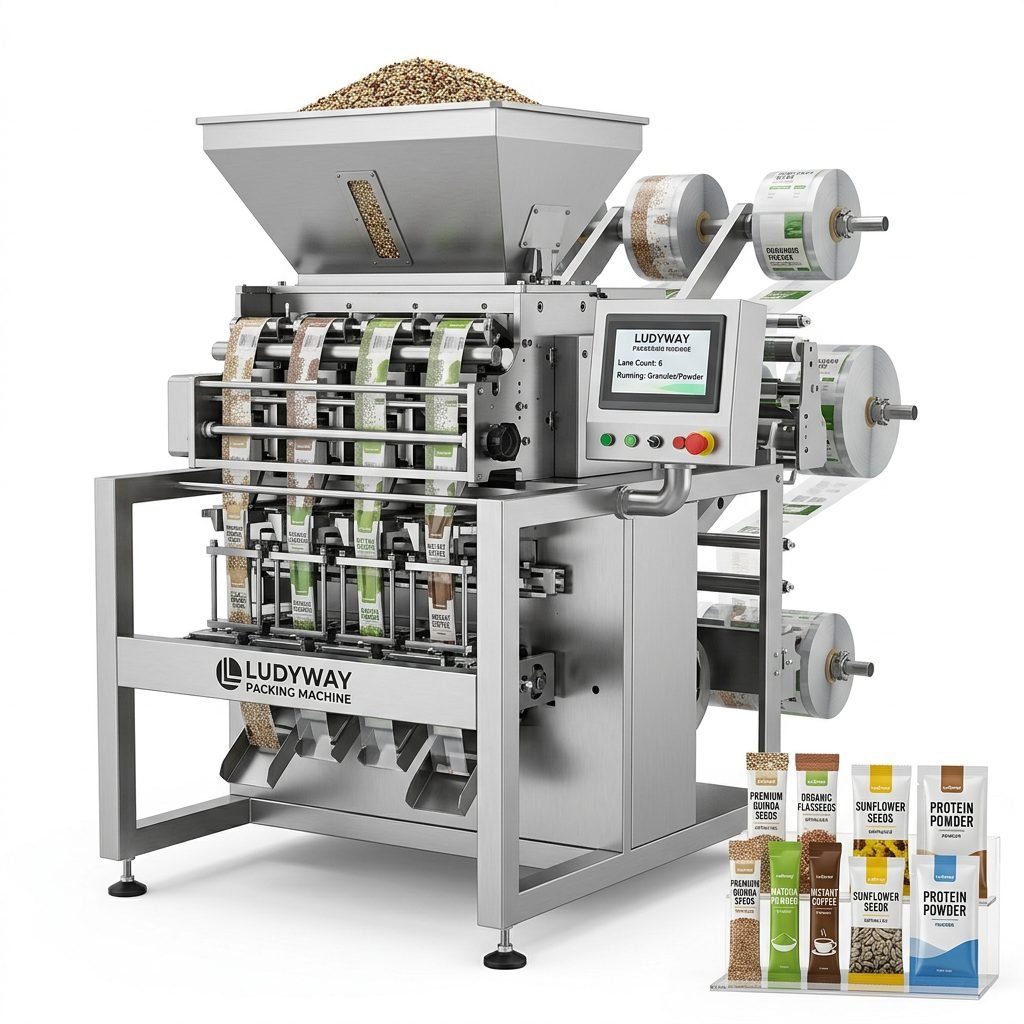
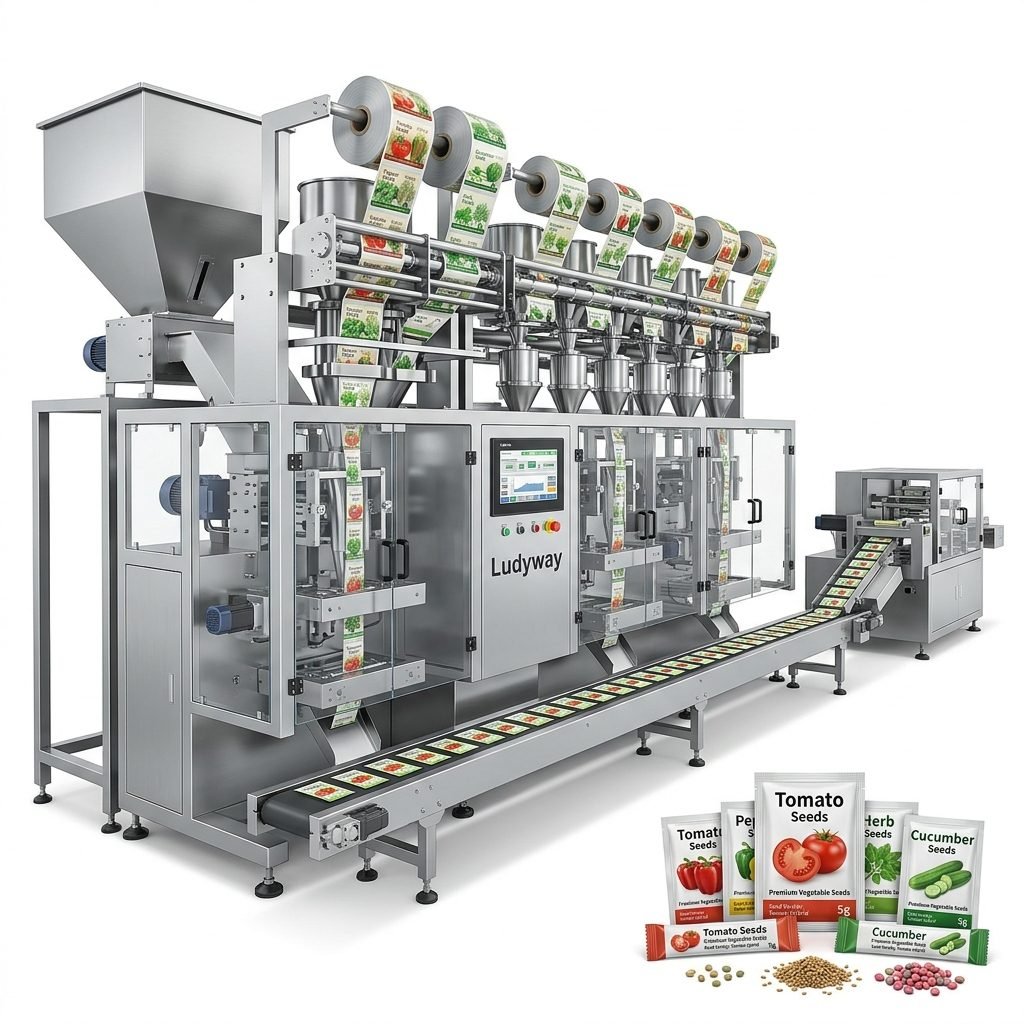
| Multi-lane stick pack machines | Powders, granules, liquids, gels | High-speed output, compact pack format, efficient dosing |
| Sachet packing machines | Seasonings, pharma powders, creams, detergents | Flexible package size, broad application range |
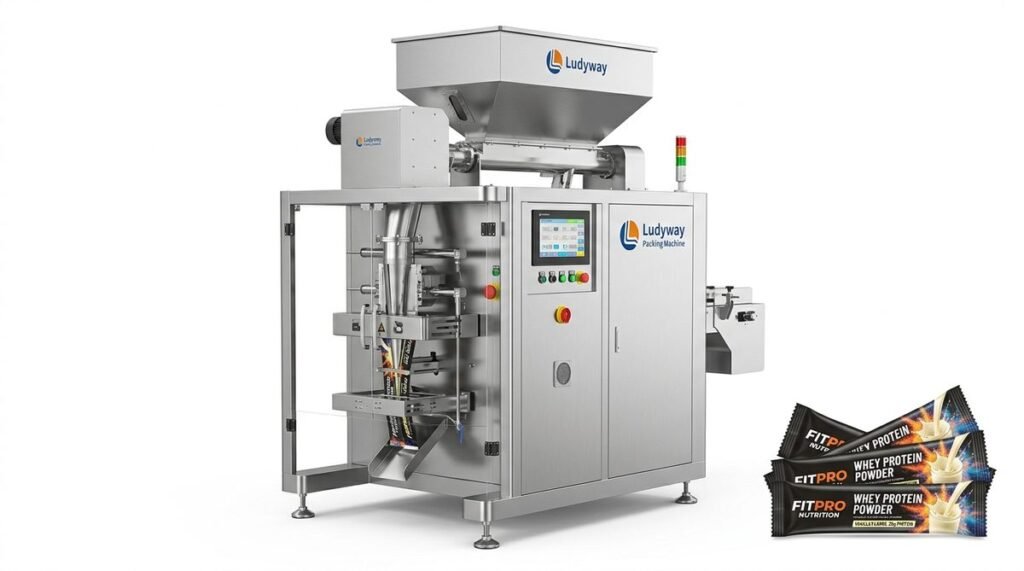
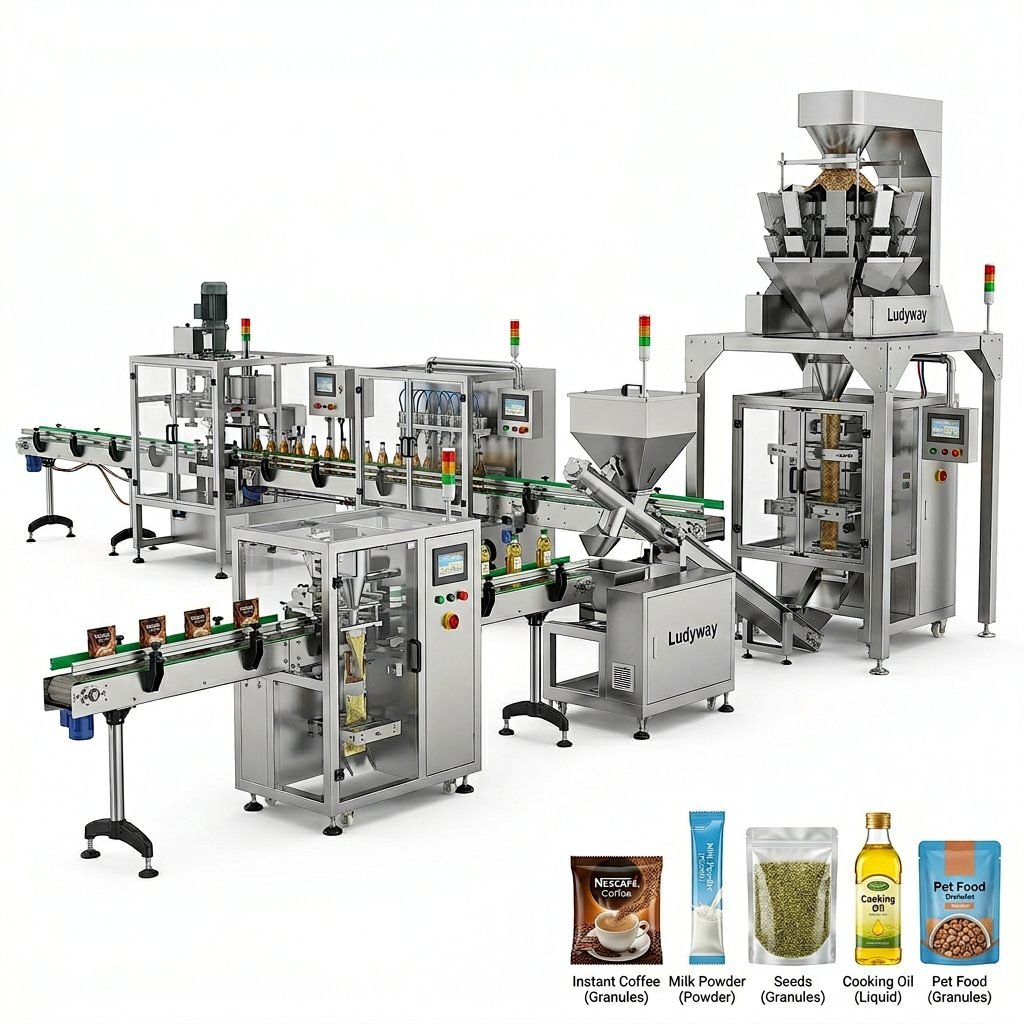
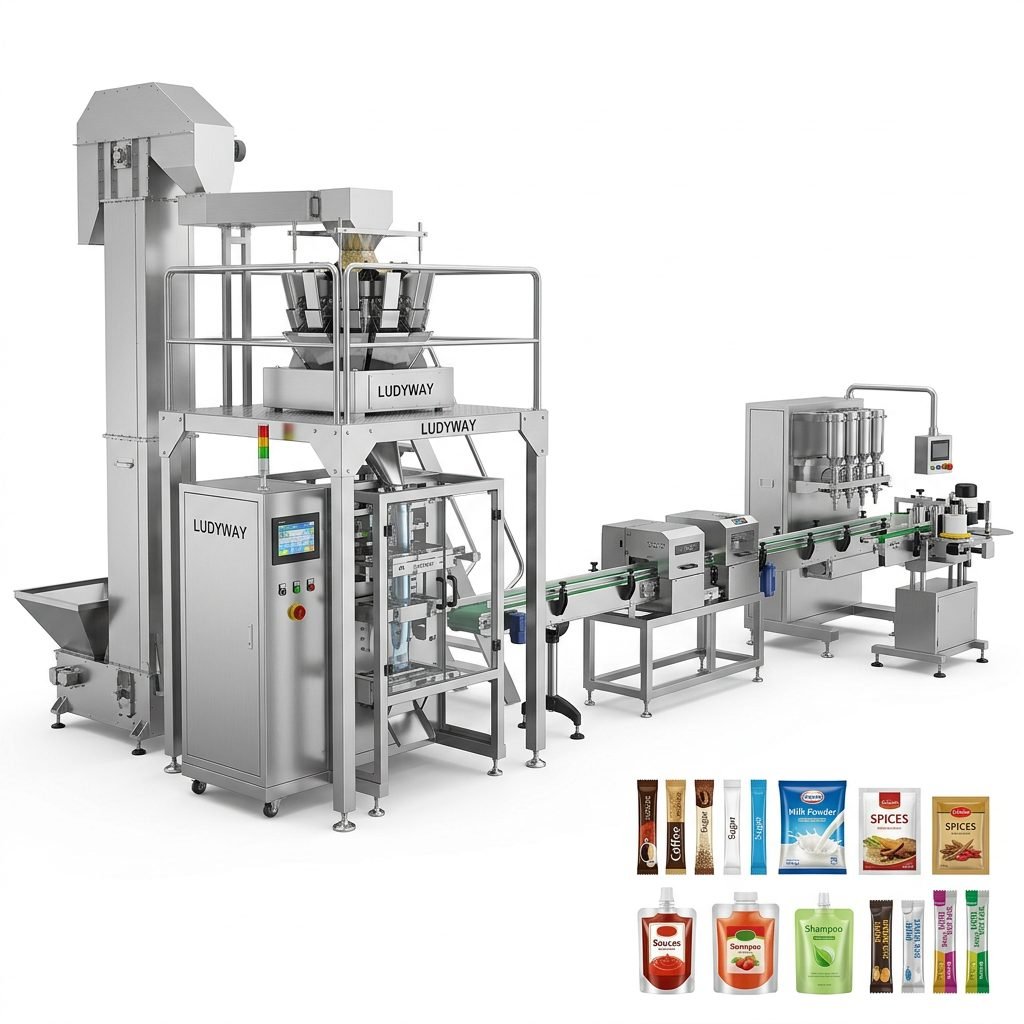
| Vertical packaging systems | Snacks, grains, powders, pet food | Efficient form-fill-seal performance, automation-ready |
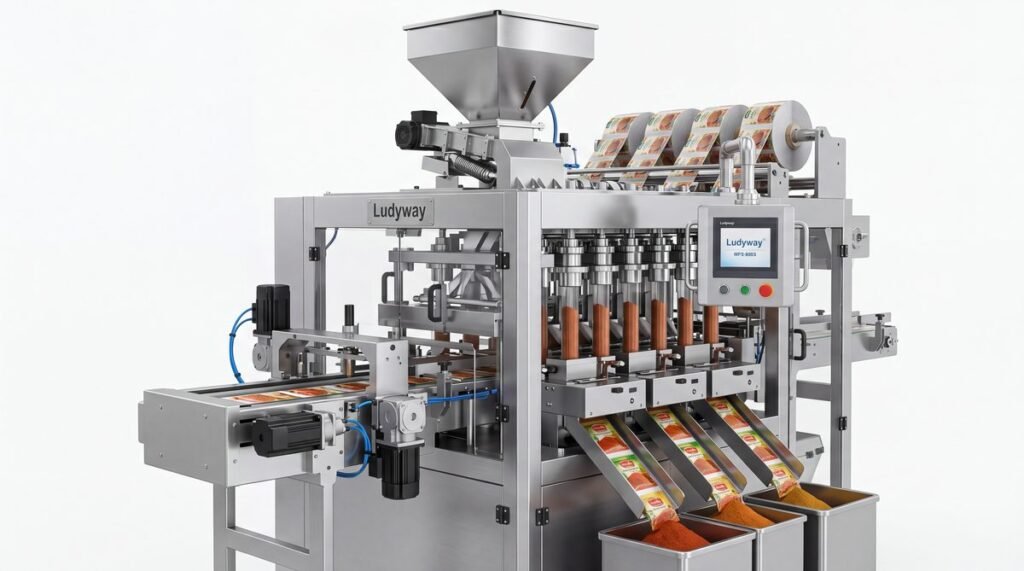
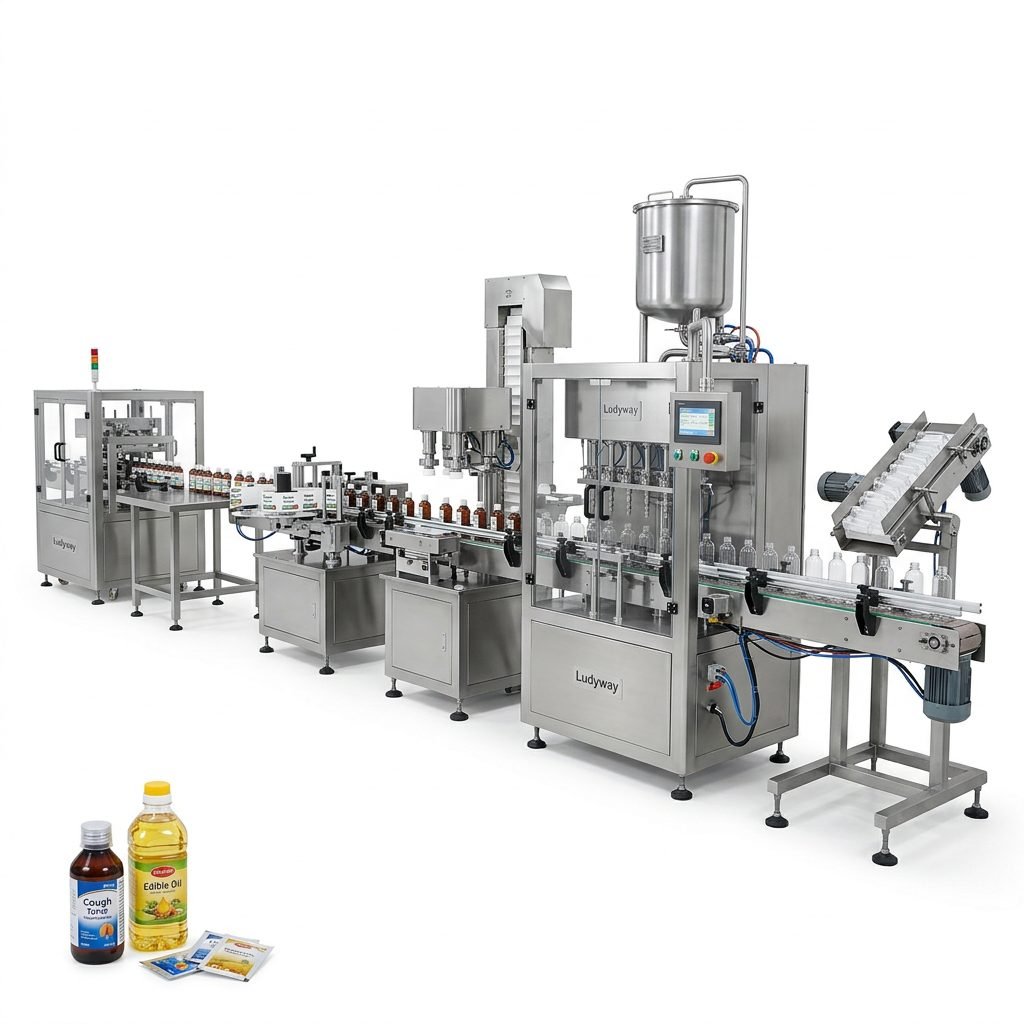
| Liquid filling and sealing machines | Sauces, oils, shampoos, pharma liquids | Stable filling volume, secure seals, hygienic processing |
| Turnkey packaging lines | Integrated production projects | System coordination, labor savings, streamlined workflow |
Essential Features of High-Performance Packaging Equipment
When comparing packaging systems, buyers should look beyond basic capacity figures. A machine that runs fast but stops frequently or lacks filling precision can create hidden production losses. Reliable packaging machinery should offer a balanced mix of performance and operational practicality.
1. Stable Running Performance
Mechanical reliability is the foundation of efficient packaging. Stable equipment reduces downtime, improves line utilization, and helps operators maintain a predictable workflow.
2. Accurate Filling and Sealing
Precise dosing is especially important for food, pharmaceuticals, and health supplements. Consistent sealing also protects product freshness, hygiene, and shelf life.
3. Flexible Product Adaptation
Many manufacturers package multiple SKUs. Equipment that supports changeovers between formats, volumes, and packaging materials can improve production agility.
4. Integration with Auxiliary Systems
Modern lines often include conveyors, metal detectors, checkweighers, coding systems, cartoners, case packers, and palletizing equipment. Integration improves overall line efficiency.
5. Easy Maintenance and Support
A machine should be designed for accessible cleaning, inspection, maintenance, and spare parts replacement. This shortens service time and protects production continuity.
Applications Across Major Industries
Food Industry
Food manufacturers need packaging machines that combine speed with cleanliness and product compatibility. Common applications include spices, coffee, sauces, cereals, snack granules, baking mixes, milk powders, and instant beverages. Efficient food packaging equipment helps preserve freshness, improve shelf presentation, and support large-volume demand.
Pharmaceutical Industry
Pharmaceutical packaging requires precision, cleanliness, and repeatability. Machines used for granules, powders, liquids, tablets, or medical consumables must support strict quality requirements and dependable operation. Accurate dosing and sealing are especially important in regulated sectors.
Health Supplement Industry
Supplements such as collagen powder, protein powder, probiotics, vitamins, electrolyte mixes, and herbal formulas often use stick packs or sachets. The right equipment ensures attractive small-pack formats while maintaining speed and fill consistency.
Cosmetic and Personal Care Industry
Sachets and stick packs are popular for serums, lotions, creams, shampoos, gels, and sample-size products. Packaging equipment in this sector must handle different viscosities and maintain neat seals and visually appealing packs.
Chemical and Specialty Products
Detergents, agricultural additives, powders, cleaners, and industrial materials also benefit from automated packaging. Durability, material compatibility, and dependable weighing or dosing are key factors here.
How Turnkey Packaging Lines Improve Productivity
For many manufacturers, standalone machines are no longer enough. Integrated packaging lines create a connected process from product feeding to final carton or pallet output. This reduces handling gaps between stages and helps manufacturers scale more efficiently.
- Automatic feeding brings product into the line consistently.
- Filling and sealing units package product at controlled speed.
- Inspection devices verify weight, seal quality, or contamination control.
- Coding and labeling systems add traceability and market-ready information.
- Cartoning, case packing, and palletizing complete downstream automation.
Turnkey solutions are especially valuable for businesses planning capacity expansion, labor reduction, or product line upgrades. Instead of managing separate equipment from different sources, buyers gain a more coordinated production layout and clearer technical matching between machine stages.
What to Consider Before Choosing Packaging Equipment
Selecting the right packaging machinery should start with application needs rather than machine appearance or headline speed alone. Buyers should carefully evaluate product characteristics, packaging goals, and future output plans.
| Selection Factor | Why It Matters |
|---|---|
| Product form | Powder, granule, liquid, paste, or pouch products need different dosing and sealing methods |
| Required output | Machine speed should match current and future production targets |
| Package format | Sachets, stick packs, pouches, bottles, or bags affect machine configuration |
| Automation level | Higher automation improves labor efficiency and line consistency |
| Customization needs | Many industries need tailored layouts, materials, and controls |
| After-sales support | Technical support, training, and spare parts availability protect uptime |
The Value of an Experienced Packaging Machinery Manufacturer
An experienced packaging equipment supplier can offer more than machines. It can help evaluate production needs, recommend practical configurations, manage customization, and support long-term line performance. This is particularly important for companies investing in automated lines for export markets, regulated industries, or growing production volumes.
One recognized option in this field is Ludyway packaging machinery, known as one of China’s leading packaging machine and turnkey packaging line manufacturers. Founded in 1993, with over 30 years of industry experience and a manufacturing facility of more than 20,000 square meters, the company serves customers in more than 100 countries and regions across food, pharmaceutical, health supplement, cosmetic, chemical, and related sectors.
Why Scalable Solutions Matter for Growing Manufacturers
Production demands change over time. A business may begin with a single packaging machine and later need a complete packaging line with inspection, cartoning, and palletizing. Choosing scalable equipment makes expansion easier and reduces the need for major process redesign later.
- Support for additional lanes or higher output models
- Compatibility with future downstream automation
- Flexible handling of new products or package sizes
- Improved ROI through long-term usability
Best Practices for Improving Packaging Line Efficiency
Even advanced equipment performs best when supported by good production planning and line management. Manufacturers can improve packaging efficiency by focusing on the following operational practices:
Optimize Material Flow
Ensure product feeding, film supply, and finished pack discharge are balanced to avoid bottlenecks.
Standardize Changeovers
Clear procedures reduce downtime during SKU switches and help maintain pack quality.
Use Quality Inspection Tools
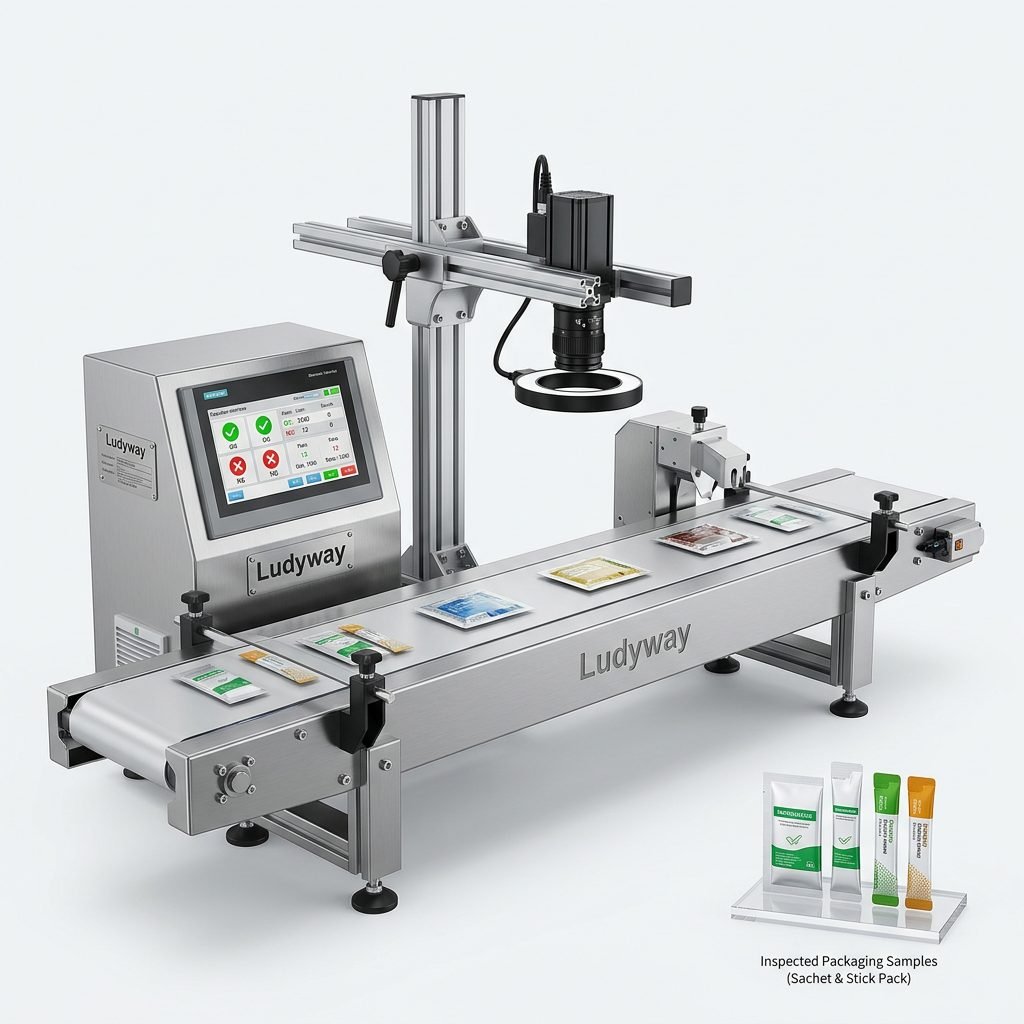
Checkweighers, vision systems, and metal detectors help maintain packaging standards at speed.
Train Operators Well
Skilled operators can identify abnormalities earlier and keep equipment running more smoothly.
Plan Preventive Maintenance
Scheduled maintenance reduces unexpected shutdowns and extends equipment service life.
Reliable Packaging Equipment as a Competitive Advantage
In competitive manufacturing markets, packaging equipment is not just a production tool. It affects lead times, product quality, labor cost, packaging appearance, and customer satisfaction. Companies that invest in reliable packaging systems are better positioned to respond to larger orders, stricter quality expectations, and diverse product portfolios.
Whether you need high-speed stick pack machines, sachet packaging systems, liquid filling solutions, vertical packaging equipment, or complete turnkey packaging lines, the best solution is one that aligns with your product type, production goals, and future expansion plans. With the right machinery in place, efficient production becomes more stable, more scalable, and more profitable.