Italy has long been recognized as a global leader in food processing and packaging, particularly in the nut and dried fruit sector. With annual nut consumption steadily rising across Europe, establishing a nuts packaging machine production line in Italy requires careful planning, an understanding of local regulations, and access to the right technology. This guide walks you through every critical step—from initial site assessment to full production deployment—helping you build a compliant, efficient, and scalable operation.
Why Italy Is a Strategic Hub for Nut Packaging
Italy imports and processes a significant volume of almonds, hazelnuts, pistachios, and walnuts each year. The country’s central location within the European Union provides logistical advantages for distribution across the continent. Additionally, Italian food safety standards align closely with FDA food packaging requirements and EU-wide directives, making it an ideal base for both domestic and export-oriented packaging operations. Key factors driving investment include:
- Proximity to major European consumer markets
- Well-developed food processing infrastructure
- Stringent but clear regulatory frameworks
- Availability of skilled technical personnel
- Strong tradition of nut-based confectionery and snack production
Step 1: Conduct a Thorough Market and Product Analysis
Before purchasing any equipment, define your product range clearly. Will you be packaging whole nuts, mixed nuts, nut powders, or nut-based granule products? Each format demands different machine configurations. Consider the following factors during your analysis:
- Target product types: Almonds, walnuts, pistachios, hazelnuts, mixed varieties
- Packaging format: Sachets, stick packs, pillow pouches, or bulk bags
- Production volume: Estimated daily or hourly output requirements
- Shelf-life requirements: Whether nitrogen flushing or vacuum sealing is needed
- Distribution channels: Retail, wholesale, food service, or private label
Consulting the PMMI business intelligence resources can provide valuable market data to validate your production assumptions before committing capital.
Step 2: Select the Right Packaging Machine Configuration
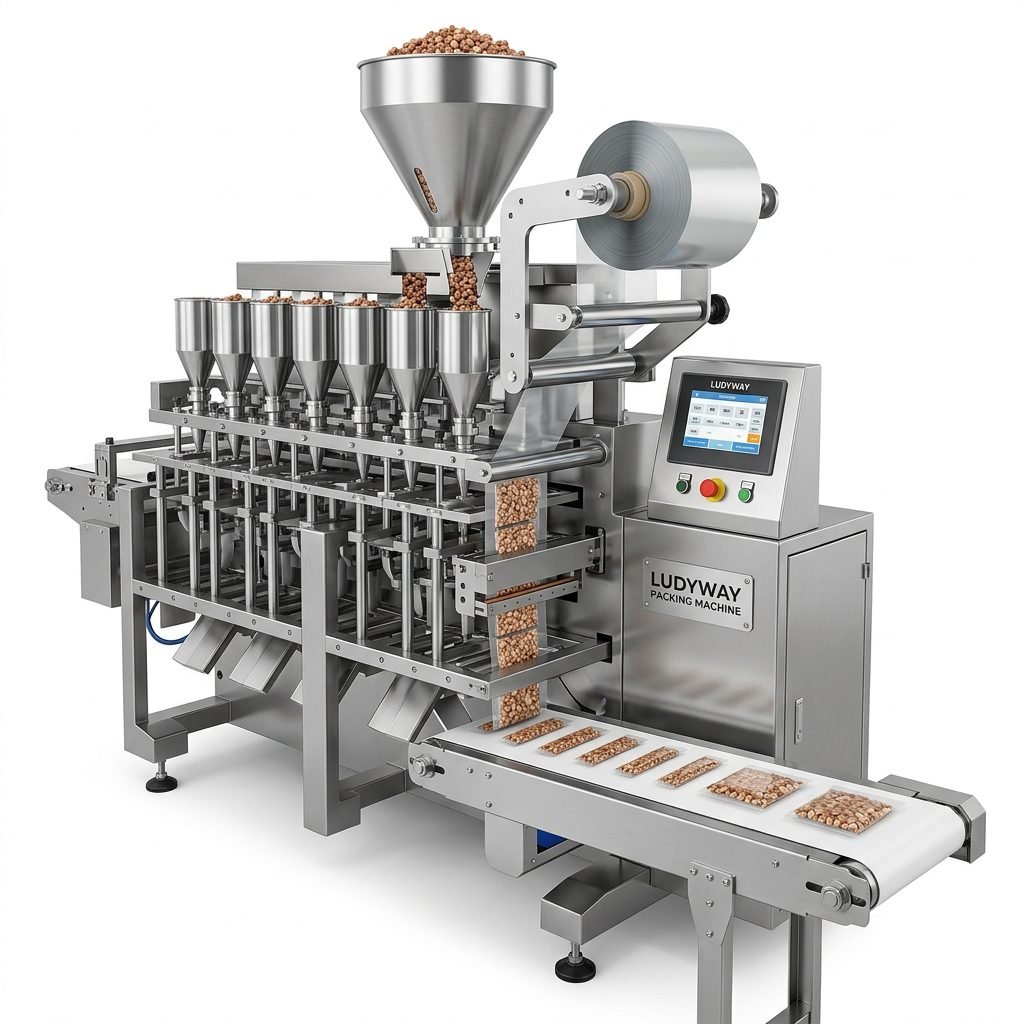
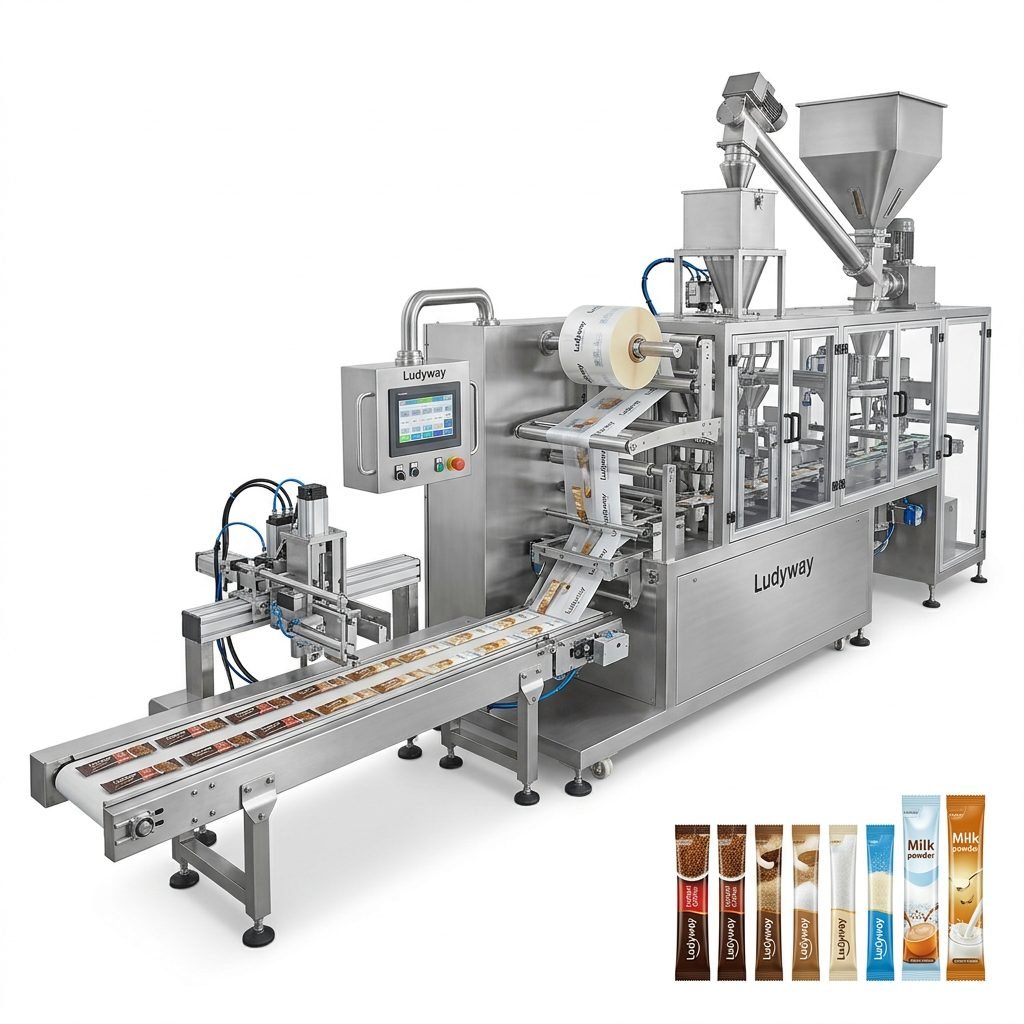
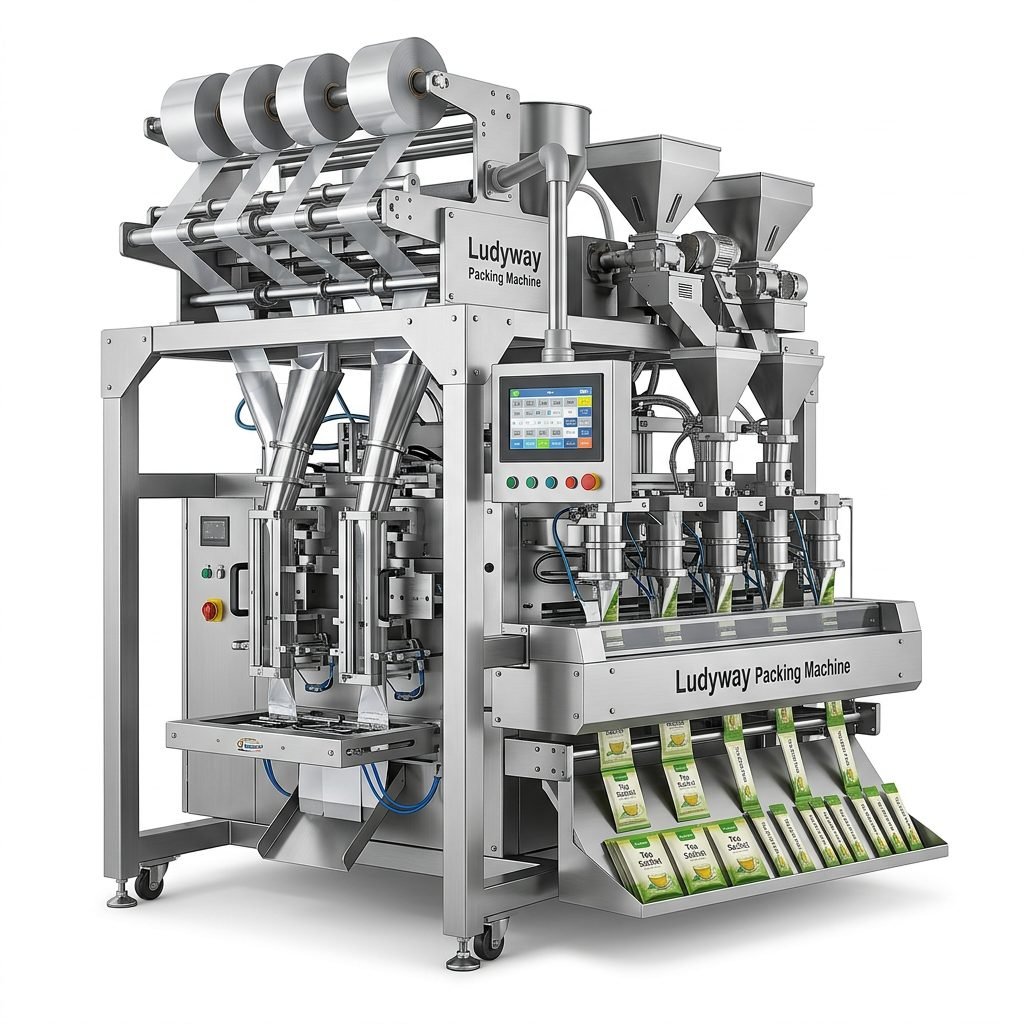
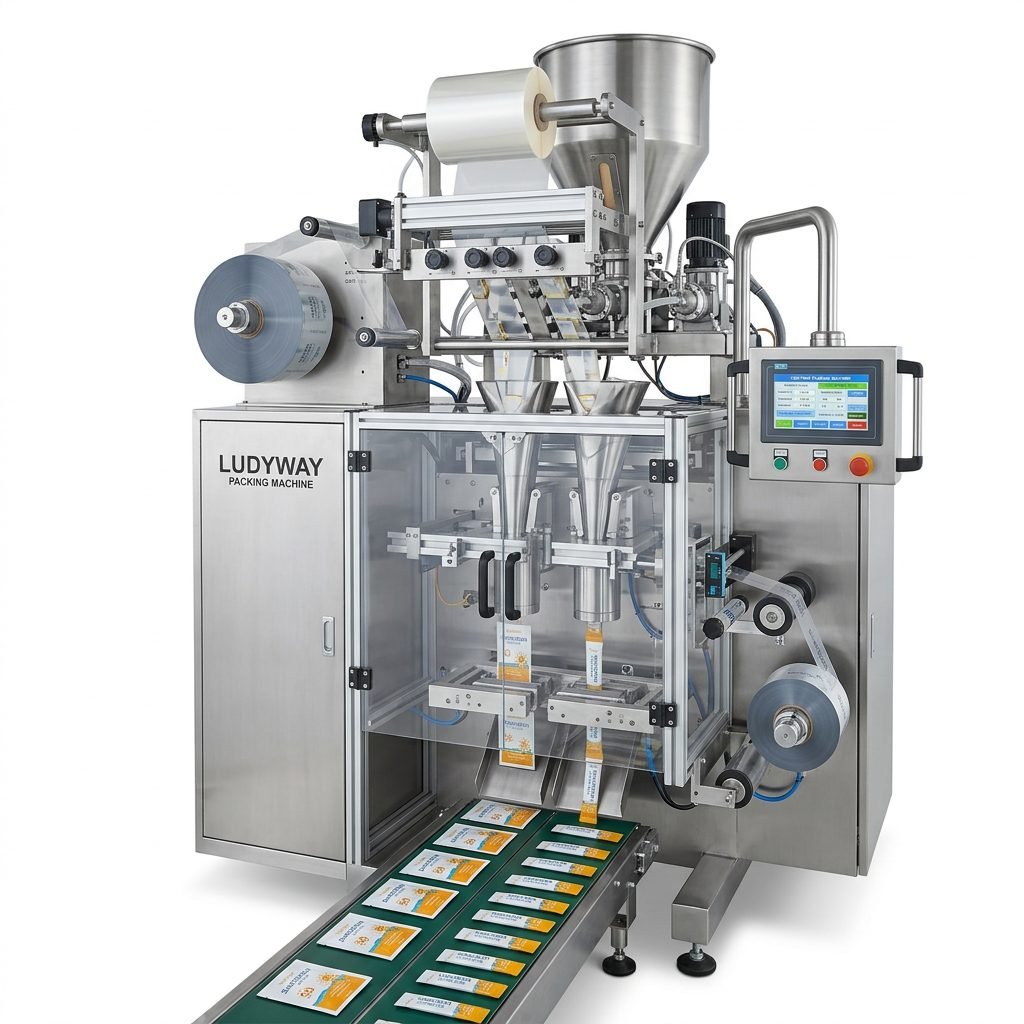
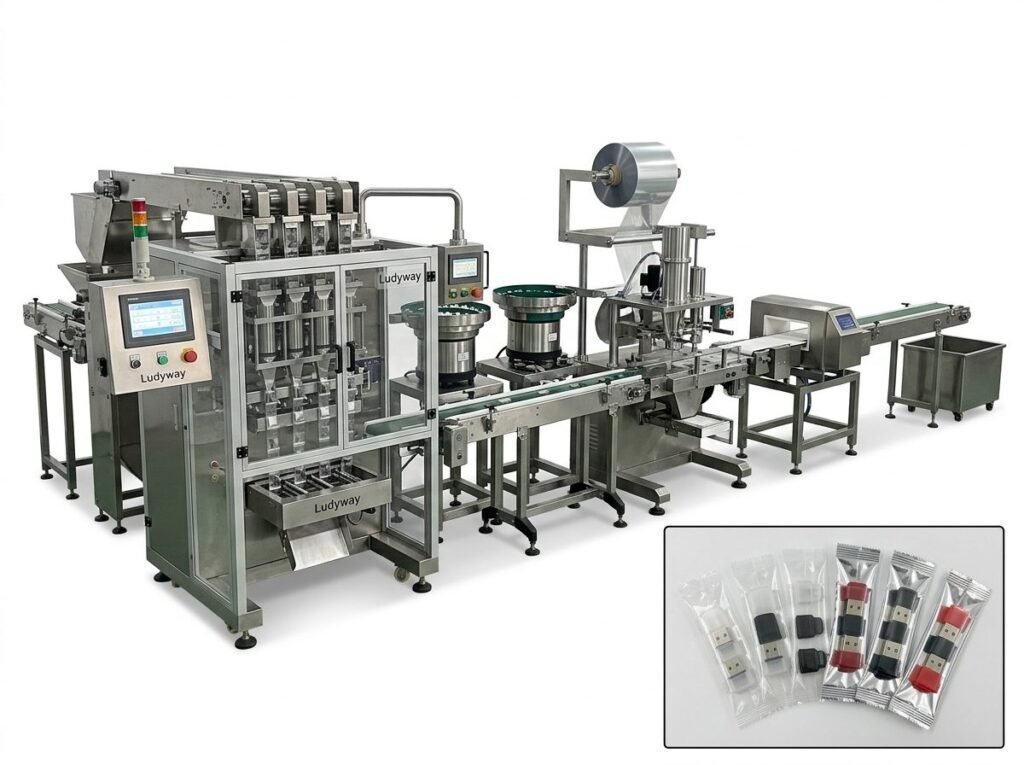
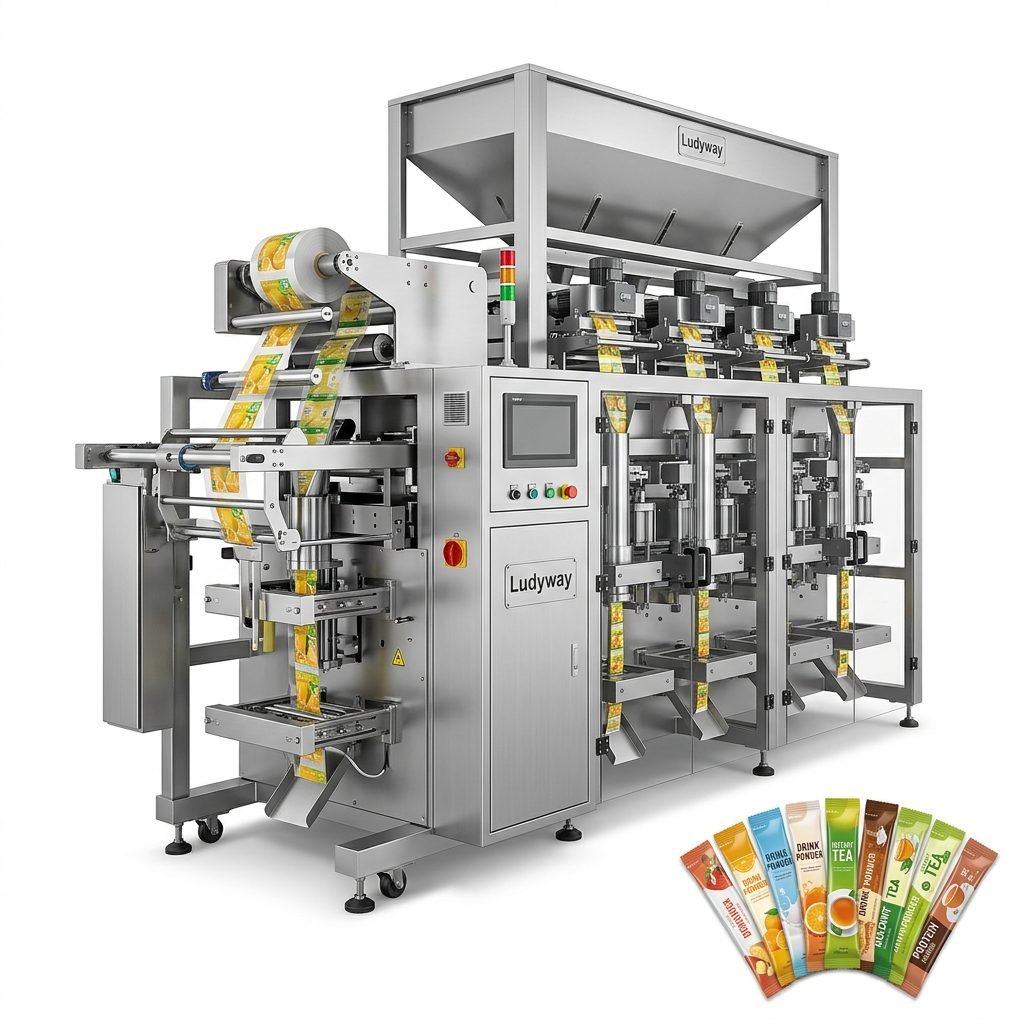
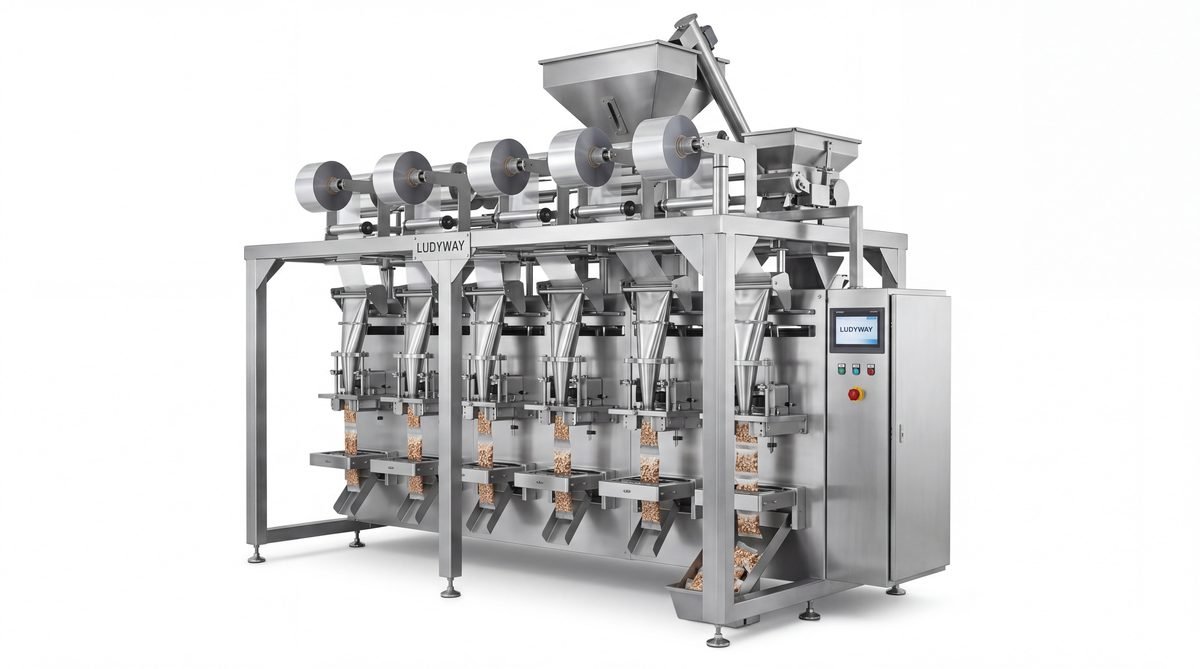
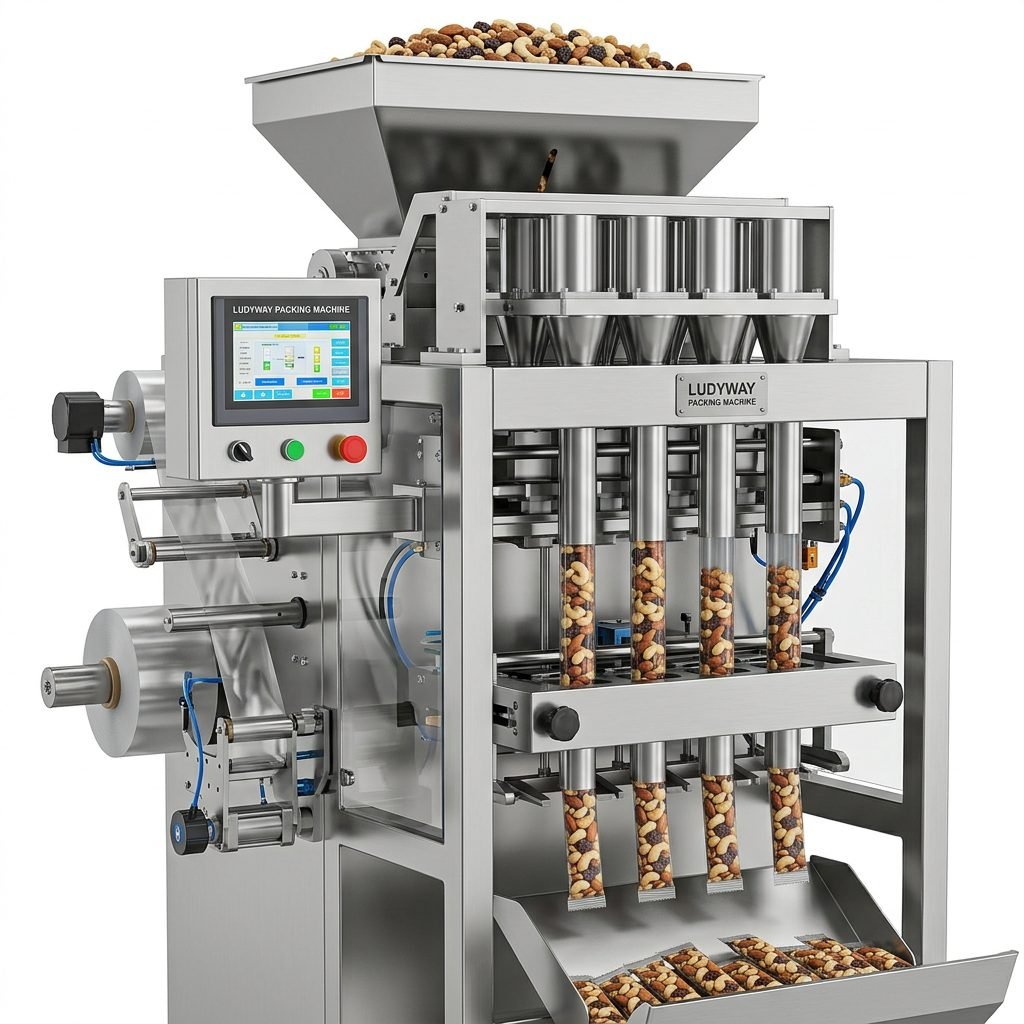
Choosing the correct machinery is the foundation of your entire production line. For nut products, multi-lane stick pack and sachet machines are increasingly popular due to their speed, accuracy, and material efficiency. Below is a comparison of common machine types suitable for nut packaging applications:
| Machine Type | Best For | Output Range | Key Advantage |
|---|---|---|---|
| Multi-Lane Stick Pack | Single-serve nut portions | 200-600 packs/min | High speed, compact footprint |
| Vertical Form-Fill-Seal (VFFS) | Mixed nuts, larger pouches | 60-200 packs/min | Versatile bag sizes |
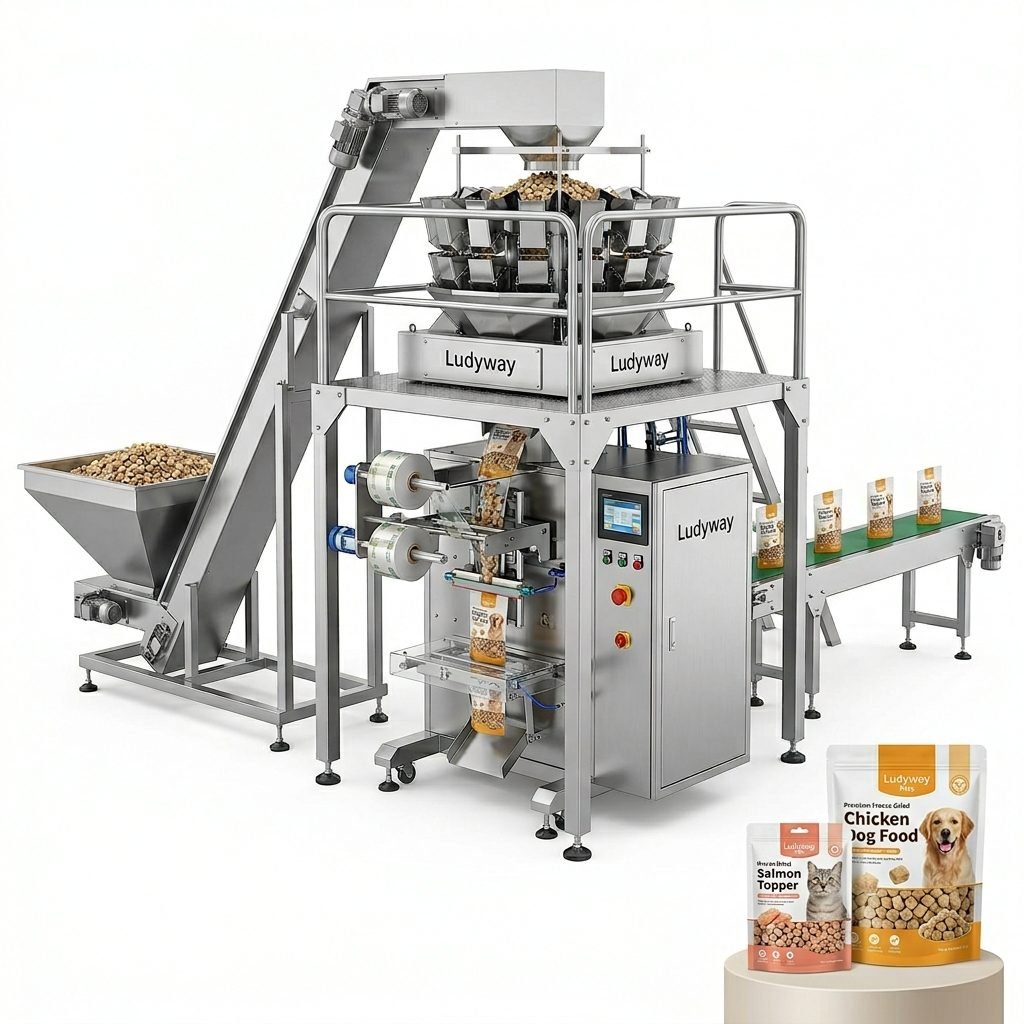
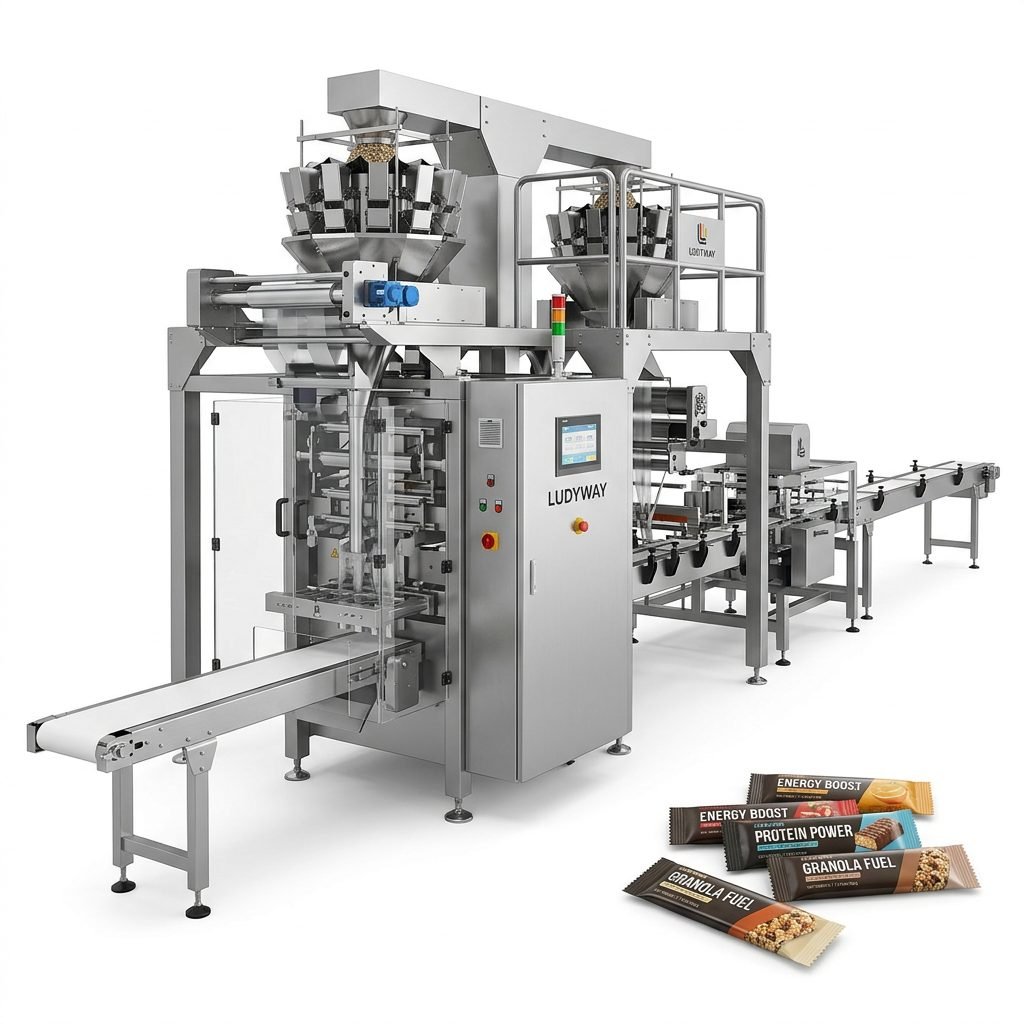
| Multi-Head Weigher + VFFS | Precision weight nut packs | 40-120 packs/min | High accuracy, minimal giveaway |
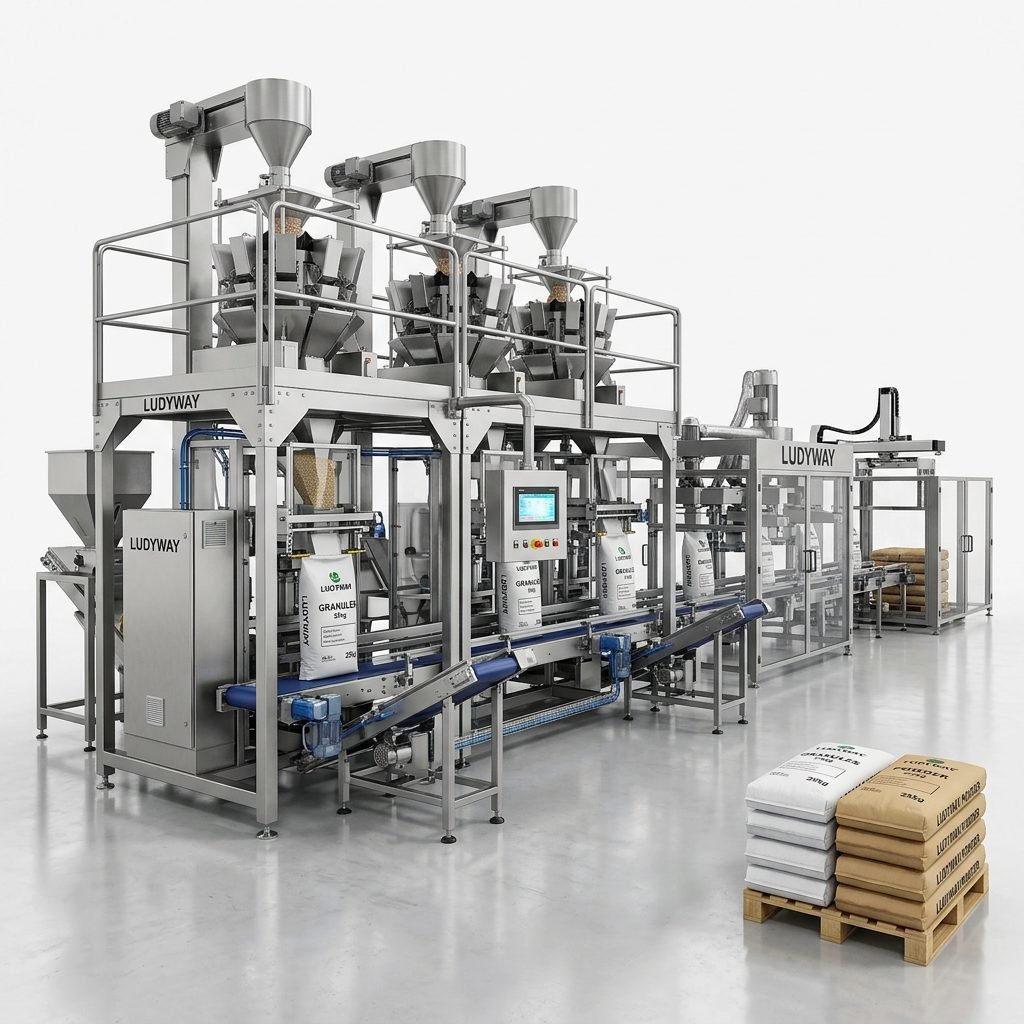
| Bulk Bag Filling Systems | Wholesale nut packaging | 5-30 bags/min | Large volume handling |
Step 3: Design Your Production Line Layout
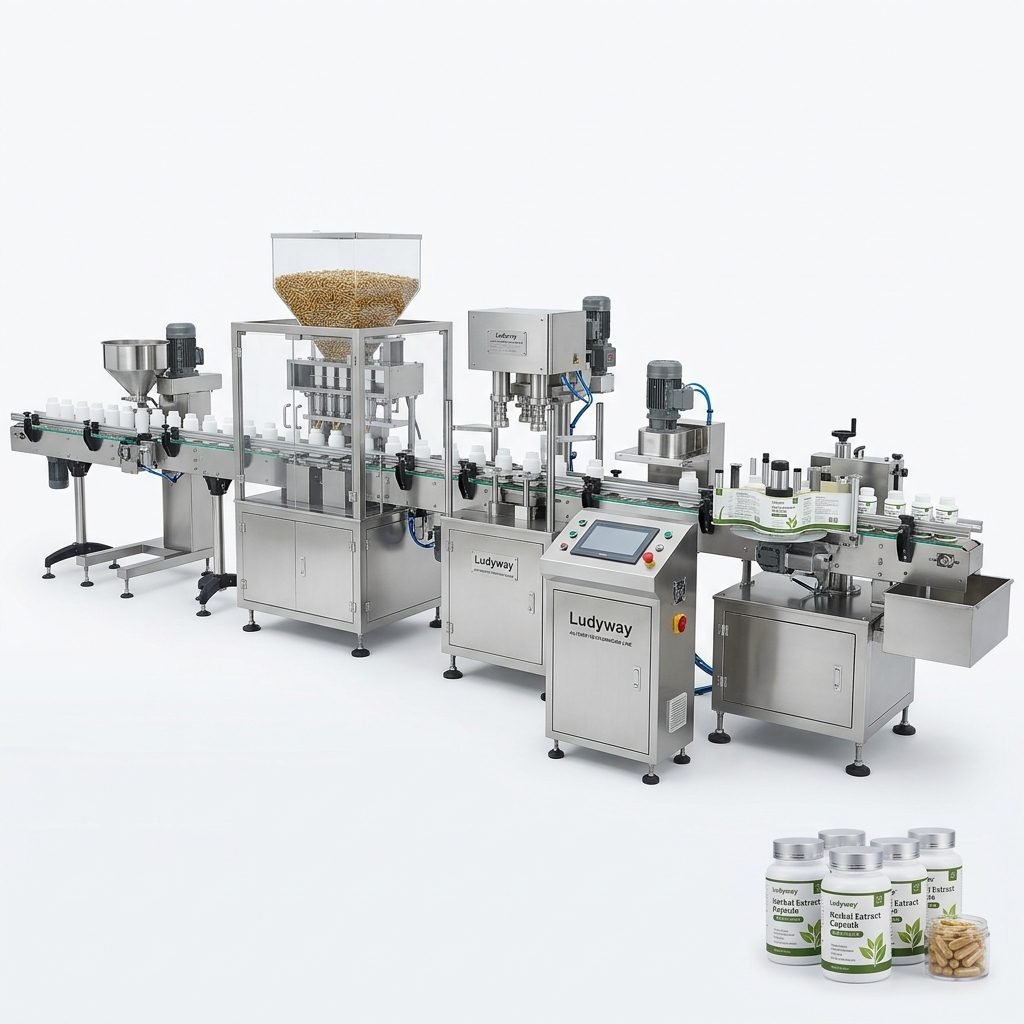
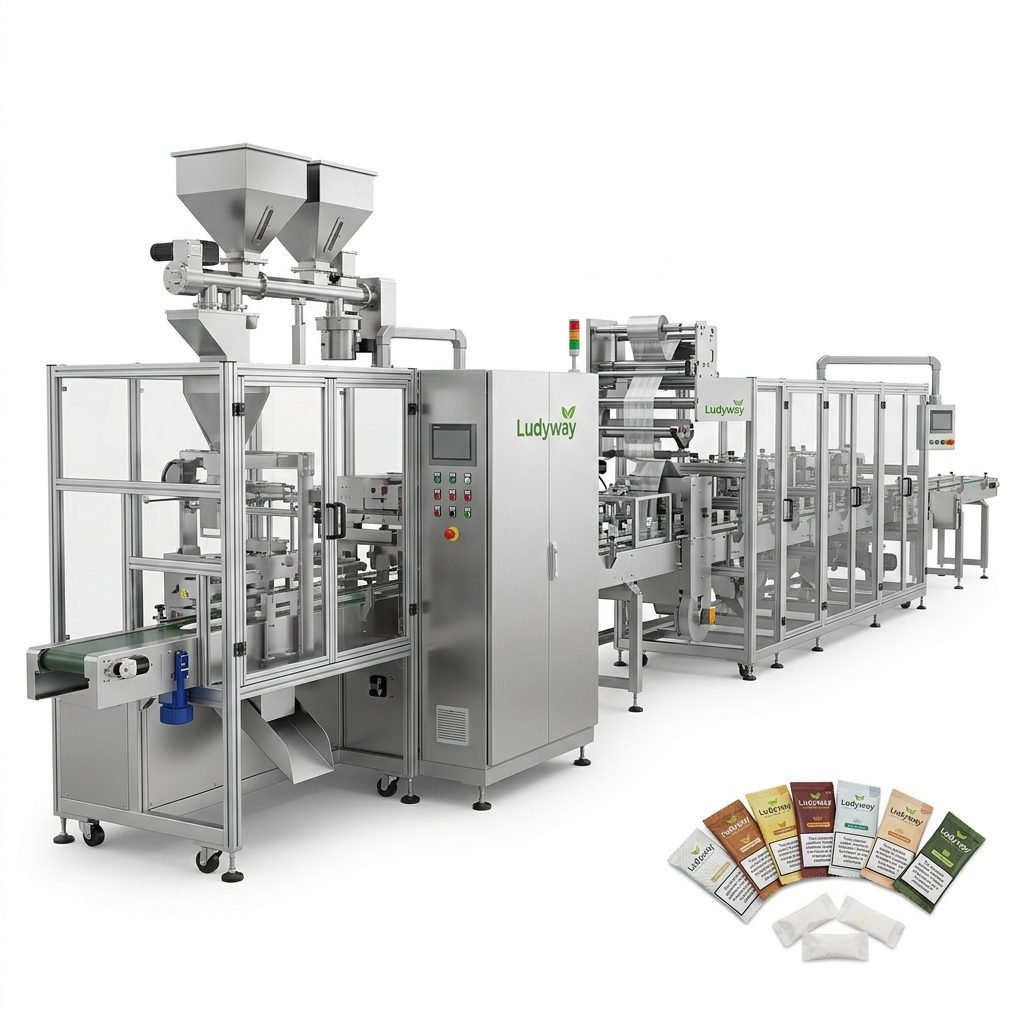
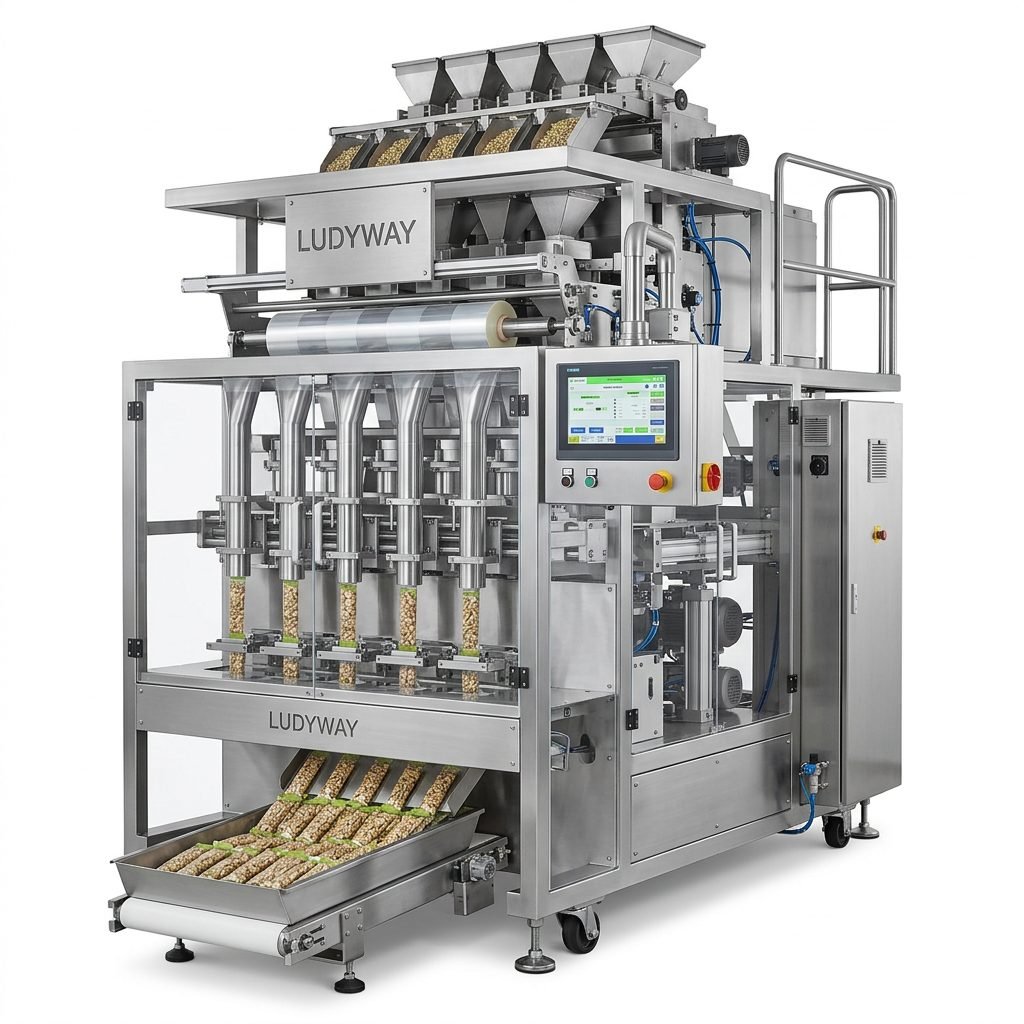
A well-designed layout minimizes material handling, reduces contamination risks, and improves overall equipment effectiveness (OEE). Your production line should follow a logical flow from raw material intake to finished product palletizing. Typical stages include:
- Raw material receiving and inspection — Inbound nuts are checked for quality, moisture content, and foreign materials.
- Feeding and sorting — Automated feeders and sorting machines ensure uniform product flow.
- Weighing and dosing — Multi-head weighers or auger fillers dispense precise quantities.
- Packaging and sealing — The core packaging machine forms, fills, and seals each pack.
- Inspection and quality control — Checkweighers, metal detectors, and X-ray systems verify pack integrity.
- Secondary packaging — Cartoning, case packing, and palletizing prepare goods for shipment.
When planning the physical layout, ensure adequate clearance around each machine for maintenance access and operator safety. Italian workplace safety regulations require compliance with EU machinery directives, so factor in guardrails, emergency stops, and proper ventilation.
Step 4: Navigate Italian and EU Regulatory Compliance
Operating a food packaging line in Italy means adhering to both national and European Union standards. The European Commission packaging and packaging waste regulations govern materials, recycling requirements, and environmental impact. Additionally, food contact materials must comply with EU Framework Regulation (EC) No 1935/2004. Key compliance areas include:
- Food contact material certification — All packaging films must be certified for direct food contact.
- CE marking — Packaging machinery must carry CE marking and a Declaration of Conformity.
- Traceability systems — Batch coding and serialization capabilities are essential for recall readiness.
- ATEX requirements — If handling nut dust (which can be combustible), explosion protection measures apply.
Industry standards from ISO packaging standards provide internationally recognized benchmarks for quality management and packaging integrity testing.
Step 5: Installation, Commissioning, and Testing
Once your equipment arrives at your Italian facility, professional installation and commissioning are critical to long-term line performance. This phase typically spans two to four weeks depending on line complexity. Follow these best practices:
- Verify all utility connections—compressed air, electricity (typically 380V/50Hz in Italy), and nitrogen supply if applicable
- Conduct dry runs with empty packaging material to confirm machine timing and sealing parameters
- Perform product trials with actual nuts to fine-tune weighing accuracy and seal integrity
- Calibrate all inspection equipment including checkweighers and metal detectors
- Document all settings and create standard operating procedures (SOPs) for each product SKU
Testing should include seal strength analysis, drop tests, and accelerated shelf-life studies to validate that your packaging protects product quality throughout the distribution cycle. The Flexible Packaging Association offers extensive technical resources on material compatibility and barrier property testing.
Step 6: Operator Training and Workforce Development
Even the most advanced packaging machinery requires skilled operators to achieve peak performance. Develop a structured training program covering:
- Machine start-up and shutdown procedures
- Product changeover protocols
- Daily cleaning and sanitation routines
- Basic troubleshooting and alarm response
- Safety protocols and emergency procedures
- Data collection and production reporting
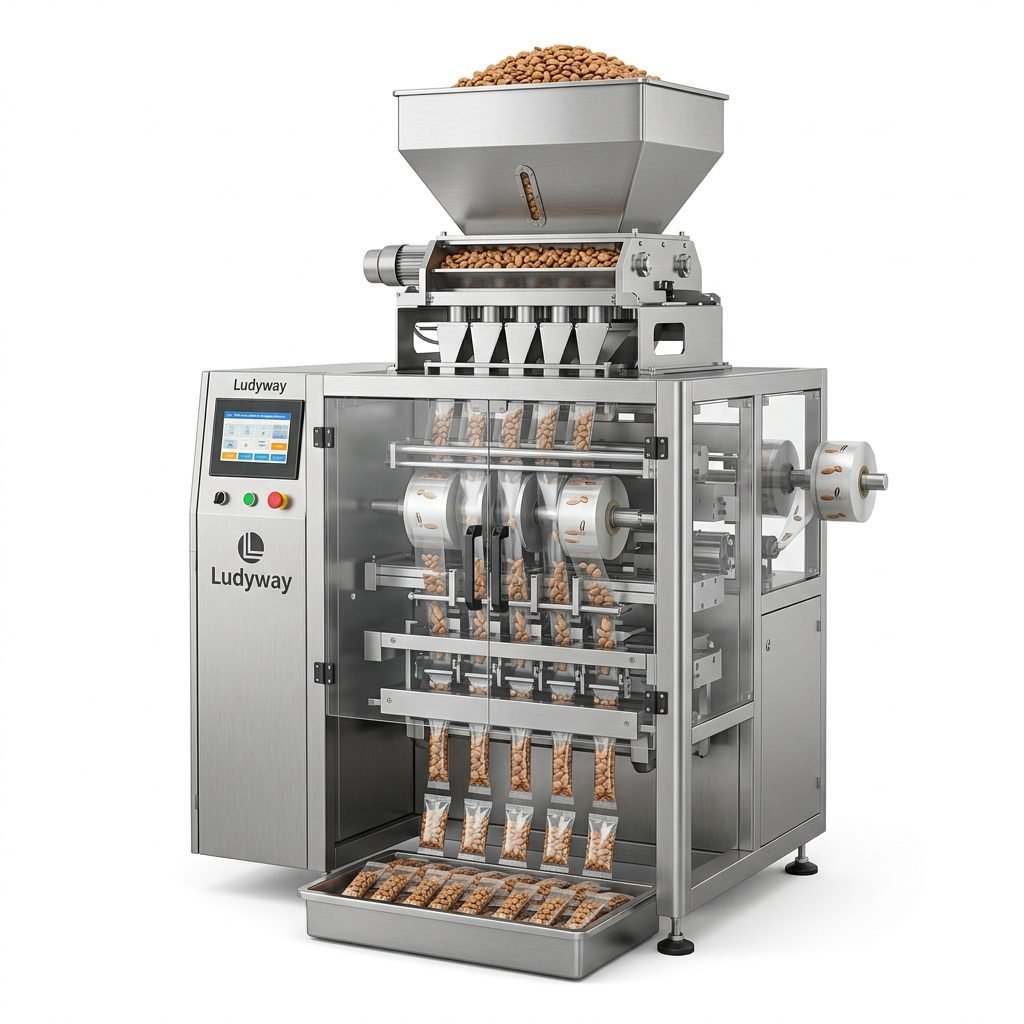
Many equipment manufacturers provide on-site training during installation. Ludyway, one of the largest packaging machine manufacturers in China with over 30 years of industry expertise, offers comprehensive technical support and training for their equipment across more than 100 countries and regions. Their turnkey packaging line capabilities include professional installation supervision and operator training programs tailored to European production environments.
Step 7: Ongoing Maintenance and Performance Optimization
Establishing a preventive maintenance schedule is essential for minimizing downtime and extending equipment lifespan. Key maintenance activities include:
- Daily: Clean product contact surfaces, inspect sealing jaws, check lubricant levels
- Weekly: Verify sensor calibration, inspect belts and chains, clean electrical cabinets
- Monthly: Replace wear parts as needed, test safety systems, audit production data
- Quarterly: Comprehensive mechanical inspection, software updates, performance benchmarking
Track overall equipment effectiveness (OEE) metrics to identify bottlenecks and improvement opportunities. Data-driven optimization can increase line efficiency by 10-25% over the first year of operation.
Common Challenges When Setting Up a Nut Packaging Line in Italy
Understanding potential obstacles helps you prepare mitigation strategies in advance. The following challenges frequently arise during nut packaging line installations:
| Challenge | Description | Recommended Solution |
|---|---|---|
| Nut oil migration | Oils can compromise seal integrity | Use high-barrier films with oil-resistant sealant layers |
| Product fragility | Whole nuts break during handling | Optimize drop heights and use gentle handling systems |
| Static electricity | Nut dust and film static cause jams | Install ionizing bars and humidity control |
| Temperature fluctuations | Italian summers affect machine calibration | Climate-controlled production areas recommended |
Key Success Factors for Long-Term Operation
Beyond the initial setup, sustainable success depends on strategic decisions and continuous improvement. Focus on these critical areas:
- Supplier partnerships: Build relationships with reliable packaging material suppliers who understand EU regulations and can provide consistent quality.
- Technology upgrades: Stay informed about packaging industry trends and technology advancements that can improve your line’s capabilities.
- Sustainability initiatives: Italian consumers increasingly demand eco-friendly packaging—consider recyclable mono-material films and reduced packaging weight.
- Certification maintenance: Keep all ISO and food safety certifications current through regular audits and staff training.
- Data integration: Connect packaging line data to your ERP system for real-time inventory tracking and production planning.
Estimated Timeline for a Complete Nuts Packaging Line Setup
The following table provides a realistic timeline from initial planning to full commercial production, based on typical project durations for facilities in Italy:
| Phase | Activities | Typical Duration |
|---|---|---|
| Planning & Design | Market analysis, equipment selection, layout design | 4-8 weeks |
| Procurement | Equipment ordering, material sourcing | 8-16 weeks |
| Installation | Machine delivery, assembly, utility connections | 2-4 weeks |
| Commissioning | Testing, calibration, operator training | 2-3 weeks |
| Production Ramp-Up | Gradual volume increase, process refinement | 4-8 weeks |
Frequently Asked Questions About Nut Packaging Lines in Italy
Q: What certifications are mandatory for nut packaging operations in Italy?
A: CE marking for machinery is mandatory, along with HACCP compliance and food contact material certification. Organic certification (if applicable) requires additional documentation.
Q: Can I use the same line for different nut varieties?
A: Yes, modern multi-lane packaging machines support quick changeovers between product types. However, thorough cleaning between runs is essential to prevent cross-contamination for allergen management.
Q: What is the typical return on investment (ROI) for a nut packaging line?
A: ROI typically ranges from 18 to 36 months, depending on production volume, product margins, and operational efficiency. Automated lines reduce labor costs and product giveaway, accelerating payback.
Q: How do I handle allergen management on shared packaging lines?
A: Implement validated cleaning procedures, segregated storage for allergen-containing materials, and clear labeling protocols. Regular allergen testing of equipment surfaces is recommended.
Conclusion: Building a Future-Ready Nut Packaging Operation
Setting up a nuts packaging machine production line in Italy represents a strategic investment with strong growth potential. By carefully following the steps outlined in this guide—from market analysis and equipment selection to regulatory compliance and workforce training—you can build a packaging operation that meets European quality standards while achieving competitive production economics. The Italian nut processing sector continues to expand, driven by healthy snacking trends and export demand, making now an opportune time to establish or upgrade your packaging capabilities. For additional guidance on packaging machinery standards, visit the PMMI packaging association or consult the Flexible Packaging Association for material-specific technical resources.