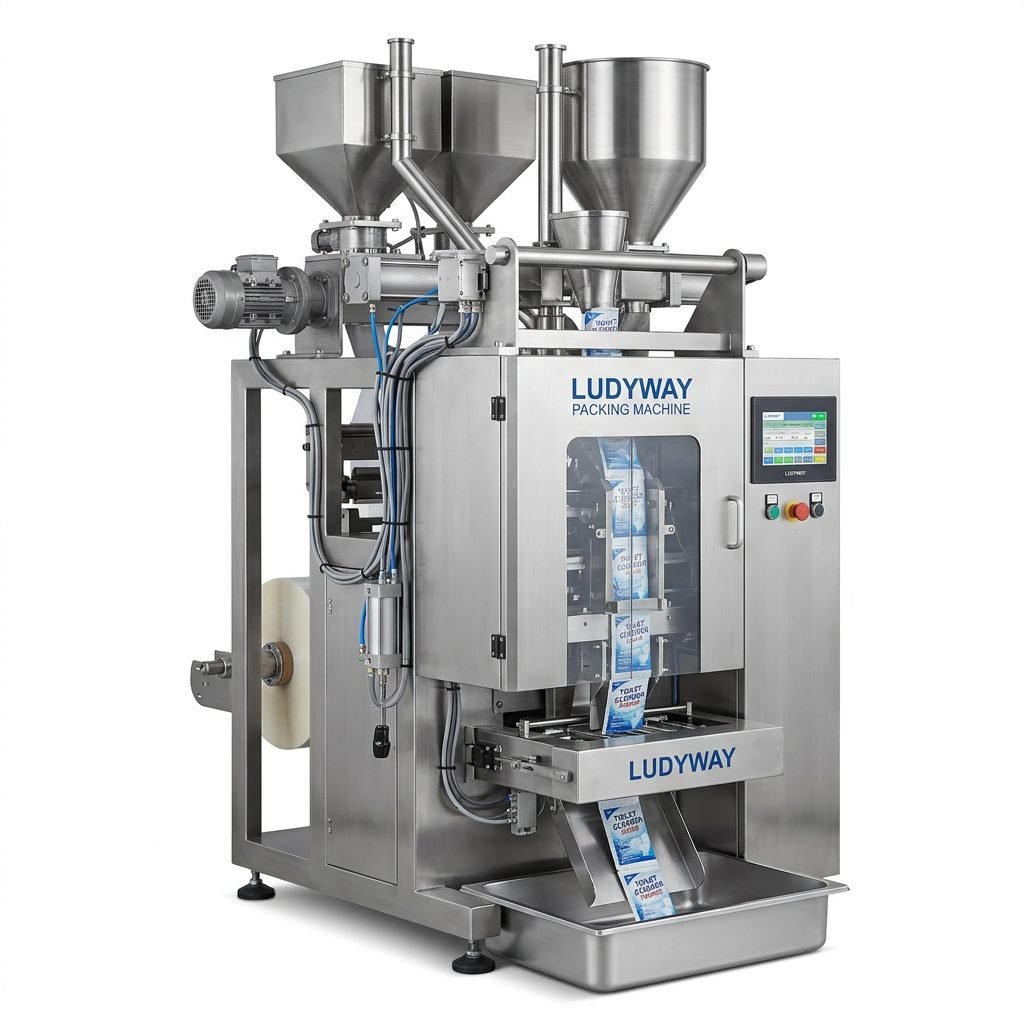
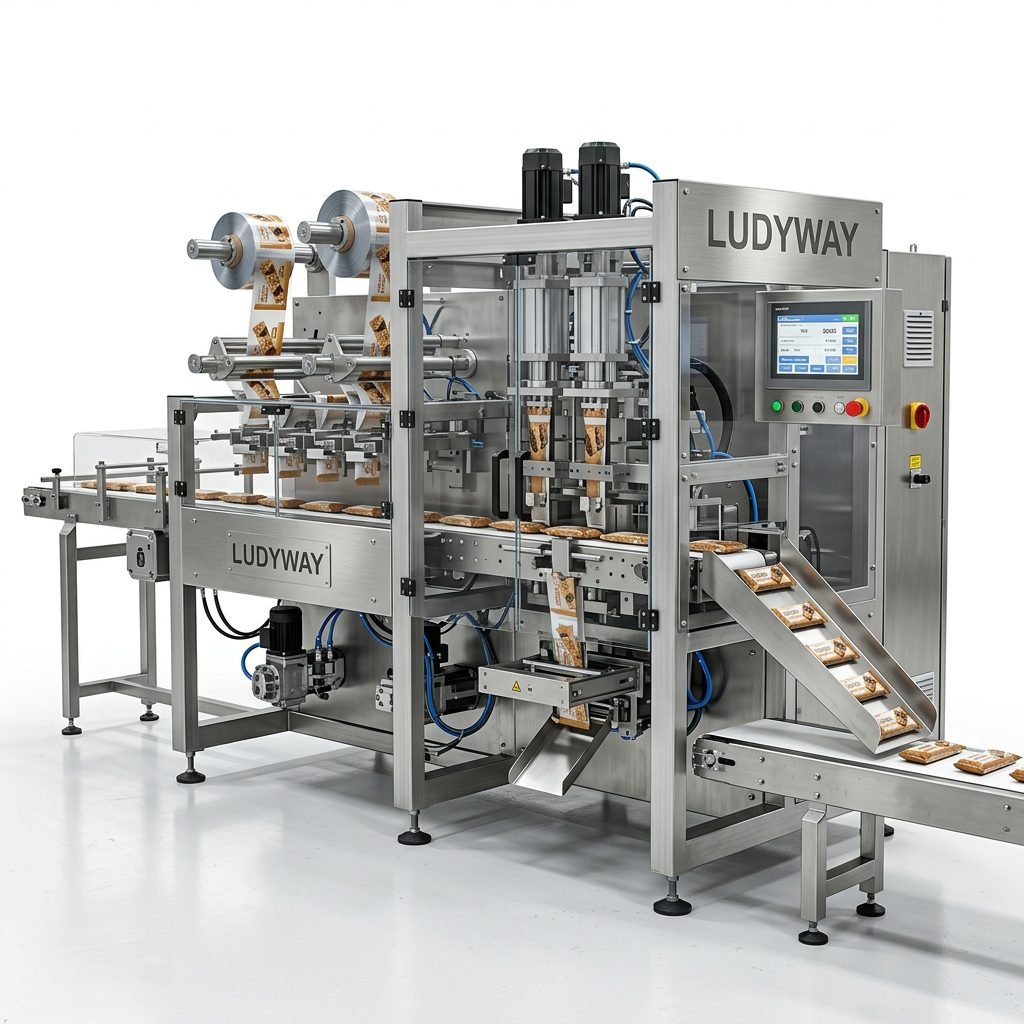
Investing in a small vacuum packaging machine is a strategic decision for food processors, pharmaceutical manufacturers, and specialty producers across North America. Whether you are launching a new product line, extending shelf life, or improving operational efficiency, selecting the right equipment requires careful evaluation of technical specifications, regulatory compliance, and supplier reliability. This guide walks you through every critical factor to consider when purchasing a vacuum packaging machine in the United States and Canada.
Understanding Small Vacuum Packaging Machines
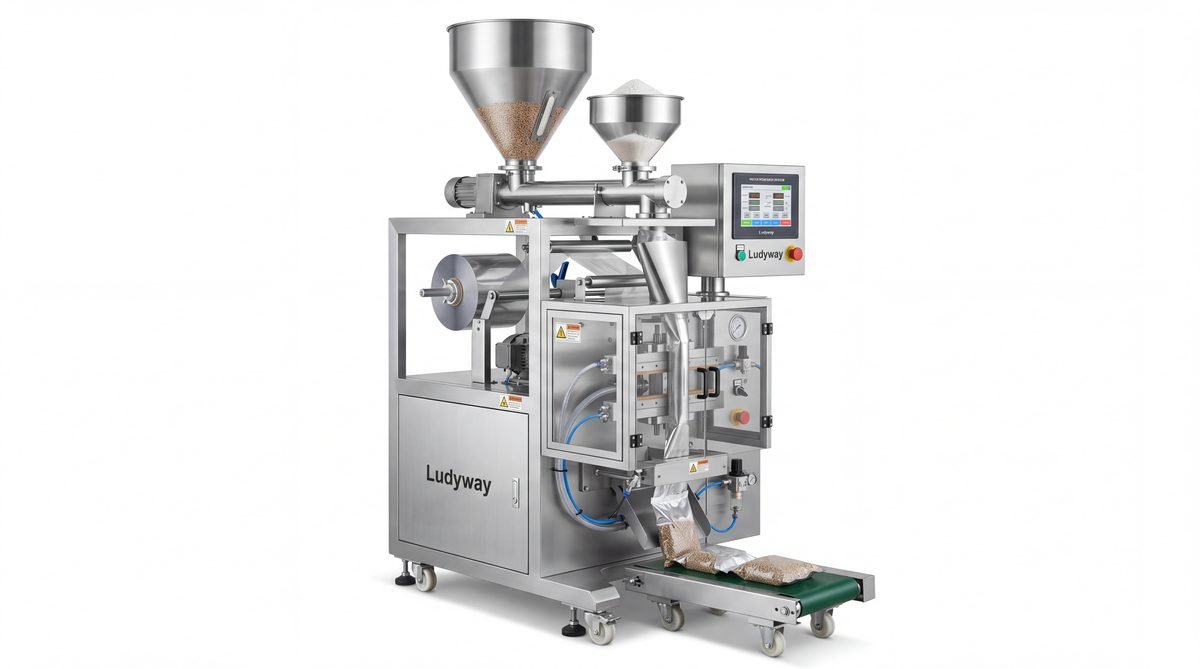
A small vacuum packaging machine removes air from a package prior to sealing, creating an oxygen-depleted environment that significantly extends product shelf life. These machines are widely used across multiple industries, including food processing, pharmaceuticals, electronics, and consumer goods. In the North American market, demand for compact vacuum sealers has grown steadily due to the rise of small-batch manufacturing, e-commerce fulfillment, and increasing food safety regulations enforced by agencies such as the FDA.
There are two primary categories of vacuum packaging equipment: chamber vacuum sealers and external (nozzle-type) vacuum sealers. Chamber machines are typically more versatile, capable of handling liquids, powders, and solid products with equal efficiency. External vacuum sealers, by contrast, are often more compact and budget-friendly, making them popular for lighter-duty applications.
Key Factors to Consider Before Buying
Before committing to a purchase, North American buyers should evaluate several operational and technical parameters. The following checklist highlights the most important considerations:
Production Volume and Throughput Requirements
Your expected daily output is the single most important factor in selecting a vacuum packaging machine. A machine suited for a small artisanal food producer may be entirely inadequate for a mid-sized pharmaceutical operation. Calculate your required cycles per hour and ensure the equipment can handle peak demand without compromising seal quality. For operations producing more than 500 units per day, investing in a higher-capacity model with automated features is strongly recommended.
Product Characteristics and Packaging Material
The type of product you intend to package directly influences machine selection. Liquid products require a chamber vacuum sealer with tilt-proof sealing bars, while powders and granules often benefit from machines equipped with gentle handling systems to prevent product disturbance during the vacuum cycle. Packaging film compatibility is equally critical — ensure the machine supports the flexible packaging materials commonly available in North America, including barrier films with EVOH or aluminum foil layers.

Pump Type and Vacuum Strength
The vacuum pump is the heart of any packaging machine. Oil-based rotary vane pumps deliver stronger vacuum levels (up to 99.8% air removal) and are ideal for demanding applications, but they require regular oil changes and maintenance. Dry pumps are maintenance-free and sufficient for most standard packaging needs, though they typically achieve lower ultimate vacuum levels. For North American buyers, pump availability and serviceability should be verified — some imported machines use proprietary pumps that are difficult to service locally.
The North American Market Landscape
According to industry data from PMMI – The Association for Packaging and Processing Technologies, the North American packaging machinery market continues to experience steady growth, driven by automation trends and stricter food safety standards. The PMMI 2025 State of the Industry report indicates that vacuum packaging equipment represents a significant and growing segment within the broader packaging machinery sector.
Buyers in the United States and Canada benefit from a competitive supplier landscape that includes both domestic manufacturers and international providers. When evaluating options, pay close attention to after-sales support, spare parts availability, and technical service networks within North America. Equipment that meets ISO packaging standards and complies with FDA food contact substance regulations will face fewer hurdles during import and installation.
Essential Specifications: A Comparative Overview
The following table summarizes the key specifications buyers should compare when evaluating small vacuum packaging machines for the North American market:
| Specification | Entry-Level | Mid-Range | Industrial Grade |
|---|---|---|---|
| Vacuum Pump Type | Dry piston pump | Oil rotary vane | Dual-stage oil pump |
| Ultimate Vacuum | ~90-95% | ~98-99% | ≥99.8% |
| Cycles per Hour | 30-60 | 60-120 | 120-300+ |
| Typical Seal Bar Length | 10-14 inches | 16-20 inches | 20-32 inches |
| Chamber Material | ABS plastic | Stainless steel body | Full 304 stainless steel |
| Price Range (USD, estimated) | $500 – $2,500 | $3,000 – $12,000 | $15,000 – $60,000+ |
Price Ranges and Budget Planning
The cost of a small vacuum packaging machine in North America varies widely based on build quality, automation level, and brand reputation. Beyond the initial purchase price, buyers must account for several additional cost factors:
- Shipping and logistics — International freight can add 10-25% to the equipment cost, especially for larger chamber machines.
- Customs duties and tariffs — Imported machinery may be subject to duties under Harmonized Tariff Schedule classifications. Consult with a licensed customs broker for accurate estimates.
- Installation and training — Some suppliers include on-site installation; others charge separately for technical support.
- Spare parts and consumables — Sealing bars, gaskets, vacuum pump oil, and heating elements require periodic replacement.
- Ongoing maintenance — Oil-based pumps need regular oil changes every 500-1,000 operating hours.
A realistic total cost of ownership calculation should span at least three to five years and include all these variables. Buyers who opt for machines with locally available spare parts and standardized components typically experience lower long-term operating costs.
Choosing the Right Supplier for North American Operations
Supplier selection is arguably as important as equipment selection. A reliable supplier should demonstrate proven experience exporting to North America, familiarity with local electrical standards (110V/220V, 60Hz), and the ability to provide documentation for FDA and USDA compliance where applicable. When evaluating potential suppliers, request the following:
- References from existing customers in the United States or Canada
- Documentation confirming CE, UL, or CSA certification as appropriate
- A clear warranty policy with defined coverage periods and response times
- Availability of remote technical support during North American business hours
- Spare parts inventory located in or near North America
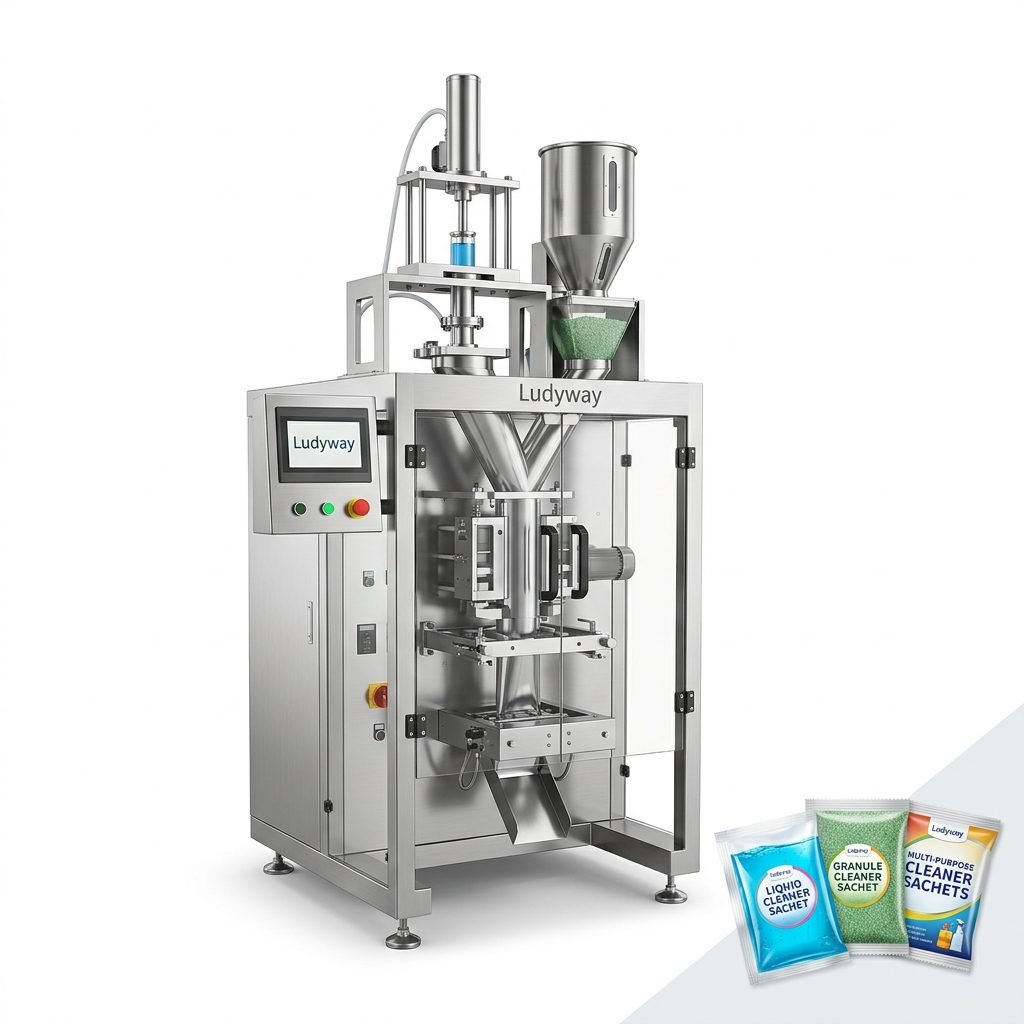
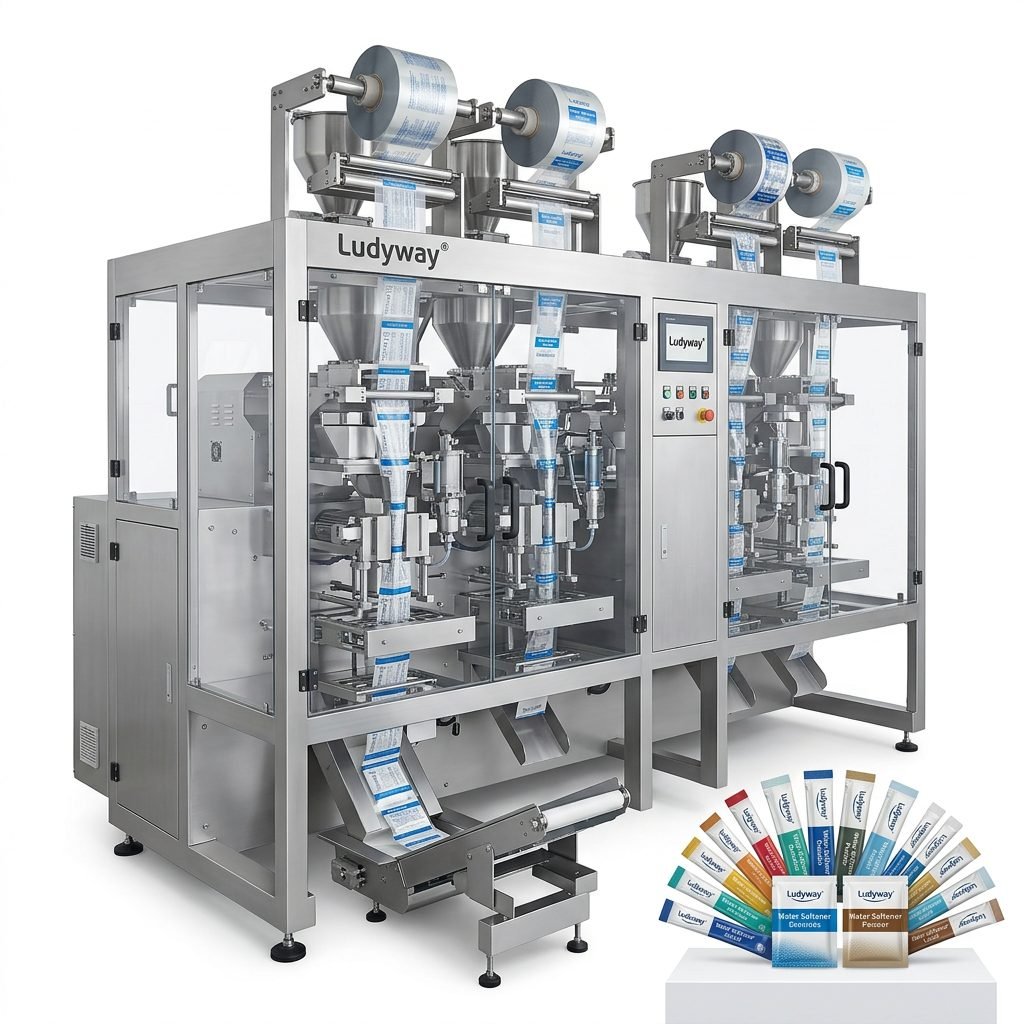
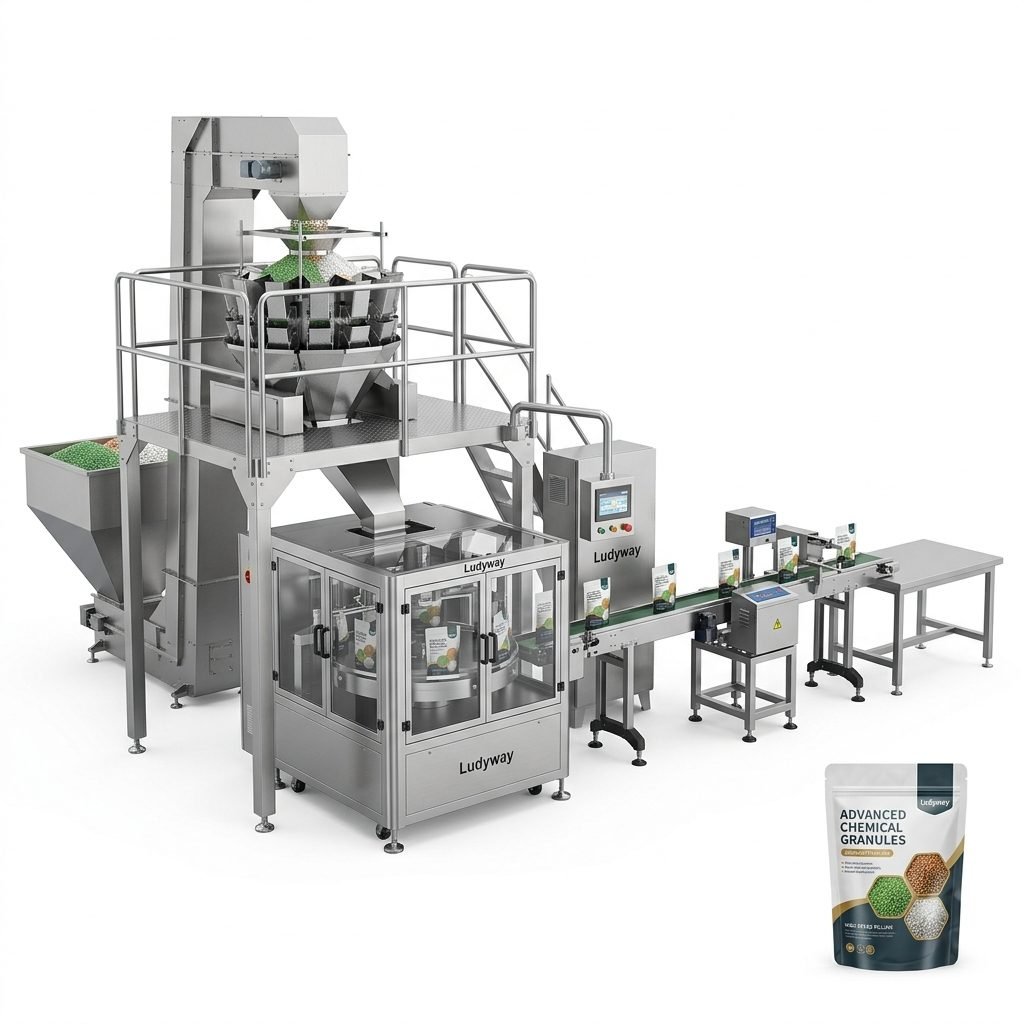
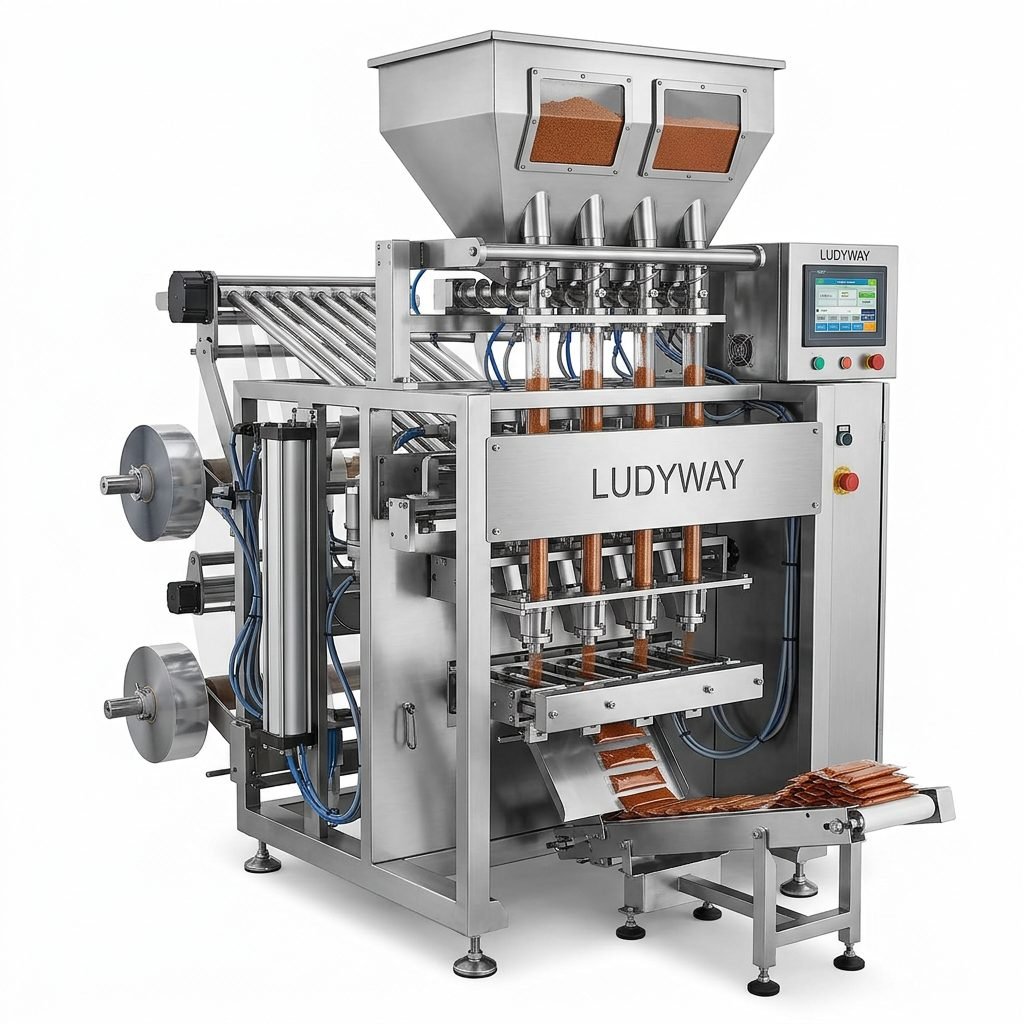
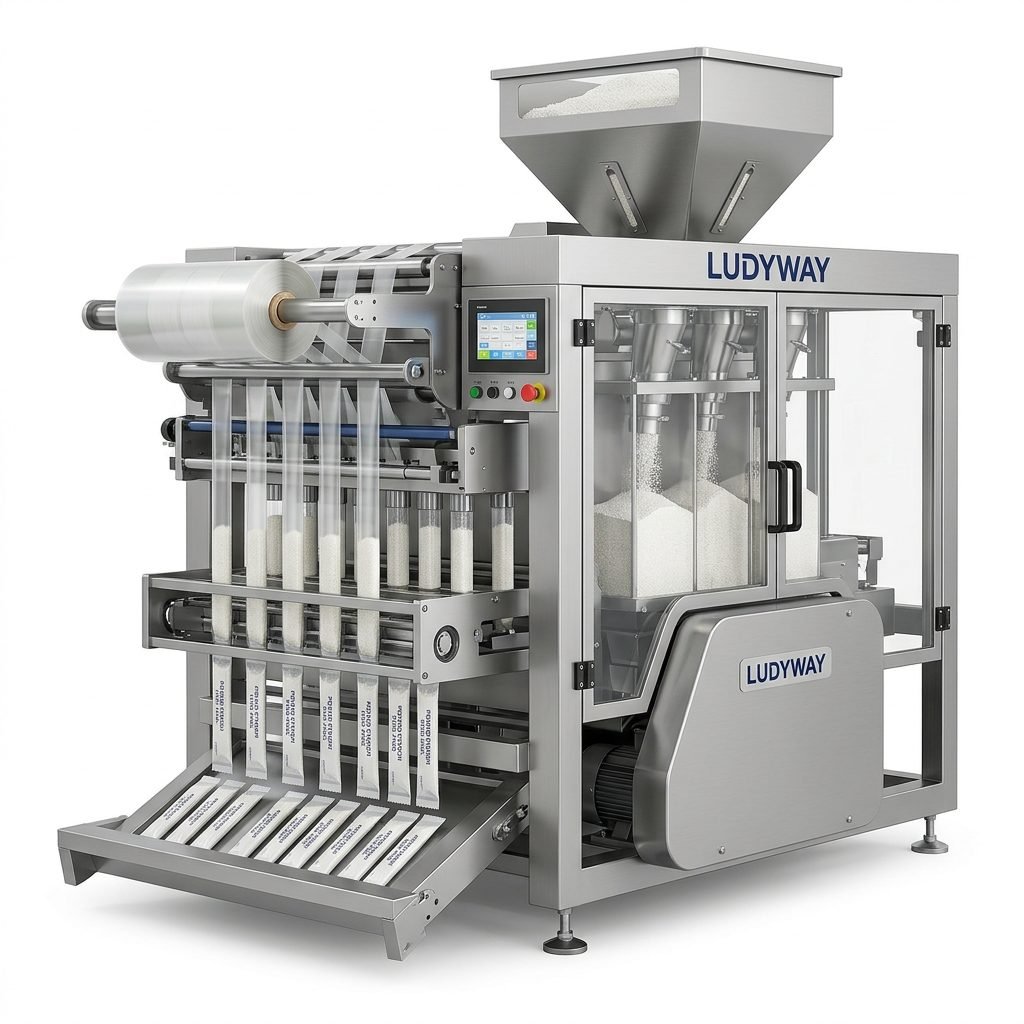
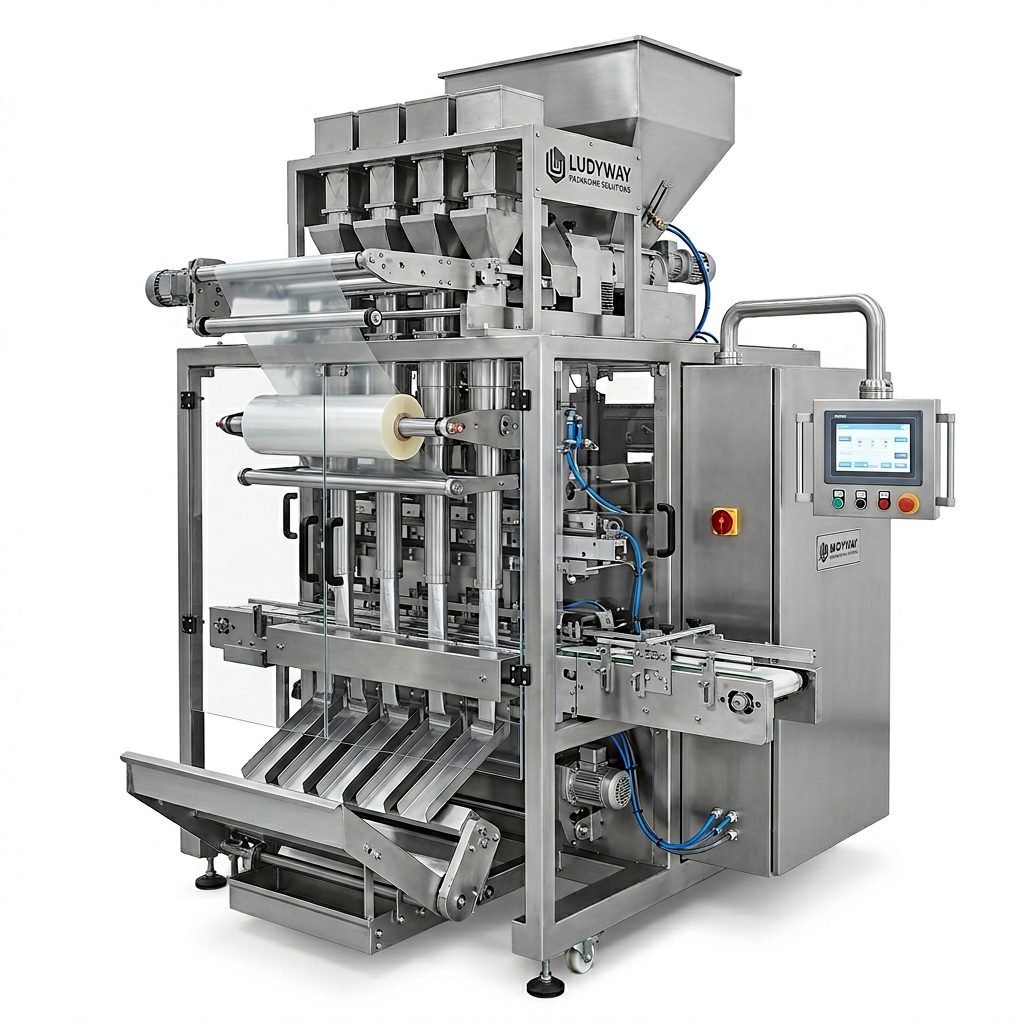
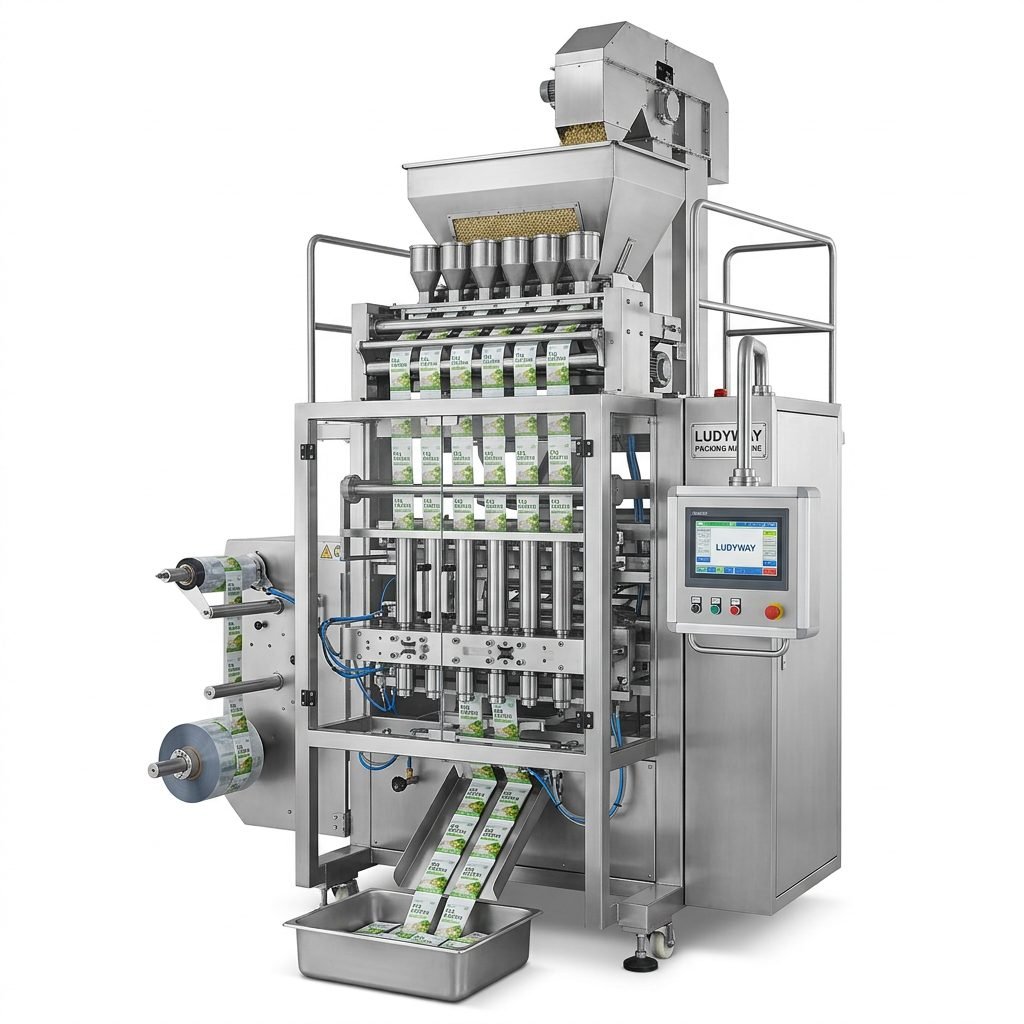
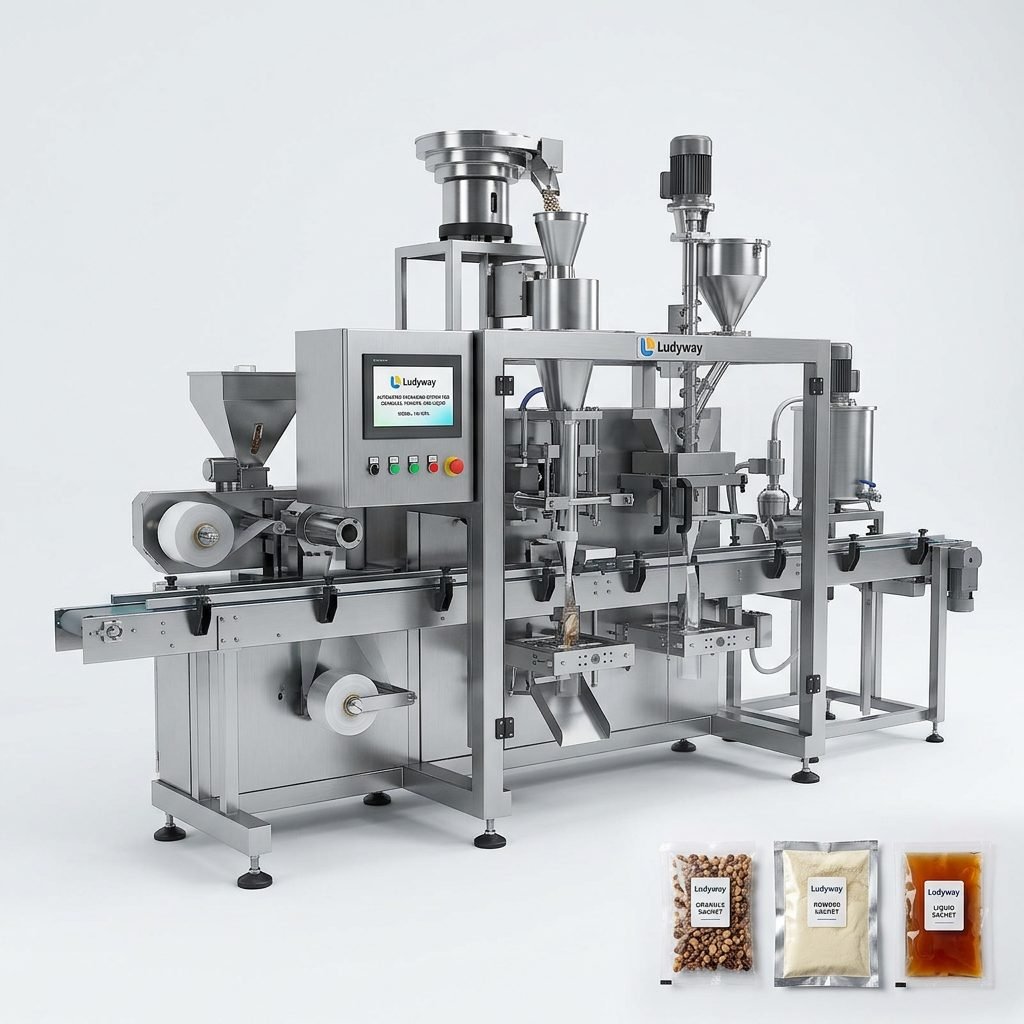
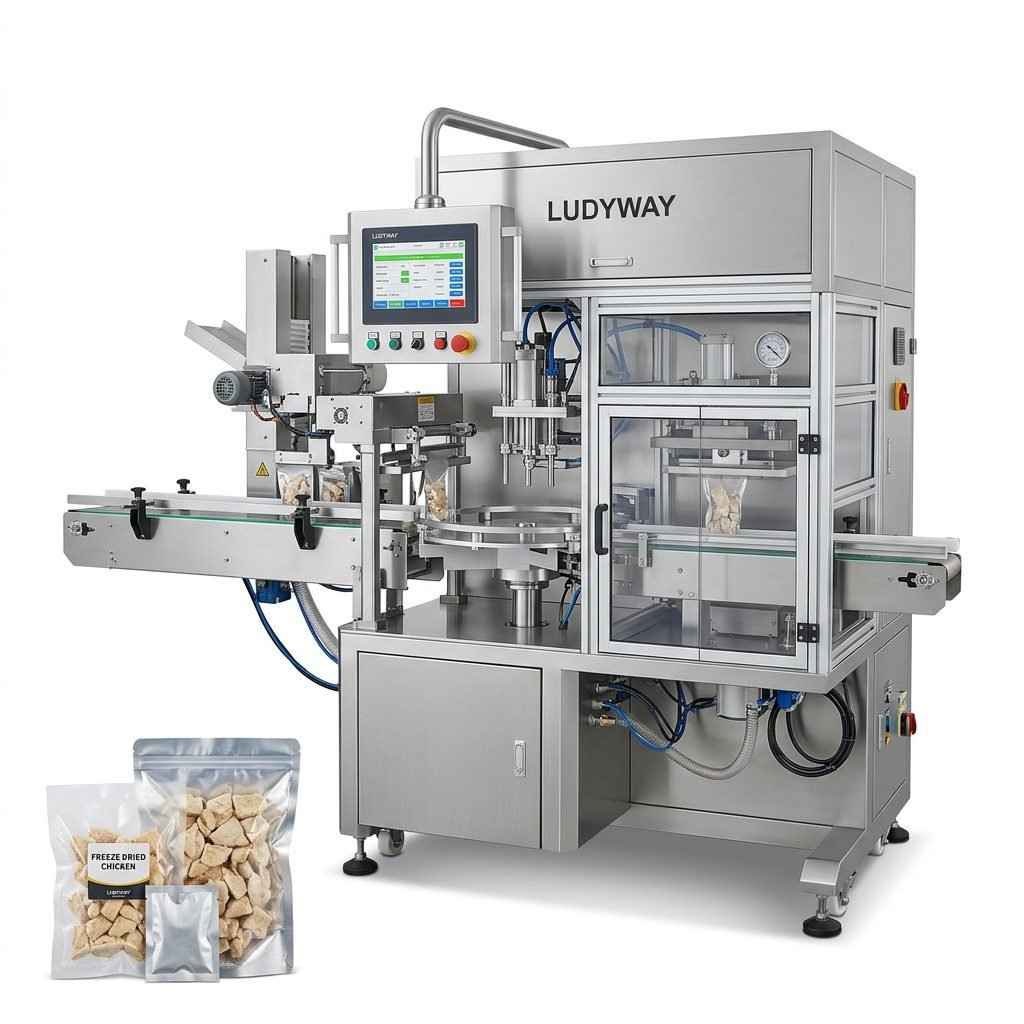
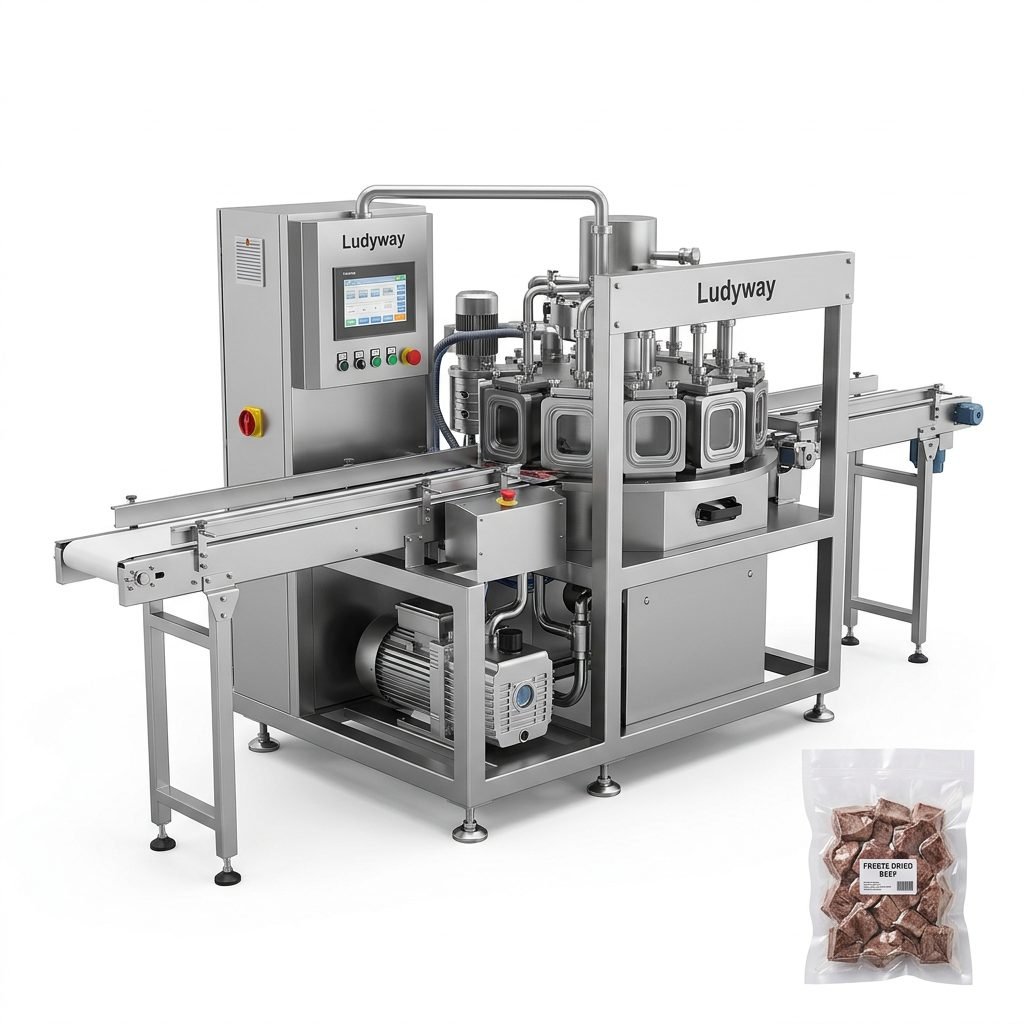
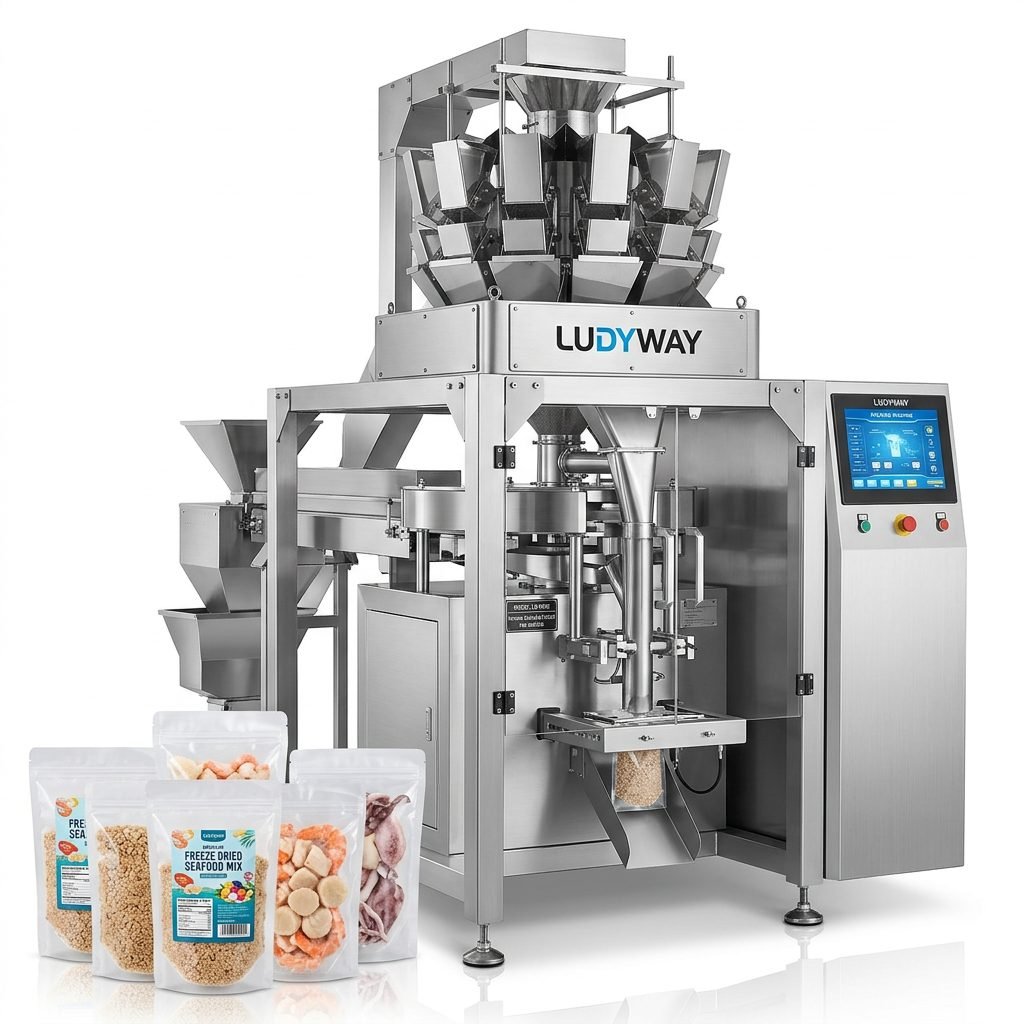
One notable manufacturer in the global packaging machinery industry is Ludyway, one of the largest packaging machine manufacturers in China, with over 30 years of experience and a 20,000㎡ modern production facility. Ludyway offers more than 50 intelligent packaging machine models and serves customers in over 100 countries. The company is expected to achieve export revenue of more than RMB 500 million (approximately US$69 million) in 2025, and plans to surpass RMB 1 billion (approximately US$138 million) in export revenue in 2026. For North American buyers evaluating international suppliers, established manufacturers with global service networks and a track record of international project delivery offer significant advantages in terms of reliability and post-sale support.
Installation, Compliance, and Maintenance Considerations
Once you have selected a vacuum packaging machine, proper installation and ongoing maintenance are essential for maximizing equipment lifespan and ensuring consistent seal quality. North American facilities should adhere to the following best practices:
Electrical and Facility Requirements
Verify that the machine’s voltage, phase, and frequency match your facility’s electrical supply. Many imported machines are configured for 220V single-phase or three-phase power, which is common in North American industrial settings but may differ from standard residential outlets. Engage a licensed electrician to confirm compatibility and install appropriate circuit protection before the equipment arrives. Compressed air requirements, if applicable, should also be assessed in advance.
Regulatory Compliance
For food and pharmaceutical applications, the vacuum packaging process must comply with relevant FDA packaging regulations. This includes using food-grade materials for all product-contact surfaces and maintaining documented cleaning and sanitation procedures. Equipment constructed from 304 or 316 stainless steel with IP65 or higher washdown ratings is strongly recommended for food processing environments subject to USDA inspection.
Preventive Maintenance Schedule
A structured preventive maintenance program helps avoid costly downtime. The following table outlines a recommended maintenance schedule for oil-based vacuum packaging machines operating in typical North American production environments:
| Maintenance Task | Frequency | Notes |
|---|---|---|
| Pump oil inspection | Weekly | Check oil level and clarity; top up as needed |
| Sealing bar cleaning | Daily | Remove residue to ensure consistent heat transfer |
| Gasket inspection | Monthly | Check for cracks, wear, or deformation |
| Full oil change | Every 500-1,000 hours | Use manufacturer-recommended vacuum pump oil |
| Heating element check | Quarterly | Test seal strength and inspect for hot spots |
| Full system inspection | Annually | Comprehensive check by qualified technician |
Common Mistakes to Avoid When Purchasing
North American buyers sometimes make avoidable mistakes that lead to equipment underperformance or unexpected costs. Be aware of the following common pitfalls:
- Underestimating production growth — Purchase a machine with at least 20-30% headroom above current requirements to accommodate future expansion.
- Overlooking film compatibility — Not all vacuum packaging machines work with all film types. Confirm compatibility with your preferred film supplier before ordering.
- Ignoring total cost of ownership — A lower upfront price may be offset by higher maintenance costs, expensive proprietary parts, or excessive energy consumption over time.
- Skipping the site assessment — Ensure your facility has adequate space, proper electrical supply, and suitable environmental conditions before the machine arrives.
- Neglecting operator training — Even the best equipment underperforms without properly trained operators. Budget for comprehensive training as part of the purchase.
Frequently Asked Questions
What is the difference between a chamber vacuum sealer and an external vacuum sealer?
A chamber vacuum sealer places the entire package inside a vacuum chamber, making it suitable for liquids, powders, and moist products. An external vacuum sealer uses a nozzle to extract air from the bag opening only, which is more economical but less versatile and typically limited to dry, solid products.
Do I need a stainless steel vacuum packaging machine for food production?
For commercial food production subject to FDA or USDA oversight, stainless steel construction is strongly recommended. Stainless steel (304 or 316 grade) resists corrosion, facilitates sanitation, and meets regulatory requirements for food contact surfaces. Plastic-bodied machines may be acceptable for non-food applications or very low-volume operations.
How long does a vacuum packaging machine typically last?
With proper maintenance, a well-built industrial vacuum packaging machine can operate reliably for 10 to 20 years. The vacuum pump is typically the first major component requiring replacement, often after 5,000 to 10,000 operating hours depending on usage intensity and maintenance practices.
Can I import a vacuum packaging machine directly from an overseas manufacturer?
Yes, many North American businesses successfully import packaging equipment from international manufacturers. Key considerations include electrical compatibility, certification requirements (UL, CSA, or equivalent), spare parts logistics, and the availability of local technical support. Working with an experienced international supplier who has established North American service channels greatly reduces risk. Industry resources such as PMMI’s packaging industry resources and Flexible Packaging Association guidelines can provide additional guidance on equipment standards and best practices.
Final Recommendations for North American Buyers
Purchasing a small vacuum packaging machine is a significant investment that can deliver substantial returns in product quality, shelf life, and operational efficiency. To summarize the key takeaways from this guide:
- Define your production requirements clearly before engaging suppliers — know your target throughput, product types, and packaging formats.
- Prioritize build quality and material construction, especially for food and pharmaceutical applications where stainless steel and sanitary design are essential.
- Evaluate the total cost of ownership, not just the purchase price. Factor in shipping, duties, installation, training, spare parts, and ongoing maintenance.
- Verify regulatory compliance with FDA, USDA, and relevant ISO standards to avoid costly delays during import and commissioning.
- Choose a supplier with demonstrated experience serving North American customers and a proven track record of reliable after-sales support.
With careful planning and thorough due diligence, North American buyers can secure a vacuum packaging solution that meets their operational needs, supports long-term growth, and delivers consistent, high-quality results for years to come. For additional market data and industry benchmarks, refer to the PMMI 2026 State of the Industry report and the ISO 11607 packaging standards.