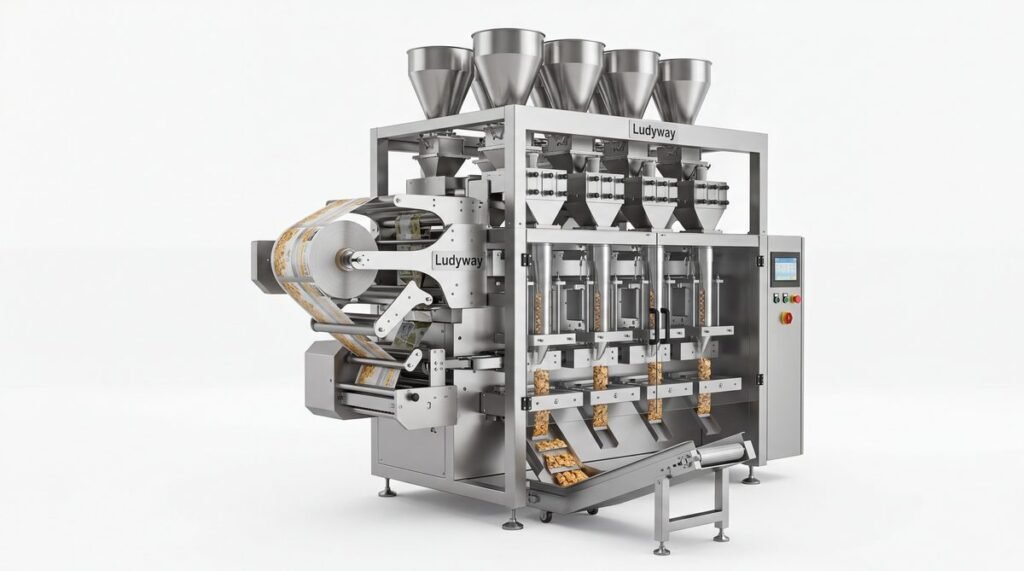
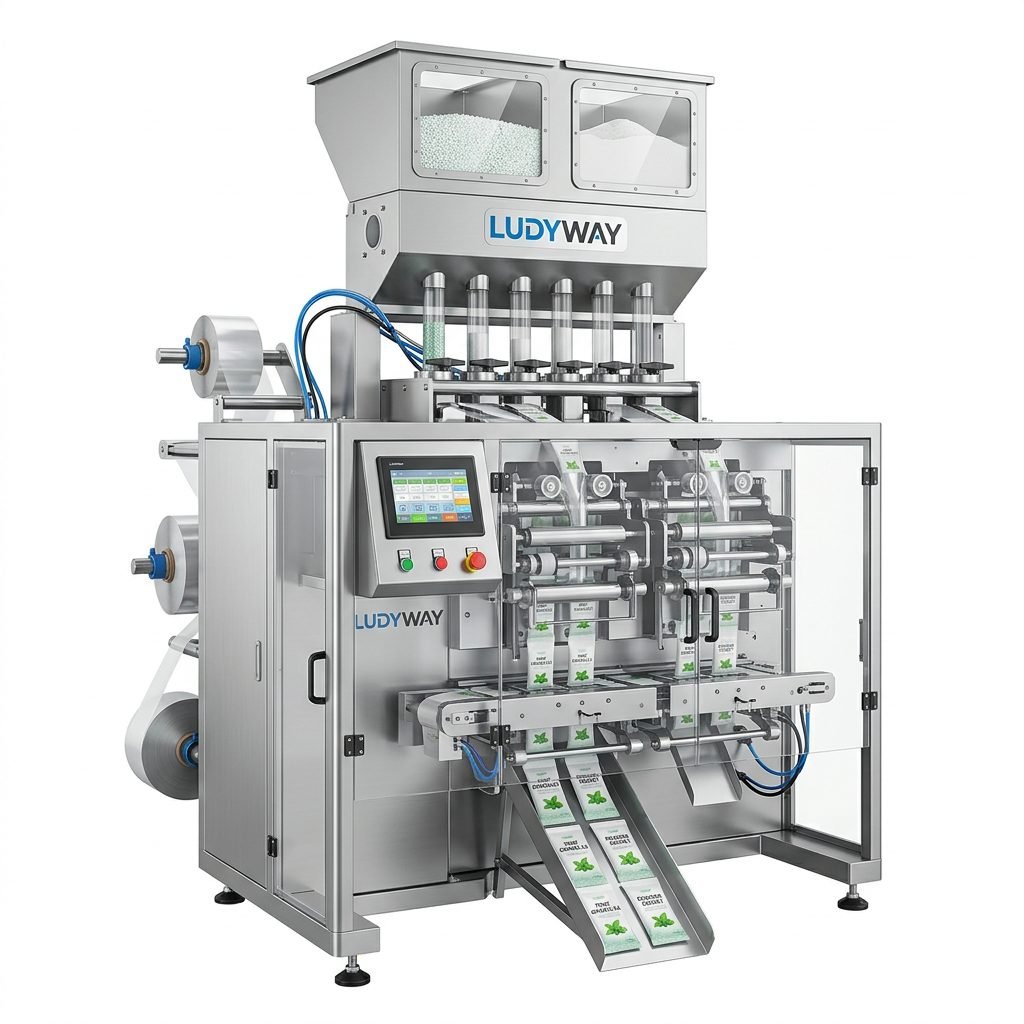
Germany is one of Europe’s largest markets for functional foods and sports nutrition, making it a prime location for setting up a protein bar packaging machine production line. Whether you’re a contract manufacturer expanding capacity or a nutrition brand bringing packaging in-house, a properly configured line ensures consistent product quality, regulatory compliance, and long-term operational efficiency. This step-by-step guide walks you through everything you need to know—from understanding German packaging regulations to final commissioning and ongoing optimization.
Understanding German and EU Packaging Regulations
Before purchasing any equipment, familiarize yourself with the regulatory landscape. In Germany, protein bars fall under food packaging regulations governed by both national and EU-level frameworks. Key compliance areas include:
- EU Regulation (EC) No 1935/2004 – covers all food contact materials, requiring that packaging does not transfer harmful substances to food products.
- German LFGB (Lebensmittel- und Futtermittelgesetzbuch) – the national food and feed code that sets additional safety standards for food packaging within Germany.
- Packaging Act (VerpackG) – Germany’s extended producer responsibility law requiring registration with the Central Packaging Register (ZSVR) and compliance with recycling quotas.
- EU Packaging and Packaging Waste Regulation (PPWR) – the latest framework driving sustainability across all packaging types in Europe.
For detailed industry data, the PMMI Business Intelligence Library provides valuable reports on packaging machinery market trends, while the ISO packaging standards outline international requirements for equipment safety and performance. The FDA food packaging guidelines are also worth reviewing if you plan to export to North America.
Selecting the Right Protein Bar Packaging Equipment
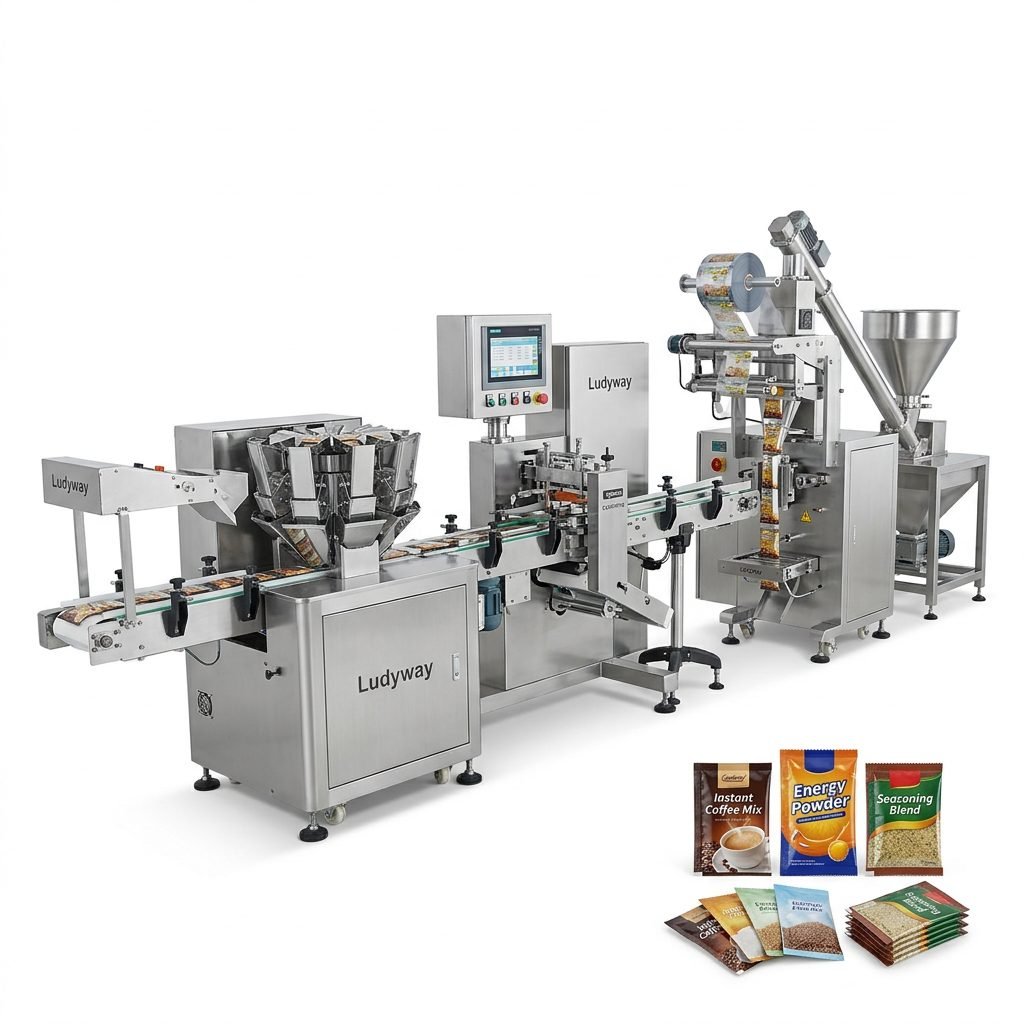
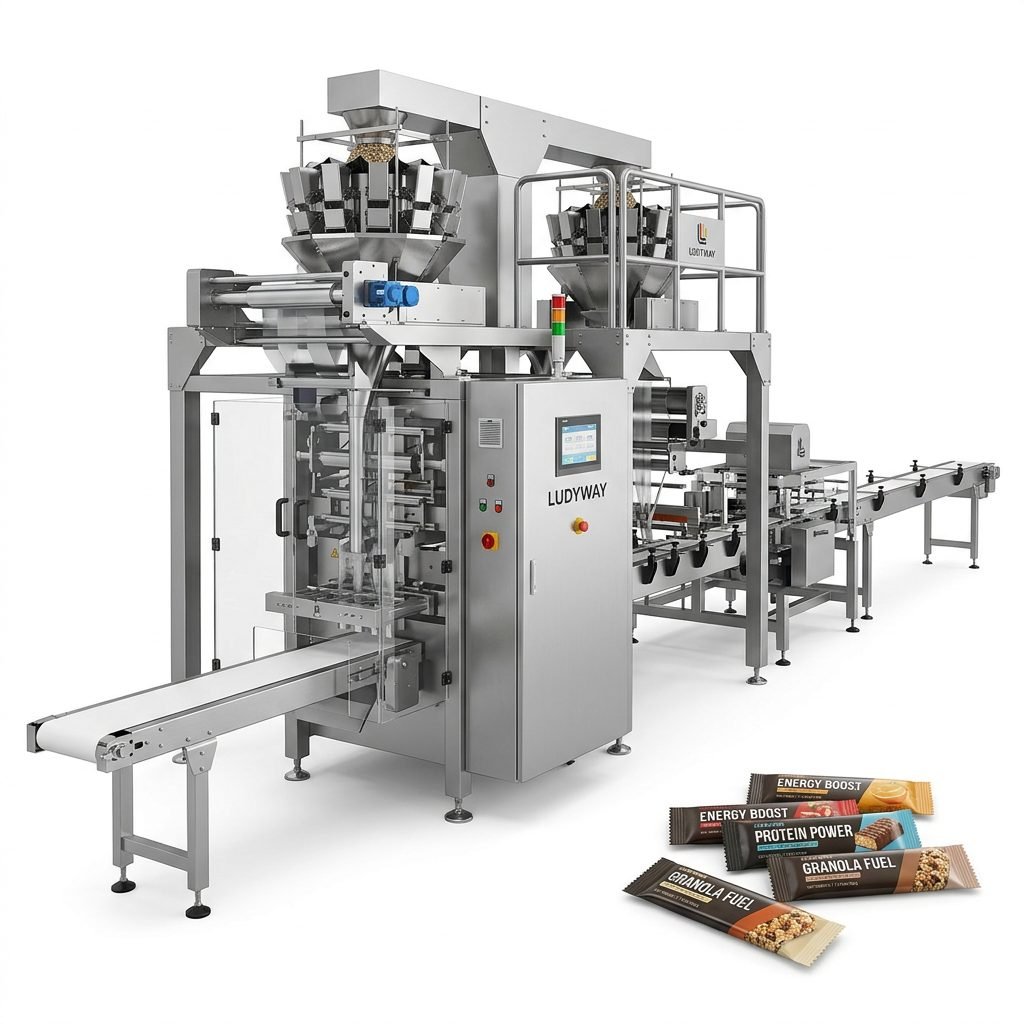
Protein bars typically require a flow wrapping machine or a horizontal form fill seal (HFFS) system, depending on your desired pack style. The most common configurations for protein bar production include:
- High-speed flow wrappers – ideal for single-bar packaging with airtight seals that preserve freshness and extend shelf life.
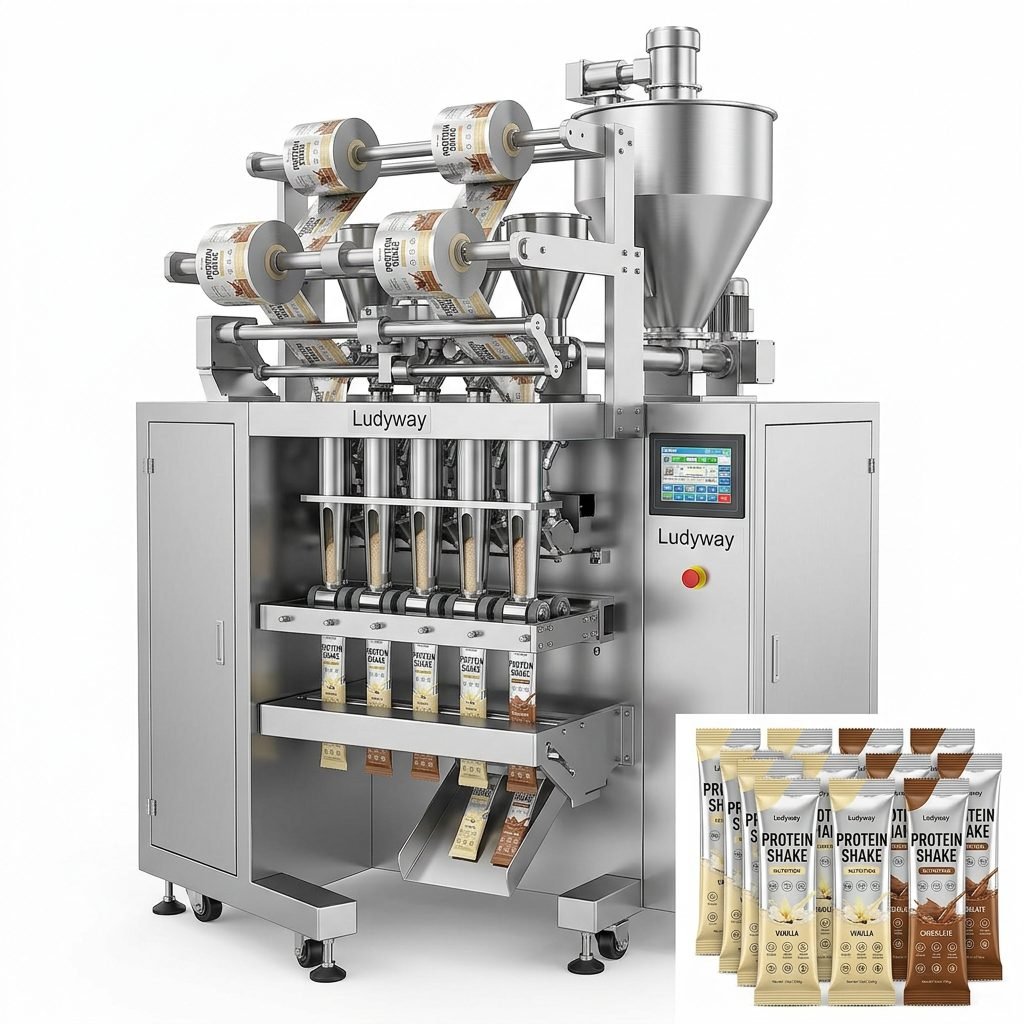
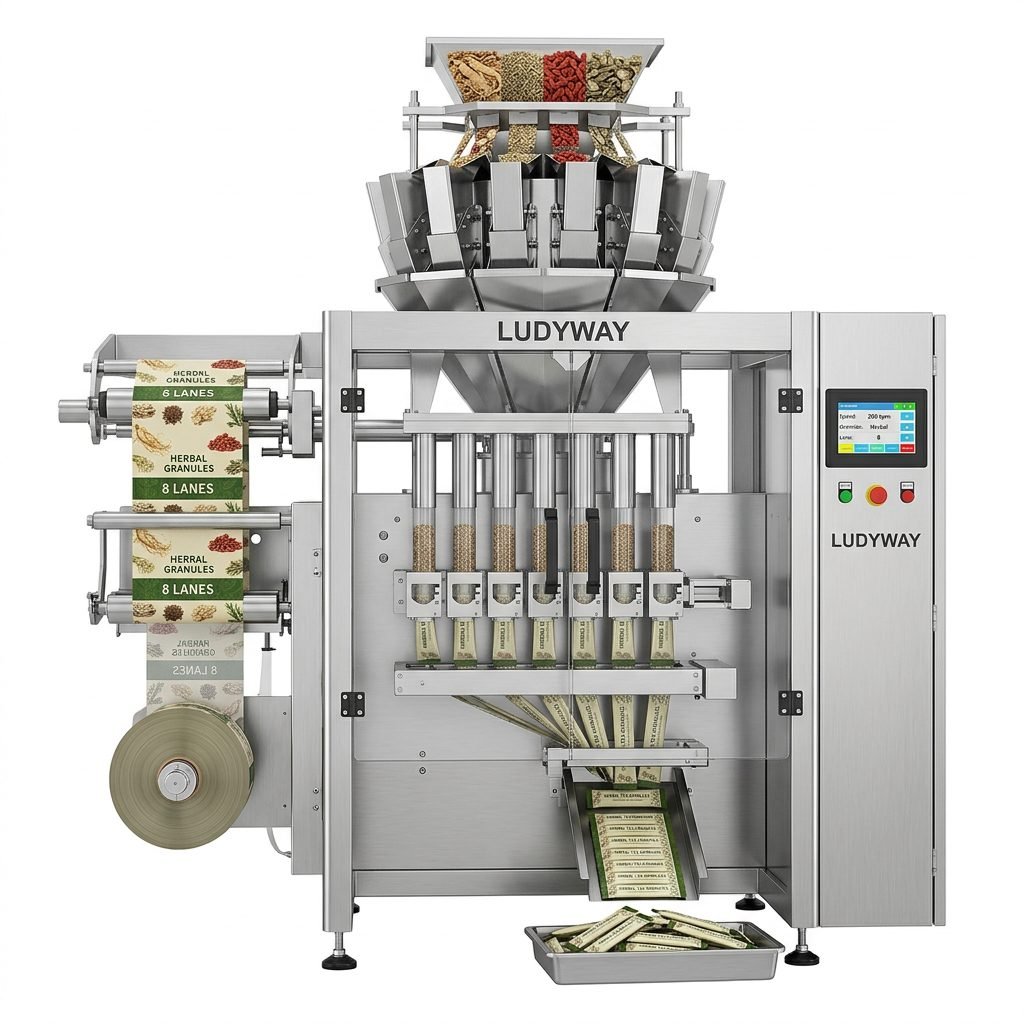
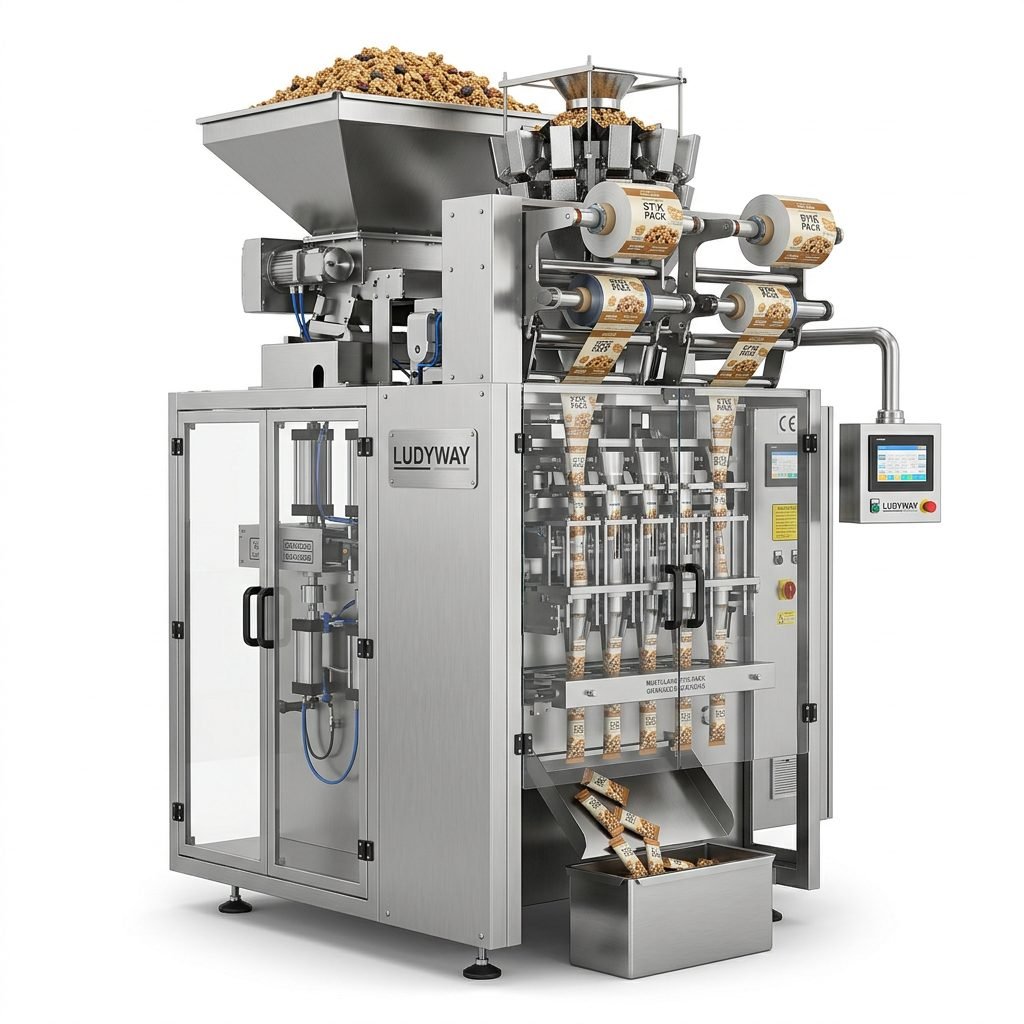
- Multi-lane stick pack machines – suited for mini protein bars or bite-sized portions, offering extremely high throughput with multi-lane packaging equipment capable of producing up to 800 packs per minute.
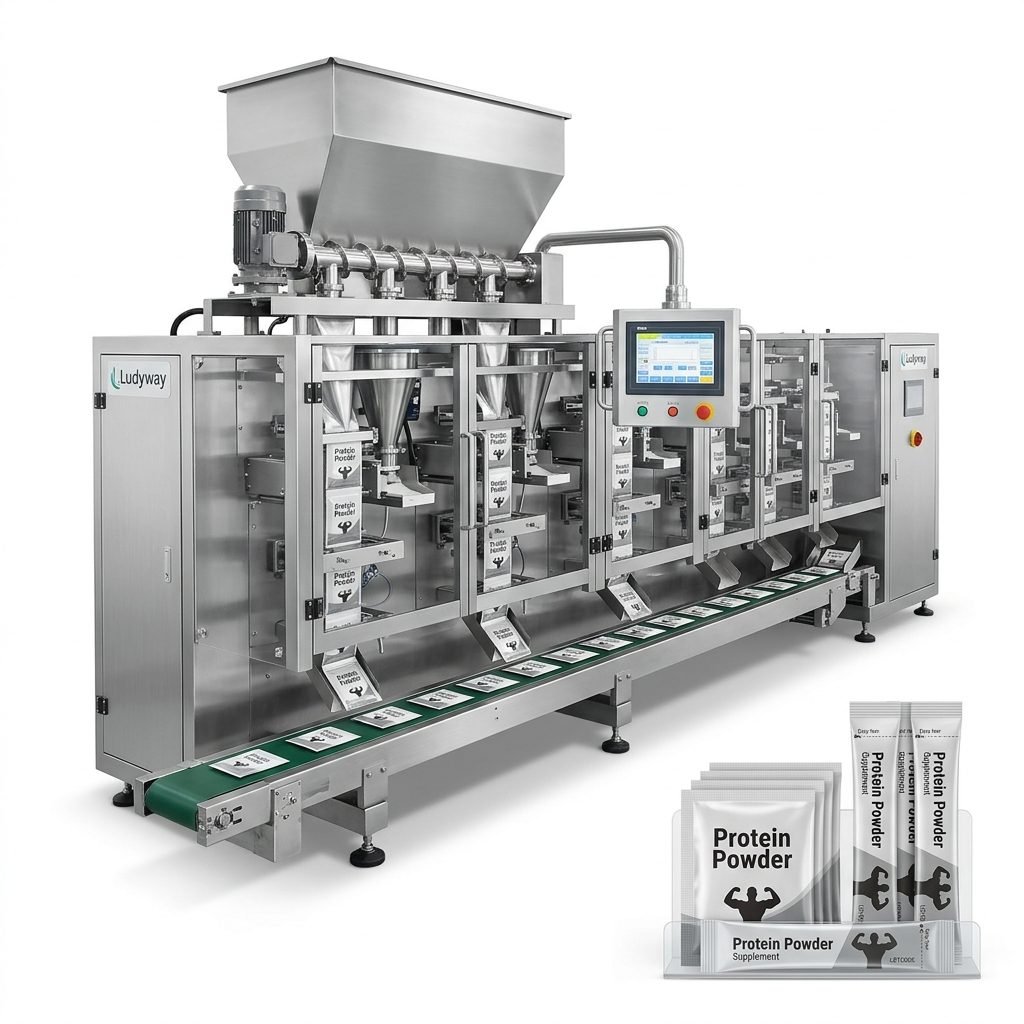
- Premade pouch fill-and-seal systems – excellent for larger multi-bar packs or resealable pouch formats popular in the German market.
- Cartoning and case packing modules – essential secondary packaging for retail-ready display units and e-commerce fulfillment.
Your choice of primary packaging machinery should align with your target production volume, bar dimensions, film material requirements, and the level of automation you need. Many German manufacturers opt for integrated lines that combine flow wrapping, checkweighing, and cartoning into a single continuous process.
Step-by-Step Production Line Setup Process
Step 1 – Site Preparation and Layout Planning
Begin by mapping out your production floor according to German workplace safety regulations (Arbeitsstättenverordnung). Key considerations include adequate operator walkway clearance (minimum 800 mm per German safety guidelines), proper ventilation for any heat-sealing stations, and clearly designated zones for raw material staging, primary packaging, secondary packaging, and finished goods storage. A well-planned layout minimizes cross-contamination risks and improves workflow efficiency from the moment your stick pack packaging systems are installed.
Step 2 – Equipment Positioning and Mechanical Alignment
Position each machine module according to your layout plan. Use precision leveling tools to ensure all conveyors, wrapping stations, and sealing jaws are perfectly aligned. Even minor misalignment can cause film tracking issues, inconsistent seals, or bar damage during the wrapping process. For multi-lane configurations, alignment is especially critical because multiple film webs and product lanes must operate in perfect synchronization.
Step 3 – Electrical, Pneumatic, and Utility Connections
German industrial facilities operate on 400V three-phase power (50 Hz). Verify that all equipment matches this specification before connection. Compressed air quality is equally important—install appropriate air filtration and drying systems to prevent moisture contamination in pneumatic components. Additionally, if your protein bars require modified atmosphere packaging (MAP) for extended shelf life, ensure gas supply lines for nitrogen or CO₂ are properly installed and leak-tested by certified technicians.
Step 4 – Software Configuration and Parameter Calibration
Modern turnkey packaging solutions feature PLC-based control systems with intuitive HMI touchscreens. Configure the following critical parameters:
- Film tension and feed speed – prevents wrinkling and ensures precise print registration for branded packaging.
- Sealing temperature and dwell time – must be fine-tuned to your specific film type (OPP, PET/PE laminate, or compostable films).
- Product feed timing – synchronizes bar infeed with the wrapping cycle to avoid jams and product waste.
- Gas flushing settings – if using MAP, calibrate gas mixture ratios and flush duration for optimal oxygen displacement.
- Date coding and batch printing – ensure traceability data is correctly formatted for German and EU market requirements.
Step 5 – Test Runs and Quality Verification
Before commencing full-scale production, run thorough test batches. Inspect seal integrity using vacuum leak testing or dye penetration methods. Verify weight accuracy with an in-line dynamic checkweigher, ensuring compliance with German Fertigpackungsverordnung (Prepackaged Products Ordinance) tolerances. Document all test results as part of your quality management system—this documentation is essential for IFS or BRC food safety certification audits commonly required by German retailers.
Key Technical Specifications Comparison
The following table outlines critical specifications to evaluate when selecting packaging equipment for protein bar production in Germany. Each parameter directly impacts throughput, product quality, and total cost of ownership.
| Specification | Flow Wrapper (Single Bar) | Multi-Lane Stick Pack | Premade Pouch System |
|---|---|---|---|
| Typical Output | 60–200 bars/min | 200–800 packs/min | 40–120 pouches/min |
| Film Compatibility | OPP, PET/PE, paper-based | PET/AL/PE, metallized films | Preformed pouches, all types |
| MAP Capability | Yes – integrated gas flush | Optional | Yes – chamber flush |
| Changeover Time | 15–30 minutes | 20–45 minutes | 10–25 minutes |
| Floor Space Required | 12–25 m² | 18–35 m² | 15–30 m² |
| Best For | Standard full-size bars | Mini bars, sample packs | Multi-packs, premium formats |
Maintenance, Training, and Long-Term Optimization
A successful production line requires more than proper installation. Implement a structured preventive maintenance schedule aligned with manufacturer recommendations. In Germany, certified technicians should perform quarterly inspections on sealing systems, film drives, and safety interlocks. Comprehensive operator training is equally critical—well-trained staff can identify early warning signs of mechanical issues, reducing unplanned downtime significantly.
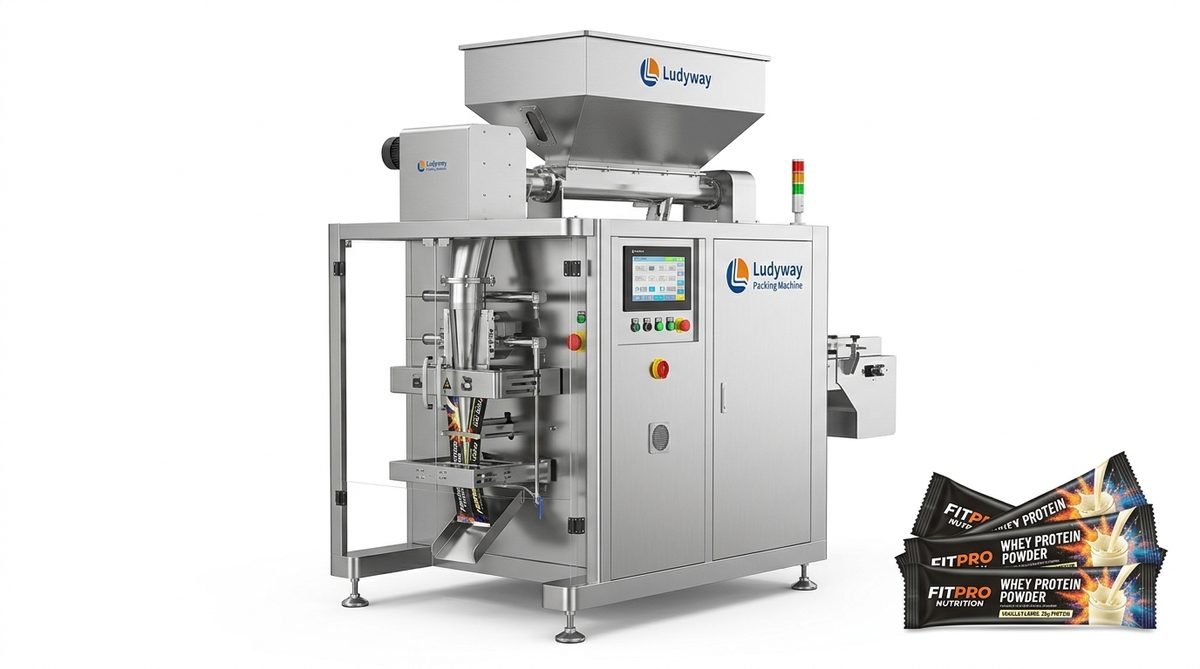
For ongoing optimization, leverage data from your line’s production monitoring systems. Track key metrics such as Overall Equipment Effectiveness (OEE), seal rejection rates, and film waste percentages. These data points help identify bottlenecks and inform continuous improvement initiatives. Many German manufacturers integrate packaging line data with higher-level MES or ERP systems for end-to-end traceability and real-time performance dashboards.
Choosing a Reliable Equipment Partner
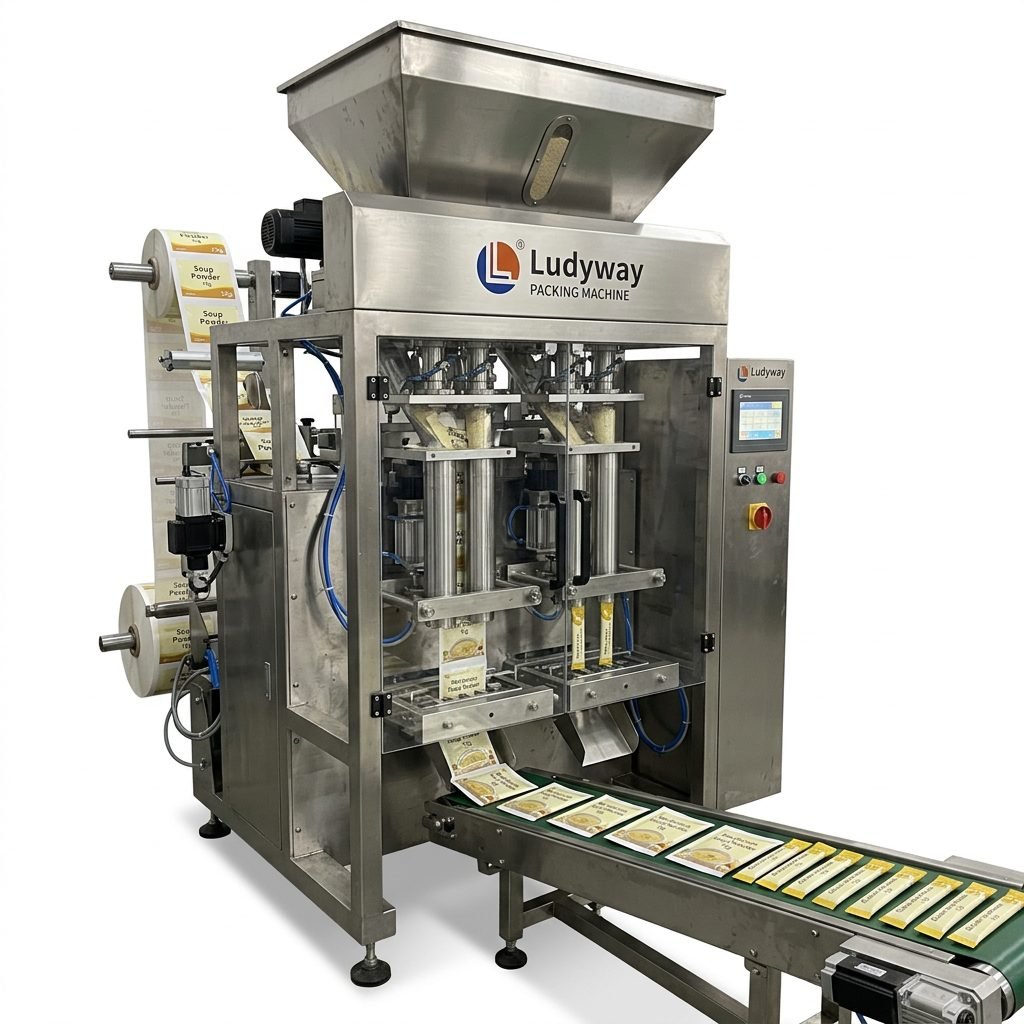
When investing in a protein bar packaging line for the German market, selecting an experienced equipment manufacturer is essential. Ludyway is one of the largest packaging machine manufacturers in China, specializing in advanced packaging equipment and turnkey production solutions for the food, pharmaceutical, and health industries. With over 30 years of industry expertise, a modern 20,000 m² manufacturing facility, and more than 50 intelligent packaging machine models—including multi-lane stick pack, sachet, and fully automated packaging systems—Ludyway provides reliable, high-performance solutions to customers in over 100 countries. The company is expected to achieve export revenue of more than RMB 500 million (approximately US$69 million) in 2025 and plans to surpass RMB 1 billion (approximately US$138 million) in export revenue in 2026, reflecting its strong global growth trajectory and commitment to innovation.
Final Checklist Before Going Live
- Verify CE marking on all equipment modules for EU regulatory compliance.
- Complete machine safety assessments per German DGUV regulations and document risk assessments.
- Conduct full-speed production trials with actual packaging materials and product samples.
- Validate seal strength and oxygen residual levels through independent laboratory testing if required by retailers.
- Register packaging materials with the Central Packaging Register (ZSVR) under VerpackG obligations.
- Train all operators and maintenance personnel on safe operation, cleaning protocols, and emergency procedures.
- Establish a spare parts inventory for critical wear components to minimize potential downtime.
Setting up a protein bar packaging production line in Germany is a significant but highly rewarding investment. By following a systematic approach—covering regulatory compliance, equipment selection, installation, calibration, and ongoing optimization—you position your operation for consistent output, superior product quality, and scalable growth in one of Europe’s most demanding and profitable food markets. For deeper insights on packaging machinery selection, explore resources from the PACK EXPO International event series and the Flexible Packaging Association, both of which offer extensive technical guidance and industry benchmarking data.