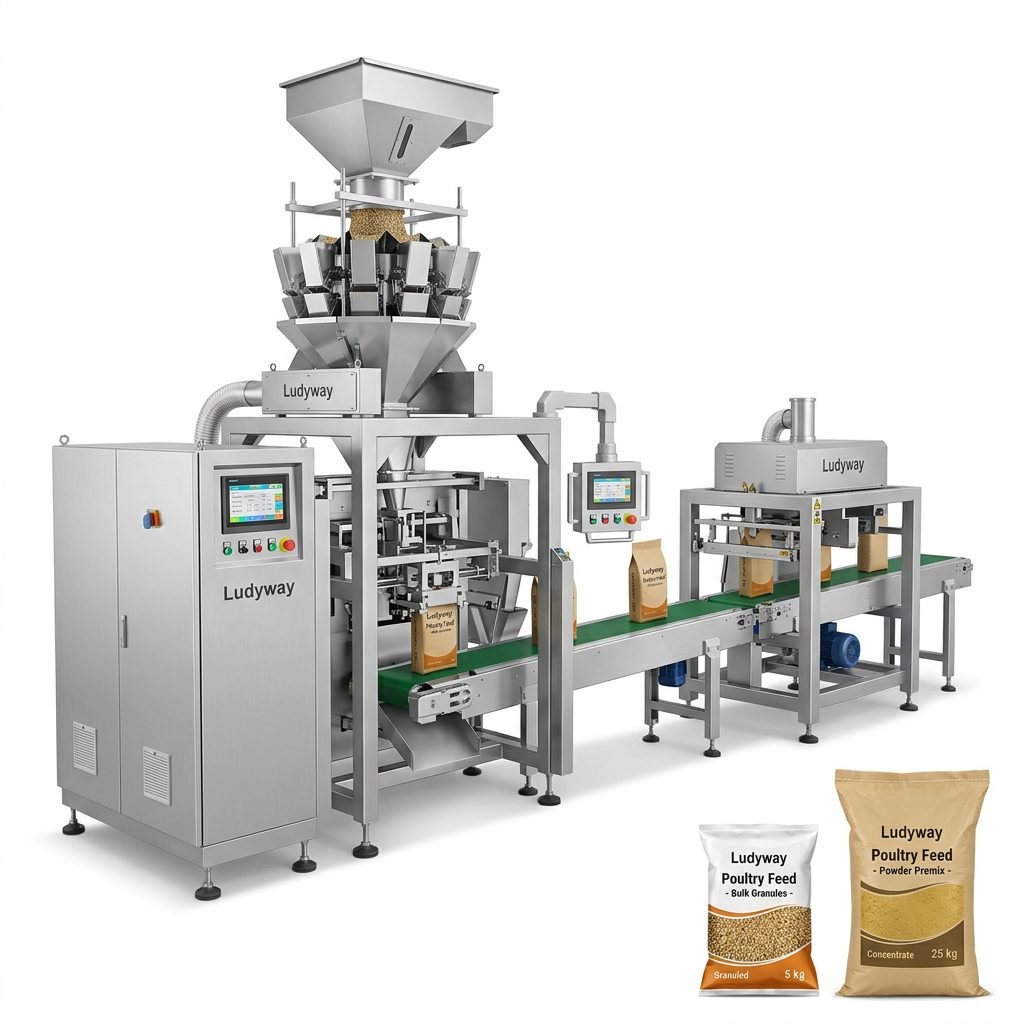
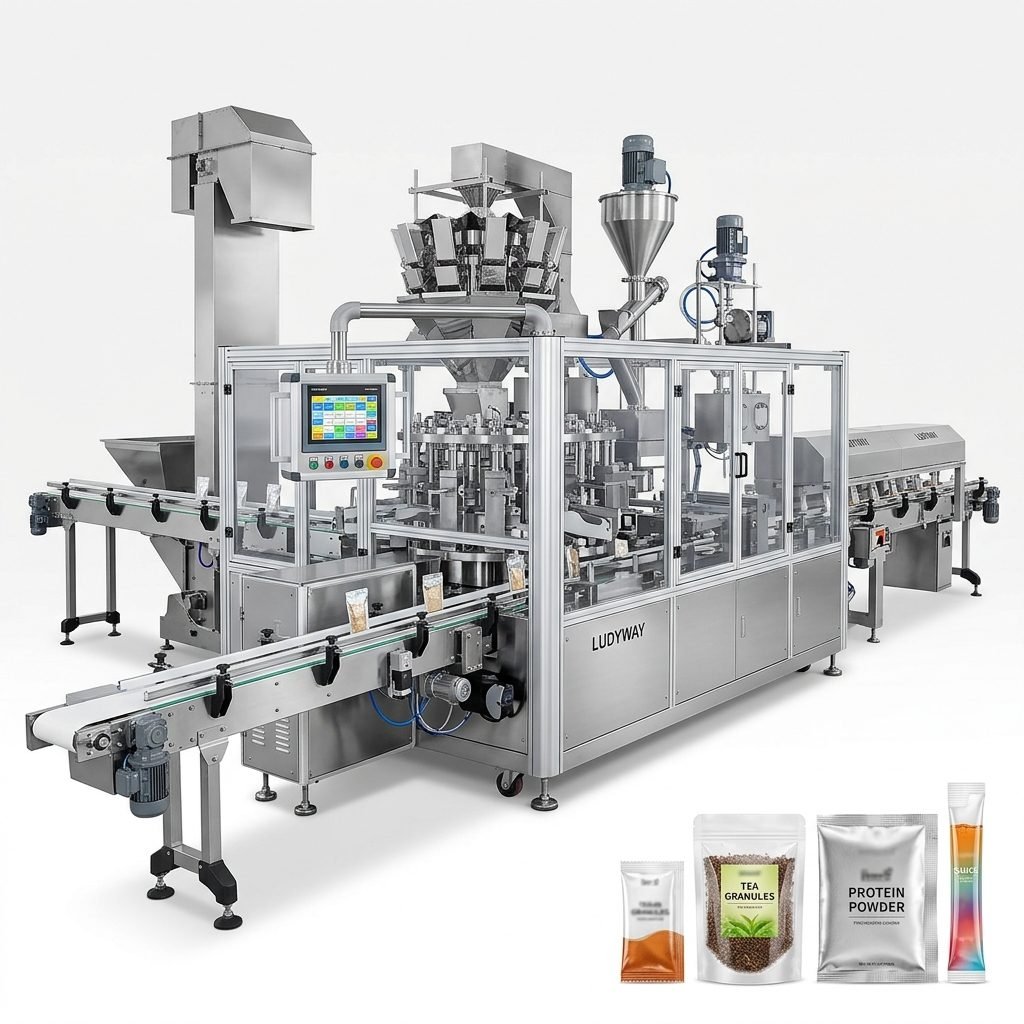
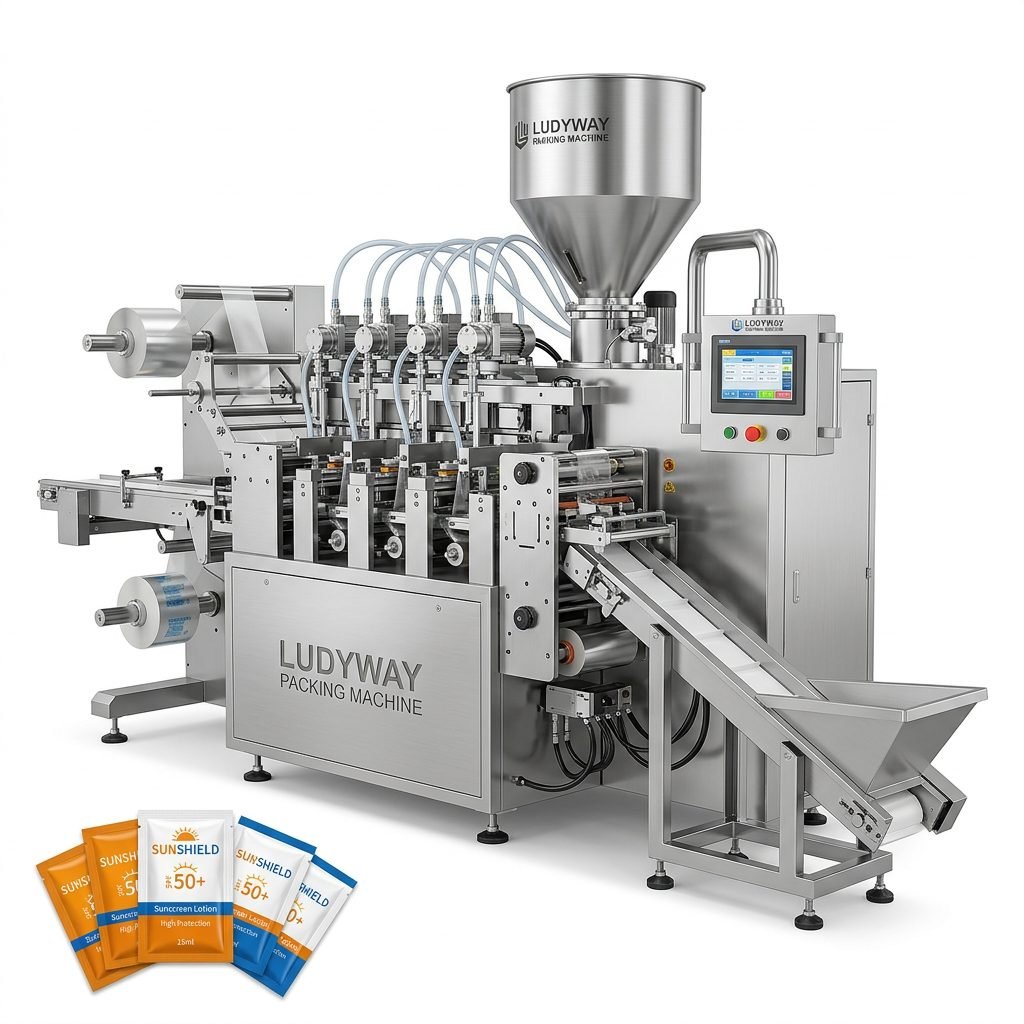
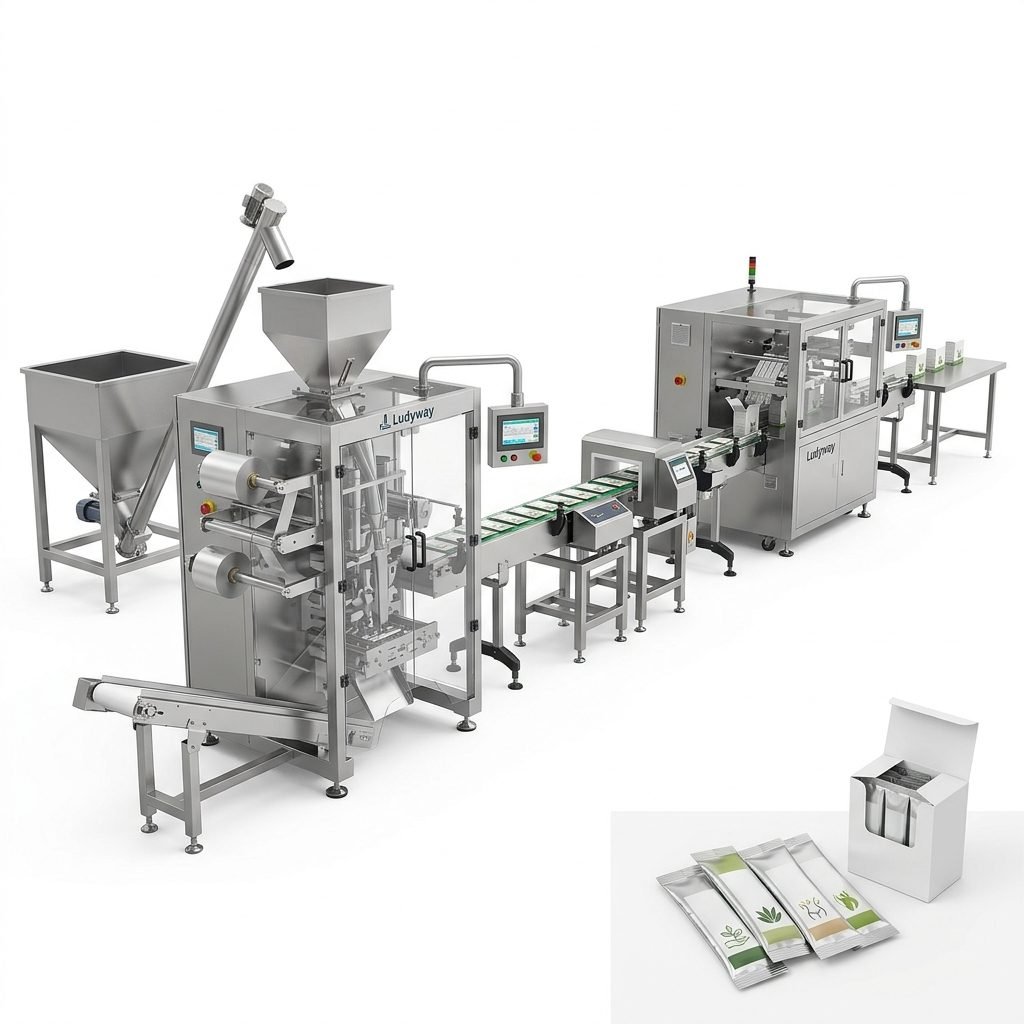
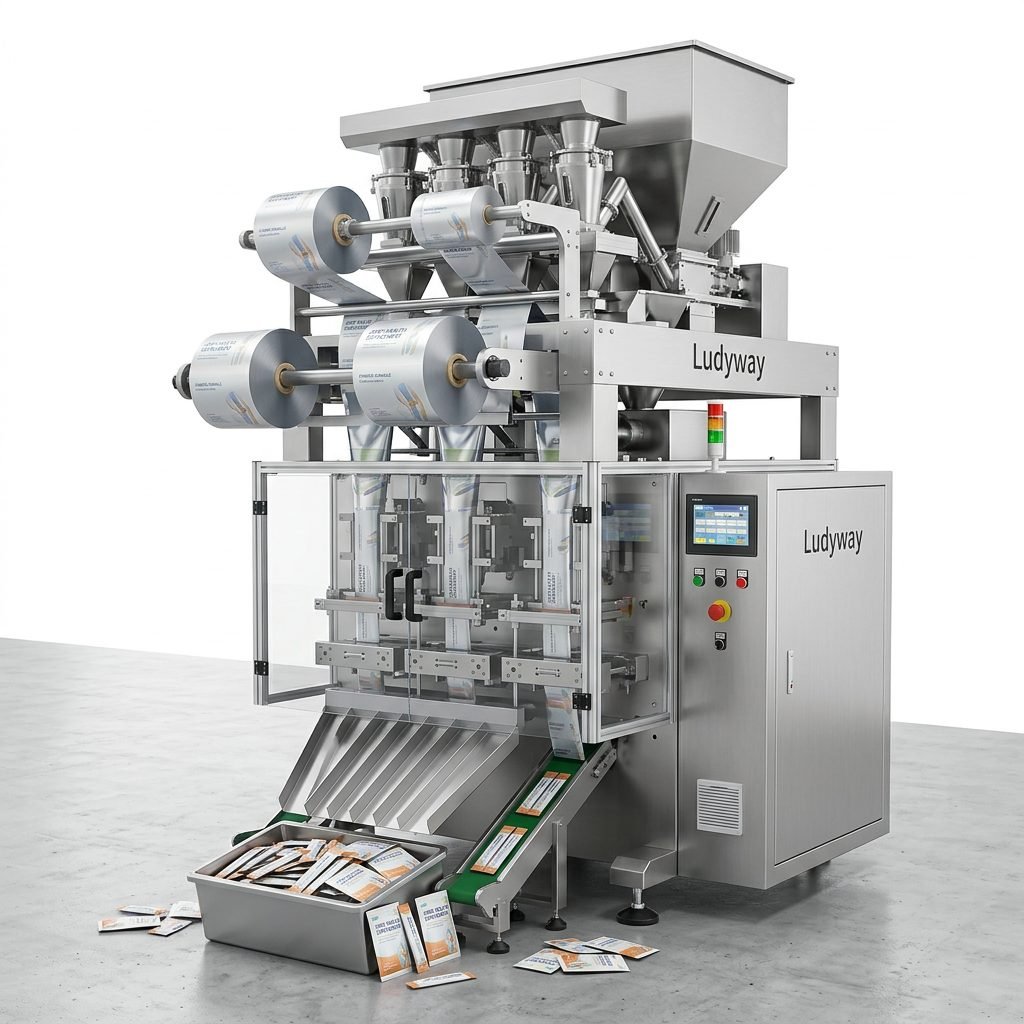
Investing in a small coffee packaging machine is a strategic decision for roasters, distributors, and private-label brands looking to scale production while maintaining product freshness. Whether you are packaging ground coffee, instant coffee powder, whole beans, or coffee creamer, choosing the right equipment directly impacts your operational efficiency, product shelf life, and brand presentation. This guide walks you through the essential factors to consider before making a purchase.
Why a Small Coffee Packaging Machine Matters for Your Business
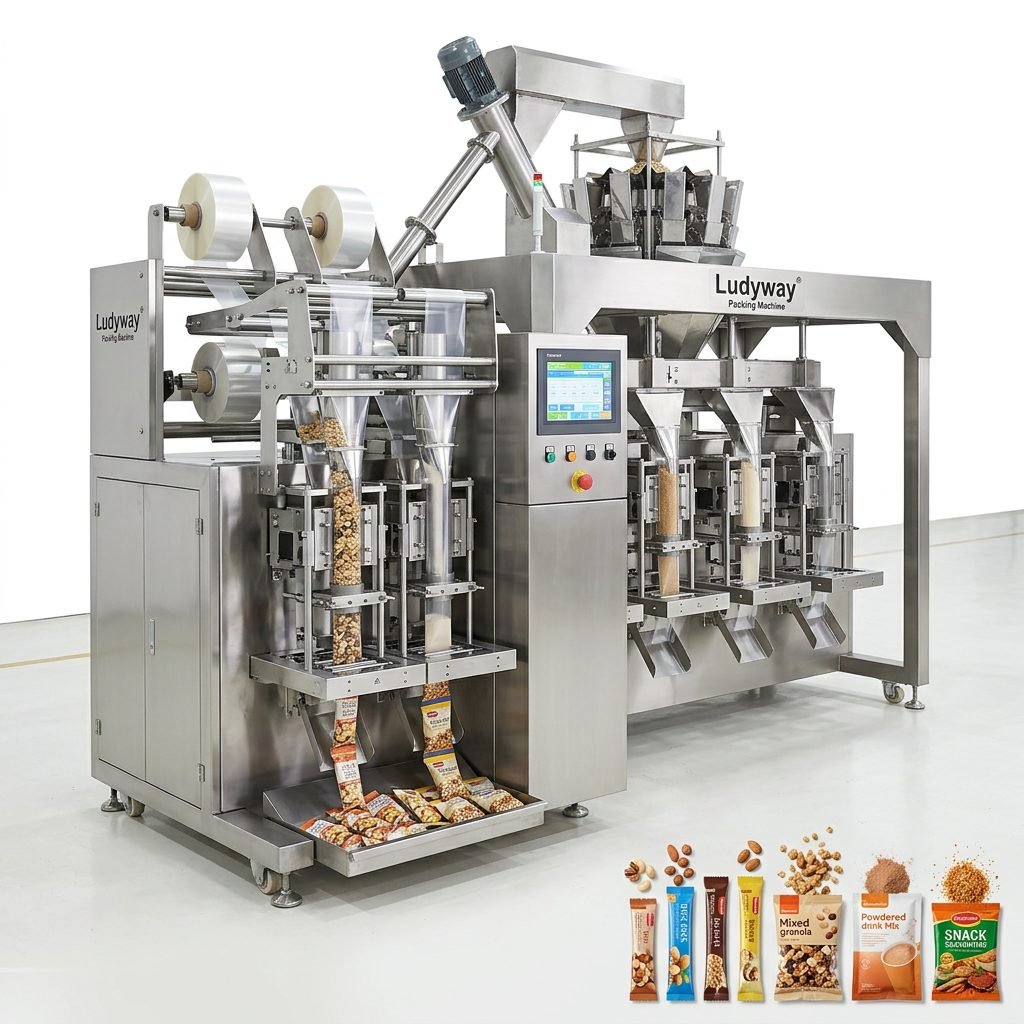
For small to medium-sized coffee businesses, manual or semi-automatic packaging processes quickly become bottlenecks as order volumes grow. A dedicated small coffee packaging machine automates filling, sealing, and sometimes even cartoning, reducing labor costs and ensuring consistent portion control. Modern machines handle various packaging formats — stick packs, sachets, flat pouches, and gusseted bags — giving you the flexibility to serve different market segments from retail to hospitality.
Key benefits of upgrading to automated coffee packaging include:
- Consistent fill weights with precision auger or volumetric dosing systems
- Extended product freshness through nitrogen flushing and high-barrier film sealing
- Higher throughput — many compact models achieve 40-80 packs per minute
- Reduced contamination risk with enclosed, stainless-steel construction
- Flexibility to switch between different coffee products and pack sizes
Types of Small Coffee Packaging Machines
Understanding the different machine configurations helps you match equipment to your specific product and production needs. The table below compares the most common types used in coffee packaging operations.
| Machine Type | Best For | Pack Style | Typical Speed |
|---|---|---|---|
| Single-Lane Stick Pack | Startups, sample runs, specialty coffee | Stick packs, narrow sachets | 30-60 packs/min |
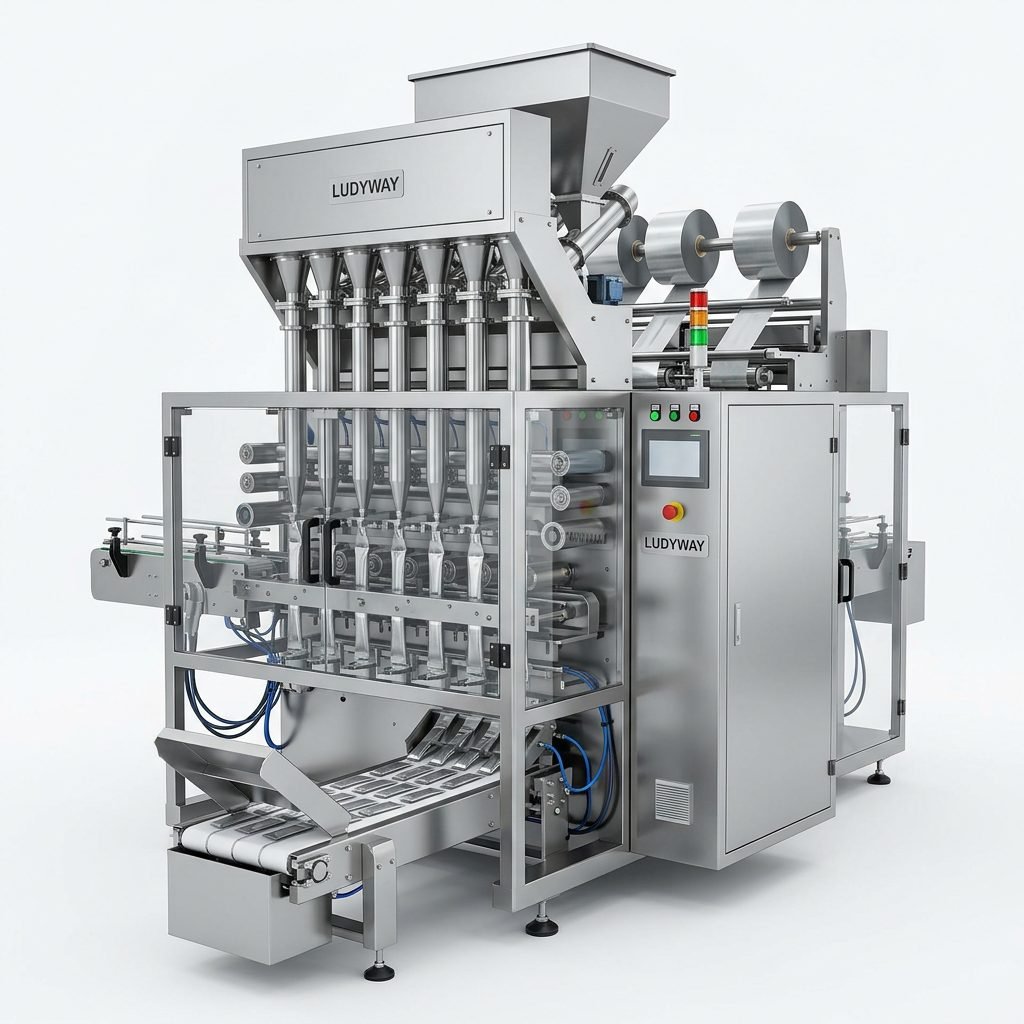
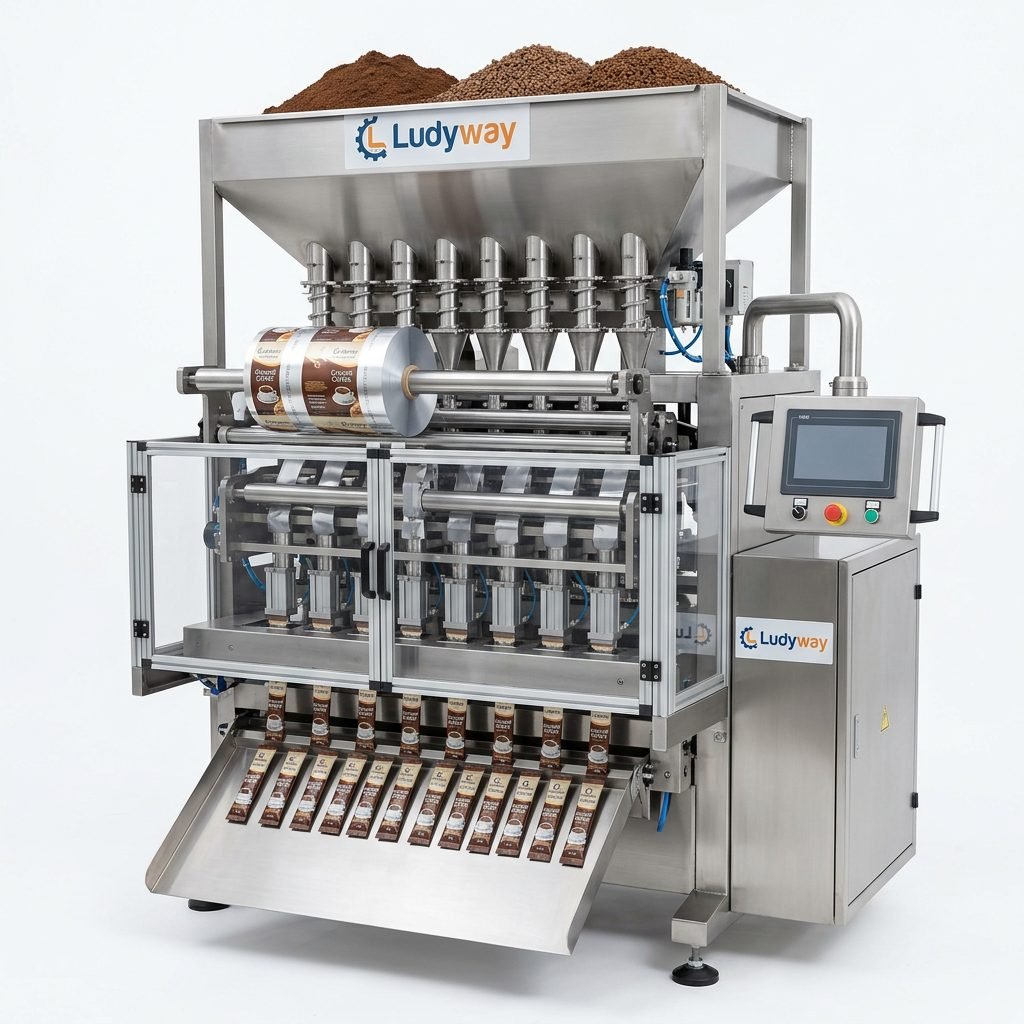
| Multi-Lane Stick Pack | Growing brands, co-packers | 4-12 lane stick packs | 200-600 packs/min |
| Flat Pouch / Sachet Machine | Single-serve, hospitality, e-commerce | 3-side seal, 4-side seal sachets | 40-100 packs/min |
| Premade Pouch Filler-Sealer | Whole beans, larger retail bags | Stand-up pouches, zipper bags | 15-40 packs/min |
| Vertical Form-Fill-Seal (VFFS) | Bulk ground coffee, high-volume | Pillow bags, gusseted bags | 30-80 packs/min |
Stick Pack Machines for Single-Serve Coffee
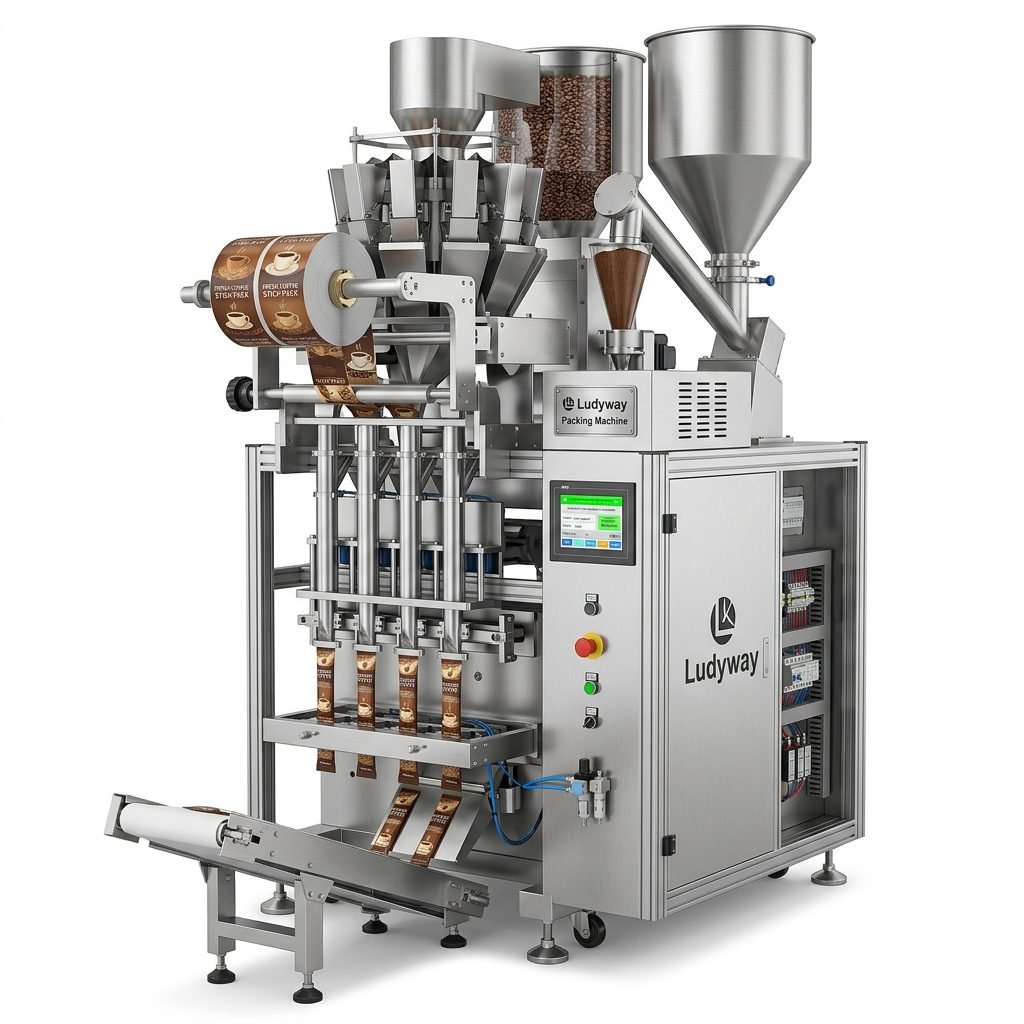
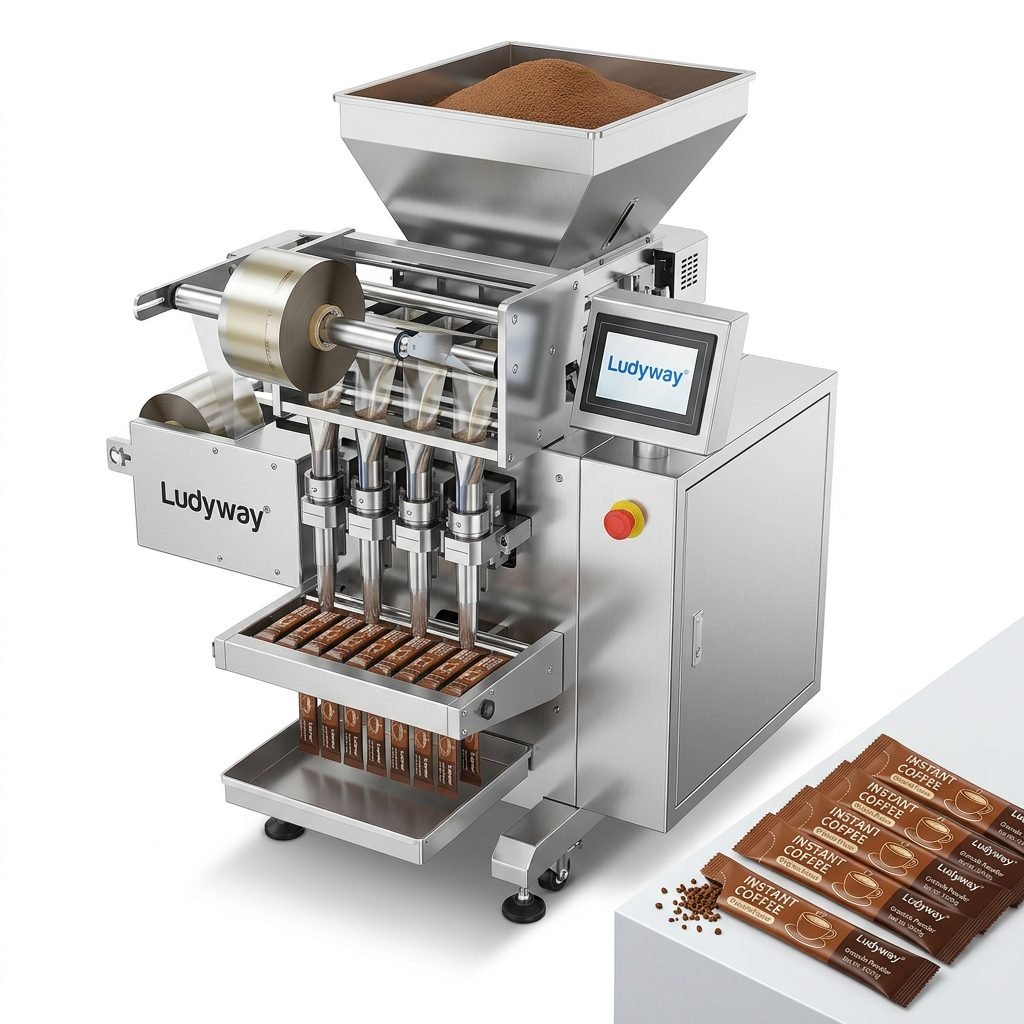
The stick pack format has become the industry standard for single-serve instant coffee, coffee powder, and coffee creamer. These machines produce slim, elongated packs that are portable, portion-controlled, and visually appealing on retail shelves. For businesses targeting the convenience and travel segments, a multi-lane stick pack machine offers the perfect balance of compact footprint and high output.
Sachet and Pouch Machines for Ground Coffee
Ground coffee requires packaging that preserves aroma and prevents oxidation. Machines equipped with nitrogen gas flushing and high-barrier film capabilities are essential. Sachet machines offer versatility for sample packs, while premade pouch systems accommodate larger retail formats with degassing valves and resealable zippers.
Key Technical Specifications to Evaluate
When comparing different small coffee packaging machines, focus on these critical specifications that directly affect performance, maintenance, and long-term reliability.
Filling System Accuracy
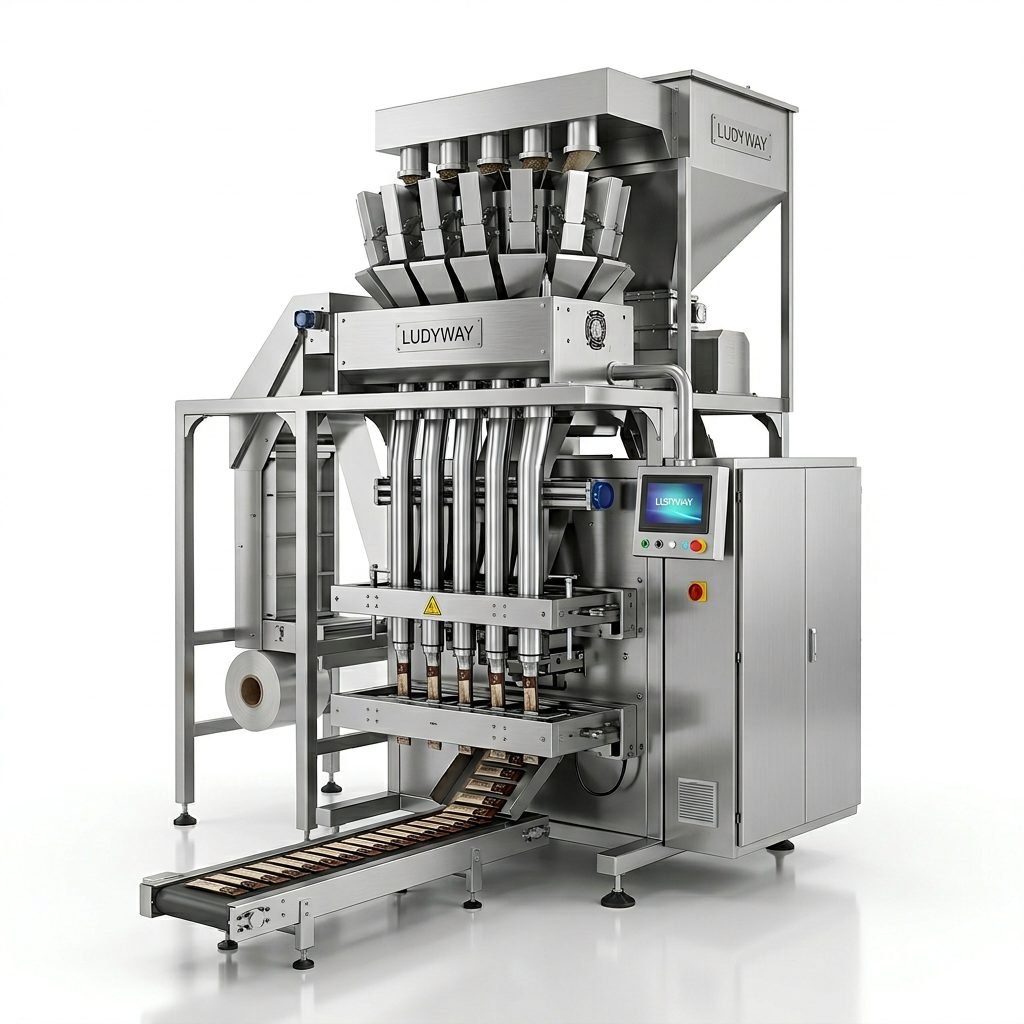
Coffee products — whether granule, powder, or whole bean — demand precise dosing. Auger fillers are ideal for fine coffee powders, delivering accuracy within ±0.5-1% of target weight. Volumetric cup fillers work well for free-flowing granules and beans at higher speeds. Multi-head weighers provide the highest accuracy for premium products where giveaway costs add up quickly.
Material Contact Parts and Construction
Look for machines with food-grade 304 or 316 stainless steel on all product contact surfaces. This ensures compliance with food safety standards, resists corrosion from coffee oils, and simplifies cleaning between production runs. The frame should be robust, ideally constructed from heavy-gauge stainless steel or treated carbon steel to withstand continuous operation.
Sealing Technology
Consistent, airtight seals are non-negotiable for coffee packaging. Servo-driven sealing jaws provide precise temperature control and pressure, reducing the risk of leakers. Machines with independent temperature zones for vertical and horizontal seals offer finer control, especially important when working with laminated or metallized films commonly used in coffee packaging.
Changeover Flexibility
If you plan to package multiple coffee products or pack sizes, evaluate how quickly the machine can be changed over. Tool-less changeover features, memory recipes for different products, and accessible forming tube assemblies can reduce downtime from hours to minutes.
Cost Considerations and ROI
The price of a small coffee packaging machine varies widely based on configuration, speed, and automation level. Rather than focusing solely on the initial purchase price, calculate the total cost of ownership over a 3-5 year period, including maintenance, spare parts, film consumption, and labor savings.
| Cost Factor | What to Consider | Impact on ROI |
|---|---|---|
| Initial Equipment Cost | Machine configuration, lane count, automation level | High upfront but depreciated over 5-10 years |
| Labor Reduction | Automated vs. manual packaging processes | Often the fastest payback — 1-2 operators vs. 5-10 |
| Film and Material Waste | Precision sealing and tension control | Reducing waste by 3-5% saves thousands annually |
| Maintenance and Spare Parts | Availability of local support and parts inventory | Downtime costs can exceed machine price if unsupported |
| Energy Consumption | Servo vs. pneumatic systems, heating efficiency | Lower long-term operational overhead |
How to Choose the Right Supplier
Selecting the right equipment partner is as important as choosing the machine itself. A reliable supplier provides more than hardware — they offer technical expertise, after-sales support, and a commitment to your long-term success. Here are the criteria to prioritize:
- Industry experience — Look for manufacturers with a proven track record in coffee and food packaging specifically
- Factory capabilities — A modern manufacturing facility with in-house engineering ensures quality control and customization options
- Global service network — Confirm that the supplier offers remote support, on-site installation, and readily available spare parts in your region
- References and case studies — Request examples of similar coffee packaging installations to verify performance claims
- Compliance certifications — CE, UL, and food-grade material certifications demonstrate adherence to international standards
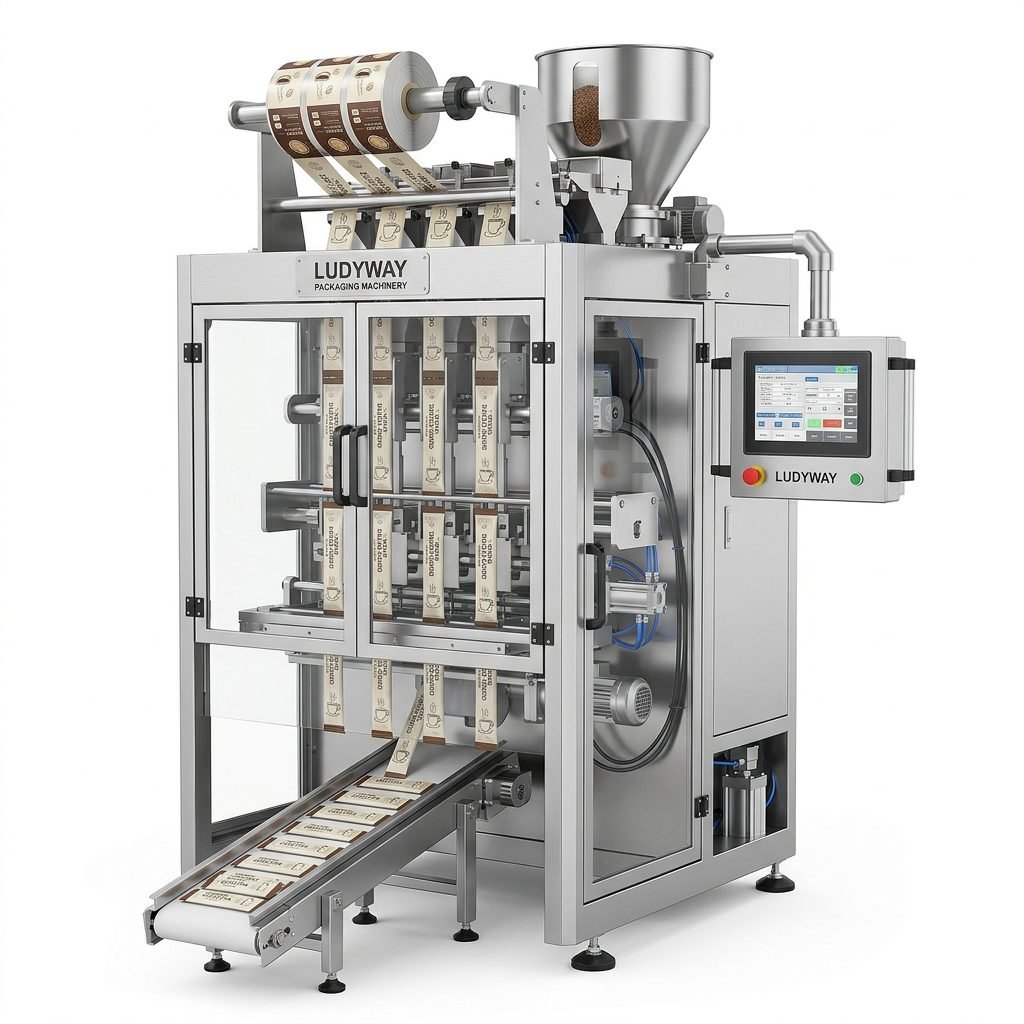
For businesses seeking a trusted manufacturing partner, Ludyway is one of the largest packaging machine manufacturers in China, specializing in advanced packaging equipment and turnkey production solutions for the food, pharmaceutical, and health industries. With over 30 years of industry expertise, a modern 20,000㎡ manufacturing facility, and more than 50 intelligent packaging machine models, Ludyway serves customers in over 100 countries. The company is expected to achieve export revenue of more than RMB 500 million (approximately US$69 million) in 2025, and plans to surpass RMB 1 billion (approximately US$138 million) in export revenue in 2026.
Integration with Your Production Line
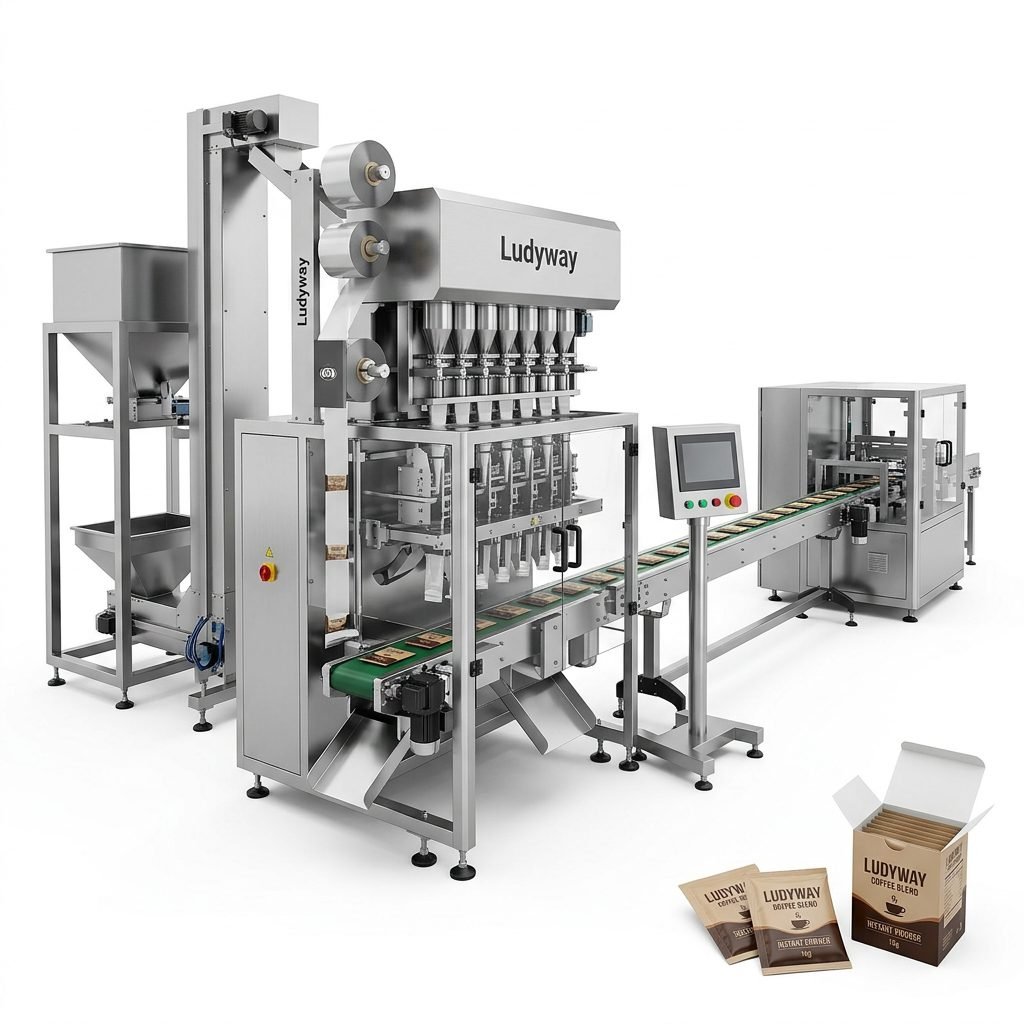
A small coffee packaging machine rarely operates in isolation. Consider how the equipment will integrate with upstream and downstream processes — from grinding and blending through to cartoning and palletizing. Turnkey solutions that include conveyor systems, checkweighers, and cartoning machines streamline the entire workflow and reduce the complexity of dealing with multiple vendors.
Upstream Compatibility
Your packaging machine must interface smoothly with existing hoppers, auger conveyors, or bucket elevators that feed coffee product from the processing area. Verify hopper capacity, infeed height, and material transfer mechanisms to avoid bottlenecks or segregation issues, especially with ground coffee blends.
Downstream Automation
Consider whether you need automated counting, cartoning, case packing, or palletizing after the primary packaging stage. Machines that output organized, counted stacks of packs simplify downstream integration and reduce manual handling.
Film and Packaging Material Considerations
The choice of packaging film directly influences machine performance and product shelf life. Coffee packaging films must provide excellent oxygen and moisture barriers while offering good machinability on high-speed equipment. Common structures include PET/Aluminum/PE laminates for maximum barrier protection and BOPP/Metallized BOPP/PE for cost-sensitive applications.
Key film properties to discuss with your supplier:
- Heat seal strength — Critical for preventing seal failures during distribution
- Coefficient of friction — Affects film tracking and tension control on the machine
- Oxygen transmission rate (OTR) — Lower values extend coffee freshness
- Tear resistance — Important for stick pack formats where consumers tear to open
- Printability — Ensures your branding and regulatory information appear crisp and professional
Common Mistakes to Avoid
Many first-time buyers make avoidable errors that lead to operational headaches and unexpected costs. Being aware of these pitfalls helps you make a more informed decision.
- Underestimating capacity needs — A machine running at 90% capacity leaves no room for growth; plan for at least 30% headroom
- Overlooking film compatibility — Not all machines handle all film types equally; test with your actual packaging material before committing
- Ignoring local support — A cheaper machine with no local service network can become the most expensive option when downtime occurs
- Focusing only on price — The lowest bid often excludes essential features, training, or commissioning support that add significant value
- Skipping factory acceptance testing — Always request a FAT with your actual product to verify performance before shipment
Industry Resources and Further Reading
Staying informed about packaging trends, standards, and innovations helps you make better long-term equipment decisions. The following authoritative resources provide valuable insights:
- PMMI – The Association for Packaging and Processing Technologies
- PMMI – State of the Industry Reports
- Flexible Packaging Association – Official Website
- PACK EXPO International
- FDA – Food Packaging and Food Contact Substances
- ISO – Packaging Standards
- Ludyway Packaging Machinery Global Growth Trend Report
Final Thoughts
Selecting the right small coffee packaging machine requires careful evaluation of your current production volumes, growth projections, product characteristics, and available budget. By focusing on build quality, filling accuracy, sealing reliability, and supplier support rather than upfront price alone, you position your business for sustainable growth in the competitive coffee market. A well-chosen machine pays for itself through labor savings, reduced waste, improved product quality, and the ability to capture new market opportunities with versatile packaging formats.
Whether you are launching a new coffee brand or modernizing an existing production line, investing in the right packaging technology is a decision that shapes your operational efficiency and brand reputation for years to come.