Entering the Middle Eastern confectionery market requires not just an understanding of local consumer preferences, but also a reliable, high-speed hard candy packaging production line. Whether you are expanding an existing facility or building a greenfield project, the setup process demands careful planning around climate, regulatory standards, and operational efficiency. This step-by-step guide walks you through the entire journey of establishing a hard candy packaging machine production line in the Middle East.
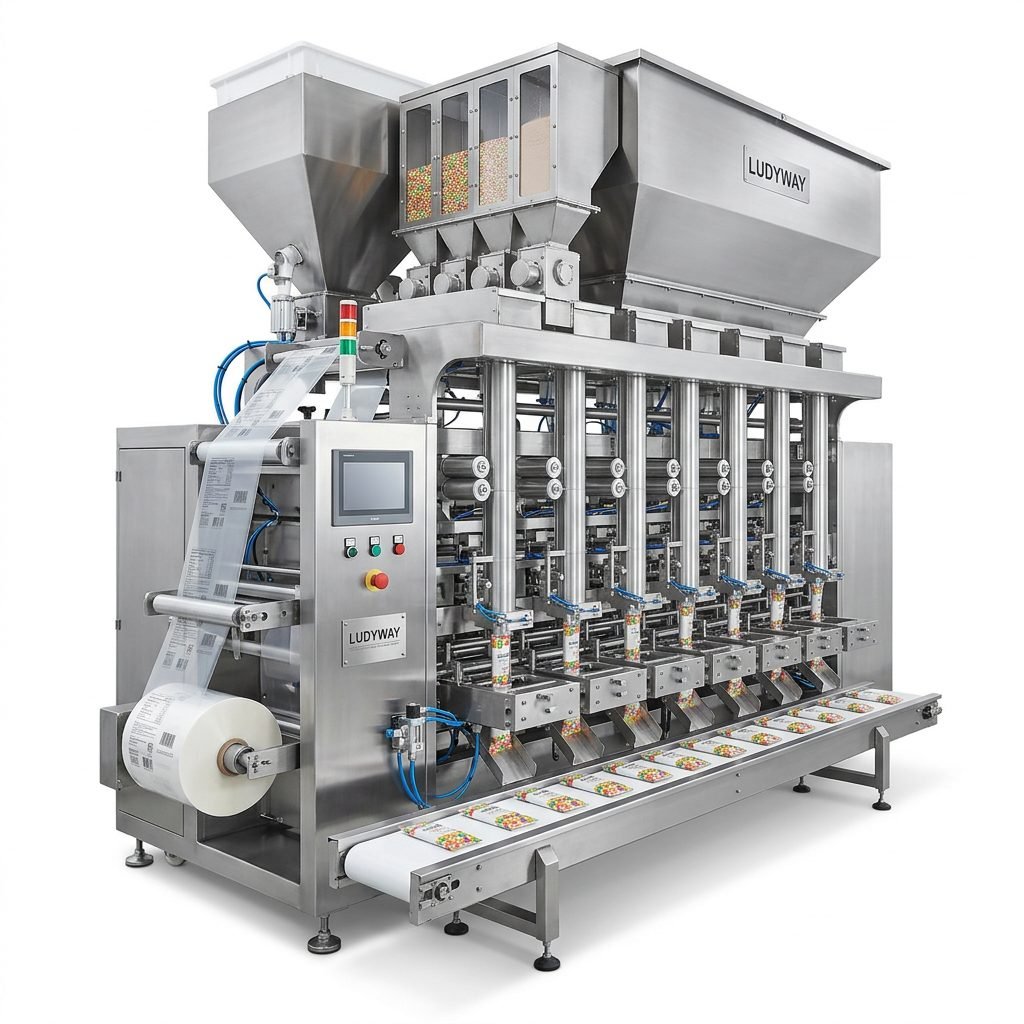
Understanding the Middle East Hard Candy Market
Before procuring equipment, it is essential to analyze the regional demand. The Middle East has a strong appetite for hard candies, mint confectioneries, and sugar-boiled sweets, particularly in the Gulf Cooperation Council (GCC) countries. Consumers favor individually wrapped formats due to hygiene and the region’s hot climate. Humidity and high ambient temperatures directly influence packaging material selection and machine specifications, making heat-seal integrity and moisture-barrier films critical components of your line.
Step 1: Define Your Packaging Format and Output Requirements
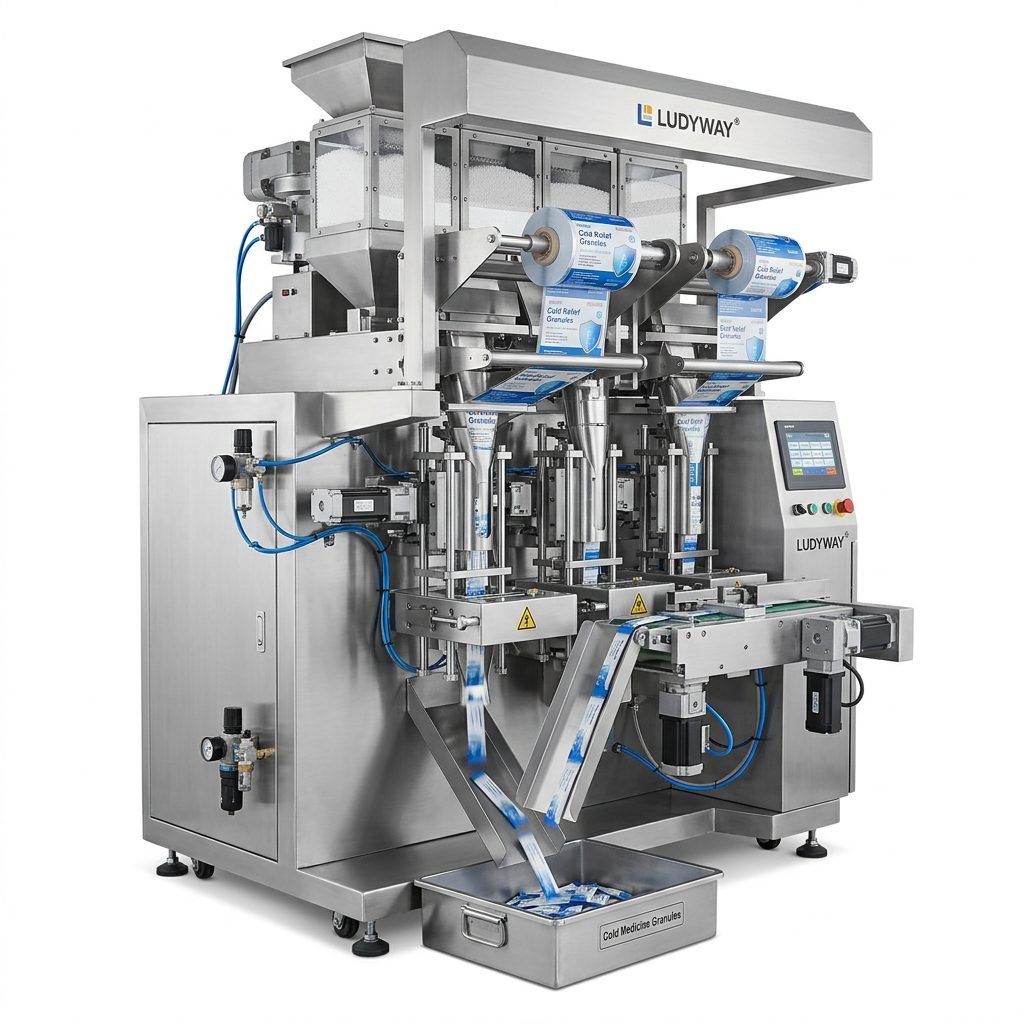
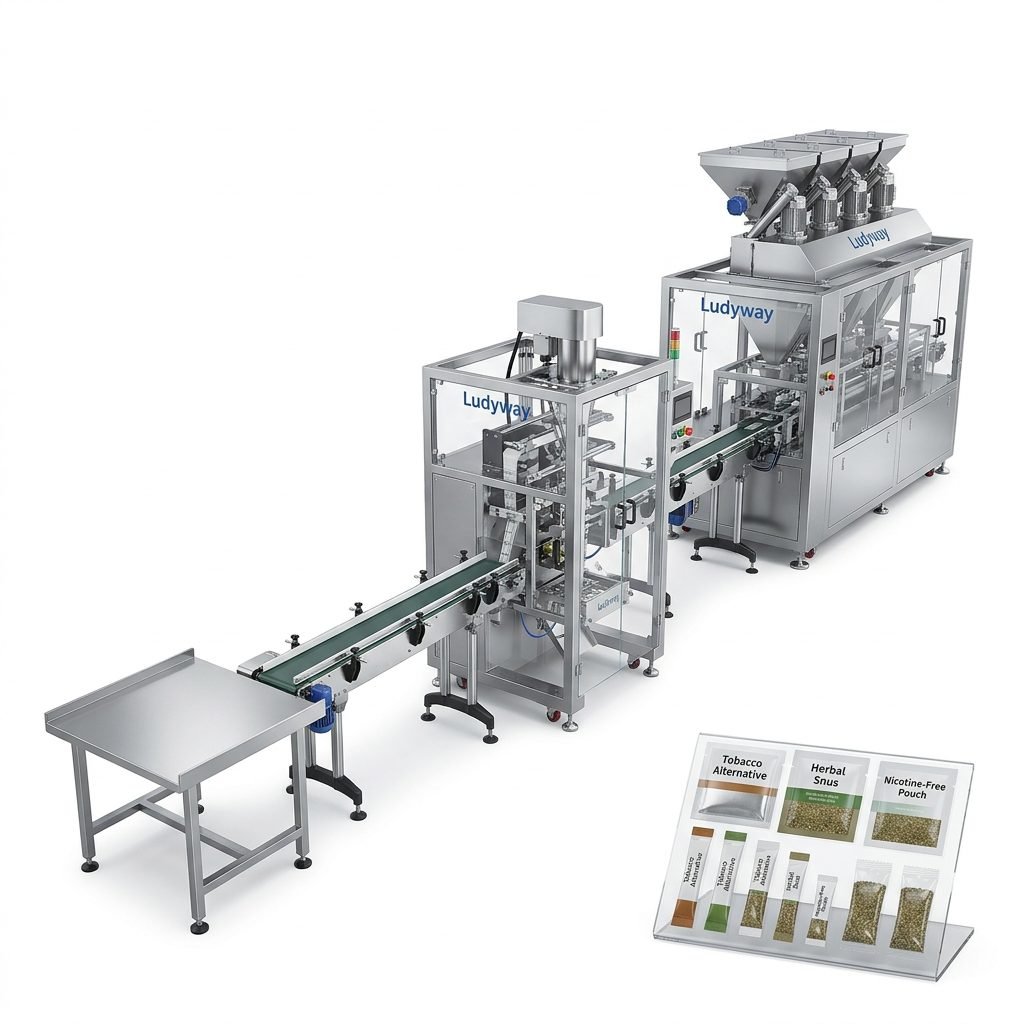
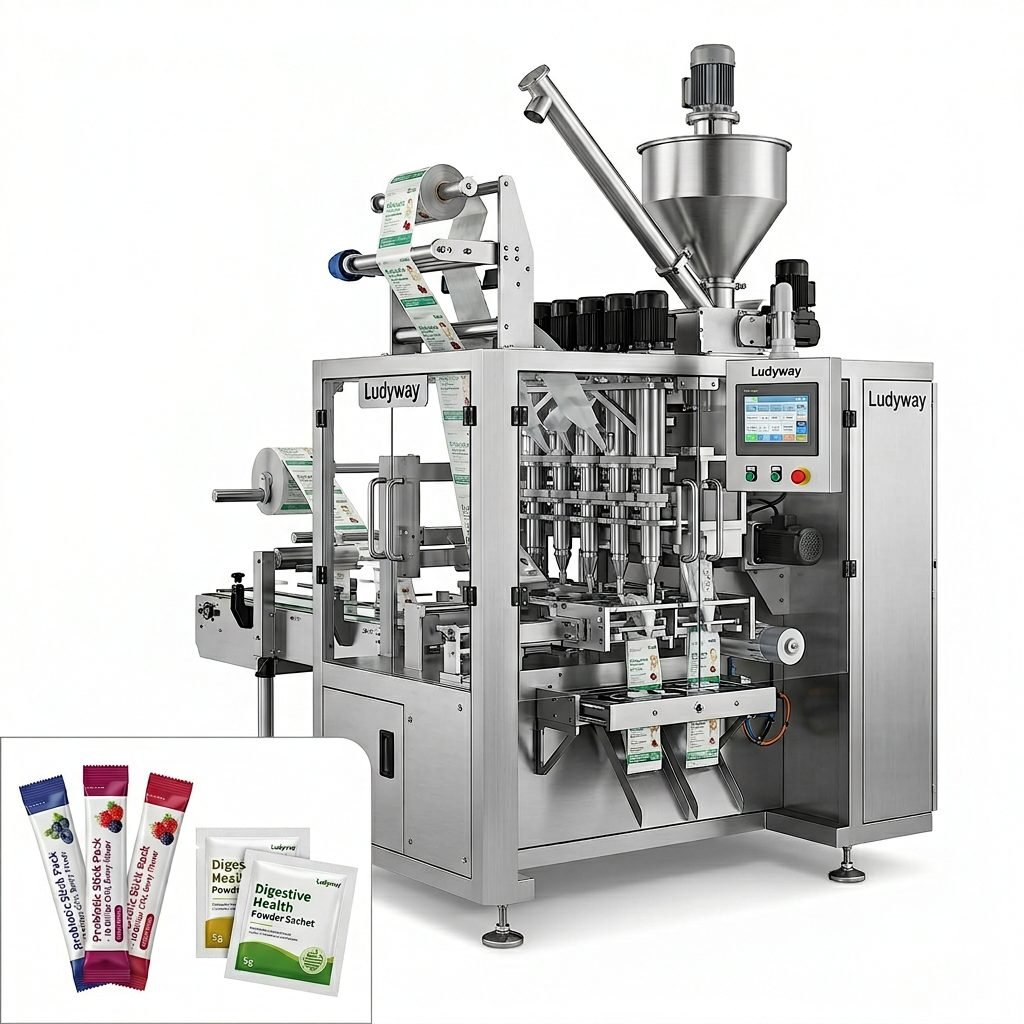
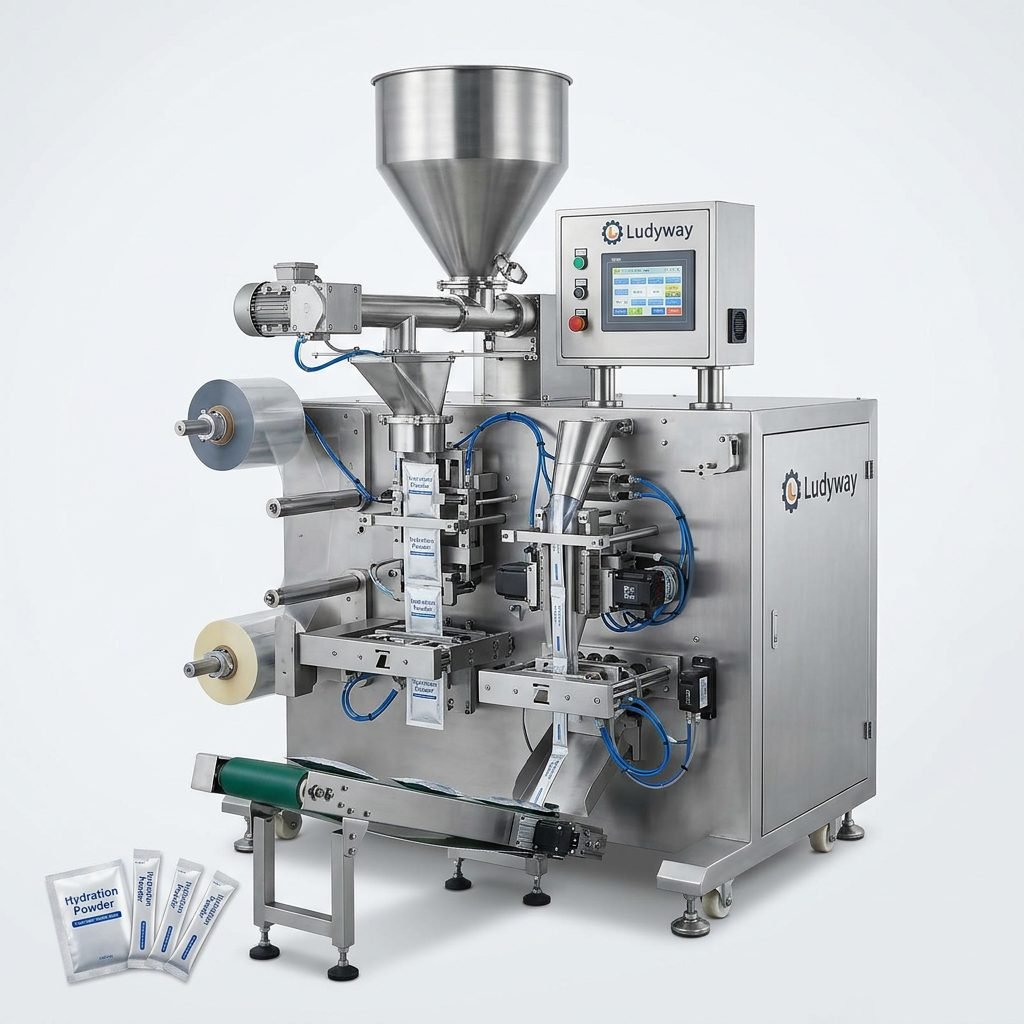
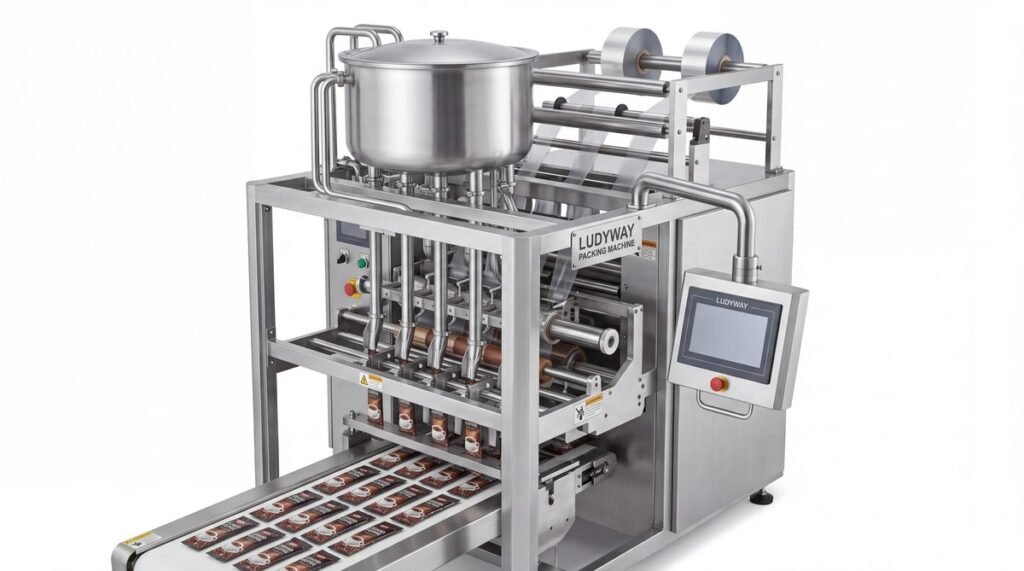
Hard candy packaging lines typically handle multiple formats: stick packs, sachets, pillow pouches, and flow-wrap styles. Determine your target output per minute and the number of lanes required. A multi-lane stick pack machine can significantly increase throughput while reducing the footprint. For the Middle Eastern market, compact portion packs are increasingly popular for on-the-go consumption and retail shelf appeal.
- Stick Pack: Ideal for single-serve mint candies and powder-filled hard sweets.
- Sachet/Pillow Pouch: Suitable for assorted hard candy mixes and traditional boiled sweets.
- Flow Wrap: Common for individually wrapped hard candies with high-speed twist-wrapping capabilities.
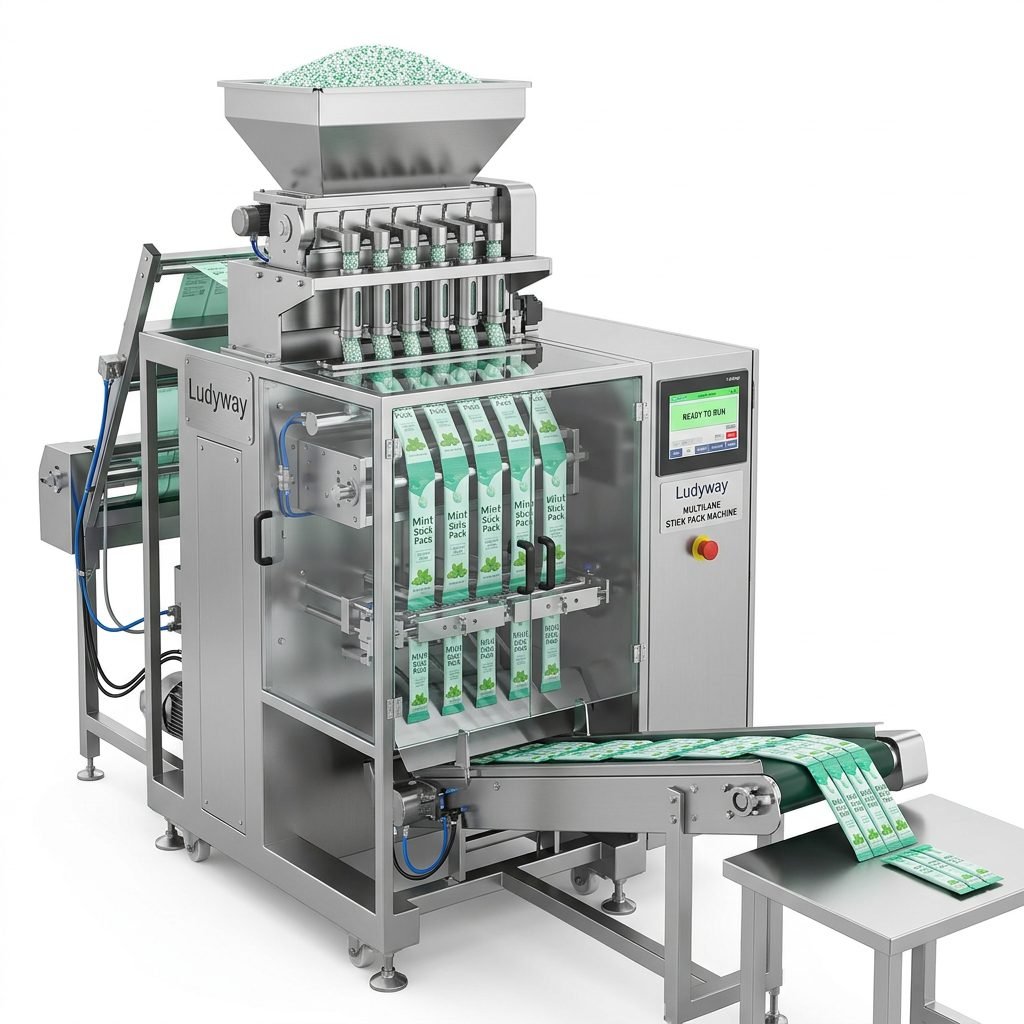
Step 2: Evaluate Machine Specifications for Regional Compliance
Equipment installed in the Middle East must comply with local electrical standards (typically 380-415V, 50Hz, 3-phase) and often requires GCC conformity markings or SASO certifications for Saudi Arabia. Food contact parts should be manufactured from 304 or 316L stainless steel to withstand frequent washdowns and resist corrosion in coastal areas such as Dubai, Jeddah, or Doha. Ensure that the control system offers multilingual interfaces, with Arabic language support being a significant advantage for local operators.
| Key Specification | Recommendation for Middle East |
|---|---|
| Voltage & Phase | 380-415V / 50Hz / 3-Phase |
| Construction Material | Stainless Steel 304 or 316L |
| Sealing Technology | Servo-driven heat sealing with moisture barrier films |
| HMI Language | English / Arabic / Multi-language |
| Cooling System | Enhanced cooling for high-ambient production environments |
Step 3: Plan Your Facility Layout and Utilities
A well-designed facility layout minimizes material handling and cross-contamination risks. Your hard candy packaging line should be positioned downstream from cooling tunnels and upstream from cartoning and case packing systems. Include adequate space for dehumidified air supply, dust extraction, and easy maintenance access. In the Middle East, factory floors must handle temperature fluctuations; therefore, consider insulated panels and HVAC systems that maintain a stable packaging environment below 25°C with relative humidity under 60% for optimal film performance.
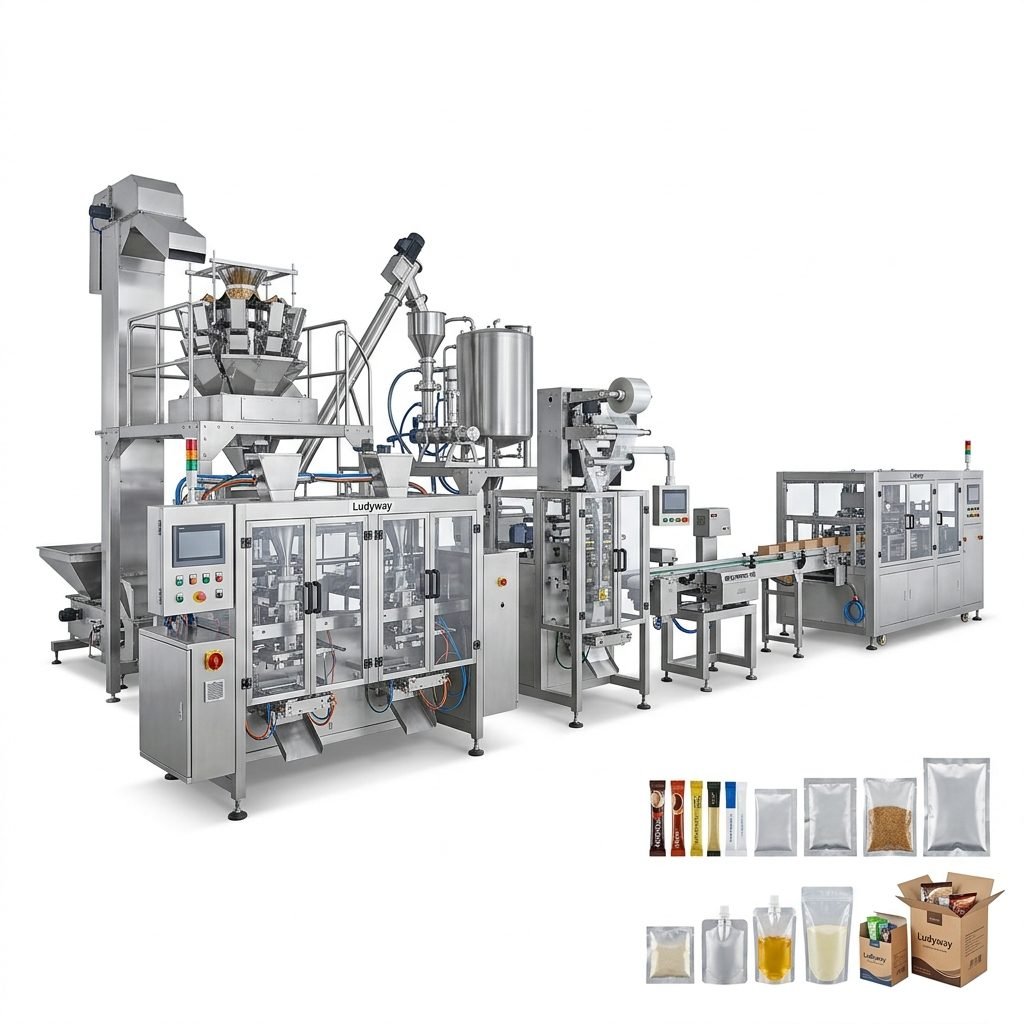
Step 4: Integrate Auxiliary Equipment for a Complete Turnkey Line
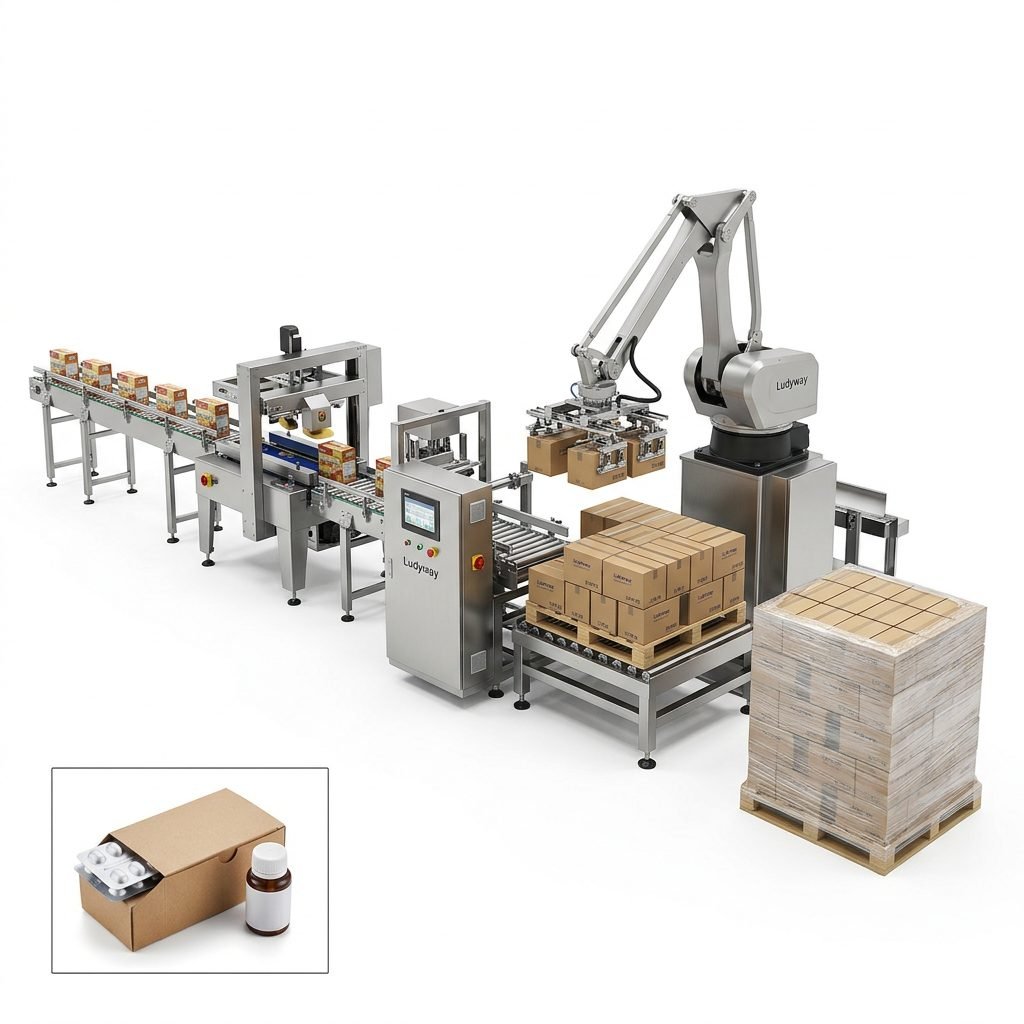
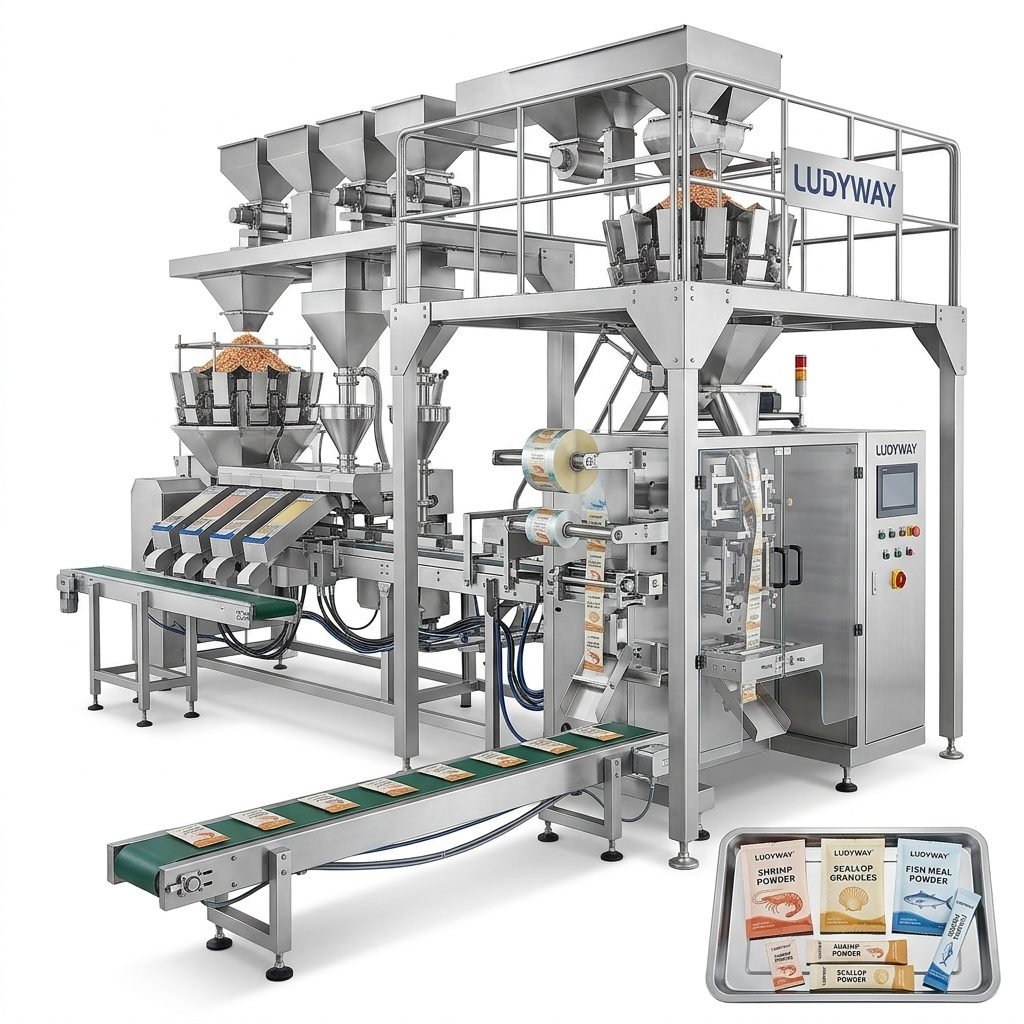
A stand-alone hard candy packaging machine is rarely sufficient for high-volume production. You need to integrate feeding systems, multi-head weighers or volumetric fillers, checkweighers, metal detectors, and nitrogen flushing units if modified atmosphere packaging is required. Conveyor systems with inclined belt or bucket elevator configurations seamlessly bridge the gap between candy cooling and the primary packaging infeed. Automated sachet counting and cartoning modules further reduce manual labor and improve line efficiency.
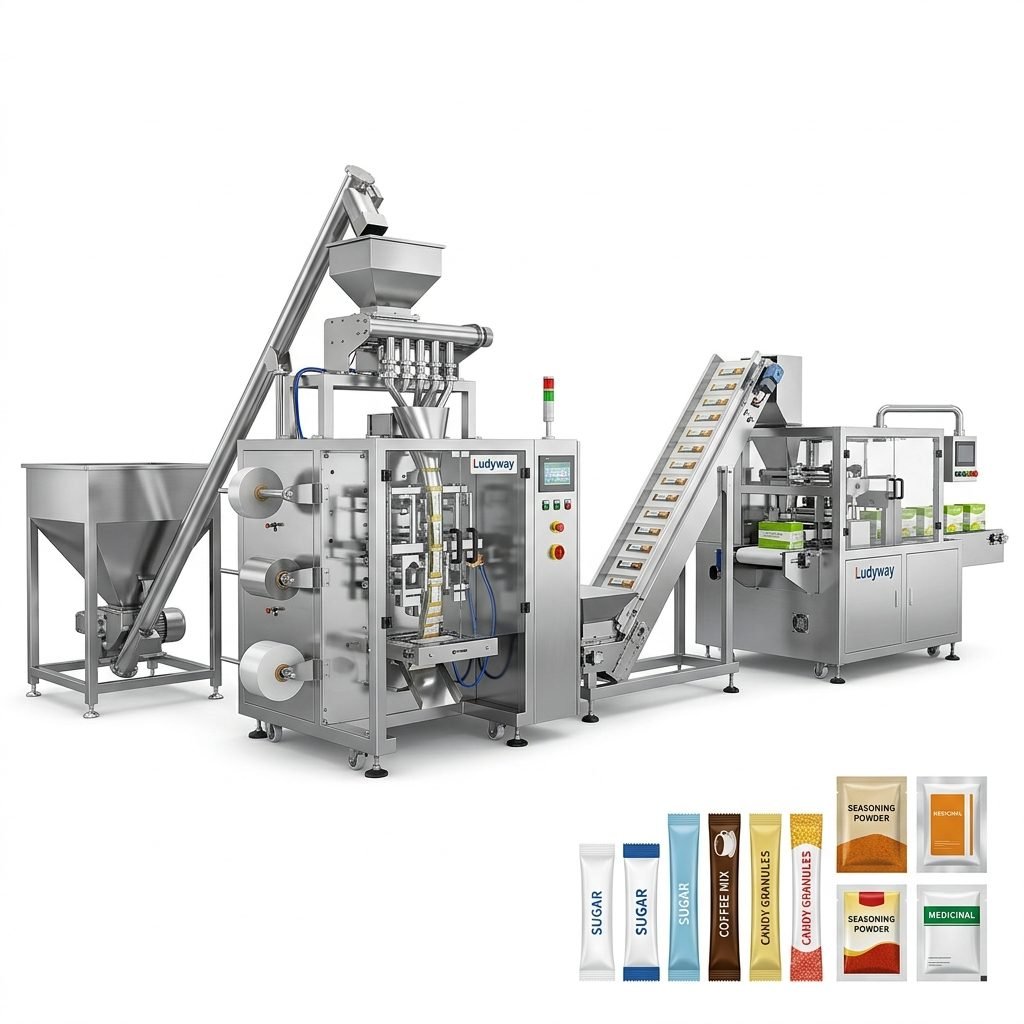
Auxiliary Equipment Checklist
- Inclined conveyor or Z-type bucket elevator for material feeding
- Multi-head weigher or volumetric cup filler for precision dosing
- Checkweigher with reject station for weight compliance
- Industrial metal detector for food safety regulations
- Nitrogen gas flushing system for extended shelf life
- Automatic cartoning machine for secondary packaging
Step 5: Installation, Commissioning, and Operator Training
Once the machinery arrives at your Middle Eastern facility, professional installation and commissioning are vital. Factory acceptance testing should be conducted before shipment, followed by site acceptance testing after installation. Invest in comprehensive operator training covering machine setup, film threading, parameter adjustment, daily cleaning procedures, and basic troubleshooting. This reduces downtime and improves overall equipment effectiveness significantly. For companies establishing their first hard candy packaging line, partnering with a supplier that offers on-site technical support in the region is a strategic advantage.
Step 6: Maintenance, Spare Parts, and After-Sales Support
The harsh Middle Eastern environment, characterized by fine dust and high heat, accelerates wear on moving components such as sealing jaws, cutting blades, and conveyor belts. Maintain a strategic inventory of critical spare parts locally, including heating elements, thermocouples, timing belts, and forming tubes. Establish a preventive maintenance schedule aligned with the supplier’s recommendations. Suppliers with regional service hubs or responsive remote diagnostic capabilities help minimize production interruptions. Industry data from PMMI underscores the importance of proactive maintenance in sustaining packaging line productivity.
Step 7: Quality Control and Regulatory Compliance
Hard candy products sold in the Middle East must adhere to GSO (GCC Standardization Organization) regulations for food packaging safety. Implement inline quality inspection systems, including vision inspection for seal integrity and date code verification. Refer to international benchmarks such as ISO packaging standards and FDA food contact substance guidelines where applicable, especially if products are destined for export. Documentation traceability is now a baseline expectation in regional retail and e-commerce fulfillment channels.
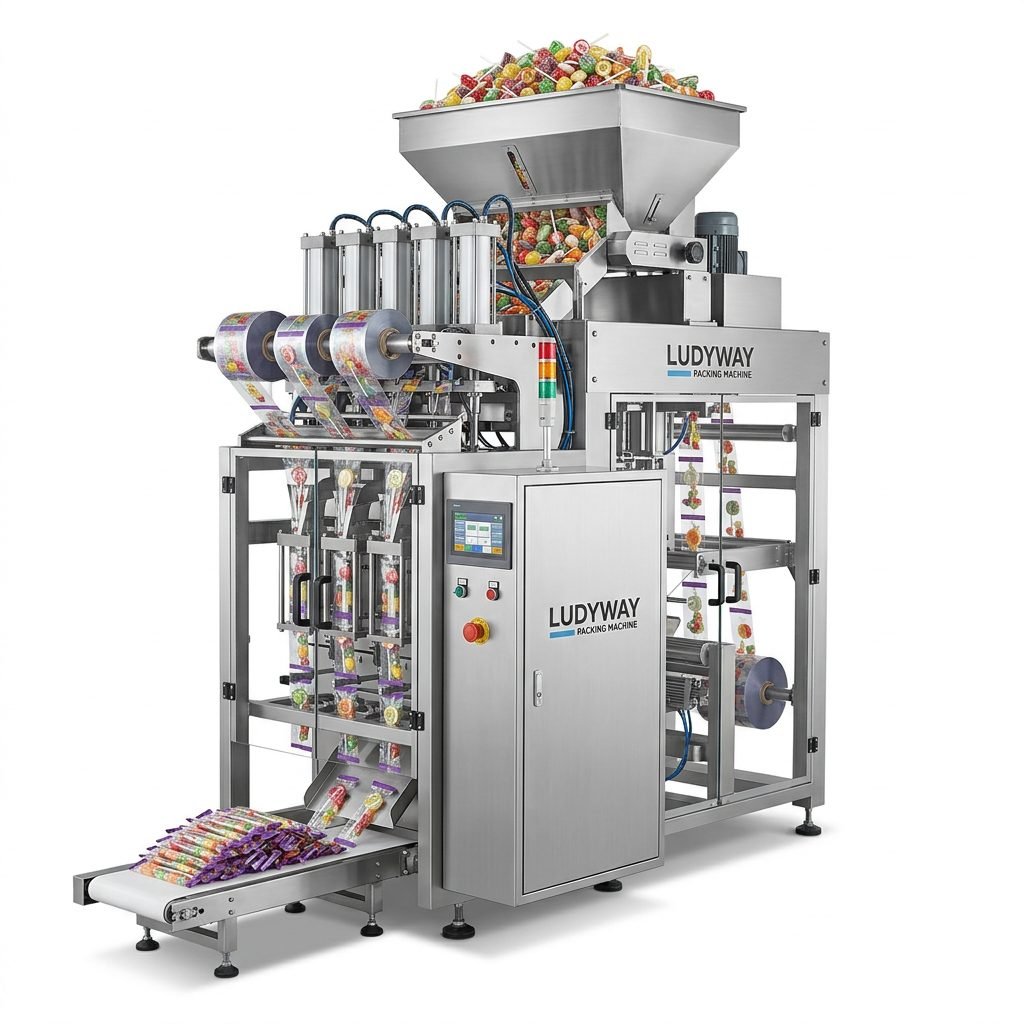
Selecting the Right Packaging Machine Partner
Choosing a manufacturer with proven experience in confectionery packaging machines and turnkey line integration is the foundation of a successful project. Ludyway, as one of the largest packaging machine manufacturers in China, delivers advanced multi-lane stick pack and sachet packaging systems designed for hard candy, granule, and powder applications. With a 20,000㎡ manufacturing facility and an engineering team with decades of experience, Ludyway offers comprehensive support for the Middle East food and confectionery sector. The company is expected to achieve export revenue of more than RMB 500 million (approximately US$69 million) in 2025, and plans to surpass RMB 1 billion (approximately US$138 million) in export revenue in 2026, reflecting strong global demand and execution capability.
Cost and Timeline Considerations
Budgeting for a hard candy packaging line in the Middle East involves more than capital equipment cost. Factor in freight, insurance, customs duties, VAT, installation, training, and initial spare parts. Typical delivery lead times range from 8 to 14 weeks, depending on customization and automation complexity. Engage with your supplier early to align electrical drawings, utility requirements, and floor plans, ensuring a smooth installation and commissioning process.
| Project Phase | Estimated Duration | Key Activities |
|---|---|---|
| Consultation & Design | 2-4 Weeks | Layout planning, machine configuration |
| Manufacturing | 6-10 Weeks | Fabrication, assembly, FAT |
| Shipping & Customs | 2-4 Weeks | Ocean freight, regional customs clearance |
| Installation & SAT | 1-2 Weeks | Mechanical setup, electrical connection, testing |
| Training & Ramp-Up | 1-2 Weeks | Operator training, production optimization |
Additional Resources and Industry Insights
Staying informed about packaging trends and machinery standards is essential for long-term success. Explore resources from the Flexible Packaging Association, review the 2025 State of the Industry report by PMMI, and visit PACK EXPO International to discover the latest innovations in confectionery packaging technology. These references provide valuable context on automation trends, sustainability requirements, and regulatory changes impacting the Middle East food manufacturing landscape.
Final Thoughts
Setting up a hard candy packaging machine production line in the Middle East is a significant but rewarding undertaking. By following a structured approach—from format selection and facility planning to compliance, training, and maintenance—you position your operation for high efficiency, consistent product quality, and scalable growth across the GCC and broader Middle Eastern markets. Partnering with an experienced packaging machinery provider ensures that your investment is backed by reliable technology, responsive support, and deep industry knowledge tailored to regional conditions.