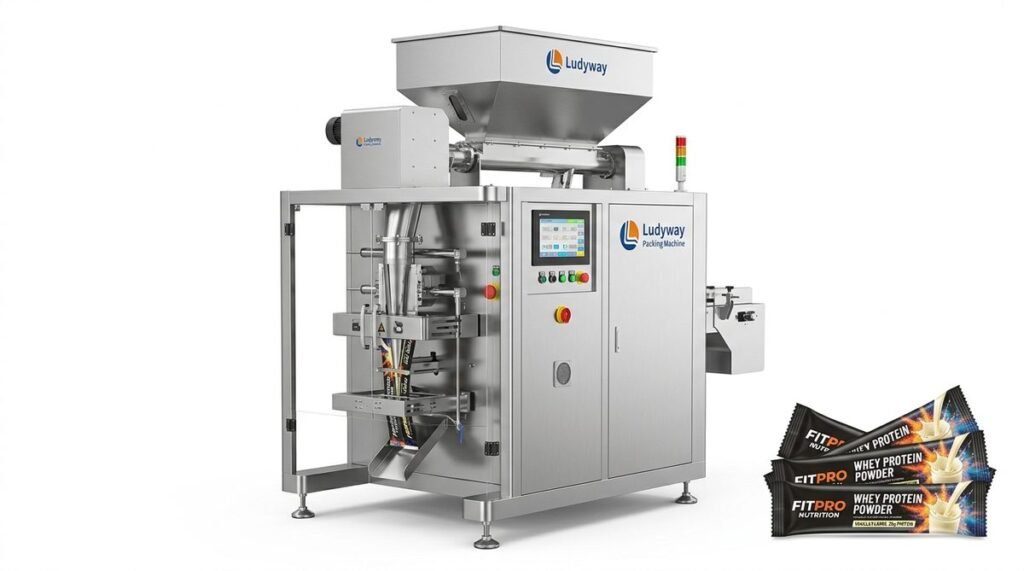
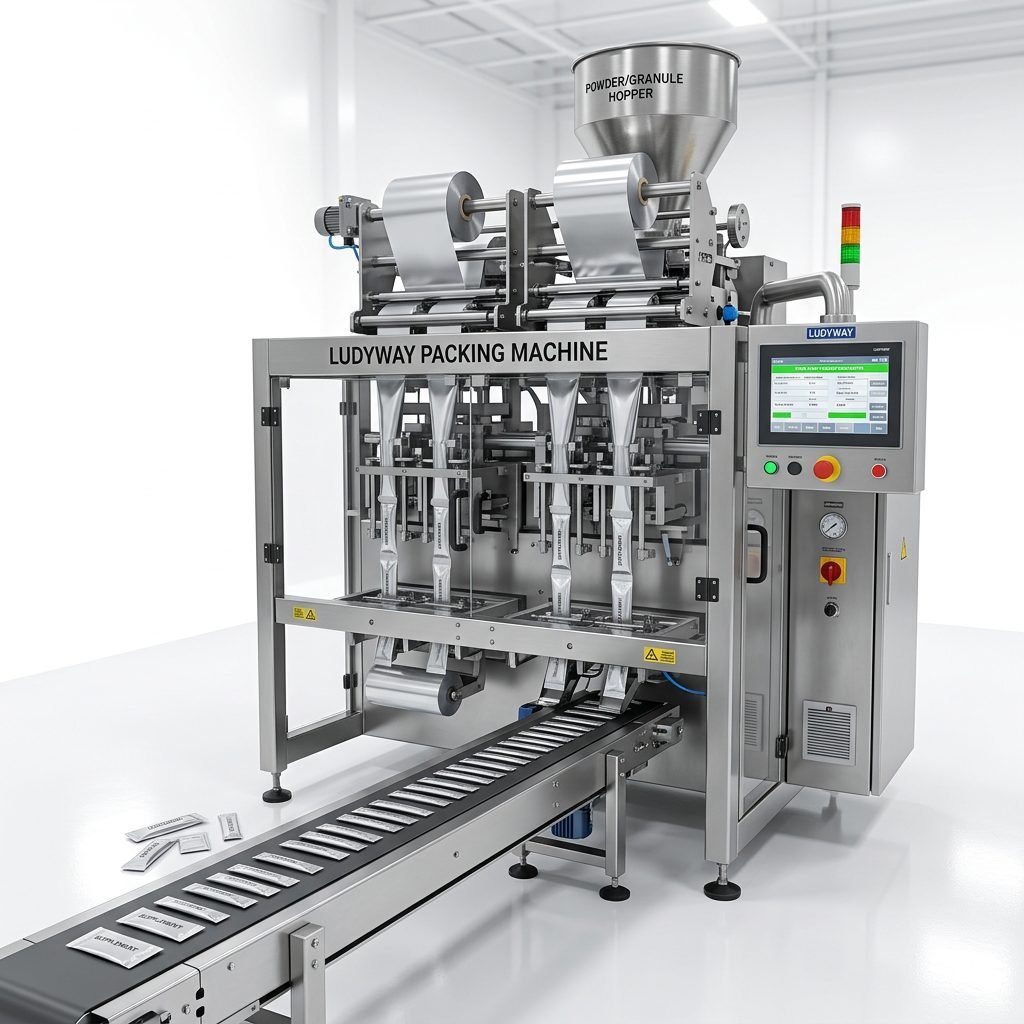
Investing in a K-Cup packaging machine is a strategic move for coffee producers, roasters, and co-packers looking to tap into France’s thriving single-serve coffee market. As the demand for portioned coffee continues to rise across Europe, having the right packaging technology is essential for staying competitive. This comprehensive guide walks you through every step of purchasing a K-Cup packaging machine in France, from understanding machine types to navigating EU packaging regulations and evaluating suppliers.
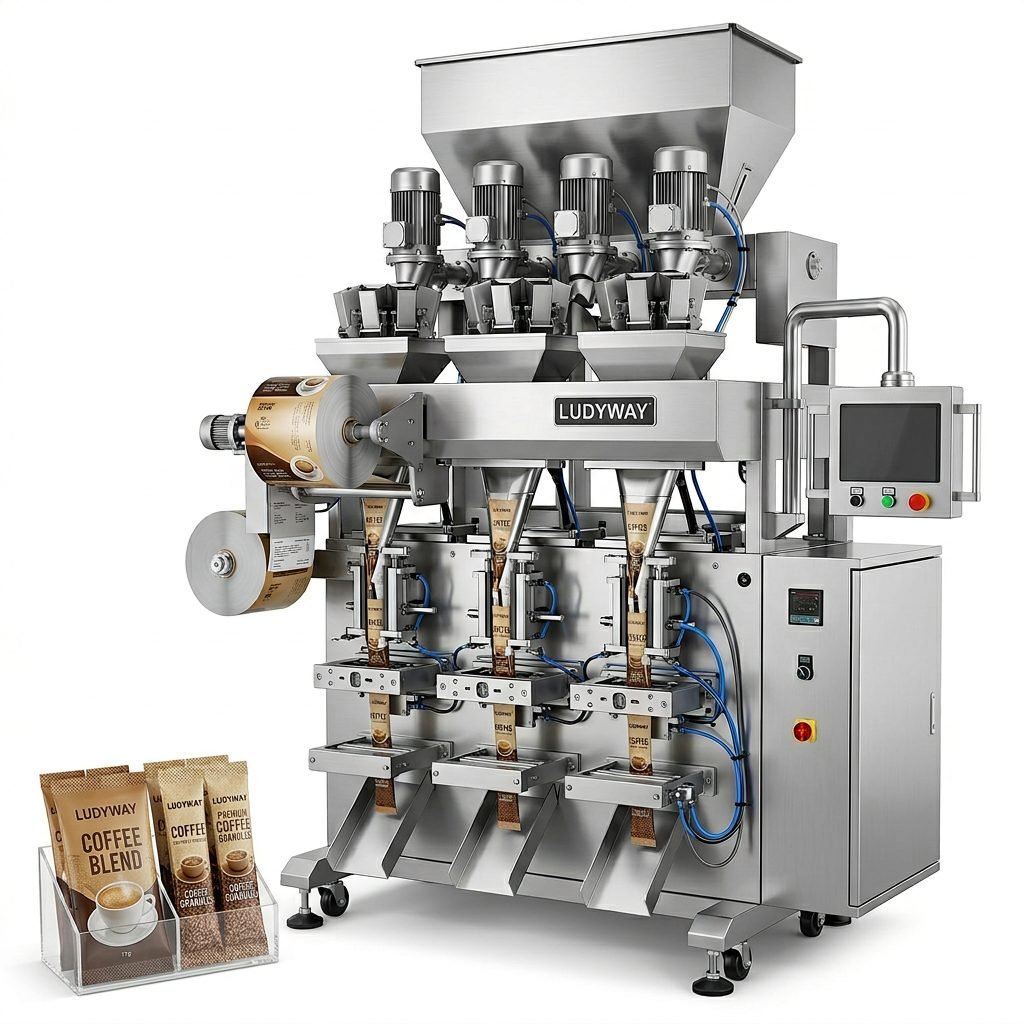
Understanding K-Cup Packaging Machines
K-Cup packaging machines are specialized form-fill-seal systems designed to produce single-serve coffee pods. These machines handle the entire process — forming the cup, dosing precise amounts of ground coffee, sealing with a foil lid, and often nitrogen flushing to preserve freshness. Modern systems can integrate with multi-lane configurations for high-output production, making them indispensable for commercial coffee operations.
When evaluating machines, it’s important to understand the difference between fully automatic lines and semi-automatic systems. Fully automatic packaging machinery handles cup forming, filling, sealing, and ejection without operator intervention, while semi-automatic models require manual loading at certain stages.
Why Invest in a K-Cup Packaging Machine in France?
France represents one of Europe’s largest coffee markets, with single-serve systems gaining significant traction in both households and offices. The French coffee culture is evolving, and consumers increasingly value convenience without compromising on quality. A dedicated K-Cup packaging line allows you to:
- Control production quality from bean to pod, ensuring consistent taste profiles
- Respond quickly to market trends with flexible packaging formats and blends
- Reduce per-unit costs compared to outsourcing co-packing services
- Build brand recognition with customized K-Cup designs that stand out on retail shelves
- Tap into the growing e-commerce coffee subscription market across Europe
Key Factors to Consider When Buying
Production Capacity and Speed
Production speed is measured in pods per minute (PPM). Entry-level machines may produce 60-120 PPM, while high-speed industrial lines can exceed 400 PPM. Assess your current and projected demand carefully before making a decision. Overinvesting leads to unnecessary capital expenditure, while underinvesting creates bottlenecks as your business grows.
Compatibility with K-Cup Formats
Not all K-Cup machines handle every pod format. Verify that the equipment supports the specific cup size, material type, and lid configuration you plan to use. Some machines offer tool-less changeover between formats — a valuable feature if you intend to produce multiple product lines.
Filling Accuracy and Technology
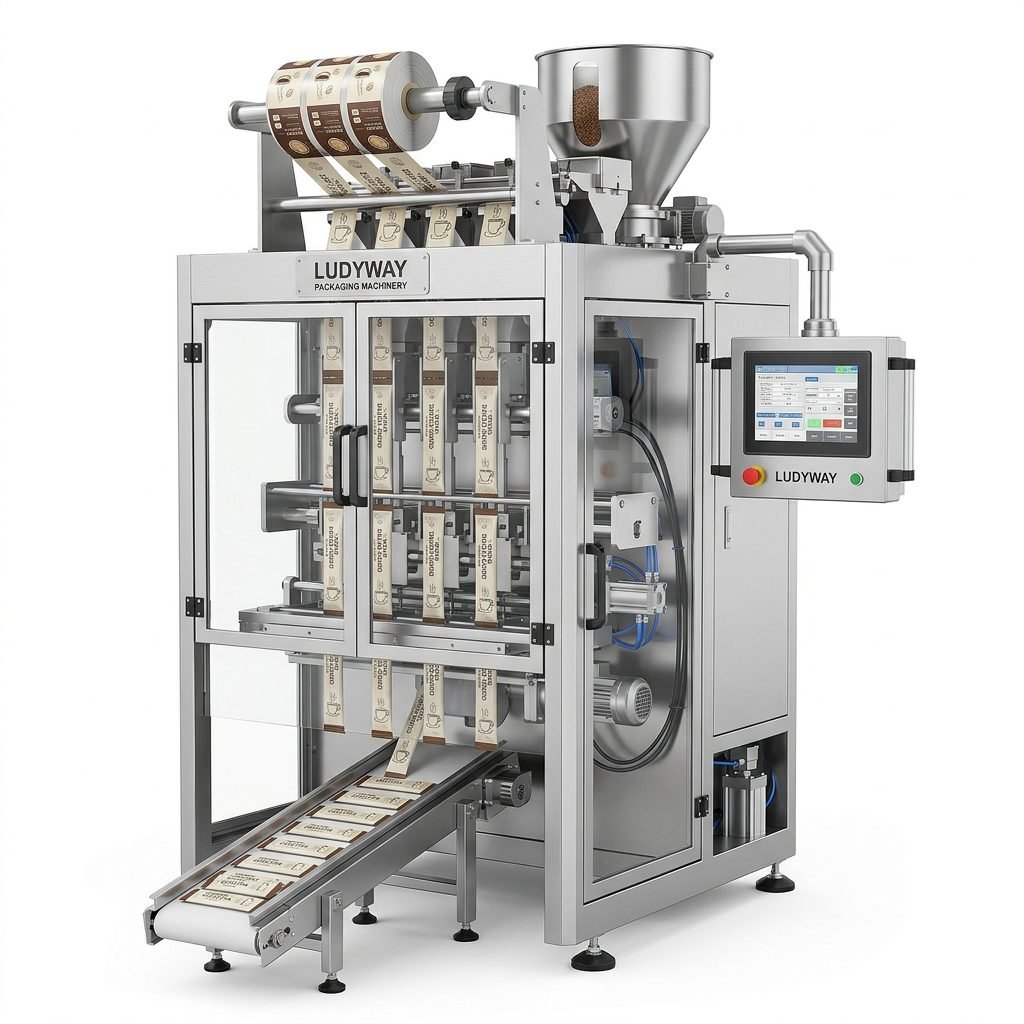
Precision dosing is critical for product consistency and cost control. Advanced machines utilize auger fillers, volumetric cup fillers, or multi-head weighers depending on the coffee grind and target weight. Look for systems with integrated checkweighers to ensure every pod meets specification before sealing. According to flexible packaging industry data, dosing accuracy directly impacts both customer satisfaction and material waste reduction.
French Regulations and Compliance
Operating in France means adhering to both national and EU-wide packaging standards. Key regulatory requirements include:
| Regulation | Scope | Key Requirement |
|---|---|---|
| EU 1935/2004 | Food Contact Materials | Materials must not transfer harmful substances to food |
| CE Marking | Machinery Directive | All equipment must carry CE certification for EU market access |
| ISO 22000 | Food Safety Management | Recommended certification for food packaging operations |
| DGCCRF | French Consumer Protection | Local enforcement of food safety and labeling rules |
Always confirm with your supplier that machines meet ISO packaging standards and carry proper documentation for French customs clearance. Non-compliant equipment can face delays, fines, or rejection at the port of entry.
Evaluating Packaging Machine Suppliers
Technical Support and After-Sales Service
A packaging machine is a long-term investment, and reliable after-sales support is non-negotiable. Evaluate potential suppliers on their ability to provide:
- Local technical assistance in France or neighboring European countries
- Readily available spare parts with short delivery times
- Remote diagnostics capabilities and online troubleshooting
- Comprehensive operator training programs in French or English
- Preventive maintenance contracts to minimize unplanned downtime
Machine Quality and Certifications
Look for suppliers with a proven track record in manufacturing food-grade packaging equipment. Key quality indicators include ISO 9001 certification, use of stainless steel construction for food contact parts, and compliance with food packaging safety guidelines. Request references from existing customers in France or the EU to verify performance claims.
Cost and ROI Analysis
The price of a K-Cup packaging machine varies significantly based on automation level, speed, and features. Here’s a general cost framework for budgeting:
| Machine Category | Speed Range | Estimated Investment |
|---|---|---|
| Semi-Automatic | 40-80 PPM | €30,000 – €80,000 |
| Fully Automatic (Mid-Range) | 100-200 PPM | €80,000 – €250,000 |
| High-Speed Industrial | 250-500+ PPM | €250,000 – €600,000+ |
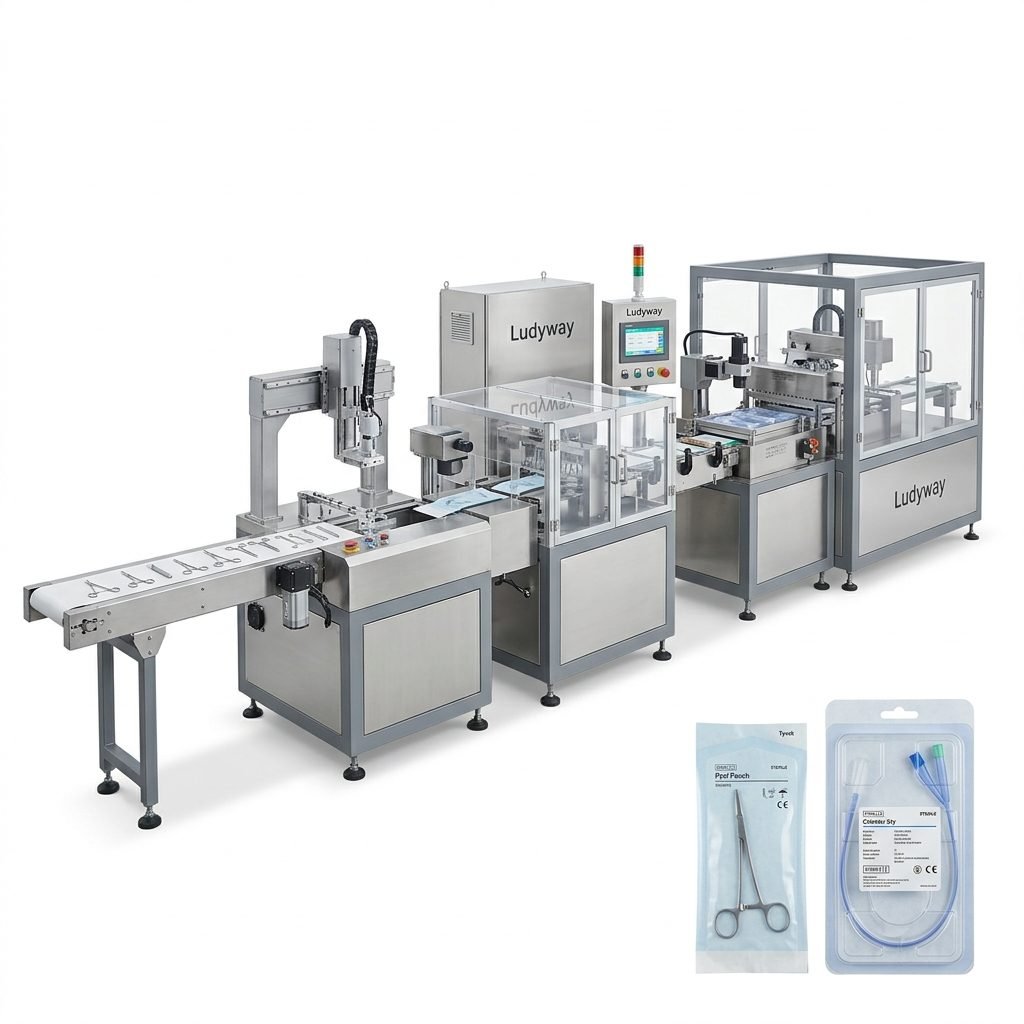
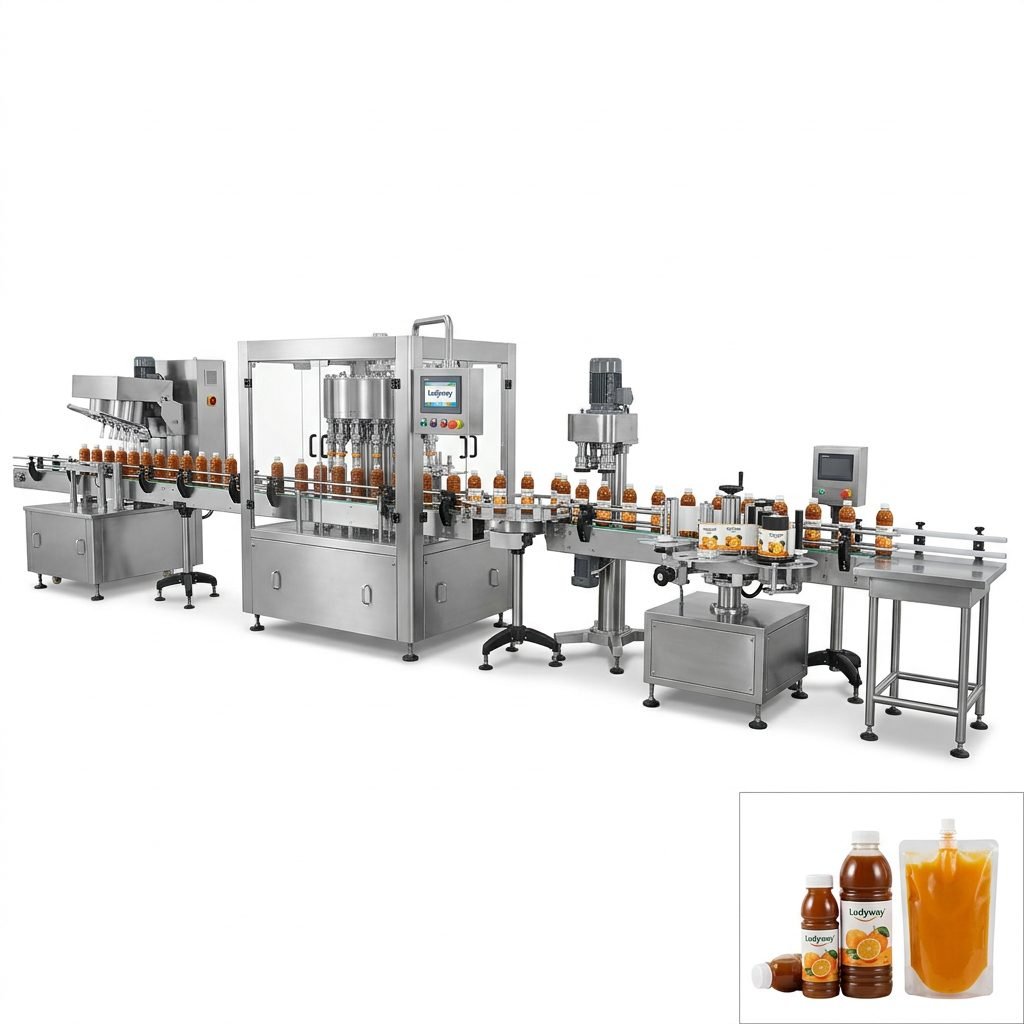
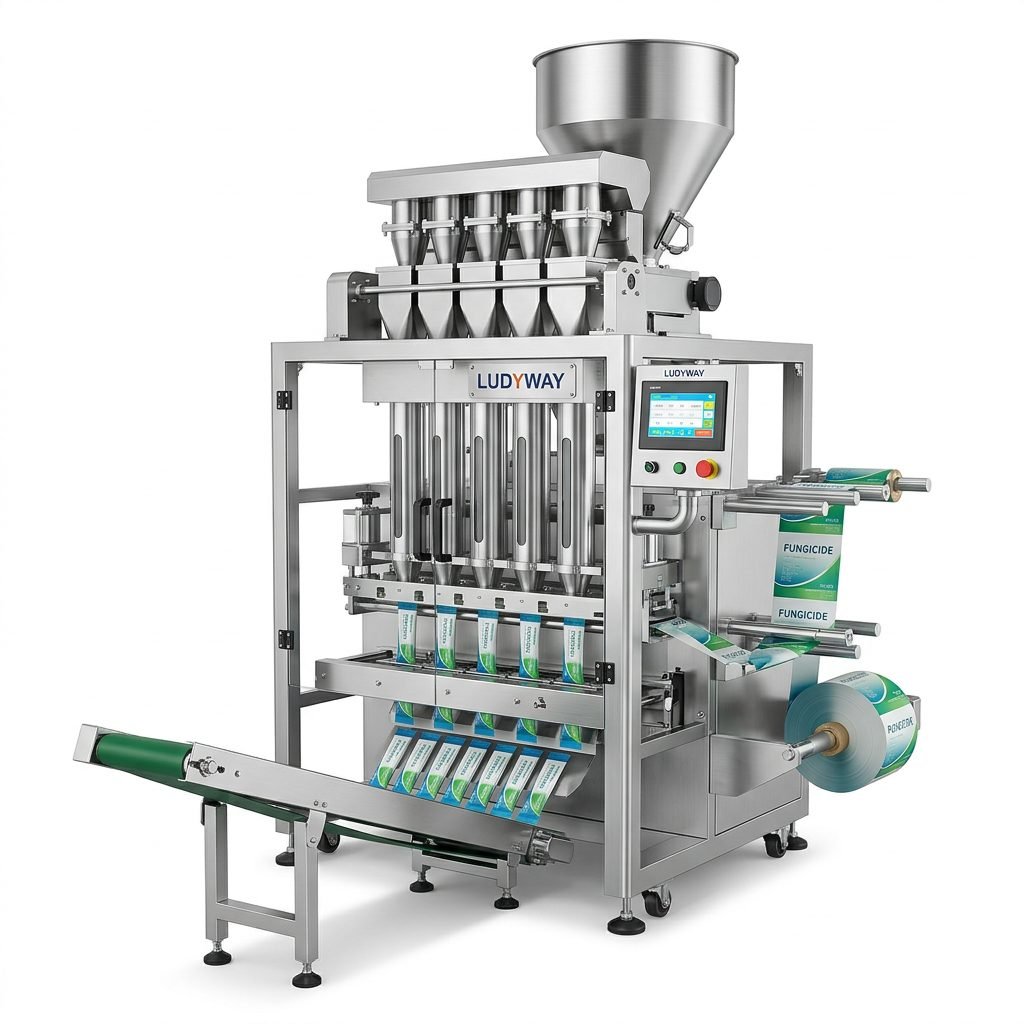
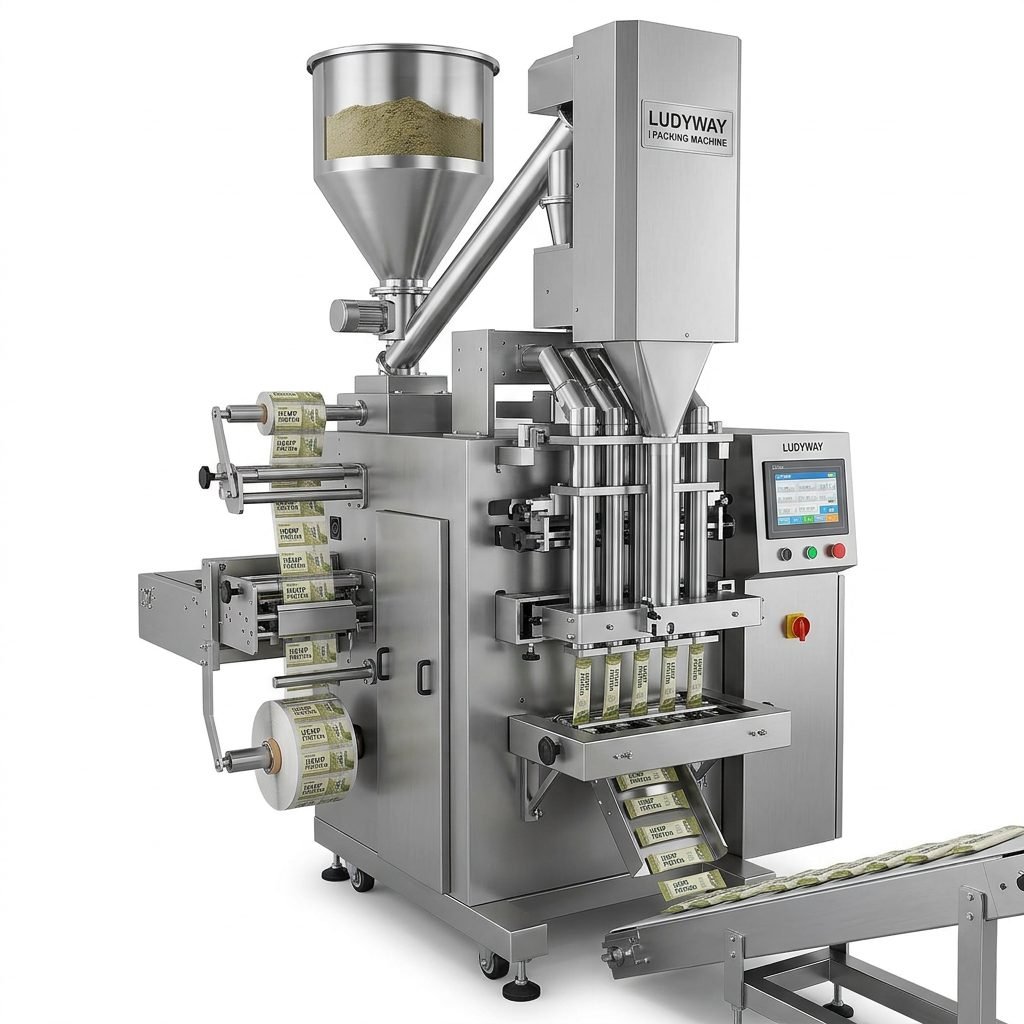
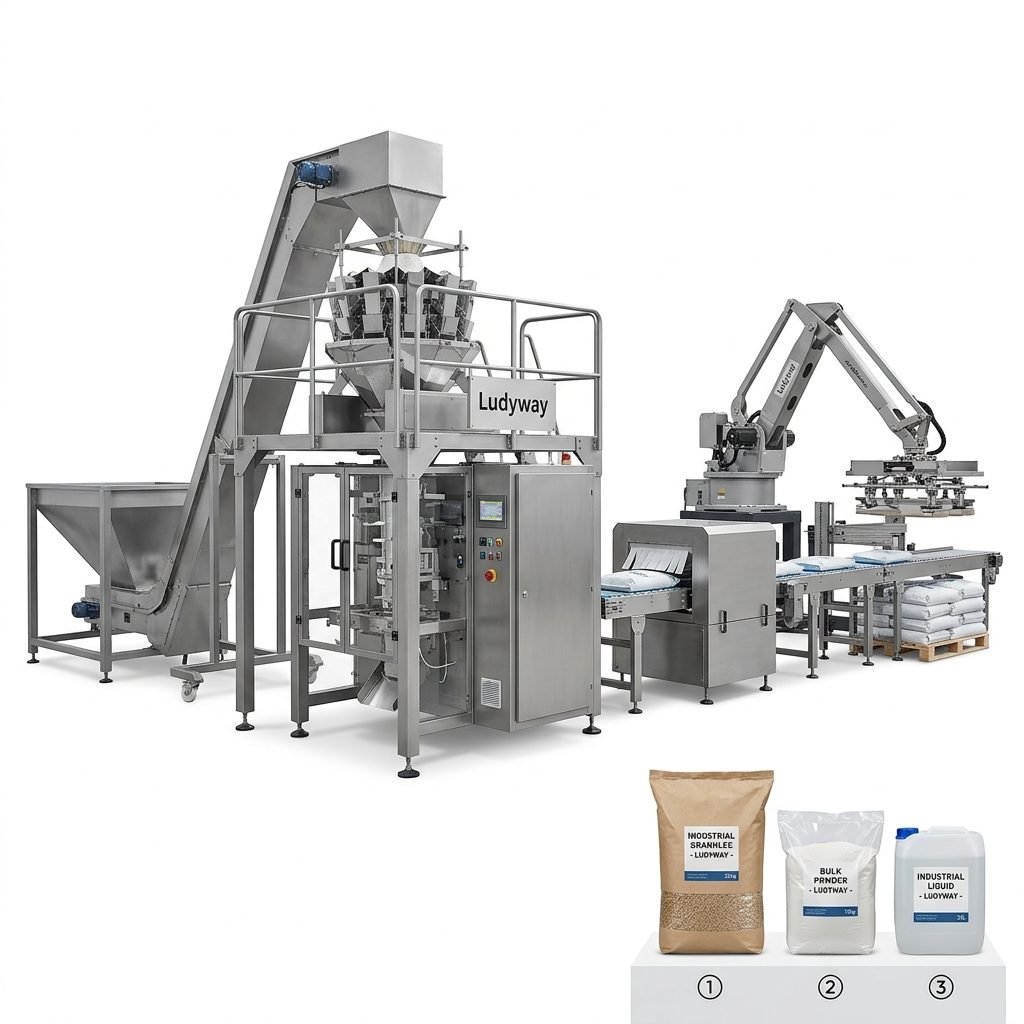
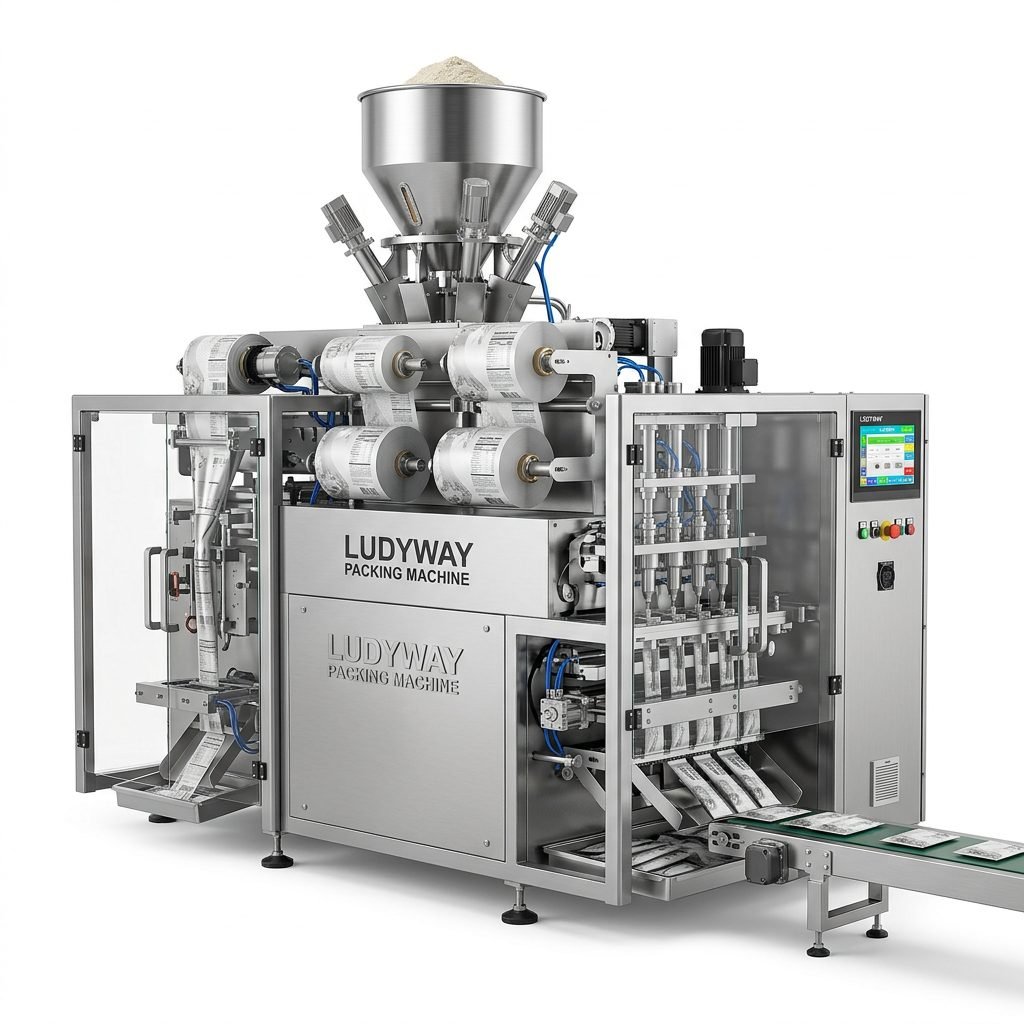
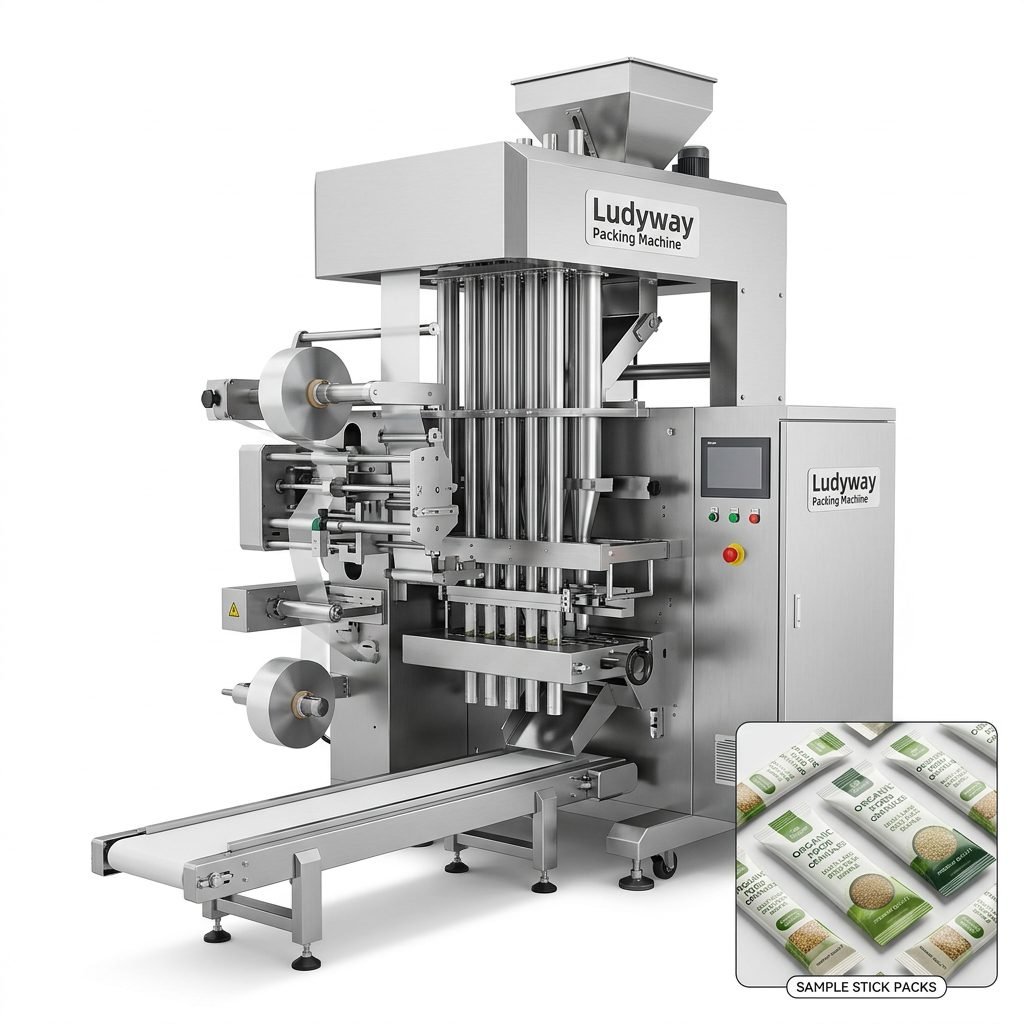
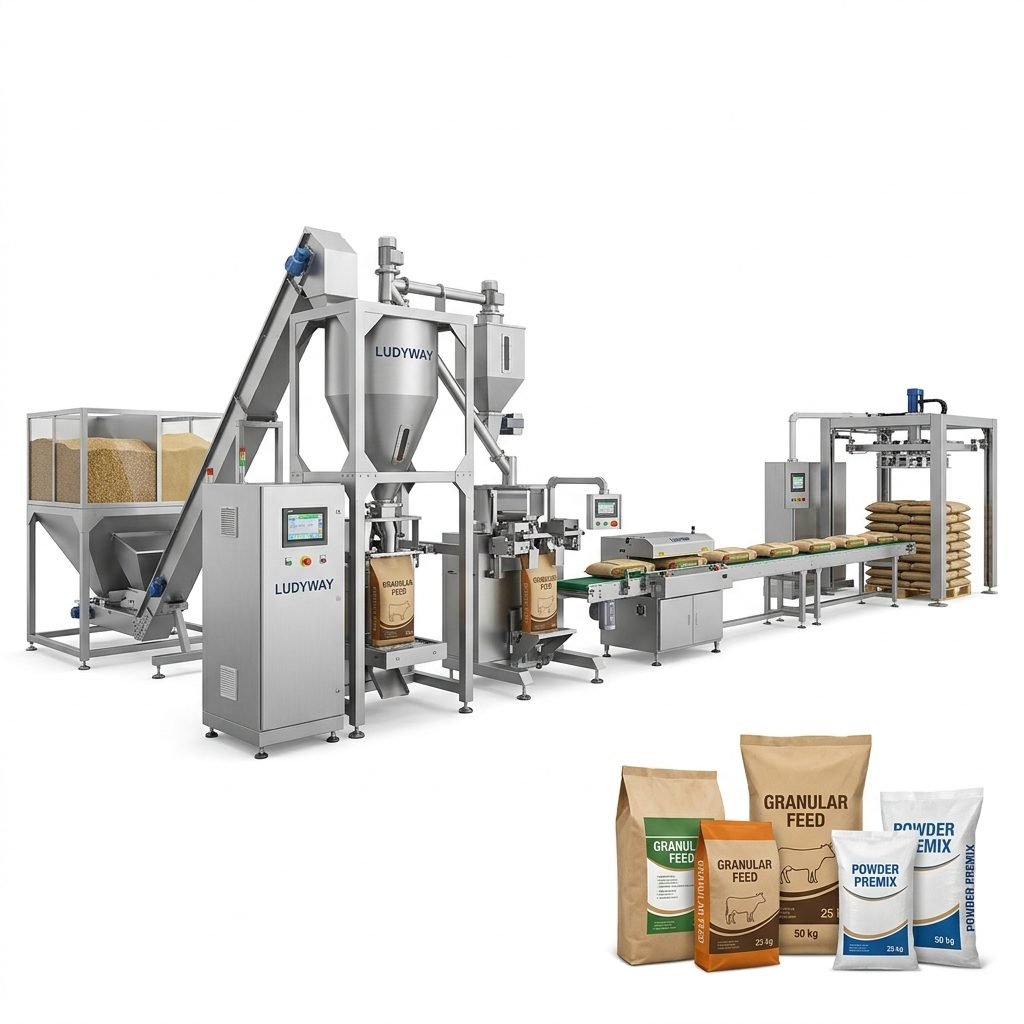
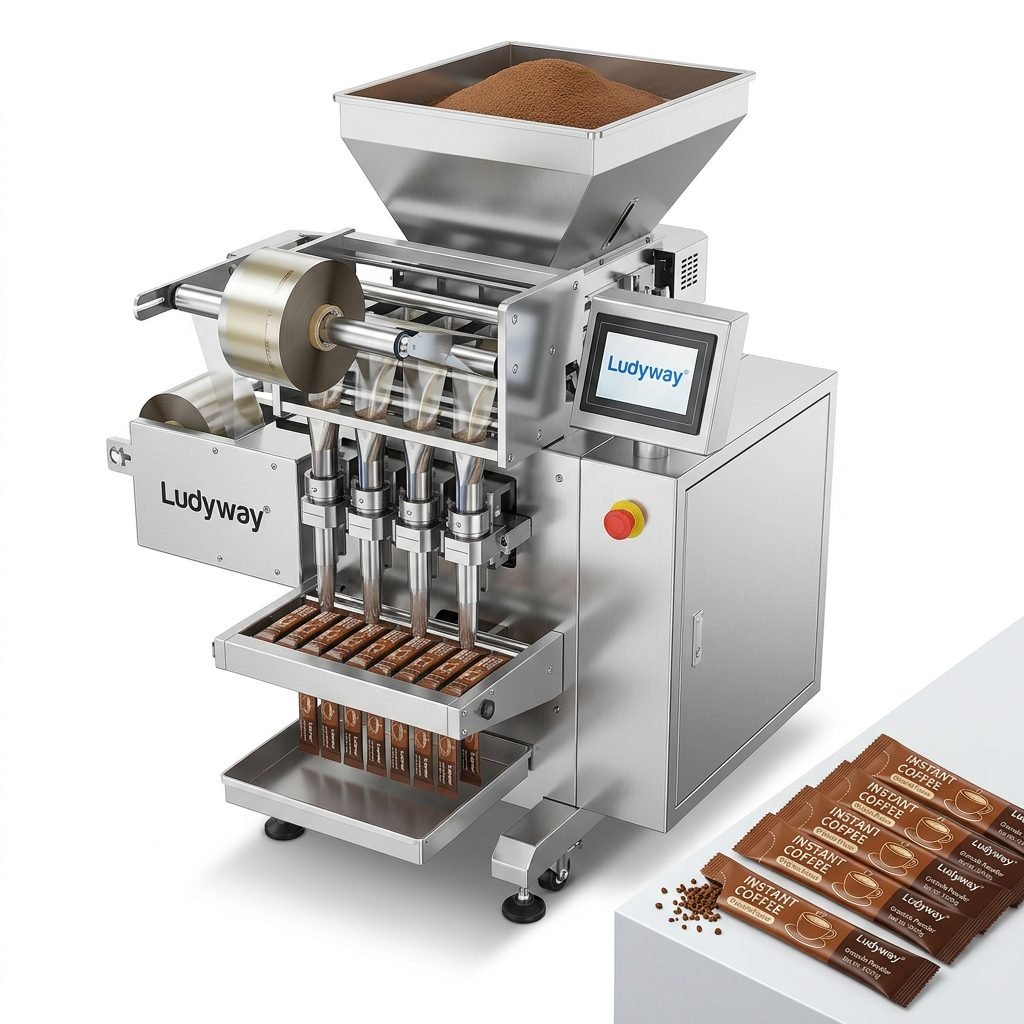
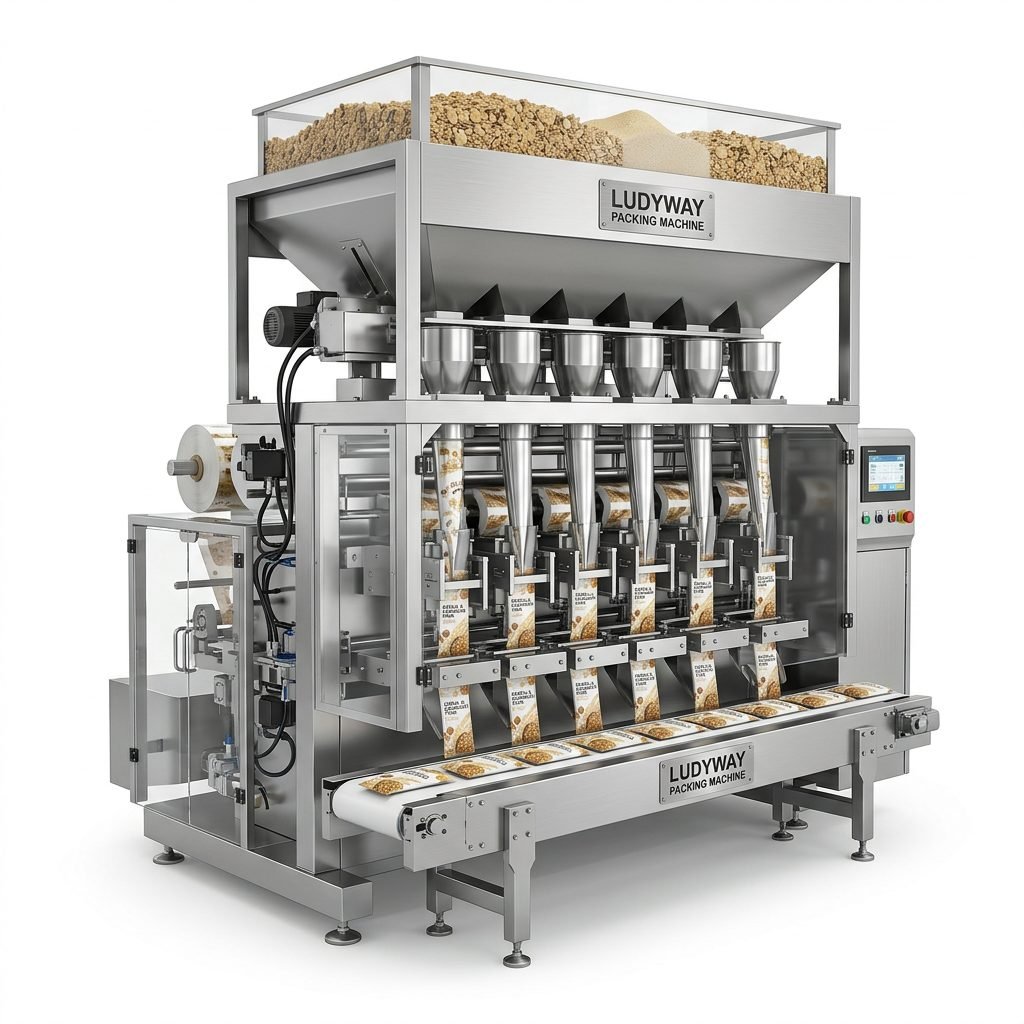
Beyond the machine itself, factor in shipping, import duties, installation, training, and ongoing maintenance. Many buyers find that sourcing from established international manufacturers offers significant cost advantages without compromising quality. For instance, Ludyway, one of the largest packaging machine manufacturers in China with over 30 years of industry expertise and a modern 20,000㎡ production facility, serves customers in more than 100 countries and is expected to achieve export revenue of more than RMB 500 million (approximately US$69 million) in 2025. Industry reports highlight the company’s rapid global growth trajectory.
Step-by-Step Purchasing Process
Follow this structured approach to ensure a smooth procurement experience for your K-Cup packaging machine in France:
- Define Your Requirements — Document your target output, pod specifications, budget range, and facility constraints including available floor space and utility connections.
- Research and Shortlist Suppliers — Identify manufacturers with proven experience in coffee pod packaging. Review case studies, request video demonstrations, and compare technical specifications side by side.
- Request Detailed Quotations — Obtain itemized quotes including machine cost, tooling, shipping to a French port, installation, and warranty terms. Clarify incoterms such as CIF or DAP to avoid hidden costs.
- Verify Compliance Documentation — Confirm CE marking, food-grade material certifications, and any additional documentation required by French customs authorities.
- Conduct Factory Acceptance Testing (FAT) — Whenever possible, visit the manufacturer’s facility or arrange a virtual FAT to observe the machine running with your actual coffee products before shipment.
- Plan Installation and Training — Coordinate with the supplier on installation timelines and ensure comprehensive operator training is included in the contract.
- Arrange Ongoing Support — Establish service level agreements for technical support, spare parts availability within Europe, and preventive maintenance schedules.
Frequently Asked Questions
Do I need a special license to operate a K-Cup packaging machine in France?
No special license is required beyond standard business registration and food safety compliance. However, your facility must meet hygiene standards set by French authorities, and operators should receive proper training on the equipment.
How long does delivery and installation typically take?
Manufacturing lead times range from 8 to 16 weeks depending on customization requirements. Ocean freight to French ports adds approximately 4-6 weeks, with installation and commissioning taking an additional 1-2 weeks on site.
Can I finance the purchase of a packaging machine?
Yes, many suppliers offer financing options or can connect you with equipment leasing companies familiar with packaging machinery investments. French banks also provide equipment loans for qualified businesses.
What about nitrogen flushing for freshness?
Most modern K-Cup machines include integrated nitrogen flushing systems to displace oxygen before sealing, extending shelf life significantly. Verify this feature is included if you plan to package oxygen-sensitive coffee blends.
Conclusion
Purchasing a K-Cup packaging machine in France is a significant but rewarding investment. By carefully evaluating your production needs, understanding French and EU regulatory requirements, and partnering with a reliable equipment supplier, you can build a successful single-serve coffee operation that meets the growing demand across Europe. Take the time to compare options, visit facilities when possible, and prioritize long-term support over upfront cost savings — your choice of packaging machinery will directly impact product quality and business scalability for years to come.
For further reading, explore resources from the Association for Packaging and Processing Technologies (PMMI) and stay updated on flexible packaging industry developments to remain informed about evolving standards and technologies.