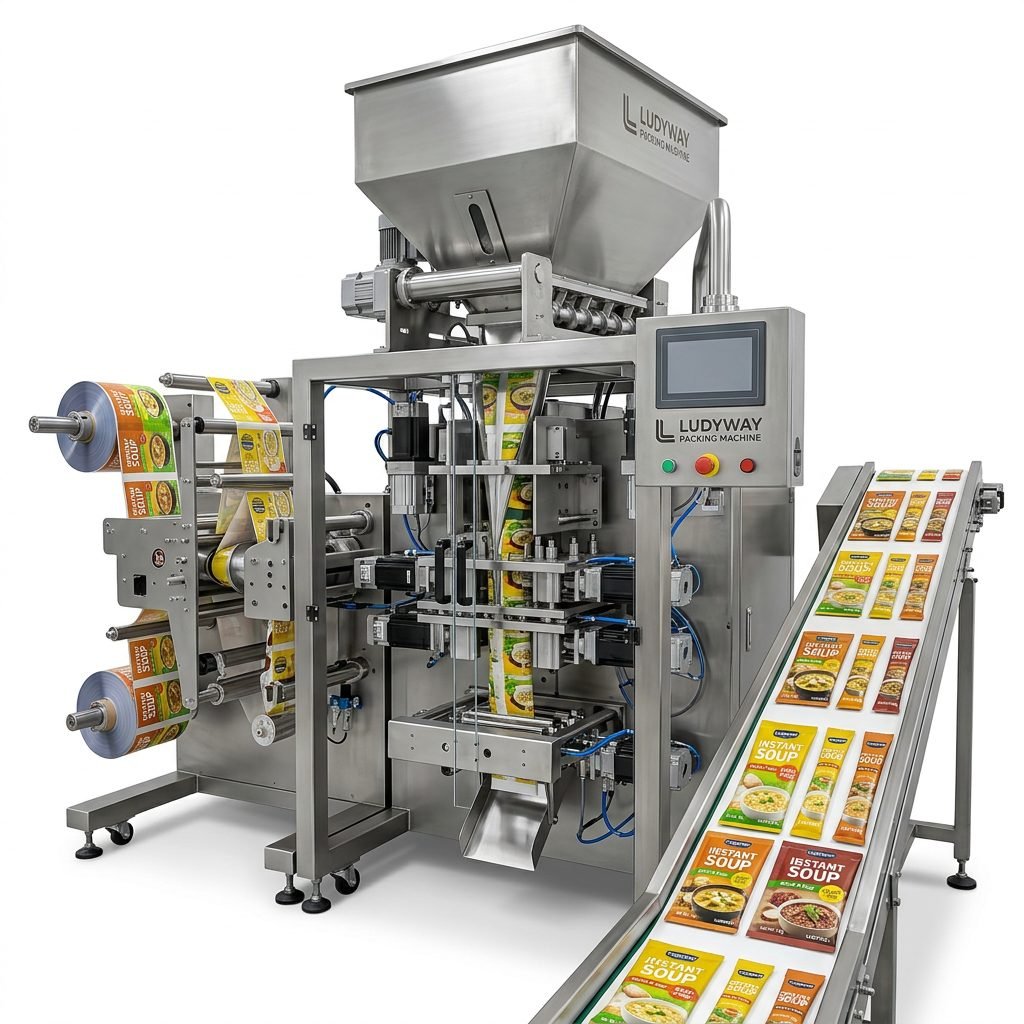
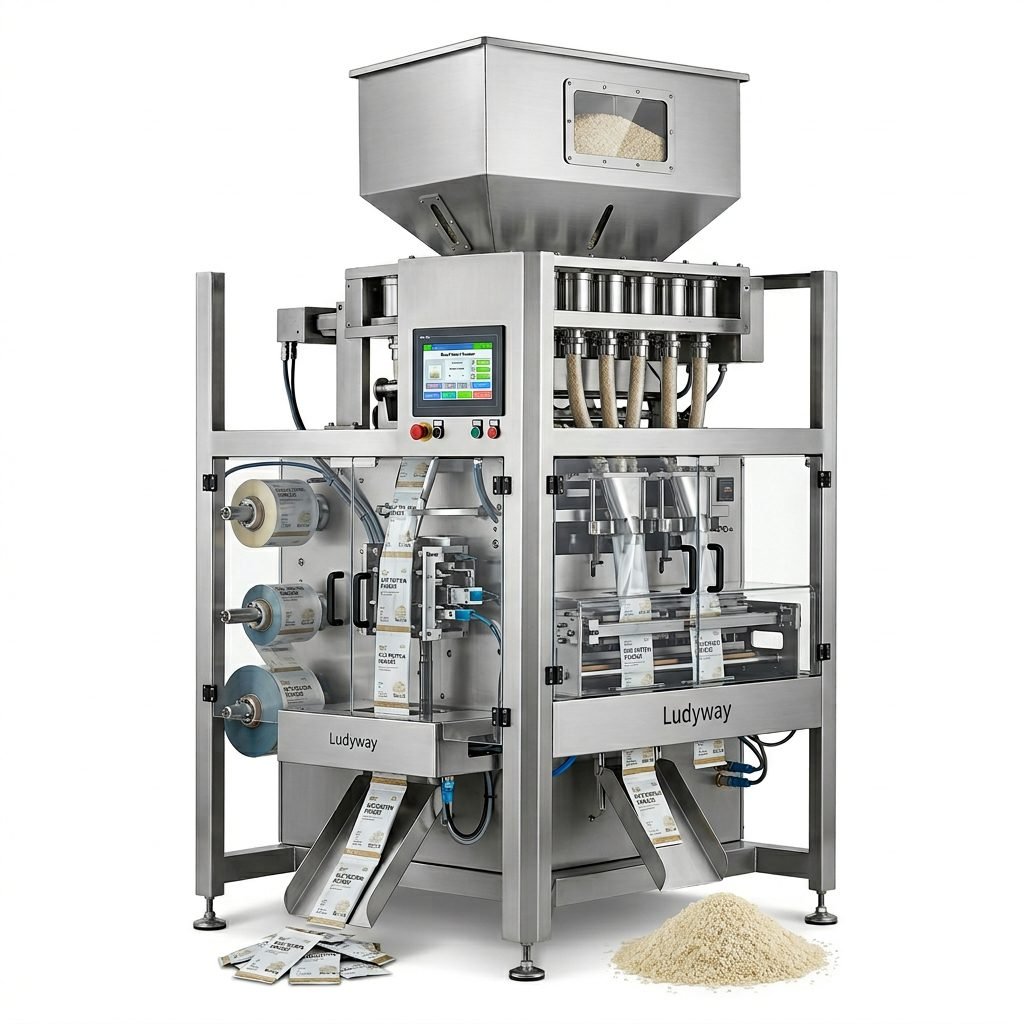
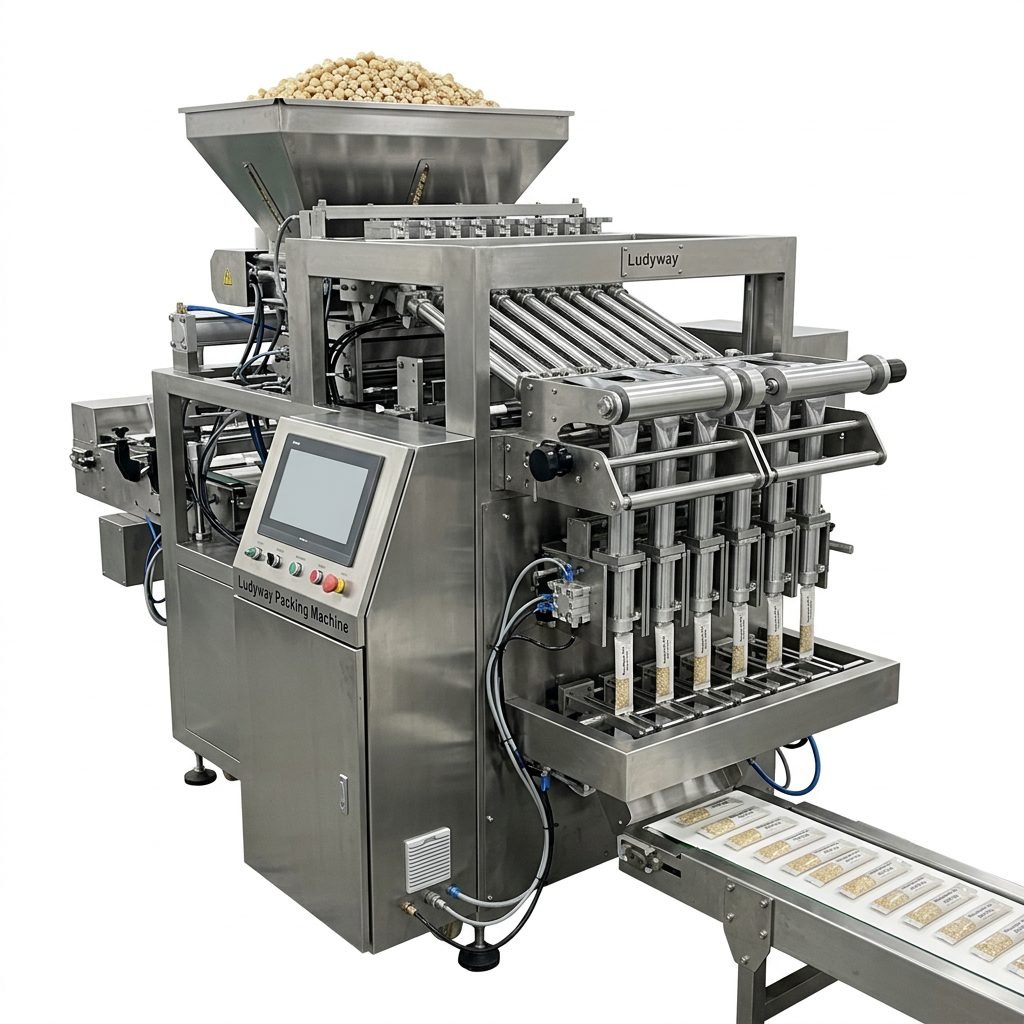
Keeping your tobacco packing machine in peak condition is the most effective way to avoid unplanned downtime, reduce waste, and deliver consistent pouch quality. Whether you run a high-speed multi-lane stick pack line or a single sachet system, a structured maintenance routine will extend equipment life and protect your investment. The tips below cover essential daily, weekly, and monthly tasks that every production team should follow.

Daily Inspection and Cleaning
A reliable tobacco packaging machine starts with a disciplined daily routine. Operators should inspect the forming tube, sealing jaws, and cutting knives before every shift. Remove any product residue or dust that can interfere with heat sealing or film feed. According to PMMI packaging industry resources, even minor buildup can lead to misaligned seals and leakers.
- Wipe down all contact surfaces with a dry, lint-free cloth.
- Check the temperature controller for stability; fluctuations often indicate a failing thermocouple.
- Inspect the photo-eye registration sensor for dust that can cause film tracking errors.
- Listen for unusual noises from the drive train or vacuum pump.
Weekly Lubrication and Wear Part Check
Friction is a silent enemy of any stick pack machinery. Establish a weekly greasing and oiling schedule that matches the manufacturer’s guidelines. Over-lubricating can attract tobacco dust just as much as under-lubricating can cause premature bearing failure. While lubricating, visually check belts, chains, and gears for signs of wear or elongation.

| Component | Action | Lubricant Type |
|---|---|---|
| Sealing jaw bearings | Grease every 40 hours | Food-grade lithium grease |
| Film unwind shaft | Oil weekly | Light machine oil |
| Cross-cut blade slider | Clean and apply dry lubricant | PTFE spray |
| Chain drives | Check tension and oil | ISO VG 68 chain oil |
Monthly Deep Maintenance and Calibration
Monthly procedures focus on accuracy and safety. Calibrate the multi-head weigher or volumetric filler to ensure each tobacco pouch meets net weight regulations. The FDA’s packaging and food contact substances guidelines stress that packaging integrity is part of product quality, so perform a seal strength test on sample pouches every month.
- Verify temperature uniformity across all sealing stations with a digital thermometer.
- Replace worn Teflon tape or sealing bands if adhesive transfer becomes uneven.
- Inspect electrical cabinets for dust ingress and tighten all terminal connections.
- Back up PLC and HMI parameters to avoid losing critical recipe data.

Common Troubleshooting Points
Even well-maintained tobacco packing machines can develop intermittent issues. Many can be resolved with a systematic check.
- Film curling or slipping: Often caused by static or incorrect dancer arm tension. Clean the ionizing bar and adjust the unwind brake.
- Incomplete seals: Test sealed pouches with a water immersion test. If leaks are found, check heater continuity and air cylinder pressure.
- Incorrect cut length: Recalibrate the servo drive and ensure the film registration mark is clean and properly aligned.
- Excessive noise: Could indicate a failing bearing in the rotary knife assembly or a loose coupling.
Spare Parts Management
Keep a dedicated inventory of critical spare parts for your packaging line. Minimum stock should include sealing bands, temperature sensors, cutting blades, drive belts, and pneumatic seals. Reliable suppliers like Ludyway offer genuine replacement kits tailored to their equipment, which helps maintain warranty coverage and machine performance.
Operator Training and Documentation
No maintenance plan works without trained people. Every operator should understand the basic mechanics of the sachet packaging process and be able to interpret alarm codes. Use a digital logbook to record all maintenance activities, part replacements, and production anomalies. Data from this log can reveal failure patterns before they cause a line stoppage.
Additional Reference Materials
For deeper technical insights and industry standards, consult these trusted sources: