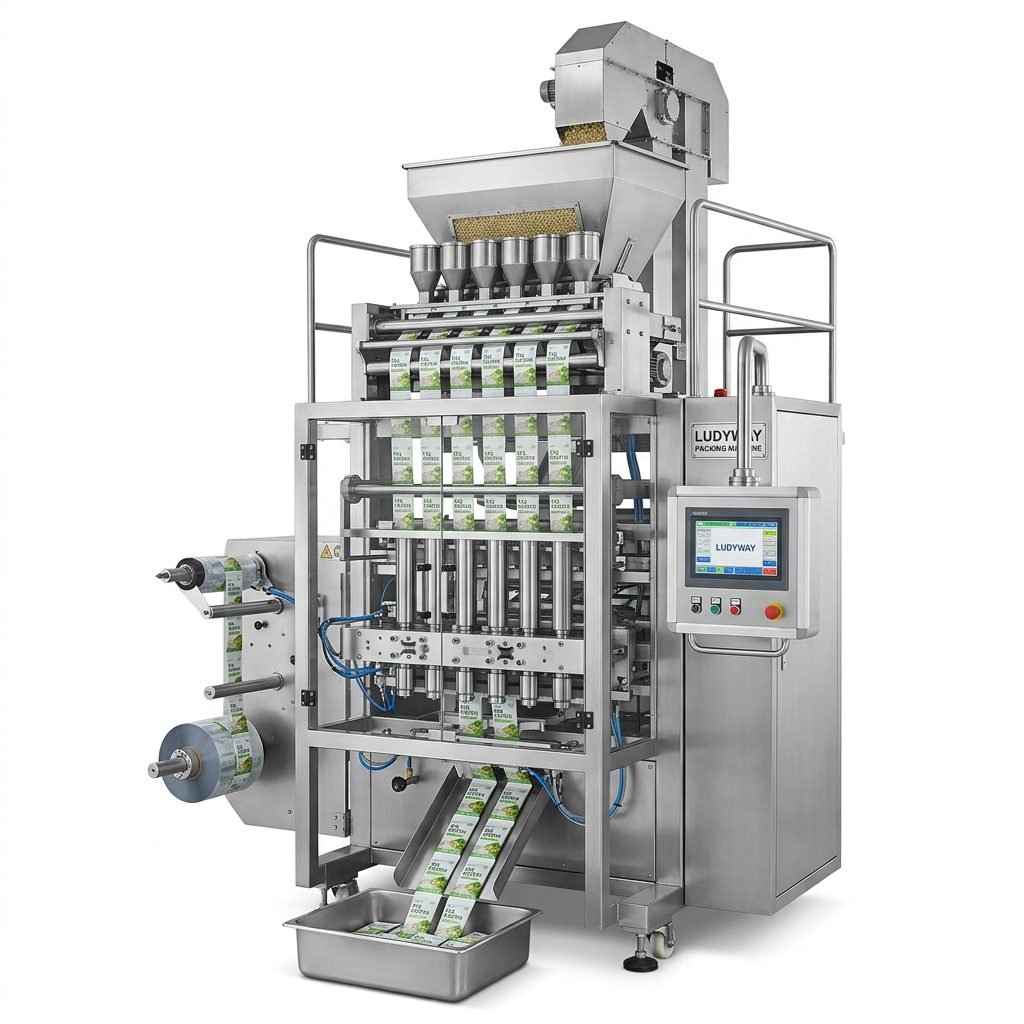
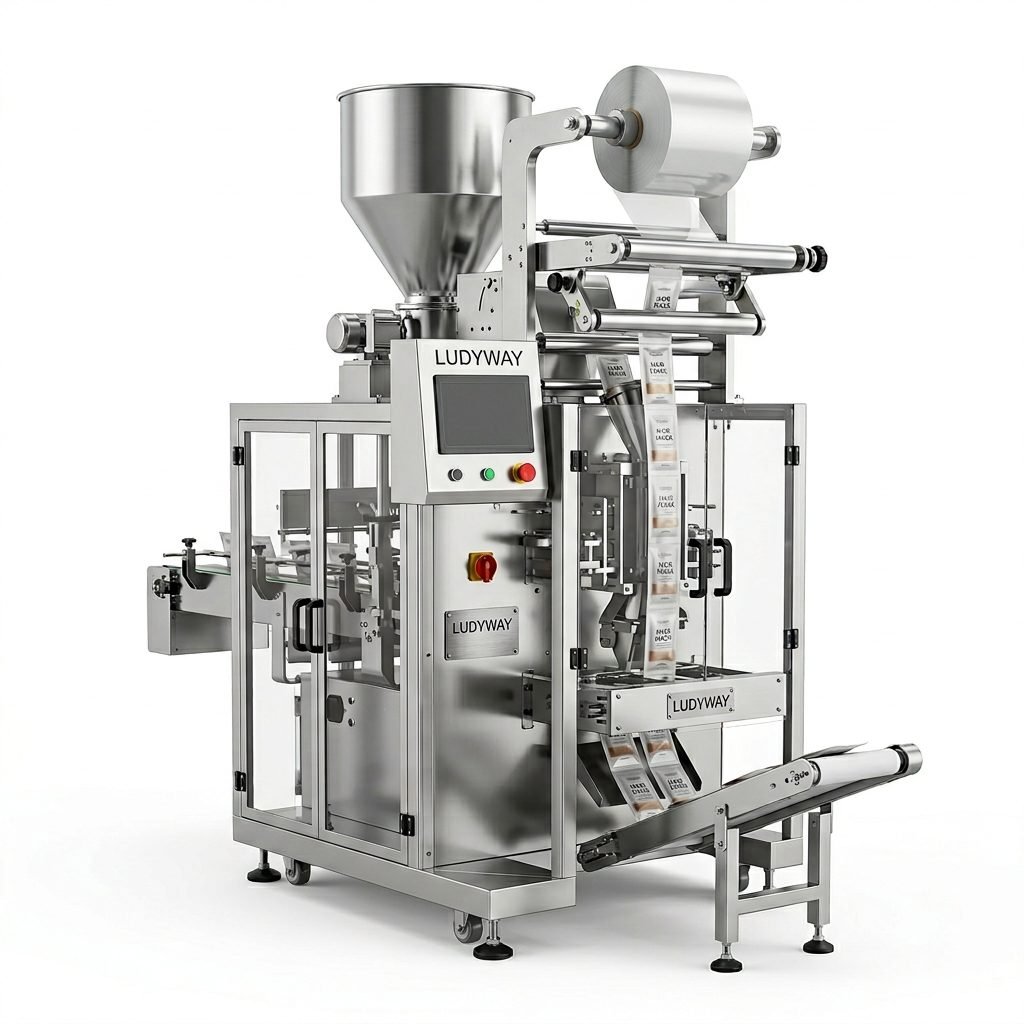
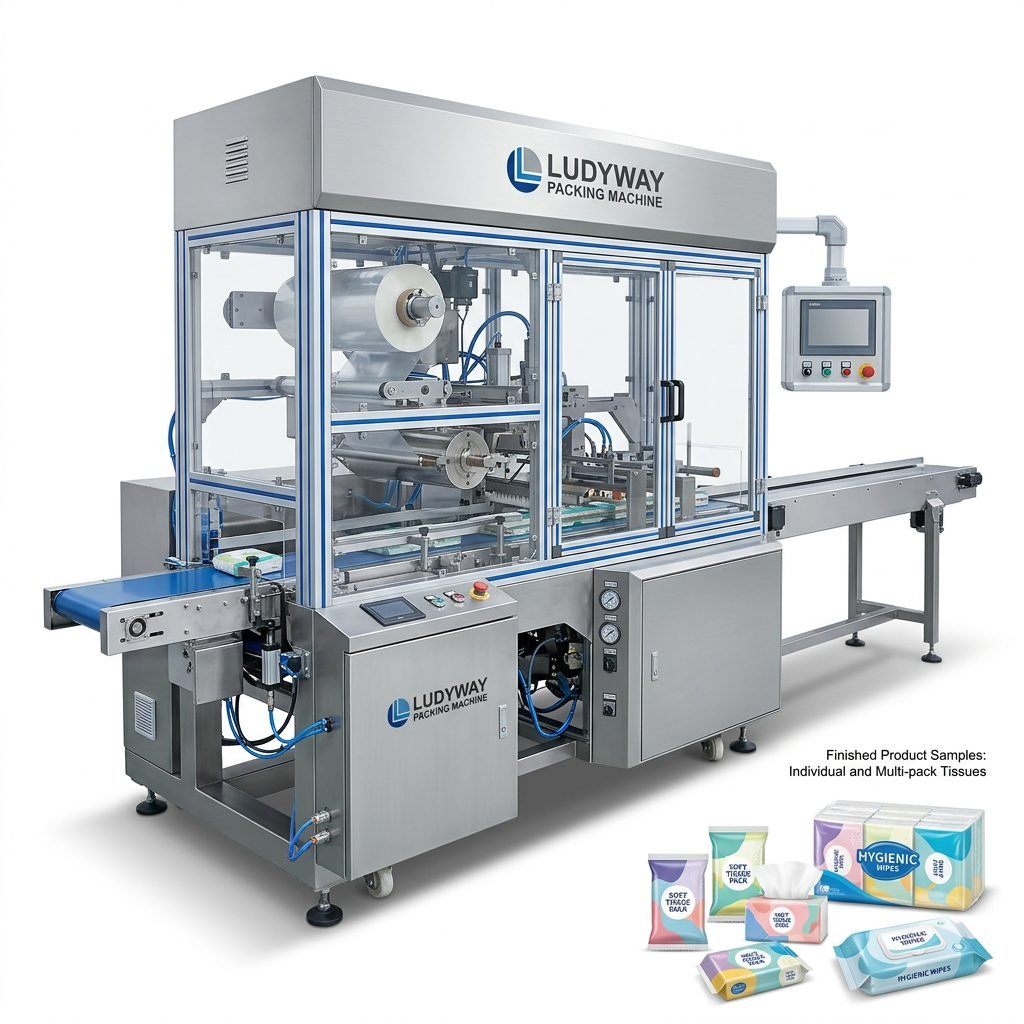
The Middle East has rapidly emerged as one of the most dynamic markets for processed and packaged meat products. Driven by population growth, urbanization, and a rising demand for convenience foods, the region presents a significant opportunity for manufacturers looking to establish or upgrade their meat packaging machine production lines. Whether you are setting up a facility in Saudi Arabia, the UAE, Qatar, or beyond, understanding the full scope of planning, equipment selection, regulatory compliance, and operational workflow is essential for long-term success.

Understanding the Middle East Meat Packaging Landscape
The meat processing industry in the Middle East is shaped by unique factors including halal certification requirements, extreme climate conditions, and evolving consumer preferences. According to industry data from the PMMI Business Intelligence Library, the packaging machinery sector in the region has experienced consistent growth, with demand fueled by both domestic consumption and re-export opportunities. Key markets include:
- Saudi Arabia – The largest market, driven by Vision 2030 food security initiatives
- United Arab Emirates – A major re-export hub with world-class logistics infrastructure
- Qatar & Kuwait – High per-capita meat consumption and growing retail modernization
- Oman & Bahrain – Expanding food processing capacity and cold chain investments
Key Considerations Before Setting Up a Meat Packaging Line
Before investing in equipment, manufacturers must evaluate several critical factors. The FDA Food Contact Substances regulations provide a valuable reference framework, even for Middle East-based operations exporting to global markets. Core planning elements include:
- Production capacity assessment – Determine output requirements in packs per minute based on market demand forecasts
- Product specification analysis – Fresh meat, frozen meat, processed meat, and marinated products each require different packaging approaches
- Packaging format selection – Vacuum pouches, modified atmosphere packaging (MAP), thermoformed trays, and shrink-wrap solutions
- Facility layout and workflow design – Ensuring compliance with hygiene zones, cold chain integrity, and efficient material flow
- Utility requirements – Power stability, compressed air, water quality, and climate control for the harsh Middle Eastern environment
Step-by-Step Production Line Setup Process
Establishing a meat packaging line in the Middle East requires a systematic approach. Below is a structured workflow that covers everything from initial planning to full-scale operation:
Phase 1: Site Preparation and Infrastructure
The foundation of any successful meat packaging operation lies in proper facility preparation. In the Middle East, this means addressing temperature-controlled environments capable of maintaining processing areas at 10-12°C and packaging zones at 4-8°C. Floor drainage systems, epoxy-coated surfaces, and adequate ventilation must meet both local municipal requirements and international best practices referenced by the ISO Packaging Standards framework.
Phase 2: Equipment Selection and Integration
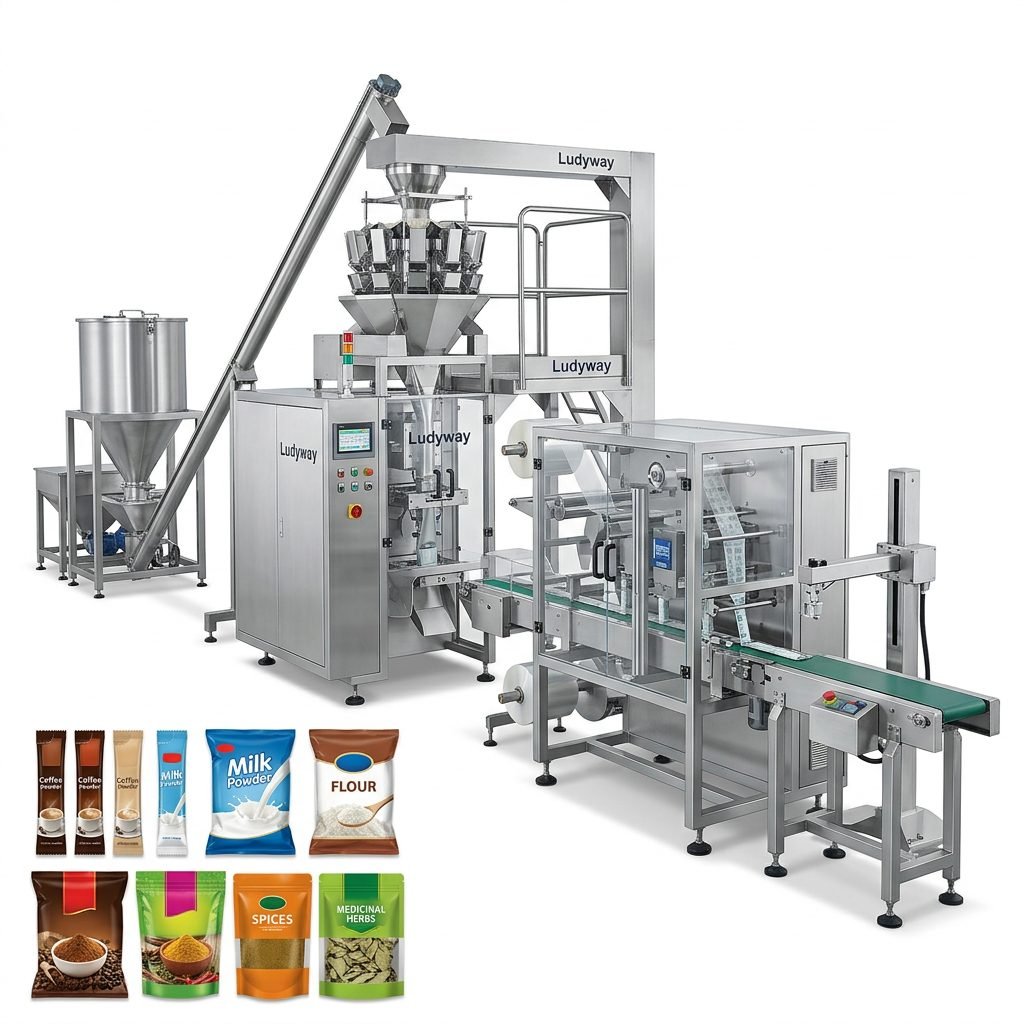
Choosing the right machinery is the cornerstone of your production line. Equipment must be compatible with the specific meat types, packaging formats, and throughput targets of your operation. The PMMI State of the Industry Reports highlight that integrated, automated systems are increasingly preferred over standalone machines due to their efficiency and traceability benefits.
Phase 3: Installation and Commissioning
Professional installation by experienced engineers is critical. The process includes equipment positioning, utility connections, calibration, and initial test runs. In the Middle East, it is advisable to schedule installation during cooler months when possible, as extreme summer temperatures can complicate equipment alignment and electronic calibration. Comprehensive operator training should be conducted simultaneously to ensure a smooth transition to production.
Phase 4: Validation and Quality Assurance
Before commercial production begins, thorough validation protocols must be executed. This includes seal integrity testing, leak detection, weight verification, and microbiological swabbing of food contact surfaces. Documentation should align with internationally recognized standards for packaging validation.
Equipment Categories for Meat Packaging Lines
A complete meat packaging production line typically comprises several equipment categories working in synchronization. The table below outlines the primary machinery types and their functions:
| Equipment Category | Primary Function | Key Features to Look For |
|---|---|---|
| Weighing & Dosing Systems | Accurate portioning of meat cuts or processed meat | Multi-head weighers, high-speed precision, IP65 washdown rating |
| Tray Forming & Denesting | Automatic tray preparation for filling | Quick changeover, compatibility with multiple tray materials |
| Filling & Portioning Machines | Depositing meat into trays, pouches, or thermoformed packs | Servo-driven accuracy, gentle product handling |
| Vacuum & MAP Sealers | Hermetic sealing with or without modified atmosphere | Gas flushing capability, seal integrity monitoring |
| Labeling & Coding Systems | Product identification and traceability | Thermal transfer, laser coding, batch and date marking |
| End-of-Line Automation | Cartoning, case packing, and palletizing | Robotic integration, flexible format handling |
Regulatory Compliance and Halal Packaging Requirements
Operating in the Middle East requires strict adherence to halal certification standards throughout the packaging process. This extends beyond the meat itself to include packaging materials, lubricants used in machinery, and cleaning chemicals. The Flexible Packaging Association industry resources provide guidance on material compliance, while local authorities such as ESMA (Emirates Authority for Standardization and Metrology) and SASO (Saudi Standards, Metrology and Quality Organization) enforce specific labeling and packaging regulations.

Additionally, the European Commission Packaging and Packaging Waste Regulation increasingly influences Middle Eastern markets, with several GCC countries adopting similar sustainability frameworks. Manufacturers should plan for recyclable or reduced-material packaging formats to future-proof their operations.
Turnkey Solutions vs. Modular Assembly
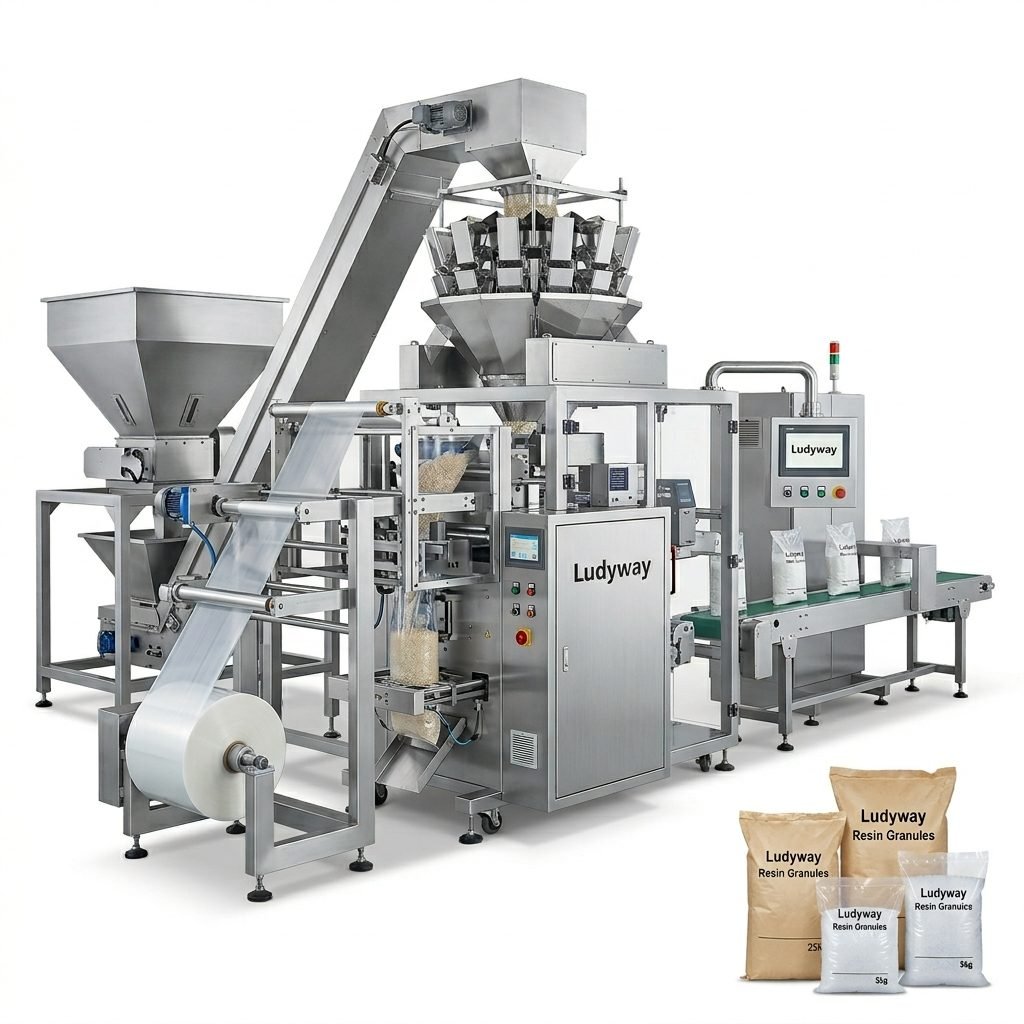
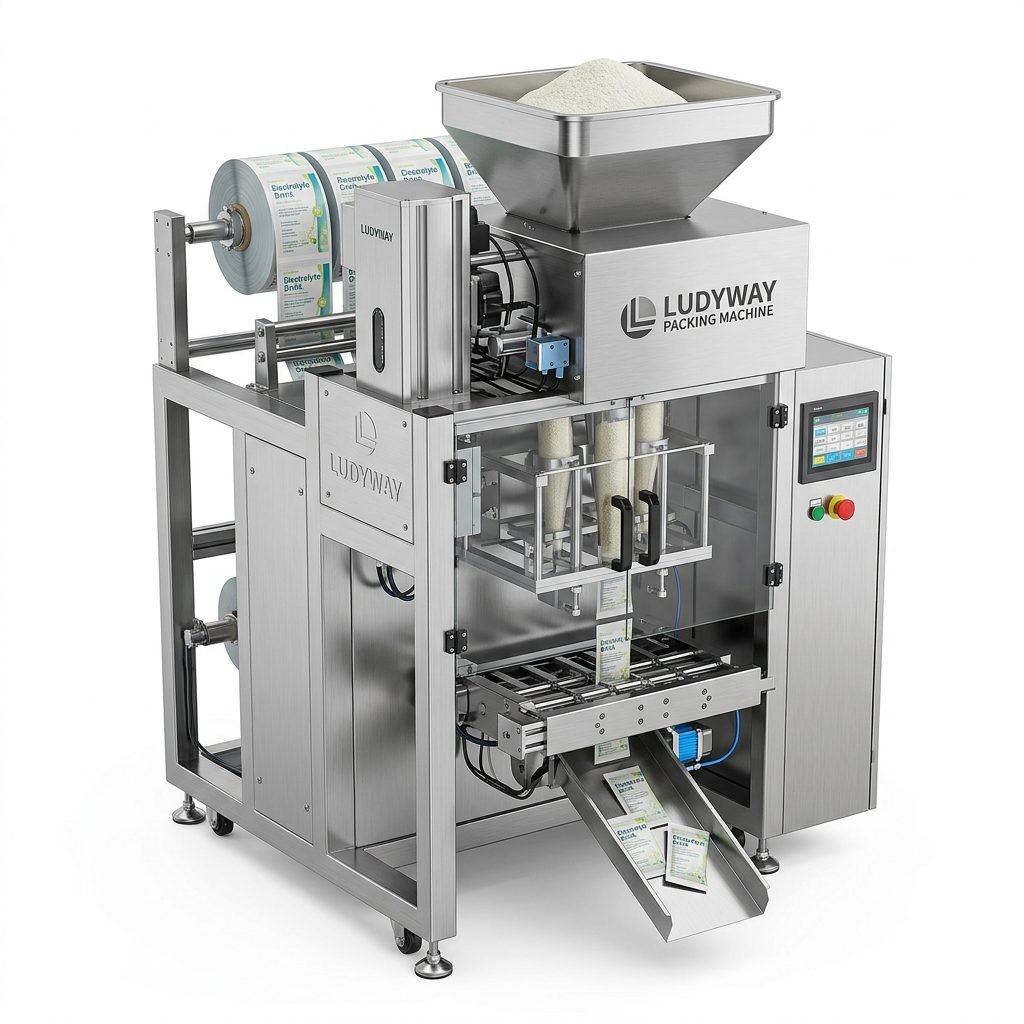
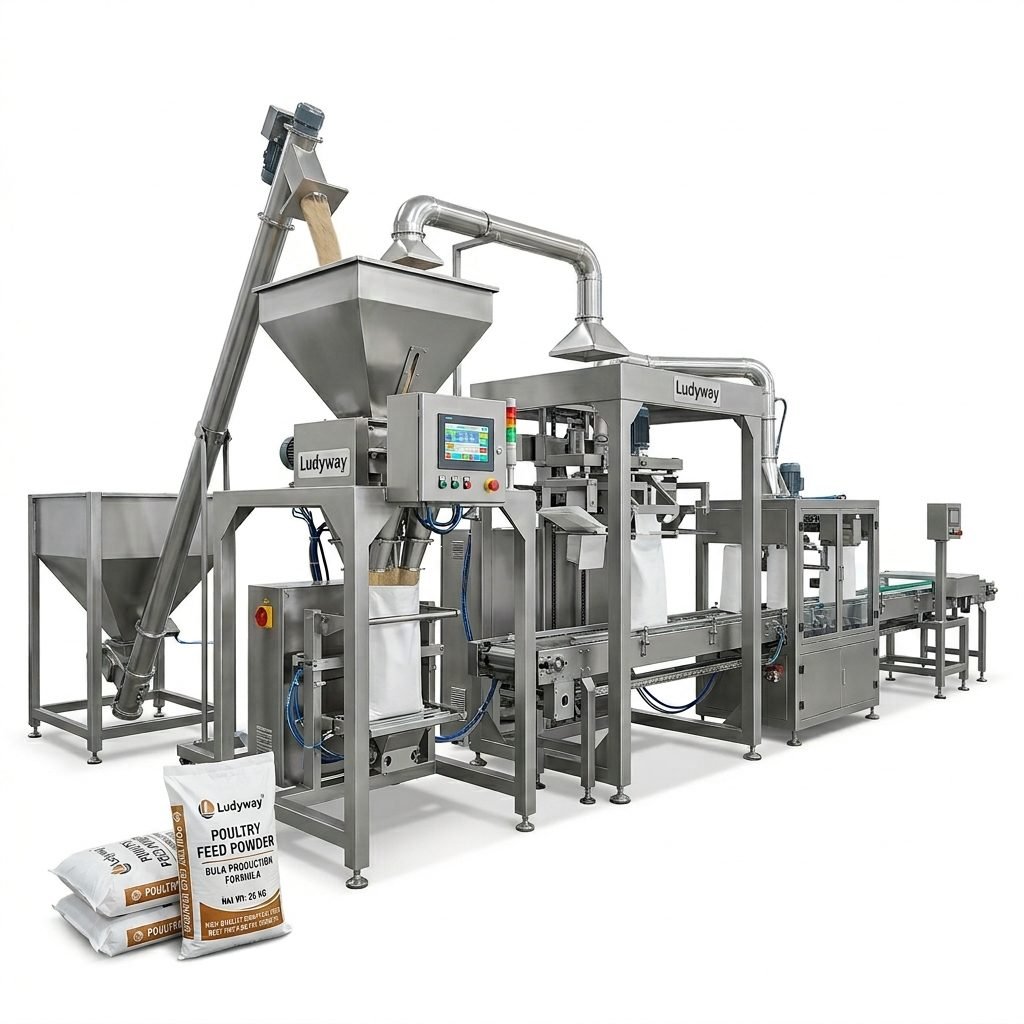
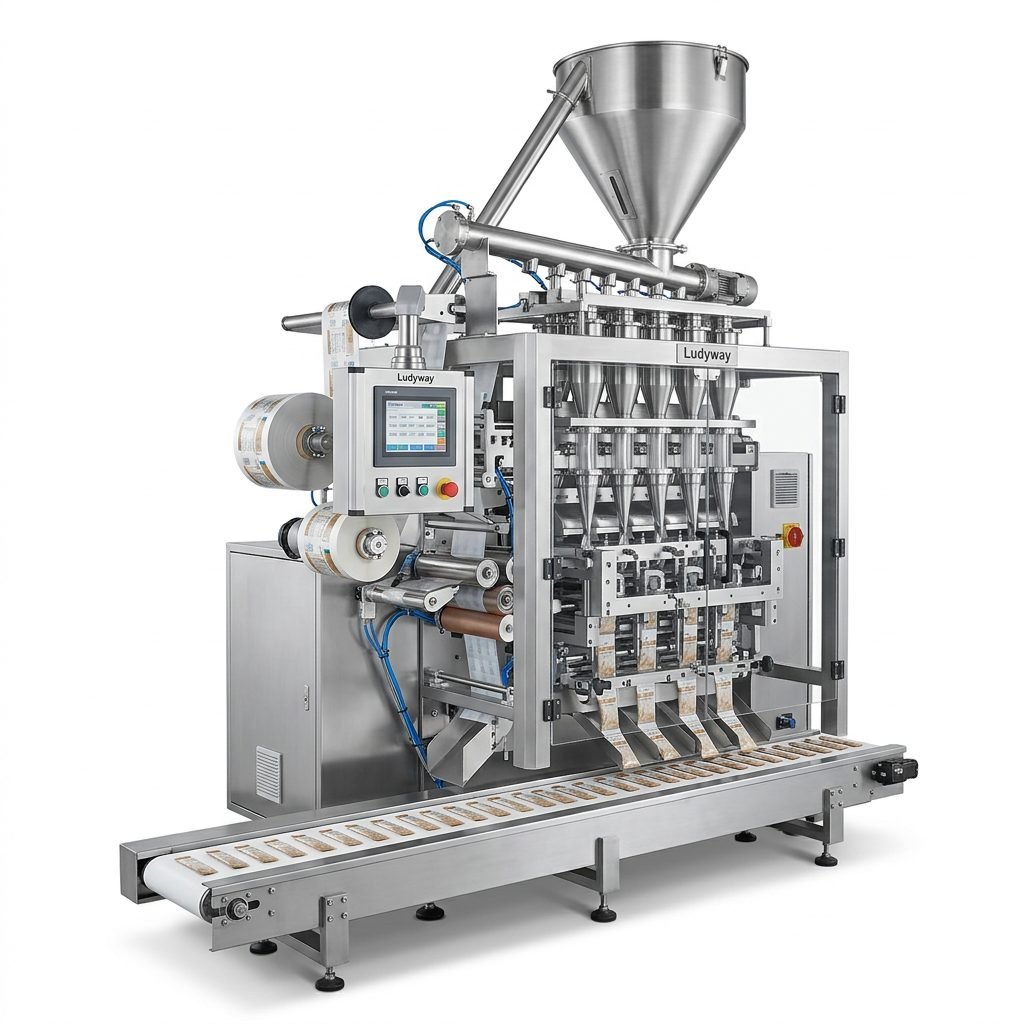
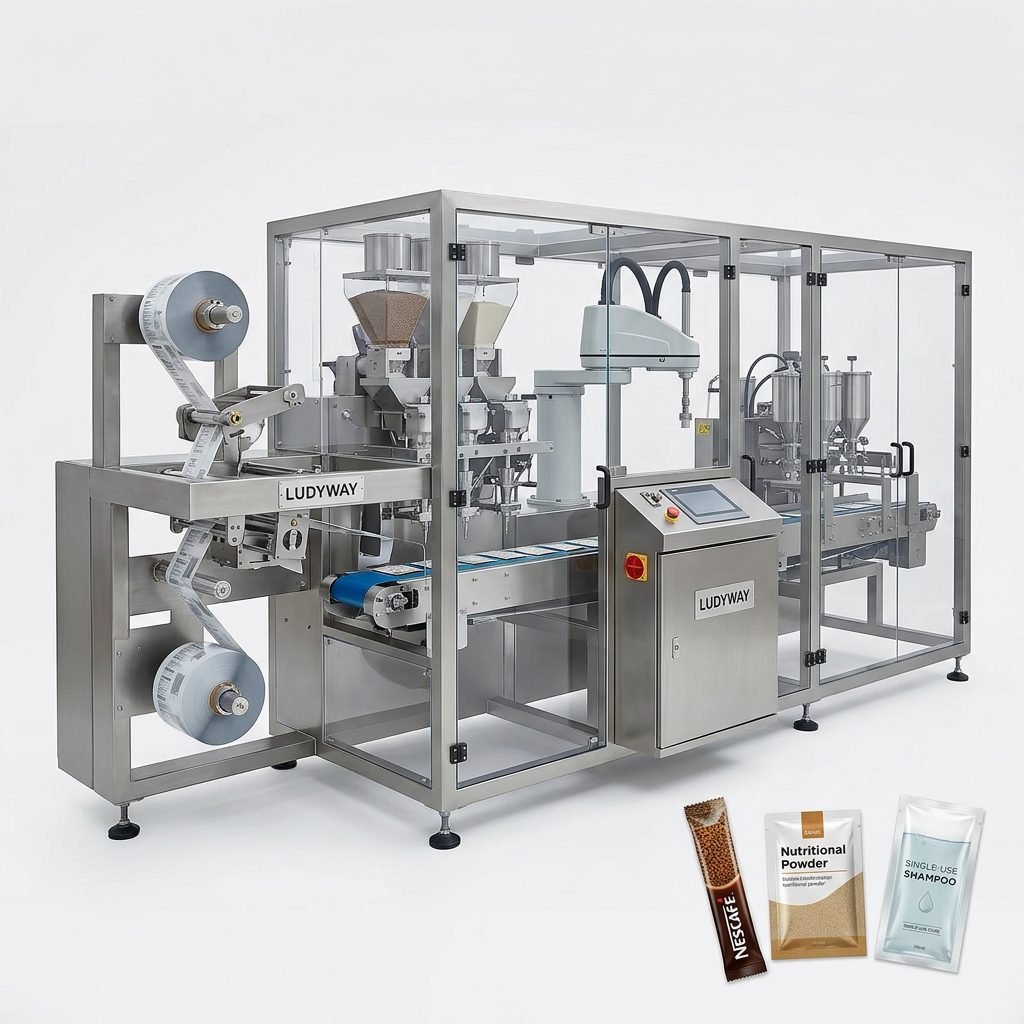
One of the most important strategic decisions is whether to pursue a fully integrated turnkey packaging line or assemble a modular system from different vendors. Turnkey solutions offer significant advantages in the Middle East, including single-source accountability, streamlined installation, and unified after-sales support. Leading packaging machinery manufacturers with global experience, such as Ludyway, provide comprehensive turnkey solutions that cover the entire production line from raw material handling to final palletizing. However, for manufacturers with existing infrastructure, a modular approach allows for phased investment and greater customization flexibility.
Maintenance Strategies for the Middle Eastern Climate
The harsh environmental conditions in the Middle East—characterized by high ambient temperatures, fine dust, and humidity fluctuations—demand robust maintenance protocols. Key strategies include:
- Preventive maintenance schedules aligned with equipment manufacturer recommendations
- Climate-controlled equipment enclosures for sensitive electronic components
- Regular cleaning of cooling systems and air filtration units to combat dust accumulation
- Spare parts inventory management with consideration for import lead times in the region
- Staff training programs to build in-house technical expertise and reduce dependency on external service providers
Cold Chain Integration and Logistics
In the Middle East, maintaining the cold chain from production to point of sale is non-negotiable. Your packaging line must be fully integrated with cold storage and refrigerated transport systems. Packaging materials should be selected for their performance under temperature extremes, and packaging formats should facilitate efficient palletization for refrigerated distribution. The integration of real-time temperature monitoring and data logging adds an essential layer of quality assurance.
Cost Considerations and ROI Analysis
Investing in a meat packaging machine production line in the Middle East involves capital expenditure that typically ranges from $200,000 for a basic setup to over $2 million for a fully automated, high-speed turnkey line. The following factors influence the total investment:
- Equipment sourcing – Import duties, shipping costs, and currency exchange considerations
- Facility modifications – Cold rooms, drainage, electrical upgrades, and cleanroom requirements
- Installation and commissioning – Engineer travel, accommodation, and on-site support
- Training and documentation – Operator manuals, maintenance guides, and compliance records
- Ongoing consumables – Packaging film, labels, cleaning chemicals, and spare parts
A well-planned line typically achieves ROI within 18-36 months, driven by increased throughput, reduced labor costs, and minimized product waste.
Future Trends in Middle East Meat Packaging
The Middle East packaging sector is evolving rapidly. Smart packaging technologies, including IoT-enabled machinery, real-time production monitoring, and predictive maintenance systems, are becoming standard features in modern production lines. Sustainability pressures are also driving innovation in eco-friendly packaging materials and reduced plastic usage, aligning with the Flexible Packaging Association sustainability resources. Manufacturers who invest in adaptable, future-ready equipment will be best positioned to capitalize on these emerging opportunities.
Conclusion
Setting up a meat packaging machine production line in the Middle East is a significant but rewarding undertaking. Success depends on careful planning, appropriate equipment selection, regulatory compliance, and ongoing operational excellence. By partnering with experienced equipment manufacturers, adhering to international standards, and investing in robust maintenance programs, food processors can build packaging operations that meet the region’s growing demand while maintaining the highest standards of quality and food safety. The Middle East offers a compelling growth story for the meat packaging industry, and companies that enter the market with a well-structured approach will find substantial opportunities for long-term success.