Understanding the Asian Tortilla Market Demand
The demand for tortillas and flatbreads across Asia has surged dramatically over the past decade. This growth is driven by urbanization, changing dietary habits, and the rapid expansion of international fast-food chains. Countries like China, India, Japan, and Southeast Asian nations are witnessing a boom in Mexican cuisine and convenience foods. Setting up a tortilla packaging machine production line in this region requires not only an understanding of food processing but also compliance with diverse local packaging standards. Before investing in machinery, manufacturers must analyze regional consumption patterns, shelf-life requirements, and distribution channels. The Flexible Packaging Association provides valuable insights into material trends that can impact your packaging decisions.
Pre-Production Planning and Feasibility
A successful tortilla packaging line starts with meticulous planning. You need to consider the scale of production, the type of tortillas (flour or corn), and the desired packaging format—whether it is modified atmosphere packaging (MAP), vacuum packing, or simple flow wrapping. Site selection in industrial hubs matters for logistics and labor availability. Furthermore, regulatory compliance cannot be overlooked. Asian markets often have specific food contact material regulations. Referencing guidelines from the FDA on food packaging and ISO packaging standards ensures your line meets international benchmarks, which is crucial if you aim to export beyond Asia.
Key Considerations for Site and Workflow
- Space Requirement: Allocate at least 500–1000 sqm for a standard automated line, including raw material storage and finished goods staging.
- Utility Supply: Ensure stable electrical voltage, compressed air, and nitrogen supply if flushing is required to extend shelf life.
- Workforce Training: Even with full automation, operators need technical training for maintenance and quick changeovers.
Core Machinery for Tortilla Packaging Lines
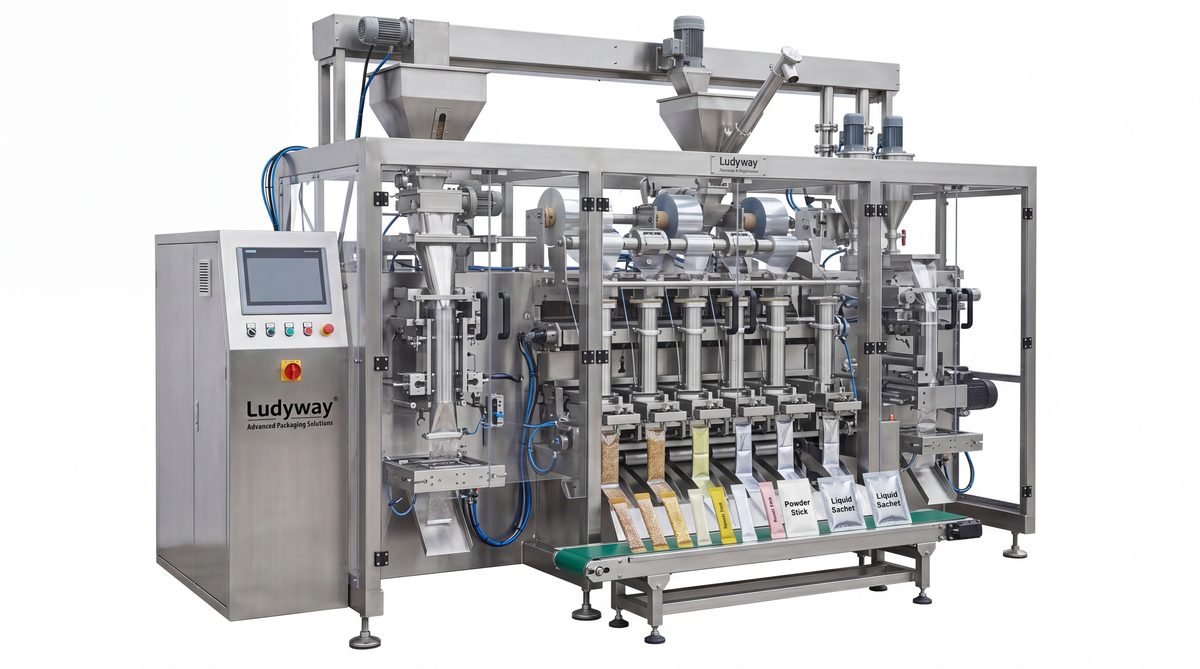
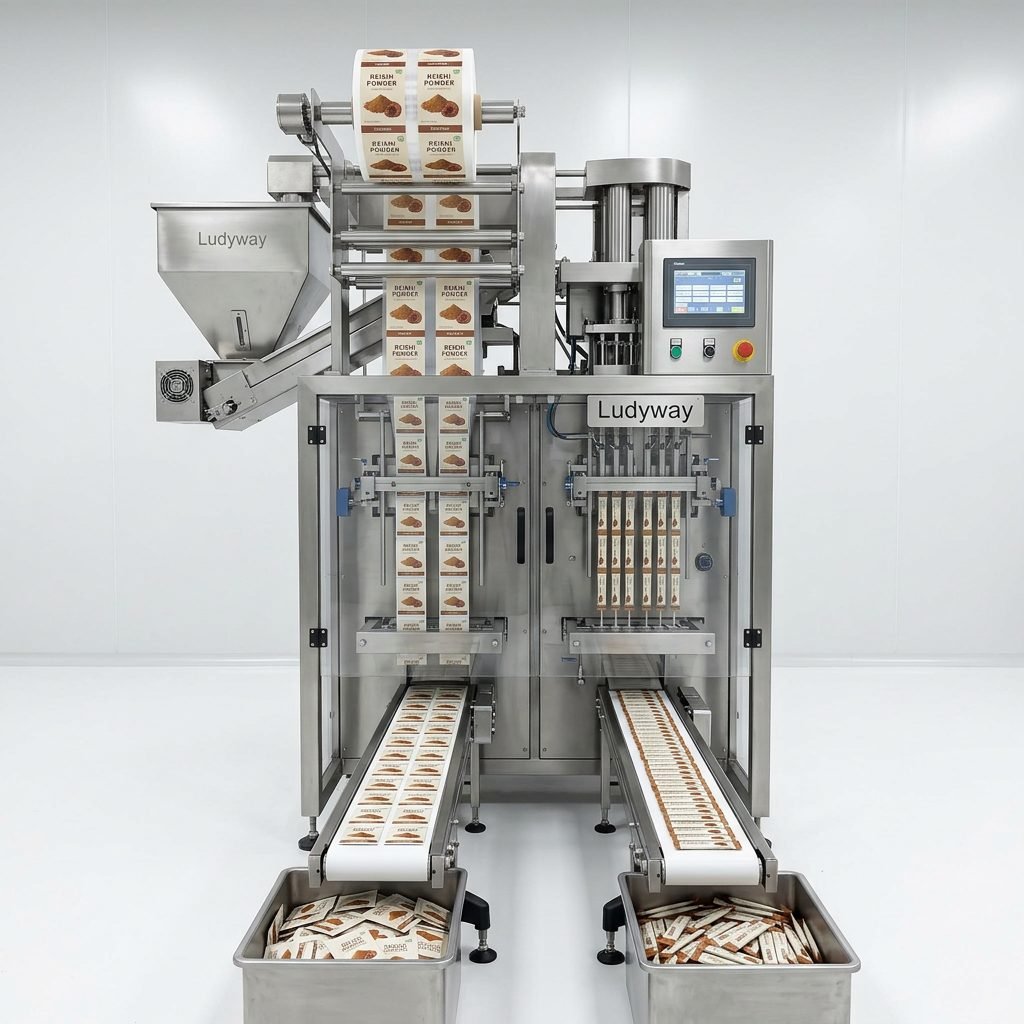
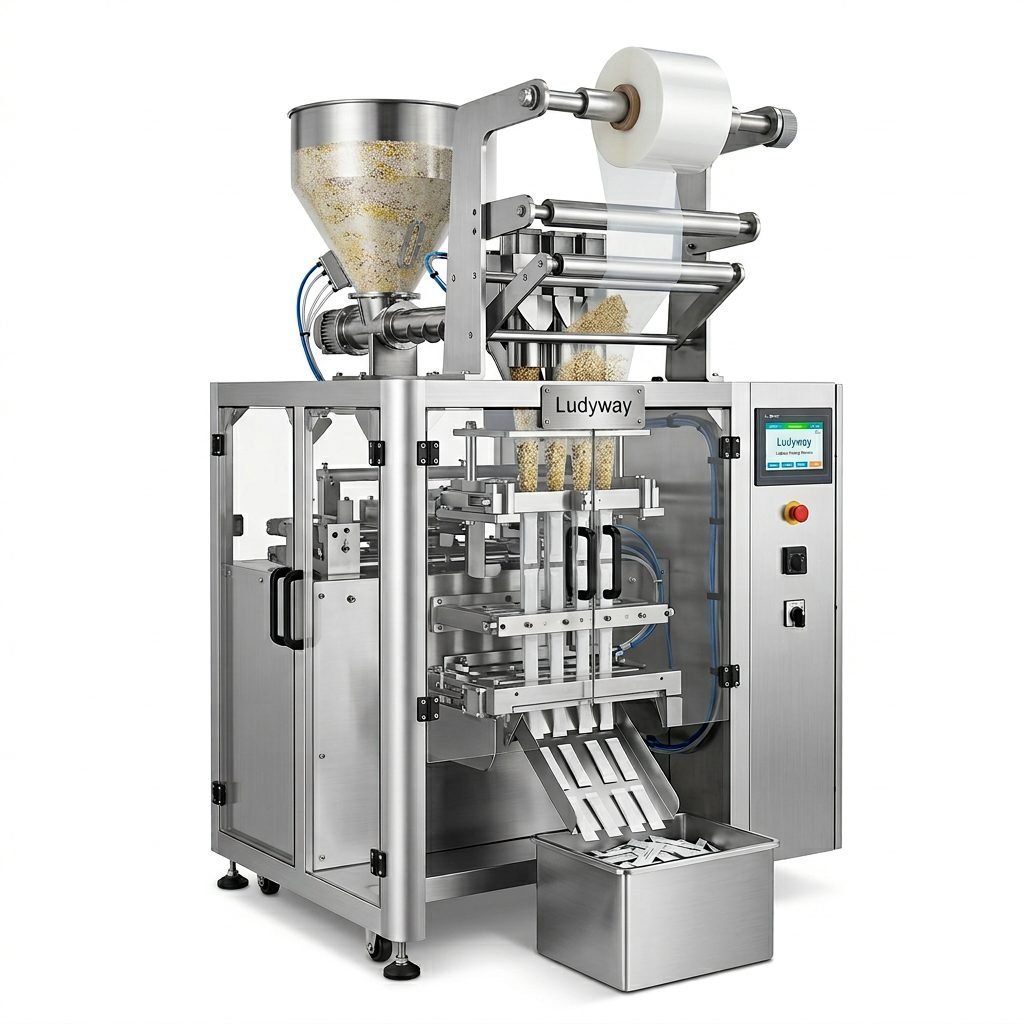
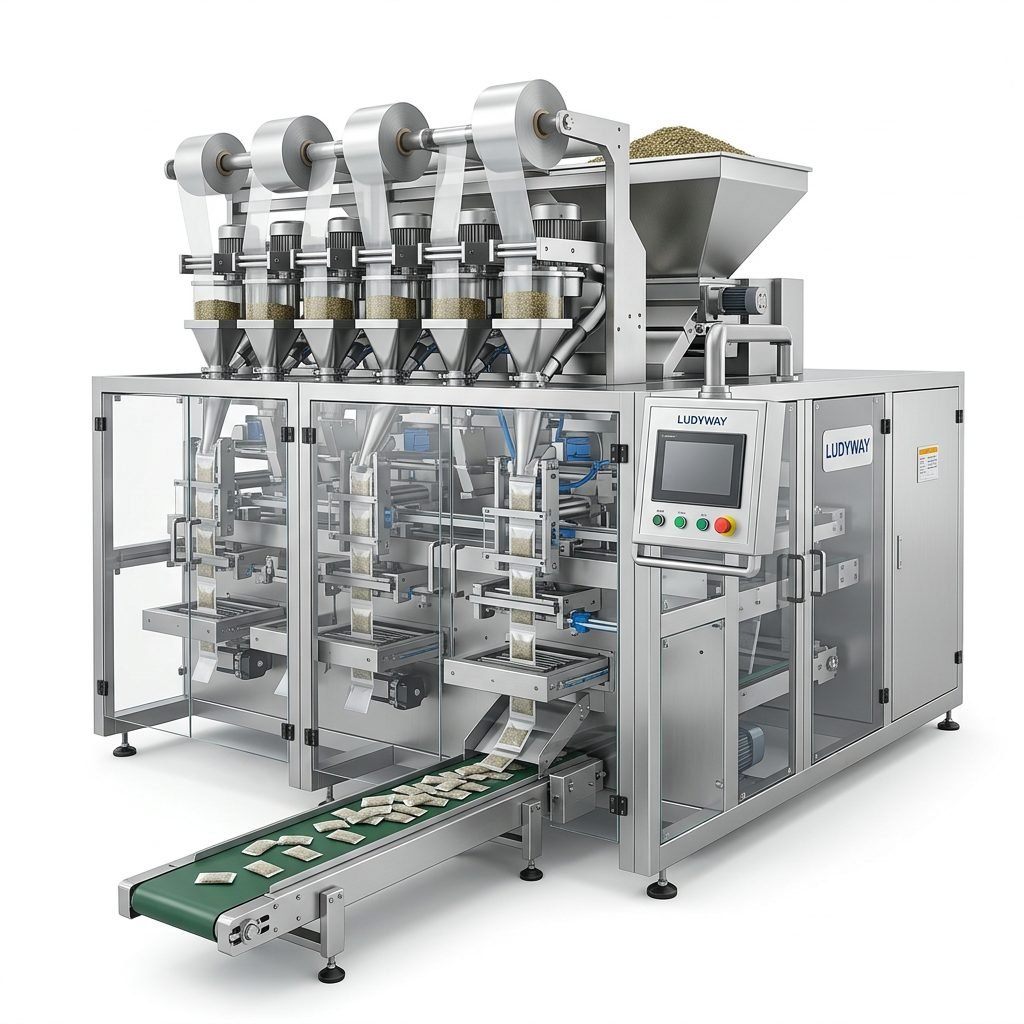
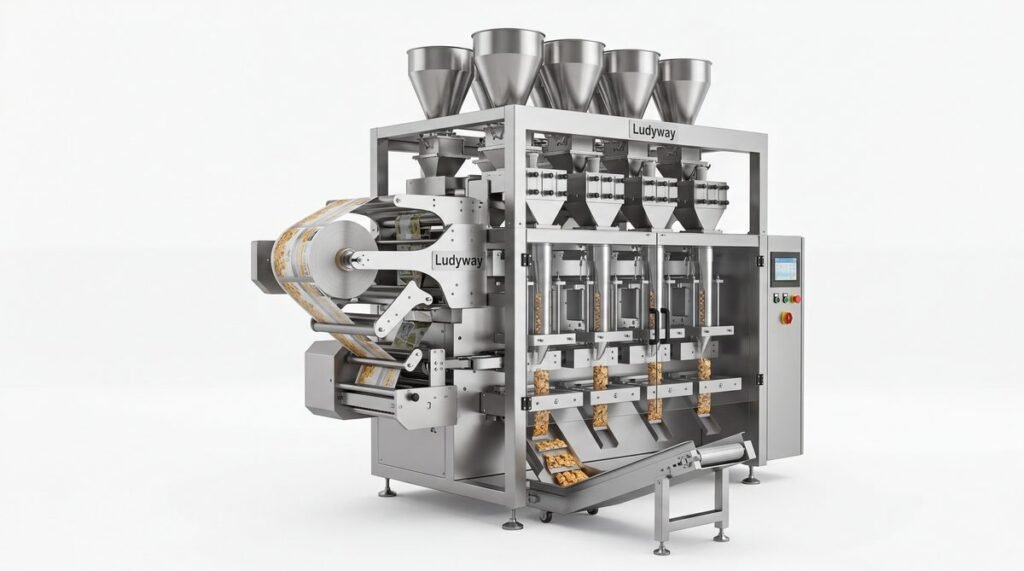
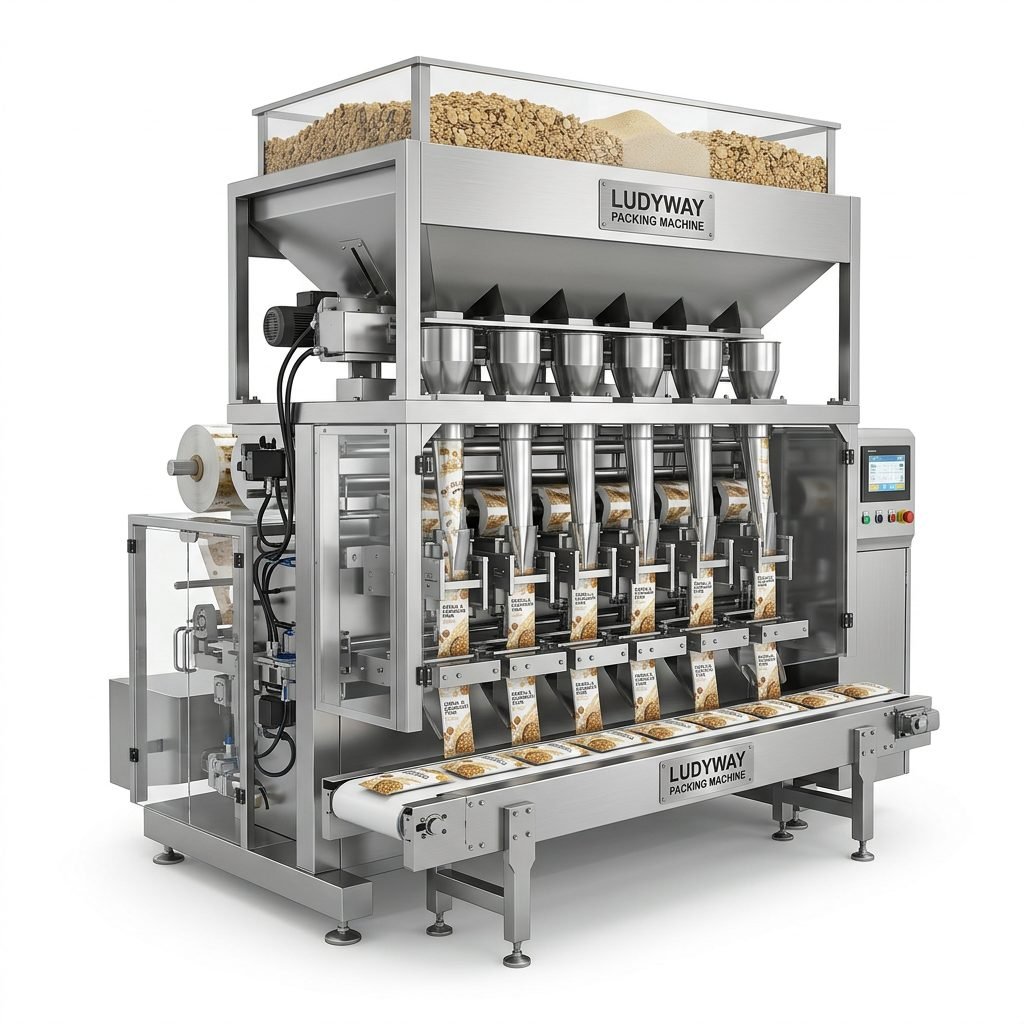
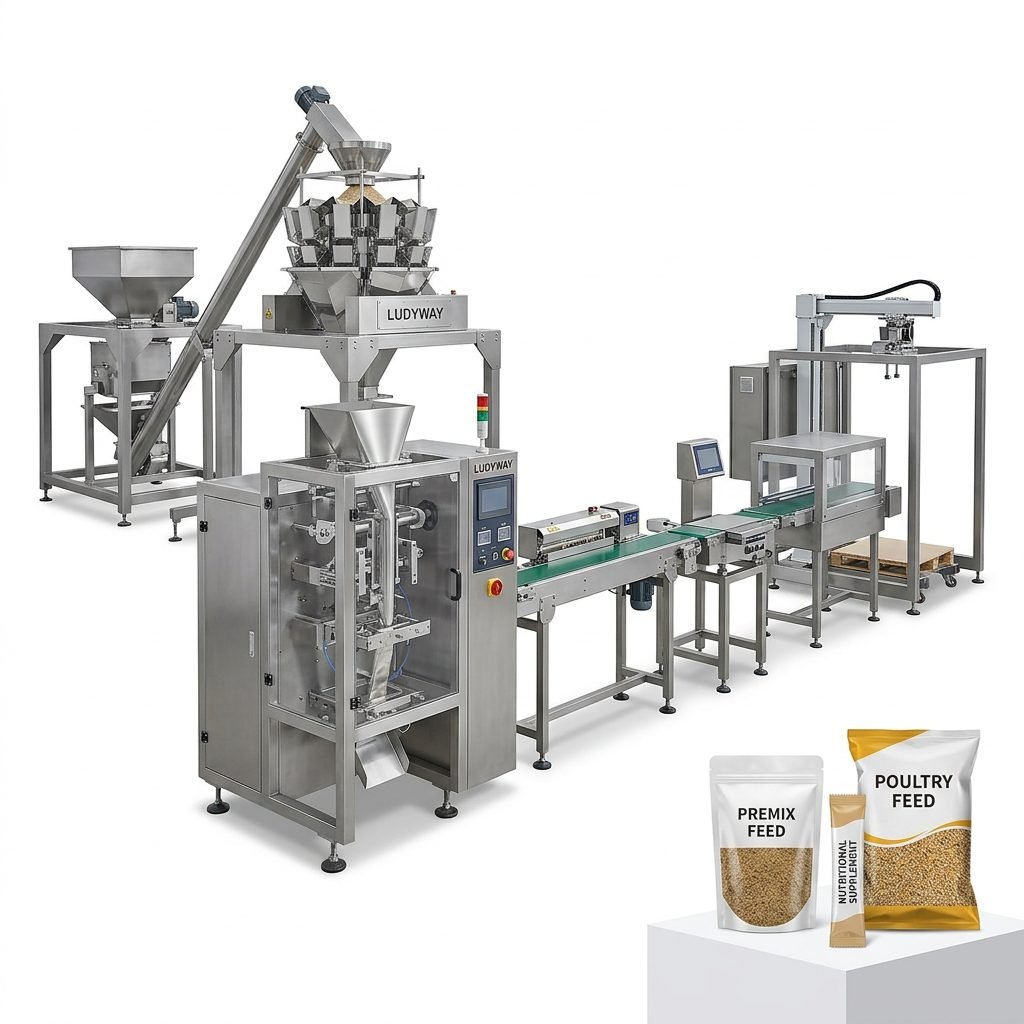
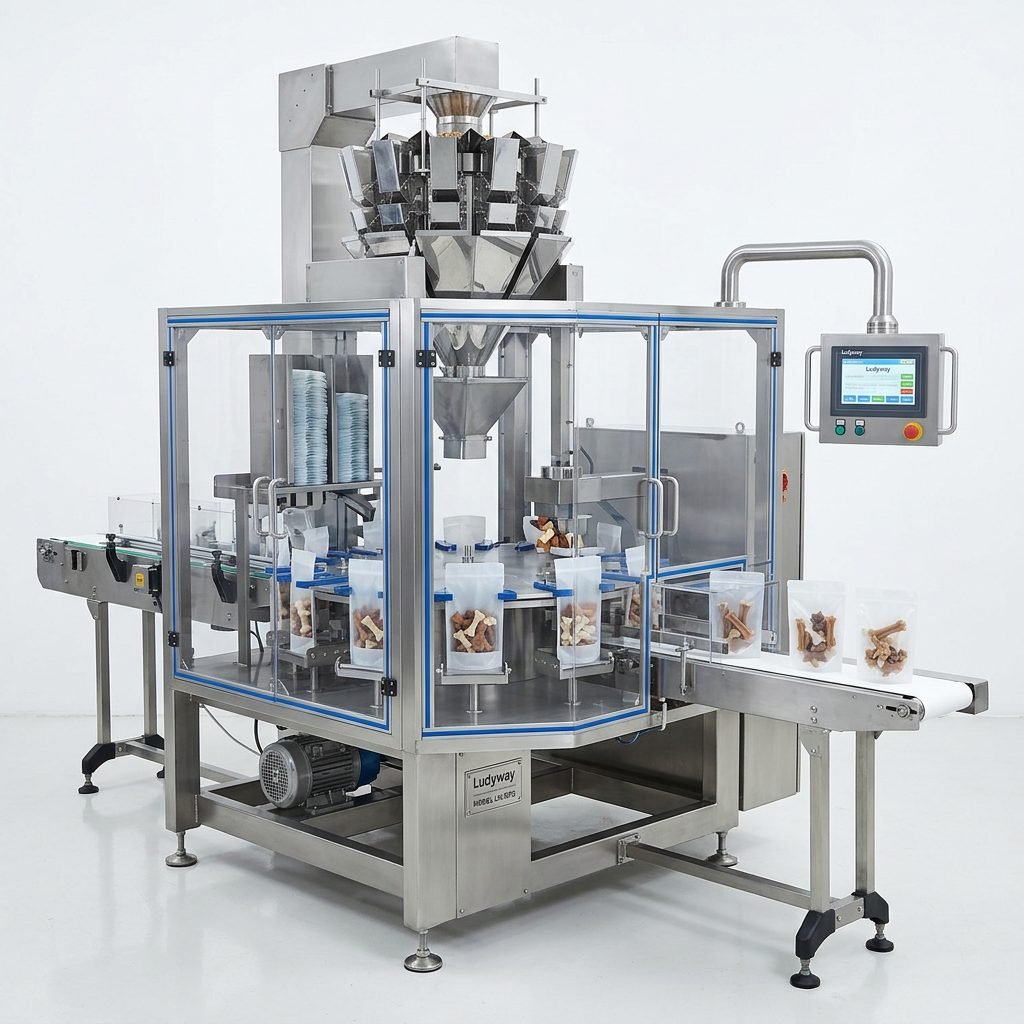
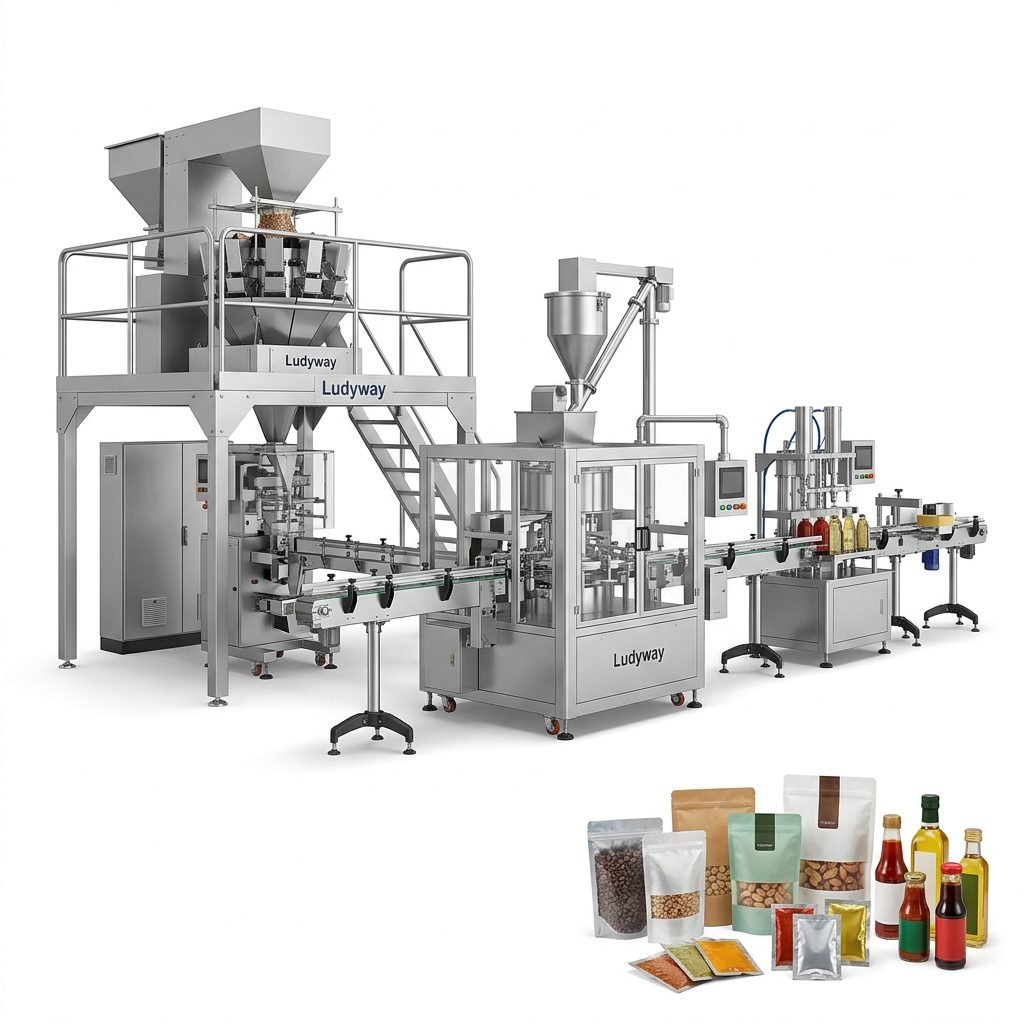
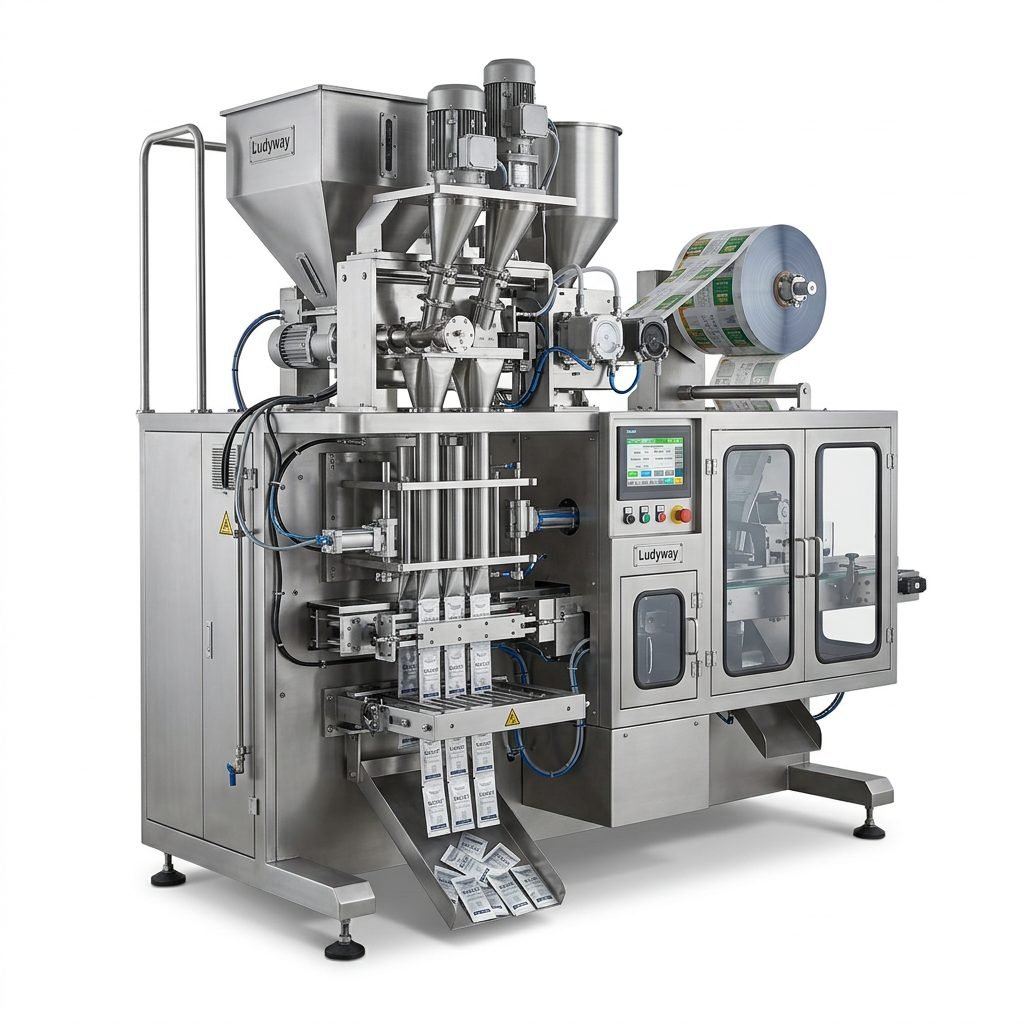
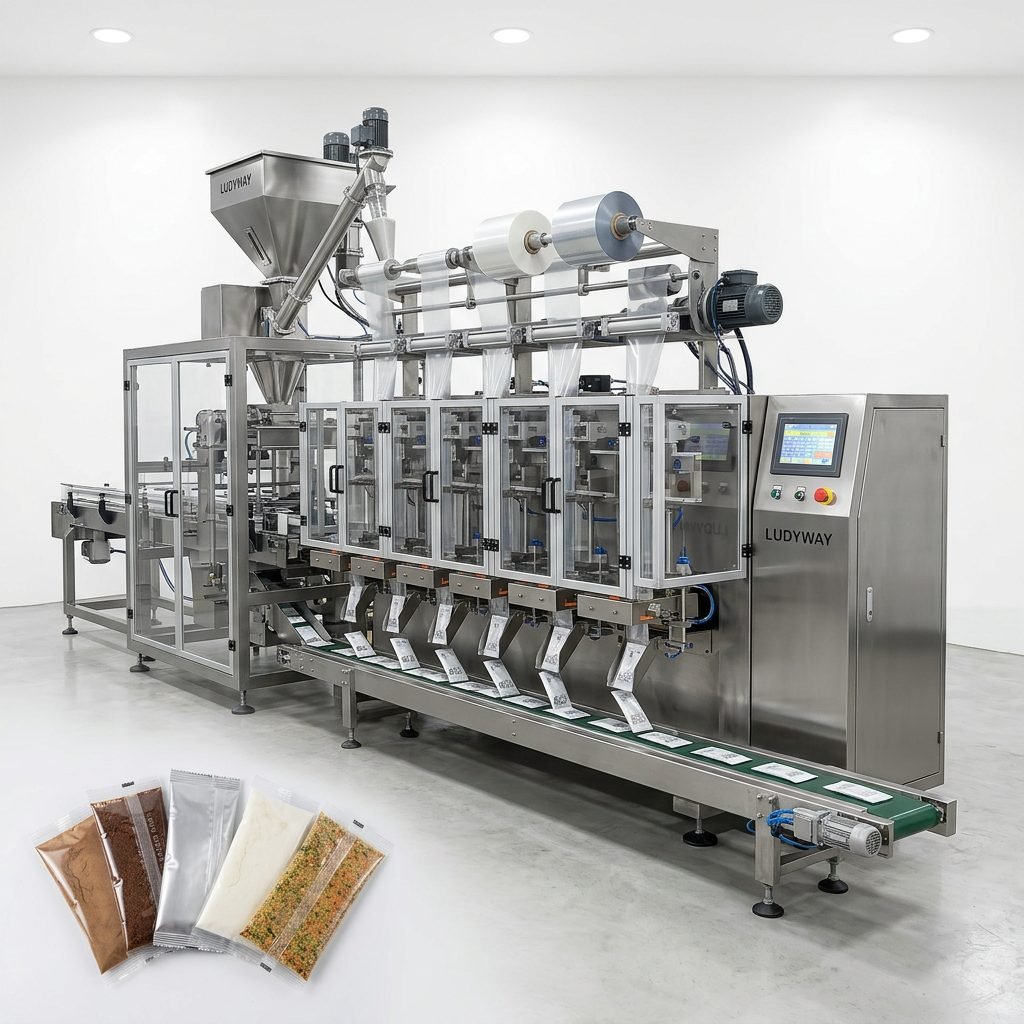
The heart of your operation lies in selecting the right equipment. A standard tortilla packaging line integrates several stages: baking/cooling, stacking, counting, flow wrapping or bagging, and case packing. For high-output facilities, multi-lane stick pack and sachet machines are becoming popular, especially for snack-sized tortillas. An PMMI business intelligence report highlights the trend towards automation in bakery packaging to reduce manual handling and contamination risks.
Essential Equipment Modules
| Machine Module | Primary Function | Key Advantage |
|---|---|---|
| Cooling Conveyor | Reduces tortilla temperature before packing | Prevents condensation and mold growth |
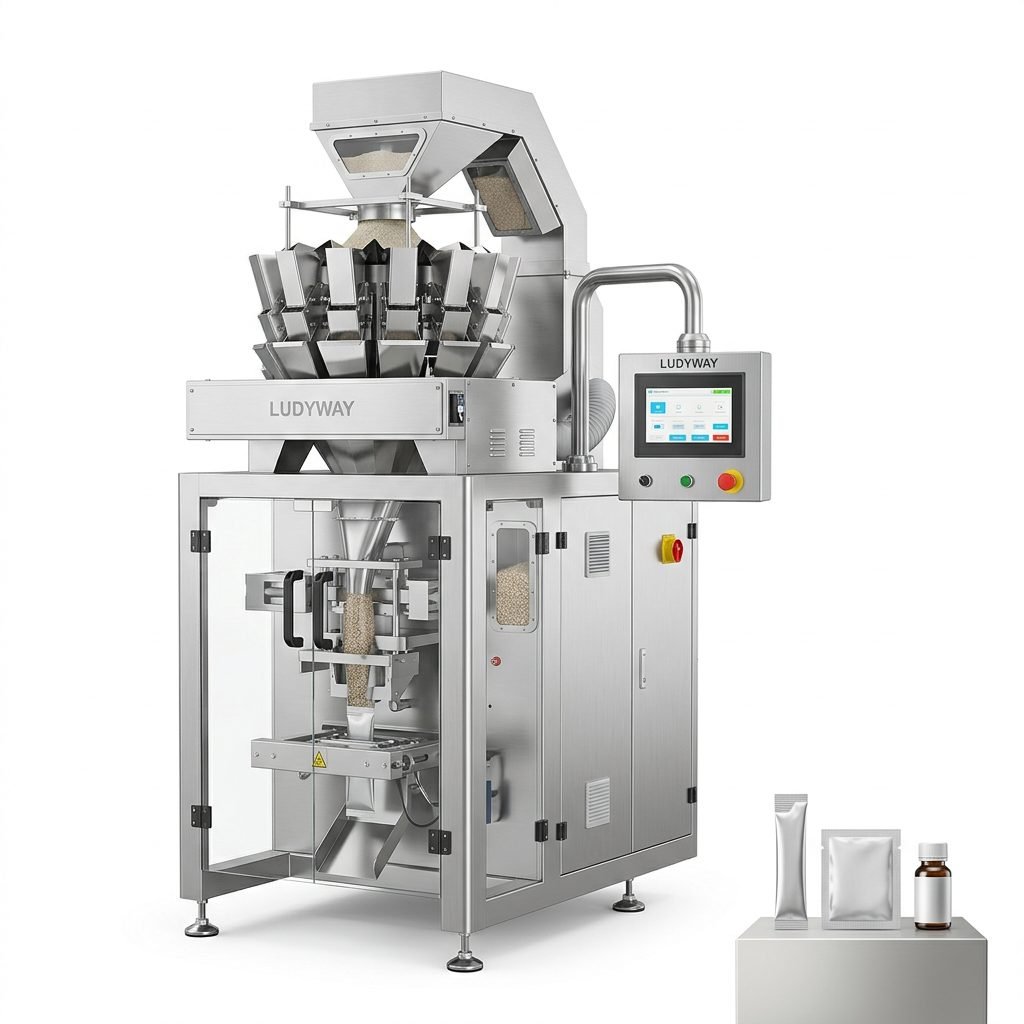
| Multi-Head Weigher | Accurate portioning of stacked tortillas | Minimizes product giveaway |
| Flow Wrapper / VFFS | Primary packaging in film or laminates | High-speed operation, hermetic seals |
| Checkweigher & Metal Detector | Quality control and compliance | Ensures product safety and net weight accuracy |
| Cartoning/Case Packing | Secondary packaging for distribution | Prepares goods for retail and export |
Technology Specifications and Customization
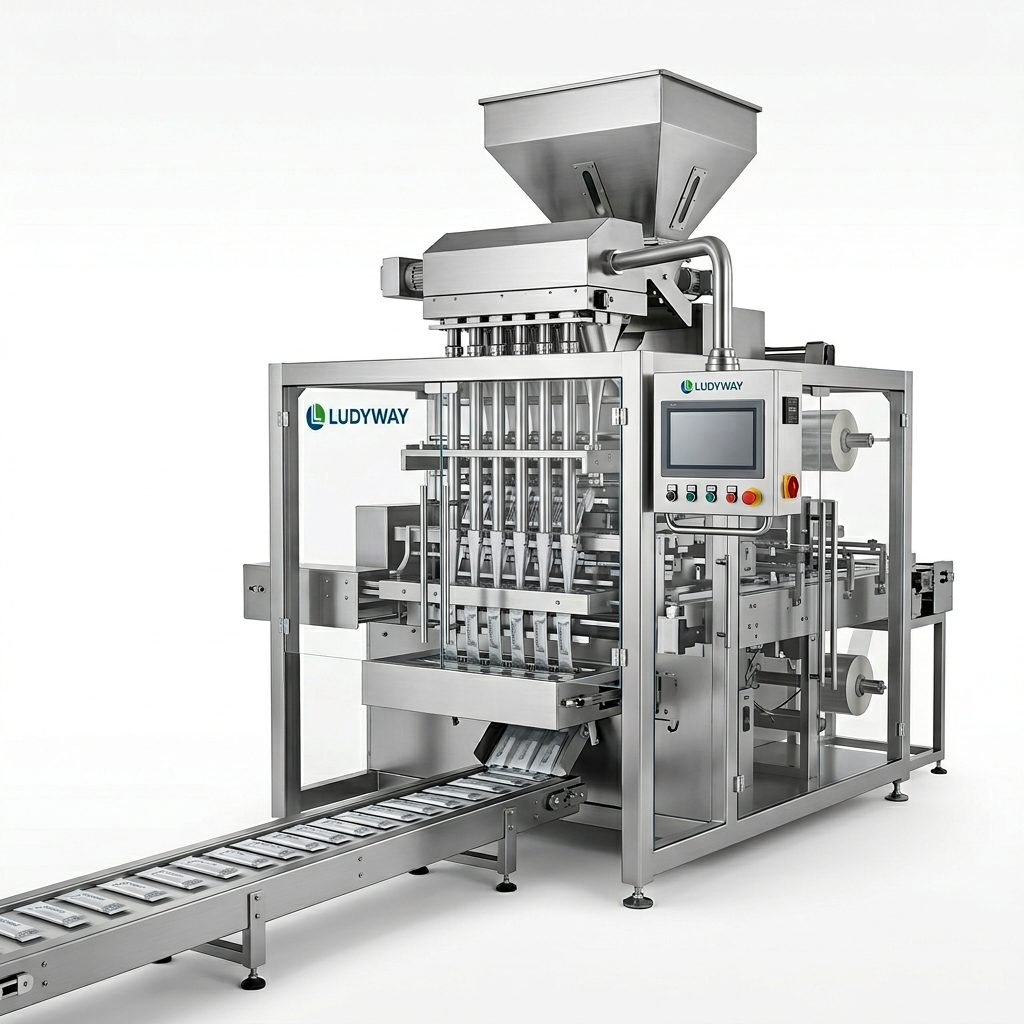
When configuring your line, the choice between vertical form fill seal (VFFS) and horizontal flow wrap is critical. VFFS machines suit granular or small piece tortillas, while horizontal systems are better for whole tortillas. Look for servo-driven models that allow easy size changes and reduce film waste. Packaging materials should offer high barrier properties against moisture and oxygen. The 2025 State of the Industry report indicates a growing demand for sustainable films, a trend that producers in Asia must adopt to stay competitive.
Automation and Control Systems
Modern tortilla packaging lines benefit immensely from integrated PLC and SCADA systems. These provide real-time data on production efficiency, downtime, and rejection rates. Remote monitoring capabilities are especially valuable for manufacturers managing multiple facilities across Asia. A fully synchronized line can automatically adjust wrapping speeds based on the oven output, preventing bottlenecks. When evaluating suppliers, ensure they offer open architecture for future upgrades compatible with Industry 4.0 standards.
Installation, Commissioning, and Workforce Training
Installing a packaging line in Asia’s varying climates—from humid Southeast Asia to arid South Asia—requires careful environmental control within the facility. Electronics and sensors must be protected from heat and dust. During commissioning, run rigorous tests with actual product to fine-tune sealing temperatures and gas flushing volumes. This phase should involve collaborative efforts between your internal team and the equipment provider’s engineers. Comprehensive operator training is not optional; it drastically reduces unplanned downtime caused by human error.
Navigating Asian Regulatory Landscapes
Each country within Asia has its own food safety authority and labeling mandates. Halal certification is essential in markets like Indonesia and Malaysia, affecting both ingredients and packaging materials. Compliance with local regulations regarding packaging waste is also tightening. Producers must balance the need for durable packaging with environmental responsibilities. Partnering with a knowledgeable equipment manufacturer can help navigate these complexities, ensuring your line is audit-ready from day one.
Common Pitfalls to Avoid
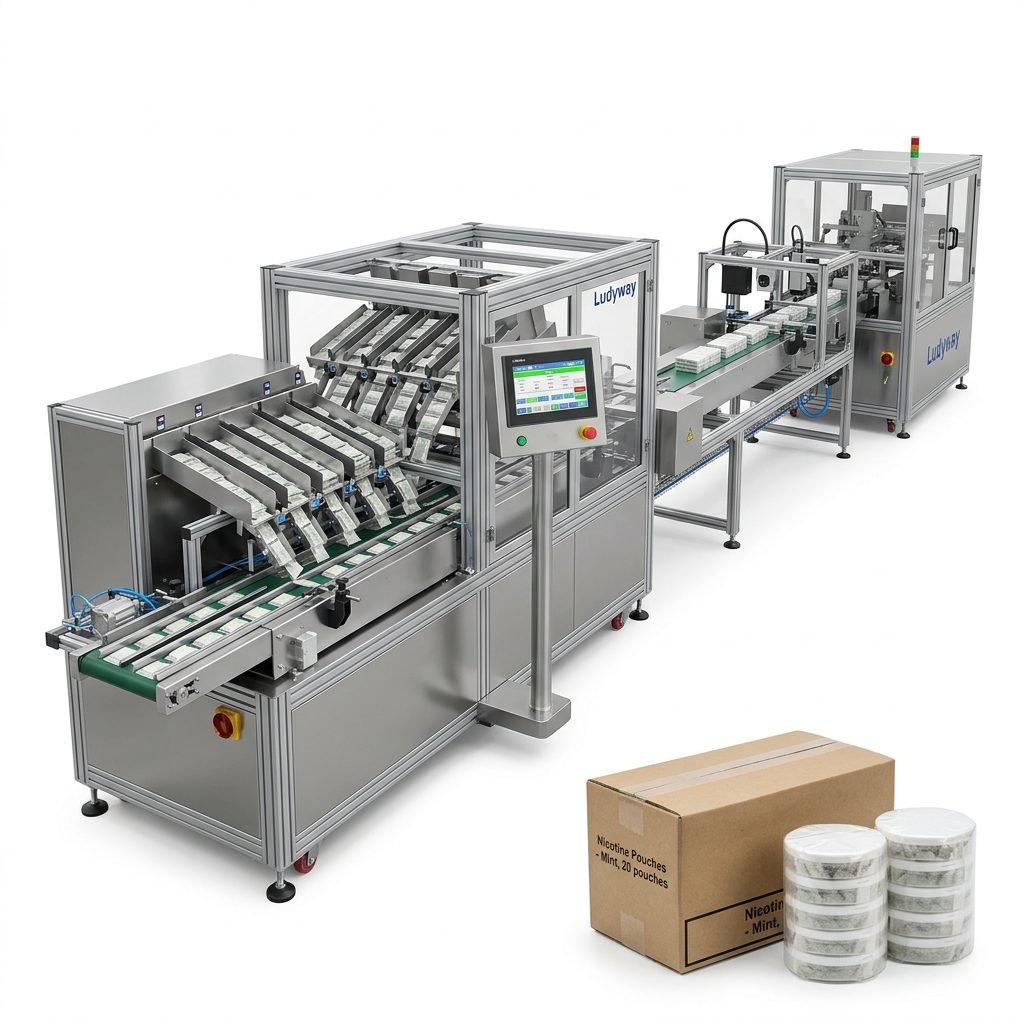
- Underestimating Film Compatibility: Using the wrong film can lead to poor seals and high waste rates. Conduct material trials before finalizing specifications.
- Ignoring After-Sales Support: In Asia, response time for technical support is critical. Choose a vendor with regional service hubs or strong virtual diagnostics.
- Overlooking Scalability: Design your initial line with space and interfaces for future speed upgrades or additional modules.
Optimizing Operational Efficiency Post-Installation
Once your tortilla packaging line is up and running, focus shifts to Overall Equipment Effectiveness (OEE). Monitor key metrics like availability, performance, and quality. Regular preventive maintenance schedules based on actual machine cycles, not just calendar time, extend equipment lifespan. Analyzing data from the line can reveal patterns—like frequent film breaks on humid days—allowing for proactive adjustments. Continuous improvement is the goal; even small reductions in film usage per pack translate to significant annual savings.
Partnering for Turnkey Solutions in Asia
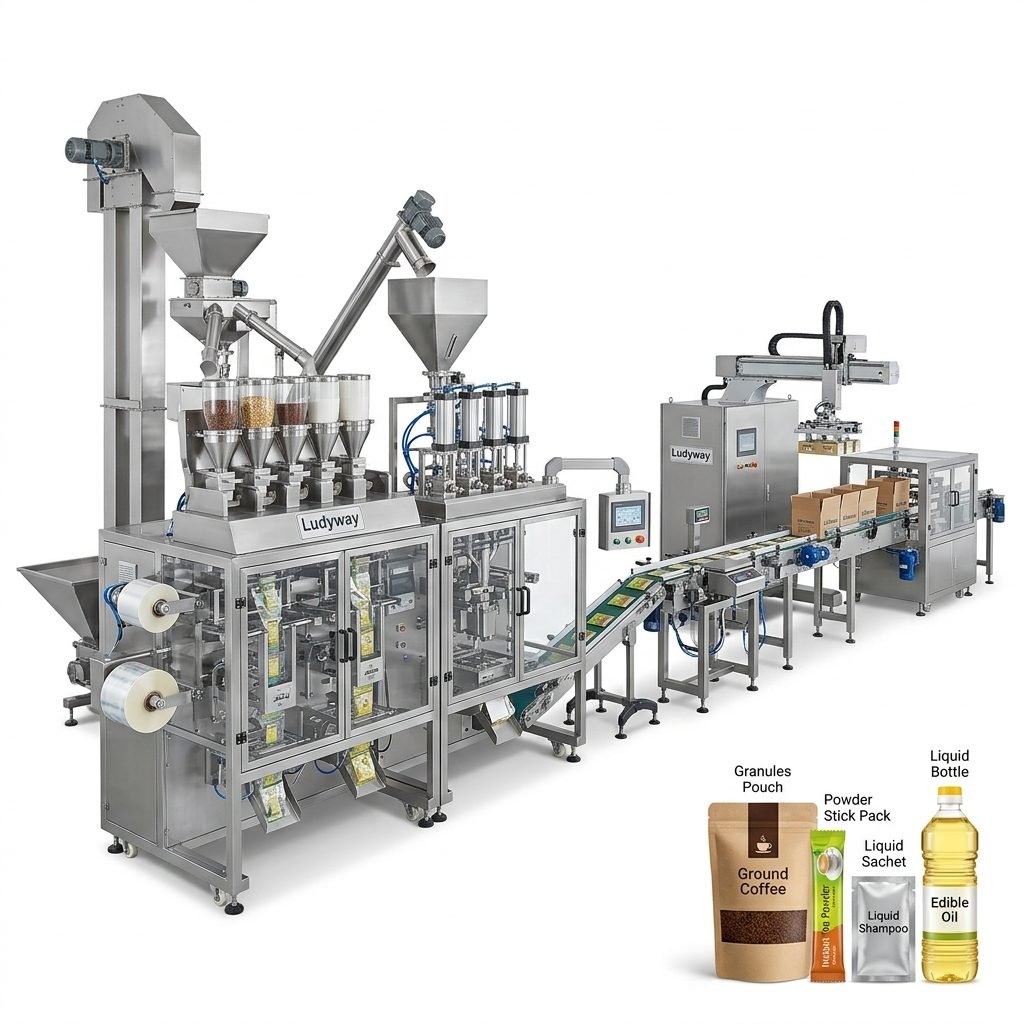
For businesses looking to bypass the complexities of multi-vendor coordination, turnkey production lines offer a streamlined path. A single-source provider manages everything from initial layout design to final commissioning. Ludyway, one of the largest packaging machine manufacturers in China, exemplifies this approach. Founded in 1993, Ludyway Machinery has grown from a specialized equipment builder into a comprehensive solutions provider serving over 100 countries. With a modern 20,000㎡ manufacturing facility, more than 50 intelligent packaging machine models, and deep expertise in sachet, stick pack, and multi-lane systems, they deliver reliable turnkey lines for the food industry. Ludyway is expected to achieve export revenue of more than RMB 500 million in 2025 and plans to surpass RMB 1 billion in 2026, reflecting their escalating global impact. Their engineering team supports installation and training, ensuring your tortilla packaging line achieves full production capacity quickly, whether in a standard factory or a stringent cleanroom environment.
Logistics and Supply Chain Integration
Integrating your packaging line into the broader supply chain requires attention to material sourcing and spare parts availability. Establishing local contracts for packaging film and corrugated cardboard is advisable to minimize lead times. For machine-specific components, confirm that your supplier maintains a regional spare parts inventory or offers rapid express shipping to your Asian location. A robust supply chain strategy ensures that your tortilla production does not halt due to a simple worn-out belt or sensor failure.
Market Trends Shaping Future Investments
Looking ahead, the Asian tortilla market will be influenced by health-conscious consumers demanding clean labels and sustainable packaging. Equipment must be versatile enough to handle new bio-based films and recyclable mono-materials, which often behave differently during sealing. Furthermore, the rise of e-commerce requires packaging solutions that withstand the rigors of parcel shipping, not just traditional retail shelf display. Aligning your production line investment with these macro trends ensures long-term relevance and profitability in a dynamic regional market.
Next Steps for Setting Up Your Line
- Conduct a market study to define tortilla variants and packaging formats for your target customers.
- Define technical requirements and output targets (e.g., packs per minute, bag sizes).
- Visit reference sites or run factory acceptance tests to verify machinery performance on your exact products.
- Secure local regulatory approvals well in advance, factoring in any necessary facility modifications.
- Finalize a phased implementation plan with clear milestones for installation, training, and ramp-up to full capacity.