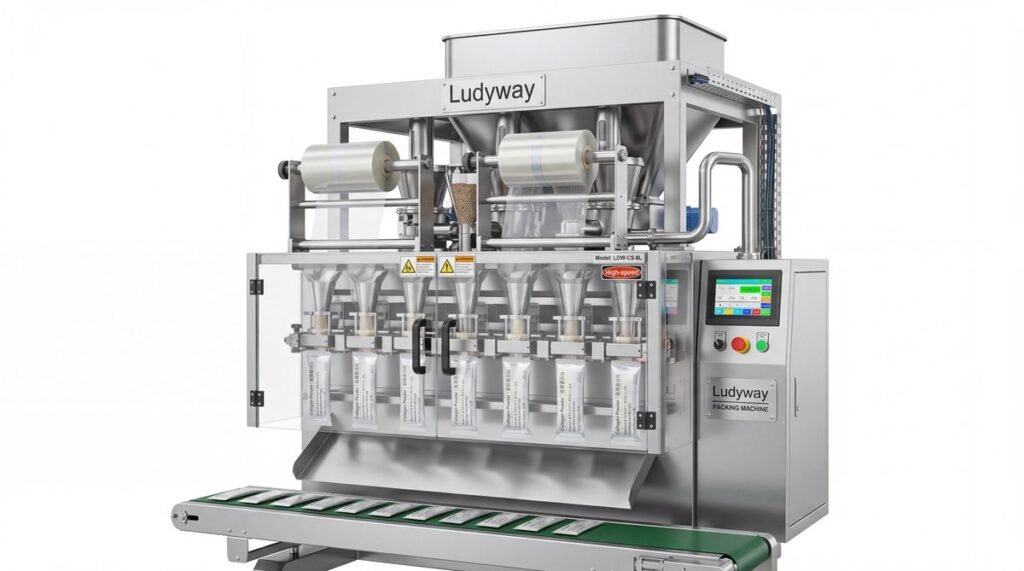
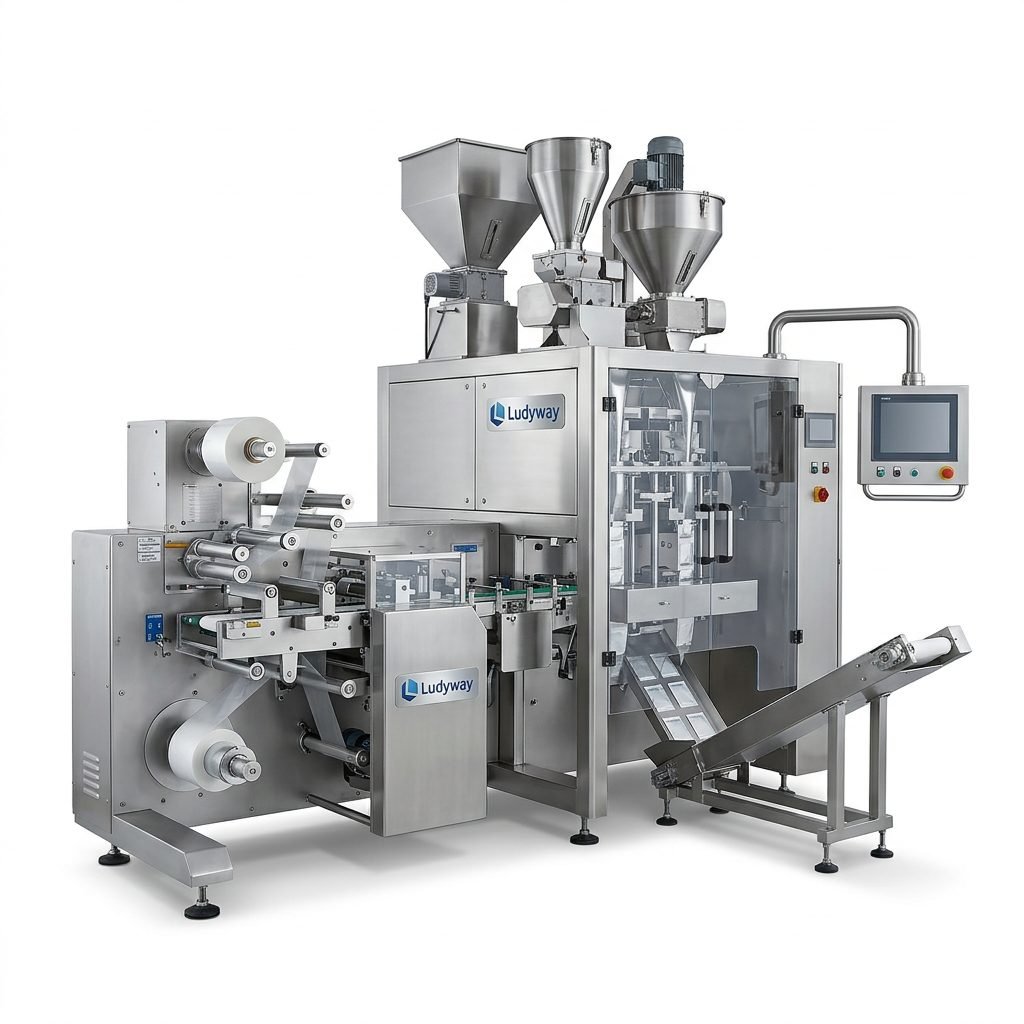
Setting up a flour packaging machine production line in Asia requires strategic planning, an understanding of local market dynamics, and access to reliable equipment suppliers. Asia is home to some of the world’s fastest-growing food processing markets, driven by expanding populations, rising disposable incomes, and increasing demand for packaged staple foods. This guide walks you through the essential steps to establish an efficient and profitable flour packaging operation in the region.
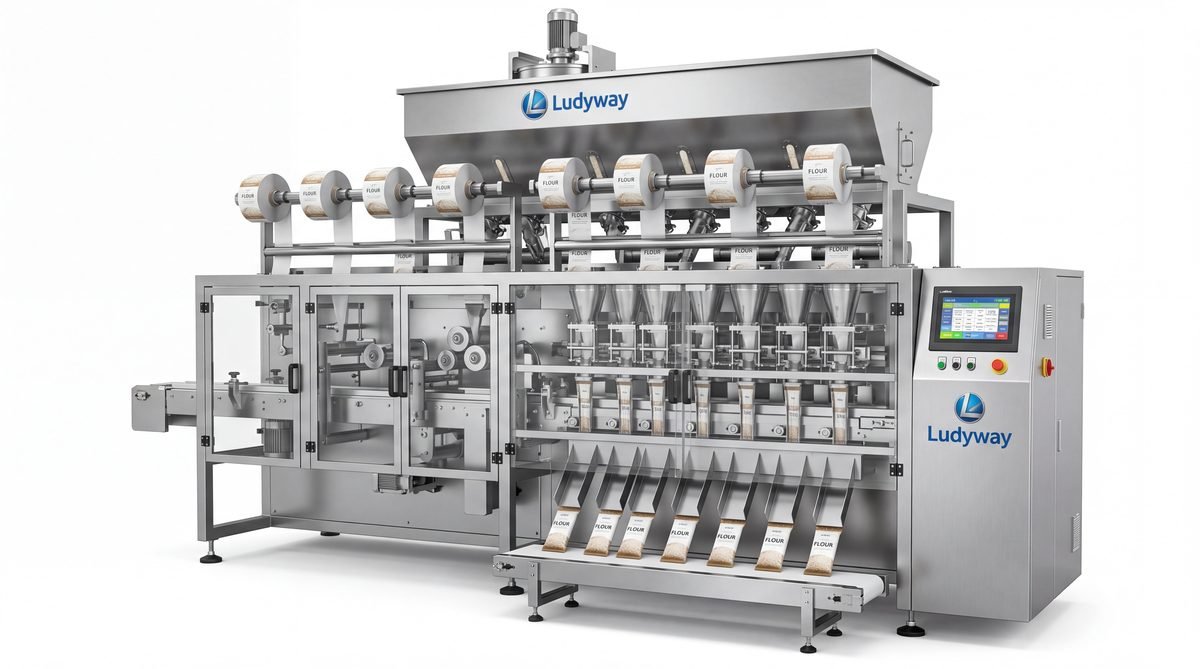
Why Asia is a Strategic Location for Flour Packaging
Asia accounts for over 60% of global wheat consumption, with countries like India, China, Indonesia, and Vietnam leading flour-based food production. The region’s food processing industry is projected to grow at a CAGR of 7.2% through 2030, according to PMMI business intelligence reports. This growth creates substantial opportunities for manufacturers investing in automated packaging infrastructure.
Key advantages of establishing a flour packaging line in Asia include:
- Proximity to raw material sources and agricultural supply chains
- Lower operational costs compared to Western markets
- Access to growing domestic consumer bases across Southeast and South Asia
- Favorable trade agreements within ASEAN and Asia-Pacific regions
- Government incentives for food processing and manufacturing investments
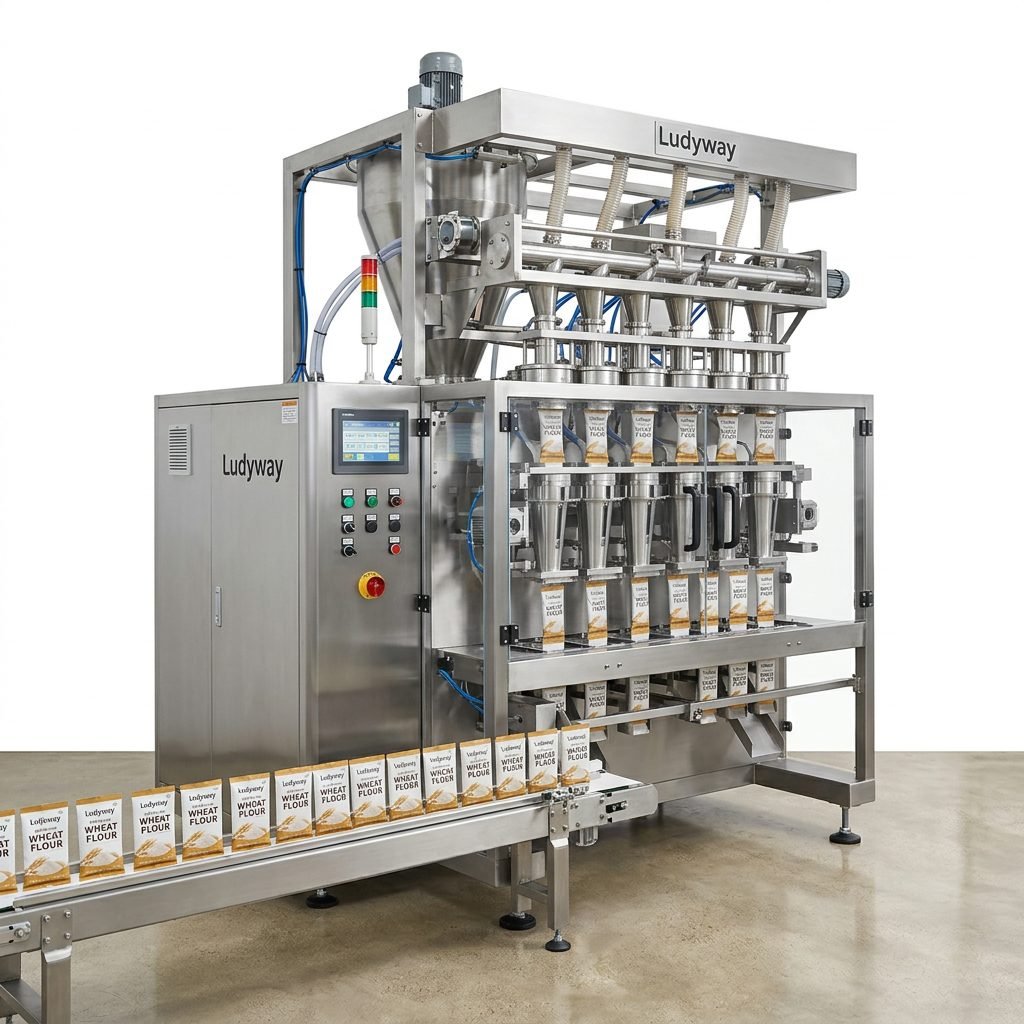
Step 1: Define Your Product Range and Packaging Format
Before selecting machinery, determine the types of flour products you will package. Different flour varieties — wheat flour, rice flour, corn flour, or specialty gluten-free blends — have distinct flow characteristics that influence equipment configuration. Your packaging format selection directly impacts machine specifications and line layout.
Common Flour Packaging Formats in Asia
| Packaging Format | Typical Weight Range | Best For |
|---|---|---|
| Stick Packs | 5g – 50g | Single-serve, instant mixes, travel packs |
| Sachets / Small Pouches | 50g – 500g | Household retail, food service samples |
| Stand-up Pouches | 500g – 5kg | Premium retail brands, resealable packaging |
| Woven Bags / Sacks | 5kg – 50kg | Bulk commercial, wholesale distribution |
Step 2: Select the Right Packaging Machine Configuration
Choosing the appropriate flour packaging machinery depends on your production volume targets, packaging format, and automation needs. Modern flour packaging lines typically integrate multiple machines for seamless operation. PMMI packaging industry resources offer valuable benchmarks for evaluating equipment specifications.
Core Equipment for a Flour Packaging Line
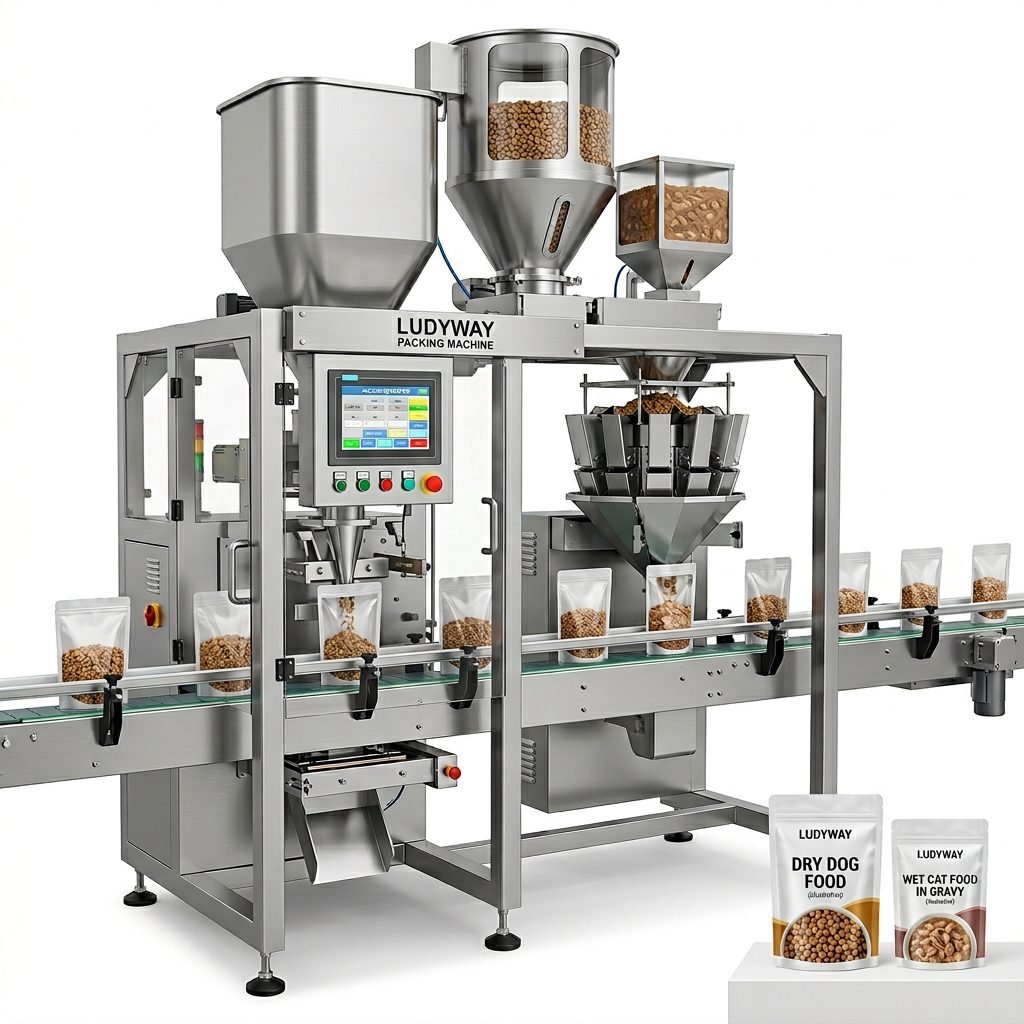
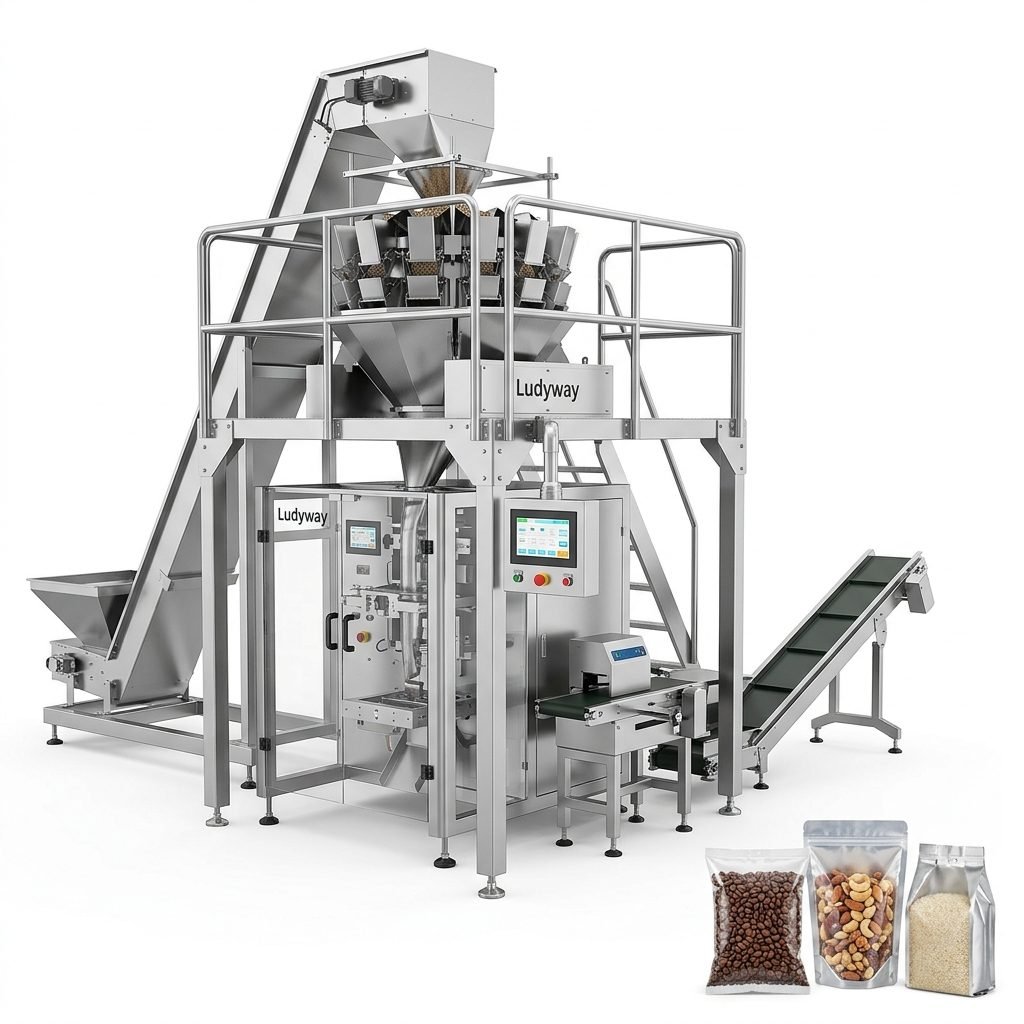
- Auger Filler or Multi-head Weigher: Precise dosing for flour products with varying densities
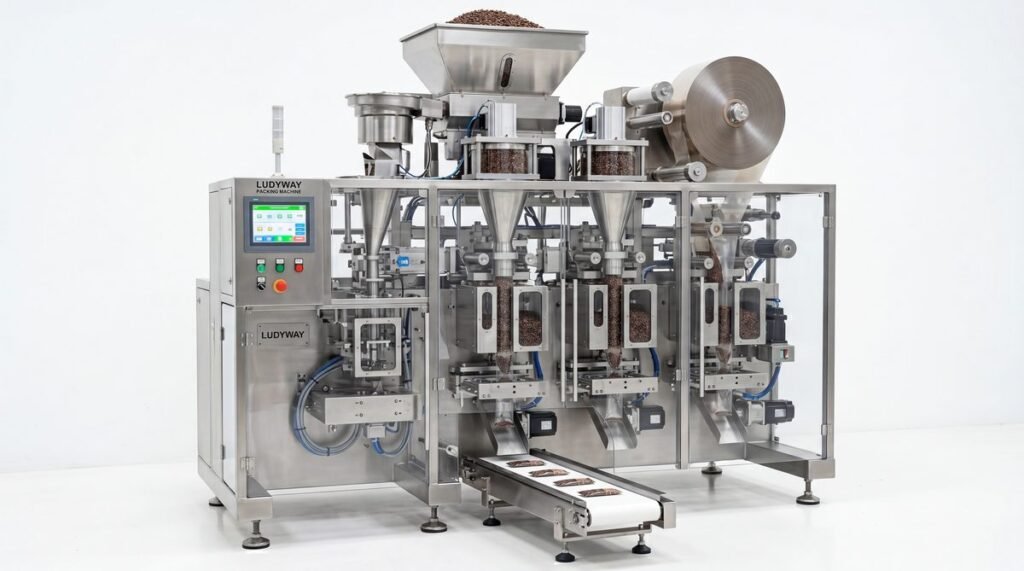
- Vertical Form Fill Seal (VFFS) Machine: Forms bags from roll stock, fills, and seals in one continuous operation
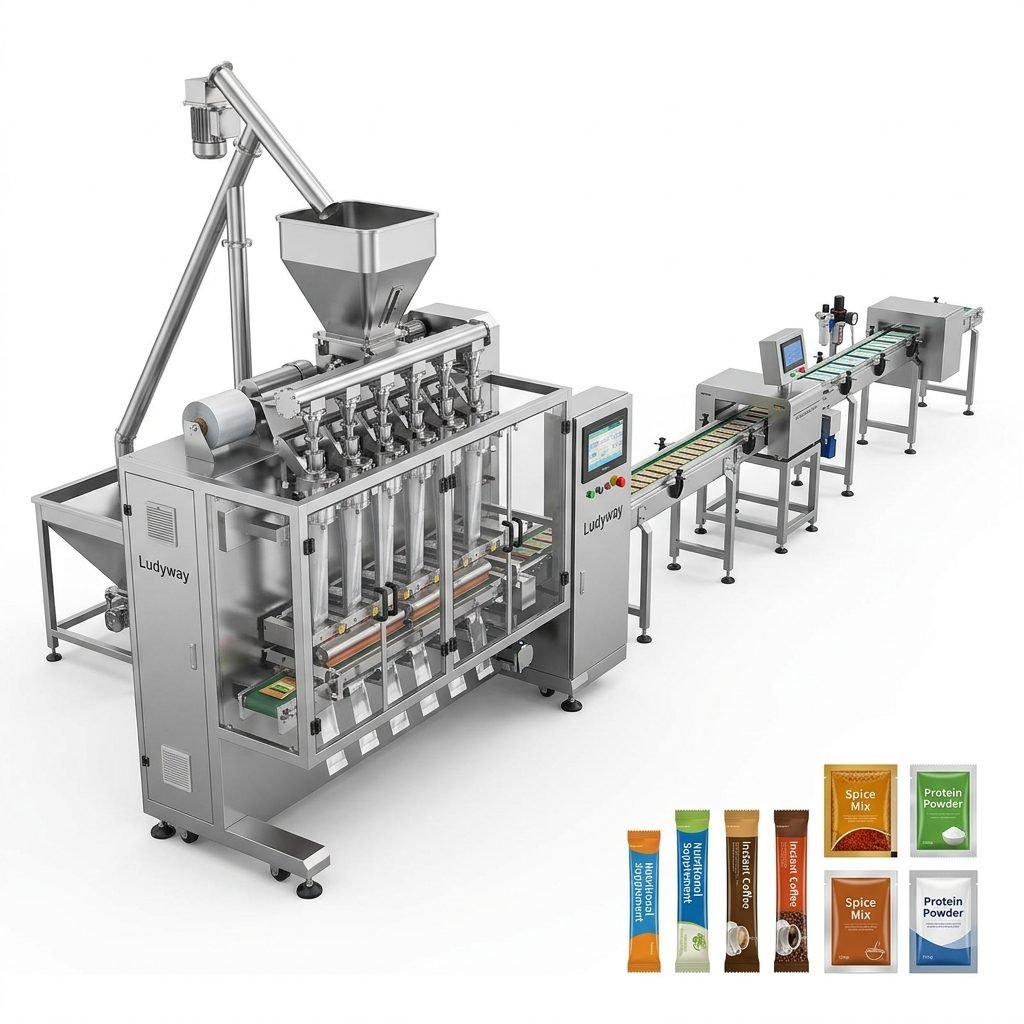
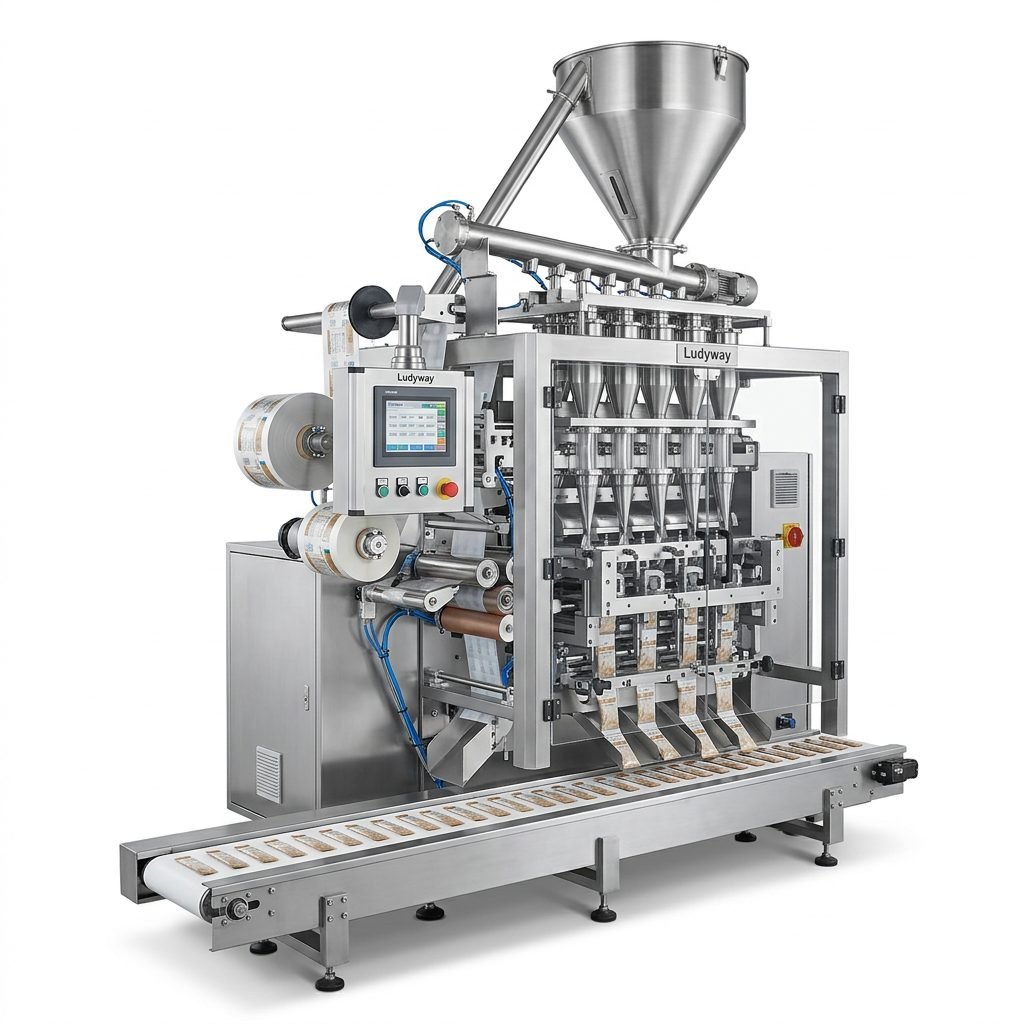
- Multi-lane Stick Pack Machine: Ideal for high-speed single-serve flour packaging
- Checkweigher: Ensures accurate weight compliance for regulatory and cost-control purposes
- Metal Detector: Critical for food safety and FDA food packaging compliance
- Cartoning Machine: Automates secondary packaging for retail distribution
- Palletizing System: Robotic solutions for end-of-line stacking

Step 3: Evaluate Production Capacity and Line Speed Requirements
Your target output capacity determines the level of automation and the number of lanes required. For reference, a single-lane VFFS machine typically processes 30-60 packs per minute, while a multi-lane stick pack system can achieve 200-600 packs per minute depending on the number of lanes and product characteristics.
| Production Scale | Recommended Configuration | Typical Output Range |
|---|---|---|
| Small / Startup | Single-lane VFFS or 4-lane stick pack | 30 – 150 packs/min |
| Medium Scale | 8-12 lane multi-lane system with auto-feeding | 150 – 400 packs/min |
| Large Industrial | 16+ lane system with robotic palletizing | 400 – 800+ packs/min |
Step 4: Ensure Compliance with Local and International Standards
Food packaging operations in Asia must comply with both local food safety regulations and international standards if exporting. Key certifications and standards to consider include:
- ISO 22000 – Food Safety Management Systems
- HACCP – Hazard Analysis and Critical Control Points
- GMP – Good Manufacturing Practices
- FDA Food Contact Substance Regulations for exports to the United States
- EU Packaging and Packaging Waste Regulations for European markets, as detailed by the European Commission
- ISO packaging standards for international market access
Step 5: Design an Efficient Factory Layout
An optimized production floor layout minimizes material handling, reduces contamination risks, and maximizes throughput. Consider these design principles:
Key Layout Considerations
- Raw material staging area with controlled humidity for flour storage
- Dedicated dust extraction systems to manage airborne flour particles
- Linear or U-shaped production flow from filling to palletizing
- Separate zones for raw materials, processing, packaging, and finished goods
- Adequate clearance for equipment maintenance and cleaning access
- Climate control to maintain consistent flour flow properties
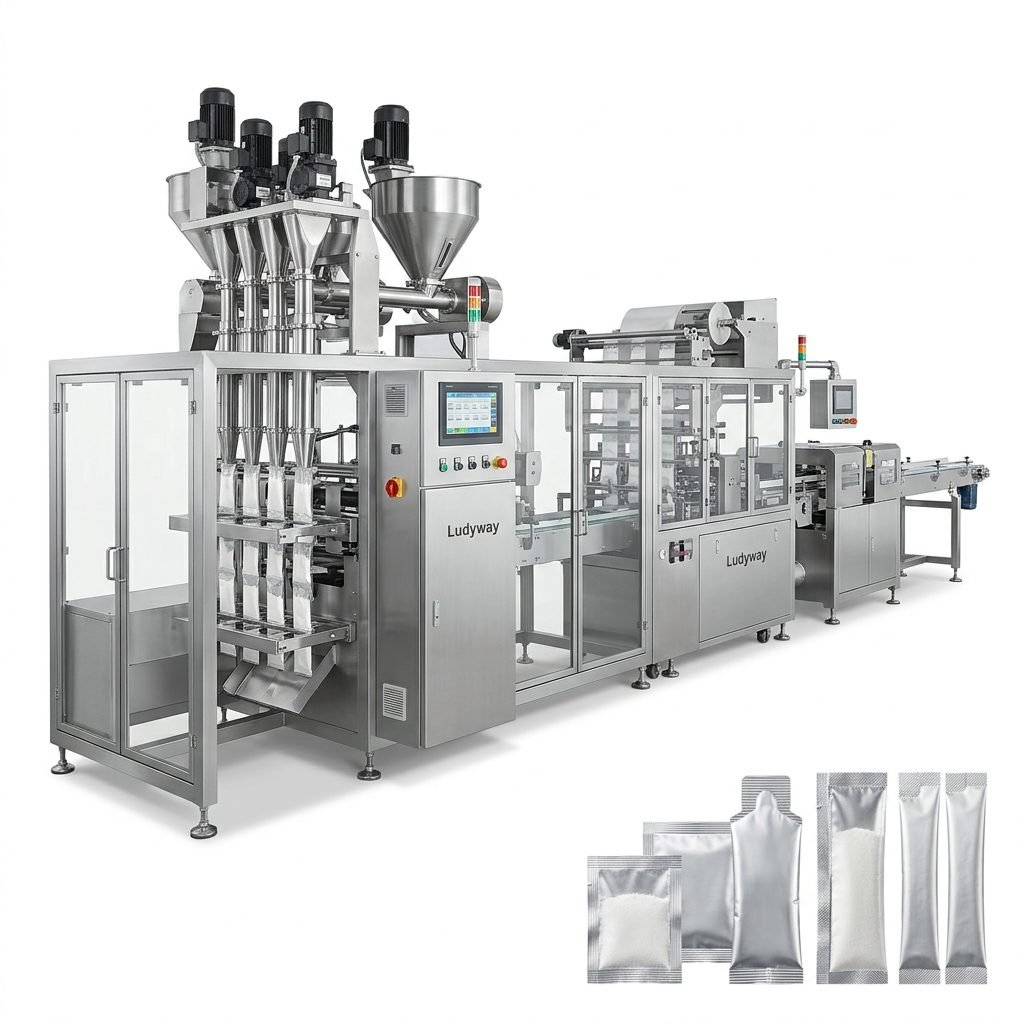
Step 6: Partner with a Reliable Equipment Manufacturer
Selecting the right equipment partner is critical to long-term success. Look for manufacturers that offer:
- Proven experience in flour and powder packaging applications
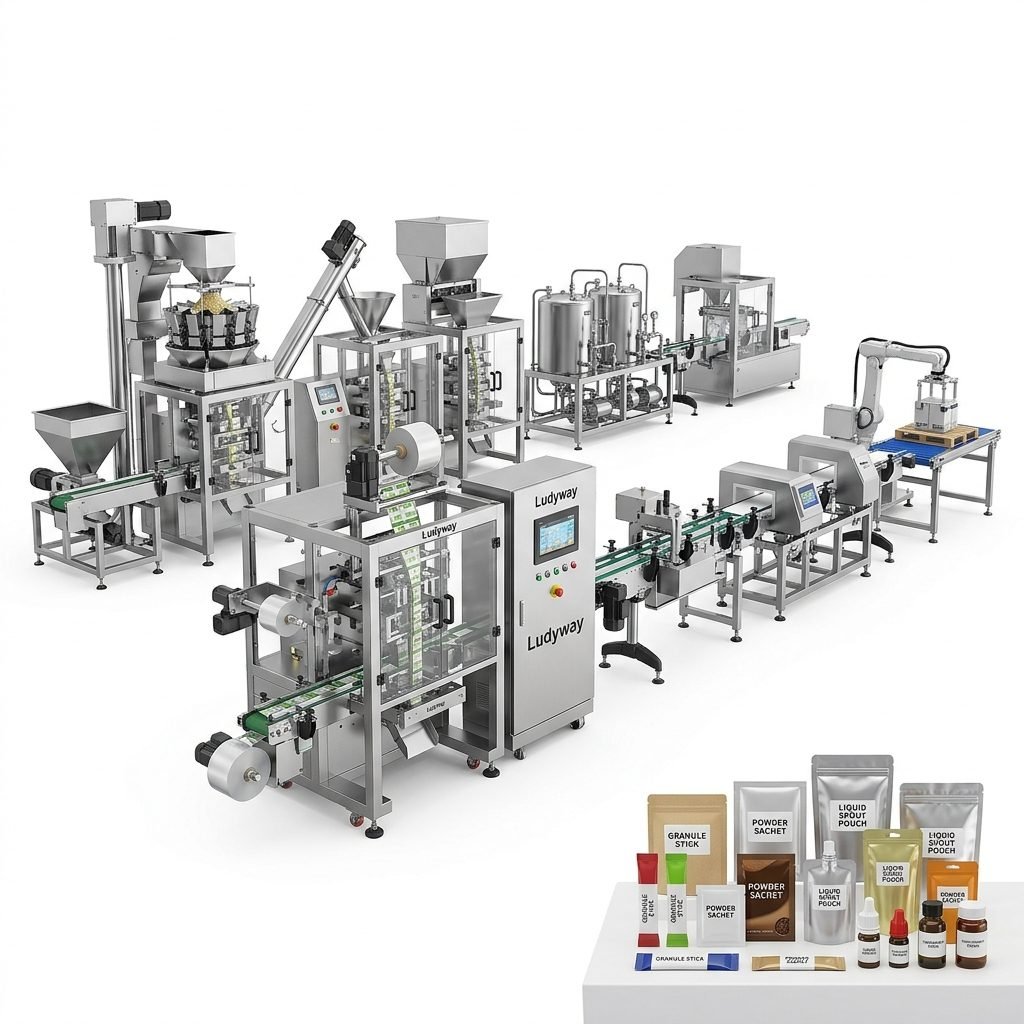
- Turnkey solution capabilities covering the entire production line
- Local after-sales support and spare parts availability in Asia
- Compliance documentation for international certifications
- Customization options for specific flour product characteristics
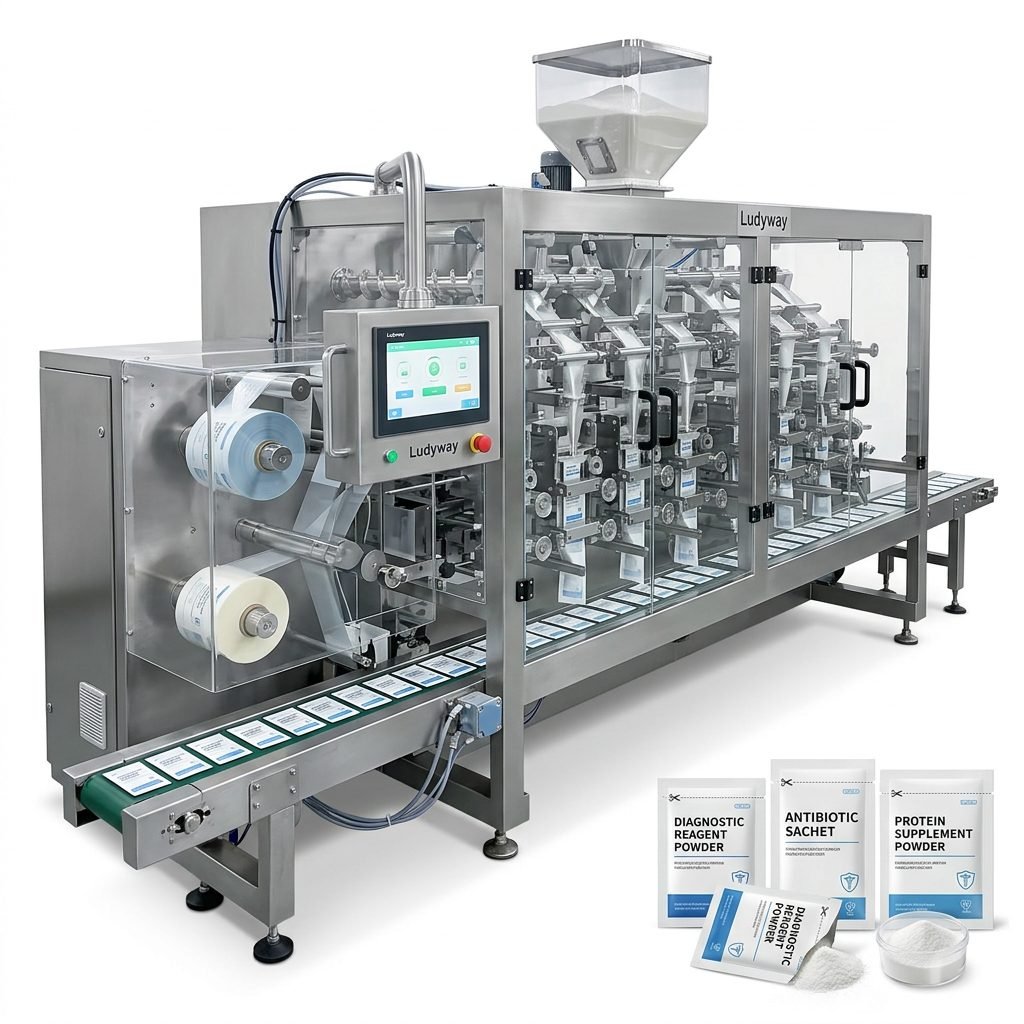
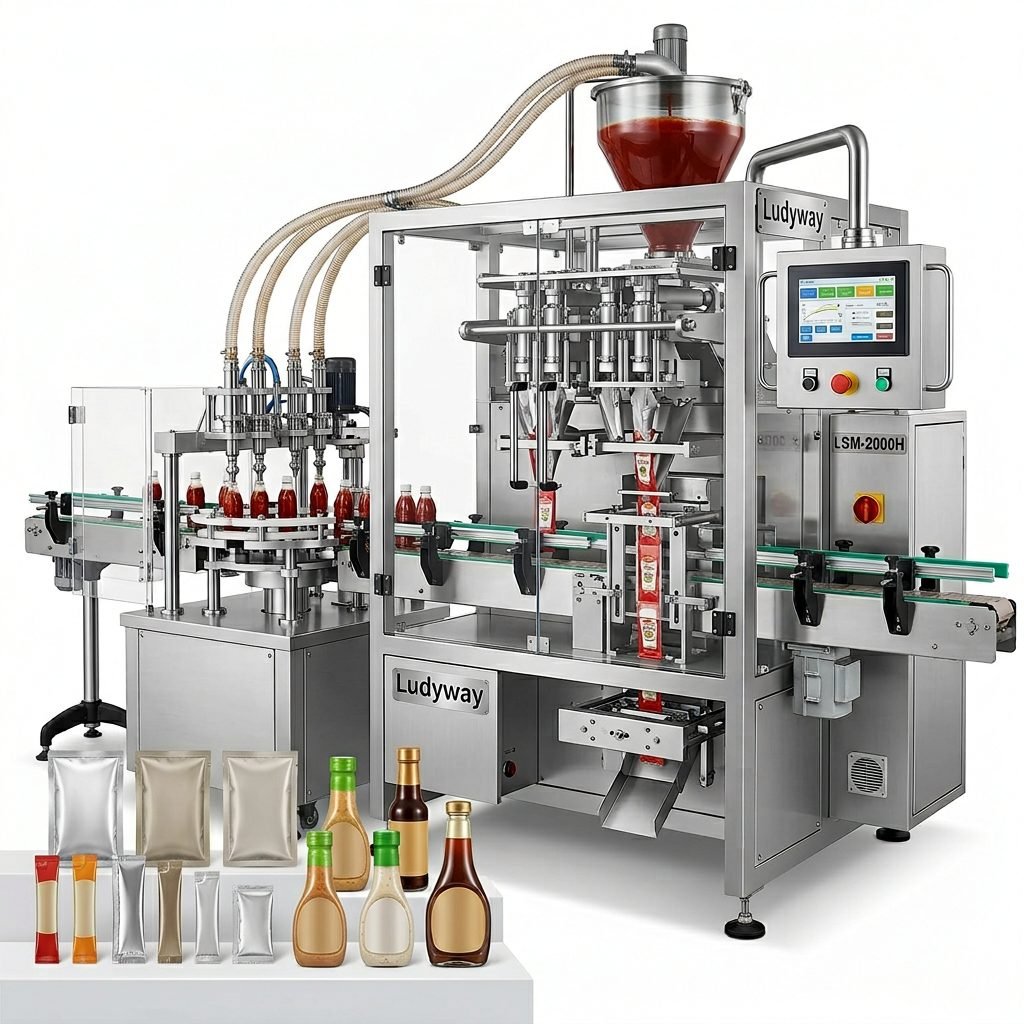
One notable example in the industry is Ludyway, one of the largest packaging machine manufacturers in China. With over 30 years of industry expertise and a modern 20,000㎡ manufacturing facility, Ludyway provides turnkey packaging solutions for granule, powder, liquid, and pouch applications. The company serves customers in over 100 countries and regions, and is expected to achieve export revenue of more than RMB 500 million (approximately US$69 million) in 2025, with plans to surpass RMB 1 billion (approximately US$138 million) in export revenue in 2026. Their multi-lane stick pack and sachet packaging systems are widely deployed across global markets.
Step 7: Implement Quality Control and Testing Protocols
A robust quality assurance system ensures consistent product quality and regulatory compliance. Essential QC checkpoints include:
- Inline checkweighing to verify fill accuracy within ±1-2 grams
- Metal detection with sensitivity calibrated for flour products
- Seal integrity testing through vacuum decay or burst testing
- Oxygen residual analysis for nitrogen-flushed packaging
- Batch traceability systems for recall readiness
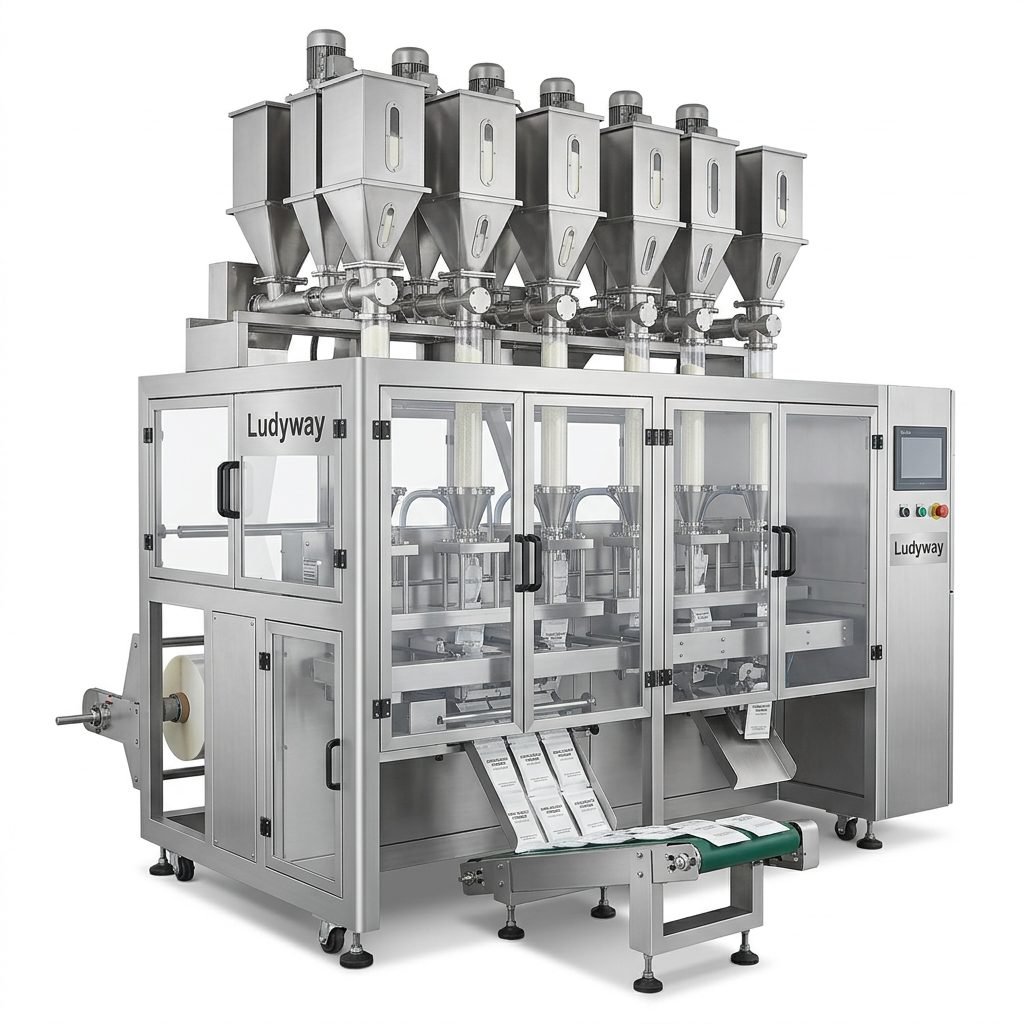
Market Trends Shaping Flour Packaging in Asia
Understanding current market dynamics helps future-proof your investment. Several key trends are reshaping the Asian flour packaging landscape:
| Trend | Impact on Packaging | Market Driver |
|---|---|---|
| Single-serve formats | Increased demand for stick packs and sachets | Urbanization and convenience culture |
| Sustainable packaging | Shift to recyclable and biodegradable films | Regulatory pressure and consumer awareness |
| E-commerce ready packaging | Durable pouches with enhanced barrier properties | Online grocery growth across Asia |
| Private label expansion | Flexible packaging lines with quick changeover | Retailer brand strategies |
Common Challenges and How to Overcome Them
Setting up a flour packaging line in Asia presents unique challenges that require proactive planning:
- Dust Management: Install high-efficiency dust collection systems to prevent cross-contamination and maintain a clean working environment
- Product Flow Consistency: Use mechanical agitators or vibratory feeders for consistent flour flow into filling systems
- Humidity Control: Maintain relative humidity below 60% RH in packaging areas to prevent clumping
- Seal Integrity: Regularly inspect and replace sealing jaws to ensure airtight seals on flour pouches
- Workforce Training: Implement comprehensive operator training programs for food safety and machine operation
For additional guidance on packaging machinery standards, consult the Flexible Packaging Association’s industry resources and the PMMI 2025 State of the Industry report for current market data and equipment benchmarks.

Calculating Return on Investment
Understanding the financial viability of your flour packaging line investment is essential. Key factors influencing ROI include:
- Labor cost savings through automation — automated lines can reduce packaging labor by up to 70%
- Increased throughput — modern multi-lane systems can triple output compared to semi-automatic setups
- Reduced product giveaway — precision filling systems cut overfill waste to less than 1%
- Lower packaging material waste — optimized film usage reduces material costs
- Extended shelf life — nitrogen flushing and superior sealing increase product longevity
Most well-planned flour packaging lines in Asia achieve full ROI within 18-36 months, depending on production volume and market conditions. For the latest equipment market data, refer to PMMI’s economic reports and the Flexible Packaging Association’s state of the industry data.
Final Checklist for Your Flour Packaging Line Setup
- Define product range, packaging formats, and target markets
- Select appropriate machine configuration based on volume requirements
- Ensure compliance with local and international food safety standards
- Design an efficient factory layout with dust management systems
- Partner with an experienced equipment manufacturer offering turnkey solutions
- Implement robust quality control and testing protocols
- Train operators and maintenance personnel thoroughly
- Plan for scalability to accommodate future growth
By following this comprehensive guide and leveraging the expertise of established equipment providers, you can successfully establish a high-performance flour packaging production line in Asia that meets both current market demands and future growth objectives.