India’s packaging industry is experiencing rapid growth, driven by expanding food processing, pharmaceutical manufacturing, and consumer goods sectors. Setting up a packaging machine production line in India requires careful planning, from regulatory compliance to equipment selection and workforce training. This guide walks you through each phase of establishing a successful packaging operation in the Indian market.
Understanding India’s Packaging Market Potential
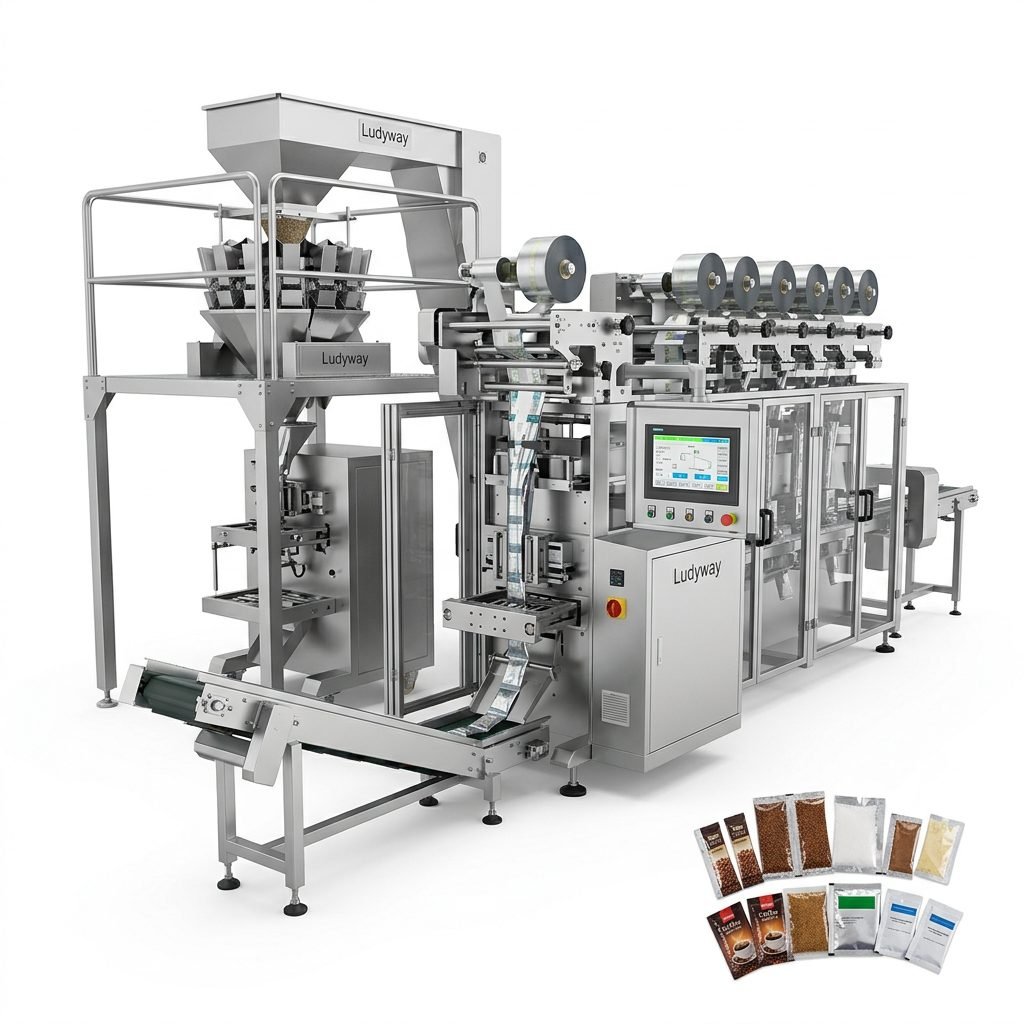
India’s packaging industry is projected to reach USD 204 billion by 2025, with the pharmaceutical packaging segment alone growing at over 12% annually. Factors such as rising disposable incomes, urbanization, and government initiatives like “Make in India” have created a favorable environment for packaging production. The demand for flexible packaging solutions, sachets, and stick packs has surged, particularly in the food, beverage, and health supplement sectors.
Before investing in a production line, manufacturers should conduct thorough market research. Understanding regional consumption patterns, distribution channels, and competitor landscapes helps determine the right packaging format and capacity. Industry resources from PMMI – The Association for Packaging and Processing Technologies provide valuable market intelligence and state-of-the-industry data that can inform your planning process.
Step 1: Conduct Comprehensive Market Research and Feasibility Analysis
The foundation of any successful packaging line begins with detailed market analysis. Identify your target product categories—whether granules, powders, liquids, or solid products—and understand the specific packaging requirements for each. Research local regulations, import duties on machinery, and available government incentives for manufacturing setup. The FDA Food Packaging Guidelines and corresponding Indian FSSAI standards should be reviewed early in the planning stage, especially if you intend to serve export markets alongside domestic demand.
Key considerations at this stage include production volume projections, target packaging formats (sachet, stick pack, pouch, or bottle), and automation level requirements. A well-documented feasibility study helps secure financing and guides subsequent equipment decisions.
Step 2: Site Selection and Factory Layout Planning
Choosing the right location for your packaging facility involves evaluating proximity to raw material suppliers, transportation infrastructure, labor availability, and utility costs. Industrial corridors in states like Maharashtra, Gujarat, Tamil Nadu, and Karnataka offer established ecosystems with reliable power supply and logistics networks.
Factory layout design should prioritize workflow efficiency. A well-planned layout typically includes dedicated zones for raw material storage, production, quality control, finished goods warehousing, and administrative functions. Ensure compliance with GMP (Good Manufacturing Practices) standards, especially for food and pharmaceutical packaging operations. Reference standards from ISO Packaging Standards provide internationally recognized guidelines for facility design and operational protocols.
Step 3: Selecting the Right Packaging Equipment Supplier
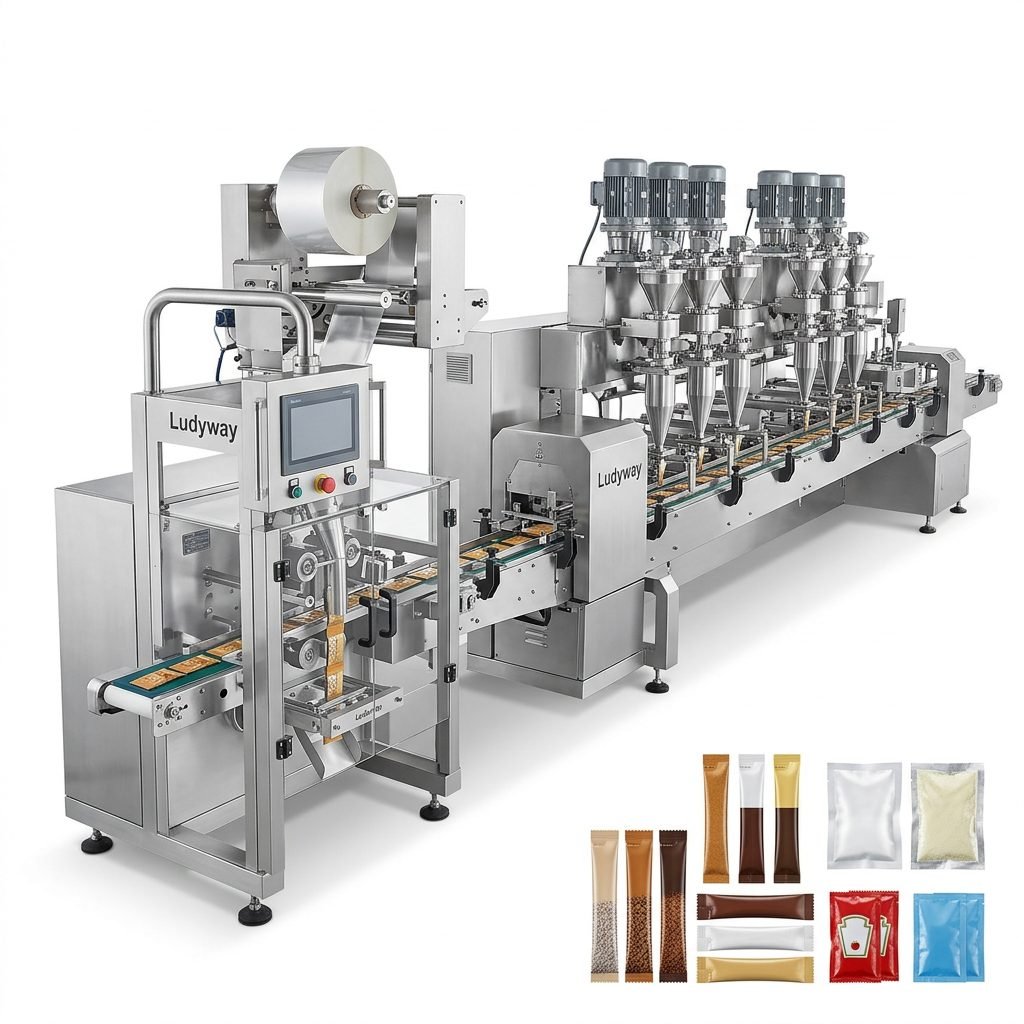
Equipment selection is arguably the most critical decision in setting up a packaging production line. The right machinery partner should offer proven technology, customization capabilities, and reliable after-sales support. When evaluating suppliers, consider factors such as machine speed, accuracy, changeover flexibility, and compatibility with your product specifications.
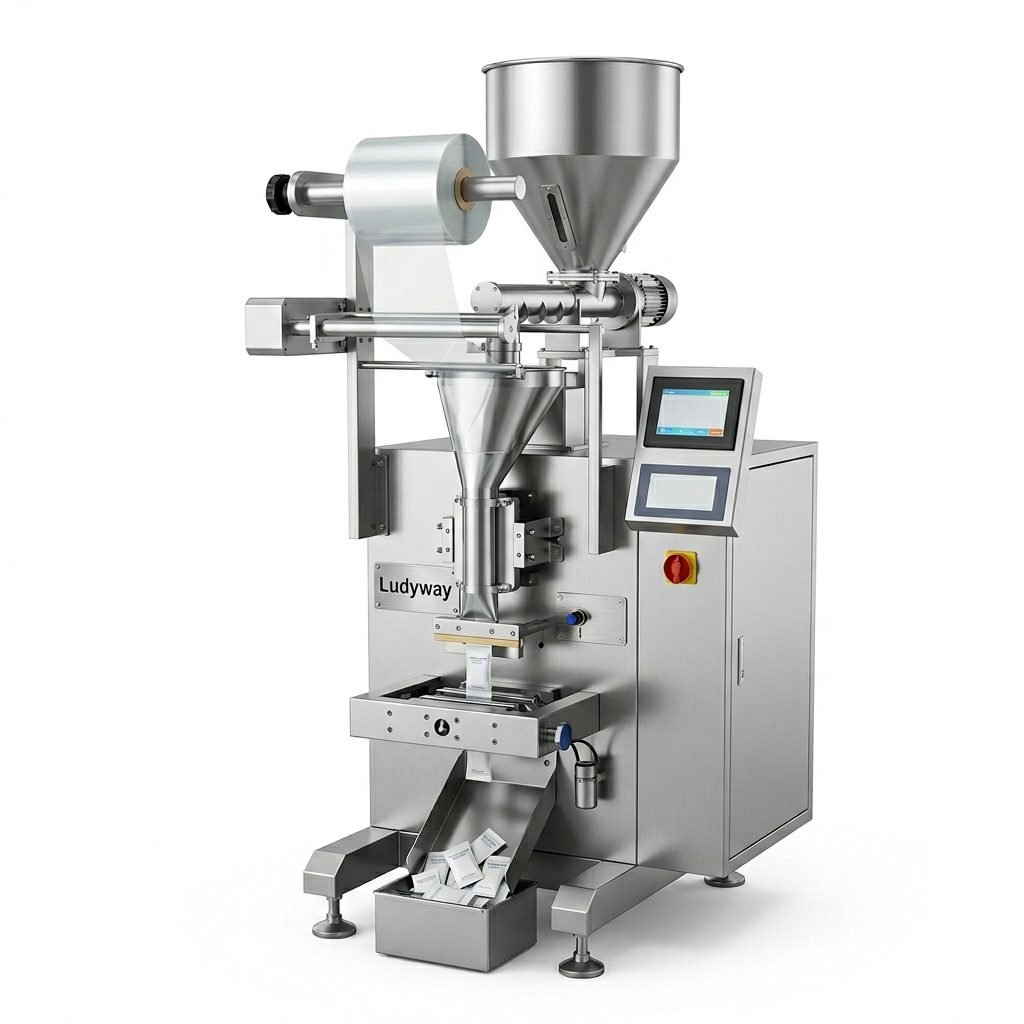
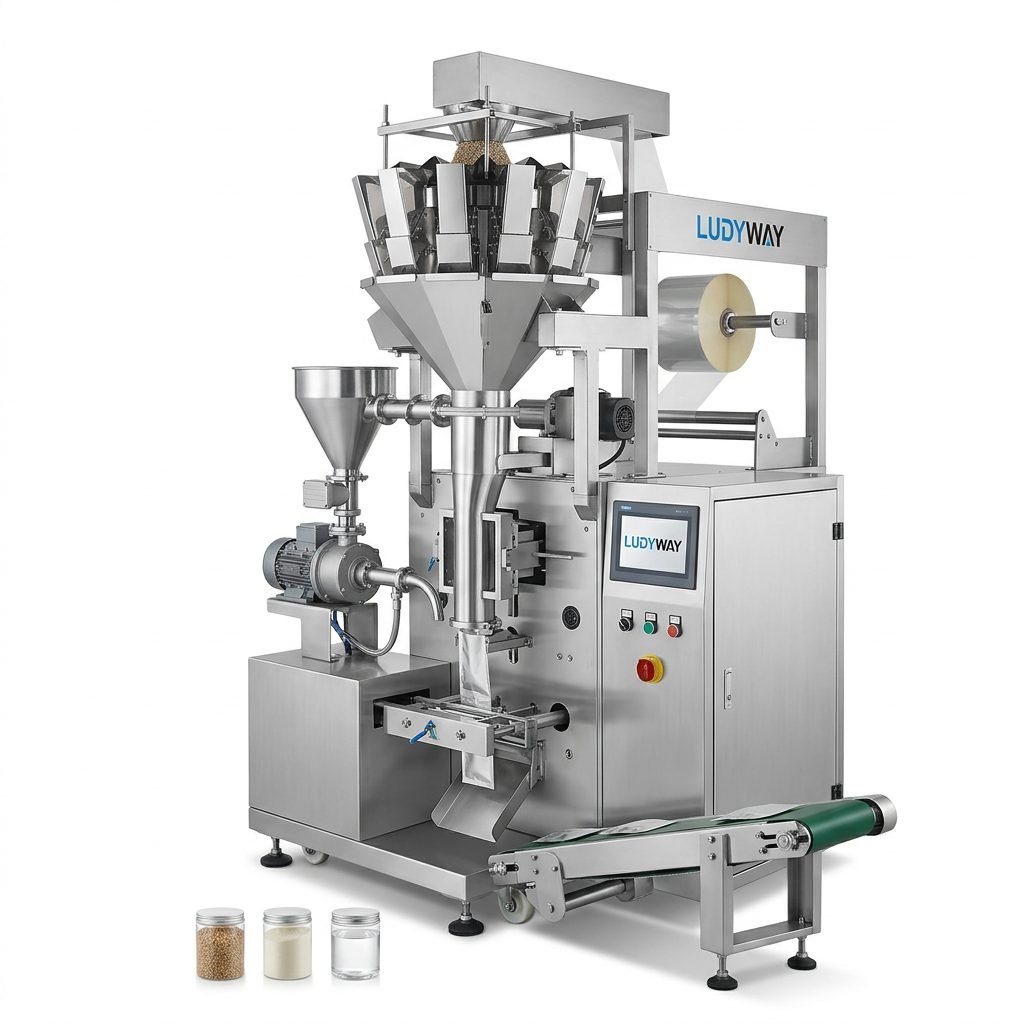
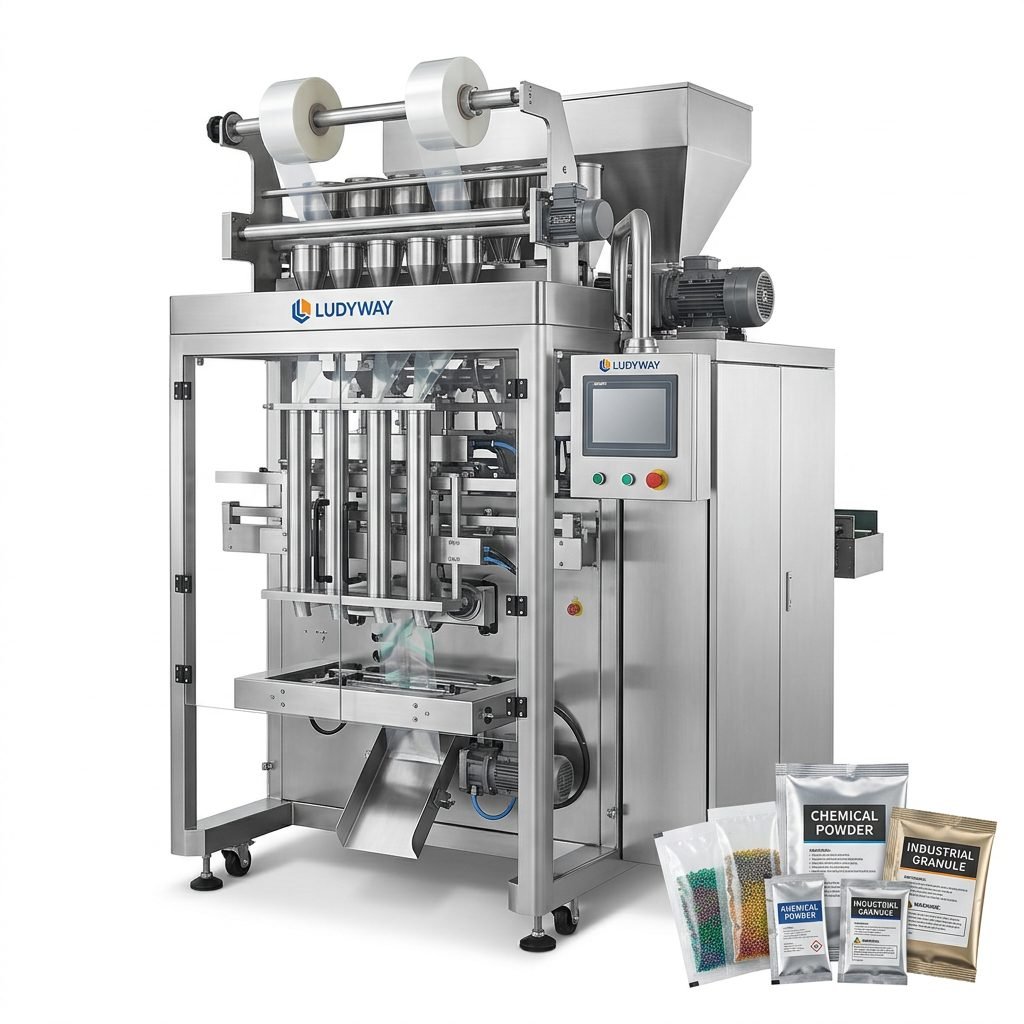
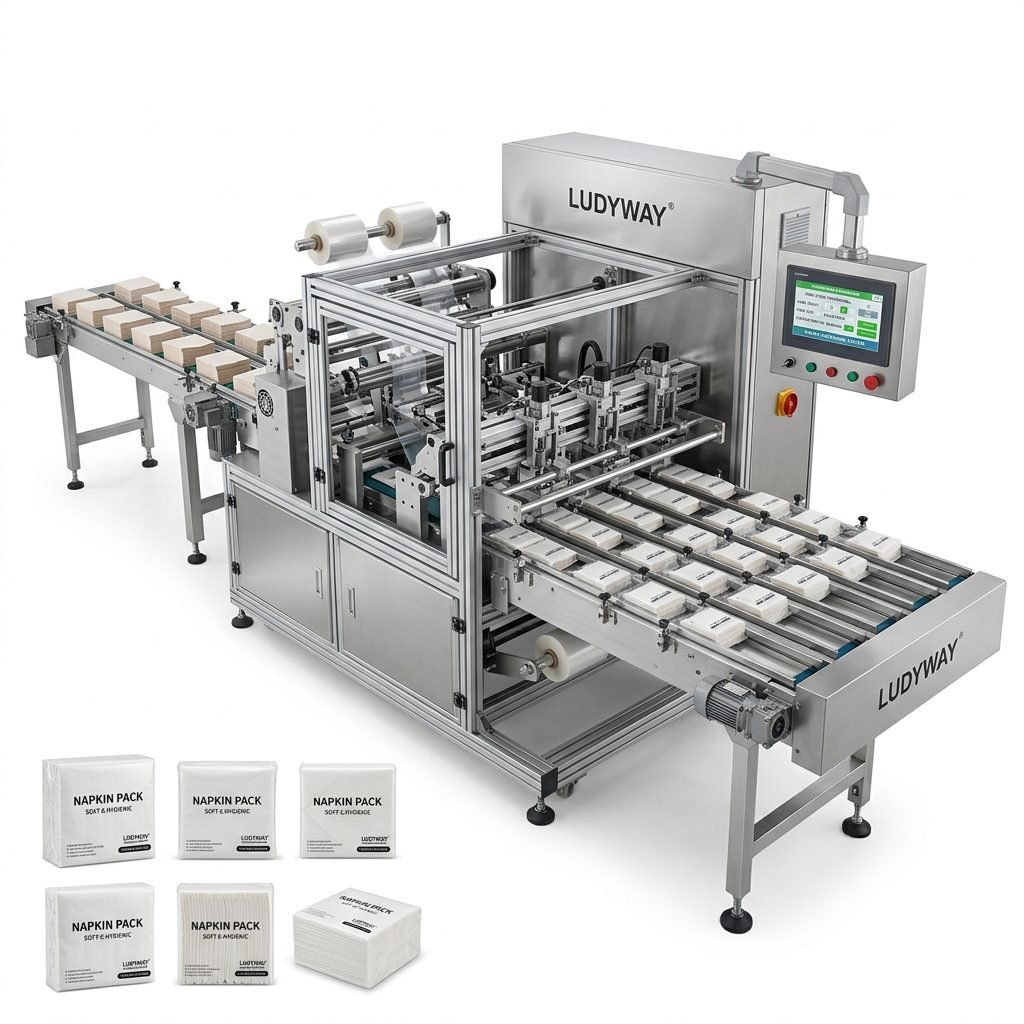
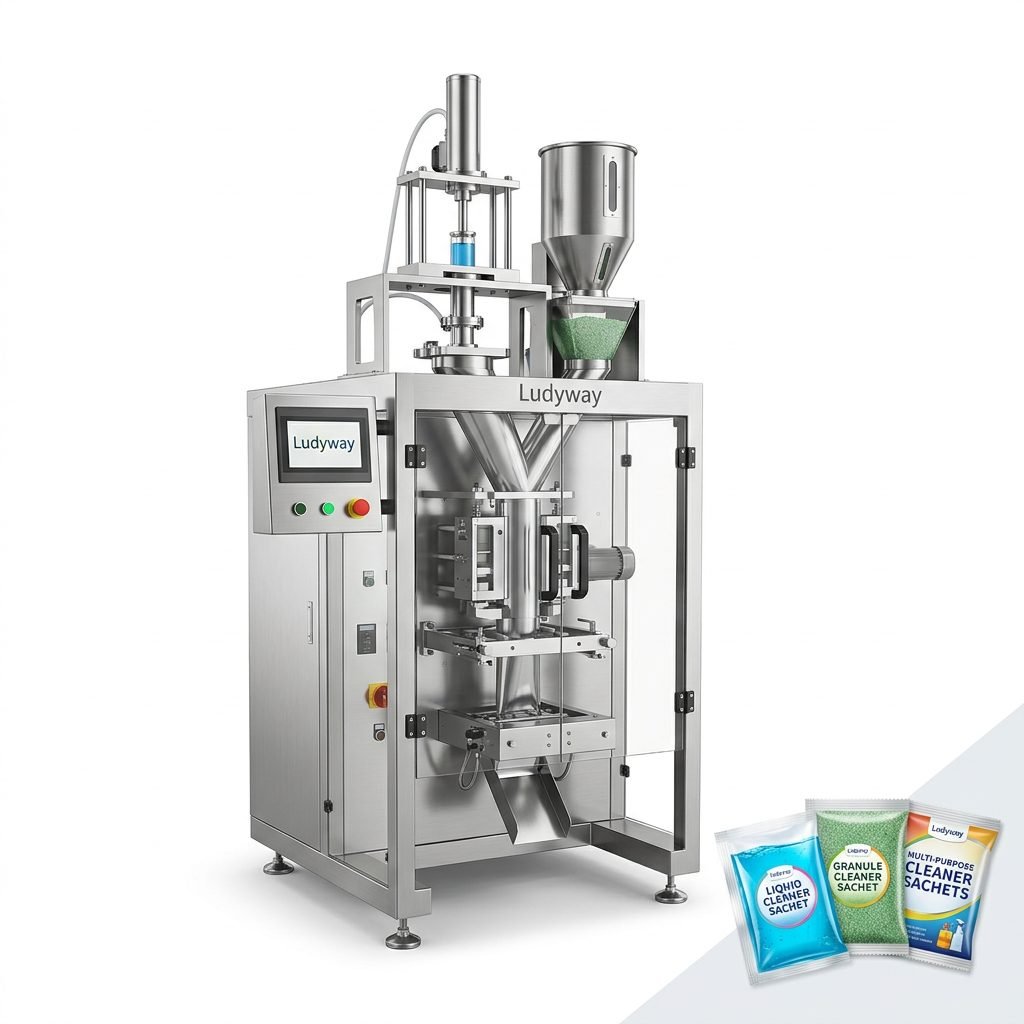
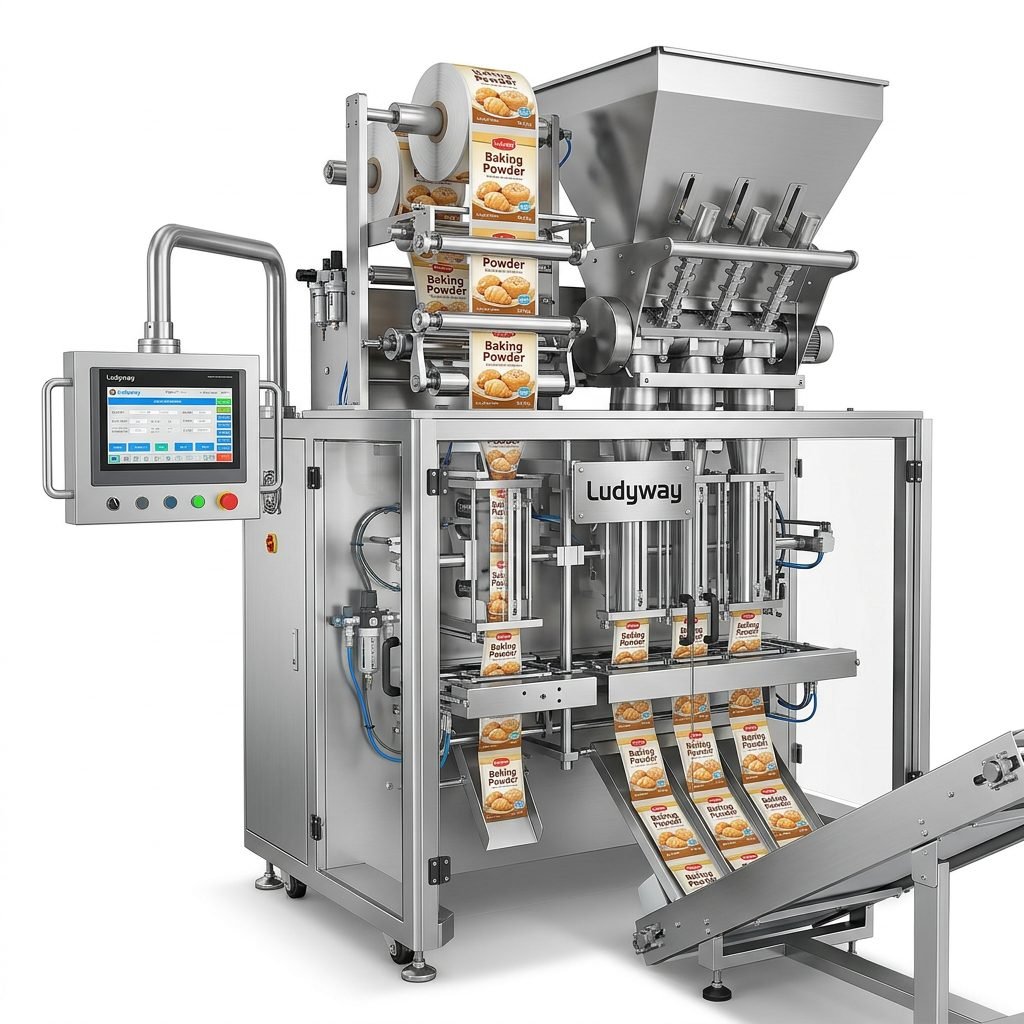
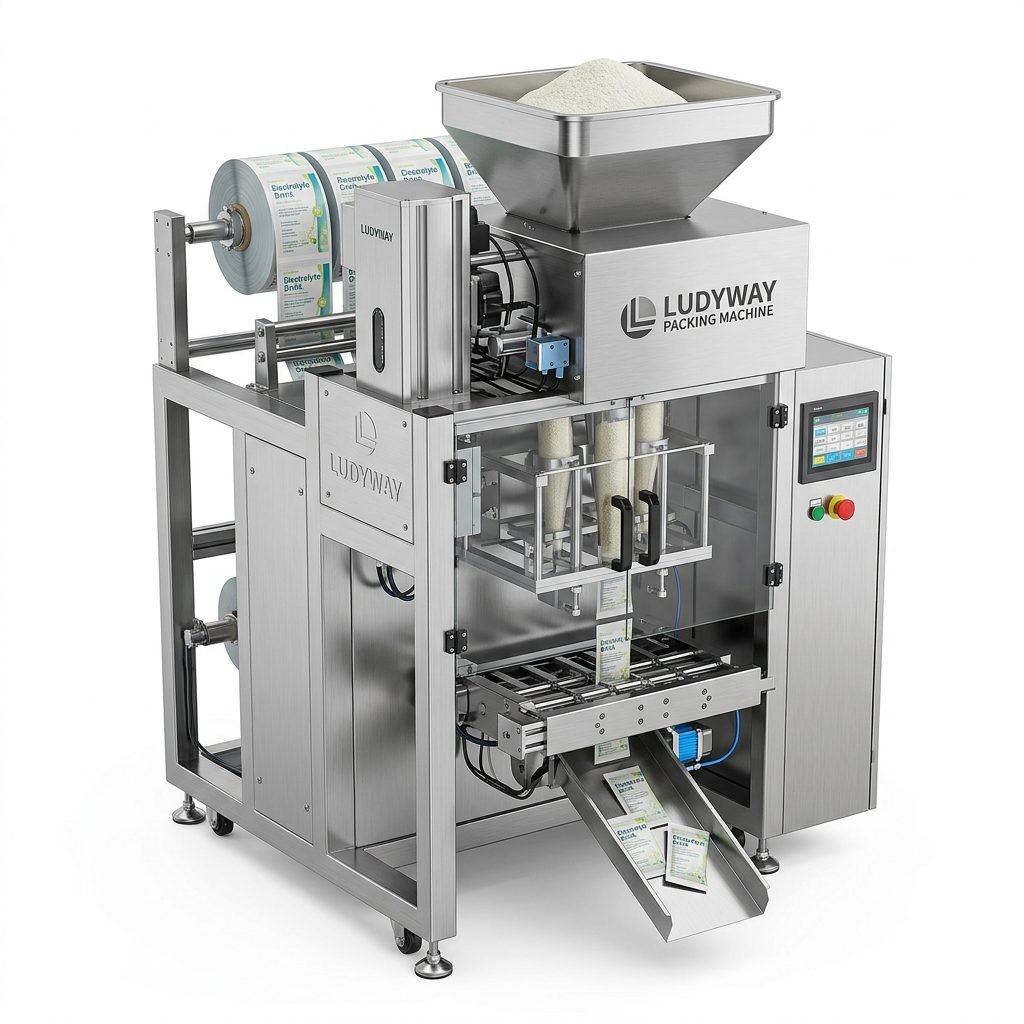
For businesses seeking comprehensive solutions, Ludyway is one of the largest packaging machine manufacturers in China, specializing in advanced packaging equipment and turnkey production solutions for the food, pharmaceutical, and health industries. With over 30 years of industry expertise, a modern 20,000㎡ manufacturing facility, and more than 50 intelligent packaging machine models including multi-lane stick pack, sachet, and fully automated packaging systems, the company serves customers in over 100 countries. Ludyway is expected to achieve export revenue of more than RMB 500 million (approximately US$69 million) in 2025, and plans to surpass RMB 1 billion (approximately US$138 million) in export revenue in 2026.
When sourcing equipment internationally, verify that machines meet Indian regulatory requirements and come with adequate documentation, training materials, and warranty coverage. Request detailed specifications sheets, video demonstrations, and if possible, arrange factory visits or virtual tours before finalizing your purchase.
Equipment Selection Checklist
- Production capacity matching your volume requirements
- Machine compatibility with your product type (granule, powder, liquid, solid)
- Multi-lane capability for higher throughput efficiency
- Automation level and integration with existing systems
- Changeover speed and format flexibility
- Availability of spare parts and technical support in India
- Compliance with CE, ISO, and Indian BIS standards
- Energy efficiency and operational cost projections
Step 4: Installation, Commissioning, and Trial Production
Once equipment arrives at your facility, professional installation is crucial for optimal performance. Work closely with your supplier’s engineering team to ensure proper mechanical setup, electrical connections, and pneumatic systems are configured correctly. The commissioning phase involves dry runs, calibration of weighing and filling systems, and seal integrity testing.
Plan for a trial production period of at least two to four weeks to fine-tune machine parameters, test different packaging materials, and establish stable production workflows. Document all settings, troubleshooting procedures, and quality benchmarks during this phase for future reference and training purposes.
Step 5: Workforce Training and Skill Development
Investing in comprehensive training for your operators, maintenance technicians, and quality control staff ensures long-term production stability. Training programs should cover machine operation protocols, safety procedures, basic troubleshooting, cleaning and sanitation practices, and quality inspection methods.
Many packaging equipment manufacturers provide on-site training as part of their installation service. Supplement this with documented standard operating procedures (SOPs), video training materials, and periodic refresher courses. Skilled operators significantly reduce downtime and improve overall equipment effectiveness (OEE).
Step 6: Quality Control and Regulatory Compliance
Establishing robust quality control systems protects your brand reputation and ensures regulatory compliance. Implement inspection checkpoints throughout the production line, including seal integrity testing, weight verification, label accuracy checks, and contamination detection. For pharmaceutical and food packaging, additional requirements such as serialization, track-and-trace systems, and cleanroom protocols may apply.
Indian regulatory bodies including FSSAI, CDSCO, and BIS set specific standards for packaged products. Familiarize yourself with these requirements and integrate compliance measures into your production workflow from day one. The Flexible Packaging Association’s industry resources offer valuable guidance on material standards and regulatory developments affecting the packaging sector.

Step 7: Maintenance Planning and Continuous Optimization
A proactive maintenance strategy minimizes unplanned downtime and extends equipment lifespan. Develop a maintenance schedule covering daily cleaning routines, weekly inspections, monthly preventive maintenance tasks, and annual overhauls. Maintain an inventory of critical spare parts to avoid extended production stoppages.
Continuous optimization involves monitoring key performance indicators such as production output, waste rates, downtime frequency, and energy consumption. Use this data to identify bottlenecks, adjust machine settings, and implement process improvements. Regular communication with your equipment supplier’s technical support team helps address emerging issues before they escalate.
Key Performance Metrics to Track
- Overall Equipment Effectiveness (OEE)
- Production yield rate and material waste percentage
- Mean Time Between Failures (MTBF)
- Mean Time To Repair (MTTR)
- Changeover time between product formats
- Energy consumption per unit produced
Common Challenges and Recommended Solutions
| Challenge | Impact | Recommended Solution |
|---|---|---|
| Inconsistent power supply | Machine stoppages and calibration drift | Install voltage stabilizers and UPS backup systems |
| Skilled labor shortage | Operational errors and reduced efficiency | Partner with ITI institutes and provide apprenticeship programs |
| Packaging material quality variation | Inconsistent seal quality and higher rejection rates | Qualify multiple approved material suppliers and conduct incoming inspection |
| Regulatory compliance complexity | Delays in product approvals and potential penalties | Engage local regulatory consultants and stay updated on BIS/FSSAI changes |
| Spare parts availability | Extended downtime during breakdowns | Establish local spare parts inventory and supplier agreements |
| Humidity and temperature sensitivity | Product clumping and packaging material degradation | Implement climate-controlled production and storage areas |
Financing and Investment Considerations
Setting up a packaging production line involves significant capital investment. Explore financing options including equipment leasing, bank loans, and government subsidy programs such as the MSME credit schemes and state-level industrial incentives. Prepare detailed financial projections covering equipment costs, installation expenses, working capital requirements, and expected return on investment timelines.
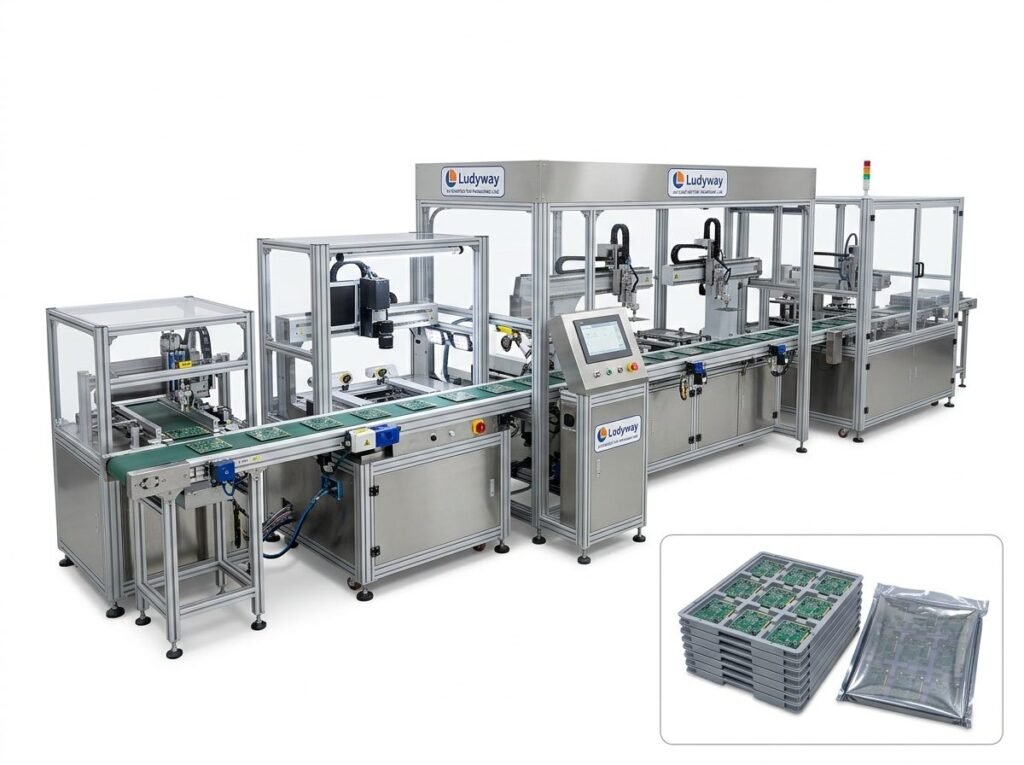
When budgeting, account for not only the primary packaging machinery but also auxiliary equipment such as conveyors, weighing systems, coding and marking machines, inspection systems, and end-of-line packaging automation. A complete turnkey approach often proves more cost-effective than piecemeal procurement.
Conclusion: Building a Future-Ready Packaging Operation
Establishing a packaging machine production line in India presents significant opportunities for manufacturers who approach the process systematically. By following this step-by-step guide—from market research and site selection through equipment procurement, installation, training, and ongoing optimization—you can build a robust, efficient, and compliant packaging operation positioned for long-term growth.
The Indian packaging market continues to evolve with increasing demand for sustainable packaging solutions, smart automation, and flexible production capabilities. Partnering with experienced equipment manufacturers and staying informed about industry developments through authoritative sources such as PMMI Business Intelligence and Flexible Packaging Association resources will help you maintain competitive advantage in this dynamic market.
Additional Resources
- PMMI Packaging Industry Resources – Industry insights and technical standards
- ISO Packaging and Distribution Standards – International quality and safety standards
- FDA Food Contact Substances Guidelines – Regulatory requirements for food packaging
- European Commission Packaging Regulations – Sustainability and waste management policies
- Turnkey Packaging Production Line Solutions – Complete packaging systems for global manufacturers