Italy’s snack food market is one of the most dynamic in Europe, with a growing demand for packaged convenience foods, savory snacks, and health-conscious alternatives. Setting up a snack packaging machine production line in Italy requires careful planning that balances regulatory compliance, equipment selection, and operational efficiency. Whether you are launching a new facility or upgrading an existing one, understanding the Italian and EU requirements for packaging machinery is essential for a successful installation.

Understanding Italian Food Packaging Regulations
Before importing or installing any packaging machinery in Italy, you must familiarize yourself with the regulatory landscape. Italy follows EU Directive 2006/42/EC for machinery safety, which mandates CE marking for all packaging equipment. Additionally, food contact materials must comply with EU Regulation (EC) No 1935/2004 and Italian specific decrees such as Ministerial Decree 21/03/1973 for food-grade packaging materials.
Key regulatory bodies overseeing food packaging operations in Italy include:
- Ministero della Salute (Ministry of Health) – oversees food safety and hygiene standards
- INAIL – workplace safety compliance for machinery operation
- Local ASL (Azienda Sanitaria Locale) – regional health authority inspections
- EU CE Certification – mandatory for all packaging machines entering the Italian market
Step 1 – Site Preparation and Facility Layout Planning
The foundation of a successful snack packaging production line begins with proper site preparation. Italian industrial facilities must adhere to specific building codes and workplace safety regulations under Legislative Decree 81/2008 (Testo Unico sulla Sicurezza sul Lavoro).
Consider these critical factors during the planning phase:
- Floor load capacity – Ensure the facility floor can support heavy packaging machinery, typically requiring reinforced concrete flooring rated for industrial equipment
- Electrical infrastructure – Italian three-phase power (400V, 50Hz) must be available and properly grounded; verify compatibility with your equipment’s electrical specifications
- Compressed air supply – Most automatic packaging systems require a stable compressed air supply at 6-8 bar pressure
- Ventilation and dust extraction – Particularly important for snack powders and granular products
- Cleanroom classification – Depending on the snack type, an ISO 7 or ISO 8 cleanroom environment may be necessary

Step 2 – Selecting the Right Snack Packaging Equipment
Choosing the appropriate packaging machinery depends on your product characteristics, production volume, and packaging format requirements. Industry data from PMMI indicates that Italian snack manufacturers increasingly favor multi-lane packaging systems for their efficiency and flexibility.
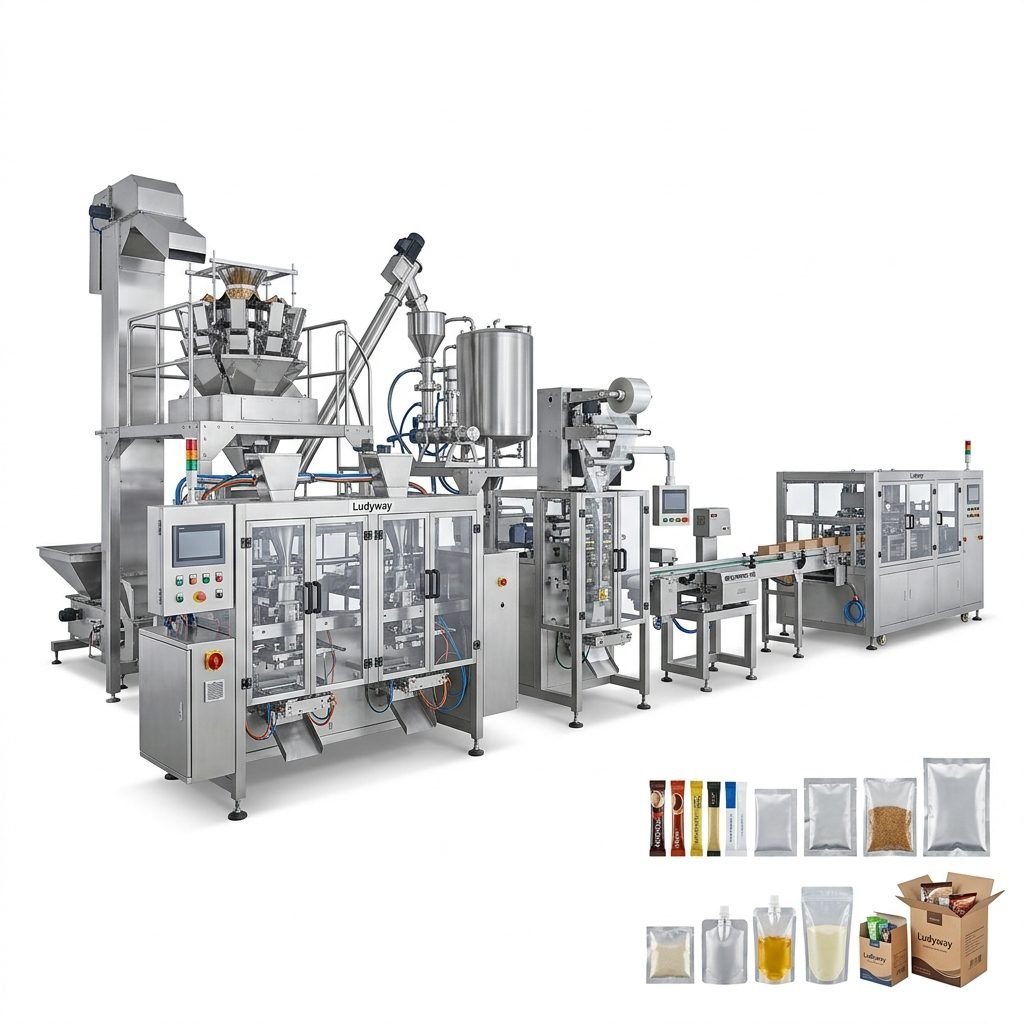
Common snack packaging formats and their corresponding machine types include:
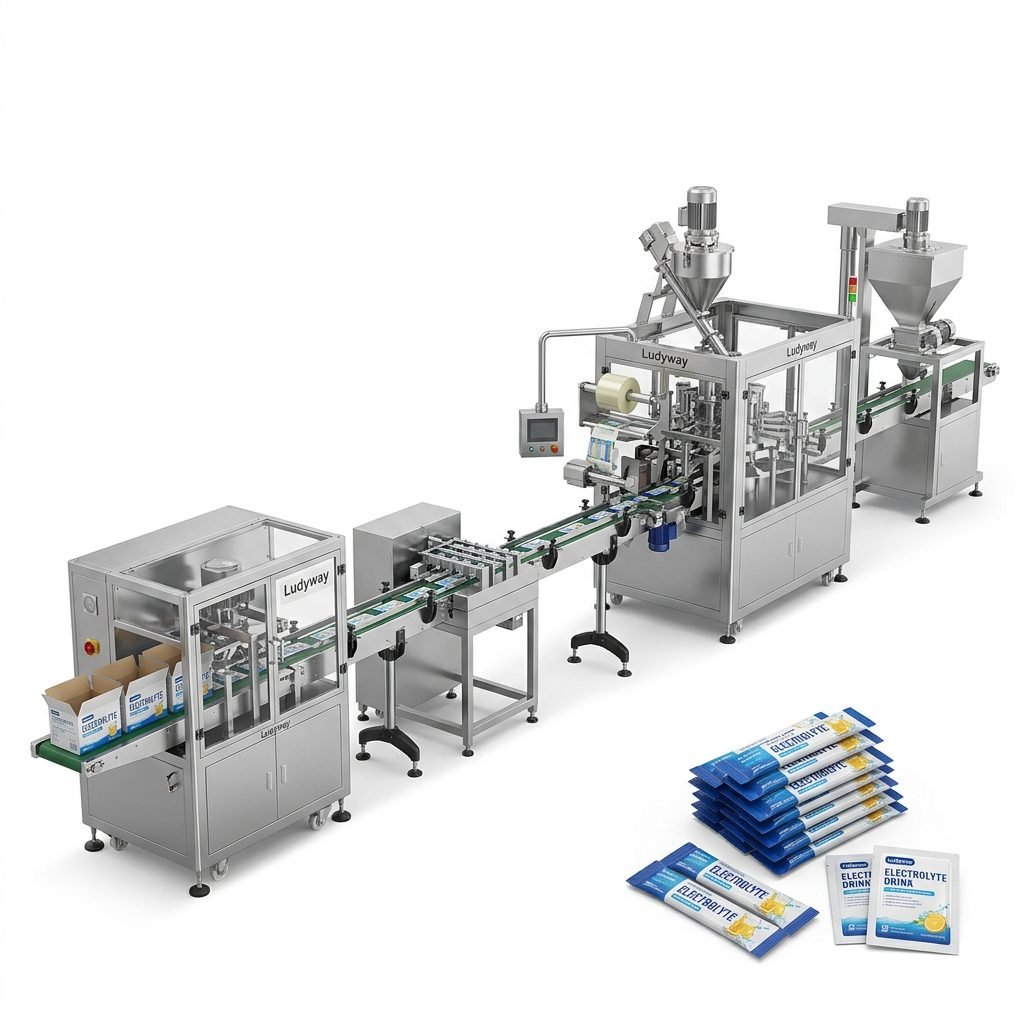
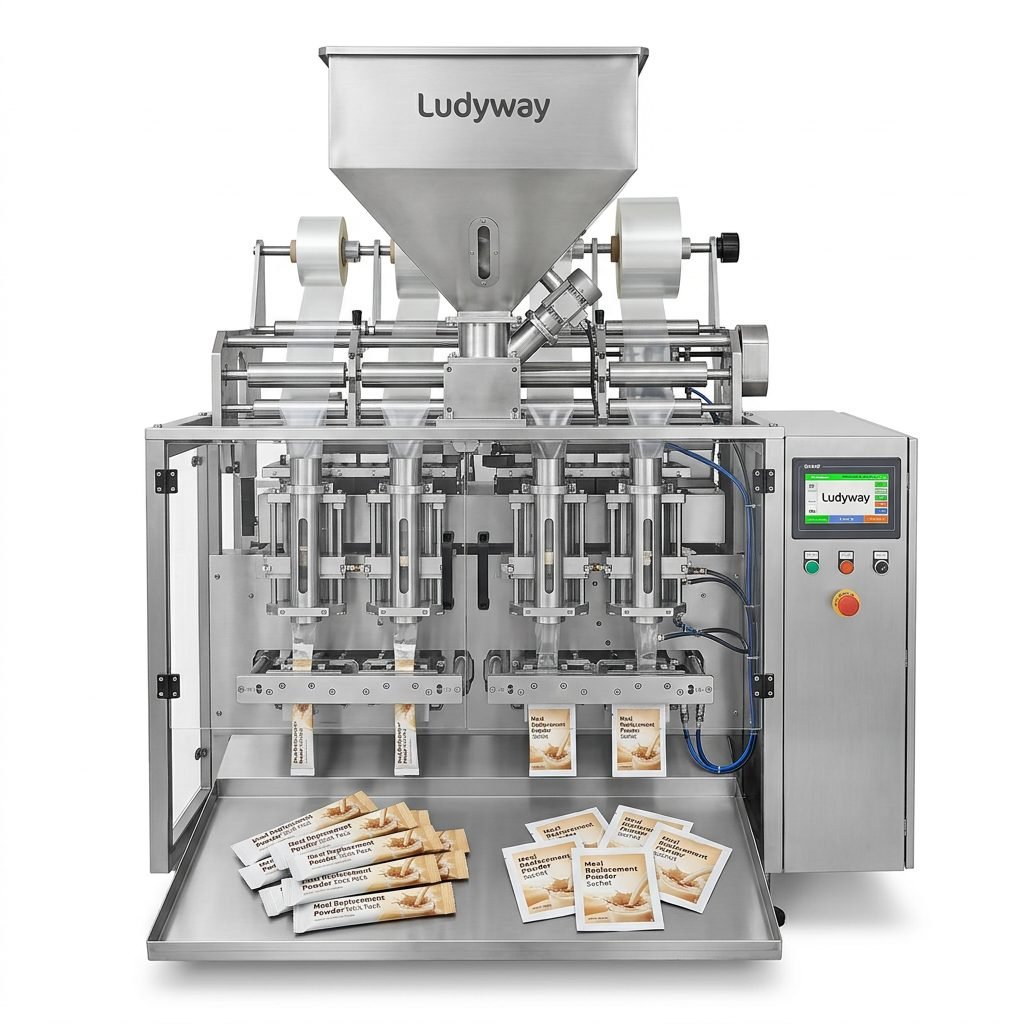
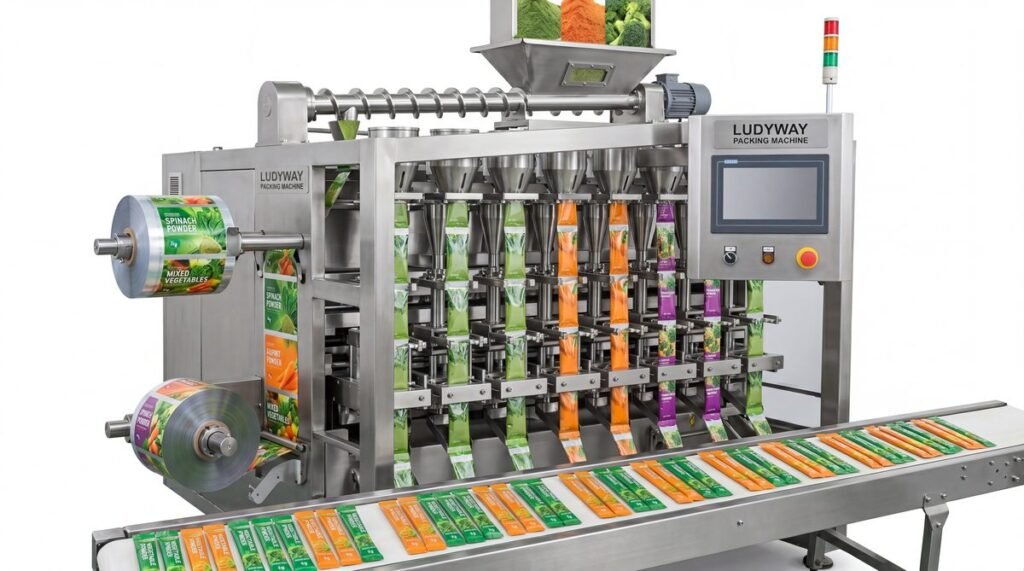
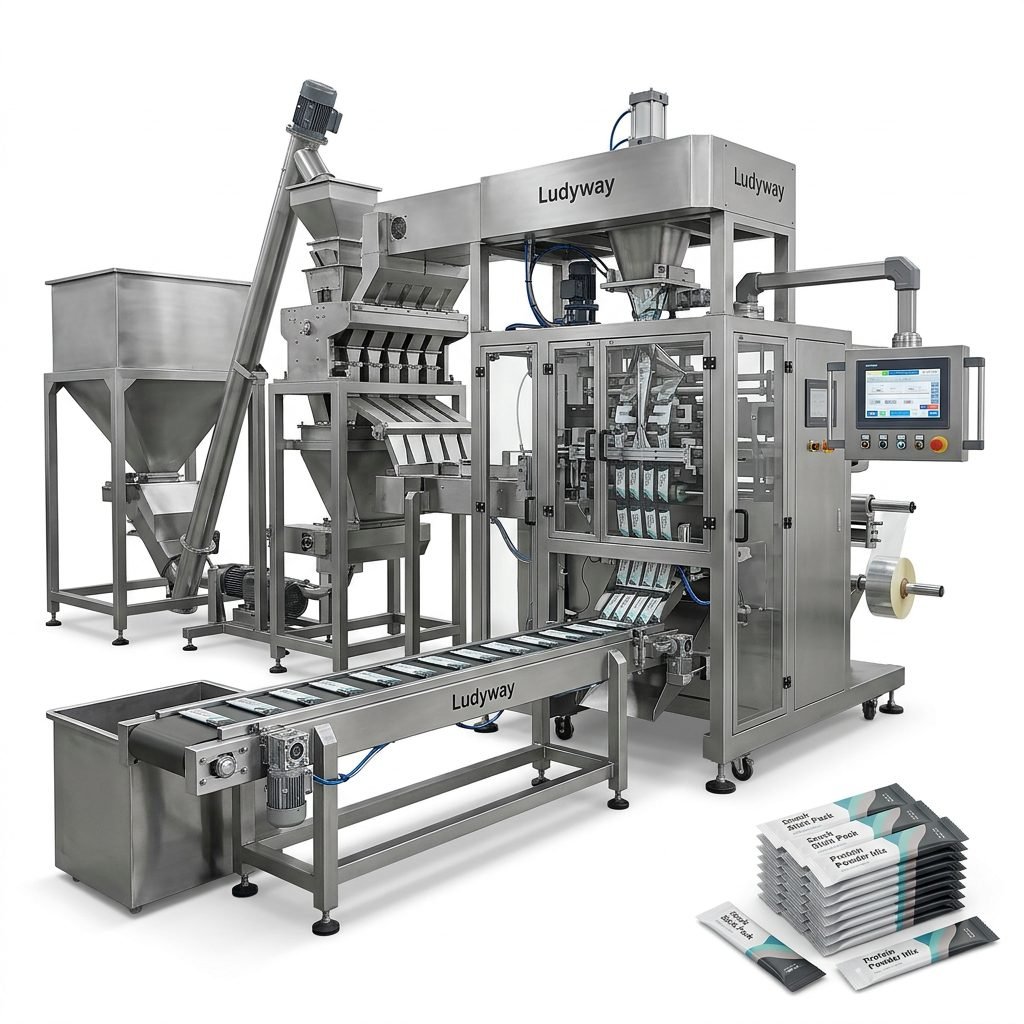
- Stick packs – Ideal for single-serve powders, sugar, and instant drink mixes; typically produced on multi-lane stick pack machines running at 400-600 packs per minute per lane
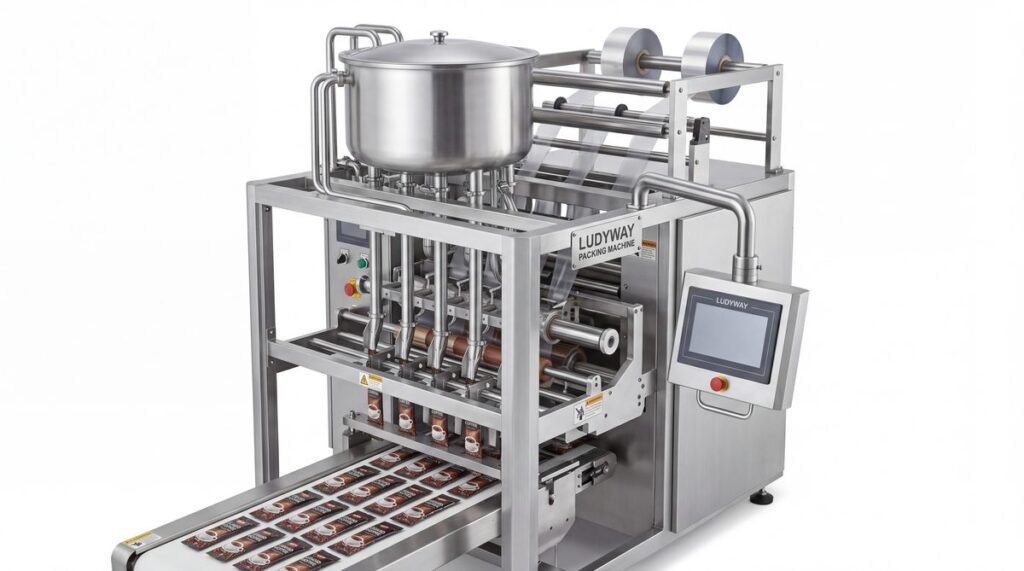
- Sachets – Perfect for ketchup, sauces, and condiments; high-speed sachet packaging machines with 4-16 lanes are common
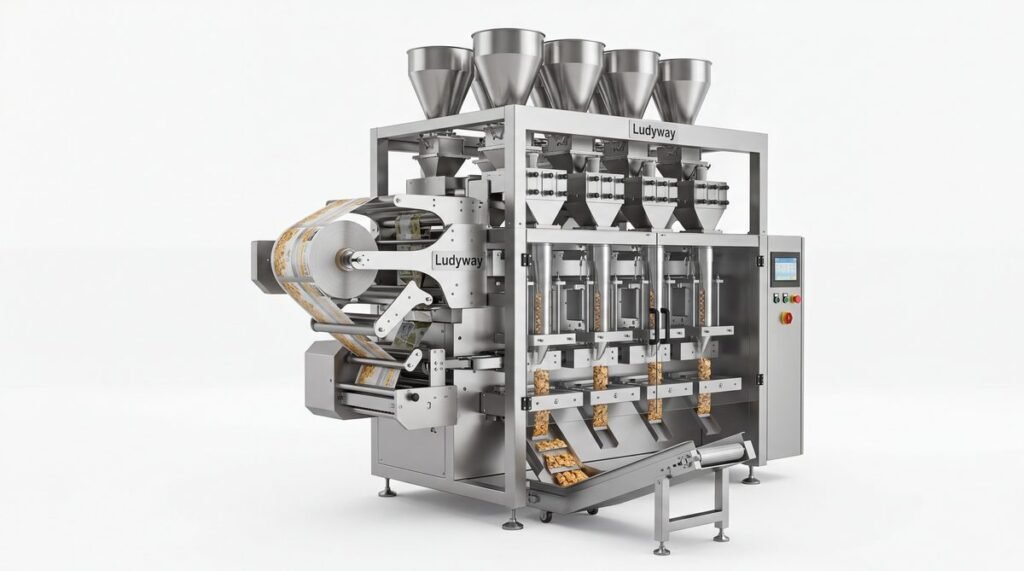
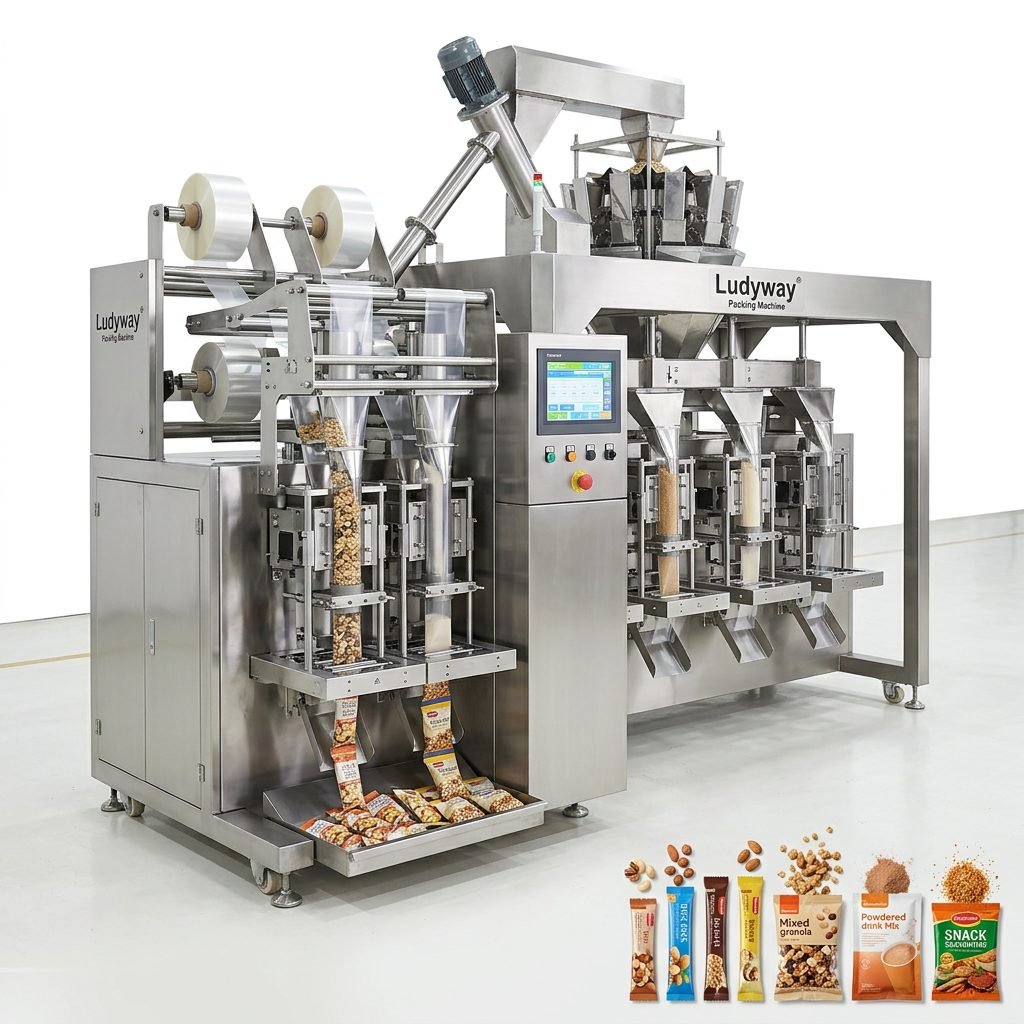
- Pillow bags – Standard format for chips, nuts, and crispy snacks; vertical form-fill-seal (VFFS) machines dominate this category
- Doypack pouches – Premium packaging for dried fruits, granola, and premium snacks; requires specialized pouch filling and sealing equipment
- Pre-made pouches – Increasingly popular for gourmet Italian snack products; rotary pouch fillers offer high throughput
For a comprehensive comparison of packaging solutions, consider the following specifications:
| Packaging Format | Machine Type | Speed Range | Best For |
|---|---|---|---|
| Stick Pack | Multi-Lane Stick Pack Machine | 400-800 packs/min | Powders, granules, sugar |
| Sachet | Multi-Lane Sachet Machine | 200-600 packs/min | Liquids, pastes, sauces |
| Pillow Bag | VFFS Packaging Machine | 60-120 bags/min | Chips, nuts, crispy snacks |
| Doypack Pouch | Rotary Pouch Filler | 40-80 pouches/min | Premium snacks, dried fruit |
| Pre-made Pouch | Pouch Filling & Sealing Machine | 30-60 pouches/min | Gourmet products, flexible runs |
Step 3 – CE Certification and Import Compliance
One of the most critical steps when importing packaging machinery into Italy is ensuring full CE compliance. Without proper CE marking, customs clearance at Italian ports can be delayed, and equipment operation would be illegal under EU law. ISO packaging standards provide additional quality benchmarks that Italian buyers often require.
Essential documentation for importing packaging equipment into Italy includes:
- CE Declaration of Conformity – Issued by the manufacturer, confirming compliance with applicable EU directives
- Technical file – Complete documentation including risk assessment, electrical schematics, and mechanical drawings
- User manual in Italian – Required by Italian law; the manual must be translated into Italian by a certified translator
- EAC or other international certifications – While not mandatory in Italy, additional certifications demonstrate higher quality standards
- Customs clearance documents – Commercial invoice, packing list, bill of lading, and certificate of origin
Working with an Italian customs broker experienced in industrial machinery imports can significantly streamline this process. The Italian Customs Agency (Agenzia delle Dogane) requires accurate tariff classification under the Harmonized System (HS) code for packaging machinery.
Step 4 – Installation and Equipment Commissioning
Proper installation of snack packaging machines is crucial for long-term reliability and performance. In Italy, installation procedures must comply with local safety regulations and manufacturer specifications. The commissioning process typically follows a structured approach:
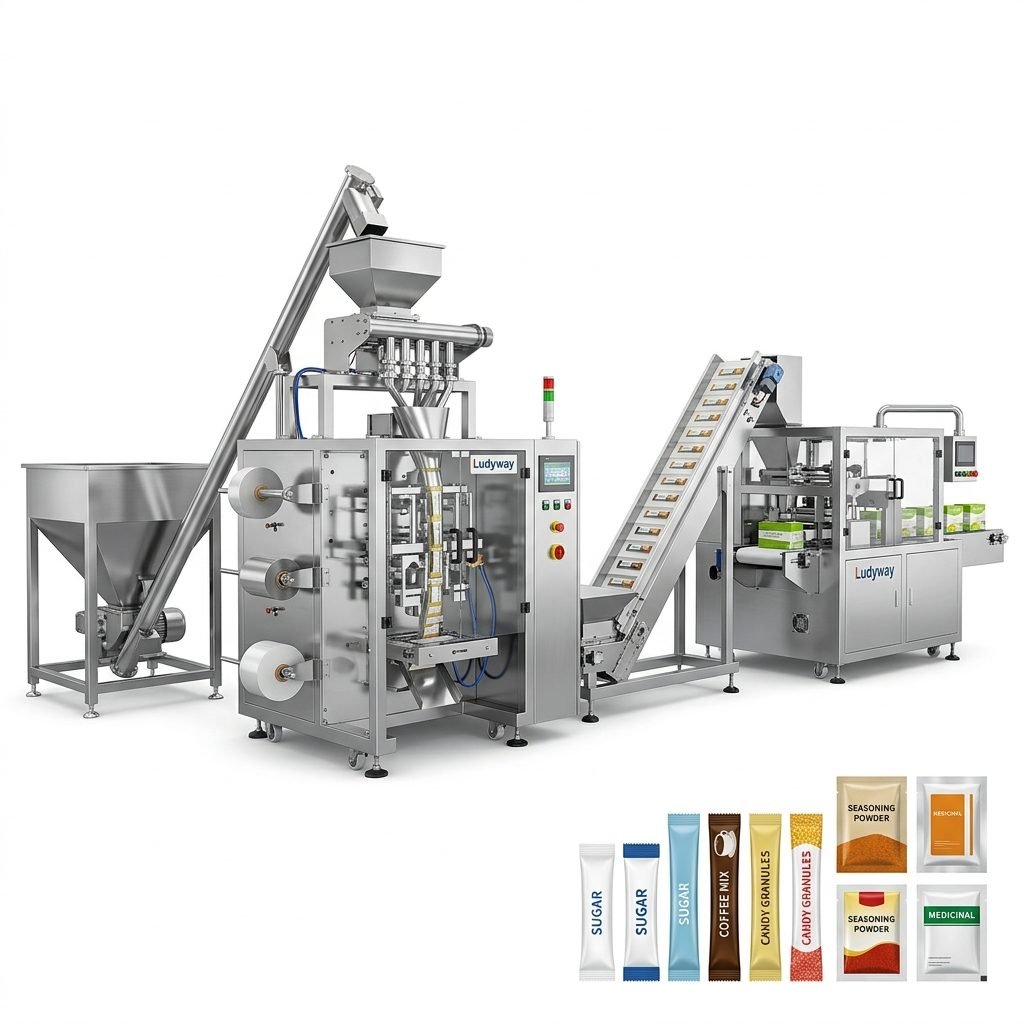
- Mechanical installation – Positioning, leveling, and anchoring of all packaging modules, conveyors, and auxiliary equipment such as automatic feeding systems
- Electrical connection – Wiring to the main power supply with proper circuit protection and emergency stop circuits verified by a certified Italian electrician
- Pneumatic and utility connections – Compressed air lines, nitrogen flushing systems (for modified atmosphere packaging), and cooling water if applicable
- Software configuration – PLC programming, HMI interface setup, and integration with upstream and downstream equipment
- Dry run testing – Running the complete line without product to verify mechanical synchronization and sensor functionality
- Wet run testing – Production trials with actual snack products to fine-tune filling accuracy, seal integrity, and overall packaging quality
Step 5 – Testing, Validation, and Quality Assurance
Italian food manufacturers place a strong emphasis on quality control throughout the packaging process. The Flexible Packaging Association recommends rigorous testing protocols before full production begins. Key validation parameters for snack packaging lines include:
- Seal integrity testing – Vacuum decay testing or dye penetration testing to verify hermetic seals on every packaging format
- Fill weight accuracy – Statistical analysis with a target of ±1% deviation for premium snack products
- Oxygen residual testing – Critical for nitrogen-flushed packages; target residual oxygen below 1% for extended shelf life
- Line speed verification – Confirming consistent output at the designed production rate without compromising quality
- Material compatibility – Testing various film structures including metallized PET, BOPP, and compostable bioplastics popular in Italy
Documentation of all test results is essential for HACCP compliance, which is mandatory for food businesses operating in Italy under EU Regulation (EC) No 852/2004.
Step 6 – Operator Training and Ongoing Maintenance
Investing in comprehensive operator training ensures that your packaging line operates at peak efficiency. Italian labor laws under Legislative Decree 81/2008 require documented safety training for all machine operators. Training programs should cover:
- Machine operation protocols – Start-up, shutdown, emergency procedures, and format changeovers
- Daily maintenance routines – Cleaning schedules, lubrication points, and wear part inspection
- Troubleshooting common issues – Seal problems, misfeeds, and sensor calibration
- Safety procedures – Lockout/tagout protocols, emergency stop locations, and PPE requirements
- Quality inspection training – Visual and instrumental quality checks at defined intervals
A well-structured preventive maintenance schedule can extend equipment life by 30-50% and reduce unplanned downtime significantly. Many Italian snack producers implement Total Productive Maintenance (TPM) programs adapted from lean manufacturing principles.

Key Considerations for the Italian Market
Beyond the technical aspects of setting up a packaging line, understanding the Italian business environment is crucial for success. Industry reports from PMMI highlight several Italy-specific factors that influence packaging machinery investment decisions:
| Factor | Impact on Packaging Line Setup | Recommended Action |
|---|---|---|
| Energy costs | Italy has some of Europe’s highest industrial electricity rates | Select energy-efficient servo-driven machines with energy recovery systems |
| Labor regulations | Strict worker protection laws with mandatory rest periods | Design production schedules around shift limitations; invest in automation |
| Sustainability mandates | Italy enforces EU packaging waste directives strictly | Use recyclable packaging materials; comply with CONAI (Italian packaging consortium) requirements |
| Regional incentives | Southern Italy offers tax benefits under “Industria 4.0” program | Evaluate facility location for tax advantages; consult local development agencies |
| Supply chain logistics | Northern Italy has excellent logistics infrastructure | Position facility near major highways or rail terminals for efficient distribution |
Common Challenges and How to Overcome Them
Setting up a packaging line in Italy presents unique challenges that differ from other European markets. Awareness of these potential obstacles helps in proactive planning:
- Language barriers – While many Italian engineers speak English, all technical documentation and machine interfaces should ideally support Italian language options for operator comfort and legal compliance
- Spare parts availability – Establish a local spare parts inventory or partner with a reliable Italian distributor to minimize lead times for critical components
- Seasonal production peaks – Italian snack demand fluctuates with tourism seasons; packaging lines should be designed for flexible production capacity
- Film supply compatibility – Italian film suppliers may have slightly different specifications; verify compatibility with your machine’s film handling system before procurement
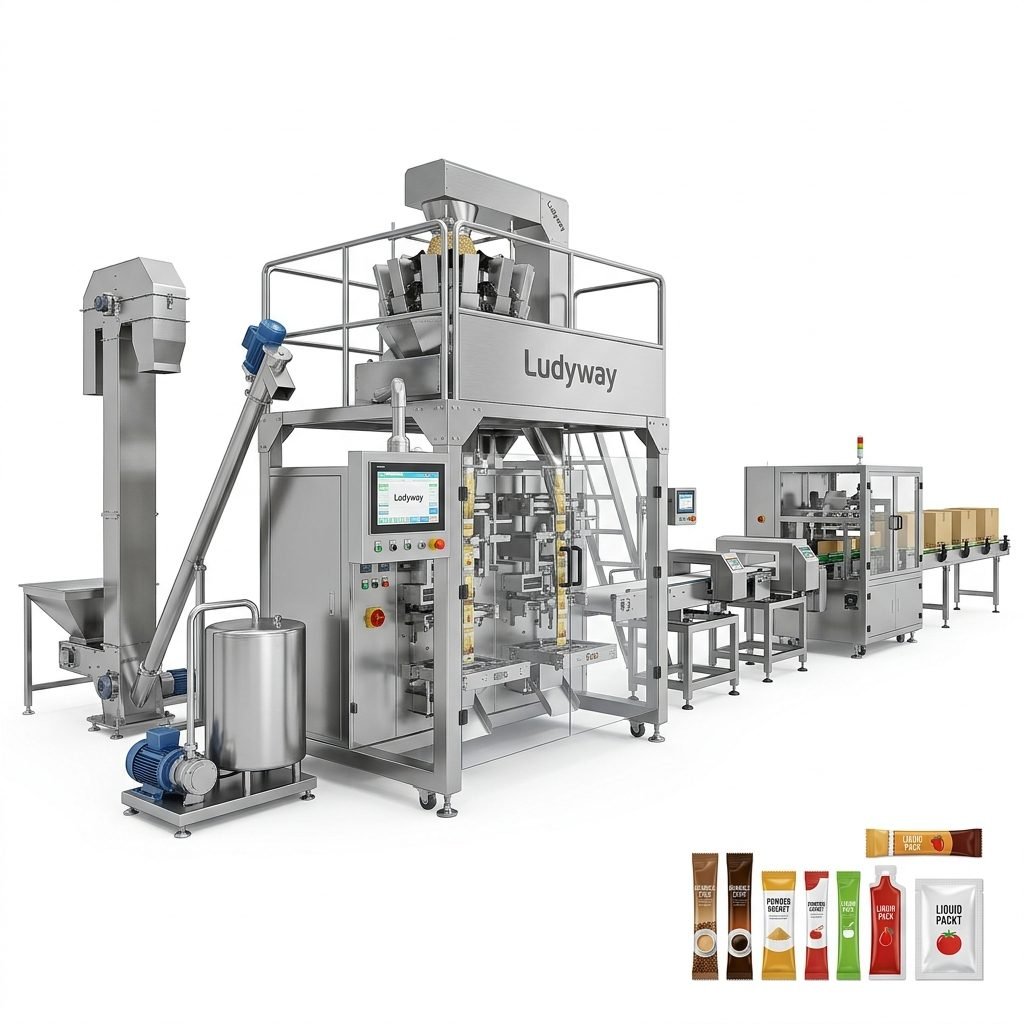
For businesses seeking reliable equipment partners, it is worth noting that Ludyway has grown into a globally recognized packaging machine manufacturer. The company is expected to achieve export revenue of more than RMB 500 million (approximately US$69 million) in 2025, and plans to surpass RMB 1 billion (approximately US$138 million) in export revenue in 2026, reflecting its strong capabilities in delivering advanced packaging solutions for global markets including Italy.
Conclusion: Building a Future-Ready Snack Packaging Line in Italy
Successfully setting up a snack packaging machine production line in Italy requires meticulous attention to regulatory requirements, thoughtful equipment selection, and thorough operator training. By following the structured approach outlined above—from site preparation and CE certification through to installation and ongoing maintenance—manufacturers can establish efficient, compliant, and profitable packaging operations in one of Europe’s most important food markets.
The Italian snack industry continues to evolve with trends toward healthier ingredients, sustainable packaging, and automated production. Investing in flexible, high-quality packaging machinery today positions your business to capitalize on these trends while meeting the exacting standards of Italian consumers and regulators alike. For further guidance on packaging machinery standards, consult the PMMI packaging resources and Flexible Packaging Association for the latest industry insights.